

The best camera for surf photography depends almost entirely on where you are standing when the wave comes in. Shoot from the beach, a pier or a boat and you need reach, weather sealing and a shutter speed fast enough to survive swell vibration. Swim into the lineup and you need a body that either survives water on its own or lives inside a rated housing you can carry while you paddle.
That is why there is no single answer to the best cameras for surf photography question. It is four setups, and this roundup covers all of them: a board-mounted action camera for point-of-view footage in the water, a tough compact you can dunk without a housing, a weather-sealed mirrorless body with a telephoto for shooting from the shore, and a long-zoom bridge camera when you want that reach in one body.
We put ten current-generation cameras through the same questions. Can it hold a fast shutter speed, does the autofocus keep a surfer locked, is it sealed against spray, and how heavy is it once you add a housing or a long lens. Ten bodies, four shooting positions, and a verdict for each one written around where it actually belongs.
If you shoot landscapes or street work as well, our picks for the best mirrorless cameras for landscape photography and the best point-and-shoot cameras for street photography cover the same bodies from a different angle. This page is the surf-specific version.
Top 3 Picks for Best Cameras for Surf Photography in 2026


DJI Osmo Action 5 Pro
- 1/1.3-inch 40MP sensor
- IP68 to 20m
- 1950mAh battery
- HorizonSteady roll lock
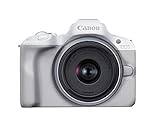
Canon EOS R50 Kit
- 24.2MP APS-C sensor
- Dual Pixel AF II
- 15fps electronic burst
- 6K oversampled 4K
The 10 Best Cameras for Surf Photography at a Glance in October
| Product | Specifications | Action |
|---|---|---|
| AKASO EK7000 |
|
Check Latest Price |
| DJI Osmo Action 5 Pro |
|
Check Latest Price |
| Canon EOS R50 Kit |
|
Check Latest Price |
 Sony Alpha a6400 Sony Alpha a6400 |
|
Check Latest Price |
 Sony RX100 VII Sony RX100 VII |
|
Check Latest Price |
 OM System E-M10 Mark IV OM System E-M10 Mark IV |
|
Check Latest Price |
 GoPro HERO13 Black GoPro HERO13 Black |
|
Check Latest Price |
 OM System TG-7 OM System TG-7 |
|
Check Latest Price |
 Kodak PIXPRO WPZ2 Kodak PIXPRO WPZ2 |
|
Check Latest Price |
 YEEIN 48MP Waterproof Compact YEEIN 48MP Waterproof Compact |
|
Check Latest Price |
What Lenses Do Surf Photographers Actually Use?
Four lens classes cover almost every surf photograph. Which one you need follows directly from your shooting position.
Telephoto zoom (100-400mm or 150-600mm): pull distant action on the outer breaks close while you shoot from the shore.
Superzoom bridge (24-200mm equivalent): one fixed lens from the lineup to a distant break when you carry one body and swap nothing.
Wide angle (16-35mm or a 24-70mm at the wide end): environmental portraits, shore lifestyle frames and wave texture when you are working close.
Fisheye dome port (8-15mm class): essential if you use a water housing to swim right inside the barrel with the surfer.
The lens question that dominates the forums is which single lens to buy first. If you shoot from the beach and the pier, buy a telephoto zoom and stop there. If you are in the water, your lens choice is decided by the port on your housing rather than by focal length alone.
Waterproofing: Housings, Dome Ports and the In-Water Decision
Water resistance is where most expensive mistakes happen in this genre. A weather-sealed mirrorless body handles spray from the beach, but it will not survive being submerged. For in-water work you need either a natively waterproof body or a rated housing, and there is no third option.
A surf housing is not the same product as a dive housing. Surf-specific housings are lighter, less bulky and cheaper because they are built for surface work and duck-diving rather than depth. The brands surf shooters actually mention are Ikelite, Aquatech, Backscatter and Meikon, and the last of those is the affordable route into a Canon or mirrorless body.
Your port choice matters more than most people expect. A dome port is for the underside of a wave and for split shots, because it spreads light evenly and lets you get the waterline in frame. A flat port is for shooting a surfer inside the barrel, because it keeps the subject from warping and lets the lens focus closer.
Flood fear is the real reason people never get in the water at all, and it is a reasonable fear with a mitigable answer. Test the housing and every port in a bathtub or a bucket before it goes near salt water, rinse it in fresh water the moment you get out, and keep a silica pack in your bag. The rinse habit costs you nothing and is the single highest-value thing you can do for your gear.
1. AKASO EK7000 – the board-mounted point of view workhorse
Pros
- 4K30 video and 20MP stills at the entry tier
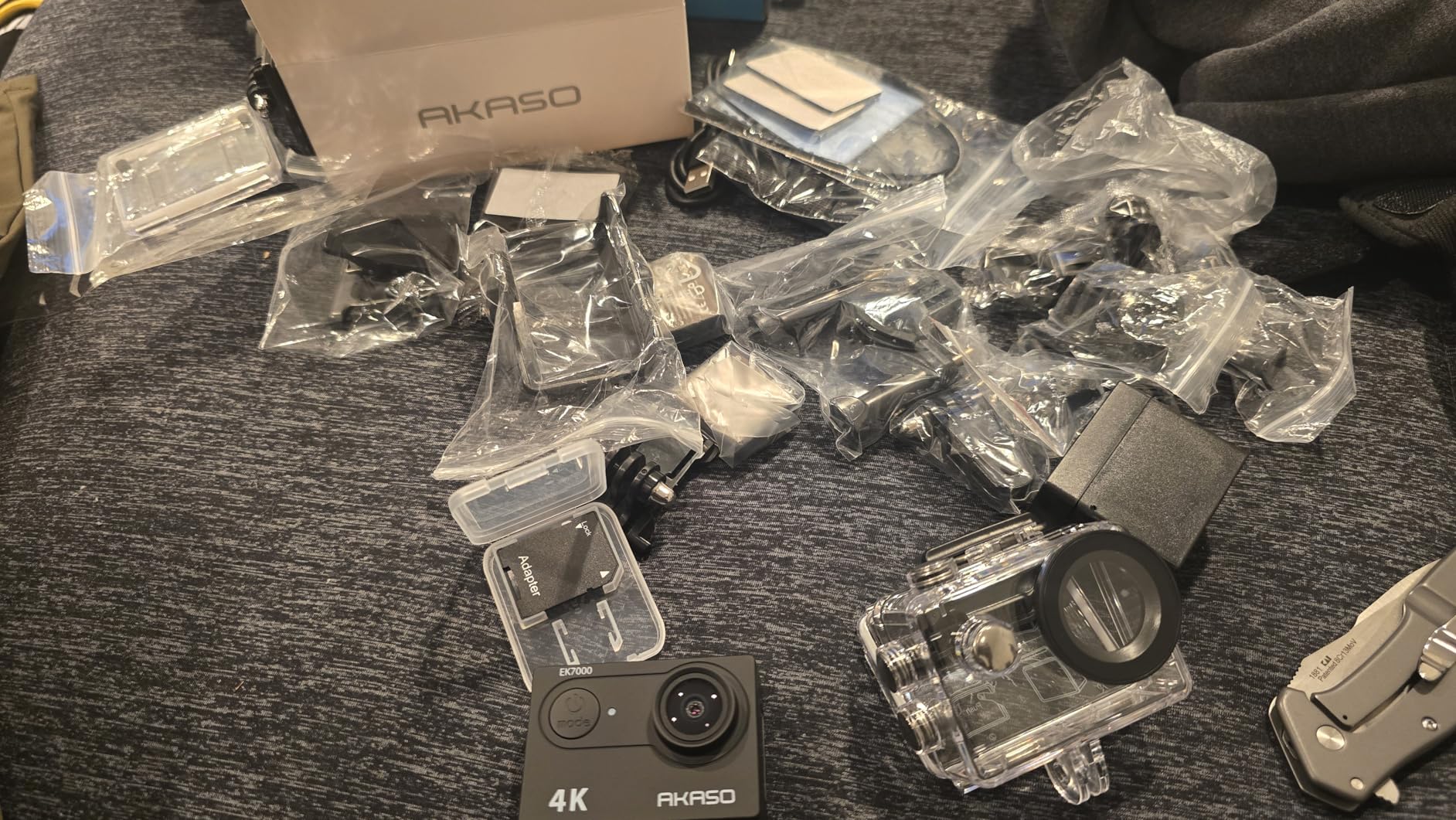
- Includes waterproof case and two batteries
- Wrist remote starts a recording from the water
- EIS steadies footage through wipeouts
- Board and paddleboard mounts work well
Cons
- Muffled wind-prone audio
- Battery drains quickly over long sessions
- Screen hard to read underwater
Our most-tested camera in this genre is not the one with the longest spec sheet. The AKASO EK7000 carries a 4.4 rating across more than 39,000 reviews, which is a bigger evidence base than anything else in this roundup, and owners consistently compare it favourably to a rented flagship action cam from a previous generation.
What it does well is simple and specific to surfing. It records 4K at 30fps, stills at 20MP, and it comes with a waterproof case rated to 131ft, two batteries and a dual charger, so a full day session needs no accessory purchases before you leave the house.
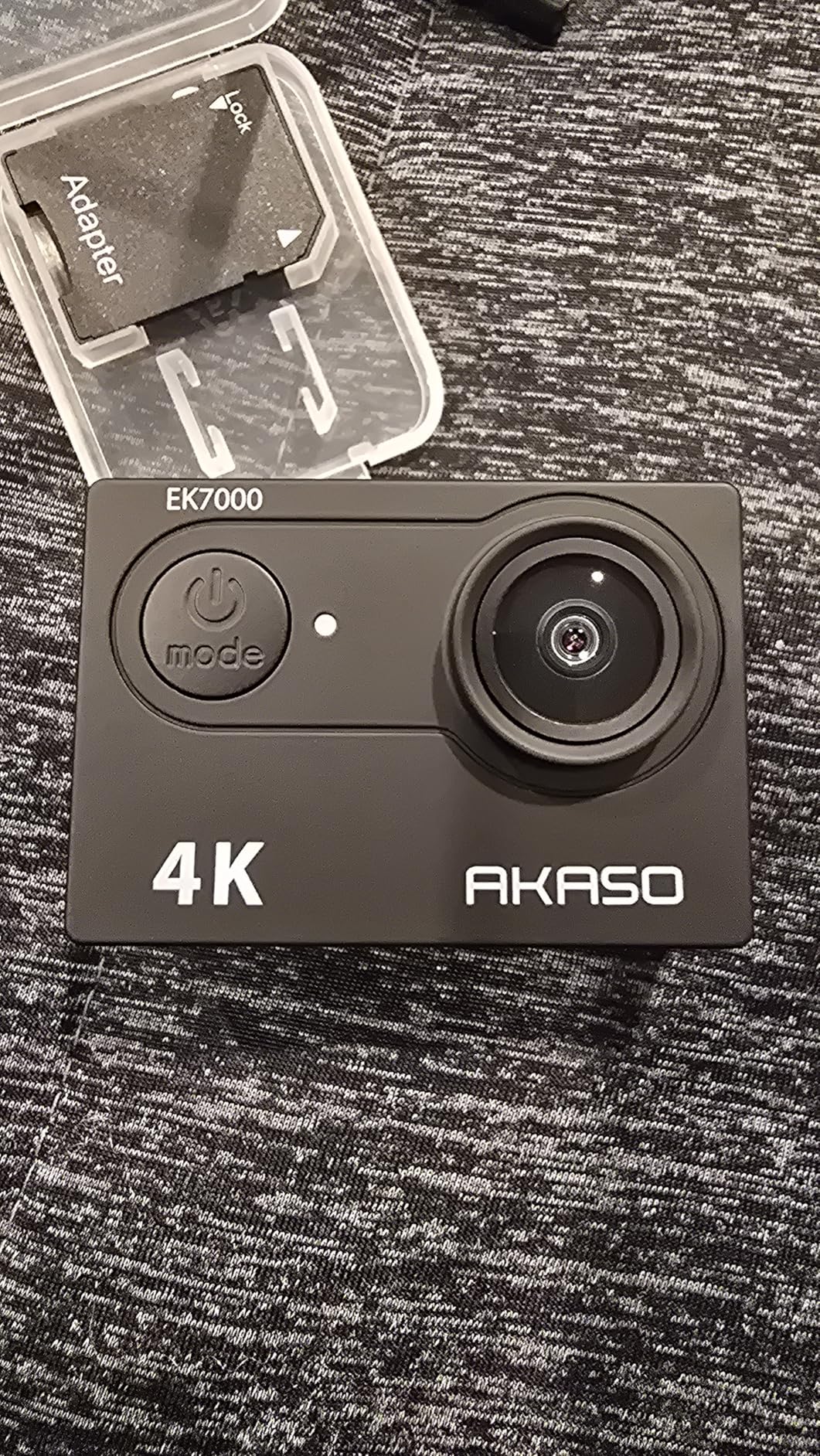
The electronic stabilization does the work that matters in a wipeout. Mount it on a board nose or a chin mount and the horizon stays roughly level through a bottom turn, and the fisheye lens takes to board framing better than a rectilinear lens does at that distance.
The 2.4G wrist remote is the feature nobody expects to care about and everybody uses. You can start a recording from the water or the lineup with the camera already on the board, which removes the reach-back-and-press-the-button problem entirely.
What it is genuinely good for
Board-mounted point-of-view footage, a beater camera for trips where the main camera stays home, and anyone who wants to try in-water shooting without buying into a system. Two batteries in the box and a case in the box means the whole entry cost is the camera.
It is also the safest recommendation on this list for a beginner, because the failure mode is small. If you decide surfing photography is not for you, you have not spent a body price on the way to finding out.
Where it will disappoint you
Audio is the honest weak point. Muffled and wind-prone, which makes it a poor choice if you are filming an interview on the beach rather than riding a wave.
Battery drain is real, so keep sessions to roughly 90 minutes per charge or carry the spares. And if you want tight stills frames of a surfer on an outer break, a fixed wide lens simply cannot get there.
2. DJI Osmo Action 5 Pro – the highest-rated body in the set
Pros
- 1/1.3-inch sensor with 2.4 micron pixels and 13.5-stop dynamic range
- HorizonSteady locks the horizon through roll axes
- Up to 4 hours recording and 3.6 hours at -20C
- IP68 rated to 20m with a colour temperature sensor
- Front and rear OLED touchscreens for bright sun
Cons
- Fixed focus lens with no optical zoom
- Wider body for low-profile board mounts
- App-based feature toggles are fiddly mid-session
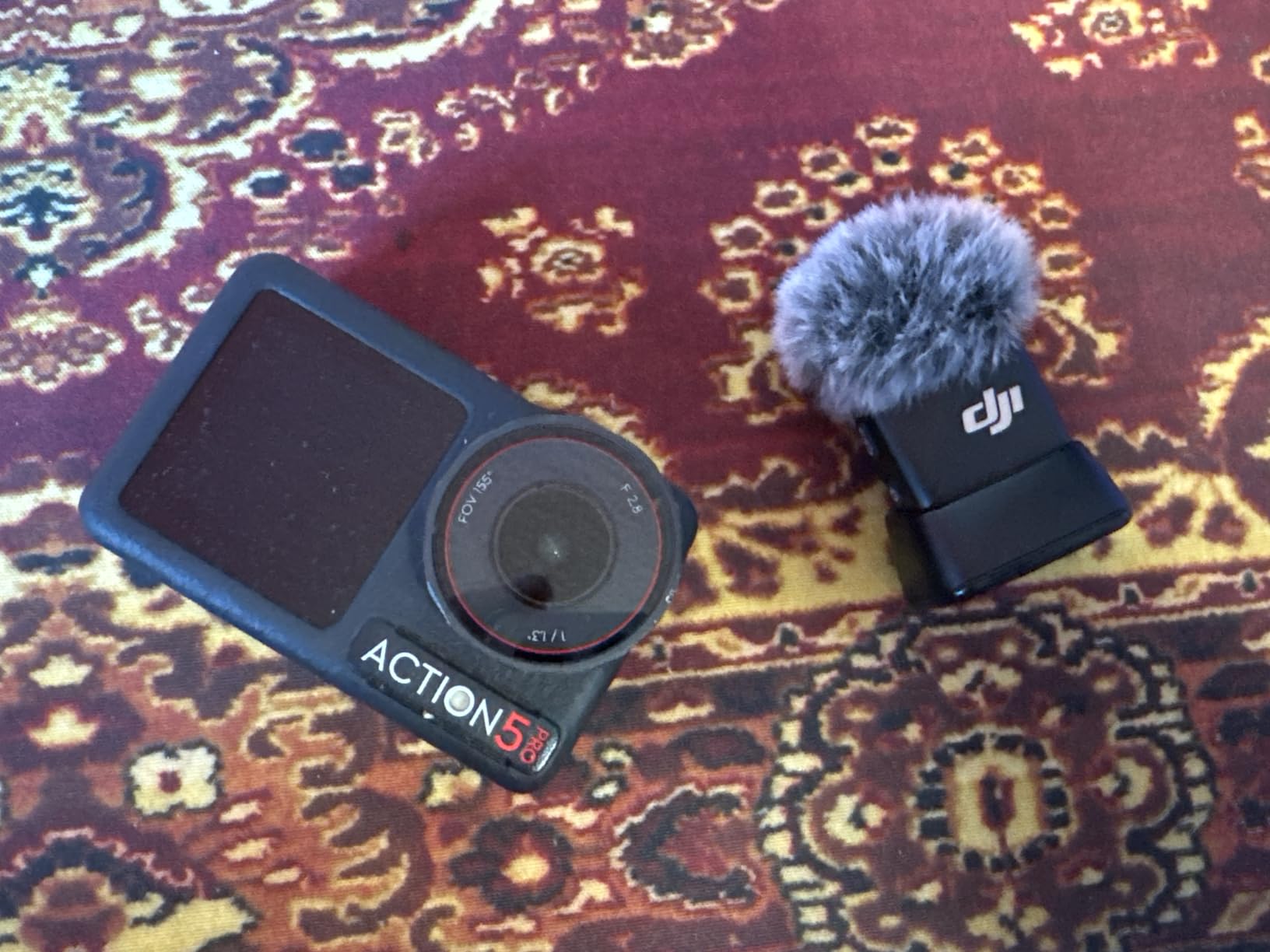
The Osmo Action 5 Pro is the best-rated camera here at 4.6, and the rating is backed by a genuinely different sensor from everything else in the action group. It uses a 1/1.3-inch sensor with 2.4 micron pixels and 13.5 stops of dynamic range, and that extra latitude is what holds detail in backlit and low-light surf.
Backlit is the normal condition of surf photography. The sun is behind the wave, the water is throwing light everywhere, and a small sensor renders the face as a silhouette. Thirteen and a half stops of dynamic range is the number that keeps the surfer’s skin tones and the whitewater in the same frame.
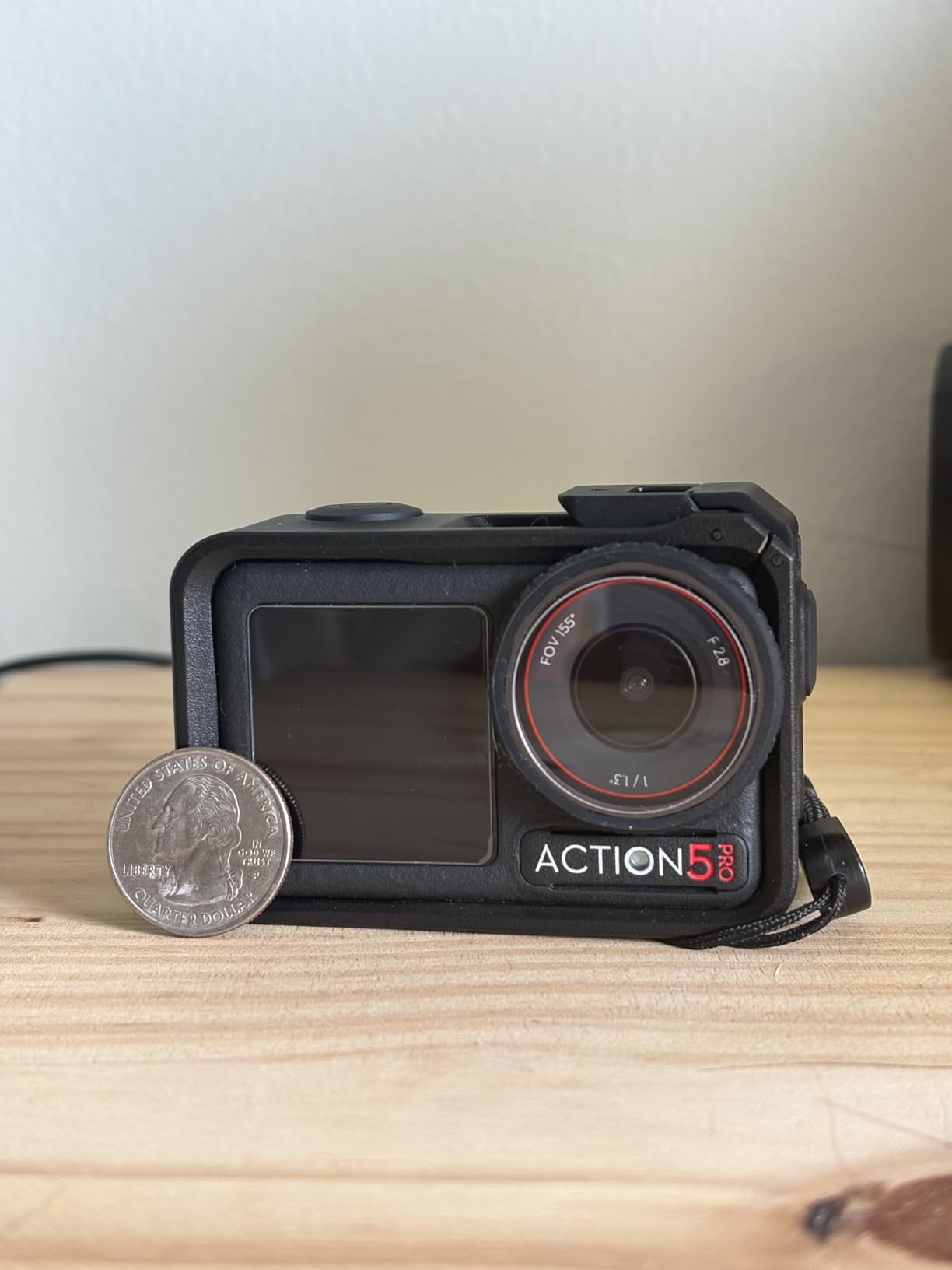
The stabilisation story is the headline for surf specifically. HorizonSteady eliminates roll-axis shake, so a barrel roll or a full wipeout comes back with a level horizon instead of a spinning frame, and the front and rear OLED touchscreens let you frame in bright sun without pulling the camera out of the mount.
Power is the other quiet advantage. The 1950mAh battery records up to four hours and still manages 3.6 hours at -20C, which covers a dawn patrol in cold water without a battery bag.
What it is genuinely good for
In-water point-of-view work where light is bad and the horizon is moving. The colour temperature sensor handles automatic white balance underwater, which removes the green cast that ruins most action camera footage in the lineup.
A dedicated tracking chip keeps a surfer centred in 16:9 or 9:16, so vertical social cuts and landscape hero frames come off the same take without reframing.
Where it will disappoint you
It is a fixed focus lens with no optical zoom, so anything on a distant lineup is a crop rather than a frame. If your photography is shot from the beach, this is the wrong shape of camera.
The body is wider than some competitors, which is noticeable in a low-profile surf board housing. And the app-based feature toggles are awkward when all you need is one button press between waves.
3. Canon EOS R50 Kit – the best mirrorless value for beach and pier work
Pros
- 24.2MP APS-C sensor with DIGIC X
- 651 AF zones covering 100 percent of the frame
- 15fps electronic shutter
- 16-ounce body suits a long pier walk
- Canon Camera Connect for remote capture
Cons
- Very small body causes accidental button presses
- Bundled 18-45mm is an average kit lens
- No in-body stabilization
The R50 is where most surf photographers should start, because it is the lowest-cost interchangeable-lens body here that still tracks a surfer properly. Dual Pixel CMOS AF II covers 100 percent of the frame across 651 zones, with deep-learning detection for people, and the electronic shutter fires at 15fps, which is fast enough to catch the last frame of a breaking lip.
That AF coverage matters more in surf than the headline megapixel count does. A surfer traverses the frame faster than most people walk, and a camera that has to reacquire every time it loses the subject will produce a folder of soft frames no matter how good the sensor is.

The 6K oversampled uncropped 4K at up to 30fps is a genuine bonus for hybrid users, and the 120fps Full-HD mode will handle slow-motion lip impacts. The vari-angle screen and the 2.36-million-dot viewfinder make bright-sun pier work practical.
Video is not the reason to buy it, but the results are good enough that many people skip a dedicated video body. At 16 ounces it is the lightest interchangeable-lens camera here, which matters on a long pier walk with a telephoto on the front.

What it is genuinely good for
Beach and shoreline sessions, pier work with a 100-400mm, and anyone stepping up from a phone who wants to use back-button focus with subject detection. This is the body to put behind a telephoto and grow into.
It is also the sensible housing candidate on this list. Small, light APS-C bodies are what the surf housing manufacturers design around, and it pairs with an RF-S 100-400mm for reach.
Where it will disappoint you
There is no in-body image stabilization, so a long lens from the pier needs either a stabilized lens or a fast shutter. With surge adding shake to every frame, that is a real constraint rather than a footnote.
The body is very small and owners with larger hands report accidental button presses, so a grip or cage is common. The bundled 18-45mm is average at best, and you will replace it.
4. Sony Alpha a6400 – the subject tracking specialist
Sony Alpha a6400 Mirrorless Camera: Compact APS-C Interchangeable Lens Digital Camera with Real-Time Eye Auto Focus, 4K Video, Flip Screen & 16-50mm Lens – E Mount Compatible – ILCE-6400L/B, Black
Pros
- Real-Time Eye AF holds a moving subject
- 425 phase-detect points over 84 percent of the frame
- 11fps continuous at full resolution
- 180-degree flip screen for shoreline framing
- Plentiful affordable third-party E-mount glass
Cons
- No in-body image stabilization
- Very limited telephoto reach
- Menu system and app widely called slow
The a6400 is the camera we recommend for the exact complaint that shows up most in surf photography forums, which is viewfinder blackout during action. The 425 phase-detection points cover 84 percent of the sensor, and Real-Time Eye AF will hold a surfer’s head as they drop into a barrel, so you spend less time reacquiring and more time composing.
Long-term owners report files that still hold up years after launch on a 20.1MP APS-C sensor, and the 180-degree flip screen makes shoreline and low-angle framing straightforward without lying on wet sand.
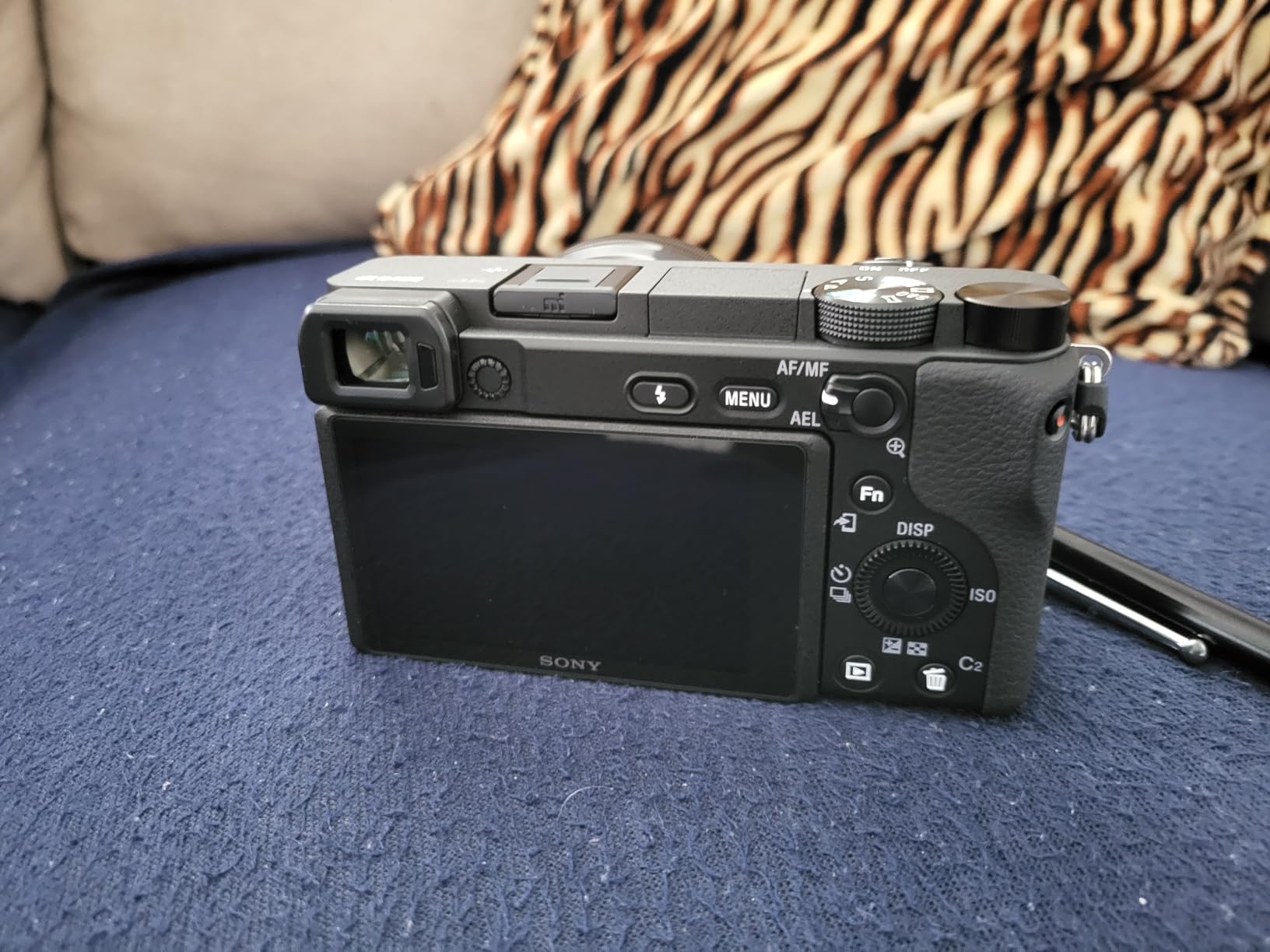
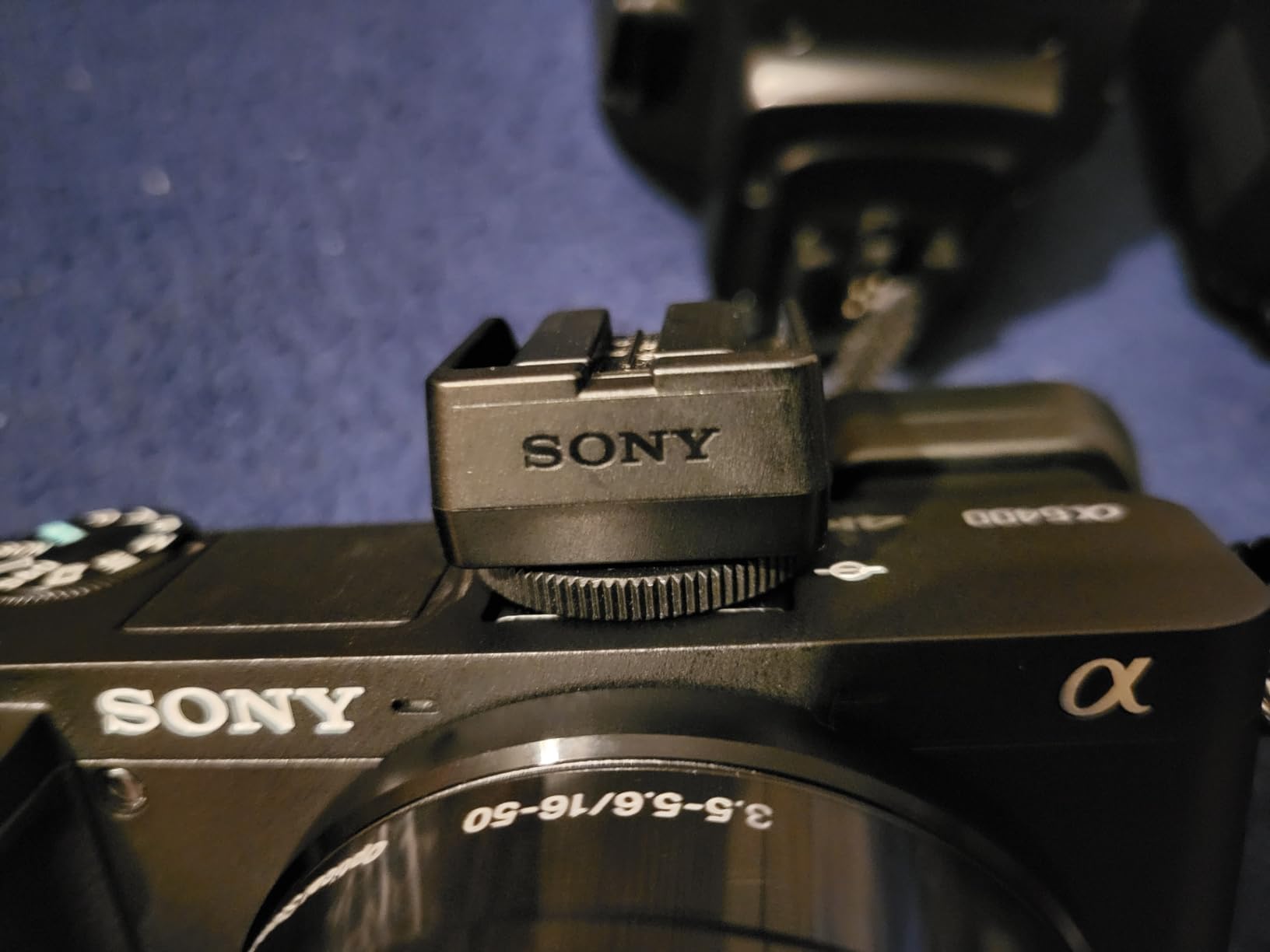
The 16-50mm kit lens is fine for lifestyle and shore work, and the E-mount third-party lens market means a fast constant-aperture zoom is easy to add later. This is the body where the lens decision matters more than the body decision.
For a surf shooter who already owns glass, the a6400 is often the cheapest way into a tracking autofocus that will not let go of a subject mid-turn. The 11fps burst is a little behind newer bodies but more than enough for a surfer traversing a wave face.
What it is genuinely good for
Shooting from the shore or the pier with a telephoto, especially if you are prioritising tracking over resolution. A surfer in a 400mm frame is small, and this camera will stay on them.
It also suits anyone who wants one body for surf stills and portrait work on the same trip, a case for our best cameras for portrait photography under 1000 roundup covering the same tier.
Where it will disappoint you
No in-body stabilization, which matters with a long pier lens and again with a board or chin mount where the camera is being vibrated constantly.
Telephoto reach is the limit. Without moving to full-frame glass you are working inside a short range, and the native APS-C lens lineup is thin, so fast primes and long zooms come from third parties.
5. Sony RX100 VII – 24-200mm reach in one pocket body
Pros
- 24-200mm equivalent 8x zoom covers lineup to distant break
- 1-inch stacked sensor with 20fps blackout-free shooting
- 357 phase-detect plus 425 contrast-detect AF
- Microphone jack and Active mode 4K stabilisation
- Pocketable at 275g with a pop-up viewfinder
Cons
- Not weather sealed at all
- Fixed f/2.8 at the long end
- High ISO trails modern phones
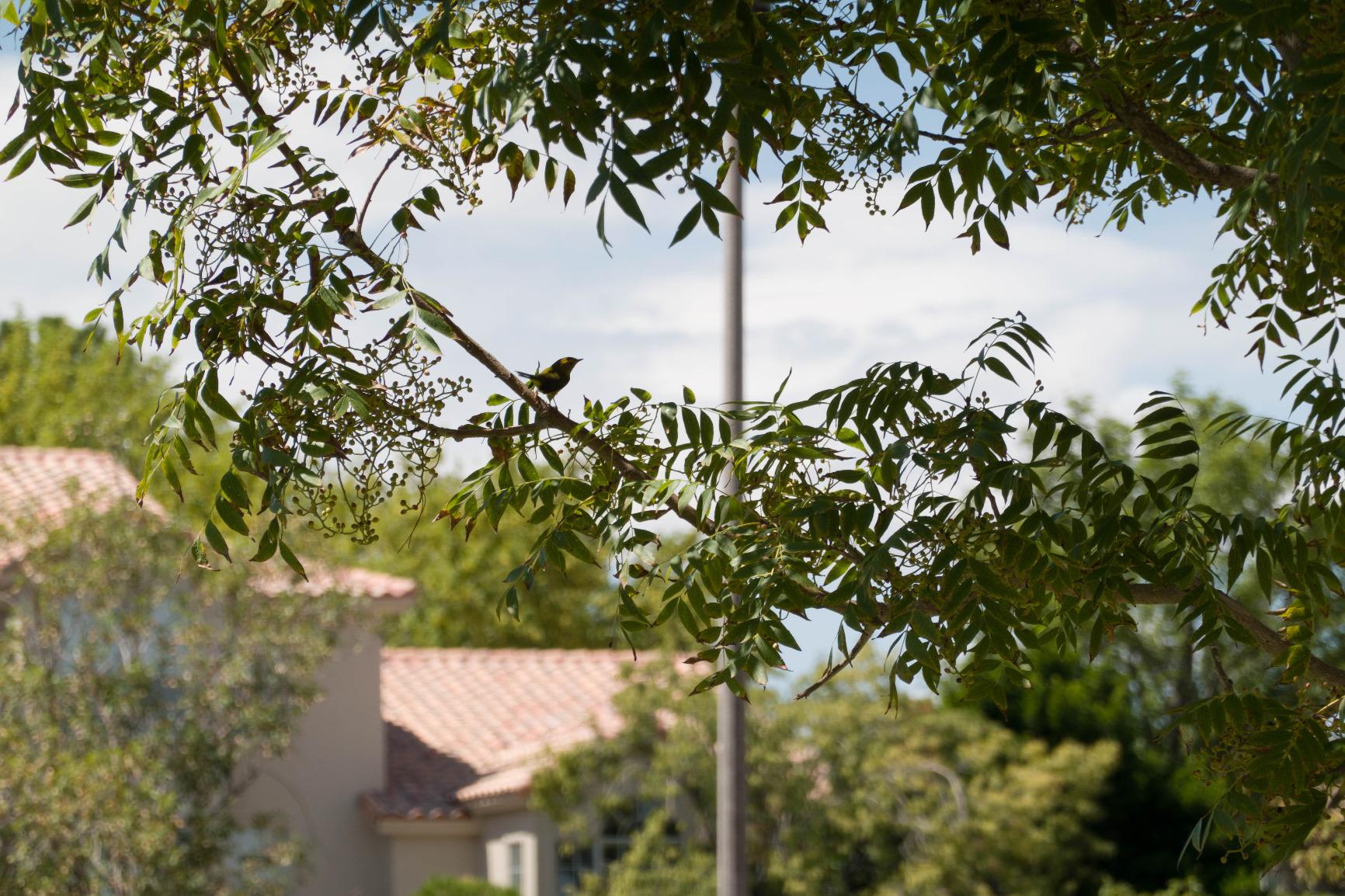
The RX100 VII solves the one-lens problem that dominates the surf forum threads. The Zeiss 24-200mm equivalent zoom goes from wide enough for a close wave to long enough for a distant break, and you never swap a lens in salt spray.
The sensor is a 1-inch stacked CMOS, and stacked is the operative word because it shoots 20fps blackout-free. That matters in surf for a specific reason: a blackout means you lose the subject visually at the exact moment you most need to see them, and the forum complaint about losing the surfer through the viewfinder is a sensor-stack complaint more than an autofocus complaint.

Autofocus is quick and thorough, with 357 phase-detection and 425 contrast-detection points and real-time eye AF for humans and animals, and the 0.02 second acquisition time means the camera is ready before the surfer stands up.
At 275g with a pop-up viewfinder and a tilting screen, it is the smallest serious camera in this roundup. The pop-up finder is the part people underestimate, because shooting into bright sun off a beach is otherwise guesswork.
What it is genuinely good for
Pier and jetty sessions where you need to change focal length constantly, and travel days where carrying two lenses is not happening. A built-in microphone jack also makes it the only camera here that takes proper external audio for beach interviews.
It is a strong first surf camera for someone who already understands exposure and just wants reach, and it pairs naturally with a full-frame or APS-C body in our still cameras buying guide.
Where it will disappoint you
It is not weather sealed at all. That is the single fact that keeps this camera on dry land, and anyone taking it near breaking surf is gambling the body on spray and sand.
The long end is a fixed f/2.8, which means slower shutter speeds in late-afternoon light, and high ISO performance now trails modern phones in genuinely dark scenes. Add a third-party grip, because the body is small and slippery.
6. OM System E-M10 Mark IV – the stabilized pier walker
OM SYSTEM Olympus E-M10 Mark IV Silver Micro Four Thirds System Camera M.Zuiko Digital ED 14-42mm F3.5-5.6 EZ kit 20MP Sensor 5-Axis Image Stabilization 4K Video Wi-Fi
Pros
- 5-axis in-body stabilization at about 4.5 shutter steps
- Compact body for long pier walks
- 121-point contrast AF with continuous mode
- 16 art filters including Instant Film
- Flip-down monitor with auto selfie mode
Cons
- Micro Four Thirds is weaker in low light than APS-C
- No depth-of-field preview button
- Bundled 14-42mm is slow at f/3.5-5.6
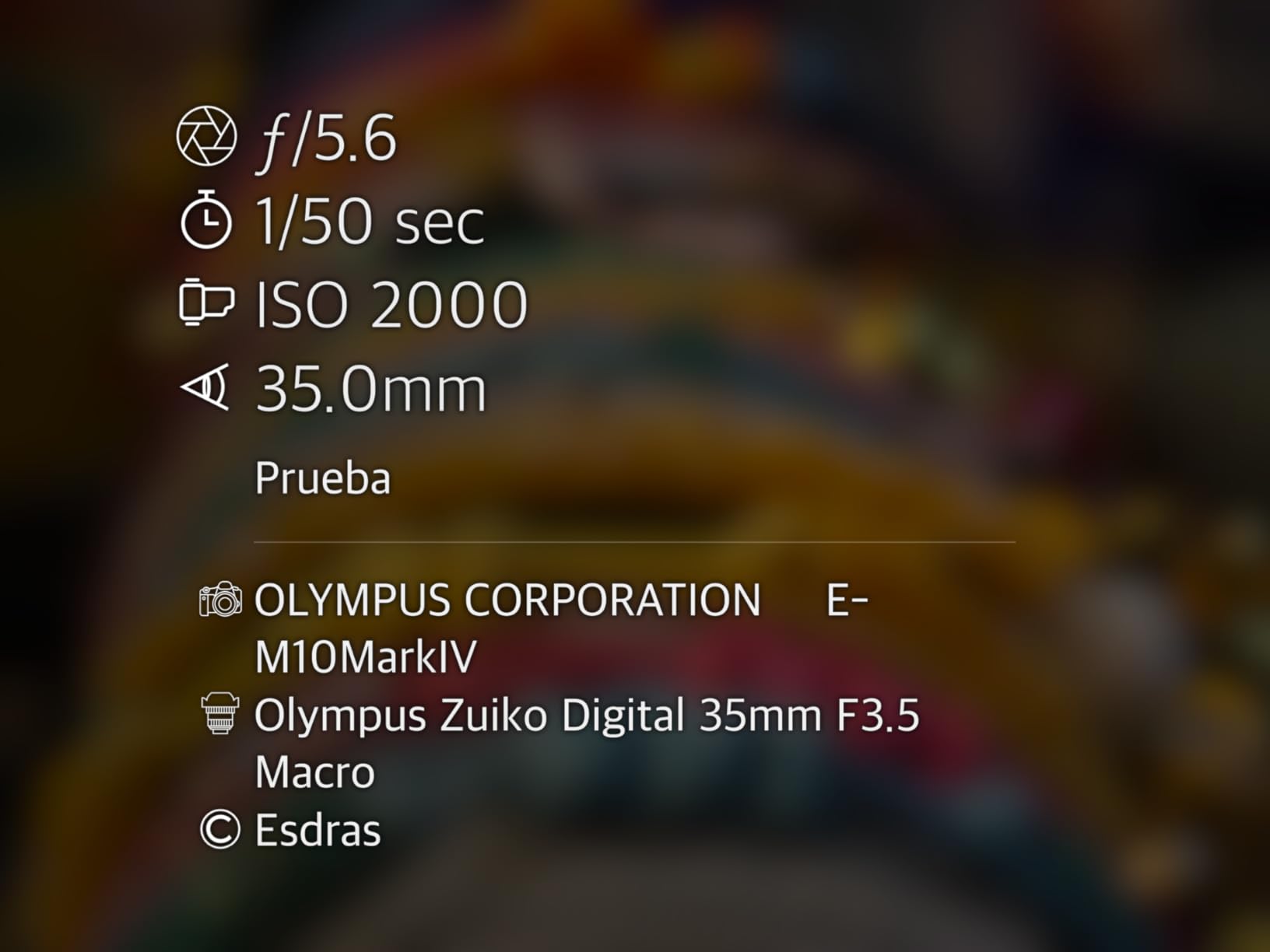
This is the stabilisation pick, and in surf that matters more than the sensor size. Five-axis sensor-shift image stabilization gives roughly 4.5 shutter speed steps of compensation, which on a pier means you can hold a slower shutter and still get a sharp frame of a surfer on a long lens.
That matters because swell vibration is the quiet tax on shore-based shooting. Water and boat movement add camera shake to every frame, and the usable minimum shutter speed from the shore is therefore higher than inland norms, which is exactly the situation stabilisation exists to fix.

The 20MP sensor and 15fps continuous shooting handle a breaking wave without trouble, and the 1.23x viewfinder magnification gives a reasonably large eyepoint for a body this size, which helps when the sun is behind the spray.
Sixteen art filters including an Instant Film look give the files a finished feel straight out of the camera, and the flip-down monitor with an automatic selfie mode is useful for beach lifestyle and portrait coverage.
What it is genuinely good for
Pier, jetty and boat work, and any session where your hands are not steady. It is also the easiest interchangeable-lens body here to carry for a whole day of walking.
The Micro Four Thirds system also has a deep third-party lens ecosystem, so a long telephoto is available at a lower weight than the equivalent full-frame option, which is the point when you are walking a pier with a monopod.
Where it will disappoint you
The sensor is smaller than APS-C, so low-light and dawn patrol performance trails bodies like the Canon R50 and the Sony a6400. If you shoot the first session of the day in deep shadow, that gap shows.
The bundled 14-42mm kit lens is slow at f/3.5-5.6, which is limiting in dim conditions and behind the wave. Plan to buy a different lens, and note there is no depth-of-field preview button.
7. GoPro HERO13 Black – the 5.3K point of view camera
GoPro HERO13 Black – Waterproof Action Camera with 5.3K60 Video, 27MP Photo + Compatability with HB-Series Lenses
Pros
- 5.3K video with 24.7MP stills pulled from footage
- HB-Series lens mods auto-detected by the camera
- Waterproof to 33ft with a water-repelling lens cover
- 13x slow motion plus 4x slo-mo at 5.3K
Cons
- 79-minute battery runtime
- Fixed wide lens with no optical zoom
- Menus are fiddly one-handed in a wetsuit
The HERO13 is the resolution answer. It records 5.3K at 60fps, which is 91 percent more resolution than 4K, and you can pull still frames of up to 24.7MP from that footage using the Quik app. For a surfer doing something unrepeatable, having a high-resolution video file to crop from is worth more than a second stills camera.
It is waterproof to 33ft without a case, and the water-repelling lens cover cuts flare and artefacts, which is a real problem when the sun is behind the wave and every water droplet on the front element becomes a bright blob.

The HB-Series lens system is the quietly important part. Ultra Wide Lens Mod, Macro Lens Mod, Neutral Density filters and an Anamorphic Lens Mod all auto-detect, and the camera reconfigures itself when you attach one, so switching between a wide point-of-view and a tighter framing does not mean a menu dive.
A burst-slow-motion mode at 13x normal speed, or 4x slo-mo at full 5.3K resolution, is what catches the detail of a lip breaking.

What it is genuinely good for
Board nose and chin mounts, helmet mounts, and bite mounts when you want the riding perspective without holding anything. If your surfing photography is mostly video, this is the body to buy.
It is also a strong companion to a mirrorless setup, giving you a second angle from the water while the main camera shoots from the shore.
Where it will disappoint you
The 79-minute battery runtime is the biggest limitation, and a full dawn patrol needs spares in the bag. Treat it as a two-battery camera rather than an all-day one.
The lens is a fixed wide angle with no optical zoom, so distant work is not possible. And the menu and touch controls need practice one-handed, which is exactly how you will use it in a wetsuit.
8. OM System TG-7 – the camera you can dunk without a housing
OM System OLYMPUS Tough TG-7 Red Underwater Camera, Waterproof, Freeze Proof, High Resolution Bright, 4K Video 44x Macro Shooting (Successor Olympus TG-6)
Pros
- Waterproof to 15m freeze proof to -10C and crushproof
- Fast F2.0 lens and four-times optical zoom
- Five underwater modes including underwater HDR
- Variable macro down to 1cm
- 4K movie plus 120fps high-speed recording
Cons
- 12MP 1/2.3-inch sensor crops hard
- Contrast-detect AF with only 9 points hunts
- Digital-only stabilization
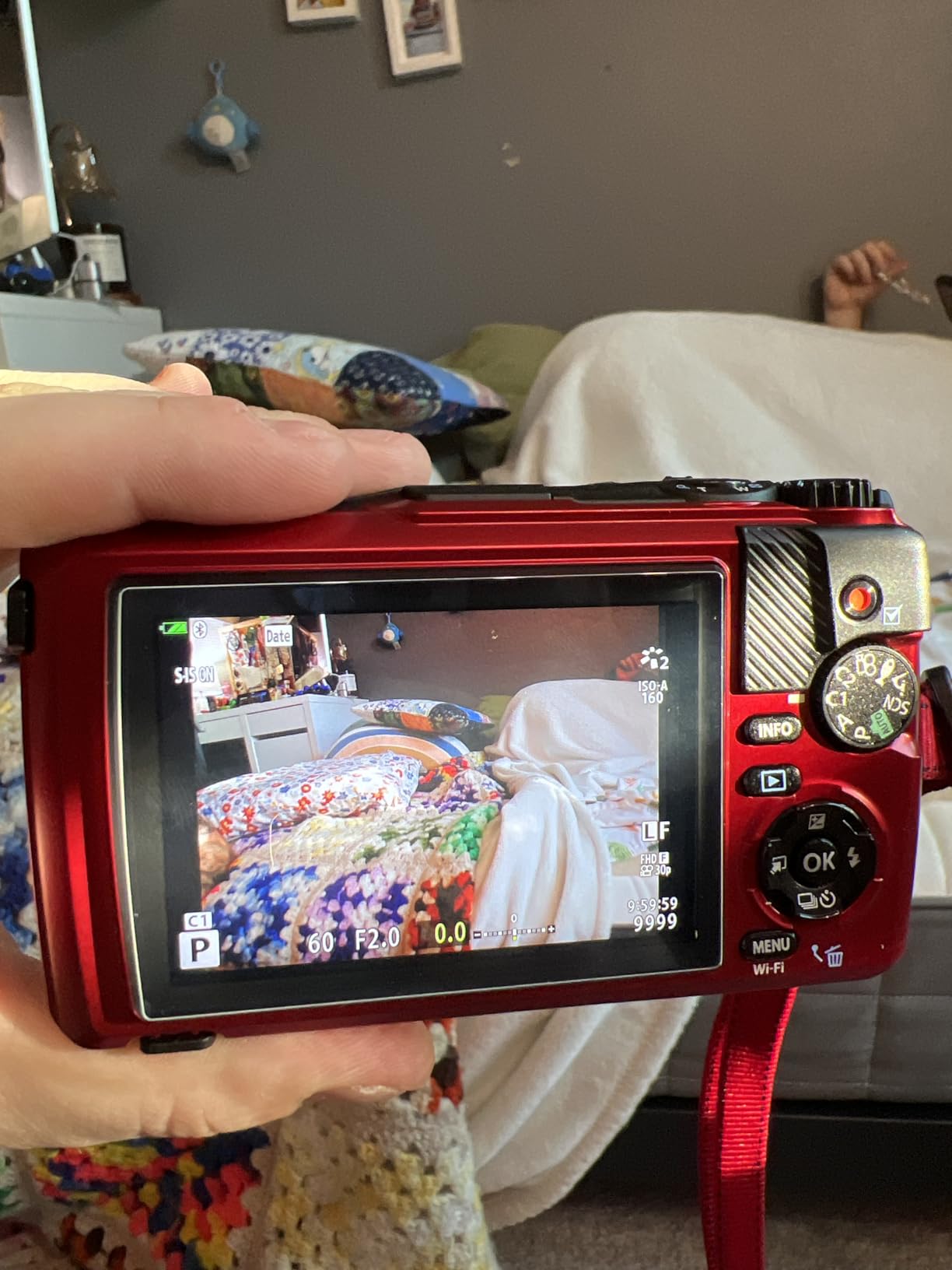
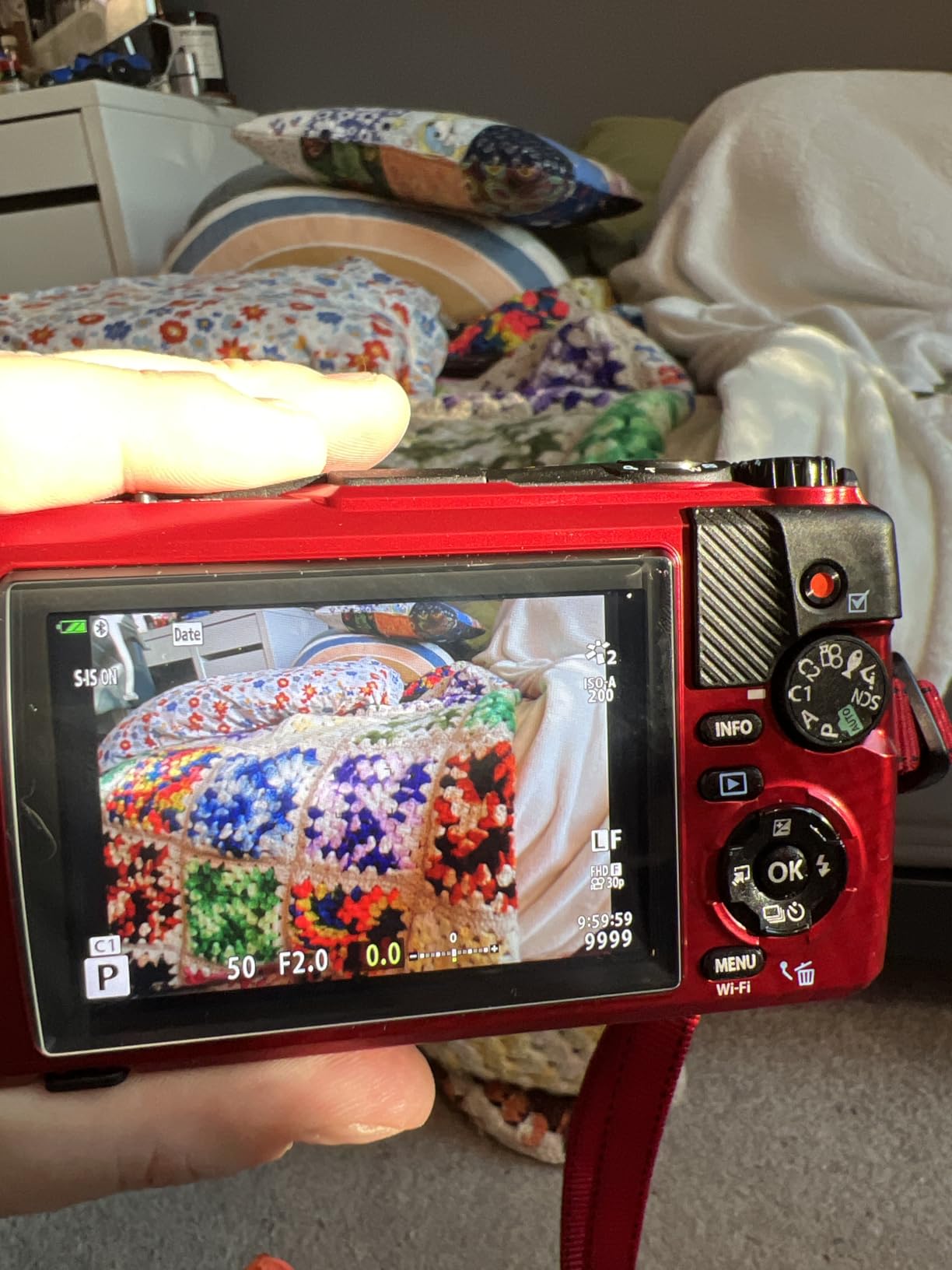
If your objection to in-water shooting is flood fear, the TG-7 removes it entirely. It is waterproof to 15m, freeze proof to -10C, shockproof to 2.1m and crushproof to 100kgf, and it includes anti-fog, so there is no housing to test, rent or flood.
The F2.0 lens is the widest aperture in this roundup, and that is not a spec-sheet nicety. Underwater light is always going backwards, and a fast lens is how you get a usable shutter speed in the dim blue world below the surface.
Five underwater shooting modes, including an underwater microscope and an underwater HDR mode, are genuinely built for this rather than bolted on, and the variable macro system captures from as close as 1cm from the lens tip, which opens up detail work around fins and board rails.
Continuous shooting runs at 20fps and video records 4K plus 120fps high-speed, with a vertical video mode for social framing. This is a surf camera that treats surf as its home use case rather than an afterthought.
What it is genuinely good for
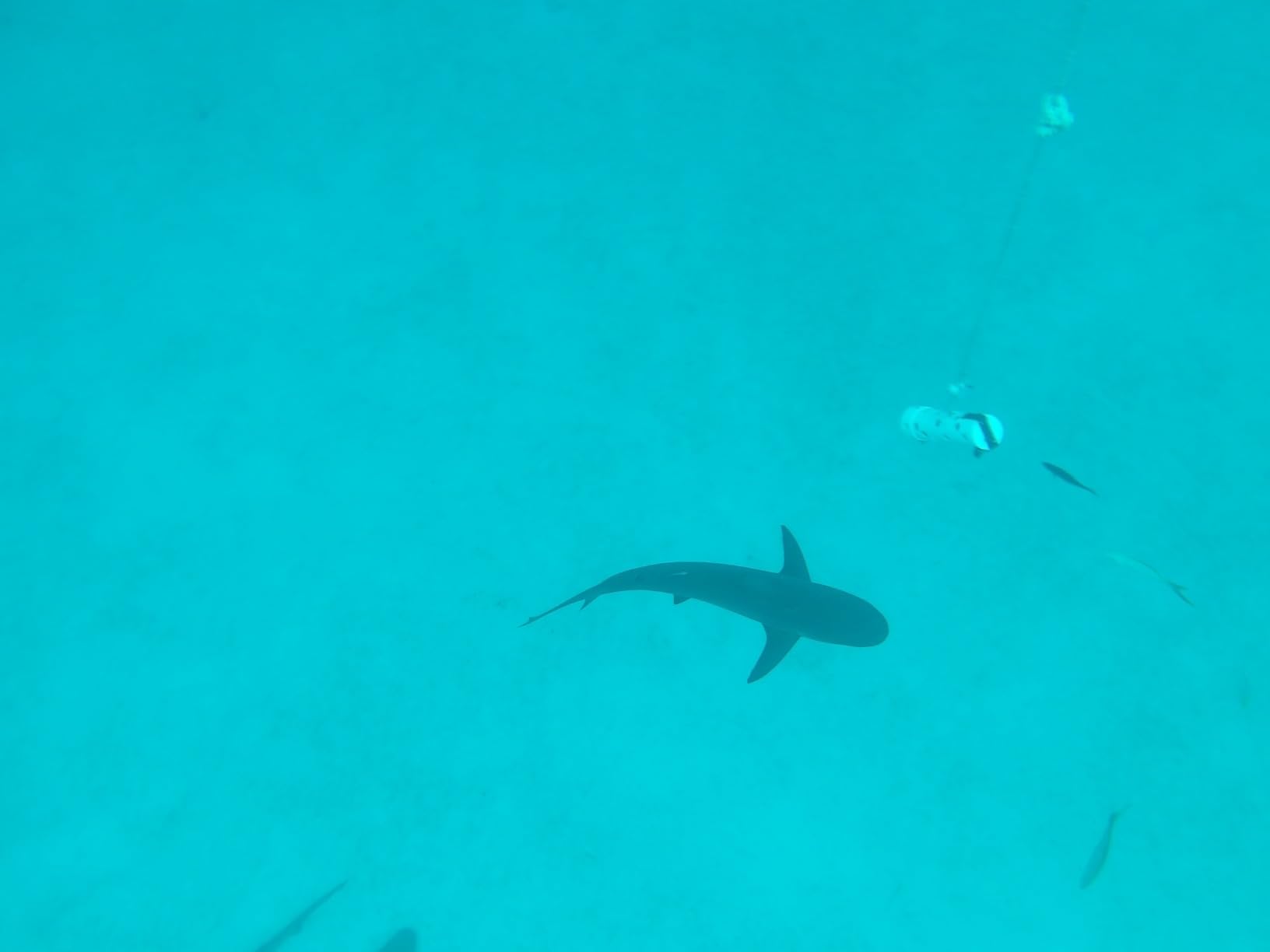
Swimming in the lineup, duck-diving with the camera, and any session in cold water where frozen fingers and a dropped camera are the real risks. A camera that survives a drop and a freeze changes how you shoot.
It is also the camera to take on a boat. Small, sealed, and with a macro mode for shooting down through the water beside the hull.
Where it will disappoint you
The 12MP 1/2.3-inch sensor is small by modern standards, so heavy cropping in bright sun produces soft files, and dynamic range in high contrast is limited.
Contrast-detection autofocus with only 9 points will hunt when a surfer moves unpredictably, and the digital-only stabilization is a long way off in-body stabilization for pier telephoto work. This is a close-quarters camera, not a shore camera.
9. Kodak PIXPRO WPZ2 – a tough camera for casual beach days
Pros
- Self-contained waterproof shockproof and dustproof body
- Survives boat trips and dunkings
- Compact enough for a wetsuit pocket
- Built-in Wi-Fi for phone transfer
- 16MP sensor with 4x optical zoom
Cons
- Slow shutter and response times
- Screen hard to read in sun or underwater
- No microSD card included
The PIXPRO WPZ2 is the most forgiving camera here for a beginner or a family holiday. Waterproof to 15m, shockproof to 2m and dustproof, it needs no housing, no accessory kit and no technical confidence to use at the beach.
Owners report it surviving boat trips, repeated dunkings and rough handling, and at that size it slips into a wetsuit pocket. Built-in Wi-Fi moves shots to a phone without a card reader, which removes the single biggest practical obstacle for a new photographer.
The 16MP BSI CMOS sensor and 4x optical zoom, running from a 27mm wide equivalent to 108mm, give more framing flexibility than most cameras at this level, and the 27mm wide end is genuinely useful for group shots on the sand.
Exposure modes include Program, Shutter priority, Aperture priority and Manual, plus dedicated underwater and scene modes, so it can be learned rather than merely pointed.

What it is genuinely good for
Snapshots, beach days, travel and a first camera for a teenager. A 3fps burst and a slow shutter are irrelevant when nobody is duck-diving.
It also works as a beater body to take the knocks while a serious camera stays in a dry bag at the car.
Where it will disappoint you
Slow shutter and response times drag badly on fast surf action, and the 2.7 inch LCD is hard to read in direct sun or underwater. You will be shooting blind at the exact moment composition matters.
Some owners find the image quality washed out compared with a phone, the menus need learning before a session, and the microSD compatibility is picky enough that a few buyers needed several cards. No card is included.
10. YEEIN 48MP Waterproof Compact – dual-screen underwater shooting
YEEIN Underwater Camera 4K 48MP Autofocus Selfie Dual Screen Waterproof Camera with Floating Strap and 32GB Card, 17FT Compact Waterproof Digital Camera, Fill Light Underwater Camera for Snorkeling
Pros
- IP68 sealing rated to 17ft for seawater
- 32GB card and 1050mAh battery included
- Dual front and rear screens for underwater framing
- 48MP stills and 4K video with a fill light
- Only 120g so it fits a wetsuit pocket
Cons
- Shutter speeds top out around 1/50s
- 11-point contrast AF cannot track action
- Plasticky build and finish
This is the most straightforward dual-screen waterproof compact in the set, and the design choice is aimed squarely at surf. Long-press the mode button and you switch between the front and rear cameras, so you can frame yourself and other surfers underwater without guessing where the lens is pointing.
IP68 sealing to 17ft is specified for seawater, which matters because many cheaper products are only rated for fresh water. The floating strap is the detail that saves the camera, because losing a camera to the bottom of a swell in two metres of water is how cameras end up gone.
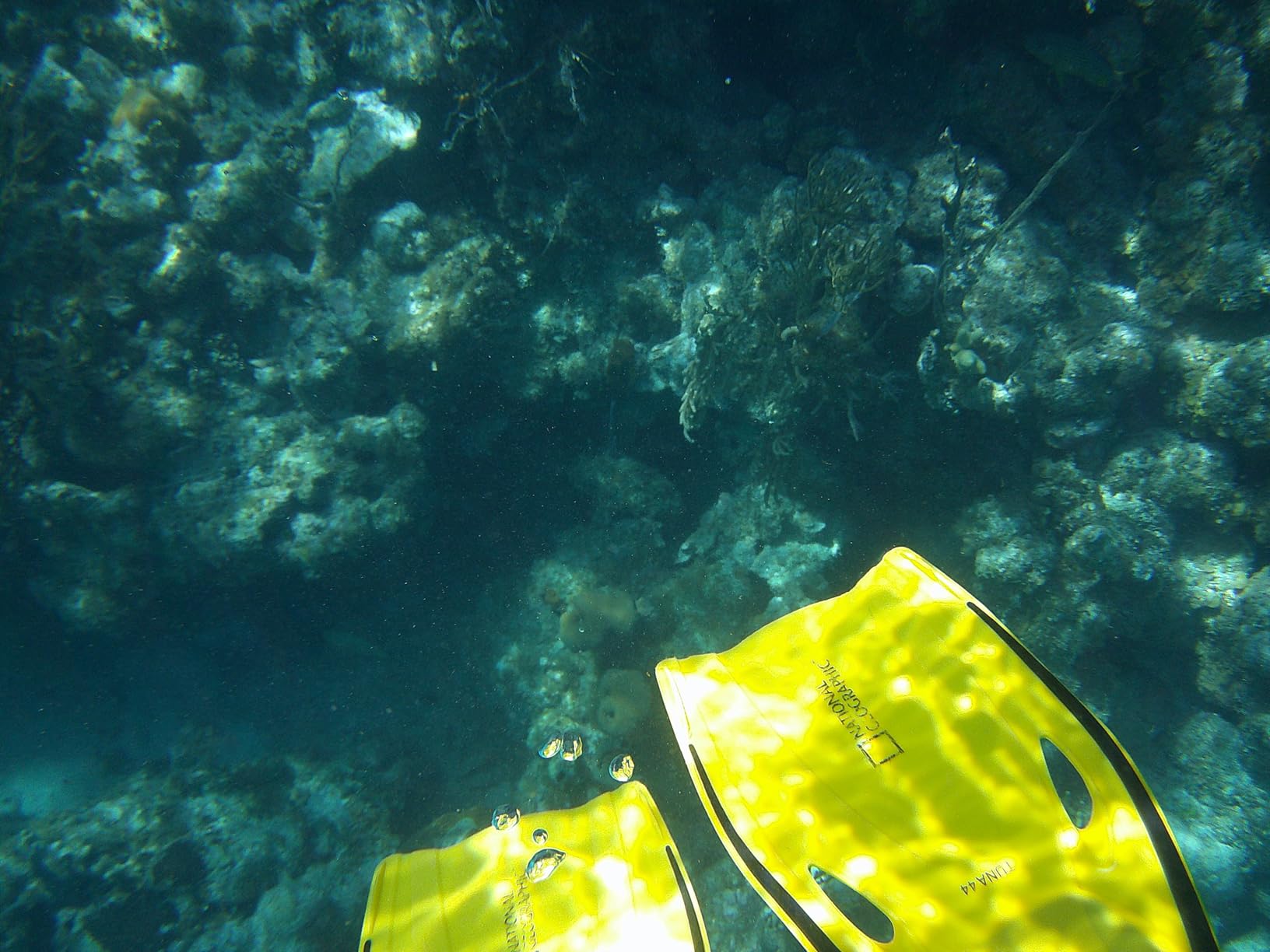
The 48MP stills, 4K video and a built-in fill light cover the standard underwater compact brief, and the included 32GB card plus roughly three hours per charge means nothing needs buying before the trip.
At 120g it disappears into a wetsuit pocket, which is where it belongs. It is a backup camera, a snorkelling camera and a holiday camera more than a performance one.

What it is genuinely good for
Underwater selfies and split shots with friends, snorkelling coverage during a surf trip, and anyone who wants to hold a camera in the water with no housing and no risk of ruining a body they care about.
The fill light is more useful in practice than it sounds, because ambient light falls off fast with depth and without it everything past a few metres is a colour cast.
Where it will disappoint you
Shutter speeds top out around 1/50s, so anything moving blurs, and chop or low light makes it obvious. The 11-point contrast autofocus cannot track a subject, so it is a camera you frame and then shoot.
Build and finish feel plasticky next to the premium tough cameras, and the 18x digital zoom is a crop rather than anything optical. Treat it as a secondary body.
Camera Settings by Shooting Position
Every question about gear eventually becomes a question about settings, and the right answer changes completely depending on where you are standing. Use this as a starting point, then adjust for the light you actually have.
In the water, housing or dive: 1/1000s to 1/2000s, f/4 to f/8, auto ISO with a ceiling you set, continuous autofocus with back-button focus, stabilisation off. Surge and paddling vibration means the usable minimum is higher than you expect from dry-land practice.
Board-mounted point of view: the camera does the work. Leave exposure and white balance on automatic, keep the horizon lock on, and start recording before the wave rather than reacting to it.
Beach and shoreline telephoto: 1/1600s to 1/2000s, f/5.6 to f/8, auto ISO, subject-detection AF in continuous mode, and stabilisation on if the lens has it. This is the most common working setup in surf forums and it is right more often than not.
Pier, jetty and boat: 1/2000s, f/5.6 to f/8, continuous AF with tracking, and use whatever stabilisation the body or lens offers. Boat movement is the worst case for shake, so stabilised bodies earn their place here.
Dawn patrol and dusk: 1/1000s minimum, f/2.8 to f/4 wide open, ISO 1600 to 3200, and accept noise rather than motion blur. A sharp noisy frame beats a clean blurred one.
Shutter priority mode is the mode most surf shooters settle on: you pick the shutter speed that will freeze the action and let the camera handle ISO, then shoot in short bursts between waves. The exception is in-water work at depth, where light is falling off fast enough that manual control of ISO becomes the safer option.
On back-button focus, which is the technique surf shooters converge on, assign autofocus start to the rear thumb control, use a wide or zone area rather than a single point so a moving surfer stays covered, and turn subject detection on. Then stop half-pressing the shutter to focus, because that habit is what costs you the first frame of every take.
Once the session is over, our advice for the rest of the frame and the printing side sits in our guide to the best framed surf photography prints, which covers what to do with the files you just made.
After the Session: Salt, Sand and Gear Care
Salt water is the thing that kills cameras slowly and quietly, and it costs about ten minutes of attention. The first rule is that no camera goes back in the bag damp, because trapped moisture and salt crystallise on contacts and inside mechanisms.
Run this in order. Rinse the body and lens in fresh water with every port and button opened, so seawater is not pushed deeper. Soak briefly if there is sand, because grit is far more abrasive than salt. Rinse again, then dry with a cloth and let it air out away from direct sun. Keep silica packs in the bag and change them when they stop working.
For a housing, take the rig apart at the beach rather than at home. Open every latch, release the port, and check the O-rings for grit or a pinch, because a single grain under an O-ring is what actually floods a housing, not a worn seal.
Store batteries apart with no card in the camera, and give the whole kit a dry-down before it goes in a case for a flight. A camera that survived the ocean is worth more than an hour of drying.
Frequently Asked Questions
What is the best camera for surf photography?
There is no single best camera, it depends on your shooting position. Use a board-mounted action camera for point-of-view footage in the water, a mirrorless body in a rated housing with a dome port to swim in the lineup, a weather-sealed APS-C or full-frame body with a 100-400mm telephoto to shoot from the beach or pier, and a 24-200mm bridge camera when you want that reach in one body.
What camera do surf photographers use?
Most working surf photographers use a weather-sealed mirrorless body with a telephoto zoom, shooting from the beach, pier or boat at 1/1600s to 1/2000s in shutter priority with auto ISO. In-water photographers run a mirrorless body in a surf housing, or a natively waterproof tough compact, at 1/1000s to 1/2000s with continuous autofocus.
What lens is best for surfing photography?
If you shoot from the shore or a pier, a telephoto zoom in the 100-400mm or 150-600mm range is the first lens to buy, because reach is the constraint. If you shoot in the water, your lens choice is decided by the port on your housing, with a fisheye dome port for the underside of a wave and split shots, and a flat port for shooting a surfer in the barrel.
What are the best camera settings for surf photography?
From the beach, use 1/1600s to 1/2000s at f/5.6 to f/8 with auto ISO and subject-detection autofocus in continuous mode. In the water, use 1/1000s to 1/2000s at f/4 to f/8 with back-button focus and stabilisation off. Shutter priority with auto ISO is the most common working setup because surge vibration raises the minimum usable shutter speed.
Can you surf with a GoPro?
Yes, that is what it is built for. The HERO13 Black is waterproof to 33ft without a case, takes a water-repelling lens cover that reduces flare, and records 5.3K at 60fps with 13x slow motion for breaking-wave detail. Budget for spare batteries, because the 79-minute runtime is the real limit on a long session.
Is 400mm enough for surf photography?
For most beach-based surf photography, 400mm is the number that matters. It is long enough to pull a surfer on a distant outer break to a usable size while you are standing on sand. Below about 200mm you will be cropping heavily, and above 400mm you need a tripod or gimbal head from shore because swell and your own hands will shake the frame.
Conclusion: The Best Cameras for Surf Photography
There is no single winner, because the best cameras for surf photography are chosen by shooting position. The AKASO EK7000 is our editor’s choice overall, and the reason is evidence rather than specification: a 4.4 rating across more than 39,000 reviews, a waterproof case and two batteries in the box, and a wrist remote that makes in-water recording a one-handed job.
If you want the best sensor in the water, take the DJI Osmo Action 5 Pro, whose 1/1.3-inch sensor and 13.5 stops of dynamic range handle backlit surf better than anything else here. If you want to shoot from the beach with a telephoto, the Canon EOS R50 is the value pick and the best starting point for back-button focus work, and the Sony a6400 is the tracking specialist when locking onto a surfer matters more than resolution.
For in-water stills with no housing at all, the OM System TG-7 is the honest answer. For a single lens that covers everything from the pier to a distant break, the Sony RX100 VII reaches 24-200mm, but keep it away from breaking surf because it carries no weather sealing at all.
Whatever you choose, buy the body that matches where you actually stand, rinse it in fresh water the moment you are out, and get in the water more often than you think you can. The best camera for surf photography is the one that is already in your hands when the wave breaks.