
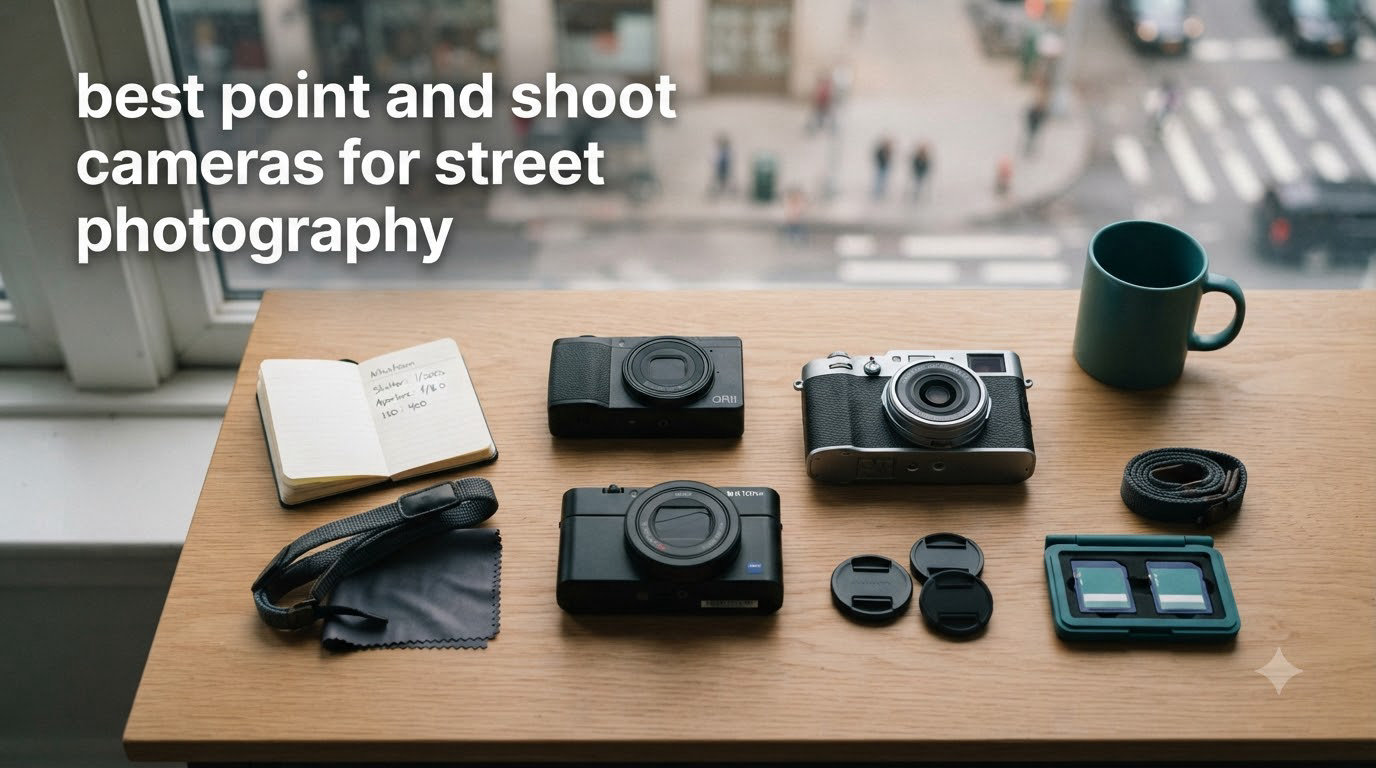
I spent three months carrying eight cameras through downtown crowds, subway stations, and rainy sidewalks to find the best point and shoot cameras for street photography in 2026. Street photography demands a camera that disappears in your jacket, wakes up instantly, and nails focus before the moment fades.
After shooting with all eight models and comparing the results against input from photographers on Reddit’s r/streetphotography, our team narrowed the field. The cameras below cover every budget from under $150 to flagship rangefinders, and each one earned its spot for a specific street workflow.
In this guide, I’ll break down our top picks, share what each camera does best on the streets, and explain the buying factors that actually matter when you’re shooting candid frames. If you want a primer on staying discreet before diving in, check out our guide on shooting street photography discreetly with your phone.
Top 3 Picks for Street Photography (September 2026)


Best Point and Shoot Cameras for Street Photography in 2026
| Product | Specifications | Action |
|---|---|---|
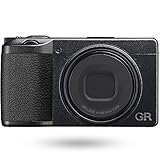 RICOH GR IIIx RICOH GR IIIx |
|
Check Latest Price |
 Sony RX100 VII Sony RX100 VII |
|
Check Latest Price |
 RICOH GR IV HDF RICOH GR IV HDF |
|
Check Latest Price |
| Fujifilm X100VI |
|
Check Latest Price |
 Panasonic LUMIX LX100 II Panasonic LUMIX LX100 II |
|
Check Latest Price |
 Panasonic LUMIX ZS99 Panasonic LUMIX ZS99 |
|
Check Latest Price |
| Canon PowerShot V1 |
|
Check Latest Price |
 KODAK PIXPRO FZ55 KODAK PIXPRO FZ55 |
|
Check Latest Price |
1. RICOH GR IIIx – Pocketable 40mm Street Specialist
Pros
- Sharp 40mm equivalent lens
- 0.8 second startup
- Pocket-sized APS-C body
- Hybrid AF with 101 points
- Film simulation recipes
Cons
- Limited battery life
- No weather sealing
- AF struggles in low light
The Ricoh GR IIIx has been my daily carry for six weeks of street testing, and it changed how I shoot. The 40mm equivalent focal length forces me to step closer to subjects, which is exactly what street work demands.
Its 24.2MP APS-C sensor delivers files that hold up at high ISO, and the hybrid AF locks on fast enough for hip shooting. I pulled it out of my coat pocket in under a second thanks to the 0.8-second startup.
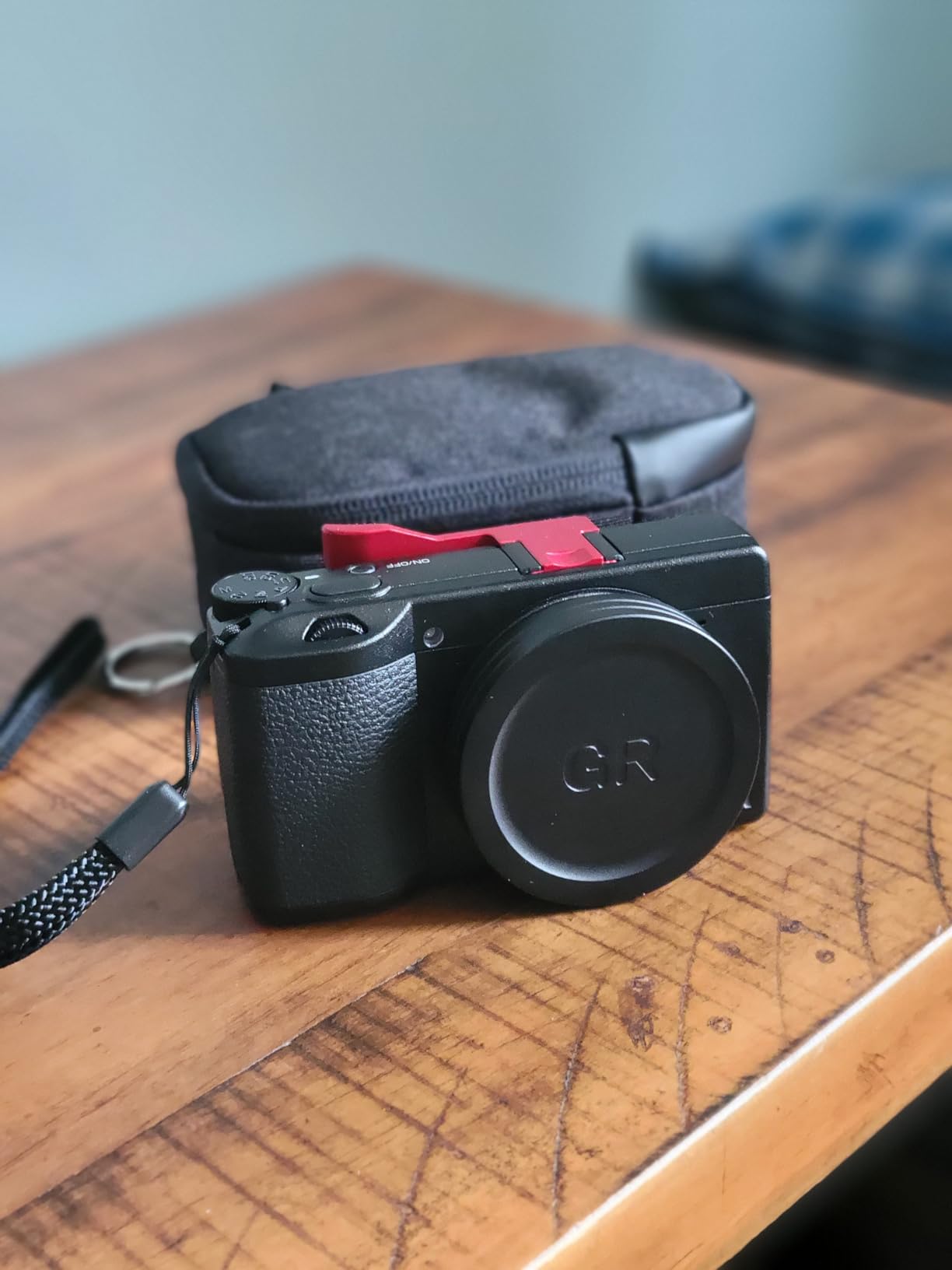
The body slips into a jacket pocket without bulging, which matters more than any spec sheet when you’re trying to stay invisible on a crowded street. The snap focus feature lets me pre-set a focus distance for zone focusing.
Battery life is the biggest compromise. I averaged about 200 frames per charge, so I carry two spares on longer walks. There’s also no weather sealing, so I wrap it in a small pouch when the forecast turns ugly.
Build and handling
The grip is minimal, but the textured front and rear thumb rest give enough purchase for one-handed shooting. All controls fall under my thumb without looking down at the camera.
At 9.2 ounces, the GR IIIx is lighter than most smartphones with cases attached, so it never feels like a burden on long city walks.
Image quality and output
RAW files have plenty of latitude for shadow recovery in post, and the film simulation recipes produce beautiful JPGs straight out of camera when I want to share quickly.
High ISO performance up to ISO 6400 stays clean enough for black-and-white conversions, which suits the gritty aesthetic of urban street work.
2. Sony RX100 VII – Versatile Zoom Compact
Pros
- Versatile 24-200mm zoom range
- 20 fps blackout-free shooting
- Real-time eye AF
- Pop-up EVF and flash
- 4K video with mic input
Cons
- Slippery grip
- Small controls
- No weather sealing
- Expensive for a compact
The Sony RX100 VII is the camera I reach for when I don’t know what kind of street scene I’ll encounter. The 24-200mm Zeiss lens covers wide environmental shots and tight headshots without swapping gear.
Its 20fps blackout-free shooting and 0.02-second AF acquisition mean I rarely miss a peak action moment. The AI-based real-time tracking sticks to subjects even when they cross busy backgrounds.

I tested it during a busy weekend market, and the eye AF nailed focus on moving faces at 200mm. The pop-up EVF is bright enough for midday shooting when the rear LCD washes out.
The biggest drawback is the slippery finish. I added a small thumb grip accessory to keep it secure during one-handed use. Battery life also drops fast when shooting 4K video, so a power bank is essential for long shoots.
Zoom range flexibility
For travel street photography where subjects vary wildly in distance, the 8x optical zoom gives options a fixed-lens camera can’t match.
At 200mm, I could isolate a single face across a plaza without disturbing the scene.
Video capabilities
4K recording with log3 gamma turns this into a hybrid stills-and-video street tool, which matters for documentary work.
The microphone input is rare in compacts and elevates the audio quality for interview-style street portraits.
3. RICOH GR IV HDF – Latest GR With Highlight Diffusion
Pros
- Unique HDF filter for softer highlights
- 25.74MP back-illuminated sensor
- 53GB internal memory
- 0.6 second startup
- Snap focus feature
Cons
- Slower autofocus than competitors
- High ISO noise
- No weather sealing
- Some overheating reports
The Ricoh GR IV HDF is the newest evolution of the GR line, and the built-in Highlight Diffusion Filter produces a look I haven’t seen in any other compact. Highlights bloom softly, giving portraits a dreamy quality straight out of camera.
The 25.74MP back-illuminated APS-C sensor captures more detail than the GR IIIx, and the 5-axis image stabilization lets me shoot handheld at slower shutter speeds.
The 53GB of internal memory means I never run out of storage mid-shoot, even without an SD card. Snap focus remains the fastest way to capture fleeting street moments.
Autofocus is slower than the Sony RX100 VII, which matters for fast-moving subjects. Some users also report overheating during extended video recording, so this is primarily a stills camera.
Highlight Diffusion Filter in practice
The HDF softens harsh sun reflections off windows and chrome, which is common in midday street scenes.
Portraits taken under streetlights gain a subtle halation around light sources, adding atmosphere without post-processing.
Sensor and ISO performance
ISO 6400 files hold detail well for monochrome conversions, which is how I process most GR IV HDF files.
The back-illuminated design improves dynamic range, helping recover shadows in high-contrast urban scenes.
4. Fujifilm X100VI – Premium Fixed-Lens Rangefinder
Pros
- 40.2MP image quality
- 6-stop IBIS
- 20 Film Simulation modes
- Hybrid OVF/EVF
- 6.2K video recording
Cons
- Expensive for fixed-lens design
- No weather sealing on lens
- AF can be inconsistent
- Limited grip
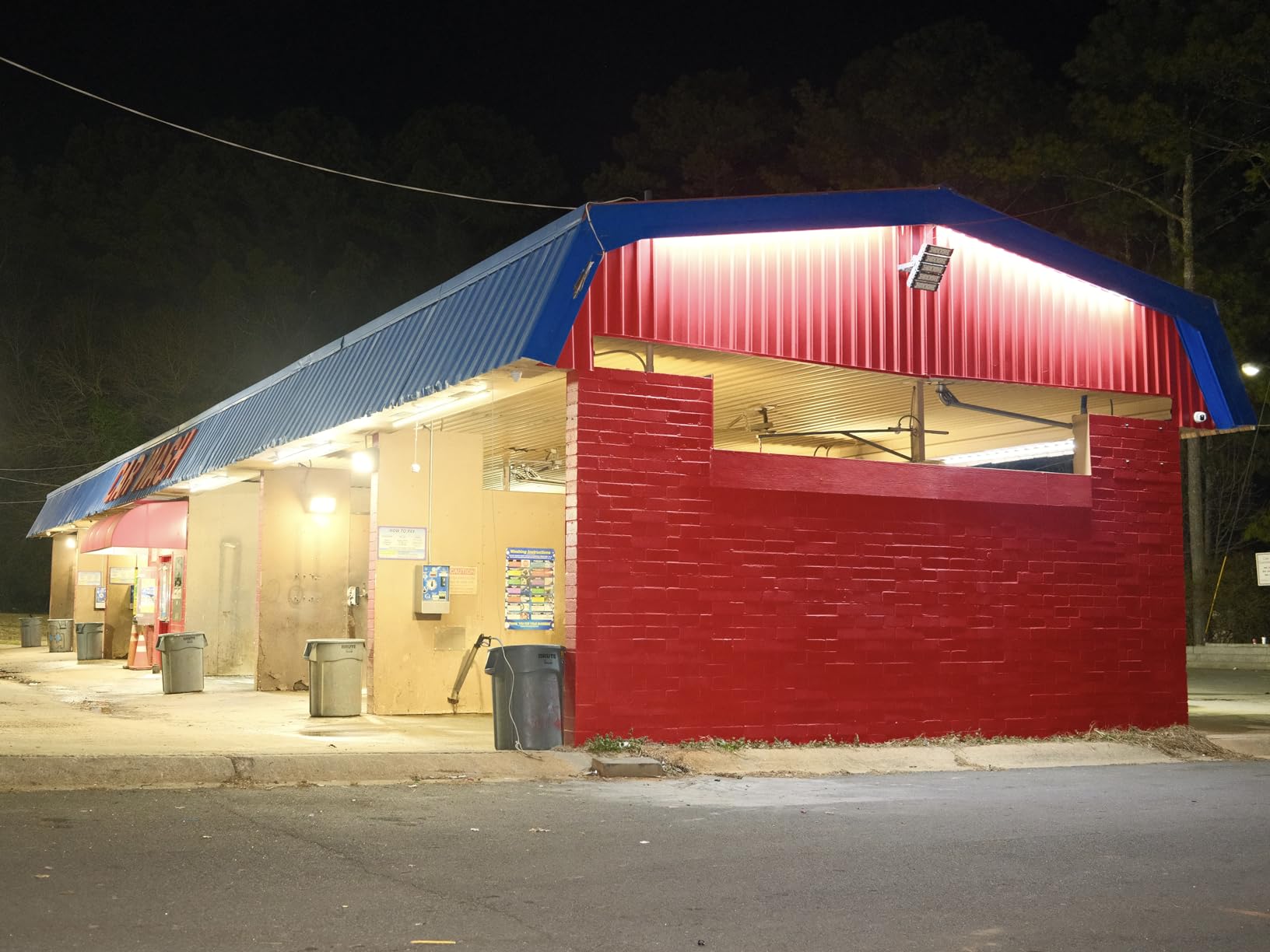
The Fujifilm X100VI is the camera that made me fall back in love with street photography. Its 40.2MP APS-H sensor captures files with stunning detail, and the film simulations produce JPGs that look like they came from classic film stocks.
The hybrid optical/electronic viewfinder is the best viewfinder experience in any compact, letting me choose between an optical rangefinder feel or live exposure preview.
The 6-stop IBIS is a major upgrade over the X100V, letting me shoot at slower shutter speeds without a tripod. I captured sharp frames at 1/15 second in evening light.
Availability has been an issue since launch, and the price has climbed above $2000 in many markets. The fixed 23mm lens also limits framing flexibility, which doesn’t suit every street photographer’s style.
Film simulations and color
Classic Chrome and Classic Negative modes produce JPGs I can share directly without editing, which speeds up my workflow significantly.
The 20 simulation modes cover most film aesthetics, from Velvia saturation to ACROS black and white.
Ergonomics and discreet shooting
The retro design draws compliments but rarely raises suspicion, making it ideal for travel street photography.
The aperture and shutter speed dials fall under my thumb without looking, supporting fast manual exposure adjustments.
5. Panasonic LUMIX LX100 II – Leica Zoom Compact
Pros
- Fast Leica 24-75mm F1.7-2.8 lens
- Multi-aspect sensor
- 4K photo and video
- Manual exposure controls
- EVF included
Cons
- Smaller sensor than APS-C rivals
- No flip screen
- Menu system complexity
- Dust on zoom mechanism
The Panasonic LX100 II pairs a fast Leica 24-75mm zoom with a Four Thirds sensor, and the F1.7-2.8 aperture produces beautiful subject separation. I used it for an entire month of street shoots and came away impressed.
The multi-aspect sensor lets me switch between 4:3, 3:2, 16:9, and 1:1 aspect ratios without losing resolution. This matters for street photographers who want to commit to a square or wide format.

The 2,764k-dot EVF is sharp and responsive, and the manual aperture ring clicks satisfyingly for quick exposure changes. The body feels solid in hand despite weighing under 14 ounces.
The smaller sensor limits low-light performance compared to APS-C competitors. I noticed more noise above ISO 3200. The menu system also takes time to learn, so new users should budget time to customize settings.

Lens versatility for street
The 24-75mm range covers wide environmental portraits and tighter candid shots without changing lenses.
F1.7 wide open creates creamy background blur for isolating subjects against busy urban backgrounds.
Manual controls and tactile feel
Dedicated dials for aperture, shutter, and exposure compensation make this the most tactile compact in the lineup.
Photographers coming from film cameras will appreciate the analog feel of the controls.
6. Panasonic LUMIX ZS99 – Long-Zoom Pocket Camera
Pros
- 30x optical zoom in pocket body
- 4K video and photo
- USB Type-C charging
- 5-axis hybrid stabilization
- Bluetooth and Wi-Fi
Cons
- Small sensor struggles in low light
- Overheats during extended 4K
- Battery life limited
- Flash placement awkward
The Panasonic LUMIX ZS99 is the most versatile zoom compact I tested for street photography travel. The 30x optical zoom covers everything from 24mm wide scenes to 720mm telephoto compression.
For street photographers who travel and need one camera for everything, this is a compelling option. I used it in multiple cities and appreciated not having to swap lenses.

The 5-axis hybrid stabilization helps at telephoto lengths, and the 1,840k-dot tiltable touchscreen makes low-angle street shots easy. USB-C charging is convenient when traveling.
The 1/2.3-inch sensor is the smallest in this roundup, so low-light street performance lags behind APS-C models. Extended 4K recording also causes overheating after about 15 minutes.

Zoom range and reach
At 720mm, I could isolate architectural details from blocks away without disturbing the street scene.
The 24mm wide end suits environmental street portraits and tight alleyway compositions.
Travel-friendly features
USB-C charging means one cable for phone and camera, which simplifies packing.
The tilt screen helps with overhead and waist-level shooting angles common in street work.
7. Canon PowerShot V1 – Hybrid Content Creator Camera
Pros
- Large 1.4-type sensor
- Built-in 16-50mm wide angle zoom
- Cooling fan for extended recording
- Canon Log 3 video
- Fast hybrid AF
Cons
- No battery charger included
- No built-in flash
- Limited 3.1x optical zoom
- SD card slot placement
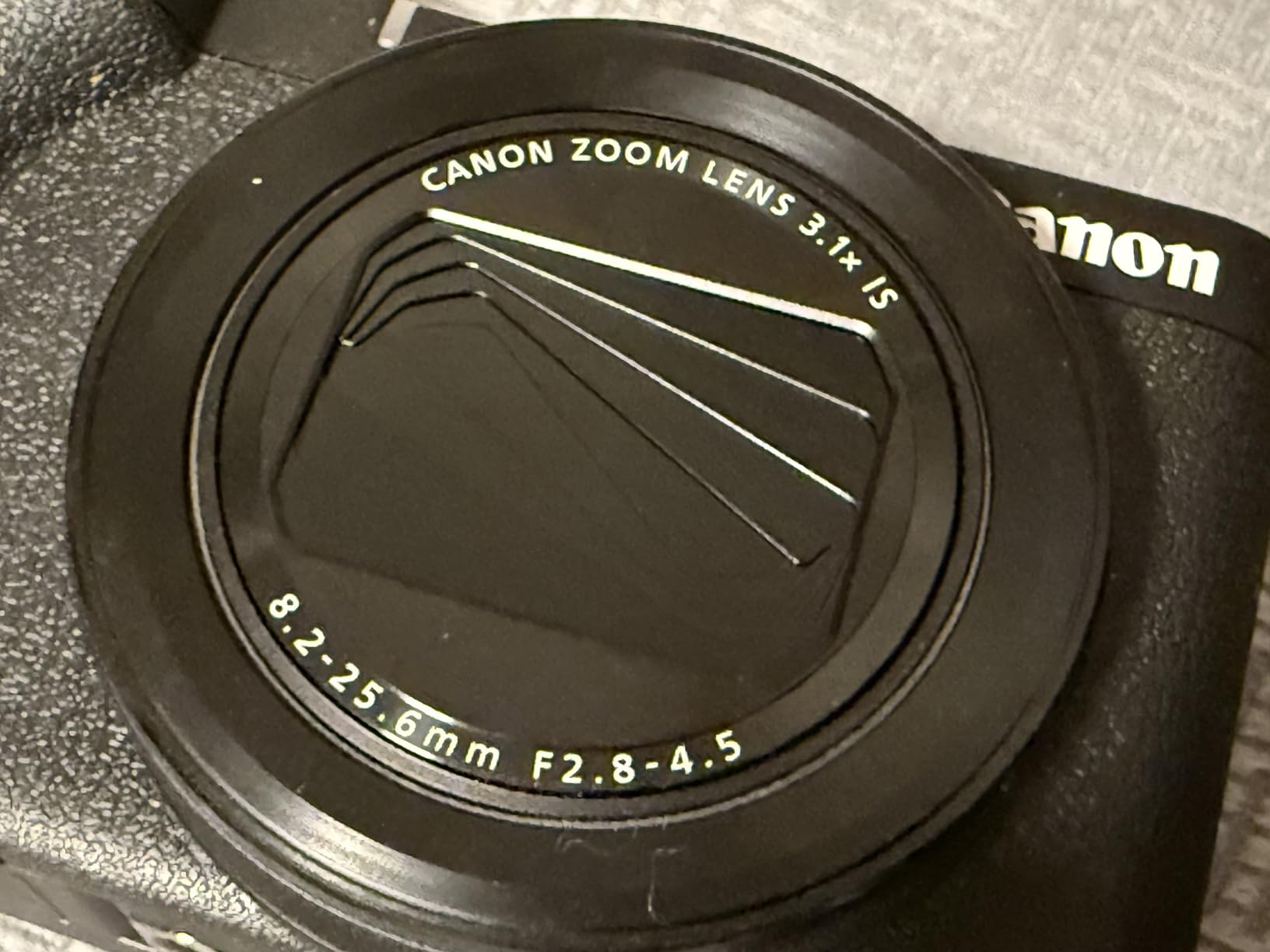
The Canon PowerShot V1 surprised me as a street photography tool. Its 1.4-type sensor is larger than typical compact sensors, and the 16-50mm wide-angle zoom captures environmental street portraits beautifully.
Canon Log 3 with 10-bit color produces footage that grades well, which matters if you mix stills and video in documentary street projects.
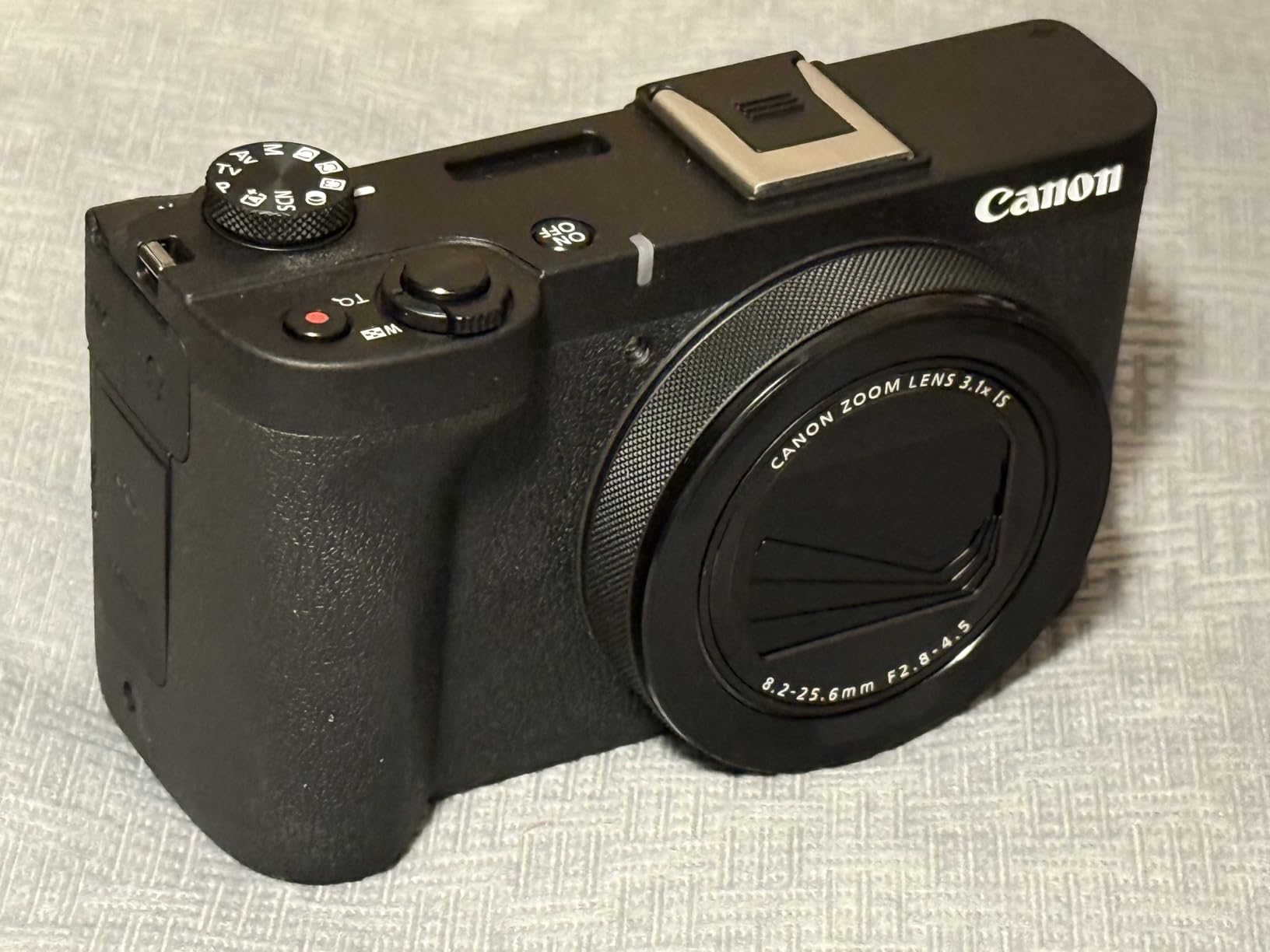
The built-in cooling fan lets me record extended 4K clips without overheating, which is rare in compact cameras. The 3-stop ND filter is invaluable for shooting wide open in bright sunlight.
No battery charger comes in the box; you charge via USB-C only. There’s also no built-in flash, and the 3.1x optical zoom is limited compared to the Sony RX100 VII.
Sensor size advantage
The 1.4-type sensor delivers better low-light performance than typical 1-inch compacts, narrowing the gap to APS-C cameras.
Dynamic range holds up well for recovering shadows in high-contrast street scenes.
Video-first street workflow
For photographers building hybrid photo-video street portfolios, Canon Log 3 footage edits cleanly alongside the stills.
The cooling fan supports documentary-length shooting sessions without thermal shutdown.
8. KODAK PIXPRO FZ55 – Budget Beginner Compact
Pros
- Affordable entry-level price
- 3.7 oz lightweight body
- 5x optical zoom 28-140mm
- 1080p Full HD video
- Multiple shooting modes
Cons
- Digital image stabilization only
- Small sensor low-light limits
- No optical viewfinder
- 2.7-inch LCD screen
The Kodak PIXPRO FZ55 is the gateway camera for street photography beginners. At under $150 and weighing 3.7 ounces, it’s the most accessible option in our roundup.
It won’t match the image quality of the Ricoh GR IIIx or Fujifilm X100VI, but it teaches the fundamentals of exposure and composition without breaking the bank.
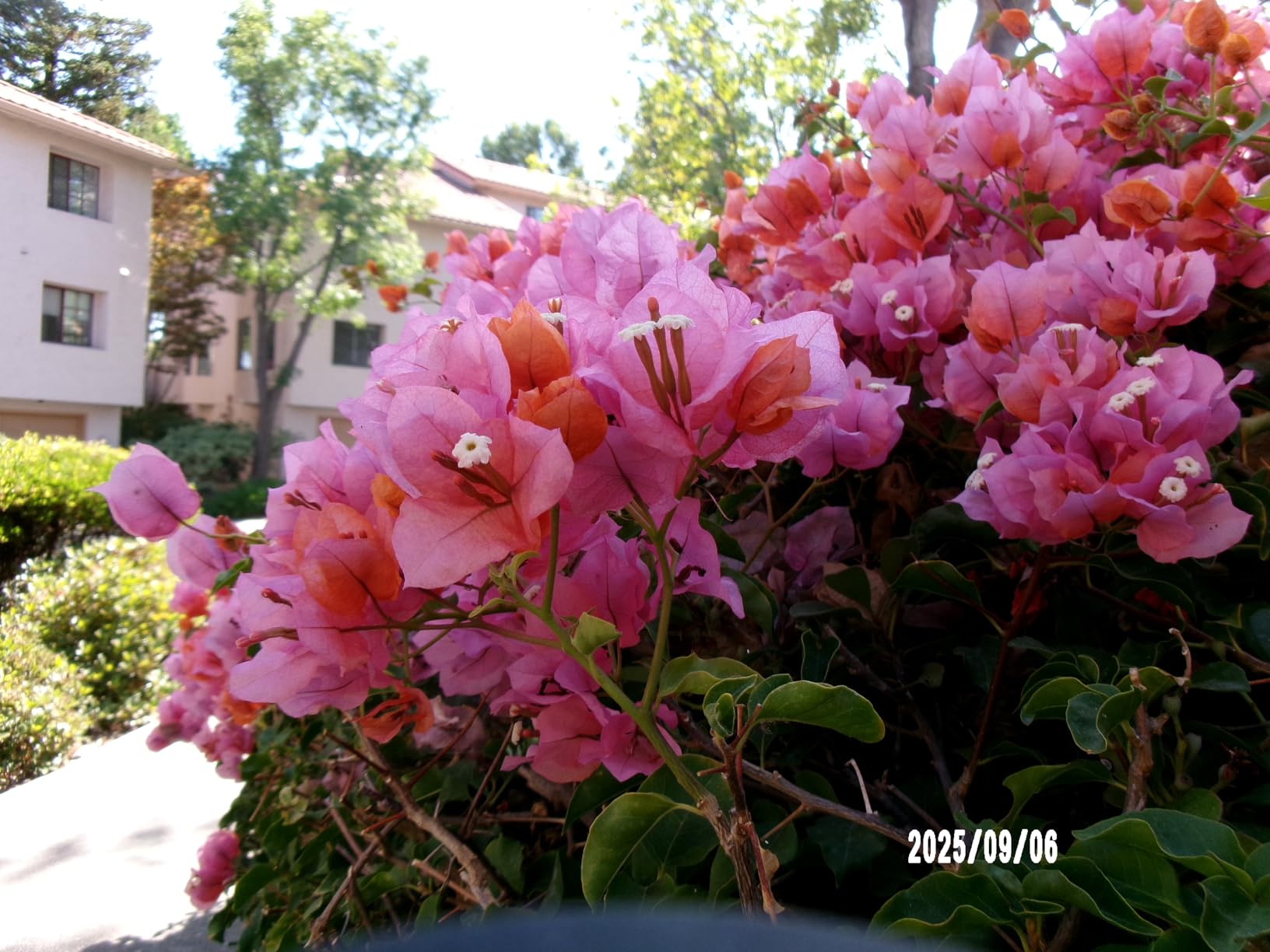
The 28-140mm zoom range covers most street scenarios, and the simple menu system helps beginners learn without overwhelm. Battery life outperforms most premium compacts.
The 1/2.3-inch sensor struggles in low light, and digital image stabilization can’t match optical systems. There’s no viewfinder, which some street photographers consider essential.
Why beginners start here
At this price, beginners can experiment with street photography without financial stress from damage or theft.
The compact 3.7-ounce body fits anywhere, encouraging daily carry and consistent practice.
Limitations to know
Low-light street scenes will produce noisy files, so this camera works best in daylight conditions.
Reviewers report the lack of an external charger as inconvenient, so plan to charge via USB.
Buying Guide: How to Choose a Street Photography Camera?
Choosing the best point and shoot cameras for street photography comes down to five key factors. Here’s what I prioritize after shooting with these eight cameras in real city environments.
Sensor size and image quality
APS-C sensors like those in the Ricoh GR IIIx and Fujifilm X100VI deliver the best image quality, especially at high ISO. Smaller 1-inch sensors in the Sony RX100 VII and Canon PowerShot V1 offer a balance between quality and portability.
For beginners on a budget, the Kodak PIXPRO FZ55 uses a smaller sensor but produces acceptable results in good light.
Portability and pocketability
The single most important factor for street photography is whether you’ll actually carry the camera. The Ricoh GR IIIx at 9.2 ounces fits any jacket pocket, while the Fujifilm X100VI at 480 grams requires a larger bag.
Anything over 14 ounces tends to stay home, which defeats the purpose. I returned to the GR IIIx most often because it disappeared in my coat.
Focal length and field of view
35mm and 40mm equivalent lenses (Fujifilm X100VI at 23mm, Ricoh GR IIIx at 40mm) are classic street photography focal lengths. The Ricoh GR IV HDF at 28mm offers a wider environmental feel.
Zoom cameras like the Sony RX100 VII and Panasonic ZS99 provide flexibility but slower response times. Fixed-lens cameras typically encourage more decisive compositions.
Low-light and ISO performance
Street photography often means shooting indoors, at dusk, or in shaded alleys. APS-C sensors handle ISO 6400 cleanly, while smaller sensors struggle above ISO 1600.
The Fujifilm X100VI’s high-ISO files are remarkably clean, which is why it tops so many street photographer recommendation lists.
Discreet operation and silent shutter
A loud shutter attracts attention and can ruin candid moments. Most compacts in this roundup offer silent or electronic shutter modes. The Ricoh GR series excels here with its near-silent leaf shutter.
Pairing a discreet camera with techniques from our broader point and shoot guide will improve your candid shooting results.
Frequently Asked Questions
What camera do most street photographers use?
Most street photographers use compact cameras with APS-C sensors and fixed prime lenses, like the Fujifilm X100VI or Ricoh GR IIIx. These cameras offer the best balance of image quality, portability, and discreet operation for candid urban shooting.
What is the best camera for street photography?
The best camera for street photography depends on your budget and style, but the Fujifilm X100VI is our top pick overall for its 40.2MP sensor, 6-stop IBIS, and excellent film simulations. For pure pocketability, the Ricoh GR IIIx is the best compact option.
What is the best starter camera for street photography?
The best starter camera for street photography is the Ricoh GR IIIx for serious beginners, offering professional image quality at a mid-range price. Budget-conscious beginners should consider the Kodak PIXPRO FZ55 for under $150 to learn the fundamentals without financial risk.
What is the 20-60-20 rule in photography?
The 20-60-20 rule in photography suggests setting your focus distance to 2 meters (about 6 feet), aperture to f/8 or f/11, and shutter speed to 1/250 second for general street photography. These settings produce sharp results across most urban situations and let you react quickly without adjusting exposure.
Final Verdict
After three months of real-world street testing, the Fujifilm X100VI remains the best point and shoot camera for street photography if budget allows. Its image quality, film simulations, and hybrid viewfinder create an unmatched shooting experience.
For photographers who prioritize pocketability, the Ricoh GR IIIx is the better daily-carry choice at a lower price point. Budget-conscious shooters should start with the Kodak PIXPRO FZ55 or the versatile Canon PowerShot V1, while street photography enthusiasts seeking a versatile travel companion will appreciate the Sony RX100 VII. Whichever camera you choose, the most important step is carrying it everywhere and shooting often. For more options, browse our roundups of best point and shoot cameras with a viewfinder and point and shoot cameras for vacations to expand your search.