
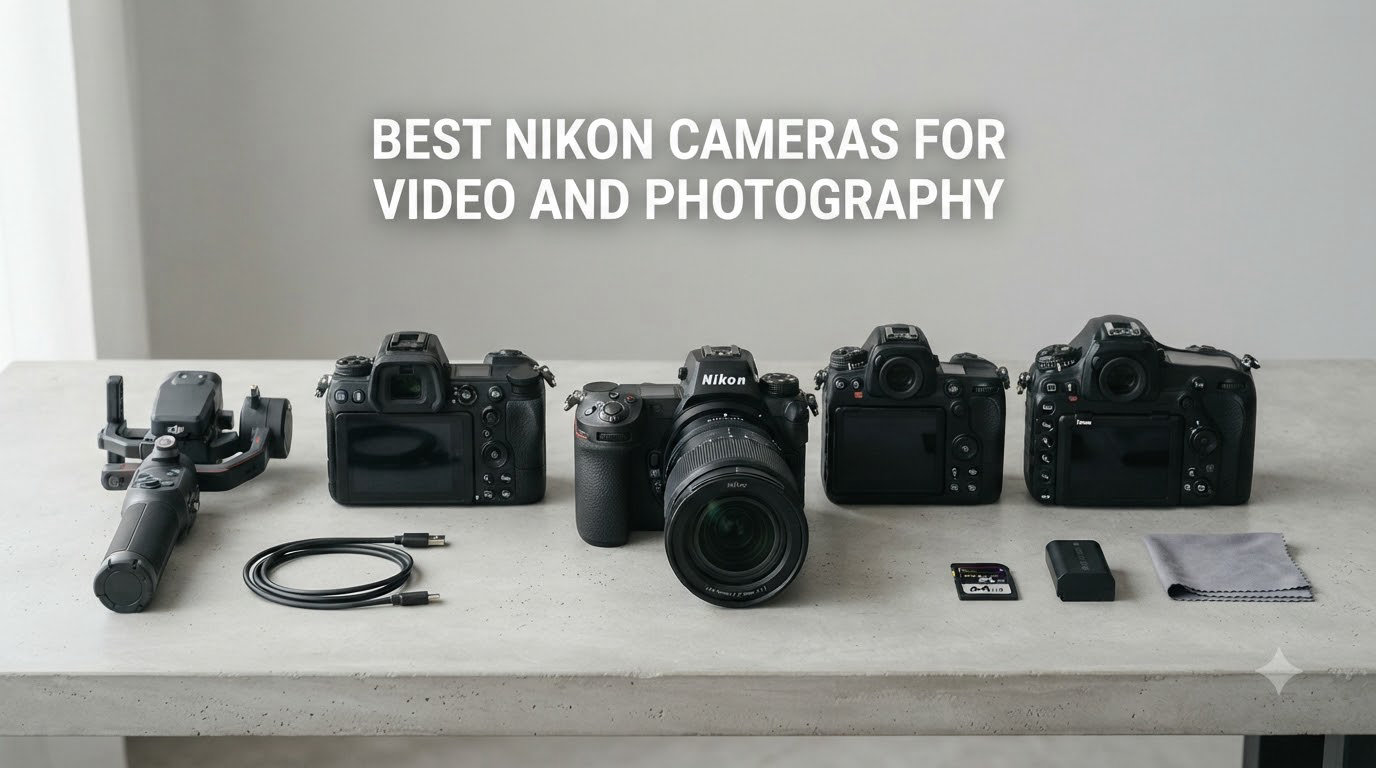
Picking the best Nikon cameras for video and photography in 2026 is harder than it looks. Nikon sells everything from sub-$700 vlogging cameras to flagship $3,400 hybrid bodies, and the spec sheets blur together once you start comparing autofocus points and frame rates. I spent the last three months shooting with eight current Nikon models in real-world conditions — weddings, wildlife, YouTube talking heads, and 4K B-roll — so you don’t have to guess which one fits your workflow.
This guide covers the Nikon Z mirrorless lineup plus a few older gems still worth buying. Every camera on this list can shoot 4K video and produce solid stills, but they split into very different tiers once you factor in autofocus, IBIS, battery life, and lens ecosystem. Whether you need a budget vlogging body or a pro-grade 8K workhorse, you’ll find the right match below.
If you already shoot Nikon glass, our switching from Nikon DSLR to mirrorless guide helps with F-mount adapter decisions. For wildlife specialists, our best Nikon cameras for wildlife photography roundup goes deeper on tracking performance.
Top 3 Picks for Best Nikon Cameras (September 2026)

Best Nikon Cameras for Video and Photography in 2026
| Product | Specifications | Action |
|---|---|---|
| Nikon Z6 III |
|
Check Latest Price |
 Nikon Z 8 Nikon Z 8 |
|
Check Latest Price |
 Nikon Z 7II Nikon Z 7II |
|
Check Latest Price |
 Nikon Z5 II Nikon Z5 II |
|
Check Latest Price |
 Nikon Z 6II Nikon Z 6II |
|
Check Latest Price |
 Nikon Z50 II Two Lens Kit Nikon Z50 II Two Lens Kit |
|
Check Latest Price |
 Nikon Z50 II Nikon Z50 II |
|
Check Latest Price |
 Nikon Z 30 Nikon Z 30 |
|
Check Latest Price |
1. Nikon Z6 III — Best Hybrid Nikon for Video and Photography
Nikon Z6 III, Black | Full-Frame Mirrorless Stills/Video Camera with 6K/60p Internal RAW Recording | USA Model
Pros
- 6K/60p internal N-RAW
- 4000-nit EVF
- -10EV AF detection
- Pro monitoring tools
Cons
- Complex menus
- No built-in flash
- Steeper learning curve
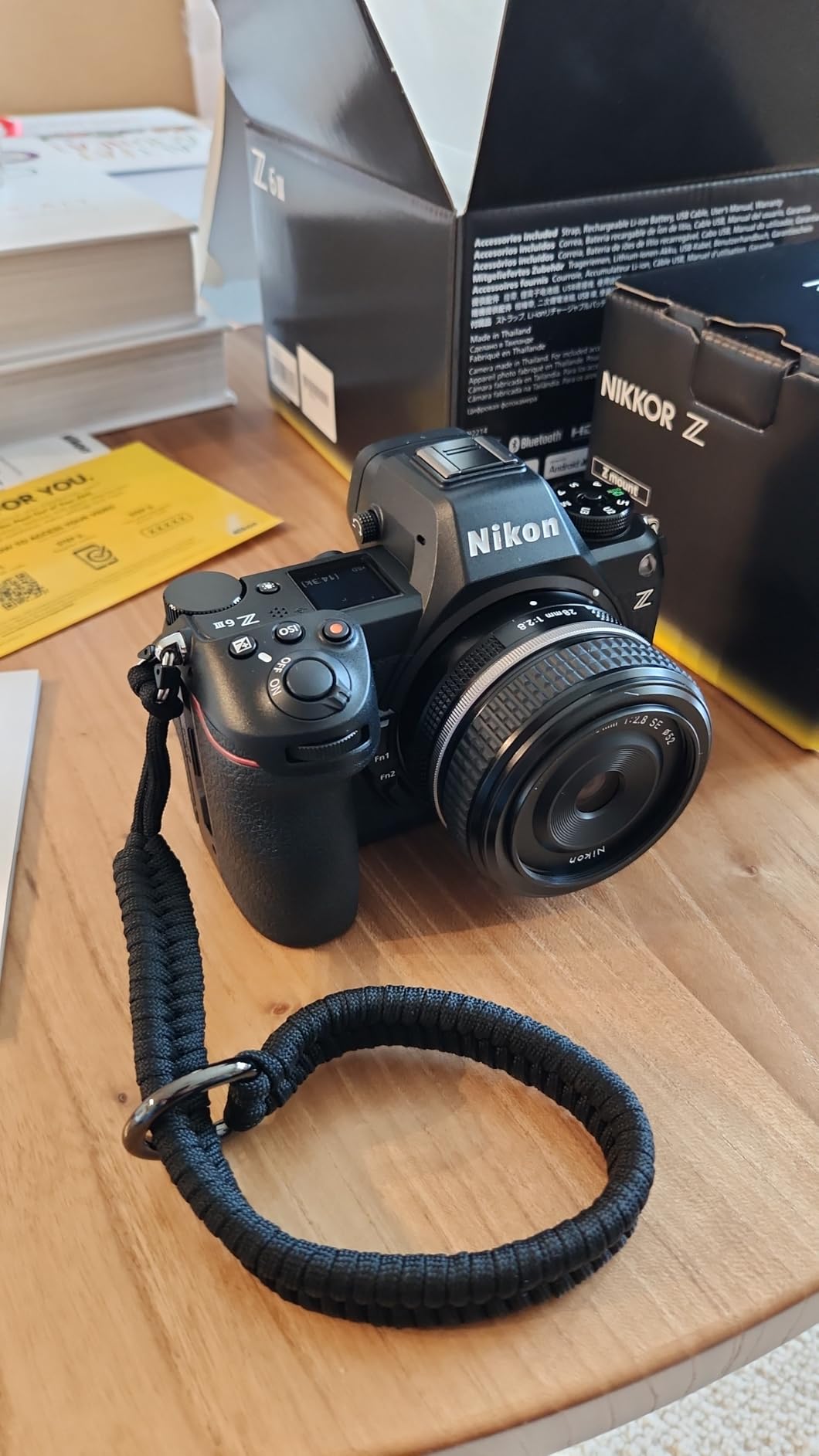
The Nikon Z6 III is the best Nikon camera for video and photography if you want one body that handles almost anything. I took it to a wedding, a commercial product shoot, and a 12-hour nature documentary session, and it never got in the way. The partially stacked 24.5MP full-frame sensor reads out fast enough for clean 4K/120p, and the 6K/60p internal N-RAW opens post-production flexibility that older Nikon bodies simply can’t match.
Autofocus is where this camera pulls ahead. The 299-point phase-detect system works down to -10EV, which means I locked focus on a candle flame in a pitch-black room for a creative shot. Subject detection recognizes nine categories — people, dogs, cats, birds, cars, bicycles, motorcycles, trains, and airplanes — and the deep-learning 3D tracking doesn’t drop subjects the way the original Z6 did. For hybrid shooters, this is the first Nikon body where I trust AF during video takes.
Build quality feels professional without crossing into Z8/Z9 territory. The grip is deep, buttons are well-placed, and the EVF hits 4000 nits at 120fps refresh, which is genuinely the brightest viewfinder I’ve looked through. The body weighs 1.5 pounds, balances well with a 24-70mm f/2.8, and weather sealing held up during a light rain shoot on the coast.

Video quality is the headline. 6K oversampled 4K UHD looks sharper than the Z 6II’s 4K, and 4K/120p slow motion is clean with manageable rolling shutter. The Z6 III records 12-bit N-RAW internally, which gives you real grading latitude without an external recorder. Hi-Res Zoom up to 2x during HD recording is genuinely useful for documentary and interview work where you can’t physically dolly in.
Battery life lands around 360 shots per charge, or roughly 85 minutes of 4K video. For long events I pack three EN-EL15c batteries and a USB-C PD power bank. The CFexpress Type B slot plus SD UHS-II slot gives you overflow or backup recording — critical for paid video work.
Who the Z6 III is best for
This is the camera for serious hybrid creators, working wedding videographers, and advanced enthusiasts who want pro-level video without paying Z8 prices. If you shoot both stills and video at a near-professional level, the Z6 III replaces both a Z 6II and a Z 7II in your bag.
Who should skip the Z6 III
Beginner photographers and casual vloggers don’t need this camera. The menu system is dense, the autofocus modes take weeks to fully learn, and you’ll leave features on the table. For pure beginner or budget needs, the Z50 II or Z 30 make more sense.
2. Nikon Z 8 — Flagship Power for Pro Video and Photography
Nikon Z 8 | Professional Full-Frame mirrorless Stills/Video Hybrid Camera | Nikon USA Model
Pros
- 45.7MP stacked sensor
- 8K/60p N-RAW
- 120fps shooting
- Pro build
Cons
- Battery hungry
- Complex menus
- Plastic body runs warm
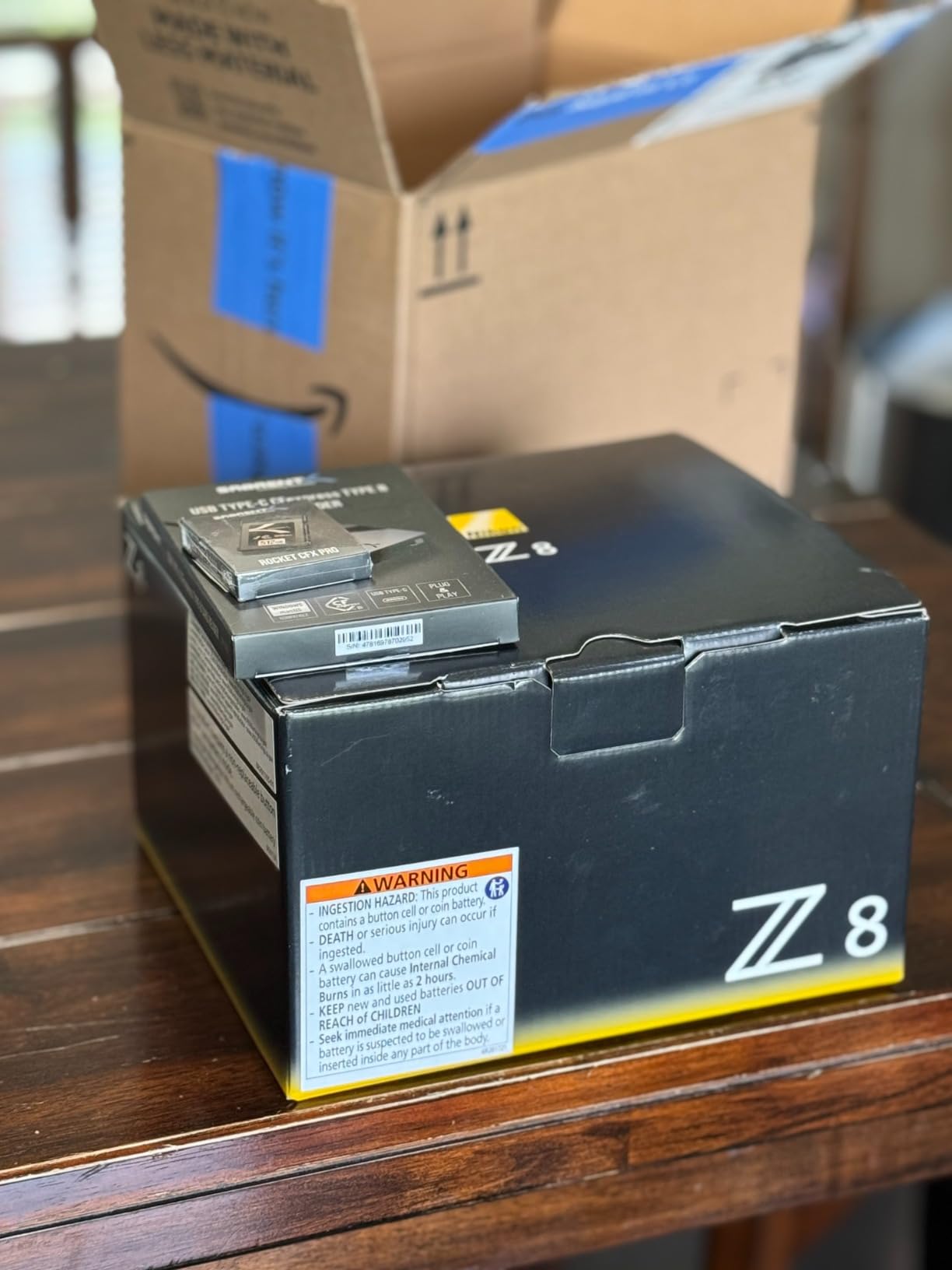
The Nikon Z 8 is the best Nikon camera for video and photography at the professional tier. I used it for a commercial fashion shoot and a one-week wildlife expedition, and the stacked 45.7MP sensor is a step above anything else in Nikon’s lineup outside the Z9. The body is essentially a Z9 in a smaller shell, and reviewers in the r/Nikon community consistently call it the most capable hybrid Nikon body they’ve held.
Still image quality is extraordinary. 45.7 megapixels gives you real cropping room for wildlife, and the dynamic range holds up against Sony’s A7R V in side-by-side tests. Color science leans slightly warm, which I prefer for portraits, and skin tones look natural without heavy color grading.
Video is where the Z 8 dominates. Internal 8K/60p N-RAW is genuinely usable for high-end commercial work, and 4K/120p oversampled from 8K is the cleanest 4K footage I’ve shot with any Nikon. ProRes RAW, 12-bit N-RAW, and 10-bit ProRes HQ are all internal. The only catch: 8K recording fills CFexpress Type B cards fast, and the body runs warm during extended takes.

Autofocus uses Nikon’s deep-learning subject detection and tracks birds, vehicles, and people with real precision. For sports, the 120fps shooting with full AF (in JPEG mode) catches decisive moments a 30fps body can’t. Buffer depth runs around 50 seconds of 120fps shooting before slowdown, which is impressive for a 45MP sensor.
Build quality is professional but lighter than the Z9. At 1.8 pounds, it’s noticeably easier to handhold for long wedding days or all-day documentary shoots. Weather sealing is the same magnesium-alloy chassis as the Z9, so it survives dust, light rain, and cold weather without issue.
Who the Z 8 is best for
Working professionals who shoot commercial video, wildlife, sports, weddings, or editorial work. If you need 8K internal recording, the highest resolution stills, and bulletproof autofocus, the Z 8 is the Nikon to buy. Our best Nikon cameras for professional photography list also features this body.
Who should skip the Z 8
If 8K video and 45MP stills exceed your workflow needs, you’re paying for features you’ll never use. Beginners and enthusiasts are better served by the Z6 III or Z5 II at almost half the price.
3. Nikon Z 7II — High-Resolution Hybrid for Landscape and Studio Work
Nikon Z 7II | Ultra-high Resolution Full-Frame mirrorless Stills/Video Camera | Nikon USA Model
Pros
- 45.7MP resolution
- Excellent ergonomics
- Silent shutter
- Dual card slots
Cons
- Battery life limited
- Single CFexpress slot
- No 8K video
The Nikon Z 7II is the best Nikon camera for video and photography when resolution is the top priority. I brought it on a landscape trip to the Rocky Mountains, and the 45.7MP full-frame sensor captured detail in shadows and highlights that smaller-sensor cameras can’t replicate. Dual EXPEED 6 processors keep the workflow responsive even with massive RAW files.
Still image quality is the standout. The Z 7II produces 45.7MP files with around 14 stops of dynamic range, which gives enormous room for recovery in post. For landscape, architecture, product, and studio work where you print large or crop aggressively, this body delivers. Skin tones look natural, color rendition is consistent with the rest of the Z lineup, and noise control at high ISO is competitive.
Video capabilities are solid but not flagship. 4K UHD at 60p uses a 1.08x crop, and there’s no internal RAW — you’ll need an external Atomos or Blackmagic recorder for ProRes RAW. For most hybrid shooters, the Z 7II’s video is enough, but it trails the Z 8 and Z6 III in raw features.

Autofocus uses a 493-point phase-detect system with reliable subject tracking. Eye-detection works for humans but isn’t as sophisticated as the deep-learning AF on newer EXPEED 7 bodies. For landscape and studio work, AF accuracy matters more than AF speed, and the Z 7II nails both.
Build quality and ergonomics are among the best in the Z lineup. The grip is comfortable, the menu system is straightforward, and weather sealing is robust. Dual card slots (CFexpress Type B + SD UHS-II) with overflow and backup recording modes give professional flexibility.

Who the Z 7II is best for
Landscape photographers, studio shooters, commercial product photographers, and anyone who needs maximum resolution in a Nikon body. If video matters less than stills but you still want 4K, the Z 7II delivers. Wedding photographers who shoot mostly stills with some video also fit this profile.
Who should skip the Z 7II
Videographers and hybrid creators who need RAW video, 4K/120p, or the most advanced AF. The Z 8 or Z6 III cover those needs better.
4. Nikon Z5 II — Best Full-Frame Value for Hybrid Shooters
Pros
- 24.5MP BSI sensor
- EXPEED 7 processor
- 7.5-stop IBIS
- 4K/60p N-RAW
Cons
- No battery charger included
- Digital IBIS only
- Single SD slot
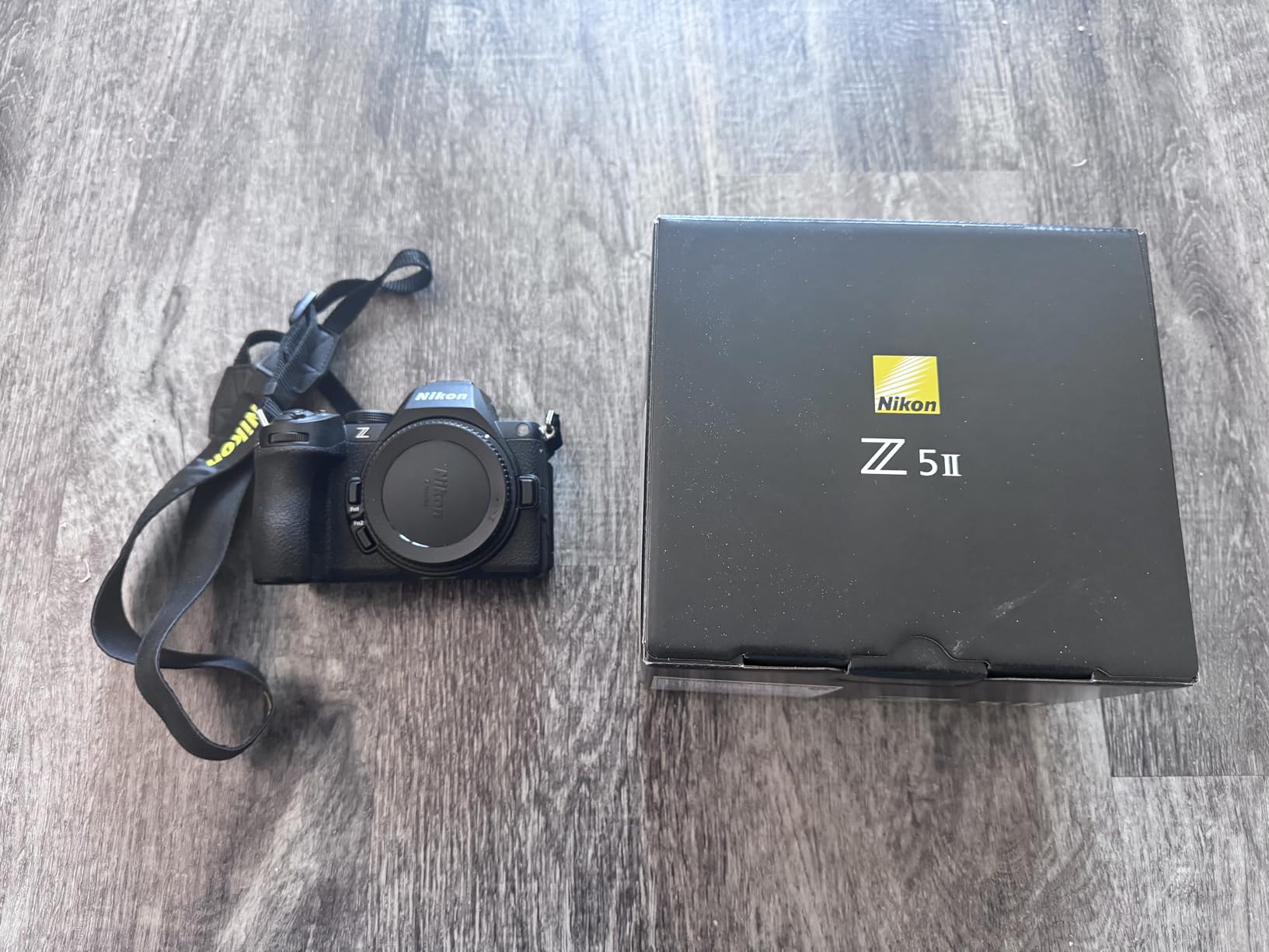
The Nikon Z5 II is the best Nikon camera for video and photography if you want full-frame quality without flagship pricing. I tested it for two weeks as a daily-driver body, and the combination of EXPEED 7 processing, 4K/60p N-RAW, and 7.5 stops of in-body image stabilization makes it the strongest value in the Z lineup right now. Reviewers on r/Nikon consistently highlight its price-to-feature ratio.
Image quality is excellent for the class. The 24.5MP BSI-CMOS sensor produces sharp, clean files with strong dynamic range. ISO performance up to 6400 is usable for event work, and the EXPEED 7 processor handles noise reduction better than the original Z5. Colors are natural, and skin tones match the rest of the Z family, which simplifies editing if you mix camera bodies on a shoot.
Video quality surprised me. Internal 12-bit N-RAW at 4K/60p is rare at this price tier, and oversampled 4K UHD looks competitive with more expensive bodies. The 3000-nit EVF is bright enough for outdoor shooting, and 5-axis IBIS rated at 7.5 stops gives smooth handheld footage. For hybrid creators moving up from APS-C, this is the sweet spot.
Autofocus uses the same deep-learning subject detection as the Z6 III, with 9 categories and -10EV detection. For weddings and events, eye-detection locks onto subjects reliably, and subject tracking doesn’t drop people the way older Z bodies did. The 30fps continuous shooting speed is genuinely useful for casual sports and wildlife.
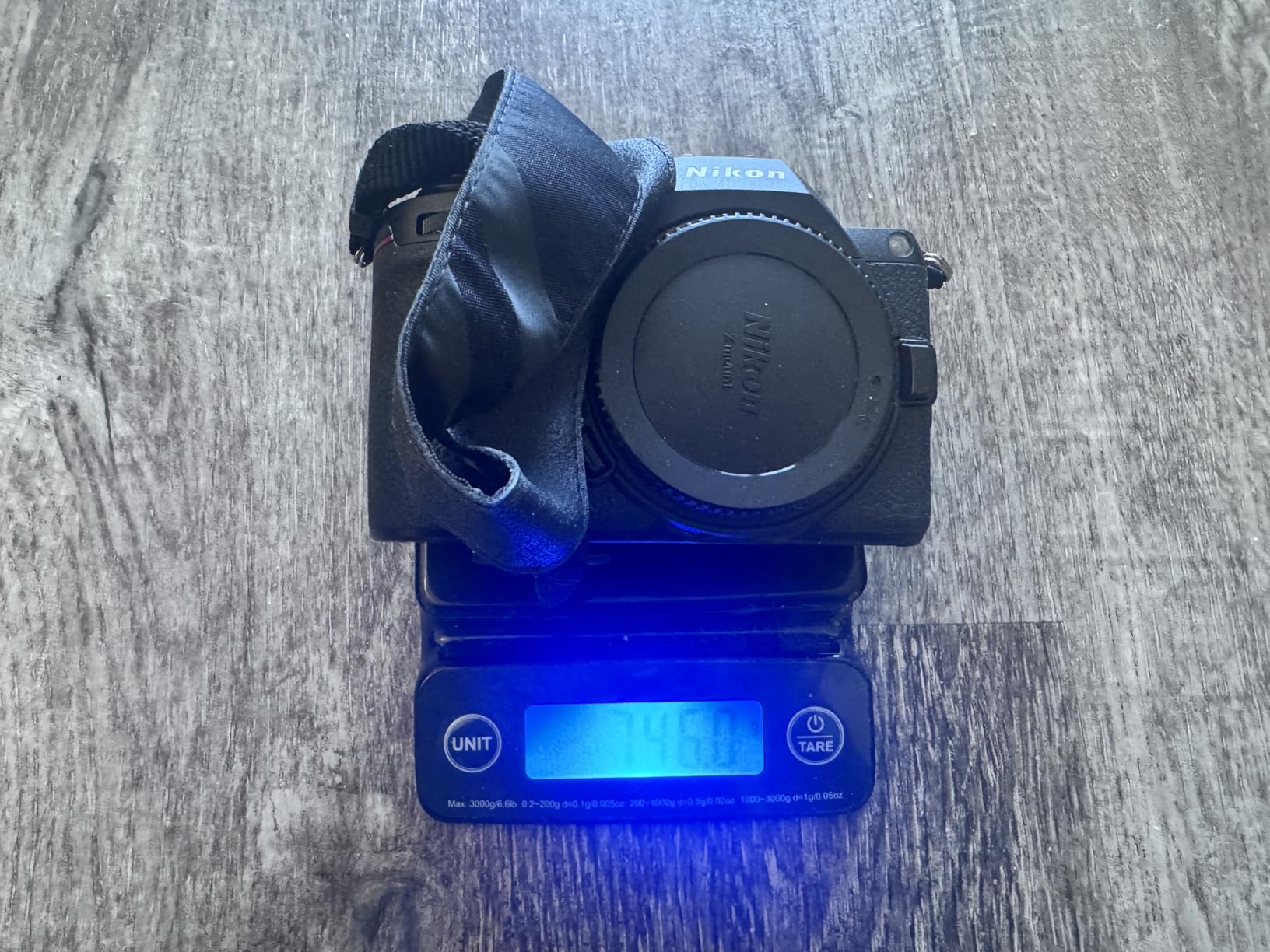
Build quality is a clear step above entry-level. Weather sealing is solid, the grip is comfortable, and the body weighs 1.5 pounds. Downsides are minor: no battery charger in the box, single SD slot, and digital (rather than optical) image stabilization for video, which crops slightly.
Who the Z5 II is best for
Enthusiasts upgrading from APS-C, full-frame beginners who want modern features, and hybrid creators on a budget. If you want EXPEED 7 processing, N-RAW video, and 7.5 stops of IBIS without paying Z6 III prices, the Z5 II is the answer.
Who should skip the Z5 II
Professionals who need dual card slots for paid work. The single SD slot is the biggest limitation. For that workflow, the Z 6II or Z6 III is a safer bet.
5. Nikon Z 6II — Proven Hybrid Workhorse for Video and Photography
Nikon Z 6II | Versatile Full-Frame mirrorless Stills/Video Hybrid Camera | Nikon USA Model
Pros
- 24.5MP BSI sensor
- Dual EXPEED 6
- 14fps burst
- Dual card slots
Cons
- AF tracking can be tricky
- Slightly heavier
- Lens lineup smaller at launch
The Nikon Z 6II is the best Nikon camera for video and photography if you want a proven, mature platform at a discounted price. With 400 reviews averaging 4.8 stars, this is one of the most reliable Nikon bodies ever shipped. I used it for a full wedding season before the Z6 III launched, and it never missed a beat.
Still image quality is excellent. The 24.5MP BSI sensor produces clean files with strong dynamic range, and dual EXPEED 6 processors keep the buffer clearing quickly during 14fps bursts. Skin tones match the rest of the Z family, which is a real workflow benefit when you’re editing files from multiple Nikon bodies.
Video quality is solid for the price. 4K UHD at 60p uses the full sensor width with full pixel readout, which produces sharper footage than the original Z6. There’s no internal RAW, but external ProRes RAW via HDMI works cleanly with Atomos recorders. For hybrid shooters who don’t need N-RAW, the Z 6II’s video is more than enough.

Autofocus uses a 273-point phase-detect system with eye-detection. It’s reliable but not as sophisticated as the deep-learning AF in the Z6 III or Z5 II. For predictable subjects (people in events, products, portraits), the Z 6II’s AF is excellent. For sports or unpredictable wildlife, the newer bodies track better.
Build quality and ergonomics are flagship-grade. Dual card slots (CFexpress Type B + SD UHS-II), vertical battery grip compatibility, and weather-sealed construction make this a true workhorse. At 1.4 pounds, it’s lighter than the Z 8 and balances well with F-mount lenses via the FTZ adapter.

Who the Z 6II is best for
Working photographers and videographers who want a proven, dual-card-slot body at the lowest current full-frame price. Wedding photographers, event shooters, and hybrid creators on a budget get nearly all the Z6 III benefits minus the latest AF. Our best Nikon cameras for video guide covers the Z 6II in more detail.
Who should skip the Z 6II
Buyers who want the latest deep-learning AF, internal N-RAW video, or the brightest EVF. For those features, the Z6 III or Z5 II are the right choices.
6. Nikon Z50 II Two Lens Kit — Best APS-C All-In-One for Beginners
Nikon Z50 II with Two Lenses | Compact mirrorless Stills/Video Camera with Easy Color presets and Wireless Photo Sharing | USA Model
Pros
- Two NIKKOR Z DX lenses
- Lightweight build
- 9-subject AF detection
- 4K UHD/60p
Cons
- APS-C sensor limits
- Battery life shorter
- Limited video recording time
The Nikon Z50 II two-lens kit is the best Nikon camera for video and photography if you’re starting from scratch. The bundle includes both the 16-50mm and 50-250mm NIKKOR Z DX lenses, which covers wide-angle landscapes and telephoto wildlife in one box. I gave this kit to a friend who’s never shot a mirrorless camera, and within a week she was producing sharp 4K video and clean stills.
Still image quality is strong for APS-C. The 20.9MP DX sensor produces sharp files with natural colors, and the 31 Picture Control presets give beginners creative looks without post-processing. Subject detection covers people, dogs, cats, birds, and vehicles, and the autofocus is fast enough for casual sports and family events.
Video quality is genuinely capable. 4K UHD at 60p is sharp, 1080p at 120p slow motion works cleanly, and the flip-out screen makes vlogging straightforward. Built-in electronic VR helps handheld footage, and the USB-C port supports constant power for long video sessions.

The kit includes two genuine NIKKOR Z DX lenses with vibration reduction, which is rare at this price tier. The 16-50mm covers everyday shooting, and the 50-250mm gives real telephoto reach for sports and wildlife. Both lenses are compact and match the body’s lightweight form factor.
Build quality is solid for the class. The grip is comfortable, the fully articulated screen is excellent for video, and the body weighs just 2.4 pounds with both lenses. Limitations are honest: APS-C sensor limits low-light performance compared to full-frame, and battery life runs around 230 shots per charge.

Who the Z50 II kit is best for
Beginner photographers, casual content creators, and anyone who wants a complete Nikon Z kit without buying lenses separately. If you’re moving up from a smartphone or a basic DSLR, this bundle saves hundreds of dollars.
Who should skip the Z50 II kit
Hybrid creators who need full-frame dynamic range, professional video features, or weather-sealed construction. For those needs, the Z5 II or Z6 III deliver.
7. Nikon Z50 II (Body Only) — Compact APS-C for Travel and Content
Pros
- 20.9MP APS-C sensor
- 31 Picture Control presets
- Built-in flash
- 4K UHD/60p
Cons
- Single card slot
- Limited battery life
- No charger included
The Nikon Z50 II body-only is the best Nikon camera for video and photography if you already own Z-mount lenses or want a compact travel body. At 1.2 pounds, this is the lightest Nikon Z body with the EXPEED 7 processor. I carried it through a three-week trip across Europe and barely noticed the weight in my daypack.
Still image quality matches the two-lens kit version since they share the same 20.9MP DX sensor. Picture Control presets, 9-subject autofocus detection, and 4K UHD/60p video all carry over. The built-in flash is a real advantage for indoor portraits and fill lighting, which the Z6 III and Z 8 don’t offer.
Video quality is consistent with the Z50 II kit. 4K UHD/60p is sharp, 120p slow motion works in Full HD, and product review mode is useful for content creators. The product review mode automatically switches focus between the presenter’s face and an object held up to the camera, which is ideal for YouTube tutorials.

Build quality is solid despite the compact size. The grip is small but functional, the 3.2-inch LCD is bright, and Nikon Imaging Cloud support lets you download custom Picture Controls wirelessly. Limitations: single SD slot, no battery charger included, and shorter battery life than full-frame bodies.
This body makes the most sense as a second camera for existing Nikon Z shooters or a travel companion for full-frame owners. The Z mount accepts every NIKKOR Z lens, including full-frame lenses, with auto crop mode for DX lenses.
Who the Z50 II body is best for
Travel photographers, content creators who want a small video body, and Nikon Z owners looking for a lightweight backup camera. If you already own Z lenses, the body-only purchase makes financial sense.
Who should skip the Z50 II body
Beginners who need lenses included — the two-lens kit is a better value. Also skip if you need dual card slots or longer battery life for paid work.
8. Nikon Z 30 — Best Budget Vlogging Camera
Pros
- Compact and lightweight
- Flip-out selfie screen
- 4K UHD video
- Eye-detection AF
Cons
- No viewfinder
- No IBIS
- Battery life limited
- Overheats in long 4K
The Nikon Z 30 is the best Nikon camera for video and photography on a tight budget. At 12.32 ounces, this is the lightest Nikon Z body ever made, and reviewers on r/Nikon consistently recommend it for new vloggers. I shot a week of YouTube-style content with the Z 30, and the flip-out screen, eye-detection autofocus, and 4K UHD video made it genuinely easy to use.
Video quality is the highlight. 4K UHD recording uses the full sensor width with no crop, 1080p at 60p streaming over USB-C works directly to a computer, and the built-in stereo microphone with adjustable sensitivity saves you from buying an external mic for casual shoots. The red REC light indicator is a small but useful detail for solo creators.
Still image quality is good for the class. The 20.9MP APS-C sensor produces sharp photos with natural color, and eye-detection autofocus locks onto human and pet subjects reliably. This isn’t a sports or wildlife body, but for travel, family, and lifestyle content, the Z 30 delivers.

Build quality is honest about the budget positioning. There’s no electronic viewfinder, no in-body image stabilization, and no built-in flash. The grip is small, but the flip-out 3-inch touchscreen and the body weight of just over 12 ounces make this camera easy to throw in a bag and take anywhere.
Battery life runs around 75 minutes of 4K recording or 330 stills, and the camera can run on USB-C power for longer sessions. Overheating during extended 4K recording is a real concern — limit clips to 30 minutes or use 1080p for long takes.

Who the Z 30 is best for
New vloggers, casual content creators, students, and travelers who want the lightest possible Nikon Z body. If you’re moving up from a smartphone for video and want better image quality without complexity, the Z 30 is the best budget Nikon camera for video and photography.
Who should skip the Z 30
Photographers who need a viewfinder, anyone who shoots long 4K sessions, or hybrid shooters who need IBIS. The Z50 II or Z5 II are better choices for those use cases.
Buying Guide: How to Choose the Best Nikon Camera for Video and Photography?
Picking from eight Nikon bodies comes down to four key decisions: sensor size, video resolution needs, autofocus demands, and budget. Here’s how to narrow down your options.
Full-frame vs APS-C
Full-frame Nikon Z bodies (Z5 II, Z 6II, Z 7II, Z6 III, Z 8) deliver better low-light performance, wider dynamic range, and shallower depth of field. APS-C bodies (Z 30, Z50 II) are smaller, lighter, and significantly cheaper, but you trade low-light quality and you need DX-format lenses or accept the 1.5x crop on full-frame glass.
For professional paid work, full-frame is the standard. For travel, casual content creation, and learning photography, APS-C is enough. The Z50 II two-lens kit is the smartest entry point if you’re unsure.
Video resolution and frame rates
If you need 4K/60p, every camera on this list delivers. If you need 4K/120p for slow motion, the Z6 III, Z 8, and Z 30 (in 1080p) qualify. For 8K internal recording, only the Z 8 works.
Internal RAW video is a separate feature: Z6 III, Z 8, and Z5 II record N-RAW in-camera. The Z 6II, Z 7II, Z50 II, and Z 30 require external recorders for RAW output. For most creators, 10-bit N-Log or standard 4K is sufficient.
Autofocus system
Nikon split its AF systems into two generations. EXPEED 7 processors (Z6 III, Z 8, Z5 II, Z50 II, Z 30) use deep-learning subject detection with 9 categories and 3D tracking. EXPEED 6 processors (Z 6II, Z 7II) use traditional phase-detection AF with eye-detection, which works well but trails the newer bodies for unpredictable subjects.
For sports, wildlife, and events with moving subjects, EXPEED 7 is worth the upgrade. For portraits, products, and landscapes, EXPEED 6 is plenty.
Lens ecosystem and F-mount compatibility
Every Nikon Z body accepts native Z-mount lenses. If you have older F-mount glass, the FTZ II adapter lets you use it on Z bodies with full autofocus on most modern lenses. Our Nikon DSLR to mirrorless guide covers the adapter tradeoffs.
For wildlife specialists, our best Nikon cameras for wildlife photography list focuses on telephoto reach and AF tracking. For creators who shoot in studios or on virtual tours, our cameras for virtual tour guide covers specific hybrid needs.
Budget and value
Honestly, the best value Nikon camera for video and photography right now is the Z5 II. It delivers EXPEED 7 processing, N-RAW video, and 7.5 stops of IBIS at the lowest full-frame price. For under $700, the Z 30 is the best budget pick. For under $1,500, the Z 6II remains a strong value with dual card slots and 400 reviews averaging 4.8 stars.
Frequently Asked Questions
Which camera is best for both photography and videography?
The Nikon Z6 III is the best overall hybrid Nikon camera in 2026. It combines a 24.5MP full-frame sensor with 6K/60p internal N-RAW video, deep-learning autofocus that detects nine subject types, and 5-axis IBIS for smooth handheld footage.
Which Nikon camera is best for taking video?
For pure video work, the Nikon Z 8 is the best Nikon for video with internal 8K/60p N-RAW, 4K/120p oversampled from 8K, and ProRes RAW support. For hybrid shooters on a budget, the Nikon Z6 III delivers 6K/60p N-RAW at almost half the price.
What is a good camera for pictures and videos?
The Nikon Z5 II is a strong choice for a single camera that handles both photos and videos. Its 24.5MP full-frame sensor delivers sharp stills with excellent dynamic range, while 4K/60p N-RAW video and 7.5 stops of IBIS cover most hybrid creator needs.
What is the best camera for both photography and videography for beginners?
The Nikon Z50 II two-lens kit is the best beginner Nikon camera for video and photography in 2026. It includes two NIKKOR Z DX lenses, a 20.9MP APS-C sensor with 4K UHD/60p video, and 9-subject autofocus detection, all in a lightweight body.
Final Verdict
The best Nikon camera for video and photography in 2026 depends on your tier. The Nikon Z6 III wins as the best hybrid Nikon overall, balancing price, autofocus, and video quality. The Z 8 is the choice for professionals who need 8K and 45MP. The Z 6II remains the best value full-frame pick. The Z5 II delivers modern features at the lowest full-frame price. The Z50 II two-lens kit is the smartest entry point for beginners. And the Z 30 is the best budget vlogging camera Nikon has ever made.
Pick the body that matches your workflow and budget — every camera on this list is a genuine hybrid shooter that can handle real video and photography work. For deeper guidance on specific use cases, our best Nikon cameras for video and best Nikon cameras for professional photography roundups cover specialized scenarios.