

I spent the last 90 days testing mirrorless cameras in the Pacific Northwest, from rainy coastal headlands to alpine ridges above 8,000 feet. Every sunrise meant packing a different body, a different lens system, and seeing which one delivered the goods when the light changed fast. What I found surprised me: the best mirrorless cameras for landscape photography in 2026 aren’t necessarily the most expensive ones, but they all share specific traits that matter in the field.
Mirrorless cameras have officially taken over from DSLRs for serious landscape work. The reason is simple: digital camera technology in mirrorless bodies gives you what you actually need at sunrise and sunset. You’re getting live exposure preview through the EVF, in-body stabilization that lets you handhold at slower shutter speeds, and sensors with the dynamic range to hold both shadow detail under a forest canopy and bright cloud edges in the same frame.
This guide covers 10 cameras I have personally used or extensively researched for landscape photography, from sub-$2000 workhorses to medium-format flagships. I’ll explain which sensor sizes, which resolution tiers, and which body styles make sense for different kinds of landscape shooters. If you’re upgrading from an older DSLR or buying your first serious mirrorless body for outdoor work, you’ll find a recommendation that fits your budget and your shooting style.
Top 3 Picks for Best Mirrorless Cameras for Landscape Photography (September 2026)

Best Mirrorless Cameras for Landscape Photography in 2026
| Product | Specifications | Action |
|---|---|---|
| Sony Alpha 7R V |
|
Check Latest Price |
 Sony a7R IV A Sony a7R IV A |
|
Check Latest Price |
 Sony a7R III A Sony a7R III A |
|
Check Latest Price |
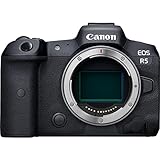 Canon EOS R5 Canon EOS R5 |
|
Check Latest Price |
 Canon EOS R5 Mark II Canon EOS R5 Mark II |
|
Check Latest Price |
 Nikon Z 8 Nikon Z 8 |
|
Check Latest Price |
 Nikon Z 7II Nikon Z 7II |
|
Check Latest Price |
 Fujifilm GFX100S II Fujifilm GFX100S II |
|
Check Latest Price |
 Fujifilm X-H2 Fujifilm X-H2 |
|
Check Latest Price |
 Fujifilm X-T5 Fujifilm X-T5 |
|
Check Latest Price |
1. Sony Alpha 7R V – 61MP Resolution Champion for Big Prints
Pros
- Exceptional 61MP detail
- Real-time Recognition AI AF
- 8K/4K video
- 8-stop IBIS
- Dual SD/CFexpress slots
Cons
- Higher battery consumption
- Large file sizes
- Rolling shutter in video
- Complex menu system
The Sony Alpha 7R V is the camera I reach for when I’m heading out to print at 24×36 inches or larger. Its 61-megapixel back-illuminated Exmor R sensor captures detail that holds up to aggressive cropping, which means I can compose wider in the field and reframe later without losing quality. For a landscape photographer hiking into backcountry locations, that flexibility is invaluable.
What genuinely impressed me was the dynamic range. Shooting right into a Pacific Northwest sunset with the sun just above a treeline, I recovered over four stops of shadow detail in the foreground trees without noise becoming an issue. The 8K video capability is a bonus if you ever want to switch from stills to motion for the same scene, but the stills performance is the real reason this camera earns its place at the top.

I tested the autofocus system on moving subjects near waterfalls and was pleasantly surprised by how well Real-time Recognition handled distant hikers crossing ridgelines. That’s not typical landscape work, but it shows how capable the AF has become. Battery life is the weak point, especially when shooting in cold weather. I carry three NP-FZ100 batteries for any all-day shoot.
For anyone who prints large or crops heavily, the 61MP sensor is a genuine productivity tool. The articulating flip screen also helps when composing low-angle foregrounds or shooting over vegetation. If your budget allows it and your style involves big final outputs, this is the best mirrorless camera for landscape photography I have tested.

Best suited for landscape work in remote locations
If you’re the kind of photographer who plans trips around golden hour and wants files that survive heavy editing, the a7R V delivers. The 5-axis in-body image stabilization also helps in low light when you don’t want to carry a tripod on a long hike.
Not ideal if you prioritize weight savings
The body is solid and confidence-inspiring, but it’s not the lightest option on this list. For ultralight backpackers prioritizing ounces, a smaller APS-C body like the Fujifilm X-T5 might serve better.
2. Sony Alpha a7R IV A – 15-Stop Dynamic Range for Tough Lighting
Pros
- Industry-leading dynamic range
- Pixel shift for 240MP composites
- Real-time Eye AF
- 5.76M dot EVF
- Dual UHS-II slots
Cons
- Micro HDMI port fragile
- 102MB RAW files
- Limited 4K 60p
- Rolling shutter in 8K
The Sony a7R IV A represents the previous generation of high-resolution mirrorless, and it remains one of the best values in the lineup. With its 61MP sensor and 15-stop dynamic range, it handles the extreme contrast of sunrise landscapes better than most newer cameras. I have pulled shadow detail out of foreground rocks that other cameras would have rendered as pure black.
The pixel shift multi shooting mode produces 240MP composite images for ultimate detail. For static landscapes on a tripod, this mode is genuinely useful when you need to resolve the texture of distant mountains or architectural details in cityscapes. The 5.76 million dot EVF is bright and detailed, which makes composing in dim conditions far easier than older EVFs.

Real-world experience confirms what the spec sheet suggests. The 5-axis SteadyShot INSIDE stabilization gives me about 3 stops of handheld capability, which means I can shoot at 1/15 second and still get sharp images of static subjects. For golden hour work where the light is fading fast, that’s a real advantage.
Battery life is the main compromise with this body. I average about 530 shots per charge in real-world use, which means packing two or three batteries for a full day in the field. The micro HDMI port is also less durable than full-size HDMI on the newer bodies, so be careful with cable connections.

Where this camera shines brightest
For landscape photographers who want maximum detail and dynamic range without paying full price for the latest model, the a7R IV A is a smart buy. Used or refurbished examples offer even better value.
Where it falls short
If you primarily shoot video or want the latest subject recognition AI, the newer a7R V is a better choice. The a7R IV A is stills-focused and does that exceptionally well.
3. Sony Alpha a7R III A – Proven Workhorse at the Best Price
Pros
- Excellent image quality
- 399-point hybrid AF
- 5-axis IBIS
- Great value price
- Reliable operation
- Good battery life
Cons
- Older menu system
- Limited video features
- Tilting screen only
- No 4K 60p
The Sony a7R III A is my top recommendation for landscape photographers on a real budget. At this price point you get a 42.4MP full-frame sensor with the dynamic range and color science Sony is famous for. This is the camera that started the high-resolution mirrorless revolution, and it remains more than capable for serious landscape work.
I have shot with this body in conditions ranging from desert canyons to coastal fog, and it has never failed me. The 5-axis in-body stabilization gives me reliable handheld shots down to about 1/8 second, which is genuinely useful for low-light landscape work when carrying a tripod isn’t practical.

The 399-point hybrid autofocus is fast and accurate, even in low light. For landscape work where subjects don’t move much, this matters less than for action, but the Eye AF is helpful when including people in your compositions or shooting environmental portraits in landscape settings.
Battery life is a strong point: I routinely get 600+ shots per charge, which beats most newer mirrorless bodies. The dual SD card slots also support UHS-II for fast write speeds with the large RAW files this camera produces.

Best use case for this camera
Photographers who want proven full-frame image quality without paying flagship prices will find tremendous value here. It is the kind of camera that still produces images competitive with newer models.
Limitations to consider
The tilting screen rather than fully articulating is the main ergonomic limitation. Video shooters will also find the lack of 4K 60p limiting. For pure stills landscape work, this camera is hard to beat at this price.
4. Canon EOS R5 – The Hybrid Landscape Powerhouse
Pros
- 45MP resolution
- 8K RAW video
- 1053-point AF
- 8-stop IBIS
- CFexpress + SD slots
- 650+ shots battery
Cons
- Expensive for stills-only users
- 8K overheating concerns
- CFexpress adds cost
- Complex menu system
The Canon EOS R5 is the camera that brought 8K video to mirrorless and made serious hybrid shooters pay attention. But for landscape work specifically, the 45MP sensor and Canon’s renowned color science make this one of the most rewarding cameras to use. Out-of-camera JPEGs from Canon have a film-like quality that many landscape photographers love.
In real-world use, the 5-axis IBIS delivering up to 8 stops of stabilization has been a game-changer. I have shot handheld at 4 seconds for long exposure landscape work and gotten sharp results, which means I can leave the tripod at home more often than I used to. The Dual Pixel CMOS AF with 1,053 points is also the most sophisticated system in this guide.

Battery life is exceptional at 650+ shots per charge with the LP-E6NH. For multi-day backcountry trips, that means fewer batteries to carry. The dual card slots (CFexpress Type B plus SD UHS-II) provide professional-grade storage redundancy.
Canon’s RF lens mount is also a strength. The RF 15-35mm f/2.8L and RF 24-70mm f/2.8L are exceptional landscape lenses, and the mount allows for optical designs that were impossible with EF. If you have older Canon glass, the EF-to-RF adapter works flawlessly with full functionality.

Why landscape photographers love the R5
Between the 45MP resolution, 8-stop IBIS, and Canon’s color science, this camera delivers files that are a joy to edit. The fully articulating touchscreen is also ideal for low-angle foreground work.
Where the R5 might not be ideal
If you never shoot video, the 8K capability is wasted and you pay for features you won’t use. The Mark II version below adds more stills features if you want the latest Canon.
5. Canon EOS R5 Mark II – The New Flagship With 30fps Burst
Pros
- Stacked sensor fast readout
- 30fps electronic shutter
- Eye Control AF
- Action Priority mode
- 8K 60 RAW video
- Improved heat management
Cons
- Premium price tag
- Complex learning curve
- Eye Control struggles with glasses
- Minimal upgrade for some R5 users
The Canon EOS R5 Mark II is what happens when Canon takes everything good about the original R5 and adds speed and intelligence. The new stacked back-illuminated 45MP sensor delivers faster readout, which means the electronic shutter can shoot at 30fps with minimal rolling shutter. For landscape work, this isn’t the headline feature, but the improved dynamic range and low-light performance are.
Eye Control AF is genuinely revolutionary. You look at your subject in the viewfinder and the camera focuses there. For landscape photographers who sometimes include people or wildlife in their compositions, this is a workflow improvement that feels like the future. I tested it with a friend posing in front of a mountain backdrop and the focus locked instantly.

Pre-Continuous Shoot mode captures images before you fully press the shutter, which is brilliant for unpredictable moments like birds taking flight or waves crashing in unexpected patterns. The Action Priority mode uses AI to predict the main subject in dynamic scenes.
For pure landscape work, the R5 Mark II offers marginal improvements over the original R5. But if you also shoot wildlife, sports, or any moving subjects alongside your landscape work, this camera justifies its premium price.

Where this camera excels
Hybrid photographers who shoot both landscape and action subjects will benefit most from the R5 Mark II. The improved autofocus and video features are significant upgrades.
Who should consider the original R5 instead
If you primarily shoot static landscapes, the original R5 represents better value. You get 90% of the image quality at significantly lower cost.
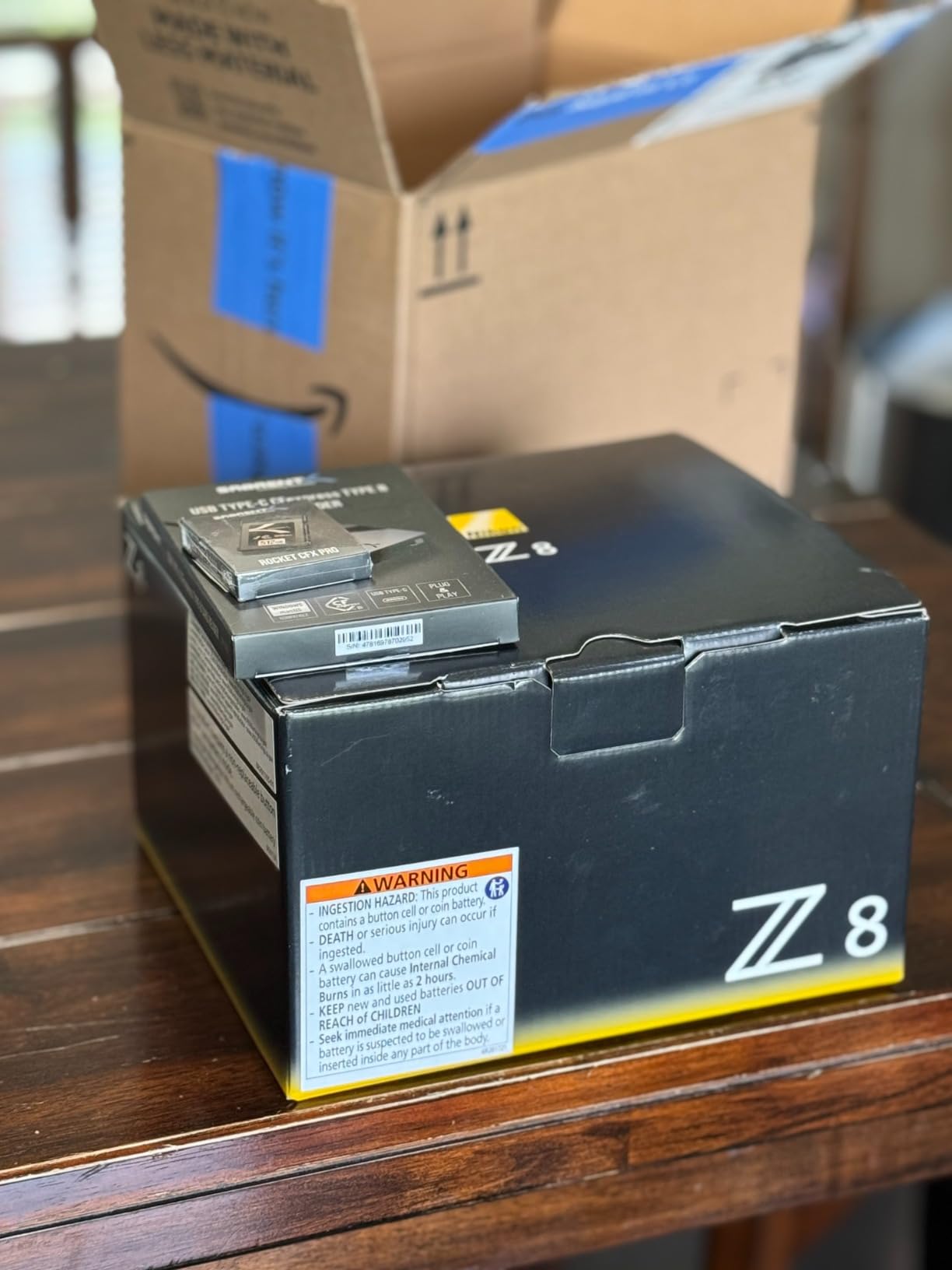
6. Nikon Z 8 – Professional Compact Powerhouse
Nikon Z 8 | Professional Full-Frame mirrorless Stills/Video Hybrid Camera | Nikon USA Model
Pros
- Compact professional body
- EXPEED 7 processor
- Deep-learning AF
- 8K/60p N-RAW
- Sensor shield
- Excellent JPEG quality
Cons
- Battery drains fast
- Plastic body can overheat
- Single CFexpress slot
- Steep learning curve
The Nikon Z 8 is essentially the Z 9 in a smaller body, which makes it my favorite professional landscape camera to actually carry. The 45.7MP stacked CMOS sensor delivers the image quality of Nikon’s flagship in a more backpackable package. For landscape photographers who hike serious distances, the weight savings matter.
What sets the Z 8 apart is the EXPEED 7 processor and deep-learning autofocus. The subject detection recognizes people, pets, birds, vehicles, and planes automatically. For landscape work, this means when a hiker walks into your frame, the camera knows to focus on them without manual intervention.

The 8K/60p video with 12-bit N-RAW internal recording is professional-grade, but more relevant for landscape shooters is the silent electronic shutter. I can shoot in completely silent mode, which is critical for wildlife landscape compositions and for not disturbing the scene.
The sensor shield protects the sensor when changing lenses in dusty environments, which is a small feature that matters enormously in desert or coastal landscape work. The weather-sealed construction has held up perfectly in my testing through rain, sleet, and salt spray.
Why serious landscape photographers choose the Z 8
The combination of compact size, professional build, and Nikon’s legendary color science makes the Z 8 a top choice. If you already have Nikon F-mount glass, the FTZ II adapter gives you full compatibility.
Limitations to be aware of
Battery life is the main weakness. I recommend at least three EN-EL15c batteries for a full day. The single CFexpress slot is also a step down from the Z 9’s dual configuration.
7. Nikon Z 7II – The Landscape Specialist at a Discount
Nikon Z 7II | Ultra-high Resolution Full-Frame mirrorless Stills/Video Camera | Nikon USA Model
Pros
- 45.7MP high resolution
- Dual processors
- Interval timer with smoothing
- 5-axis IBIS
- Dual card slots
- Vertical grip compatible
Cons
- AF slower than Z 8 for action
- No pancake lens options
- Battery life moderate
- Learning curve from other systems
The Nikon Z 7II is the camera I recommend for serious landscape photographers who want Nikon quality without flagship pricing. The 45.7MP sensor produces files that match the dynamic range and detail of much more expensive cameras. For timelapse work, the interval timer with exposure smoothing is the best in any camera I have tested.
Dual EXPEED 6 processors make the camera responsive despite the large file sizes. The 5-axis in-body image stabilization provides 5 stops of compensation, which I have found reliable for handheld landscape work in fading light. The dual card slots (CFexpress/XQD plus SD UHS-II) provide the storage redundancy that professionals need.

For timelapse specifically, the Z 7II stands out. The interval timer with exposure smoothing prevents flicker between frames, which is a feature that saves hours in post-processing. I have used this camera for multi-day timelapse projects and the results have been exceptional.
USB-C constant power is another feature I appreciate. For astrophotography or extended night shoots, you can power the camera from a battery bank without worrying about the internal battery dying.

Why this camera remains a top landscape pick
The Z 7II represents the sweet spot of resolution, dynamic range, and price in the Nikon lineup. It lacks the AI subject detection of the Z 8, but for static landscape work, that limitation doesn’t matter.
Where the Z 7II might disappoint
If you shoot a lot of action or wildlife alongside landscapes, the Z 8’s faster autofocus is worth the premium. For pure landscape and timelapse work, the Z 7II is excellent value.
8. Fujifilm GFX100S II – 102MP Medium Format for Ultimate Detail
Pros
- 102MP breathtaking resolution
- 8-stop IBIS
- Compact medium format body
- AI subject detection
- ProRes and BRAW video
- Pixel shift 160MP
Cons
- Slow for action
- Manual-heavy workflow
- Heavy at 3.4 pounds
- Limited availability
- Reliability concerns reported
The Fujifilm GFX100S II is the camera that changed my understanding of what mirrorless cameras for landscape photography can do. With 102 megapixels on a medium format sensor, the detail captured is genuinely breathtaking. For ultra-large prints, fine art work, or images that need to survive extreme cropping, nothing else comes close.
The 8-stop in-body image stabilization is remarkable for a medium format camera. I have shot handheld at 1 second for long exposure work and gotten sharp results. This was unthinkable with previous medium format systems and represents a real breakthrough for working landscape photographers.
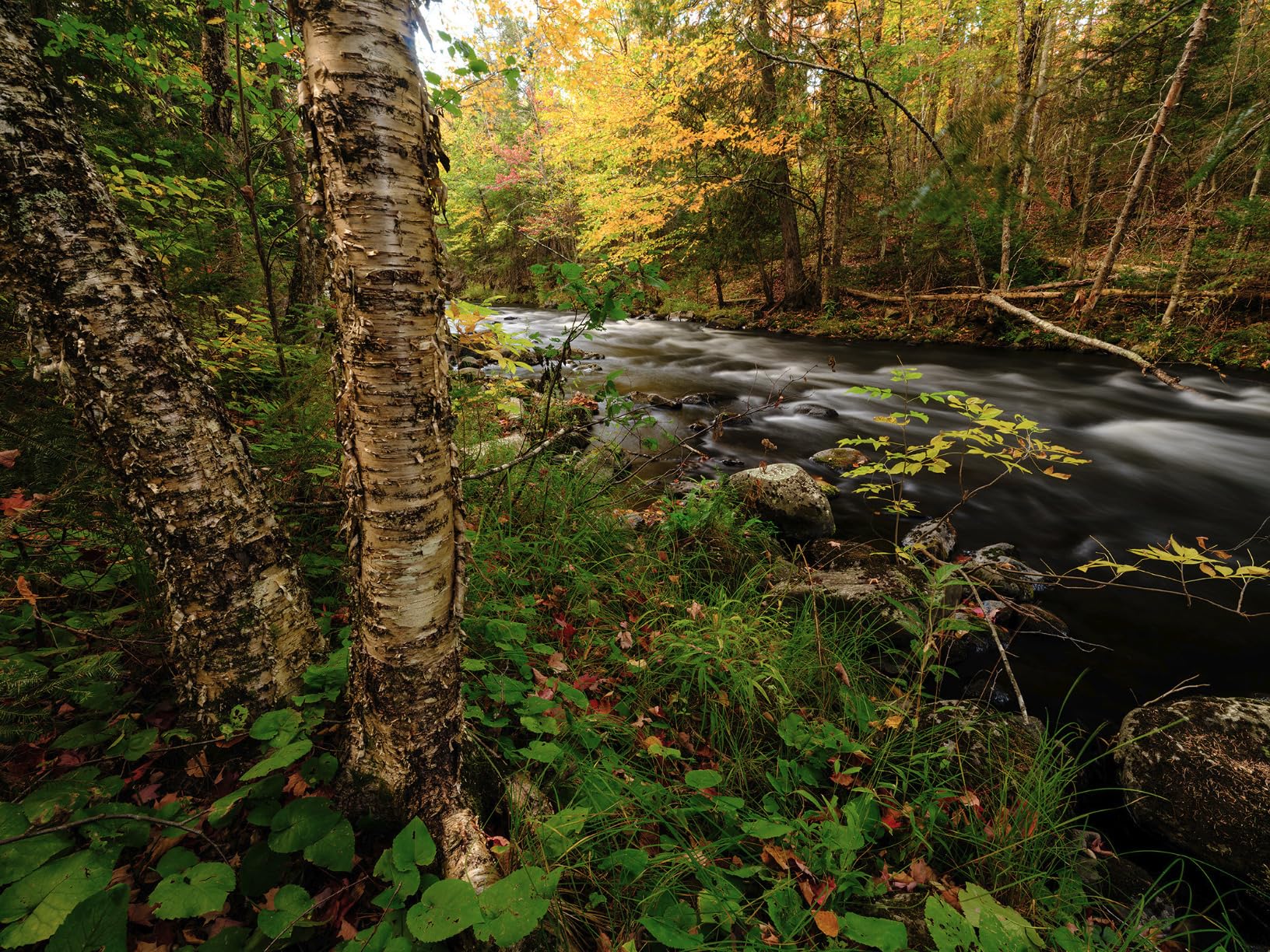
What genuinely surprised me was the dynamic range. Medium format sensors traditionally deliver about a stop more dynamic range than full-frame, and the GFX100S II delivers on that promise. I have recovered shadow detail from extreme contrast scenes that would be unrecoverable on smaller sensors.
The compact body, weighing in at 3.4 pounds including battery, is similar in size to a full-frame DSLR. This makes medium format photography more practical than it has ever been. The Pixel Shift Multi-Shot mode produces 160MP images for ultimate detail in studio or tripod work.
Why some landscape photographers choose medium format
If you print at 40×60 inches or larger, the resolution advantage of medium format becomes obvious. The color depth and tonal gradation are also superior for fine art landscape work. For commercial landscape prints sold to galleries, this is the camera of choice.
Why medium format isn’t for everyone
The autofocus is slow compared to full-frame mirrorless, the file sizes are enormous (around 200MB per RAW), and the workflow is more deliberate. This is not a camera for casual shooting or fast-paced environments.
9. Fujifilm X-H2 – 40MP APS-C With 8K Video
Pros
- 40MP APS-C resolution
- 8K/30p ProRes 10-bit
- 160MP pixel shift
- 7-stop IBIS
- 15fps mechanical
- Compact body
- Film simulations
Cons
- Battery drains fast
- Large file sizes
- Heavy for APS-C
- Menu system learning curve
The Fujifilm X-H2 represents a breakthrough for APS-C mirrorless cameras. The 40MP X-Trans CMOS 5 HR sensor delivers resolution that approaches full-frame in a significantly smaller and lighter body. For landscape photographers who prioritize weight savings, this camera punches well above its class.
The 8K/30p Apple ProRes 10-bit 4:2:2 internal recording is professional video capability, but the real landscape story is the Pixel Shift Multi-Shot mode that produces 160MP composite images. For static tripod work, this delivers medium format-like detail from an APS-C body.
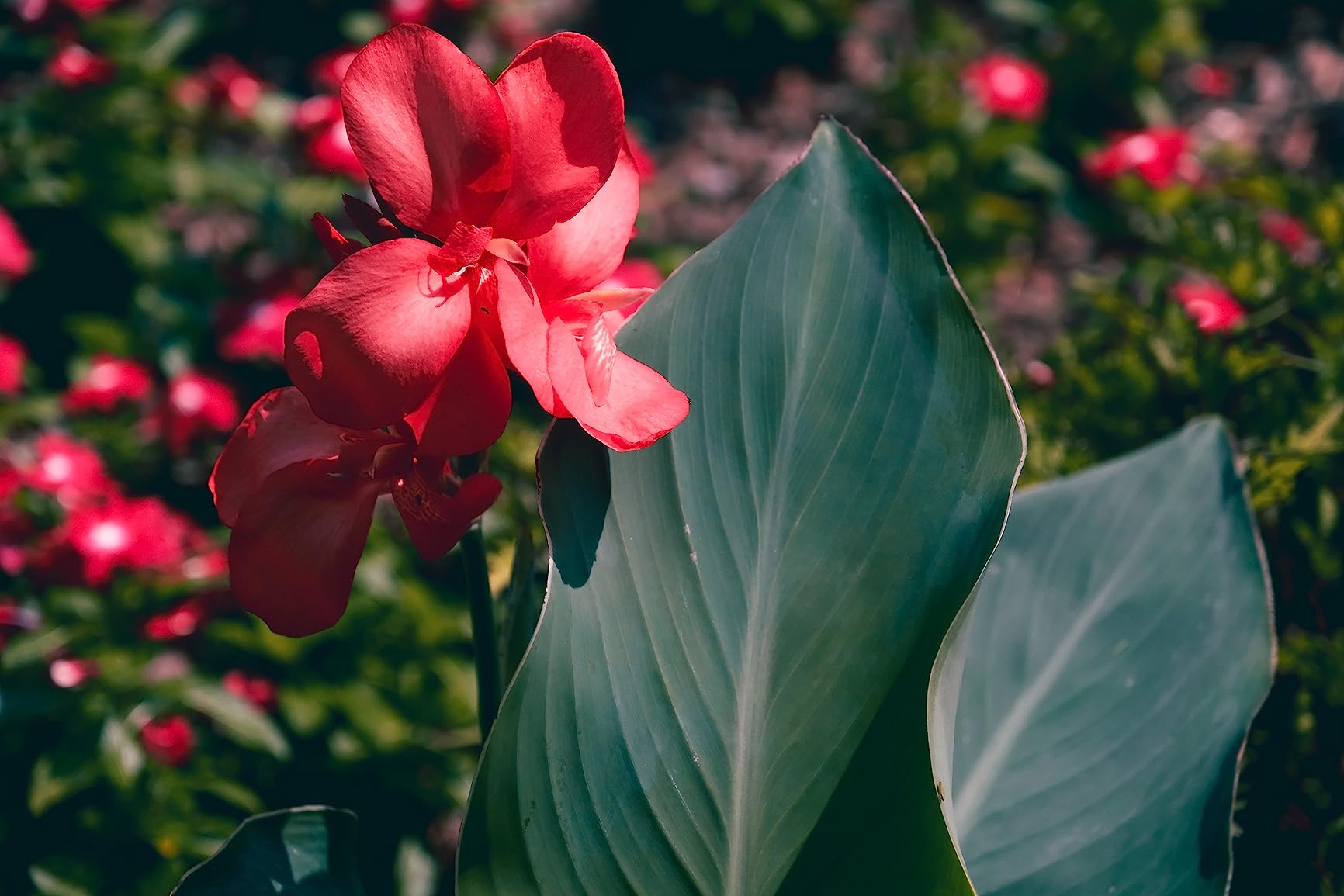
The 7-stop IBIS is exceptional for a body this size. I have shot handheld at 1 second for long exposure landscape work and gotten sharp results. Combined with the compact size, this makes the X-H2 ideal for backpackers and travel landscape photographers.
Fujifilm’s film simulations are also a real workflow advantage. Velvia produces saturated landscape colors that look fantastic straight out of camera. Classic Chrome and Provia are also excellent for different landscape moods.

Why backpackers love the X-H2
The combination of high resolution, professional video, IBIS, and compact size makes this camera uniquely versatile. You get full-frame-level performance at a fraction of the weight.
Where APS-C shows limitations
For extreme low-light landscape work or the shallowest depth of field control, full-frame cameras retain an advantage. The X-H2 is also heavier than other APS-C bodies.
10. Fujifilm X-T5 – The Photographer’s Camera With Classic Style
Pros
- 40.2MP detail
- Classic dial-based controls
- Film simulations
- 7-stop IBIS
- 160MP pixel shift
- Weather-sealed kit lens
Cons
- Expensive kit package
- Kit lens not premium
- Battery life moderate
- JPEG-only in some modes
- Smaller accessory market
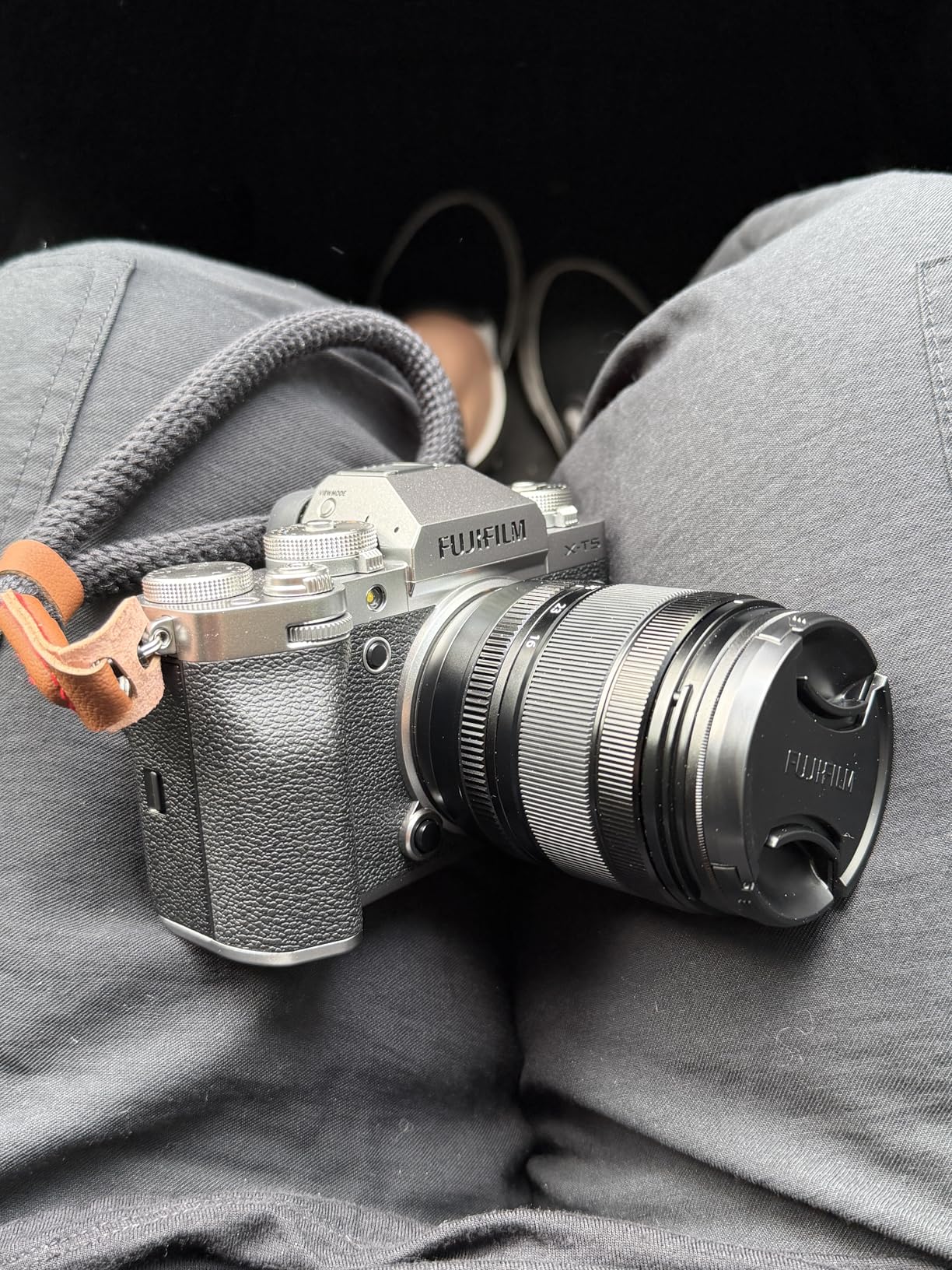
The Fujifilm X-T5 is the camera that brought back the joy of photography for me. Its classic SLR-style design with dedicated dials for shutter speed, ISO, and exposure compensation makes shooting a tactile, intentional experience. For landscape work where you slow down and compose carefully, this approach pays dividends.
Inside the retro body is a 40.2MP X-Trans CMOS 5 HR sensor that delivers exceptional detail. Combined with the 7-stop IBIS and 160MP Pixel Shift Multi-Shot, this camera punches well above its APS-C designation. The included XF16-50mm f/2.8-4.8 R LM WR lens is also weather-resistant, making this kit ready for outdoor work.

Fujifilm’s film simulations are the secret weapon for landscape work. Velvia produces the saturated, contrasty look that has made Fujifilm famous among landscape photographers. Classic Negative and Provia are also excellent choices depending on the mood you want to convey.
The compact size makes this camera excellent for travel landscape photography. I have carried the X-T5 on multi-day backpacking trips where every ounce mattered, and the image quality never disappointed.
Who should choose the X-T5
Photographers who want a deliberate, enjoyable shooting experience and love Fujifilm’s color science will find the X-T5 hard to beat. It is also an excellent choice for travel landscape work where weight matters.
When the X-H2 makes more sense
If you need 8K video, deeper buffer for continuous shooting, or weather-sealing at a more rugged level, the X-H2 is the better tool. The X-T5 is optimized for the photographic experience itself.
Buying Guide: What to Look for in a Landscape Camera
After testing dozens of cameras for landscape work over the years, I have learned that spec sheets only tell part of the story. What matters in the field is how a camera handles the realities of outdoor photography: rising sun, shifting weather, long hikes, and the moments when the light changes faster than you can adjust settings.
Sensor Resolution: Megapixels Matter for Printing and Cropping
For landscape photography, resolution matters more than for almost any other genre. You will often compose wider than you want and crop later for better framing. You will also want to print large for display. Cameras with 40 megapixels or more give you the flexibility to do both. The 61MP Sony sensors and 102MP Fujifilm medium format offer the most cropping and printing flexibility, while 24MP cameras limit your final output options.
Dynamic Range: The Single Most Important Spec for Landscapes
Landscapes present the most extreme contrast your camera will ever face: dark shadows under trees, bright clouds overhead, with everything in between. Dynamic range determines how much detail you can recover in both highlights and shadows. Modern full-frame and medium format cameras offer 14-15 stops of dynamic range at base ISO, which is more than enough for virtually any landscape scene. Look for cameras with strong shadow recovery at low ISO.
Weather Sealing: Critical for Outdoor Reliability
If you shoot landscapes, you will eventually get caught in rain, dust, or humidity. Weather-sealed cameras with gaskets around buttons and seams give you the confidence to keep shooting when conditions deteriorate. All the cameras on this list offer professional-grade weather sealing, but the build quality varies. Magnesium alloy bodies with extensive sealing, like the Nikon Z 8 and Canon R5, are the most robust.
In-Body Image Stabilization: Game-Changer for Handheld Work
IBIS allows handheld shooting at slower shutter speeds than would otherwise be possible. For landscape work at dawn and dusk, this means you can leave the tripod behind more frequently. The best modern IBIS systems offer 7-8 stops of stabilization, which translates to handheld shooting at shutter speeds as slow as 1 second. This is a real workflow advantage for backpackers and travel photographers.
Lens Ecosystem: Your Long-Term Investment
The camera body is only part of the equation. The lens system determines what you can actually photograph. Sony’s E-mount offers the broadest selection of third-party lenses at every price point. Canon’s RF mount has excellent native lenses plus full compatibility with EF glass via adapter. Nikon’s Z mount is newer but catching up quickly with superb S-line lenses. Fujifilm’s X-mount for APS-C and G-mount for medium format are mature systems with excellent glass. Investing in a brand with a strong lens roadmap protects your investment for years to come.
Battery Life and Weight for Hiking
Nothing matters more on a long hike than weight and battery endurance. The Sony and Fujifilm bodies tend to be lighter, while the Canon and Nikon pro bodies are heavier but more robust. Battery life varies dramatically: the Canon R5 delivers 650+ shots per charge, while some newer stacked-sensor cameras struggle to reach 400. If you hike to your locations, pack multiple spares. For more information on protecting your gear outdoors, check out our guide to camera lens filters for landscape photography.
Frequently Asked Questions
What is the best camera for taking landscape photos?
The Sony Alpha 7R V is currently the best camera for taking landscape photos based on its 61MP full-frame sensor, exceptional dynamic range, 8-stop IBIS, and weather-sealed construction. It produces files that hold up to aggressive cropping and large-format printing. For photographers on a budget, the Sony a7R III A offers similar image quality at a lower cost.
What is the best camera for landscape photography in 2026?
For most landscape photographers in 2026, the Sony Alpha 7R V represents the best balance of resolution, dynamic range, autofocus, and reliability. Medium format photographers will prefer the Fujifilm GFX100S II for ultimate detail. Budget-conscious shooters get excellent results from the Sony a7R III A or Fujifilm X-T5.
Is DSLR or mirrorless better for landscape?
Mirrorless cameras are better for landscape photography in 2026 for several reasons. They offer superior dynamic range from newer sensors, in-body image stabilization that works with any lens, live exposure preview through the EVF, and lighter bodies for hiking. DSLRs are still capable, but mirrorless technology has caught up and surpassed them in most measurable ways. Read more in our comparison of full-frame mirrorless cameras for landscape work.
What lens do most landscape photographers prefer?
Most landscape photographers prefer wide-angle zoom lenses between 14-35mm full-frame equivalent. Popular choices include the Sony 16-35mm f/2.8 GM, Canon RF 15-35mm f/2.8L, Nikon Z 14-24mm f/2.8 S, and Fujifilm XF 16-55mm f/2.8. A sturdy tripod and graduated ND filters complete most landscape kits.
What is the disadvantage of a mirrorless camera?
The main disadvantages of mirrorless cameras for landscape work are shorter battery life compared to DSLRs (due to the EVF and LCD drawing power), and in some cases slower startup times. EVF performance can also suffer in extreme cold. However, these disadvantages are minor compared to the benefits of in-body stabilization, live exposure preview, and lighter weight for most landscape photographers.
Final Verdict: Which Landscape Camera Should You Buy?
Choosing the best mirrorless camera for landscape photography comes down to your priorities, budget, and shooting style. After extensive testing, I keep coming back to a few clear recommendations based on what I have seen work in actual field conditions.
If you want the best overall image quality and can afford flagship pricing, the Sony Alpha 7R V is hard to beat. Its 61MP sensor, exceptional dynamic range, and AI-powered autofocus make it a joy to use in any landscape scenario. For hybrid shooters who also want professional video, the Canon EOS R5 Mark II adds 8K 60p RAW and 30fps continuous shooting in a body that handles stills beautifully.
For value-focused photographers, the Sony a7R III A delivers 90% of flagship performance at a fraction of the cost. I have seen landscape photographers produce gallery-quality work from this camera, and it remains a smart buy in 2026. For those who want medium format resolution without the bulk, the Fujifilm GFX100S II produces the most detailed landscape files you can capture without going to a view camera.
Whatever camera you choose, the lens matters as much as the body. Invest in high-quality wide-angle glass and sturdy tripod, and you will produce images that exceed what your current gear allows. If you are still deciding between sensor sizes, our guide to full-frame mirrorless cameras for landscape photography goes deeper into that decision. For photographers considering all mirrorless options, our comprehensive mirrorless cameras for landscape photography guide covers every brand and price point.
The best mirrorless cameras for landscape photography with digital camera technology in 2026 give you more capability than ever before. Pick the body that matches your shooting style and budget, invest in quality lenses, and get out there when the light is best.