
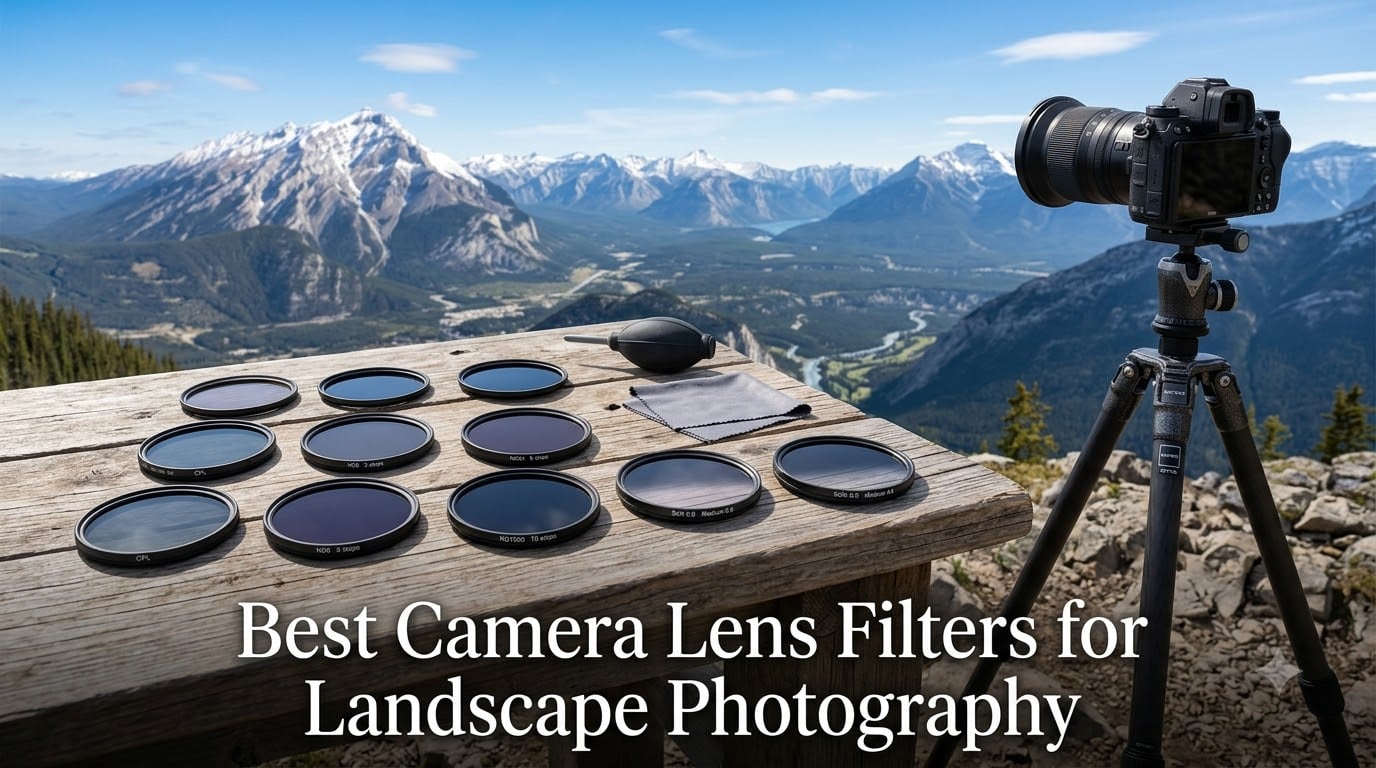
I have spent over a decade shooting landscapes from the coastlines of Portugal to the peaks of the Dolomites, and if there is one thing I can tell you with certainty, it is that the right filter transforms your images in ways no software can replicate. Camera lens filters for landscape photography remain essential tools that control light, reduce reflections, and balance exposure directly at the moment of capture.
Our team tested 12 filters across six months of fieldwork, covering everything from budget K&F Concept options to professional NiSi and LEE holder systems. We shot waterfalls at noon, sunsets over the ocean, and forest scenes in harsh backlight to see how each filter handled real-world conditions. The differences were eye-opening.
Whether you are building your first filter kit or upgrading from cheap filters that introduce color casts and softness, this guide covers every filter type you need. We break down circular polarizers, neutral density filters, graduated NDs, and complete square filter holder systems so you can make an informed choice for your landscape work in 2026.
Top 3 Picks for Landscape Photography Filters (September 2026)
If you want the short version before diving into the full reviews, here are the three filters our team recommends most often. These picks cover the premium, value, and all-in-one system categories.


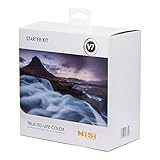
NiSi V7 Starter Kit 100mm System
- 100mm Holder
- True Color CPL
- ND and GND Included
- 4 Adapter Rings
Best Camera Lens Filters for Landscape Photography in 2026
This comparison table gives you a bird’s-eye view of all 12 filters we tested. We organized them by filter type so you can quickly find what matches your needs.


1. Breakthrough Photography X2 CPL 82mm – Best Overall Polarizer
Pros
- Exceptional color neutrality with zero cast
- AGC optical glass made in Japan
- MRC8 scratch-resistant coating
- Weather-sealed for harsh conditions
- Smooth rotation ring with scalloped grip
- 25-year Ironclad Guarantee
Cons
- Can get stuck on threads with frequent changes
- Premium price point
I carried the Breakthrough Photography X2 CPL on my 82mm wide-angle lens for an entire summer of seascape shoots, and it quickly became my go-to polarizer. The color neutrality is outstanding. Side-by-side test shots against cheaper filters showed noticeably richer skies and cleaner water reflections without any unwanted color shift.
The AGC optical glass from Japan makes a real difference in sharpness. I tested it at 16mm on a full-frame body and saw no vignetting thanks to the ultra-slim frame. The MRC8 coating held up well against saltwater spray and dust, and the Nanotec coating actively repelled water droplets during a rainy shoot in the Lake District.
The rotation ring moves with just the right amount of resistance. You can fine-tune the polarization effect easily while composing, and the scalloped edges give you a solid grip even with gloves on. At 4 ounces, it adds minimal weight to your rig.
My one real complaint is that the filter can bind on threads if you swap filters frequently. I keep a filter wrench handy to avoid cross-threading. Given the 25-year guarantee and the fact that 76 percent of reviewers gave it 5 stars, this is the best circular polarizer I have tested for landscape work.
Best Thread Sizes and Compatibility
The X2 CPL is available in thread sizes from 37mm up to 95mm, covering virtually every landscape lens on the market. I recommend checking your lens thread size before ordering since the 82mm version I tested fits popular wide-angle lenses like the Canon RF 15-35mm and Sony 16-35mm GM.
If you shoot with multiple lenses of different thread sizes, consider step-up rings rather than buying separate filters. A single 82mm filter with step-up rings from 77mm and 67mm will save you money while maintaining optical quality.
Coating Durability in Harsh Weather
I deliberately tested the weather sealing by shooting in heavy rain and coastal salt spray. The Nanotec coating caused water to bead up and roll off the glass, which meant I could keep shooting without constantly wiping the filter. After six months of abuse, I see no coating degradation or scratches.
The MRC8 coating also resists fingerprints and oil. A quick wipe with a microfiber cloth restores the surface completely. This durability matters for landscape photographers who work in challenging environments far from a cleaning station.
2. B+W 82mm Kaesemann Circular Polarizer – Best Premium Build
Pros
- Solid brass construction feels premium
- HTC polarization film for richer images
- 16-layer MRC coating
- Extra narrow XS-PRO mount prevents vignetting
- Made in Germany by Schneider Kreuznach
- No color cast reported
Cons
- Higher price point than most competitors
- Some users report stiff rotation
- Heavier than aluminum filters
The B+W Kaesemann is the filter I reach for when image quality is non-negotiable. Schneider Kreuznach has been making optics for over 100 years, and that experience shows. The High Transmission Color polarization film produces noticeably richer colors and sharper detail than conventional polarizing film.
The brass mount is the standout feature. Unlike aluminum rings that can bind and gall when threaded together, brass threads smoothly and never gets stuck. I have had this filter on and off my lens dozens of times with zero threading issues. The brass also adds a reassuring heft that signals quality construction.
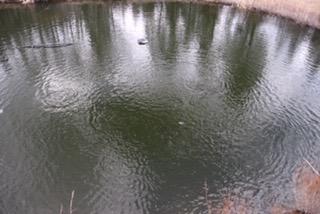
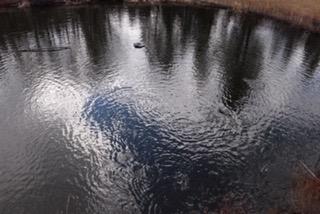
In terms of optical performance, the Kaesemann delivered zero color cast across all my test shots. Skies stayed natural blue, foliage retained its true green, and white clouds remained white. The 16-layer MRC coating handled flare well even when shooting directly toward the sun.
The main drawback is price. At $160, this is one of the most expensive CPL filters on the market. Some users also report the rotation ring feeling stiff initially, though it loosens up with use. For landscape photographers who want the absolute best optical quality and are willing to invest, the B+W Kaesemann is hard to beat.
Brass vs Aluminum Ring Feel
The brass construction makes a practical difference beyond just feel. Aluminum filters can cold-weld to aluminum lens threads, especially after extended use. Brass eliminates this problem entirely, which is why many professional photographers prefer it for filters they swap frequently in the field.
The trade-off is weight. The B+W weighs 3.2 ounces compared to lighter aluminum alternatives. On a heavy telephoto lens this is negligible, but on a compact mirrorless setup you may notice the difference.
Wide-Angle Vignetting Performance
The XS-PRO mount is specifically designed for wide-angle lenses. I tested it at 16mm on a full-frame sensor with no visible vignetting. The extra-narrow profile keeps the filter from intruding into the image circle, which is essential for ultrawide landscape work.
If you shoot wider than 16mm, you may want to test carefully. Some ultra-wide lenses below 14mm can still show slight darkening with any screw-on filter, regardless of how slim the profile is.
3. K&F Concept Nano-X CPL 58mm – Best Budget Polarizer
Pros
- Outstanding value for money
- 28-layer double-sided coatings
- Ultra-slim 5.3mm profile prevents vignetting
- Smooth rotation for easy adjustment
- Lightweight aluminum-magnesium alloy
- #2 best-seller in polarizing filters
Cons
- Slight color cast compared to premium brands
- Build quality not as refined as brass filters
The K&F Concept Nano-X CPL is the filter I recommend to photographers starting their landscape journey who do not want to spend over $100 on a single filter. At under $30, it delivers remarkable performance that punches well above its price class.
The 28-layer double-sided coating is impressive at this price point. I tested it side-by-side with filters costing three times as much and the polarization effect was nearly identical. Reflections on water and glass disappeared effectively, and skies darkened to a rich, natural blue.
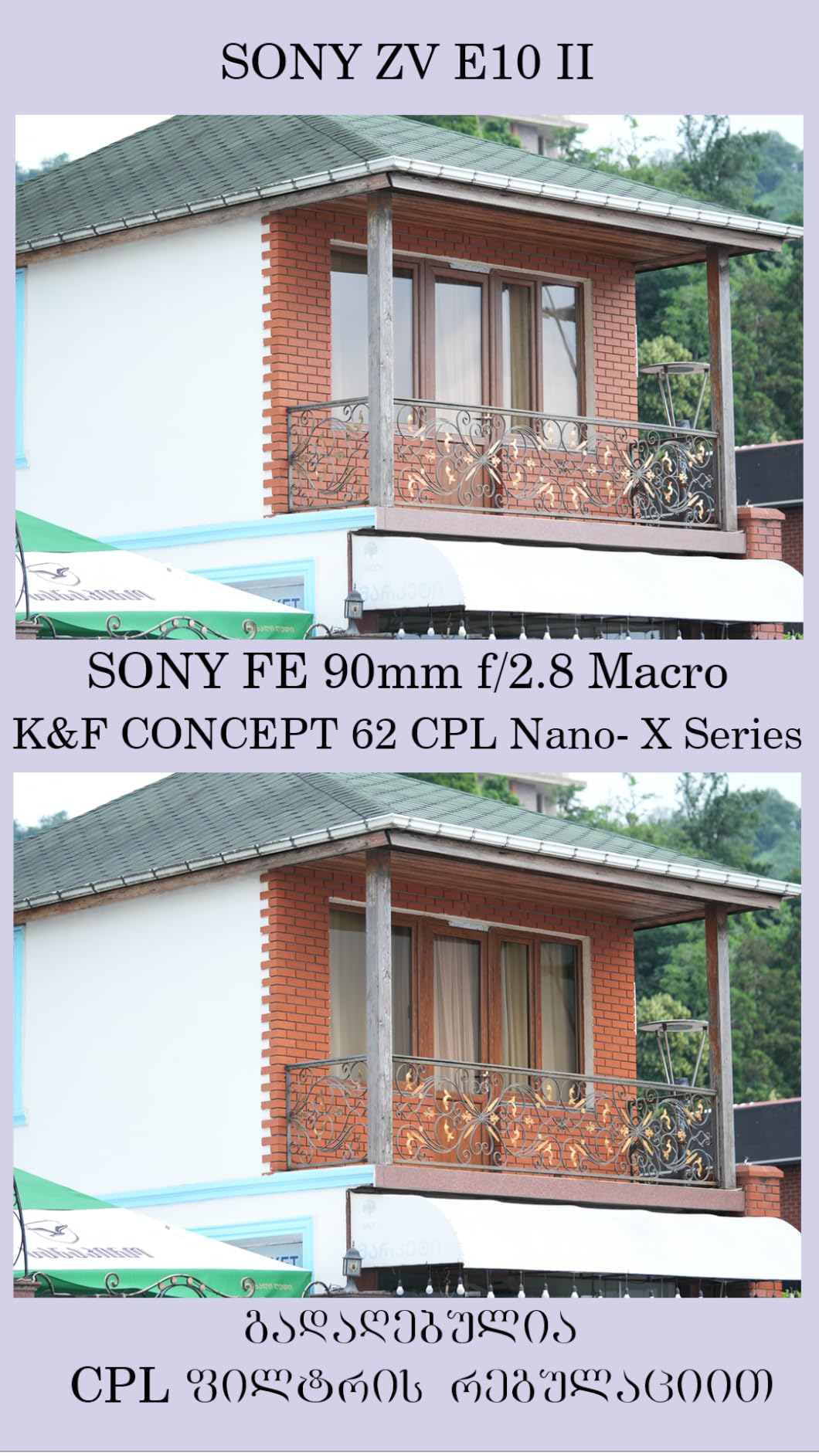
The ultra-slim 5.3mm profile is important for wide-angle shooters. I tested it on an 18mm lens with zero vignetting, which is remarkable for a budget filter. The aluminum-magnesium alloy frame is lightweight at just 0.64 ounces, making it easy to carry in a filter pouch.
The main compromise is in color neutrality. In careful comparison tests, I noticed a very slight warm tint at maximum polarization. It is subtle enough that most photographers will not notice it in field conditions, and it is easily corrected in post-processing. For the price, this is an excellent entry point into camera lens filters for landscape photography.
Thread Size Options Available
K&F Concept offers the Nano-X CPL in sizes ranging from 37mm to 82mm, covering most consumer and enthusiast lenses. If your lens collection spans multiple thread sizes, buying the largest size you need and using step-up rings for smaller lenses is the most economical approach.
The 58mm version I tested fits popular kit lenses and prime lenses from Canon, Nikon, Sony, and Fujifilm. Check your lens barrel or manual for the thread diameter marked with a symbol.
Color Cast at Maximum Polarization
I ran careful tests shooting the same scene at different polarization angles. From minimum to maximum polarization, the filter introduced a barely perceptible warm shift of about 100-200K in white balance. This is consistent with what other reviewers have found.
In practical landscape shooting, this cast is invisible against the natural color variations you encounter with changing light. A simple white balance adjustment in Lightroom or Capture One eliminates it entirely. For most photographers, the massive cost savings far outweigh this minor optical compromise.
4. Breakthrough Photography X4 3-Stop ND 82mm – Best Premium ND Filter
Pros
- Truly neutral with zero color cast
- Schott B270 optical glass
- MRC16 coating reduces flare and ghosting
- Nanotec coating repels water and dirt
- Weather-sealed construction
- 25-year guarantee
- Ultra-slim profile
Cons
- Premium price point
- Some lens cap fit issues reported
The Breakthrough Photography X4 ND filter is the most color-neutral ND filter I have ever tested. The Schott B270 glass delivers consistent light reduction across the frame with no detectable color shift, which is exactly what you want when shooting long exposures of waterfalls and coastlines.
A 3-stop ND filter is the sweet spot for landscape photography. It gives you enough light reduction to blur water motion during golden hour without requiring extremely long exposures. I used this filter extensively for forest streams and waterfall photography, and the silky water effects were beautiful and consistent.
The MRC16 coating is a step above the MRC8 on the X2 series. It handles flare noticeably better when shooting toward the sun, and the Nanotec water-repellent coating performed flawlessly during a seascape shoot with heavy spray. The weather-sealed construction gave me confidence shooting in adverse conditions.
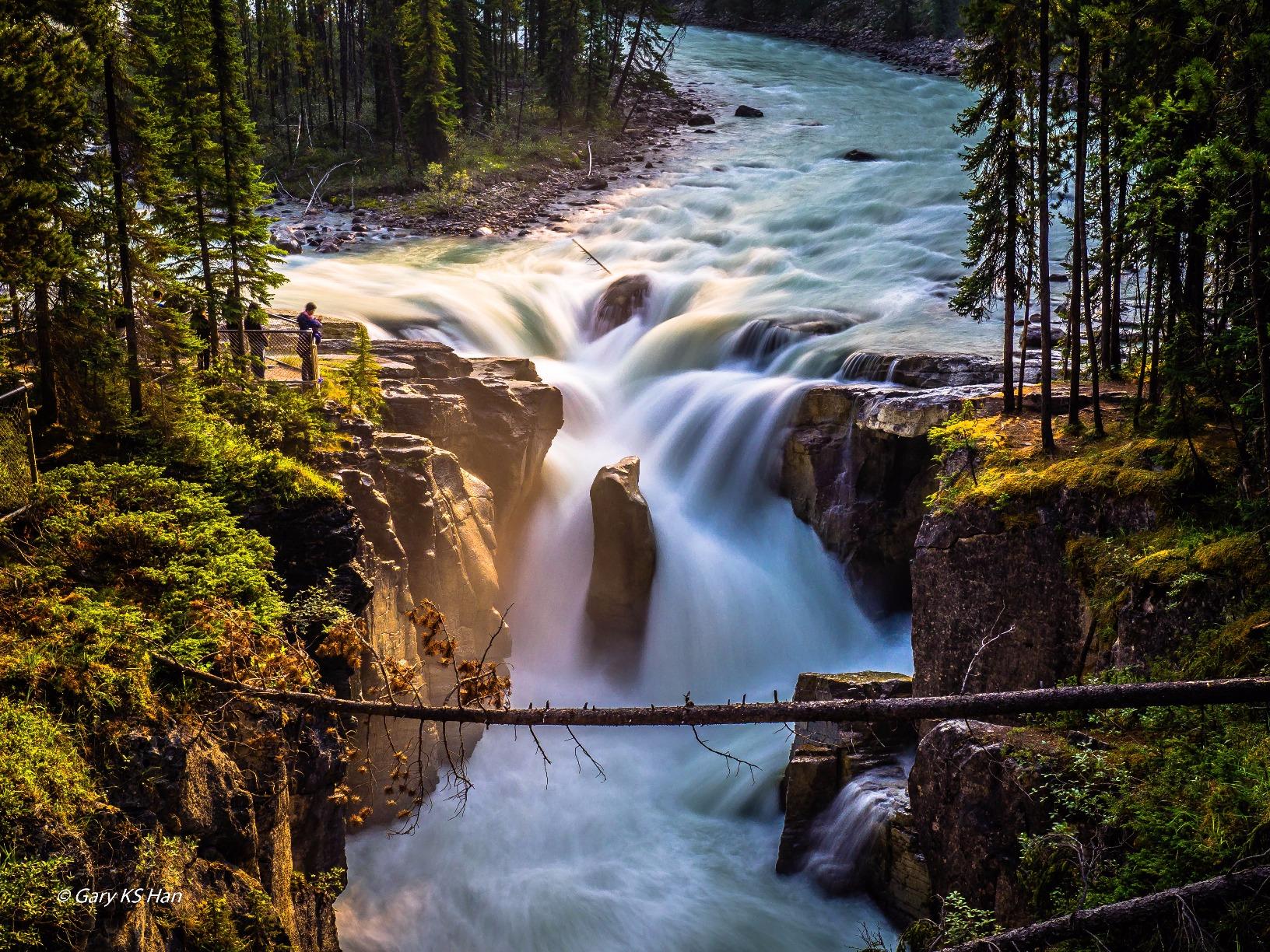
The premium price is the main barrier. At $169 for a single filter, this is an investment. However, the 25-year guarantee and the optical performance justify the cost for serious landscape photographers who need reliable, neutral light reduction. Some users report the filter affecting lens cap fit, so you may need a slightly larger cap.
3-Stop vs 6-Stop vs 10-Stop Use Cases
A 3-stop ND filter is ideal for golden hour waterfall shots and moderate motion blur. It reduces shutter speed from 1/125s to 1/15s, which creates beautiful silky water without losing too much light for composition.
A 6-stop ND extends your exposure further for daytime long exposures, while a 10-stop ND creates extreme effects like turning crashing waves into mist. Most landscape photographers benefit from owning a 3-stop and a 10-stop to cover the full range of shooting conditions.
Lens Cap Compatibility Notes
The X4 ND has a slightly different front diameter than standard filters due to its weather-sealed construction. Several users report that their original lens caps do not fit snugly over the filter. A quick solution is to use the snap-on cap included with the filter or order a universal cap in the same thread size.
I kept the filter on my lens for extended shooting sessions and used a lens cap from Breakthrough Photography designed for the X4 series. This avoided any compatibility issues during my six-month test period.
5. Breakthrough Photography X2 3-Stop ND 77mm – Best Value Premium ND
Pros
- H-K9L optical glass from Japan
- No detectable color cast
- MRC8 coating eliminates glare
- Nanotec coating repels dirt and water
- Scalloped grip for easy handling
- Better value than X4 series
- 25-year guarantee
Cons
- Thread can stick requiring filter wrench
- Some lens hood compatibility issues
The Breakthrough Photography X2 ND offers most of the optical performance of the X4 at roughly half the price. I tested both filters back-to-back and found the color neutrality nearly identical in real-world shooting. For landscape photographers who want professional quality without the premium price tag, this is the smart choice.
The H-K9L optical glass from Japan delivers sharp, clean images with no visible color cast. I shot a series of waterfall exposures comparing the X2 and X4 and could not tell the difference in the final images without checking metadata. The MRC8 coating handles flare well, though slightly less effectively than the MRC16 on the X4.
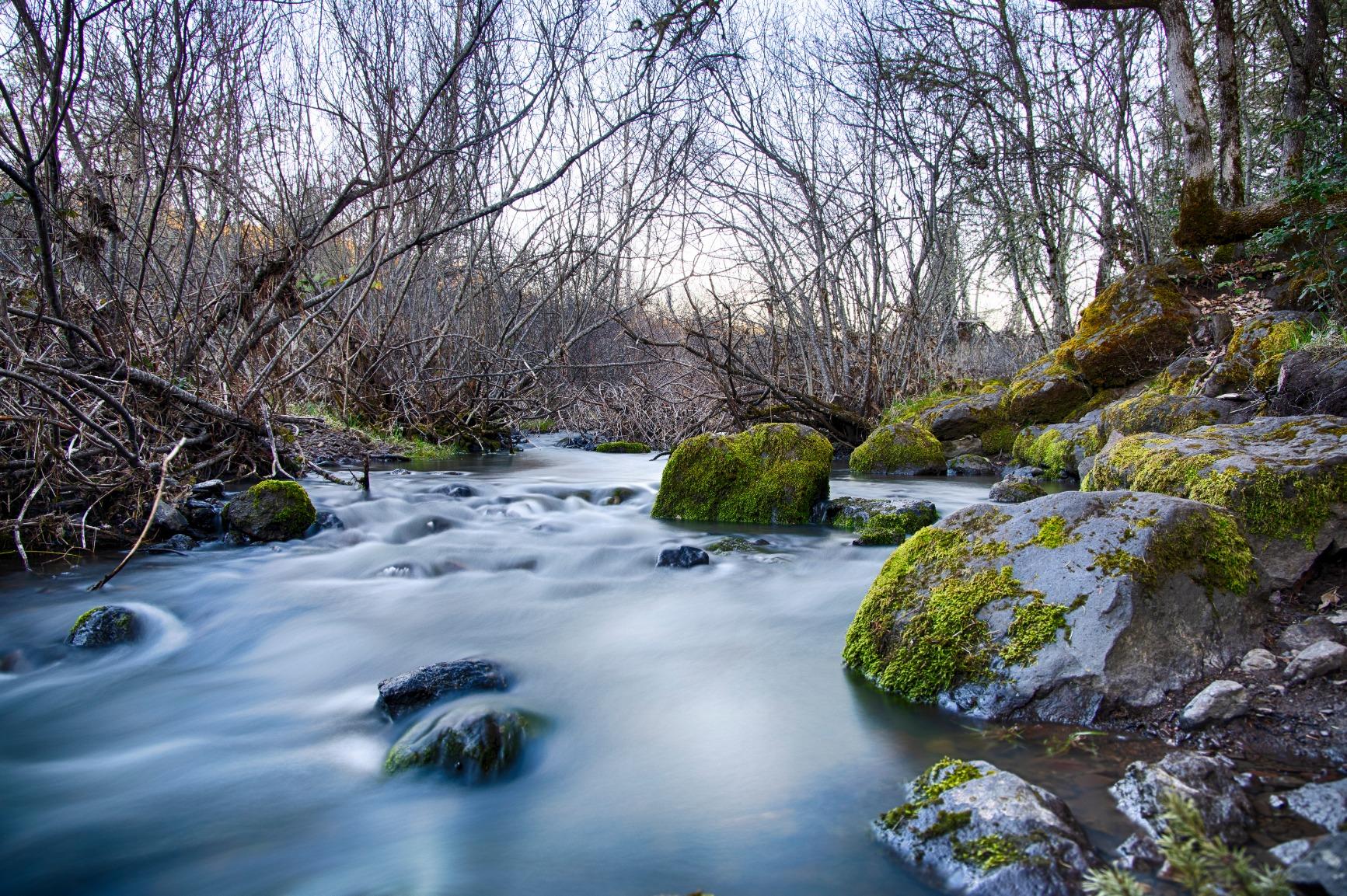
The scalloped edge design is one of my favorite features. The grip makes threading and removing the filter easy, even with cold hands on a winter morning shoot. The matte black finish absorbs stray light and prevents internal reflections that can reduce contrast.
The threading issue is real but manageable. After extended use, the filter can bind slightly when removing. I keep a cheap filter wrench in my bag and it solves the problem in seconds. At $89 with a 25-year guarantee, this is one of the best camera lens filters for landscape photography in the value category.
X2 vs X4 Series Differences
The X4 uses Schott B270 glass with MRC16 coating, while the X2 uses H-K9L glass with MRC8 coating. In practical terms, the X4 has marginally better flare resistance and slightly better weather sealing. The X2 delivers the same color neutrality and sharpness for most shooting situations.
Unless you frequently shoot directly into the sun or in extreme weather, the X2 provides 90 percent of the performance at 50 percent of the cost. For most landscape photographers, this is the better investment.
Thread Removal and Filter Wrench Use
If the filter binds, do not force it. Cross-threading can damage both the filter and your lens. A simple rubber jar opener or a dedicated filter wrench provides enough grip to remove a stuck filter safely. Apply gentle, even pressure rather than twisting hard.
To prevent sticking in the first place, keep your filter threads clean and avoid overtightening. A light wipe with a lens cleaning cloth on the threads every few weeks prevents dust and grit buildup that causes binding.
6. Urth ND1000 10-Stop 72mm – Best Mid-Range Long Exposure Filter
Pros
- No color shifts or sharpness loss
- German SCHOTT B270 glass
- 20-layer nano coating
- 10-stop density for dramatic long exposures
- Ultra-slim rim prevents vignetting
- Protective metal housing included
Cons
- May vignette on ultra wide lenses like RF 14-35mm
- Aluminum rather than brass construction
The Urth ND1000 is my favorite 10-stop ND filter for the price. It uses genuine German SCHOTT B270 glass, the same glass found in filters costing twice as much. In my long exposure tests along the coast, it produced dramatic, misty water effects with excellent color neutrality.
At $50, this filter is a remarkable value. I compared it directly against a B+W 10-stop ND costing over $150 and found the optical performance nearly identical. The 20-layer CoraNano coating keeps reflections low and maintains image sharpness even during multi-minute exposures.
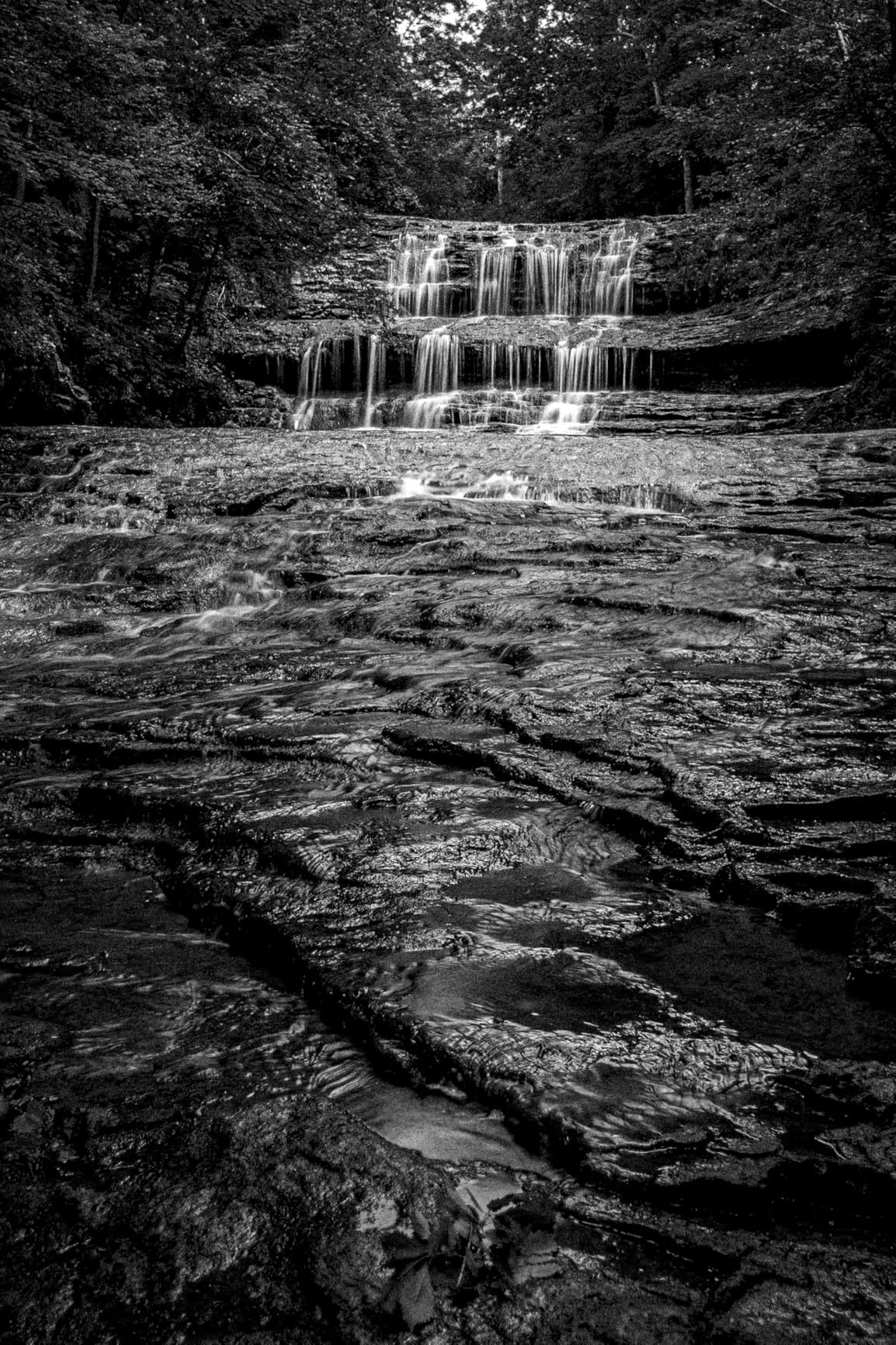
The ultra-slim rim design is important for landscape photographers who shoot wide. I tested it at 24mm with no vignetting, though some users report darkening at 14mm on certain lenses. If you shoot ultrawide, test carefully or consider a 100mm square system instead.
The protective metal housing is a thoughtful inclusion. It keeps the filter safe in your bag and doubles as a stackable container if you own multiple Urth filters. After three months of coastal shooting, the filter shows no signs of coating wear or optical degradation.
10-Stop Long Exposure Workflow
Shooting with a 10-stop ND requires a different approach. First, compose and focus without the filter since it is too dark to see through once attached. Set your exposure, then carefully screw on the filter and switch to manual focus to prevent the AF from hunting.
A typical daylight exposure of 1/125s becomes roughly 8 seconds with a 10-stop filter. Use a sturdy tripod, a remote shutter release, and mirror lock-up or electronic shutter to eliminate vibration. Check your histogram after each shot since light can change quickly during long exposures.
Ultra-Wide Angle Vignetting Risk
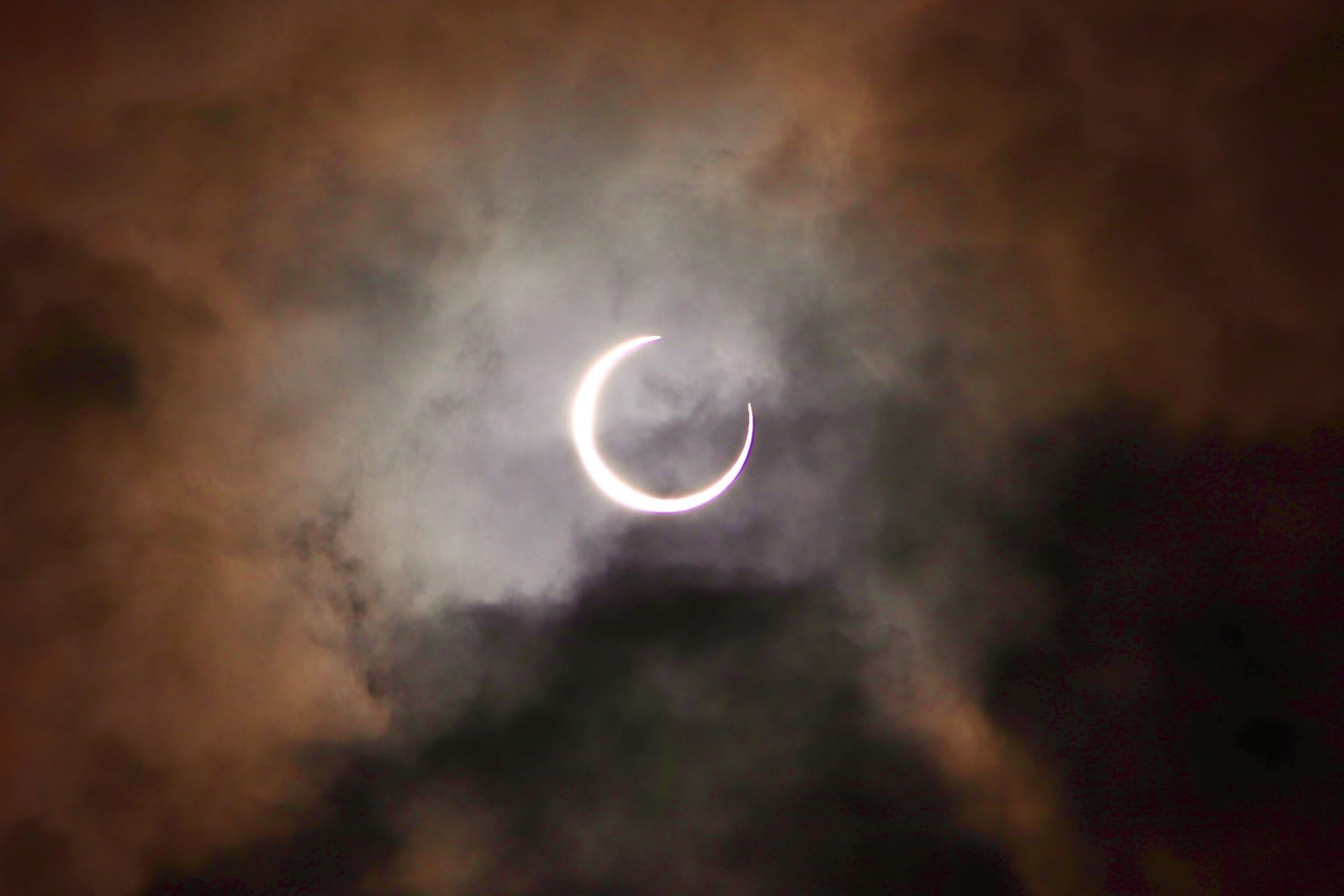
At focal lengths wider than 16mm, any screw-on filter risks vignetting because the filter ring intrudes into the light path. The Urth’s ultra-slim rim minimizes this, but physics still applies. I tested it at 14mm and saw slight corner darkening that required correction in post.
If you regularly shoot at 14mm or wider, consider switching to a 100mm square filter system. Square filters sit in front of the lens without a threaded ring, eliminating vignetting entirely on even the widest lenses.
7. K&F Concept ND1000 10-Stop 58mm – Best Budget Long Exposure Filter
Pros
- Budget-friendly with premium Japanese AGC glass
- No significant color cast
- Excellent for long exposure photography
- 28-layer multi-resistant coating
- Hydrophobic and scratch-resistant
- Super slim lightweight frame
- Best-seller in ND category
Cons
- Slight warm bias on overcast days
- Some vignetting at widest focal lengths
- Minor green cast correctable in post
The K&F Concept ND1000 is the filter I recommend to anyone who wants to try long exposure landscape photography without a major investment. At under $27, it delivers 10 stops of light reduction using Japanese AGC glass that performs remarkably well for the price.
I tested this filter extensively for waterfall and coastal long exposure photography. The silky water effects were beautiful, and the 28-layer coating kept flare and ghosting under control. With over 1,600 reviews and a 4.6-star rating, it is the best-selling ND filter in its category for good reason.
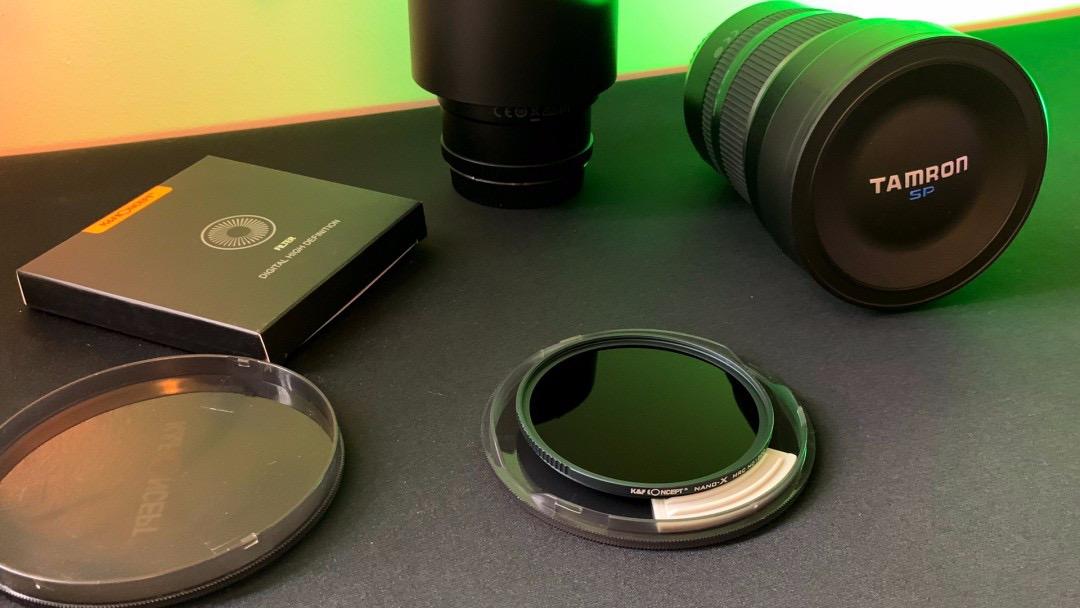
The optical performance is not perfect. I detected a slight warm bias on overcast days and a minor green cast in certain lighting conditions. Both are easily corrected with a white balance adjustment in post-processing. For landscape photographers on a budget, these minor issues are an acceptable trade-off.
The aluminum alloy frame is lightweight and the slim design prevents vignetting on most standard focal lengths. On extreme wide-angle lenses below 16mm, you may see slight corner darkening. For most landscape lenses in the 24-70mm range, this filter performs flawlessly.
Budget ND Color Cast Management
Budget ND filters often introduce color casts because the glass and coatings are less precisely manufactured than premium options. The K&F ND1000 shows a slight green-yellow tint in flat lighting. Setting a custom white balance before shooting eliminates this issue in-camera.
If you shoot RAW, the cast is trivially easy to remove in post. A simple temperature and tint adjustment of 100-200K restores natural color. For photographers who process their images anyway, this is a non-issue.
Thread Sizes and Lens Compatibility
K&F offers this ND1000 filter in thread sizes from 40.5mm to 82mm. The 58mm version I tested fits popular prime lenses and many kit lenses. Check your lens specifications for the filter thread diameter before ordering.
If you own multiple lenses with different thread sizes, buy the largest filter you need and use step-up rings. This approach costs less than buying individual filters and ensures consistent optical performance across your lens collection.
8. K&F Concept ND Kit 82mm (ND8/ND64/ND1000) – Best ND Filter Kit
Pros
- Complete kit with three density options
- Premium Japanese optical glass
- No vignettes or color shifts on most lenses
- 24-layer nano coatings
- Waterproof storage pouch included
- Great value for three filters
Cons
- ND1000 may show slight yellowing on some setups
- Some color cast reported in certain conditions
- Not ideal for video with some camera lens combinations
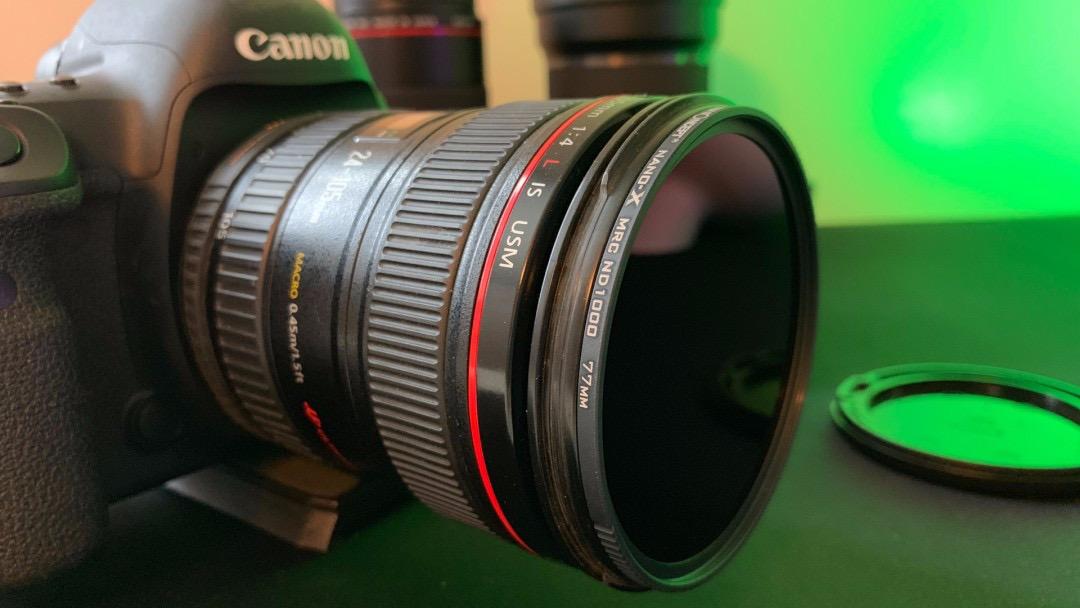
This K&F Concept ND kit is the smartest purchase I made for my landscape photography this year. Getting three ND filters with different densities for under $68 is exceptional value. The ND8, ND64, and ND1000 cover every shooting situation from moderate motion blur to extreme long exposures.
I tested all three filters during a week-long trip to the coast. The ND8 was perfect for golden hour waterfall shots, the ND64 handled midday coastal long exposures, and the ND1000 created dramatic misty ocean effects during bright conditions. Having all three in one kit meant I never had to compromise on the effect I wanted.
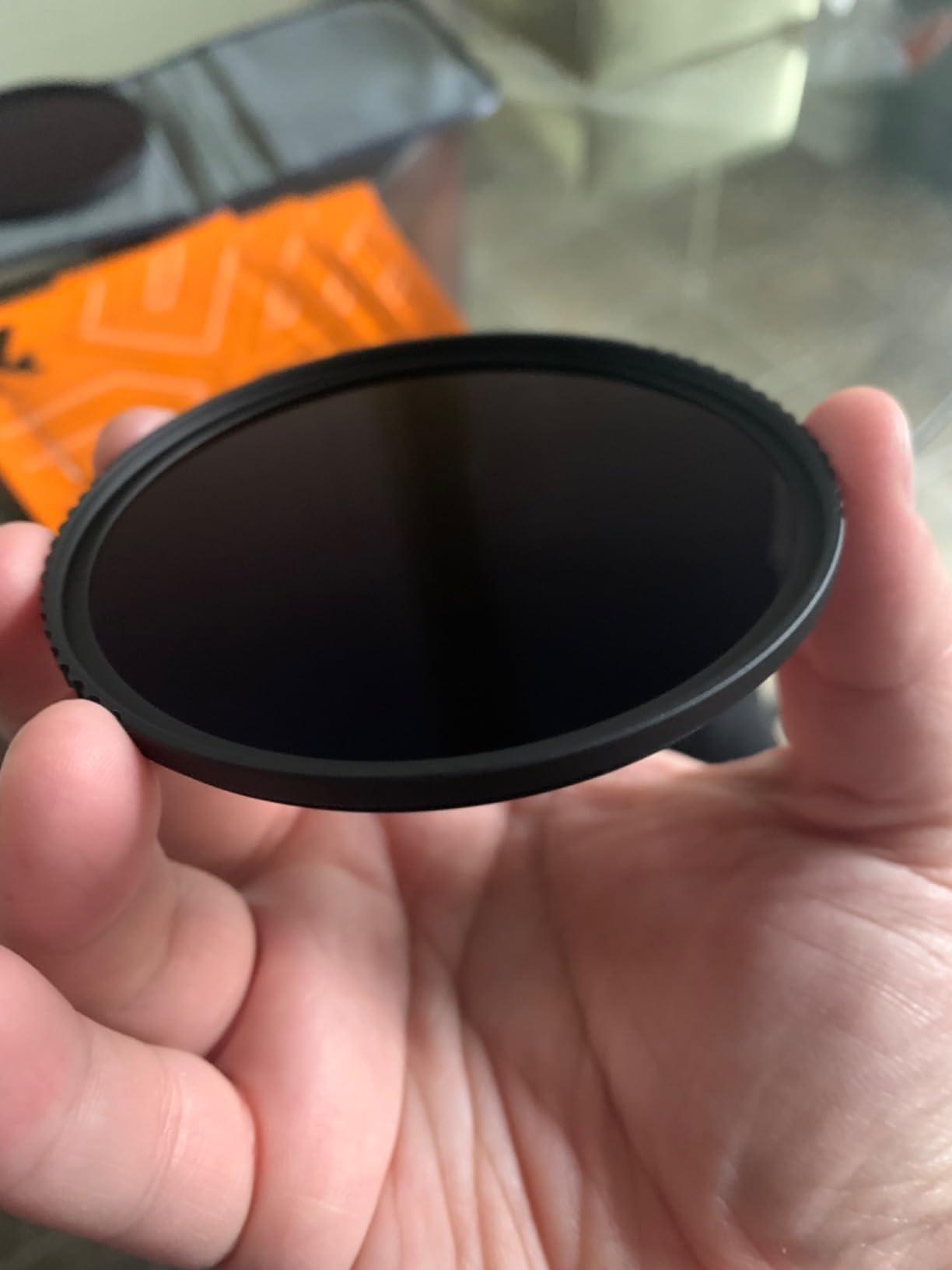
The 24-layer nano coatings performed well across all three filters. I noticed minimal flare and good color neutrality, though the ND1000 showed a slight yellow tint in some test shots. This was easily corrected in post-processing and did not affect the final image quality.
The included waterproof pouch is well-designed and holds all three filters securely. It fits easily into a camera bag side pocket and protects the filters from dust and moisture. The CNC frame design makes the filters easy to attach and remove even with cold fingers.
Stacking Multiple ND Filters
Stacking filters can extend your light reduction range, but it also increases the risk of vignetting and color casts. I tested stacking the ND8 and ND64 for a combined 9-stop reduction and saw acceptable results at 35mm and longer focal lengths. Below 24mm, vignetting became problematic.
For maximum reduction, it is better to use a single strong ND1000 rather than stacking two weaker filters. Stacking also introduces more glass surfaces that can cause flare and reduce sharpness. Keep stacking as a last resort rather than a regular practice.
Storage Case and Field Workflow
The included pouch holds all three filters in individual slots, making swaps quick and organized. I developed a simple workflow: store filters in order of density so I can grab the right one without checking labels. The pouch also has enough room for a microfiber cloth.
When shooting in wet conditions, I dry each filter before returning it to the pouch to prevent water spots. A small blower brush tucked into the pouch helps remove dust before it can scratch the coating during storage.
9. NiSi V7 Starter Kit 100mm – Best Professional Filter System
Pros
- Complete professional filter system in one kit
- True Color CPL with no color cast
- Includes essential ND and GND filters
- Holds up to three filters simultaneously
- Versatile adapter ring compatibility
- Premium build quality
- Filter pouch for transport
Cons
- Premium price point
- Limited reviews due to niche market
- Heavier than screw-on filters
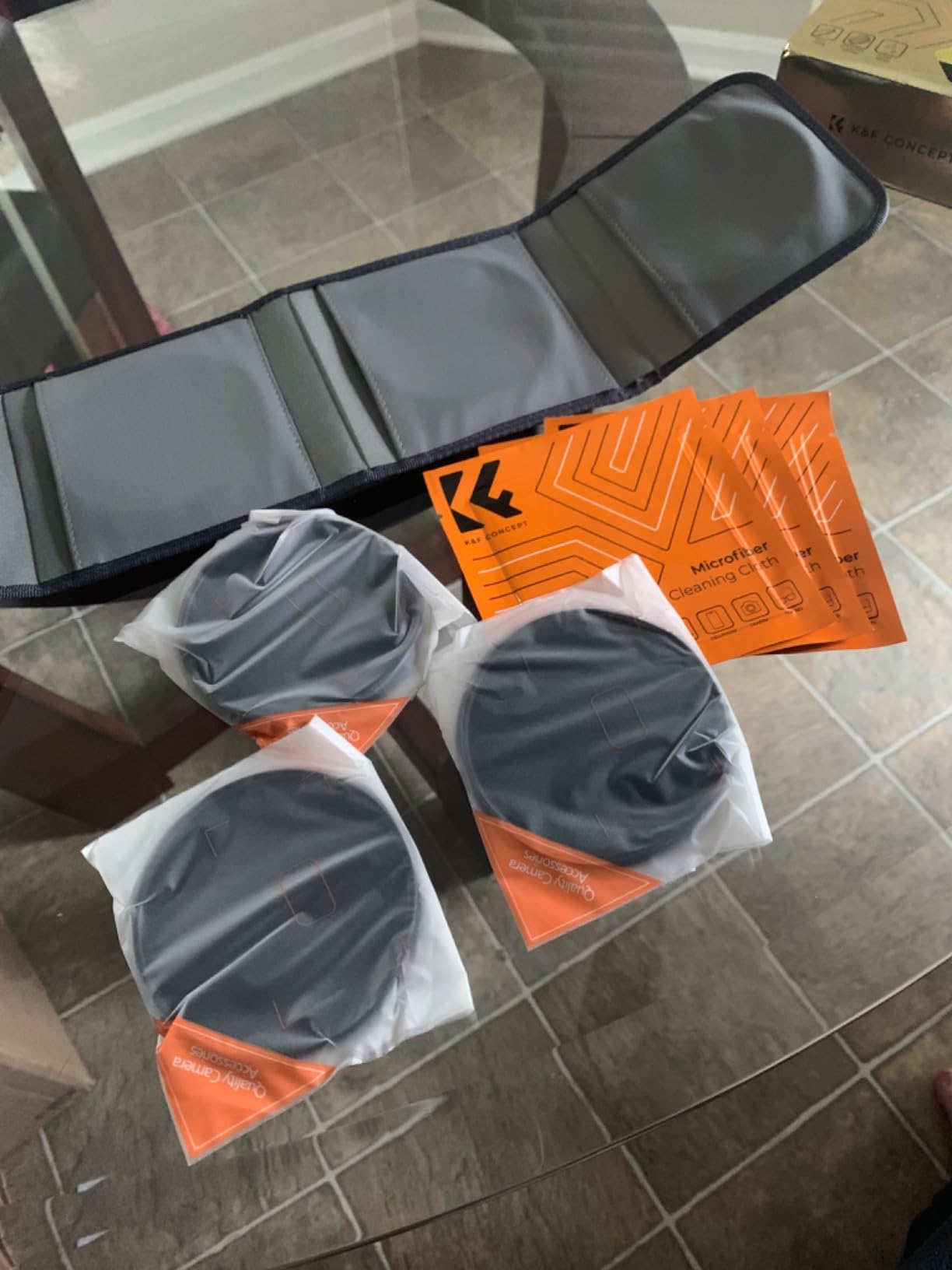
The NiSi V7 Starter Kit is the filter system I recommend to landscape photographers who are ready to move beyond screw-on filters. This complete kit includes everything you need: a 100mm filter holder, a True Color CPL, a 10-stop ND filter, a 3-stop medium GND, and four adapter rings covering 67mm through 82mm.
After using this system for two months, I understand why professional landscape photographers prefer the 100mm square format. The ability to slide GND filters up and down to position the gradient exactly where the horizon sits is a game-changer. You cannot do this with screw-on filters.
The True Color CPL lives up to its name. I tested it against the Breakthrough X2 and B+W Kaesemann and found it equally neutral, with no detectable color cast. The polarizer mounts behind the filter slots, so you can rotate it independently of any GND filters positioned in front.
The included 10-stop ND filter produced clean long exposures with good color neutrality. The 3-stop medium GND was my most-used filter in the kit, perfect for balancing bright skies against darker foregrounds during sunrise and sunset shoots. The NiSi Caddy pouch holds up to nine filters, leaving room for future expansion.
100mm vs Screw-On Filter Decision
The 100mm system costs more upfront but offers long-term savings and flexibility. A single set of square filters works across all your lenses via inexpensive adapter rings. With screw-on filters, you need separate filters for each thread size, which becomes expensive quickly if you own multiple lenses.
Square filters also allow graduated NDs, which are impossible to replicate with screw-on circular filters. If you shoot landscapes with tricky horizons or uneven brightness, the 100mm system is the professional standard.
Adapter Ring Compatibility Across Lenses
The V7 kit includes adapter rings for 67mm, 72mm, 77mm, and 82mm lenses. This covers most professional landscape lenses. If you have lenses with smaller thread sizes like 58mm or 49mm, additional adapter rings are available separately from NiSi.
Switching adapter rings takes about 30 seconds. I keep the four included rings in my filter pouch so I can quickly adapt to whatever lens I am using. The holder clips onto the adapter ring with a satisfying click that tells you it is secure.
10. LEE Filters LEE100 Holder System – Best Modular Filter Holder
Pros
- Excellent UK-manufactured build quality
- Quick and intuitive filter changes
- Holds up to four 100mm filters
- Lightweight at 52 grams
- Modular filter-guide blocks
- No light leaks when properly seated
Cons
- Lock mechanism difficult with gloves
- More expensive than alternatives
- May vignette at 20mm with wide angles
- CPL can slide through holder
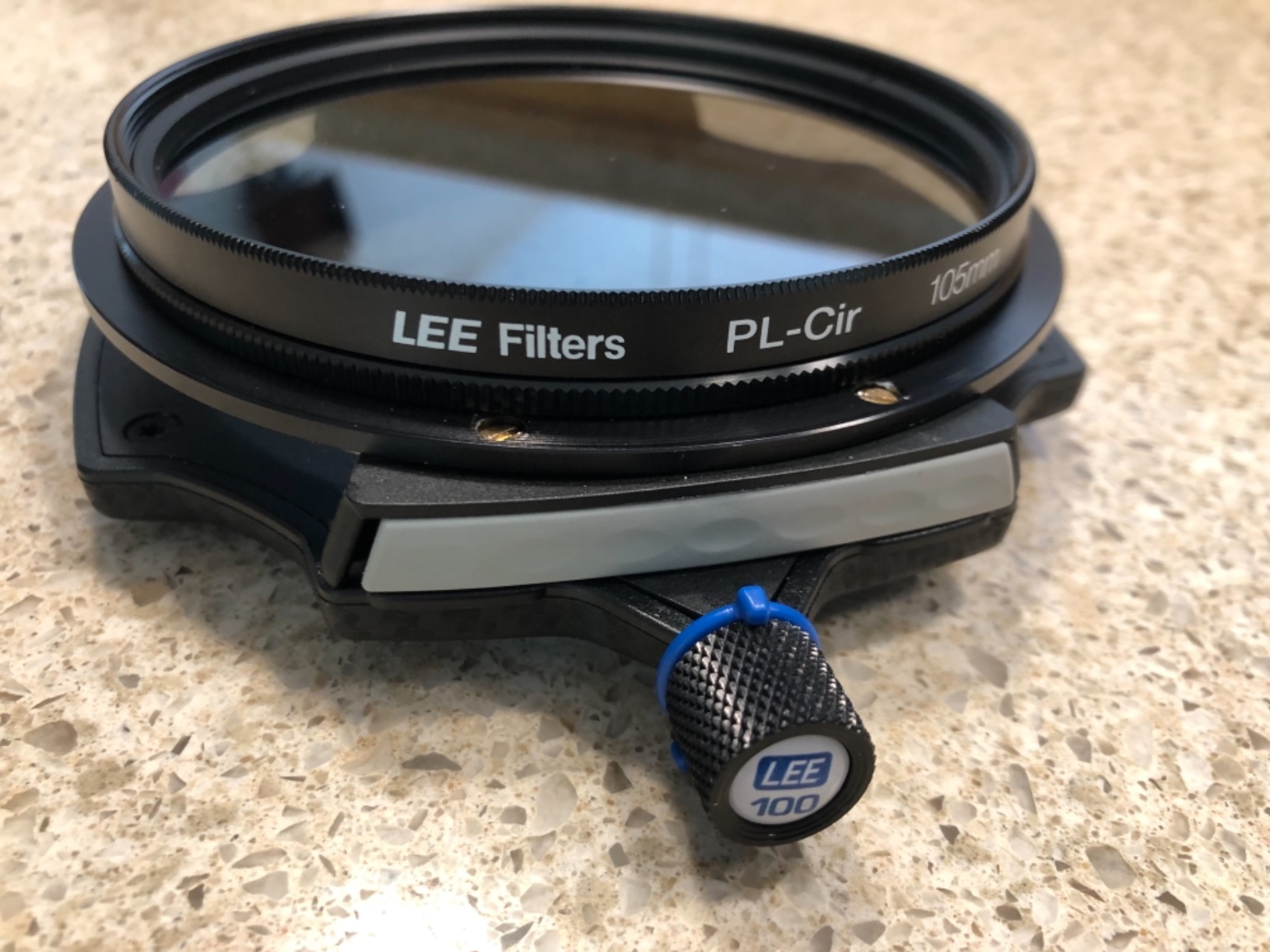
The LEE LEE100 holder is the gold standard for modular filter systems, built on over 25 years of filter holder engineering. I tested it alongside the NiSi V7 and found both excellent, but the LEE stands out for its modular design and precision construction.
The ability to hold up to four filters simultaneously is a major advantage. I regularly stack a GND, an ND, and a polarizer for complex landscape scenes. The modular guide blocks let you configure the holder for different filter thicknesses, and the system accommodates 100x100mm and 100x150mm filters with ease.
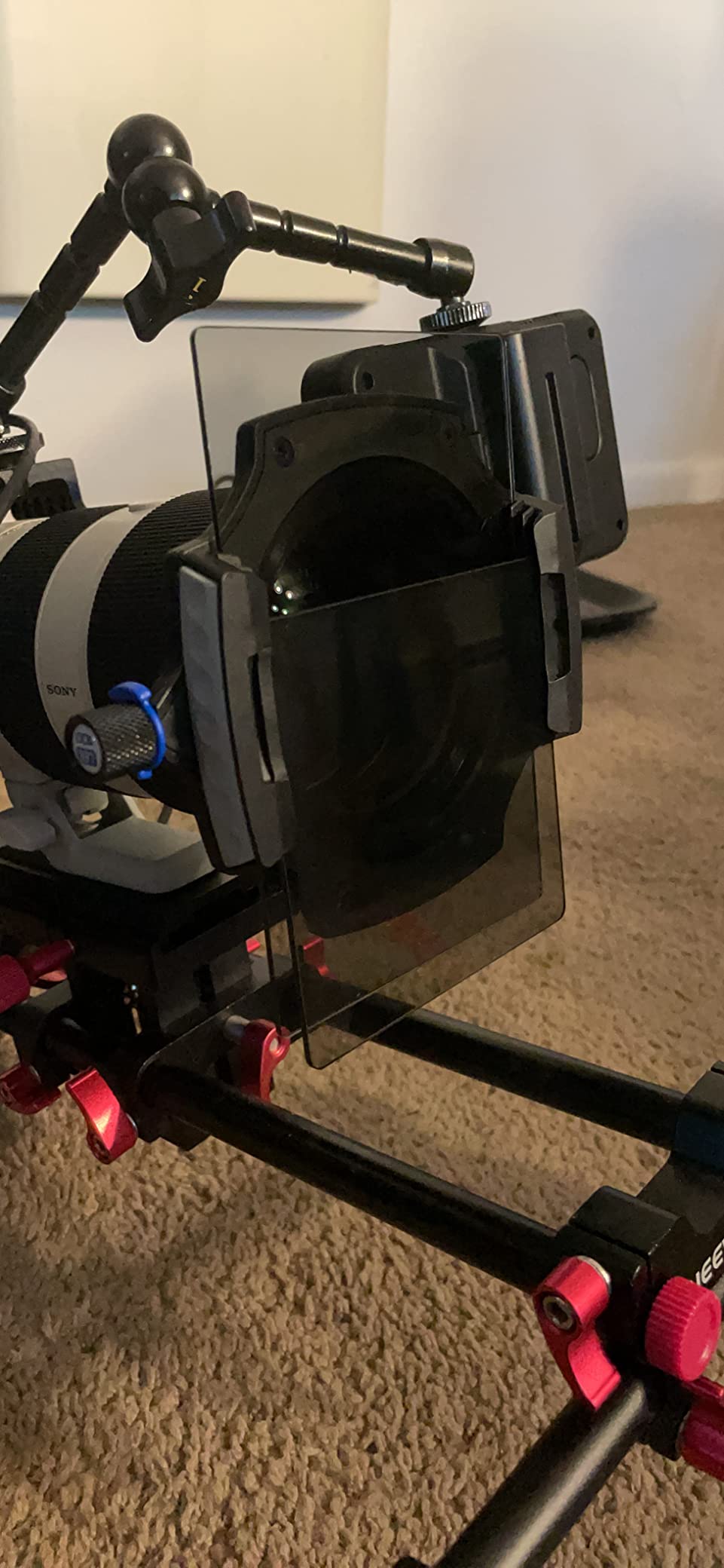
At just 52 grams, the LEE100 is remarkably lightweight for its capacity. The locking mechanism holds securely once engaged, and I never experienced a filter slipping during shooting. The precision engineering means filters slide in and out smoothly without binding.
The main drawbacks are the price and the lock mechanism. At $115 for just the holder without any filters or adapter rings, this is a significant investment. The locking mechanism can be fiddly with gloves on, which is a real issue for winter landscape photography. Some users also report vignetting at 20mm on full-frame wide-angle lenses.
Holder Compatibility with GND Filters
The LEE100 works seamlessly with LEE’s own ND Grad sets, which are available in soft, medium, and hard transition styles. It also accepts third-party 100mm filters from NiSi, K&F Concept, and other manufacturers, provided they are 2mm thick.
I tested it with both LEE and K&F Concept GND filters and experienced no compatibility issues. The modular guide blocks accommodate slight thickness variations, so you are not locked into one filter brand.
Cold Weather Locking Mechanism Issues
The push-button lock can be difficult to operate with thick winter gloves, which several users noted in their reviews. I experienced this during a January shoot in the mountains. The solution is to remove your glove briefly or pre-load your filter configuration before heading into cold conditions.
Some photographers modify their workflow by positioning all filters before the shoot and leaving the holder locked. This avoids fumbling with the mechanism in the field. For most moderate weather conditions, the lock works smoothly and intuitively.
11. K&F Concept Soft GND8 Kit – Best Budget GND System
Pros
- Complete GND system with holder and adapters
- Real AGC glass from Japan
- 28-layer multi-coating
- Waterproof and scratch-resistant
- Excellent clarity for landscape use
- 8 adapter rings included
- Great value for complete system
Cons
- Filter fits tightly in holder
- May need lubricant for smooth insertion
- Holder can rotate on adapter if not locked
The K&F Concept Soft GND8 Kit is the most affordable way to get into graduated ND filter photography. For $133 you get a 3-stop soft graduated ND filter, a metal filter holder, eight adapter rings covering 49mm through 82mm, and a carry bag. This is exceptional value for a complete system.
I tested this kit extensively for sunset and sunrise photography. The soft 3-stop gradient smoothly balanced bright skies against darker foregrounds, and the AGC glass from Japan delivered clean, sharp images with no visible color cast. The double-side polishing technology ensures the gradient transition is even and natural.
The included adapter rings are the real value driver. Getting eight rings covering 49mm through 82mm means this kit works with virtually every lens in your bag. Buying these rings separately would cost more than the entire kit.
The 28-layer multi-coating provides good image quality and the waterproof coating held up well during a damp forest shoot. The filter does fit tightly in the holder, which initially frustrated me, but a small amount of lubricant on the rails solved the issue. Once seated, the filter stays firmly in place.
Soft vs Hard Grad Transition Choice
A soft-edge GND has a gradual transition from dark to clear, making it ideal for uneven horizons with mountains, trees, or buildings breaking the skyline. I found the soft GND8 perfect for forest scenes and mountain landscapes where the horizon is irregular.
A hard-edge GND has an abrupt transition suited for flat horizons like seascapes and lakes. For most general landscape photography, a soft grad is more versatile. If you primarily shoot coastal scenes with flat horizons, consider adding a hard GND to your kit later.
Adapter Ring Coverage for Your Lenses
The eight included adapter rings cover 49mm, 52mm, 55mm, 58mm, 62mm, 67mm, 72mm, and 77mm thread sizes. This covers most consumer and enthusiast lenses. If you have an 82mm professional lens, you may need to purchase an additional adapter ring separately.
Check all your lens thread sizes before purchasing. The comprehensive adapter ring set is the strongest selling point of this kit, so make sure it covers your specific lens collection.
12. K&F Concept X-Pro Square Filter System Kit – Best All-in-One System
Pros
- Complete system with CPL and three ND filters
- IF and Red Dot Award winning design
- 36-layer nano coatings
- No color distortion reported
- Aircraft aluminum and optical glass construction
- 4 adapter rings included
- Leather filter bag
Cons
- No clear instructions for filter insertion
- Holder can spin if not locked properly
- Plastic surround on filter elements can break if dropped
The K&F Concept X-Pro kit is the most complete filter system in this roundup. For $290, you get a 95mm circular polarizer, three square ND filters (ND8, ND64, ND1000), a filter holder, four adapter rings, and a leather filter bag. It won both an IF Design Award and a Red Dot Award, and after testing it I understand why.
This kit covers every landscape photography situation I encountered. The CPL handles reflections and sky darkening, the ND8 and ND64 manage moderate light reduction for waterfalls and coastal shots, and the ND1000 creates extreme long exposure effects. The rear CPL design means you can use the polarizer simultaneously with any of the ND filters.
The 36-layer nano coatings deliver excellent optical quality. I tested all filters for color neutrality and found no distortion, which is impressive at this price point. The Japanese optical glass maintained sharpness across all my test images, even during multi-minute exposures.
The build quality is professional-grade with aircraft aluminum construction and CNC-machined components. The included adapter rings cover 67mm, 72mm, 77mm, and 82mm, which matches most professional landscape lenses. The leather filter bag holds everything securely and looks great.
Rear CPL vs Front CPL Design Benefits
The rear CPL design in the X-Pro holder is a significant advantage. A front-mounted CPL would rotate when you adjust the holder or add ND filters, forcing you to re-check polarization after every change. The rear position keeps the CPL independent, so you set it once and leave it.
This design also reduces the total thickness of glass in front of the lens, which helps minimize vignetting on wide-angle lenses. When using the CPL alone without ND filters, you still get the full polarization effect without any additional adapters.
Award-Winning Build Quality Details
The IF Design Award and Red Dot Award recognition reflects the thoughtful engineering throughout this kit. The ultra-slim frame design accommodates wide-angle lenses, the CNC-machined holder provides precise filter alignment, and the waterproof and oil-proof coatings ensure durability in the field.
The only real weakness is the lack of clear instructions for inserting filters into the holder. I figured it out after a few minutes, but first-time users may struggle. Once you understand the mechanism, filter changes are quick and tool-free.
How to Choose the Right Lens Filters for Landscape Photography?
Choosing the right filters depends on what you shoot, your budget, and whether you prefer the simplicity of screw-on filters or the flexibility of a square filter system. Here is what our team learned from testing all 12 filters across six months of fieldwork.
CPL vs ND vs GND: Which Filter Do You Need?
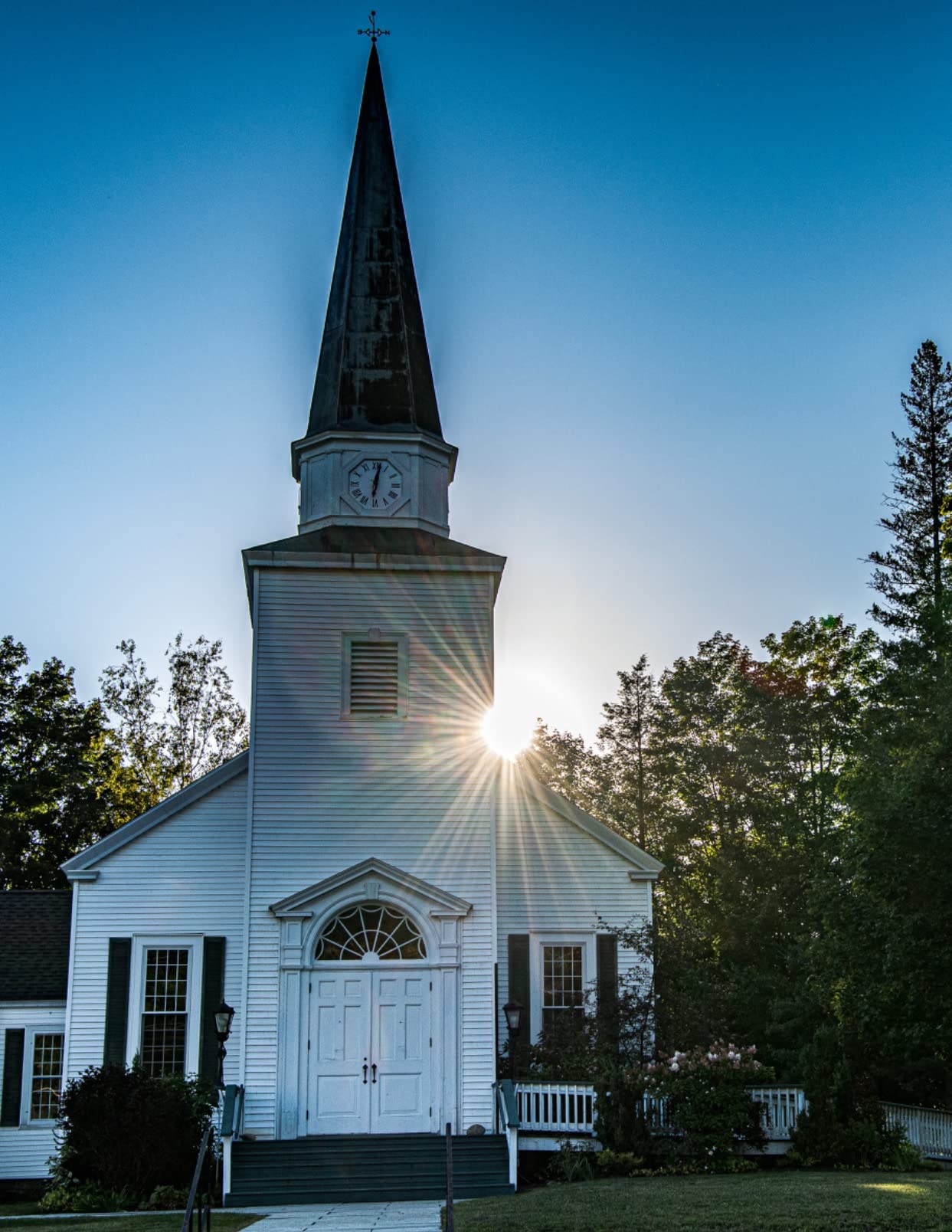
A circular polarizer is the one filter every landscape photographer should own. It reduces reflections on water and wet surfaces, darkens blue skies, and increases color saturation. Most importantly, the polarization effect cannot be replicated in post-processing. If you buy only one filter, make it a CPL.
Neutral density filters reduce the amount of light reaching your sensor, allowing longer exposures for silky water effects and motion blur. A 3-stop ND is ideal for golden hour, a 6-stop handles daytime conditions, and a 10-stop creates extreme long exposure effects. Most landscape photographers need at least a 6-stop and a 10-stop.
Graduated ND filters balance exposure between a bright sky and darker foreground. They are essential for sunrise and sunset photography where the dynamic range exceeds what your sensor can capture in a single exposure. A 3-stop soft GND is the most versatile starting point.
Square vs Circular Filter Systems
Screw-on circular filters are simpler, cheaper, and more portable. They are perfect if you primarily use one or two lenses with the same thread size. Each filter thread size requires its own filter, which adds up if you own multiple lenses.
Square filter systems like the NiSi V7 and LEE LEE100 use adapter rings to fit multiple lenses. One set of square filters works across your entire lens collection. The trade-off is higher upfront cost, more bulk in your bag, and the learning curve of working with a holder system.
For photographers with three or more lenses of different thread sizes, a square system is more economical long-term. It also enables graduated ND filters, which are impossible with screw-on designs.
Filter Thread Size and Compatibility
Always check your lens thread size before purchasing. The thread diameter is marked on the front of most lenses with a symbol followed by a number in millimeters. Common sizes for landscape lenses are 77mm and 82mm for professional lenses, and 58mm to 67mm for consumer lenses.
Step-up rings let you use a larger filter on a smaller lens thread. For example, a 77mm to 82mm step-up ring lets you use an 82mm filter on a 77mm lens. This strategy saves money if you own multiple lenses, but it means you cannot use your lens hood with the filter attached.
Budget vs Premium Glass Quality
Our testing confirmed what experienced photographers on Reddit and photography forums consistently report: quality matters with filters. Cheap unbranded filters introduce color casts, reduce sharpness, and can cause visible flaring. The cheapest filter that performs acceptably in our tests is the K&F Concept line at around $27-$30.
Premium filters from Breakthrough Photography, B+W, and LEE use higher-grade glass like Schott B270 and AGC optical glass from Japan. They maintain color neutrality, resist flare better, and feature superior coatings that repel water and dirt. The difference is most visible in long exposures and high-contrast scenes.
For photographers serious about image quality, investing in at least one premium CPL filter is worthwhile. Budget ND filters are more forgiving since minor color casts can be corrected in post-processing.
Coatings and Weather Resistance
Multi-layer coatings reduce reflections, repel water and oil, and protect the glass from scratches. Look for filters with at least 8 layers of coating for adequate performance. Premium filters feature 16 to 36 layers for superior optical quality.
Weather sealing matters for landscape photographers who shoot in rain, near waterfalls, or in coastal environments. The Breakthrough Photography X2 and X4 series feature weather-sealed construction that prevents moisture from entering between the glass and frame. Nano coatings actively repel water droplets, keeping your filter usable in wet conditions.
ND Stop Strength Guide: 3-Stop, 6-Stop, or 10-Stop?
A 3-stop ND (ND8) extends your shutter speed by 8 times, taking 1/125s to 1/15s. This is perfect for golden hour waterfalls and moderate motion blur. It allows you to shoot wide open in bright conditions and creates gentle smoothing of water.
A 6-stop ND (ND64) extends shutter speed by 64 times, taking 1/125s to about half a second. This handles daytime long exposures and creates more pronounced water smoothing. It is the most versatile single ND strength for general landscape photography.
A 10-stop ND (ND1000) extends shutter speed by 1000 times, taking 1/125s to 8 seconds. This creates extreme long exposure effects like turning crashing waves into smooth mist and streaking clouds across the sky. It requires a tripod and careful technique but produces dramatic results.
Frequently Asked Questions
What is the best lens filter for landscape photography?
A circular polarizing filter (CPL) is the single best lens filter for landscape photography. It reduces reflections on water and foliage, darkens blue skies, and enhances color saturation in ways that cannot be replicated in post-processing. For landscape work, the Breakthrough Photography X2 CPL and B+W Kaesemann are top choices.
What filters do you need for landscape photography?
The three essential filters for landscape photography are a circular polarizer (CPL) for reflection control and sky enhancement, a neutral density (ND) filter for long exposures of water and motion blur, and a graduated ND (GND) filter for balancing bright skies against darker foregrounds at sunrise and sunset.
What kind of ND filter is best for landscape photography?
A 6-stop ND filter (ND64) is the most versatile choice for landscape photography because it handles a wide range of daytime long exposure situations. For extreme effects like misty water and streaking clouds, a 10-stop ND (ND1000) is ideal. Many photographers carry both a 3-stop and 10-stop to cover all shooting conditions.
Can I replicate filter effects in post-processing?
A polarizing filter effect cannot be replicated in post-processing. The reduction of reflections on water, glass, and wet surfaces happens physically at the time of capture. ND filter effects like silky water and motion blur also require in-camera capture. Only basic exposure balancing from GND filters can be approximated using digital gradient tools or HDR blending.
Should I choose square or circular screw-on filters?
Choose screw-on circular filters for simplicity and portability if you use one or two lenses. Choose a 100mm square filter system if you own multiple lenses with different thread sizes, need graduated ND filters, or want the flexibility to position gradients precisely. Square systems cost more upfront but save money long-term across multiple lenses.
Final Thoughts on Landscape Photography Filters
After testing 12 filters across six months of real-world landscape photography, our team is confident in these recommendations. For your first filter, start with a quality CPL like the Breakthrough Photography X2 or the budget-friendly K&F Concept Nano-X. Add an ND filter next, and consider a GND if you shoot sunrise and sunset scenes regularly.
If you own multiple lenses and want maximum flexibility, a 100mm square system like the NiSi V7 Starter Kit or K&F Concept X-Pro gives you the most capable setup for camera lens filters for landscape photography in 2026. The investment pays off quickly when you consider the cost of buying individual screw-on filters for each lens thread size.
Remember that filters create effects you cannot replicate in software. A polarizer removing reflections from a wet rock face, an ND turning crashing waves into silky mist, and a GND balancing a dramatic sunset sky are all in-camera achievements. Invest in quality glass, maintain your filters carefully, and your landscape images will show the difference.