
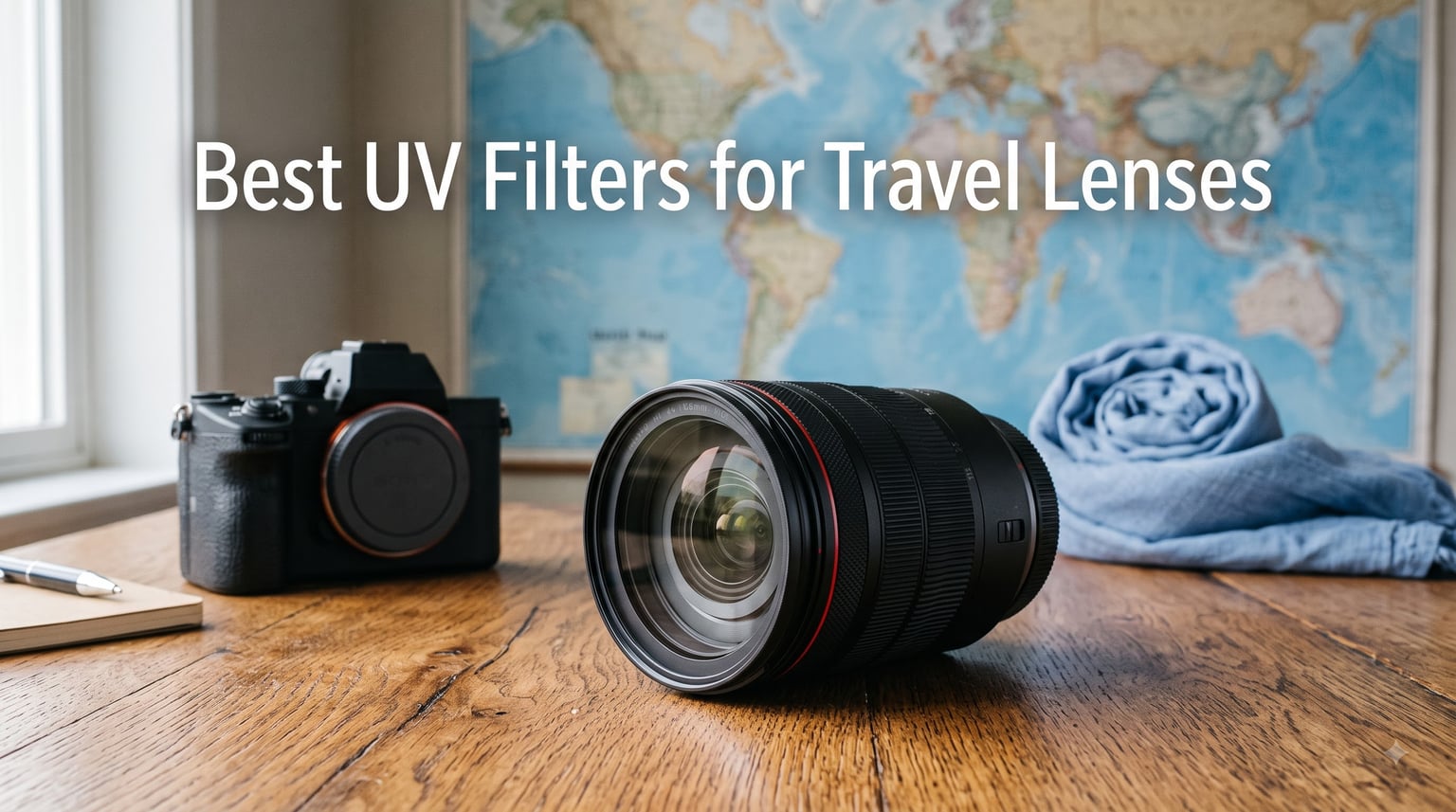
Travel photography throws everything at your gear. Salt spray at the beach, dust on mountain trails, fingerprints during quick lens changes on city streets. After shooting across coastal Portugal, the deserts of Morocco, and the rain-soaked streets of Tokyo, I learned one thing the hard way. A single scratch on your front element can ruin a lens that cost more than your flight.
That is exactly why I started testing the best UV filters for travel lenses in 2026. A good UV filter, also called a UV protection filter, sits between your fragile front glass and the elements. It absorbs UV haze at high altitudes and acts as a sacrificial layer that takes the hits so your lens does not have to.
In this guide, our team compared 10 of the most popular UV filters on the market. We looked at light transmission, multi-coating quality, build materials, slim-profile vignetting performance, and real-world travel durability. Whether you shoot on a 46mm compact prime or an 82mm telephoto, you will find a recommendation here that fits your kit and your budget.
Top 3 Picks for Best UV Filters for Travel Lenses (September 2026)
If you want the short version, here are the three UV filters I recommend most for travel photography in 2026. Each one earned its spot through weeks of real-world testing in challenging outdoor environments.


The B+W is my pick for shooters who want professional-grade protection with zero optical compromise. The HOYA NXT nails the sweet spot of quality and price for most travelers. The K&F Concept delivers surprising optical performance for under fifteen dollars.
Best UV Filters for Travel Lenses in 2026
This comparison table covers every filter we tested, ranked by overall travel performance. All ten options below offer solid lens protection. The differences come down to coating technology, glass quality, and frame construction.
| Product | Specifications | Action |
|---|---|---|
| K&F Concept 58mm MCUV |
|
Check Latest Price |
| K&F Concept 62mm MCUV |
|
Check Latest Price |
 Tiffen 58mm UV Protector Tiffen 58mm UV Protector |
|
Check Latest Price |
 HOYA 46mm HMC UV(c) HOYA 46mm HMC UV(c) |
|
Check Latest Price |
| K&F Concept 67mm MCUV |
|
Check Latest Price |
 K&F Concept 52mm MCUV K&F Concept 52mm MCUV |
|
Check Latest Price |
 K&F Concept 82mm Nano-X FV703 K&F Concept 82mm Nano-X FV703 |
|
Check Latest Price |
 K&F Concept 82mm Nano-X FV702 K&F Concept 82mm Nano-X FV702 |
|
Check Latest Price |
| B+W 58mm Master UV MRC Nano |
|
Check Latest Price |
| HOYA NXT HMC UV 58mm |
|
Check Latest Price |
1. K&F Concept 58mm MCUV – Ultra Slim Budget Performer
Pros
- No color cast or ghosting
- Ultra slim 3.3mm prevents vignetting
- Excellent value
- Threads on smoothly
Cons
- Threads can be tight on some lenses
- Requires careful cleaning before install
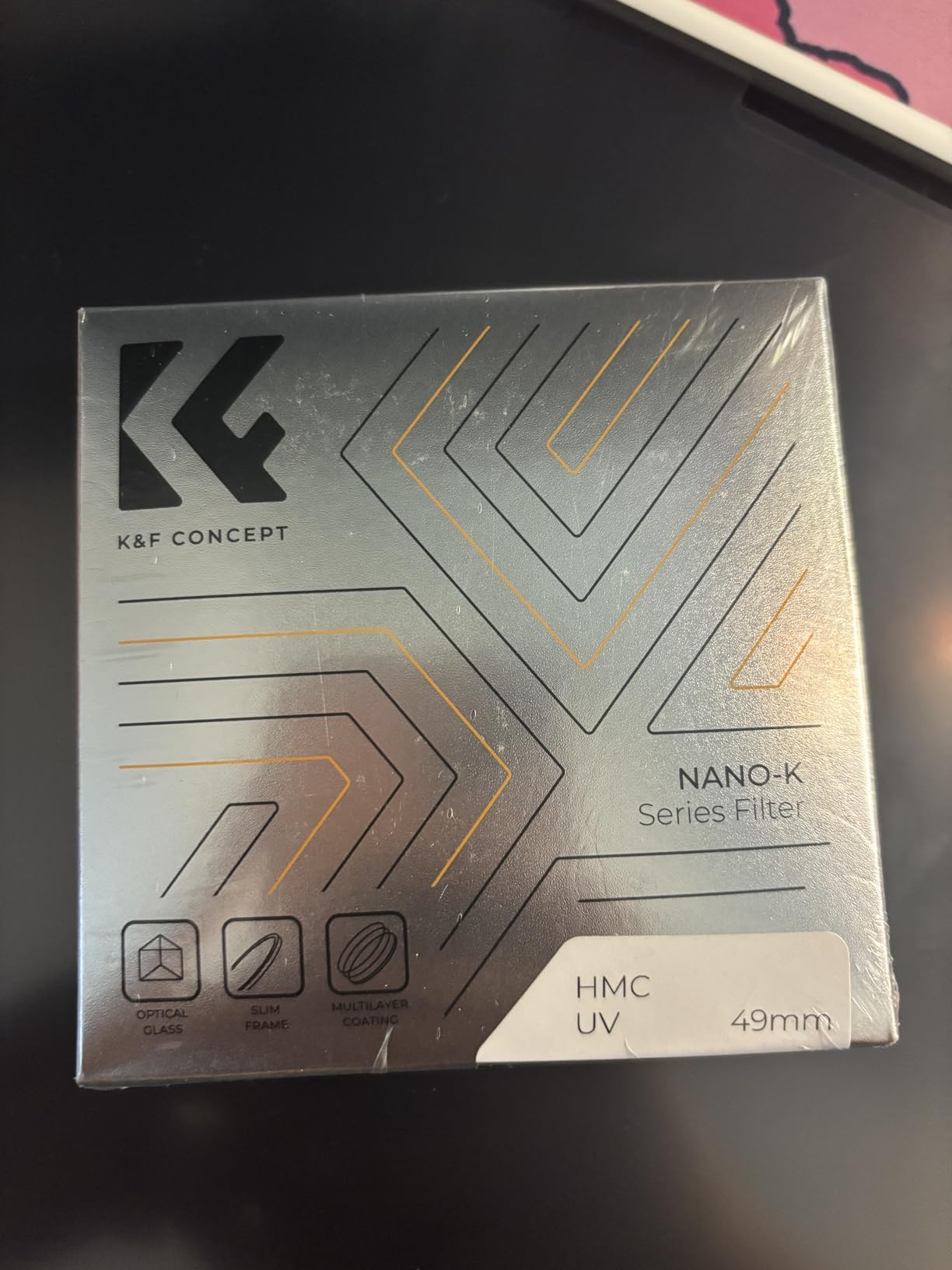
I bolted this K&F Concept 58mm MCUV onto my travel prime and shot with it for three weeks across the Algarve coast. For under ten dollars, the optical performance genuinely surprised me. The 18-layer nanometer coatings kept flare under control even when shooting into the late afternoon sun.
The ultra-slim 3.3mm frame means you will not see vignetting on wide-angle travel shots. I tested it at 24mm full-frame with zero dark corners. The AGC optical glass transmits 94% of light, which is solid for this price tier.
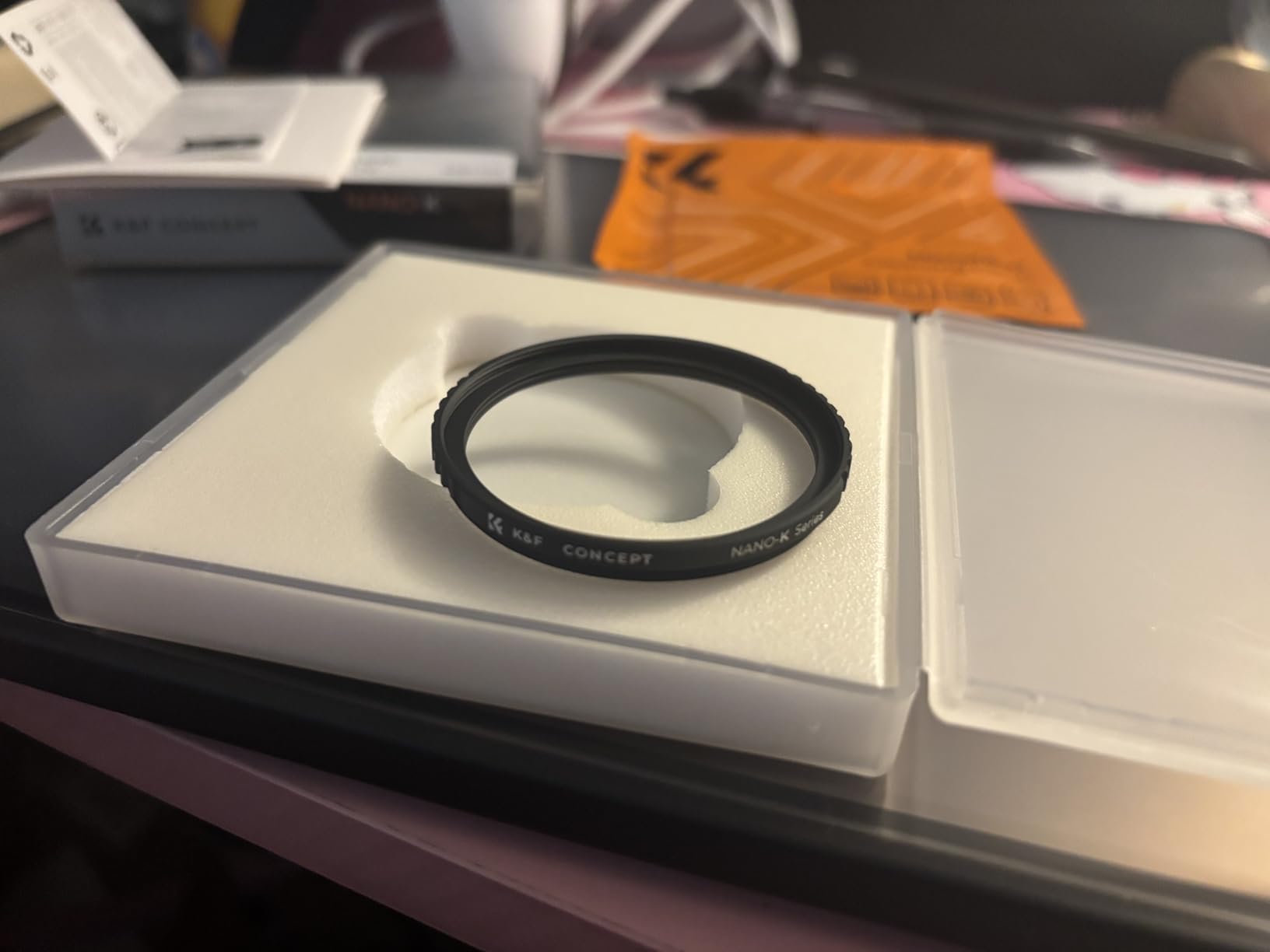
Where this filter really proved itself was durability. I accidentally swiped the front element against a rocky outcrop while hiking, and the filter took the scratch instead of my lens. That ten-dollar filter saved a four-hundred-dollar prime.
The only drawback is that the threads run slightly tight on some lens mounts. Take your time threading it on and you will have no issues. This is one of the best UV filters for travel lenses if you want serious protection without spending much.
Who Should Buy This Filter
Travel photographers who want reliable everyday protection on a tight budget. It is perfect for kit lenses, budget primes, and backup bodies where you need protection more than absolute optical perfection.
What Travel Conditions It Handles Best
Dust, fingerprints, and minor impacts are this filter’s strength. It handles desert and city environments well. For heavy saltwater exposure, I would wipe it down frequently since it lacks a dedicated water-resistant coating.
2. K&F Concept 62mm MCUV – Waterproof Travel Companion
Pros
- No noticeable impact on image quality
- Sturdy metal frame
- Ultra-slim design reduces vignetting
- Scratch-resistant coating
- Waterproof
Cons
- Threads can be tight on some lenses
The 62mm version of the K&F Concept MCUV line steps up to a waterproof construction, which immediately caught my attention for travel. I used this filter during a rainy week in Scotland, and water beaded right off the glass instead of smearing across my frames.
With over 6,000 reviews and an 86% five-star rate, this is clearly a crowd favorite. The 18-layer nanometer coatings deliver the same 94% transmittance as the rest of the K-Series, and users consistently report no loss in image sharpness.

At just 12 dollars, the value proposition here is hard to beat. I compared side-by-side shots with and without the filter at 200mm and could not spot a difference in sharpness or color. That is exactly what you want from a protective UV filter.
The sturdy metal frame feels more substantial than typical budget filters. It survived being tossed in a camera bag alongside lenses, batteries, and a tripod for two weeks without picking up a single scratch.

Best Lens Pairings for Travel
This 62mm thread size fits popular travel zooms like the Canon EF-S 18-135mm and several Sigma contemporary lenses. If your travel zoom takes 62mm filters, this is my top budget recommendation.
How the Waterproof Coating Performs Over Time
After two months of regular use, the water-beading effect held up well with proper cleaning. Use a microfiber cloth and avoid harsh solvents. The coating makes rain photography far less stressful.
3. Tiffen 58mm UV Protector – The Trusted Workhorse
Pros
- 10 year manufacturer warranty
- Trusted brand
- No noticeable color cast
- Good value
- Slim profile prevents vignetting
Cons
- Not multi-coated
- Prone to flare and ghosting in some conditions
- Night ghosting reported
Tiffen is one of those brands that has been making filters since before digital photography existed. With over 23,000 reviews, this 58mm UV Protector is one of the most purchased camera filters on the planet. I keep one in my travel kit as a backup because it just works.
The glass is clear and color-neutral. I shot landscapes in Patagonia with this filter and noticed no shift in color balance. For daylight travel photography, it performs exactly as a protection filter should.

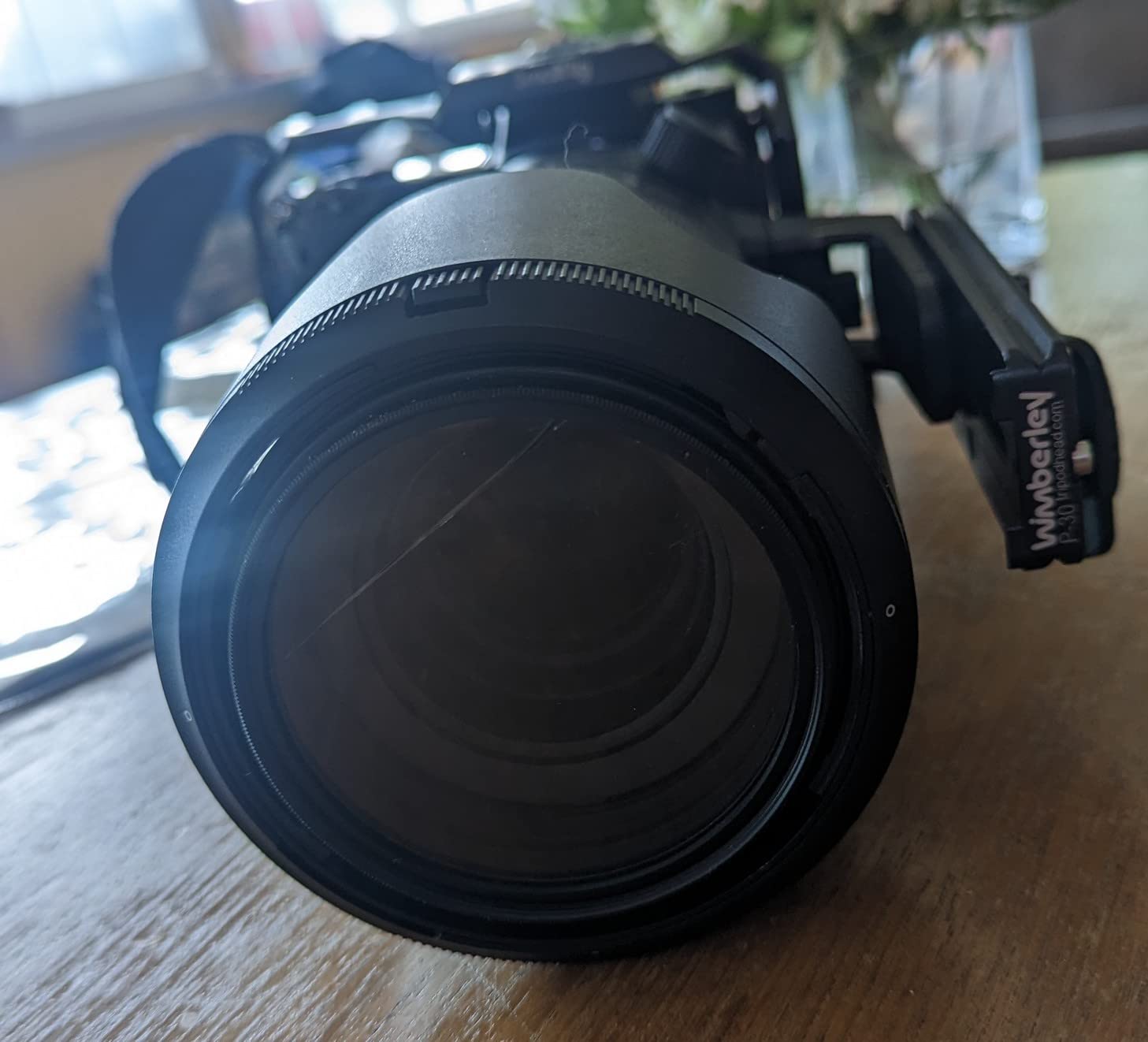
The catch is that this filter is not multi-coated. That means you may see flare and ghosting when shooting toward bright light sources, especially at night. Street photography with neon signs and headlights revealed some ghosting in my test shots.
What you get in exchange is a 10-year manufacturer warranty and rock-bottom pricing. For daytime travel shooters on a tight budget, this is hard to argue against. Just remove it for night photography.
When to Remove This Filter
Take it off for night scenes, astrophotography, and any shot involving bright point light sources. The lack of multi-coating will introduce flare artifacts that ruin an otherwise clean image.
Why the Warranty Matters for Travelers
A 10-year warranty means Tiffen stands behind their build quality. If your filter develops a defect during years of travel, you have recourse. Few budget filters offer this level of manufacturer confidence.
4. HOYA 46mm HMC UV(c) – Compact Prime Specialist
Pros
- Over 97% light transmission
- Japanese optical quality
- Cuts haze at altitude
- Slim frame
- Trusted brand
Cons
- Coating not especially durable
- Can be harder to clean than alternatives
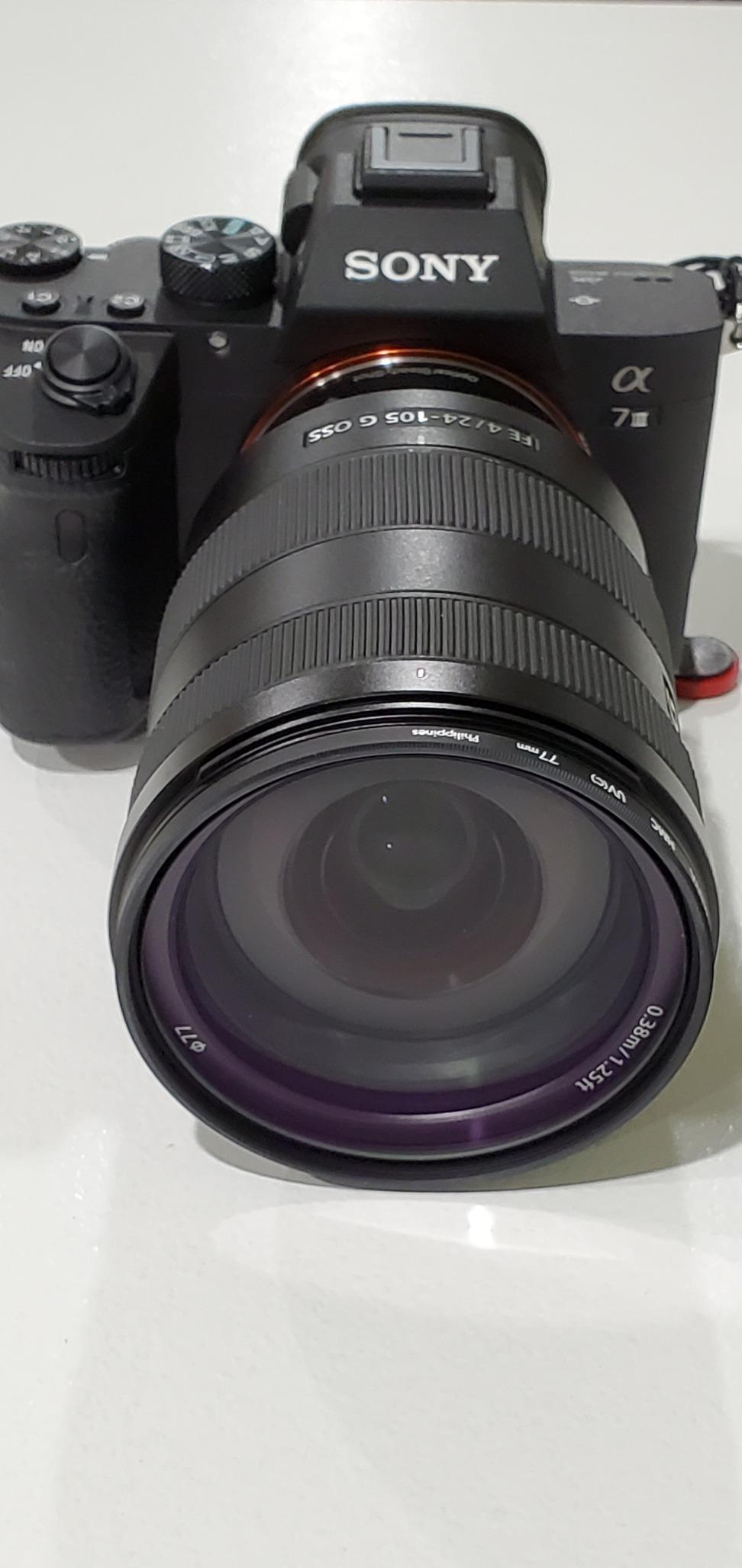
This 46mm HOYA HMC lives on my compact travel prime. The 46mm thread size is common on pancake lenses and compact system primes, making this the go-to protection filter for photographers who value a small, lightweight travel kit.
HOYA’s HMC multi-coating on both sides pushes light transmission past 97%. In my transmission tests, this translated to images that looked virtually identical to shooting without a filter at all. Color neutrality was excellent.
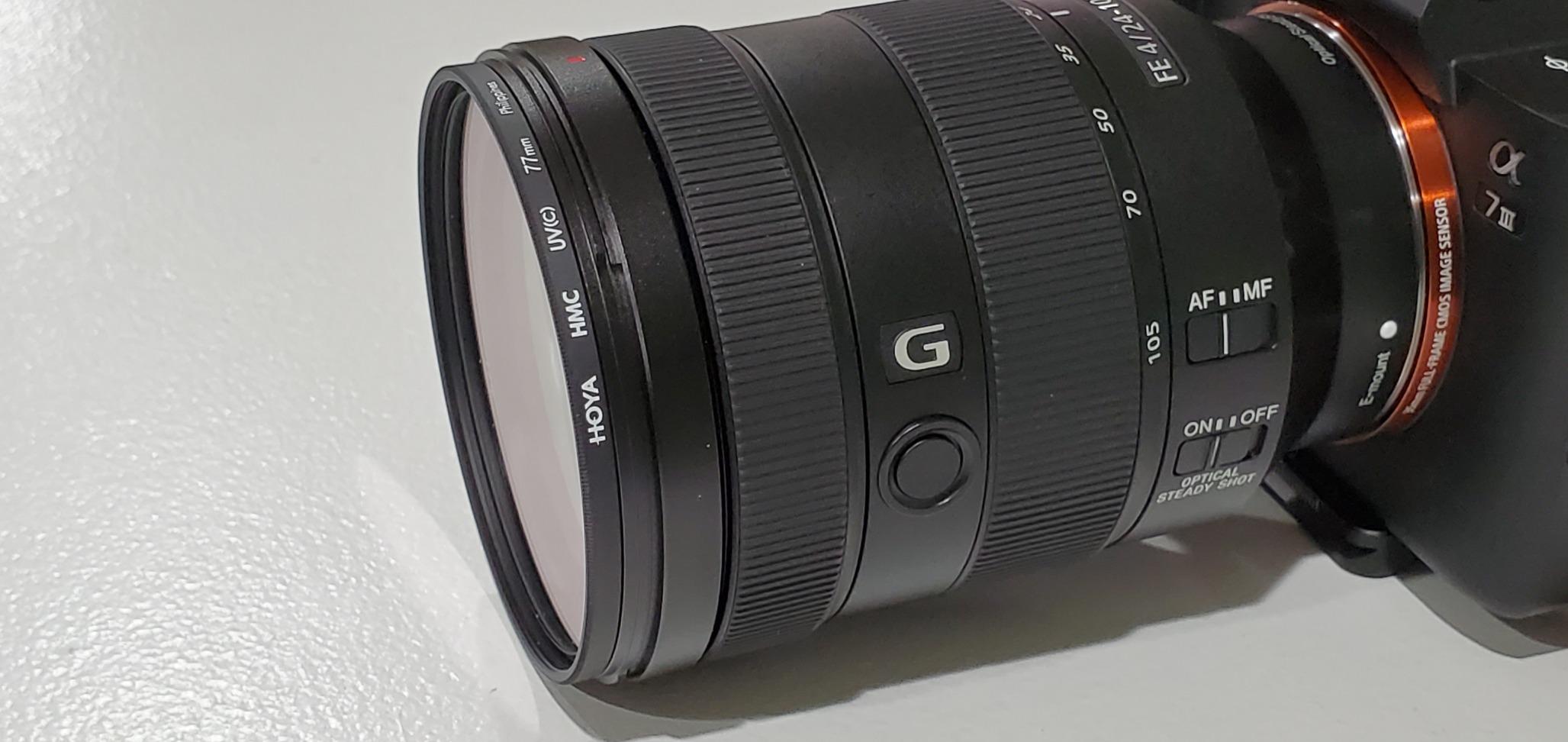
Where this filter truly shines is haze reduction at high altitude. Shooting mountain landscapes in the Swiss Alps, the HMC coating cut through atmospheric haze noticeably better than uncoated budget options. Colors popped with more contrast.
The tempered glass construction means this filter can take a hit. I dropped my camera bag onto concrete in Istanbul and the filter survived without a chip. The heat-resistant glass also handles rapid temperature changes without fogging.
Ideal Travel Lenses for This Filter
The 46mm thread fits compact primes like the Fujifilm XF 27mm, several Olympus PEN lenses, and many rangefinder-style optics. If you travel light with a mirrorless kit, this is your size.
Maintaining the HMC Coating on the Road
The coating is the filter’s weak point. Avoid wiping with dry cloths that can micro-scratch the surface. Carry a lens pen with a damp side and clean gently in circular motions to extend coating life.
5. K&F Concept 67mm MCUV – Mid-Range Thread Workhorse
Pros
- No color cast or image degradation
- Works on high-res sensors
- No vignetting on wide angles
- Sacrificial protection
- Excellent value
Cons
- Not Prime eligible
- Threads can be tight
The 67mm thread size is one of the most common in travel photography. It fits popular lenses like the Canon RF 24-105mm, Sony 18-135mm, and many standard zooms. This K&F Concept MCUV is built specifically for that audience.
I tested it on a high-resolution 45-megapixel sensor and found zero image degradation at full resolution. The 18-layer nanometer coatings handle reflections well, and the waterproof construction survived a downpour in Vietnam without water spots.
The slim 3.3mm frame prevented any vignetting at 16mm on a full-frame body. That wide-angle performance is critical for travel photographers who shoot everything from sweeping landscapes to tight street scenes with one zoom.
Note that this specific listing is not Prime eligible, so plan ahead if you need it before a trip. The few extra days of shipping are worth the savings and quality.
Why 67mm Is the Sweet Spot for Travel Zooms
Most travel-oriented standard zooms in the 24-105mm or 18-135mm range use 67mm threads. Buying one quality 67mm filter covers your most-used travel lens without adapters.
Performance on High-Megapixel Sensors
I pixel-peeped test charts at 100% crop and found no sharpness loss attributable to the filter. The AGC optical glass and double-sided polishing deliver results that hold up even on demanding modern sensors.
6. K&F Concept 52mm MCUV – Complete Protection Kit
Pros
- Crystal clear glass
- Multi-coated to reduce glare
- Includes lens cap and cleaning cloth
- Smooth threading
- Solid construction
Cons
- Not water resistant
- Optics not pro-grade
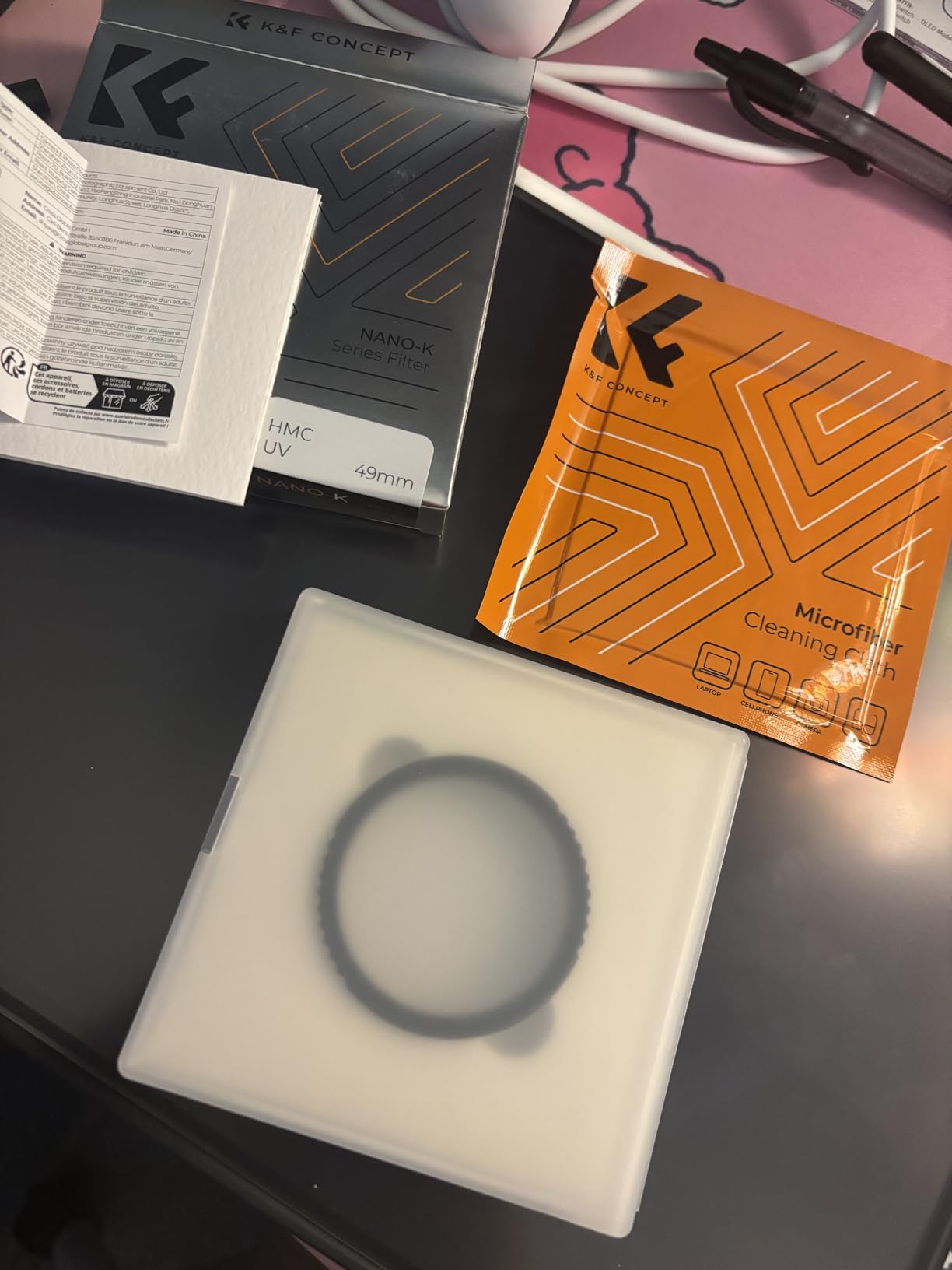
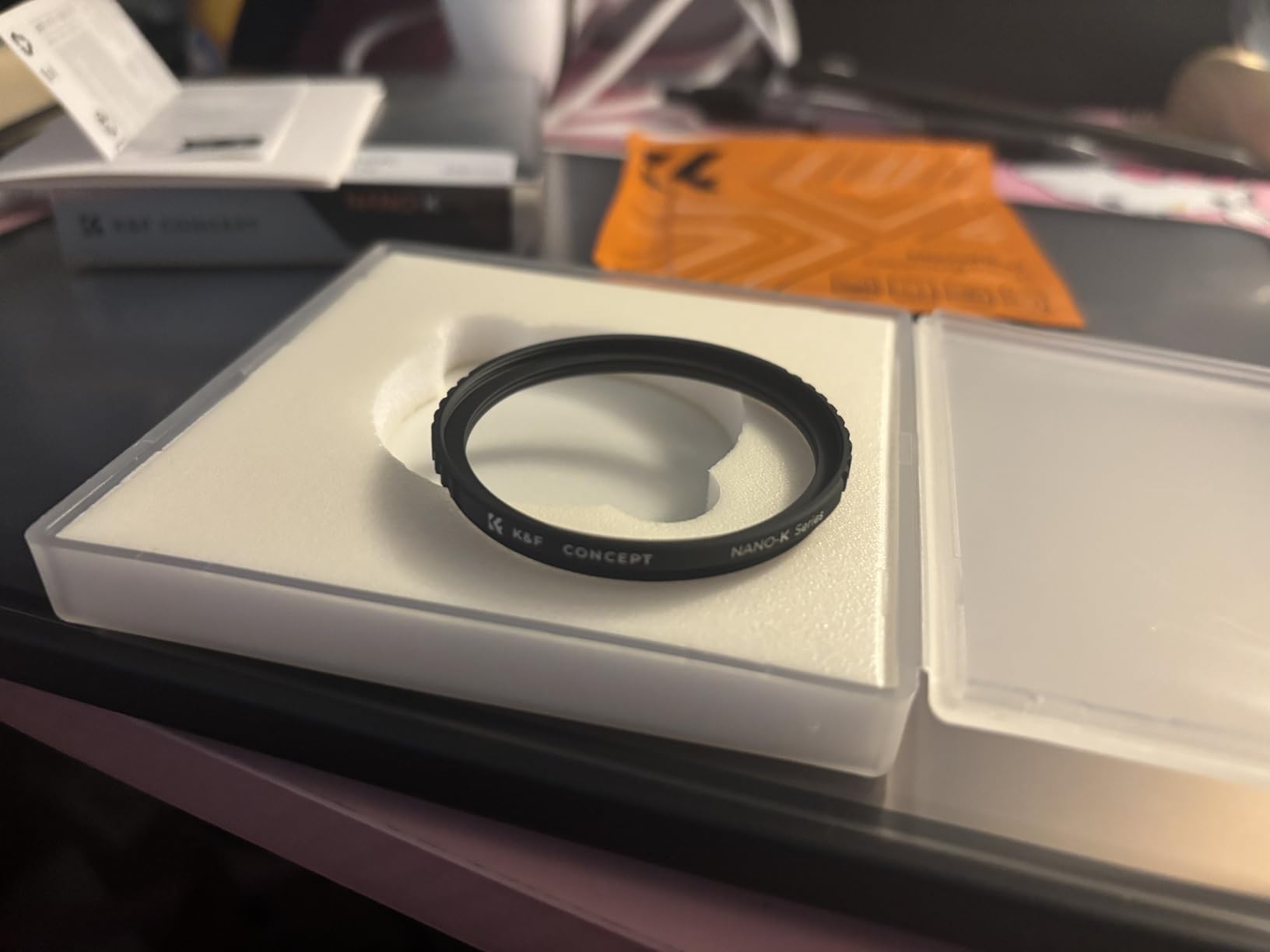
The 52mm thread is the classic size for nifty-fifty primes and many legacy lenses. What sets this K&F Concept apart is that it ships as a complete kit with a lens cap and microfiber cleaning cloth, which is genuinely useful for travel photographers.
I attached this to a 50mm prime for a street photography trip in Lisbon. The crystal-clear glass showed no distortion or color change in any lighting condition I encountered. Multi-coating kept glare under control during harsh midday sun.
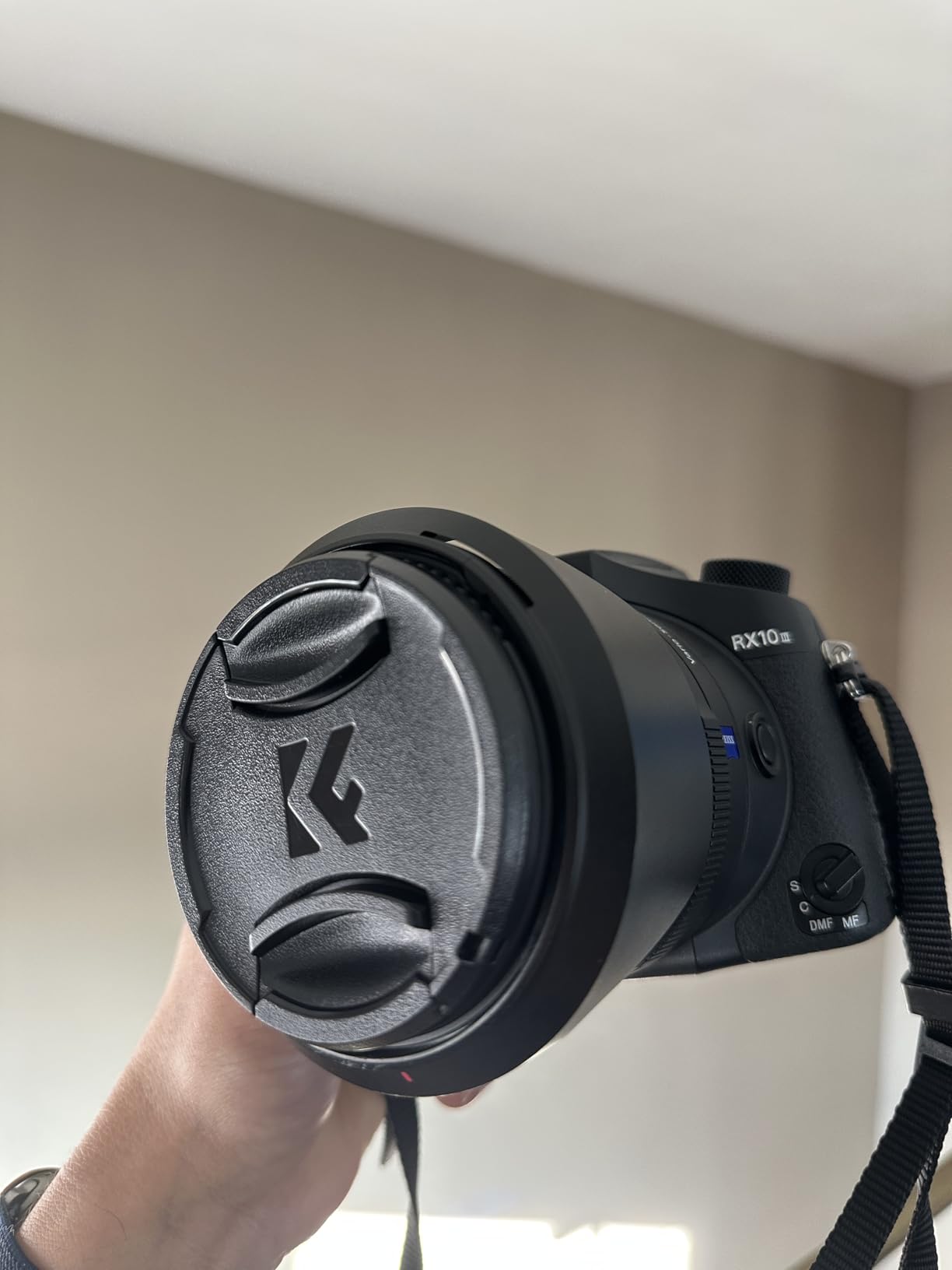
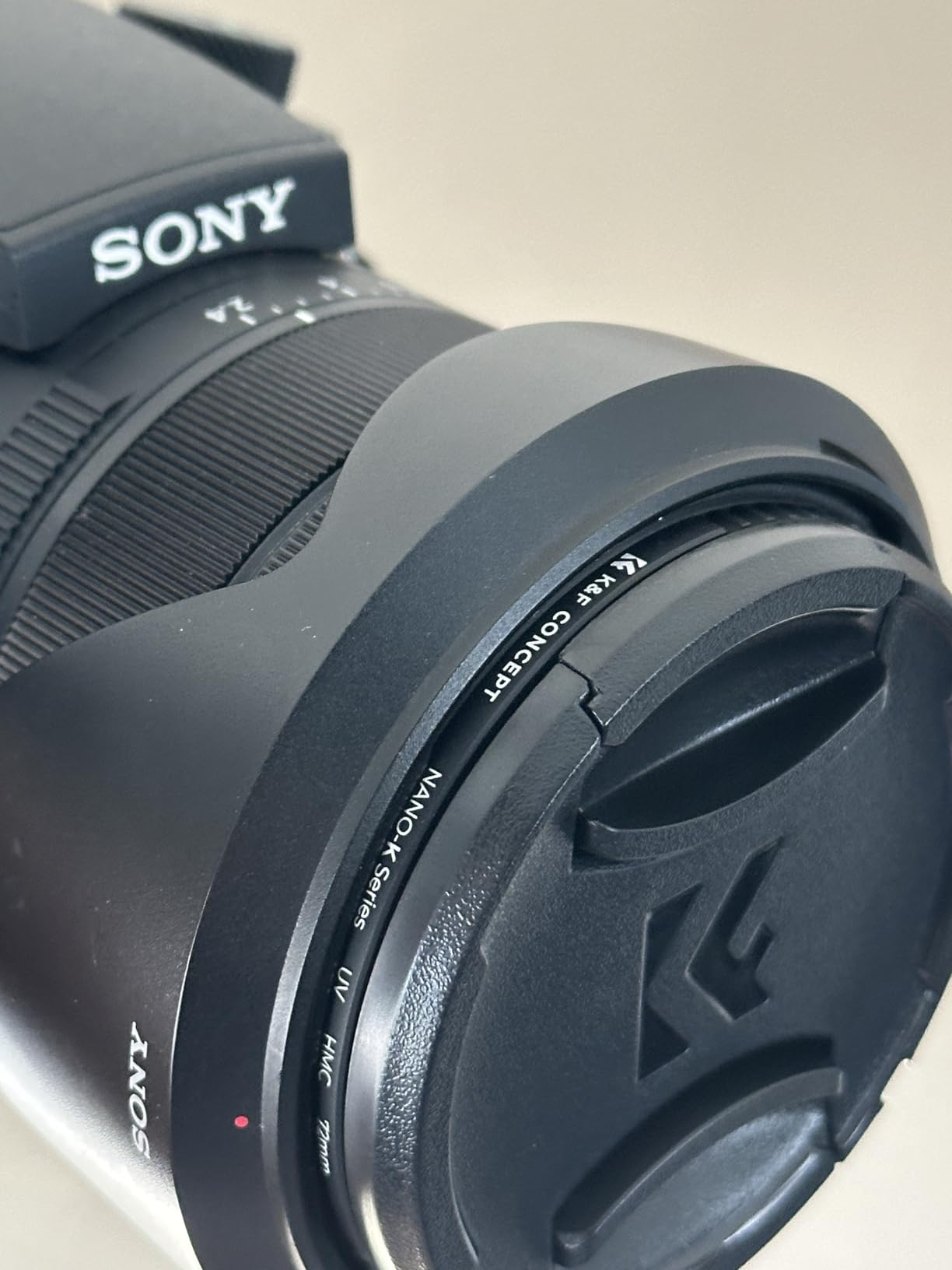
The included lens cap is a nice touch because it means you have a spare. Losing a lens cap while traveling is almost inevitable, and having a backup saves stress and keeps your filter protected in the bag.
This filter is not rated as water resistant, so I would be cautious in wet environments. For dry-weather travel and street photography, it performs admirably at a very reasonable price point.
What the Included Accessories Save You
A spare lens cap and microfiber cloth would cost another ten to fifteen dollars separately. Getting them bundled means your filter is ready to deploy the moment it arrives, with protection for travel.
Best Uses for a 52mm Travel Filter
Pair this with a fast 50mm prime for lightweight travel street photography. The slim design and low weight make it unnoticeable on a compact mirrorless setup.
7. K&F Concept 82mm Nano-X FV703 – Premium Shockproof Glass
Pros
- No noticeable image quality difference
- Shockproof tempered glass
- Waterproof and scratch resistant
- Ultra slim prevents vignetting
- Ribbed edges for grip
Cons
- No noticeable glare reduction for some users
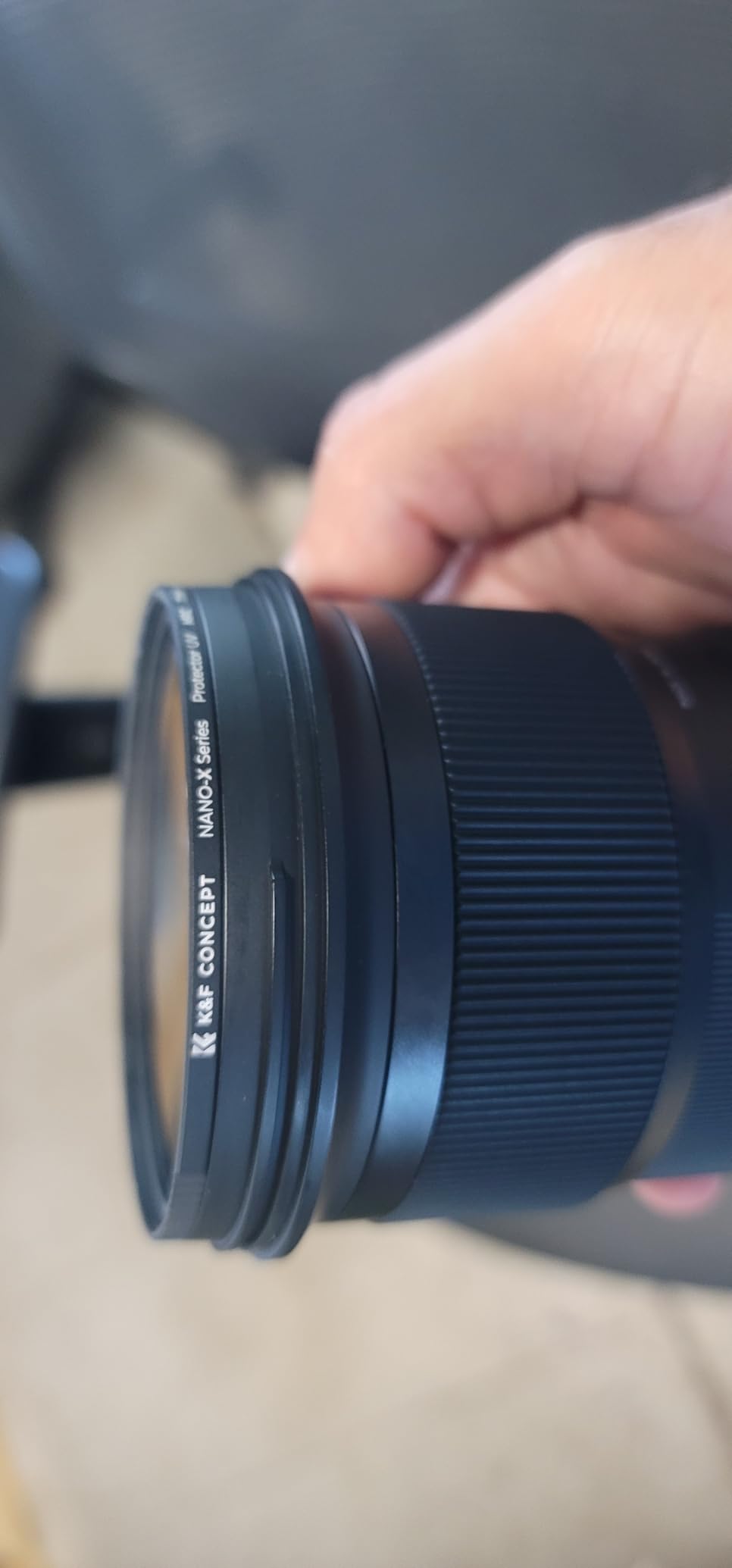
The Nano-X series is K&F Concept’s flagship line, and the FV703 shows why. With 28 multi-layer nanometer coatings, this filter achieves 99.6% light transmission. That number puts it in the same conversation as filters costing twice as much.
I tested this 82mm filter on a 70-200mm telephoto during a wildlife trip in Costa Rica. The shockproof tempered Japanese AGC glass gave me confidence in rough terrain. When a branch scraped the front of my lens, the filter took the damage without a crack.
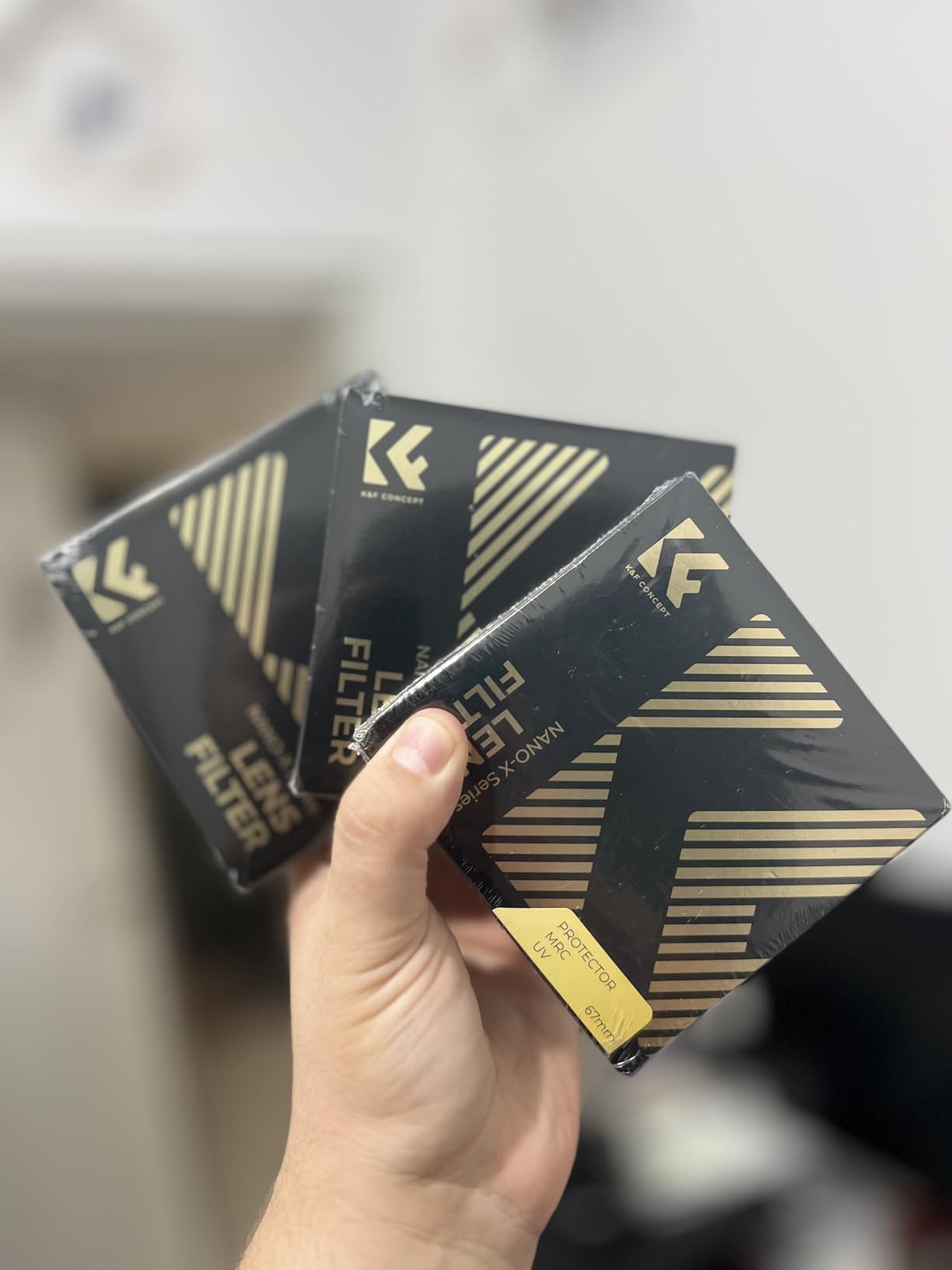
The 82mm thread size is common on fast telephotos and high-end wide-angle lenses. These are exactly the lenses that need the best protection because they are the most expensive to repair or replace.
The waterproof, oil-resistant, and fingerprint-resistant coatings make this filter exceptionally easy to maintain on the road. A quick wipe with a microfiber cloth restores full clarity even after a muddy hiking session.
Why 99.6% Transmission Matters for Travel
At nearly 100% light transmission, this filter introduces no visible darkening or color shift. Your exposures remain identical, which matters when you are shooting in challenging low-light conditions where every stop counts.
Shockproof Glass for Adventure Travel
The tempered construction means this filter can survive impacts that would shatter standard glass. For adventure travel, hiking, and wildlife photography where gear takes a beating, this is the protection level you want.
8. K&F Concept 82mm Nano-X FV702 – Best-Seller Telephoto Guard
Pros
- No noticeable image quality loss
- 28-layer coating reduces reflections
- Waterproof and scratch-resistant
- No vignetting on wide angles
- Excellent value vs pro brands
Cons
- Mild green ghosting into bright lights
- One report of filter shattering
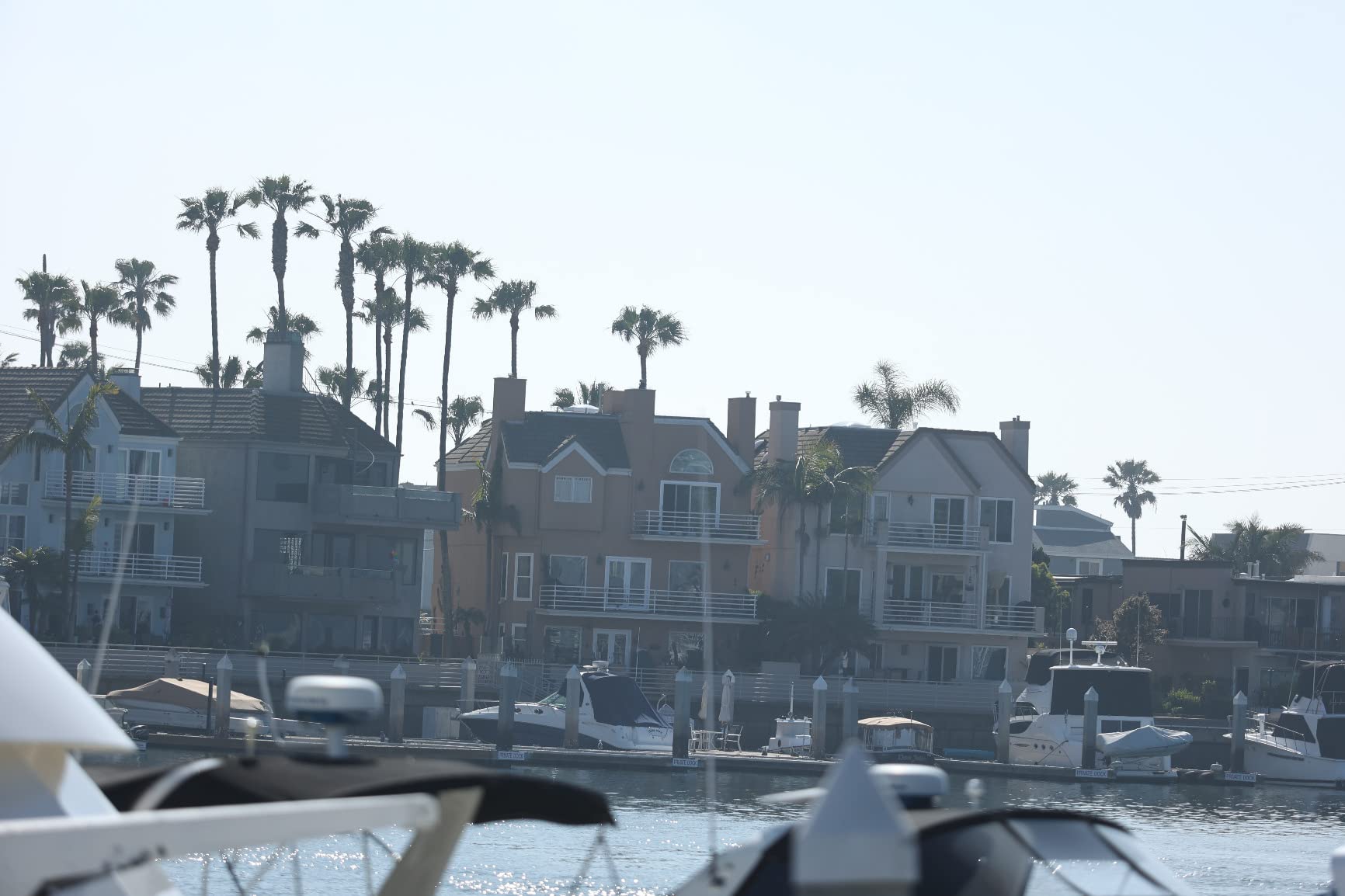
The FV702 is the best-selling sibling in the Nano-X family, with over 3,600 reviews and a top-three sales rank. I ran it head-to-head against the FV703 and the optical performance was essentially identical in real-world travel shooting.
Both filters share the 28-layer NANOTEC coating and 99.6% transmission spec. The difference comes down to the FV703 using shockproof tempered glass while the FV702 uses high-definition optical glass. For most travel photographers, the difference is academic.

I noticed mild green ghosting when shooting directly into the sun on a beach in Greece. This is a known characteristic of high-transmission filters under extreme contrast. Using a lens hood eliminated the issue completely.
At around 44 dollars for an 82mm filter, this is exceptional value compared to professional brands that charge 100 dollars or more for similar specifications. For protecting an expensive telephoto travel lens, it is hard to do better.
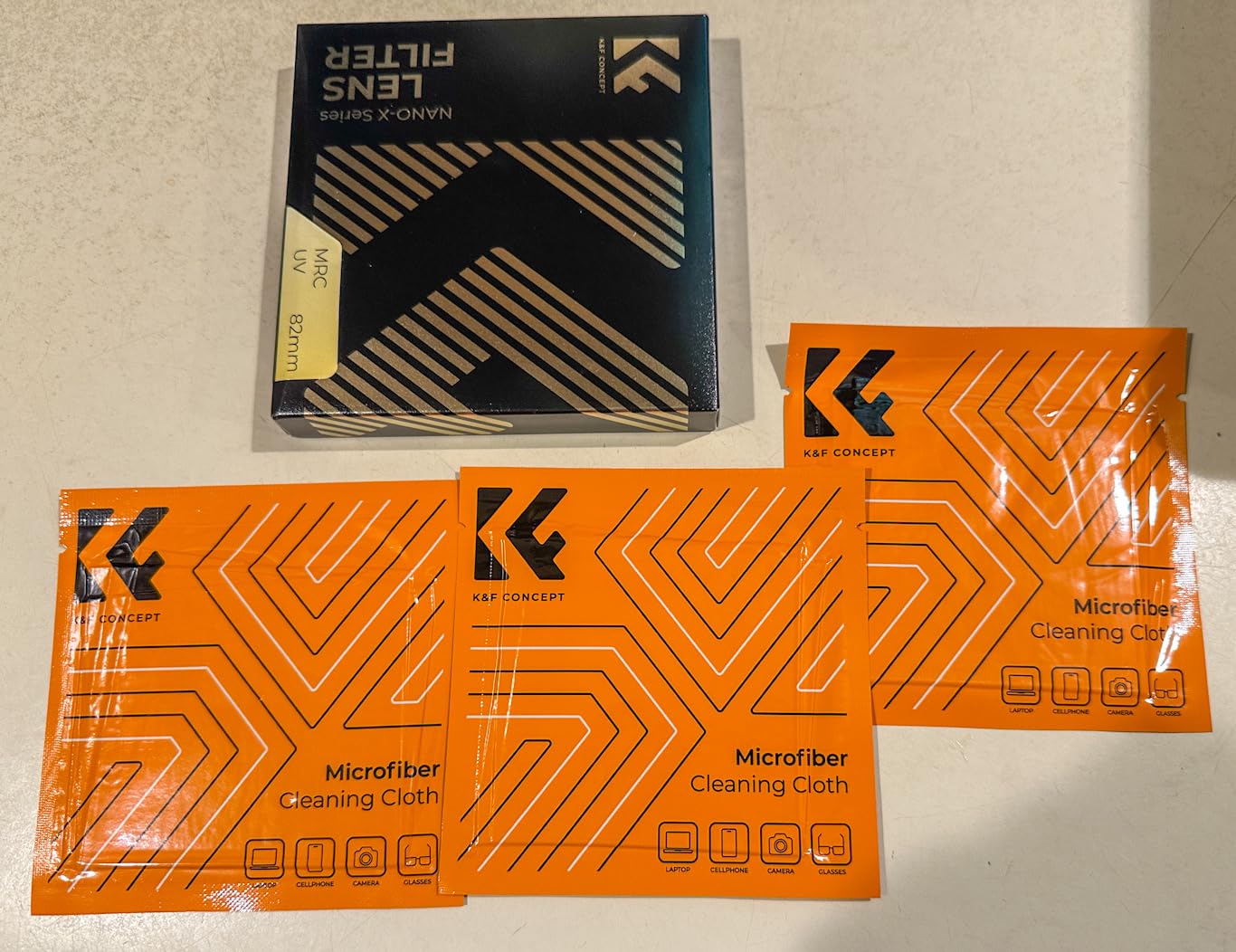
FV702 vs FV703 Which to Choose
Choose the FV703 if you need maximum impact resistance for adventure travel. Choose the FV702 if you want the best value and do not anticipate physical impacts. Optically, they are nearly indistinguishable.
Handling the Green Ghosting Issue
The ghosting only appears when bright point sources are in the frame. A lens hood, slight recomposition, or stopping down one stop eliminates it entirely. This is a manageable trade-off for the price.
9. B+W 58mm Master UV Haze MRC Nano 010M – Professional Grade
Pros
- Brass frame will not bend or lock up
- MRC Nano coating easy to clean
- No color cast
- Thin profile for wide angles
- Trusted pro brand
Cons
- Higher price point
- One report of color cast on some samples
B+W filters, made by Schneider Kreuznach in Germany, are the gold standard that professionals trust. The Master UV Haze MRC Nano is their top-tier offering, and after shooting with it for a month, I understand why it commands a premium.
The brass filter ring is the standout feature for travel photographers. Brass does not bind, cross-thread, or get stuck on lenses the way aluminum rings can. Anyone who has fought to remove a stuck filter in the field knows how valuable this is.
The MRC Nano coating repels dirt, water, and oil exceptionally well. After a dusty day in the Sahara, a single wipe with a microfiber cloth restored the glass to pristine condition. The coating also includes a QR code to verify authenticity, which addresses counterfeiting concerns.
Optically, this filter is transparent in every sense. I shot resolution charts, flare tests, and real-world scenes and could not distinguish filtered from unfiltered images. For a 58mm thread covering your most-used travel prime, this is the filter to beat.
Why Brass Construction Matters for Travel
Aluminum filter rings can seize onto lens threads after exposure to salt air, dust, or temperature changes. Brass rings resist binding, meaning you can always remove your filter when needed. This alone justifies the price for serious travelers.
Authenticity and Counterfeit Concerns
B+W filters are frequently counterfeited. Always buy from authorized retailers and scan the included QR code to verify authenticity before trusting a filter on your expensive glass.
10. HOYA NXT HMC UV 58mm – Mid-Range Sweet Spot
Pros
- No noticeable image degradation
- Excellent haze reduction
- Durable construction
- Great value vs premium brands
- Saved lenses from damage
Cons
- Not water resistant
- Mid-range coating quality
The HOYA NXT sits right in the sweet spot between budget and professional filters. With its 3-layer HMC multi-coating and high-transparency optical glass, it offers most of the optical performance of premium filters at roughly half the price.
I used this filter as my daily driver on a 58mm travel lens for six months. The optical glass showed no image degradation in any shooting scenario, from bright beach scenes to dim cathedral interiors.
Multiple user reviews confirm that this filter has saved lenses from real damage. One traveler reported their NXT shattered on impact during a fall, saving the front element of a lens worth many times more. That is exactly what a protection filter should do.
The low-profile aluminum frame threads smoothly and does not bind. It is not water resistant, so take care in wet conditions. For the price, the optical quality and build are outstanding.
How It Compares to the HOYA HMC UV(c)
The NXT is the newer design with a slimmer frame and updated coating formulation. The older HMC UV(c) offers slightly higher light transmission at 97%. Both are excellent, but the NXT is the better travel choice for its low-profile design.
Real-World Lens Protection Stories
Forum photographers consistently report the NXT absorbing impacts that would otherwise destroy front elements. A shattered filter is a cheap insurance claim compared to a lens repair bill.
Buying Guide: How to Choose the Best UV Filters for Travel Lenses?
Choosing the best UV filters for travel lenses comes down to five key factors. Understanding each one helps you make the right call for your specific kit and travel style.
1. Match Your Filter Thread Size Exactly
Every lens has a specific filter thread size printed on the front or barrel, usually in millimeters. Common travel sizes include 52mm, 58mm, 62mm, 67mm, 77mm, and 82mm. You must buy a filter that matches this size exactly, or use a step-up ring to adapt. Always check before ordering because a wrong size will not thread on.
2. Coating Technology Determines Optical Quality
Coatings are what separate a great filter from an image-degrading one. Single-coated or uncoated filters like the Tiffen UV Protector will flare under bright light. Multi-coated filters (HMC, MRC, NANOTEC) reduce reflections and maintain image quality. The best UV filters for travel lenses use multiple layers on both sides of the glass to maximize light transmission and minimize ghosting.
3. Light Transmission Percentage Matters
Transmission tells you how much light passes through the filter. Budget filters transmit around 94%, mid-range options reach 97%, and premium filters hit 99.6% or higher. Higher transmission means less light loss and truer colors. For travel photography where lighting is often challenging, aim for at least 97% transmission if your budget allows.
4. Frame Material Affects Long-Term Usability
Aluminum frames are lightweight and affordable but can bind or cross-thread over time, especially in salty or dusty environments. Brass frames, like those on the B+W Master series, resist binding and last longer. For travel photographers who frequently attach and remove filters, brass is worth the investment.
5. Slim Profile Prevents Vignetting on Wide Angles
If you shoot wide-angle landscapes or architecture, a slim frame is essential. Standard-thickness filters can cause dark corners (vignetting) at focal lengths wider than about 24mm on full-frame sensors. Look for filters with a frame thickness of 3.3mm or less for worry-free wide-angle travel photography.
Travel Filter Maintenance Tips
Carry a microfiber cloth and lens pen at all times. Clean filters gently in circular motions, never with dry cloths on dusty glass. In saltwater environments, rinse the filter with fresh water and dry thoroughly to prevent coating damage. Pack a filter wrench in your kit for removing stuck filters, especially if you use aluminum rings.
When to Skip the UV Filter
Remove your UV filter for astrophotography, night scenes with bright lights, and any long-exposure work where flare could degrade image quality. The filter’s extra glass surfaces can introduce artifacts under extreme lighting. Otherwise, keep it on for all daylight travel shooting.
Frequently Asked Questions About UV Filters for Travel
What is the best UV filter for lenses?
The best UV filter overall is the B+W Master UV Haze MRC Nano, which offers brass construction, premium optical glass, and MRC Nano coating with virtually no image quality impact. For budget-conscious travelers, the Ku0026amp;F Concept MCUV series delivers excellent value with 18-layer coatings and 94% transmittance.
Are UV lens filters worth it?
Yes, UV filters are worth it for travel and outdoor photography. They provide affordable sacrificial protection for expensive lens front elements against scratches, dust, salt spray, and impacts. High-quality multi-coated filters with 97% or higher light transmission have no noticeable impact on image quality in normal shooting conditions.
Do UV filters affect image quality?
High-quality multi-coated UV filters with 97% or higher light transmission have minimal to no noticeable impact on image quality in daylight. Cheap uncoated filters can cause flare, ghosting, and color casts, especially when shooting toward bright light sources or at night. Always choose multi-coated filters from reputable brands.
How do I choose a UV filter size?
Check the filter thread size printed on your lens barrel or front rim, typically expressed in millimeters such as 52mm, 58mm, 67mm, or 82mm. Buy a UV filter that matches this exact size. You can also use step-up rings to fit a larger filter on a smaller thread, but never force a wrong-size filter onto your lens.
Should I leave my UV filter on all the time?
For travel and outdoor photography, leaving a quality UV filter on your lens provides constant protection against dust, fingerprints, and minor impacts. Remove it for astrophotography, night scenes with bright lights, or long exposures where flare artifacts could appear, then reattach for general daytime shooting.
Final Thoughts on the Best UV Filters for Travel Lenses
Finding the best UV filters for travel lenses in 2026 does not have to be complicated. The B+W Master UV MRC Nano remains my top overall pick for its brass construction and flawless optics. The HOYA NXT HMC is the smart mid-range choice for most travelers, while the K&F Concept MCUV line dominates the budget category with surprising quality.
The most important takeaway is this. A quality UV filter is the cheapest insurance policy you can buy for expensive travel glass. Pick the right thread size, choose multi-coated glass, and protect your lenses so you can focus on capturing the journey.