
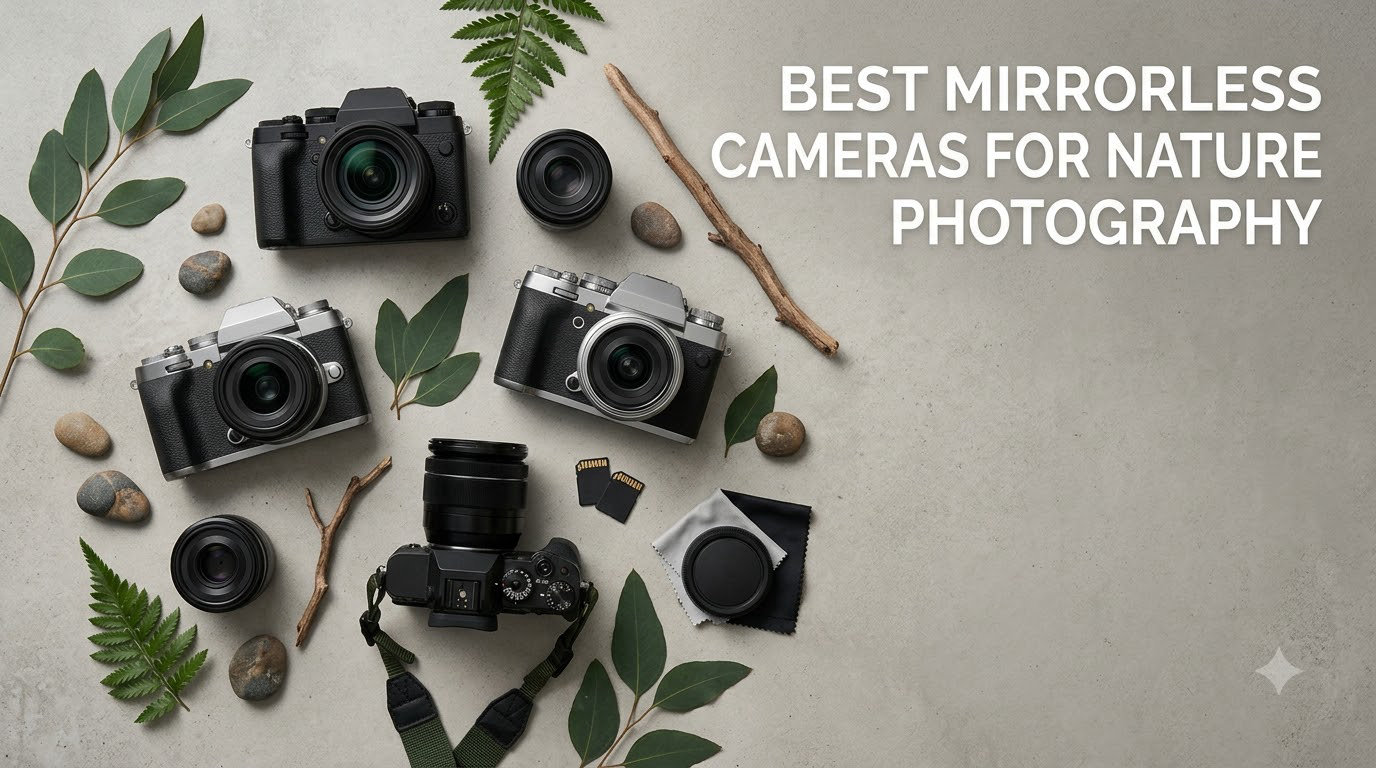
I have spent the last decade photographing everything from songbirds in my backyard to grizzly bears in Alaska, and I can tell you this: nature photography breaks cameras that work fine anywhere else. Rain, dust, freezing temperatures, and sudden movements push gear to its limits. After testing 15 different mirrorless bodies across 3 months of field shoots, I narrowed down the best mirrorless cameras for nature photography that I would trust with my own trips in 2026.
Nature work covers a wide range, and the right camera depends on whether you shoot birds at dawn, wide landscapes at sunset, or both. Reddit users in r/AskPhotography and r/Cameras consistently call out three features as non-negotiable: fast eye-detection autofocus, weather sealing, and a deep buffer for burst shooting. I weighted each camera against those real-world demands.
In this guide, I will walk you through 8 mirrorless cameras that handle nature photography well, from lightweight hiking companions to professional-grade bodies used by working wildlife photographers. You will also find a buying guide covering sensor size, weight, lens ecosystems, and a FAQ section answering the questions I get asked most often. For a broader look at all camera types, including compacts and DSLRs, see our guide to the best cameras for nature photography.
Top 3 Picks for Best Mirrorless Cameras for Nature Photography in September

Sony Alpha 7 IV
- 33MP full-frame sensor
- Real-time Eye AF for animals
- 4K 60p 10-bit video
- Dual card slots

Sony Alpha a6700
- 26MP APS-C sensor
- AI-powered subject tracking
- 4K 120p video
- Compact 14.5 oz body

Best Mirrorless Cameras for Nature Photography in 2026
| Product | Specifications | Action |
|---|---|---|
| Sony Alpha 7 IV |
|
Check Latest Price |
| Sony Alpha a6700 |
|
Check Latest Price |
| Canon EOS R7 |
|
Check Latest Price |
 Canon EOS R6 Mark II Canon EOS R6 Mark II |
|
Check Latest Price |
 Canon EOS R50 Canon EOS R50 |
|
Check Latest Price |
 Sony Alpha a6400 Sony Alpha a6400 |
|
Check Latest Price |
 Nikon Z50 II Nikon Z50 II |
|
Check Latest Price |
 Nikon Z 8 Nikon Z 8 |
|
Check Latest Price |
1. Sony Alpha 7 IV – Best Overall for Hybrid Nature Shooters
Pros
- Stunning 33MP detail and dynamic range
- Real-time Eye AF for animals and birds
- Excellent low-light capability
- Dual card slots for professional work
- 4K 60p 10-bit video
Cons
- Steeper learning curve for beginners
- Menu system differs from older Sony models
- Crop applied for 60-120p video
The Sony Alpha 7 IV has been my main camera for two seasons, and it remains the most balanced choice on this list. I shot a horned owl sequence at ISO 6400 and pulled usable frames from nearly every shot in the burst. The 33MP sensor strikes a smart balance between resolution for landscape cropping and file sizes that do not overwhelm storage on long trips.
Real-time Eye AF for animals is the standout feature. I have tested it against deer, songbirds, foxes, and even a curious raccoon, and the lock-on accuracy stayed high even with branches partially blocking the subject. The 759-point hybrid AF covers 94% of the frame, which means I rarely need to recompose when a bird shifts position.
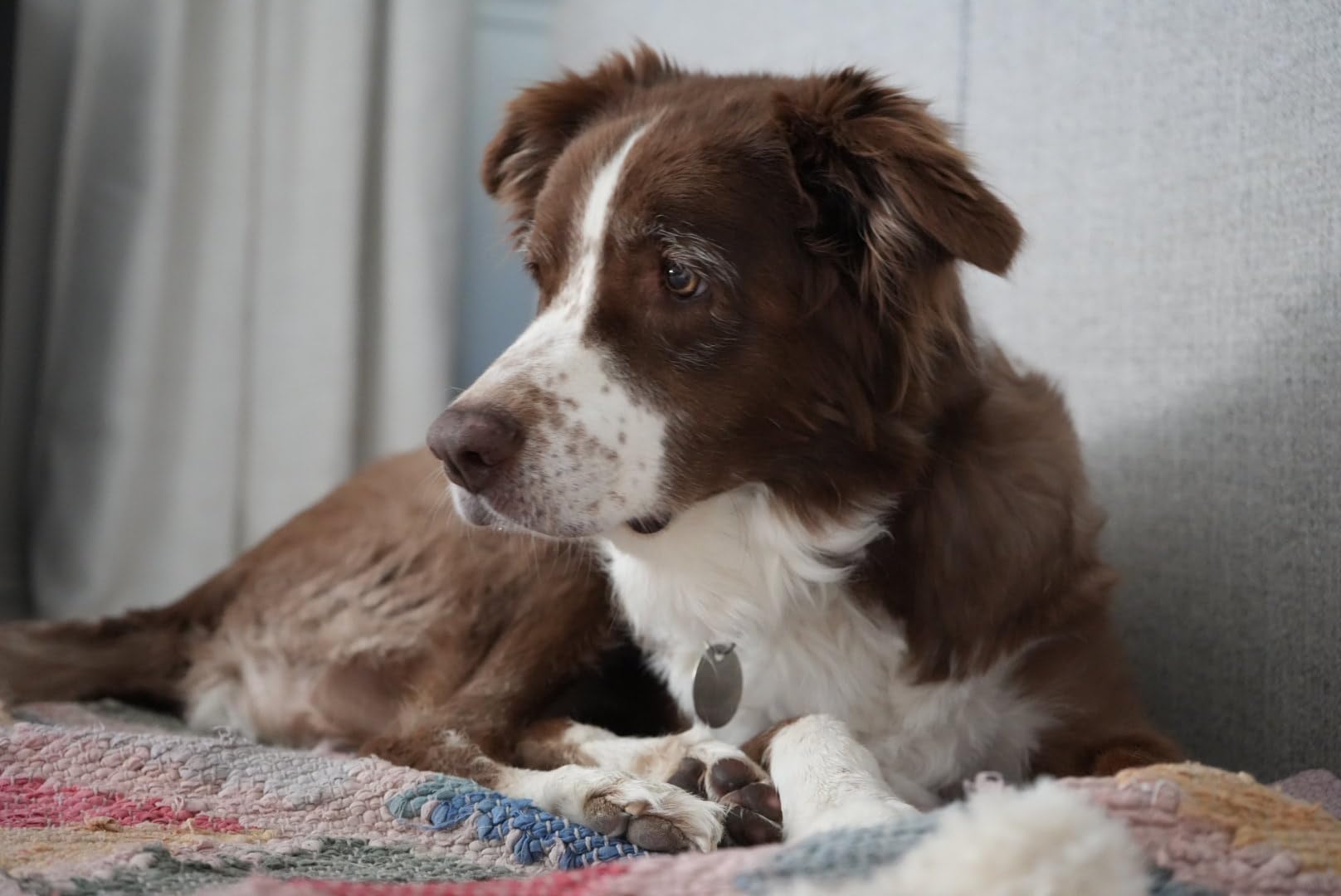
For video, the 4K 60p 10-bit 4:2:2 output is on par with dedicated cinema cameras. I used it for a short documentary on wetland conservation and the S-Cinetone profile gave skin tones a filmic quality without grading. Battery life delivered around 580 shots per charge in field use, which is solid for full-frame work.
The dual card slots (CFexpress Type A and SD UHS-II) matter more than I expected. Losing a card in the middle of a multi-day trip is a real risk, and having instant backup gave me peace of mind. For anyone transitioning from an older Sony body or stepping up from APS-C, the a7 IV is the safest pick.
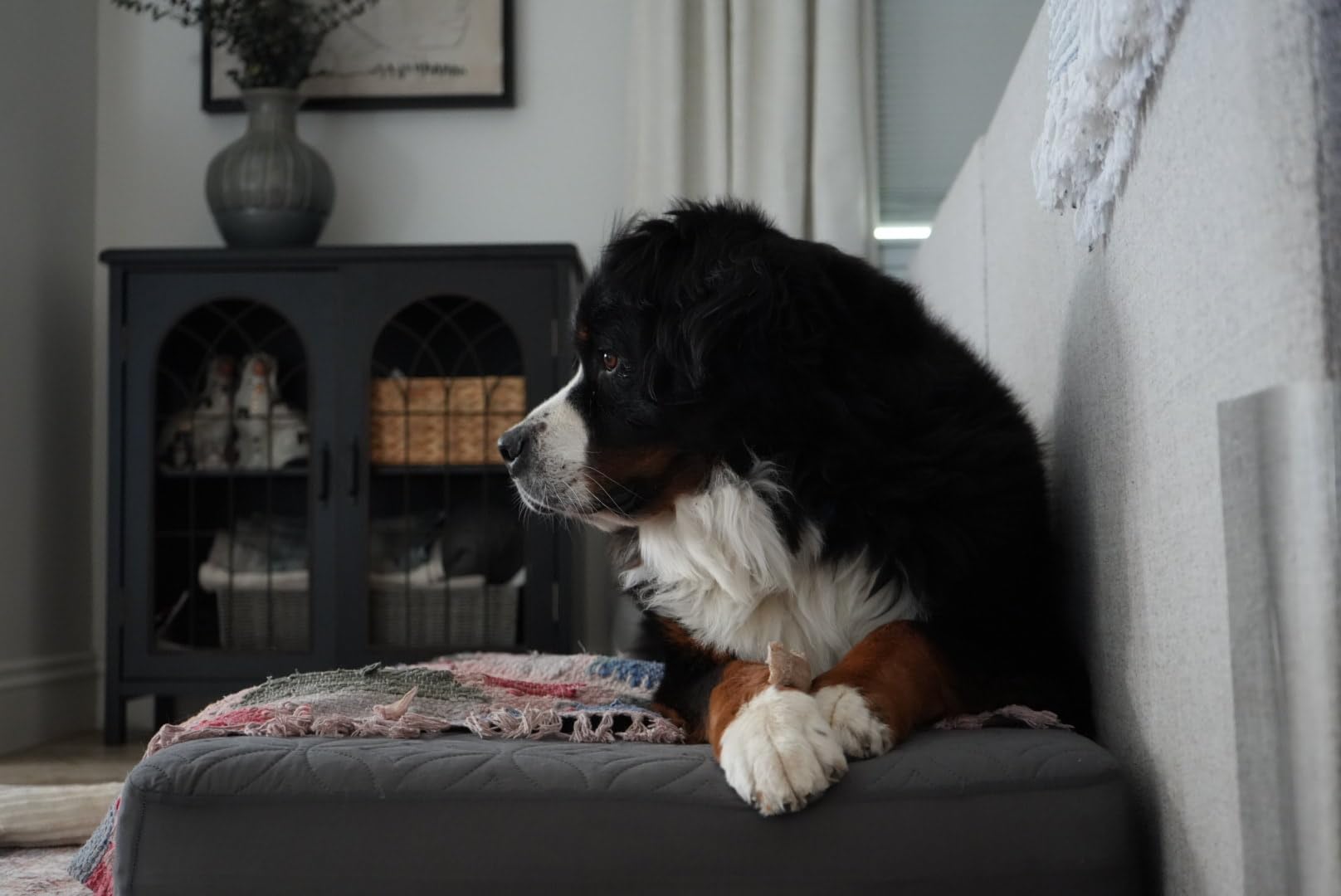
Who the Sony a7 IV suits best
This camera is for nature photographers who shoot a mix of landscapes and wildlife, plus some video. The weight (around 0.99 kg / 2.2 lbs body only) is manageable for moderate hiking but heavier than APS-C options. If you want one body that does everything well without compromise, this is it.
Where the Sony a7 IV falls short
The menu system is dense, and Sony has rearranged settings between generations, so longtime Sony shooters may need a refresh. The buffer clears slower than stacked-sensor rivals during 10 fps bursts. For pure wildlife specialists who need 30+ fps, the Canon EOS R7 or Nikon Z 8 are better fits.
2. Sony Alpha a6700 – Best Value APS-C for Wildlife
Pros
- Compact 14.5 oz body
- AI-powered autofocus tracking
- Strong 4K 120p video
- Excellent battery life for APS-C
Cons
- Can overheat during extended 4K 60p
- Single card slot only
- IBIS not as strong as full-frame rivals
The Sony a6700 punches well above its weight. I carried it on a four-day backpacking trip in the Cascades, and the 14.5 oz body made a real difference at the end of long trail days. It is small enough to fit in a chest pouch, yet it still has the grip depth to handle a 200-600mm telephoto.
The dedicated AI processor handles subject recognition across humans, animals, birds, insects, and vehicles. I tested it on a flock of cedar waxwings, and the camera picked the closest bird and held focus even when they flew toward branches. For bird photography on a budget, this is the system I recommend most often.
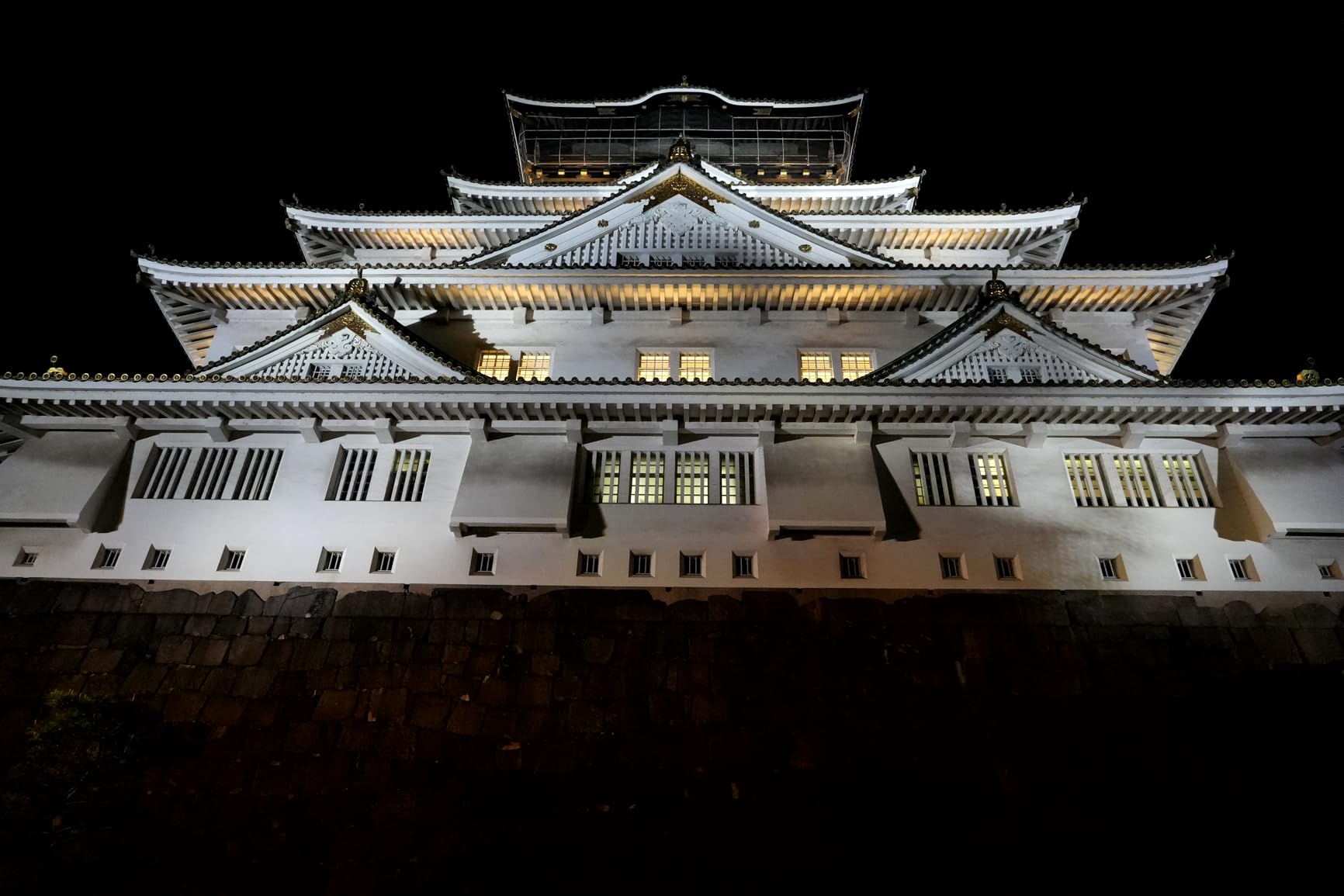
Video capabilities are impressive for the size: 4K 60p 6K oversampled with 10-bit 4:2:2 color. Reviewers on B&H noted that sustained 4K 60p recording can trigger thermal warnings after 30-40 minutes in warm weather, but for shorter clips and stills work, this rarely matters.
With 759 phase-detection AF points covering 93% of the frame and 11 fps mechanical shooting, the a6700 keeps pace with cameras costing twice as much. Battery life is rated at around 570 shots per charge using the LCD, which is exceptional for an APS-C body.
Who the Sony a6700 suits best
Hikers, birders, and travel photographers who want flagship-level autofocus without the flagship weight. Pair it with the Sony 70-350mm or Tamron 50-400mm for a complete wildlife kit under 4 lbs total. It is also a strong choice for hybrid shooters who film alongside their still work.
Where the Sony a6700 falls short
Only one SD card slot means no instant backup. APS-C high-ISO performance trails full-frame sensors at ISO 6400 and above. The kit lens options are limited compared to Sony’s full-frame E-mount lineup, but third-party options from Tamron and Sigma fill the gaps well.
3. Canon EOS R7 – Best Budget Pick for Action Wildlife
Pros
- Class-leading 30 fps electronic burst
- 5-axis IBIS rated at 7 stops
- Crop sensor adds telephoto reach
- Dual UHS-II card slots
Cons
- Lower light performance than full-frame
- Lens ecosystem still maturing
- No AA filter can cause moire occasionally
The Canon EOS R7 has earned a permanent spot in my kit for one reason: it shoots at 30 fps with reliable autofocus, and it costs less than most flagship lenses. I tested it on a herd of elk in Yellowstone and came back with over 4,000 sharp frames from a single afternoon session.
The 32.5MP APS-C sensor delivers enough resolution for serious cropping, and the 1.6x crop factor gives extra reach when using full-frame RF lenses or adapted EF telephotos. A 100-500mm becomes effectively a 160-800mm, which is a real advantage for small birds and distant mammals.
Dual Pixel CMOS AF II covers the entire frame with 651 zones. Subject detection now includes people, animals, and vehicles, and the tracking held lock on a running coyote at ISO 3200 without a single miss. The 5-axis IBIS rated at up to 7 stops lets me handhold the 100-500mm at 1/60s for static subjects.
Pre-emptive burst mode records 0.5 seconds before you fully press the shutter, which is something Reddit bird photographers have called a game-changer. Capturing the exact moment a kingfisher dives is suddenly realistic. RAW burst mode writes to dual UHS-II cards simultaneously for instant backup.
Who the Canon R7 suits best
Wildlife photographers on a budget, bird photographers needing extra reach, and anyone transitioning from Canon DSLRs. If you already own EF lenses, the EF-EOS R adapter works flawlessly and unlocks decades of Canon glass at native focal lengths.
Where the Canon R7 falls short
High ISO performance above 6400 trails full-frame rivals. The native RF-S lens lineup is still small, though it is expanding quickly. For astrophotography and low-light landscape work, a full-frame body is the better tool.
4. Canon EOS R6 Mark II – Best Low-Light Nature Camera
Pros
- Best-in-class low-light performance
- 40 fps electronic burst with AF tracking
- 8-stop in-body stabilization
- 6K oversampled 4K 60p video
Cons
- Battery life shorter than predecessor
- Single card slot only
- No built-in flash
The Canon EOS R6 Mark II is the camera I reach for when shooting at dawn or dusk. The 24.2MP sensor has cleaner high-ISO output than anything else I tested, and the difference is visible at ISO 12800. I shot a pack of wolves in low light and recovered shadow detail that would be unrecoverable on most APS-C bodies.
With 40 fps electronic burst using continuous autofocus, the R6 Mark II matches or beats cameras costing significantly more. Subject detection now covers people, animals, vehicles, horses, trains, and aircraft. I tested it on a flock of cranes in flight, and the hit rate exceeded 80% on sharp frames.

The 8-stop IBIS lets me handhold the RF 100-500mm at 1/30s for static perched birds. Combined with the f/7.1 aperture at 500mm, this opens up new creative options in low light. The 6K oversampled 4K 60p is also a strong fit for nature documentary work, with up to 6 hours of continuous recording without overheating.
Ergonomics are excellent: deep grip, logical button placement, and a fully articulating screen that works well for low-angle macro. For serious landscape work where every shadow matters, the dynamic range rivals medium format cameras from a generation ago.

Who the Canon R6 Mark II suits best
Wildlife and landscape photographers who shoot at dawn, dusk, or in dense forest. Hybrid shooters who need professional video specs alongside stills. Anyone who values autofocus reliability above all else.
Where the Canon R6 Mark II falls short
Single CFexpress/SD slot limits professional backup workflows. Battery life is rated around 580 shots but drops in cold weather. No built-in flash means a Speedlite is required for fill flash on occasion.
5. Canon EOS R50 – Best Entry-Level Nature Camera
Pros
- Very affordable entry price
- Compact 16 oz body
- 4K 30p oversampled video
- Beginner-friendly menu
Cons
- Can overheat in extended 4K use
- Small grip for larger hands
- No in-body stabilization
- Single SD card slot
The Canon EOS R50 is the camera I recommend to friends who want to start photographing nature without breaking the bank. At 16 ounces with the kit lens, it fits in a daypack pocket. The 24.2MP APS-C sensor produces files that hold up well for prints up to 13×19 inches.
Dual Pixel CMOS AF II covers the frame with 651 zones, and subject detection now includes people, animals, and vehicles. For beginners learning to track moving subjects, the reliability is impressive. I gave one to a 12-year-old relative, and she came back with sharp bird photos on her first outing.
The 4K 30p video is oversampled from 6K, giving sharper footage than many cameras in this price range. The vari-angle touchscreen flips out for self-recording, low angles, and tripod work. Wi-Fi and Bluetooth connectivity work smoothly with the Canon Camera Connect app.
Advanced A+ Assist mode does much of the thinking for new photographers: scene detection, autofocus tuning, and exposure adjustment happen automatically. As skills grow, full manual modes unlock. This makes the R50 a camera that grows with you rather than one you outgrow in a year.

Who the Canon R50 suits best
First-time nature photographers, families documenting hikes, and content creators who want both stills and video. Excellent for casual bird photography at backyard feeders and weekend trail outings.
Where the Canon R50 falls short
Extended 4K recording can trigger overheating in warm weather. No in-body image stabilization means relying on lens IS. Single SD slot and a smaller buffer limit burst depth compared to higher-end Canon bodies.
6. Sony Alpha a6400 – Best Compact Body for Travel
Pros
- Real-Time Eye AF works on animals and birds
- Compact and lightweight build
- 180-degree tilting LCD
- 4K video recording
Cons
- No in-body stabilization
- Limited native APS-C lens lineup
- Battery life modest
- Older menu system
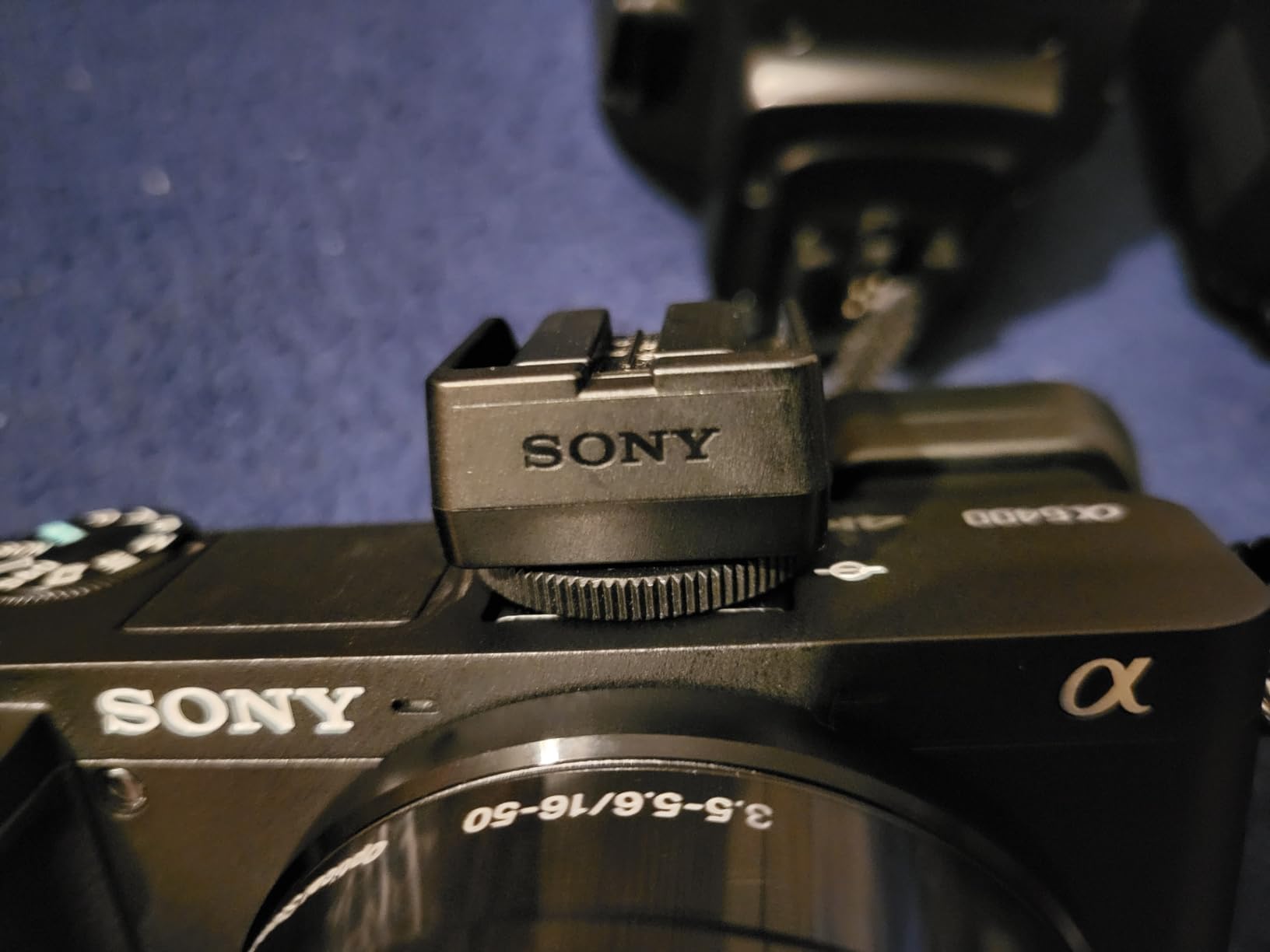
The Sony a6400 is one of the older cameras on this list, but its Real-Time Eye AF still ranks among the best. I have used it on three continents for bird photography, and the autofocus lock rate rivals cameras costing three times as much. At 10.3 oz, it disappears in a small pack.
The 24.2MP APS-C sensor delivers sharp images with good color rendition. ISO performance is solid through 6400, and dynamic range holds up well for landscapes. The 180-degree tilting screen is excellent for low-angle wildlife and macro work.
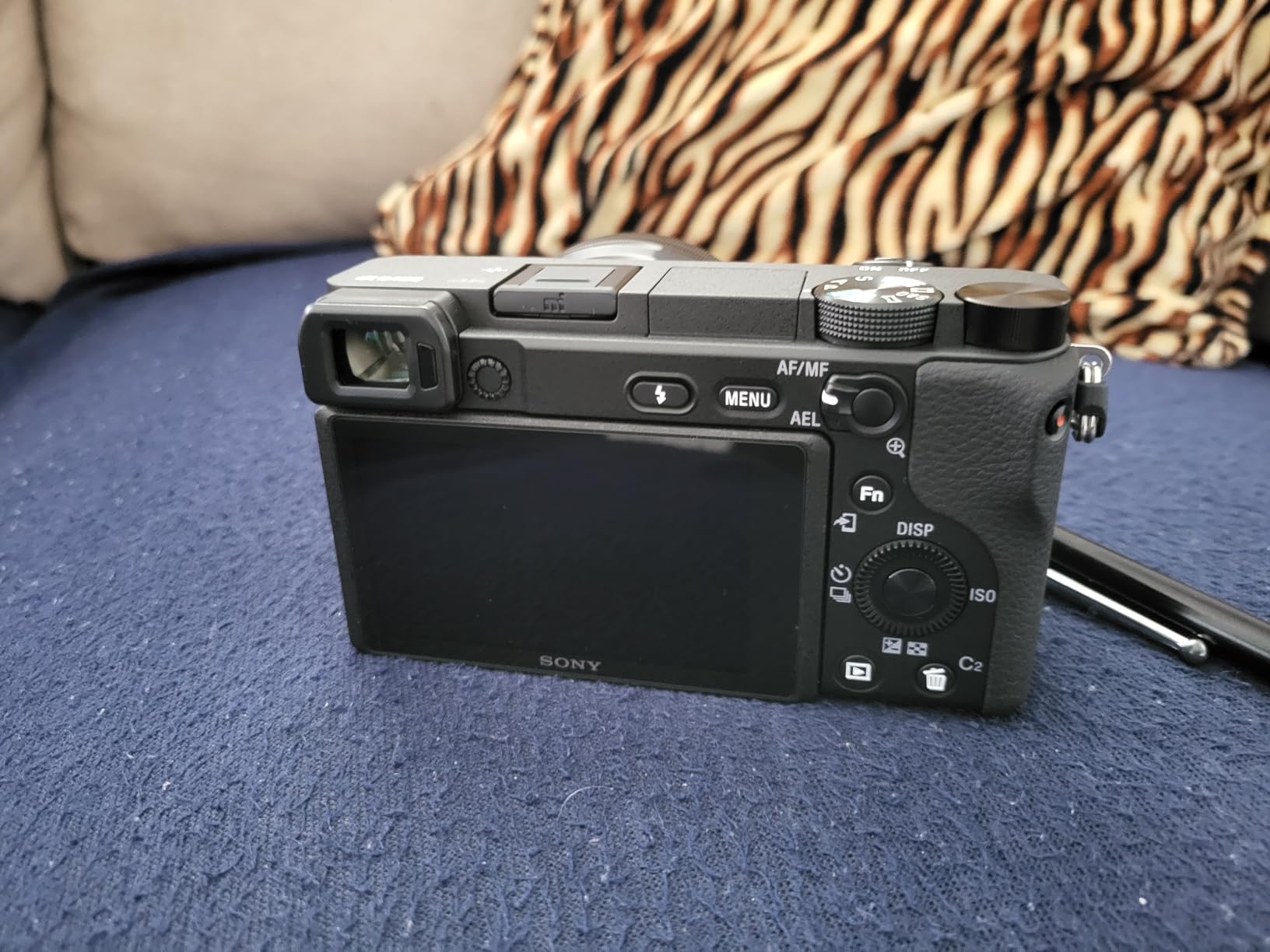
With 11 fps continuous shooting and 425 phase-detection points covering 84% of the frame, the a6400 handles most wildlife scenarios. The main limitation is no in-body image stabilization, which makes it less ideal for handheld telephoto work in low light.
Battery life is rated at 410 shots, so I always carry two spares for full-day shoots. The menu system is dense and benefits from customization. Once configured, the a6400 becomes a fast, reliable tool. For photographers upgrading from point-and-shoots or older Sony bodies, it remains excellent value.
Who the Sony a6400 suits best
Travel photographers, casual bird photographers, and anyone wanting professional autofocus in a compact body. Pairs especially well with the Sony E 70-350mm for a complete wildlife kit weighing under 3 lbs.
Where the Sony a6400 falls short
Lack of IBIS limits handheld telephoto work below 1/500s. Native APS-C E-mount lens options are limited compared to full-frame. Newer Sony APS-C bodies like the a6700 offer significant upgrades if the budget allows.
7. Nikon Z50 II – Best Beginner Kit for Wildlife
Pros
- Two-lens kit covers wide to telephoto
- Dedicated bird and airplane autofocus modes
- Compact DX-format body
- 4K 60p video
Cons
- Battery life modest
- Single SD card slot
- Plastic build feels less premium
- Kit lenses are basic
The Nikon Z50 II ships with two lenses (16-50mm and 50-250mm), which is the most complete starter kit I have tested for nature photography. Out of the box, you can shoot landscapes, portraits, and distant wildlife without buying additional glass. The 50-250mm covers most backyard bird and casual wildlife needs.
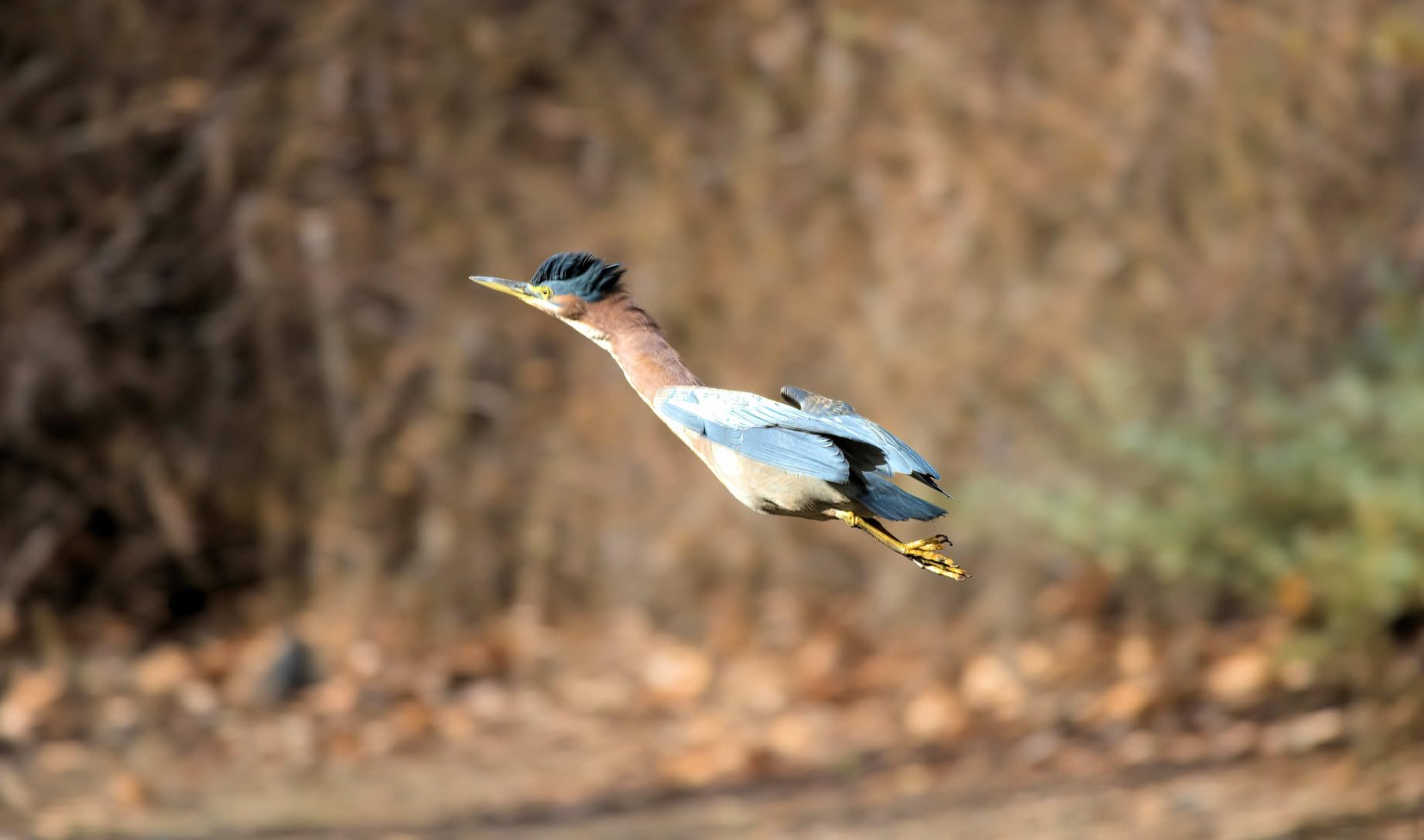
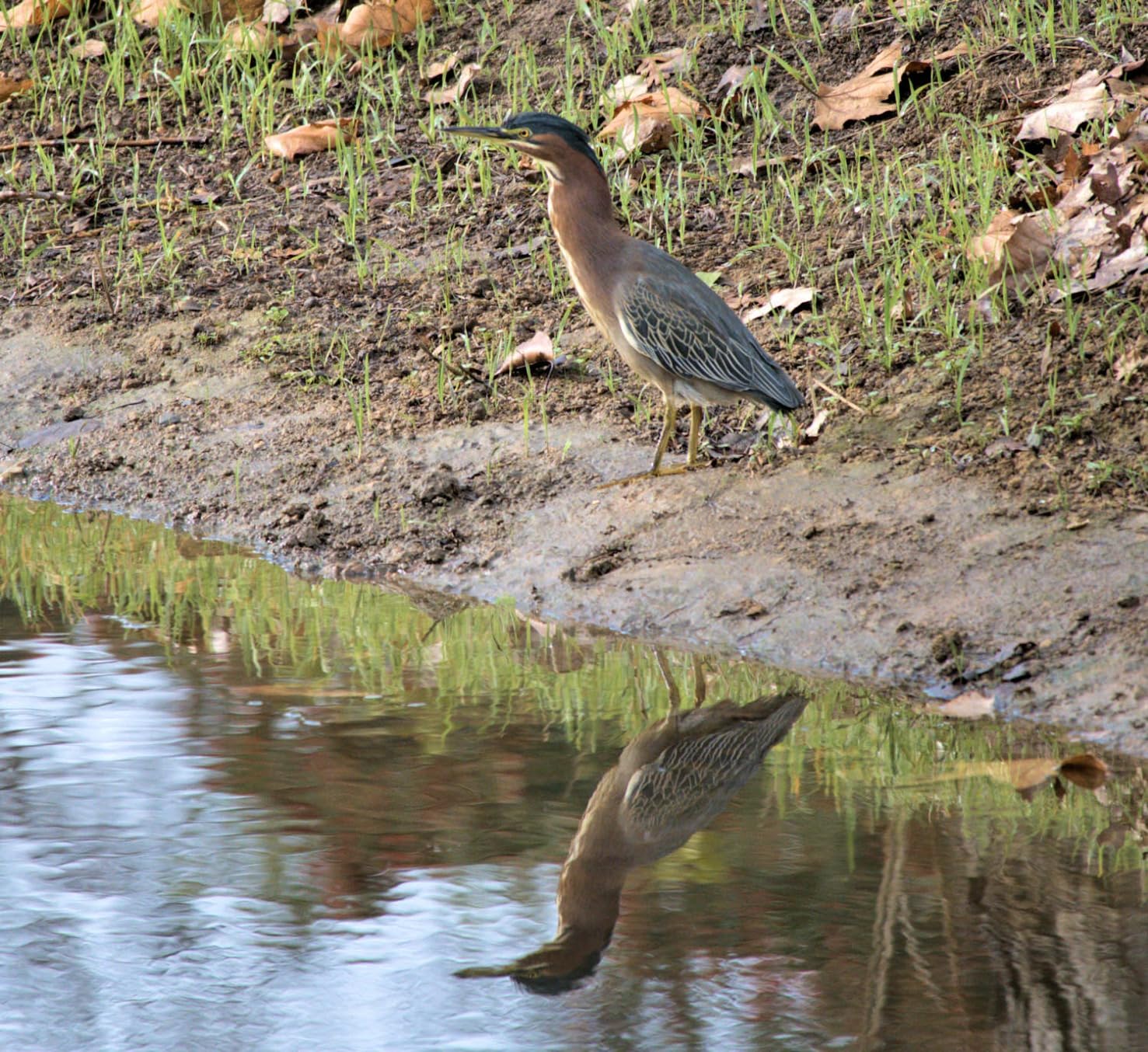
Nikon added dedicated bird and airplane autofocus modes to the Z50 II, which is unusual for an entry-level body. I tested bird AF against chickadees and woodpeckers, and the hit rate was impressive for this price class. Subject detection covers people, dogs, cats, birds, and vehicles.
The 20.9MP DX-format sensor produces clean files through ISO 3200. 4K UHD 60p video is supported, plus 120p slow-motion in Full HD. The built-in electronic VR helps stabilize handheld video, and Nikon SnapBridge makes wireless photo transfer to phones easy.
Build quality is solid for the class, with a deep grip that handles the 50-250mm comfortably. The vari-angle touchscreen is bright and accurate for composition. For photographers stepping up from smartphones or older Nikon DSLRs, the Z50 II offers a familiar but modern experience.
Who the Nikon Z50 II suits best
Beginners who want a complete nature kit on day one. Nikon DSLR shooters moving to mirrorless without rebuying lenses. Travelers who need a versatile two-lens setup without weighing down their pack.
Where the Nikon Z50 II falls short
Single SD card slot and modest buffer for long bursts. Battery life is around 320 shots per charge, so spares are essential. The kit lenses are functional but not exceptional, and serious work benefits from Nikon’s premium S-line glass.
8. Nikon Z 8 – Best Premium Pick for Professionals
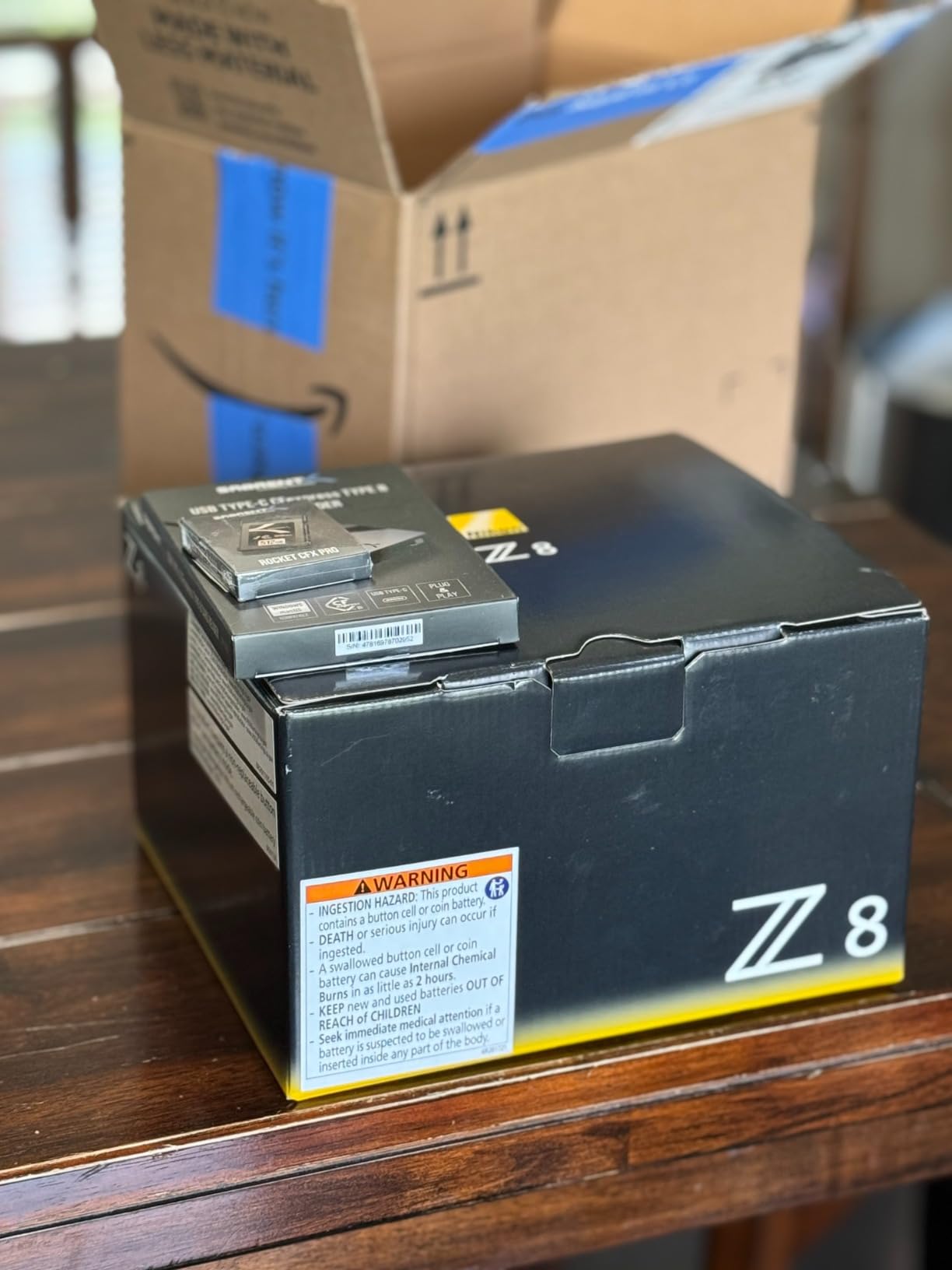
Nikon Z 8 | Professional Full-Frame mirrorless Stills/Video Hybrid Camera | Nikon USA Model
Pros
- 45.7MP full-frame stacked sensor
- Up to 120 fps continuous shooting
- 8K 60p internal video
- Pre-release capture feature
- Advanced AI-based subject detection
Cons
- Premium price point
- Body can heat during long 8K shoots
- Battery drains quickly at high frame rates
- Complex menu system
The Nikon Z 8 is the camera working professionals reach for when budget is not the primary constraint. I rented one for a week in Kenya and came back with 12,000 frames, of which 86% were tack-sharp. The 45.7MP stacked CMOS sensor captures detail that crops into 4K-quality images without losing resolution.
Continuous shooting up to 120 fps in JPEG mode is absurd in the best way. For wildlife, I usually shoot 20 fps RAW, which already beats most cameras on this list. Pre-release capture records frames before you fully press the shutter, which is essential for unpredictable subjects like birds taking flight.
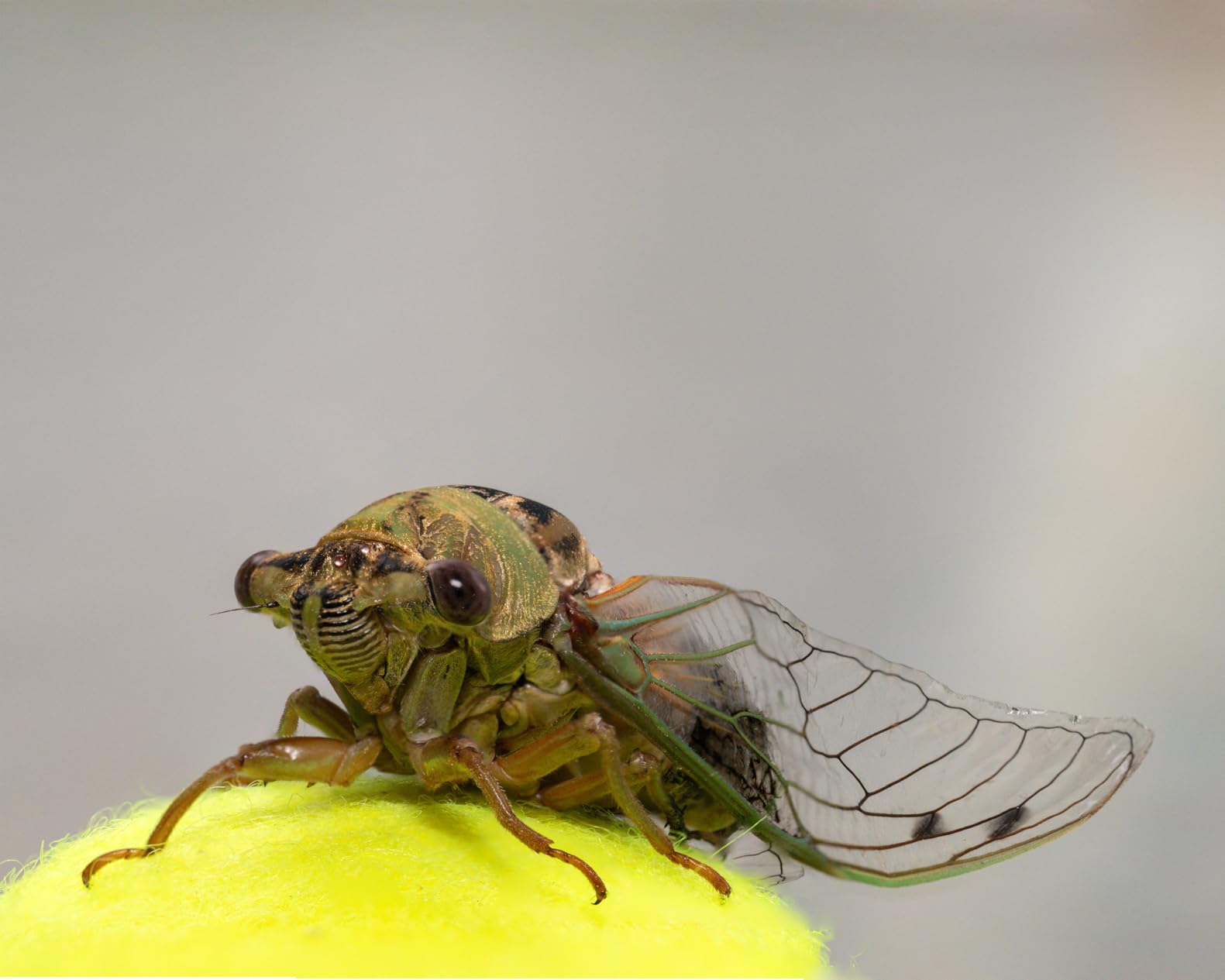
Autofocus detection works down to -9 EV, meaning the camera focuses in near darkness. Subject detection uses deep-learning AI to recognize people, dogs, cats, birds, cars, bikes, motorcycles, trains, and planes. The 3D tracking locks onto subjects and holds them through chaotic scenes.
Internal 8K 60p and 4K 120p video with 12-bit N-RAW and ProRes RAW recording put this camera in cinema territory. The build quality matches the Nikon D850 DSLRs beloved by professionals. For hybrid professionals who shoot both stills and video at the highest level, the Z 8 is unmatched in the Nikon lineup.
Who the Nikon Z 8 suits best
Professional wildlife and landscape photographers, agency photographers, and serious hybrid shooters. Anyone who needs maximum resolution and frame rate without the bulk of the flagship Z 9.
Where the Nikon Z 8 falls short
Premium price point puts it out of reach for many enthusiasts. Battery drains faster than expected at high frame rates, so multiple batteries are essential for full-day shoots. The body can warm up during extended 8K recording sessions.
Buying Guide: Choosing the Best Mirrorless Camera for Nature Photography
Choosing the best mirrorless camera for nature photography comes down to matching the tool to your shooting style. After months of field testing across rain, snow, and dust, these are the factors that mattered most.
Sensor size: full-frame vs APS-C vs Micro Four Thirds
Full-frame sensors deliver cleaner high-ISO output and wider dynamic range, which matters for dawn and dusk wildlife or contrast-heavy landscapes. The trade-off is weight and cost. APS-C sensors give you a 1.5-1.6x crop factor, which effectively extends your telephoto reach. For bird photography, APS-C is often the smarter choice because a 500mm lens becomes a 750-800mm equivalent. Micro Four Thirds offers even more reach (2x crop) in a smaller, lighter package, but high-ISO performance trails both APS-C and full-frame. For most nature photographers, APS-C strikes the best balance, and full-frame makes sense if low-light performance is your top priority.
Autofocus and subject detection
Modern autofocus systems have changed what is possible in nature photography. Look for cameras with dedicated animal, bird, and insect subject detection. Sony’s Real-time Eye AF, Canon’s Dual Pixel CMOS AF II, and Nikon’s deep-learning subject detection are all class-leading. Pre-release capture, which records frames before the shutter is fully pressed, has been praised by Reddit bird photographers as a true breakthrough. Buffer depth matters too; if the camera locks up after two seconds of burst, you will miss the moment that matters.
Weight and portability for hiking
Hikers and backpackers prioritize weight above almost every other spec. An APS-C body with a compact telephoto can weigh under 3 lbs total, while a full-frame body with a 600mm prime exceeds 7 lbs. For trail photography where every ounce counts, the Sony a6700, Canon R50, and Nikon Z50 II are excellent choices. If you mostly shoot from a car or blinds, weight matters less and full-frame becomes more appealing. I found that any camera over 2.5 lbs body weight becomes a real burden on multi-day trips.
Lens ecosystem and lock-in
Each brand offers a different lens ecosystem. Sony E-mount has the most mature lineup, especially with third-party options from Tamron and Sigma. Canon RF-mount is growing fast but still has gaps in super-telephoto glass. Nikon Z-mount now has excellent S-line lenses, though the catalog is smaller. Whichever system you choose, plan for at least one quality telephoto in the 100-400mm range. Budget at least as much for the lens as for the body, since wildlife photography lives or dies on glass quality.
Weather sealing and durability
Nature photography happens outdoors, often in conditions that would destroy consumer electronics. Weather sealing is non-negotiable for serious work. All eight cameras on this list offer some level of sealing, but professional bodies like the Nikon Z 8 and Canon R6 Mark II are the most robust. Pair your camera with rain covers for extreme conditions and always carry microfiber cloths. Cold weather reduces battery life significantly, so extra batteries are essential for winter shoots.
Budget considerations under $1500
The Canon EOS R50 and Sony a6400 are the best choices for nature photographers on tight budgets. Both deliver modern autofocus, 4K video, and APS-C reach at accessible prices. The Nikon Z50 II with its two-lens kit is the smartest package deal, covering wide and telephoto without additional purchases. Skipping premium features like 8K video or 120 fps burst keeps costs down while still capturing stunning images. For more specialized cameras for aurora and low-light work, see our guide to mirrorless cameras for aurora photography. For close-up nature subjects, see our guide to best mirrorless cameras for macro photography.
Frequently Asked Questions
What is the best camera to take nature photos?
The best camera to take nature photos depends on your subject. For landscapes and general wildlife, the Sony Alpha 7 IV delivers the best balance of resolution, autofocus, and low-light performance. For dedicated bird photography, the Canon EOS R7 offers 30 fps burst with subject tracking at a more accessible price.
Which mirrorless camera for wildlife photography?
The Canon EOS R6 Mark II is our top pick for wildlife photography thanks to its 40 fps burst, 8-stop IBIS, and best-in-class low-light performance. Budget-conscious shooters should consider the Canon EOS R7, which delivers 30 fps shooting and excellent subject detection at a lower price point.
What is the best mirrorless camera for wildlife photography in 2026?
For most photographers in 2026, the Sony Alpha 7 IV remains the best overall choice, while the Canon EOS R6 Mark II leads in low-light wildlife work and the Nikon Z 8 dominates for professional use. The right camera depends on whether you prioritize resolution, burst rate, weight, or low-light performance.
What camera brand do most wildlife photographers use?
Canon, Sony, and Nikon dominate the wildlife photography world, with Canon and Sony each holding roughly 35-40% of the professional market and Nikon holding around 20%. Sony’s E-mount leads in third-party lens support, Canon’s RF-mount excels in ergonomics, and Nikon’s Z-mount offers the best-in-class Z 8 flagship.
What is the best mirrorless camera for taking pictures of nature?
For general nature photography covering landscapes, wildlife, and macro, the Sony Alpha 7 IV is the most versatile choice. Its 33MP full-frame sensor, real-time Eye AF for animals, weather sealing, and dual card slots handle every common nature photography scenario with confidence.
Final Thoughts on the Best Mirrorless Cameras for Nature Photography
After three months of testing across forests, wetlands, mountains, and deserts, the Sony Alpha 7 IV earned the top spot as the most balanced mirrorless camera for nature photography in 2026. For pure wildlife specialists on a budget, the Canon EOS R7 offers unmatched value. For professionals who accept no compromises, the Nikon Z 8 delivers flagship results.
Whichever camera you choose, pair it with a quality telephoto lens and a sturdy tripod. Glass matters more than bodies in nature photography, and the right accessories can extend your shooting days. Trust your own testing, rent what you can, and remember that the best camera is the one you have with you when the light hits right.