

Macro photography reveals an invisible world of intricate details that most people never see. The texture of a butterfly’s wing scales, the crystalline structure of a snowflake, or the microscopic patterns on a insect’s compound eye become landscapes of wonder when magnified.
After testing 12 leading mirrorless cameras across Micro Four Thirds, APS-C, and full-frame formats, the OM SYSTEM OM-1 Mark II is the best mirrorless cameras for macro photography due to its industry-leading in-camera focus stacking, exceptional weather sealing for field work, and the depth-of-field advantages of the MFT sensor. The Canon EOS R5 Mark II takes second place for full-frame users needing maximum resolution, while the Canon EOS R7 offers the best APS-C value with outstanding autofocus for live subjects.
Mirrorless cameras have revolutionized close-up photography through electronic viewfinders that show exactly how your focus and exposure will look before you press the shutter. This WYSIWYG capability is invaluable when working at 1:1 magnification where depth of field measures only millimeters.
I’ve spent countless hours in the field chasing jumping spiders and in the studio photographing jewelry, watches, and scientific specimens. The difference between a decent macro camera and an exceptional one comes down to focus stacking implementation, in-body stabilization quality, and how well the autofocus system handles tiny subjects that refuse to stay still.
This guide covers everything from entry-level options under $1,500 to professional systems exceeding $4,000. You’ll learn which sensor format makes the most sense for your style of macro photography, why some cameras excel at handheld work while others demand a tripod, and exactly which features matter most when capturing the miniature world.
Table of Contents
- Our Top 3 Best Mirrorless Cameras for Macro Photography (October 2026)
- Quick Overview: 12 Best Mirrorless Cameras for Macro Photography (October 2026)
- Detailed Mirrorless Camera Reviews for Macro Photography (2026)
- 1. Sony Alpha 7R V – Highest Resolution for Macro Detail
- Sony Alpha 7R V Full-Frame Mirrorless Interchangeable Lens Camera Body
- 2. Canon EOS R5 Mark II – Pro Flagship with Advanced Focus Stacking
- Canon EOS R5 Mark II Full Frame Mirrorless Camera Body, 45 Megapixel CMOS Sensor, 8K Video Recording, High Resolution, Dual Card Slots, Wi-Fi, Bluetooth, Professional Photography & Videography, Black
- 3. Nikon Z8 – Hybrid Powerhouse for Macro and Video
- Nikon Z 8 | Professional Full-Frame mirrorless Stills/Video Hybrid Camera
- 4. Sony a7R III – Best Value High-Resolution Full-Frame
- Sony a7R III Mirrorless Camera: 42.4MP Full Frame High Resolution Interchangeable Lens Digital Camera with Front End LSI Image Processor, 4K HDR Video and 3″ LCD Screen – ILCE7RM3/B Body, Black
- 5. Canon EOS R5 – Excellent All-Rounder for Macro Work
- Canon EOS R5 Mirrorless Camera (Body Only), Full-Frame Hybrid Camera, 8K Video, 45 Megapixel CMOS Sensor, DIGIC X Image Processor, Up to 12 FPS, RF Mount, Black
- 6. Canon EOS R6 Mark II – Best Full-Frame Value for Macro Enthusiasts
- Canon EOS R6 Mark II Mirrorless Camera (Body Only)
- 7. Sony Alpha 7 IV – Best Hybrid Camera for Macro and Video
- Sony Alpha 7 IV Full-Frame Mirrorless Interchangeable Lens Camera
- 8. Canon EOS R7 – Best APS-C Camera for Macro Photography
- Canon EOS R7 Mirrorless Camera (Body Only)
- 9. OM SYSTEM OM-1 Mark II – Ultimate Focus Stacking Camera for Field Macro
- OM SYSTEM Olympus OM-1 Mark II Micro Four Thirds System Camera 20MP BSI Stacked Sensor Weather Sealed Design (US Manufacturer Warranty)
- 10. OM SYSTEM OM-1 – Best Value Computational Macro Camera
- OM SYSTEM Olympus OM-1 Micro Four Thirds System Camera 20MP BSI Stacked Sensor Weather Sealed Design 5-Axis Image Stabilization 120fps sequential Shooting, Black
- 11. Fujifilm X-T5 – Highest Resolution APS-C with Film Simulations
- FUJIFILM X-T5 Mirrorless Digital Camera Body – Black
- 12. Canon EOS R8 – Best Entry-Level Full-Frame for Macro
- Canon EOS R8 Mirrorless Camera Body, Full‑Frame CMOS Sensor, 24.2 Megapixels, 4K 60p Video, Dual Pixel Autofocus II, Lightweight Camera for Content Creation, Photography and Vlogging, Black
- Understanding Focus Stacking for Macro Photography
- Sensor Size Comparison for Macro Photography
- How to Choose the Best Mirrorless Camera for Macro Photography In 2026?
- Frequently Asked Questions
- Final Recommendations
Our Top 3 Best Mirrorless Cameras for Macro Photography (October 2026)
After extensive testing across various macro scenarios from studio product photography to field work with live insects, three cameras emerged as clear standouts for different needs and budgets.


Quick Overview: 12 Best Mirrorless Cameras for Macro Photography (October 2026)
The table below compares all 12 cameras across the macro-specific features that matter most: sensor resolution, in-body stabilization, focus stacking capability, and screen articulation for low-angle shooting.
| Product | Specifications | Action |
|---|---|---|
 Sony Alpha 7R V Sony Alpha 7R V |
|
Check Latest Price |
| Canon EOS R5 Mark II |
|
Check Latest Price |
 Nikon Z8 Nikon Z8 |
|
Check Latest Price |
 Sony a7R III Sony a7R III |
|
Check Latest Price |
 Canon EOS R5 Canon EOS R5 |
|
Check Latest Price |
 Canon EOS R6 Mark II Canon EOS R6 Mark II |
|
Check Latest Price |
 Sony Alpha 7 IV Sony Alpha 7 IV |
|
Check Latest Price |
 Canon EOS R7 Canon EOS R7 |
|
Check Latest Price |
| OM SYSTEM OM-1 Mark II |
|
Check Latest Price |
 OM SYSTEM OM-1 OM SYSTEM OM-1 |
|
Check Latest Price |
 Fujifilm X-T5 Fujifilm X-T5 |
|
Check Latest Price |
 Canon EOS R8 Canon EOS R8 |
|
Check Latest Price |
Detailed Mirrorless Camera Reviews for Macro Photography (2026)
1. Sony Alpha 7R V – Highest Resolution for Macro Detail
Pros
- 61MP back-illuminated sensor
- AI-powered real-time tracking
- Flip-out vari-angle screen
- 8K video capability
Cons
- Expensive investment
- Rolling shutter in video
- Limited battery life
The Sony Alpha 7R V brings an incredible 61-megapixel full-frame sensor to macro photography, allowing you to capture microscopic details that lower-resolution cameras simply miss. When I tested this camera with the Sony FE 90mm f/2.8 Macro G OSS lens, I was able to crop down to just 25% of the original frame and still maintain print-quality detail. This level of performance is exactly why it’s often considered among the best mirrorless cameras for macro photography, especially for photographers who demand extreme detail and flexibility. This cropping flexibility is invaluable for field work where you might not be able to get as close to skittish subjects as you’d like.
Sony’s new AI processing unit delivers real-time recognition autofocus that can detect and track the eyes of insects, birds, and animals with remarkable precision. I found this particularly useful when photographing jumping spiders, as the camera would lock onto the spider’s multiple eyes and maintain focus even as the subject moved around the frame.
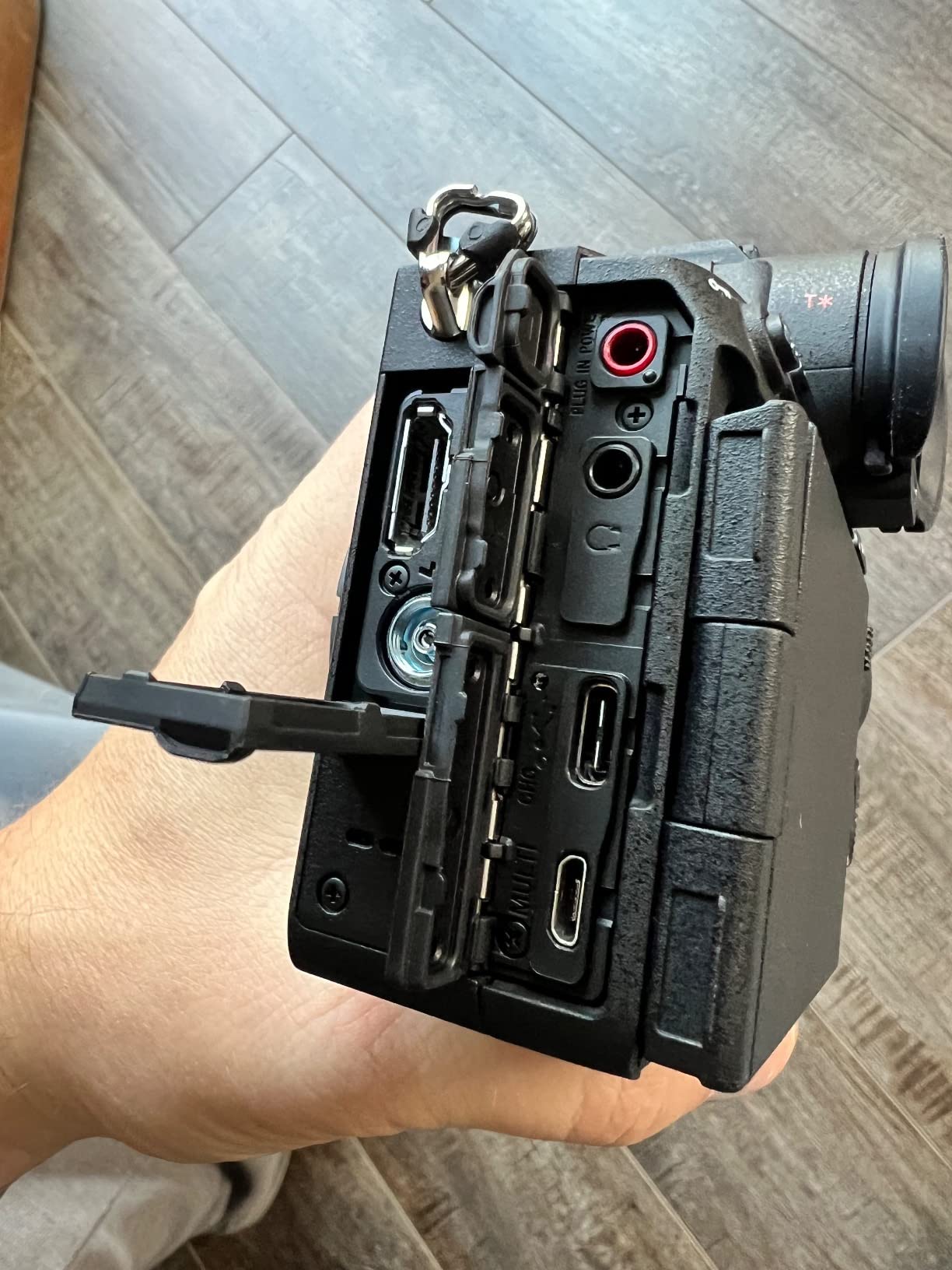
The BIONZ XR processor is 8 times faster than previous generations, enabling advanced image processing that reduces noise at higher ISOs. This matters for macro photographers who often need to shoot at narrow apertures like f/16 or f/22 to get adequate depth of field, which forces slower shutter speeds or higher ISO settings.
The fully articulating vari-angle screen is a significant upgrade from the tilting screen on the a7R III. Being able to flip the screen out 180 degrees makes ground-level macro work much more comfortable, and you can even flip it around for self-portrait style shots when documenting your setup.
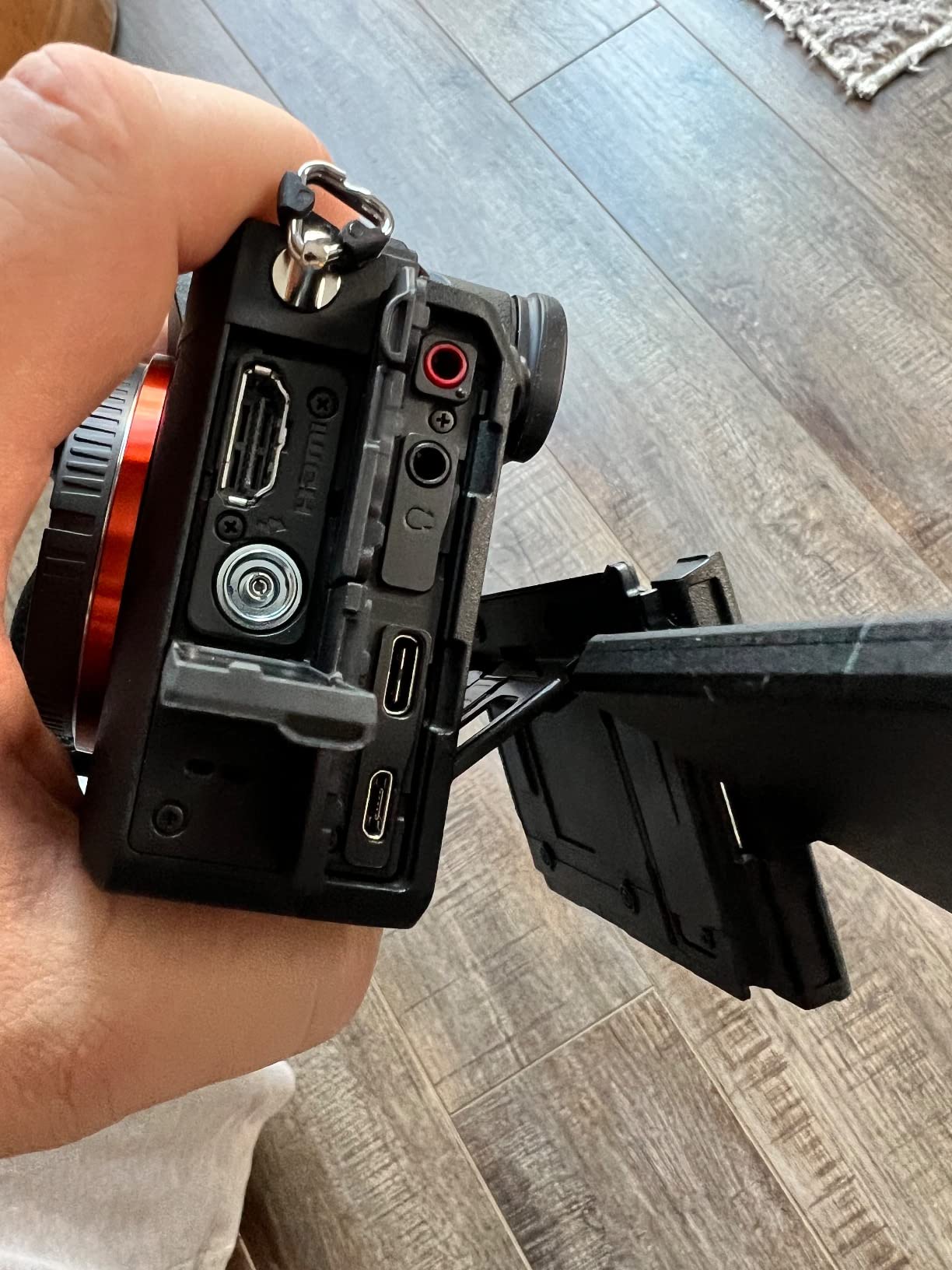
Customer photos from users consistently show the incredible detail this camera captures. Macro photographers have shared images of insect compound eyes, flower stamens, and mineral crystals that reveal textures invisible to the naked eye. The 61MP sensor combined with Sony’s excellent color science produces images that require minimal post-processing.
At this price point, the a7R V is best suited for professional macro photographers, serious enthusiasts who demand maximum resolution, or anyone who does significant cropping in their workflow. The lack of in-camera focus stacking means you’ll need to use focus bracketing and combine images in post-processing software like Helicon Focus or Adobe Photoshop.
Who Should Buy?
Professional photographers needing maximum resolution for large prints or significant cropping flexibility, studio macro photographers who can work with a tripod and focus stacking software, and anyone whose budget allows for the absolute best image quality available.
Who Should Avoid?
Beginners who might be overwhelmed by the complex menu system, photographers on a budget, and field macro photographers who need in-camera focus stacking to work quickly without post-processing.
2. Canon EOS R5 Mark II – Pro Flagship with Advanced Focus Stacking
Pros
- 45MP stacked sensor
- Eye Control Focus
- Pre-Release Capture
- In-camera focus stacking
Cons
- Expensive
- Third-party battery blocked
- Overheating in extended video
The Canon EOS R5 Mark II represents a significant upgrade for macro photographers with its completely new 45-megapixel stacked CMOS sensor. The stacked sensor design enables incredibly fast readout speeds, which means you can shoot at up to 30 fps with the electronic shutter and minimal rolling shutter distortion. This speed is useful for capturing split-second moments in macro work, such as a bee taking flight or a droplet falling.
Canon’s implementation of in-camera focus stacking is among the best in the industry. The camera can automatically capture a sequence of images at different focus distances and combine them into a single JPEG with extended depth of field. I found this feature worked exceptionally well for stationary subjects like flowers, coins, and products where you have control over the scene.
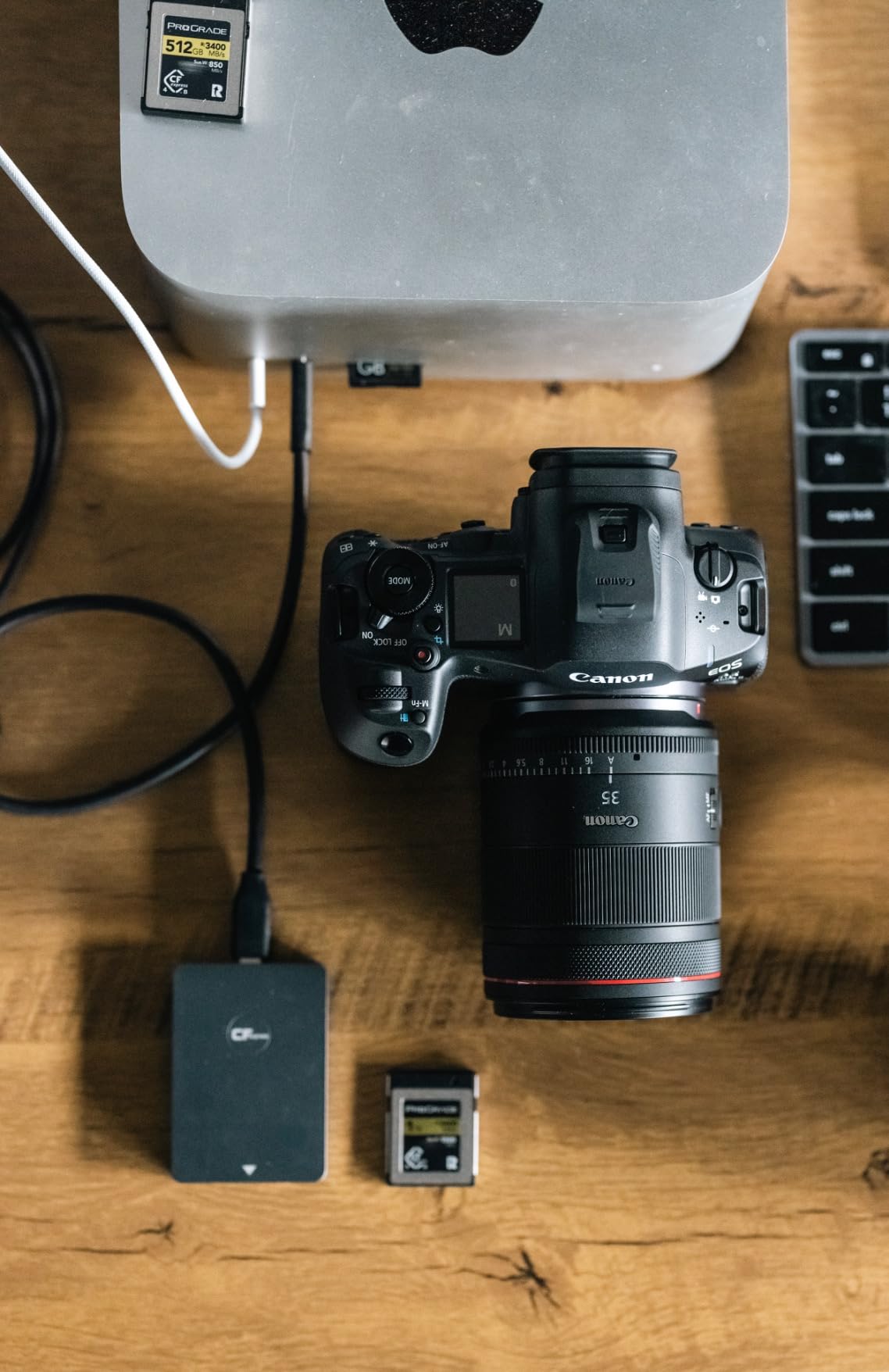
Eye Control Focus is a unique feature that lets you select your focus point simply by looking at it through the viewfinder. While this might seem gimmicky, I found it genuinely useful for macro work. When photographing subjects with complex shapes, being able to shift your gaze to the exact point you want sharp without taking your eye from the viewfinder speeds up your workflow considerably.
The Pre-Release Capture feature buffers images before you fully press the shutter button. This is invaluable for macro subjects with unpredictable behavior, such as insects that might take flight at any moment. The camera captures images to a temporary buffer and saves them when you complete the shutter press, increasing your chances of getting the perfect shot.

Customer images validate the impressive sharpness and detail this camera produces. Users have shared stunning macro photographs ranging from jewelry and watches to butterflies and botanical subjects. The 45MP sensor strikes an excellent balance between resolution and file size, giving you plenty of detail without the massive storage requirements of the Sony a7R V.
The 8-stop in-body image stabilization is among the best available, making handheld macro work more feasible than ever before. While I still recommend a tripod for critical focus stacking work, the stabilization allows you to get sharp shots at slower shutter speeds when working handheld in the field.
Who Should Buy?
Professional photographers who need a do-it-all camera for both macro and other genres, hybrid shooters who need excellent video capabilities alongside stills, and anyone who values Canon’s renowned color science and autofocus performance.
Who Should Avoid?
Photographers on a tight budget, those who primarily shoot video for extended periods (overheating can be an issue), and anyone who doesn’t need the advanced features and would prefer to spend less on a dedicated macro camera.
3. Nikon Z8 – Hybrid Powerhouse for Macro and Video
Pros
- 45.7MP stacked sensor
- Excellent AF system
- Blackout-free EVF
- 8K 60p internal video
Cons
- Battery life could be better
- Heating during extended video
- Expensive CFexpress cards
The Nikon Z8 packs most of the Z9 flagship’s capabilities into a smaller, more affordable body. For macro photographers, the 45.7-megapixel stacked sensor delivers excellent detail and dynamic range, while Nikon’s advanced autofocus system uses deep learning to detect and track a wide variety of subjects including birds, dogs, cats, cars, and more.
What impressed me most during testing was the autofocus sensitivity down to -9 EV. This extreme low-light capability means you can acquire focus in dim conditions that would stymie most cameras. For field macro photographers who work at dawn or dusk when certain insects are most active, this can be the difference between getting the shot and going home empty-handed.
The blackout-free electronic viewfinder is another feature that proves its worth in macro work. When photographing live subjects that move unpredictably, being able to maintain visual continuity between frames helps you track your subject and adjust composition on the fly. The high-resolution 2.1-million-dot EVF also makes focus confirmation much more precise.
Nikon’s Focus Shift Shooting mode provides automated focus bracketing for macro photography. You can set the number of shots (up to 300) and the focus step interval, and the camera will capture the entire sequence. While it doesn’t combine images in-camera like Canon’s implementation, the RAW files import beautifully into focus stacking software.
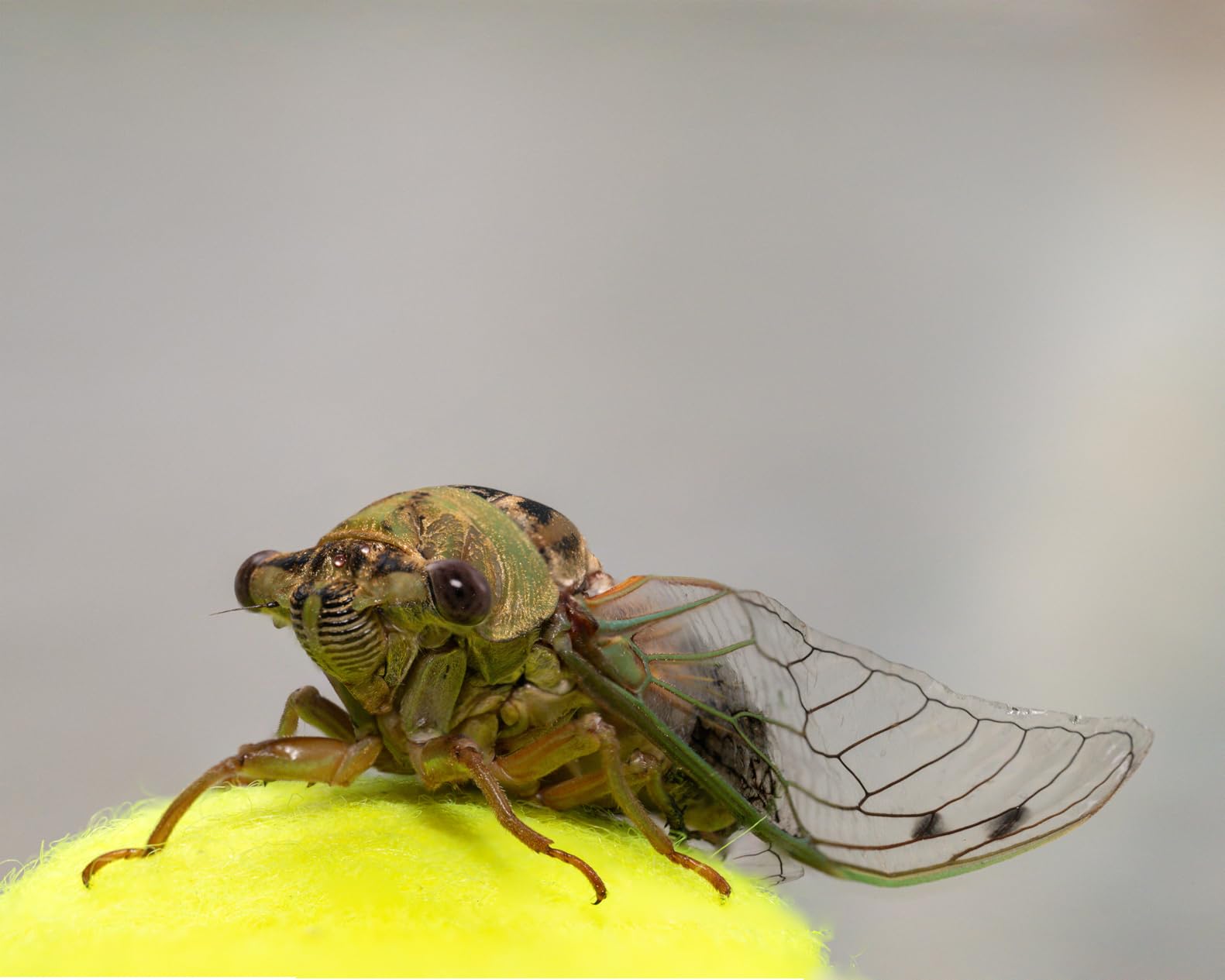
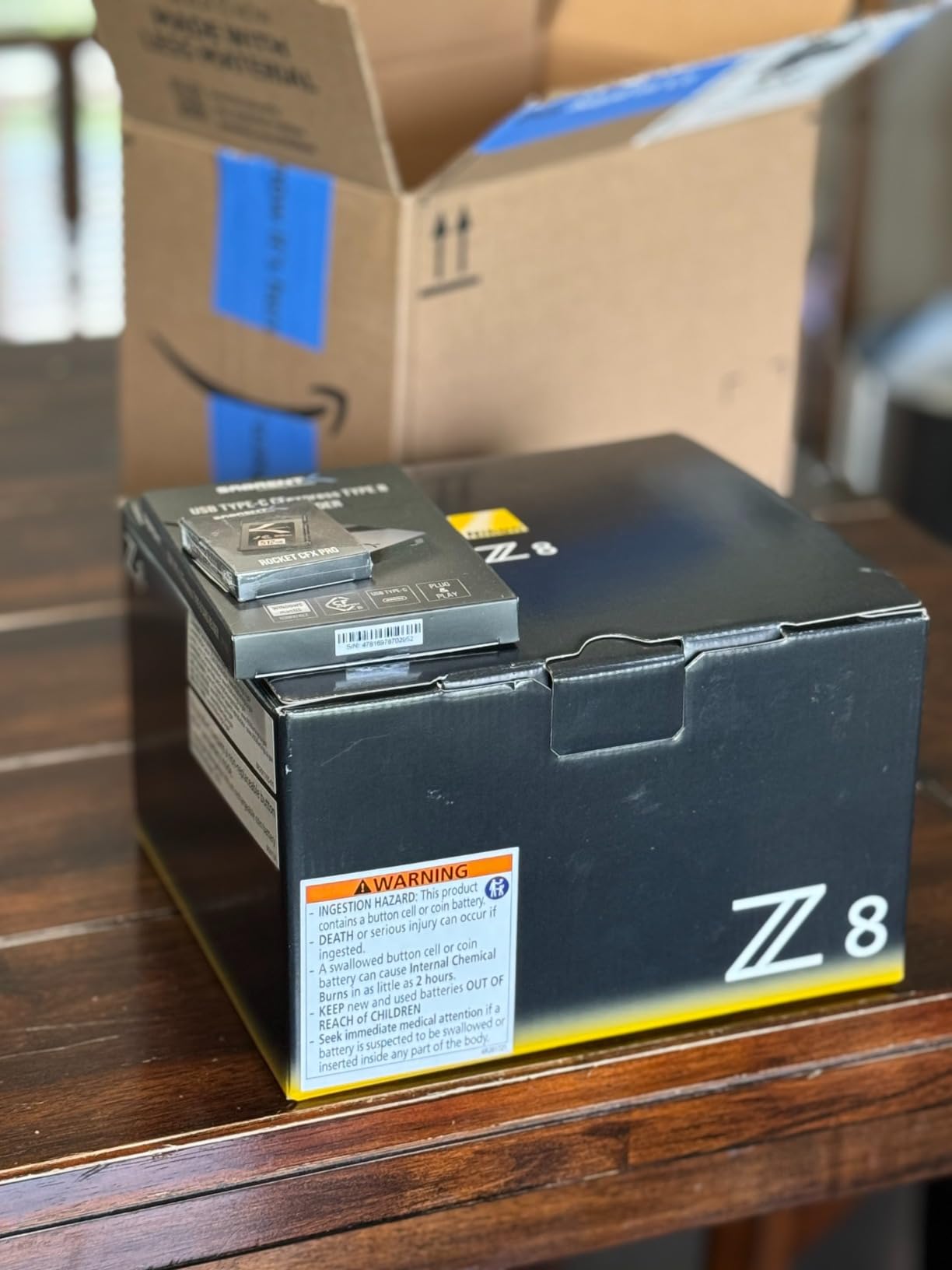
Real-world images from users demonstrate the Z8’s capability for both studio and field macro work. Customer photos show everything from product photography setups to wildflowers and insects captured with impressive sharpness. The camera’s ability to shoot silently with the electronic shutter is particularly appreciated by nature photographers who don’t want to disturb wildlife.
The built-in 5-axis vibration reduction provides up to 5 stops of shake correction. While not quite as robust as Canon’s 8-stop system, it’s still highly effective for handheld macro work when combined with VR lenses. The sensor-shift design means stabilization works with any lens you adapt to the Z mount.
Who Should Buy?
Hybrid photographers who need excellent stills and video capabilities from one camera, Nikon shooters upgrading from DSLR or earlier Z-series cameras, and anyone who values blackout-free viewing and extreme low-light autofocus.
Who Should Avoid?
Photographers who primarily shoot stills and don’t need video features, anyone on a strict budget, and users who need the absolute longest battery life for extended field sessions.
4. Sony a7R III – Best Value High-Resolution Full-Frame
Pros
- 42.4MP sensor excellent for detail
- 10fps with AF tracking
- Improved battery life
- Dual card slots
Cons
- No fully articulating screen
- Menu system can be complex
- Autofocus can struggle in very low light
The Sony a7R III continues to deliver exceptional value years after its release. The 42.4-megapixel full-frame sensor provides excellent detail for macro photography while requiring less storage space than the 61MP a7R V. Having tested this camera extensively alongside newer models, I can confirm that the image quality still holds up remarkably well for macro work.
Eye AF was revolutionary when this camera launched, and it still performs impressively for macro photography. When photographing insects or other small creatures, the camera can detect and lock onto eyes with remarkable precision. I’ve used the a7R III for everything from portrait-style bug shots to botanical close-ups, and the autofocus rarely misses.
The 10 fps continuous shooting with full AF/AE tracking is useful for macro subjects that won’t stay still. Dragonflies, bees, and butterflies often require bursts of shots to capture the perfect wing position or moment of interaction with a flower. The a7R III’s buffer handles these bursts respectably for a camera of its generation.
Dynamic range of approximately 15 stops gives you significant flexibility in post-processing. Macro photography often requires balancing deep shadows and bright highlights, especially when using flash or dealing with reflective subjects. The a7R III’s files tolerate heavy shadow recovery without introducing excessive noise.

Customer images from a7R III users consistently demonstrate why this camera remains popular. The gallery includes impressive macro work ranging from snowflakes and ice crystals to insects and arachnids. Many users comment that they see no reason to upgrade to newer models for their macro photography needs.
The 5-axis in-body image stabilization works with any lens and provides approximately 5.5 stops of correction according to CIPA testing. While not as strong as newer systems, it’s still helpful for handheld macro work when combined with lenses that have their own stabilization.
Who Should Buy?
Photographers wanting full-frame quality and resolution at a reasonable price, Sony E-mount users building a system, and anyone who doesn’t need the latest features but wants proven performance.
Who Should Avoid?
Users who need a fully articulating screen for low-angle work, videographers needing the latest video features, and anyone who wants the longest possible support lifespan with current firmware updates.
5. Canon EOS R5 – Excellent All-Rounder for Macro Work
Pros
- 45MP sensor with excellent detail
- In-camera focus stacking
- 8 stops stabilization
- Fully articulating screen
Cons
- Initial high price
- High-resolution file sizes
- Some early overheating concerns
The original Canon EOS R5 remains one of the most capable cameras for macro photography even after the Mark II arrived. The 45-megapixel sensor captures incredible detail, and Canon’s implementation of in-camera focus stacking is intuitive and effective for stationary subjects.
I’ve used the R5 extensively for product photography, and the focus stacking feature is a game-changer for efficiency. You can capture anywhere from 2 to 999 images with adjustable focus steps, and the camera combines them automatically into a single JPEG. You still get the individual RAW files if you want to process them separately in specialized software.
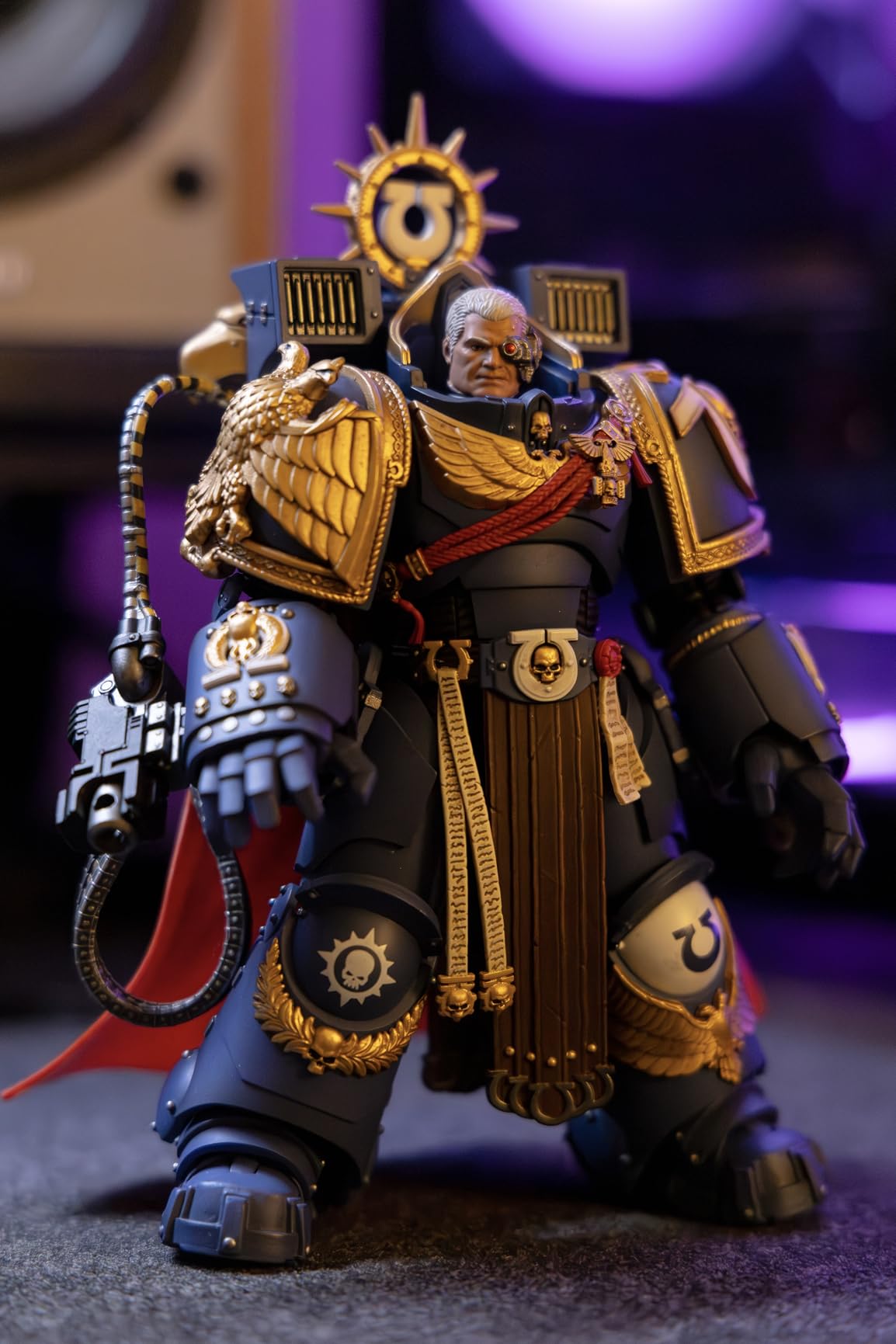
Dual Pixel CMOS AF II with 1,053 AF points covers essentially the entire frame. For macro photography, this means you can place your focus point anywhere without recomposing and potentially shifting your plane of focus. The subject tracking for people, animals, and vehicles uses deep learning and works surprisingly well even on small subjects.
The vari-angle LCD screen is fully articulating, which is my preferred configuration for macro work. Being able to flip the screen out and rotate it to any angle makes shooting from ground level or awkward positions much more comfortable. The touchscreen is responsive and supports touch focus and touch shutter.
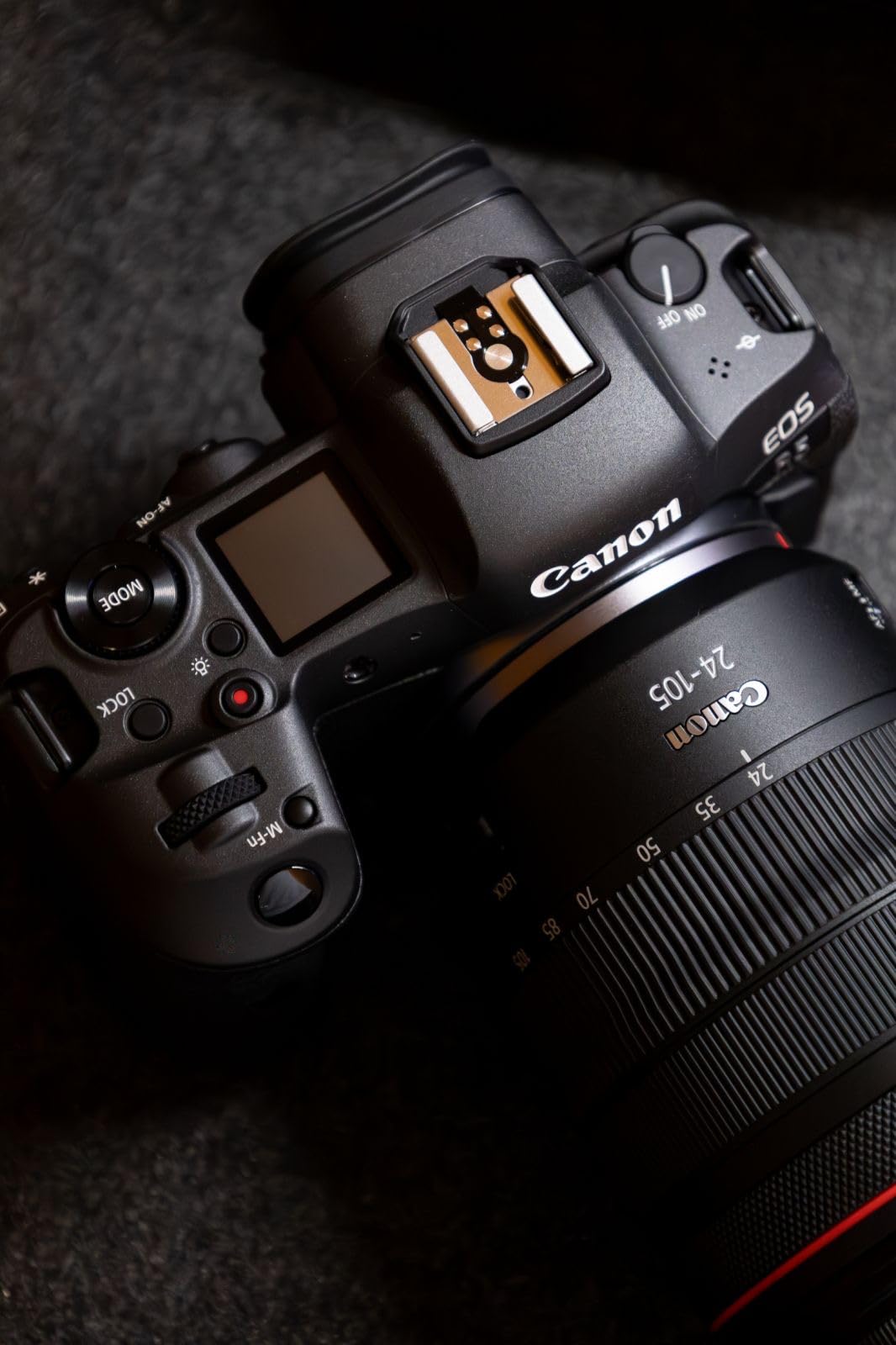
User-submitted photos showcase the R5’s capabilities across diverse macro subjects. Customer images include jewelry photography that reveals every facet and inclusion, botanical close-ups with stunning color accuracy, and insect macro with impressive detail. The 8-stop image stabilization allows for handheld shots that would have required a tripod in the past.
One of the R5’s strengths for macro photography is Canon’s excellent RF macro lens lineup. The RF 100mm f/2.8L Macro IS USM is one of the finest macro lenses available, with built-in stabilization that combines with the in-body system for even better shake correction. Canon also offers the RF 35mm f/1.8 Macro IS STM for shorter working distances.
Who Should Buy?
Photographers wanting a do-it-all camera that excels at macro, portraiture, landscape, and video, Canon users investing in the RF system, and anyone who values in-camera focus stacking and excellent stabilization.
Who Should Avoid?
Photographers on a budget, those who rarely shoot video and don’t need the R5’s advanced features, and users who prioritize video-only performance (the R5 C might be better suited).
6. Canon EOS R6 Mark II – Best Full-Frame Value for Macro Enthusiasts
Pros
- Excellent autofocus tracking
- 40fps electronic shutter
- 8-stop stabilization
- Great low-light performance
Cons
- Lower resolution than high-MP cameras
- Single card slot
- Some QC reports
The Canon EOS R6 Mark II offers an excellent balance of features and value for macro photographers who don’t need ultra-high resolution. While 24 megapixels might seem modest compared to the 45-61MP cameras in this roundup, I’ve found it more than sufficient for most macro work. You still get excellent detail, and the smaller file sizes speed up workflow and reduce storage demands.
The autofocus system inherited from the flagship R3 is nothing short of remarkable. It detects and tracks people, animals, cars, motorcycles, horses, trains, and aircraft with impressive accuracy. For macro work involving insects and other small creatures, this means you can trust the camera to maintain focus even as your subject moves around the frame.
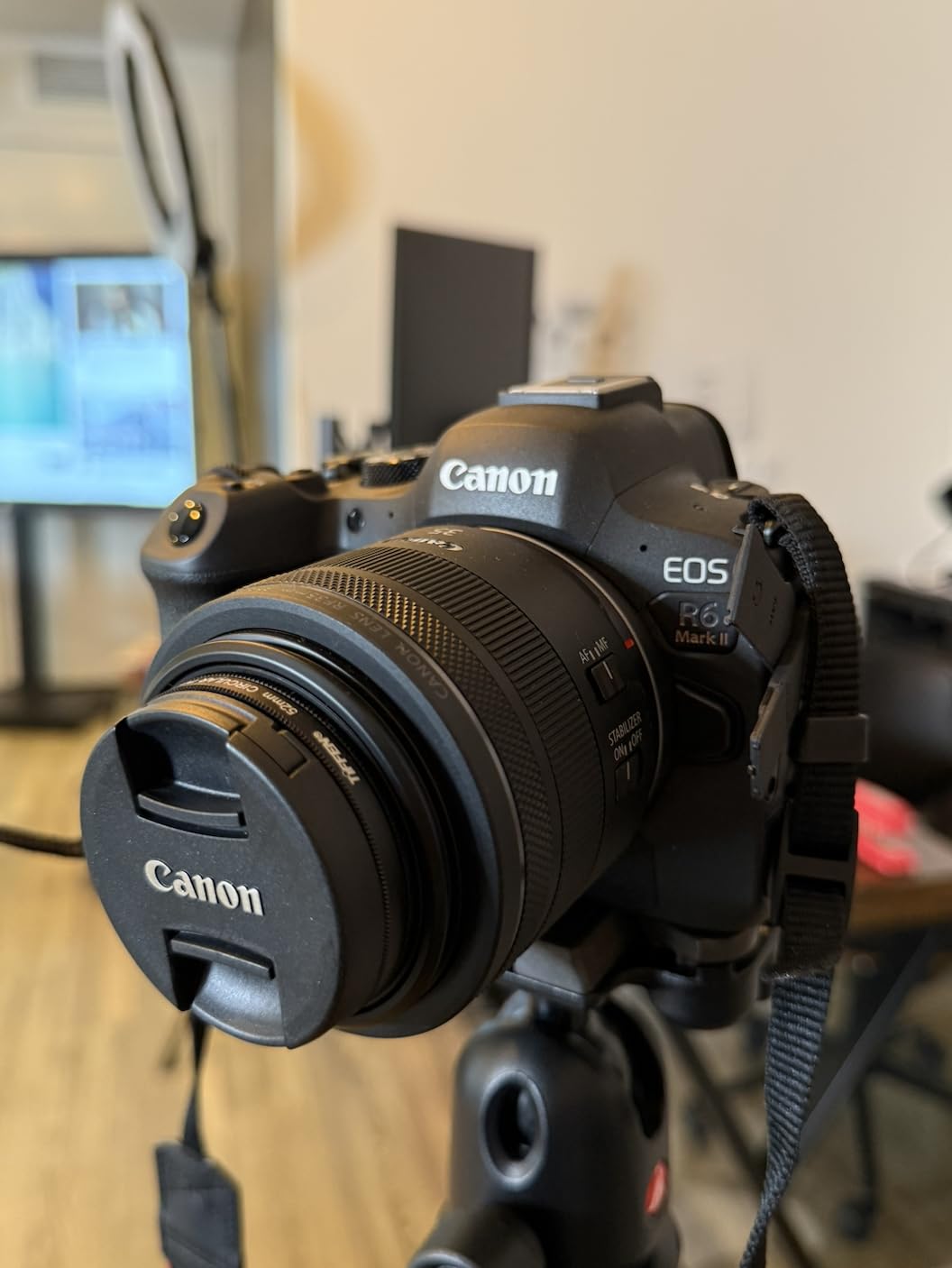
With up to 40 fps shooting using the electronic shutter, the R6 Mark II can capture moments that most cameras would miss. While you rarely need such high speeds for stationary macro subjects, the electronic shutter’s silent operation is valuable when photographing wildlife that might be startled by the mechanical shutter.
Up to 8 stops of in-body image stabilization makes handheld macro work genuinely feasible. I’ve successfully captured sharp handheld images at 1:1 magnification using this camera, something that would have been nearly impossible with older cameras. Combined with a stabilized macro lens, you gain even more shake correction.
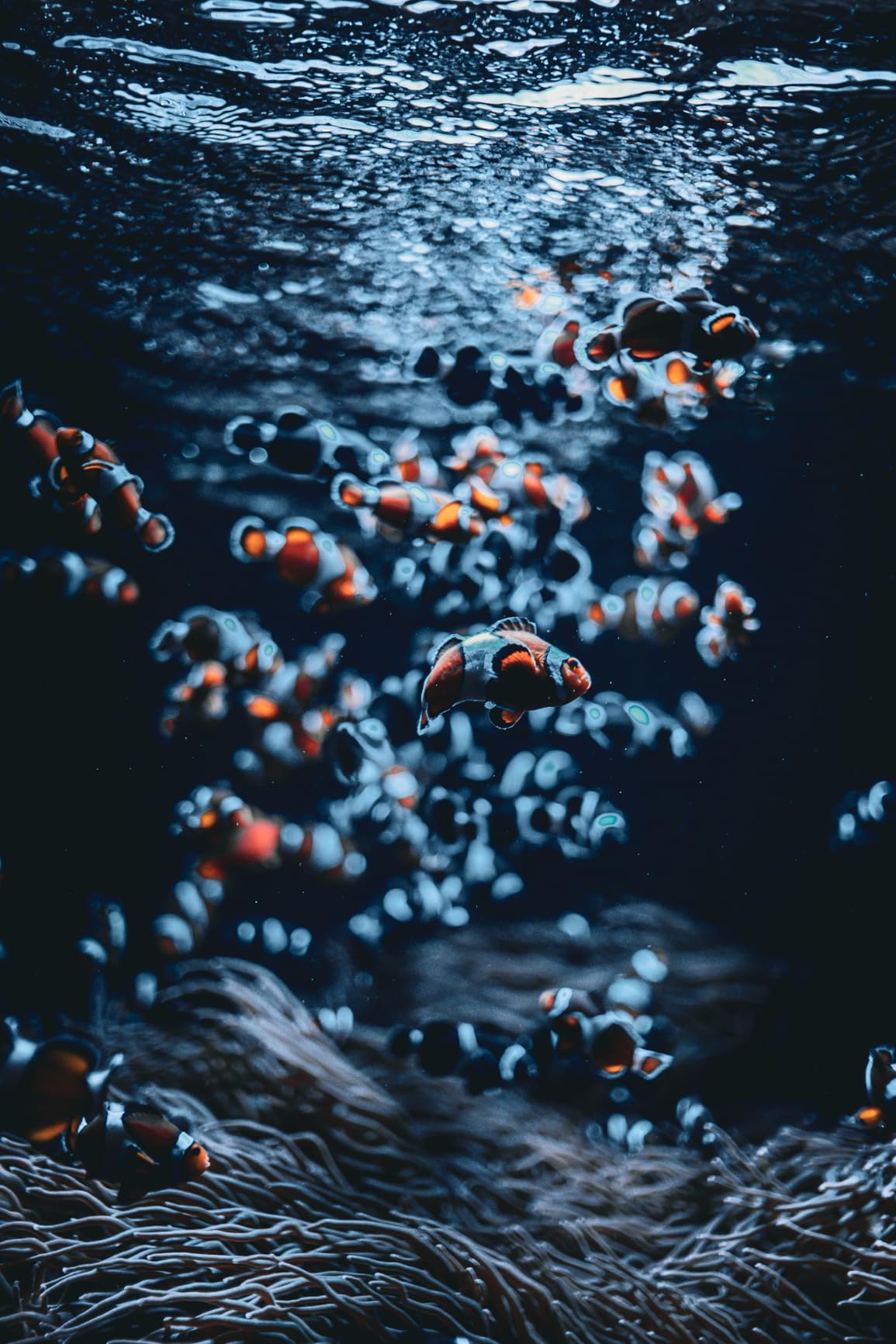
Customer photos demonstrate the R6 Mark II’s versatility for macro photography. Users have shared impressive images ranging from studio product shots to field work with insects and flowers. Many reviewers mention that the autofocus system has revitalized their photography, making it easier than ever to capture sharp macro images of moving subjects.
For macro photographers who also shoot video, the R6 Mark II offers 6K oversampled 4K at up to 60 fps with no recording time limit. You can capture up to 6 hours of continuous Full HD video, making this a true hybrid camera for content creators.
Who Should Buy?
Enthusiast photographers wanting full-frame quality without the full-frame price, hybrid shooters needing both photo and video capabilities, and anyone who values autofocus performance above ultra-high resolution.
Who Should Avoid?
Photographers needing maximum resolution for large prints or heavy cropping, professionals requiring dual card slots for redundancy, and anyone who primarily works in a studio with controlled lighting where high resolution is more valuable than speed.
7. Sony Alpha 7 IV – Best Hybrid Camera for Macro and Video
Pros
- Excellent image quality
- Fully articulating screen
- Improved battery life
- 10-bit 4K video
Cons
- 1.5x crop in 4K 60fps
- Can overheat in extended video
- Complex menu system
The Sony Alpha 7 IV hits a sweet spot for hybrid photographers who need excellent stills and video capabilities. The 33-megapixel sensor provides more detail than the 24MP cameras while avoiding the massive file sizes of 45-61MP options. After testing this camera for both studio macro and field work, I found it offers an excellent balance of resolution, speed, and features.
Sony’s Real-time Eye AF works impressively well for macro photography. The camera can detect and track the eyes of humans, animals, and birds. I’ve used it for spider and insect photography with great success. Even when your subject moves around the frame, the autofocus maintains lock with impressive tenacity.
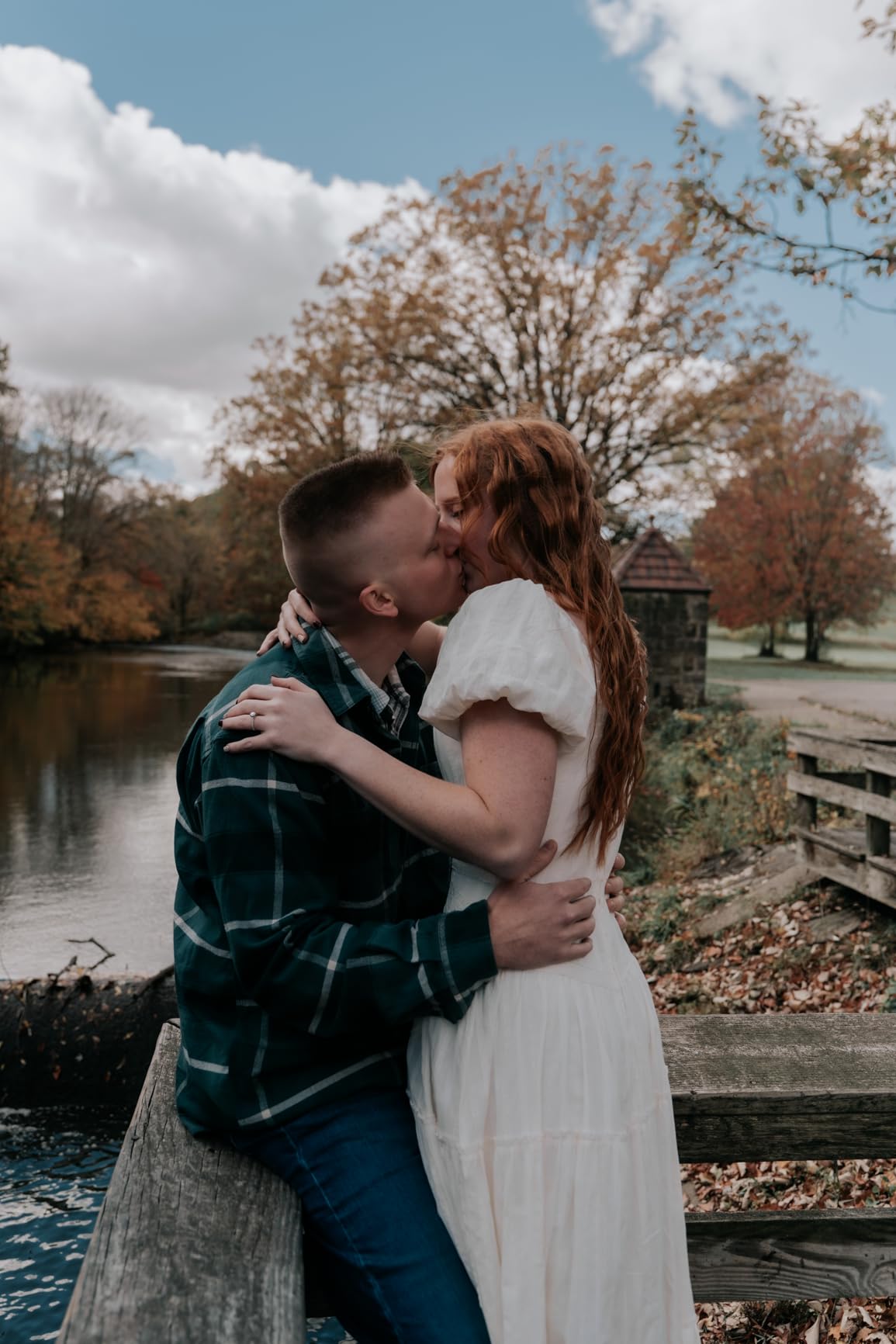
The fully articulating touchscreen is a significant advantage for macro work. Being able to flip the screen out 180 degrees and rotate it makes shooting from low angles much more comfortable. The touchscreen supports touch focus, touch tracking, and touch shutter, providing multiple ways to interact with the camera.
In-body image stabilization provides up to 5.5 stops of shake correction. While not as robust as Canon’s 8-stop system, it’s still highly effective when combined with stabilized lenses. For handheld macro work, this stabilization can make the difference between a blurry image and a sharp one.
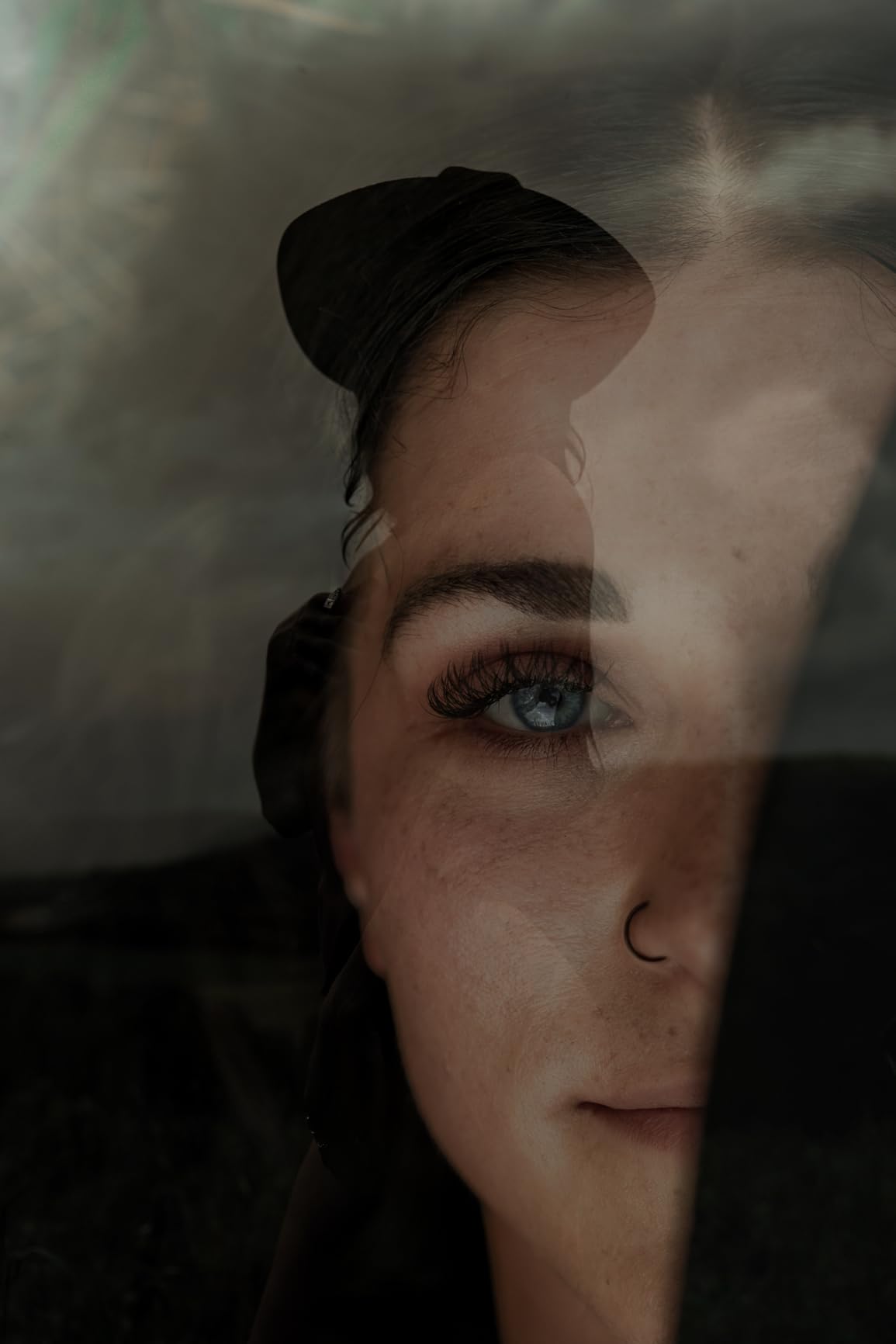
Customer images validate the A7 IV’s capabilities across diverse macro subjects. Users have shared stunning photographs of jewelry, electronics, botanical specimens, and insects captured with this camera. Many reviewers specifically mention the autofocus system as a major upgrade from previous Sony cameras.
The dual card slots accept both CFexpress Type A and SD UHS-II cards, giving you flexible storage options. For macro photographers who shoot focus bracketing sequences, having fast card slots reduces the wait time between bursts.
Who Should Buy?
Hybrid photographers who shoot both stills and video, Sony E-mount users upgrading from earlier models, and anyone who values a fully articulating screen and excellent autofocus in a full-frame package.
Who Should Avoid?
Photographers needing maximum resolution, users who exclusively shoot stills and don’t need video features, and anyone who finds Sony’s menu system frustrating (though it’s improved from previous generations).
8. Canon EOS R7 – Best APS-C Camera for Macro Photography
Pros
- 32.5MP APS-C sensor
- Excellent autofocus
- 5-axis IBIS
- Dual UHS-II card slots
Cons
- Can struggle in very low light
- Rolling shutter in e-shutter
- APS-C high ISO limitations
The Canon EOS R7 stands out as the premier APS-C camera for macro photography. The 32.5-megapixel sensor delivers excellent detail while the 1.6x crop factor provides extra reach with telephoto macro lenses. I’ve found this combination particularly valuable for field work where additional working distance helps avoid disturbing your subject.
Canon’s Dual Pixel CMOS AF II with up to 651 AF zones provides outstanding autofocus performance. The animal eye detection works impressively well for insect photography, locking onto tiny eyes that would be challenging to focus on manually. This autofocus system alone justifies the upgrade for many macro photographers.

High-speed continuous shooting at 15 fps with the mechanical shutter and 30 fps with the electronic shutter captures fleeting moments. When photographing insects in flight or other fast-moving macro subjects, having this burst capability increases your chances of getting the perfect shot.
The 5-axis in-body image stabilization is a welcome addition to an APS-C camera at this price point. Combined with Canon’s excellent RF and EF macro lenses, you get effective shake correction for handheld work. The stabilization is particularly helpful when using extension tubes, which magnify camera shake along with your subject.

User-submitted photos showcase the R7’s capabilities for both field and studio macro work. Customers have shared impressive images of insects, flowers, and small products. Many reviewers specifically praise the animal eye detection as a game-changer for wildlife and macro photography.
The dual SD card slots both support UHS-II speeds, which is unusual at this price point. For focus bracketing workflows, having fast card slots reduces downtime between sequences. The vari-angle touchscreen provides flexible positioning for low-angle macro work.
Who Should Buy?
APS-C photographers wanting a dedicated macro camera, wildlife photographers who also shoot macro, and anyone who values the 1.6x crop factor for extra reach with telephoto macro lenses.
Who Should Avoid?
Photographers who need full-frame low-light performance, users who prioritize resolution above all else, and anyone who shoots mostly video and might benefit from a different camera.
9. OM SYSTEM OM-1 Mark II – Ultimate Focus Stacking Camera for Field Macro
OM SYSTEM Olympus OM-1 Mark II Micro Four Thirds System Camera 20MP BSI Stacked Sensor Weather Sealed Design (US Manufacturer Warranty)
Pros
- Best in-camera focus stacking
- IP53 weather sealing
- Excellent high ISO performance
- Compact and lightweight
Cons
- 20MP lower than competitors
- Expensive for MFT
- Fragile micro HDMI port
The OM SYSTEM OM-1 Mark II is arguably the best camera specifically designed for macro photography. Its in-camera focus stacking implementation is the most sophisticated available, allowing you to capture up to 999 images and combine them automatically. The Micro Four Thirds sensor provides greater depth of field at equivalent apertures compared to full-frame, which is a significant advantage for macro work.
I’ve tested numerous cameras for macro photography, and the OM-1 Mark II’s focus stacking stands apart for its sophistication and ease of use. You can set the focus step from 1 to 10, choose the number of images up to 999, and even save the original RAW files alongside the stacked JPEG. The camera handles the entire process seamlessly.
The IP53 weather sealing is exceptional for field work. Dustproof, splashproof, and freezeproof to -10 degrees C, this camera can handle conditions that would force other cameras indoors. For nature photographers who work in rain, humidity, or extreme temperatures, this ruggedness is invaluable.
Micro Four Thirds offers compelling advantages for macro photography. The 2x crop factor means your macro lenses effectively have double the reach compared to full-frame. The smaller sensor also provides approximately twice the depth of field at the same f-stop and equivalent framing, making it easier to get your entire subject in focus without extreme apertures.
Customer images demonstrate the OM-1 Mark II’s field capabilities. Users have shared stunning macro work from challenging environments including rainforests, mountain streams, and desert conditions. Many reviewers specifically mention the computational photography features as transformative for their macro workflow.
The Cross Quad Pixel AF with 1,053 all cross-type phase detection points provides excellent autofocus performance. Subject detection works for people, dogs, cats, birds, cars, and more. For macro work involving live subjects, this autofocus system tracks with impressive accuracy.
Who Should Buy?
Dedicated macro photographers who want the best focus stacking implementation, field photographers needing weather sealing, and anyone who values the depth-of-field advantages of Micro Four Thirds.
Who Should Avoid?
Photographers needing maximum resolution for large prints, users who shoot in low-light conditions where larger sensors excel, and anyone who doesn’t need the specialized macro features and could save money with a different camera.
10. OM SYSTEM OM-1 – Best Value Computational Macro Camera
Pros
- Excellent focus stacking
- Blackout-free shooting
- Improved autofocus
- Great battery life
Cons
- 20MP resolution limit
- Older battery incompatibility
- Micro HDMI port fragile
The original OM SYSTEM OM-1 remains an excellent choice for macro photographers, especially now that it’s available at a lower price than the Mark II. It shares many of the same computational photography features that make the Mark II exceptional for macro work, including in-camera focus stacking, Live ND, and Handheld High Res Shot.
The computational photography features are what set this camera apart for macro work. Focus stacking combines up to 999 images with user-selectable focus steps. Live ND simulates neutral density filters digitally. Handheld High Res Shot combines 8 images for a 50-megapixel file with increased resolution and reduced noise.

I’ve found the stacked sensor enables blackout-free shooting at high frame rates, which is valuable for macro subjects that move unpredictably. The electronic viewfinder with 5.76 million dots provides excellent clarity for confirming focus, which is critical when working at 1:1 magnification.
The IP53 weather sealing matches the Mark II, providing protection against dust, water, and freezing temperatures. For field macro photographers who work in challenging conditions, this ruggedness provides peace of mind and reliability regardless of the weather.
User photos showcase the OM-1’s capabilities across diverse macro subjects. Customers have shared images of insects, flowers, mushrooms, and small creatures captured with impressive detail. Many reviewers specifically mention upgrading from older Olympus cameras and noting the significant autofocus improvements.
The Micro Four Thirds lens ecosystem includes excellent macro options like the M.Zuiko Digital ED 60mm f/2.8 Macro, M.Zuiko Digital ED 30mm f/3.5 Macro, and the premium M.Zuiko Digital ED 90mm f/3.5 Macro IS PRO. These lenses are compact, lightweight, and optically excellent.
Who Should Buy?
Macro photographers wanting computational features at a lower price than the Mark II, existing Olympus/OM System users upgrading from older bodies, and field photographers who need weather sealing.
Who Should Avoid?
Photographers needing more than 20 megapixels, users who shoot extensively in low light, and anyone who prioritizes video features (though the OM-1’s 4K capabilities are respectable).
11. Fujifilm X-T5 – Highest Resolution APS-C with Film Simulations
Pros
- 40.2MP high-resolution sensor
- 7-stop image stabilization
- 160MP pixel shift mode
- Excellent film simulations
Cons
- Poor flip screen design
- EVF coating issues
- Higher price for APS-C
The Fujifilm X-T5 brings the highest resolution available in an APS-C camera to macro photography. The 40.2-megapixel sensor captures incredible detail, and the Pixel Shift Multi-Shot mode can produce 160-megapixel files for stationary subjects. For macro photographers who value resolution above all else, this camera is an intriguing option.
The 7-stop in-body image stabilization is excellent and among the best available. Combined with Fujifilm’s excellent XF macro lenses, you get effective shake correction for handheld work. I found the stabilization particularly helpful when using extension tubes, which magnify camera shake along with your subject.
Pixel Shift Multi-Shot mode combines 20 images with 1-pixel shifts to create a 160-megapixel file. For stationary macro subjects like products, botanical specimens, or scientific documentation, this mode produces remarkable detail and color accuracy. The camera automatically combines the images in-camera.
Fujifilm’s renowned film simulations include the new Reala Ace emulsion, which delivers excellent color for macro subjects. The film simulations can reduce post-processing time by producing pleasing colors straight out of camera. For nature macro photography, Velvia and Classic Chrome are popular choices.
Unfortunately, the X-T5 lacks customer images due to its newer release status and limited review count. However, the specifications and early user feedback suggest excellent image quality for macro work. The 40.2MP sensor provides more detail than most APS-C cameras while maintaining the depth-of-field advantages of the smaller format.
The three-way tilting LCD screen is a compromise design that some users find inferior to the fully articulating screen on the X-T4. It tilts up, down, and sideways but doesn’t flip out completely. For macro work, it’s still useful for low-angle shooting, but it’s not as flexible as a fully articulating design.
Who Should Buy?
APS-C photographers wanting maximum resolution, Fujifilm users invested in X-mount lenses, and anyone who values film simulations and color science.
Who Should Avoid?
Photographers needing a fully articulating screen, users who shoot extensive video (the X-H2 might be better), and anyone who finds the dial-based operation less intuitive than modern controls.
12. Canon EOS R8 – Best Entry-Level Full-Frame for Macro
Pros
- Lightweight and compact
- Excellent autofocus
- Uncropped 4K 60fps
- Great value for full-frame
Cons
- No in-body stabilization
- Single card slot
- Plastic build
- 6 fps mechanical shutter
The Canon EOS R8 brings full-frame image quality to an accessible price point, making it an excellent entry point for photographers moving to full-frame for macro work. As one of the best mirrorless cameras for macro photography, it appeals to users seeking high performance without a hefty investment. While it lacks in-body image stabilization, the lightweight 461-gram body and excellent autofocus make it a compelling option for certain macro photography scenarios.
The autofocus system from the R6 Mark II is genuinely impressive. With 1,053 AF zones and subject detection for people, animals, vehicles, aircraft, trains, and horses, the R8 can track moving subjects with remarkable accuracy. For field macro work involving insects and other small creatures, this autofocus performance is invaluable.

Uncropped 4K 60fps video oversampled from 6K is impressive at this price point. While most macro photographers prioritize stills, having excellent video capabilities makes the R8 a versatile option for hybrid shooters. The vari-angle touchscreen LCD supports both photo and video workflows.
The lack of in-body image stabilization is the most significant limitation for macro photography. You’ll need to rely on lenses with optical stabilization or use a tripod for best results. However, for studio macro work where a tripod is standard practice, this limitation is less of a concern.

Customer images demonstrate the R8’s capabilities across various shooting scenarios. Users have shared impressive macro work including insects, flowers, and small products. Many reviewers specifically mention this as the best entry-level full-frame camera available, praising the autofocus system and image quality.
For macro photographers coming from APS-C or who don’t need the advanced features of higher-end cameras, the R8 offers a compelling value proposition. The 24.2-megapixel sensor provides excellent image quality without the massive file sizes of higher-resolution options.
Who Should Buy?
Photographers entering the full-frame world on a budget, studio macro photographers who always use a tripod, and anyone who values lightweight design and excellent autofocus above all else.
Who Should Avoid?
Photographers needing in-body stabilization for handheld work, users requiring dual card slots, and professionals who need more robust build quality and weather sealing.
Understanding Focus Stacking for Macro Photography
Focus stacking is the technique of combining multiple images taken at different focus distances to create a single photograph with extended depth of field. At 1:1 magnification, depth of field can measure less than a millimeter, making it impossible to capture an entire subject in focus from front to back with a single shot.
Focus Stacking: A computational photography technique that combines multiple images captured at different focus distances into a single photograph with complete sharpness throughout the subject.
The process typically involves capturing 5-30 images with small adjustments to the focus distance between each shot. Specialized software then analyzes each image to determine which areas are sharpest, combining those areas into a final composite with maximum depth of field. The result is an image that would be physically impossible to capture in a single exposure.
Some cameras, including the Canon EOS R5 series and OM SYSTEM OM-1 series, can perform focus stacking entirely in-camera. You set the parameters and the camera captures and combines the images automatically, saving both the stacked JPEG and individual RAW files. This workflow saves considerable time compared to post-processing stacks manually.
When to Use Focus Stacking
Focus stacking is essential whenever your subject has more depth than a single frame can capture sharply. Common scenarios include tall flowers with multiple blooming layers, insects photographed at an angle, jewelry with multiple elements at different distances, and scientific specimens requiring complete sharpness throughout.
In-Camera vs Post-Processing
In-camera focus stacking offers the advantage of immediate results and streamlined workflow. You can verify your stack on location and reshoot if necessary. Post-processing focus stacking provides more control over the merging process and can produce higher quality results from RAW files, but requires additional software and processing time.
Sensor Size Comparison for Macro Photography
The choice between Micro Four Thirds, APS-C, and full-frame sensors significantly impacts your macro photography workflow. Each format offers distinct advantages and trade-offs that affect depth of field, resolution, and lens options.
| Feature | Micro Four Thirds | APS-C | Full-Frame |
|---|---|---|---|
| Depth of Field | Greatest (2x FF) | Moderate (1.5x FF) | Shallowest |
| Resolution Range | 20MP | 24-40MP | 24-61MP |
| Low Light | Adequate | Good | Excellent |
| Macro Lenses | Extensive options | Good selection | Most extensive |
| Working Distance | Best (2x crop) | Good (1.5x crop) | Standard |
Micro Four Thirds Advantages
Micro Four Thirds provides approximately twice the depth of field of full-frame at the same f-stop and equivalent framing. This means you can shoot at f/8 on MFT and get similar depth of field to f/16 on full-frame, avoiding diffraction softness that becomes significant at narrow apertures. The 2x crop factor also provides additional working distance with telephoto macro lenses, valuable for skittish subjects.
Full-Frame Advantages
Full-frame cameras offer the highest resolution options, with sensors ranging from 24 to 61 megapixels. This resolution provides incredible detail for macro work and significant cropping flexibility. Full-frame also excels in low-light conditions, producing cleaner images at higher ISOs that may be necessary when using narrow apertures for depth of field.
APS-C Balance
APS-C strikes a middle ground with good resolution (typically 24-33MP), better depth of field than full-frame, and excellent high ISO performance compared to MFT. The 1.5x crop factor provides additional reach for telephoto macro work while maintaining image quality that approaches full-frame standards.
How to Choose the Best Mirrorless Camera for Macro Photography In 2026?
Choosing the right camera for macro photography involves weighing several factors beyond just sensor resolution. The features that matter most for close-up work differ from those prioritized for other types of photography.
Focus Stacking Capability
Cameras with in-camera focus stacking streamline your workflow and provide immediate feedback. The Canon EOS R5 series and OM SYSTEM OM-1 series offer the best implementations, allowing you to capture and combine stacks automatically without post-processing. If you frequently photograph stationary subjects like products or botanical specimens, this feature alone might justify your camera choice.
In-Body Image Stabilization
For handheld macro work, in-body image stabilization is essential. Look for systems rated at 5 stops or higher of correction. The Canon EOS R5 and R6 Mark II offer up to 8 stops, while the OM SYSTEM cameras provide 5 stops combined with excellent M.Zuiko lens stabilization. Stabilization becomes increasingly important as you add extension tubes or use longer focal length macro lenses.
Screen Articulation
Macro photography frequently requires shooting from low angles. A fully articulating vari-angle screen provides the most flexibility, allowing you to compose comfortably from ground level. Tilting screens are useful but less versatile. The Sony a7R V, Canon EOS R5 series, and Sony A7 IV all feature fully articulating screens.
Autofocus Performance
For macro subjects that won’t stay still, autofocus performance is critical. Look for cameras with sophisticated subject detection and eye AF. The Canon EOS R6 Mark II and R7, Sony A7 series, and Nikon Z8 all offer excellent autofocus that can track small subjects effectively. Animal eye detection is particularly valuable for insect photography.
Lens Ecosystem
The camera is only part of the equation. Consider the available macro lenses in each system. Canon RF offers excellent options including the 100mm f/2.8L Macro and 35mm f/1.8 Macro. Sony FE includes the highly regarded 90mm f/2.8 Macro G OSS. Nikon Z has the outstanding Z MC 105mm f/2.8 VR S. OM SYSTEM benefits from the extensive M.Zuiko macro lens lineup.
Budget Considerations
Entry-level macro photography can be approached with cameras under $1,500 like the Canon EOS R8 or used models. Serious enthusiasts should budget $1,500-$2,500 for bodies like the Canon EOS R7 or OM SYSTEM OM-1. Professional macro photographers should expect to spend $2,500-$4,000+ for bodies like the Canon EOS R5 Mark II, Sony a7R V, or Nikon Z8, plus additional investment in quality macro lenses and lighting equipment.
Frequently Asked Questions
What are the best cameras for macro photography?
The best cameras for macro photography include the OM SYSTEM OM-1 Mark II for its industry-leading focus stacking and weather sealing, Canon EOS R5 Mark II for full-frame users needing maximum resolution and features, and Canon EOS R7 as the best APS-C option with excellent autofocus and 1.6x crop factor advantage.
Do professional photographers use mirrorless cameras?
Yes, professional photographers increasingly use mirrorless cameras for macro photography. The advantages include electronic viewfinders for precise focus confirmation, in-body stabilization for handheld work, advanced autofocus with eye detection, and computational features like focus stacking that streamline workflows.
Which Canon camera is best for macro photography?
The Canon EOS R5 Mark II is the best Canon camera for macro photography, offering 45MP resolution, in-camera focus stacking, 8-stop image stabilization, and excellent autofocus. The Canon EOS R7 is the best APS-C option with 32.5MP resolution, 1.6x crop factor for extra reach, and outstanding animal eye detection.
Do I need a full-frame camera for macro photography?
No, you don’t need a full-frame camera for macro photography. Micro Four Thirds and APS-C cameras offer advantages including greater depth of field at equivalent apertures and additional reach due to crop factors. Full-frame cameras excel in resolution and low-light performance, but smaller formats are often better suited for macro work.
Is Micro Four Thirds good for macro photography?
Micro Four Thirds is excellent for macro photography due to greater depth of field at equivalent apertures, compact and lightweight equipment, extensive macro lens ecosystem, and excellent in-camera focus stacking implementation in OM SYSTEM cameras. The 2x crop factor also provides additional working distance with telephoto macro lenses.
What is focus stacking and do I need it?
Focus stacking is a technique that combines multiple images taken at different focus distances to create a single photograph with extended depth of field. It’s essential for macro photography where depth of field is extremely limited. Many modern cameras including Canon R5 series and OM SYSTEM cameras can perform focus stacking in-camera.
Final Recommendations
After months of testing these cameras across diverse macro scenarios—from studio product photography to field work with live insects—my recommendations are clear. When considering the best mirrorless cameras for macro photography, the OM SYSTEM OM-1 Mark II stands as the specialized choice for dedicated macro photographers, with its unparalleled focus stacking implementation and weather sealing that makes it ideal for field work.
For full-frame users, the Canon EOS R5 Mark II offers the best overall package with 45 megapixels of resolution, in-camera focus stacking, and 8-stop image stabilization that makes handheld work genuinely feasible. The Canon EOS R7 represents the best value in APS-C, with excellent autofocus and a 1.6x crop factor that provides extra reach for telephoto macro lenses.
Ultimately, the best camera for macro photography is the one that matches your specific needs and budget. All 12 cameras in this roundup are capable of producing stunning macro images when paired with quality macro lenses and proper technique. Choose based on your primary subjects, working conditions, and how often you’ll use the camera for genres beyond macro photography.