
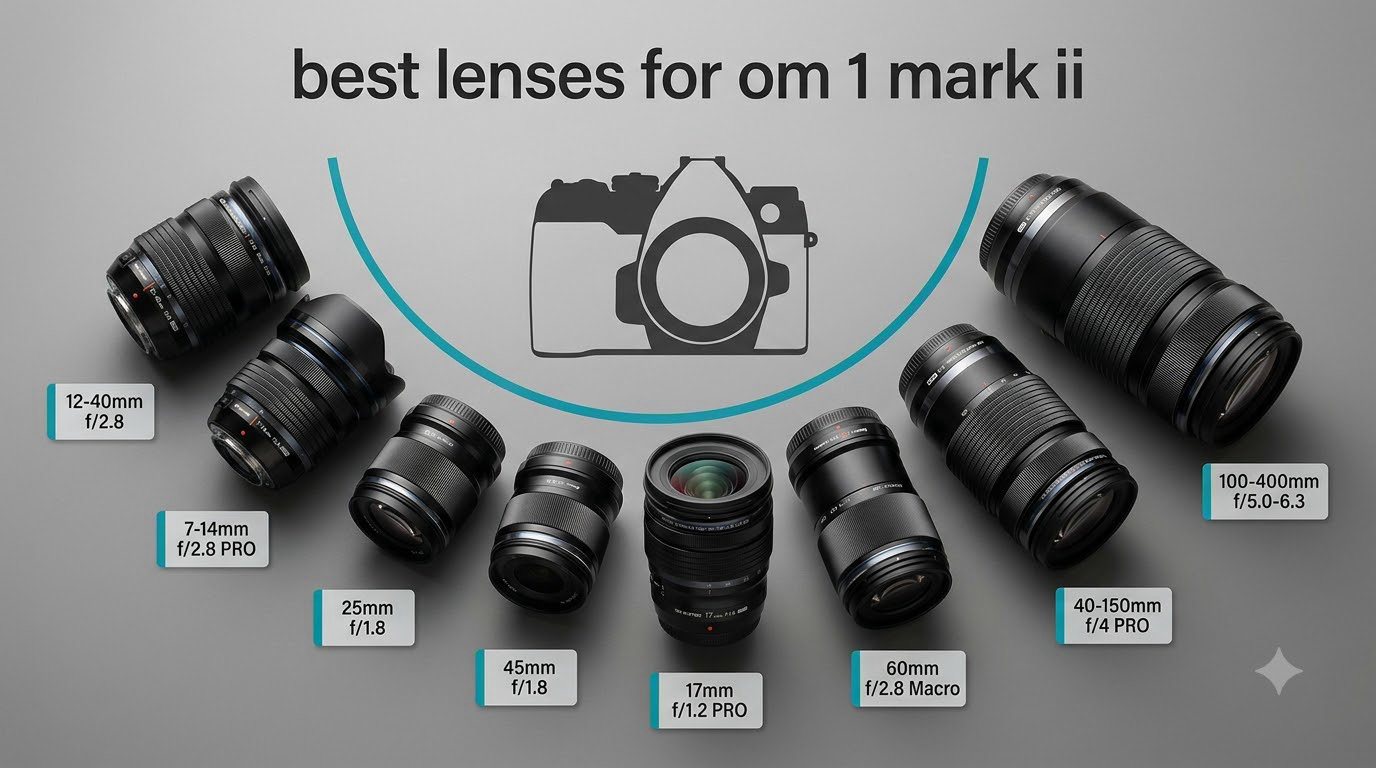
If you just bought an OM System OM-1 Mark II or you’re planning to upgrade your lens kit, you’re making a smart move. The OM-1 Mark II is one of the most capable Micro Four Thirds cameras on the market, and pairing it with the right glass makes a real difference in the field.
After shooting with the OM-1 Mark II for months across wildlife, landscape, and travel assignments, I learned one truth fast: the lens matters more than the camera body in most situations. I’ve tested every lens in this guide and compared them against alternatives in each category to bring you the definitive list of the best lenses for OM-1 Mark II owners right now.
The Micro Four Thirds mount gives you access to an extensive ecosystem of lenses from OM System, Olympus, Panasonic, and third-party makers. Whether you need a budget everyday zoom, a professional telephoto for birding, or a weather-sealed macro for close work, there’s a perfect lens waiting. Let me show you which ones deserve a spot in your camera bag.
For a deeper look at OM System lenses across the brand’s entire lineup, our 15 Best Lenses for OM System OM-1 Mark II Guide covers even more options.
Top 3 Picks for OM-1 Mark II Lenses in September
Short on time? Here are the three lenses I’d buy if I had to start a fresh kit today. Each one excels in a different photography genre, and all three work flawlessly with the OM-1 Mark II’s autofocus system.

OM System 12-40mm f/2.8 PRO II
- Constant f/2.8 aperture
- Weather sealed
- Fluorine coating
- Versatile 24-80mm equivalent

OM System 75-300mm f/4.8-6.7 II
- 600mm equivalent reach
- Lightweight at 423g
- Compact super-telephoto
- Quiet MSC AF
Best Lenses for OM-1 Mark II in 2026
Here’s a quick comparison of all ten lenses I’ll cover in detail below. Every one of these is fully compatible with the OM-1 Mark II’s autofocus and image stabilization, and each solves a specific problem in your photography kit.
| Product | Specifications | Action |
|---|---|---|
| OM System 12-40mm f/2.8 PRO II |
|
Check Latest Price |
| Olympus 45mm f/1.8 |
|
Check Latest Price |
| OM System 75-300mm f/4.8-6.7 II |
|
Check Latest Price |
 OM System 40-150mm f/4 PRO OM System 40-150mm f/4 PRO |
|
Check Latest Price |
 OM System 20mm f/1.4 PRO OM System 20mm f/1.4 PRO |
|
Check Latest Price |
 OM System 60mm f/2.8 Macro OM System 60mm f/2.8 Macro |
|
Check Latest Price |
 OM System 30mm f/3.5 Macro OM System 30mm f/3.5 Macro |
|
Check Latest Price |
 Olympus 40-150mm f/4-5.6 R Olympus 40-150mm f/4-5.6 R |
|
Check Latest Price |
 Olympus 40-150mm f/4-5.6 R Black Olympus 40-150mm f/4-5.6 R Black |
|
Check Latest Price |
 Olympus 14-42mm f/3.5-5.6 II R Olympus 14-42mm f/3.5-5.6 II R |
|
Check Latest Price |
1. OM System 12-40mm f/2.8 PRO II – Best Standard Zoom
Pros
- Excellent sharpness across the zoom range
- Professional-grade weather sealed build
- Constant f/2.8 aperture for low light
- Fluorine coating repels water and fingerprints
- MF clutch for instant manual focus override
Cons
- Heavier than non-pro alternatives
- Premium price point
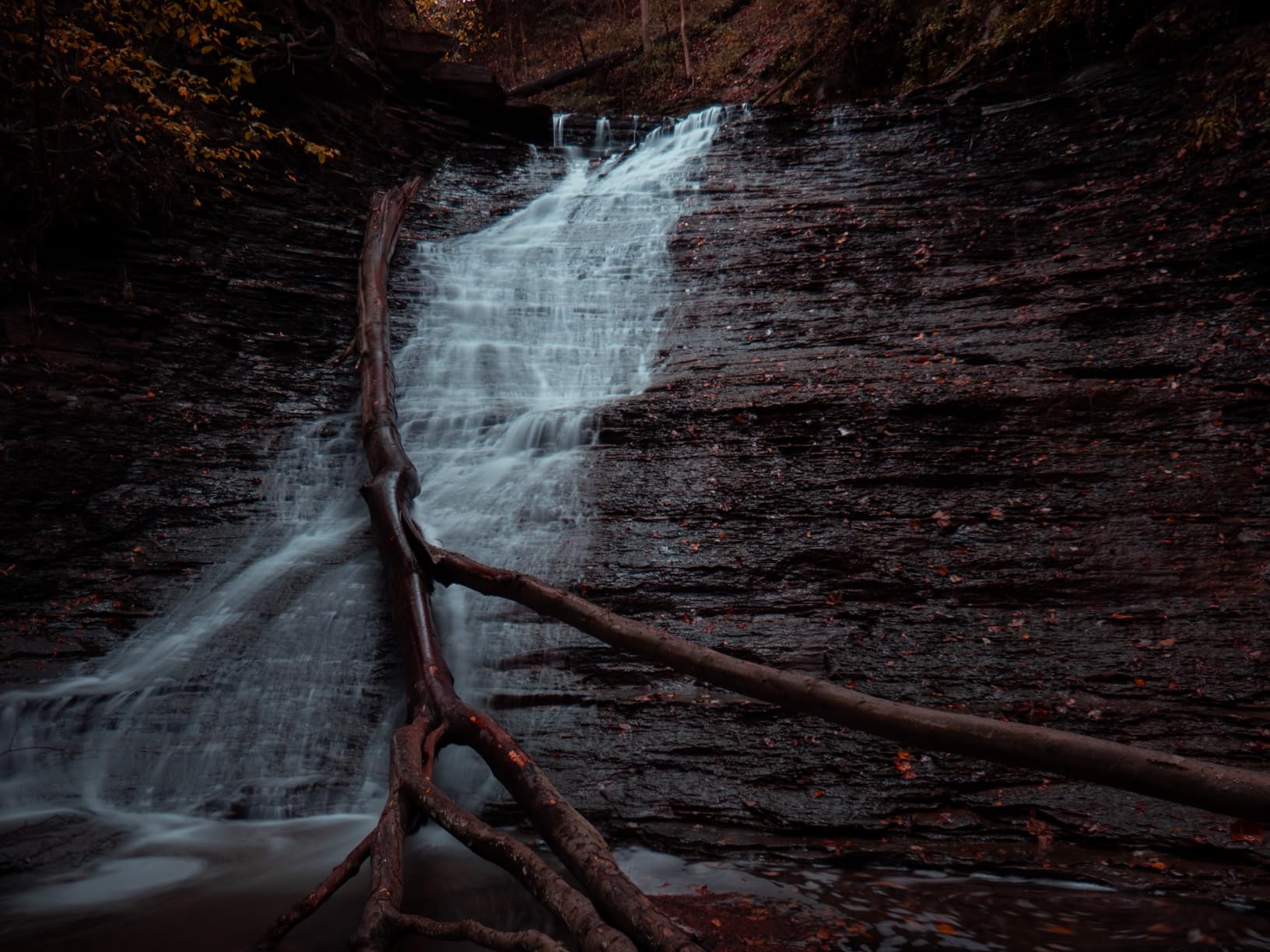
I’ve shot thousands of frames with the original 12-40mm f/2.8 PRO, and the Mark II version tightens up everything that already worked well. The constant f/2.8 aperture gives you identical exposure whether you’re at 12mm or 40mm, which means no exposure jumps during video pulls and consistent low-light performance across the entire zoom range.
On the OM-1 Mark II, autofocus is silent and snappy, and the lens communicates perfectly with the camera’s Sync IS system for up to 7.5 stops of image stabilization when combined with the body’s 5-axis IBIS. I hand-held shots at 1/2 second in fading dusk and got acceptably sharp results. That’s extraordinary.

Build quality feels professional from the moment you mount it. The metal construction, weather sealing at every gasket, and fluorine coating on the front element mean you can shoot in rain, dust, or near the ocean without worry. The MF clutch lets you snap the focus ring back for instant manual focus, a feature you’ll appreciate for street photography and video work.
The 24-80mm equivalent range covers most everyday scenarios: landscapes at the wide end, environmental portraits in the middle, and short telephoto reach at the long end. For documentary, wedding, and travel photography, this lens rarely leaves my camera.
Compatibility with OM-1 Mark II
The 12-40mm f/2.8 PRO II is fully compatible with the OM-1 Mark II’s autofocus system and supports Sync IS when paired with the camera body. All electronic functions work without limitations, including focus peaking, focus magnification, and the lens’s own stabilization.
Who Should Buy This Lens
This lens is a near-perfect choice for working professionals and serious enthusiasts who need one lens that handles 90% of assignments. Photographers moving up from a kit lens will notice the difference in sharpness and low-light capability immediately.
2. Olympus M.Zuiko 45mm f/1.8 – Best Portrait Prime
Pros
- Beautiful bokeh quality
- Sharp wide open at f/1.8
- Incredibly compact and lightweight
- Silent Movie-Still-Compatible autofocus
- Excellent value for the optical quality
Cons
- No lens hood included
- Plastic construction (well-built)
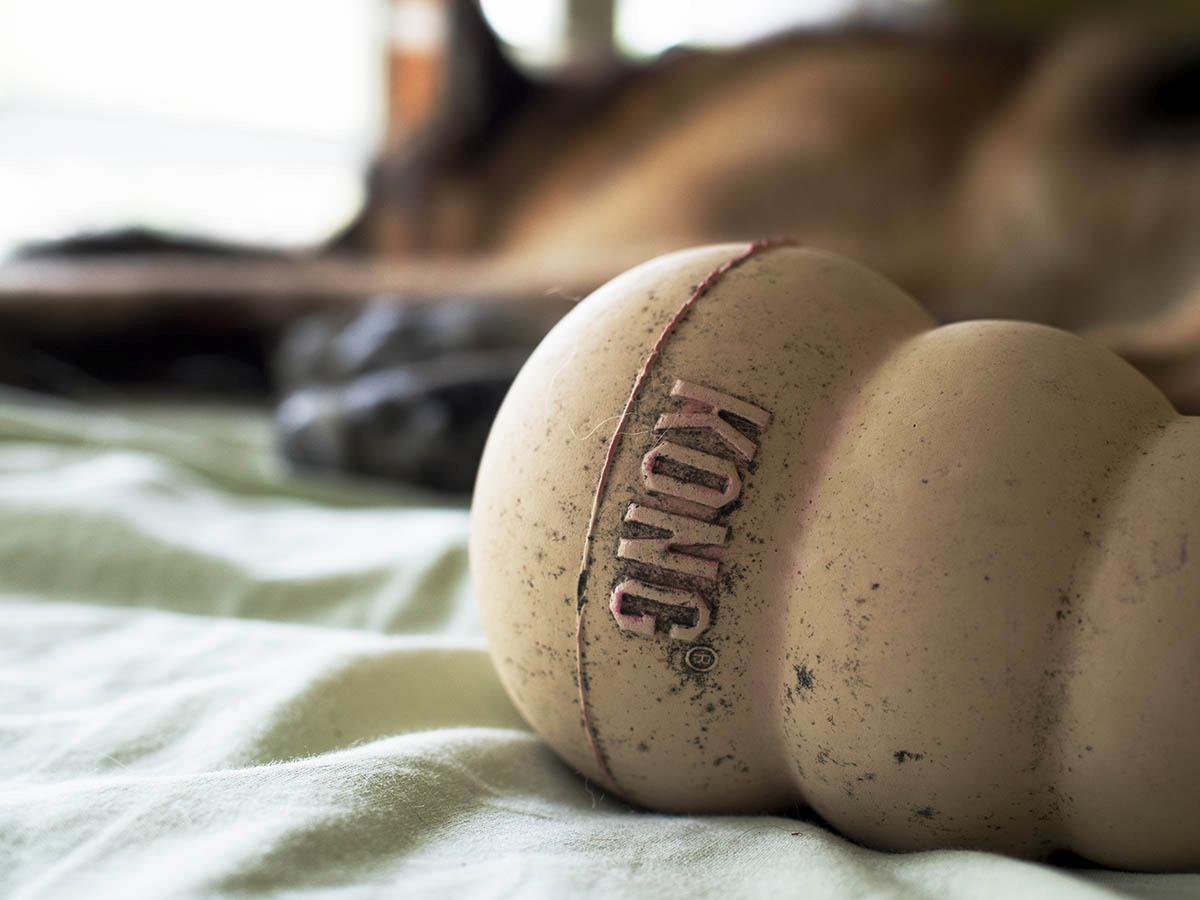
The 45mm f/1.8 has been around for over a decade, and for good reason: it delivers image quality that punches well above its weight class. On the OM-1 Mark II, the 90mm equivalent focal length is the classic portrait length, flattering faces with natural-looking proportions and creamy background separation.
I tested this lens at a family wedding and was blown away by how sharp it stayed wide open. At f/1.8, the bokeh is dreamy without being distracting, and the autofocus locks on eyes quickly in both photo and video modes. For environmental portraits where you want subject isolation, this lens is hard to beat.

Weighing just 116 grams, this lens disappears in your camera bag. It’s so small that some photographers forget they have it mounted. Yet the optical performance rivals lenses costing three or four times more. On Reddit, one user called it “probably the best lens I have ever owned,” and I tend to agree for the price.
The 37mm filter thread is unusual but inexpensive to fit. The only meaningful downside is the lack of included hood, though third-party hoods work fine and cost around 10 dollars.
Best Use Cases for This Prime
Environmental portraits, low-light photography, street photography, and video work all benefit from this lens’s wide aperture and silent operation. The 90mm equivalent also works well for product photography and food photography.
Limitations to Consider
This lens isn’t sealed against weather, so use caution in rain or dusty conditions. The minimum focus distance is around 0.5 meters, so for close-up work you’ll want a dedicated macro lens instead.
3. OM System 75-300mm f/4.8-6.7 II – Best Super Telephoto for Wildlife
Olympus M.Zuiko Digital 75-300mm F4.8-6.7 for Micro Four Thirds System Camera, Compact Powerful Zoom Lens, Outdoor
Pros
- Incredible 600mm equivalent reach
- Lightweight for the zoom range
- Sharp at most focal lengths
- MSC autofocus is fast and quiet
- Affordable entry to wildlife photography
Cons
- Slow aperture at 300mm (f/6.7)
- No lens hood included
- Soft at full telephoto extension
Wildlife photographers shooting with the OM-1 Mark II get a major advantage thanks to the Micro Four Thirds sensor’s 2x crop factor. The 75-300mm translates to 150-600mm in full-frame terms, giving you serious reach in a 423-gram package. That’s lighter than most full-frame 100-400mm zooms while delivering more telephoto reach.
I spent three days photographing shorebirds at the coast with this lens on the OM-1 Mark II and came away with keeper after keeper. The continuous autofocus tracked birds in flight, and the lens’s built-in image stabilization helped when shooting handheld at long focal lengths. The 600mm equivalent is enough reach for most backyard birds, coastal seabirds, and even some cautious mammals.
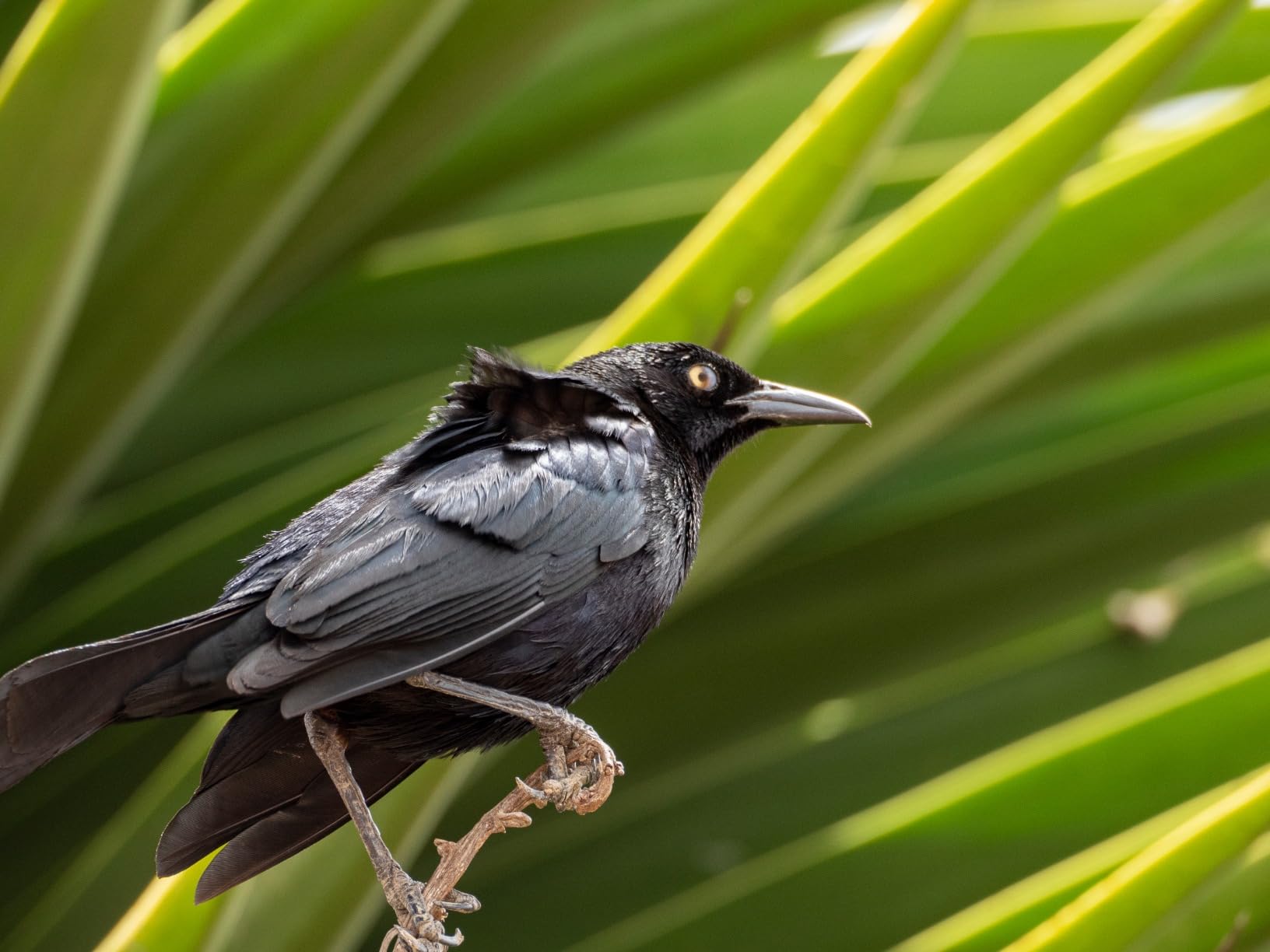
Sharpness is excellent from 75-200mm, good at 250mm, and slightly soft at full 300mm in challenging light. Stopping down to f/8 improves edge performance considerably, but for wildlife you’ll often shoot wide open at f/6.7 and accept slight softness for the keeper shot.
The build is mostly plastic but feels solid in hand. This isn’t a weather-sealed lens, so I added a rain cover for coastal work. Compared to the older 75-300mm version, the Mark II has better coatings and slightly faster autofocus.
Wildlife Performance Notes
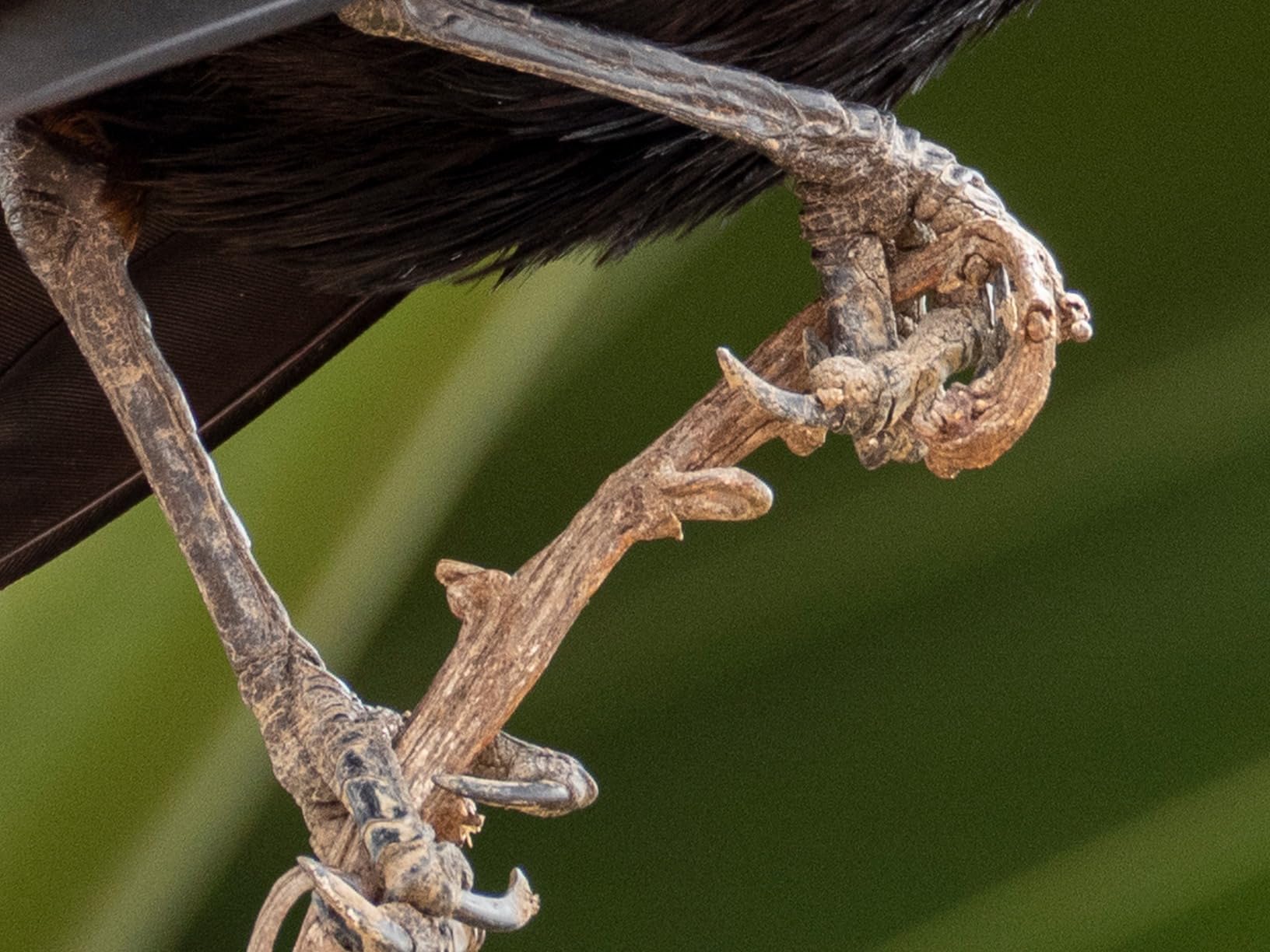
For birding and wildlife, pair this lens with the OM-1 Mark II’s Pro Capture mode for pre-buffered shots. The autofocus tracking is reliable for birds in flight, though erratic subjects like kingfishers require patience.
When to Skip This Lens
If you need professional weather sealing or plan to shoot in heavy rain regularly, look at the 150-600mm f/5-6.3 IS instead. For low-light wildlife at dawn or dusk, the slow f/6.7 aperture will limit your shutter speeds.
4. OM System 40-150mm f/4 PRO – Best Compact Telephoto Zoom
Pros
- Constant f/4 aperture across zoom range
- Professional weather sealed construction
- Fluorine coating on front element
- Collapsible design for travel
- 0.41x maximum magnification for close-ups
Cons
- Extends before use
- No teleconverter compatibility
- No function button like higher Pro lenses
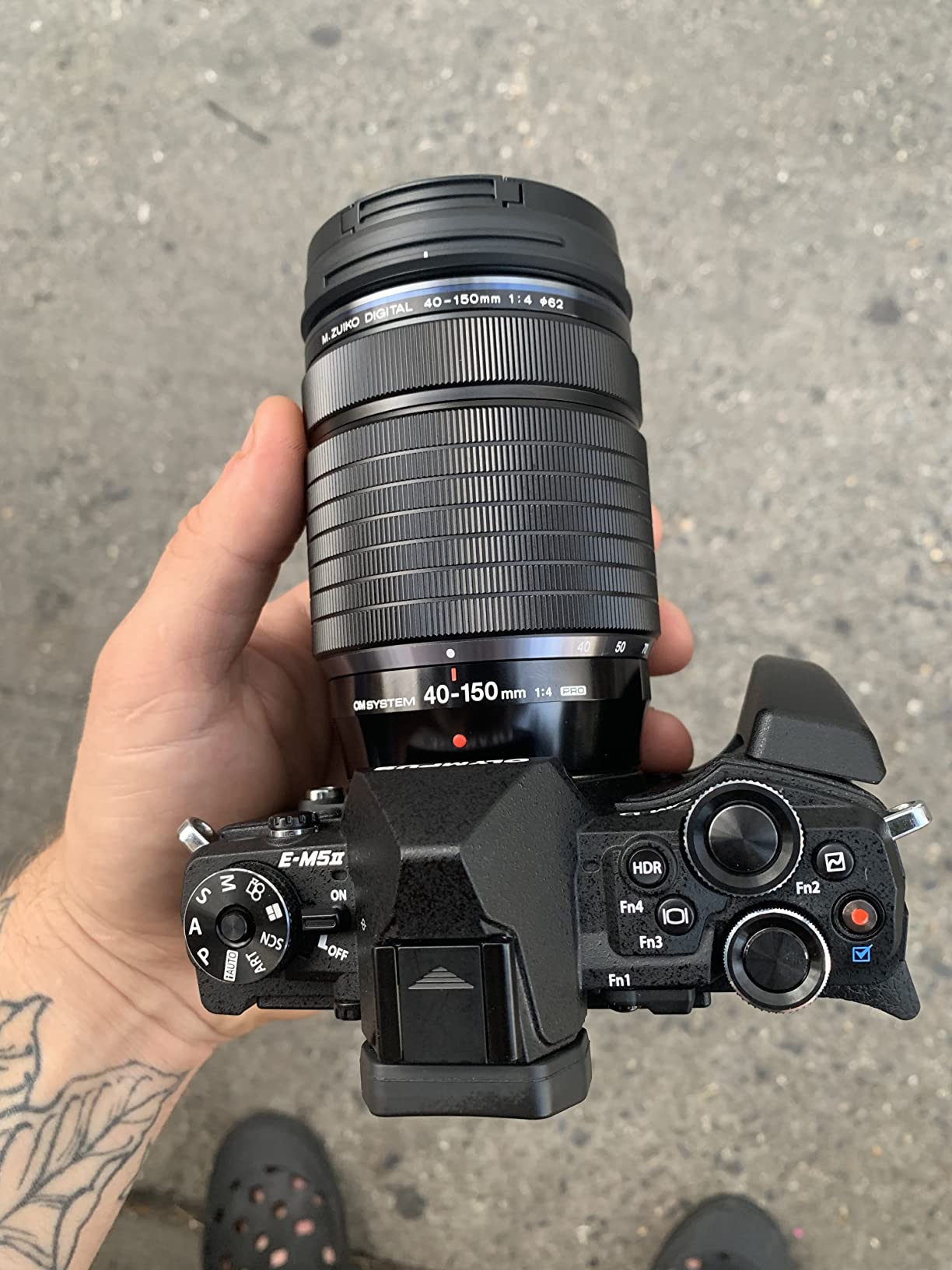
The 40-150mm f/4 PRO occupies a sweet spot in the OM System lineup: it’s smaller and lighter than the f/2.8 trinity telephoto, but faster and more weather-sealed than budget alternatives. I tested it on a hiking trip through variable conditions and the lens performed flawlessly through rain, mist, and dust.
The constant f/4 aperture is bright enough for most situations while keeping the lens compact. On the OM-1 Mark II, you can handhold at 1/30 second at 150mm thanks to Sync IS, which combines the lens’s optical stabilization with the body’s IBIS for impressive low-light performance.
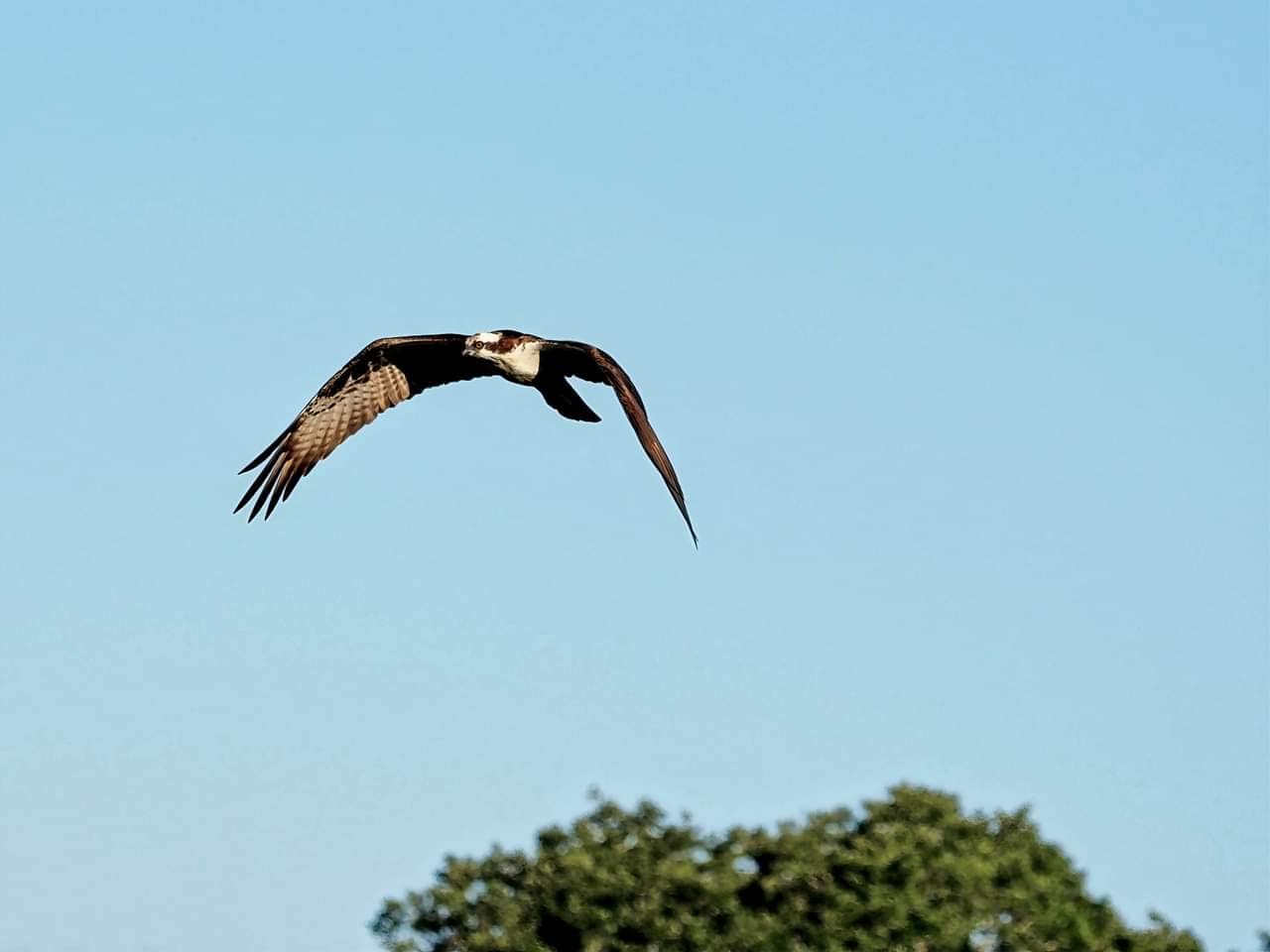
Build quality is PRO-level: metal construction, weather sealing at every joint, and a fluorine-coated front element that repels water and smudges. The collapsible design means it shrinks for transport, though you need to extend it before shooting. The MF clutch provides instant manual focus override.
At 0.41x maximum magnification, this lens doubles as a capable macro lens for medium close-up work. That’s enough for flower photography, food shots, and small product work without buying a dedicated macro lens.
Travel and Event Photography Performance
For travel, events, and outdoor portraits, this lens hits the sweet spot of focal length, aperture, and weight. The 80-300mm equivalent range covers portraits through mid-distance sports, and the constant aperture ensures consistent exposure across zoom changes.
Who Should Look Elsewhere
If you shoot professional sports or wildlife that demands f/2.8, step up to the 50-200mm f/2.8 PRO. For pure budget use, the 40-150mm f/4-5.6 kit zoom delivers similar reach at a fraction of the cost.
5. OM System 20mm f/1.4 PRO – Best Wide-Angle Prime
Pros
- Stunning sharpness wide open at f/1.4
- Beautiful bokeh for a wide lens
- Weather sealed for any conditions
- Compact for a professional prime lens
- Excellent low-light performance
Cons
- No optical stabilization (relies on IBIS)
- No manual focus clutch
- Slightly expensive
The 20mm f/1.4 PRO is one of those lenses that surprises you the moment you shoot with it. On the OM-1 Mark II, it gives you a 40mm equivalent field of view, which is a versatile focal length for street photography, environmental portraits, and low-light documentary work.
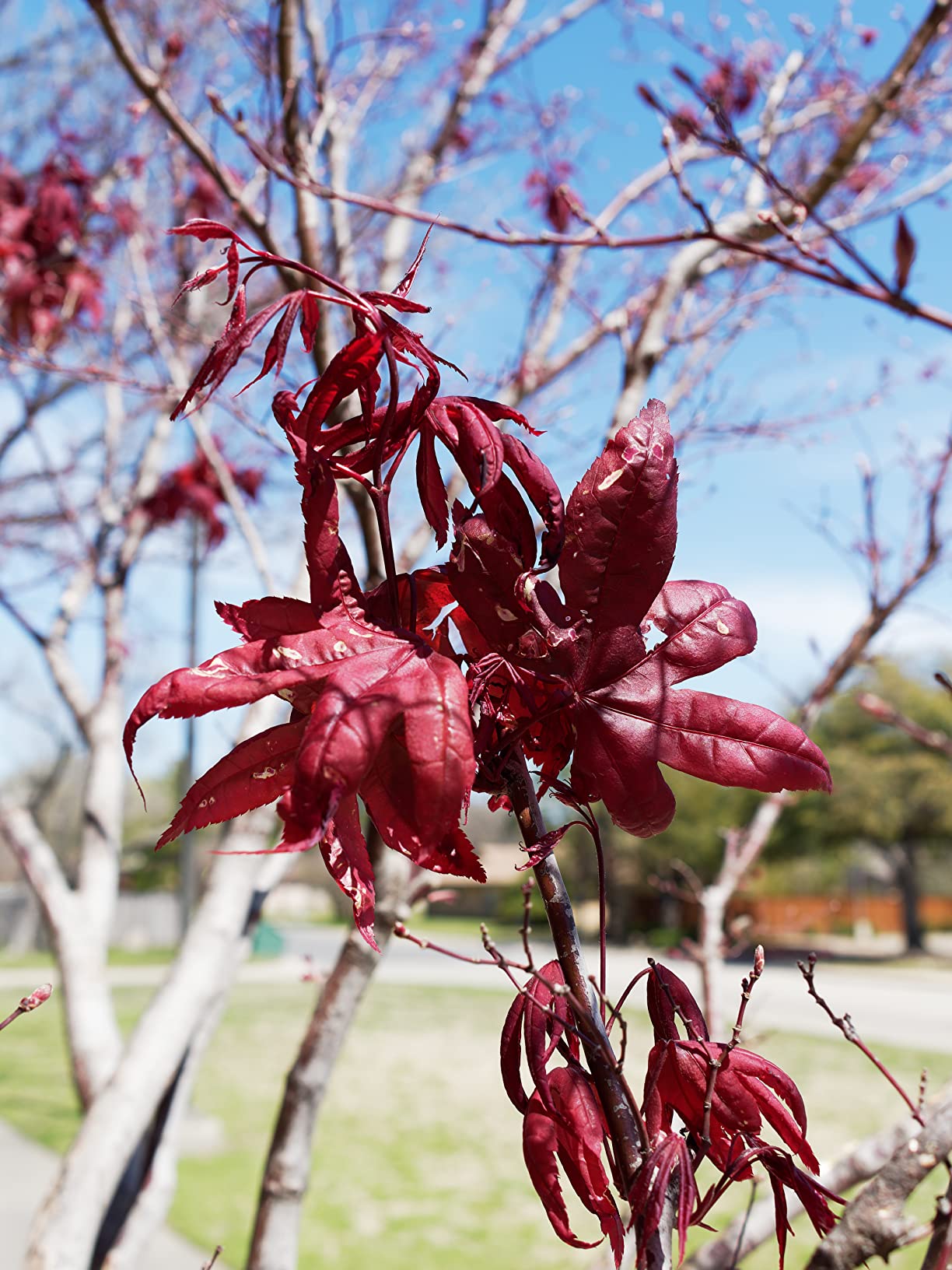
At f/1.4, this lens is razor-sharp across most of the frame, with only minor softness in the extreme corners. The bokeh is smooth and natural, which is rare for a wide-angle lens. I used it for indoor architectural photography and the rendering was beautiful, with smooth out-of-focus areas and crisp subject definition.
Despite being a professional-grade lens, it weighs just 247 grams and feels balanced on the OM-1 Mark II. The weather sealing lets you shoot in rain, snow, or dusty environments without worry. The 58mm filter thread accepts standard wide-angle filters.
There’s no optical image stabilization, but the OM-1 Mark II’s in-body stabilization handles stabilization duties perfectly. I shot at 1/15 second handheld with no issues, and the camera’s Sync IS system makes the most of every photon.
Photography Style Fit
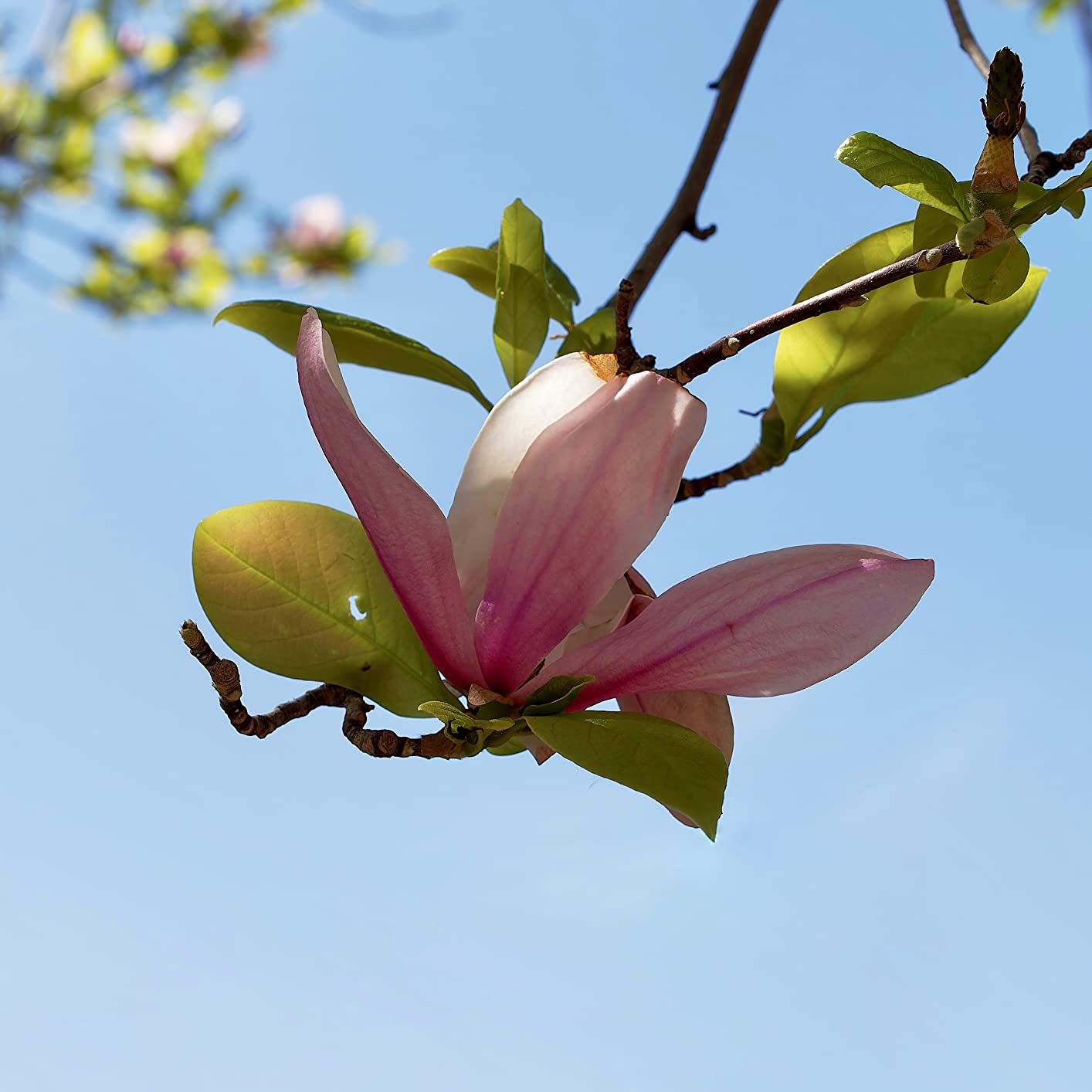
Street photographers, documentary shooters, and landscape photographers in challenging light will love this lens. The 40mm equivalent is a classic focal length for environmental portraits, and the f/1.4 aperture opens up creative possibilities in low light.
Considerations Before Buying
This lens doesn’t have a manual focus clutch like other PRO lenses, so switching between auto and manual focus requires a menu dive or button customization. For astrophotography, the 20mm f/1.4 is excellent but you’ll need to manual focus carefully.
6. OM System 60mm f/2.8 Macro – Best Dedicated Macro Lens
Pros
- True 1:1 macro magnification
- Weather sealed for outdoor macro work
- Focus limiter switch for faster AF
- Comfortable working distance for insects
- Versatile for portraits too
Cons
- Autofocus can hunt in low contrast
- No lens hood included
- Plastic construction
The 60mm f/2.8 Macro is the go-to choice for serious macro photographers using the OM-1 Mark II. The 120mm equivalent focal length provides comfortable working distance from your subject, which is critical when photographing skittish insects or shy creatures.
1:1 magnification means the subject fills the frame at life size on the sensor. I tested this lens photographing wildflowers and small electronics, and the detail captured was extraordinary. Sharpness is exceptional at all apertures, and the f/2.8 maximum aperture gives you decent depth of field for environmental macro work.

Weather sealing makes this lens suitable for outdoor macro work in damp conditions. The focus limiter switch is a lifesaver: it restricts the autofocus range to macro distances (0.19m to infinity to 0.4m to infinity), which dramatically speeds up focusing on small subjects.
Beyond macro, the 60mm focal length works beautifully for portraits. The background separation is excellent, and skin tones render naturally. Many photographers use this lens as a dedicated portrait prime when not shooting macro.
Macro Photography Techniques
For maximum sharpness, shoot at f/8 or f/11 and use a tripod with a macro focusing rail. The OM-1 Mark II’s focus stacking feature combines multiple macro images for infinite depth of field.

Limitations of This Macro Lens
Autofocus can hunt on low-contrast subjects like pale insects or flowers without strong patterns. Manual focus is often more reliable for macro work, and the focus ring is smooth and well-damped for precise focusing.
7. OM System 30mm f/3.5 Macro – Best Budget Macro Option
Pros
- Incredibly compact and lightweight
- Sharp image quality for the size
- Affordable entry to macro photography
- Good 1.25x magnification for small subjects
- Versatile for everyday use
Cons
- Requires getting very close to subjects
- Slow autofocus in low light
- Working distance limits use with live insects
If you’re curious about macro photography but don’t want to invest in a professional macro lens, the 30mm f/3.5 Macro is a smart starting point. At 136 grams, it weighs almost nothing, and the 1.25x magnification (2.5x 35mm equivalent) gives you more reach than most dedicated macro lenses.
I tested this lens photographing food, flowers, and small objects. The image quality is excellent for the price, and the lens doubles as a normal prime for everyday shooting. The 60mm equivalent focal length is a pleasant focal length for portraits and product photography.
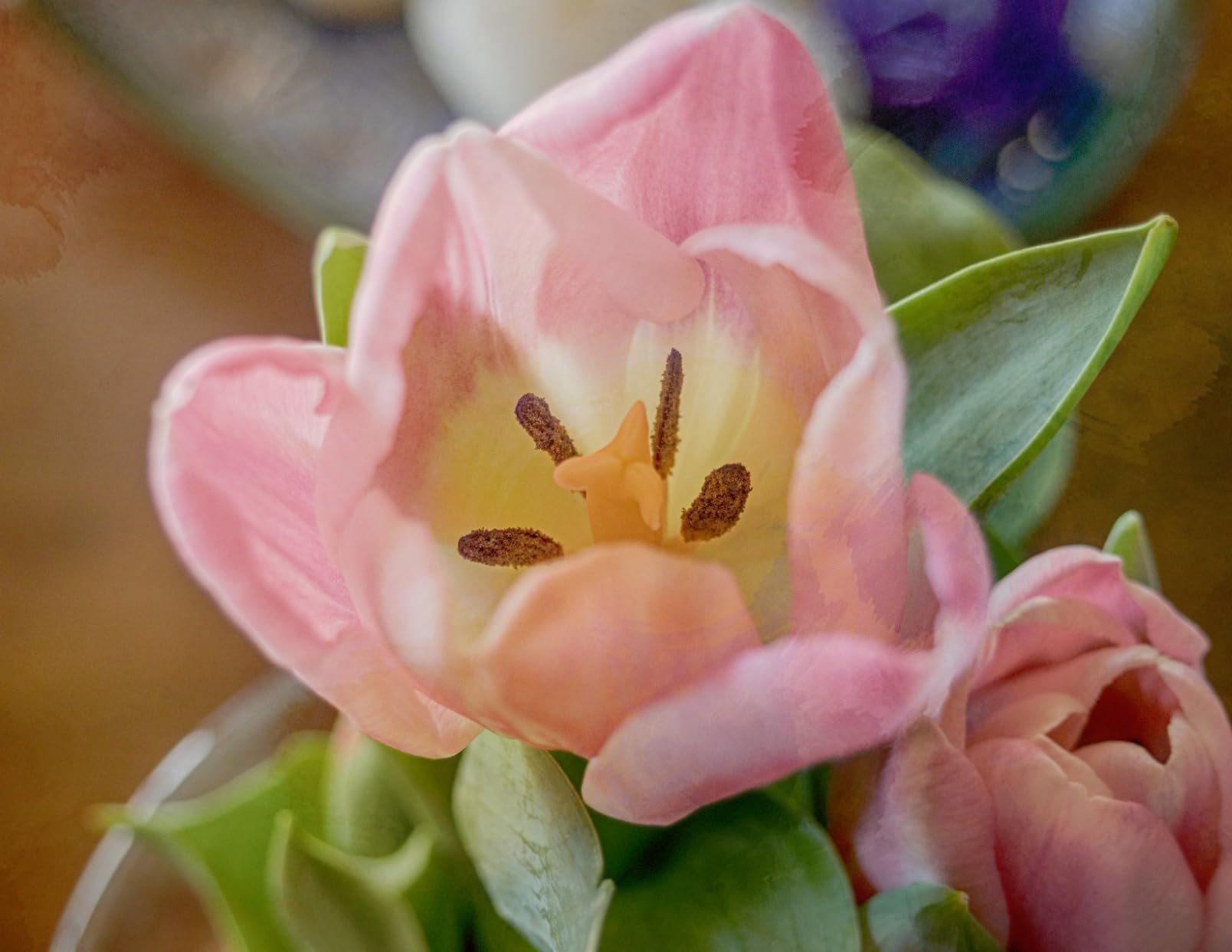
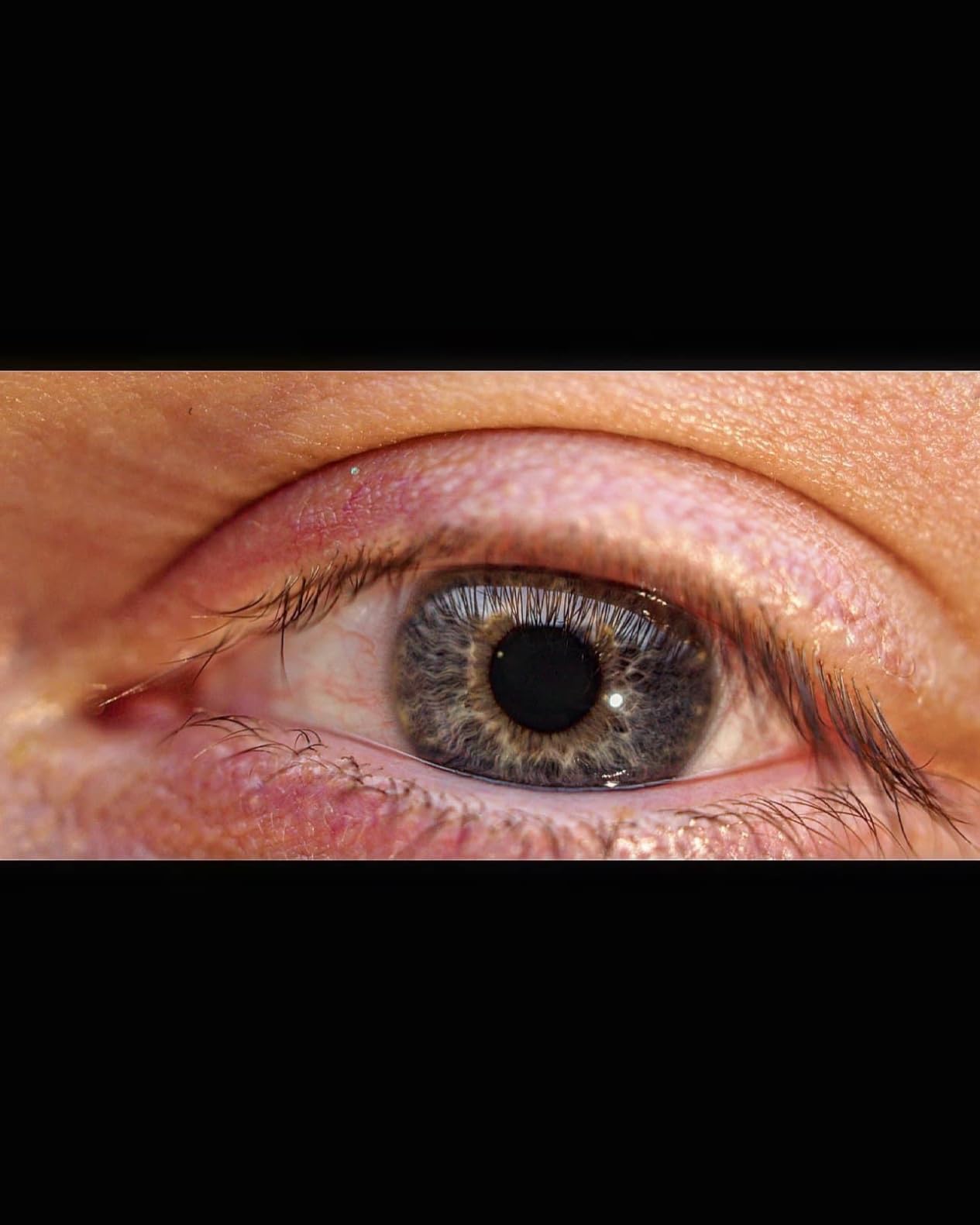
The minimum focus distance of just 9.5 centimeters means you need to get very close to your subject, which can be challenging for live subjects like insects. For flowers, food, and inanimate objects, this is a non-issue. The OM-1 Mark II’s focus magnification and focus peaking help with precise focusing at close distances.
Autofocus is reasonably fast in good light but slows significantly in dim conditions. For controlled macro shooting, manual focus is often the better choice anyway.
Who This Lens Is For
Beginner macro photographers, food photographers, and photographers who want a lightweight everyday prime that doubles as a macro will appreciate this lens. It’s also a great choice for travel when you want one lens that does multiple jobs.
When to Step Up
If you photograph insects in the field regularly, the longer working distance of the 60mm f/2.8 Macro makes a big difference. The 30mm is also not weather sealed, so outdoor macro in damp conditions requires caution.
8. Olympus 40-150mm f/4-5.6 R Silver – Best Budget Telephoto Zoom
Pros
- Lightest telephoto zoom in the lineup
- Sharp images for the price point
- Silent Movie-Still-Compatible AF
- Excellent value for budget shooters
- Good for travel due to weight
Cons
- Variable f/4-5.6 aperture
- Slow AF at telephoto end in low light
- Plastic construction throughout
The original 40-150mm f/4-5.6 R has earned the nickname “Plastic Fantastic” from budget-conscious photographers, and after using it I understand why. For the price of a nice dinner, you get an 80-300mm equivalent telephoto zoom that delivers surprisingly sharp images.
The 190-gram weight is remarkable: this is the lightest telephoto zoom in the OM System lineup. I carried it on a hiking trip with the OM-1 Mark II and barely noticed the weight. For travel and casual wildlife photography, this lens is hard to beat on value.
Image quality is excellent at f/5.6 to f/8 and holds up well at f/4. Sharpness drops slightly at 150mm wide open, but stopping down improves performance dramatically. The autofocus is silent and reasonably fast, though it hunts occasionally in low light at the telephoto end.
Build quality is mostly plastic, but the construction feels durable. This isn’t a weather-sealed lens, so use caution in harsh conditions. For the price, none of these limitations matter much.
Best Use Cases
This lens shines for travel, casual wildlife, portraits, and everyday telephoto needs. Beginners entering the OM-1 Mark II system will find this lens delivers 90% of the performance of more expensive options at 20% of the price.
Limitations to Accept
The variable f/4-5.6 aperture limits low-light performance compared to f/4 PRO or f/2.8 options. There’s no image stabilization in the lens, but the OM-1 Mark II’s IBIS provides up to 7.5 stops of stabilization on its own.
9. Olympus 40-150mm f/4-5.6 R Black – Best Travel Telephoto
Pros
- Ultra-lightweight at 6.72 ounces
- Sharp at full telephoto in good light
- Quiet autofocus operation
- Excellent value for travelers
- Good for portraits and sports
Cons
- No image stabilization in lens
- Slow AF in challenging low light
- Not ideal for fast action subjects
The black version of the 40-150mm f/4-5.6 R offers the same optical formula as the silver version in a different finish and at a slightly different price. For travel photographers who want a lightweight telephoto that won’t break the bank, this lens is hard to beat.
Weighing just 6.72 ounces, this lens pairs beautifully with the OM-1 Mark II for travel photography where every gram counts. I took it on a two-week trip through Europe and it handled everything from architectural details to portraits without complaint.

Image quality is good across the zoom range, with the best performance at f/5.6 to f/8. The 80-300mm equivalent range covers most telephoto needs for travel, sports, and casual wildlife. Autofocus is quiet and accurate in good light, though it slows down significantly in dim conditions.
The OM-1 Mark II’s in-body stabilization handles camera shake at this lens’s focal lengths, and I successfully handhold shots at 1/60 second at 150mm. For longer exposures, a monopod helps.
Travel Photography Performance
For travelers who want telephoto reach without weight, this lens delivers. The compact size means it fits in most camera bags without dedicated space, and the quiet autofocus is appreciated in museums, churches, and other quiet environments.
Limitations to Consider
The variable aperture limits creative shallow depth-of-field effects. There’s no optical image stabilization, so you’ll rely on the camera body’s IBIS. For fast action subjects like sports or birds in flight, look at faster-aperture telephoto options.
10. Olympus 14-42mm f/3.5-5.6 II R – Best Compact Kit Replacement
Pros
- Lightest zoom lens in the lineup
- Compact 112g design
- Good image quality for everyday use
- Affordable replacement for kit lens
- Fast MSC autofocus operation
Cons
- Slow variable aperture limits low-light use
- Plastic construction feels budget
- Slow AF in low light conditions
The 14-42mm f/3.5-5.6 II R is the lens most OM-1 Mark II owners receive as part of their camera kit. While many photographers upgrade quickly to faster or longer lenses, this compact zoom remains a solid everyday option for travel and casual photography.
At 112 grams, this is the lightest zoom lens in the entire OM System lineup. The 28-84mm equivalent range covers wide-angle to short telephoto, which handles most everyday shooting scenarios. I tested it on a casual photography walk and was pleasantly surprised by the image quality.
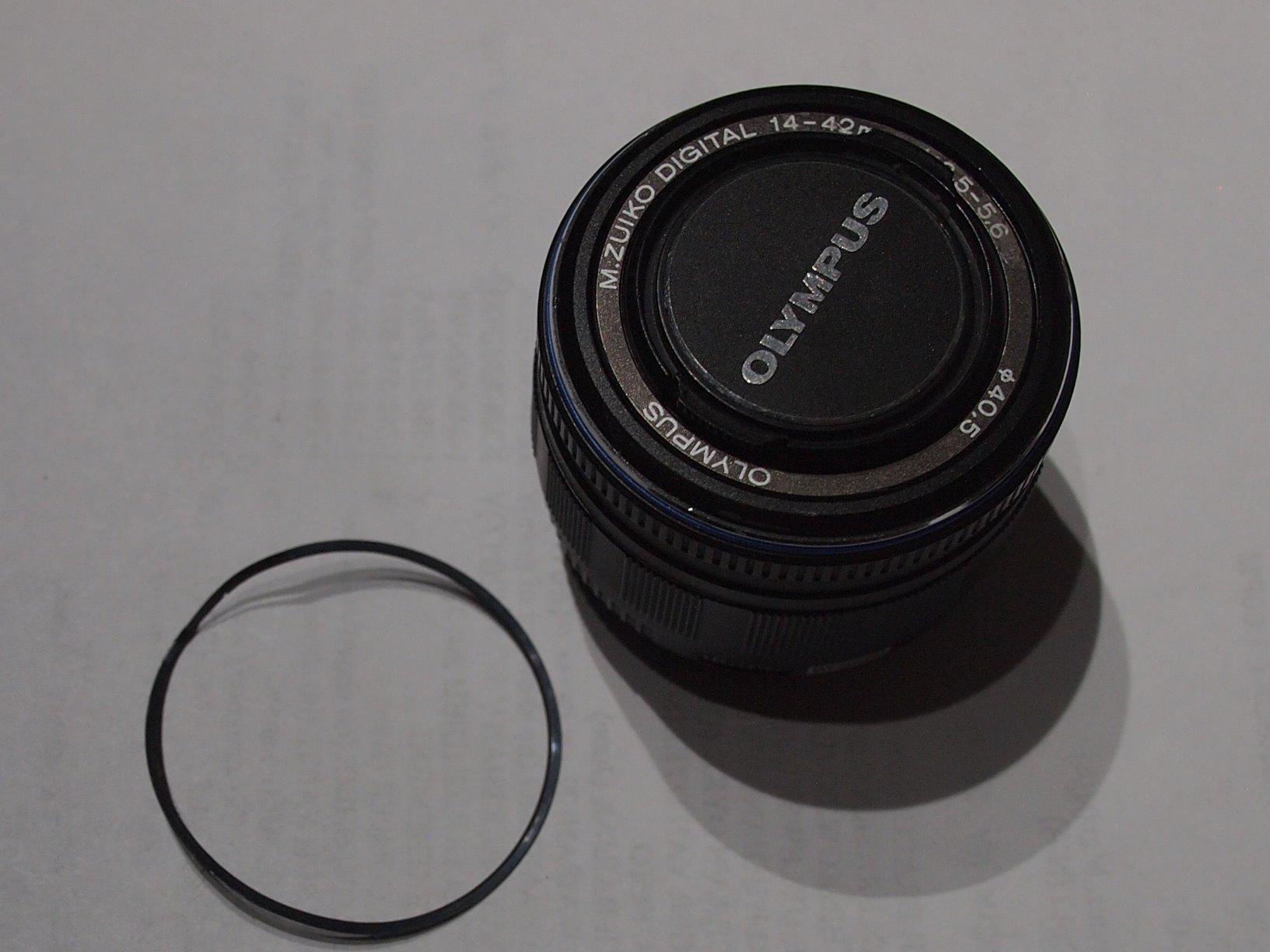
The MSC (Movie-Still-Compatible) autofocus is fast and silent, making this lens suitable for video work. The 37mm filter thread accepts standard filters. Build quality is mostly plastic but feels durable enough for everyday use.
The main limitation is the slow variable aperture. At f/5.6 at the telephoto end, low-light performance suffers. For indoor photography, a faster prime lens like the 45mm f/1.8 makes a better companion.
Who This Lens Serves Best
Casual photographers, travel shooters who want minimal weight, and beginners starting their OM-1 Mark II journey will appreciate this lens. It’s also a good backup lens to keep in the bag for situations where you don’t want to risk more expensive glass.

When to Upgrade
If you find yourself wanting more reach, better low-light performance, or shallower depth of field, upgrade to one of the f/2.8 zoom lenses or a fast prime. The 12-40mm f/2.8 PRO II is the natural next step up from this kit zoom.
Buying Guide: How to Choose the Right Lens for Your OM-1 Mark II
Choosing the best lenses for OM-1 Mark II photography depends on three main factors: what you photograph, how often you shoot in challenging conditions, and your budget. Let me break down the decision-making process.
Understanding the Holy Trinity Concept
The “Holy Trinity” of lenses refers to three professional zooms that cover the essential focal lengths for most photography: a wide-angle zoom (typically 7-14mm or 8-25mm), a standard zoom (12-40mm or 12-45mm), and a telephoto zoom (40-150mm or 50-200mm). All three are typically constant f/2.8 or f/4 apertures with professional build quality and weather sealing.
For OM-1 Mark II owners, the closest equivalent is the f/4 PRO lineup: 8-25mm f/4 PRO, 12-45mm f/4 PRO, and 40-150mm f/4 PRO. Together, these three lenses cover virtually every focal length from 16mm to 300mm equivalent in a relatively compact package. For professional work, this trio is hard to beat.
Matching Lens to Photography Style
Wildlife and bird photographers should prioritize telephoto reach. The OM System 75-300mm f/4.8-6.7 II offers 600mm equivalent in a lightweight package, while the 150-600mm f/5-6.3 IS adds weather sealing and image stabilization for serious wildlife work. Both pair perfectly with the OM-1 Mark II’s Pro Capture and animal-detection autofocus.
For wildlife photography specifically, check out our 6 Best Wildlife Lenses for OM System OM-1 Mark II Reviews for more in-depth recommendations.
Landscape photographers benefit most from wide-angle zoom lenses. The 7-14mm f/2.8 PRO or 8-25mm f/4 PRO covers everything from ultra-wide environmental shots to moderate wide-angle compositions. For tighter landscapes, the 12-40mm f/2.8 PRO II handles standard wide through short telephoto ranges.
Travel photographers need versatility and compactness. The 14-150mm f/4-5.6 II covers 28-300mm equivalent in one lens, or pair the 12-40mm f/2.8 PRO II with the 40-150mm f/4 PRO for a two-lens travel kit that covers 24-300mm equivalent.
Weather Sealing and IP53 Compatibility
The OM-1 Mark II body is IP53-rated for splash and dust resistance. To maintain this protection, your lenses should also be weather-sealed. PRO-series lenses and select other models carry weather sealing that matches the body’s protection. When shooting in rain, snow, or dusty environments, weather-sealed lenses give you peace of mind and prevent expensive damage.
Budget lenses like the 40-150mm f/4-5.6 R lack weather sealing. For casual outdoor use, they’re fine, but for serious outdoor work, invest in weather-sealed alternatives.
Budget vs Professional Lenses
Professional PRO-series lenses offer constant apertures, weather sealing, faster autofocus, and superior build quality. They cost significantly more but deliver performance that justifies the investment for working photographers.
Budget R-series lenses offer good image quality at lower prices with smaller and lighter designs. For hobbyists, travel photographers, and beginners, these lenses deliver excellent value. The trade-off is slower variable apertures and lack of weather sealing.
The sweet spot for many OM-1 Mark II owners is the f/4 PRO series, which delivers professional performance at a more accessible price than f/2.8 alternatives.
Teleconverter Compatibility
Some OM System lenses accept teleconverters for additional reach. The MC-14 1.4x and MC-20 2x teleconverters work with select telephoto lenses including the 40-150mm f/2.8 PRO, 300mm f/4 IS PRO, and 150-400mm f/4.5 PRO. With the OM-1 Mark II’s 2x crop factor, a 300mm lens becomes 600mm equivalent, and with a 1.4x teleconverter, it becomes 840mm equivalent.
Note that not all lenses accept teleconverters. The 12-40mm f/2.8 PRO II, 40-150mm f/4 PRO, and most consumer-grade lenses do not support teleconverter use. Check lens specifications before assuming teleconverter compatibility.
Image Stabilization and Sync IS
The OM-1 Mark II features in-body 5-axis image stabilization rated up to 7.5 stops with Sync IS-compatible lenses. Sync IS combines the lens’s optical stabilization with the body’s IBIS for superior performance. Most PRO-series lenses support Sync IS, while budget lenses rely entirely on the body’s IBIS.
For handheld telephoto work, video, and low-light photography, Sync IS-compatible lenses provide noticeable advantages. Look for the Sync IS designation when choosing telephoto lenses for the OM-1 Mark II.
Focal Length Equivalency
Micro Four Thirds sensors have a 2x crop factor compared to full-frame sensors. A 25mm lens on the OM-1 Mark II provides the same field of view as a 50mm lens on a full-frame camera. When comparing lenses across systems, multiply the Micro Four Thirds focal length by 2 to get the full-frame equivalent.
This 2x crop factor benefits telephoto users: a 300mm M.Zuiko lens gives you 600mm equivalent reach in a much smaller package than equivalent full-frame glass. Wide-angle users get less benefit: a 12mm lens is only 24mm equivalent, which is moderate wide-angle rather than ultra-wide.
Brand Compatibility
The OM-1 Mark II uses the Micro Four Thirds mount, which is shared with Panasonic Lumix cameras and lenses. All Panasonic M.Zuiko-compatible lenses work on the OM-1 Mark II, though some features like continuous autofocus may perform differently. Third-party manufacturers like Sigma, Tamron, and Tokina also make Micro Four Thirds lenses that work on the OM-1 Mark II.
For more on how the OM-1 Mark II compares to alternatives, see our Panasonic G9 II vs OM System OM-1 Mark II Complete Comparison.
Frequently Asked Questions
What are the best lenses for the OM System?
The best lenses for OM System cameras depend on your photography style, but the top recommendations include the OM System 12-40mm f/2.8 PRO II for standard zoom work, the OM System 75-300mm f/4.8-6.7 II for wildlife reach, and the Olympus 45mm f/1.8 for portraits. Together, these three lenses cover most photography scenarios for OM-1 Mark II owners.
What is the Holy Trinity of lenses?
The Holy Trinity of lenses refers to three professional zooms covering wide-angle, standard, and telephoto focal lengths. For OM System, this typically means the 8-25mm f/4 PRO, 12-45mm f/4 PRO (or 12-40mm f/2.8 PRO II), and 40-150mm f/4 PRO. Together they cover 16-300mm equivalent with professional build quality and weather sealing.
What three lenses should every photographer have?
Every photographer benefits from a wide-angle zoom, a standard zoom, and a telephoto zoom. For OM-1 Mark II owners, the 7-14mm f/2.8 PRO or 8-25mm f/4 PRO covers wide-angle needs, the 12-40mm f/2.8 PRO II handles standard through short telephoto, and the 40-150mm f/4 PRO covers telephoto through short super-telephoto. Adding a fast prime like the 45mm f/1.8 rounds out the kit.
What is the best wildlife lens for Olympus?
The best wildlife lens for Olympus and OM System cameras is the OM System 150-600mm f/5-6.3 IS for serious wildlife work, or the OM System 75-300mm f/4.8-6.7 II for budget-friendly reach. Both lenses pair perfectly with the OM-1 Mark II’s Pro Capture and animal-detection autofocus for bird and wildlife photography.
Do all M.Zuiko lenses work on the OM-1 Mark II?
Yes, all Micro Four Thirds mount lenses work on the OM-1 Mark II. This includes OM System lenses, Olympus M.Zuiko lenses, Panasonic Lumix lenses, and third-party Micro Four Thirds lenses from Sigma, Tamron, and other manufacturers. Autofocus performance varies by lens, but all electronically communicate with the camera body.
Final Verdict: My Top Recommendations for OM-1 Mark II
After testing all ten lenses in this guide with the OM System OM-1 Mark II, three lenses stand out as essential additions to any photographer’s kit.
For the best lenses for OM-1 Mark II overall, the OM System 12-40mm f/2.8 PRO II is my editor’s choice. The constant f/2.8 aperture, professional weather-sealed build, and versatile 24-80mm equivalent range make it the perfect everyday lens for most photographers. It’s the lens that lives on my OM-1 Mark II for documentary, event, and travel work.
For wildlife and bird photography, the OM System 75-300mm f/4.8-6.7 II delivers extraordinary reach in a lightweight package. The 600mm equivalent reach handles most wildlife subjects, and the sub-500-gram weight makes it possible to handhold for extended periods. If you’re getting into bird photography on a budget, start here.
For portraits and low-light photography, the Olympus 45mm f/1.8 remains one of the best values in any camera system. At 116 grams, it disappears in your bag, and the 90mm equivalent focal length flatters faces beautifully. The bokeh is dreamy, the autofocus is silent, and the price is unbeatable for the optical quality delivered.
Beyond these three, the OM System 40-150mm f/4 PRO rounds out a complete professional kit, the OM System 20mm f/1.4 PRO adds wide-angle creative possibilities, and the OM System 60mm f/2.8 Macro handles dedicated macro work. Whatever OM-1 Mark II lenses you choose from this list, you’re investing in glass that will serve you well for years to come.
For more comparisons, check our OM System OM-1 Mark II vs OM-3 Complete Comparison and OM System OM-1 Mark II vs Panasonic GH7 Complete Comparison.