
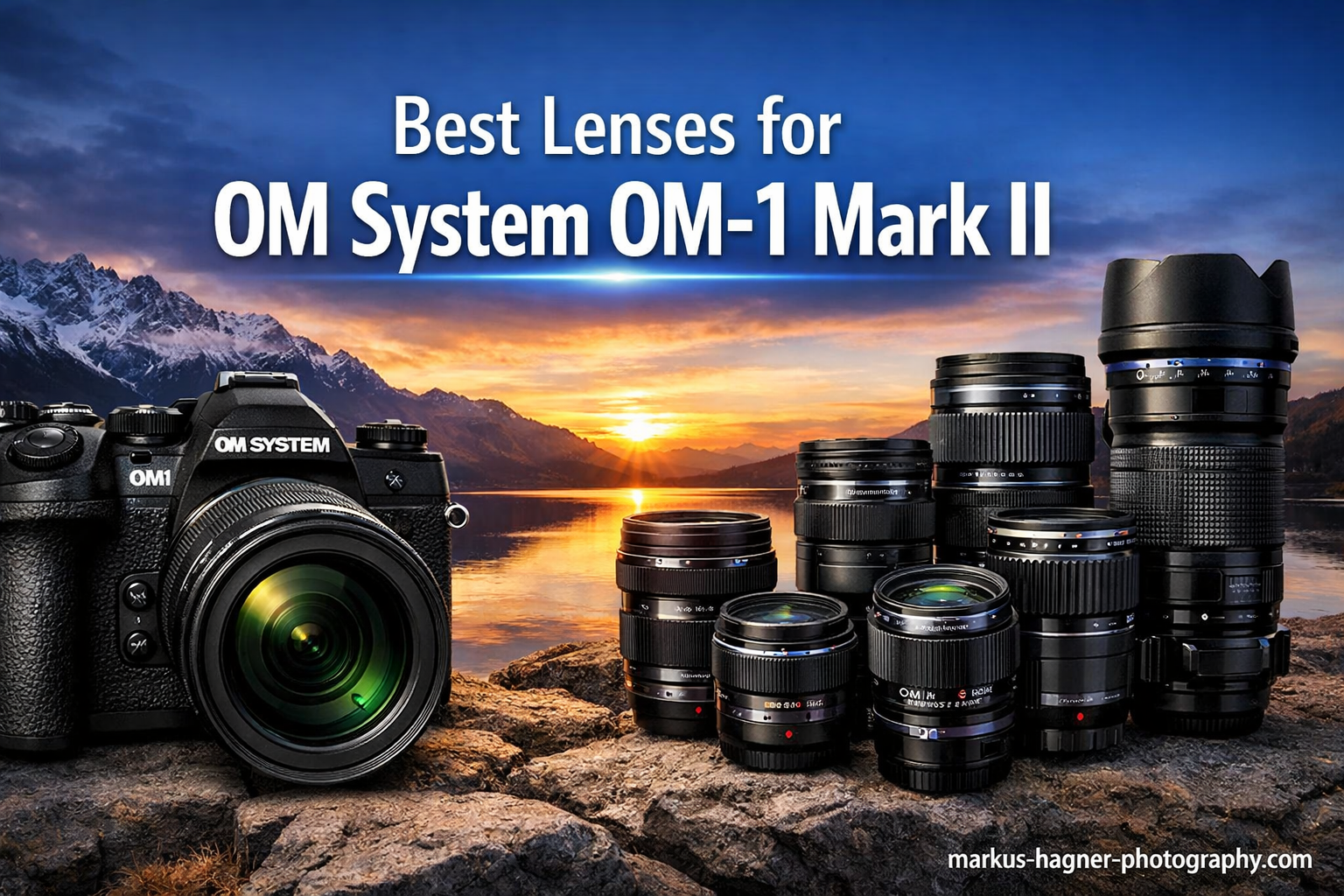
If you own an OM System OM-1 Mark II, you already know the camera body is exceptional. The 20MP stacked sensor, the AI subject detection, the absurd weather sealing — it’s a powerhouse. But the lenses you mount on it will determine whether you’re getting everything that camera can deliver. And with the Micro Four Thirds system offering one of the widest lens ecosystems in mirrorless photography, picking the right glass is genuinely overwhelming.
I’ve spent considerable time working through the M.Zuiko lineup — from the compact primes that slip into a jacket pocket to the super-telephoto zooms that need a monopod — plus a few excellent third-party options from Sigma and Panasonic that the OM System community sometimes overlooks.
This guide covers the 15 best lenses for OM System OM-1 Mark II across every shooting style: wildlife, portraits, landscapes, macro, street, and video. Whether you’re building your first kit or adding a specialized lens to a growing collection, this breakdown will help you find exactly what you need.
Top 3 Picks for Best Lenses for OM System OM-1 Mark II

M.Zuiko Digital ED 12-40mm F2.8 PRO II
- Constant f/2.8 aperture
- Weather sealed design
- MF clutch
- Fluorine coating

M.Zuiko Digital 45mm F1.8
- 90mm portrait equivalent
- Creamy bokeh
- Ultra compact 4.1oz
- Fast autofocus

Panasonic LUMIX G VARIO 45-150mm F4.0-5.6
- 90-300mm equivalent
- Built-in stabilization
- Ultra-affordable
- 3145+ reviews
Best Lenses for OM System OM-1 Mark II in 2026




1. M.Zuiko Digital ED 12-40mm F2.8 PRO II – Best Standard Zoom
Pros
- Constant f/2.8 aperture
- Weather sealed design
- MF clutch for manual focus
- Fluorine coating
- Fast quiet autofocus
Cons
- A bit heavy
- Not balanced well on smaller bodies
The M.Zuiko Digital ED 12-40mm F2.8 PRO II is the lens I’d recommend to almost every OM-1 Mark II owner as their first or main lens. The 24-80mm equivalent focal range covers the vast majority of everyday shooting situations — street, events, travel, environmental portraits — and the constant f/2.8 aperture means you’re not chasing exposure as you zoom in or out.
On the OM-1 Mark II, the pairing with Sync IS is genuinely impressive. I’ve hand-held this combo in near-darkness and pulled sharp shots that would have required a tripod with most other setups. The MF clutch is one of those features you don’t realize you need until you have it — pull back on the focus ring and you’re instantly in manual mode, which is great for precise focus in macro-distance shooting or video pulls.

The build quality puts it firmly in the PRO tier. The fluorine coating on the front element repels water and smudges better than most lenses I’ve used, and the weather sealing holds up well in rain and dust. Over 83% of 171 Amazon reviewers gave it 5 stars, with the most common praise being sharpness from edge to edge even at f/2.8.
The one honest downside is the 13.4 oz weight. On a body with a grip it balances beautifully, but on a smaller OM System body without one, the front-heavy feel gets noticeable during longer shoots. This is mostly a concern if you’re pairing it with one of the compact PEN bodies rather than the OM-1 Mark II, which has enough grip to handle it comfortably.

Who Should Buy This Lens
This is the right choice if you want one lens that handles almost everything without compromise. The constant f/2.8 gives you real low-light flexibility and genuine subject separation — this isn’t a consumer zoom that opens to f/2.8 only to close down to f/5.6 at the long end. It stays at f/2.8 all the way to 40mm (80mm equivalent), which matters enormously for portrait and event work.
Teleconverter and Filter Compatibility
The 72mm filter thread is a standard size that’s easy to find filters for, including circular polarizers and ND filters for video work. The lens is also compatible with the MC-14 1.4x teleconverter, which stretches the reach to 56mm on the long end — giving you an effective 112mm equivalent at f/4, which is useful for compressed background portraits.
2. M.Zuiko Digital ED 12-45mm F4.0 PRO – Lightest Compact Zoom
Pros
- World's smallest and lightest in class
- Outstanding sharpness
- Gorgeous color rendition
- Weather sealed
- High-speed autofocus
Cons
- Constant f/4 not f/2.8
- No focus distance scale
When OM System says the 12-45mm F4.0 PRO is the world’s smallest and most lightweight in its class, they’re not exaggerating for marketing purposes. At 1 pound and measuring just 2.76 x 2.5 inches, this lens is meaningfully smaller than the 12-40mm F2.8 PRO II while covering a slightly longer range (24-90mm equivalent vs. 24-80mm equivalent).
The tradeoff is the maximum aperture — f/4 instead of f/2.8. On an OM-1 Mark II, which pairs the in-body stabilization with the lens’s own IS data for Sync IS, the practical low-light performance is still excellent. The OM-1 Mark II’s sensor also handles ISO 3200-6400 cleanly enough that the one-stop aperture difference rarely becomes a problem outside of very dark venues.

The 4.9-star rating from 11 reviewers (88% five-star) is extraordinary, with users consistently noting the color rendition as a step above what they expected. The close-focus capability — which approaches macro-level results — adds genuine versatility for product and food photography without carrying a dedicated macro lens.
If you’re building a compact travel kit or you shoot primarily outdoors where weight on extended hikes matters, this lens makes the OM-1 Mark II feel like an entirely different camera. The system becomes genuinely pocketable in the right jacket.

Comparing This to the 12-40mm F2.8 PRO II
The community debate between these two lenses comes down to whether you prioritize maximum aperture or maximum portability. In good light, the 12-45mm F4.0 PRO is optically comparable and arguably lighter to carry all day. In dim indoor environments or for shallow depth of field work, the 12-40mm F2.8 PRO II wins. Both are weather sealed and PRO build quality.
Focus Stacking Performance
One feature worth calling out: when paired with OM-1 Mark II, this lens supports focus stacking directly in-camera. That makes it a surprisingly capable lens for detailed product shots, flowers, and insects without needing a dedicated macro lens. The camera handles the stacking computation automatically, which saves significant time in post-processing.
3. M.Zuiko Digital ED 12-100mm F4.0 IS PRO – Best Travel Superzoom
Pros
- Extensive 24-200mm equivalent zoom range
- Excellent 5-Axis Sync IS
- Z coating Nano
- Weatherproof
- Near-macro close focus
Cons
- Heavy for MFT
- Not ideal for low light
- Expensive
The 12-100mm F4.0 IS PRO is what I call the “one lens for everything” option — and I mean that literally. The 24-200mm equivalent range covers wide-angle landscapes, standard street shooting, medium telephoto portraits, and compressed backgrounds for environmental shots, all in a single barrel. For travel photographers who don’t want to swap lenses at all, this is as close to perfect as the MFT ecosystem gets.
The in-lens IS system working in tandem with the OM-1 Mark II’s IBIS creates a Sync IS combination that OM System rates at 7 stops of stabilization. In my experience, 6+ stops is achievable in real-world conditions, which means hand-holding at 200mm equivalent in low light is actually viable.

The Z coating Nano — OM System’s premium anti-reflection coating — keeps contrast high and flare controlled even in direct sun. The close-focus capability at the wide end approaches macro territory, which further reduces how many lenses you need to pack. At 148 reviews with a 4.5-star average (77% five-star), the community sentiment is overwhelmingly positive despite the premium price.
The main complaints center on weight (1.2 pounds is heavy for a MFT lens) and the f/4 maximum aperture. If you frequently shoot indoors at events or need shallow depth-of-field portraits, you’ll want to add a fast prime to your kit alongside this lens. But as a single travel lens, it’s hard to match.

Best Use Cases for the 12-100mm PRO
This lens shines hardest in three scenarios: documentary travel photography where you can’t miss a moment by swapping glass, wildlife photography at moderate distances where you need both wide establishing shots and 200mm telephoto reach, and hiking where every extra ounce matters and carrying two lenses isn’t practical. The OM-1 Mark II’s computational features like Live ND work beautifully at every focal length.
Replacing a Two-Lens Kit
Many OM-1 Mark II users who previously carried both a 12-40mm and a 40-150mm have switched to this single lens for travel. The image quality is comparable at overlapping focal lengths, the stabilization is significantly better than the 12-40mm alone, and not needing to change lenses in rain or dusty environments is an underrated real-world benefit.
4. M.Zuiko Digital ED 40-150mm F4.0 PRO – Best Compact Telephoto
Pros
- Compact collapsible design
- Weather sealed
- Fluorine coating
- Sharp images
- Excellent travel companion
Cons
- No manual focus clutch
- No function button
- f/4 limits low light use
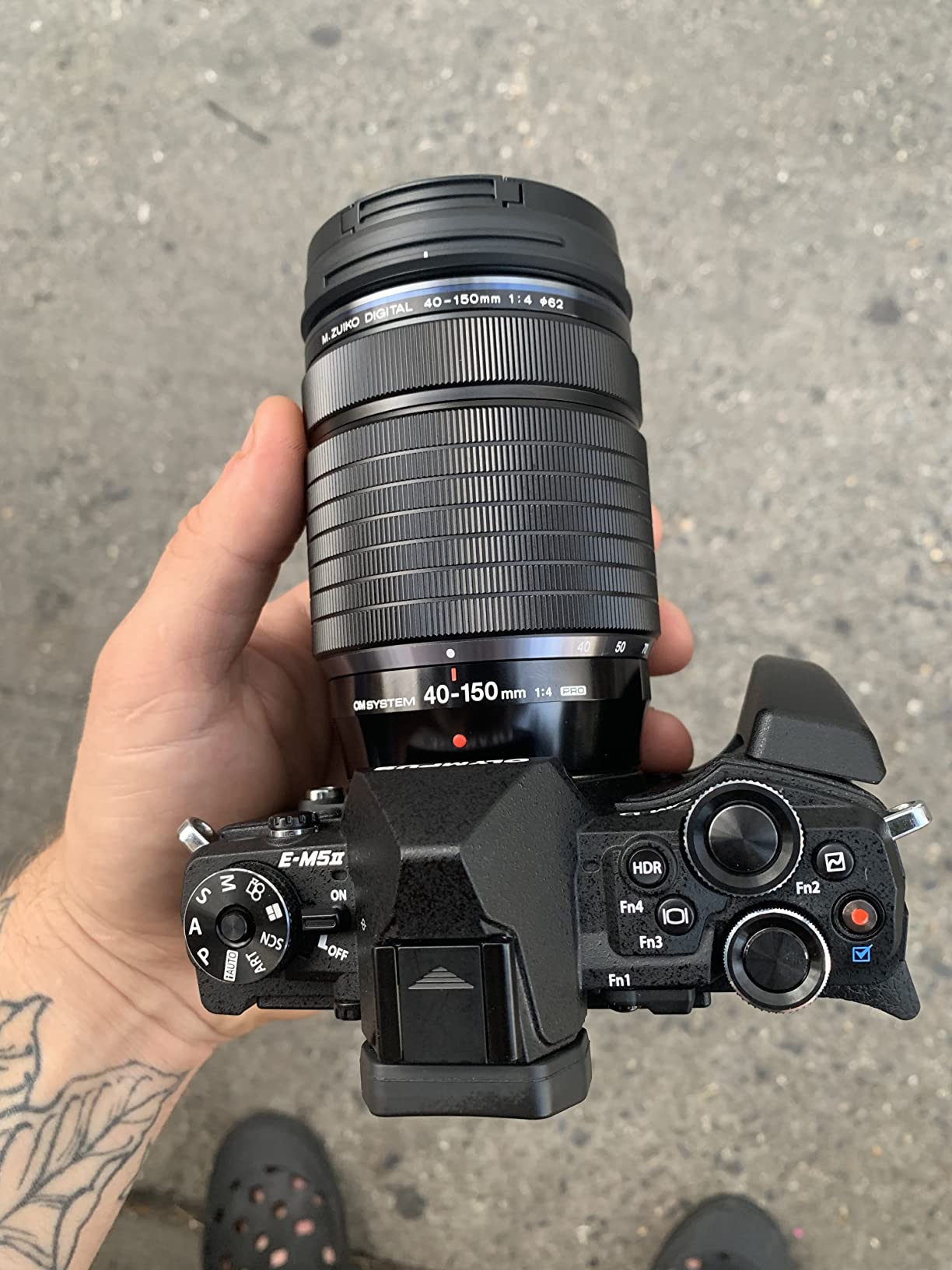
The 40-150mm F4.0 PRO is the telephoto zoom I’d recommend to any OM-1 Mark II owner who wants real reach without the weight and bulk of the f/2.8 version. The collapsible barrel design makes it impressively small when not in use — it basically disappears when you lock it closed, which is great for packing into a camera bag or backpack.
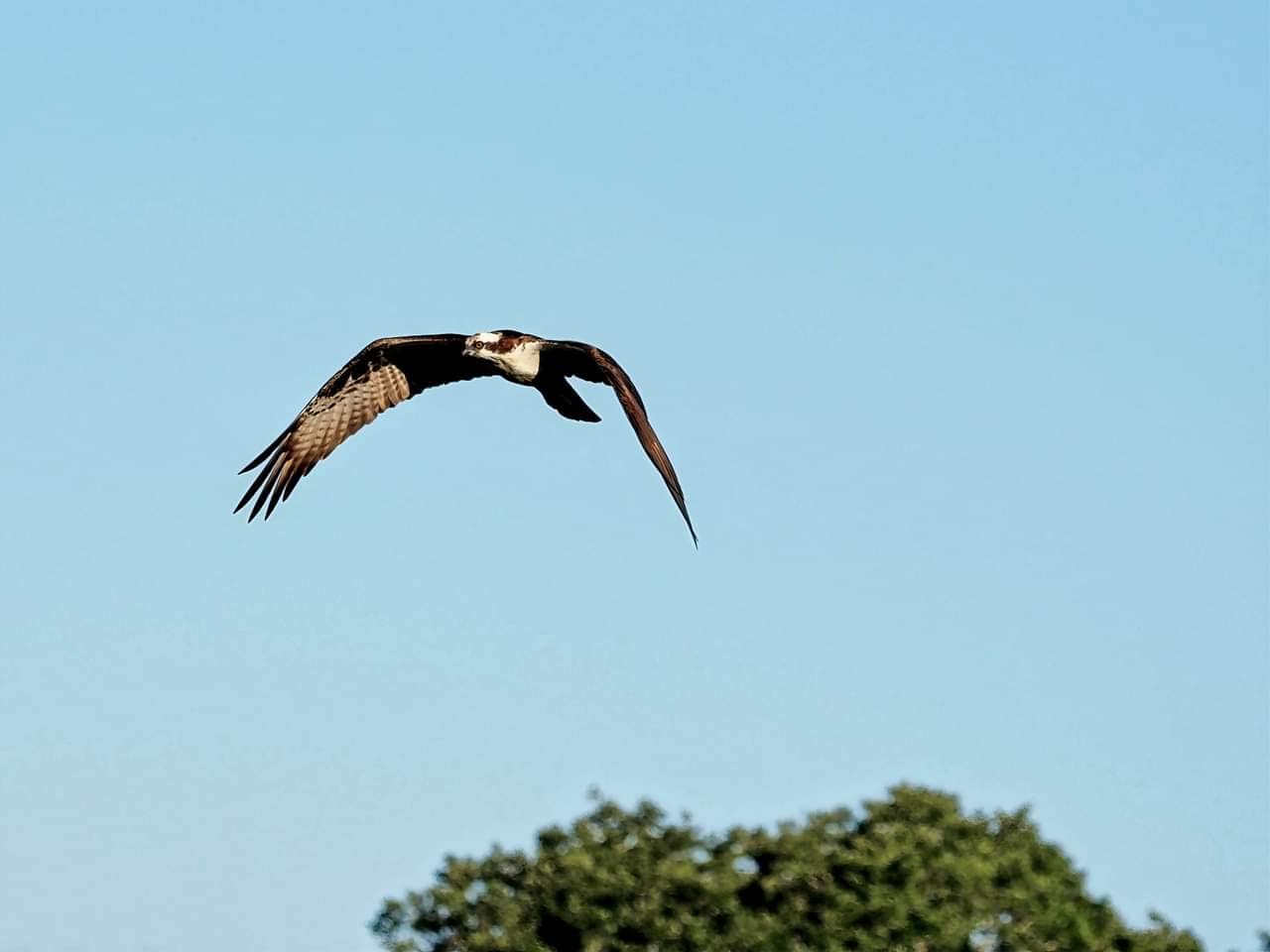
The 80-300mm equivalent range is genuinely useful for wildlife, sports, and outdoor photography. At 300mm equivalent, you have meaningful reach for perched birds and mid-distance wildlife, though you’ll want the longer options in this list for serious birding at distance. The OM-1 Mark II’s AI subject detection and bird recognition work wonderfully with this lens — the combination locks on fast and holds tracking through erratic movement.
241 reviewers give it a 4.7-star average, with 82% awarding five stars. The consistent praise covers the sharp image quality and the portability. The critiques are valid too — the missing MF clutch and function button are features found on the PRO II and flagship lenses that this lens leaves out, which matters if you rely on those for your workflow.
Reddit users in r/OlympusCamera frequently recommend this lens as a pair with the 12-40mm F2.8 PRO II for a compact two-lens kit. Together they weigh less than most single full-frame telephoto zooms and cover 24-300mm equivalent with constant or near-constant PRO quality apertures.
The Weight Advantage on Long Shoots
At 13.4 oz with PRO-level weather sealing, this lens is extraordinarily light for what it delivers. On a full day of wildlife shooting, the difference between this and the 40-150mm F2.8 PRO (which is 1.2 lbs) adds up significantly — especially when combined with the OM-1 Mark II body itself. Hikers and travel photographers consistently rank this as one of the best choices in the entire M.Zuiko lineup for pure portability.
Pairing With the MC-20 Teleconverter
The 40-150mm F4.0 PRO is compatible with the MC-20 2x teleconverter, which extends your reach to 600mm equivalent (at f/8). You lose two stops of aperture, so this pairing works best in good light or when shooting subjects that allow the OM-1 Mark II’s IBIS to compensate. For casual wildlife and nature, it’s a very affordable way to get serious reach.
5. M.Zuiko Digital ED 40-150mm F2.8 PRO – Best Telephoto for Portraits and Sports
Pros
- Constant f/2.8 aperture
- Exceptional sharpness
- Beautiful bokeh
- Fast autofocus
- Weather sealed
- MF clutch
Cons
- Heavy for MFT
- Expensive
- Large for MFT system
The 40-150mm F2.8 PRO is the telephoto that OM System shooters dream about. With a constant f/2.8 aperture across the entire 80-300mm equivalent range, this lens delivers gorgeous subject isolation that rivals much larger full-frame telephoto combinations. The bokeh is creamy, smooth, and genuinely flattering for portrait work — and the reach to 300mm equivalent means you can use it for wildlife, sports, and outdoor events equally well.
The 96% five-star rating from 27 reviewers tells a consistent story: this lens simply performs at the highest level. Users who shoot portraits note the three-dimensionality and subject separation. Wildlife photographers note the speed and accuracy of autofocus. Video shooters appreciate the MF clutch for smooth manual focus pulls. It’s one of those lenses where you pick it up and immediately understand why it costs what it costs.

On the OM-1 Mark II, the teleconverter compatibility is a major feature. With the MC-14 1.4x teleconverter, you get 420mm equivalent at f/4. With the MC-20 2x teleconverter, you get 600mm equivalent at f/5.6 — both while retaining full autofocus functionality, which is rare at that reach. In the r/M43 community, the 40-150mm F2.8 plus MC-20 combo is a well-documented budget alternative to the much more expensive 150-600mm for casual wildlife.
The weight is the legitimate downside. At 1.2 pounds, it’s hefty for the Micro Four Thirds system, and on a long shoot you’ll feel it. But the f/2.8 aperture and the optical quality justify the weight for photographers who need this performance.

Portrait Photography Performance
At 80-150mm equivalent focal lengths with f/2.8 aperture, this lens is outstanding for portrait photography. The compression at 150mm equivalent (equivalent to 300mm on a full-frame camera for subject isolation) creates a flattering perspective with backgrounds that melt into smooth, even out-of-focus wash. Skin tones render beautifully, and the sharpness right at f/2.8 means you don’t need to stop down for sharp eyes.
Sports and Wildlife Tracking
The combination of constant f/2.8 aperture and the OM-1 Mark II’s AI tracking is remarkable for moving subjects. The camera’s Pro Capture mode — which captures frames before you fully depress the shutter — works best with a fast, reliable lens like this one. In good light, the tracking holds through rapid subject movement with enough reliability to compete with larger, more expensive systems.
6. M.Zuiko Digital 75-300mm F4.8-6.7 – Best Budget Long Zoom
Pros
- Lightweight and compact for reach
- Excellent imaging performance
- Fast quiet MSC autofocus
- Good value for the reach
Cons
- Not weather sealed
- Struggles in low light
- Entry-level build quality
The 75-300mm F4.8-6.7 gives you 150-600mm equivalent reach at a fraction of the cost of the PRO telephoto options. That’s legitimately remarkable for the price. If you’re getting into bird photography with an OM-1 Mark II and you’re not sure how serious you’ll get about it, this lens lets you explore that reach without committing to a premium purchase.
The MSC autofocus mechanism is fast and quiet — faster than you’d expect from an entry-level lens. On the OM-1 Mark II, the camera’s bird subject tracking works with this lens for perched birds and slow-moving subjects. The imaging performance holds up well in decent light, and the 25 reviewers average 4.7 stars with 76% five-star ratings.
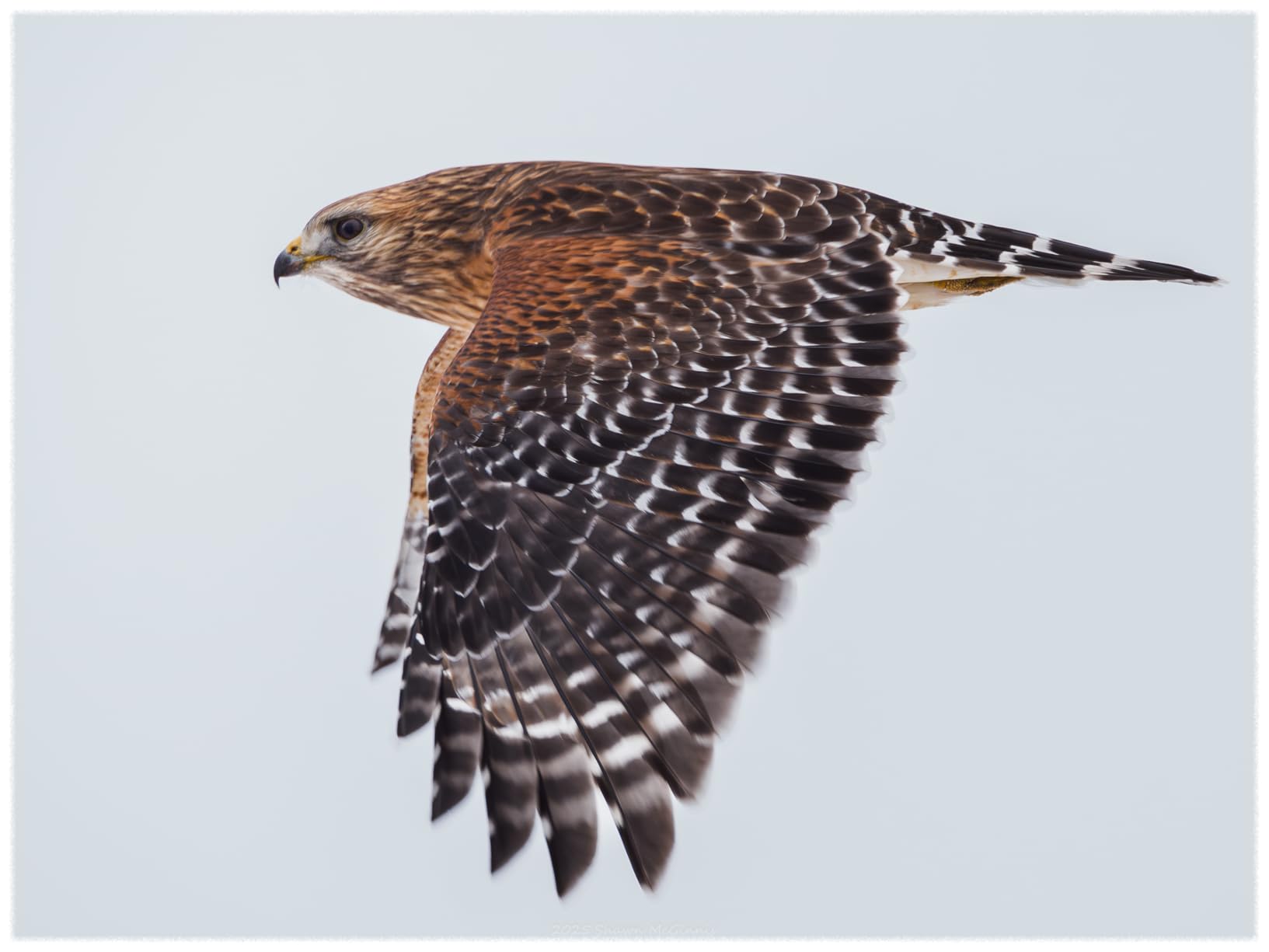
The honest limitations are real: no weather sealing is a significant omission for outdoor wildlife photography, and the variable aperture means at 300mm you’re working at f/6.7, which in anything less than full sunlight results in slower shutter speeds than you want for action. On the OM-1 Mark II’s OM-Log profile and with the IBIS, it’s more usable than it sounds, but serious birders will outgrow it quickly.
For casual wildlife, travel photography, and anyone testing whether super-telephoto is their thing, it’s a solid entry point into the 150-600mm equivalent range without the weight of the big lenses.

When This Lens Makes Sense
Buy this lens if you’re new to wildlife and bird photography and want to explore the focal length before investing in PRO glass. It’s also a smart second body lens — keep it mounted on a spare body at events where you need quick access to telephoto reach without swapping. At 1 pound, it travels easily and won’t add significant bag weight.
Low Light Limitations to Know
At 300mm (600mm equivalent), you’re at f/6.7. On a bright overcast day, this is manageable. At dusk or dawn — the golden hours where wildlife is most active — you’ll need to push ISO significantly. The OM-1 Mark II’s excellent high-ISO performance helps, but this lens is fundamentally a daylight telephoto. Plan your shooting around that constraint.
7. M.Zuiko Digital ED 150-600mm F5.0-6.3 IS – Best Super-Telephoto
Pros
- 1200mm equivalent reach
- Excellent sharpness across zoom range
- 7 stops Sync IS
- IPX1 weather sealed
- Fast accurate autofocus
Cons
- Very heavy at 5.5 lbs
- Expensive
- Requires monopod for extended use
The 150-600mm F5.0-6.3 IS is the most serious lens on this list — and the heaviest. At 5.5 pounds and 10.4 inches long, this is not a hiking companion or a travel lens. It’s a dedicated wildlife and nature photography tool that happens to be one of the most remarkable achievements in the MFT system’s history.
The 300-1200mm equivalent range with the MC-20 teleconverter pushing that to 2400mm equivalent is genuinely extraordinary. For birds in flight, distant wildlife, aviation, and motorsports photography, this reach opens up shots that aren’t possible with any smaller lens. The Sync IS system provides 7 stops of stabilization combined with the OM-1 Mark II, which helps take the edge off the weight during hand-held shooting, though a monopod is strongly recommended for extended sessions.
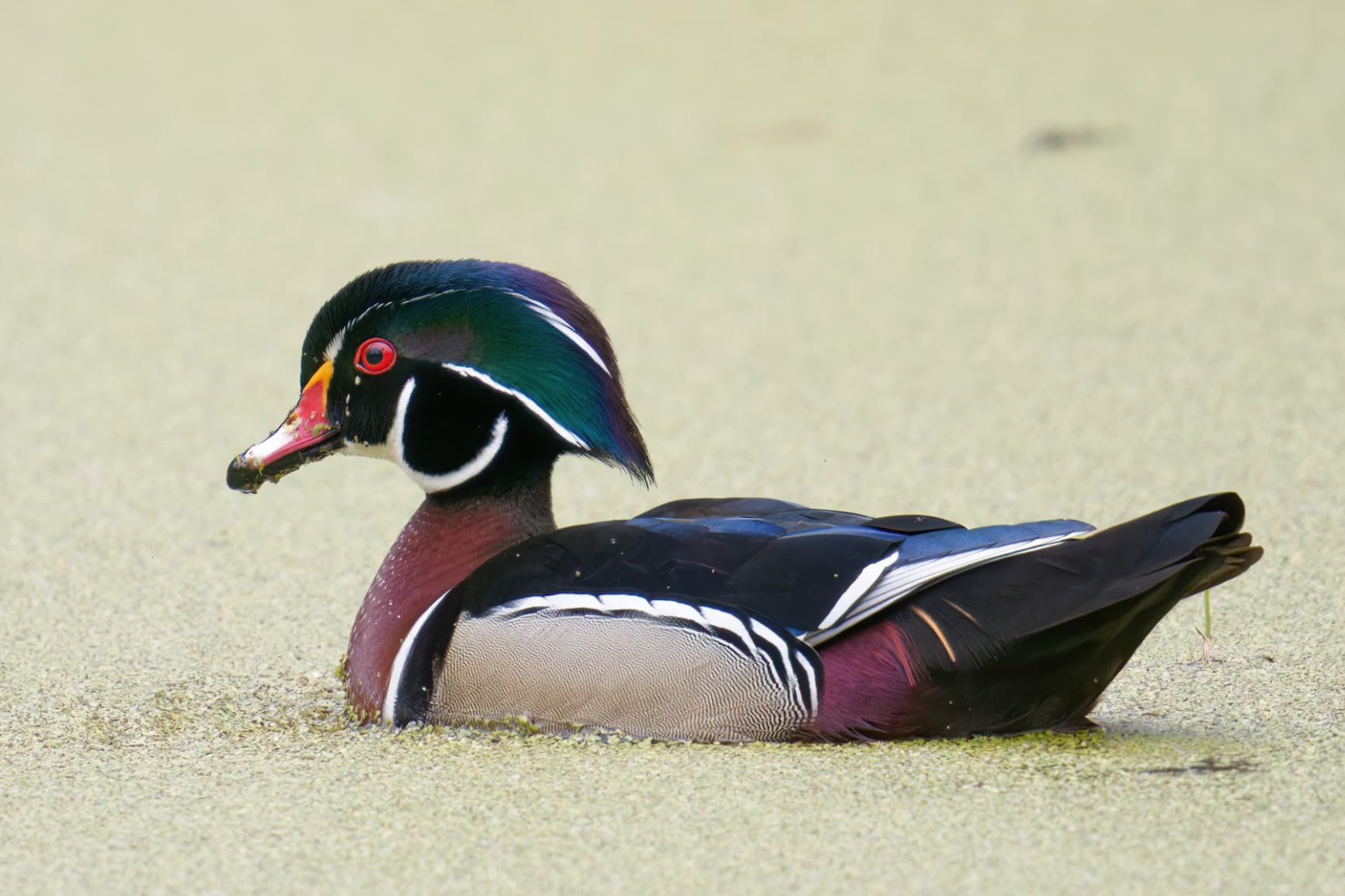
The optical quality is remarkable for a zoom at this focal range. Users consistently note the sharpness across the entire zoom range and the contrast and color accuracy. 32 reviewers give it 4.5 stars with 76% awarding five stars — the main criticism being weight and a noted motor noise between 400-600mm during zooming, which is a cosmetic concern rather than a performance issue.
The IPX1 weather sealing and fluorine coating mean this lens is built to work in the environments where serious wildlife photography happens — muddy riverbanks, rain-soaked hides, dusty plains. If you’re serious about birds and wildlife, this lens changes what’s possible with the OM-1 Mark II system.

Using This Lens Hand-Held vs. Monopod
The 7-stop Sync IS makes brief hand-held shooting viable, especially for tracking moving birds in flight where a monopod would be a hindrance. For stationary subjects at maximum reach, a monopod or tripod is much more practical for extended sessions. The OM-1 Mark II’s Live ND filter also works at these focal lengths, opening up creative options for wildlife photography that no other system offers.
Teleconverter Reach
With the MC-14 1.4x teleconverter, the 150-600mm becomes 210-840mm (420-1680mm equivalent) at f/7.1-8.8. With the MC-20 2x, you reach 300-1200mm (600-2400mm equivalent) at f/10-12.6. Even at those extreme focal lengths, the OM-1 Mark II’s autofocus continues to function, though you’ll need bright conditions for reliable tracking. This kind of reach is genuinely unmatched in any other mirrorless ecosystem at this weight and price point.
8. M.Zuiko Digital ED 7-14mm F2.8 PRO – Best Ultra-Wide Zoom
Pros
- Constant f/2.8
- Excellent sharpness wide open
- PRO build quality
- Weather sealed
- Great for landscapes and architecture
Cons
- No filter thread
- Barrel distortion at widest end
- Corner vignetting at f/2.8
The 7-14mm F2.8 PRO covers an ultra-wide 14-28mm equivalent range, which on the OM-1 Mark II gives you a field of view that’s genuinely dramatic for landscapes, architecture, interiors, and creative street photography. The constant f/2.8 aperture is unusual at this focal range — most ultra-wide zooms are f/4 or slower — which makes it usable in low-light environments like churches, museums, and night landscapes.
264 reviewers give it a 4.7-star average with 84% awarding five stars. The most common praise is the sharpness at f/2.8 — unlike many wide-angle lenses that require stopping down for acceptable corner sharpness, this one is usable from wide open. The PRO build quality and weather sealing make it a serious tool for outdoor landscape work in any conditions.

The key limitation to know before buying: there is no filter thread. The front element protrudes and is not flat, which means standard screw-in filters don’t work. You need square-format filter systems (like Haida or Lee) with special wide-angle adapters if you want to use ND filters for long exposures or circular polarizers for landscape work. This adds cost and bulk to the kit. If filter use is critical to your landscape workflow, factor that in.
Barrel distortion is present at 7mm but it’s linear distortion that corrects cleanly in Lightroom and Capture One with the lens profile. Corner vignetting at f/2.8 clears up by f/4. For architecture and real estate work where straight lines matter, shoot with correction enabled or apply the profile in post.

Landscape and Astro Photography
The 7mm end with f/2.8 aperture is a compelling combination for astrophotography. The wide field of view captures large sections of sky, and the fast aperture gathers enough light to keep shutter speeds short enough to avoid significant star trails. The OM-1 Mark II’s Live Composite and Starry Sky AF modes pair exceptionally well with this lens for night sky work. Paired with the OM-1 Mark II’s weather sealing, you can shoot in conditions that would destroy lesser setups.
Architecture and Interior Shooting
For architecture and interior photography, 14-28mm equivalent is the sweet spot. You get wide enough to capture full rooms and building facades without the extreme perspective distortion of even wider options. The constant f/2.8 means you can hand-hold in dim interiors without requiring flash or pushing ISO to extremes. Just be aware of the filter limitation if you’re planning to use a circular polarizer on exterior shots.
9. Panasonic Leica DG SUMMILUX 9mm F1.7 ASPH – Best Ultra-Wide Prime
Pros
- Leica-quality optics
- Fast f/1.7 aperture
- Compact at 7.4 oz
- Excellent for astrophotography
- Minimal focus breathing for video
Cons
- Some edge tearing in fast video panning
- Pricey for a prime
The Panasonic Leica DG SUMMILUX 9mm F1.7 is a third-party lens that belongs in almost every OM-1 Mark II shooter’s kit discussion. The 18mm equivalent focal length combined with an f/1.7 maximum aperture creates a combination that the native M.Zuiko lineup doesn’t offer — a compact, fast ultra-wide prime with Leica-certified optical quality and genuine low-light capability.
I’ve used this lens extensively for night landscape and astrophotography, and the optical performance is outstanding. The 7.4 oz weight makes it one of the lightest lenses on this list while delivering sharpness that rivals much heavier options. At f/1.7, you’re capturing stars with enough clarity and field coverage to frame the Milky Way dramatically, and the OM-1 Mark II’s Live Composite mode transforms this lens into an astrophotography powerhouse.

129 reviewers give it 4.7 stars with 88% five-star ratings. The praise focuses on the Leica optical quality — exceptional sharpness, beautiful contrast, and accurate color rendering that’s characteristic of Leica-certified glass. The dust/splash/freeze resistance is standard for a lens in this price range and essential for outdoor work.
For video work on the OM-1 Mark II, the minimal focus breathing is a significant advantage. When you pull focus from near to far subjects, the frame doesn’t appear to breathe or zoom in and out — a critical quality for cinematic video. Coupled with the smooth electronic aperture control, this is among the better video lenses for MFT at any price.

Why Choose This Over the 7-14mm F2.8 PRO
The 9mm F1.7 covers a narrower focal range (fixed 18mm equivalent vs. 14-28mm zoom), but it’s significantly lighter, has a faster aperture, and includes a filter thread. For photographers who primarily work at wide angles and need a fast aperture for low light or creative control, this fixed focal length offers clear advantages. It’s also notably more compact and easier to travel with.
Street and Documentary Photography
At 18mm equivalent, this lens captures environmental context without being so wide that subjects look distorted. For documentary, street, and travel photography where you want to show the subject in their environment, the field of view is ideal. The fast f/1.7 aperture lets you shoot in available light without alerting subjects with a flash — a major advantage for candid work.
10. M.Zuiko Digital 45mm F1.8 – Best Budget Portrait Lens
Pros
- Excellent sharpness wide open
- Beautiful creamy bokeh
- Fast accurate autofocus
- Extremely compact
- Great value
Cons
- Not weather sealed
- No filter thread
- No manual focus clutch
The M.Zuiko 45mm F1.8 is one of the most recommended lenses in the entire Micro Four Thirds ecosystem — and with good reason. At 4.1 oz and the equivalent of 90mm on a full-frame camera, it’s essentially a tiny portrait prime that produces genuinely beautiful images for very little money relative to what you get. On the OM-1 Mark II, this is the best lenses for OM System OM-1 Mark II if you want to explore portrait photography without a major investment.
628 reviewers give it a 4.6-star average — one of the highest review counts in the entire M.Zuiko lineup — with 79% awarding five stars. The lens consistently receives praise for its sharpness at f/1.8 (unusually good for such a small lens) and the quality of its bokeh. The 7-blade rounded diaphragm creates smooth, non-harsh out-of-focus backgrounds that flatter portraits without drawing attention to themselves.
At a 90mm equivalent focal length, you get the portrait photographer’s ideal perspective: enough compression to flatter facial features, enough working distance to put subjects at ease, and enough background separation to isolate the subject cleanly. The 0.20m minimum focus distance also means you can get genuinely close to subjects for intimate headshots or detail shots without needing to back up.
The omissions — no weather sealing, no filter thread, no MF clutch — are real for certain shooters. But for portrait and lifestyle photographers who aren’t typically shooting in rain, this lens delivers professional-quality results at a fraction of the cost of comparable glass in full-frame systems.
Building a Two-Lens Kit on a Budget
In the r/OlympusCamera community, the classic beginner kit recommendation is the kit lens plus this 45mm F1.8. The kit lens covers versatile everyday shooting, and the 45mm adds a fast prime for portraits, low-light indoor shooting, and learning to see in a single focal length. Together they cost a fraction of a single PRO zoom and teach compositional discipline that zoom lenses can obscure.
Video and Content Creation Use
For vloggers and content creators, the 90mm equivalent focal length is slightly long for selfie-style talking-head shots unless you have significant space behind you. But for filming subjects at a slight distance — product reviews, tutorials, cooking videos — the compression and subject isolation are genuinely flattering. The quiet autofocus motor is essentially silent in video capture, which prevents the AF hunt noise from appearing in audio tracks.
11. M.Zuiko Digital 25mm F1.8 II – Best Weather-Sealed Standard Prime
Pros
- Compact everyday carry size
- Sharp and crisp images
- Weather resistant IPX1
- Fast autofocus
- Lightweight
Cons
- Tight fit when attaching
- Limited initial availability
The M.Zuiko 25mm F1.8 II is the updated version of a classic MFT lens, now with IPX1 weather resistance that makes it unique among affordable standard primes for the system. The 50mm equivalent focal length is the most versatile single focal length in photography — it most closely resembles how human vision frames a scene — making this the ideal walk-around prime when you don’t want to carry a zoom.
At 5.4 oz with a metal body and weather sealing, this lens is small enough that it barely registers as additional weight when mounted on the OM-1 Mark II. The camera body itself is heavier, so the system remains balanced even with such a lightweight lens. The 7-blade circular aperture diaphragm produces attractive bokeh for a 50mm equivalent, which is harder to achieve at this focal length than at longer portrait-equivalent lengths.
The 6 reviewers (4.6 stars, 65% five-star) reflect that this is a newer release with limited review history so far. The specifications and OM System’s track record with the first-generation 25mm F1.8 suggest strong performance. Users consistently note the sharp image quality, fast autofocus, and how naturally the lens handles on the OM-1 Mark II body.
Street Photography and Everyday Carry
For street photography and everyday documentary work, the 50mm equivalent is the traditional focal length of choice for a reason — it compresses background slightly while maintaining natural-looking perspective on subjects. The weather sealing is a genuine advantage over the original 25mm F1.8, letting you use it confidently in light rain. On the OM-1 Mark II, this creates a compact, weather-sealed, fast-prime street kit that handles virtually any condition you’ll encounter.
Comparing to the Original 25mm F1.8
The original M.Zuiko 25mm F1.8 was excellent but lacked weather sealing. The Mark II adds IPX1 certification, updates the optical formula for modern coatings, and includes the metal body construction. If you currently own the first-generation version and shoot in variable conditions, the weather resistance upgrade is meaningful. For new buyers, the Mark II is the clear choice at the current pricing.
12. M.Zuiko Digital 17mm F1.8 II – Best Street Photography Lens
Pros
- Ultra-lightweight at 112g
- High-quality optical construction
- Weather sealed
- Beautiful bokeh
- Great low light
Cons
- Not image stabilized
- AF slightly slow on static objects
The M.Zuiko 17mm F1.8 II is one of the lightest lenses in the entire system at just 112g (3.95 oz). The 34mm equivalent focal length sits between the traditional 28mm wide-angle and 50mm standard — a field of view that’s slightly wider than natural perspective, giving a subtle environmental context to subjects while keeping the rendering looking natural rather than distorted.
This focal length has a devoted following among street photographers and documentary shooters who find 35mm (the full-frame equivalent) to be the perfect balance between wide and standard. On the OM-1 Mark II, the lens is so light that the system feels almost like shooting with a compact camera. For travel photographers who want a truly packable kit, a body plus this lens fits in places no zoom kit can.
24 reviewers give it 4.4 stars with 60% five-star ratings. The most discussed limitation is the autofocus speed on static, low-contrast subjects — it can take 2-3 seconds to acquire focus in challenging conditions. For moving subjects and standard street distances, this isn’t a problem, but for precise macro-distance focus pulls, you’ll notice the hesitation. The OM-1 Mark II’s superior AF system mitigates this somewhat compared to older bodies.
Comparing the 17mm to the 25mm for Street
The choice between this 17mm and the 25mm F1.8 II comes down to how much environmental context you want in your frames. The 17mm (34mm equivalent) gives you wider coverage that includes more of the scene around subjects — better for environmental portraits and street scenes where context tells the story. The 25mm (50mm equivalent) is more isolating, closer to a standard lens, and slightly better for subject-focused shots where backgrounds matter less.
Low Light and Nighttime Use
At f/1.8 with a wide 34mm equivalent field of view, this lens is an excellent choice for nighttime street and event photography. The OM-1 Mark II’s IBIS doesn’t compensate for focus breathing or subject motion, but it does allow hand-holding at slower shutter speeds than would otherwise be possible. For nighttime scenes where subjects are relatively still, the combination of f/1.8 aperture, IBIS, and the OM-1 Mark II’s clean high-ISO performance is genuinely impressive.
13. M.Zuiko Digital ED 60mm F2.8 Macro – Best Macro Lens
Pros
- True 1:1 life-size magnification
- Weather sealed
- Works with focus stacking
- Sharp image quality
- Focus limit switch
Cons
- Very shallow DoF requires focus stacking
The M.Zuiko 60mm F2.8 Macro is the dedicated macro lens for the OM-1 Mark II, and it’s genuinely exceptional for close-up photography. The 1:1 magnification at 120mm equivalent means a 1cm subject fills the entire sensor — and the detail you can capture at that magnification on the OM-1 Mark II’s 20MP sensor is remarkable. Whether you’re shooting insects, flowers, jewelry, or product details, this lens reveals textures and structures invisible to the naked eye.
The ZERO coating (Zuiko Extra-low Reflection Optical) minimizes ghosting and flare in the close-up work where reflective subjects are common — a practical feature that other macro lenses at this price often lack. The focus limit switch lets you restrict the autofocus range for faster acquisition in typical scenarios, avoiding the slow rack-through-infinity behavior that plagues macro lenses without this feature.

19 reviewers give it 4.6 stars with 86% five-star ratings. The consistent feedback is that the image quality is exceptional, the weather sealing is genuinely useful for outdoor macro work, and the integration with the OM-1 Mark II’s focus stacking feature is outstanding. The depth of field at 1:1 magnification is measured in fractions of a millimeter, so focus stacking is effectively required for sharp full-subject images — but the OM-1 Mark II handles this natively, removing any post-processing burden.
At the 120mm equivalent focal length, this lens also pulls double duty as a short telephoto. It’s sharp enough and the bokeh is good enough that many OM System shooters use it as a portrait lens when they don’t want to carry a separate portrait prime. The working distance at 1:1 — approximately 7.4 inches — is comfortable enough to light subjects with a ring flash or small light modifier without the lens casting a shadow.

In-Camera Focus Stacking on OM-1 Mark II
The OM-1 Mark II’s built-in focus stacking works directly with this lens to capture up to 15 frames at incrementally shifted focus distances and combine them automatically. You set the number of steps and step size, fire the shutter, and receive a single JPEG (or multiple RAW files for manual combination). For still-life macro subjects — flowers, coins, insects at rest — this automated stacking is a dramatic quality improvement over single-frame captures.
Outdoor Macro and Weather Sealing
The weather sealing on this lens is particularly valuable for macro photography because the best subjects — dew-covered spiderwebs, wet flower petals, insects after rain — are often found in the exact conditions that would damage an unprotected lens. The fluorine-coated front element also resists the moisture and oils that inevitably contact the glass during close-up outdoor work. This combination of sealing and coating makes it significantly more practical than unsealed alternatives for field use.
14. Sigma 16mm F1.4 DC DN Contemporary – Best Third-Party Wide Prime
Pros
- Extremely sharp
- Excellent low-light performance
- Beautiful bokeh
- Great for astrophotography
- Superb value vs OEM
Cons
- Large and heavy for MFT
- Not weather sealed
- Plastic lens body
The Sigma 16mm F1.4 DC DN Contemporary is the most versatile third-party lens option for the OM-1 Mark II. Designed originally for APS-C systems, it works on Micro Four Thirds with a 24mm equivalent field of view — making it a proper wide-angle prime with a dramatically fast f/1.4 aperture that no native M.Zuiko lens can match in this focal range.
530 reviewers give it a 4.5-star average with 78% five-star ratings — one of the largest review pools for any MFT lens on Amazon. The consensus is unambiguous: the optical quality is exceptional. Users who compare it directly to OM System’s own glass consistently note that the Sigma delivers equal or better sharpness at equivalent apertures, with particularly strong performance for astrophotography and low-light street shooting where f/1.4 makes a genuine difference.

The tradeoffs are real and worth understanding: at 14.3 oz, this is heavier than most MFT lenses, and the APS-C-sized construction creates a visual mismatch with the compact OM-1 Mark II body. The plastic lens barrel lacks weather sealing, which is a genuine omission for outdoor work. And the electronic focus control isn’t designed with cinema use in mind, so it’s not ideal for video focus pulls.
For photographers who prioritize optical performance and value above all else — particularly for astrophotography, low-light street, and night landscapes — this lens delivers full-frame-comparable results at a fraction of the cost. The r/M43 community consistently recommends it as one of the best purchases you can make for the system if aperture and sharpness are priorities over weather sealing and portability.
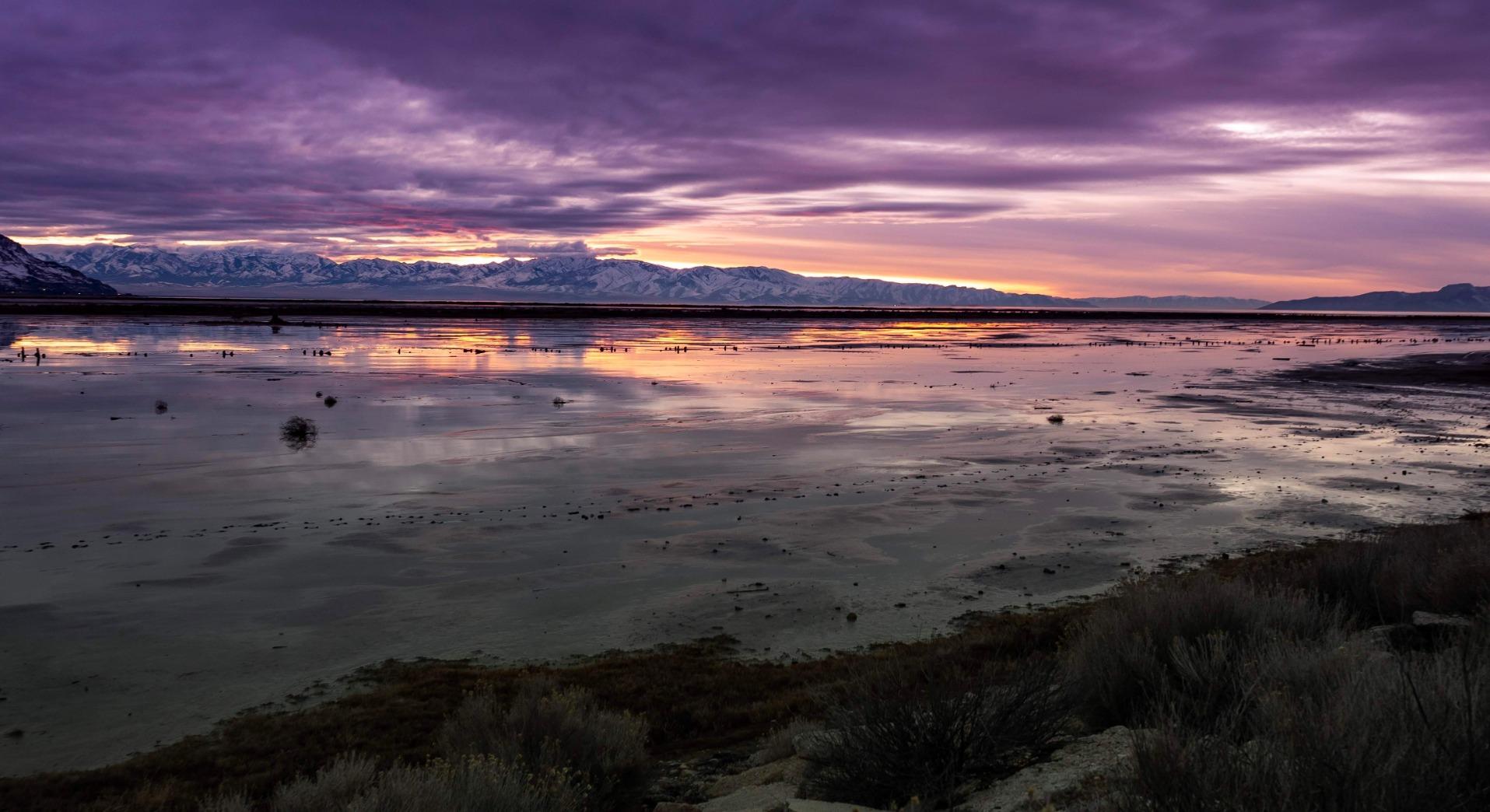
Astrophotography Performance
The Sigma 16mm F1.4 is a popular choice in the astrophotography community for good reason. The 24mm equivalent field of view captures wide sky sections while the f/1.4 aperture gathers twice as much light as f/2 and four times as much as f/2.8 — which translates directly to shorter exposure times and less star trailing. The three FLD and two SLD elements in the optical formula control chromatic aberration and coma effectively, keeping stars as points rather than streaks at the corners of the frame.
Value Compared to Native Glass
For the price, there is no native MFT lens that offers f/1.4 aperture at a 24mm equivalent focal length. The closest native options are the 17mm F1.8 II at a slightly wider field of view or the 25mm F1.8 II at a tighter standard view. Neither offers f/1.4 optics. If maximum aperture is your priority for this focal range, the Sigma is simply the only option — and it delivers on that promise.
15. Panasonic LUMIX G VARIO 45-150mm F4.0-5.6 – Best Budget Telephoto Zoom
Pros
- Excellent value for the price
- Great image quality
- Effective optical stabilization
- Versatile 90-300mm equivalent
- Smooth quiet autofocus
Cons
- Variable aperture f/4-5.6
- Plastic lens body
The Panasonic LUMIX G VARIO 45-150mm F4.0-5.6 holds the number 4 position in Amazon’s Mirrorless Camera Lenses category with 3,145 reviews at 4.7 stars — those numbers tell you everything you need to know about how the community feels about this lens. For an entry-level telephoto zoom, the image quality is genuinely excellent, and the 90-300mm equivalent range covers portraits, wildlife, and sports without the premium price of the PRO options.
On the OM-1 Mark II, the Panasonic’s Mega O.I.S. in-lens stabilization works alongside the OM-1’s IBIS, though you won’t get the full Sync IS performance that native OM System lenses deliver. The result is still better-than-average stabilization for this type of lens. The stepping motor for autofocus is smooth and near-silent, which works well for both photo and video capture on the OM-1 Mark II.

The variable aperture from f/4 at 45mm to f/5.6 at 150mm is the primary limitation. In good light this is perfectly adequate — the image quality at 150mm f/5.6 is genuinely impressive for the price point. Indoors or in low light at the telephoto end, you’ll push ISO quickly. For outdoor wildlife and portrait work in decent conditions, this lens is a remarkable value.
Panasonic’s lens is also a smart choice for OM-1 Mark II users who are starting out and not yet sure which focal lengths they’ll use most. At this price, testing what telephoto shooting means for your photography is a low-risk experiment. The 3,145-review track record of consistent satisfaction gives you confidence that you’re not sacrificing significant quality for the savings.

Comparing to the M.Zuiko 40-150mm F4.0 PRO
The native 40-150mm F4.0 PRO is significantly more expensive and offers weather sealing, fluorine coating, and PRO-build quality that this Panasonic lens doesn’t match. If you’re serious about outdoor photography in variable conditions or plan to use this lens heavily, the native lens is the better long-term investment. If you’re testing the focal range, shooting primarily in good conditions, or working within a strict budget, the Panasonic delivers surprising quality per dollar.
Travel and Nature Photography
At 11.2 oz with effective stabilization, this lens is light enough to carry all day on hiking trails without adding significant burden. For casual bird and wildlife photography where you’re not chasing subjects through driving rain, the lack of weather sealing is manageable with reasonable care. Many OM-1 Mark II owners keep this lens as a light travel option when the PRO glass would be overkill for a casual trip.
How to Choose the Right Lens for Your OM System OM-1 Mark II In 2026?
Choosing a lens for the OM-1 Mark II comes down to your primary shooting style, the conditions you’ll encounter, and whether you’re building toward a complete kit or filling a specific gap. Here are the most important factors to evaluate.
Aperture: f/2.8, f/4, or Variable
The maximum aperture determines how much light the lens gathers and how shallow the depth of field can be. For the OM-1 Mark II, the IBIS system is so effective that aperture is less about camera shake than it is about creative control and low-light performance.
Constant f/2.8 lenses (the 12-40mm PRO II, 40-150mm F2.8 PRO, 7-14mm PRO) deliver the best subject isolation and low-light flexibility, but they cost more and weigh more. Constant f/4 lenses (the 12-45mm PRO, 12-100mm PRO, 40-150mm F4.0 PRO) offer a middle ground — excellent optical quality with lower weight and often lower cost. Variable aperture lenses (the 75-300mm, 45-150mm Panasonic) are the most affordable but require more attention to exposure at the telephoto end.
Weather Sealing: When Does It Matter
The OM-1 Mark II has exceptional weather sealing — IP53 certified, which is among the best of any mirrorless camera. To take full advantage of that, your lens should be weather sealed too.
All of the PRO-designated M.Zuiko lenses in this list are weather sealed. The non-PRO options (the 45mm F1.8, the 75-300mm, the Sigma 16mm, the Panasonic 45-150mm) are not. For wildlife photographers who shoot in rain, dust, and harsh conditions regularly, a non-sealed lens is a genuine limitation. For portrait photographers and travel shooters who work in controlled conditions, it’s much less important.
Focal Length and Use Case
Because the OM-1 Mark II has a 2x crop factor relative to full-frame, every focal length number is doubled for the equivalent field of view. This has significant implications for lens selection:
For wide-angle work: the 7-14mm PRO covers 14-28mm equivalent (architecture, landscapes), the 9mm Panasonic Leica covers 18mm equivalent (environmental portraits, astro), and the 12-40mm PRO II starts at 24mm equivalent. For standard work: the 17mm F1.8 II gives 34mm equivalent, the 25mm F1.8 II gives 50mm equivalent. For portrait work: the 45mm F1.8 gives 90mm equivalent, the 40-150mm F2.8 at the short end gives 80mm equivalent. For telephoto and wildlife: the 40-150mm covers 80-300mm, the 75-300mm covers 150-600mm, and the 150-600mm IS covers 300-1200mm equivalent.
Weight and Portability
One of the main reasons photographers choose the OM System is the compact size advantage. A PRO-quality 40-150mm F2.8 weighs 1.2 pounds — comparable to far shorter full-frame lenses. Even the 150-600mm super-telephoto, though heavy for MFT, is dramatically lighter than equivalent reach in other systems.
For hiking and travel, prioritize weight. The 12-45mm F4.0 PRO and 40-150mm F4.0 PRO together weigh less than most single standard zoom lenses in full-frame systems, and they cover 24-300mm equivalent range. For studio and professional work where portability matters less, the f/2.8 PRO lenses deliver maximum image quality.
Budget: PRO vs. Consumer vs. Third-Party
The M.Zuiko PRO lenses represent the best optical and build quality in the system, but their prices reflect that. The community forum consensus on budgeting suggests: start with the 45mm F1.8 (best value portrait prime), the Panasonic 45-150mm (best value telephoto), or the 12-40mm F2.8 PRO II (found used under $400 regularly according to forum users). Third-party options from Sigma and Panasonic fill gaps the native lineup doesn’t cover, particularly at extreme apertures in wide-angle focal lengths.
Frequently Asked Questions
What lenses are compatible with OM-1 Mark II?
The OM System OM-1 Mark II uses the Micro Four Thirds (MFT) mount and is compatible with all lenses designed for this standard. This includes the full range of OM System M.Zuiko lenses, all Olympus M.Zuiko lenses, and lenses from Panasonic, Sigma, Tamron, Voigtlander, and other third-party manufacturers that support the MFT mount. With a suitable adapter, many legacy Four Thirds lenses from the original Olympus DSLR system also work, though autofocus speed and compatibility varies.
What are the best Olympus OM lenses for the OM-1 Mark II?
The top M.Zuiko lenses for the OM-1 Mark II are the 12-40mm F2.8 PRO II (best standard zoom), 40-150mm F2.8 PRO (best telephoto for portraits and sports), 12-100mm F4.0 IS PRO (best travel superzoom), 45mm F1.8 (best value portrait prime), and 60mm F2.8 Macro (best macro lens). For wildlife and birds specifically, the 150-600mm F5.0-6.3 IS provides remarkable reach at a competitive price point.
What three lenses should every OM-1 Mark II photographer have?
A well-rounded three-lens kit for the OM-1 Mark II depends on your budget and shooting style. For a PRO kit: the 12-40mm F2.8 PRO II (standard zoom), 40-150mm F2.8 PRO (telephoto), and 60mm F2.8 Macro (macro and short telephoto). For a budget-friendly kit: the 12-45mm F4.0 PRO (compact standard zoom), 45mm F1.8 (portrait prime), and the Panasonic 45-150mm (budget telephoto). For travel: the 12-100mm F4.0 IS PRO alone covers most situations, supplemented by the 45mm F1.8 for low-light and the 9mm F1.7 for wide-angle landscapes.
What is the holy trinity of prime lenses for Micro Four Thirds?
The holy trinity of prime lenses for Micro Four Thirds typically refers to the 17mm F1.8 (34mm equivalent), 25mm F1.8 (50mm equivalent), and 45mm F1.8 (90mm equivalent) — covering wide, standard, and short telephoto perspectives. These three cover the most common shooting situations: 17mm for environmental and street photography, 25mm for everyday walkaround shooting, and 45mm for portraits. All three are compact, fast, and affordable compared to zoom alternatives. For photographers who prefer a simpler kit with excellent low-light performance across focal lengths, this trio covers most situations with excellent image quality.
Final Thoughts
The OM System OM-1 Mark II is a camera that rewards great glass, and the Micro Four Thirds ecosystem gives you more options than you might expect — from ultra-compact primes under 100g to super-telephoto zooms that reach 1200mm equivalent. The best lenses for OM System OM-1 Mark II will depend on what you shoot, but the M.Zuiko 12-40mm F2.8 PRO II is the single best starting point for most photographers, offering professional build quality, constant f/2.8 aperture, and weather sealing in a compact package.
For budget-conscious buyers, the 45mm F1.8 and the Panasonic 45-150mm deliver remarkable image quality per dollar. For wildlife specialists, the 40-150mm F2.8 PRO with a teleconverter or the dedicated 150-600mm IS are in a class of their own for reach and optical quality. Whatever your priority, the MFT lens ecosystem in 2026 is mature, diverse, and genuinely excellent — and the OM-1 Mark II will extract every bit of performance any of these lenses can deliver.