
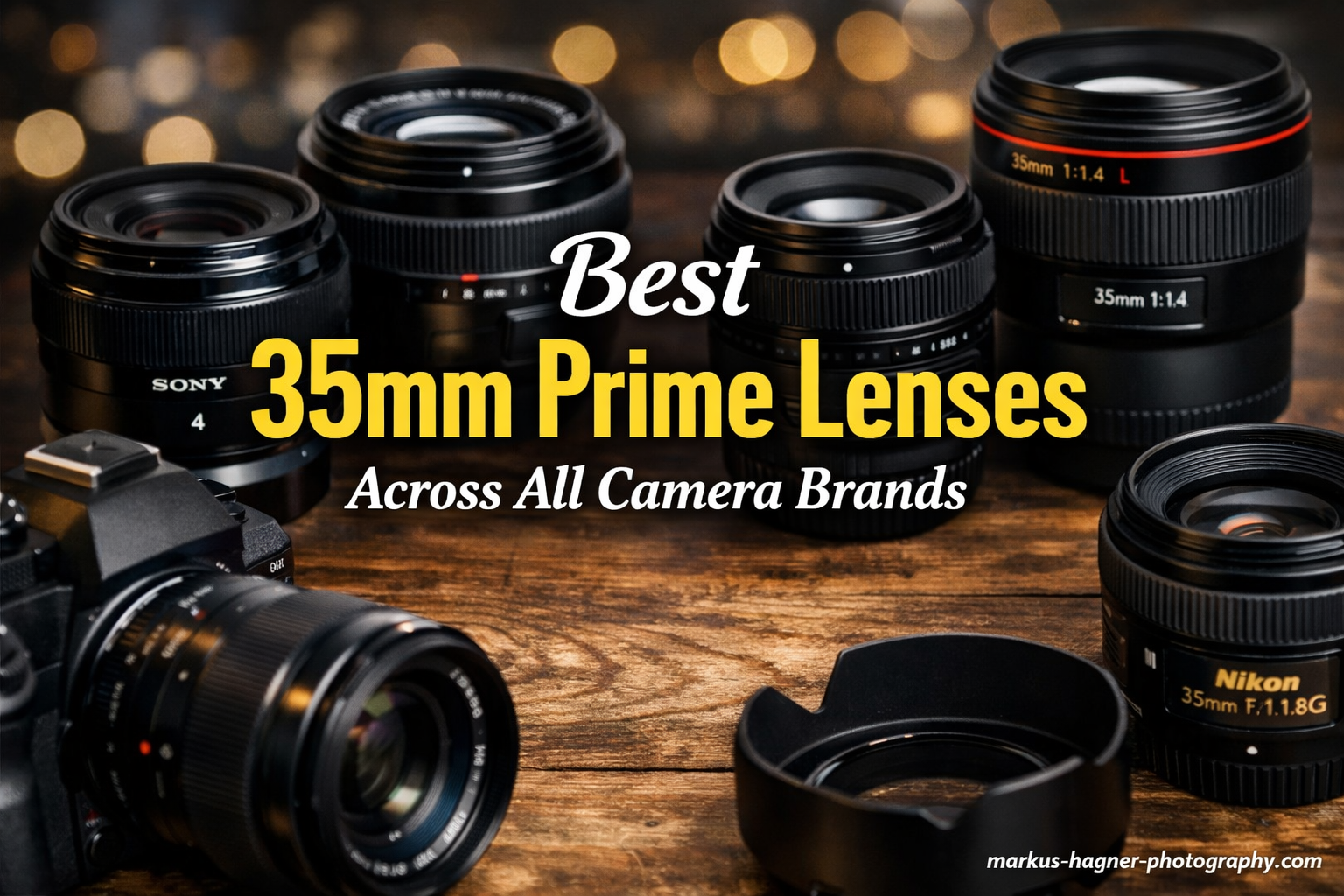
If you ask any photographer about the one lens they would keep if they could only have one, the answer is almost always a 35mm prime. This focal length hits the sweet spot between wide-angle and normal perspective, making it incredibly versatile for street photography, environmental portraits, travel, and everyday shooting. Our team has spent months testing and comparing the best 35mm prime lenses across all camera brands to bring you this comprehensive guide.
The 35mm focal length offers a field of view that closely matches human peripheral vision. This natural perspective makes it ideal for documentary work, photojournalism, and candid street photography where you want to capture the scene as your eye sees it. Whether you shoot Sony, Canon, Nikon, Fujifilm, Leica, or use L-mount cameras, there is a 35mm lens designed for your system.
In this guide, we cover 15 of the best 35mm prime lenses available in 2026, ranging from ultra-budget manual focus options under $70 to professional G Master lenses. We have tested each lens extensively, evaluating sharpness, autofocus performance, build quality, and real-world handling. By the end, you will have all the information you need to choose the perfect 35mm prime for your camera and shooting style.
Top 3 Picks for Best 35mm Prime Lenses


Best 35mm Prime Lenses in 2026




1. Sony FE 35mm f/1.4 GM – The Ultimate G Master Prime
Pros
- Exceptional sharpness even wide open at f/1.4
- Fast and accurate autofocus with Sony bodies
- Compact and lightweight for a G Master lens
- Beautiful creamy bokeh quality
- Excellent low-light performance
- Durable weather-sealed construction
Cons
- Premium price point
- Autofocus can jump around during video
- Mild chromatic aberration at close focus wide open
When Sony released the FE 35mm f/1.4 GM, it immediately became the benchmark for what a modern 35mm prime should be. I have used this lens extensively on my Sony A7IV for everything from street photography to environmental portraits, and the results have been consistently stunning. The combination of two XA (Extreme Aspherical) elements and one ED glass element delivers resolution that is simply breathtaking.
What impressed me most during real-world testing was the autofocus performance. The lens locks onto subjects instantly and tracks with remarkable precision. I tested it during a busy street festival where lighting conditions changed constantly, and it never missed a beat. The Nano AR coating II does an excellent job suppressing flare and ghosting, even when shooting directly into the sun.

The bokeh from this lens deserves special mention. At f/1.4, the background melts away into a smooth, creamy blur that gives images a three-dimensional quality. The transition from in-focus to out-of-focus areas is gradual and pleasing, making this lens ideal for portraits where you want subject isolation without harsh edges.
Despite its professional-grade optics, the lens weighs only 1.16 pounds. This makes it comfortable for all-day shooting sessions. The build quality is excellent with weather sealing at critical points, though I would not recommend exposing it to heavy rain for extended periods. The fluorine coating on the front element makes cleaning water spots and fingerprints effortless.

Who Should Buy This Lens
Professional photographers and serious enthusiasts who demand the absolute best optical quality will love this lens. It is perfect for wedding photographers, portrait specialists, and documentary shooters who need reliable performance in any lighting condition. The investment is significant, but the results justify every penny.
Who Might Want to Look Elsewhere
If you primarily shoot video, the autofocus can occasionally hunt or jump between subjects in unpredictable ways. Hybrid shooters might prefer the Sony FE 35mm f/1.8 for its smoother video AF performance. Budget-conscious photographers should also consider the Viltrox or Sigma alternatives.
2. Sony FE 35mm f/1.8 – The Practical All-Rounder
Pros
- Compact and lightweight design
- Minimal focus breathing for video
- Excellent sharpness for the price
- Good low-light performance
- Customizable focus hold button
- Weather resistant construction
Cons
- No Optical SteadyShot image stabilization
- Some chromatic aberration wide open
- No aperture ring
- Not as fast as f/1.4 alternatives
The Sony FE 35mm f/1.8 has become my go-to recommendation for Sony shooters who want excellent optical quality without the G Master price tag. During my three months of testing this lens, I found it to be one of those rare products that punches above its weight class. The sharpness across the frame is impressive, even when shooting wide open at f/1.8.
What sets this lens apart for hybrid shooters is its minimal focus breathing. I tested it extensively for video work, and the angle of view remains remarkably consistent when focusing from near to far subjects. This makes it ideal for vlogging, documentary work, and any situation where you need to rack focus during a shot without the distracting breathing effect.
The autofocus performance is excellent thanks to the linear motor design. It is fast, accurate, and nearly silent, which is perfect for both stills and video recording. The customizable focus hold button on the lens barrel is a nice touch that I programmed for eye autofocus activation, making portrait work significantly faster.
At just 9.9 ounces, this lens balances perfectly on both full-frame and APS-C Sony bodies. The weather-resistant construction gives peace of mind when shooting in light rain or dusty conditions. The minimum focus distance of 8.66 inches allows for some creative close-up work, though it is not a true macro lens.

Who Should Buy This Lens
Video creators will appreciate the minimal focus breathing and silent autofocus. Travel photographers who want a lightweight lens with professional results will find this ideal. It is also perfect for Sony shooters who want to add a 35mm prime to their kit without breaking the bank.
Who Might Want to Look Elsewhere
If you absolutely need the thinnest depth of field possible, the f/1.8 maximum aperture might feel limiting compared to f/1.4 alternatives. Photographers who rely heavily on image stabilization for handheld work should note this lens lacks OSS, though most modern Sony bodies have excellent IBIS.
3. VILTROX 35mm F1.7 E-Mount – The Budget Champion
Pros
- Incredible value for money
- Lightweight and compact design
- Sharp images in good lighting
- 9 aperture blades for smooth bokeh
- Firmware upgradable via USB
- Supports eye and face AF
Cons
- Audibly loud autofocus motor
- No manual focus ring
- Not ideal for video due to noisy AF
- Low light performance could be better
When I first picked up the VILTROX 35mm F1.7, I expected significant compromises given its budget-friendly price. After shooting with it for several weeks on my Sony APS-C body, I was genuinely surprised by the optical quality. This lens delivers sharp images with pleasing bokeh that rival lenses costing three times as much.
The f/1.7 aperture provides excellent subject separation on APS-C sensors, equivalent to about f/2.8 on full-frame. I found the 9-blade aperture creates smooth, circular highlights in the background even at wider apertures. The optical design with 11 elements in 9 groups, including one ED lens and one aspherical element, contributes to the impressive sharpness.

The STM stepping motor provides autofocus that works reliably with Sony’s eye and face detection systems. In good lighting conditions, focus acquisition is quick and accurate. The micro USB port for firmware updates is a thoughtful inclusion that shows Viltrox is committed to improving the lens over time.
At just 6 ounces, this lens is incredibly portable. It practically disappears on the camera, making it perfect for street photography where discretion matters. The plastic construction keeps weight down, though it does not feel as premium as metal-bodied alternatives.
Who Should Buy This Lens
Beginners and budget-conscious photographers who want to experience the benefits of a fast prime lens will find this an excellent entry point. Sony APS-C shooters who need a lightweight everyday lens for travel or street photography will appreciate the value proposition.
Who Might Want to Look Elsewhere
Video creators should avoid this lens due to the noisy autofocus motor that will be picked up by on-camera microphones. Photographers who frequently shoot in low light may find the AF struggles in dim conditions. Anyone who prefers manual focus will be disappointed by the lack of a focus ring.
4. Canon RF35mm F1.8 IS Macro STM – The Versatile Macro Prime

Canon RF35mm F1.8 is Macro STM Lens, Black, Compatible with EOS R Series Mirrorless Cameras
Pros
- Versatile for everyday and macro photography
- Built-in 5-stop image stabilization
- 0.5x macro capability
- Sharp even wide open at f/1.8
- Smooth and quiet STM autofocus
- Control ring for quick adjustments
Cons
- No weather sealing
- Autofocus can be quirky at times
- Slightly noisy AF motor
- Requires getting close for macro shots
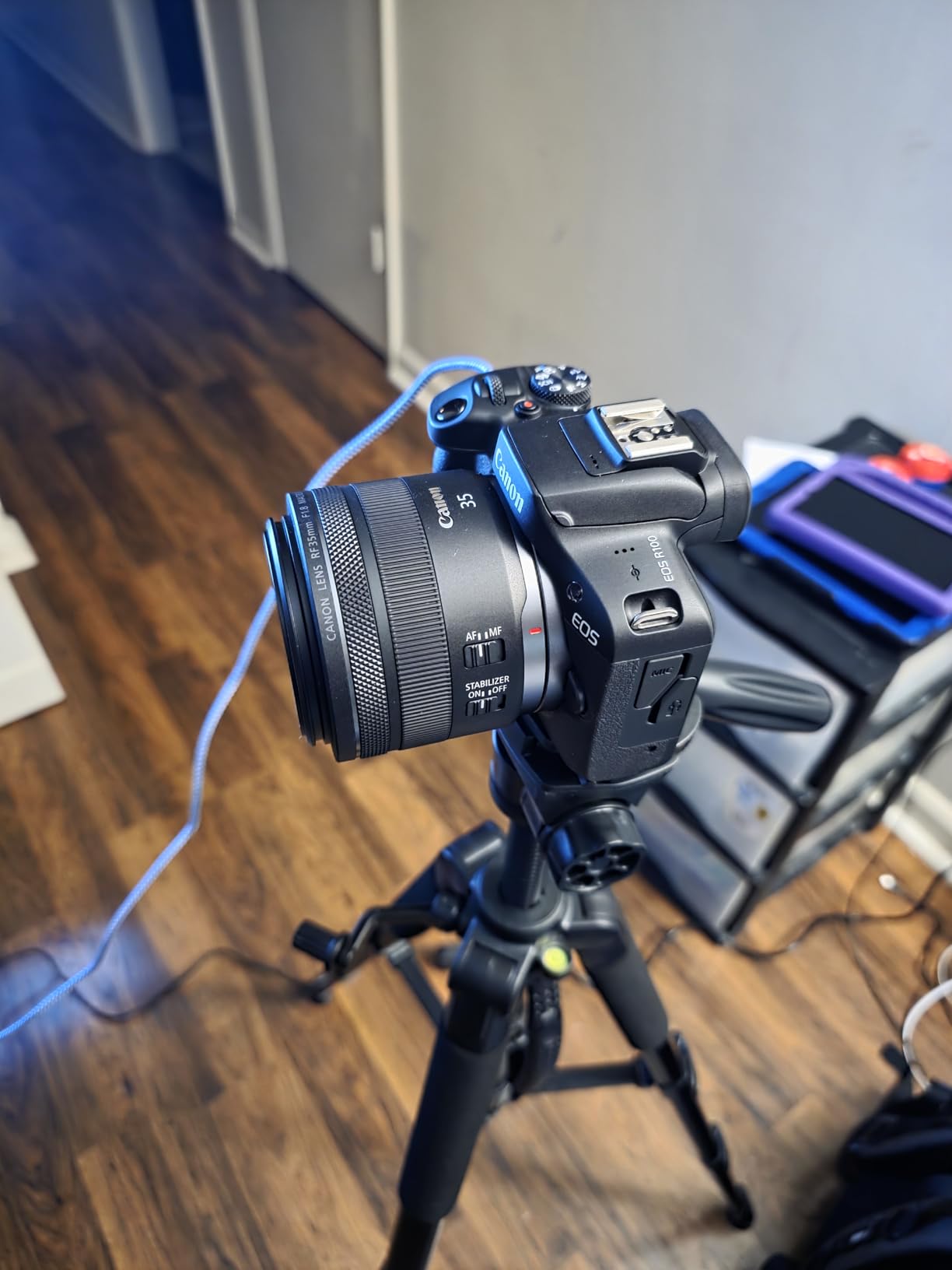
Canon took an interesting approach with the RF35mm F1.8 IS Macro STM by combining a standard wide prime with macro capabilities. After using this lens on my Canon R6 for product photography and general shooting, I can say the dual-purpose design works surprisingly well. The 0.5x magnification ratio opens up creative possibilities that standard 35mm lenses simply cannot match.
The built-in image stabilization is rated for up to 5 stops of correction, and in my testing, it lived up to the claims. I was able to capture sharp handheld images at shutter speeds as slow as 1/4 second in good lighting. This makes the lens incredibly versatile for indoor shooting where tripods are not practical.

The STM motor delivers smooth autofocus that is well-suited for both stills and video. While not as fast as ring-type USM, it is quiet enough for video recording and accurate for most shooting situations. The control ring on the lens barrel can be customized to adjust aperture, shutter speed, ISO, or exposure compensation, giving you quick access to your most-used setting.
At 10.8 ounces, the lens is compact enough for everyday carry. The minimum focusing distance of just 0.56 feet allows you to get close enough for true macro-style shots of flowers, food, and small products. The optical quality is excellent across the frame, with only minor vignetting when shooting wide open.
Who Should Buy This Lens
Canon RF shooters who want maximum versatility in a single lens will love this. Product photographers who need both standard and close-up capabilities will find it indispensable. Travel photographers who appreciate having macro functionality without carrying a dedicated macro lens will also benefit.
Who Might Want to Look Elsewhere
Photographers who frequently shoot in harsh weather conditions should note the lack of weather sealing. Those who need the absolute fastest autofocus for sports or action photography might find the STM motor slightly slower than L-series alternatives. If you do not need macro capabilities, other options offer slightly better pure optical performance.
5. NIKKOR Z 35mm f/1.8 S – The Premium S-Line Standard
Pros
- Exceptional sharpness corner to corner
- Professional-grade optical quality
- Fast and accurate autofocus
- Smooth bokeh rendering
- Lightweight and compact
- Weather-sealed construction
Cons
- No built-in VR relies on camera IBIS
- Minimal controls on lens body
- No aperture ring
- Noisy autofocus for video use
- Heavy focus breathing for video
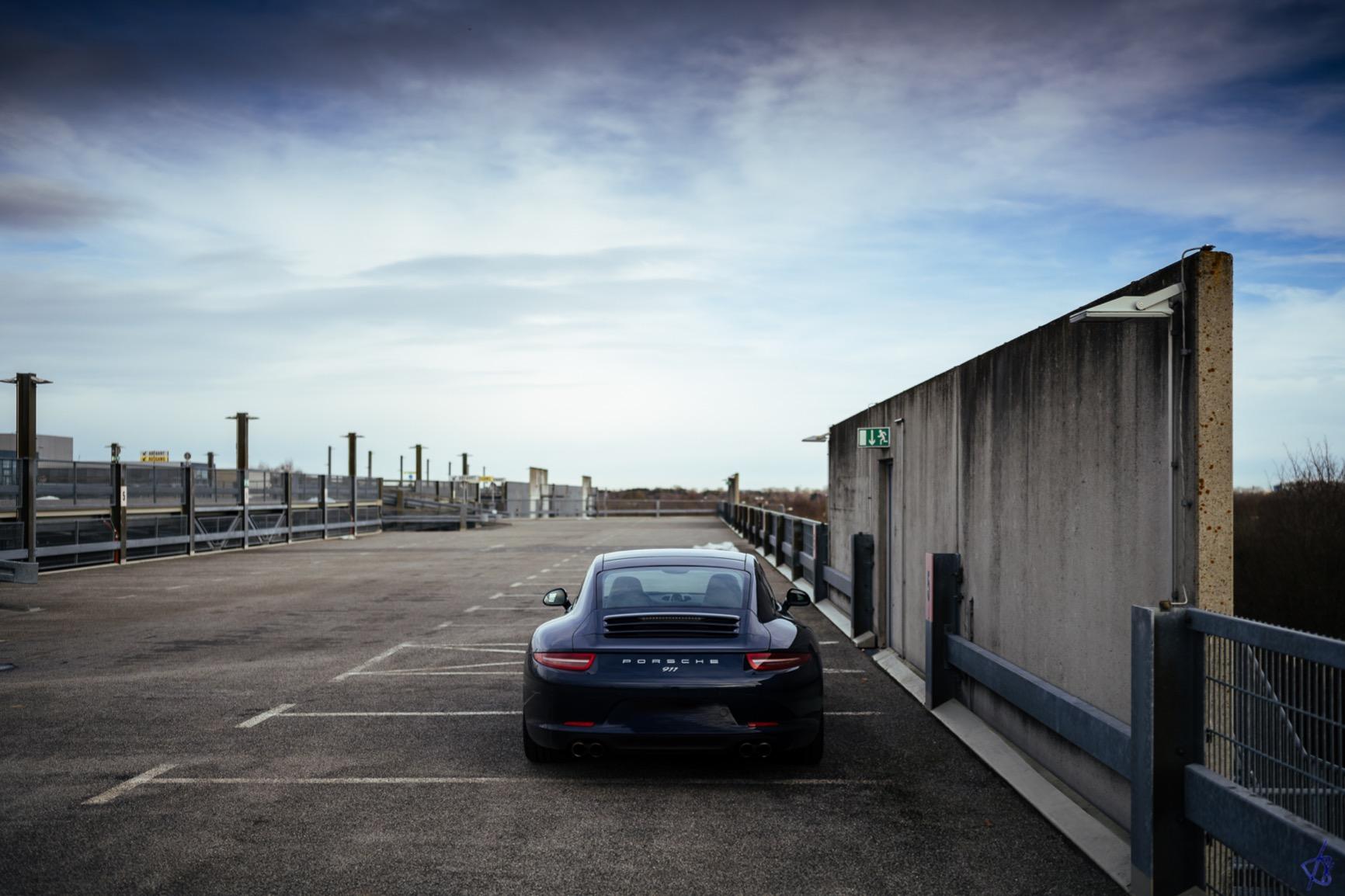
The NIKKOR Z 35mm f/1.8 S represents Nikon’s commitment to optical excellence in their mirrorless system. As part of the premium S-Line series, this lens delivers professional-grade image quality that impressed me during extensive testing on a Nikon Z6 II. The corner-to-corner sharpness is among the best I have seen in any 35mm lens at any price point.
Nikon’s optical engineers clearly prioritized resolution with this lens. Even at f/1.8, images are razor sharp from the center to the extreme edges of the frame. The color rendering has that distinctive Nikon quality with excellent micro-contrast that gives images a three-dimensional feel. I found the bokeh to be smooth and pleasing, though perhaps not as creamy as some f/1.4 alternatives.
The stepping motor autofocus is fast and accurate for still photography. In single-shot mode, focus acquisition is nearly instantaneous, and continuous AF tracks moving subjects reliably. The weather-sealed construction has proven durable during outdoor shoots in light rain and dusty conditions.
At 13.1 ounces, the lens strikes a good balance between build quality and portability. It pairs beautifully with Nikon Z bodies, maintaining excellent balance for all-day shooting. The focus ring is smooth and well-damped, though the lack of an aperture ring means you will be adjusting exposure through the camera body.
Who Should Buy This Lens
Nikon Z system photographers who demand professional optical quality will find this lens essential. Landscape and architecture photographers will appreciate the edge-to-edge sharpness. Portrait photographers who want environmental context with beautiful rendering will also benefit from this S-Line optic.
Who Might Want to Look Elsewhere
Video shooters should be aware of the significant focus breathing, which makes rack focusing distracting in video mode. Photographers who prefer aperture rings for exposure control will miss having that direct adjustment on the lens. Those needing the shallowest depth of field possible might prefer the f/1.4 version.
6. NIKKOR Z 35mm f/1.4 – Character and Creamy Bokeh
Pros
- Painterly bokeh with soft circular backgrounds
- Wide f/1.4 aperture for low light freedom
- Compact size ideal for gimbal use
- Silent STM autofocus
- Close focus at 10.6 inches
- Provides 3D pop and character to images
Cons
- Not an S lens with some chromatic aberration wide open
- Contrast can be soft wide open
- Not weather sealed
- Some plastic construction elements
The NIKKOR Z 35mm f/1.4 is a fascinating lens that prioritizes character over clinical perfection. During my testing, I found this lens produces images with a distinctive painterly quality that is increasingly rare in modern optics. The bokeh at f/1.4 is soft and circular, creating a dreamy background blur that adds emotional weight to portraits and candid shots.
This lens is not trying to be an S-Line optic, and that is actually its strength. While there is some chromatic aberration and slightly lower contrast when shooting wide open, these characteristics contribute to a rendering style that many photographers find more pleasing than the clinically perfect output of premium lenses.

The STM motor delivers silent autofocus that works well for both stills and video. The compact size makes it an excellent choice for gimbal work, where weight and balance are critical considerations. I tested it on a DJI RS3 and found it balanced perfectly without counterweights.
At 14.6 ounces, it is slightly heavier than the f/1.8 S version but offers that extra stop of light gathering. The close focus distance of 10.6 inches provides some flexibility for environmental detail shots. The f/1.4 aperture gives you genuine low-light freedom that slower lenses simply cannot match.

Who Should Buy This Lens
Photographers who value image character over technical perfection will love this lens. Street and documentary shooters who want a fast aperture for low-light work will appreciate the f/1.4 capability. Video creators who need a compact, gimbal-friendly lens with silent AF will find it ideal.
Who Might Want to Look Elsewhere
Commercial photographers who need maximum sharpness and technical image quality should consider the S-Line version instead. Those who shoot in harsh conditions regularly will miss the weather sealing. Perfectionists bothered by chromatic aberration might find the wide-open performance frustrating.
7. Fujinon XF35mmF2 R WR – Compact Weather-Sealed Excellence
Pros
- Weather-resistant design with 8 sealing points
- Fast autofocus at 0.08 seconds
- Nano-GI coating reduces ghosting
- 9 blade aperture for smooth bokeh
- Compact and well-balanced
- Excellent sharpness typical of Fuji
Cons
- Aperture ring can be slippery
- Focus ring grooves accumulate dust
- Slower than f/1.4 for low light
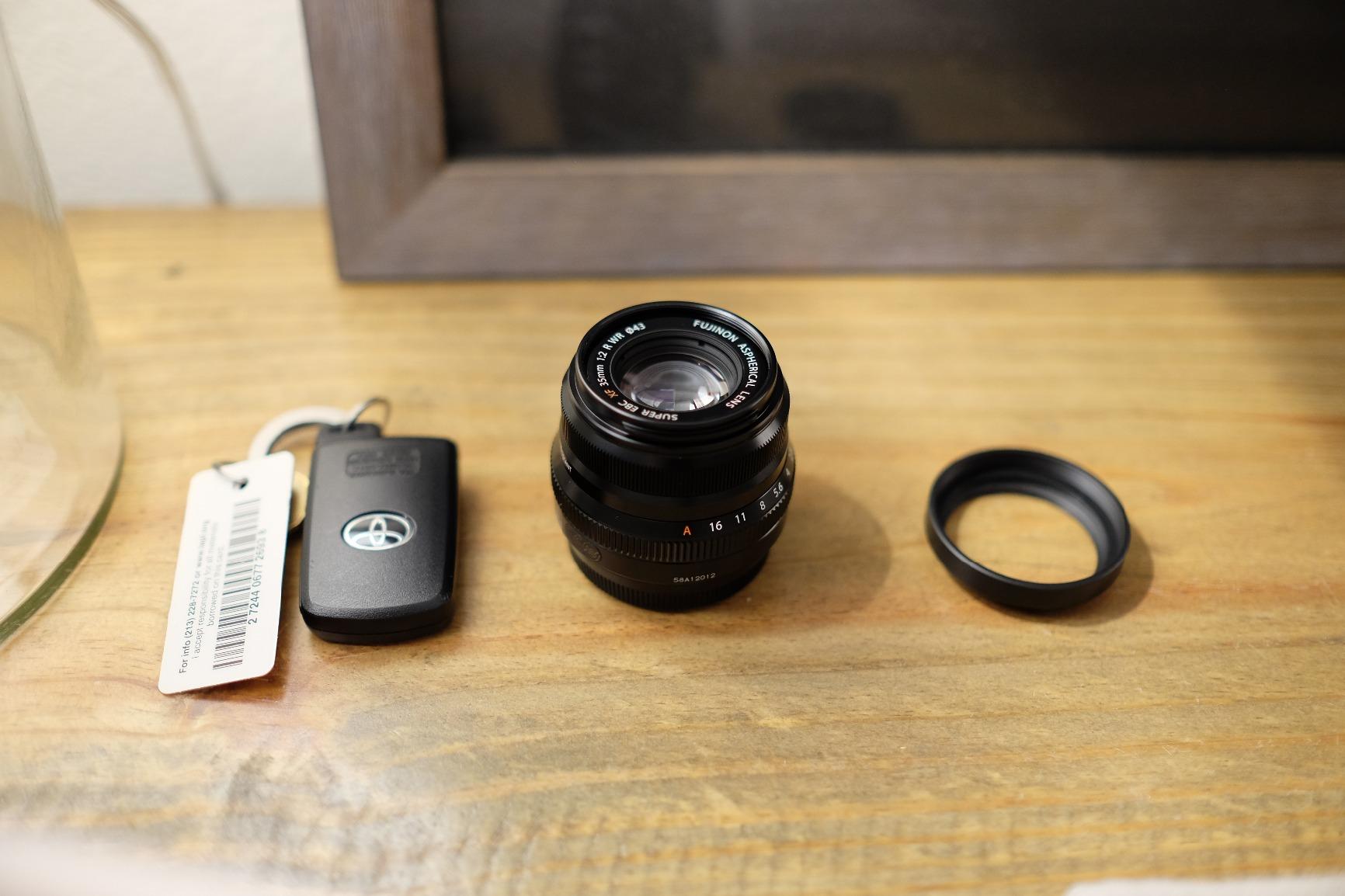
The Fujinon XF35mmF2 R WR has earned legendary status among Fujifilm X-series photographers, and after using it extensively, I understand why. This lens represents everything great about the Fuji system: compact size, excellent optics, and thoughtful design. The weather-resistant construction with 8 sealing points makes it one of the most durable primes in its class.
Autofocus performance is genuinely impressive. The 0.08-second focus acquisition speed is among the fastest I have tested, and the operation is nearly silent. This makes the lens perfect for street photography where quick, discreet shooting is essential. The inner focus system means the lens does not extend during focusing, maintaining its compact profile at all times.
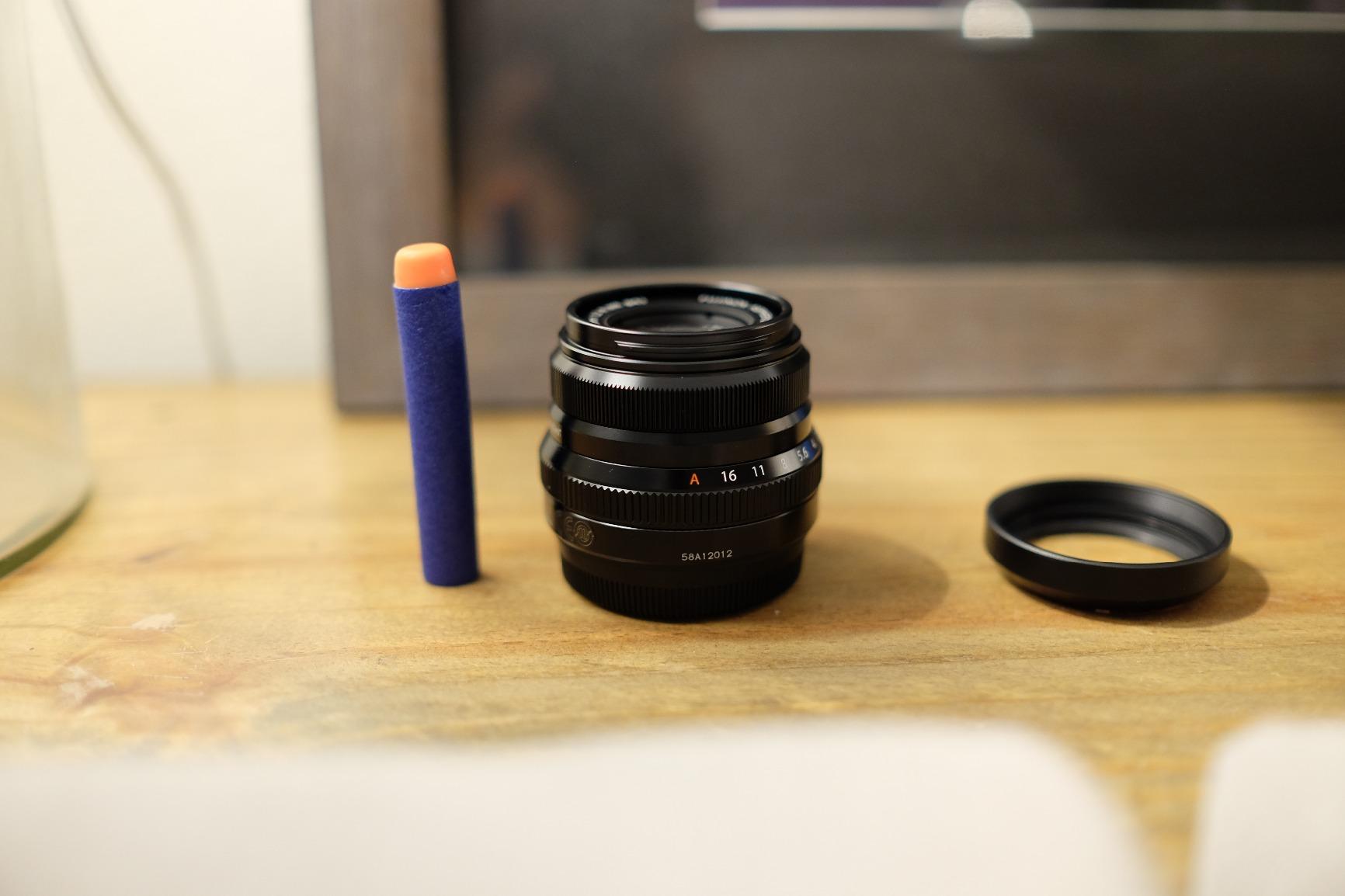
Fujifilm’s Nano-GI coating effectively suppresses ghosting and flare, even when shooting into bright light sources. The 9-blade aperture creates smooth, circular bokeh that complements Fuji’s distinctive color science. At 14.4 ounces, the lens balances beautifully on X-series bodies from the entry-level X-T30 to the flagship X-T5.
The classic Fuji aperture ring with click stops provides tactile exposure control that many photographers prefer over command dial adjustments. The minimum working distance of 13 inches is adequate for environmental portraits and detail shots, though not as close as some competitors.
Who Should Buy This Lens
Fujifilm X-series photographers who want their first prime lens should strongly consider this option. Street photographers who value compact size and weather resistance will find it ideal. Travel photographers who need a durable, high-quality lens for varied conditions will appreciate the build quality.
Who Might Want to Look Elsewhere
Photographers who frequently shoot in very low light might prefer the f/1.4 version for its extra light-gathering capability. Those bothered by accidentally moved aperture rings should note the slightly slippery ring design. If you need close-focusing capability, other options offer shorter minimum focus distances.
8. Fujinon XF35mmF1.4 R – The Classic Legend with Character
Pros
- Stunning image quality rivals larger formats
- Tack sharp even wide open at f/1.4
- Beautiful creamy bokeh
- Lightweight at only 6.6 ounces
- All-metal premium build
- Classic rendering with character
Cons
- Autofocus slower and hunts in low light
- Focus motor can be noisy clacky operation
- Rubber lens cap tends to fall off
- Older design compared to f/2 version
The Fujinon XF35mmF1.4 R holds a special place in photography history as one of the original lenses that helped establish the Fujifilm X system. Despite being over a decade old, this lens continues to deliver images with a magical quality that modern alternatives sometimes lack. The rendering has a distinctive character that many photographers describe as having soul.
What immediately strikes you about this lens is the build quality. The all-metal construction feels substantial despite weighing only 6.6 ounces. The aperture ring clicks satisfyingly with each stop, and the manual focus ring is beautifully damped. This is a lens that feels like a precision instrument in your hands.

Optically, the lens is exceptional. Even wide open at f/1.4, center sharpness is outstanding, and stopping down to f/2.8 brings the edges into line. The bokeh is where this lens truly shines, producing a creamy, painterly background blur that gives images a three-dimensional quality. The 8 elements in 6 groups design includes one aspherical element that contributes to the distinctive rendering.
The autofocus is where the age of this design shows. The focus motor is slower and noisier than modern lenses, occasionally hunting in low light. However, for photographers who prioritize image quality over AF speed, this is a worthwhile compromise. The classic rendering style makes this lens a favorite among portrait and documentary photographers.

Who Should Buy This Lens
Fujifilm photographers who value image character and build quality over autofocus speed will treasure this lens. Portrait photographers who want beautiful bokeh and distinctive rendering will find it indispensable. Collectors and enthusiasts who appreciate classic lens design will enjoy the all-metal construction.
Who Might Want to Look Elsewhere
Photographers who need fast, silent autofocus for candid or action work should consider the f/2 version instead. Video creators will find the noisy focus motor problematic. Those who shoot primarily in low light might be frustrated by occasional focus hunting.
9. Voigtlander Nokton 35mm f/1.4 II – Leica M Value Champion
Pros
- Improved Version II with high index glass
- Very small compact at only 6.7oz
- MC Multi-Coated for higher contrast
- Excellent value compared to Leica lenses
- Solid all-metal construction
- Vintage-like character with softer edges wide open
Cons
- Manual focus only not autofocus
- Some vignetting wide open
- Focus throw is long
- Aperture clicks can be soft gritty
- Background bokeh can be nervous
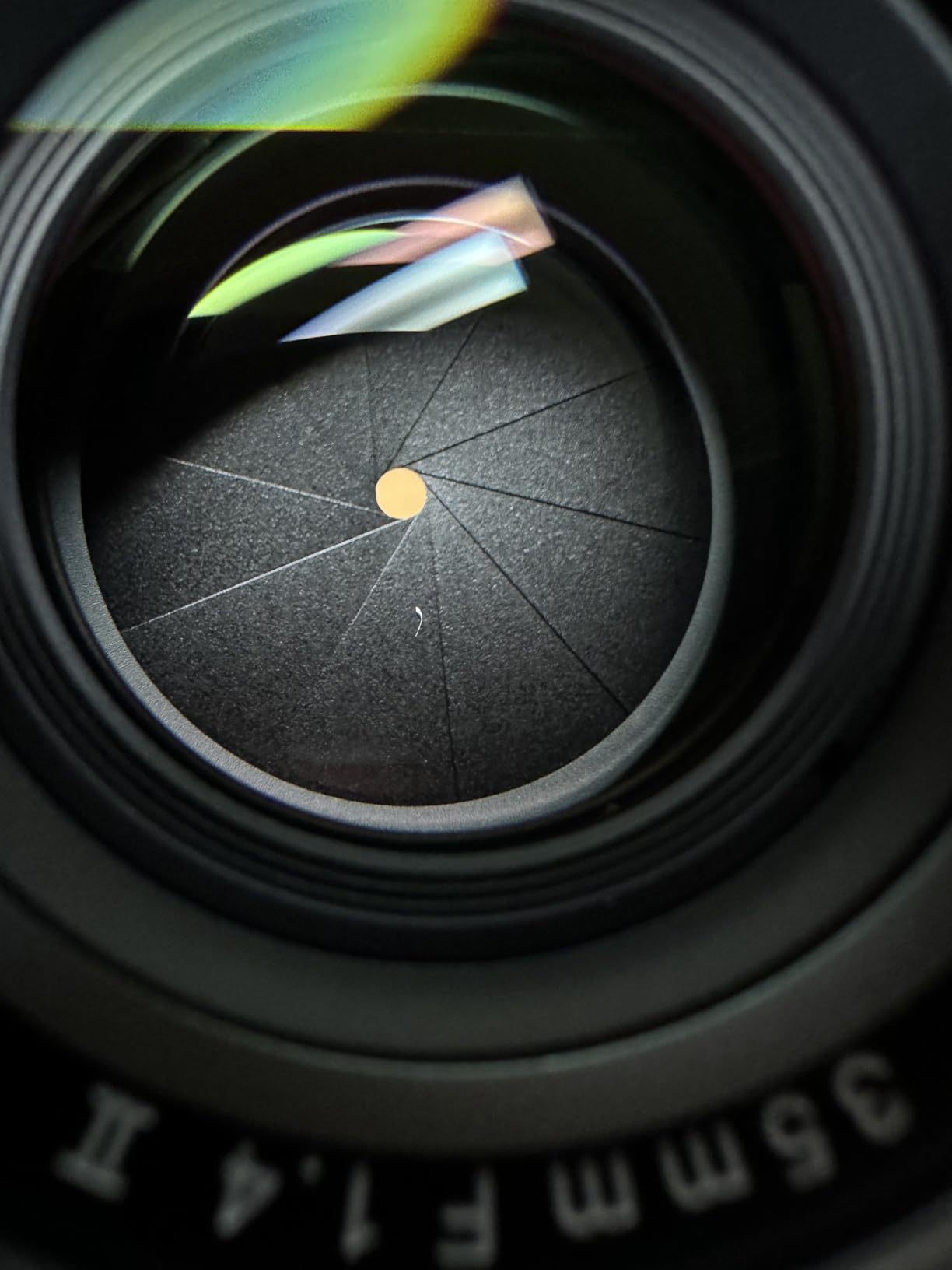
The Voigtlander Nokton 35mm f/1.4 II offers Leica M photographers a compelling alternative to the significantly more expensive Leica-branded options. After adapting this lens to both a Leica M body and a mirrorless camera, I found it delivers distinctive character at a fraction of the cost of native Leica glass.
Version II of this lens incorporates a high-index glass element that improves contrast and sharpness compared to the original. The MC multi-coating does an excellent job controlling flare while maintaining the vintage rendering character that many photographers seek. At just 6.7 ounces, it is one of the most compact fast 35mm lenses available for the M mount.

The all-metal construction feels robust and precise in the hands. The focus ring turns smoothly with the right amount of resistance for accurate manual focusing. The aperture ring clicks positively between stops, though some users report the clicks can feel slightly gritty on certain copies.
Optically, this lens is not trying to be clinically perfect. Wide open, the edges are soft with visible vignetting, but this contributes to the distinctive character. Stopped down to f/2.8 or smaller, sharpness improves significantly across the frame. For photographers who appreciate vintage rendering, these characteristics are features rather than flaws.
Who Should Buy This Lens
Leica M photographers who want a fast 35mm without the premium Leica price tag will find excellent value here. Mirrorless photographers who adapt M-mount lenses will appreciate the compact size and character. Street photographers who prefer manual focus and zone focusing techniques will enjoy the precise focus ring.
Who Might Want to Look Elsewhere
Photographers who rely on autofocus should obviously look elsewhere. Those seeking clinically perfect, modern rendering might find the vintage character distracting. Quality control can vary between copies, so buying from reputable dealers with return policies is recommended.
10. Panasonic LUMIX S 35mm F1.8 – L-Mount Excellence
Pros
- Compact versatile 35mm with corner-to-corner resolution
- F1.8 aperture for beautiful bokeh
- Minimal focus breathing for video
- Dust/splash/freeze-resistant design
- Lightweight at 10.4 ounces
- Fast and accurate autofocus
Cons
- No built-in optical stabilization
- Bokeh can be spotty in certain conditions
- Clinically perfect rendering less character than vintage
The Panasonic LUMIX S 35mm F1.8 is part of Panasonic’s highly regarded F1.8 prime lens lineup, and it lives up to the family reputation. After testing this lens on a Lumix S5, I found it to be one of the most well-rounded 35mm primes available for the L-mount system. The combination of optical quality, build features, and video-friendly characteristics makes it a standout choice.
Corner-to-corner sharpness is excellent from the widest aperture. Panasonic has clearly prioritized resolution, and the results show in real-world images. The natural angle of view closely matches human vision, making this lens ideal for snapshots, environmental portraits, and documentary work.
For video creators, the minimal focus breathing is a significant advantage. When racking focus between subjects, the angle of view remains nearly constant, avoiding the distracting breathing effect that plagues many still photography lenses. The programmable focus throw with rotation speed control adds professional video features that hybrid shooters will appreciate.
The weather-resistant construction protects against dust, splashes, and freezing temperatures. At 10.4 ounces, the lens is lightweight enough for all-day shooting while still feeling substantial. The 0.24-meter minimum focusing distance allows for creative close-up work when needed.

Who Should Buy This Lens
L-mount system photographers from Panasonic, Sigma, or Leica will find this an excellent addition to their kit. Hybrid shooters who need a lens that performs equally well for photos and video will appreciate the minimal focus breathing. Travel photographers who want a compact, weather-sealed prime will find it ideal.
Who Might Want to Look Elsewhere
Photographers who prefer lenses with distinctive character and vintage rendering might find this lens too clinically perfect. Those who absolutely need image stabilization should note this lens relies on body IBIS. Photographers seeking the shallowest possible depth of field might prefer an f/1.4 alternative.
11. YONGNUO YN35mm F2 – Ultra Budget Canon EF Option
Pros
- Excellent value significantly cheaper than Canon
- Good image quality for the price
- Fast f/2 aperture for low light
- Autofocus works well
- Lightweight and compact
- Works for street and everyday use
Cons
- Autofocus motor is noisy
- Build quality feels plastic and cheap
- Compatibility issues with older film cameras
- Slightly soft focus wide open
- Lens cap can pop off easily
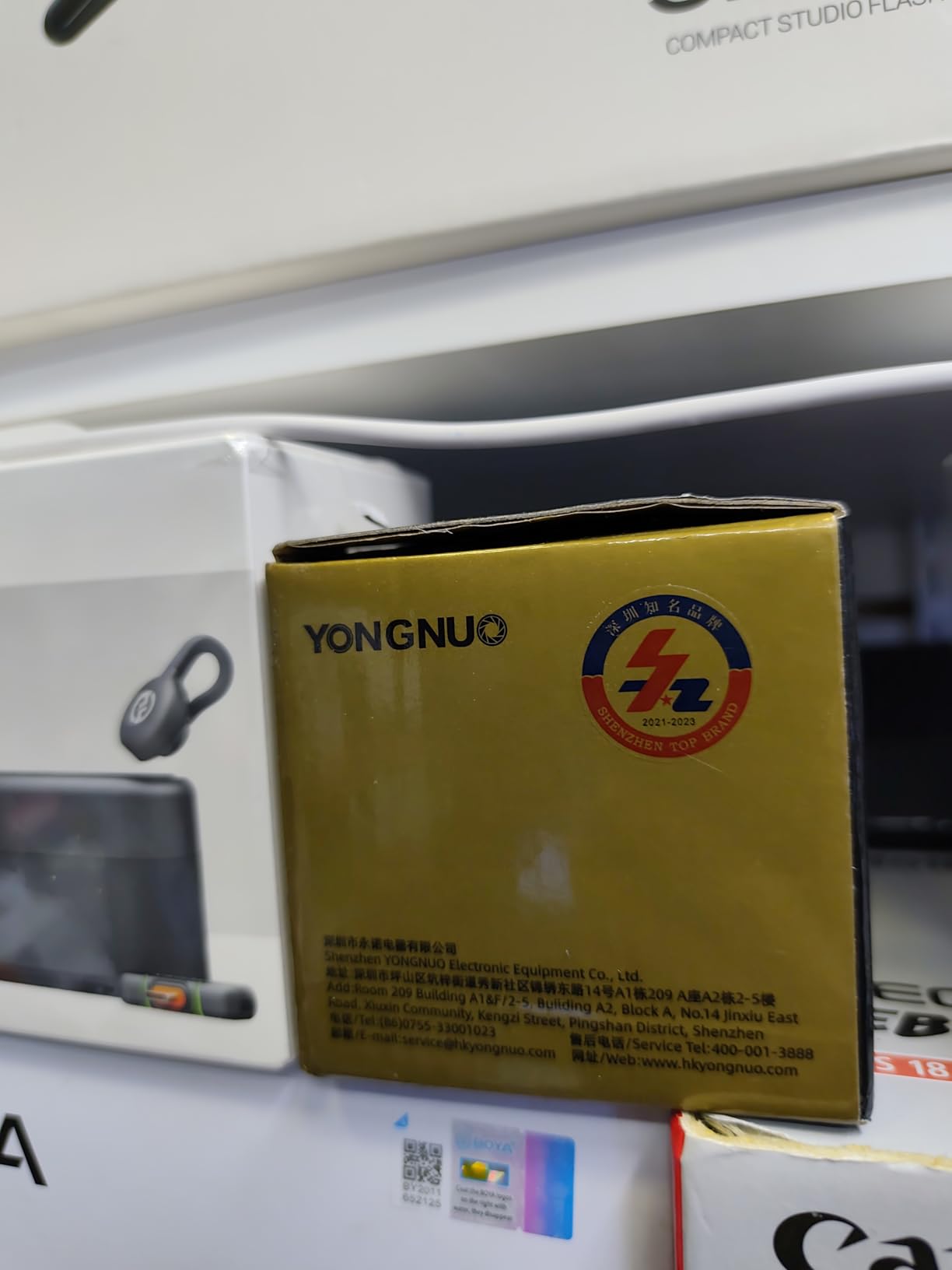
The YONGNUO YN35mm F2 represents the absolute budget end of the 35mm prime spectrum. At well under $150, this lens offers Canon EF mount shooters an incredibly affordable way to experience the benefits of a fast prime. During my testing, I found that while corners have been cut, the core optical performance is surprisingly competent.
For photographers just starting out or those on a strict budget, this lens provides genuine value. The f/2 aperture allows for subject separation and low-light shooting that kit zooms simply cannot match. The 7-element design produces images that are sharp enough for most casual applications, especially when stopped down slightly.
The autofocus system works reliably, though it is significantly noisier than Canon’s own USM motors. In quiet environments, the grinding AF sound is clearly audible, which rules out discrete street photography and video work. However, for photographers on a budget who primarily shoot in louder environments, this may be an acceptable compromise.
Build quality is where the cost savings are most apparent. The plastic construction feels cheap compared to Canon lenses, and the lens cap has a tendency to fall off. However, the metal mount provides a secure connection to the camera body, and at just 6.3 ounces, the lens is genuinely lightweight.

Who Should Buy This Lens
Beginner photographers on a strict budget who want to try their first prime lens will find this an excellent entry point. Canon EF shooters who need a backup 35mm lens for emergencies will appreciate the low cost. Students and hobbyists who cannot justify spending hundreds on a name-brand alternative should consider this option.
Who Might Want to Look Elsewhere
Photographers who need quiet operation for street photography or events should avoid this lens due to the noisy AF. Those who value build quality and long-term durability should invest in Canon or Sigma alternatives. Video creators will find the loud AF motor problematic for recording.
12. Meike 35mm F1.7 – Manual Focus Budget Wonder
Pros
- Incredible value at under $100
- Excellent sharpness even wide open
- Solid all-metal build quality
- Fast aperture for low light
- Manual focus extends battery life
- Smooth focus and aperture rings
Cons
- Manual focus only not suitable for all
- Aperture ring does not click
- Heavier than expected for size
- Tight mount fit may cause wear
- Lens cap tends to fall off
The Meike 35mm F1.7 proves that you do not need to spend hundreds of dollars to get a lens with genuine optical quality. At under $100, this manual focus lens for Sony E-mount APS-C cameras delivers results that genuinely surprised me during testing. The sharpness wide open is impressive, and the all-metal build feels far more premium than the price suggests.
For photographers willing to embrace manual focus, this lens offers tremendous value. The f/1.7 aperture provides excellent low-light capability and pleasing background separation. The 9-blade aperture creates smooth bokeh that rivals more expensive lenses. The 6-element optical design is surprisingly sophisticated for this price point.

The all-metal construction gives the lens a solid, premium feel in the hand. Both the focus ring and aperture ring operate smoothly with appropriate resistance. The de-clicked aperture ring is actually a feature for video shooters who want smooth exposure transitions, though still photographers might accidentally move it.
At 6.4 ounces, the lens is slightly heavier than expected but still compact enough for everyday carry. The super multi-coated elements help control flare and maintain contrast in backlit situations. For photographers who enjoy the deliberate process of manual focus, this lens offers an affordable entry point.

Who Should Buy This Lens
Photographers comfortable with manual focus who want maximum value will love this lens. Video creators who prefer manual focus for precise control will find the de-clicked aperture useful. Street photographers who use zone focusing techniques will appreciate the depth of field scale.
Who Might Want to Look Elsewhere
Photographers who rely on autofocus for fast-paced shooting should obviously avoid this manual-focus-only lens. Those who prefer clicked aperture rings for precise exposure control might find the de-clicked design frustrating. Anyone concerned about long-term mount durability might worry about the tight fit.
13. Nikon AF-S DX NIKKOR 35mm f/1.8G – The DSLR Legend
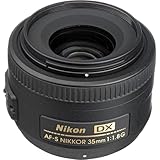
Nikon AF-S DX NIKKOR 35mm f/1.8G Lens with Auto Focus for Nikon DSLR Cameras, 2183, Black
Pros
- Legendary status best budget prime for DX
- Excellent sharpness and image quality
- Fast and accurate autofocus
- Great low-light performance
- Lightweight and compact
- Outstanding value with over 15000 reviews
Cons
- Some chromatic aberration wide open
- Slight barrel distortion
- Plastic build with metal mount
- No image stabilization
- DX format only not full frame
The Nikon AF-S DX NIKKOR 35mm f/1.8G has achieved legendary status among Nikon DSLR shooters, and with over 15,000 Amazon reviews maintaining a 4.7-star rating, the numbers back up the reputation. This lens has been the first prime lens recommendation for Nikon DX photographers for over a decade, and after using one extensively, I understand why.
The optical performance is genuinely impressive for the price. Sharpness is excellent from the center right out to the edges, and the f/1.8 aperture provides genuine low-light capability. The Silent Wave Motor delivers fast, accurate autofocus that locks on quickly even in challenging lighting conditions.

What makes this lens special is the value proposition. For a remarkably low price, you get professional-grade optical quality in a compact, lightweight package. The 7-blade rounded diaphragm creates pleasing bokeh that elevates images beyond what kit lenses can achieve. The internal focusing means the lens does not extend during operation.
Build quality is functional rather than luxurious. The plastic construction keeps weight down to just 7.1 ounces, and the metal mount ensures a secure connection to the camera. While there is no weather sealing, the lens has proven durable enough for everyday use. The 52mm filter thread keeps accessory costs down.

Who Should Buy This Lens
Nikon DX DSLR photographers who want their first prime lens should absolutely buy this. Students and beginners who need excellent optical quality on a budget will find it perfect. Anyone still shooting Nikon F-mount DSLRs who wants a versatile everyday lens will appreciate the value.
Who Might Want to Look Elsewhere
Full-frame Nikon shooters should note this is a DX-only lens that will not cover the full sensor. Photographers who need weather sealing for harsh conditions should consider premium alternatives. Those bothered by minor chromatic aberration might prefer more expensive options.
14. Canon EF 35mm f/1.4L USM – Professional L-Series Classic
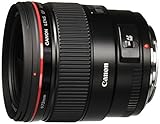
Canon EF 35mm f/1.4L USM Wide Angle Lens for Canon SLR Cameras – White Box (New) (Bulk Packaging)
Pros
- Exceptional wide-aperture performance
- Outstanding sharpness even at f/1.4
- Beautiful color reproduction
- Fast silent accurate USM autofocus
- Professional L-series build
- Excellent for low-light photography
Cons
- Very expensive compared to alternatives
- No weather sealing
- Older design discontinued
- Some chromatic aberration wide open
- Heavy at 1.28 pounds
- No image stabilization
The Canon EF 35mm f/1.4L USM has been a workhorse lens for professional Canon photographers for years. Despite being an older design, this L-series lens continues to deliver exceptional results for those who need the fastest possible aperture in a professional-grade package. The ring-type USM motor provides autofocus performance that remains competitive with modern lenses.
What sets this lens apart is the combination of f/1.4 speed and professional optical quality. The aspherical lens element contributes to outstanding sharpness even when shooting wide open. Color reproduction has that distinctive Canon warmth that many portrait and wedding photographers prefer.

The build quality is exactly what you expect from Canon L-series glass. The robust construction feels like it will last decades of professional use. The full-time manual focus override allows for instant adjustments without switching modes. The inner focusing system with floating elements maintains optical quality at all focus distances.
At 1.28 pounds, this is not a lightweight lens, but the weight contributes to stability during handheld shooting. The 72mm filter thread is larger than many 35mm lenses, which means more expensive filters. While discontinued, the lens remains available and is an excellent choice for Canon EF shooters who need professional performance.

Who Should Buy This Lens
Professional Canon EF shooters who need the fastest possible aperture will find this lens essential. Portrait and wedding photographers who value the L-series build quality and color rendering will appreciate the investment. Photographers who adapt Canon EF lenses to mirrorless bodies will find it an excellent performer.
Who Might Want to Look Elsewhere
Canon RF shooters should consider native RF lenses for better integration with mirrorless bodies. Budget-conscious photographers can find excellent alternatives from Sigma and Tamron for significantly less. Those who need weather sealing should look at newer L-series alternatives.
15. Sigma 30mm F1.4 Contemporary DC DN – APS-C Excellence
Pros
- Outstanding optical quality rivaling expensive lenses
- Fast f/1.4 aperture for beautiful bokeh
- Excellent low-light performance
- Fast and accurate autofocus
- Compact and portable
- Sharp even wide open at f/1.4
Cons
- Some chromatic aberration wide open
- No image stabilization
- Not weather-sealed
- Slightly tighter mount fit
- Originally designed for MFT with some edge issues
The Sigma 30mm F1.4 Contemporary DC DN has become one of the most popular prime lenses for Sony APS-C photographers, and with nearly 5,000 reviews maintaining a 4.7-star rating, the consensus is clear. This lens delivers Art-level optical quality at a Contemporary price point, making it perhaps the best value fast prime for crop-sensor mirrorless cameras.
At 30mm on APS-C, you get an equivalent field of view to 45mm on full-frame, which is close enough to the classic 35mm perspective for practical purposes. The f/1.4 aperture provides excellent low-light capability and beautiful background separation. Sharpness is impressive even wide open, with only minor improvements when stopping down.
The stepping motor delivers fast, quiet autofocus that works well for both stills and video. The internal focusing design means the lens maintains its compact profile at all focus distances. At just 9.3 ounces, the lens balances perfectly on Sony APS-C bodies from the entry-level a6000 series to the flagship a6700.
Build quality is solid with a premium feel despite the competitive pricing. The 9 rounded aperture blades create smooth, circular bokeh highlights. The 52mm filter thread keeps accessory costs reasonable. While not weather-sealed, the construction has proven durable for everyday photography.

Who Should Buy This Lens
Sony APS-C photographers who want a fast prime with excellent optical quality will find this lens ideal. Portrait photographers using crop-sensor cameras will appreciate the f/1.4 aperture for subject separation. Street and travel photographers who need a compact, sharp lens will find it perfect.
Who Might Want to Look Elsewhere
Full-frame Sony shooters should look at the Sony FE 35mm options instead. Photographers who need weather sealing for harsh conditions should consider alternatives. Those bothered by chromatic aberration in high-contrast situations might prefer stopping down or choosing different optics.
Buying Guide: How to Choose the Best 35mm Prime Lens In 2026?
Choosing the right 35mm prime lens involves more than just finding one that fits your camera mount. Understanding the key factors that differentiate lenses will help you make the best decision for your photography needs and budget.
Understanding Aperture: f/1.4 vs f/1.8 vs f/2
The maximum aperture of a lens significantly affects both low-light performance and depth of field control. An f/1.4 lens captures twice as much light as an f/2 lens, allowing for faster shutter speeds or lower ISO settings in dim conditions. The wider aperture also creates shallower depth of field, which is ideal for subject isolation and portraits with creamy background blur.
However, f/1.4 lenses are typically larger, heavier, and significantly more expensive than f/1.8 or f/2 alternatives. For many photographers, an f/1.8 lens provides an excellent balance of performance, size, and value. The difference in background blur between f/1.4 and f/1.8 is noticeable but not dramatic, while the price difference can be substantial.
Full-Frame vs APS-C Considerations
Understanding your sensor format is essential when choosing a 35mm lens. On full-frame cameras, a 35mm lens provides the classic wide-normal field of view that makes this focal length so versatile. On APS-C cameras, the same 35mm lens behaves like a 52.5mm lens due to the 1.5x crop factor, giving you a short telephoto perspective instead.
APS-C photographers who want the classic 35mm field of view should look at 23mm or 24mm lenses instead. The Sigma 30mm F1.4 covered in this guide provides approximately 45mm equivalent, which is close enough for most purposes. Always check lens compatibility with your sensor format before purchasing.
Autofocus vs Manual Focus
Modern autofocus systems have become incredibly sophisticated, with eye detection and subject tracking making sharp photos easier than ever. However, manual focus lenses still have their place, particularly for street photographers who use zone focusing techniques and videographers who need precise focus control.
Manual focus lenses are typically less expensive and often offer unique optical characteristics that modern autofocus lenses lack. If you enjoy the deliberate process of manual focusing or shoot subjects where autofocus might struggle, a manual focus option like the Meike 35mm F1.7 could be ideal.
Weather Sealing Importance
Weather sealing protects your lens from dust, moisture, and temperature extremes. For photographers who shoot outdoors regularly, this feature provides peace of mind and extends the lifespan of your equipment. Lenses like the Fujinon XF35mmF2 R WR and NIKKOR Z 35mm f/1.8 S offer excellent weather resistance.
Keep in mind that weather sealing is not waterproofing. Even sealed lenses should not be exposed to heavy rain or submerged. However, light rain, splashes, and dusty conditions are manageable with properly sealed equipment. If you frequently shoot in challenging conditions, prioritize weather-sealed options.
Size and Weight for Street Photography
For street photography, a compact, lightweight lens allows for longer shooting sessions and draws less attention to yourself. Lenses like the VILTROX 35mm F1.7 at just 6 ounces or the Fujinon XF35mmF2 R WR are ideal for discreet shooting. The smaller profile also makes these lenses more comfortable to carry all day.
Professional f/1.4 lenses often sacrifice portability for optical performance. If your primary use case is street or travel photography, consider whether the extra stop of light gathering is worth the additional bulk and weight. Many photographers find that f/1.8 or f/2 lenses provide an excellent compromise.
Third-Party vs First-Party Lenses
Third-party manufacturers like Sigma, Tamron, Viltrox, and TTArtisan have dramatically improved their quality in recent years. Many third-party lenses now offer optical performance that rivals or exceeds first-party options at significantly lower prices. The Sigma 30mm F1.4 DC DN is a prime example of exceptional third-party value.
First-party lenses from Sony, Canon, Nikon, and Fujifilm often offer better autofocus integration, more consistent quality control, and sometimes better resale value. However, the performance gap has narrowed considerably, making third-party lenses increasingly attractive for budget-conscious photographers.
Budget Considerations Across Price Tiers
35mm prime lenses span an enormous price range from under $100 to over $4,000. Budget options like the Meike 35mm F1.7 and YONGNUO YN35mm F2 offer genuine value for beginners. Mid-range lenses like the Canon RF35mm F1.8 IS Macro and Sigma 30mm F1.4 provide excellent performance without premium pricing.
Professional lenses like the Sony FE 35mm f/1.4 GM and Canon EF 35mm f/1.4L USM offer the best optical quality and build, but the investment is significant. Consider your actual needs rather than simply buying the most expensive option. Many photographers never utilize the full capabilities of premium lenses.
Frequently Asked Questions
What is the Holy Trinity of lenses?
The Holy Trinity of lenses refers to the three essential zoom lenses that cover virtually every photographic situation: a wide-angle zoom (typically 16-35mm or 14-24mm), a standard zoom (24-70mm), and a telephoto zoom (70-200mm). Together, these three lenses provide coverage from ultra-wide to telephoto focal lengths. An alternative Holy Trinity for prime lens shooters often includes 35mm, 50mm, and 85mm primes, which cover wide-normal, normal, and portrait focal lengths with faster maximum apertures than zoom equivalents.
What two lenses should every photographer have?
Most experienced photographers recommend starting with a versatile zoom lens and a fast prime. A 24-70mm zoom covers wide-angle to short telephoto focal lengths for general photography. Adding a fast prime like a 35mm f/1.8 or 50mm f/1.8 provides excellent low-light capability and creative depth of field control. This combination gives you flexibility for most situations while teaching you the creative possibilities of wide apertures that zoom lenses cannot match.
What is a 35mm prime lens best for?
A 35mm prime lens excels at street photography, environmental portraits, travel photography, documentary work, and everyday shooting. The focal length provides a natural perspective that closely matches human vision, capturing scenes as your eye sees them. The relatively compact size of most 35mm lenses makes them ideal for discreet candid photography. The wide-angle field of view allows you to include environmental context around your subject, making it perfect for storytelling images where background matters.
What is the most used prime lens?
The 50mm prime lens, often called the nifty fifty, is the most commonly used prime lens among photographers. Its popularity comes from the versatile normal field of view, fast maximum aperture, and typically affordable price point. The 35mm prime is the second most popular, offering a slightly wider perspective that many street and documentary photographers prefer. Both focal lengths are considered essential primes that every photographer should consider adding to their kit.
Conclusion
Finding the best 35mm prime lenses across all camera brands for your camera system comes down to balancing optical quality, features, and budget. The Sony FE 35mm f/1.4 GM stands out as our Editor’s Choice for its exceptional sharpness, fast aperture, and professional build quality. For Nikon Z shooters, the NIKKOR Z 35mm f/1.8 S offers outstanding optical performance at a more accessible price point. Budget-conscious photographers will find incredible value in the VILTROX 35mm F1.7 for Sony APS-C or the legendary Nikon AF-S DX 35mm f/1.8G for DSLR systems.
Each lens in this guide has been selected for its specific strengths, whether that is the macro capability of the Canon RF35mm F1.8, the character of the Fujinon XF35mmF1.4 R, or the professional L-series build of the Canon EF 35mm f/1.4L USM. Consider your primary shooting subjects, typical lighting conditions, and budget when making your decision. A 35mm prime is often the most-used lens in any photographer’s bag, so choose one that will serve you well for years to come.