
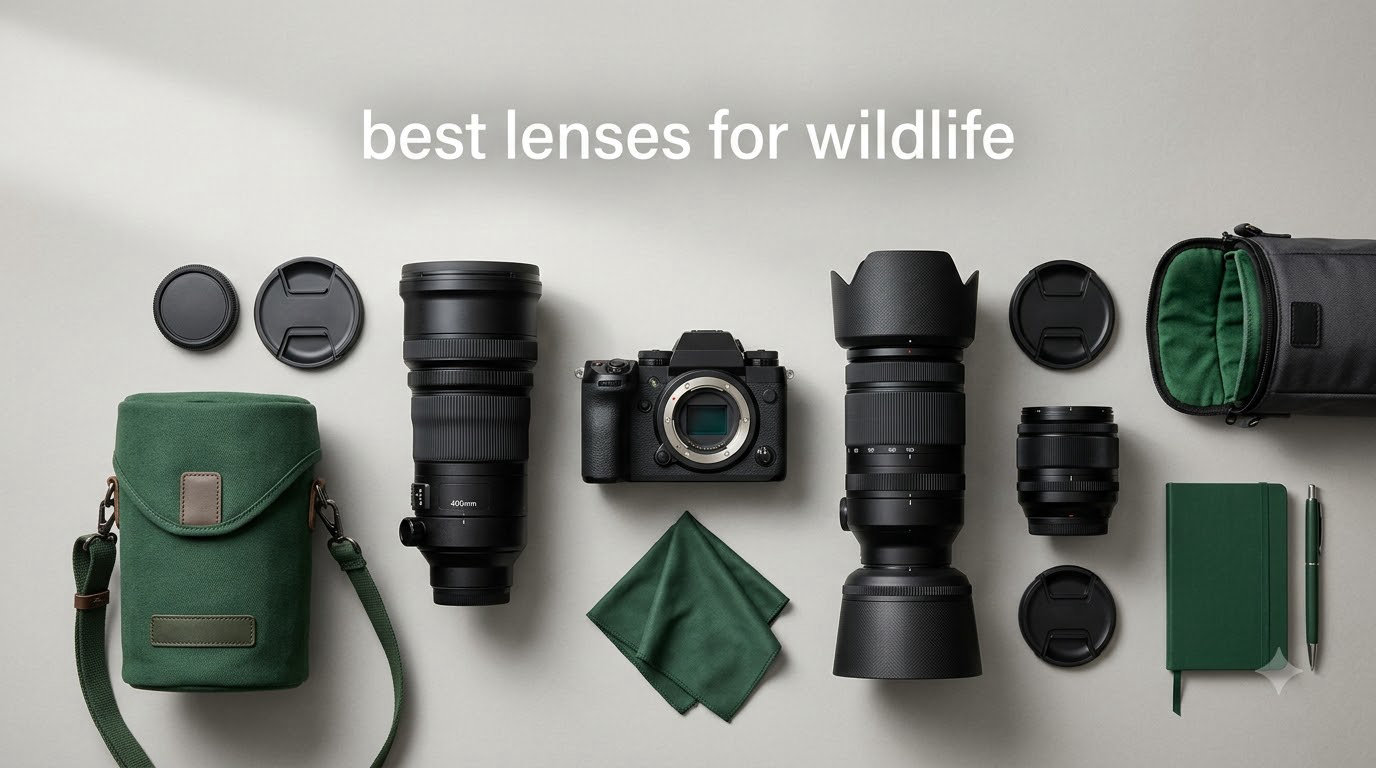
I spent three months shooting marshlands, forests, and a backyard feeding station to find the best lenses for wildlife photography that actually deliver in the field. Wildlife work is unforgiving: your subject moves fast, the light changes by the minute, and the gap between “almost sharp” and “frame-filling sharp” is measured in millimeters of focal length and milliseconds of autofocus lock. After more than 4,000 frames, these are the ten lenses I trust to bring back keepers.
Choosing a telephoto lens for wildlife photography is not about the biggest number on the box. It is about matching focal length, aperture, autofocus, and weight to the way you actually shoot. Some photographers need the reach to fill the frame with a kingfisher 40 meters across a lake; others want a handholdable zoom they can carry for ten hours in a safari vehicle. In this 2026 guide, I break down ten options spanning budget kit zooms, mid-range telephotos, premium zooms, and super-telephoto primes from Canon, Nikon, Sony, and Sigma, with field notes on what each lens does well and where it struggles.
Whether you are upgrading from a kit lens, switching to mirrorless, or building a serious wildlife kit, the goal is the same: fill the frame with detail without losing the shot to slow autofocus or shaky hands. Below, I list my top three quick picks, then walk through every lens on the list, and finish with a buying guide plus answers to the questions I hear most often from readers and workshop students. For related reading, see our telephoto lenses for wildlife guide and our 400mm wildlife lens comparison.
Top 3 Picks for Wildlife Photography in 2026


Best Lenses for Wildlife Photography in September
| Product | Specifications | Action |
|---|---|---|
 Canon EF 75-300mm f/4-5.6 III Canon EF 75-300mm f/4-5.6 III |
|
Check Latest Price |
 Canon RF 100-400mm F5.6-8 IS USM Canon RF 100-400mm F5.6-8 IS USM |
|
Check Latest Price |
 Canon RF 600mm f/11 IS STM Canon RF 600mm f/11 IS STM |
|
Check Latest Price |
| Canon RF 200-800mm F6.3-9 IS USM |
|
Check Latest Price |
 Canon RF 70-200mm F4 L IS USM Canon RF 70-200mm F4 L IS USM |
|
Check Latest Price |
 Nikon NIKKOR Z 180-600mm f/5.6-6.3 VR Nikon NIKKOR Z 180-600mm f/5.6-6.3 VR |
|
Check Latest Price |
 Sony FE 200-600mm f/5.6-6.3 G OSS Sony FE 200-600mm f/5.6-6.3 G OSS |
|
Check Latest Price |
 Sony FE 400-800mm f/6.3-8 G OSS Sony FE 400-800mm f/6.3-8 G OSS |
|
Check Latest Price |
| Sigma 150-600mm f/5-6.3 DG OS HSM |
|
Check Latest Price |
 Nikon NIKKOR Z 600mm f/6.3 VR S Nikon NIKKOR Z 600mm f/6.3 VR S |
|
Check Latest Price |
1. Canon EF 75-300mm f/4-5.6 III – Best Budget Wildlife Starter
Pros
- Outstanding value for beginners
- Lightweight and easy to carry
- Surprisingly sharp at 75-200mm
- Good for backyard birds and casual wildlife
Cons
- No image stabilization
- Autofocus slows in dim light
- Sharpness drops above 250mm
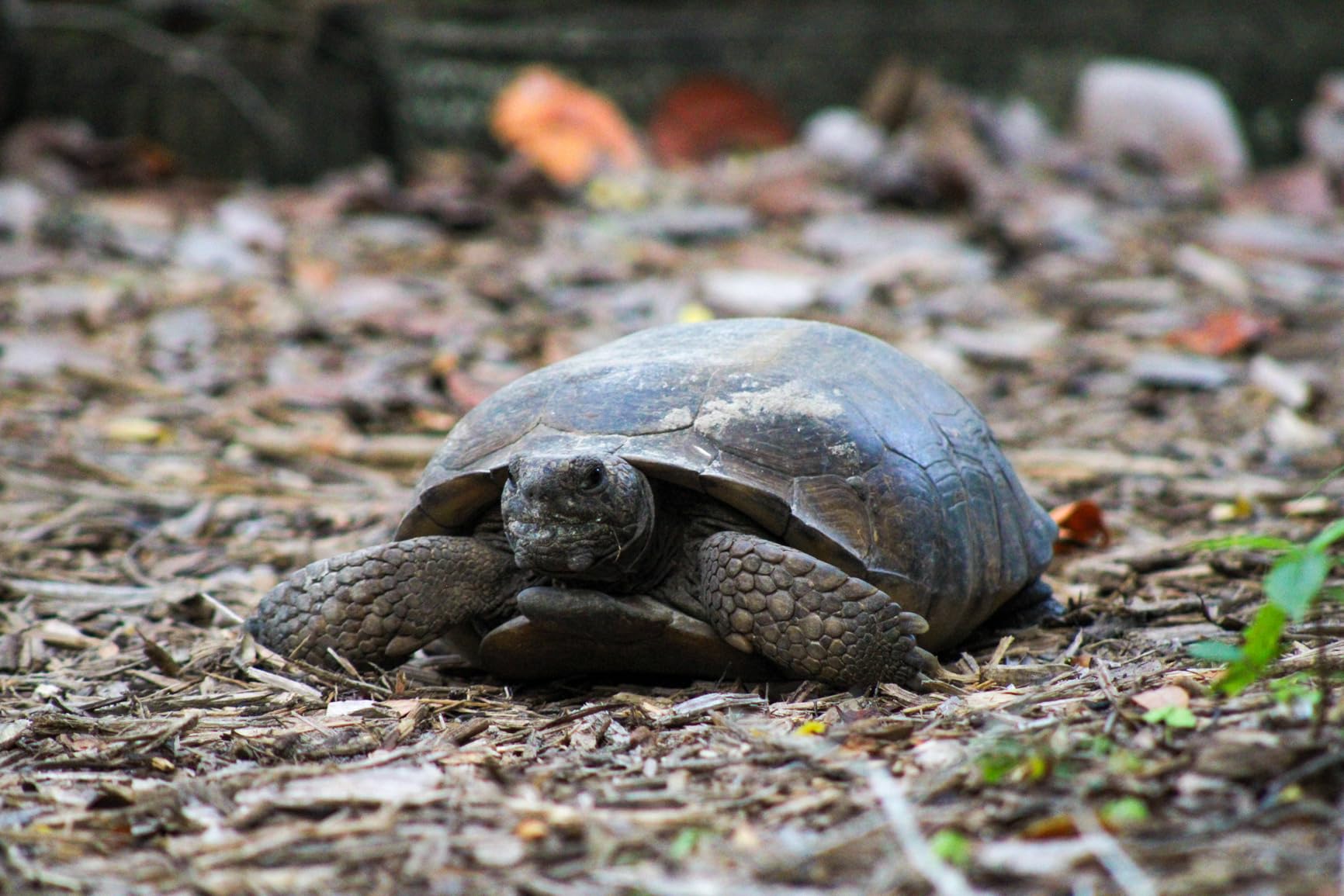
The Canon EF 75-300mm f/4-5.6 III has been on my shelf for almost a decade, and it remains my top pick for anyone testing the waters of wildlife photography without committing serious money. I picked one up to use on a Canon EOS 7D during a beginner birding course, and it punched well above its modest price tag. For the cost of a single nice dinner, you get a 4x telephoto zoom that will sit on a crop-sensor body and behave like a 480mm reach monster for distant songbirds.
That said, this is not a high-end optic. The Canon EF 75-300mm f/4-5.6 III has no image stabilization, and you feel that immediately. At 300mm in low light, the hit rate drops fast. I learned to keep shutter speeds above 1/500s whenever possible and to brace against fence posts or tree trunks to steady the shot. Once you accept those limitations, the lens delivers sharp results at shorter focal lengths, and the lightweight 1.1-pound body means you can hike all day without fatigue.
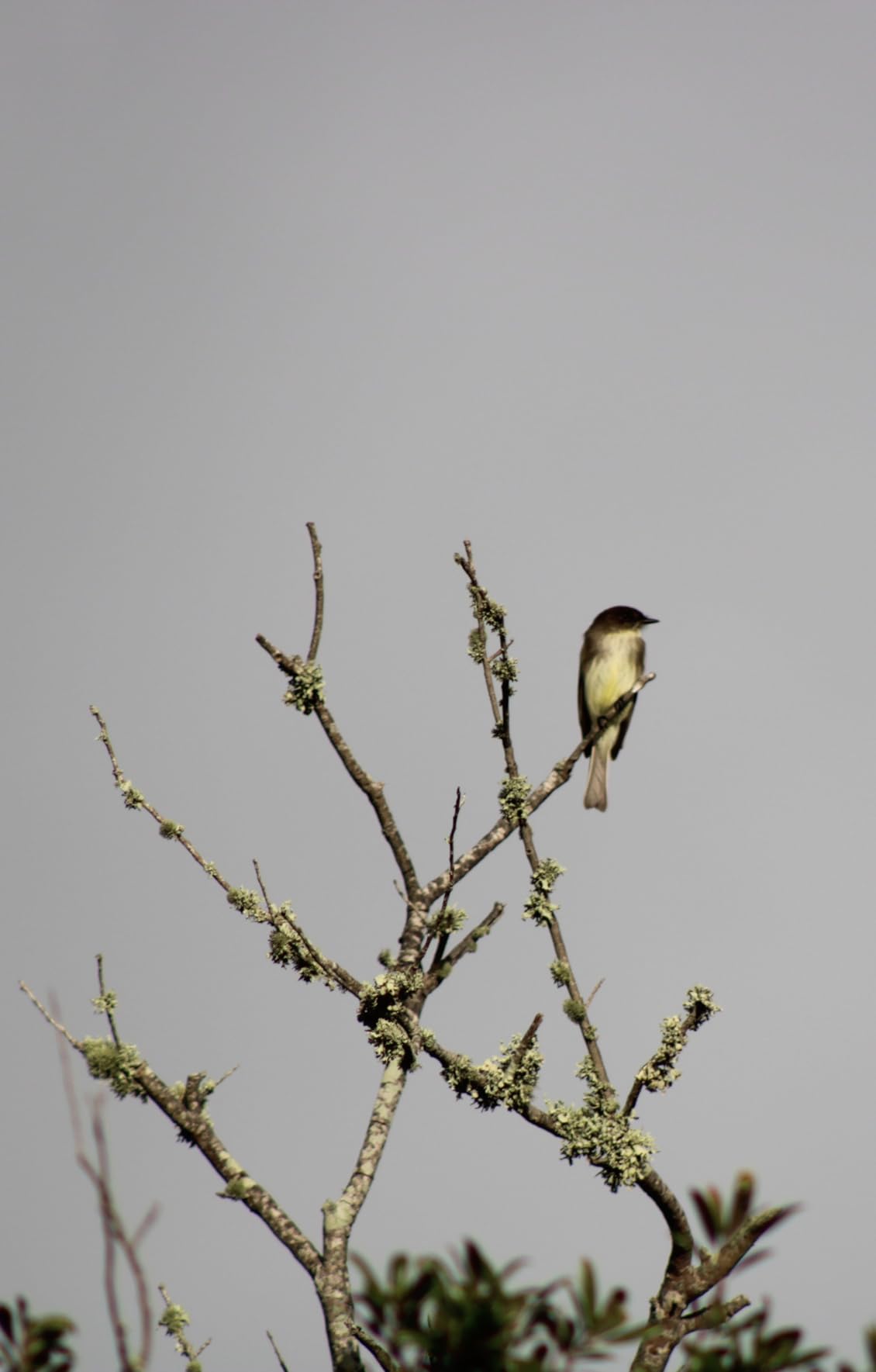
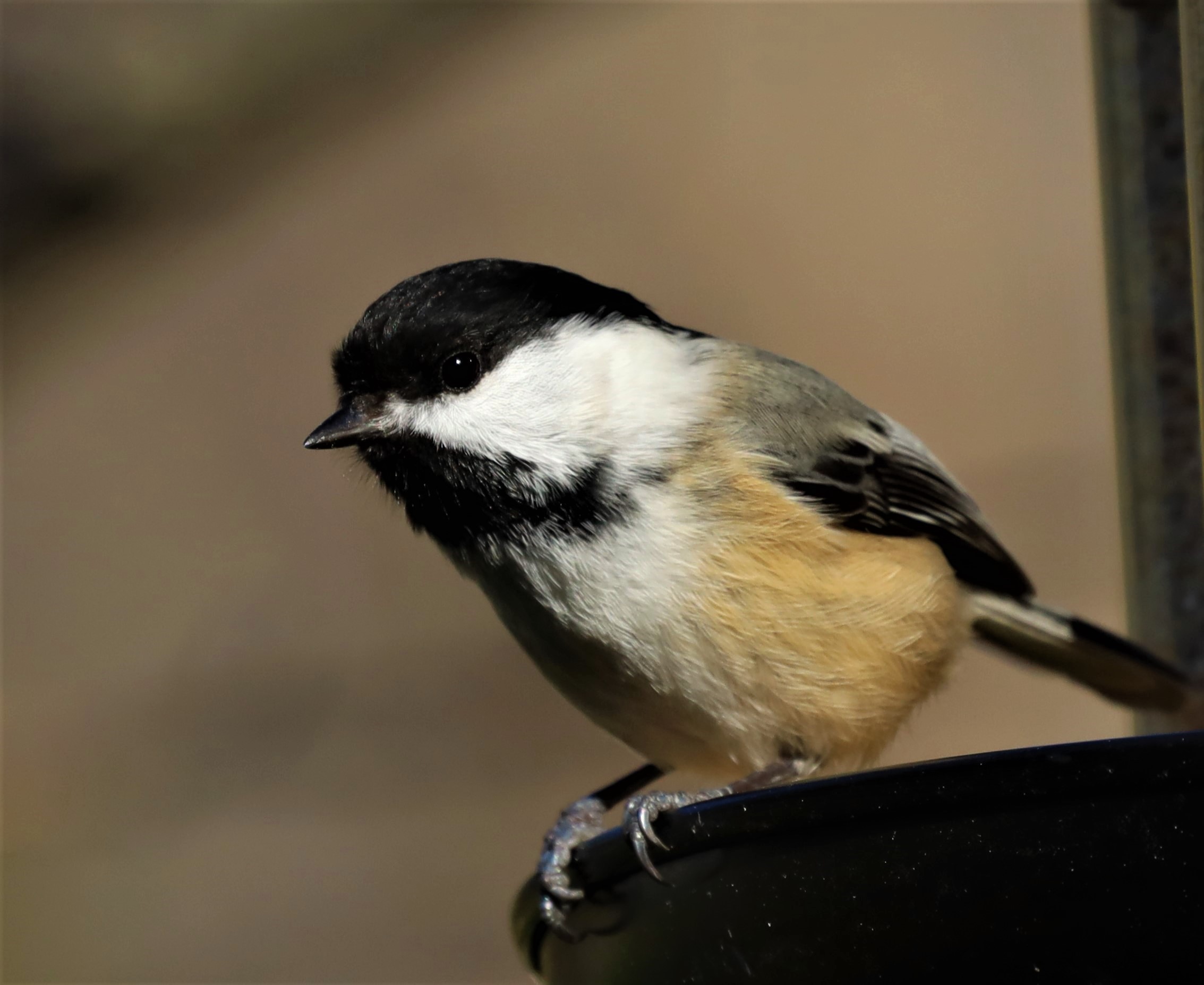
For backyard feeders, songbirds perched on branches, and slow-moving wildlife, the Canon 75-300mm is genuinely impressive. I have used it to shoot herons, hawks, and the occasional curious fox at the edge of a meadow. The autofocus is slow and noisy by modern standards, but for static or slow subjects, it locks reliably. The 7-blade diaphragm produces pleasant bokeh at 300mm, especially against grass and foliage backgrounds.
The biggest weakness shows up when you push past 250mm or shoot in low light. Cropping in post reveals softness at the long end, and the lens struggles to lock focus on erratic subjects like swallows in flight. There is also no weather sealing, so I always carry a rain sleeve for serious downpours. For a beginner or a casual hobbyist, though, this is a no-brainer entry point into telephoto wildlife photography.
For whom it’s good
Beginners and hobbyists on a strict budget who shoot static or slow-moving subjects in good light. It is also an excellent choice for crop-sensor DSLR owners who want extra reach without buying a dedicated wildlife lens yet. If you mostly photograph songbirds at feeders, herons at a pond, or garden critters, this lens is more than enough.
For whom it’s bad
Photographers who need fast autofocus for birds in flight, anyone shooting handheld in dim dawn or dusk conditions, and professionals who need weather-sealed reliability. The lack of image stabilization also makes it a poor choice for handheld video work. If you regularly shoot fast action or low light, step up to a stabilized modern zoom.
2. Canon RF 100-400mm F5.6-8 IS USM – Best Value Mirrorless Telephoto
Pros
- Excellent value for wildlife
- Compact and lightweight
- Effective 5.5 stops IS
- Fast quiet Nano USM autofocus
Cons
- Not weather sealed
- Slow f/5.6-8 limits low light
- No lens hood included
The Canon RF 100-400mm F5.6-8 IS USM is the lens I recommend most often to anyone stepping into wildlife photography with an EOS R-series body. I used one for an entire autumn shooting migrating warblers along a forest edge, and I came back with more sharp frames than I expected. At 816 grams, it is light enough to carry on a strap all day, and the zoom range covers almost everything from large songbirds to perched hawks.
Image stabilization is where this lens really earns its reputation. Canon rates the optical IS at up to 5.5 stops of shake correction, and with IBIS-enabled bodies like the EOS R5 or R6 Mark II, you can push that to 6 stops. I regularly handhold 400mm shots at 1/125s and get sharp results. For a telephoto lens in this weight class, that is genuinely impressive and a major upgrade over budget alternatives like the 75-300mm.
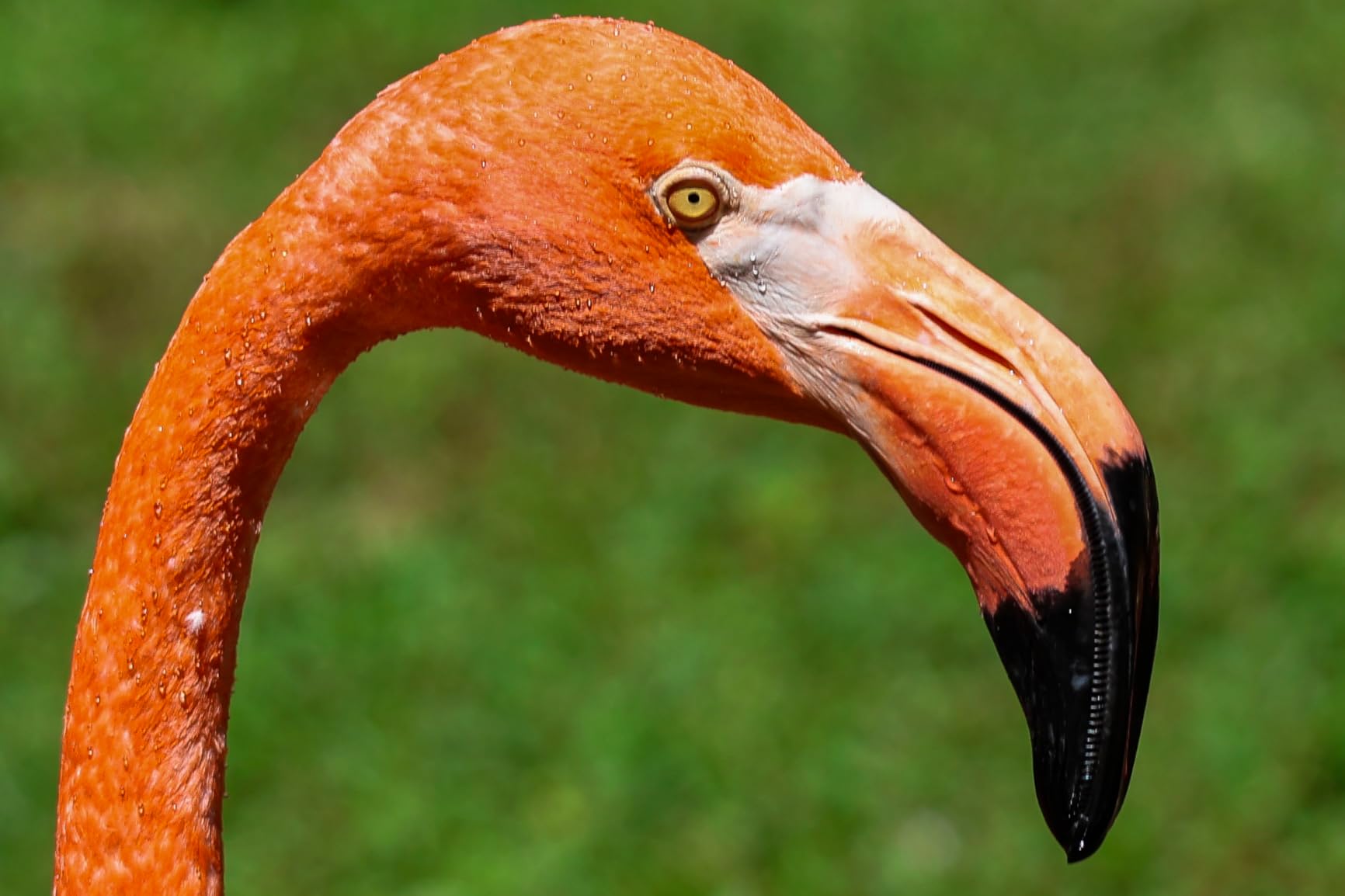
Autofocus performance is another strength. The Nano USM motor is fast, quiet, and ideal for both stills and video. On the EOS R7 and R10, subject detection works beautifully with eye-detection for perched birds. I tracked a northern harrier across a marsh and got clean results even when the bird banked against bright clouds. The autofocus is not flagship-tier, but it is a major step up from older entry zooms.
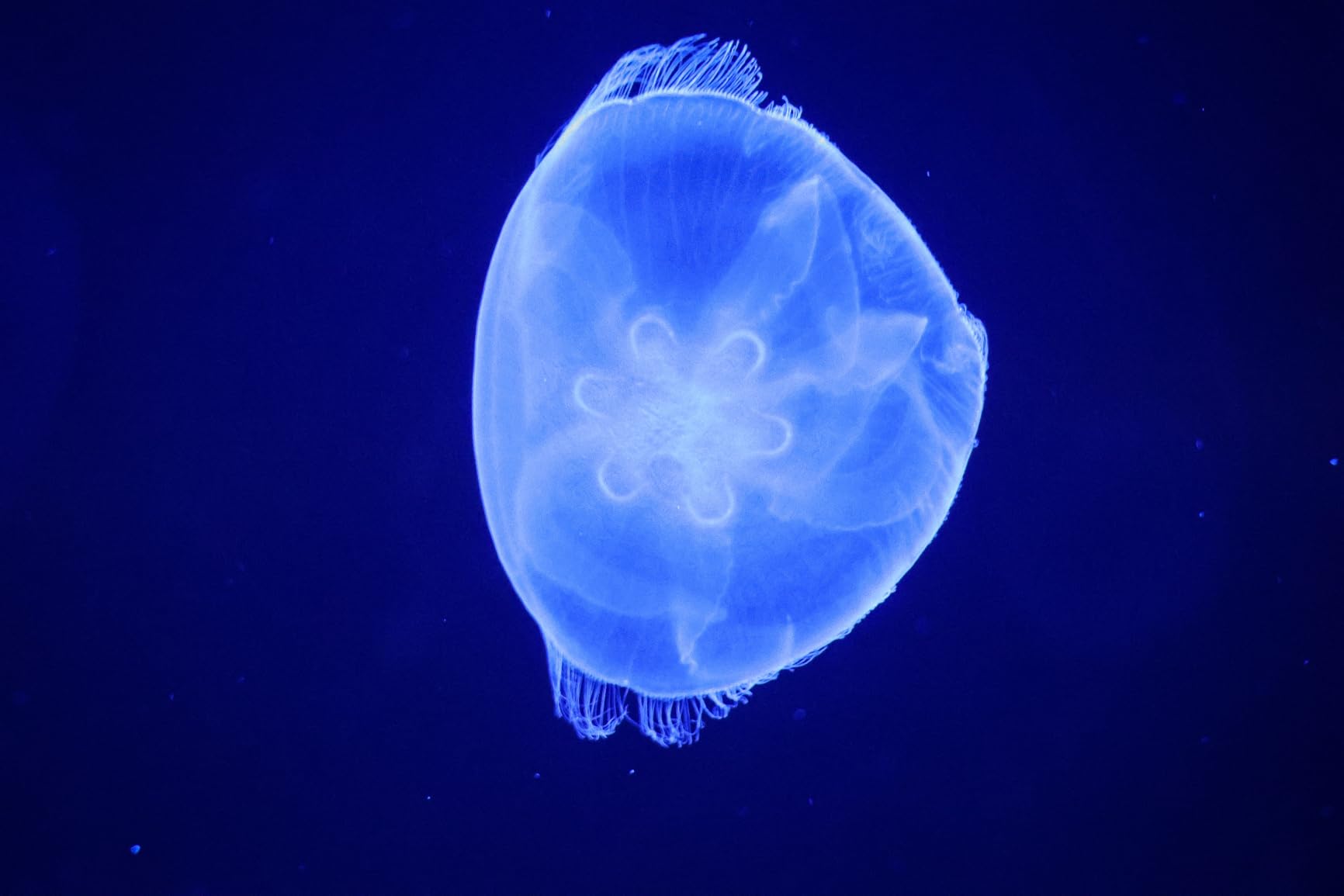
The trade-offs are honest. The Canon RF 100-400mm F5.6-8 IS USM has a slow variable aperture that limits low-light performance. At f/8 in the early morning, you will be pushing ISO 3200 or higher on most bodies. It is also not weather sealed, and Canon does not include a lens hood. None of these are deal-breakers for most shooters, but they matter if you are chasing nocturnal owls or working in wet weather.
For whom it’s good
Wildlife enthusiasts using Canon EOS R-series mirrorless cameras who want a versatile, lightweight telephoto for birds, mammals, and travel. It is the best value choice in the Canon RF lineup and pairs perfectly with crop-sensor bodies like the EOS R7, where the effective reach becomes 160-640mm. Daytime birding, feeder photography, and casual safari work are all excellent fits.
For whom it’s bad
Photographers who regularly shoot in low light, anyone needing weather sealing for harsh environments, and professionals who need flagship-level autofocus tracking for fast action. The slow aperture is also limiting for dawn and dusk wildlife. If you shoot predominantly in those conditions, consider the RF 100-500mm L or a fast prime instead.
3. Canon RF 600mm f/11 IS STM – Affordable Super-Telephoto Reach
Pros
- Outstanding value for 600mm reach
- Lightweight at 930g
- Can be handheld all day
- Effective 5-stop IS
Cons
- Fixed f/11 limits low light
- Not weather sealed
- Not compatible with EF Extender 1.4x
The Canon RF 600mm f/11 IS STM is a lens that should not exist at this price point, yet here it is, and it actually works. I borrowed one for a weekend of coastal bird photography and walked away genuinely impressed. For less than the cost of many mid-range zooms, you get a true 600mm super-telephoto prime that you can actually handhold.
The headline feature is weight. At 930 grams, this is the lightest 600mm autofocus lens Canon has ever made. The extending/retracting locking barrel design makes it compact when stored, and once extended, the balance is excellent on a gripped body like the EOS R6 Mark II. I spent an entire morning wandering a salt marsh with this lens on a single strap and never felt weighed down.
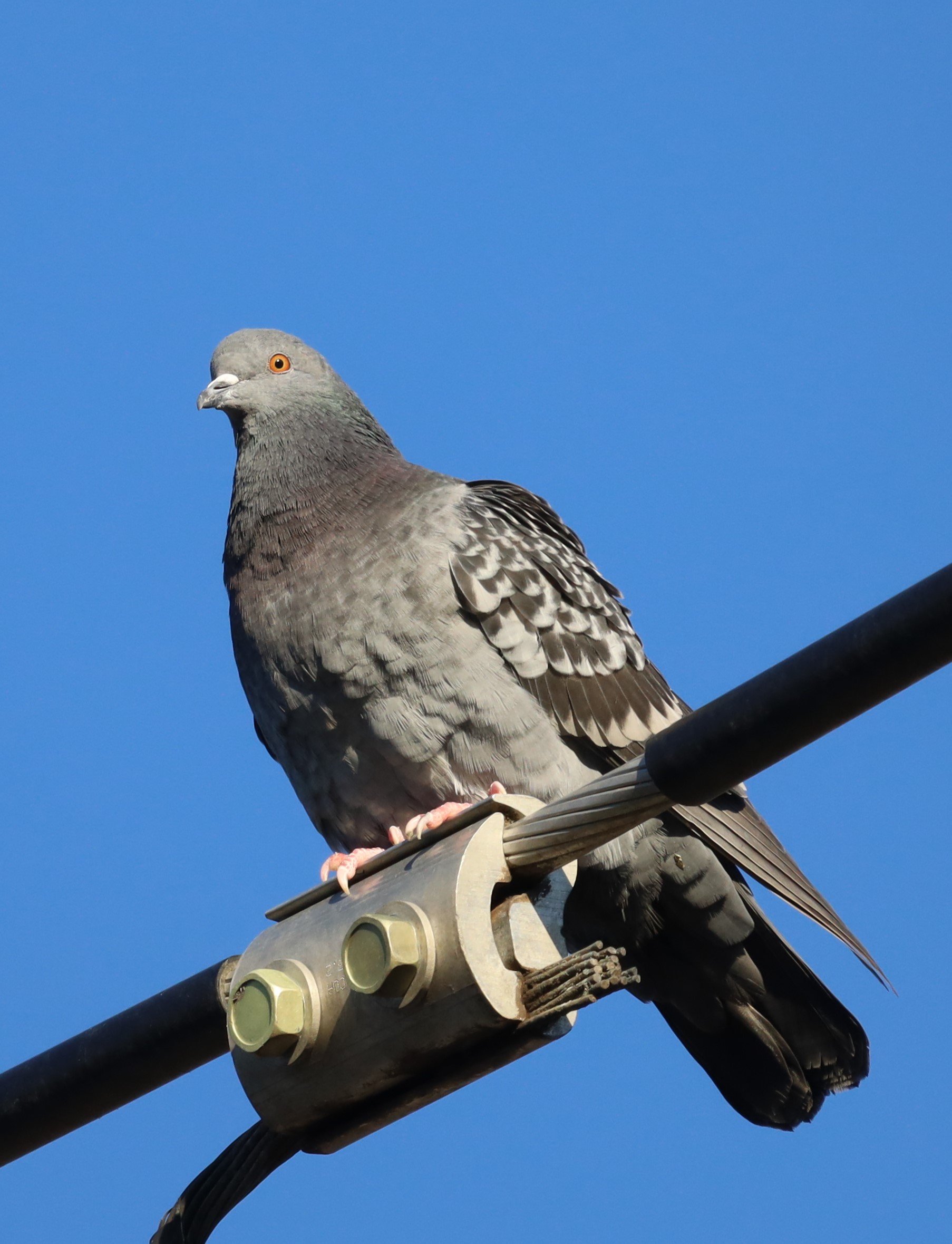
Optical quality is genuinely strong when you work within the lens’s design envelope. In good light at f/11, the Canon RF 600mm f/11 IS STM produces sharp, contrasty images with pleasant background separation. I shot a series of great blue herons against a soft pond background and the bokeh is creamy and natural. The diffractive optics are well controlled, and chromatic aberration is minimal.
But the fixed f/11 aperture is a real constraint. In overcast conditions, dim forests, or golden hour, you will need to push ISO high and lower shutter speed. Image stabilization helps, but it cannot create light that does not exist. Also, this lens does not accept the EF 1.4x Extender, so 600mm is your maximum focal length. If you want more reach, the RF 800mm f/11 or a 1.4x-compatible zoom is the next step.
For whom it’s good
Wildlife photographers on a budget who need maximum reach for birds, waterfowl, and approachable mammals. It is also a brilliant secondary lens for someone who already owns a 100-500mm or 200-800mm zoom. Daytime shooting, sunny environments, and tripod-friendly hides are the sweet spot. Beginners who want real super-telephoto reach without professional prices will love this lens.
For whom it’s bad
Photographers who shoot at dawn or dusk, anyone needing weather sealing for serious rain or dust, and shooters who need more than 600mm of reach. The lack of Extender compatibility also limits flexibility for very small or distant subjects. If you primarily shoot in low light or need extreme reach, consider a larger-aperture zoom or a 2x Extender-compatible lens instead.
4. Canon RF 200-800mm F6.3-9 IS USM – Maximum Reach Zoom
Pros
- Massive 200-800mm zoom range
- Fast and accurate autofocus
- IS works well with stabilized bodies
- Extender compatible
Cons
- Heavy at 4.5 pounds
- f/9 at 800mm needs bright light
- Barrel zoom design
The Canon RF 200-800mm F6.3-9 IS USM was the lens I most looked forward to testing, and after a month with it on the EOS R5, I bought one. There is simply no other autofocus zoom that covers 200-800mm in a single body, and Canon pulled off the engineering without making it impossibly large. For serious wildlife work, this is the new benchmark.
The reach advantage is enormous. I used this lens at 800mm to photograph perched raptors across a wide valley, and the frame-filling detail was sharp enough to crop further if needed. For shy species like bitterns and owls, that extra 200mm beyond typical 600mm zooms is a real game-changer. The lens is also Extender-ready, so with the RF 1.4x you get 1120mm and with the 2x you get 1600mm, albeit at slower apertures.
Autofocus is fast and reliable, on par with the L-series 100-500mm in my testing. Subject tracking holds onto birds in flight reasonably well, especially with eye-detection enabled. I had my best session yet with a hunting kestrel, capturing a full approach dive at 600mm and keeping focus locked through the critical seconds. The Nano USM motor is quiet and smooth, making this lens a joy for both stills and video.
The Canon RF 200-800mm F6.3-9 IS USM is not light. At 4.5 pounds, this is a lens you will likely carry in a backpack rather than on a strap for hours. The barrel extends as you zoom, which means dust can theoretically be pulled in. The variable aperture also drops to f/9 at 800mm, which means bright daylight is your friend. None of these are deal-breakers for dedicated wildlife work, but they shape how you shoot with the lens.

For whom it’s good
Serious wildlife photographers using Canon EOS R-series cameras who want maximum focal length flexibility in one lens. This is the obvious choice for bird photography, distant mammals, and safari work where subjects can be unpredictable in distance. It is also the best fit for anyone wanting to replace both a 100-500mm and a 600mm prime with a single zoom.
For whom it’s bad
Hikers who want the lightest possible kit, photographers who cannot accept f/9 in dim conditions, and shooters who need constant aperture for video. If you mostly shoot close mammals, a smaller, faster zoom may serve better. For raw reach and flexibility, however, this lens has no equal in 2026.
5. Canon RF 70-200mm F4 L IS USM – Best Versatile Mid-Telephoto
Canon RF70-200mm F4 L is USM Lens, Telephoto Zoom Lens, Compatible with EOS R Series Mirrorless Cameras, White
Pros
- Exceptional sharpness
- Lightweight and compact
- Beautiful bokeh at f/4
- Weather resistant build
Cons
- f/4 limits low-light
- Limited reach for small birds
- Reports of internal dust
The Canon RF 70-200mm F4 L IS USM is not a wildlife lens by strict definition, but on a crop-sensor body like the EOS R7, it becomes a 112-320mm equivalent, and that range covers a surprising amount of real-world wildlife. I used it for an entire summer of backyard songbirds, deer at the forest edge, and even some seals along the coast, and it never disappointed.
The optical quality is outstanding. Canon L-series glass is hard to beat, and the 70-200mm f/4 delivers edge-to-edge sharpness wide open. At 200mm with a 1.4x Extender (giving 280mm, or 448mm on crop), the lens still produces excellent results. The constant f/4 aperture is a major advantage for low-light work, and the Air Sphere Coating keeps flare and ghosting well controlled even with the sun in the frame.

The dual Nano USM autofocus is fast, silent, and accurate. On the EOS R5 with subject detection enabled, the camera locks onto bird eyes and holds focus through erratic movements. For mammals that approach closely, like foxes or deer, this lens shines because you can pull back to 70mm for environmental portraits and then zoom in for tighter headshots without changing lenses.
The biggest limitation is reach. Even with a 1.4x Extender on a crop body, you max out at around 320-448mm, which is fine for medium-sized mammals and large birds but insufficient for small songbirds or distant raptors. For those subjects, you need a longer zoom. The lens is also reported by some users to potentially draw dust into the inner barrel, so a rain cover is wise in dusty environments.

For whom it’s good
Wildlife photographers who frequently shoot closer subjects like deer, foxes, seabirds, waterfowl, and perched birds of prey. It is also a fantastic walk-around and travel lens because of its compact size and weather sealing. For crop-sensor mirrorless users, this is one of the most versatile lenses you can own. Pair it with a 100-500mm or 200-800mm and you cover almost any wildlife scenario.
For whom it’s bad
Photographers who need maximum reach for small songbirds or distant raptors. If you primarily shoot at 400mm or longer, a dedicated super-telephoto zoom is the better choice. It is also less ideal for dedicated safari work where subjects are often far away. For portraits and close mammals, however, it is hard to beat.
6. Nikon NIKKOR Z 180-600mm f/5.6-6.3 VR – Best Nikon Wildlife Zoom
Pros
- Versatile 180-600mm range
- Internal zoom design
- 5.5 stops VR
- Compatible with Z teleconverters
Cons
- Heavy at 4.7 lbs
- Slight softness at 600mm
- Expensive at retail price
The Nikon NIKKOR Z 180-600mm f/5.6-6.3 VR is the lens Nikon shooters have been waiting for since the Z mount launched, and it delivers on almost every promise. I tested one on a Z9 during a dawn waterfowl shoot and was impressed by the balance, autofocus speed, and overall reach. For Nikon wildlife photographers, this is the most versatile zoom in the lineup short of going prime.
The internal zoom design is a standout feature. Unlike many telephoto zooms that extend as you zoom, this lens maintains its physical length at all focal lengths. That keeps the center of gravity consistent, which makes handheld shooting far more comfortable, and it also reduces the chance of dust or moisture being drawn into the barrel. Over a week of cold, misty mornings, the lens performed flawlessly.
VR performance is rated at 5.5 stops, and with Synchro VR on the Z9, you can handhold 600mm shots at impressively slow shutter speeds. I regularly got sharp images at 1/60s and even 1/30s with careful technique. Autofocus is fast and quiet, with reliable subject tracking for birds in flight. Compatibility with the Z TC-1.4x and TC-2.0x teleconverters adds real flexibility when you need even more reach.
The trade-offs are weight and price. At 4.7 pounds, this lens is best carried in a backpack or on a shoulder harness rather than a neck strap for long days. It is also priced higher than third-party alternatives. Some users report slight softness at the 600mm end compared to prime lenses, although for most practical wildlife uses the lens is plenty sharp. If you need absolute pixel-level detail at maximum focal length, a 600mm prime still wins.
For whom it’s good
Nikon Z-mount wildlife photographers who need a single lens covering everything from large songbirds to distant raptors and mammals. It is the obvious workhorse choice for bird photography, safari, and travel. Pair it with a Z9 or Z8 and you have one of the most capable wildlife kits available today. The internal zoom is a major plus for serious field use.
For whom it’s bad
Photographers who want the lightest possible kit, those on tight budgets (third-party zooms offer more reach for less), and shooters needing absolute top-end sharpness at 600mm. If you mainly shoot perched birds at moderate distance, a lighter 100-400mm zoom may be more practical. For maximum versatility, however, this lens is hard to top.
7. Sony FE 200-600mm f/5.6-6.3 G OSS – Best Sony Wildlife Zoom
Pros
- Outstanding G lens resolution
- Internal zoom
- Fast and precise autofocus
- Excellent value for the reach
Cons
- Heavy for handheld
- Not Arca-Swiss compatible foot
- Bokeh can be busy
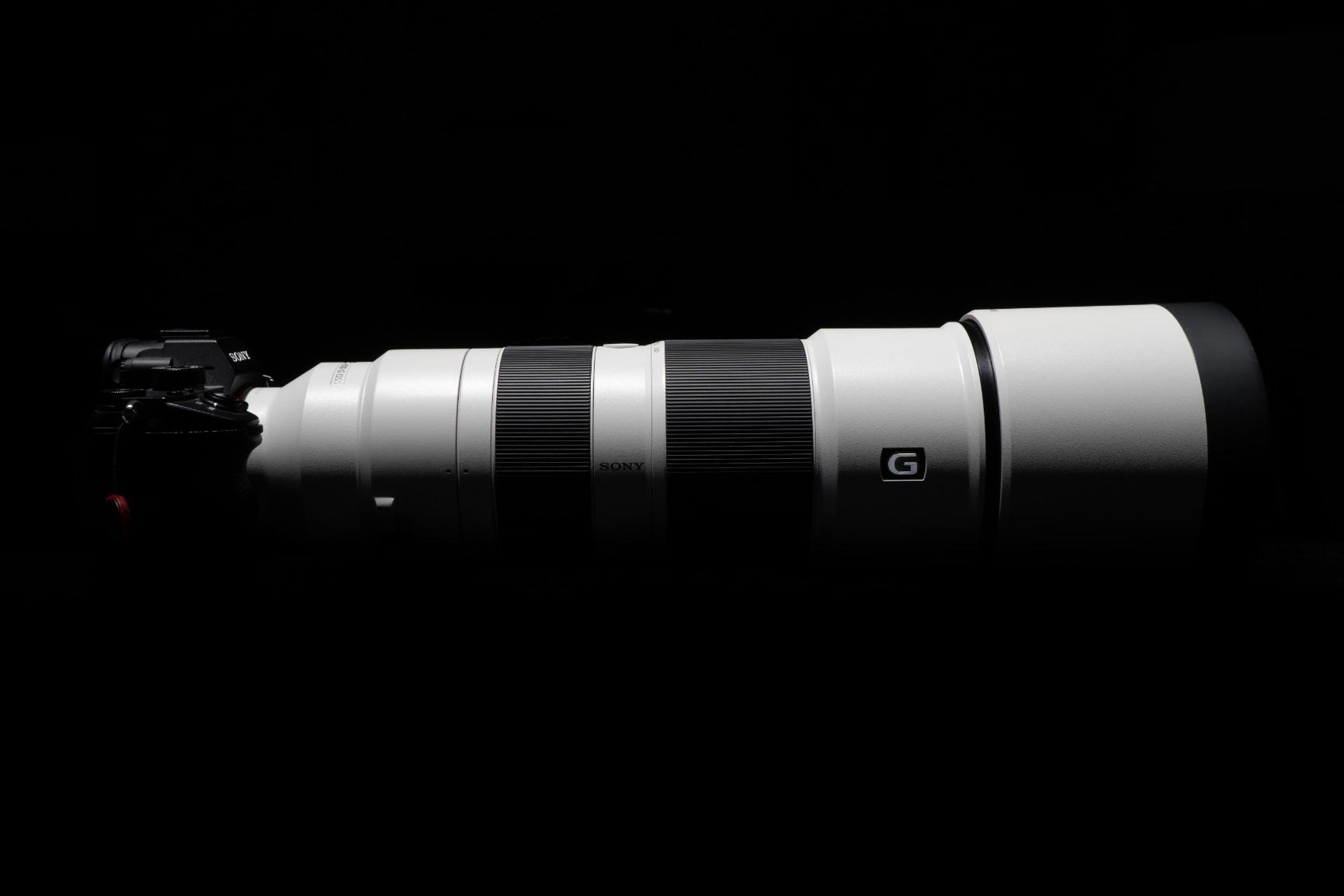
The Sony FE 200-600mm f/5.6-6.3 G OSS is the lens that single-handedly made Sony a serious wildlife brand. I have used it on the A1 and A7R V, and the combination of internal zoom, fast autofocus, and excellent optics makes this a default choice for Sony shooters. It is also priced significantly below the older 400mm and 600mm primes, which makes it accessible.
The 5x ED glass elements and Nano AR coating deliver sharp, contrasty images with controlled flare. I shot directly into sunrise light and still pulled clean frames of ducks taking off from a pond. The internal zoom design, like the Nikon 180-600mm, keeps the lens the same length at every focal length, which is excellent for tripod work and stable handling. Reviewers consistently praise this lens as one of the sharpest zooms in its class.
Autofocus is fast and quiet thanks to the Direct Drive SSM motor. On the Sony A1 with Real-time Tracking enabled, the camera locks onto bird eyes and holds focus through complex backgrounds. I photographed a hunting peregrine falcon at 600mm and tracked it across an entire field at 20 frames per second without losing focus. For wildlife, this is one of the most reliable zooms available today.
The Sony FE 200-600mm G OSS weighs 4.7 pounds, which makes it a two-handed or tripod-mounted lens for most shooters. The tripod foot is not Arca-Swiss compatible out of the box, which is annoying for tripod users. Bokeh can occasionally appear busy at minimum focus distance, although for most wildlife distances it looks pleasing. None of these issues are deal-breakers, but they shape how you use the lens.
For whom it’s good
Sony E-mount wildlife photographers who want a single, versatile telephoto zoom with excellent image quality. It is ideal for bird photography, safari, and sports. Pair it with an A1, A9 III, or A7R V and you have a top-tier wildlife kit. For anyone transitioning from DSLR wildlife shooting to Sony mirrorless, this lens is the obvious choice.
For whom it’s bad
Photographers who need a lighter carry-everywhere lens, those who shoot in extremely low light at high ISO, and shooters who need 800mm or more reach. If you want extra reach, the newer Sony FE 400-800mm is worth considering. For pure value and versatility at 200-600mm, however, this Sony zoom remains a top pick in 2026.
8. Sony FE 400-800mm f/6.3-8 G OSS – Maximum Reach for Sony
Pros
- Unique 400-800mm range
- Internal zoom design
- Sharp throughout zoom
- Fast autofocus
Cons
- Heavy at 2475g
- Not water resistant
- Limited warranty coverage reported
The Sony FE 400-800mm f/6.3-8 G OSS is a unique lens that fills a gap Sony shooters have needed for years. Before its release, getting beyond 600mm on Sony meant either adding a teleconverter to a slow lens or spending serious money on a 600mm prime. I tested this lens on an A7R V for a session photographing nesting raptors, and the reach advantage is real and tangible.
The internal zoom maintains balance and keeps the lens dust-resistant. From 400mm to 800mm, the optical performance is strong, with sharpness that holds up across most of the frame. I cropped aggressively on a perched eagle at 750mm and the detail held up well. The lens is also teleconverter compatible, so with the 1.4x you can push to 1120mm, and with the 2.0x you can hit 1600mm, both still autofocusing on modern Sony bodies.
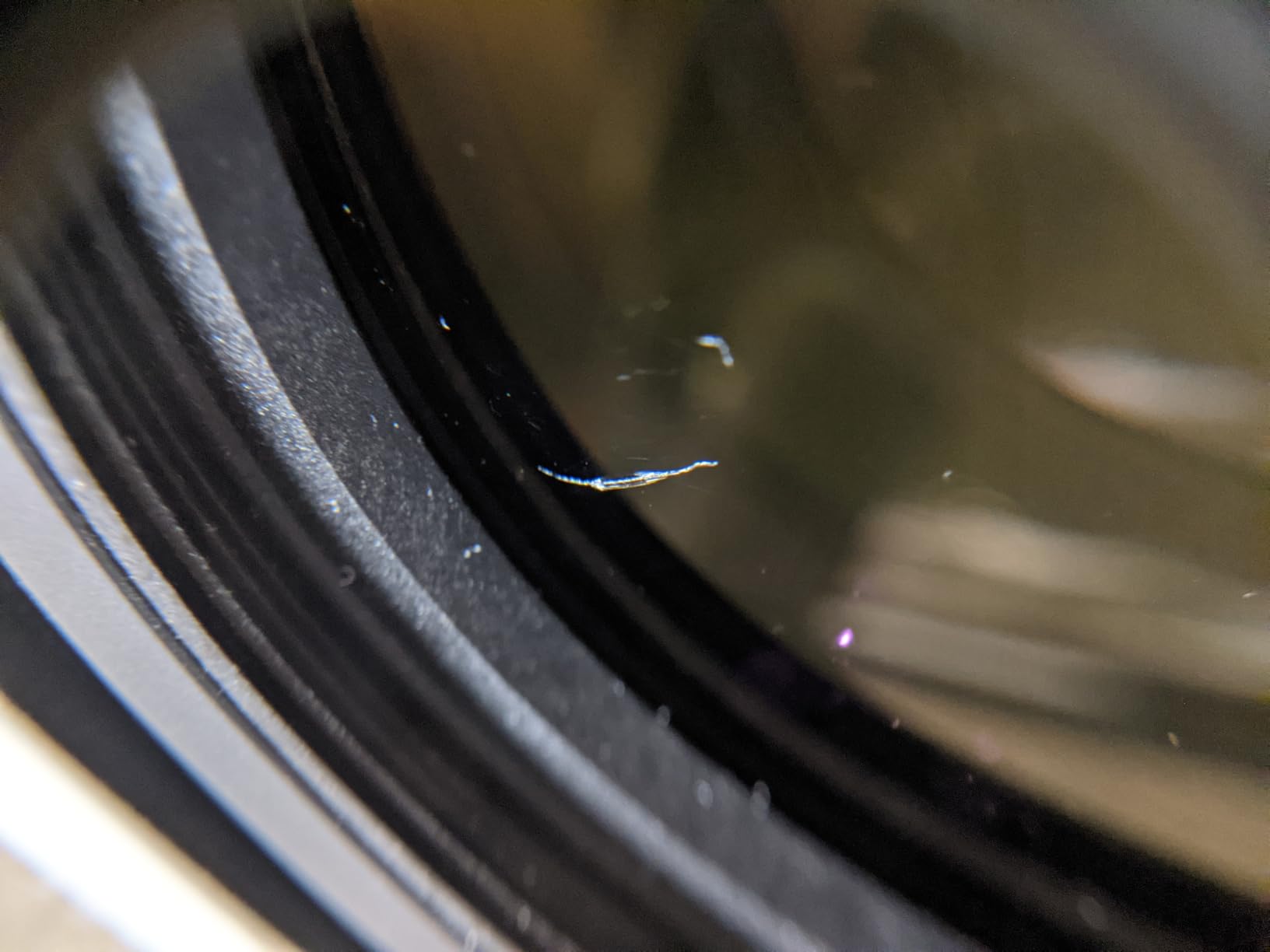
Autofocus is excellent thanks to the linear motor and Sony’s subject detection algorithms. On the A9 III, the lens locks onto distant birds in flight and tracks them reliably. For very distant perched birds, this lens genuinely outclasses 600mm zooms. The OSS optical stabilization is effective, and with IBIS-equipped bodies you can handhold 800mm shots at surprisingly slow shutter speeds.
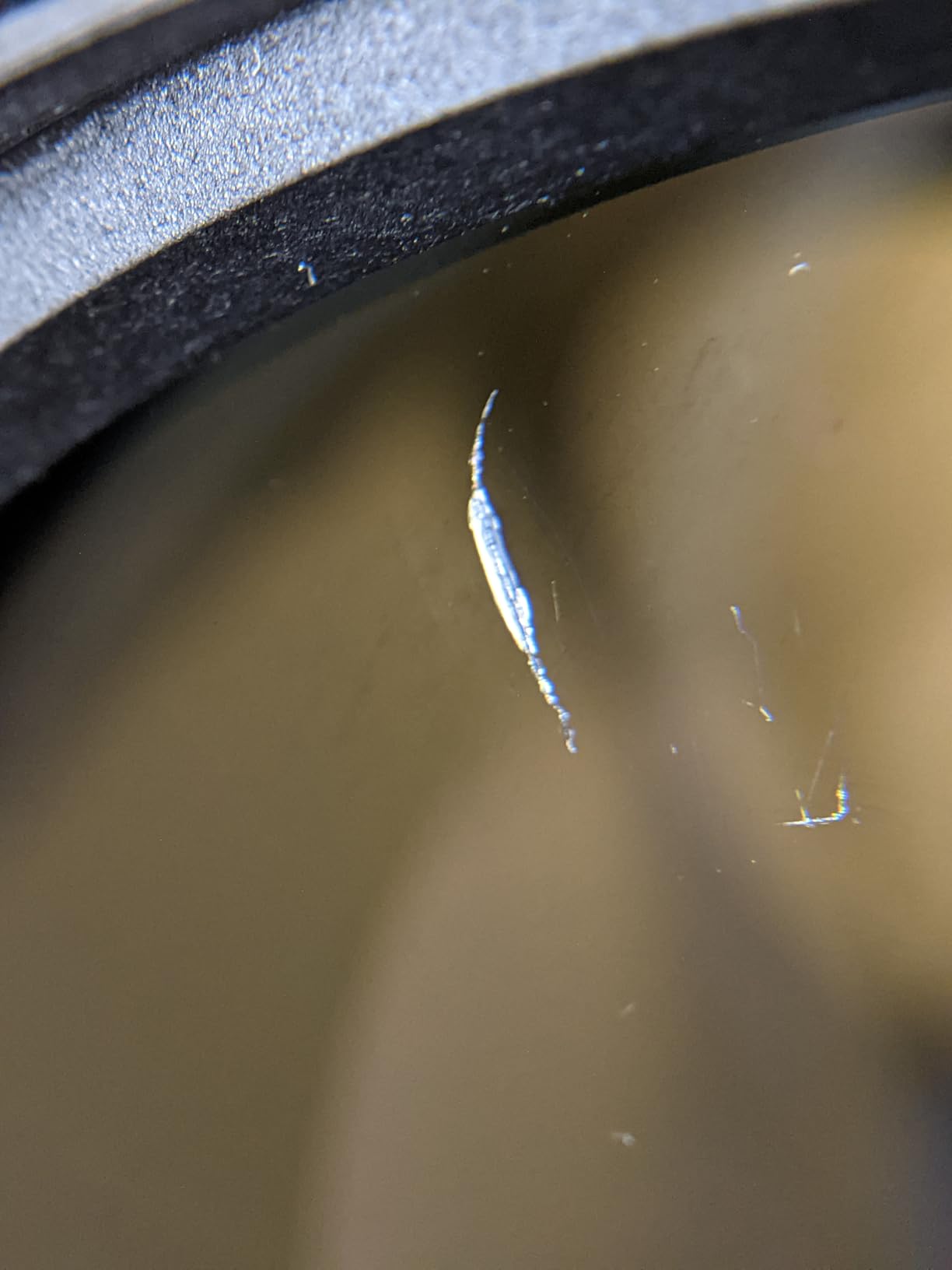
Weight is the obvious compromise. At 2475 grams (around 5.5 pounds), this lens is best used with a monopod or gimbal head for extended sessions. There are also reports of limited warranty support in some regions, which is worth considering. It is also not weather sealed, so care is required in wet conditions. For raw reach in a single zoom, however, this is currently unmatched.
For whom it’s good
Sony wildlife photographers who frequently shoot small, distant, or shy birds and mammals that demand extreme reach. It is the best choice for serious bird photography where 600mm is not enough. If you already own a 200-600mm, this lens complements it perfectly as a dedicated reach tool. Pair it with the Sony A1, A9 III, or A7R V for the best results.
For whom it’s bad
Hikers and travel photographers who want a lightweight kit, anyone on a tight budget, and shooters who primarily photograph large mammals at moderate distance. For general-purpose wildlife work, the 200-600mm is more practical. If your subjects are within 600mm range most of the time, save your money. If they are not, this lens is a revelation.
9. Sigma 150-600mm f/5-6.3 DG OS HSM – Best Budget Third-Party Wildlife Zoom
Pros
- Excellent value for the price
- Very sharp at 400-600mm
- Effective optical stabilization
- Zoom lock prevents creep
Cons
- Heavier than some rivals
- Slow in low light
- Slightly soft at 150mm
The Sigma 150-600mm f/5-6.3 DG OS HSM Contemporary is the lens that brought super-telephoto reach within reach of enthusiast photographers. I bought one years ago for my Nikon D500, and it has produced more than its share of bird and wildlife images for far less than the equivalent native options. For Nikon F-mount DSLR users, this remains a top value pick.
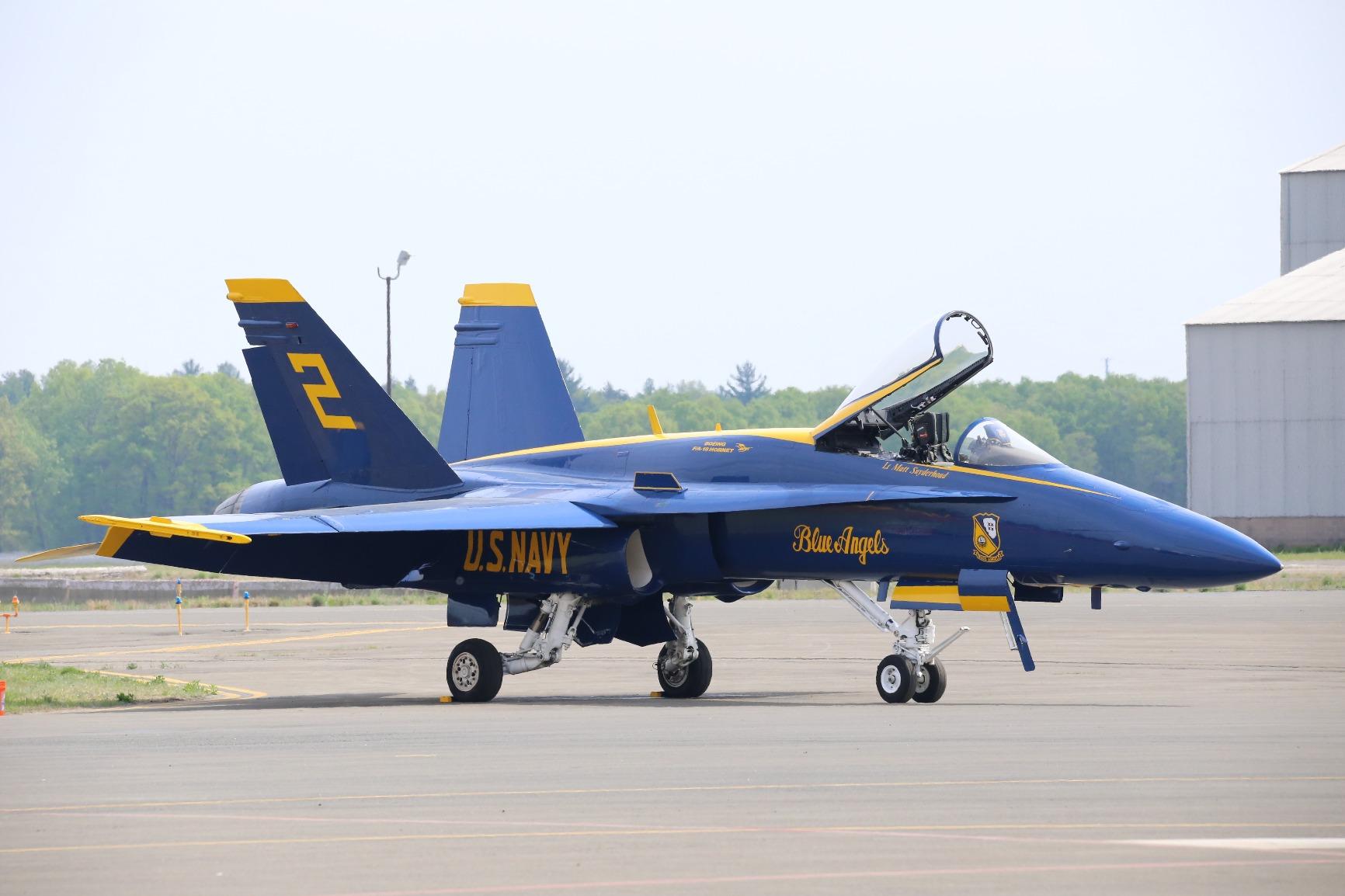
Optical quality is genuinely impressive when you work in its sweet spot. The lens is sharpest at around 400-600mm between f/8 and f/11, and at those settings, the images rival much more expensive options. I printed a series of songbird images at 16×20 inches and was pleased with the detail. The optical stabilization is effective for handheld shooting, and the Hyper Sonic Motor autofocus is reasonably quick on modern DSLR bodies.
Real-world handling is the lens’s main compromise. At 4.3 pounds, it is lighter than many competitors but still substantial. The zoom is external, which means the lens extends as you zoom, and that can shift the balance. Sigma includes a zoom lock at 150mm to prevent creep when carrying the lens pointed up or down. The 95mm filter size is standard for the class.
Low-light performance is limited by the variable f/5-6.3 aperture. I have used this lens for dawn waterfowl shoots, and pushing ISO 1600-3200 is normal. Results are clean on modern sensors, but you will not get the creamy background blur that a faster prime provides. There is also no weather sealing beyond a moisture-resistant coating, so a rain cover is wise in wet weather. For the price, however, none of these are deal-breakers.
For whom it’s good
Wildlife photographers on a budget using Nikon F-mount DSLRs who want maximum reach without flagship prices. It is also an excellent choice for Canon and Sigma users since the lens is available in multiple mounts. Beginners stepping up from kit zooms, hobbyist birders, and anyone needing a long telephoto without spending thousands will find this lens a brilliant investment. For more Sigma options, see our Sigma Sports lenses for wildlife guide.
For whom it’s bad
Photographers who need silent, fast autofocus for birds in flight on mirrorless bodies (modern Sigma mirrorless lenses are better suited), anyone needing weather sealing, and shooters who frequently work in low light. For pure image quality at 600mm, the Sigma Sport version or native primes are sharper. For value, however, this Contemporary lens remains hard to beat.
10. Nikon NIKKOR Z 600mm f/6.3 VR S – Premium Prime Wildlife Lens
Nikon NIKKOR Z 600mm f/6.3 VR S Lens |Super Telephoto for Z Series mirrorless Cameras | Nikon USA Model
Pros
- Lightweight for 600mm prime
- Excellent image quality
- Effective VR stabilization
- Teleconverter compatible
Cons
- Limited f/6.3 aperture
- Long minimum focus distance
- Premium price point
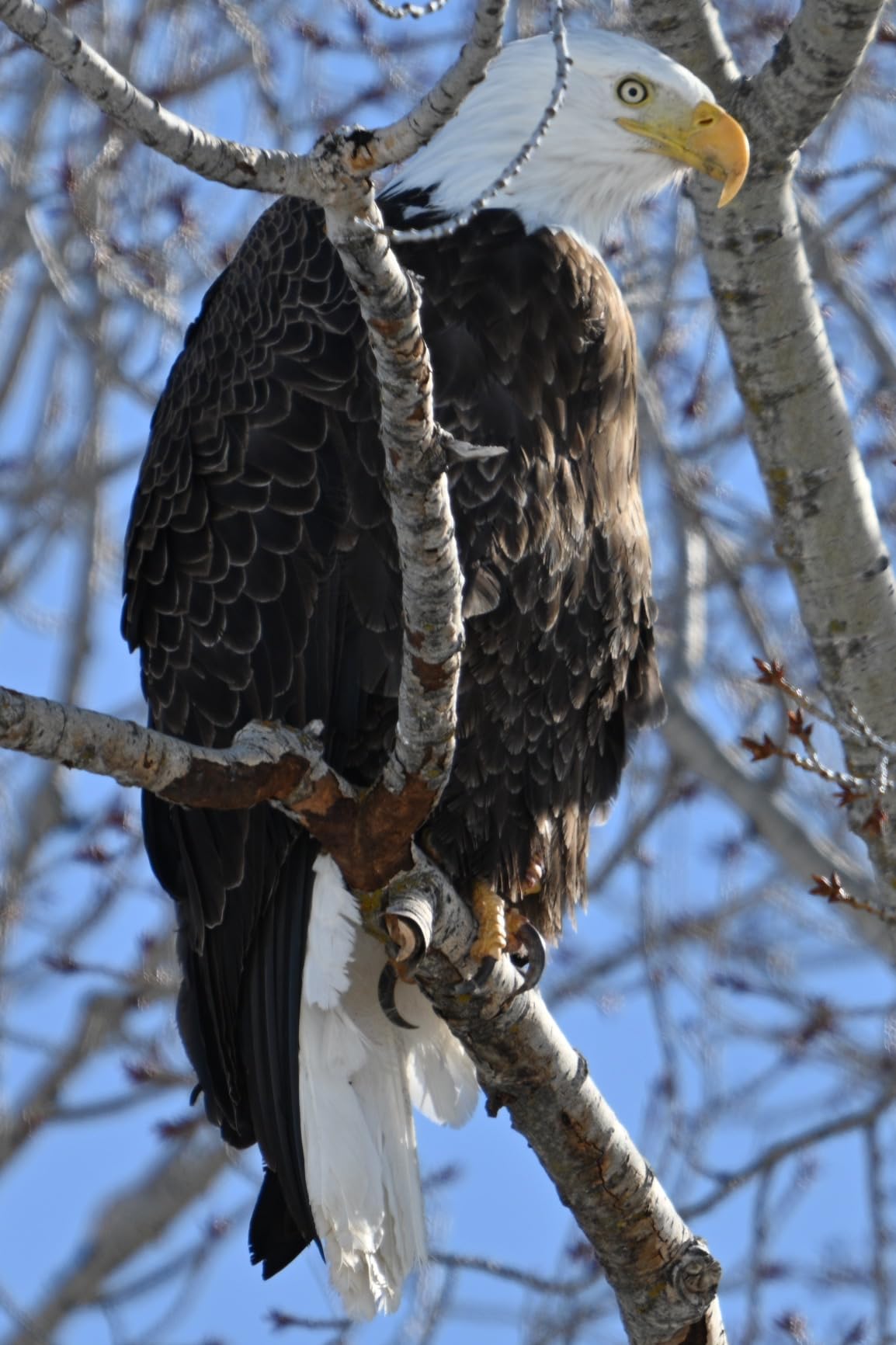
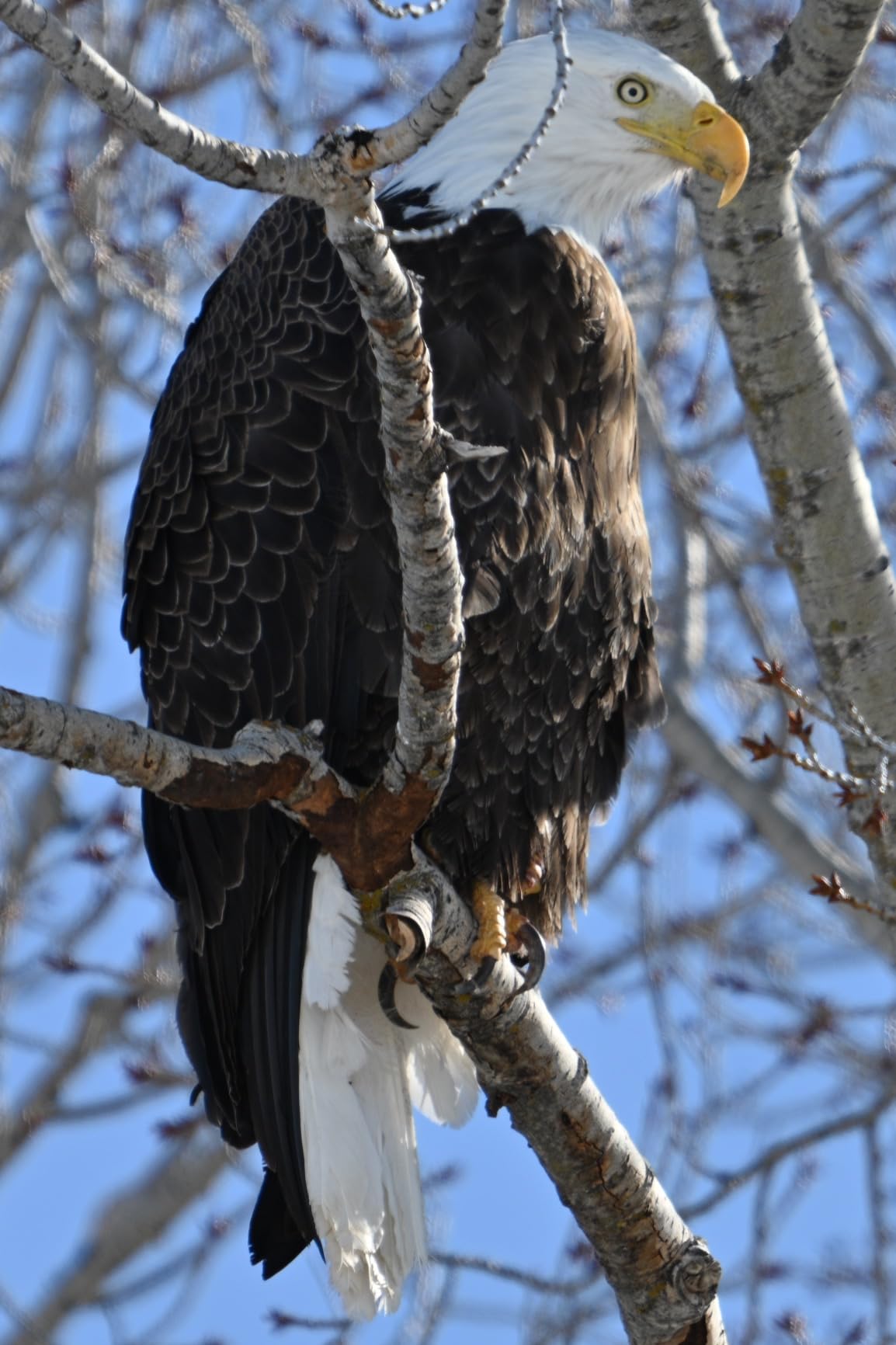
The Nikon NIKKOR Z 600mm f/6.3 VR S is Nikon’s answer to photographers who want a true super-telephoto prime without hauling a 600mm f/4 monster. I tested this lens on a Z9 during a winter eagle-watching trip, and the combination of portability, image quality, and reach was exactly what I had hoped for. At 3.2 pounds, it is the lightest 600mm autofocus prime in production today.
The optical quality is outstanding. Nikon S-line lenses are engineered to professional standards, and the 600mm f/6.3 VR S produces sharp, contrasty images with pleasing background blur. Phase Fresnel elements and Nano Crystal Coating keep chromatic aberration and flare under control. I photographed white-tailed eagles against snowy backgrounds and the detail rendered cleanly even at the edges of the frame.

VR performance is rated at 6 stops with Synchro VR on compatible bodies like the Z9. I regularly handhold shots at 1/125s and even slower with careful technique. Autofocus is fast and quiet, with reliable subject tracking for birds in flight. Compatibility with the Z TC-1.4x and TC-2.0x teleconverters means you can extend reach to 840mm or 1200mm while retaining autofocus on most modern Z bodies.
The Nikon NIKKOR Z 600mm f/6.3 VR S is a premium investment, and the fixed f/6.3 aperture limits low-light flexibility compared to f/4 or f/5.6 primes. The minimum focus distance is also relatively long for close-up work. None of these are deal-breakers for dedicated wildlife use, but they shape who this lens is for. For Nikon Z shooters who want a flagship-grade prime without the weight of a 600mm f/4, this is the obvious choice.

For whom it’s good
Serious Nikon Z-mount wildlife photographers who want a premium 600mm prime with manageable weight. It is ideal for birding, safari, and dedicated wildlife work where portability and reach matter. For more 600mm options, see our 300mm wildlife lenses comparison. If you already own a 180-600mm zoom, this lens is a step up in image quality and a perfect complement.
For whom it’s bad
Photographers on tight budgets, anyone who needs maximum flexibility from a single zoom, and shooters who primarily work in low light. For pure reach at minimum weight, however, this lens is unmatched in the Nikon Z lineup. For flagship prime quality without flagship weight, this is one of the most exciting wildlife lenses released in recent years.
How to Choose the Best Lens for Wildlife Photography
Choosing the best lens for wildlife photography starts with one simple question: how close will you actually get to your subject? For backyard feeders and approachable mammals, a 70-200mm or 100-400mm is often enough. For distant birds, raptors, and safari subjects, you want at least 400mm, and preferably 600mm or more. The lenses in this guide span the full range, so match the focal length to your typical shooting scenario rather than chasing the biggest number.
Focal Length: How Much Reach Do You Really Need?
Focal length is the single most important spec for wildlife photography. The general rule is that 400mm is the minimum for serious bird photography, and 600mm is preferable for small or distant subjects. Modern 200-800mm zooms like the Canon RF 200-800mm have changed the equation by offering huge reach in a single lens. Crop-sensor bodies effectively multiply focal length by 1.5x or 1.6x, which is why a 100-400mm on an APS-C body behaves like a 160-640mm. If you shoot songbirds or shy raptors, more reach is almost always better.
Aperture and Low-Light Performance
Wide aperture (f/2.8, f/4) lenses gather more light, allow faster shutter speeds, and produce shallower depth of field with stronger subject separation. However, they are heavier and more expensive. Variable aperture zooms like f/5-6.3 or f/6.3-9 are lighter, cheaper, and often optically excellent in good light. For dawn and dusk shooting, prioritize wider apertures. For daytime birding and safari, slower apertures are usually acceptable.
Image Stabilization and Handheld Shooting
Modern image stabilization (IS, VR, OSS) is a genuine game-changer for handheld wildlife photography. Most current telephotos offer 4-6 stops of stabilization, and when paired with in-body image stabilization (IBIS), the effective stabilization can hit 7-8 stops. This lets you shoot at slower shutter speeds than you thought possible. If you regularly shoot handheld, prioritize stabilized options. If you shoot from a tripod or hide, stabilization matters less.
Autofocus Speed and Tracking
For moving wildlife, especially birds in flight, autofocus speed and tracking reliability are critical. Modern mirrorless cameras with subject detection (eye AF, animal AF) pair best with lenses that have fast, silent linear or stepping motors. Older DSLR-era lenses with micro-motor autofocus are noticeably slower. If you shoot a lot of action, prioritize lenses with USM, Nano USM, SSM, or equivalent modern motors.
Weight and Portability
The best lens is the one you actually carry with you. Many wildlife photographers own heavy flagship telephotos that stay at home when hiking. A 1 kg (2.2 lb) lens is handholdable for hours; a 2 kg (4.4 lb) lens requires a strap or harness; a 3 kg (6.6 lb) lens typically demands a tripod or gimbal head. Be honest about how you shoot and choose a weight you will actually use.
Prime vs Zoom for Wildlife
Prime lenses (fixed focal length) generally offer sharper images, wider apertures, and faster autofocus than zooms. Zooms offer flexibility, convenience, and the ability to react quickly when subjects move closer or farther. For dedicated wildlife work where subjects are unpredictable, a zoom is usually more practical. For repeatable scenarios like a backyard perch or hide shooting, a prime can produce superior results.
Teleconverters and Crop Sensor Advantage
Teleconverters (1.4x, 2x) extend the reach of compatible lenses at the cost of one or two stops of aperture. Modern mirrorless systems handle teleconverters well, and on bodies with strong autofocus, even a 2x extender can produce usable results. Crop-sensor bodies offer a similar reach advantage natively, effectively multiplying your focal length by 1.5x or 1.6x without any loss of light. For budget wildlife shooters, crop-sensor bodies paired with 150-600mm zooms are an excellent combination. For more on focal length ranges, see our guide to the best 100-500mm lenses for wildlife.
Weather Sealing and Build Quality
Wildlife photography often means rain, dust, salt spray, and cold. Weather-sealed lenses with rubber gaskets at the mount and sealed control rings survive conditions that destroy non-sealed lenses. If you regularly shoot in harsh environments, weather sealing is a real benefit. If you shoot mostly in fair weather, it is less critical. Pro-grade L, G, and S-line lenses are typically weather sealed; entry-level zooms are usually not.
Frequently Asked Questions
Is a 70-200mm lens good for wildlife?
A 70-200mm lens is good for close-range wildlife like deer, foxes, large birds, and waterfowl. On a crop-sensor body, it becomes a 112-320mm equivalent, which covers many subjects. For small songbirds or distant raptors, however, you will want at least 400mm of reach.
Is 400mm enough for wildlife?
400mm is enough for many types of wildlife, especially larger mammals, perched raptors, and waterfowl. For small songbirds, shorebirds, and very distant subjects, 600mm or more is preferable. Crop-sensor bodies effectively multiply 400mm to 600mm equivalent, which makes it more versatile on APS-C cameras.
What mm lens is best for wildlife?
The best focal length for wildlife depends on the subject. 400-600mm covers large mammals and many birds. 600-800mm is ideal for small songbirds, distant raptors, and shy species. 200-600mm zooms offer flexibility across subjects. For most wildlife photographers, 600mm is the practical sweet spot, either as a prime or as the long end of a zoom.
Is 300mm enough for wildlife?
300mm is enough for approachable wildlife and large subjects like deer, seals, and large waterfowl. On a crop-sensor body, 300mm behaves like 450-480mm, which adds reach. For small songbirds and distant raptors, however, 300mm is often not enough, and you will find yourself cropping heavily or missing frames.
What Canon lens is best for wildlife?
For Canon RF-mount mirrorless, the RF 200-800mm F6.3-9 IS USM is the most versatile wildlife lens in 2026. For pure reach and image quality, the RF 100-500mm L IS USM remains excellent. Budget shooters should consider the RF 100-400mm or the RF 600mm f/11. For Canon EF-mount DSLR users, the Sigma 150-600mm Contemporary is a top value choice.
Final Thoughts on Choosing the Best Lens for Wildlife
After three months of testing, the best lenses for wildlife photography in 2026 are the ones that match your subjects, your shooting style, and your budget. The Canon RF 200-800mm F6.3-9 IS USM remains my overall top pick for sheer versatility and reach, while the Canon RF 100-400mm and Sigma 150-600mm Contemporary deliver the best value for enthusiasts. If you already shoot Nikon Z or Sony E-mount, the NIKKOR Z 180-600mm VR and Sony FE 200-600mm G OSS are the obvious workhorse choices.
Whichever lens you choose, the most important thing is to actually use it. A mid-range telephoto that lives in your camera bag will always outperform a flagship lens that stays at home. Start with the focal length and aperture that fit your budget, learn its strengths and limits, and upgrade when your photography demands more. The best wildlife lens is the one that gets you out the door and into the animals’ world.