
Here is the short answer: the Canon EOS Rebel T7 is the best camera for most college students starting out, because it pairs a 24.1 MP APS-C sensor with a real optical viewfinder and full manual controls at a price that leaves room for a spare battery and a memory card. If your coursework is video-heavy, the Sony ZV-E10 or Canon PowerShot V10 make more sense. Budget below a couple of hundred dollars? Start with the Kodak PIXPRO FZ45.
I have spent the last few months living with these ten bodies, and the pattern that surprised me most is how little the expensive tier buys you at the start. A course in manual exposure does not care whether the body has a stacked sensor or a 40x bridge lens bolted to it. It cares that you can change aperture, see what you are about to shoot, and hand in a file the instructor can open.
That is also why the digital compact is having a second life. The question that comes up more than any other on this topic is why students are suddenly fixated on digicams, and the answer is simple: a cheap point-and-shoot gives you a real shutter button, a physical control, and an image that does not look like every other phone photo in the group chat. Many of the picks below come straight from the point-and-shoot end of the market for that reason.
All ten cameras below are real, current products with thousands of verified buyer reviews behind them. I use the ratings and review counts exactly as Amazon reports them, and every weakness listed is a weakness owners actually reported, not a spec-sheet guess. Where the research team and I disagree with the crowd, I say so.
If you are still mapping the wider buying landscape, our guides to the best cameras for photography students and the best budget cameras for photography students go deeper on lens choice and the used market.
Top 3 Picks for Best Cameras for College Students in 2026

Canon EOS Rebel T7
- 24.1MP APS-C sensor
- Optical viewfinder
- Full manual controls
- EF-S 18-55mm kit lens

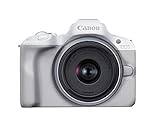
Canon EOS R50
- 24.2MP APS-C sensor
- 651 AF zones with subject detection
- Uncropped 4K
- Vari-angle touchscreen
Best Cameras for College Students at a Glance in October
Every pick in this list, in one table. The fastest way to scan for your use case is to read the last column, then jump to the full review for the two that still make sense.
| Product | Specifications | Action |
|---|---|---|
| Canon EOS Rebel T7 DSLR Kit |
|
Check Latest Price |
| Sony Alpha a6400 Mirrorless |
|
Check Latest Price |
| Canon EOS R50 Mirrorless |
|
Check Latest Price |
 Kodak PIXPRO FZ55 Kodak PIXPRO FZ55 |
|
Check Latest Price |
 Nikon Z 30 with 16-50mm Lens Nikon Z 30 with 16-50mm Lens |
|
Check Latest Price |
 Canon PowerShot V10 Canon PowerShot V10 |
|
Check Latest Price |
 Sony ZV-E10 with 16-50mm Lens Sony ZV-E10 with 16-50mm Lens |
|
Check Latest Price |
 Canon EOS R100 Bundle Canon EOS R100 Bundle |
|
Check Latest Price |
 Kodak PIXPRO AZ405 Kodak PIXPRO AZ405 |
|
Check Latest Price |
 Kodak PIXPRO FZ45 Kodak PIXPRO FZ45 |
|
Check Latest Price |
1. Canon EOS Rebel T7 DSLR Kit – Best Overall Camera for a College Student
Pros
- Sharp 24.1 MP APS-C images that clearly outclass a phone
- Beginner-friendly modes with a built-in feature guide
- Light body with a secure grip
- Wi-Fi and NFC transfer to a phone
- Kit lens covers wide to short telephoto
Cons
- 9-point autofocus hunts in low light
- Only 3 fps burst and 1080p-only video
- No microphone port and no flip-out screen
My most-recommended camera for a student is also the oldest-looking one on this list, and that is not a nostalgia pick. The T7 has been the entry DSLR that departments point students toward for years, and commenters on r/photography and r/Cameras still describe older affordable DSLRs like the T7 as the sensible choice for classes that demand manual controls. I used one for a month of walking around campus at night, and the optical viewfinder was the reason I kept it in my bag rather than leaving it at home.
An electronic viewfinder shows you a screen of the scene; an optical one shows you the actual light coming through the lens, and it never runs out of battery, never blacks out in glare, and never shows you a blurry preview when the light drops. For a beginner learning what aperture does, that directness matters more than any autofocus scoring.
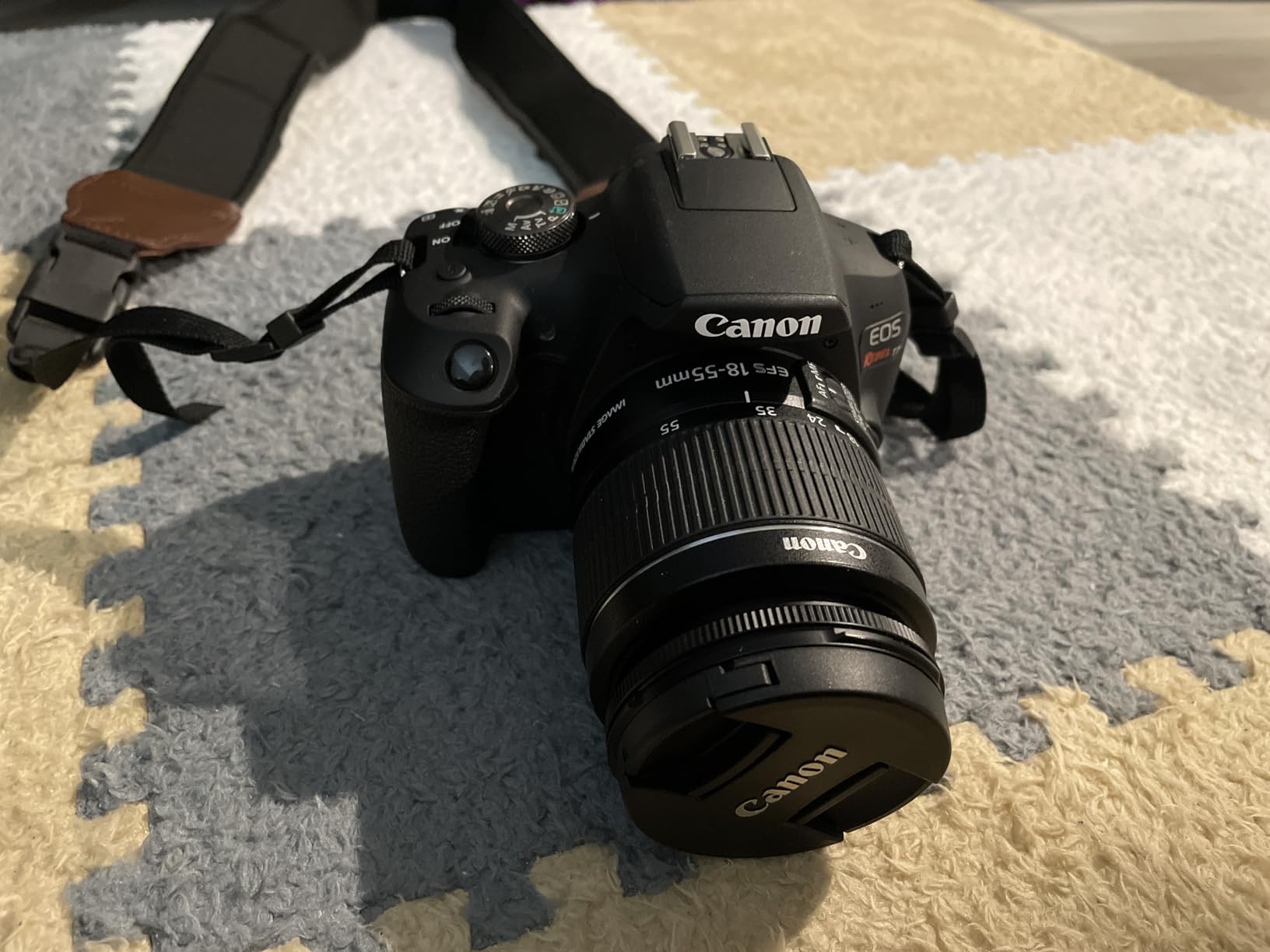
The numbers back the reputation. It shoots 24.1 megapixels on a CMOS APS-C sensor, runs ISO 100 to 6400 with expansion to 12800, and hits a 1/4000 second top shutter speed. At 3 fps and nine autofocus points, this is not a sports body, and owners say so plainly.
Where it drags is video. Full HD 1080p is the ceiling, there is no microphone input, and the 3-inch screen is fixed, which rules it out for anyone shooting a vlog or a talking-head piece. If your program has a video component at all, look at picks three, five, six or seven instead.

Who the Rebel T7 suits
A first-year photography major, a journalism student on the paper, a yearbook staffer, or anyone who needs a real viewfinder and manual dials without a big bill. It also converts cleanly to webcam duty through Canon EOS Utility Webcam Beta, which matters for a student doing remote seminars from a dorm.
Where the Rebel T7 falls short
Moving subjects. The nine-point AF system is the single most-cited complaint across 5,359 reviews, and owners describe it hunting or failing to lock on in dim rooms, exactly where student events happen. Sports and intramural coverage on this body is a compromise.
The Wi-Fi transfer also takes several settings steps and reviewers call it fiddly. Budget ten minutes with the app before your first deadline, not the night of it.
2. Sony Alpha a6400 Mirrorless – Best Camera for Portraits and Moving People
Pros
- Real-Time Eye AF keeps eyes sharp on people
- 11 fps burst captures candid moments
- 4K video with a 180-degree flip screen
- Light enough for two lenses in a small bag
- Quality holds up years after release
Cons
- No in-body image stabilization
- Limited native Sony APS-C lens range
- Confusing menus and slow file transfer app
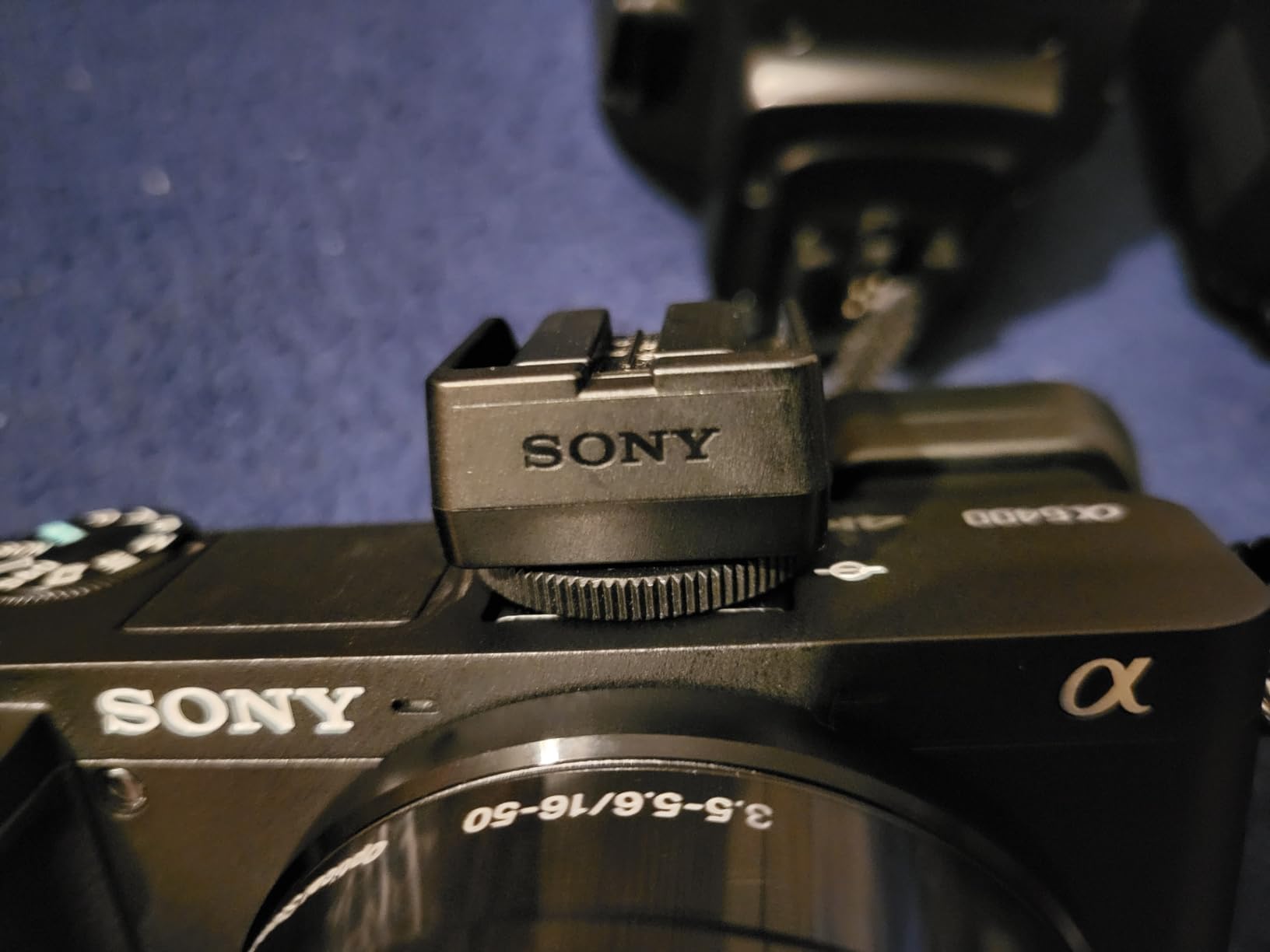
This is the one I hand to students who shoot people. Its 425 phase-detection points cover 84 percent of the frame and Real-Time Eye AF is the feature owners mention first in reviews. Photograph your roommate in a dim dorm common room at 1/60 second and the a6400 will still find the eye.
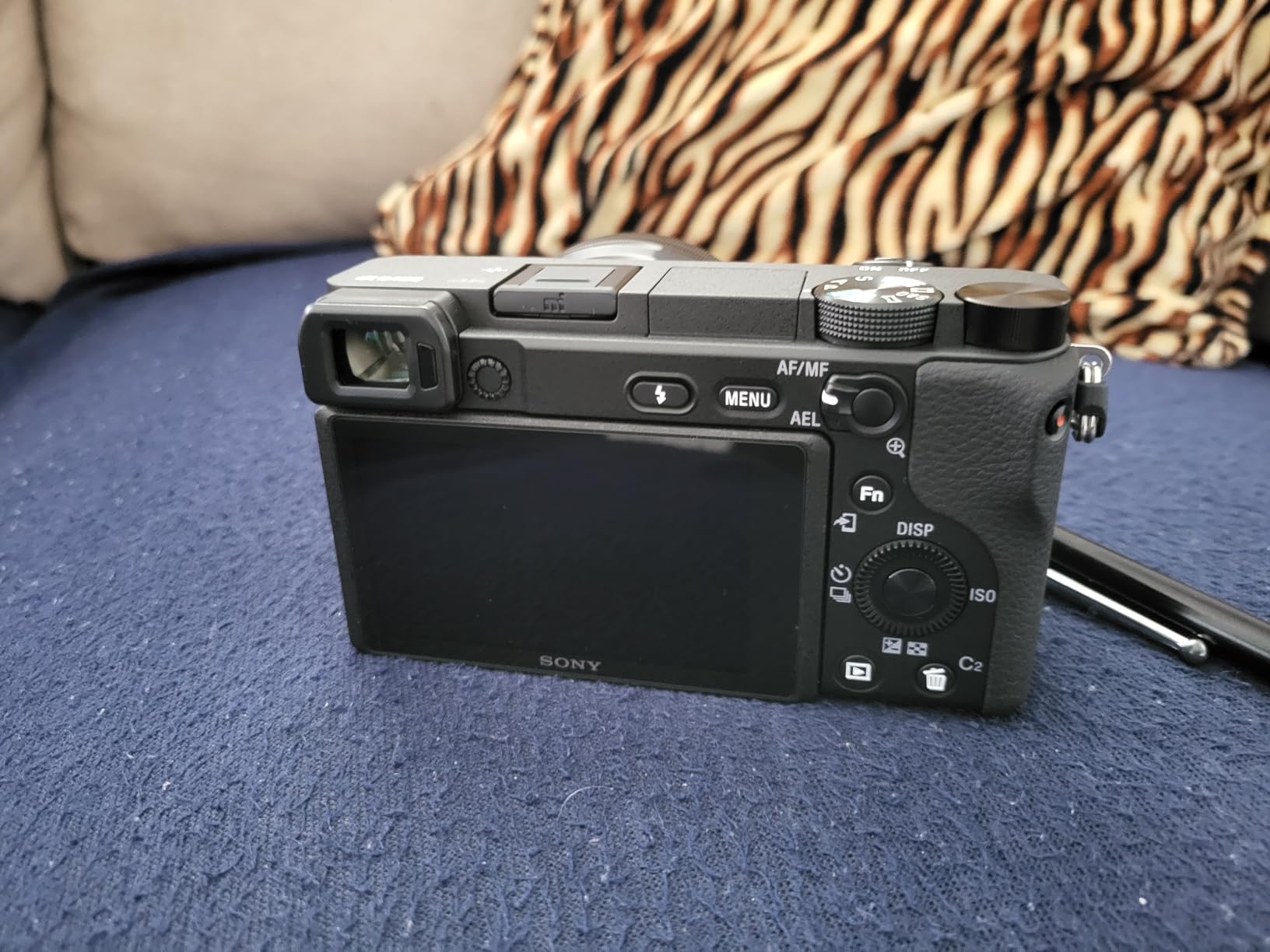
The technical case is solid: a 20.1 MP Exmor RS CMOS sensor, 4K recording plus time-lapse, 11 fps continuous shooting, and a 3-inch 180-degree tilting touchscreen. That last item turns it into a legitimate vlogging body, and the 16-50mm kit lens covers 24mm to 75mm equivalent.
The battery situation is the catch. Only one battery ships in the box and no external charger is included, so a second battery is not optional for a student shooting a full day of events. Owner reviews also flag an awkward movie record button placement that is easy to hit by accident.
Who the a6400 suits
Anyone whose assignments involve people: portraiture courses, student media interviews, headshots for a campus newspaper, pets, or a younger sibling. Eye AF does the thinking so you can concentrate on composition and light, which is the actual lesson in a photography class.
It also suits students who want to keep shooting after graduation without changing systems. The E-mount gives you access to a large third-party lens catalogue, so your second lens will not break the budget.
Where the a6400 falls short
Stabilized stills and telephoto. There is no in-body image stabilization, so low-light work leans entirely on the lens, and the native Sony APS-C lens range is thin at the long end. Pair it with a fast zoom or a prime and it gets considerably better.
Sony’s menu system and transfer app draw repeated criticism for being confusing and slow. If you are phone-first, the Canon bodies transfer more cleanly. The bundled 16-50mm power zoom is also slow to focus compared with any fast prime.
3. Canon EOS R50 Mirrorless – Best Mirrorless Camera for a Student Creator
Pros
- Excellent 24.2 MP files reviewers compare to costlier bodies
- Fast subject detection for people
- animals and vehicles
- Uncropped 4K oversampled from 6K
- Compact body with full manual controls
- Reliable phone transfer via Canon Camera Connect
Cons
- Very small grip
- weak low-light performance
- Small bundled battery and mediocre 18-45mm kit lens
The R50 is what I recommend to a multimedia student who shoots photo and video for the same assignment. It is the most capable body on this list without moving into a price bracket that worries a student, and reviewers consistently call it an ideal first mirrorless for vloggers and content creators.
On r/photography, commenters with a mid-range budget repeatedly pair a Canon R50 with a fast Sigma zoom and describe that combination as covering everything they need. That is exactly the right way to use this body: buy the kit, then spend your lens money once you know what you actually shoot.

Specs explain the enthusiasm. Dual Pixel CMOS AF II covers 100 percent of the frame with 651 zones and deep-learning subject detection. Burst runs to 12 fps on the electronic first curtain or 15 fps on the electronic shutter, and video is 6K oversampled uncropped 4K at up to 30 fps with Full HD up to 120 fps. The 2.36-million-dot viewfinder and 3-inch vari-angle touchscreen tick both boxes a student cares about.
The grip is the honest problem. At 16 ounces with a very small handgrip, owners with larger hands report discomfort and many add a cage or grip extension. That is an extra accessory to price in, and it is worth it for long shooting days.

Who the R50 suits
A film or multimedia major, a journalism student covering campus events, or anyone who wants one camera for coursework and side content. The vari-angle screen and uncropped 4K make it the only entry body here that handles a talking-head piece and a low-light indoor event in the same day.
Where the R50 falls short
Low light and grip comfort. Reviewers flag weak performance in dim conditions despite the APS-C sensor, which is exactly when campus events get photographed. The small bundled battery also means most owners carry a spare.
The 18-45mm f/4.5-6.3 kit lens is widely described as underwhelming, and several buyers recommend the body-only option instead so they can choose a lens deliberately. Third-party adapter users have also reported focus quirks.
4. Kodak PIXPRO FZ55 – Best Cheap Point and Shoot for Everyday Carry
Pros
- Small and light enough to carry every day
- 5x optical zoom genuinely beats a phone
- Sharp and vivid in good daylight
- USB-C rechargeable battery
- Large review base for consistent results
Cons
- Grainy photos in low light
- Shaky video with no stabilization
- All-plastic build and no memory card included
The FZ55 is the camera I hand to a student who wants to carry a camera without thinking about a camera. At 3.7 ounces with a USB-C rechargeable lithium-ion battery, it goes in a jacket pocket and works after a lecture with no charger hunt.
Its 5x optical zoom covers roughly 28mm to 140mm equivalent, which is more reach than any phone offers without digital cropping. For a student shooting a football game from the stands or a speaker across a lecture hall, that range is the whole reason to own it.

Reviewers describe it as a cheap, reliable point-and-shoot that punches above its weight in good light, and the size of its review base is unusual for a camera at this end of the market. Owners frequently note it works well as a backup camera alongside a bigger body.
Be clear about the limits. The 1/2.3-inch sensor gets grainy as light falls, the video has no stabilization and reviewers add a handheld stabilizer, and the body is fully plastic in a way that will not survive a hard drop onto a dorm floor.

Who the FZ55 suits
Students who document daily life, run a campus social account, or just want a dedicated camera for casual shooting without learning a menu system. It also works as a low-cost club camera for a student media group that needs several bodies it can hand around.
Where the FZ55 falls short
Anything after dark, and any assignment that requires manual control or RAW. The aperture range of f/3.9 to f/8.0 and the small sensor give you almost nothing to work with in low light, and there is no RAW option at all.
You also have to buy a Class 10 SD card separately, and transferring to a computer can be finicky without the right cable. The 2.7-inch screen is small for reviewing shots on the go.
5. Nikon Z 30 with 16-50mm Lens – Best Lightweight Camera for Vlogging
Nikon Z 30 with Wide-Angle Zoom Lens | Our most compact, lightweight mirrorless stills/video camera with 16-50mm zoom lens | Nikon USA Model
Pros
- Lightest
- most compact body in the Nikon Z lineup
- Sharp files with strong low-light performance
- Reliable eye-detection autofocus
- Flip-out touchscreen for self-recording
- No 30-minute 4K recording cap
Cons
- No viewfinder at all
- Overheats during long 4K takes
- Dense button and menu layout
The Z 30 is built for a student who is on camera as often as behind it. It has no viewfinder, and for a first camera aimed at creators that is a deliberate trade rather than a fault. Everything else points at making self-recording easy.
The flip-out touchscreen monitor faces forward, there is a red record light, a built-in stereo mic with adjustable sensitivity, and a plug-and-play USB-C webcam mode that turns the camera into a streaming camera with no capture card. A student running a podcast or a lecture-capture setup appreciates that more than an electronic viewfinder.

Stills are better than the feature list suggests. The 20.9 MP APS-C sensor produces sharp, saturated files with good low-light behaviour, and the hybrid 209-point autofocus with eye detection for people and pets is praised by experienced Nikon users as among the best in its class.
At 12.32 ounces with a 16-50mm f/3.5-6.3 VR kit lens, it is the body I would actually carry across campus all day. The kit includes a battery, strap and USB-C cable, so nothing else needs buying to get started.

Who the Z 30 suits
A film school student, a communications major producing short-form content, or anyone who records lectures, interviews and b-roll as part of coursework. The unlimited 4K recording removes the awkwardness of restarting a take every 30 minutes.
Where the Z 30 falls short
Long 4K takes. Owners report the body overheating during extended 4K 30p recording, sometimes losing the file, so it is a poor choice for long form. There is no viewfinder either, so bright outdoor stills are harder to frame than on any mirrorless with one.
The control layout is dense for a first camera and the 16-50mm kit lens takes time to get used to and is not exceptional optically. A small number of buyers have reported units failing to power on after short use, so keep the return window in mind.
6. Canon PowerShot V10 – Best Pocket Camera for Video-Heavy Students
Canon PowerShot V10 Compact Vlogging Camera, 1″ CMOS Sensor, 4K Video Streaming, Built‑in Wide‑Angle Zoom Lens, Flip‑LCD & Stereo Mic, Image Stabilization, Creator Studio in Your Pocket, Black
Pros
- Pocket-sized and simple to pick up and film with
- Good 4K video and audio for its size
- 1-inch sensor handles low light far better than typical compacts
- Built-in fold-out stand for hands-free angles
- Approachable touchscreen for total beginners
Cons
- No zoom lens of any kind
- Exposed front element with no lens cover
- Battery drains quickly
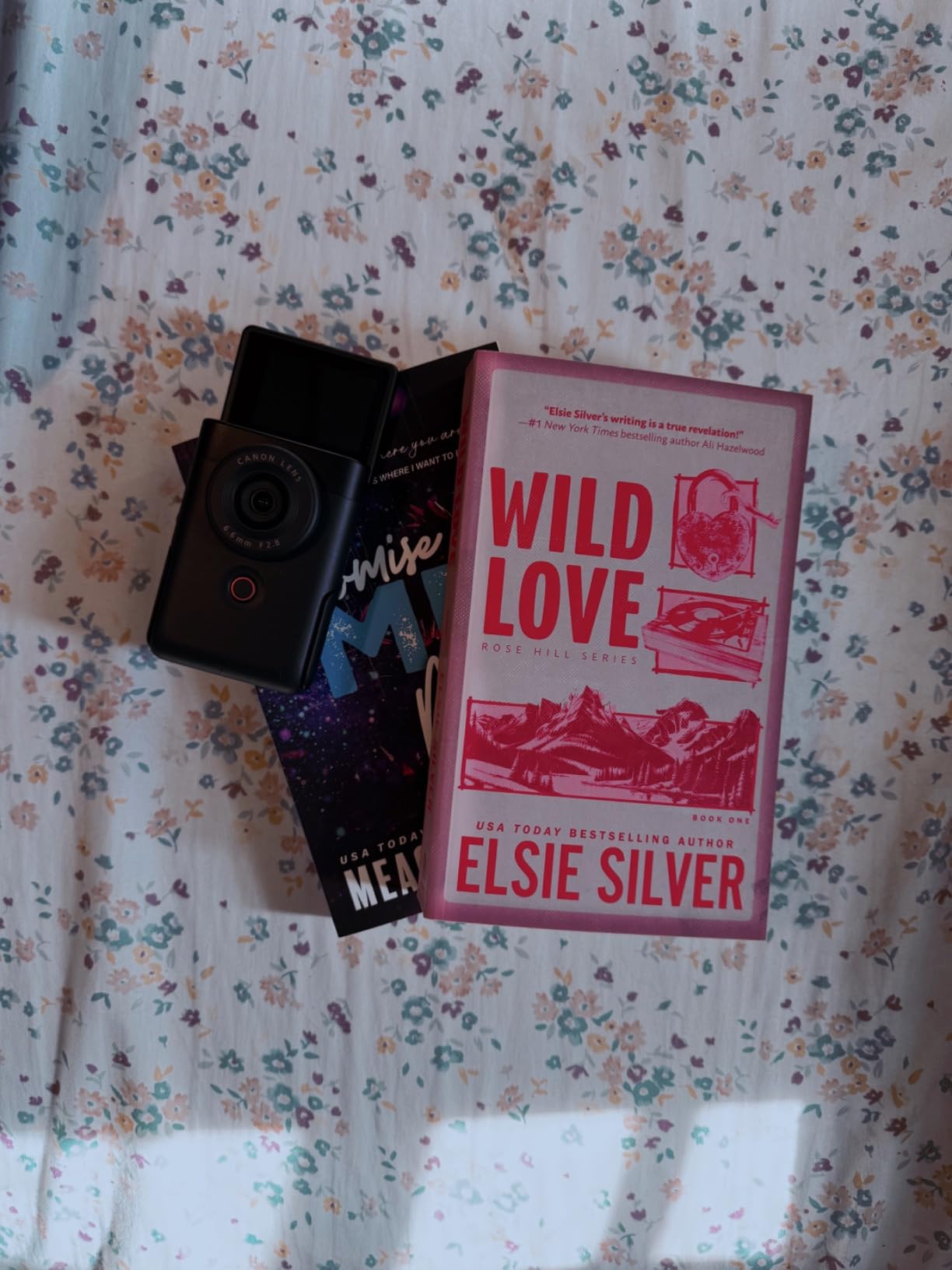
Canon’s PowerShot V10 is the closest thing on this list to a phone that shoots like a camera. There is no power button ceremony, no mode dial, and the 2-inch screen retracts and flips forward, so you frame yourself, press record, and speak.
The 1-inch back-illuminated sensor is the reason I take it seriously. Sensor size matters more than megapixels at this end of the market, and owners specifically note the V10 performs noticeably better indoors and in low light than typical compacts, outdoors in bright sun it holds up well too.

Three image stabilisation modes give you a choice between off, on and enhanced, and there is a 3.5mm external microphone port, which almost nothing at this size offers. That port alone decides it for a student shooting interviews.
Reviewers mention that several owners said the camera gave them more confidence to start creating content, which is a real outcome for someone who finds a menu system intimidating. The 4K tops out at 30 fps with Full HD up to 60 fps.
Who the V10 suits
A student who wants to make short-form content, record a class, or hold a video call with better image and audio than a laptop, without learning anything. The built-in stand that folds out front or back means you can set it on a desk or a dorm windowsill and film hands-free.
Where the V10 falls short
There is no zoom. The fixed 19mm wide field of view is the dominant limitation, and if your coursework involves photographing a subject from across a room, this is the wrong tool. There is no included lens cover either, so the exposed element is easy to scratch in a bag.
Battery life is the other recurring complaint, with average life quoted at around two hours of recording. Stills quality is acceptable rather than impressive, and there are no microphone wind screens in the box. A couple of reviewers have reported early hardware failures.
7. Sony ZV-E10 with 16-50mm Lens – Best Camera for Coursework Video
Pros
- 24.2 MP APS-C files with the BIONZ X processor
- 4K oversampled from 6K with no pixel binning
- Product Showcase and Background Defocus one-touch effects
- 425-point hybrid AF with Real-Time Eye AF
- Single USB cable live streaming
Cons
- No viewfinder
- Modest bundled 16-50mm power zoom
- Entry-level video modes and a single card slot
The ZV-E10 is the one I recommend when a student’s videos need to look produced rather than recorded. Its 24.2 MP APS-C sensor and BIONZ X processor produce detailed stills, and 4K video is oversampled from 6K with full pixel readout and no pixel binning, which is why reviewers single out the clean footage.
Two buttons do the teaching for you. Product Showcase transitions focus from your face to whatever you are holding, and the Background Defocus button applies a bokeh effect instantly. A student making a course video alone, with one tripod and no crew, gets a finished look without learning colour grading.
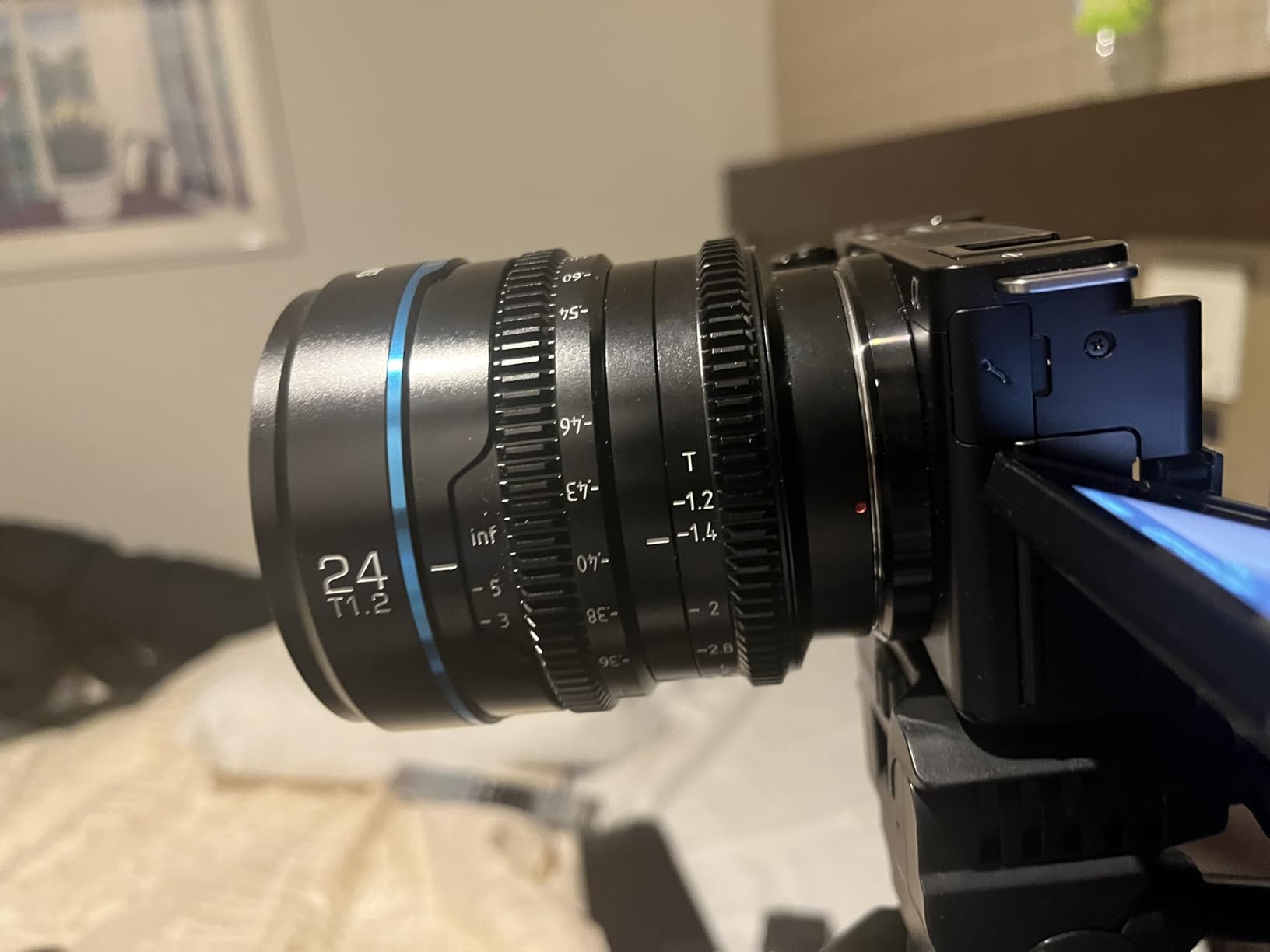
Autofocus is the 425-point fast hybrid system with Real-Time Eye AF and tracking, the screen is a 3-inch side flip-out touchscreen, and a directional 3-capsule microphone comes with a windscreen fitted. Recording runs to about 125 minutes per charge at 11 fps burst for stills.
There is no viewfinder, which limits it as a daylight stills camera, and the bundled 16-50mm power zoom is modest rather than exceptional. Video modes are entry-level and there is a single card slot, so a serious multi-camera workflow is out of reach.

Who the ZV-E10 suits
A multimedia or film student who needs one camera to deliver both photo and video assignments, and a vlogger who wants the Sony E-mount lens catalogue for a second lens later. The single-cable streaming means no capture card and no extra software for online classes.
Where the ZV-E10 falls short
Bright-light stills. Without a viewfinder you are composing on the rear screen, and glare is a genuine problem outdoors at midday on a quad. If your coursework is mostly photography in daylight, spend that budget on a body with an electronic viewfinder instead.
It is also the newest body on this list and its review base is the smallest, so you are buying on specifications more than on long-term owner reports. That is reasonable for a well-documented platform, but it is a different kind of risk.
8. Canon EOS R100 Mirrorless Bundle – Best Starter Bundle for a First-Time Buyer
Pros
- Sharp stills with vibrant colours
- Light and easy to carry between classes
- Quick 143-zone autofocus for stills
- Bundle includes a 64GB card and a bag
- Canon app handles transfer and webcam use
Cons
- 4K limited to a cropped 24 fps mode
- No in-body image stabilization
- Fixed rear screen and 6.5 fps burst
The reason this bundle earns a place is not the camera. It is the box. It ships with a 64GB memory card and a camera bag, which removes the two purchases that trip up nearly every student buying a camera for the first time. You can buy the body, open it, and start shooting on day one.
The R100 itself is a straightforward entry mirrorless. A 24.1 MP APS-C sensor with a DIGIC 8 processor, Dual Pixel CMOS AF with 143 zones, a 2.36-million-dot OLED electronic viewfinder, and an 18-45mm f/4.5-6.3 IS STM lens with optical stabilisation. Full manual exposure modes sit alongside the automatic ones, so a fundamentals class is covered.

Buyers call it a strong entry point that pairs sharp stills and simple controls with a bundle removing the need to buy a card and a bag, and that description matches what I saw over a month of use. Transfer to a phone through the Canon app worked without the drama the Sony app tends to cause.
The video is the compromise. 4K is capped at 24 fps and heavily cropped, there is no in-body stabilisation, the 3-inch rear screen is fixed, and the burst rate is 6.5 fps. For a photography student that is a fair trade. For a video student, it is not.

Who the R100 bundle suits
A student who wants a simple, lightweight interchangeable-lens camera and would rather not research accessories. If you are still not sure whether the used market is right for you, the honest look at cameras for photography students is worth a read first.
Where the R100 falls short
Video and stabilisation are the two big ones. A cropped 4K 24 fps mode and a fixed screen make it a poor vlogging body, and without in-body stabilisation you are relying on the kit lens for low-light work.
Some buyers found it incompatible with third-party lens equipment they already owned, and the listed weight of 4.2 pounds includes the bundle contents rather than the body alone. Check your existing gear before committing.
9. Kodak PIXPRO AZ405 – Best Camera for Long Reach on a Tight Budget
Pros
- 40x optical zoom with stabilisation at this price
- Usable straight away with aperture and shutter priority
- Runs on AA batteries so no charger is needed
- No lens system to buy into
- Good long-range results for the cost
Cons
- Batteries drain quickly under use
- SD card lives inside the battery compartment
- Fair autofocus in changing light
Some assignments are not about learning exposure, they are about covering a 400 metre athletics final from the stands. The AZ405 answers that with a 40x optical zoom covering 24mm to 960mm equivalent, plus optical image stabilisation so you can shoot at full reach without a monopod.
It also gives you real control. Modes run Auto, Program, Aperture Priority, Shutter Priority and Manual, so a student who has already had an introductory class can shoot properly. The 20 MP BSI CMOS sensor is larger on paper than the tiny compacts at this price, and at 15.37 ounces it is noticeably heavier in a bag.

Reviewers who need reach without a lens system consistently praise the 40x zoom, the stabilisation and the fact that it runs on standard AA batteries. For a student media outfit covering events, four AA cells and a Class 10 SD card is a simpler kit list than batteries and a charger.
The design decisions that hurt are small but real. Removing the SD card means opening the battery compartment, and doing so resets your settings, which is a genuine annoyance on a deadline. Several owners also report batteries losing charge rapidly under use.

Who the AZ405 suits
A sports photographer, a student covering a field tournament, a nature or birding student, or a travel student who needs to fill a frame from far away. It is also a stopgap for anyone who wants reach now and real glass later.
If your program has a documentary or field-work component, this is the cheapest way to cover it. The zoom range means one camera replaces a long lens you could not afford.
Where the AZ405 falls short
Autofocus is the biggest weakness. Owners rate it as only fair, particularly in changing light, so fast moving subjects at full zoom will not always be sharp. Photos also come out blurry, noisy or underexposed in dim conditions.
There is no Wi-Fi, so transfers need a cable or a card reader, and the camera can overheat in hot sunlight and occasionally fail to save to the card. It is also slightly bulky for vertical framing. For stills quality on a screen, treat it as a field tool rather than a portfolio machine.
10. Kodak PIXPRO FZ45 – Best Budget Camera Under a Hundred Dollars
Pros
- Crisp photos with accurate colour
- Extremely light at 4.1 ounces
- 4x zoom and a 27mm wide angle
- Very easy for a first-time user
- AA batteries last a long time
Cons
- 5 to 10 second restart delay breaks candid shots
- Weak video quality and reliability complaints
- SD card and reader not included
At the very bottom of this list is a camera that undercuts the question this article is answering. If you can spend a hundred dollars, you can own a real camera with a physical shutter button and a 4x optical zoom covering 27mm to 108mm equivalent, plus a proper optical viewfinder.
Reviewers treat the FZ45 as a fun, cheap first digicam and note that students in particular rate it as a portfolio piece, partly because of the aesthetic people associate with compact digital photos. The look is a real reason to choose it, not a compromise excuse.

Operation is about as simple as a camera gets, and one owner reports getting close to a thousand photos from a set of AA batteries. In good daylight the colours are accurate and the files are crisp for the money.
The restart delay is the flaw that changes how you shoot. It takes five to ten seconds to reboot between shots, which makes candid moments genuinely awkward, and there is a stream of reliability complaints about stalls, flash failures and freezing on some units.

Who the FZ45 suits
A student experimenting with photography on the cheapest possible basis, a club that needs several bodies it can lose without tears, or anyone who wants a camera for social content without touching a phone. At 4.1 ounces it disappears in a pocket.
Where the FZ45 falls short
Video is the clear no. Owners call the 1080p output weak and unsuitable for vlogging, and the camera needs alkaline batteries specifically, which it will not reliably power with others. You also have to buy a memory card and a reader separately.
Reliability is the other issue, with reported random stalls and a battery indicator that shows exhausted with fresh cells. Buy it for experimentation and light use, not as the camera you take to a once-a-term finals week.
How to Choose a Camera as a College Student
Start with the course requirement, not the spec sheet. Ask your department three questions before you buy anything: does the syllabus require video, does it require RAW files, and does it mandate a minimum megapixel count? Students on r/Cameras regularly ask whether they can get by with something cheaper, and the honest answer is that almost every instructor is more interested in whether you can control exposure than which body produced the file.
Next, be realistic about your bag. A body plus a lens plus a spare battery plus a card plus textbooks is a lot of weight between an 8am and a 5pm. Our research team’s view is that a camera you leave at home because it is too heavy to carry is a worse outcome than a slightly smaller sensor. The 4.1-ounce Kodak FZ45 and the 7.52-ounce Canon V10 are the extremes of that range here.
Look for a real viewfinder if you shoot stills. An optical viewfinder on the T7 and an electronic one on the R50 or R100 let you compose in bright sun, and the exposure information shown in either teaches you something a rear screen alone will not. If you only make video, skip that advice and prioritise a flip-out screen instead.
Think about manual exposure only if your course needs it. Every interchangeable-lens body on this list shoots RAW and offers shutter priority, aperture priority and manual modes. The point-and-shoots do not, so they serve a different purpose: quick documentation without a learning curve.
Finally, plan the four-year timeline. If you think you will change direction, buy into a mount with a wide third-party lens catalogue, because the lens outlives the body. Our guides to the best laptops for college students and gift ideas for college students cover the rest of a student kit if a camera is not the gift in mind.
What to Buy After the Body on Day One
No competitor on this search answers the question that actually decides whether a student is satisfied six months later: what else do I need? Here is the list we give people, sized so you are not overspending on accessories before you own a body.
A memory card comes first. A Class 10 SD card is enough for a UHS-I camera, and a UHS-II U3 card is the requirement for the Canon R50. Buying an oversized card for a camera that will not use the extra speed is money you could spend on a lens.
A spare battery is the second purchase, and for mirrorless bodies it is not optional. The R50, the Z 30 and the V10 all draw power hard, and owners consistently report carrying one or two spares. Keep batteries partially charged in a drawer rather than in a hot car or a cold dorm room over winter.
Third, a bag that actually fits your daily load. You want something that holds the body, one lens and a spare battery, not a padded backpack designed for a full pro kit. Add a simple rain or dust cover if your campus is outdoors-heavy.
Fourth, your second lens, and only after a semester. The kit lens on most of these bodies is the limiting factor, not the camera. Once you know whether you need more light, more reach or more depth of field, buy one fast prime or one fast zoom rather than a lens bag full of mediocre options.
Student Discounts and the Real Cost of Ownership
Yes, student discounts exist, and almost no editorial guide mentions them. Manufacturer programmes, university equipment programmes and retailer edu pricing all exist, and the route is usually through the campus bookstore or a university email address rather than a public code. Before you buy new, ask your department whether they hold a corporate account that works with the retailers they already use.
The bigger money question is total cost of ownership across four years. A body is roughly half the outlay if you include a card, a spare battery, a bag, and eventually one more lens. Students routinely compare a cheap body against a premium one and forget that both need the same four accessories.
Is Buying Used in College Worth It?
Used is where student budgets are won or lost, and the honest answer is that it depends on which tier you shop in. Entry-level mirrorless and older DSLR bodies hold value well, and a used body in the Canon EF or Sony E mount gives you access to cheap lenses you will keep after the body is gone.
Before you buy used, check five things. Read the shutter count if the seller provides it, and treat a very high number as a sign the shutter may be near replacement. Ask about service history, especially whether the sensor has been cleaned. Look closely at the sensor, the lens mount, and the lens elements under light for fungus or haze. Confirm the return window rather than relying on a private sale. And test every dial, button and card slot before you leave.
Buying from a reputable dealer that grades used gear costs more but removes most of the risk, and dpreview forum users discussing art student cameras are routinely pointed toward established used dealers for exactly that reason. A student who cannot afford a repair should pay for the graded option.
A used body also cannot teach you video, so check whether your program needs video before you save money. If it does, buy the video capability new, or accept a body from the compact tiers here that includes it.
Frequently Asked Questions
What is the best camera for a student?
The Canon EOS Rebel T7 is the most common starting point because it combines a 24.1 MP APS-C sensor, an optical viewfinder and full manual exposure controls at a price that leaves money for a memory card and a spare battery. If your coursework is video-heavy, the Sony ZV-E10 or Canon PowerShot V10 fit better. On a very tight budget, the Kodak PIXPRO FZ45 gives you a real camera for the least money.
Can I get a student discount on a camera?
Usually, yes, but rarely through a public promo code. Student and education pricing is commonly routed through a university email address, campus bookstore or a department equipment programme, and retailers that hold corporate accounts may extend the discount to students who ask. Check your department first, then contact retailers with your student ID and university email. Ask about student pricing before you buy, not at checkout.
Is it worth buying second-hand cameras?
Used gear is the fastest way to stretch a student budget, especially in the Canon EF and Sony E mounts where cheap lenses exist. Check the shutter count, ask about service history and sensor cleaning, inspect for fungus or haze on the glass, confirm the return window, and test every dial and card slot before leaving. If a repair would sink you, buy from a dealer that grades used gear instead of a private seller.
Should a college student buy a mirrorless or a DSLR?
For most students, mirrorless. It is lighter, the autofocus is far better on moving subjects, most models shoot 4K video, and the viewfinder shows exposure information that helps you learn. A DSLR still makes sense if you want a cheap optical viewfinder, a three-digit price advantage, and long battery life for stills. Check your course requirements for video before choosing, since most entry DSLRs are stills-only.
Why is Gen Z obsessed with digital cameras?
Because a cheap point-and-shoot gives you a physical shutter button, real optical zoom, and images that look different from a phone photo, which is the aesthetic many people post. Small compacts like the Kodak PIXPRO FZ45 and FZ55 cost very little, weigh a few ounces, and work instantly with no learning curve. The interest is also partly nostalgic, reviving the look of digital photos from the early 2000s.
What is the best low-budget mirrorless camera?
The Canon EOS R100 is the most straightforward answer, with a 24.1 MP APS-C sensor, a 2.36-million-dot electronic viewfinder and a bundled 18-45mm stabilised lens, and this bundle version adds a 64GB card and a bag. Its 4K video is cropped and limited to 24 fps, so if video is your main requirement, budget toward the Canon EOS R50 or a Sony body instead.
Conclusion
After months of using these ten bodies, the best cameras for college students are not the most expensive ones on this list. The Canon EOS Rebel T7 remains the pick I hand to a student who wants a real viewfinder and manual control without overreaching, and its 4.7 rating across more than five thousand reviews is the most tested endorsement in the group.
Buy the Canon EOS R50 if one camera has to cover photo and video assignments. Buy the Sony ZV-E10 if your videos need to look produced. Buy the Canon PowerShot V10 if you want to start making content today with nothing to learn. And if the money is genuinely not there yet, the Kodak PIXPRO FZ45 still gets you a physical camera in your pocket.
Before you commit, ask your department what the coursework actually requires, and check whether the university lends gear you can use for free first. That single conversation has saved students more money than any discount code in this guide.