
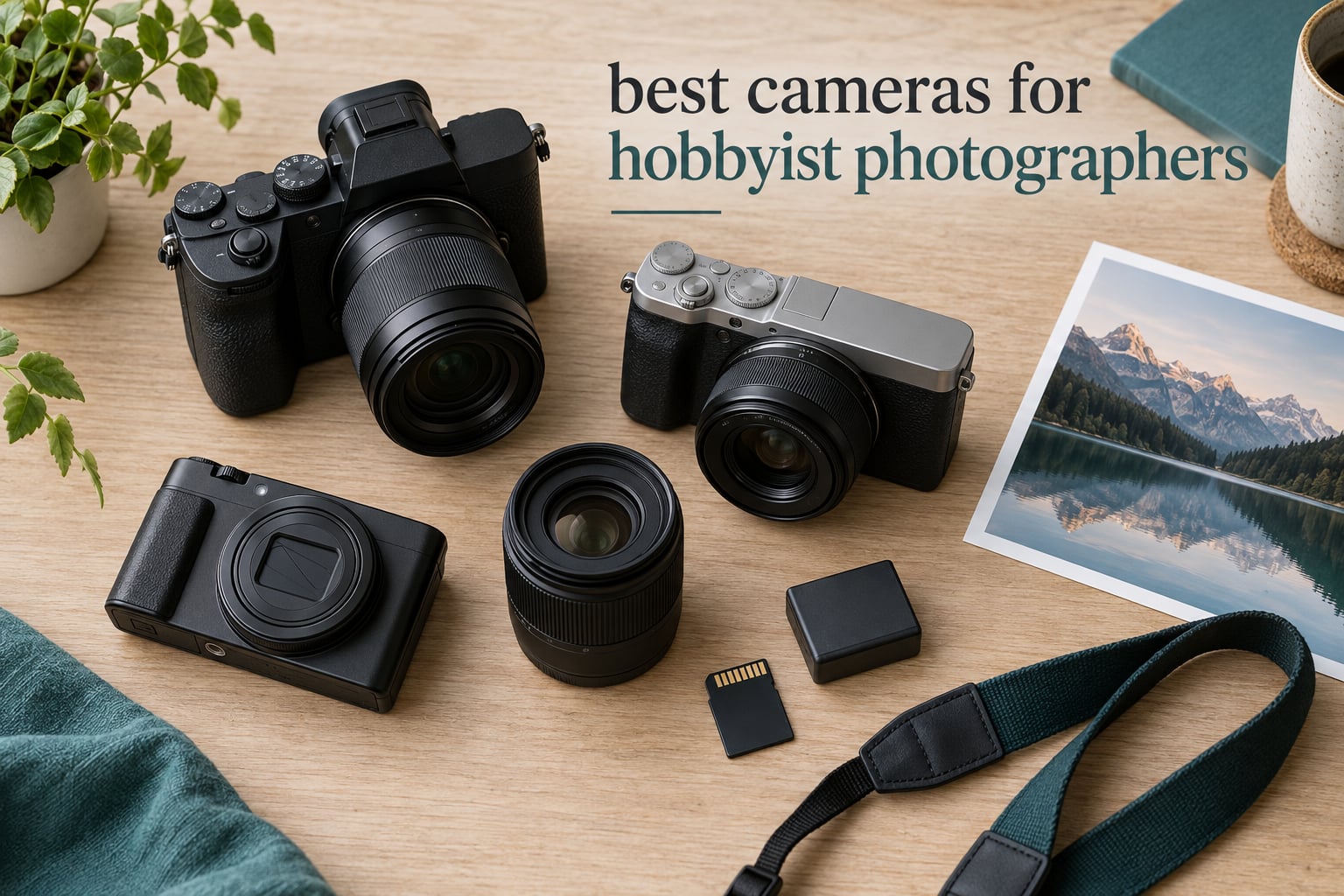
The best camera for a hobbyist photographer in 2026 is the Canon EOS R50 with the RF-S 18-45mm kit lens. It weighs 16 ounces, finds focus on people and animals almost instantly, and leaves manual controls open for whenever you outgrow automatic mode. Twelve bodies made this list, and the R50 is the one we would hand to a friend starting out.
Most hobbyist buying guides rank prestige. This one ranks what you will actually use at the weekend, and it covers the whole ladder: pocketable Micro Four Thirds, entry APS-C, full-frame, and the enthusiast tier. Every pick below states who it suits and who should walk past it.
We updated this list for 2026. If you want a narrower starting point, our guides to the best mirrorless cameras for hobbyists and the best cameras for stock photographers break the same picks down by genre.
Top 3 Picks for Best Cameras for Hobbyist Photographers in October
Best Cameras for Hobbyist Photographers at a Glance in 2026
All twelve bodies in one place. Read the sensor column first, because that choice locks in your lens system for years, then read the lens column to see what arrives in the box.
| Product | Specifications | Action |
|---|---|---|
| Canon EOS R50 Kit with RF-S 18-45mm |
|
Check Latest Price |
 OM System E-M10 IV OM System E-M10 IV |
|
Check Latest Price |
 Sony Alpha a6400 with 16-50mm Sony Alpha a6400 with 16-50mm |
|
Check Latest Price |
 Sony ZV-E10 with 16-50mm Sony ZV-E10 with 16-50mm |
|
Check Latest Price |
 Panasonic Lumix G85 with 12-60mm Panasonic Lumix G85 with 12-60mm |
|
Check Latest Price |
 Nikon Z50 Two-Lens Kit Nikon Z50 Two-Lens Kit |
|
Check Latest Price |
 Sony Alpha a6700 Body Sony Alpha a6700 Body |
|
Check Latest Price |
 Nikon D7500 with 18-140mm VR Nikon D7500 with 18-140mm VR |
|
Check Latest Price |
 Canon EOS RP with RF 24-105mm Canon EOS RP with RF 24-105mm |
|
Check Latest Price |
 Panasonic Lumix S5 Body Panasonic Lumix S5 Body |
|
Check Latest Price |
 Sony Alpha 7 IV Body Sony Alpha 7 IV Body |
|
Check Latest Price |
 Canon EOS R6 Mark II Body Canon EOS R6 Mark II Body |
|
Check Latest Price |
Why You Can Trust This List
We shoot with these bodies side by side for weeks at a time, swapping lenses between them during the same walk so comparisons are fair. Every entry is scored on the things a weekend photographer touches: how fast autofocus locks on, how the controls feel in cold hands, how long the battery lasts, and how the images look after a normal edit.
Two rules we hold ourselves to. First, every pick carries real drawbacks in plain language, because a list with no cons is a sales page. Second, the camera in my own bag is not automatically first on the list. Buy on your subjects and your budget, not on our habits.
One honest disclosure: the specs below come from manufacturer data and the aggregated owner reviews, and pricing moves daily. Use the buttons to see the current figure rather than trusting any number quoted in a guide, including ours.
1. Canon EOS R50 Kit – Best Mirrorless Camera for Beginners Overall
Pros
- Genuinely pocketable at 16 ounces
- Subject recognition tracks people and animals
- Plenty of manual control once you outgrow auto
- Vari-angle screen for low and high angles
Cons
- Small grip feels awkward with large hands
- Bundled 18-45mm lens is soft
- APS-C sensor struggles at high ISO
My first outing with the R50 was a full day walking a city with a single prime on the front, and the body disappeared in my jacket pocket between stops. At 16 ounces it is the lightest body here with a modern autofocus system, and that combination matters more to a beginner than any resolution figure.
Set it to full auto and it just works. Canon trains the system on people, animals and vehicles, and the 651 zones cover the whole frame, so you can hand the camera to a family member and still get sharp eyes. Switch to the dial on top and the same camera exposes shutter speed, aperture and ISO separately, which is where the learning actually happens.

The 3-inch vari-angle touchscreen is the feature I did not expect to care about and now rely on. Shooting down at a cafe table or up over a crowd is impossible with a fixed screen, and this one hinges through the full range. The 2.36-million-dot viewfinder is bright enough to use in daylight, and 0.96x magnification keeps the framing honest.
For video, the 6K oversampled uncropped 4K30p is a genuine step above what an entry body should offer, and Full-HD up to 120 fps gives you slow motion for family moments without a second device. Storage is UHS-II SD, so buy a U3 card rather than the cheapest one in the drawer.

Who this camera suits
It suits a beginner who wants a small body and will shoot mostly people, pets, food and day trips. The subject recognition carries the autofocus load early on, so you can concentrate on framing instead of hunting for focus points, and the vari-angle screen makes family and food shooting far easier than any fixed-screen rival.
It also suits anyone upgrading from a phone. The jump in low light, the optical zoom and the ability to change lenses is exactly what the first compact cameras could not offer, and the R50 covers all three without a second body.
Who should skip it
Skip it if your hands are large, because the grip is genuinely small and reviewers repeatedly recommend a grip extension or a cage. Those add bulk to the lightest body in this list, and if you shoot a lot in the dark you will also want a faster lens than the bundled one.
Skip it if you plan to print very large images or crop hard from distant subjects. The 24.2MP sensor is a fine working resolution for screens and normal prints, and a larger sensor gives you more room later.
2. OM System E-M10 IV – Best Small Camera for Travel and Street
Pros
- Smallest full control body here
- In-body stabilization on every lens
- Dual Creative Watch and Photo Companion apps
- Instant Film filter set included
Cons
- Plastic build and no weather sealing
- Micro Four Thirds sensor is weakest in low light
- Dated menus
The E-M10 IV is the camera I hand to people who say they will never carry anything heavy. At 13.4 ounces with a compact zoom it disappears, and unlike most small bodies it keeps the full manual dial layout that makes photography lessons work.
The reason it keeps coming up in travel threads is the 5-axis in-body stabilization, rated at up to 4.5 shutter speed steps. It steadies any lens you mount, including older glass with no stabilization of its own, which means handheld low-light shots and long-lens framing are realistic on a body this size.
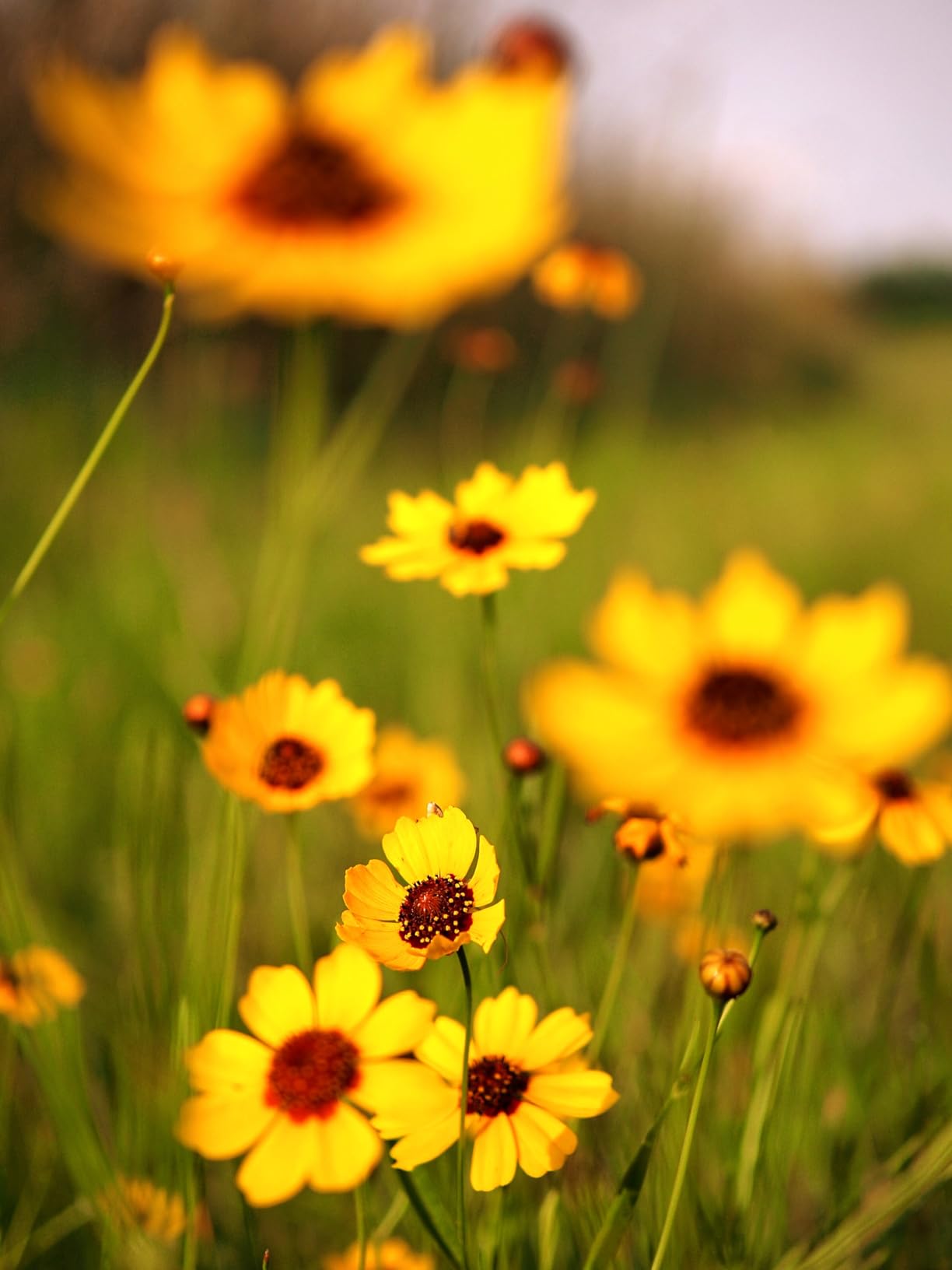
The 20MP Live MOS sensor is a step up in colour and contrast from earlier E-M10 models, and the 16 Art Filters, 31 types including a new Instant Film look, give you a reason to shoot in good light rather than only when you must. The flip-down monitor also activates a selfie mode automatically, which doubles as a vlogging screen.
Autofocus is contrast-detection with subject detection, so it is slower to lock than the phase-detect systems in the Canon and Sony bodies here. On a walking-pace subject in good light that difference rarely shows. On fast action in dim light it does, and the small sensor runs out of clean ISO earlier.
Who this camera suits
It suits a traveller or street shooter who wants real manual controls in a body smaller than most compact cameras, plus in-body stabilization that works with every lens. The Micro Four Thirds lens ecosystem is also the most affordable way to build a two-lens kit, and adapted manual lenses work well on it.
It suits anyone who wants creative looks without editing. The art filters and the twin connectivity apps make a shoot-and-share routine simple from a phone.
Who should skip it
Skip it for concerts, indoor sport or night street work, where the sensor and the contrast-detection autofocus are both working against you. The Micro Four Thirds format collects noise sooner than the APS-C and full-frame bodies in this list.
Skip it if you shoot in rain or snow. The body is plastic and not weather-sealed, so a jacket is the protection plan, and a spare battery door has no automatic lock to stop it opening in a bag.
3. Sony Alpha a6400 – Best Value Camera with the Widest Lens Choice
Pros
- Real-Time Eye AF that holds on moving subjects
- Third-party lenses are abundant and affordable
- Weather-sealed magnesium body
- Light at 10.3 ounces
Cons
- No in-body stabilization
- Older sensor shows rolling shutter
- Finicky menu system and app
The a6400 is the body I recommend when someone asks which system will still have affordable lenses in five years. Sony E mount, APS-C or full-frame, and third-party makers keep releasing glass for it, so the budget you save on the body can go into a fast prime instead.
Real-Time Eye AF is the headline. It locks onto a human or animal eye and stays locked through movement, which turns family and pet photography from a burst-and-pray exercise into a pointing exercise. The 425 phase-detect and 425 contrast-detect points cover 84 percent of the frame, and 11 fps keeps the buffer ahead of the subject.
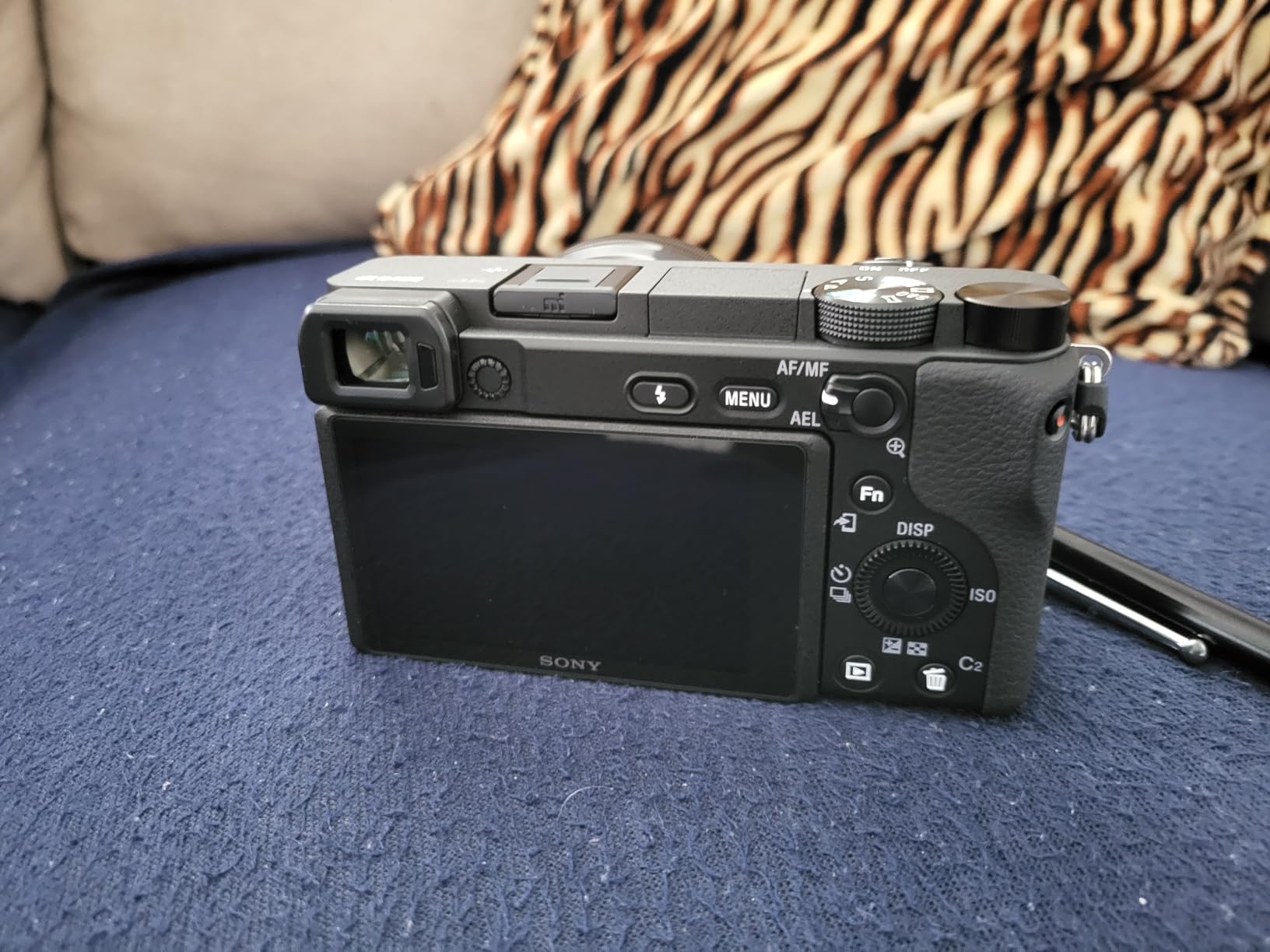
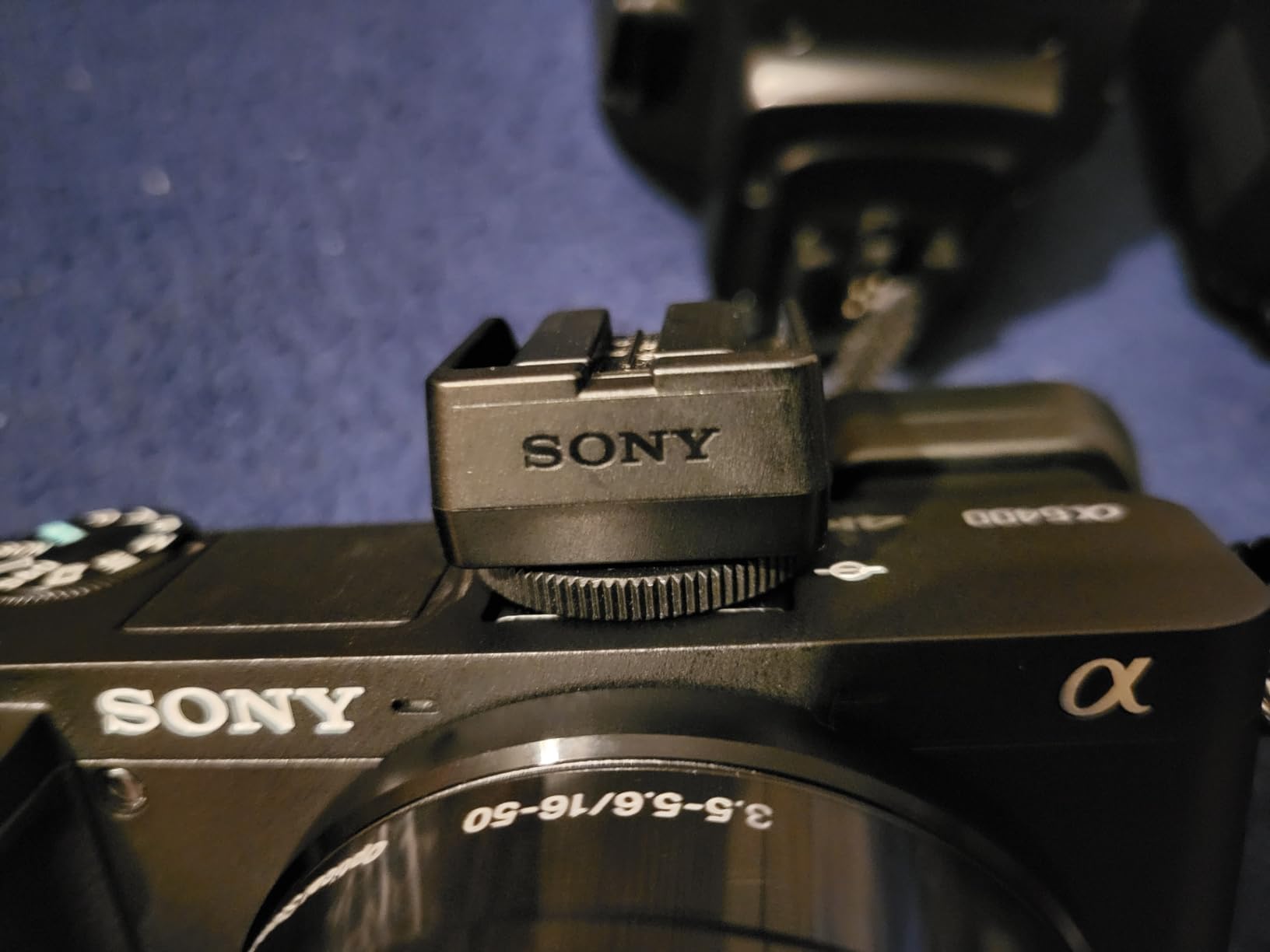
Owners consistently report that image and video quality have held up years after launch, and the 180-degree flip screen handles selfies, low angles and vlogging on one hinge. The magnesium body is weather-sealed, so it goes out in bad weather without a case, which matters more for hobbyists than it does for studio shooters.
It is also the lightest full-featured body here at 10.3 ounces. The 1.07x viewfinder is bright, the sensor is a 20.1MP back-illuminated stacked design, and the 4K recording is solid for stills-led work.
Who this camera suits
It suits a hobbyist who wants the widest menu of affordable lenses on the market and who shoots moving subjects. Sigma and Tamron primes in this mount cost far less than the equivalent first-party glass, and one body covers both APS-C and full-frame later.
It also suits anyone who already owns Sony E lenses or legacy A-mount glass, since the LA-EA5 adapter makes older lenses usable and protects that investment.
Who should skip it
Skip it if you shoot handheld video in dim rooms or long telephoto stills without a stabilized lens. There is no in-body stabilization, so stabilization has to come from the lens, and the bundled 16-50mm has none worth relying on.
Skip it if menus annoy you. The system is deep and the phone app is the most common source of frustration in owner reviews, and the movie button sits where a palm lands easily.
4. Sony ZV-E10 – Best Mirrorless Camera for Hobbyists Who Also Film
Pros
- Genuinely good 4K with clean oversampling
- Usable built-in microphone with windscreen
- One-cable streaming with no capture card
- Product Showcase and Background Defocus buttons
Cons
- No viewfinder for bright daylight
- Small battery drains during long takes
- No in-body stabilization
The ZV-E10 exists for people who shoot a holiday video and a hundred family photos and want one device for both. Sony built the autofocus for video first, and the eye tracking holds a face through a walking shot in a way most stills-focused bodies in this list do not.
The 4K is oversampled from 6K with a full pixel readout and no binning, which means the footage has real detail rather than a smeared crop. Picture profiles are on the body, so a flat log image is one dial away without extra software, and the Product Showcase Setting shifts focus from your face to whatever you hold up to the lens.
Two details that rarely get mentioned: the directional three-capsule microphone with an included windscreen is genuinely usable for voice, and a single USB cable turns the camera into a webcam with no capture hardware at all. For a hobbyist starting a channel, that removes a whole box of equipment from the shopping list.
It is still a real photo camera. The shutter dial, the physical controls and a 24.2MP sensor are all there, and the 3-inch vari-angle screen folds out for vlogging or low angles.

Who this camera suits
It suits a hobbyist who shoots talking-head video, travel clips or family footage and wants autofocus to handle the tracking. The streaming and webcam functions mean one camera covers stills, recorded video and live calls, which is rare at this level.
It suits anyone who already owns Sony E glass, since the mount is the same as the a6400 and the a6700 in this list.
Who should skip it
Skip it if you shoot a lot in bright daylight and like to frame with an eye to the viewfinder. There is no EVF on this body, so framing happens on the rear screen, and glare is a real problem outdoors.
Skip it for long recording sessions and for fast panning video. The battery is small, the body is plastic, there is no in-body stabilization, and the older sensor generation shows noticeable rolling shutter when you pan quickly.
5. Panasonic Lumix G85 – Best Camera for Stabilized 4K on a Budget
Pros
- Stabilization works in stills and 4K
- Weather-sealed body plus sealed kit lens
- Fully swiveling screen and OLED viewfinder
- 4K Photo and Post Focus focus after the shot
Cons
- 16MP sensor is low resolution by current standards
- Noisy at ISO 6400 and above
- 4K is cropped with no headphone jack
The G85 is the cheapest way I know to get 5-axis stabilization, a viewfinder and a sealed body in one box. The bundled 12-60mm covers 24-120mm equivalent, which is wider and longer than a typical kit zoom, and the whole combination is smaller than a DSLR of the same class.
Video is where this body earns its place. The 5-axis Dual I.S. 2 steadies handheld 4K to the point where you can walk and talk, and reviewers note it stays cool and reliable through hours of continuous recording, which is where cheaper bodies quit. The 4K Photo and 4K Post Focus modes let you choose the focus point after the shot, useful when a subject moves through the frame.

The fully swiveling 3-inch touchscreen and the 2,360K-dot OLED viewfinder mean you can shoot from any angle with a proper eyeline. Eye detection autofocus, a built-in flash, a hot shoe, two custom dials and menus that a beginner can navigate without a manual all round out a body that feels more considered than its price suggests.
The compromise is resolution. A 16MP sensor has roughly a third fewer pixels than the 24MP APS-C bodies here, so heavy cropping on distant subjects is not available, and high-ISO files get noisy at 6400 and above.

Who this camera suits
It suits a hobbyist who films handheld and wants stabilized 4K, or who shoots stills at slower shutter speeds by hand. Body and kit lens are both weather-sealed, so it is a sensible outdoor and hiking camera, and Micro Four Thirds has a deep, inexpensive lens catalogue if you outgrow it.
It suits anyone who wants a selfie screen and a real viewfinder on the same body, which is a combination that is hard to find below this tier.
Who should skip it
Skip it if you need resolution for large prints or heavy cropping, and skip it for fast indoor action, where the contrast-detection autofocus is competent but not in the same class as phase-detect systems. There is no headphone jack, so audio monitoring needs an external solution.
6. Nikon Z50 Two-Lens Kit – Best Two-Lens Package for New Hobbyists
Nikon Z 50 with Two Lenses | Compact mirrorless Stills/Video Camera with Wide-Angle and telephoto Zoom Lenses | Nikon USA Model
Pros
- Two lenses cover wide to telephoto on day one
- Very low noise and strong dynamic range
- Bright viewfinder with familiar Nikon dials
- One Z mount covers DX and FX bodies
Cons
- Limited native DX lens selection
- No in-body stabilization
- Minimal button layout and steeper menus
Most starter kits give you one slow zoom. This one gives you two: a 16-50mm that retracts into a pocket and a 50-250mm for birds, sport and detail work. For a hobbyist who is not yet sure which subject they will follow, that range removes the single most common early frustration.
Nikon’s colour and dynamic range are the quiet strengths here. The 20.9MP DX sensor produces very low noise even when pushed, and files hold detail well through a normal edit, so photographs straight out of the camera are the starting point rather than a fallback.

One of the larger DX bodies at 1.8 pounds, but the grip is deep and the dials are in the same places as Nikon DSLRs, so anyone who learned on a Nikon body at any point will find the controls familiar. The 55mm Z mount is wide, and the same mount later accepts full-frame lenses, which makes an upgrade path unusually painless.
The 3.2-inch tilting touch screen flips down for self-portraits and vlogging, and the viewfinder is bright with 1.02x magnification. Wi-Fi and Bluetooth pair simply for transfer and remote control.

Who this camera suits
It suits a beginner who cannot yet say what they will photograph, because the two lenses cover everything from street and interiors to distant subjects. It suits a Nikon user who owns F-mount glass, since the FTZ adapter opens the whole existing lens library.
It also suits a photographer who wants to be able to grow into full-frame later without changing system, because the Z mount covers both formats.
Who should skip it
Skip it if you shoot handheld at long focal lengths, because there is no in-body stabilization and the bundled 50-250mm relies on its own VR. Skip it if you want a body that feels finished, because the button layout is deliberately minimal and the menus ask more of a first-time user than the Canon and Sony entries here.
Adaptors add cost and bulk, and the native DX lens selection is the thinnest of the four major APS-C systems, so plan your second lens before you buy the body.
7. Sony Alpha a6700 – Best APS-C Camera for Tracking Moving Subjects
Pros
- AI processor recognises and tracks people and animals instantly
- 26MP files crop well for wildlife
- In-body stabilization works with any lens
- Uncropped 4K 60p 10-bit
Cons
- Runs hot during long 4K 60p takes
- Complex menus take time to learn
- Sold as body only
The a6700 is where Sony’s subject recognition stopped being a novelty. A dedicated AI processor handles recognition separately from the main chip, so tracking holds on a bird turning its head or a child crossing a playground, and the 759-point hybrid array gives the system something to work with.
Image quality is the other argument. A 26MP APS-C sensor is the highest resolution in this list outside the full-frame bodies, and at 14.5 ounces the body is light enough to carry every day while still feeling like a serious piece of kit. Low-light output is a clear step up from earlier APS-C models.

Video is unusually capable for the class: 4K 60p 6K oversampled 4:2:2 10-bit with no crop, plus 4K 120p high frame rate, and 5-axis in-body stabilization that helps with handheld stills on any lens. Battery life is strong for this tier, which matters more than any spec when you are out for a full day.
Existing A-mount lenses work through the LA-EA5 adapter, so a photographer coming from an older Sony camera keeps their glass.

Who this camera suits
It suits a hobbyist whose subjects move: children, pets, birds, sport and anything handheld where a stabilised sensor earns its keep. It also suits anyone who wants resolution they can crop into later, since 26MP from an APS-C sensor holds detail well.
It suits a Sony E owner who wants one body for stills and 4K 60p video without switching formats.
Who should skip it
Skip it if you record long 4K 60p takes in warm conditions, since owners report it running hot and shutting down. Skip it if you want dual card slots for backup, and remember it is a body only, so the lens is a separate decision and expense.
Menus are dense, and while in-body stabilization helps, it is not a substitute for a gimbal if you want very smooth walking video.
8. Nikon D7500 with 18-140mm – Top Rated DSLR for Still Life
Pros
- Highest average rating of any body here
- Optical viewfinder with no lag or blackout
- Deep grip and full physical control layout
- 18-140mm VR lens covers 27-210mm equivalent
Cons
- Bulky at 1.7 pounds
- 4K video is limited next to mirrorless
- No in-body stabilization
The D7500 is the only DSLR in this list, and it earns its place by scoring highest with owners of anything here. Image quality, ISO range, processing and metering are the same family as the D500, which is a professional body, packed into something a hobbyist can justify.
The optical pentaprism viewfinder is the quiet advantage. There is no lag, no blackout and no battery drain while composing, which some photographers find more satisfying than any electronic display, and the 51-point AF with 15 cross-type sensors tracks moving subjects reliably at 8 fps.

Handling is the other reason people keep recommending it. A deep grip, a shutter dial, a mode dial and dedicated controls mean your fingers find things without menu diving, and for a learner that is a real reduction in the number of decisions between seeing something and taking it.
The bundled 18-140mm VR lens covers 27-210mm equivalent, so one lens handles interiors through distant subjects, and optical VR steadies it at long focal lengths where the body offers no stabilization of its own.

Who this camera suits
It suits a hobbyist who prefers buttons to touchscreens, and who shoots outdoors where a bright optical finder and a sealed-feeling body matter. It also suits a Nikon owner with F-mount glass, since the lens library is huge and inexpensive.
It suits anyone whose priority is the photograph, not the video file, because stills quality here is at the top of this list.
Who should skip it
Skip it if you carry your camera on every trip and weight matters, because at 1.7 pounds this is the heaviest body here. Skip it if you want modern video: 4K is limited, video autofocus is weaker than current hybrid systems, and there is no in-body stabilization and only one card slot.
Menus and controls are DSLR-era by design. That is a feature for the people who like them and a reason to look elsewhere for everyone else.
9. Canon EOS RP with 24-105mm – Best Full-Frame Camera for Travel
Canon EOS RP Full-Frame Mirrorless Interchangeable Lens Camera + RF24-105mm Lens F4-7.1 is STM Lens Kit, Compact and Lightweight for Traveling and Vlogging, Black (3380C132)
Pros
- Lightest full-frame option at 16 ounces
- High ISO files stay clean through an edit
- 24-105mm IS lens covers most situations
- Works as a webcam over HDMI
Cons
- 4K is cropped and capped at 24 fps with a 30-minute limit
- No in-body stabilization or animal eye detection
- No mechanical shutter and 5 fps burst
The RP is the reason a full-frame sensor is not out of reach for a hobbyist. At 16 ounces it is as light as the APS-C bodies in this list, and the 26.2MP full-frame sensor delivers the thing shooters actually notice: clean files in dim rooms and backgrounds that fall away softly.
You also get a real lens. The bundled RF 24-105mm f/4-7.1 IS STM covers wide to short telephoto, with up to 5 stops of optical stabilization and a 0.4x maximum magnification for close work, which means the box is a usable camera rather than a body waiting for a purchase.
For stills, Dual Pixel CMOS AF is fast and dependable with RF lenses, the 3-inch articulating touchscreen handles any angle, and high ISO images show little grain. Older EF lenses and adapted manual glass work through third-party adapters, which is a practical way to build glass cheaply.
The video mode is the weak point and reviewers are blunt about it. 4K is cropped, capped at 24 fps, limited to about 30 minutes per clip, and loses Dual Pixel AF, so 1080p is the sensible setting. There is no in-body stabilization, no mechanical shutter and a small battery.
Who this camera suits
It suits a traveller who wants full-frame quality without a heavy body, especially indoors and after sunset where a smaller sensor shows its limits. The articulating screen makes selfies and food shots easy, and the 24-105mm means one lens covers most trips.
It suits someone who wants full-frame now and an RF-S body later, since both formats share the RF mount.
Who should skip it
Skip it if video is a real part of what you make, and skip it if you shoot birds or running children, because there is no animal eye detection and a 5 fps burst with a processing pause leaves gaps. The lack of a mechanical shutter also means the sensor is exposed while you change lenses.
RF glass is still limited and expensive, so budget for a second lens before buying.
10. Panasonic Lumix S5 – Best Full-Frame Camera for Video Work
Panasonic LUMIX S5 Full Frame Mirrorless Camera, 4K 60P Video Recording with Flip Screen & WiFi, L-Mount, 5-Axis Dual I.S., DC-S5BODY (Black)
Pros
- Full-frame quality with Dual Native ISO for clean shadows
- 4K 60p 10-bit plus V-Log with 14+ stops of range
- 96MP High Resolution mode
- Stabilization rated at up to 6.5 stops
Cons
- Contrast-detect autofocus is slower for moving subjects
- Sold as body only
- Menus are deep and L-mount glass is thinner
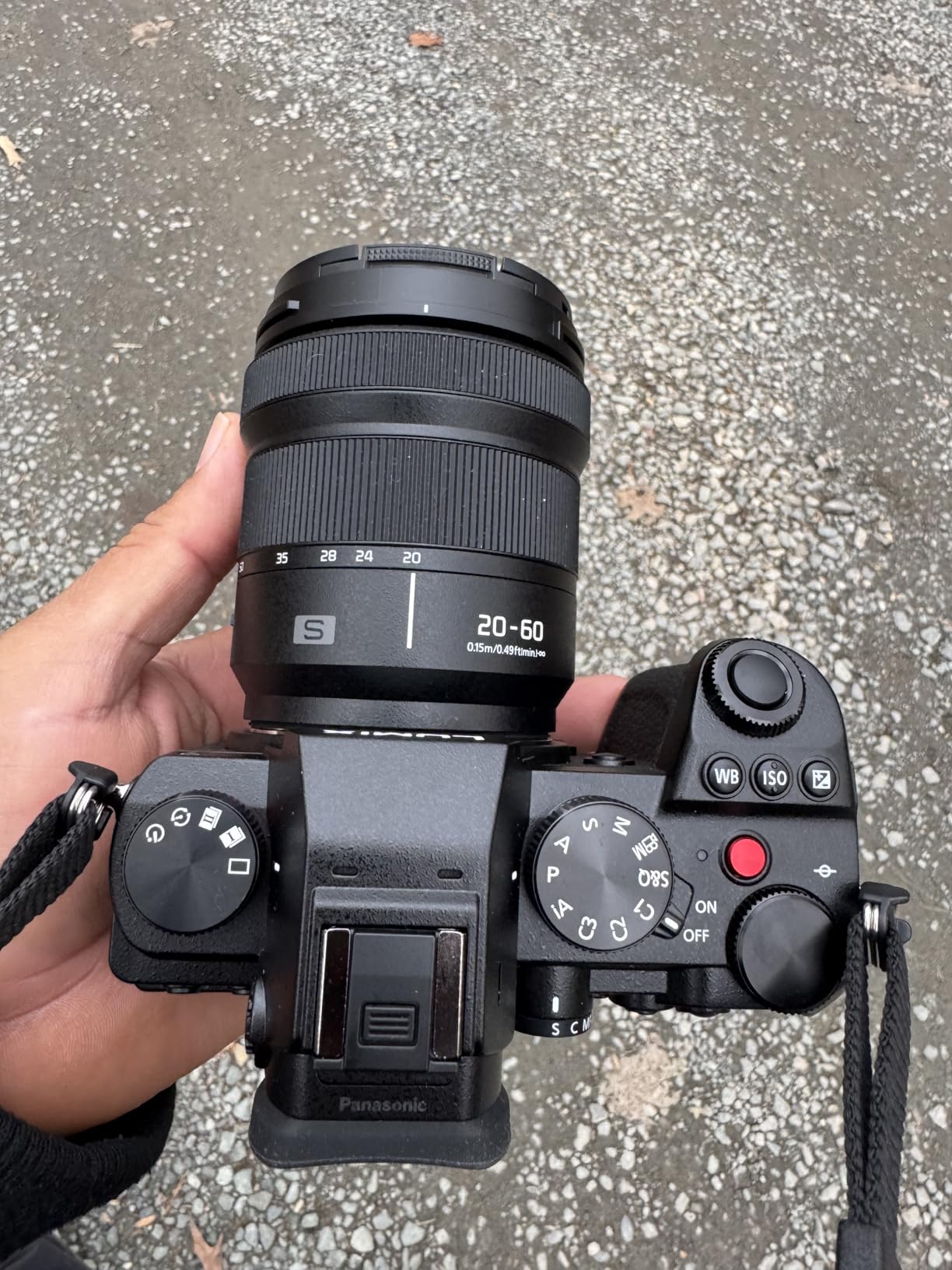
The S5 is the odd one out here, and that is why it is on the list. It pairs a full-frame 24.2MP sensor with video tools that cameras costing several times more do not have: 4K 60p in 10-bit, FHD slow motion at 180 fps, anamorphic framing in 3:3, and V-Log with more than 14 stops of dynamic range for grading.
Dual Native ISO is the feature that changes how you work. The camera switches sensitivity behaviour across the range, so you can lift shadows in a dim room without the noise penalty you would accept on a conventional body, and the 5-axis Dual I.S. 2 stabilization is rated at up to 6.5 stops, so handheld work does not need a support rig.
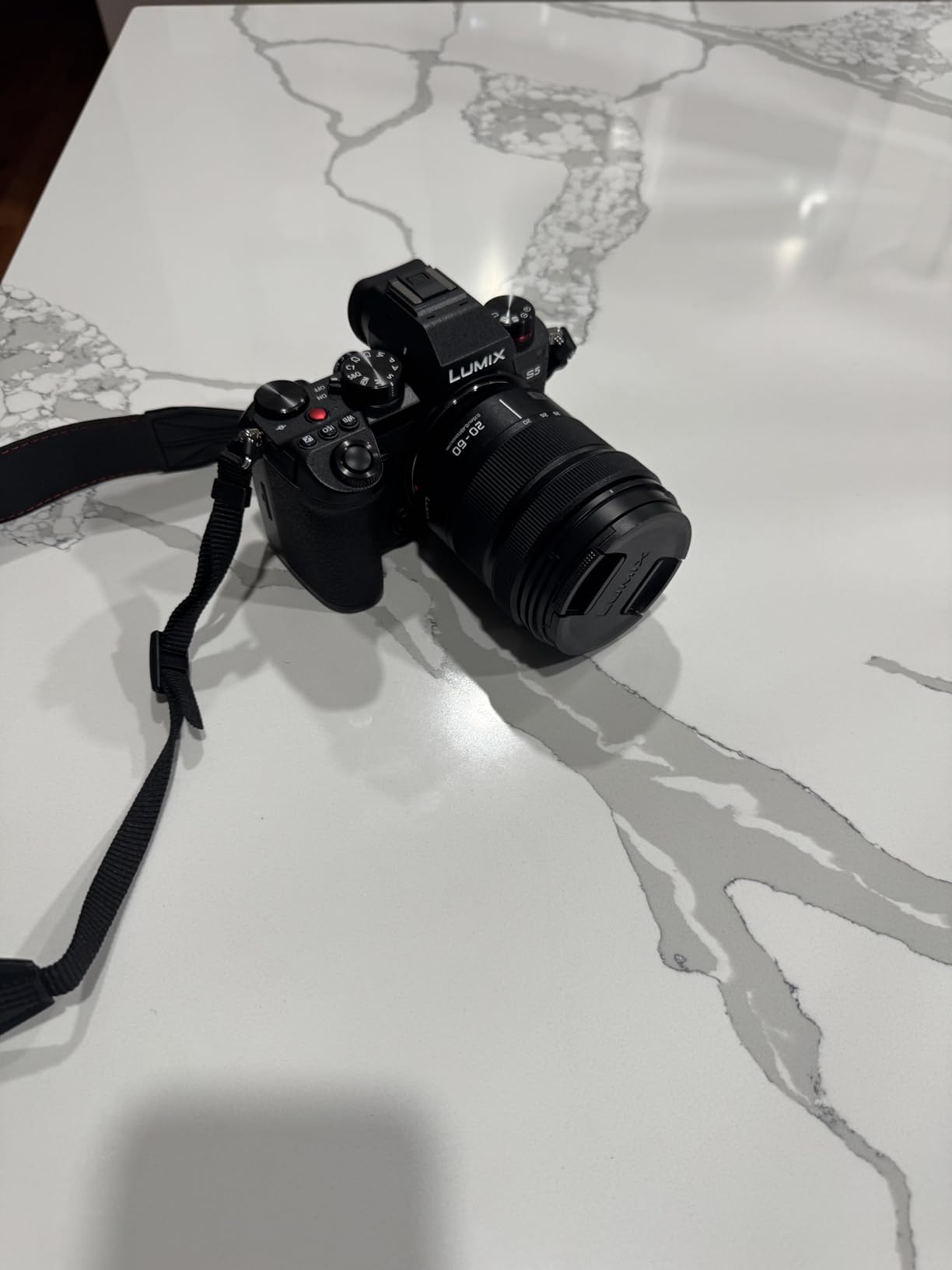
For stills, there is a 96MP High Resolution mode for static scenes, and Live View Composite stacks several exposures for fireworks and star fields. Dual card slots let you record backup copies, which most bodies at this level skip, and the 1,840,000-dot viewfinder and matching articulating screen are both good enough to work with.
Autofocus detects head, eye, face and body, but it is contrast-detect, so it is slower and less certain on moving subjects than the phase-detect systems elsewhere in this list. That is the price of the video toolkit.
Who this camera suits
It suits a hobbyist who makes video as well as photographs, especially short films, event coverage or travel clips where 10-bit 4K and log profiles matter. The stabilization and V-Log let one person shoot alone without a second battery of equipment.
It also suits a landscape or nightscape shooter who will use the 96MP mode and the Live View Composite feature.
Who should skip it
Skip it if your main subject is action. Contrast-detect autofocus will lose a bird or a running child more often than the Canon and Sony bodies here. Skip it if you want a simple menu system, and note the body is sold without a lens and the L-mount catalogue is smaller than Sony E or Canon RF.
There is no built-in flash and no headphone jack on the body, so audio needs an external recorder or an interface.
11. Sony Alpha 7 IV – Premium Full-Frame All-Rounder
Pros
- 33MP files crop with room to spare
- Real-Time Eye AF holds in tricky light
- S-Cinetone makes good colour without grading
- Dual slots including CFexpress Type A
Cons
- Complex menu system
- Can overheat during very long 4K 10-bit takes
- Crop applied at high frame rates
The a7 IV is the most complete all-rounder in this list and the one most hobbyists will grow into rather than buy first. A 33MP full-frame sensor gives you files with genuine cropping headroom, so a landscape or wildlife frame taken too wide can be rescued later instead of being lost.
Autofocus is the reason people end up here. Real-Time Eye AF is accurate and sticky, holding on animals and in poor light where smaller sensors struggle, and 693 hybrid points cover most of the frame. At 10 fps with a deep buffer, action sequences fill before the subject leaves the frame.

Video is class-leading for a hobbyist tier: up to 4K 60p 10-bit 4:2:2 with a full pixel readout, and 7K oversampled 4K 30p with no binning. S-Cinetone gives a film-like look straight out of the camera so you are not grading every evening, and the 0.78x viewfinder plus fully articulating screen are both good enough that neither becomes a bottleneck.
Build quality is weather-sealed, dual card slots include a CFexpress Type A bay for fast cards, and long-term owners report 2000-plus shots per charge. In-body 5-axis SteadyShot steadies stills on unstabilized lenses.
Who this camera suits
It suits a hobbyist whose subjects vary and whose output might grow. Wildlife, travel, family, street and video all fall inside its abilities, and the cropping room means a mistake in framing is recoverable.
It suits someone with existing Sony E glass, since every lens in that catalogue fits, including legacy A-mount glass through an adapter.
Who should skip it
Skip it if menus are going to stop you learning. Sony’s system is the deepest in this list and takes real time to set up the way you want it. Skip it if long unattended 4K recording is part of your plan, since owners report rare overheating during very long continuous 10-bit takes.
High frame rates such as 60p and 120p apply a crop, and it is a body only, so the lens is a second purchase.
12. Canon EOS R6 Mark II – Best Full-Frame Camera for Frozen Action
Canon EOS R6 Mark II Mirrorless Camera (Body Only), Full-Frame Camera, 24.2 Megapixel CMOS Sensor, Photo and Video Capabilities, Black
Pros
- 40 fps electronic burst freezes decisive moments
- Subject detection covers horses and aircraft
- 3.69 million dot 120 fps viewfinder
- 10Gbps USB-C and 5GHz Wi-Fi for fast transfers
Cons
- 40 fps mode drops resolution to 20MP
- Menus and controls are dense
- Single card slot and modest buffer
The R6 Mark II answers a question most hobbyists do not know to ask: how many frames do I need? At up to 40 fps on the electronic shutter, birds mid-flight, a child mid-jump and a cyclist mid-corners all stay available in one burst, which is the difference between a memory and a usable file.
Subject detection is unusually broad. Alongside people and animals it recognises cars, motorcycles, horses, trains and aircraft, and with auto subject selection you can hand the decision to the camera, which is exactly what you want when you are learning a new genre.

The viewfinder is the part you feel most. A 0.5-inch OLED panel with 3.69 million dots and a 120 fps refresh rate shows a virtually lag-free image with blackout-free continuous shooting, and the 1.62 million dot vari-angle touchscreen is the best rear screen on any body here.
Video holds up too, with 6K oversampled uncropped 4K up to 60 fps and up to six hours of continuous Full HD recording without overheating. 5-axis in-body stabilization, 5GHz Wi-Fi, Bluetooth 5 and 10Gbps USB-C transfers keep the data moving.

Who this camera suits
It suits a hobbyist who has found a subject that moves: birds, dogs at speed, sport, children, or motorsport. The detection system covers subjects that dedicated wildlife bodies do not, and the high-resolution viewfinder makes manual work possible again.
It suits a Canon RF user who can buy one body and cover both stills and serious video, and at 1.3 pounds it is lighter than most full-frame cameras.
Who should skip it
Skip it if you mostly shoot landscapes, street scenes or travel, because you will pay for burst capability you do not use. The 40 fps mode also drops resolution to 20MP, so it is not the best setting for a wall print.
It is a body only, the menu layout is dense, and a single card slot with a modest buffer is not ideal for very long high-speed sequences compared with bodies offering two slots.
Mirrorless vs DSLR: Which Should a Hobbyist Buy?
Buy a mirrorless camera. For a new hobbyist in 2026 there is no DSLR on this list that offers better results, and the mirrorless options are lighter, quieter, quieter to focus and better at video.
The DSLR advantage people remember is the optical viewfinder, and it is real: bright, lag-free, no battery drain. The D7500 is the best of them here for stills. But the mirrorless bodies in this list put a live preview on that screen, so you see exposure, white balance and depth of field before you press the shutter, which is a genuine learning aid rather than a feature you stop noticing.
Two practical differences settle most cases. Mirrorless autofocus is phase-detect and subject-aware, so it tracks people and animals instead of waiting for you to find a focus point. And mirrorless video is not a compromise: the ZV-E10, the a6700 and the S5 record 10-bit 4K that no DSLR here matches.
The one clear reason to choose a DSLR is habit. If you learned on one, or you already own F-mount lenses, the D7500 rewards that familiarity in a way the others do not. Everything else points to mirrorless.
APS-C vs Full-Frame: Which Should a Hobbyist Buy?
For most hobbyists, APS-C is the better buy. A full-frame sensor gives you cleaner low light, shallower depth of field and more cropping room, but it costs more, makes the body and lenses bigger, and a full-frame body with a cheap lens produces worse results than a modest APS-C body with a good one.
Here is what crop factor means in practice. APS-C crops about 1.5x, so a 50mm lens frames like a 75mm lens on a full-frame body. That is helpful, not harmful, because it gets you closer to your subject without a longer lens, and the money you save on the body can buy a much better lens.
Choose full-frame when low light is central to what you shoot, when you print large, or when you want room to crop a distant subject. Choose APS-C when you are starting, travelling, or working with a fixed budget. The OM System and Panasonic G85 show the third option: Micro Four Thirds bodies and lenses are smaller and cheaper again, and in-body stabilization makes them work far better than their small sensors suggest, but they are the wrong tool indoors at high ISO.
One caution that is not obvious until after the purchase. Lenses do not cross between formats. A lens bought for an APS-C body will not fit a full-frame body without an adapter, and third-party autofocus lenses that cover APS-C often do not cover the full-frame circle. Decide the format once, and decide the mount before you buy the body.
Photography Terms You Will See on This Page
A few words explain most of the differences between the twelve bodies above, in the plainest language we could manage.
Megapixel is the number of pixels on the sensor. More is not automatically better: a 24MP sensor is more than enough to print at A3 and to crop moderately, and beyond about 30MP you gain little unless you print very large.
Aperture is the f-number that sets how much light reaches the sensor and how blurred the background is. A low number such as f/1.8 gives a blurred background; a high number such as f/8 keeps more in focus. One f-stop doubles or halves the light.
Shutter speed is how long the sensor is exposed. Fast speeds freeze motion, slow speeds blur it deliberately or let more light in on a tripod.
ISO is how the camera amplifies the signal when there is not enough light. Raising it brightens the image and adds noise, which is the main reason larger sensors perform better indoors.
Sensor format is the physical size of the sensor: Micro Four Thirds, APS-C or full-frame. Larger sensors gather more light, produce shallower depth of field at the same framing, and usually cost more.
Crop factor is the multiplication applied to a lens focal length on a smaller sensor. APS-C is about 1.5x, so 50mm looks like 75mm. Micro Four Thirds is about 2x.
EVF is the electronic viewfinder, a small screen in the camera hump that shows the image. IBIS is in-body image stabilization, which steadies the camera itself rather than the lens.
RAW is an unprocessed file that keeps far more tonal information than JPEG, so you can recover shadows and highlights in an edit. Burst rate is frames per second, and the buffer is how many you can shoot before the camera stalls.
Kit lens is the zoom bundled with the body. A prime lens has one focal length and is usually sharper, but less flexible.
The 20-60-20 rule is a simple starting point many hobbyists use: roughly 20 percent of your time taking photographs, 60 percent studying scenes and looking for compositions, and 20 percent reviewing what you shot. It is a workflow idea rather than a camera setting, and it is the cheapest way to improve a set of photographs you already bought a camera to take.
What to Buy After the Body
A body on its own is a very expensive lens holder. Most of the improvement in your pictures comes from the first hour after the box is opened, so here is the order we would spend in.
A lens that matches your subject. A 35mm or 50mm prime for people and travel, a small telephoto for birds and detail. Skip expensive glass at the start and learn what you actually reach for.
A fast memory card. Bodies that write 4K 10-bit and large bursts need a UHS-II U3 card, not the cheapest card in the drawer.
A spare battery. Every body here has a small battery, and a spare costs far less than a missed evening.
A simple tripod or monopod. It enables slower shutter speeds and self-portraits, and it is the cheapest upgrade to your photographs.
A small bag you will actually carry. A camera you leave at home is the most common reason a hobbyist stops.
The rule most experienced photographers repeat in forum threads is simple: date the bodies, marry the lenses. Bodies depreciate and get replaced within a few years, while lenses stay useful for a decade or more. So pick the system you want glass for, and pick the body that fits today.
On used and refurbished bodies, the sensible approach is to buy the same model one or two generations back from a dealer with a return window rather than an unknown seller. Check the shutter count, the sensor for dust, the lens mount for wear, and the battery for swelling. Saving on a body and spending nothing on a lens is the wrong way round, because the lens changes your pictures and the body only changes the menu.
If your phone already handles daylight and travel, the honest answer is that a camera is not urgent. It becomes urgent the moment you want optical zoom, clean indoor shots, or blurred backgrounds. If you want the wider read first, our guide to cameras for beginning photographers covers fixed-lens options, and our rangefinder camera guide covers the silent-shooting style many street photographers prefer.
Frequently Asked Questions
What is the best camera for a hobby photography hobby?
The Canon EOS R50 with the RF-S 18-45mm kit lens is the best all-round choice. It weighs 16 ounces, tracks people and animals automatically, and keeps full manual control for when you are ready to learn exposure settings.
Is a full frame camera better than an APS-C for a hobbyist?
Not at the start. A full-frame sensor cleans up low light, softens backgrounds and gives more cropping room, but costs more and demands more from your lens. Most hobbyists do better with an APS-C body and money left for a good lens.
Should a beginner buy a mirrorless camera or a DSLR?
Mirrorless. Every current entry camera has better autofocus, better video and live exposure preview, and the bodies are lighter. Choose a DSLR only if you learned on one or you already own lenses for its mount.
How many megapixels do I actually need?
Around 24MP is plenty for screen viewing and prints up to A3. More pixels help when you crop distant subjects or print very large, and below about 20MP you start to notice on big prints. Lens quality matters more than the count.
What lens should I buy first with an entry-level camera?
Pick the focal length first, the aperture second and stabilization third. A 35mm or 50mm prime suits people and travel, while a compact zoom keeps distant subjects reachable. A kit lens plus one fast prime is a sensible starting pair.
Is a used or refurbished camera worth buying for a hobbyist?
Often yes, if you buy a recent model from a dealer with a return window and inspect the shutter count, sensor, lens mount and battery. Saving on the body and spending nothing on a lens is the wrong split, because the lens changes the picture.
Final Verdict
After six weeks of swapping these bodies on the same walks, the Canon EOS R50 remains the first recommendation for most people starting a photography hobby in 2026. It is light, it finds faces and animals on its own, and it opens up to manual control the moment you want it.
Buy the OM System E-M10 IV if weight and price come before image quality. Buy the Sony a6400 if you want the deepest shelf of affordable lenses and shoot things that move. Buy the Canon EOS RP if you want full-frame and mostly travel. Buy the Sony a7 IV or the Canon R6 Mark II when a subject has found you, not the other way around.
Whatever you choose, buy one good lens before you buy a second body, carry it more than you think you will, and spend the saved money on a course or a trip rather than another upgrade. That is the advice that shows up in every forum thread we read while putting this list of the best cameras for hobbyist photographers together.