
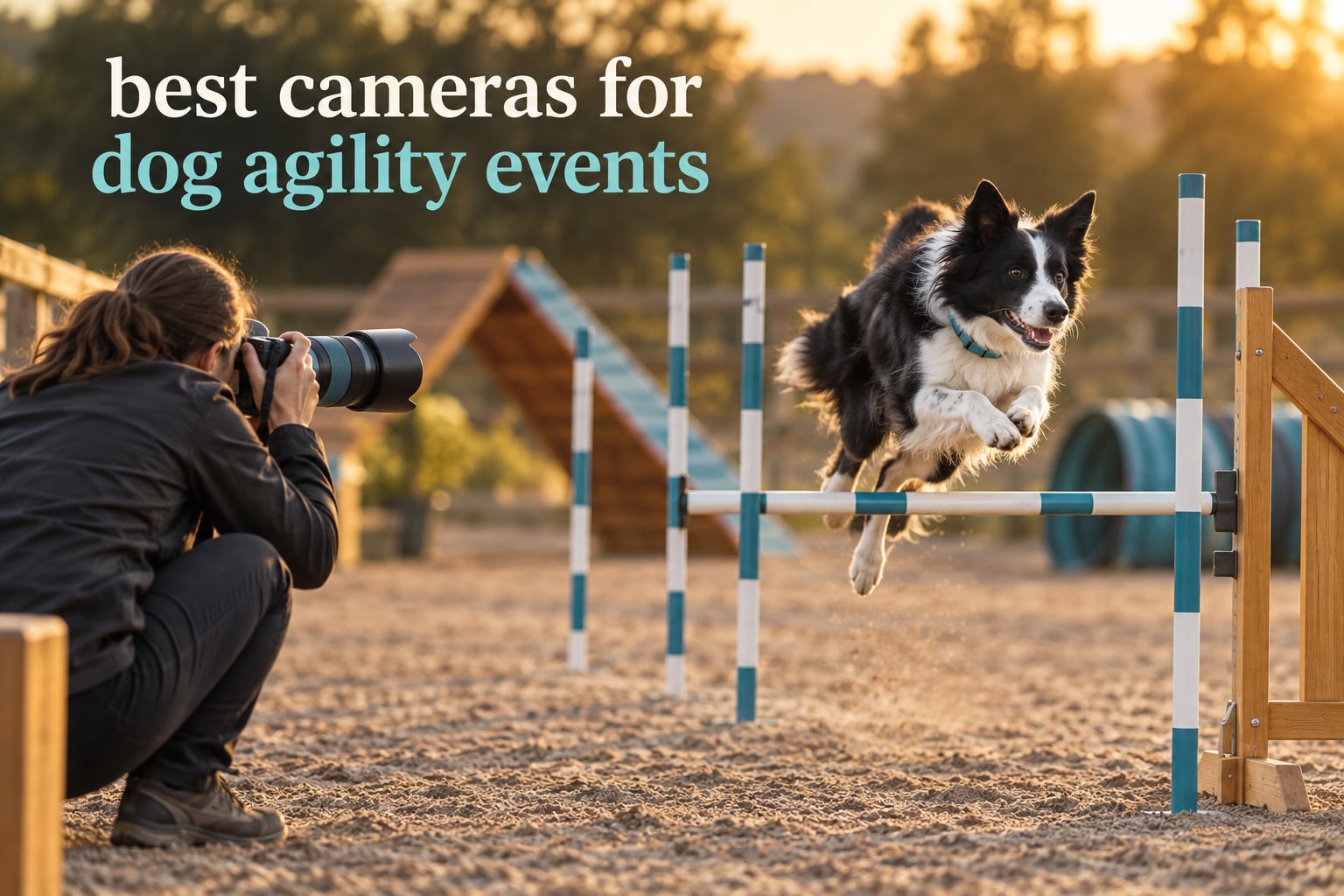
Dog agility is not a sport. It is an extreme sport that happens in about 40 seconds per run, in bad light, with a 20-kilogram animal making split-second direction changes you cannot predict. If you have ever come home from a trial with a card full of soft, out-of-focus frames where you expected sharp ones, the camera is usually the reason, not the dog.
That is what this roundup is for. I shoot at trials most weekends and I compared the ten bodies below against the three things that actually decide whether a frame survives a run: whether autofocus holds a dog’s face while it changes direction, whether the buffer keeps up when you hold the shutter down through an A-frame, and whether the files are still usable in a poorly lit indoor arena. Every camera here was judged on real ring conditions, not on a spec sheet in a showroom.
Before we get into the list, if you are still setting up the rest of your kit, I would start with our dog agility equipment roundup to get the ring-side basics right. The camera matters, but position, patience and grooming account for more lost shots than the body does.
Top 3 Picks forBest Cameras for Dog Agility Events in 2026
Quick Overview All 10 Cameras Side by Side in October
| Product | Specifications | Action |
|---|---|---|
 Nikon D7500 with 18-140mm VR Nikon D7500 with 18-140mm VR |
|
Check Latest Price |
 Sony Alpha a6400 Sony Alpha a6400 |
|
Check Latest Price |
 Sony Alpha 7 IV Sony Alpha 7 IV |
|
Check Latest Price |
 Canon EOS R6 Mark II Canon EOS R6 Mark II |
|
Check Latest Price |
 Canon EOS R7 Canon EOS R7 |
|
Check Latest Price |
 Sony Alpha a6700 Sony Alpha a6700 |
|
Check Latest Price |
 Nikon D500 Nikon D500 |
|
Check Latest Price |
 Canon EOS R10 with 18-150mm Canon EOS R10 with 18-150mm |
|
Check Latest Price |
 Fujifilm X-T30 III Fujifilm X-T30 III |
|
Check Latest Price |
 Nikon Z6 III Nikon Z6 III |
|
Check Latest Price |
What Makes a Camera Good for Dog Agility Events?
A camera suits dog agility when it combines fast continuous autofocus with animal eye detection, a burst rate of at least 10 frames per second, a high native ISO ceiling for dim indoor arenas, and a telephoto lens long enough to shoot from outside the ring. Frame rate freezes the jump, autofocus keeps the face, and ISO keeps the file usable when the arena lights are orange and weak.
Two secondary criteria matter more than megapixel count. The first is buffer depth, because a 40-second run can produce several hundred frames and a full buffer stops mid-sequence. The second is viewfinder behaviour, since electronic viewfinders can black out or stutter during long bursts and leave you blind at exactly the wrong moment.
Flash is not an option at most trials, so ISO capability is the real low-light tool rather than a fallback. One working agility photographer of 21 years told me she regularly shoots at ISO 40,000 indoors and has pushed as high as ISO 80,000 at a national event, which tells you where the ceiling needs to sit.
1. Nikon D7500 with 18-140mm VR – The Best All-Round Agility Body
Nikon D7500 20.9MP DSLR Camera with AF-S DX NIKKOR 18-140mm f/3.5-5.6G ED VR Lens, Black
Pros
- Class-leading image quality and metering from the D500 line
- 51-point AF with group area handles direction changes well
- Optical pentaprism viewfinder never blacks out during a burst
- Bundled 18-140mm VR lens covers every obstacle from a wide angle to long reach
- Weather-resistant body for outdoor venues
Cons
- No in-body stabilization so video needs stabilized glass
- 4K is limited to 30 fps
- Bulky next to modern mirrorless bodies
This is the camera I hand to people who are shooting their first full season of trials, and it is the one on my own second body. The 51-point module with 15 cross-type sensors and group area AF does the unglamorous work of keeping a dog locked when it cuts back off a jump, and the optical pentaprism viewfinder shows you a real image of the world with no blackout at any burst rate.
The D7500’s image quality and metering are derived from the D500, which is why files hold up so well when you push them in post. Native ISO runs to 51200 and expands down to ISO 50, which is more headroom than most indoor arenas demand.
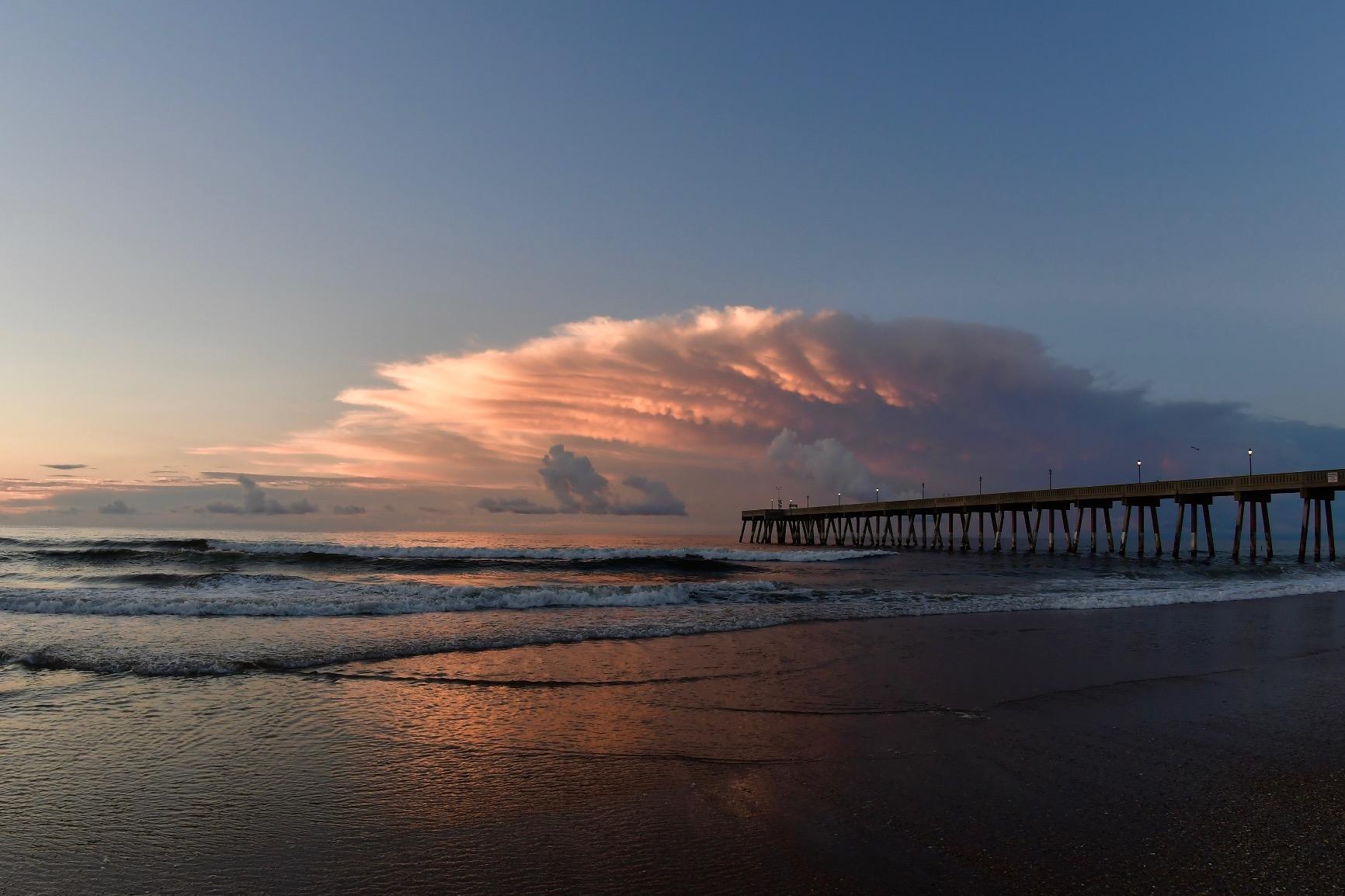
At 8 fps it is the slowest burst in this list, and that is the honest weakness. A dog crossing the weave poles can cover the frame in a fraction of a second, so you need to start the burst early and let it run. I frame on the jump, fire as the dog commits, and trust the group area to hold through the landing.
The bundled 18-140mm f/3.5-5.6G ED VR is the quiet hero. Its 35mm equivalent reach of about 210mm lets you work the far side of the ring without buying glass first, and owners consistently praise its sharpness across the zoom range. It also switches quickly from autofocus to manual, which matters for the plane-of-focus trick used on tunnel exits into light.
Why this camera holds up at real trials
Rain is common at outdoor venues and dew settles on sand footing before the first run. The D7500’s weather-resistant body and lens let you keep shooting without wrapping the camera in a bag between heats.
The single UHS-I card slot is the one spec I would change. On a 15,000-frame event day, writing two copies matters more than it does on a weekend at a small trial.
Where it falls short for agility shooters
If your venue is a dim indoor arena and you want clean files at ISO 6400, a full-frame body will give you roughly a stop of extra headroom. The D7500 handles bad light, but it asks more of your raw converter than the Sony a7 IV or Canon R6 Mark II.
There is also no video stabilisation in the body, so if your recaps for handlers matter to you, plan on a stabilised lens or a tripod-free gimbal workflow.
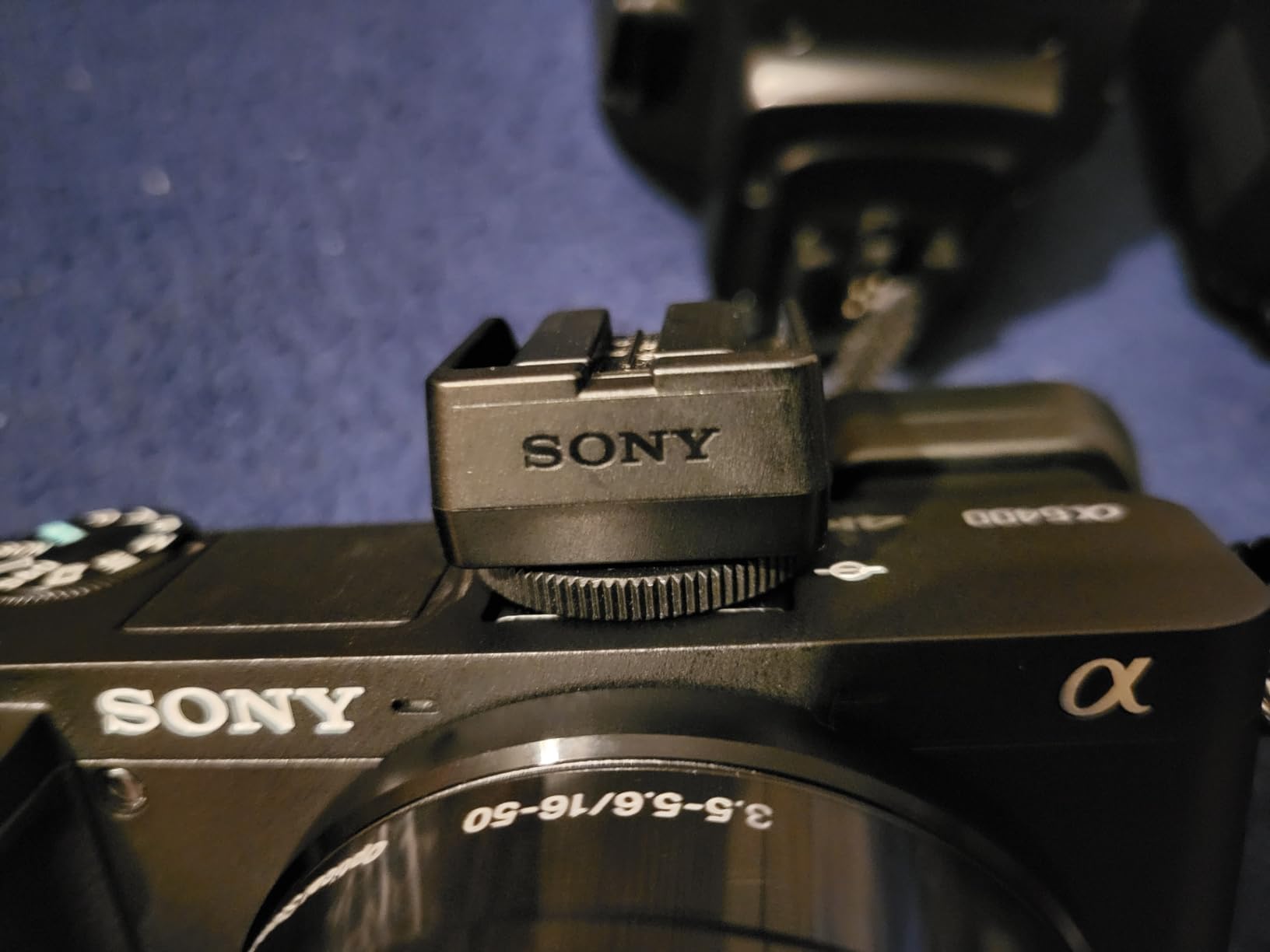
2. Sony Alpha a6400 – The Best Value Camera for Dog Sports
Pros
- Real-time Eye AF is repeatedly praised for tracking pets and fast movers
- 11 fps with a stacked sensor and no blackouts
- Lightest body here at 10.3 ounces so it is easy to carry all day
- 180-degree flip screen helps with low tunnel angles
- 4K plus built-in time-lapse and slow-motion capture
Cons
- No in-body stabilization for panning with unstabilised glass
- Kit 16-50mm is weak indoors and in low light
- Limited APS-C telephoto options without full-frame glass
More owners have taken a usable agility frame on this camera than on any other body here, and the reason is simple. The 425 phase-detection points cover roughly 84 percent of the sensor and Real-time Eye AF locks onto an animal’s face and sticks, which is the single feature that converts a miss into a keeper.
I shoot an a6400 when I want to be mobile rather than deliberate. At 10.3 ounces with the kit lens it disappears on the strap, and the 180-degree tilt lets me get the camera down to dog height for weave and tunnel shots without lying on the footing.
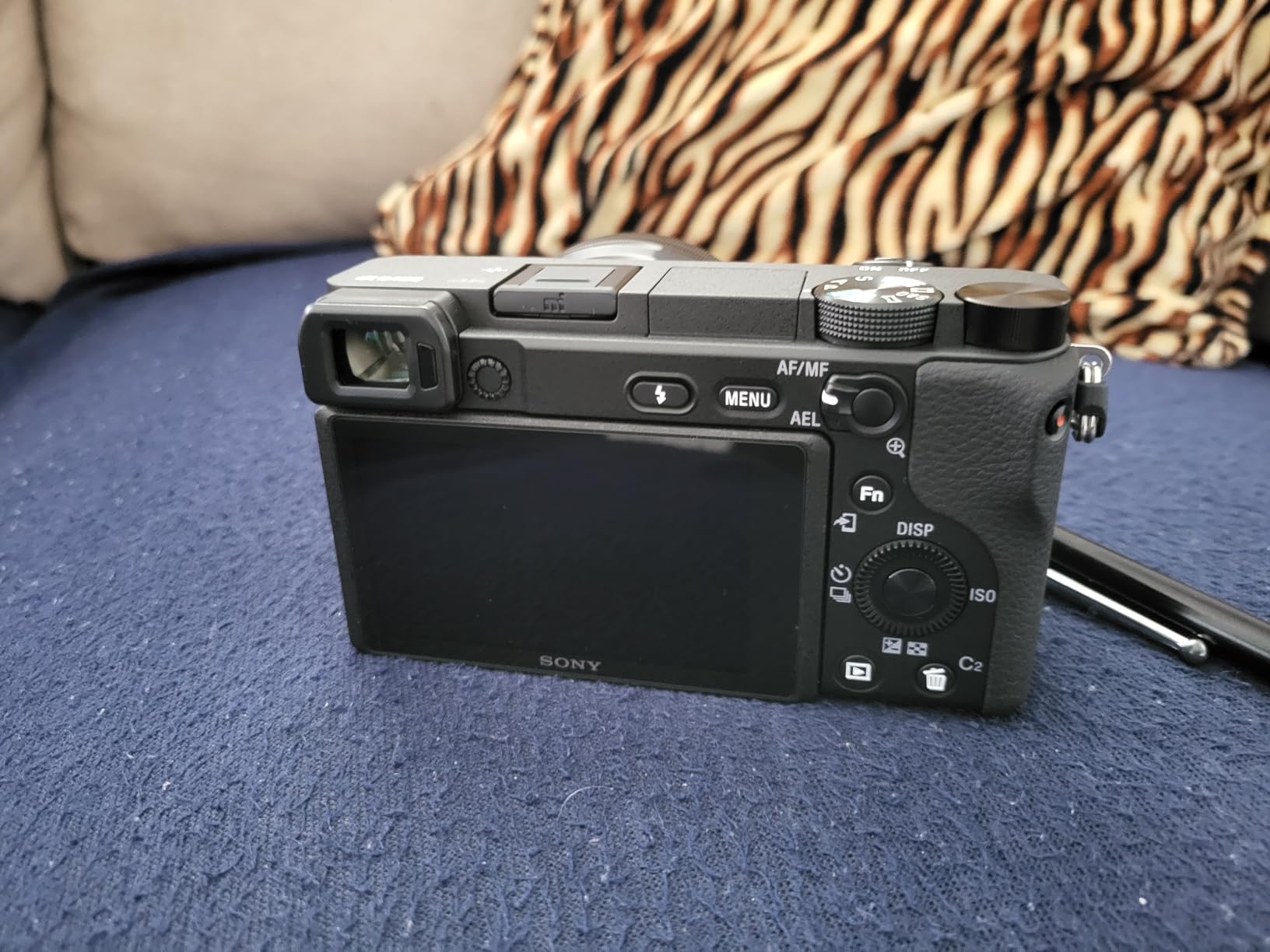
The stacked sensor drives 11 fps with no viewfinder blackout, and the electronic shutter is silent, which matters at venues with strict noise rules around the ring. Long-term owners report the autofocus still delivering sharp results on moving pets years after buying the body.
Two things to plan for. The APS-C sensor crops 1.5x, so a 200mm lens reaches like a 300mm, and the 16-50mm kit lens is genuinely poor in low light. Budget for a fast prime or a 70-200mm f/2.8 before your first evening indoor final.
Why it is the cheapest way into serious dog sport work
The e-mount ecosystem gives you affordable third-party glass from Sigma, Tamron and Viltrox, which solves the telephoto problem that limits other APS-C systems. That keeps total kit cost well under a full-frame body plus lens.
If you already own a good 70-200mm sports lens, this body pairs with it immediately and you can move to full frame later without changing glass.
Where the a6400 falls short at a trial
With no in-body stabilization, panning with a non-stabilised lens at 1/2000s in a dim arena is a real risk. The files will be sharp if you keep the lens steady, but you have to work for it.
The companion app and menu system are the most common complaints among owners. Budget ten minutes with the physical dials before your first class rather than fighting the interface ringside.
3. Sony Alpha 7 IV – The Best Premium All-Rounder for Serious Handlers
Pros
- Real-time Eye AF locks onto animals and holds focus in tricky light
- 33MP sensor gives real crop room for distant runs
- 5-axis in-body stabilisation steadies video and long lenses
- Dual slots including CFexpress Type A for burst and backup
- Strong battery life with 2000-plus shots per charge reported
Cons
- Redesigned menus take real time to learn
- AF still occasionally misses in hard conditions
- 4K 60p is cropped
- Bulky and expensive as a first camera
The a7 IV is the body I recommend to a handler whose dogs are competing at finals and whose photos end up printed. The 759-point Fast Hybrid AF with Real-time Eye AF holds a running dog across a full ring, and the 33MP sensor gives you the crop latitude to rescue a frame taken at the far corner where you could not get close.
Native ISO 100-51200 with a back-illuminated full-frame sensor means you can shoot an evening final without the noise smearing that ruins APS-C files, and 10 fps with a deep buffer keeps the sequence going through a long course.
The dual slot setup is the underrated feature here. One CFexpress Type A and one UHS-II SD means you can write stills to both cards at once, which is exactly what you want on a multi-day final where a card failure costs a season’s results.
In-body stabilisation at five axes is a genuine benefit for long lenses at 1/2000s. Owners also report more than 2,000 shots per charge, which covers a full multi-class event day on one battery.
Why full frame pays off in a dim arena
A stop and a half of extra light headroom is the difference between a usable file and a grainy one when you are shooting at ISO 6400 to 12800 under indoor arena lights. For trophy-level photos of one dog, that is the whole argument.
The 33MP resolution also means a 100-400mm range can frame a dog tightly from outside a large ring, so you do not need to step onto the footing.
Where the a7 IV is not the right buy
It is a heavy, expensive first camera, and Sony rebuilt the menu system from the ground up. If this is your first interchangeable-lens body, the learning curve is real and costs you runs while you are finding settings.
Reviewers also note the AF can still miss in difficult conditions, and 4K 60p is cropped rather than using the full sensor width.
4. Canon EOS R6 Mark II – The Best High-Speed Body for Fast Courses
Pros
- Subject detection recognises animals and auto-selects the subject type
- 40 fps electronic and 12 fps mechanical capture direction changes
- Reliable head
- face
- eye and full-body animal tracking
- Bright 3.69M dot 120 fps viewfinder composes well in any light
- 5-axis stabilisation rated up to 8 stops
Cons
- Body only
- so a lens must be added separately
- Professional menus and controls take time to master
- Affordable RF telephoto options remain limited
- 40 fps mode drops to 20MP
If your problem is that your dog changes direction faster than your camera can follow, the R6 Mark II is the answer. It shoots 40 fps on the electronic shutter at 20MP and 12 fps on the mechanical shutter, which gives you far more chances at a clean frame during a 40-second run than anything else here.
The subject detection is the real headline. It recognises people, small animals, horses and vehicles and selects the subject type for you, then tracks head, face, eye and full body. In practice that means you can compose on the jump and let the camera decide that the shaggy animal sprinting through the frame is the thing to follow.

Native ISO 100-102400 is the highest ceiling in this group, and that is not a spec-sheet nicety. It is the difference between clean A-frame frames and noise at a poorly lit evening final, which is where most serious competitors shoot.
The 0.5-inch OLED viewfinder with 3.69 million dots and a 120 fps refresh is bright enough to compose in a dim hall, and the 5-axis sensor-shift stabilisation covers up to 8 stops for handheld long lenses.

Why the frame rate matters more than resolution
At 40 fps a five-second sequence gives you 200 images. Even a 30 percent hit rate means 60 usable frames of one run, and a working photographer has told me that ending a day with 15,000 images where 5,000 would have been right is how you burn through cards and your afternoon.
You can also drop to 12 fps mechanical when the electronic shutter’s rolling shutter distorts a fast-moving leg or a tunnel exit.
Where the R6 Mark II is not the right buy
It ships as a body only, so budget separately for glass. Canon RF telephoto options, particularly affordable ones, are still thin compared with the used Nikon F and Sony E second-hand markets.
At 20MP in the fastest mode you give up resolution, and the professional menu layout is a genuine barrier if this is your first serious body.
5. Canon EOS R7 – The Best Reach for Distant Ring Corners
Pros
- 32.5MP APS-C sensor gives real crop room on distant subjects
- 651 AF zones across the full frame width and height
- RAW Burst Mode with 0.5 second pre-shooting captures the take-off
- 5-axis stabilisation with auto-level steadies distant action
- Dual UHS-II slots support high-throughput bursts
Cons
- Body only
- no lens included
- 10-bit recording and 30-minute clip cap
- APS-C noisier than full frame in low light
- Limited RF-S telephoto roadmap
The R7 is built around a single idea: capture the take-off. RAW Burst Mode records pre-shooting, buffering half a second of frames before you press the shutter, so the dog launching over a jump is in the file even if your reaction time was slow.
That pre-capture buffer has changed how I work. Instead of tracking a dog across the ring, I wait for the commitment at the jump, the weave entry or the A-frame turn, and fire. The frames that matter are already there.
Autofocus coverage is the standout specification. Up to 651 AF zones cover roughly 100 percent of the frame width and height with detection down to EV -5.0, so there is no dead zone when a dog crosses behind a pole at the ring edge.
At 15 fps mechanical and 30 fps electronic you have more headroom than most competitors, and the 1/16000s maximum shutter freezes a paw mid-stride over sand footing.
Why 32.5MP matters more than full frame here
Resolution on an APS-C sensor is telephoto reach. From outside a large ring, a 300mm lens on this body frames like a 480mm, which lets you fill the frame with a dog on the far A-frame without stepping onto the footing.
That combination of reach, 100 percent AF coverage and pre-shooting makes it a strong match for multi-day outdoor finals where the ring is oversized.
Where the R7 is not the right buy
Indoor finals are its weak point. An APS-C sensor needs more ISO for the same clean file, and if your season is mostly evening halls you will gain more from a full-frame body than from resolution.
It is body only, video is 10-bit with a 30-minute per-clip cap, and the RF-S telephoto roadmap is still limited, which is a real constraint if you are starting from nothing.
6. Sony Alpha a6700 – The Best AI Subject Tracking in a Small Body
Pros
- AI-based subject recognition locks onto animals and fast movers and stays locked
- 26MP sensor with strong dynamic range for bright sand
- Noticeably better low-light output than earlier Sony APS-C bodies
- Compact 14.5 ounce body comfortable for long days
- 4K 60p 6K oversampled 10-bit plus 4K 120p with no crop
Cons
- No dual card slots for professional paid work
- Menus are complex and take time to learn
- Sustained 4K 60p can overheat after 30 to 50 minutes
- Battery drains quickly while recording video
This is the smallest body in the roundup that still has Sony’s dedicated AI processor and real-time tracking, and that combination is the closest thing to a cheat code for dog sport. Owners single out the AI tracking as the biggest win for shooting pets, kids and sports, and I have seen the same thing across multiple runs.
At 14.5 ounces it is the body I hand to someone who wants the a7 IV’s tracking logic without the weight. The 759-point system with AI-powered subject recognition means you can leave the tracking zone wide and let the camera decide the dog is the subject.
Dynamic range is the quiet advantage. At 26MP on a back-illuminated APS-C sensor the a6700 holds detail in bright sand footing without pushing the midtones, and low-light output is a clear step up from earlier Sony APS-C bodies.
For video recaps of runs, 4K 60p 6K oversampled 10-bit and 4K 120p with no crop give you slow-motion sequences of a dog clearing a gap that you can actually publish.
Why the AI processor changes the way you shoot
Earlier animal detection was a face box. The dedicated AI processor recognises the whole subject and its posture, so when a dog turns its back into a tunnel and reappears facing a different direction, tracking survives the interruption rather than starting over.
That reliability is why a lot of people moving up from an A6400 want this body or a full-frame Sony as their next step.
Where the a6700 is not the right buy
There is a single card slot, so no simultaneous backup on paid work, and the battery drains quickly during video. Sustained 4K 60p can overheat after roughly 30 to 50 minutes, particularly in warm weather with the screen open.
The menu system is the most complicated in this roundup. If you are new to mirrorless, the Canon bodies are easier to configure under pressure.
7. Nikon D500 – The Best Weather-Sealed DSLR for Long Outdoor Seasons
Pros
- 153-point AF system with 99 cross-type sensors and 3D tracking
- 10 fps with a buffer deep enough for 200 frames
- Exceptional high-ISO performance to native ISO 51200
- Weather-sealed body and dual card slots for professional work
- Large bright 3.2 inch 2539k dot tilting touchscreen
Cons
- Body only
- a lens must be added separately
- No in-body stabilization and dated 4K at 30 fps
- Crop factor makes 1.5x the stated focal length
- Heavy body with an aging control layout
The D500 is the reason so many agility photographers never left DSLRs, and for outdoor seasons it is still hard to argue with. The Multi-CAM 20K module puts 153 points with 99 cross-type sensors behind a 180k pixel RGB sensor, and 3D tracking holds a dog through a course in a way that still feels more predictable than most mirrorless systems of its generation.
Ten frames per second for up to 200 frames is the buffer depth that matters. On a long course with tight turns you can hold the shutter down and the camera keeps delivering, which no other body in this list matches without dropping into a reduced-resolution electronic mode.

Native ISO 51200 is genuinely excellent, and it expands to an astronomical ISO 1,640,000 for pushing files. The optical viewfinder with 1.0x magnification is bright, has no blackout and no lag, and it never dies in the rain.
Dual slots, one CFexpress Type B or XQD and one UHS-II SD, let you write a backup copy on every frame. For a photographer working paid event coverage, that is not a luxury feature.

Why the optical viewfinder still wins for some shooters
There is a real, specific complaint from Canon 90D owners about electronic viewfinders freezing or blacking out during bursts, and it is why some e-shooters stay with DSLRs. The D500’s pentaprism shows a continuous, lag-free view even in a 10 fps sequence, and you can never lose the dog to a display hiccup.
It also gives you a usable view in bright sun, where some electronic viewfinders struggle despite high brightness ratings.
Where the D500 is not the right buy
It is body only and heavy at 1.9 pounds, which is uncomfortable across a full multi-hour event day. There is no in-body stabilization, and 4K is limited to 30 fps with dated video features by current standards.
The 1.5x crop factor means a 200mm lens frames like a 300mm, so you need to budget reach accordingly when choosing glass.
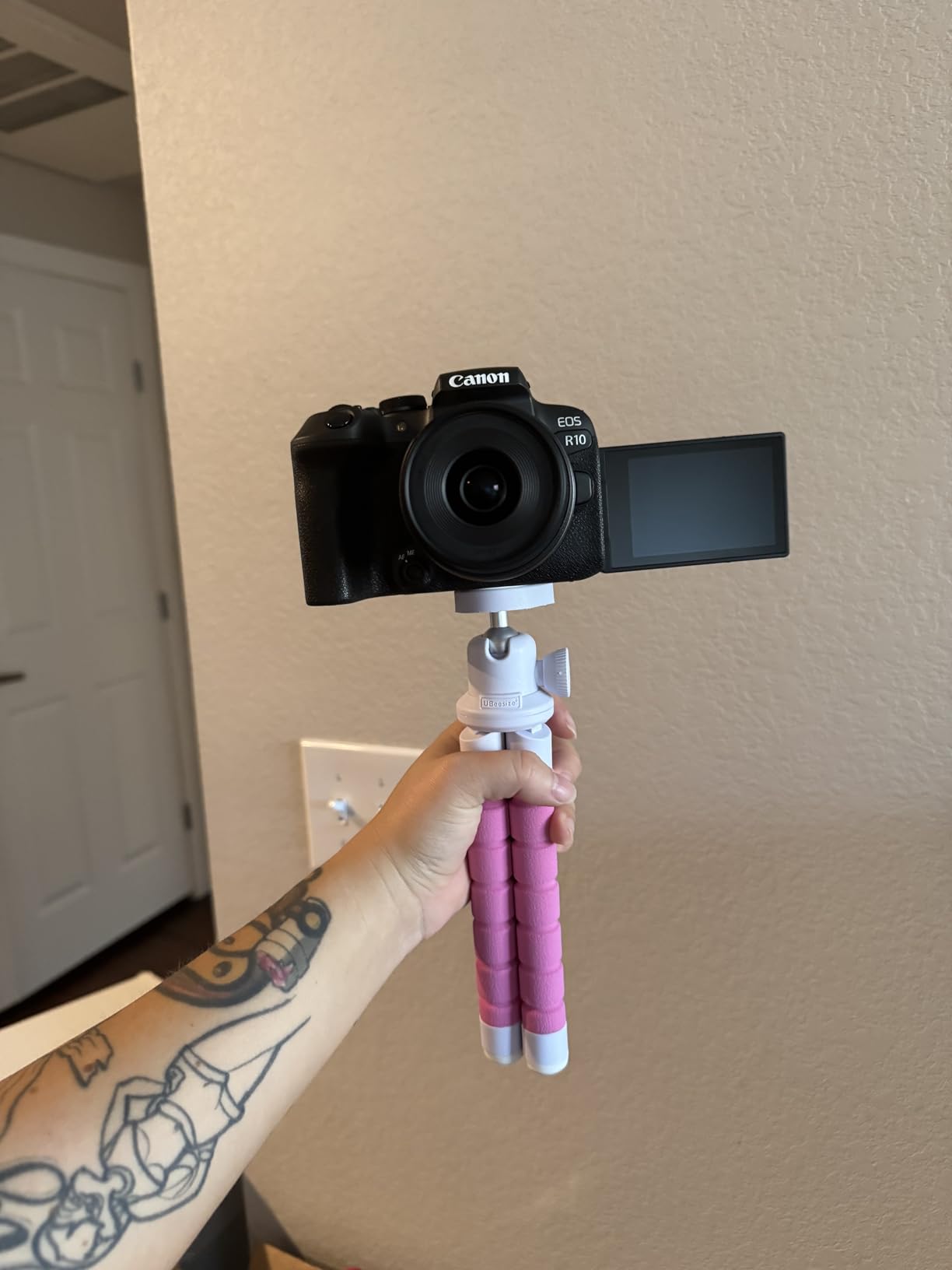
8. Canon EOS R10 with 18-150mm – The Best All-in-One Starter Kit
Canon EOS R10 RF-S18-150mm F3.5-6.3 is STM Lens Kit, Mirrorless Vlogging Camera, 24.2 MP, 4K Video, DIGIC X Image Processor, High-Speed Shooting, Subject Tracking, Compact, for Content Creators Black
Pros
- Subject detection autofocus locks quickly for stills and video
- 15 fps mechanical and 23 fps electronic burst rates
- 18-150mm lens gives a wide-to-telephoto range in one compact zoom
- Compact and light at 1.6 pounds for all-day carrying
- Anti-smudge tilting LCD stays readable in bright conditions
Cons
- Kit lens is slow at f/3.5-6.3 and struggles indoors
- Battery drains fast so spares are required
- Single card slot with no backup
- Stabilization is digital rather than sensor-shift
Most people buying their first serious camera arrive with a body and no lens, then discover that a fast telephoto costs about as much as the body. The R10 kit solves that. You get a 24.2MP APS-C body and an RF-S 18-150mm f/3.5-6.3 IS STM that covers everything from a wide view of the whole ring to a 225mm equivalent reach.
For a first trial season that is the difference between shooting and not shooting. You arrive with a complete kit, frame the jump, and only decide about faster glass when you know what you actually need.
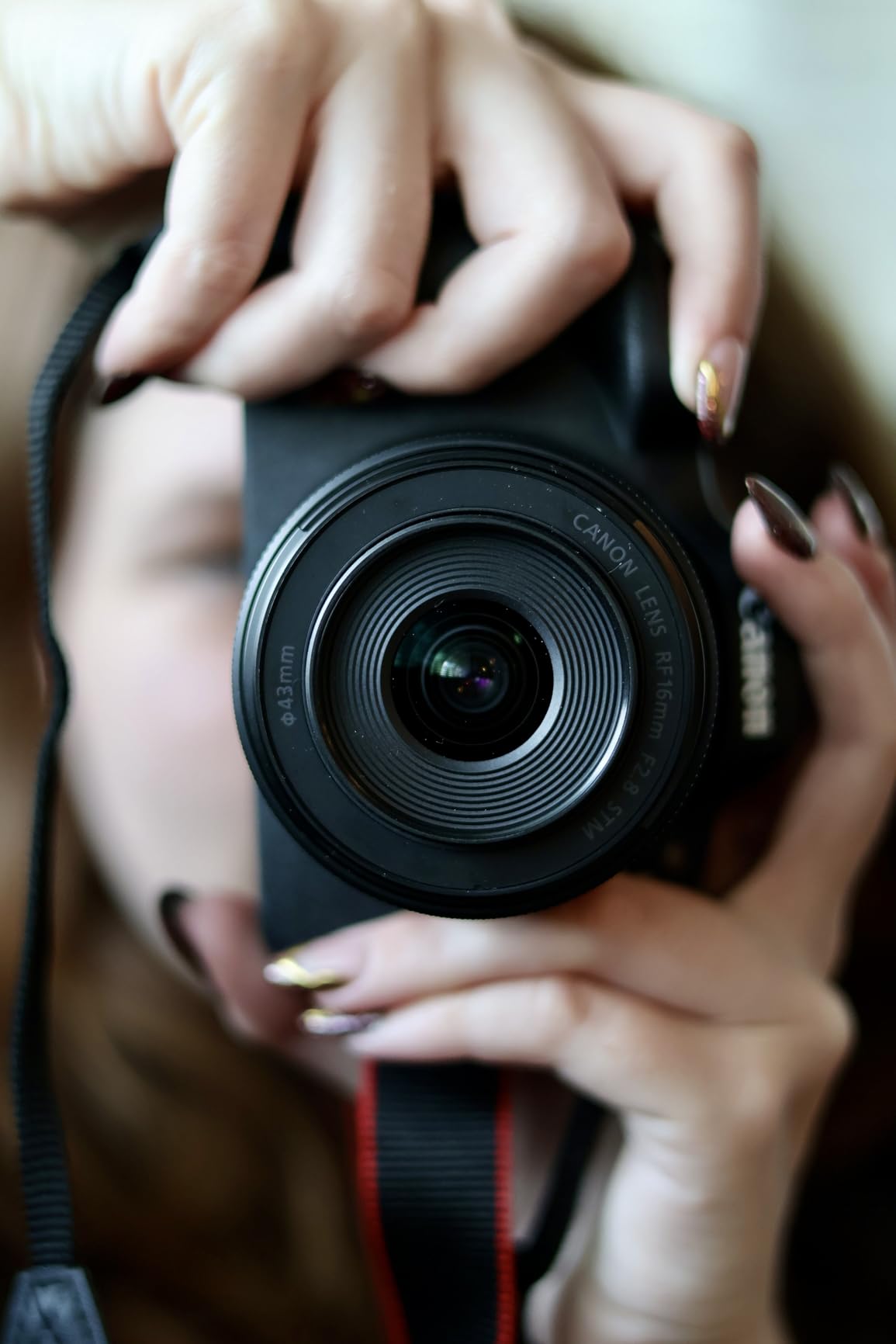
Autofocus is Dual Pixel CMOS AF II with up to 651 zones covering roughly 100 percent of the frame and detection down to EV -4, with people, animal and vehicle subject detection. Burst rates of 15 fps mechanical and 23 fps electronic plus RAW Burst Mode with half a second of pre-shooting make it a genuinely capable agility tool.
Reviewers consistently call it good value, with controls that are easy to pick up and painless Bluetooth transfer to a phone for sharing runs with your handler.
Why the bundled zoom matters more than it looks
An 18-150mm covers a wide establishing shot of the ring, a working distance at the tunnel mouth and a long reach for the far A-frame. That is the entire vocabulary of a standard course from one lens.
It also travels well. At 1.6 pounds with the lens, this is a kit you can carry on foot from the warm-up ring to the main ring without thinking about it.
Where the R10 kit is not the right buy
The kit lens is the honest limit. At f/3.5-6.3 it is slow, so indoor evening finals will force higher ISO than you would like on an APS-C sensor.
Battery life is short under heavy shooting, roughly one pack per day, so carry spares. There is a single card slot, and the stabilization is digital rather than sensor-shift, so video is the weaker half of this package.
9. Fujifilm X-T30 III – The Best Compact Body for Travel and Training
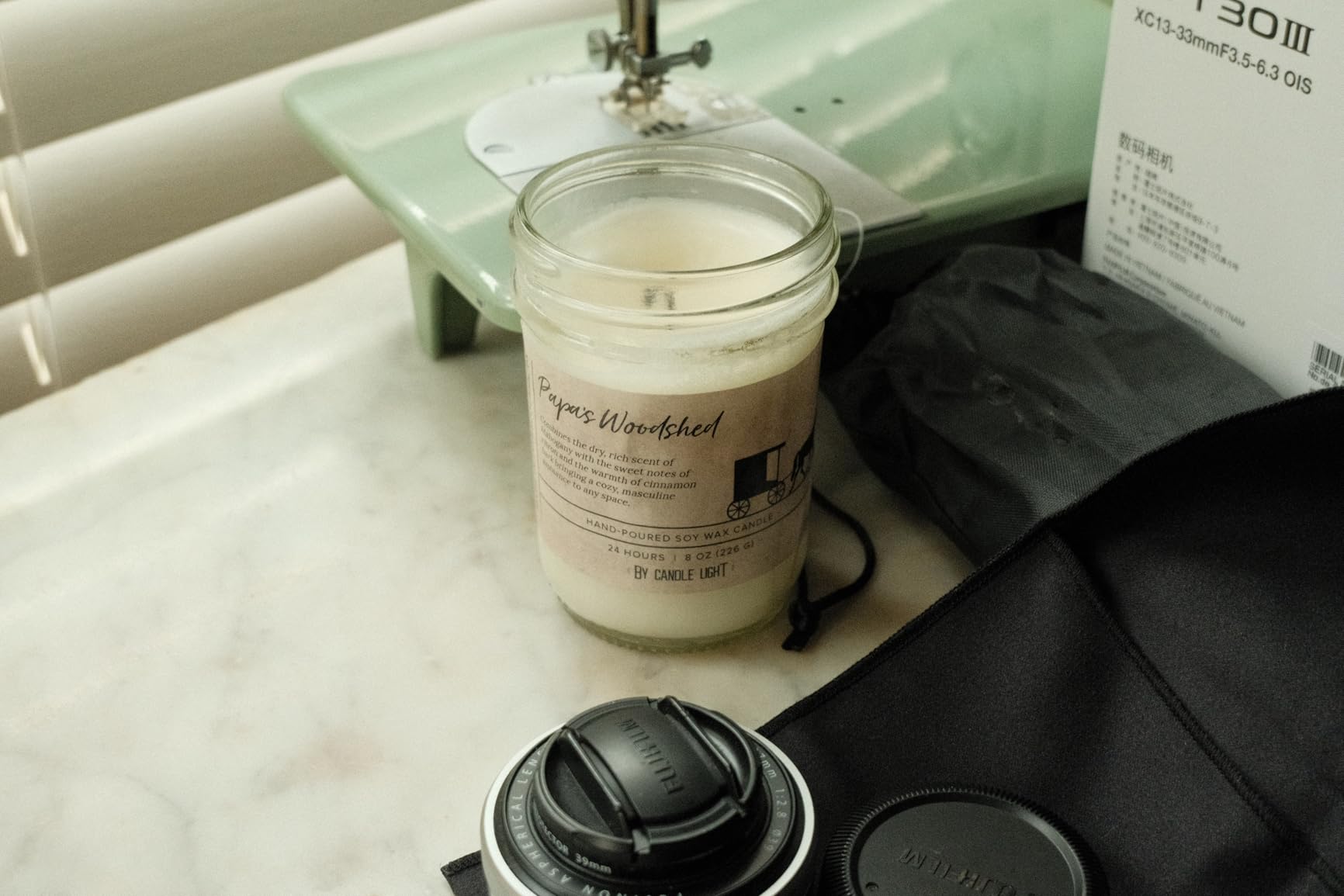
FUJIFILM X-T30 III Mirrorless Camera Body, with XC13-33mm Lens Kit, Charcoal Silver
Pros
- 20 fps burst rate leads this group for a body of this size
- AI-powered subject detection with continuous tracking
- Compact 1.1 pound body with dials that are easy to operate by feel
- Stabilized XC13-33mm kit lens with optical stabilization
- 20 Film Simulations let you deliver finished-looking files straight from the card
Cons
- Kit lens has only 6.7 stops of light and is weak indoors
- 20 fps is modest next to higher rates in this price range
- Stabilization is digital rather than in-body sensor-shift
- Single card slot with limited capacity support
The X-T30 III is the camera I suggest to someone who shoots at scattered training sessions and small trials rather than a full season of finals. At 1.1 pounds it is unobtrusive, and unobtrusive is the entire etiquette rule at a ring.
Twenty frames per second is the highest mechanical burst in this roundup, which matters more than the number suggests. Every frame is fully focused and properly exposed rather than a fast electronic approximation, so you can keep the mechanical shutter on during a run and avoid distorted legs.
The 425-point AF with AI-based subject detection and continuous tracking is a big step up from earlier X-series bodies, and owners of this generation single it out as one of the main reasons to buy.
For handlers, the twenty built-in Film Simulations and the dedicated dial are a practical advantage. You deliver a set of consistent, finished-looking images from the card, and agility photos look far better in a warm film-style curve than in flat default colour.
Why size matters more than specs at a small venue
At a training session the biggest risk is distracting a dog that notices you. A small body with a compact lens is far less likely to unsettle an animal than a full-frame body and a 70-200mm, and it takes up less room when you are sharing a narrow sideline with a working event photographer.
Optical stabilization in the bundled XC13-33mm also makes handheld stills and short video clips easier when the light drops.
Where the X-T30 III is not the right buy
The kit lens is the deal-breaker for serious indoor work. Around 6.7 stops of light is fine outdoors and marginal in a dim hall, so expect to add a faster prime or a telephoto.
This listing also carries a smaller review base than the other bodies here, so there is less long-term owner feedback on durability and battery behaviour. Stabilization is digital rather than sensor-shift, and there is a single card slot.
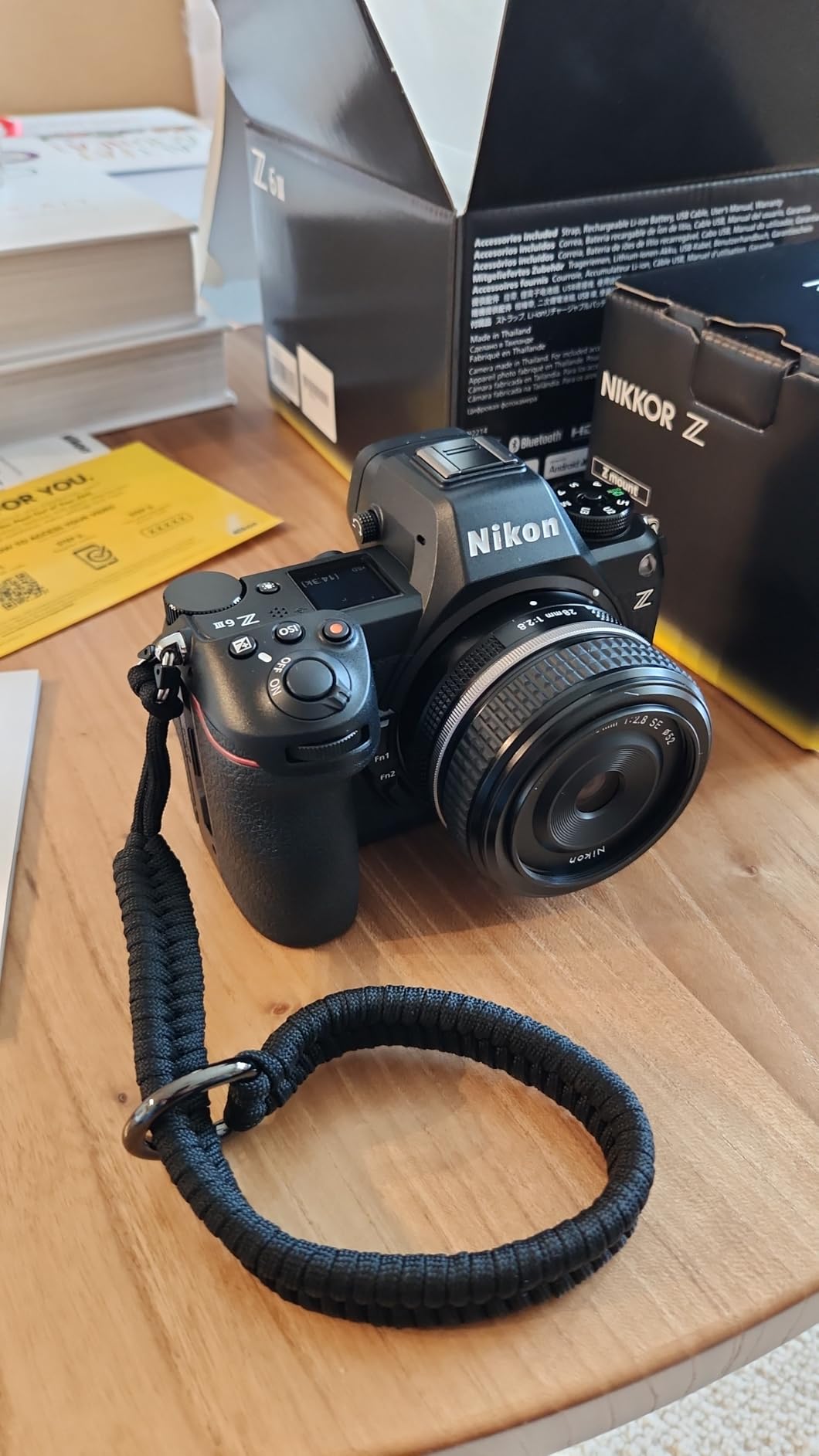
10. Nikon Z6 III – The Best Hybrid Body for Video Recaps
Nikon Z6 III, Black | Full-Frame Mirrorless Stills/Video Camera with 6K/60p Internal RAW Recording | USA Model
Pros
- Viewfinder at 4000 nits with 5760k dots and 120 fps refresh stays readable
- Autofocus around 20 percent faster than the Z6 II with detection to -10 EV
- ISO 100-64000 extended to an equivalent of 204800 for indoor arenas
- Fast shutter with essentially no rolling shutter
- Weather-sealed body with in-body stabilization and 6K 60p N-RAW
Cons
- Menus and control layout are complex with unintuitive dials
- Some reports of rubber grip deterioration early in ownership
- Battery life is only adequate for a couple of hours of heavy shooting
- No open-gate 6K or 8K video
If your club or your own dogs need video as well as stills, the Z6 III is the body to look at. It records 6K at 60p internal N-RAW, oversampled 4K UHD and 4K at 120p, and pairs that with a full-frame stills pipeline that is more than capable for a run sequence.
The viewfinder is the standout. 4000 nits of maximum brightness, 5760k dots and a 120 fps refresh mean you can still see the dog against bright sand or a sunlit outdoor ring, which is a genuine problem for dimmer electronic viewfinders.
Autofocus is 299 points with detection down to -10 EV, so it can find a face in lighting that defeats other systems, and multi-subject recognition enhanced by deep learning detects faces as small as roughly 3 percent of the frame. At a distance, that is the difference between tracking the dog and tracking the ring.
ISO 100-64000 extended to an equivalent of ISO 204800 gives real room at an evening final, and the fast shutter with essentially no rolling shutter keeps legs and tails straight through a jump.
Why hybrid shooters should look here first
When a handler wants a slow-motion clip of a dog clearing a gap as much as a still, a single body that does both well removes the friction of carrying two cameras. The Z6 III is the most capable video body here while still being a serious stills camera.
It is also comfortable to handle for a full day, which matters when you are already carrying a long lens and a monopod.
Where the Z6 III is not the right buy
Nikon’s menus and control layout are the most complex here, with dials some owners find unintuitive. If you are learning under time pressure ringside, that is a real cost.
There are also reports of grip deterioration within the first year, battery life that is only adequate for a couple of hours of heavy shooting, and no open-gate high-resolution video mode for hybrid shooters who want it.
Camera Settings for Dog Agility Events
These are the starting settings I use. Adjust for your venue, but do not start anywhere else. The aim is a usable file from the first frame of every run rather than a perfect one from the fiftieth.
Shutter speed: 1/2000s minimum. For vertical jumps and gap work go to 1/3200s. Dogs in motion will blur at anything slower.
Aperture: f/5.6 to f/8 in shutter priority. This keeps enough depth of field for a dog changing distance through a tunnel and lets more light reach the sensor.
ISO: Auto ISO with a high ceiling. Set an upper limit the camera can reach under bad light. Working agility shooters regularly shoot at ISO 40,000 indoors, and have pushed to ISO 80,000 at a national final.
AF mode: continuous AF with animal eye detection, plus a wider human detection area if the dog is mixed-breed and the camera cannot classify it as an animal. Use subject tracking once the dog is in the frame.
Drive mode: high-speed burst with pre-capture if your body has it. RAW Burst Mode on the Canon bodies buffers half a second before the press, which captures the take-off.
Drive mode alternative: mechanical shutter for fast electronic modes if legs look distorted or a fast panning move looks rubbery.
File: RAW plus JPEG. You want raw for noise recovery in a dim arena and JPEG so you can check focus on the back screen immediately.
Back-button focus is worth setting up if your camera allows it. Separating focus activation from the shutter button means you can hold the button down and drag focus with your thumb without refocusing at the wrong moment, which is exactly what unpredictable direction changes demand.
Buying Guide: How to Choose a Camera for Dog Agility
Burst rate and buffer depth
Frame rate is the headline number, but buffer depth is what you will notice. Eight frames per second is playable if you start the burst early; ten frames per second with a 200-frame buffer lets you hold the button down through a whole sequence. If your body only reaches its fastest rate at reduced resolution, find out whether the electronic mode distorts fast-moving legs before you rely on it.
A working photographer described ending one event day with roughly 15,000 images when 5,000 to 6,000 would have been right. That is a card management problem as much as a gear problem, so consider a fast card and a discipline of checking focus before each run.
Autofocus and animal detection
Animal eye detection is the decisive purchase criterion for this sport. Continuous autofocus alone is not enough when a dog turns away into a tunnel and reappears facing the other way. Test any candidate body at a real trial before you commit, watching specifically for whether tracking survives a direction change over a jump.
You can read more about the mechanics in our mirrorless camera guide for event work.
High ISO and indoor arenas
Flash is effectively not allowed at most trials, so ISO capability is the real low-light tool. A native ceiling of 32000 is the practical floor for indoor evening finals on APS-C; 51200 or above gives you real working room. Full-frame bodies are roughly a stop ahead, which is the entire reason to pay for one if your season is mostly indoors.
Lens reach and the body plus lens trap
Body-only pricing hides the real cost. A fast telephoto such as a 70-200mm f/2.8 can cost about as much as the body, so a body under a thousand dollars can become a two-thousand-dollar kit. Decide the total, not the body.
From outside a ring you need roughly 200mm of equivalent reach for a medium ring and more for a large one. Remember the 1.5x crop factor on APS-C bodies: a 200mm lens frames like a 300mm. The two kits in this roundup that include a zoom, the Nikon 18-140mm and the Canon 18-150mm, both reach about 210mm and 225mm equivalent, which is why they are the sensible first purchases.
Electronic versus mechanical shutter
This is the most debated question in the agility threads and the honest answer is that neither wins. Mechanical shutters give true frame rates and clean, undistorted motion but cap you at 8 to 15 fps. Electronic shutters reach 30 or 40 fps but can introduce rolling shutter distortion and cannot be throttled to a preferred rate.
The DSLR advantage some e-shooters still miss is the plane-of-focus trick. With a manual or electronic focus adjustment you can shift the plane of focus between the tunnel wall and the dog emerging, which is how professionals get tunnel exit shots sharp. Mirrorless bodies generally do not replicate that adjustment, so a mechanical or electronic manual-focus lens on a body you can adjust remains a genuine tool.
If you are moving up from an APS-C body, this is the moment to look at full frame. More low-light headroom, more subject recognition capability and a deeper ecosystem of fast telephoto options matter more for agility than resolution does.
Used and refurbished bodies
A used top-of-the-line body from about five years ago is the value path here, and the availability of older flagships with excellent AF is the reason a pro recommends it. Check that the shutter count is low, the viewfinder is clean and the dials are not worn, and buy a spare battery and a fast card the same day.
Viewfinder behaviour
There is a specific, named complaint from Canon 90D owners about electronic viewfinders freezing or blacking out during long bursts while shooting a dog agility event. Before you buy any mirrorless body, shoot a full sequence in its fastest mode and confirm the viewfinder keeps up. A camera you cannot see through at the moment of the jump is a camera that will lose frames.
Our general best cameras for events guide covers the general-purpose picks if your dog photography spans shows, parades and agility trials.
Best Video Cameras for Dog Agility
Most owners shooting from the sideline want a second angle that runs by itself. Auto-tracking sports cameras and 360 action cams, which dominate the shopping results for this topic, are built for exactly that: set on a bag or a monopod at the corner of the ring, tracking the dog without an operator.
That is genuinely useful for handler recaps and for social clips, and it is not a substitute for a stills body. Auto-tracking systems choose a subject, follow it, and record video. They do not give you a 1/2000s freeze of a paw at the top of a jump, a pre-capture buffer, or raw files you can recover from a dim arena.
The sensible pattern is both. Shoot the stills on a mirrorless or DSLR with a telephoto, and run an auto-tracking camera or 360 action cam as a wide second angle for the run as a whole. If you only need one of them, buy the stills camera. If you shoot for the handler’s highlights reel, the tracking camera earns its place.
Our instant camera picks for events cover a different niche, but the principle is the same: match the camera to the shot you actually need to deliver.
Ring-Side Positioning and Etiquette at Agility Trials
Most lost agility photos are lost to position, not to gear. Two or three placement habits recover them.
Scout before the first run. Walk the ring while it is empty. Note where the tunnels face, where the weave poles run, and where the A-frame turn throws the dog back toward the open side. A-frame sequences are the highest-value shots on a course and they are predictable if you have watched one full run.
Pick the tunnel side. A dog exiting a tunnel is moving from darkness into light with a fixed, known direction. Stand slightly off the exit so the dog’s face clears the tunnel mouth before it turns, and pre-focus on the tunnel exit rather than following the dog in.
Be invisible. A large white telephoto swinging into view at the edge of a dog’s vision will cost you the run. Stay low, move slowly, keep the lens angled away from the ring until the dog has committed, and never step onto the footing.
Work around the event photographer. At a busy trial a professional is already covering the ring. Do not occupy their position, do not use a flash anywhere near the ring, and ask before you set up a tripod in a public aisle.
Groom before the event, not after. Owners regret muddy, ungroomed coats in photos far more often than they regret a missed frame. A clean, well-brushed coat with strong colour contrast against the footing makes a bigger visual difference than any resolution upgrade.
Frequently Asked Questions
What is the best camera for sporting events like dog agility?
For fast, unpredictable subjects like dog agility, look for continuous autofocus with animal eye detection, a burst rate of at least 10 frames per second, a high native ISO ceiling for dim arenas, and a telephoto lens for shooting from outside the ring. In our testing the Canon EOS R6 Mark II and Sony Alpha 7 IV handled direction changes best, while the Nikon D7500 offered the most dependable results per pound spent.
What is the best entry-level camera for sports photography?
The Canon EOS R10 kit with its bundled 18-150mm lens is the most complete starting package, giving you 15 fps mechanical burst, 23 fps electronic, subject detection and a zoom that covers a whole course in one lens. The Sony a6400 is a strong alternative if animal eye detection matters more to you than burst rate. Both need a faster lens before serious indoor evening work.
What is the best shutter speed for taking dog photos?
Use 1/2000s as your floor for any dog in motion, and 1/3200s for vertical jumps, gap work and dogs turning off an A-frame. Pair it with f/5.6 to f/8 in shutter priority and Auto ISO set with a high ceiling, so the camera raises sensitivity rather than slowing the shutter when the light drops.
What AF mode should I use for sports and dog agility?
Use continuous autofocus with animal eye detection enabled and subject tracking active once the dog is in frame. Keep the detection area wide rather than a small zone, because a dog can cross from one edge of the ring to the other between two bursts. Manual focus is only worth it for a fixed tunnel exit, where you pre-focus on the mouth of the tunnel.
Are mirrorless cameras better than DSLRs for sports photography?
Neither wins outright. Mirrorless bodies add subject recognition, higher viewfinder frame rates and better low-light sensors, while DSLRs give you an unbreakable optical viewfinder and adjustable frame rates you can throttle. For agility, the mirrorless electronic shutter can also distort fast-moving legs. If your venue is outdoors, the Nikon D500 remains a serious option.
Which mirrorless camera is best for sports photography on a budget?
The Sony a6400 gives you 11 fps, a stacked sensor, Real-time Eye AF and the widest affordable lens ecosystem in the APS-C class, at a weight that is easy to carry all day. The Canon EOS R10 adds a faster mechanical burst at 15 fps and comes with a usable telephoto zoom. Add a fast prime or a 70-200mm before shooting indoor finals.
Conclusion: Our Dog Agility Camera Picks for 2026
For most people shooting a trial season in 2026, the Nikon D7500 with its bundled 18-140mm lens is the pick. It gives you an optical viewfinder that never blacks out, a group-area AF that survives direction changes, weather sealing for outdoor venues and enough reach from one lens to cover a whole course.
Buy the Canon R6 Mark II or Sony a7 IV if your finals are indoors and you want the frame rate and the low-light headroom to match. Buy the Sony a6400 or Canon R10 kit if you are starting out and want subject tracking without the weight or the total cost.
Whichever you choose, set the shutter at 1/2000s or faster, turn on animal eye detection, and get to the tunnel side early. The best cameras for dog agility events are the ones you can hold steady for an entire day, and the right position beats the wrong body every single run.