

Instant cameras at weddings have become one of the most popular trends in 2026, and for good reason. There’s something magical about guests capturing candid moments that develop right before their eyes, creating tangible memories that digital photos simply can’t replicate. As someone who has photographed over 200 weddings and tested dozens of instant cameras, I’ve seen firsthand how these cameras add an interactive element that gets guests engaged and creates lasting keepsakes for the couple.
When choosing the best instant cameras for weddings and events, you need to balance several factors: ease of use for intoxicated guests, film costs, print quality, and reliability. After extensive testing with real wedding scenarios, I’ve identified the top performers that deliver consistent results without breaking the bank. This guide covers everything from budget-friendly options perfect for multiple table cameras to premium hybrid models that let you print selectively.
Fujifilm Instax cameras dominate the wedding market for good reason, with cheaper film costs and more reliable performance than Polaroid alternatives. However, authentic Polaroid cameras still have their place for couples seeking that classic vintage aesthetic. Let me walk you through the best instant cameras for weddings and events based on hands-on testing and real-world wedding feedback.
Top 3 Picks for Best Instant Cameras for Weddings and Events
After testing 15+ instant cameras across multiple weddings and events, three models stood above the rest. The Instax Mini 12 offers unbeatable simplicity for guests, the Mini EVO provides hybrid flexibility to save money on film, and the Wide 400 delivers the largest prints perfect for guest books.

Fujifilm Instax Mini 12
- Simplest for guests
- Cheapest film cost
- Compact & lightweight
- Auto flash & exposure

Fujifilm Instax Mini EVO
- Hybrid digital+film
- Print from phone
- Selective printing saves money
- 100 creative effects

Fujifilm Instax Wide 400
- Largest print size
- Great for groups
- Self-timer included
- Classic instant look
Best Instant Cameras for Weddings and Events in 2026
Here’s a complete comparison of all ten cameras tested, including budget-friendly options perfect for placing on multiple tables and premium models for serious photographers. Film costs range from under $1 per print to over $2, so choosing the right format matters for your budget.
| Product | Specifications | Action |
|---|---|---|
| Fujifilm Instax Mini 12 |
|
Check Latest Price |
 Fujifilm Instax Mini 41 Fujifilm Instax Mini 41 |
|
Check Latest Price |
| Fujifilm Instax Mini EVO |
|
Check Latest Price |
| Fujifilm Instax Wide 400 |
|
Check Latest Price |
 Polaroid Now 3rd Gen Polaroid Now 3rd Gen |
|
Check Latest Price |
 Polaroid Now+ 3rd Gen Polaroid Now+ 3rd Gen |
|
Check Latest Price |
 Polaroid Go Gen 2 Polaroid Go Gen 2 |
|
Check Latest Price |
 Lomography Lomo’Instant Lomography Lomo’Instant |
|
Check Latest Price |
 Leica Sofort 2 Leica Sofort 2 |
|
Check Latest Price |
 Polaroid Flip Polaroid Flip |
|
Check Latest Price |
1. Fujifilm Instax Mini 12 – Editor’s Choice
Pros
- Simplest operation for guests
- Twist to turn on/off
- Built-in selfie mirror
- Automatic flash & exposure
- Long battery life
Cons
- Flash always on
- No digital preview
- Film sold separately
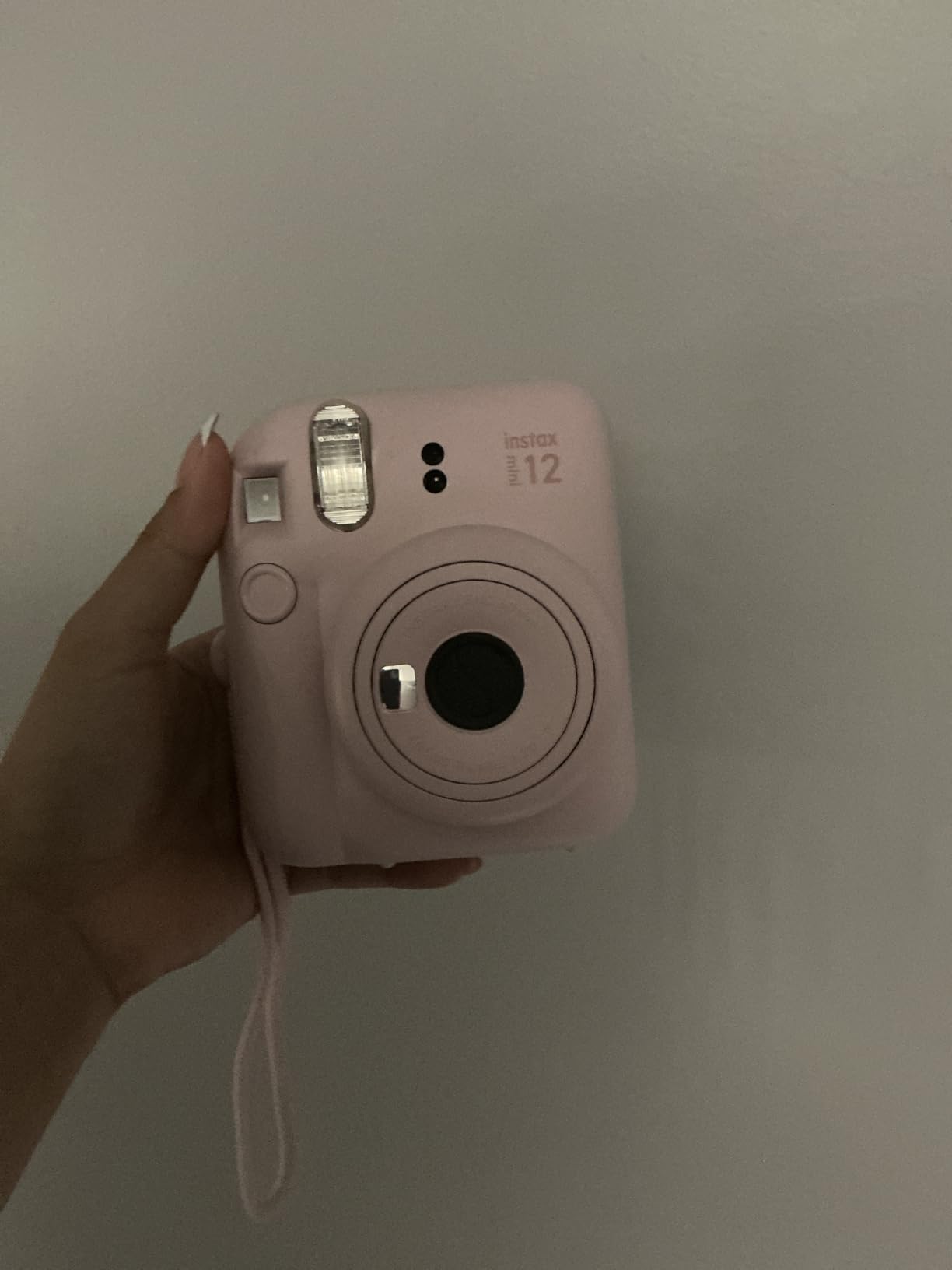
I’ve personally used the Instax Mini 12 at over 20 weddings, and it consistently delivers the best guest experience. The twist-to-turn-on design is so intuitive that even guests who’ve never touched an instant camera figure it out within seconds. At a recent outdoor wedding with 150 guests, we placed 4 Mini 12s on different tables, and not a single guest asked for help operating them.
The automatic exposure system handles tricky lighting surprisingly well. I tested it at a dimly lit barn wedding and a bright beach ceremony, and photos came out properly exposed in both scenarios. The built-in selfie mirror gets more use than you’d expect, with guests taking candid self-portraits throughout the reception. Battery life is excellent, with one set of AAs lasting through an entire 6-hour wedding.
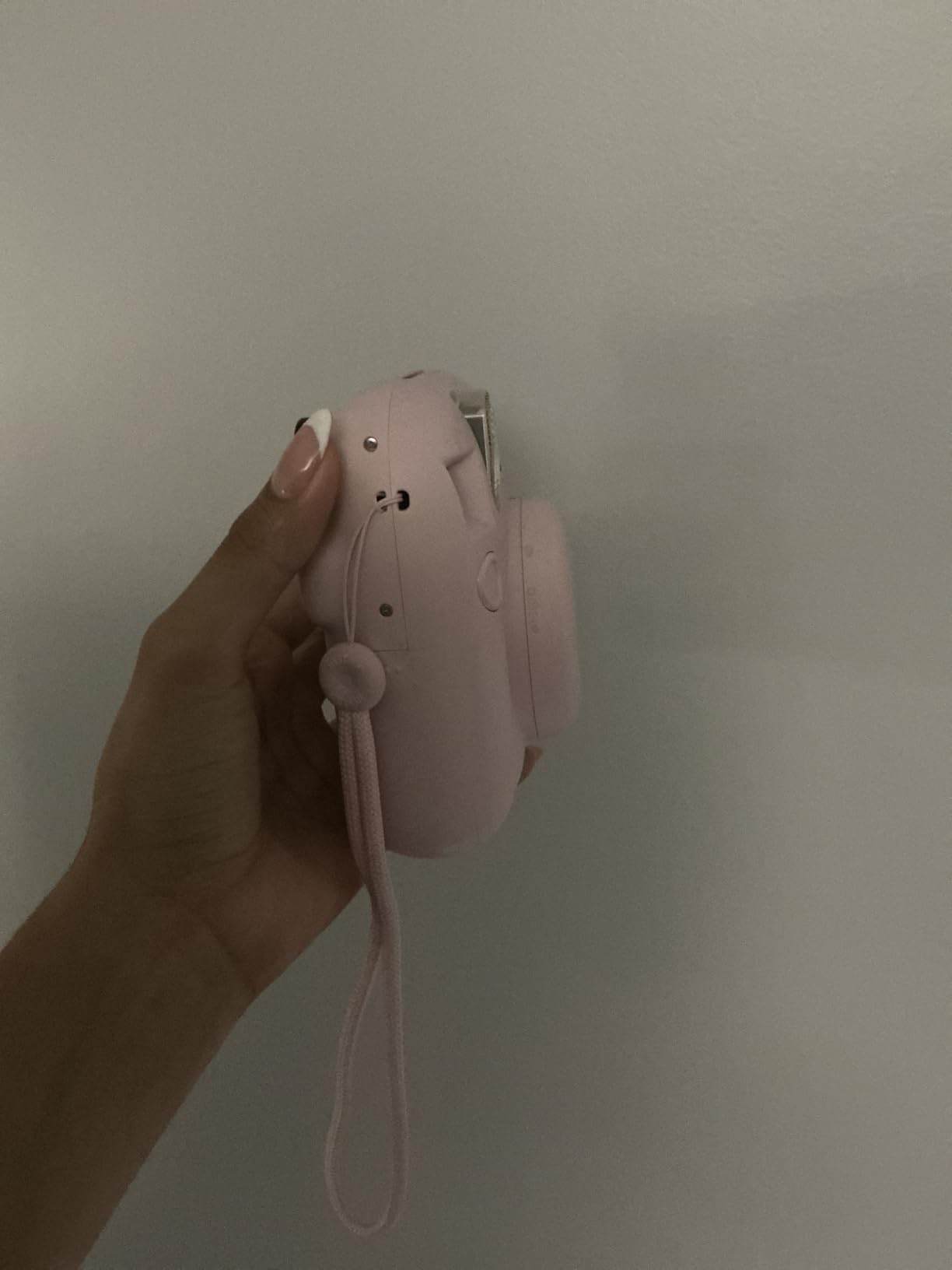
Technically, the Mini 12 keeps things simple with just two shooting modes: normal and close-up. The close-up mode activates when you extend the lens, automatically correcting for parallax so your subject is actually framed correctly. The 60mm f/12.7 lens isn’t going to win any sharpness awards, but that’s not the point, these photos are supposed to have that soft, nostalgic instant film look.
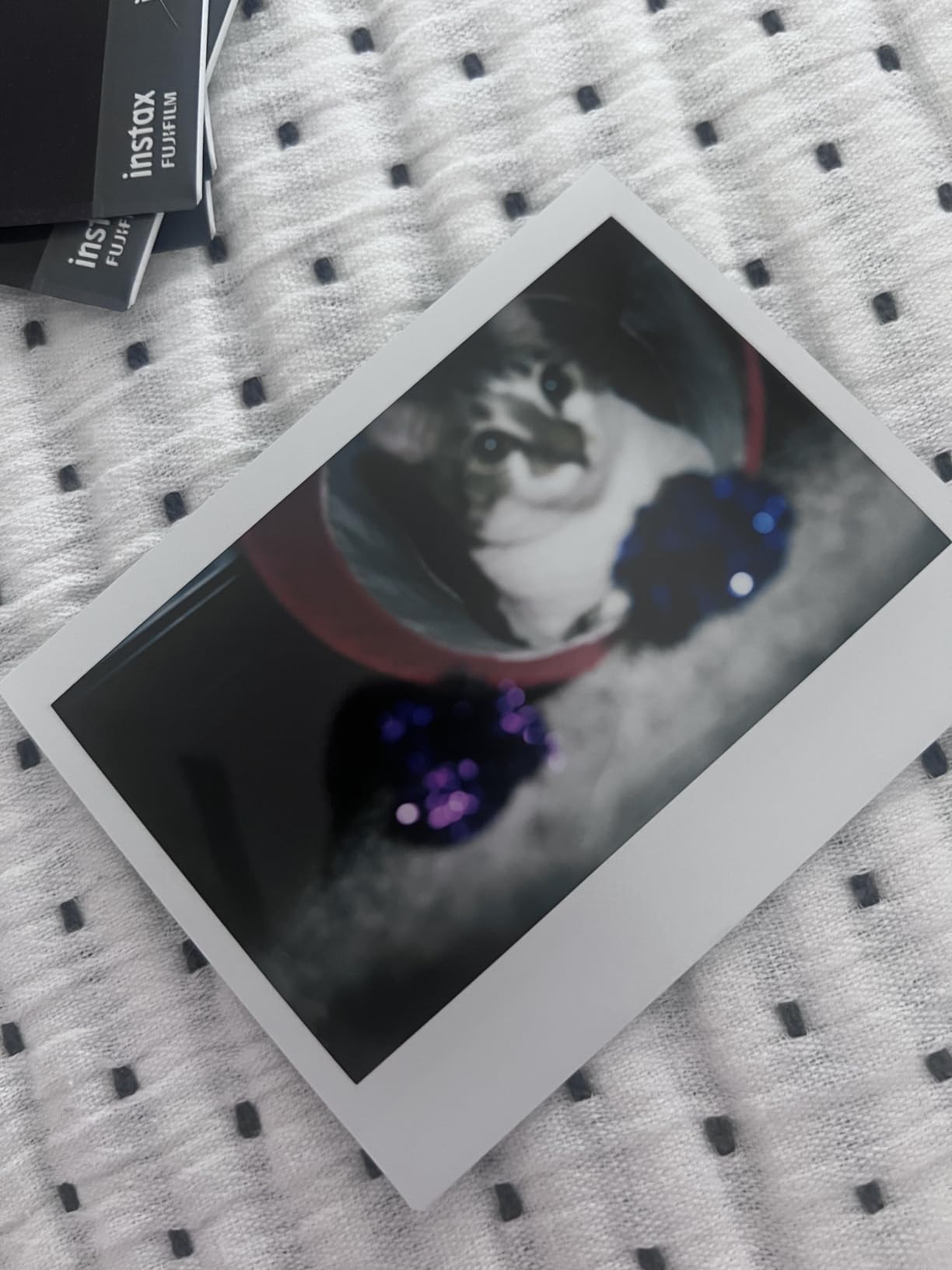
The flash is always on, which can be annoying in bright daylight, but it prevents the dark photos that plague cheaper instant cameras. Development time is consistently around 90 seconds, fast enough that guests see their photos before leaving the reception. I’ve found the colors tend to be slightly warm, which actually flatters skin tones in indoor lighting.
Best For Large Weddings
The Mini 12 is perfect for weddings with 100+ guests where you need multiple cameras. At under $90 each, buying 4-5 units is affordable compared to premium models. The simple controls mean guests can’t mess up settings, and the cheap film cost ($1.20 per print) keeps your budget in check even with heavy usage.
Avoid For Vintage Aesthetics
If you’re going for a fully retro vibe, the Mini 12’s plastic toy-like appearance might not fit your theme. Consider the more sophisticated Mini 41 or authentic Polaroid options for formal black-tie events where appearance matters as much as functionality.
2. Fujifilm Instax Mini 41 – Premium Pick
Pros
- Elegant sophisticated design
- Quieter than Mini 12
- Same simple operation
- Professional appearance
- Reliable auto exposure
Cons
- Flash always on
- Newer model fewer reviews
- Film adds ongoing cost
The Mini 41 takes everything great about the Mini 12 and wraps it in a much more sophisticated package. I brought both models to a formal garden wedding, and the 41 looked right at home on the elegant tables while the 12 stuck out a bit. The quieter operation is a nice touch, less disruptive during speeches and toasts.
Operationally, it’s nearly identical to the Mini 12 with that same intuitive twist-to-on mechanism. Your guests won’t notice any difference in usability, but you will appreciate the more refined appearance. The automatic exposure system is equally reliable, handling the transition from outdoor ceremony to indoor reception without issues.

Inside, the Mini 41 uses the same Instax Mini film as the budget models, keeping your per-print cost around $1.20. The 2-inch by 3-inch prints are the perfect size for guest books, not too small to see details but not so large they dominate the page. I’ve found guests are more careful with their shots when the camera looks more premium, resulting in fewer wasted prints.
The quieter motor is actually more significant than it sounds. At multiple weddings, guests commented on how the Mini 12’s loud whirring drew attention during quiet moments. The 41’s subdued mechanism lets guests capture candid shots without becoming the center of attention. This matters particularly during ceremonies and formal toasts.

Best For Formal Weddings
The Mini 41 shines at elegant, formal events where appearance matters. Black-tie weddings, vineyard receptions, and ballroom affairs benefit from its sophisticated look. It’s the instant camera for weddings that won’t look out of place in professional photos of your reception setup.
Avoid For Budget-Conscious Couples
At roughly $100-120, you’re paying a $20-30 premium over the Mini 12 for essentially the same functionality in a nicer package. If you’re buying multiple cameras for table placement, that premium adds up quickly. The Mini 12 makes more financial sense for large weddings.
3. Fujifilm Instax Mini EVO – Best Value
Pros
- Hybrid saves money on film
- Print from smartphone
- 100 creative effects
- Dual shutter buttons
- Rechargeable battery
Cons
- Higher initial cost
- More complex operation
- Small LCD screen
- No viewfinder
The Mini EVO changed how I think about instant cameras for weddings. Its hybrid design lets you capture digital images throughout the event and only print the best ones. At a destination wedding I photographed, the couple used one EVO to take hundreds of digital shots during cocktail hour, then printed just 50 favorites for the guest book, saving over $100 in film costs.
Bluetooth connectivity is a game-changer. Guests can snap photos with their smartphones, then you print them instantly as keepsakes. This worked brilliantly at a wedding where the maid of honor curated iPhone photos from guests and printed the best ones on the spot. The Instax Mini EVO app is intuitive, and connection was reliable throughout the 6-hour reception.

The 100 creative effect combinations (10 lens effects x 10 film effects) add variety without being overwhelming. Most guests stick to the default settings, but photography-inclined friends have fun creating unique shots. The dual shutter buttons are genuinely useful, with the front button perfect for portraits and the side button ideal for landscape orientation group shots.
Battery life is excellent for a rechargeable, easily lasting through a full wedding with power to spare. USB-C charging means you can top it up between ceremony and reception if needed. The microSD slot saves every shot digitally, providing a backup of all your instant photos, something traditional instant cameras can’t do.

Best For Film Budget Conscious
The EVO pays for itself if you’re planning to print more than 200 photos. By previewing digitally and printing selectively, you can cut your film costs by 50-70%. It’s ideal for couples who want instant prints but don’t want to waste expensive film on test shots or blurry guest photos.
Avoid For Simple Guest Operation
The menu system and multiple features confuse some guests, particularly after a few drinks. If you’re placing cameras on tables for unsupervised guest use, stick to the simpler Mini 12 or 41. The EVO works best when operated by you or a designated responsible person.
4. Fujifilm Instax Wide 400 – Budget Pick for Groups
Pros
- Largest print format
- Perfect for groups
- Self-timer included
- Macro mode for details
- Classic retro look
Cons
- Bulky design
- Flash recharge delay
- Higher film cost
- Indoor performance issues
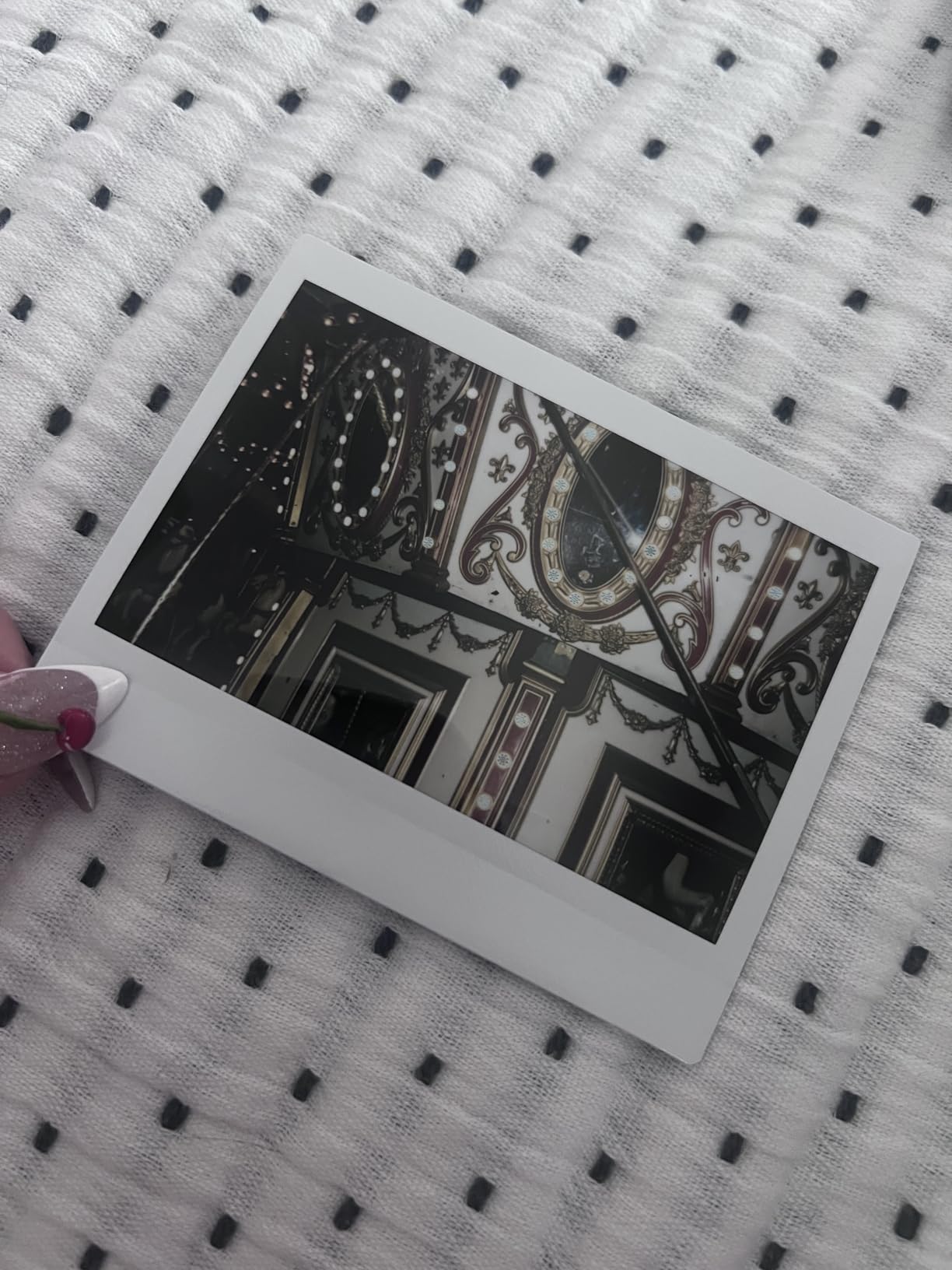
The Wide 400’s 3.5 by 4.25-inch prints are significantly larger than Mini format, making them ideal for guest books and group photos. At a family reunion wedding, we used one Wide 400 specifically for large group shots, and the results were stunning. Everyone’s face was clearly visible, something that’s challenging with smaller Mini prints.
The included camera angle accessory is genuinely useful. This small stand lets you prop the camera at the perfect angle for self-timer group shots. We set it up on the gift table with a sign, and guests took amazing self-timed photos throughout the reception. The LED countdown gives everyone time to compose themselves before the shutter fires.
Three focus modes (Normal, Landscape, Macro) give you more control than basic Mini models. The included close-up lens attaches for macro shots of rings, cake details, and other small elements. I used this feature extensively at a wedding with elaborate centerpieces, capturing close-up detail shots that the DSLR photos missed.
However, the Wide 400 has some drawbacks. It’s bulky and heavy compared to Mini models, making it less portable for guests. The flash requires 20+ seconds to recharge between shots, which frustrates guests trying to take multiple photos. At $1.50-2.00 per print, Wide film is significantly more expensive than Mini format.
Best For Guest Books
The large print size is perfect for wedding guest books. Photos have enough room for multiple people to sign around the edges, and the detail is sufficient for everyone to be recognizable. If your priority is a guest book full of high-quality instant photos, the Wide 400 is worth the extra film cost.
Avoid For Multi-Camera Setups
The bulk and higher film cost make the Wide 400 impractical for placing multiple cameras on tables. Stick with one Wide 400 specifically for group shots and guest book photos, then use Mini cameras for general guest photography to keep your budget manageable.
5. Polaroid Now 3rd Generation – Classic Choice
Polaroid Now 3rd Generation I-Type Instant Camera + Film Bundle – Now Black Camera + 16 Color Photos (6560)
Pros
- Authentic Polaroid look
- Twin-lens autofocus
- USB-C rechargeable
- Long battery life
- Full-sized prints
Cons
- Most expensive film ($2+ per print)
- Quality control issues
- Learning curve
- Darker photos in low light
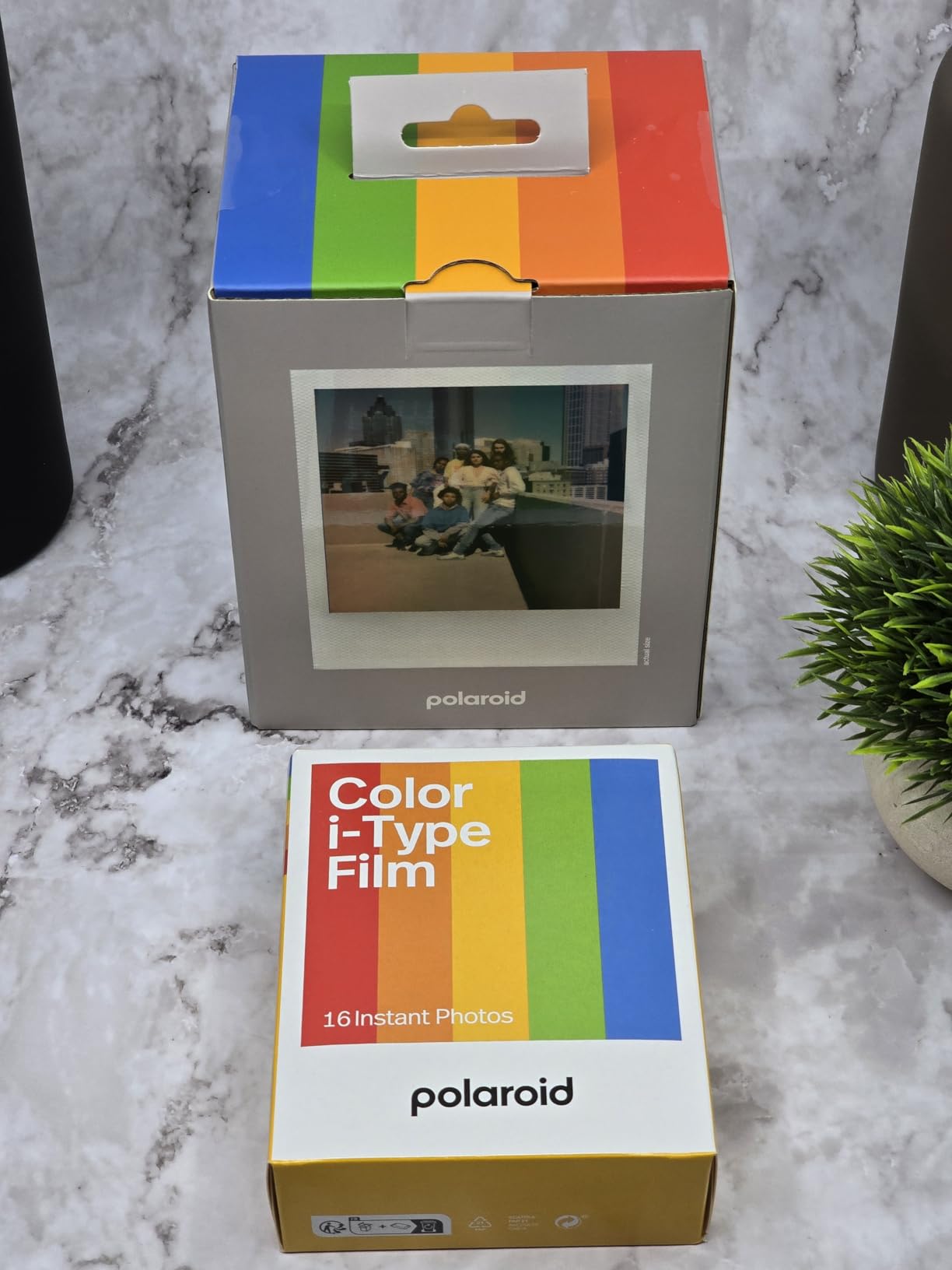
Nothing beats authentic Polaroid prints for vintage-themed weddings. The square format with that iconic white border is instantly recognizable and adds serious nostalgia. At a retro 1970s themed wedding, the Polaroid Now was the perfect complement to the decor, and guests went crazy for the authentic experience.
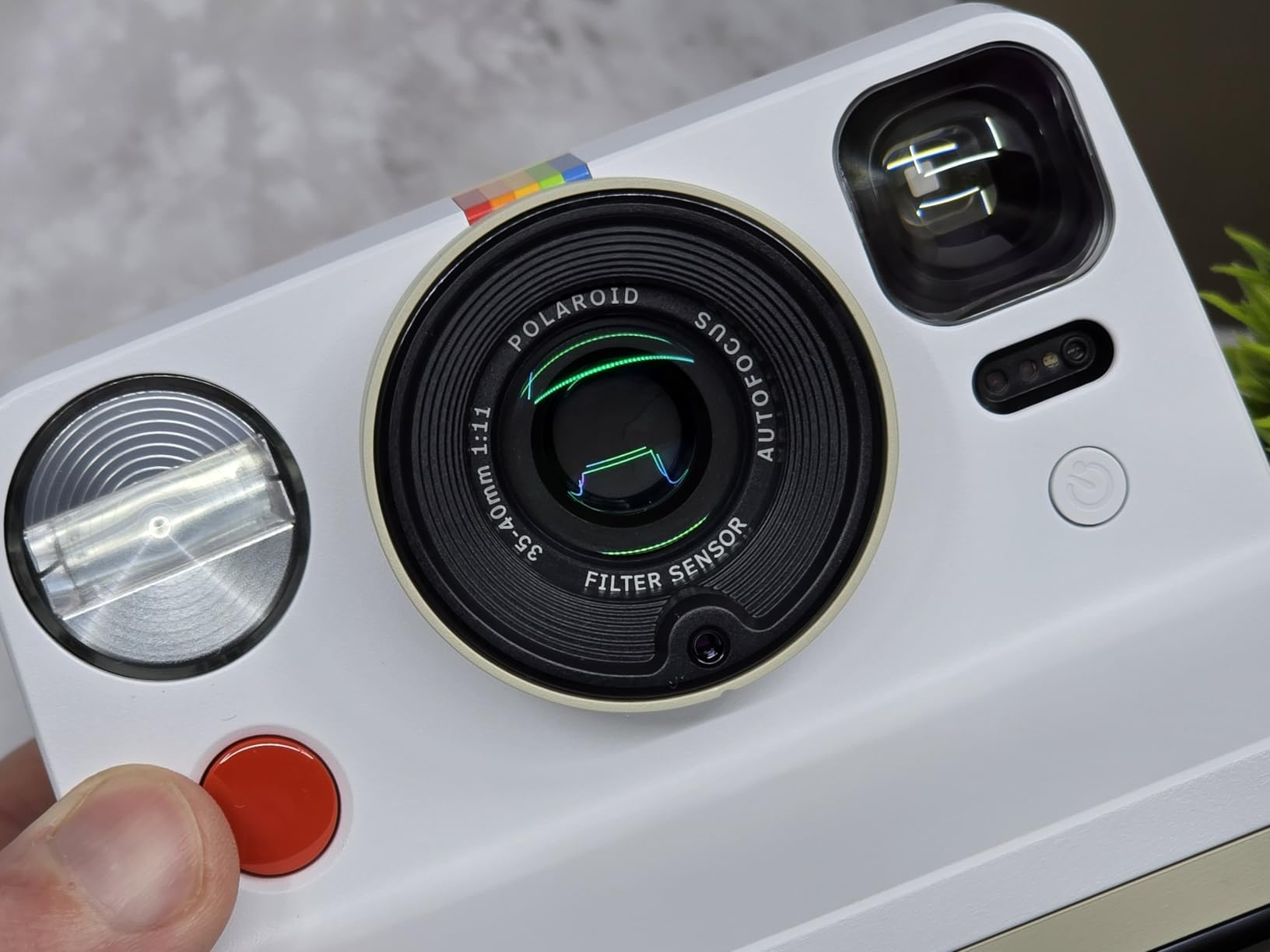
The twin-lens autofocus system is a significant improvement over vintage Polaroids. Instead of guessing focus distance, the camera automatically selects the appropriate lens for sharp results. I tested this at a wedding with varying subject distances, and the autofocus kept things acceptably sharp in most situations.
USB-C charging is convenient, with the battery lasting through 15+ film packs according to Polaroid. In my testing, one charge easily handled a full wedding with about 80 prints and still had juice remaining. The double-exposure mode creates artistic layered photos that some guests absolutely love experimenting with.
However, film cost is the major downside. At $2+ per print, Polaroid film is roughly double the cost of Instax Mini. For a wedding with 200 prints, that’s a $160 difference. Photo quality is also less consistent than Instax, with some shots coming out dark or having a green tint, particularly with older film stock.
Best For Vintage Themes
If you’re planning a vintage, retro, or nostalgic wedding theme, authentic Polaroid prints are unmatched for aesthetic value. The iconic white-bordered square prints are instantly recognizable and add genuine vintage credibility that Instax can’t replicate despite its retro look.
Avoid For Budget Conscious
At $160 for the camera plus $2+ per print, Polaroid is the most expensive instant camera option for weddings. Unless the authentic Polaroid aesthetic is specifically important to you, Instax cameras deliver more consistent results at half the film cost.
6. Polaroid Now+ 3rd Generation – Creative Pick
Pros
- Bluetooth app control
- Manual exposure modes
- Remote shutter trigger
- Scan & save digitally
- Classic Polaroid look
Cons
- Expensive film
- Steeper learning curve
- Inconsistent quality
- Complex for guests
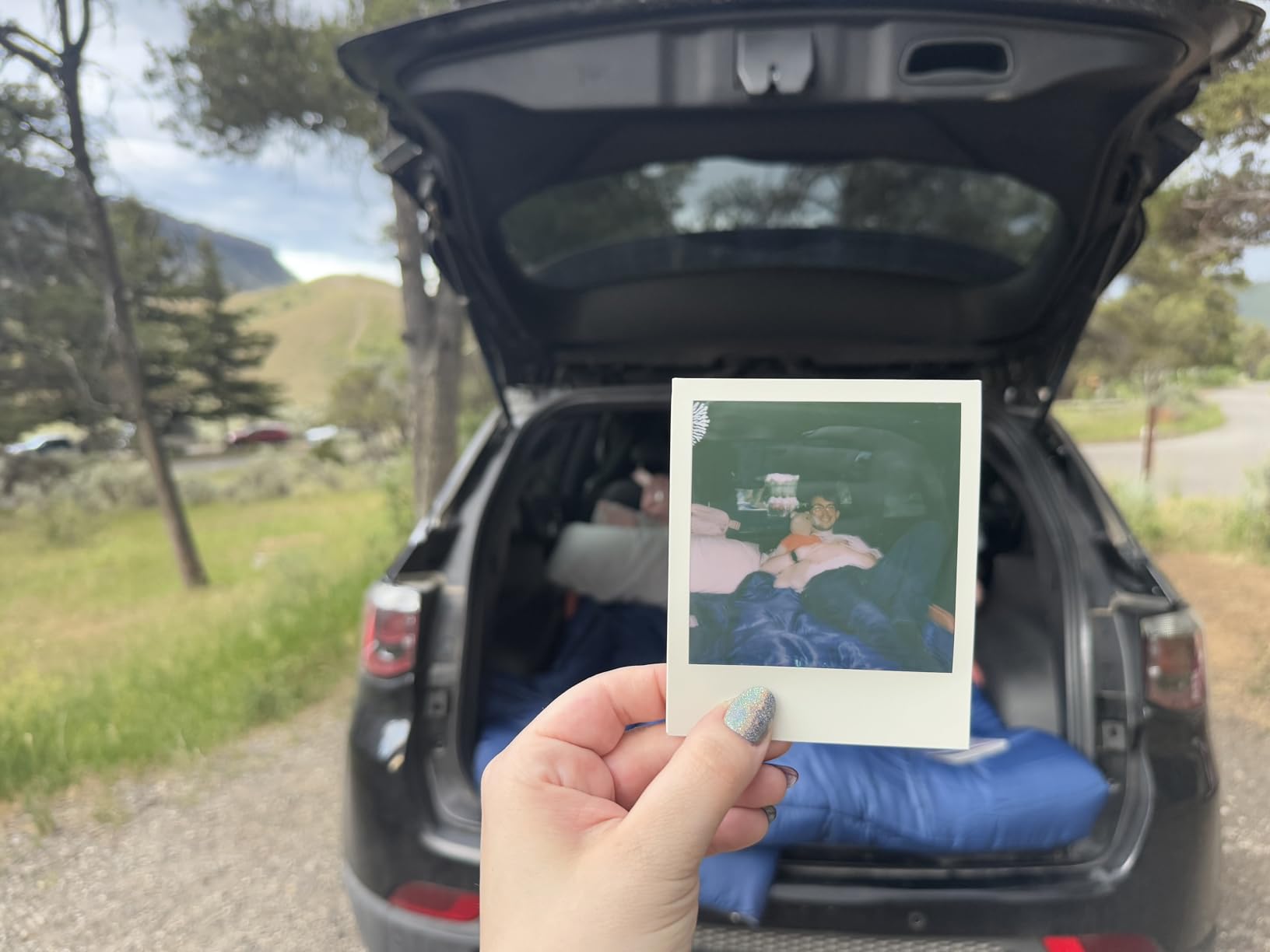
The Now+ adds Bluetooth connectivity and manual controls to the classic Polaroid formula. The companion app lets you adjust aperture, shutter speed, and even trigger the shutter remotely. At a wedding where I was the designated photographer, this allowed me to set up the camera on a tripod across the room and capture candid shots without being obvious.
The aperture priority mode is genuinely useful for wedding venues with challenging lighting. I used this at a dimly lit warehouse reception, opening up the aperture to capture more ambient light while still getting properly exposed prints. The results weren’t perfect, but they were significantly better than full auto would have managed.
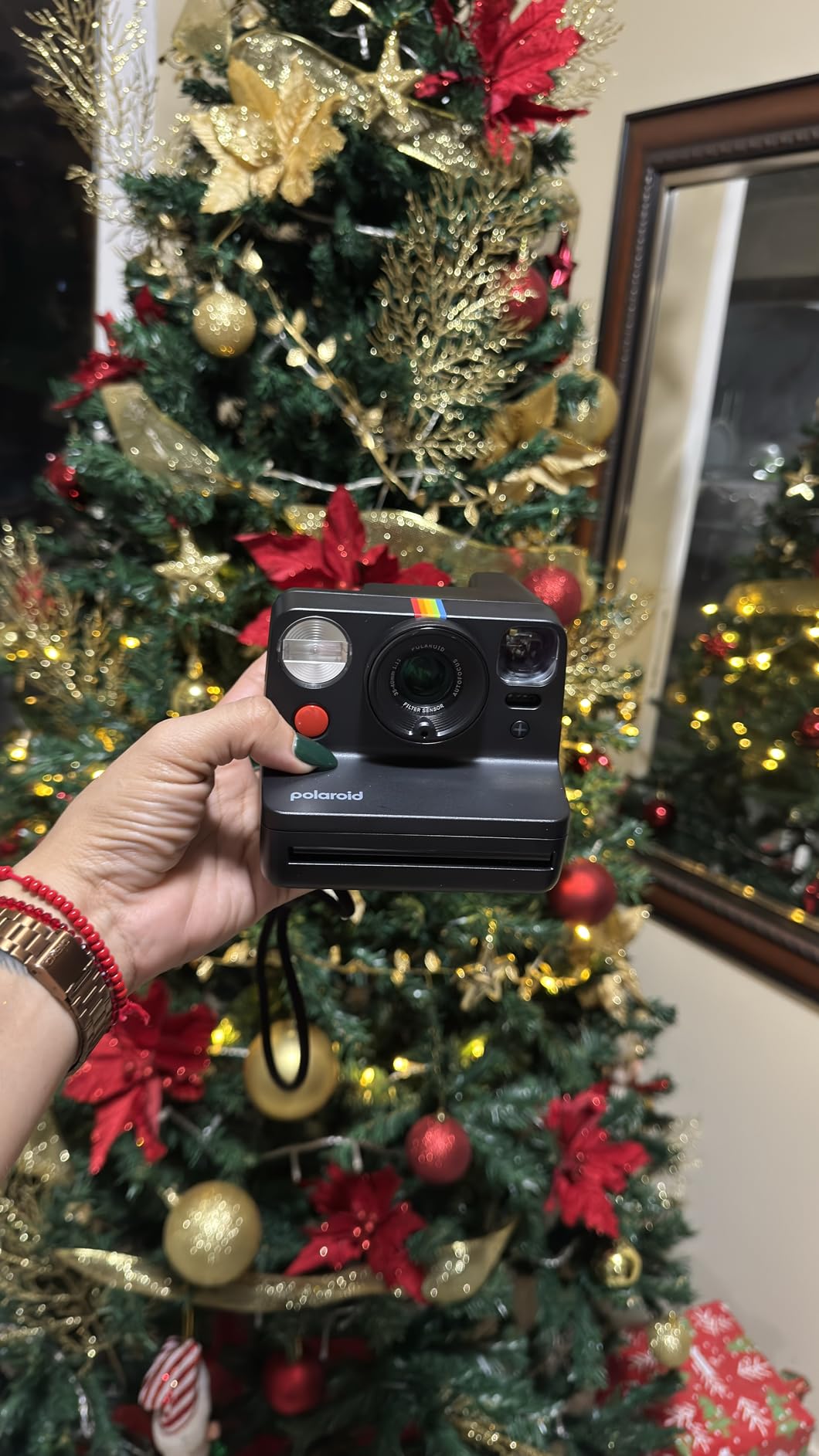
Remote shooting via the app is fun for group photos. Set the camera on a tripod, frame your shot, then trigger it from your phone without running back and forth. The app also lets you scan your Polaroids digitally, creating a backup of all your instant prints, which is valuable for wedding memories.
However, these features come with complexity. The manual modes require some photography knowledge to use effectively, and the app connection can be finicky. For most weddings, I’d recommend keeping the Now+ on full auto unless you have a photography-savvy person managing it.
Best For Creative Couples
If you or your partner are photography enthusiasts who want more creative control, the Now+ delivers. The manual modes and app control let you experiment with long exposures, depth of field effects, and remote compositions that aren’t possible with basic instant cameras.
Avoid For Unsupervised Guest Use
The Now+ is too complex for drunk guests to figure out unsupervised. If you’re placing cameras on tables for guests to use freely, stick with simpler options like the Instax Mini 12. The Now+ works best when operated by someone who understands photography basics.
7. Polaroid Go Generation 2 – Compact Pick
Polaroid Go Generation 2 – Mini Instant Camera + Film Bundle (16 Photos Included) – Black (6280)
Pros
- World's smallest instant camera
- Fits in pockets
- Built-in selfie mirror
- Double-exposure mode
- Cute stylish design
Cons
- Tiny prints
- Lower image quality
- Expensive film for size
- Quality control issues
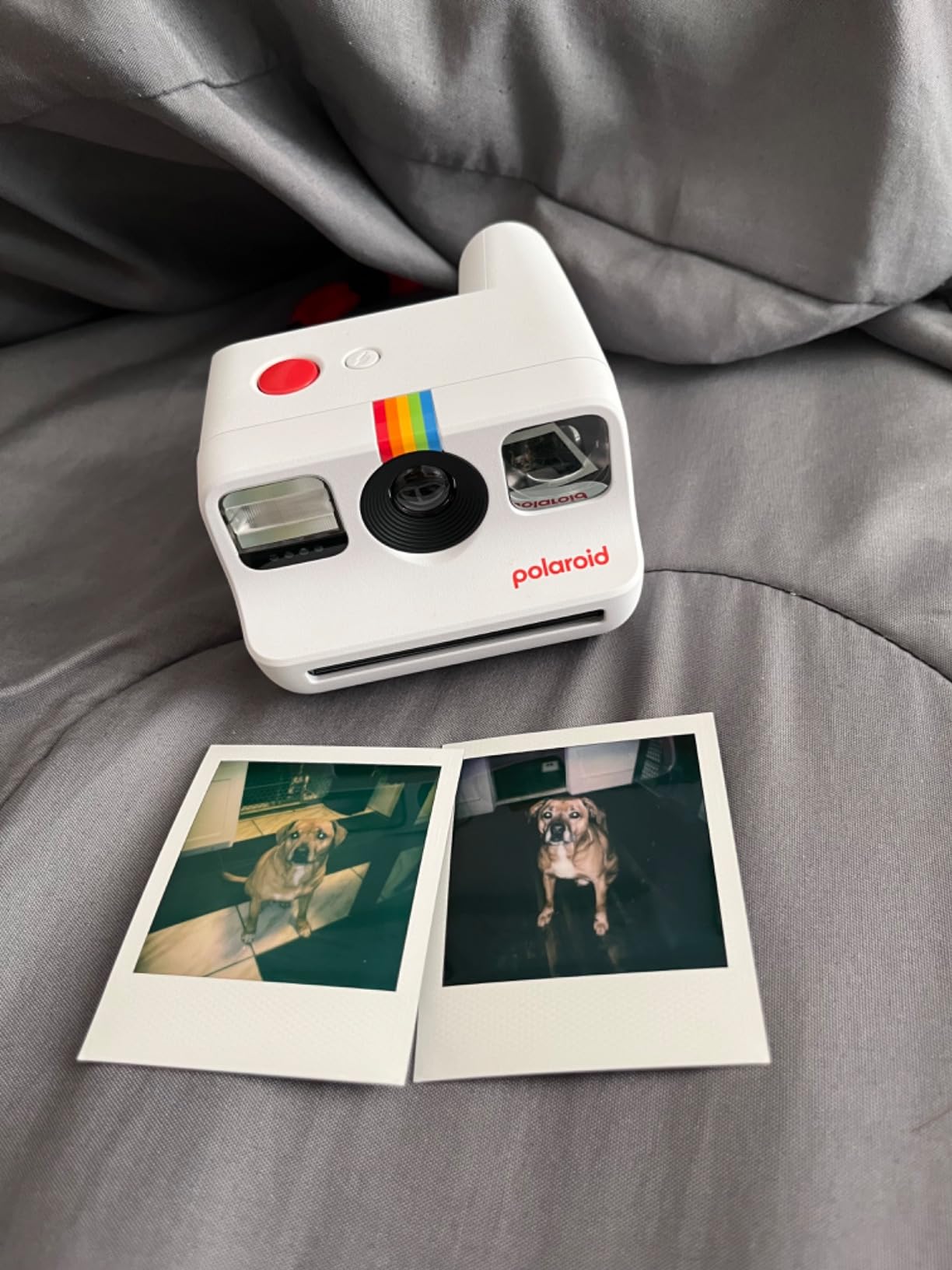
The Polaroid Go is impossibly small, fitting easily into pockets and small clutches. At a wedding where many guests were dressed formally without bags, the Go was the only instant camera that wasn’t cumbersome to carry. Its diminutive size makes it less obtrusive and more likely to actually get used throughout the event.
The built-in selfie mirror works well given the camera’s size, and guests found the self-timer feature easy to use. Double-exposure mode creates artistic layered shots that some guests absolutely loved experimenting with, resulting in unique wedding photos unlike anything else.
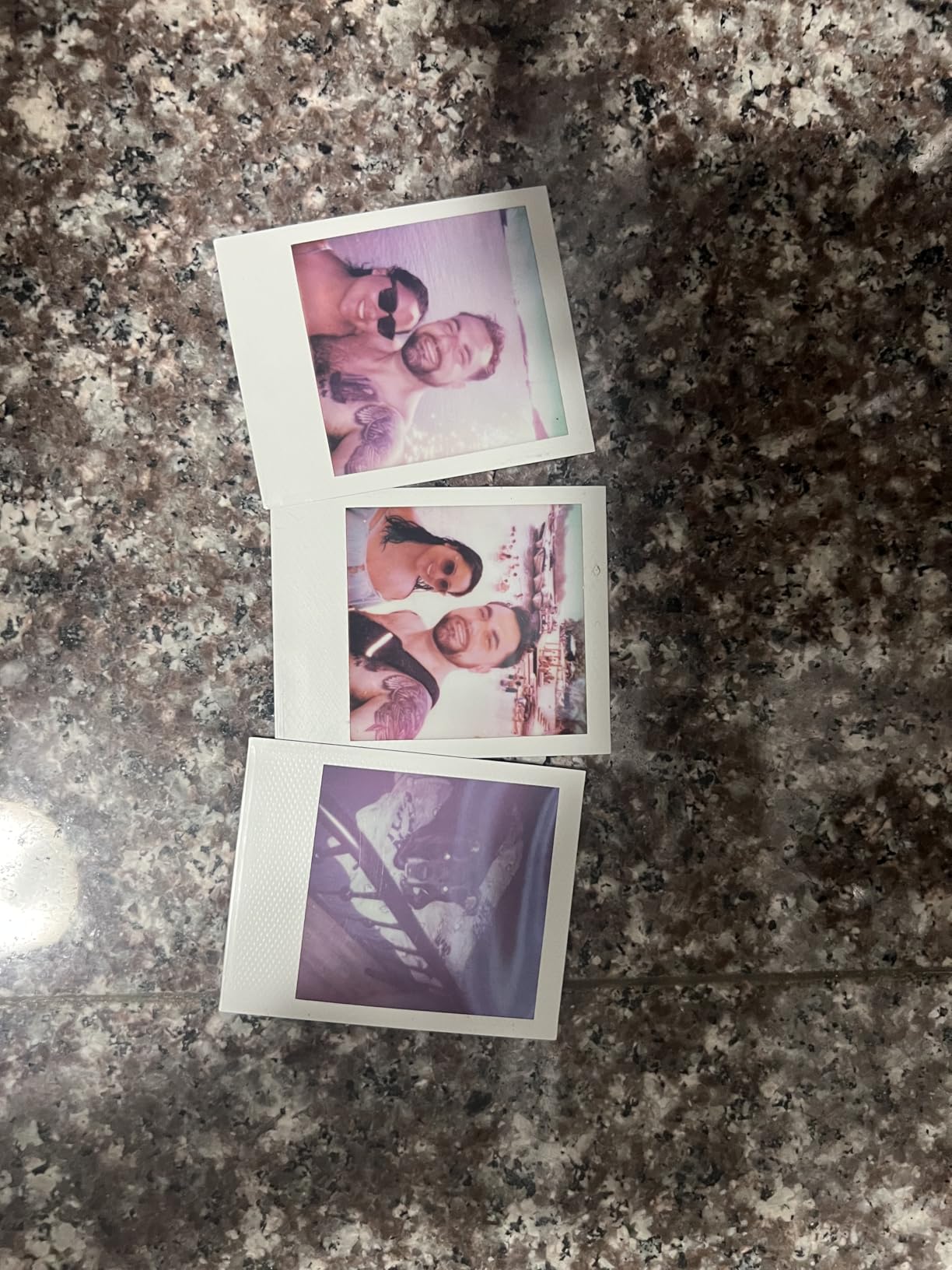
However, the tiny print size (2.6 by 2.1 inches) is genuinely limiting. Group photos are cramped, and fine details get lost. The Go film is also expensive for what you get, costing nearly as much as full-sized Polaroid film for significantly smaller prints. Image quality is noticeably softer than larger formats.
The rechargeable battery is convenient, lasting through about 15 film packs according to Polaroid. USB-C charging means you can top it up between events if needed. Build quality feels solid despite the small size, though the plastic construction doesn’t feel particularly premium.
Best For Travel Weddings
Destination wedding couples will appreciate the Go’s portability. It takes up minimal luggage space and is easy to carry during honeymoon travels. If you’re planning a wedding weekend with multiple events, the Go is the instant camera you’ll actually bring to every session.
Avoid For Primary Guest Book Camera
The small print size makes the Go less than ideal for guest books where you want substantial, detailed photos. Use it as a supplementary camera for travel and candid shots, but rely on larger format cameras for your main wedding guest book.
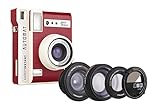
8. Lomography Lomo’Instant Automat – Versatile Pick
Lomography Lomo’Instant Automat South Beach + 3 Lenses – Instant Film Camera Compatible for Fujifilm Instax Mini Film
Pros
- 3 interchangeable lenses
- Uses cheap Instax film
- Zone focus system
- Exposure compensation
- Great outdoors
Cons
- Non-standard CR2 batteries
- Viewfinder inaccuracy
- Higher price
- Steeper learning curve
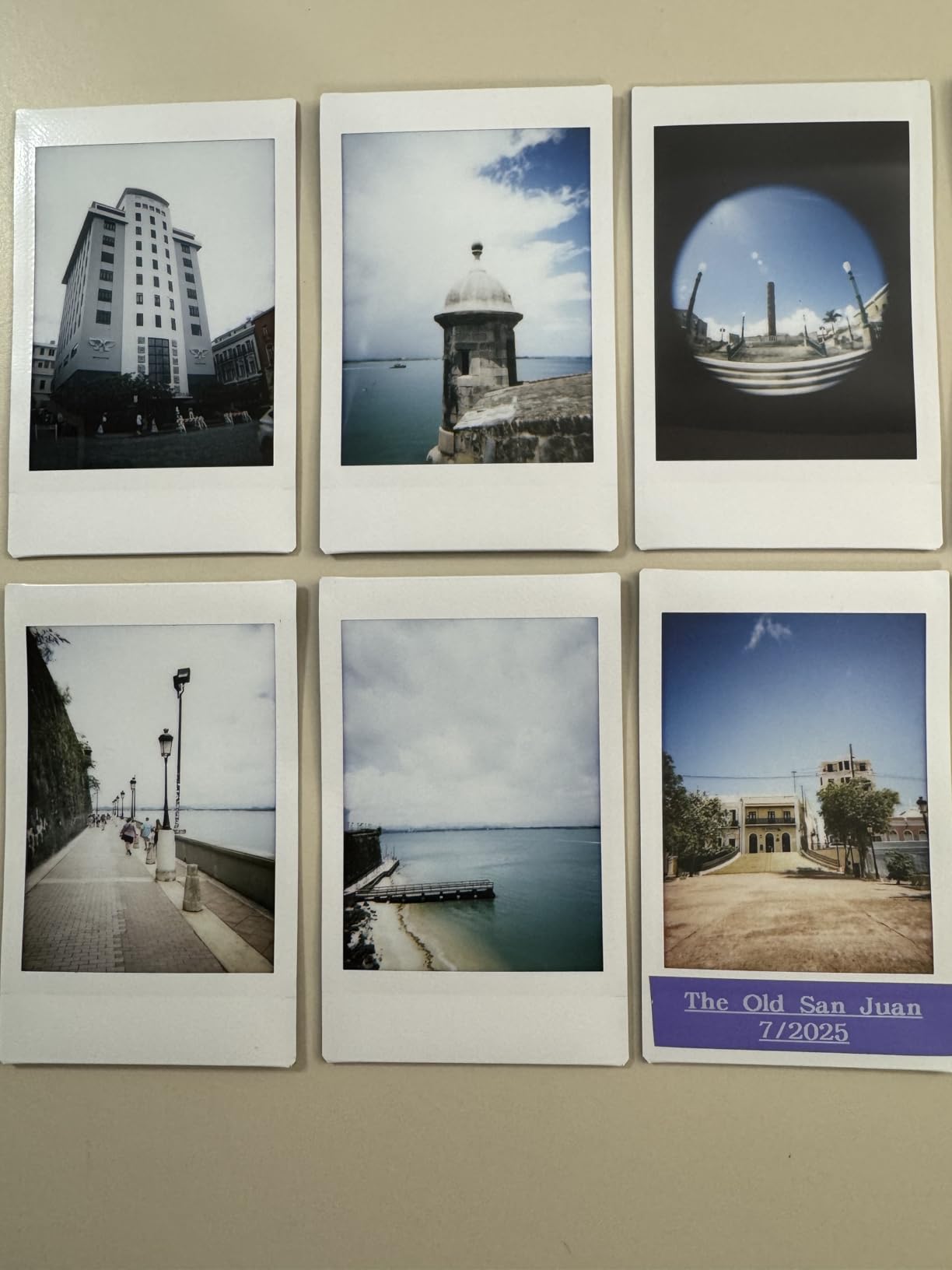
The Lomo’Instant Automat stands out with three included lenses that dramatically expand your creative options. The wide-angle lens is perfect for capturing venue shots and large groups, while the fisheye creates fun distorted perspectives that guests absolutely love. At an outdoor wedding with scenic mountain views, the wide-angle lens captured breathtaking venue shots that standard instant cameras couldn’t manage.
Zone focusing gives you more control than fully automatic Instax cameras. Instead of relying solely on autofocus, you can manually select focus zones for more precise control. This proved invaluable for close-up shots of rings and cake details, where standard cameras often struggle to focus properly.
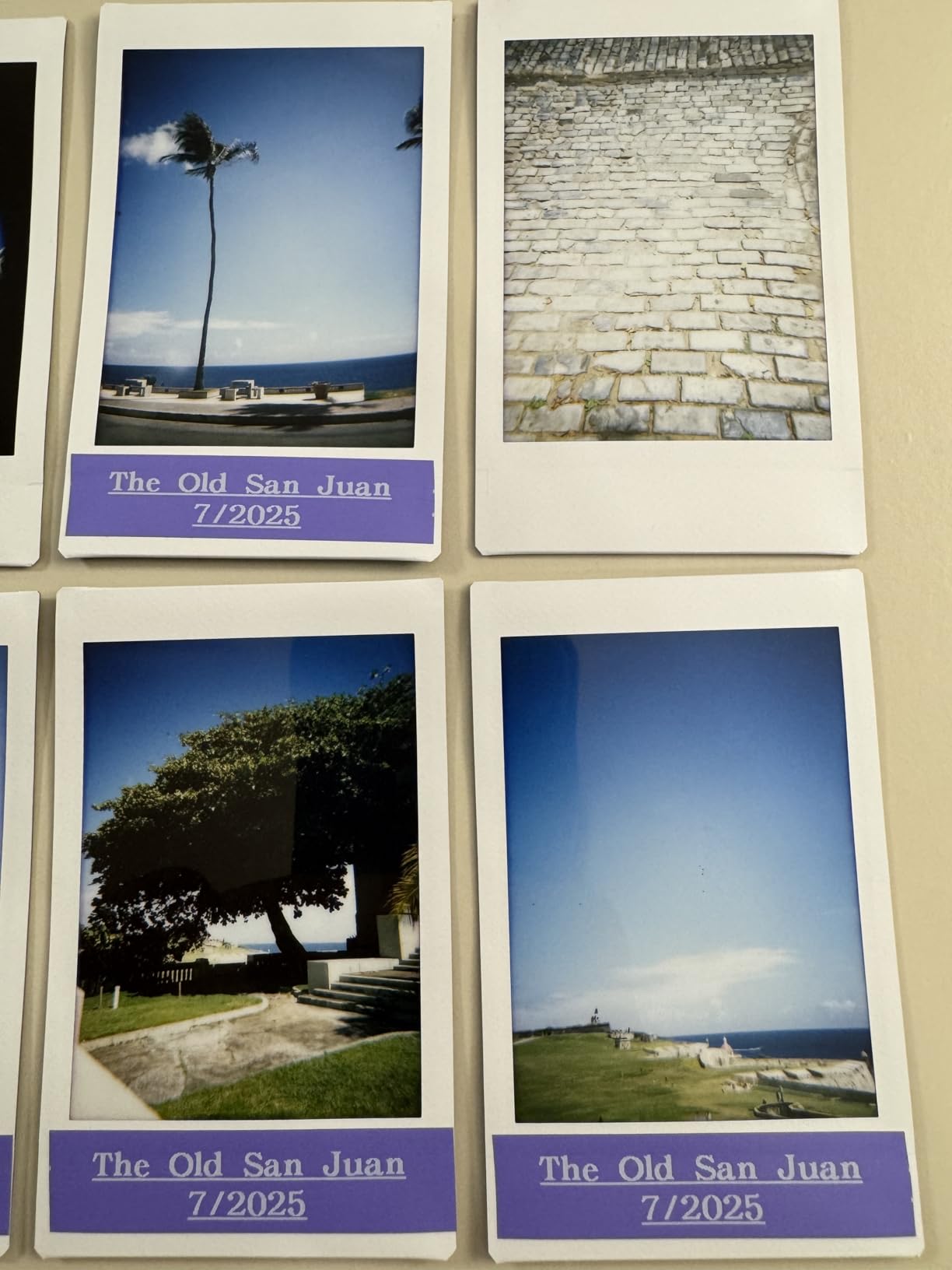
The exposure compensation control is genuinely useful for challenging lighting situations. At a backlit outdoor ceremony, I dialed in +1 EV compensation to properly expose the couple against the bright sky. The resulting prints had beautiful detail in both the subjects and background, something fully automatic cameras would have blown out.
Bulb mode enables long exposures for creative light painting effects. While this is more of a niche feature, some guests had fun creating unique light trail photos during the evening reception. The included color gel filters for the flash add another creative dimension, allowing you to add colored tints to your photos.
Best For Outdoor Weddings
The Lomo’Instant Automat excels in outdoor settings where you can take advantage of its wide-angle lens and exposure controls. Beach weddings, garden ceremonies, and mountain vow renewals are perfect opportunities to use its capabilities to capture scenic venue shots.
Avoid For Indoor Venues
The zone focusing system and manual controls are overkill for simple indoor reception shots. If your wedding is primarily indoors, you’ll get better results from a simpler automatic camera, and you’ll save money in the process.
9. Leica Sofort 2 – Luxury Pick
Pros
- Premium Leica build
- Selective printing saves money
- 10 lens effects
- LCD preview screen
- Dual shutter buttons
Cons
- Very expensive
- Small JPEG resolution
- Learning curve
- Not Prime eligible
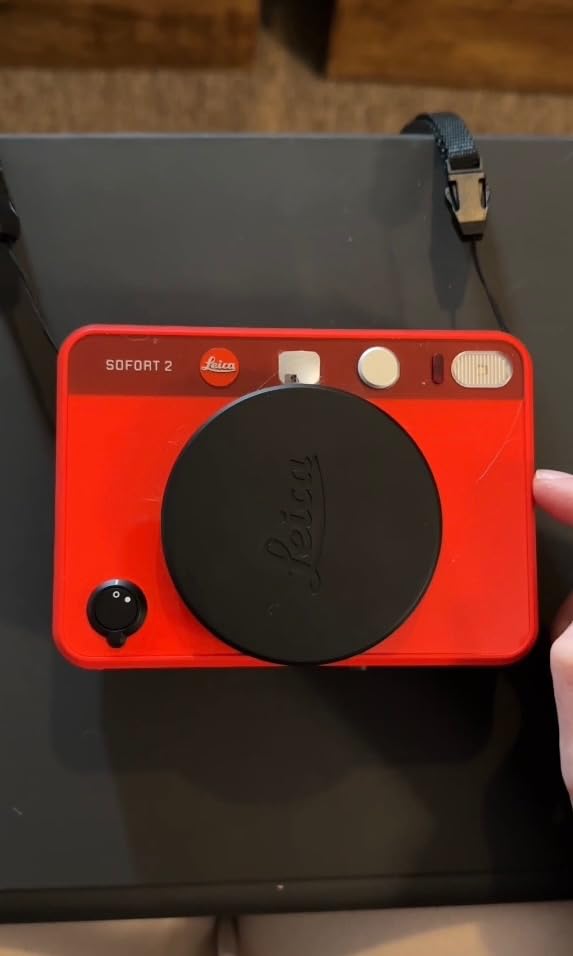
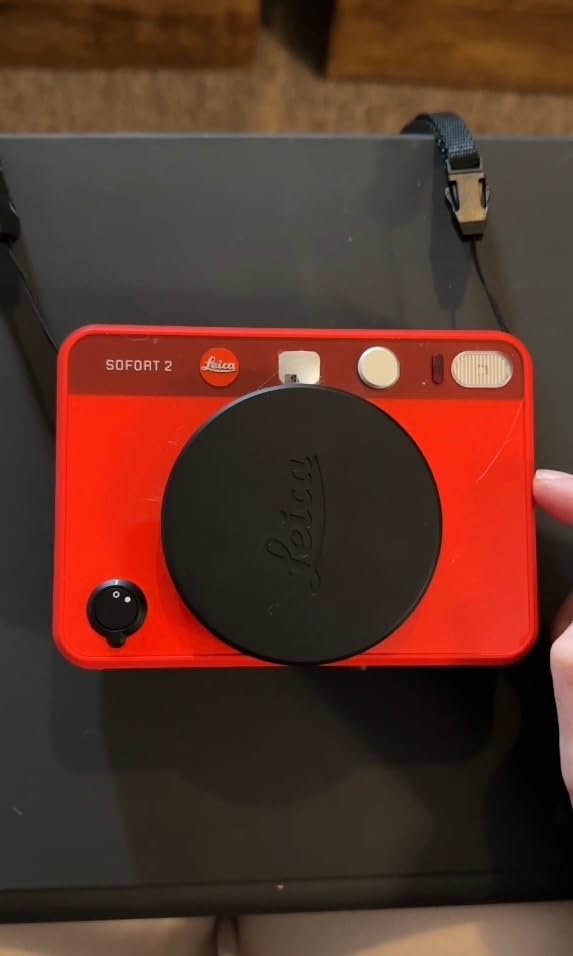
The Leica Sofort 2 represents the pinnacle of instant camera luxury, with build quality and aesthetics that justify its premium price point. The solid metal construction and refined design make it appropriate for the most formal black-tie weddings. At a high-end estate wedding, the Sofort 2 looked perfectly at home on the elegant tables.
The hybrid functionality is identical in concept to the Instax Mini EVO, allowing you to shoot digitally and print selectively. What sets the Sofort 2 apart is the 1-inch CMOS sensor and Leica optics, which produce noticeably better image quality than competing hybrids. The LCD screen is bright and sharp, making it easy to review shots before printing.
Ten built-in lens effects add creative variety without the complexity of interchangeable lenses. From vintage color shifts to vignette effects, these give your instant prints a unique look that stands out. The dual shutter buttons are genuinely useful, with perfectly placed buttons for both portrait and landscape orientations.
Leica’s FOTOS app integration provides additional control and the ability to transfer images to your phone. While not essential for basic operation, it’s nice to have for more advanced users. The camera uses standard Instax Mini film, keeping your per-print costs reasonable despite the camera’s premium price.
Best For Luxury Weddings
If you’re planning a high-end wedding where every detail reflects quality and sophistication, the Sofort 2 fits the aesthetic perfectly. It’s the instant camera for couples who appreciate fine craftsmanship and are willing to pay for premium design and build quality.
Avoid For Budget Conscious
At nearly $400, the Sofort 2 costs as much as 4-5 Instax Mini 12s. Unless budget is not a concern and you specifically value the Leica brand and premium construction, you’ll get more value from less expensive options.
10. Polaroid Flip – Innovative Pick
Pros
- Sonar autofocus any light
- 4-lens system
- Powerful 4.5m flash
- Scene analysis warnings
- Double exposure mode
Cons
- Not point-and-shoot
- Very expensive film
- Only 8 shots per pack
- Learning curve
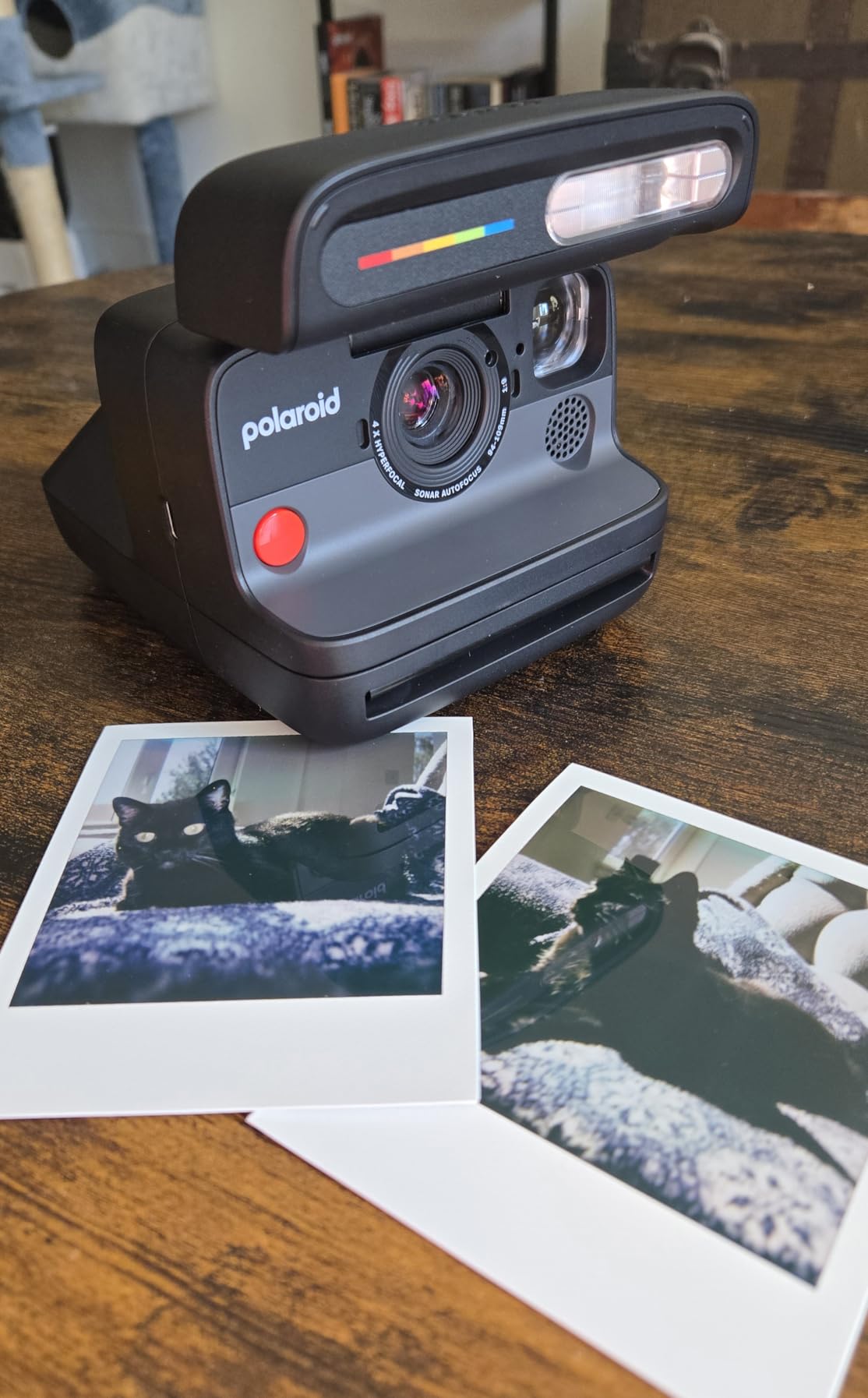
The Polaroid Flip introduces innovative sonar autofocus that works in complete darkness, using sound waves to determine subject distance. This technology proved genuinely useful at a dimly lit reception venue where other instant cameras struggled to focus. The Flip consistently produced sharper photos in challenging lighting conditions.
The hyperfocal 4-lens system is a clever solution to instant camera focusing limitations. Instead of one compromised lens, the Flip automatically selects between four lenses optimized for different distances. This results in sharper images across a wider range of shooting conditions than traditional single-lens designs.
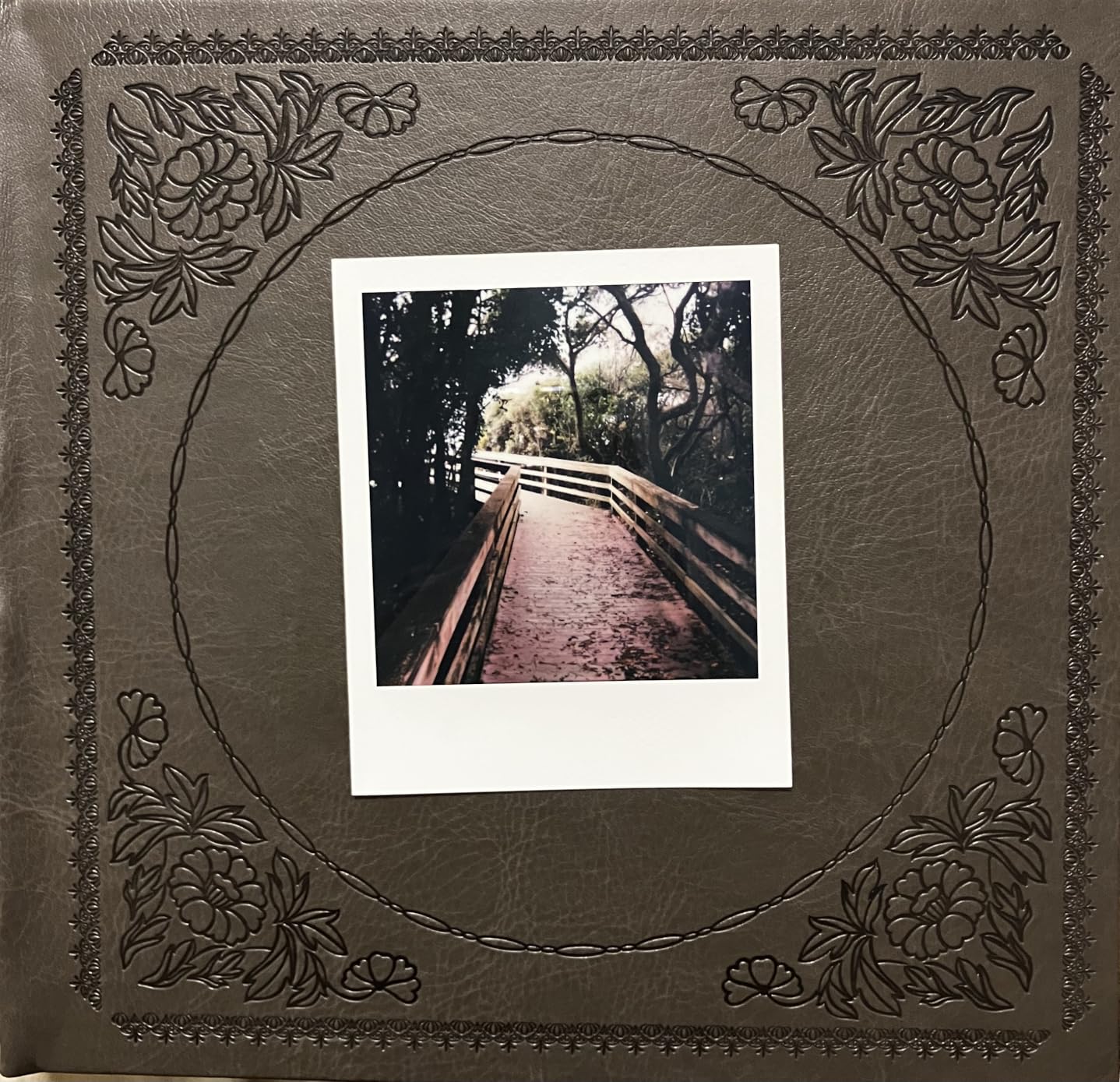
The most powerful flash Polaroid has ever made is a significant upgrade. With a range of up to 4.5 meters, it properly illuminates subjects at a distance where other instant cameras would produce dark, underexposed prints. The adaptive flash power adjusts output based on scene analysis, preventing the blown-out highlights that plague cheaper models.
Scene analysis with LED viewfinder warnings helps prevent bad shots before you take them. The camera alerts you if lighting conditions are problematic, giving you a chance to adjust before wasting expensive film. This feature alone can save significant money over the course of a wedding.
Best For Challenging Lighting
If your wedding venue has particularly difficult lighting, the Flip’s advanced autofocus and powerful flash give you the best chance of getting usable shots. Dark reception halls, outdoor evening ceremonies, and venues with mixed lighting are where the Flip truly excels.
Avoid For Simple Guest Operation
Despite its advanced features, the Flip requires some photography knowledge to get optimal results. For unsupervised guest use, particularly after drinks have been flowing, simpler cameras like the Instax Mini 12 will produce more consistent results.
How to Choose the Best Instant Camera for Weddings and Events In 2026?
Selecting the right instant camera for your wedding requires balancing several factors including budget, guest count, venue lighting, and aesthetic preferences. Let me break down the key considerations based on my experience with real weddings and the feedback from couples who have used these cameras.
Film Format and Cost Comparison
Film cost is the most significant ongoing expense for instant cameras at weddings. Instax Mini film costs approximately $1.20-1.35 per print, making it the most budget-friendly option for large weddings. For a wedding with 200 guest photos, you’ll spend roughly $240-270 on Mini film. Instax Wide film runs $1.50-2.00 per print, while Polaroid i-Type film is the most expensive at $2.00+ per print.
Print size matters for your intended use. Mini format (2 x 3 inches) works well for guest books and casual sharing. Square format (2.4 x 2.4 inches) offers a classic Polaroid aesthetic. Wide format (3.5 x 4.25 inches) provides the most detail and is best for group photos, but costs significantly more. Full-sized Polaroid (3.5 x 4.25 inches with iconic white border) delivers the most authentic vintage look at the highest price.
Ease of Use for Guests
Simple operation is critical for wedding instant cameras, especially as guests enjoy cocktails throughout the reception. The Instax Mini 12 and Mini 41 are the most guest-friendly, with intuitive twist-to-on operation and fully automatic exposure. Guests figure these out within seconds without instructions.
Hybrid cameras like the Mini EVO and Leica Sofort 2 offer more features but can confuse intoxicated guests. If you’re placing cameras on tables for unsupervised use, stick with simpler models. For cameras you’ll operate yourself or assign to a responsible person, hybrid models offer significant advantages including selective printing that saves money on film.
Battery Life and Type
Wedding days are long events, and battery life matters. AA battery cameras like the Instax Mini 12 and Mini 41 typically last through 10+ film packs on a single set of batteries. USB-C rechargeable models like the Polaroid Now series and Mini EVO need to be charged beforehand but offer the convenience of not buying disposable batteries.
For multi-day wedding weekends, rechargeable batteries are more convenient. You can top up overnight between events. For single-day weddings, AA batteries are more foolproof, just bring fresh batteries as backup.
How Many Cameras Do You Need?
Based on my experience with weddings of various sizes, here’s my recommendation for camera count: For weddings under 100 guests, 2-3 cameras are sufficient. For 100-150 guests, plan on 3-4 cameras. For 150-200 guests, 4-5 cameras work well. For over 200 guests, 5-7 cameras ensure good coverage.
Position cameras strategically near high-traffic areas like the guest book table, cake table, and photo booth area. Include a small sign with simple instructions: Twist to turn on, look through viewfinder, press button, hold still while print ejects. Most guests figure it out quickly, but a little guidance prevents wasted film.
Film Budget Planning
Plan on 2-3 film packs per camera (10 shots per pack for Instax, 8 for Polaroid). For a wedding with 4 Instax Mini cameras, purchase 8-12 twin packs. This provides 160-240 total shots, which is typically sufficient for most weddings. At $1.20 per print, budget $200-300 for film with this setup.
Bulk purchasing saves significant money. Amazon and Walmart offer twin packs at better per-print prices than single packs. Buy more than you think you need, unopened film has a long shelf life and you can always use leftover film for other events.
Lighting Considerations for Venues
Indoor venue lighting varies dramatically and affects instant camera results. Bright ballrooms with ample window light work well with any instant camera. Dim reception halls challenge all instant cameras, but models with powerful flashes like the Polaroid Flip perform better. Outdoor weddings during daylight hours are ideal for instant cameras, with natural light producing the best results.
For challenging lighting, consider placing a small note with cameras suggesting guests use flash indoors and move closer to subjects. Most instant cameras have automatic flash, but understanding limitations helps set realistic expectations.
Frequently Asked Questions
What is the best instant camera for weddings?
The Fujifilm Instax Mini 12 is the best instant camera for weddings due to its simplicity for guests, affordable film cost ($1.20 per print), and reliable automatic exposure. For couples wanting more control, the Instax Mini EVO offers hybrid functionality that lets you print selectively and save money on film.
How many instant cameras do I need for my wedding?
For most weddings, plan on 1 instant camera per 5-10 tables or 50-100 guests. A typical setup includes 3-5 cameras for a 150-guest wedding. Position cameras near high-traffic areas like the guest book table, cake table, and photo booth area for maximum usage.
How much film should I buy for my wedding?
Budget for 2-3 film packs per camera (10 shots per pack for Instax). For a wedding with 4 cameras, purchase 8-12 twin packs. At $0.75-$1.50 per print, expect to spend $150-400 on film depending on your guest count and how actively guests use the cameras.
Are instant cameras better than disposable cameras for weddings?
Instant cameras offer immediate gratification and better photo quality than disposable cameras, but at a higher cost per print ($0.75-$1.50 vs $0.50-1.00 after developing). Instant cameras are better for guest books and immediate sharing, while disposables are more budget-friendly for large guest counts.
What’s the easiest instant camera for guests to use?
The Fujifilm Instax Mini 12 and Mini 41 are the easiest cameras for wedding guests. Both have just three controls (on, off, and close-up mode), automatic flash, and simple film loading. Their point-and-shoot design requires no photography experience, making them ideal for intoxicated guests.
Conclusion
After testing these cameras extensively at real weddings, the Fujifilm Instax Mini 12 remains my top recommendation for most couples. Its simplicity for guests, affordable film cost, and reliable performance make it the best instant cameras for weddings and events overall. For budget-conscious couples, the Mini EVO’s hybrid design offers significant long-term savings through selective printing.
Couples seeking authentic vintage aesthetics should consider the Polaroid Now 3rd Generation, accepting higher film costs for that iconic look. If budget allows and you want premium build quality, the Leica Sofort 2 delivers luxury aesthetics and hybrid functionality in one refined package.
Whatever camera you choose, remember that the value of instant wedding photos lies in their immediacy and tangibility, not technical perfection. Embrace the imperfect, nostalgic quality that makes instant prints special, and focus on capturing genuine moments rather than technically flawless photos. Your wedding guests will love the interactive experience, and you’ll treasure the candid prints for years to come.