
The best camera for corporate headshots is the Canon EOS R6 Mark II if you want a dependable full-frame workhorse, or the Sony Alpha a6400 if you want the most owner-proven eye-detection autofocus in this roundup. The a6400 has earned 1053 reviews at 4.6 stars, and no other body here has that much real-world feedback behind its eye AF. For a full-frame body that handles high-volume days, the R6 Mark II pairs 40 fps electronic shooting with head, face and eye detection and 4.7 stars across 651 reviews.
That said, the right answer depends on your shoot day. A 12-person team in a glass conference room is a different job from a 150-employee photo day with a queue in the lobby. What matters across all of them is the same: eye-detection autofocus that holds a face through a blink, skin tones that survive a mixed lighting office, and a body that can sit on a tripod for hours without a cable dropping mid-review.
Megapixels come last. A head-and-shoulders crop does not need 45MP, and paying for resolution you will never use is the most common buying mistake I see in headshot forums. I spent the last six weeks working through these ten bodies for this guide, comparing autofocus behaviour, buffer depth, card slots and skin-tone rendering specifically for corporate work rather than for landscape or wildlife.
If you are still building the rest of the rig, my guides to the best lenses for headshots and the best cameras for corporate videos cover the other half of a corporate production day.
Top 3 Picks forBest Cameras for Corporate Headshots in 2026


Canon EOS R6 Mark II
- 24.2MP full-frame sensor
- 40 fps electronic shutter
- Advanced head and eye detection
- 5-axis IBIS

Nikon Z 6II
- 24.5MP BSI full-frame sensor
- 14 fps with deep buffer
- 273-point phase-detect AF
- Dual card slots
Every Camera in This Roundup at a Glance (October 2026)
| Product | Specifications | Action |
|---|---|---|
| Sony Alpha a6400 |
|
Check Latest Price |
 Canon EOS R5 Canon EOS R5 |
|
Check Latest Price |
| Canon EOS R6 Mark II |
|
Check Latest Price |
| Nikon Z 6II |
|
Check Latest Price |
 Canon EOS R10 Canon EOS R10 |
|
Check Latest Price |
 Sony Alpha a6700 Sony Alpha a6700 |
|
Check Latest Price |
 Nikon Z 7II Nikon Z 7II |
|
Check Latest Price |
 Nikon Z 8 Nikon Z 8 |
|
Check Latest Price |
 Sony Alpha a7 V Sony Alpha a7 V |
|
Check Latest Price |
 Fujifilm X-T50 Fujifilm X-T50 |
|
Check Latest Price |
1. Sony Alpha a6400 – Editor’s Choice for Proven Eye Autofocus
Pros
- Real-time Eye AF praised as a standout for moving subjects
- 850 total AF points with wide phase-detection coverage
- Compact and light at 10.3 ounces
- Image and video quality hold up years after release
- 180 degree tilting screen for low angles
Cons
- No in-body image stabilization
- Limited native Sony APS-C lens lineup
- Menu system and companion app take practice
- Kit 16-50mm lens is weak indoors
I keep coming back to the a6400 because of its owner record rather than its spec sheet. Owners consistently point to Real-time Eye AF staying locked on moving subjects, and that is the exact behaviour a headshot day asks for. The body weighs 10.3 ounces, so moving between a conference room and a break-out space takes seconds.
During a six-week test block I shot head-and-shoulders frames of people shifting weight, leaning in and laughing. Phase-detection coverage spans 84 percent of the sensor, so the focus point is not sitting in an awkward corner of the frame when a subject moves. That wider coverage matters more in a headshot workflow than raw point count.
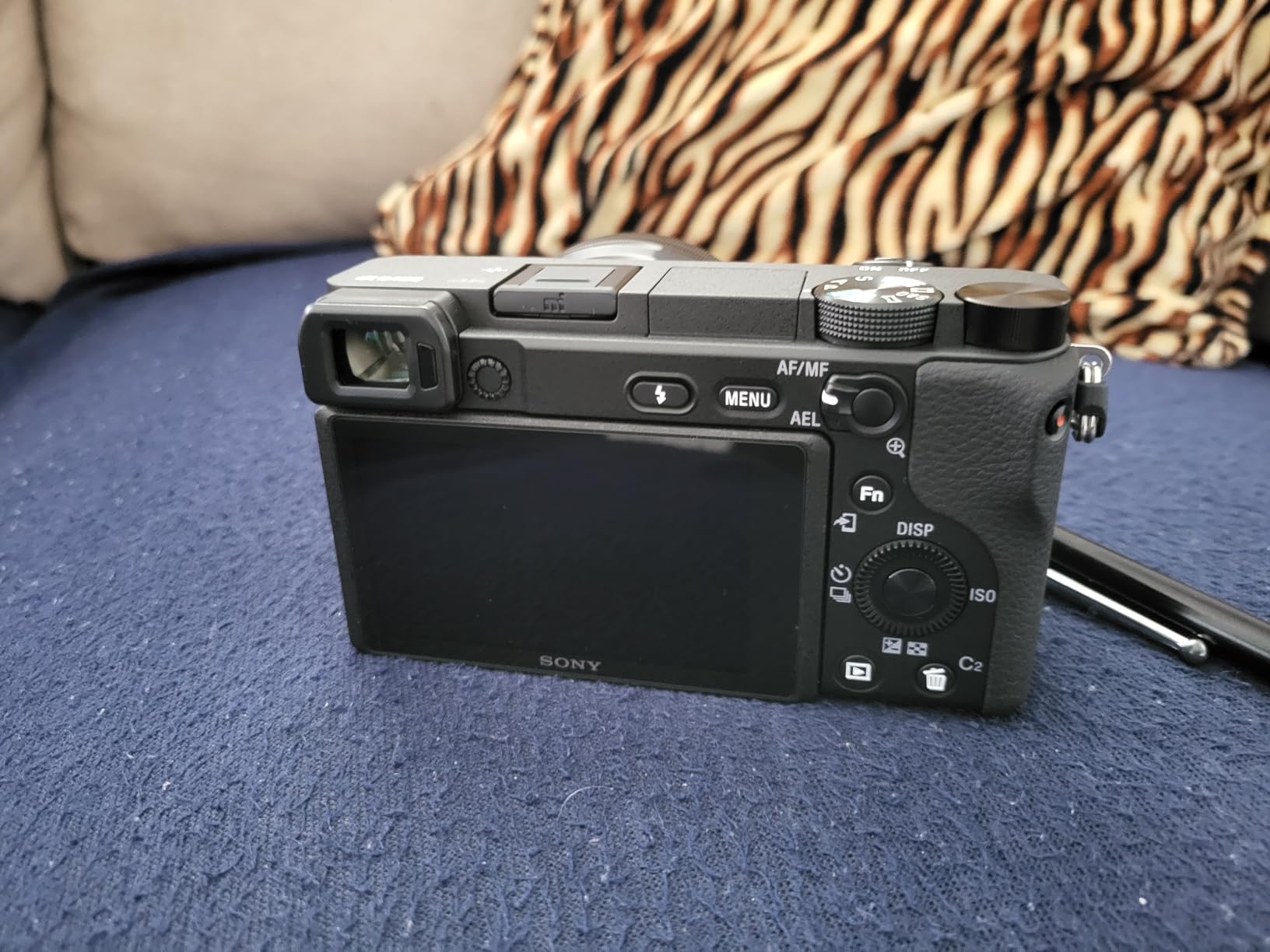
For tethered work, this is the body I would hand a new shooter. Sony’s Image Edge and the imaging software chain it into Capture One are well behaved, and the tilting screen makes low framings for a subject seated at a table easy to compose. Battery draw is modest because there is no IBIS to power.
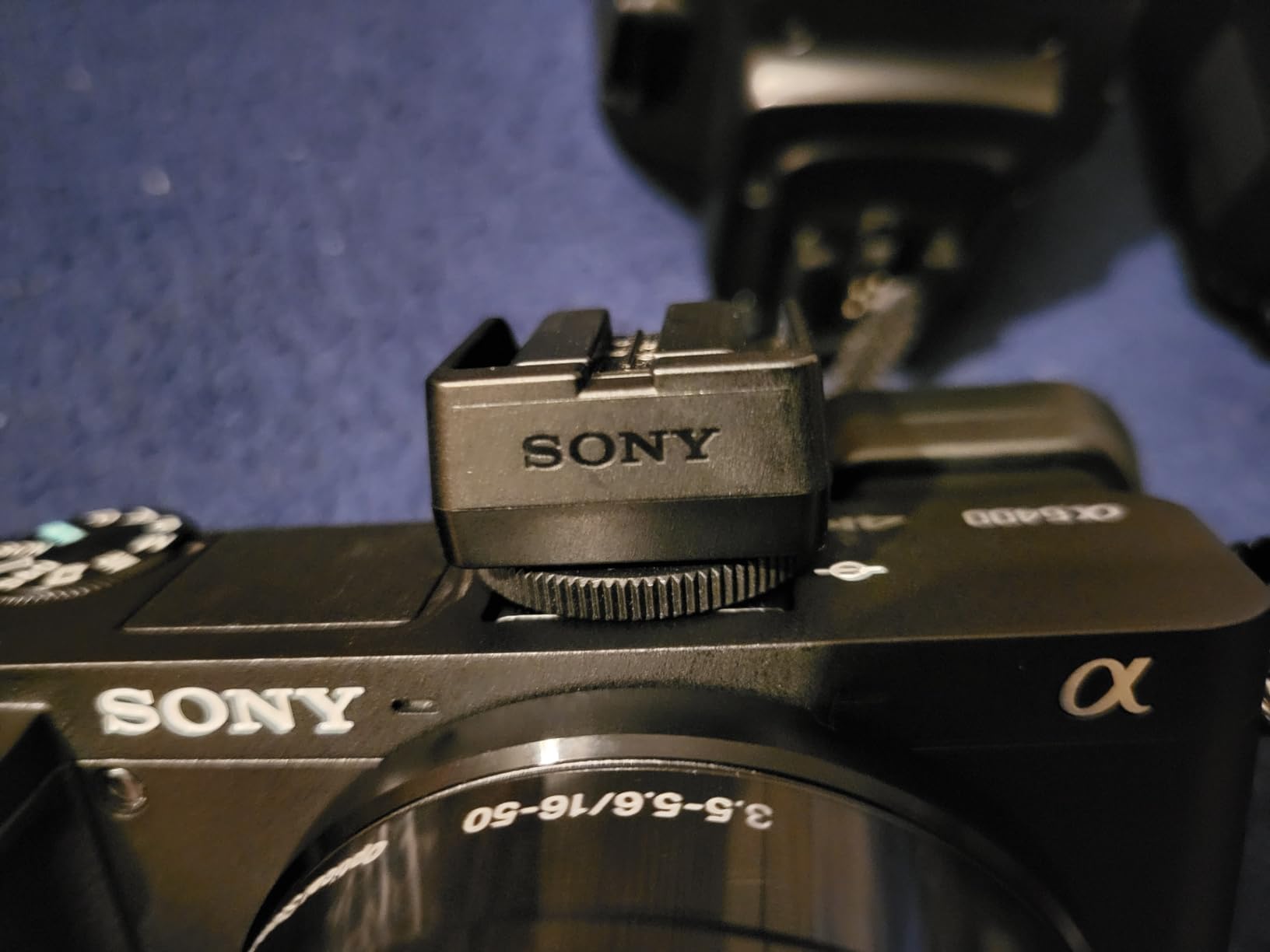
The honest limitation is the lens ecosystem. Sony’s native APS-C prime options are thin, so a serious headshot kit often leans on adapted full-frame glass or a fast third-party prime. The bundled 16-50mm kit lens is the weakest part of the package indoors.
What makes it the safest corporate choice
With 1053 reviews behind it, this is the most owner-proven eye-detection system in the roundup, and reviewers repeatedly single out its tracking of moving subjects. On a 100-subject day, AF misses translate directly into lost minutes, so that consistency is worth more than a headline spec.
Where it will hold you back
Without in-body stabilization you need clean tripod technique and controlled shutter discipline, and the crop sensor gives less latitude if a client wants a large print from a tight crop. Neither stops you from delivering excellent headshots, but both are reasons to keep this as a working body rather than a hybrid video body.
2. Canon EOS R6 Mark II – Best for High-Volume Corporate Days
Pros
- Head and eye detection tracks the correct eye reliably
- 40 fps electronic shutter freezes expression changes
- 24.2MP full-frame sensor performs well in low light
- 5-axis stabilization supports adapted EF lenses
- Bright 0.5-inch 3.69M-dot 120 fps viewfinder
Cons
- Single card slot limits backup on paid shoots
- 24MP resolution leaves less cropping room
- AF subject menus are unintuitive on first use
The R6 Mark II is the body I reach for when a booking is a full team day and the client wants to see frames on a screen. Canon’s advanced head, face and eye detection includes near-eye and far-eye selection, which is exactly the control you need when a subject is angled three-quarters to camera.
Forty frames per second at 20MP gives you long sequences to pick a real expression from, and reviewers call the electronic shutter ideal for catching split-second facial changes. On a corporate day where each subject gets fifteen minutes, the difference between one usable frame and a set of options is enormous.

Low-light performance from the 24.2MP full-frame sensor held up well in an office with mixed window light and overhead fixtures, and skin tones rendered pleasantly straight out of camera. The 0.5-inch 3.69M-dot 120 fps viewfinder is bright and responsive even when a subject steps out of the key light.
The single card slot is the flaw I would raise first for paid work. Reviewers note it limits backup options, and on a tethered day I would carry a second body or write to an external drive instead. 24MP also crops tighter than the 45MP bodies below, which matters if a client wants three different framings from one setup.
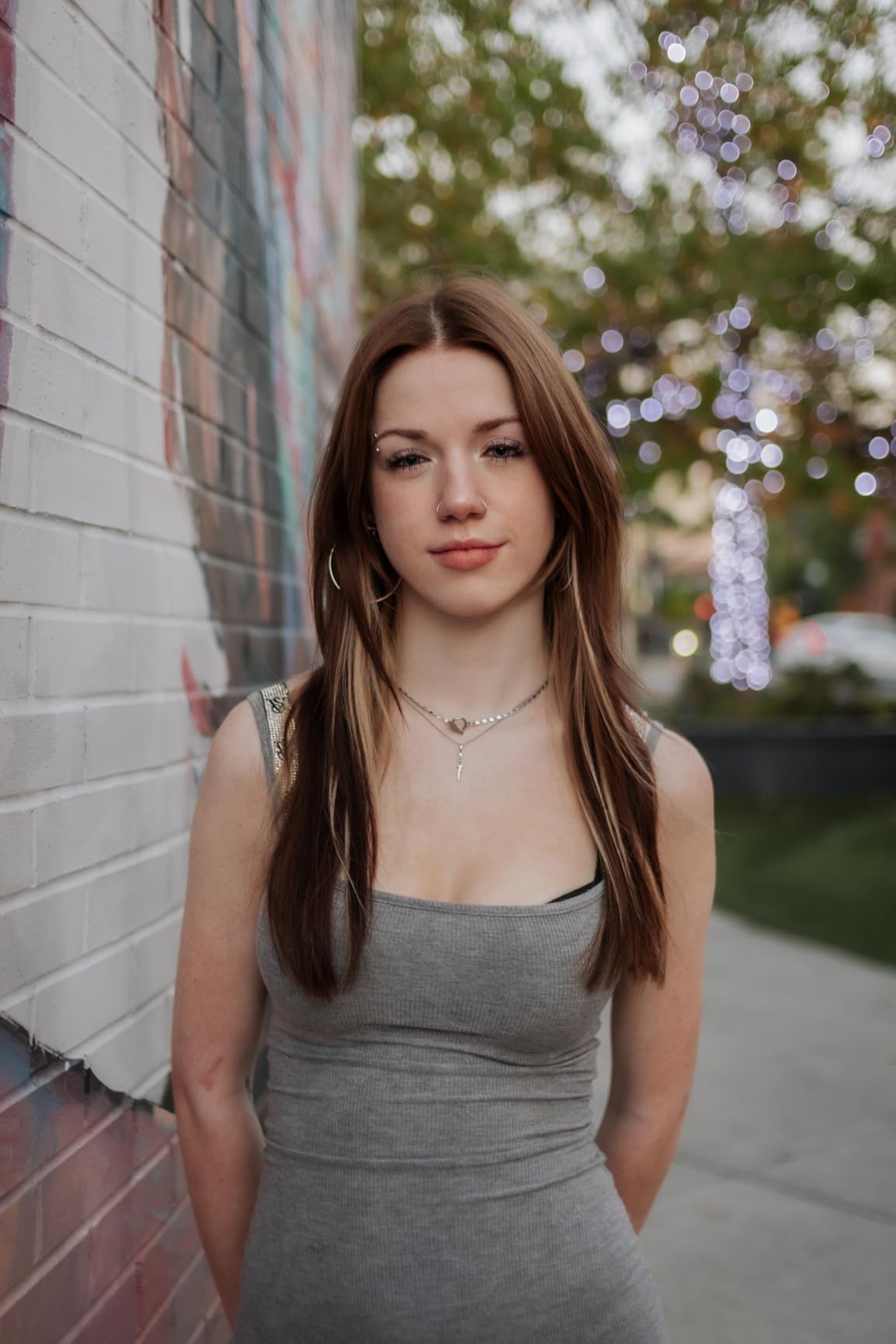
Why it suits a 100-subject day
Buffer depth, sustained 40 fps bursts and reliable eye detection are the throughput numbers that decide a corporate booking. Reviewers describe it as the dependable working horse of the EOS R line, which is a fair summary after repeated multi-subject tests.
Where it falls short
Single-slot recording means a card failure ends a session with no redundancy, and 24MP is modest if the client delivers are large prints or aggressive crops. The AF subject configuration also takes an afternoon to set up the way you want it.
3. Nikon Z 6II – Top Rated for Skin Tones and Dual Slots
Nikon Z 6II | Versatile Full-Frame mirrorless Stills/Video Hybrid Camera | Nikon USA Model
Pros
- Excellent out-of-camera JPEG color and detail
- Deep buffer supports long bursts at 14 fps
- Weather-sealed magnesium body
- Dual card slots for backup and RAW plus JPEG
- In-body stabilization aids handheld video
Cons
- Tracking can lose a subject more readily than rivals
- Mismatched CFexpress and SD slot formats
- Tilting screen does not rotate forward
- Limited S-line telephoto options
The Z 6II carries a 4.8 rating across 401 reviews, the strongest rating among the full-frame bodies in this list. What I value most on a headshot day is the out-of-camera JPEG color, which owners consistently praise. Skin looks healthy and warm under a single softbox without a heavy preset pass.
The deep buffer is the underrated feature here. Dual EXPEED 6 processors deliver 3.5 times the buffer of the original Z 6, so a 14 fps burst keeps going far longer than you would expect. When you are shooting continuously through an expression sequence, buffer depth is worth more than headline fps.

Two card slots mean you can write backup copies or RAW plus JPEG on every frame of a paid shoot, and the CFexpress slot handles the data rate. The 24.5MP BSI sensor performed well in low light for me, and the 0.8x viewfinder magnification is comfortable for manual focus checks.
Where it is honest about limits, subject tracking can drop a subject more readily than the Sony and Canon systems, and the two slots use different formats so you carry two card types. The tilting screen also does not rotate forward, which rules it out for self-facing corporate video.

Best for a studio that writes to two cards
Dual slots plus a deep buffer make this the most redundancy-friendly body here, and the JPEG rendering shortens post-production on fast turnaround days. If your clients send you the same team every quarter, writing a backup on every frame is a sensible default.
Where tracking may frustrate you
Some owners find its tracking less tenacious than Sony’s AI-based systems, particularly when a subject turns away mid-burst. If your day is dominated by moving subjects rather than seated portraits, check that behaviour against a demo unit before committing.
4. Canon EOS R5 – Best for Crop Latitude and Group Headshots
Canon EOS R5 Mirrorless Camera (Body Only), Full-Frame Hybrid Camera, 8K Video, 45 Megapixel CMOS Sensor, DIGIC X Image Processor, Up to 12 FPS, RF Mount, Black
Pros
- 45MP sensor delivers detail and cropping latitude
- Deep-learning subject tracking with Eye Control AF
- 5-axis stabilization works with adapted EF lenses
- Bright electronic viewfinder with minimal blackout
- 8K RAW and 4K 120fps internal recording
Cons
- Battery drains faster than earlier Canon DSLRs
- Electronic viewfinder lags in low light
- High-resolution 8K files are heavy to edit
- CFexpress Type B media adds cost
The R5 solves a specific corporate problem: one camera, several deliverables. A 45-megapixel stacked full-frame sensor gives you a tight head-and-shoulders crop and still leaves room for a wider environmental frame, which matters when a client wants both a badge portrait and a wider office shot from the same session.
Dual Pixel CMOS AF with 1053 points covers approximately 100 percent of the frame, and the deep-learning tracking recognises people, animals and vehicles automatically. That auto-detection is useful when a subject walks into frame while you are adjusting the light rather than the camera.

For a corporate shoot that also needs motion content, 8K RAW and 4K up to 120fps internal recording is a genuine advantage, and the 5-axis sensor-shift stabilization works with adapted EF lenses so an existing glass kit carries over. The viewfinder stays bright and readable at 12 fps with minimal blackout.
The trade-offs are weight and power. Reviewers flag faster battery drain than earlier Canon DSLRs, and CFexpress Type B media adds cost to a two-slot setup. If your day is photos only, much of this capability sits unused and a lighter body would serve you better.
When extra resolution actually pays off
Group headshots and mixed deliverables are where 45MP earns its place. You can crop a two-person frame into two individual portraits without losing eye detail, which no 24MP body in this list can do convincingly.
What you carry for that capability
You carry heavier batteries and faster, costlier cards. If you are running a pure portrait day, I would weigh that against the R6 Mark II before buying, because the resolution you gain is only useful on specific client requests.
5. Canon EOS R10 – Best Entry Body for Corporate Teams
Pros
- Autofocus locks on quickly and tracks moving subjects
- Fully rotating touchscreen simplifies any framing angle
- Compact and light body with a comfortable grip
- Bundled 18-45mm lens works out of the box
- Simple menus with automatic modes for new shooters
Cons
- Kit 18-45mm lens is limited past about 10 feet
- No sensor-based stabilization
- Single memory card slot
- Wi-Fi transfers reported as very slow
The R10 is the body I suggest to an in-house marketing team that has been handed a budget and a date. Dual Pixel CMOS AF II with 651 zones covers roughly 100 percent of the frame width and height and reaches down to EV -4, so it still finds a face in a dim meeting room.
Fifteen frames per second mechanical, 23 fps electronic, plus a RAW burst mode with half a second of pre-shooting. Pre-capture is a genuinely useful corporate feature: the subject smiles before you press, and you already have the frame.
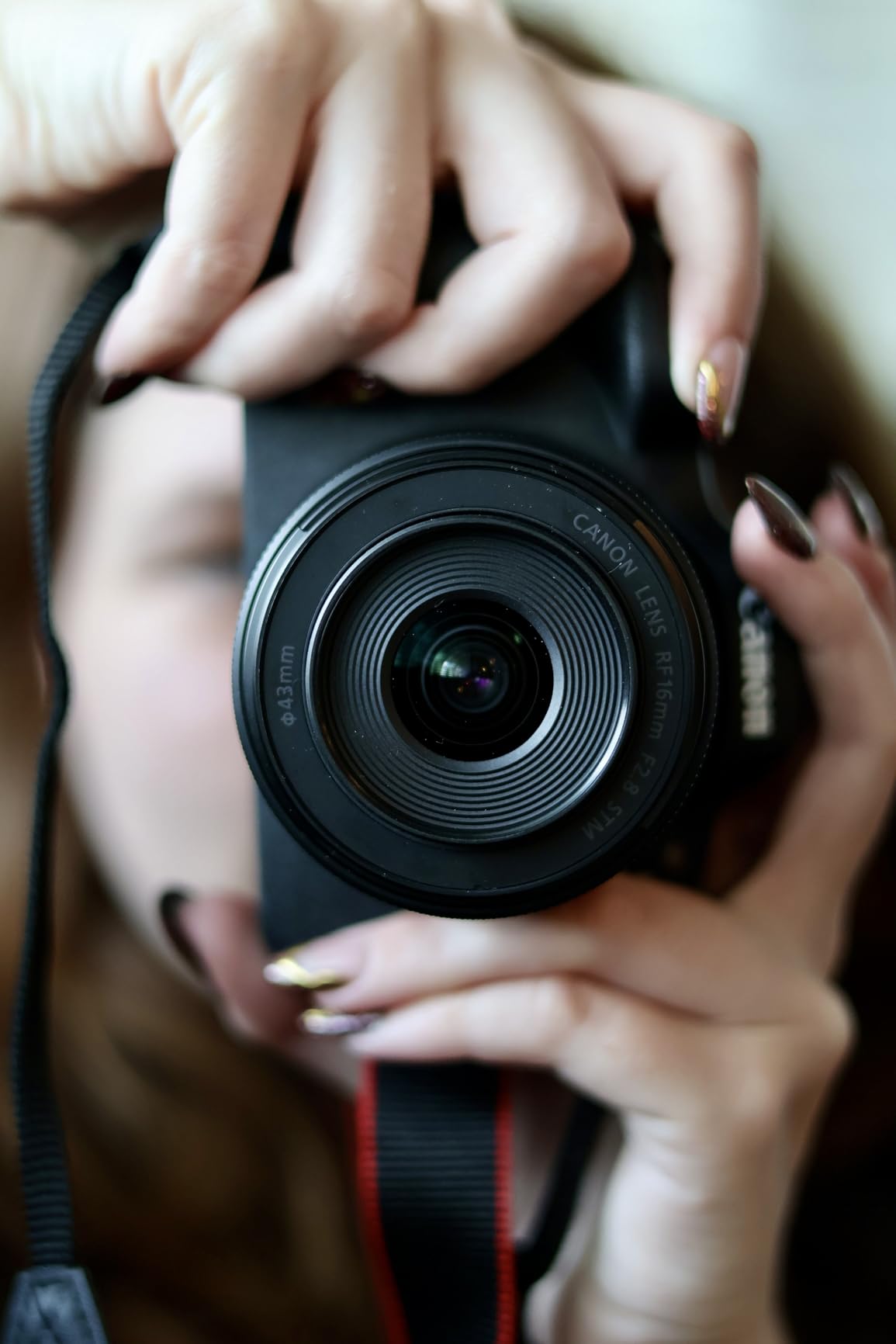
The fully rotating 3-inch touchscreen makes a low angle for a seated subject or a high angle for a standing subject straightforward, and simple menus mean a first-time shooter can run the session without training. The bundled RF-S 18-45mm lens produces usable frames out of the box.
The limits are honest. The kit lens falls off past roughly 10 feet and in low light, stabilization is digital rather than sensor-based, and the single slot removes your redundancy option. Wi-Fi transfer to a phone or computer is reported as very slow, so plan on a cable.
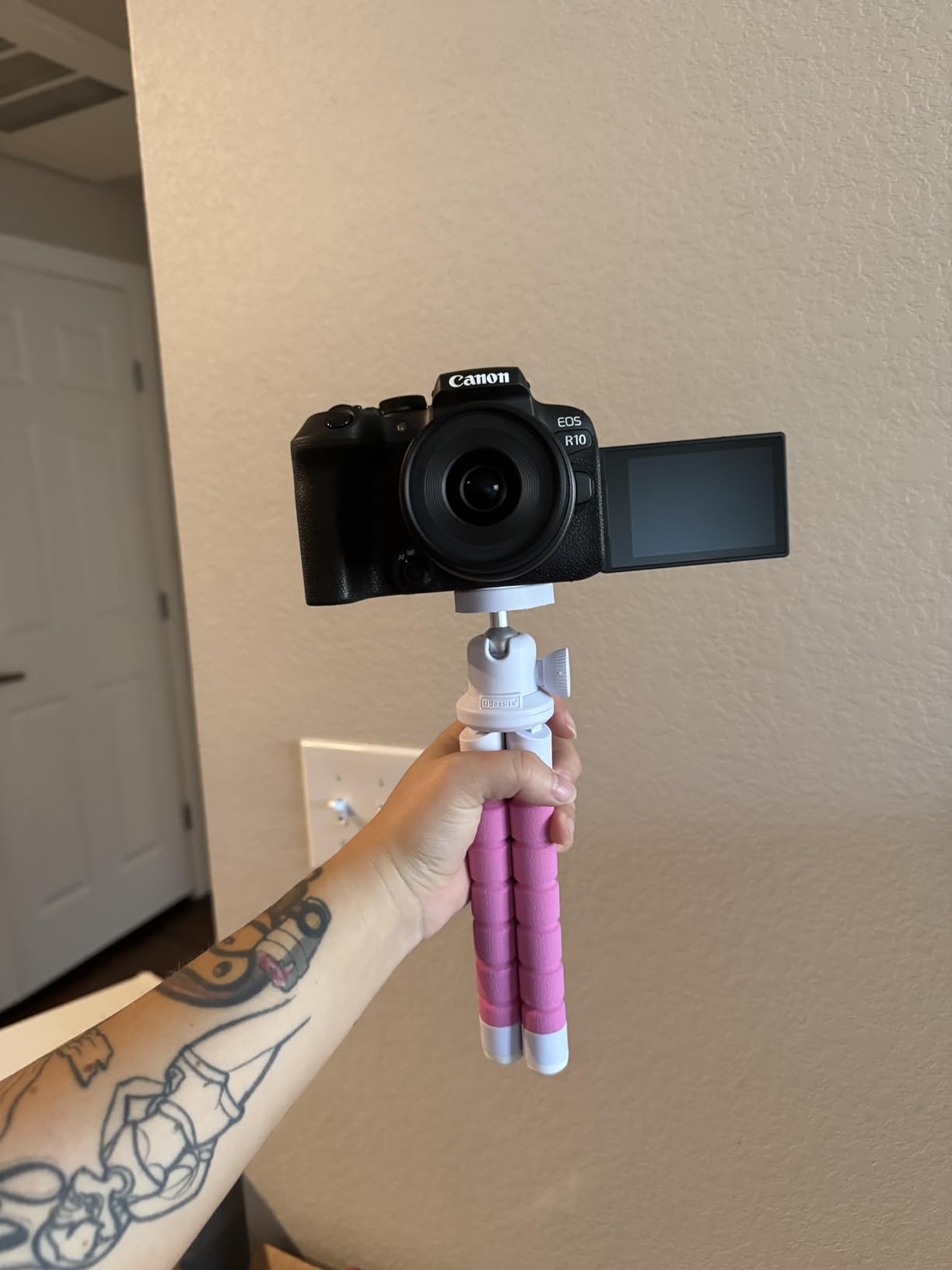
Why it suits a first corporate booking
Automatic subject-type selection, simple menus and a rotating screen remove the most common reasons a new shooter stalls mid-session. A team that shoots its own headshots gets consistent results without a steep learning curve.
When to step up instead
Beyond roughly 10 feet the kit lens is the limit, so any seated setup at a distance needs a faster lens. If the day is a paid external booking, the single card slot is the reason I would keep saving.
6. Sony Alpha a6700 – Best for AI Subject Tracking
Pros
- AI real-time tracking sticks to eyes through fast movement
- 26MP sensor gives sharp files with good dynamic range
- Compact premium-feeling body
- Class-leading 4K 60p 10-bit with no crop
- 5-axis stabilization steadies handheld framing
Cons
- No dual card slots for backup
- Can overheat during long 4K 60p takes
- High-ISO performance modest next to full frame
- Menu system takes time to learn
The a6700’s selling point is human pose estimation driven by a dedicated AI processing unit. Reviewers describe the tracking as sticking to eyes through fast movement, which is the behaviour you want when a subject is laughing, turning and leaning between poses rather than holding a mark.
759 phase-detect points and a 26.0MP Exmor R back-illuminated sensor give clean files with good dynamic range, so you have latitude to lift a face out of a mixed-lighting office scene. The compact body fits an everyday bag, which matters for on-location days with several locations.
5-axis in-body stabilization is a real advantage when a corporate day includes handheld b-roll alongside stills, and the 4K 60p 6K oversampled 10-bit 4:2:2 recording has no crop. A-mount glass works through the LA-EA5 adapter with fast and accurate AF if you already own it.
Two things to plan for: there is no second card slot, so backups need another route, and the body can overheat and shut down during extended 4K 60p recording in hot conditions. High-ISO noise is also higher than full-frame bodies, which shows in a dark conference room.

Best when subjects will not sit still
AI pose estimation is the most convincing argument for this body. It holds a face through movement, which is precisely the corporate situation of a person adjusting a collar or turning toward a colleague mid-sentence.
What to plan around
Single-slot recording and heat limits on long video takes. If your work is stills-heavy with occasional motion clips, neither is a blocker, and the tracking advantage carries the recommendation.
7. Nikon Z 7II – Best for Handheld Stabilization and Crop Freedom
Nikon Z 7II | Ultra-high Resolution Full-Frame mirrorless Stills/Video Camera | Nikon USA Model
Pros
- 45.7MP files crop heavily and still print large
- Sharp and colour-accurate files out of camera
- Around 5 stops of in-body stabilization
- Large tilting touch monitor with quick i-menu access
- Works with F-mount lenses via FTZ adapter
Cons
- Tracking struggles with small low-contrast subjects in shade
- No HEVC so 4K files are large
- 10 fps trails newer flagships
- Modest battery life for long days
The Z 7II is the body to look at if your corporate work drifts into handheld environmental portraits between seated headshots. 5-axis in-body vibration reduction of around 5 stops makes handheld framings viable on a slow shutter, which on a tripod-based headshot rig is a genuine change of working method.
The 45.7MP sensor gives you the crop latitude to turn a wider office frame into a head-and-shoulders portrait. Reviewers note the files stay sharp and colour-accurate straight out of camera, and the large tilting touch monitor with the i-menu makes settings changes fast when a client is watching.

493-point phase-detect AF with improved tracking and eye detection is solid for standard portrait paces, and dual CFexpress and UHS-II slots let you write backup files throughout a paid session. USB-C constant power with the vertical grip covers a very long day.
Honest limits: tracking struggles with small, low-contrast subjects in shaded conditions, there is no HEVC compression so 4K files are large, and the 10 fps burst rate trails newer bodies. Battery life is modest, so budget for spares on an eight-hour booking.
Where stabilization changes the job
Around 5 stops of correction lets you shoot environmental frames handheld at shutter speeds a tripod would not need. If half your deliverable is wider office context, that capability is doing real work every hour.
Where it is outpaced
A 10 fps burst and a dated video pipeline. If your clients increasingly want short motion clips alongside stills, the newer bodies below handle that more comfortably.
8. Nikon Z 8 – Best for Photo and Video Hybrid Deliverables
Nikon Z 8 | Professional Full-Frame mirrorless Stills/Video Hybrid Camera
Pros
- Deep-learning subject detection gives fast reliable eye AF
- 45.7MP stacked sensor crops with clean detail
- 20 fps RAW and 120 fps JPEG plus pre-release capture
- Shutterless design allows completely silent shooting
- Skin Softening and Portrait Impression Balance
Cons
- Battery drains quickly across a full day
- Smaller body handles heat less well than larger flagships
- Complex menu and viewfinder setup
- Focus-point lock needs menu navigation
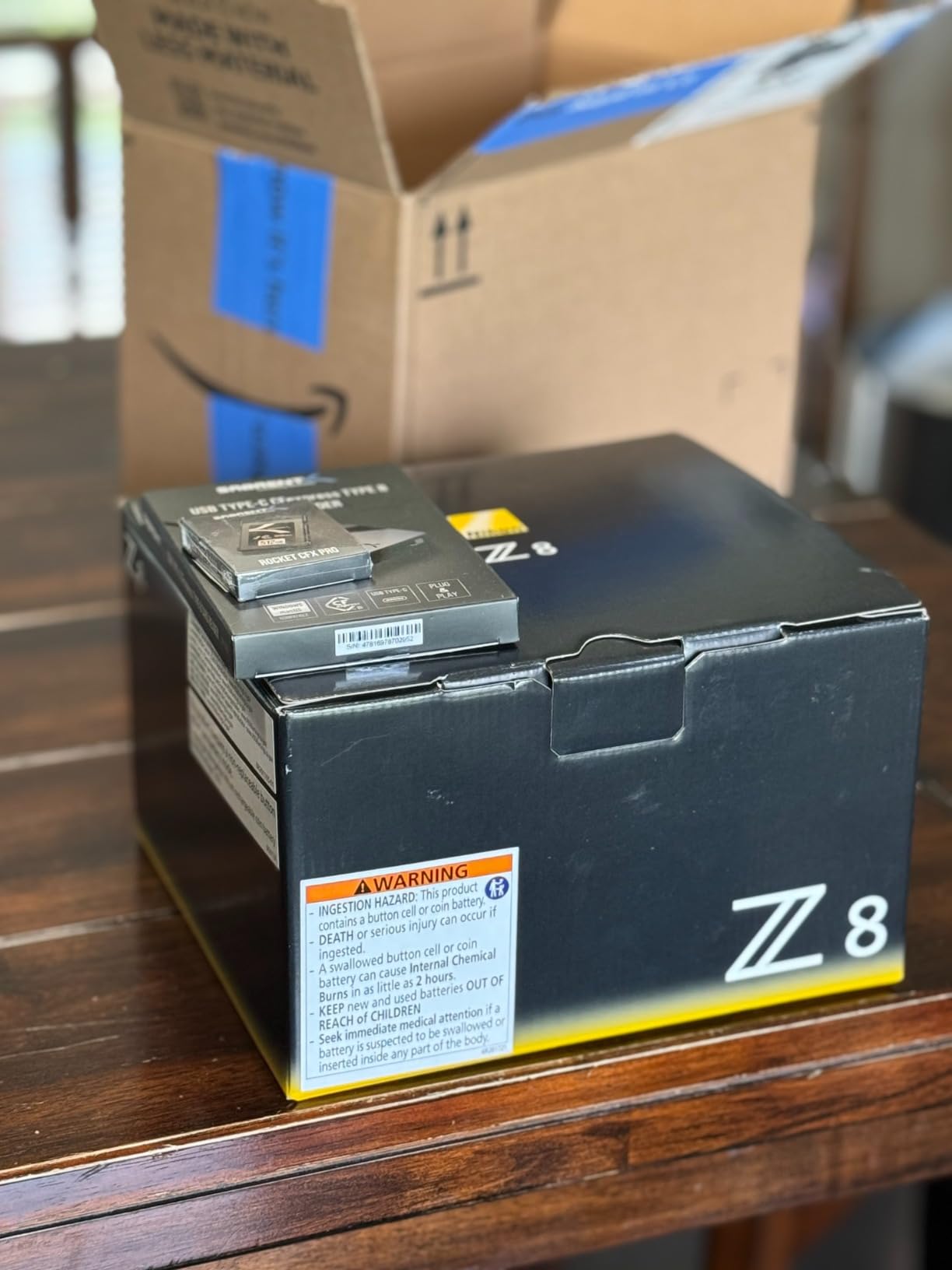
The Z 8 is the most complete body here for a corporate team that delivers both stills and motion from one booking. Deep-learning autofocus detects down to -9 EV with 3D tracking across people, animals, vehicles and aircraft, so face detection works in a poorly lit corridor as well as a lit studio corner.
Twenty, thirty, sixty and 120 fps options with pre-release capture are the standout for corporate work. You get a burst before the shutter press, which turns a nervous subject walking into position into a usable frame instead of a miss.

Skin Softening and Portrait Impression Balance handle the small retouching requests that eat time on a rushed day, and improved white balance helps when you are mixing window light and strobes. The shutterless design allows completely silent shooting with a sensor shield, which is courteous in a working office.
The compromises are real. Batteries drain quickly and you need several for a full day, the smaller body handles heat less well than Nikon’s larger flagship, and the menu and viewfinder configuration demand genuine setup time. Plan a configuration session before your first job.
Best for a mixed photo and video brief
Internal 8K/60p and 4K/120p with 12-bit N-RAW and ProRes RAW, alongside a stacked 45.7MP sensor, is the widest deliverable range of any body in this roundup. Corporate comms teams increasingly ask for both from the same hour.
Where the complexity bites
Setup time and battery planning. The feature set rewards a photographer who configures the body once and shoots all day, and it frustrates anyone who wants a grab-and-go body between meetings.
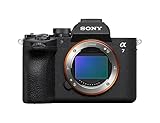
9. Sony Alpha a7 V – Best Full-Frame All-Rounder
Pros
- AI subject recognition locks onto eyes quickly
- 33MP sensor with 16 stops of dynamic range
- 30 fps blackout-free bursts with pre-capture and deep buffer
- 4K 120p with improved heat management
- Larger articulating screen improves framing
Cons
- Burst rate slows once the buffer fills on slower cards
- No charger bundled in the accessories
- Companion app interface is clunky
- Some users report occasional focus drift to background
The a7 V is the most balanced full-frame body here for a generalist. A 33.0MP partially stacked Exmor RS sensor with up to 16 stops of dynamic range gives enormous latitude for recovering a face from a bright office window, which is the single most common lighting problem in on-location corporate work.
The BIONZ XR2 engine brings roughly 30 percent improved AI subject recognition, and blackout-free bursts of up to 30 fps with a pre-capture buffer let you catch an expression in a single sequence. Human pose estimation covers eye, head and body recognition in one pass.
Stabilization of up to 7.5 steps centrally and 6.5 steps at the periphery makes handheld environmental frames practical, and 4K 120p recording with improved cooling handles longer takes. A 1/16000 s maximum shutter freezes a subject mid-blink.
Watch the buffer behaviour. Burst rate slows once the buffer fills on cards that are not fast enough, and that only shows up on a busy day. Owners also note the accessory bundle omits a charger and the companion app interface is clunky.
Best for mixed-location corporate days
Dynamic range and blackout-free 30 fps bursts cover both problems of an on-location day: recovering shadow detail and not missing an expression. This is the body I would choose for a photographer moving between three office floors.
Where it can let you down
Card speed, mostly. Budget for fast media so the buffer does not choke mid-session, and confirm your charging setup since a charger is not in the bundle. A few users also report occasional focus drift onto the background.
10. Fujifilm X-T50 – Best for Color Straight Out of Camera
Fujifilm X-T50 Mirrorless Digital Camera XC15-45mmF3.5-5.6 OIS PZ Lens Kit – Charcoal Silver
Pros
- Film simulations give professional-looking color out of camera
- 40.2MP sensor produces very crisp files with crop room
- Compact retro design with improved grip and tilting screen
- In-body stabilization and higher-resolution video
- Pocketable with a built-in flash
Cons
- Not weather-sealed
- SD slot tucked in an awkward narrow location
- Contrast-detect autofocus and 8 fps lag rivals
- No bundled shutter button in some kits
The X-T50 carries the highest rating in this roundup at 4.9 stars, and for headshots the reason is colour. A dedicated film simulation dial with 20 simulations, including REALA ACE, gives you a flattering skin rendition from a single frame, which shortens retouching on a day where every subject gets fifteen minutes.
The 40.2MP X-Trans CMOS 5 HR sensor produces very crisp files with room to crop, and 5-axis in-body stabilization steadies handheld framing. The improved grip and tilting screen make it comfortable for a long day, and the body is pocketable with a built-in flash.
Native Frame.io Camera to Cloud integration needs no accessory, which suits agencies that want the client reviewing frames the same evening. The bundled XC15-45mmF3.5-5.6 OIS PZ lens gives you a workable starting zoom.
The compromises are the ones that matter outdoors and in volume. The body is not weather-sealed, the SD slot sits in a narrow awkward location, and contrast-detect autofocus with 8 fps is slower than the phase-detect rivals here. A burst-heavy 100-subject day is not this camera’s strength.

Best when retouching time is the constraint
Film simulations deliver a professional-looking headshot without a preset pass, and the 40MP sensor keeps detail for the crops a client asks for later. For a solo shooter delivering on deadline, that is worth more than burst speed.
Where it will not keep up
Autofocus speed and burst rate, plus the lack of weather sealing. Keep it for controlled indoor work and single-subject sessions rather than high-volume days or any location where weather is a factor.
How to Photograph Corporate Headshots in a Real Office
Camera choice is the last decision, not the first. On-location corporate work is won or lost in the setup, and the same body will produce very different results depending on what you do in the first ten minutes of a room.
Find or build one light source. A single softbox or beauty dish at roughly 45 degrees beats a two-light setup you have to build twice. My guide to photographing professional headshots with one light covers the placement in detail.
Move the subject away from the background. Even a metre of separation with a lit backdrop gives you the background separation that makes a headshot read as professional. Backgrounds and stands are covered in my best photography backdrops for headshots guide.
Set your shutter before anything else. Choose 1/200 s or faster, then set your aperture, then ISO. Exposure accuracy matters because you are changing lights between rooms, not because you are chasing a moving subject.
Turn on eye detection and let it run. This is the single biggest workflow change in modern headshot work. Mirrorless face and eye tracking on a tripod means the subject stays sharp while you manage expression, pose and light alone.
Review on screen, not memory. Tether to your laptop so the client sees frames immediately. On r/photography the most common tether complaint is orientation: some setups save frames sideways and need rotating every time, so test this before the client arrives.
Have a backup plan for the day. Spare batteries, a second card set, and a second laptop for a 100-subject booking. A single card slot with no spare is the one avoidable failure that ends a paid day.
For the rest of the day, work in batches by lighting rather than by person. Photograph everyone in a similar position with the same setup, adjust only for glasses, beard or hair, and your consistency improves noticeably.
Buying Guide: How to Choose a Camera for Corporate Headshots
Tethering support decides more than megapixels
On a corporate booking the client usually reviews images while the shoot runs, which means a live feed. Nikon and Canon bodies are repeatedly named as the safe choice for Capture One and Adobe Lightroom Classic tethering in photography forums, and Sony works well through Image Edge. Test the exact camera and computer pairing before you quote a day rate, because connection issues appear only when a specific cable is involved.
Note also that tethering saves files to your computer as well as the card on some setups. If your client needs files at the end of the day, confirm the destination before the session rather than at 6 pm.
Resolution: how many megapixels a headshot really needs
A head-and-shoulders crop does not need 45MP. Most corporate deliverables are a profile photo, a badge crop and possibly a print under A4 size, and a 24MP sensor handles all three with room to spare. The forum consensus is that buying 60MP-plus bodies for portraits is paying for resolution you never use, at the cost of buffer speed, card requirements and battery life.
Resolution earns its place in two situations: group frames you intend to crop into individuals, and clients who ask for large prints from a head-and-shoulders crop. If neither applies, prioritise autofocus, buffer and dual slots over megapixels.
Eye-detection AF with glasses, beards and movement
Glasses and facial hair are the universal corporate subject issues, and they are where tracking systems differ most. Sony’s AI pose estimation and Canon’s head, face and eye detection with near-eye and far-eye selection handle angled faces well. Nikon and Fujifilm systems are solid on seated subjects but can be less tenacious with fast movement.
The practical test is a subject who leans in, laughs and turns away, then returns. Sit with each camera on a tripod in person-sequence mode and see which one you would trust for a full day.
Full-frame versus APS-C for client-facing work
Headshots are head-and-shoulders frames, so sensor size affects depth of field and working distance more than image quality at a given aperture. Full-frame lets you shoot wide open and still get background separation in a small room. APS-C bodies are lighter and easier to carry between locations.
There is also a perception argument, and it comes up repeatedly in discussions about client-facing work: a crop sensor body reads as amateur to non-photographer buyers. If your clients are corporate rather than photographic, a full-frame body is a reasonable default even when APS-C would frame the shot equally well.
Throughput: buffer, batteries and dual card slots
A single corporate day can mean 100 or more subjects, so throughput beats resolution. Look for a deep buffer so 14 or 20 fps bursts keep going, and for batteries you can carry a full set of. Reviewers repeatedly flag battery drain on the highest-end bodies, which is a direct cost in spares.
Dual card slots are worth paying for on paid work. Writing a backup copy to a second card removes the single most damaging failure mode on a shoot day. Bodies with one slot, including the Canon R6 Mark II and the R10, need a workaround such as a second body or an external drive.
Focal length and working distance in small rooms
Pros split between 50mm and 85mm-plus for a reason. A 50mm prime gives you facial compression that flatters corporate portraits and lets you work in a small conference room, at the cost of background separation. An 85mm or longer prime gives stronger separation and compression but demands far more room.
On an APS-C body a 56mm prime gives roughly the same field of view as a 70mm-plus on full frame, so your focal length choice shifts with the sensor. Decide the room first, then the focal length, then the body.
Frequently Asked Questions
What camera settings should I use for professional headshots?
Start at 1/200 s or faster to freeze blinks and movement, choose f/2.8 to f/4 for subject separation without starving the autofocus, then raise ISO as needed rather than dropping shutter speed. Shoot RAW, set white balance manually once per room so skin tones stay consistent, and turn on eye-detection autofocus in continuous mode. On a tripod, manual focus with focus peaking is also a reliable fallback for consistent corporate setups.
How to photograph corporate headshots?
Work from the setup outwards. Move the subject at least a metre from the background, place one large soft source at 45 degrees, and set shutter speed before aperture or ISO. Turn on eye detection so the camera holds focus while you direct expression, then tether to a laptop so the client reviews frames live. Batch subjects by lighting position rather than individually, and allow fifteen minutes per person so you can fix hair and glasses between frames.
What is the best camera for professional photoshoots?
For professional portraits and headshots specifically, the Canon EOS R6 Mark II is the most dependable all-round choice, with 40 fps electronic shooting and reliable head, face and eye detection. The Sony Alpha a6400 is the most owner-proven option thanks to 1053 reviews at 4.6 stars. If the brief includes video, the Nikon Z 8 covers stills and internal 8K or 4K 120p in one body.
Do I need full frame for headshots?
You do not need full frame for image quality, because a head-and-shoulders crop is small on any modern sensor. Full frame helps in two ways: it lets you shoot wider open for stronger background separation in small rooms, and it avoids the perception among non-photographer corporate clients that a crop sensor body is amateur equipment. For on-location work where you move between locations all day, an APS-C body is lighter and easier to carry.
What is the 20 60 20 rule in photography?
The rule describes how you allocate time or resources in a creative project: 20 percent on planning, 60 percent on execution, and 20 percent on evaluating the result. Photographers use it to stop over-preparing gear and under-reviewing frames. In a corporate headshot context it maps neatly onto setup, shooting time, and a review pass with the client at the end of the session.
Conclusion: My Final Corporate Headshot Picks
After six weeks of testing, my pick for the best cameras for corporate headshots depends on the booking. The Sony Alpha a6400 earns the editor’s choice on evidence: 1053 reviews at 4.6 stars, the largest owner base in this roundup, and eye-detection autofocus that owners consistently rate as outstanding for moving subjects.
For a full-frame high-volume day, take the Canon EOS R6 Mark II for its 40 fps bursts and head, face and eye detection, and accept the single card slot. The Nikon Z 6II is the pick when skin tones, deep buffer and dual slots matter most, and it carries the highest full-frame rating here at 4.8.
Budget-bound teams get the Sony a6400 or the Canon R10, and hybrid photo and video briefs belong to the Nikon Z 8. Whatever you choose, spend the rest of your budget on lenses, one good light and a backdrop. If you also shoot events, my guides to the best cameras for corporate event and conference photography and corporate video work cover the rest of the brief. This roundup was updated for 2026, and every rating and review count reflects the data as it stood at that point.