
Short answer: the Nikon D3500 with the bundled 18-55mm VR lens is the best camera for Amazon product listings in 2026 for most sellers, because it puts manual exposure, RAW capture and a large sensor into the least intimidating body in this list. The Canon EOS R50 is the smarter buy if you shoot video alongside stills, and the Sony Alpha 7 IV is the body to choose once listing volume justifies a full-frame sensor.
I shoot catalogue work for a living, which means every camera in this guide has spent time pointed at a white sweep with a product sitting in the middle of it. That is a much narrower job than general photography, and it changes what matters: megapixels only matter if your lens can resolve them, color accuracy decides how many returns you take, and holding exposure locked across eight frames of the same SKU matters more than any burst rate.
Top 3 Best Cameras for Amazon Product Listings in 2026
Three bodies carry most of the load for small sellers, and they do it for different reasons. The D3500 wins on control-per-unit-of-effort, the Alpha 7 IV wins on resolution and stabilisation, and the EOS R50 wins on how quickly it produces a finished still and a finished video from the same setup.

Nikon D3500 18-55mm VR
- 24.2MP DX CMOS sensor
- 11-point AF system
- 5 fps continuous shooting
- 1080p full HD video

Sony Alpha 7 IV Body
- 33MP full-frame sensor
- 5-axis SteadyShot stabilization
- 759-point hybrid AF
- CFexpress Type A and SD slots
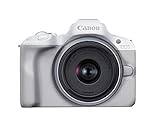
Canon EOS R50 Kit
- 24.2MP APS-C sensor
- 651-zone Dual Pixel AF II
- 15 fps electronic burst
- 4K 30p oversampled from 6K
Best Cameras for Amazon Product Listings at a Glance in October
Every body below is in the list for a specific reason, and the table is the fastest way to see which one matches your catalogue. Read the key features column as the shooting characteristics that survive contact with a white sweep and a light tent.
| Product | Specifications | Action |
|---|---|---|
| Nikon D3500 with 18-55mm VR |
|
Check Latest Price |
| Canon EOS R50 with RF-S 18-45mm |
|
Check Latest Price |
 Sony Alpha ZV-E10 Kit Sony Alpha ZV-E10 Kit |
|
Check Latest Price |
 Sony Alpha a6400 with 16-50mm Sony Alpha a6400 with 16-50mm |
|
Check Latest Price |
| Sony Alpha 7 IV Body |
|
Check Latest Price |
 Nikon D7500 with 18-140mm VR Nikon D7500 with 18-140mm VR |
|
Check Latest Price |
 Canon EOS R6 Mark II Body Canon EOS R6 Mark II Body |
|
Check Latest Price |
 Canon EOS R10 Lens Kit Canon EOS R10 Lens Kit |
|
Check Latest Price |
 Nikon Z50 II Two-Lens Kit Nikon Z50 II Two-Lens Kit |
|
Check Latest Price |
 Sony Alpha a6700 16-50mm Bundle Sony Alpha a6700 16-50mm Bundle |
|
Check Latest Price |
1. Nikon D3500 with 18-55mm VR – Best Overall for Listing Work
Pros
- Large DX sensor gives clean files at low ISO
- Full manual control in an easy-to-learn body
- Optical viewfinder makes judging white balance natural
- Bundled 18-55mm VR lens is a genuine stabilizer
Cons
- 11 autofocus points feel dated on a static table
- 1080p only for video
- Fixed rear screen
- Kit lens is slow at f/3.5-5.6
The D3500 is the body I hand to sellers who have never held a mirrorless camera and never intend to. Its 24.2 megapixel DX sensor is described by Nikon as roughly fifteen times the size of a typical phone sensor, and in a studio that gap shows up as cleaner shadow detail on matte black products and less noise when you stop down for depth of field.
What wins it the top spot is the combination of an optical viewfinder and full manual control. You can watch exposure change in real time as you dial in your lights, and the aperture, shutter speed and ISO dials are physical rather than buried in a menu.

Technically, you are working with a 24.2MP CMOS sensor, an 11-point autofocus system, 5 fps continuous shooting, a flash sync speed of 1/200 second and RAW plus JPEG file formats. The 3-inch 921k-dot screen is fixed, and video tops out at 1080p, which is the main reason I would not build a video-first listing strategy on this body.
For product work the fixed screen is a non-issue because you are on a tripod, not a selfie stick. The 1/200 flash sync does matter if you plan to use strobes rather than continuous lights, since it caps how shallow you can go while keeping the ambient balanced.

Best fit for sellers shooting at a kitchen table
If you are photographing one or two new SKUs a week and want files that survive Amazon’s zoom function, this is the right amount of camera. Reviewers consistently single out the point-and-shoot simplicity combined with available manual exposure controls, and that is precisely the pairing product work needs.
Pair it with a tripod, a grey card for a custom white balance, and a single softbox, and you can cover a full listing set in an evening. The bodies you see on flat-lay reseller listings follow the same logic at a different scale.
Where it runs out of road
The 11 autofocus points are the limiting spec. They cluster in the centre of the frame, so anything that moves between frames has to be repositioned manually, and for a product on a turntable that means re-centring every time.
Owners also note the fixed LCD and the 1080p ceiling as the two things that feel out of step with the rest of the class. If your listings lean on video, step up to the Canon EOS R50 or the Sony ZV-E10 instead.
2. Canon EOS R50 with RF-S 18-45mm – Best for Sellers Who Shoot Listing Video
Pros
- 651 autofocus zones with full-frame coverage
- 15 fps electronic burst for fast turntable work
- 4K 30p oversampled from 6K with no cropping
- Vari-angle touchscreen makes low table-top angles easy
Cons
- Crop sensor limits low light and shallow depth of field
- Bundled 18-45mm lens is average
- Small body is awkward for larger hands
- Small battery capacity on long sessions
The R50 is the camera I recommend to sellers whose listings include a demonstration clip, because it is the only body in this group that treats video as a first-class output rather than a stripped-down mode. Canon’s 6K oversampled, uncropped 4K at up to 30 fps gives you room to crop a vertical clip from a horizontal frame without losing detail.
For stills, the Dual Pixel CMOS AF II system covers 651 zones across the whole frame, so a product rotating on a turntable stays locked without you touching anything. That single feature removes more retakes per session than any resolution increase I have tested.

Specs worth noting: 24.2 megapixel APS-C CMOS with the DIGIC X processor, up to 15 fps with the electronic shutter, a 2.36-million-dot electronic viewfinder at 0.96x magnification, and SD UHS-II card support. Video adds full HD recording up to 120 fps and a Movie for Close-up Demo mode that shifts focus to the nearest subject.
That close-up demo mode is a small thing that tells you Canon designed this body with product work in mind. Owners report the autofocus speed and subject tracking as the features they notice first, and phone transfer over Wi-Fi and Bluetooth is quick enough to review a shot without pulling a card.

Best fit for listings that need both stills and motion
Amazon supplementary images now carry a lot of the explanatory load, and a short clip of a product being used often outperforms a third static angle. The R50 gives you that capability without moving to a dedicated video body or a gimbal workflow with a phone.
The 1.5x crop factor is a real consideration for close work, because it tightens your field of view when you back away from a small product. Plan your framing knowing that an 18mm lens behaves like a 27mm.
Where it runs out of road
The recurring complaint in reviews is the bundled RF-S 18-45mm, which is average at both ends. Its maximum aperture of f/4.5 is slow, which pushes you into a light tent and longer exposures for anything reflective.
The small body is also a recurring note from users with larger hands, who report accidental button presses. If you are on a table all day, ergonomics beat portability.
3. Sony Alpha ZV-E10 Kit – Best for Lifestyle and Creator-Style Listing Shots
Sony Alpha ZV-E10 – APS-C Interchangeable Lens Mirrorless Vlog Camera Kit – Black
Pros
- Product Showcase setting transitions focus from face to object
- Background Defocus button adds separation in one press
- 4K oversampled from 6K with full pixel readout
- Single-cable USB streaming with no extra hardware
Cons
- Smallest body in the lineup
- Limited weather sealing
- Kit lens has a fixed slow maximum aperture
- Menu system is functional rather than fast
The ZV-E10 is built around a single premise: a person demonstrating a product to camera. That is a real listing format, particularly for kitchenware, tools and fitness equipment, and this body automates the two things that normally slow that shoot down.
Product Showcase moves focus from the presenter’s face to whatever they are holding, and the Background Defocus button applies a background blur with one press. Between them, they replace a focus puller and a post-production step.
Under the hood you get a 24.2 megapixel Exmor APS-C sensor, the BIONZ X processor, 425 autofocus points with Real-Time Eye AF, 11 fps continuous shooting and 4K 30p oversampled from 6K with no pixel binning. Two memory slots mean you can separate stills from video files.
The single-cable USB streaming deserves a mention for anyone running live demonstrations or a temporary listing setup away from a desk. Buyers highlight the uncropped 4K quality and the creator-focused controls as the two standouts.
Best fit for hands-on demonstration content
If your supplementary images are mostly lifestyle frames with a person in them, the ZV-E10 saves more time per shot than a higher-resolution body would. The flip-out screen also lets you frame yourself and the product together without a second operator.
It is a light body at 1.6 pounds, which matters when you are carrying a tripod, a backdrop and two lights to a rented space rather than working at a fixed table.
Where it runs out of road
This is the smallest body here, and owners consistently mention that it can feel cramped. There is also no meaningful weather sealing, so condensation in a humid stock room is a genuine risk for inventory stored before it is photographed.
The bundled 16-50mm has a fixed maximum aperture of f/3.5, which limits how much light you gather in a small light tent. Reviewers also describe the menu system as workable but unremarkable.
4. Sony Alpha a6400 with 16-50mm – Best for Fast Autofocus on a Turntable
Sony Alpha a6400 Mirrorless Camera: Compact APS-C Interchangeable Lens Digital Camera with Real-Time Eye Auto Focus, 4K Video, Flip Screen & 16-50mm Lens – E Mount Compatible – ILCE-6400L/B, Black
Pros
- 850-point hybrid autofocus across 84 percent of the frame
- Real-Time Eye AF tracks reliably
- 11 fps burst for multi-angle sequences
- Large third-party E-mount lens ecosystem
Cons
- No in-body image stabilization
- Menu system and Wi-Fi app are awkward
- Kit lens performs poorly indoors
- Movie button placement causes accidental presses
The a6400 has been the workhorse APS-C body for years, and the reason is a stacked sensor feeding 850 autofocus points across 84 percent of the frame. On a product set that means front, side and three-quarter frames can be captured in one sequence without refocusing.
At 10.3 ounces it is the second-lightest body in this group, and the 1.07x viewfinder magnification is the largest on the list apart from the D7500 and the Z50 II. A bright viewfinder matters more than raw resolution when you are checking whether a glossy surface has blown highlights.
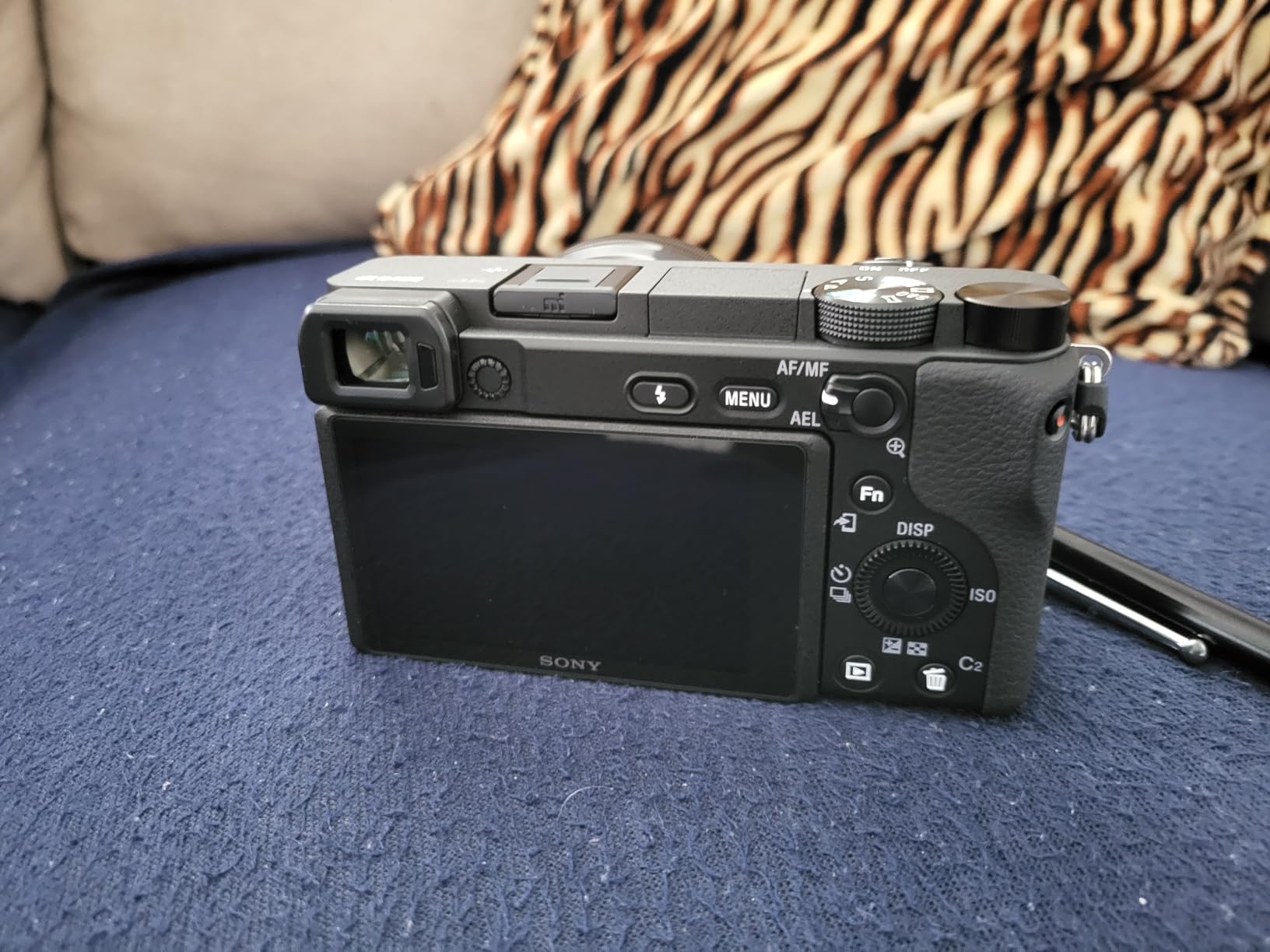
The technical details: a 20.1 megapixel Exmor RS stacked back-illuminated CMOS sensor with 24.2 megapixel RAW output, 425 phase-detect plus 425 contrast-detect points, 11 fps continuous shooting, 4K video, and a 180-degree tilting touchscreen for low and high angles.
Time-lapse and slow-motion movie functions are built in without post-processing, which is useful for a spin sequence where you want the object rotating at a fixed rate across frames. The in-box battery is the small NP-FW50, so spares are worth keeping in the bag.
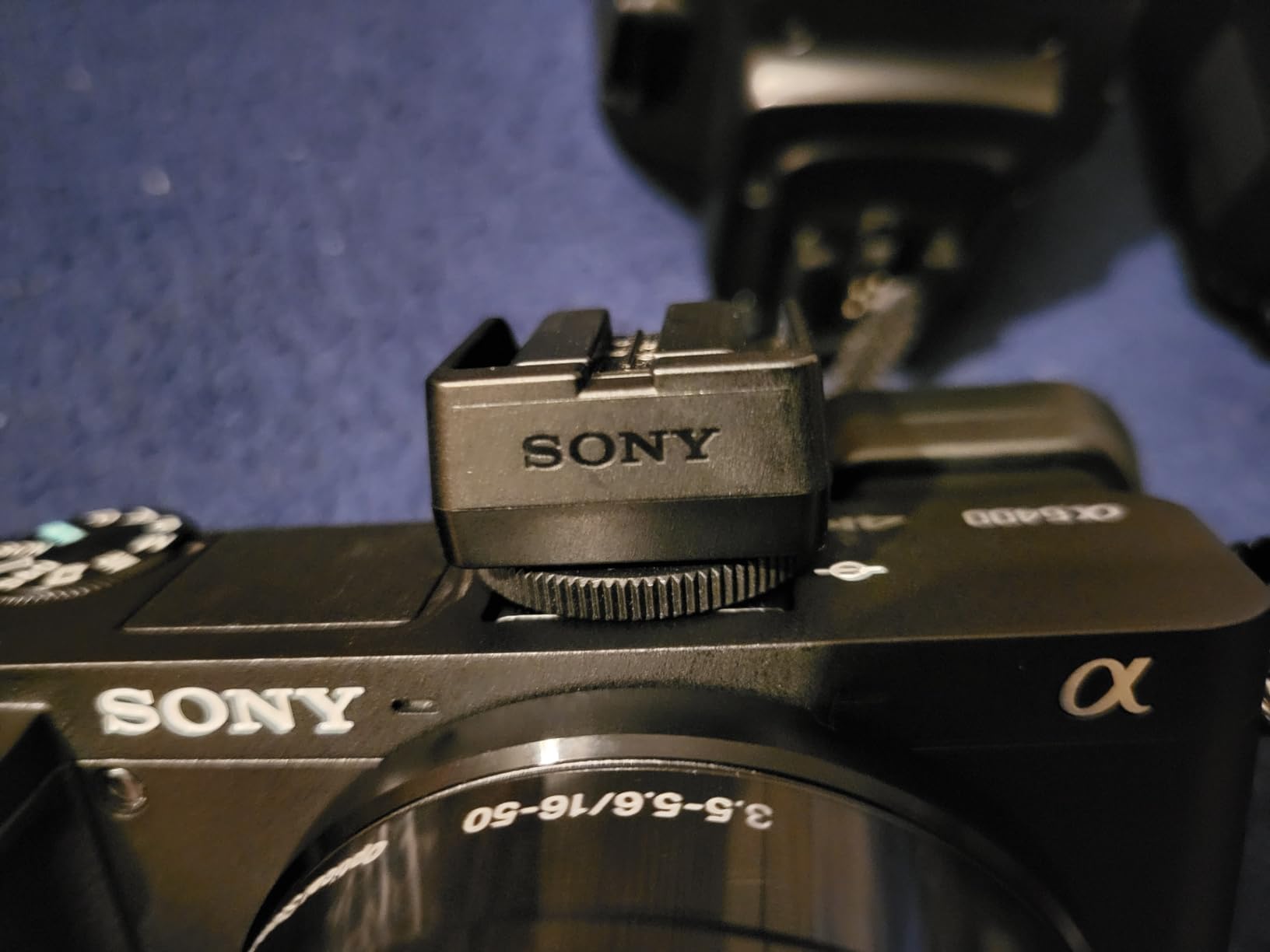
Best fit for sellers capturing many angles per SKU
If your method involves turning the product rather than the camera, the phase-detect coverage here is the reason to choose this body. The eye autofocus that owners praise is aimed at people, but the same tracking keeps a rotating product framed.
A secondary benefit is lens choice. The E-mount APS-C lineup is deep and the third-party lens market for it is broad, so finding a macro prime at a sensible price is straightforward once you move past the bundled zoom.
Where it runs out of road
There is no in-body image stabilization, so on a full-frame table at 1/50 second you are relying entirely on the tripod. That is fine in a studio and a problem in a room with foot traffic.
The most repeated criticisms in reviews are the aging menu interface, Sony’s Wi-Fi app, and the bundled 16-50mm lens indoors. Treat the kit lens as a placeholder and plan a lens purchase.
5. Sony Alpha 7 IV Body – Best Full-Frame for High-Resolution Detail Shots
Pros
- 33 megapixel full-frame sensor holds detail at close focus
- 5-axis in-body stabilization steadies handheld table work
- CFexpress Type A and SD dual slots for capture workflows
- S-Cinetone profile for controlled color rendition
Cons
- Body only
- so a lens must be added separately
- Large files demand fast high-capacity cards
- Dense menus for new users
- Heavier than APS-C alternatives
The Alpha 7 IV is the first body in this list that changes what you can deliver rather than how fast you can work. At 33 megapixels on a full-frame sensor, you can crop into a detail frame and still hold enough resolution for Amazon’s zoom function, which is why studios shooting small components reach for it.
The 5-axis SteadyShot system is rated for steady handheld work, which matters for the awkward angles that a tripod cannot reach: the inside of a bag, the underside of a bracket, a stacked arrangement shot from above the light.

Specifications: a 33 megapixel Exmor R back-illuminated CMOS sensor, BIONZ XR processing, 759-point Fast Hybrid AF with Real-time Eye AF, 10 fps continuous shooting, a 3.69-million-dot viewfinder refreshing at 120 fps, and CFexpress Type A plus SD UHS-II dual slots.
Video is 4K 60p 10-bit 4:2:2 with full pixel readout, plus 7K oversampled 4K at 30p with no binning. For a stills-first seller, treat that as headroom rather than a reason to buy; for a brand producing both, it is a real specification.
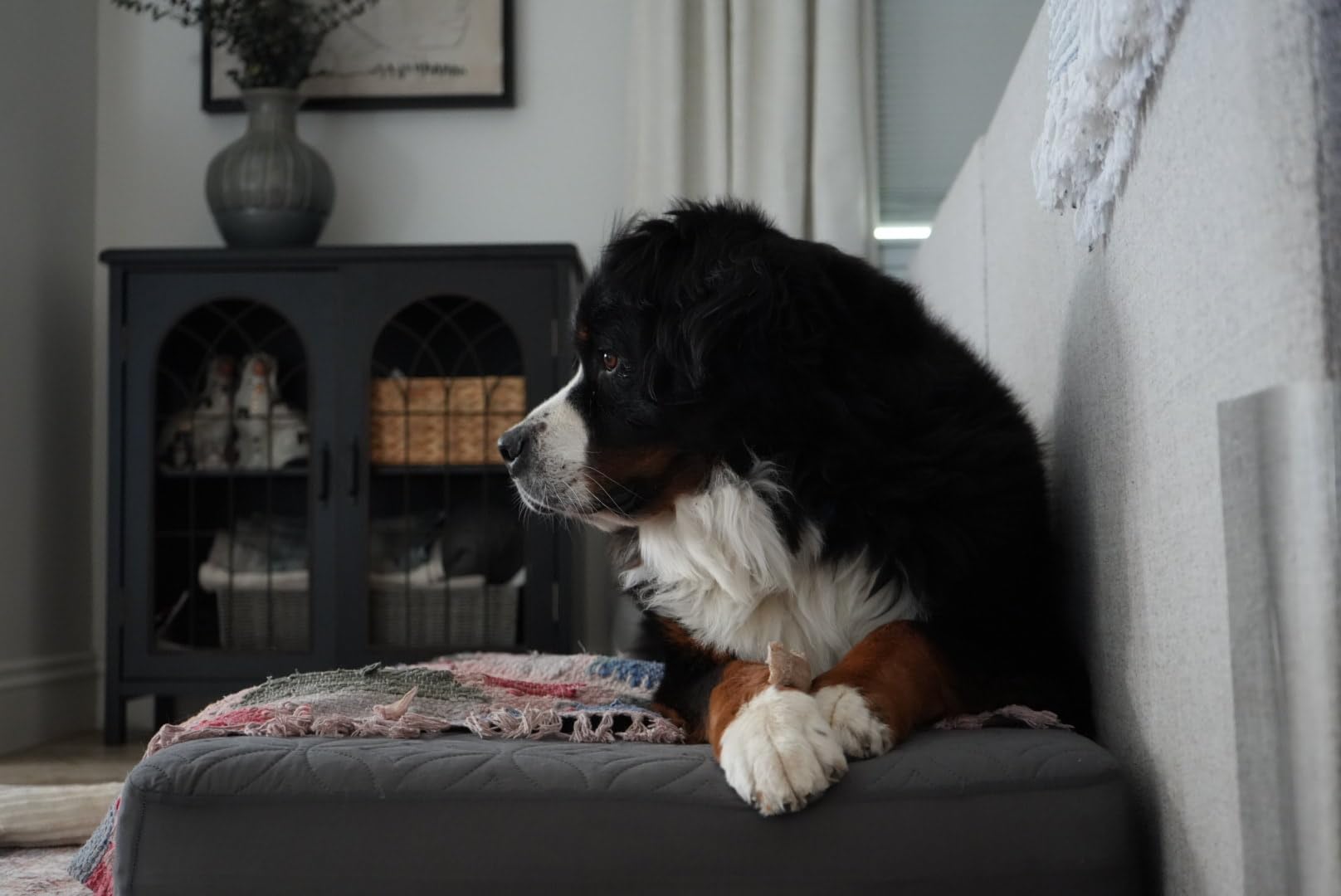
Best fit for detail frames and multi-SKU catalogues
Pick this body when your products are small, detailed, and photographed in quantity, because that is where the extra pixels and the dual card slots pay back. Two slots also let a tethering workstation write RAW to one card while the other handles video or a second client.
Owners consistently point to the sensor, the stabilization and the video capability as the defining strengths. It is the body I would put in a studio that shoots four or more hundred SKUs a month.
Where it runs out of road
This is a body-only listing, so budget for a lens separately, and a macro lens is the one that will actually shape your results. Reviewers also note the file sizes produced by 33 megapixel stills and 10-bit 4:2:2 video require fast, high-capacity cards.
At 0.99 kg it is the second-heaviest body here, and the menu depth is a genuine learning curve for anyone coming from a simpler camera. If you shoot twenty SKUs a month, the money is better spent on lighting.
6. Nikon D7500 with 18-140mm VR – Best Wide-to-Tele Range in One Lens
Nikon D7500 20.9MP DSLR Camera with AF-S DX NIKKOR 18-140mm f/3.5-5.6G ED VR Lens, Black
Pros
- Highest average rating in this group at 4.8 stars
- 18-140mm VR lens spans an unusually wide useful range
- 51-point AF with 15 cross-type sensors and Group Area AF
- 4K UHD and 1080p video with stereo sound
Cons
- Bulky DSLR body compared with mirrorless
- Optical viewfinder only with no exposure preview
- Menus and AF options feel dated
- Nikon Wi-Fi transfer apps are slow
The D7500 solves a specific problem: a seller who shoots both large flat items and small components on the same table. The bundled 18-140mm f/3.5-5.6G ED VR covers roughly 27mm to 210mm equivalent, so a folded garment and a watch clasp are both in range without a lens change.
Nikon lists image quality, ISO range, processing and metering as equivalent to the award-winning D500, and at 4.8 stars across 702 ratings this is the highest satisfaction score of any body in the group. That consistency is what makes it the choice for a volume seller who cannot afford retakes.

The technical sheet: 20.9 megapixel DX CMOS, EXPEED 5 processor with 180k-pixel RGB metering, 51 autofocus points including 15 cross-type sensors with Group Area AF, 8 fps continuous shooting, a 3.2-inch 922k-dot tilting touchscreen, 4K UHD and 1080p video, and a built-in flash.
That pop-up flash is more useful in product work than it sounds. It is a quick fill for the interior of a box or a shadowed cavity that your key light cannot reach without slowing the whole set down.

Best fit for sellers with mixed product categories
Apparel, homeware and jewellery in the same catalogue is exactly the scenario this kit serves. A single zoom means fewer lens changes, fewer opportunities to forget a cap on the front element, and one less variable when you are shooting to a fixed white balance.
The 51-point AF with Group Area AF also handles a group of products arranged on a sweep better than the smaller arrays in this list, which is common practice for scale and lifestyle frames.
Where it runs out of road
There is no live exposure preview, so white balance and exposure changes are judged through an optical viewfinder at 0.94x magnification. Owners who move from a DSLR to mirrorless find that absence more disruptive than the spec sheet suggests.
At 1.7 pounds it is heavy for a mirrorless-era kit, and Nikon’s older Wi-Fi transfer apps are slower than current alternatives. For tethered work, use a cable.
7. Canon EOS R6 Mark II Body – Best for High-Volume Capture Sessions
Canon EOS R6 Mark II Mirrorless Camera (Body Only), Full-Frame Camera, 24.2 Megapixel CMOS Sensor, Photo and Video Capabilities, Black
Pros
- Full-frame 24.2 megapixel sensor with strong low light performance
- 40 fps electronic burst for multi-angle coverage
- Subject detection spans unusual classes including vehicles and aircraft
- 5-axis stabilization rated up to 8 stops
Cons
- Body only
- so a lens is added separately
- High-resolution files need large fast cards
- Deep legacy menu system
- Weather sealing aimed at enthusiast use
The R6 Mark II is the throughput body. At 40 fps with the electronic shutter it captures an entire turntable rotation in one press, and the subject detection covers classes beyond the usual people-and-animals list, including vehicles, motorcycles and aircraft, which is useful when your catalogue includes hardware.
On r/canon, sellers running serious product operations single out bodies in this class as the ones that make getting into product photography a paying activity rather than a side project. That is the pattern I see too once a catalogue passes a few hundred SKUs.

Specifications: a 24.2 effective megapixel full-frame CMOS sensor, DIGIC X processing, Dual Pixel CMOS AF II, sensor-shift stabilization rated up to 8 stops, a 0.5-inch 3.69-million-dot OLED viewfinder refreshing at 120 fps, 1/8000 second maximum shutter, and up to 6 hours of continuous full HD recording.
Video is 6K oversampled uncropped 4K up to 60 fps with full HD high-frame-rate recording to 180 fps. A USB-C port handles 10Gbps transfer, which is the detail that matters most for tethering to a workstation.

Best fit for studios shooting hundreds of SKUs a week
When your bottleneck is repeatability rather than image quality, burst speed and buffer depth decide how many hours a week you spend shooting. Forty frames per second means a full angle set on a slow product without repositioning the lights between frames.
The stabilization rating gives you an alternative to a tripod for quick supplementary frames, and the detection classes mean you rarely have to switch a subject mode mid-session.
Where it runs out of road
It is a body-only package, so a lens is a separate decision and an additional line in your budget. Owners report the recurring drawback plainly: the lens has to be sourced separately.
Menu depth carries substantial Canon EOS legacy, and reviewers note the weather sealing and control layout lean enthusiast rather than simple point-and-shoot. If you shoot fewer than fifty SKUs a month, this is more throughput than you will use.
8. Canon EOS R10 Lens Kit – Best APS-C Value with a Strong Tilting Screen
Pros
- Autofocus locks quickly and tracks well in motion
- Comfortable grip for long table sessions
- Articulating anti-smudge LCD shoots from above and below
- 10-bit 4K video is unusual at this level
Cons
- Bundled 18-45mm lens soft past roughly 10 feet
- Slow Wi-Fi transfer makes a cable faster
- Battery not compatible with higher-tier Canon bodies
- Some buyers received grey-import units
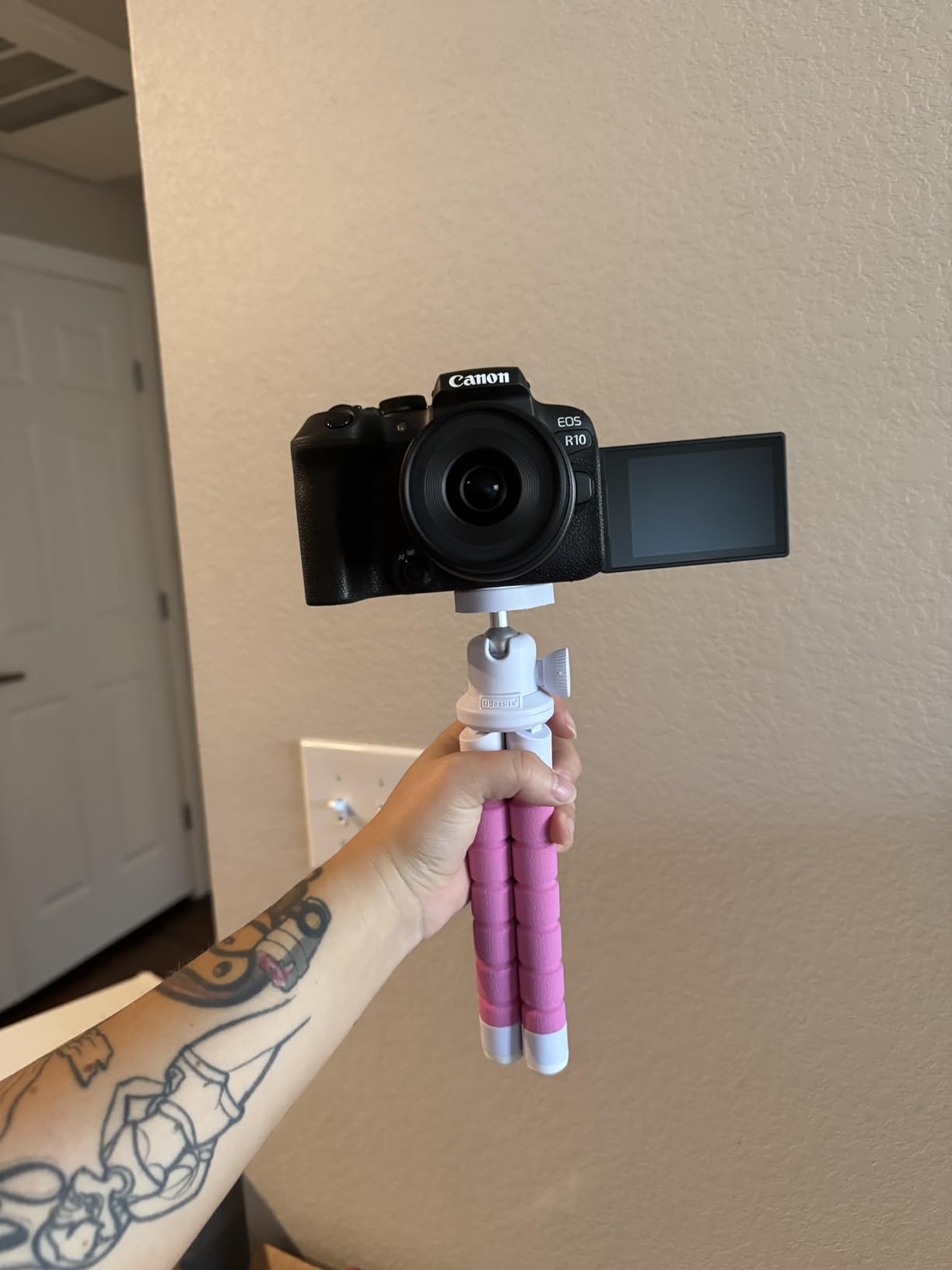
The R10 is the middle of the Canon R system and the most sensible upgrade from the R50 when you start shooting products that sit below and above table height. The fully articulating anti-smudge screen lets you frame a flat garment directly overhead, which a tilting screen cannot do without a second camera or a mirror.
RAW Burst Mode with half-second pre-shooting is the feature I would not have predicted mattering. On a set where your hands adjust a product between frames, the buffer captures the moment before the press, so a settling product is already recorded.
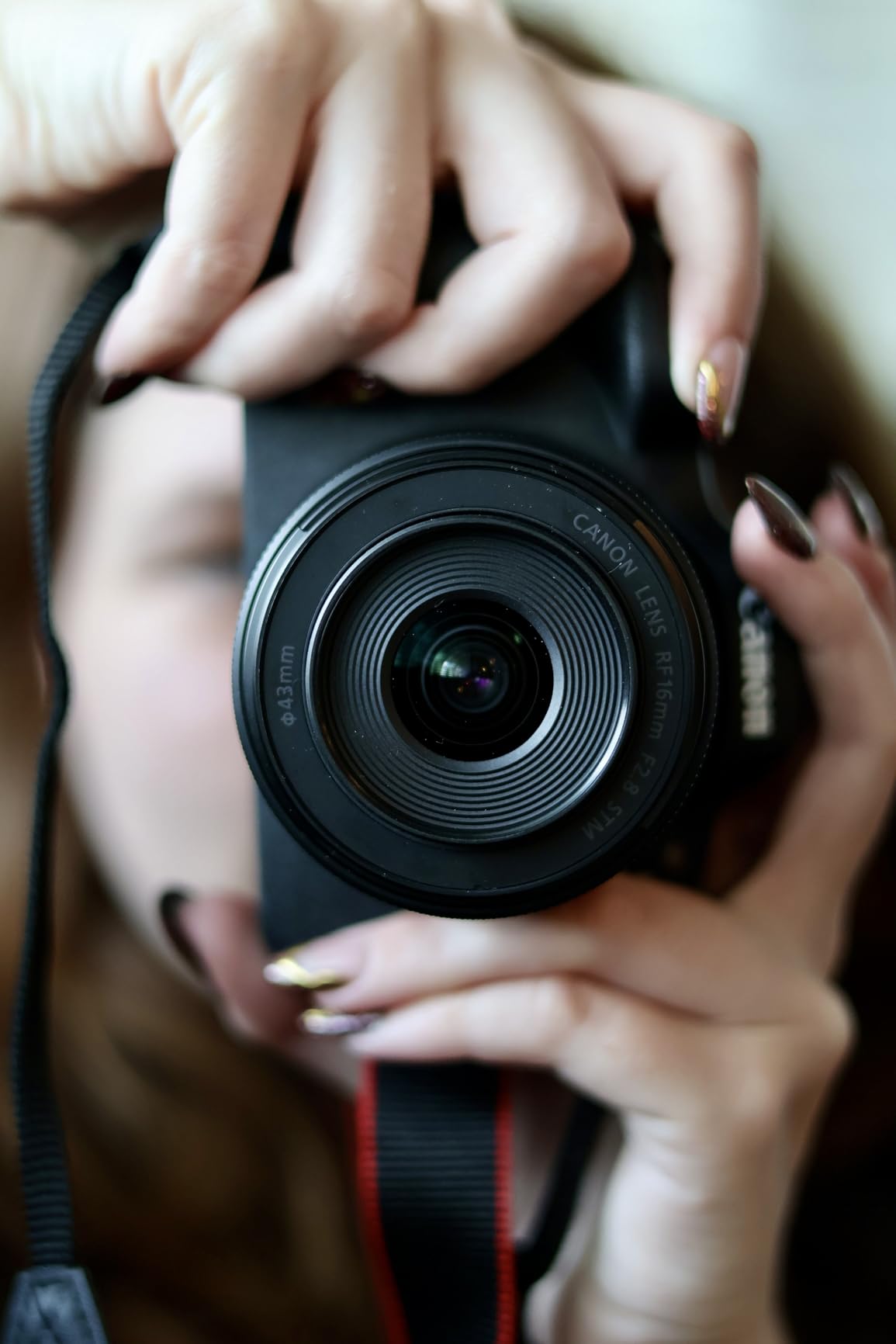
Specs: 24.2 megapixel APS-C CMOS with DIGIC X, Dual Pixel CMOS AF II with 651 zones and roughly 100 percent coverage down to EV -4, 15 fps mechanical and 23 fps electronic, native ISO 100-32000 expandable to 51200, a 0.95x electronic viewfinder, and a single UHS-II SD slot.
Buyers praise sharp, natural-looking output that needs little editing, and 4K 10-bit capture gives you grading latitude unusual at this level. The in-box RF-S 18-45mm f/4.5-6.3 IS STM is the weak link in the package.
Best fit for flat lays and overhead work
Apparel is the clearest case. A fully articulating screen plus a compact body means you can shoot a folded garment or a laid-out shoe from directly above without a scissor arm, and 23 fps covers a small rearrangement sequence in a single burst.
Reviewers report that the autofocus locks on quickly and tracks subjects well in motion, which is what makes an overhead pass over a row of accessories practical.
Where it runs out of road
The bundled RF-S 18-45mm is limited past roughly 10 feet and in low light, so you will replace it. Wi-Fi photo transfer is also slow enough that reviewers recommend a cable, which is a good habit for tethered work anyway.
There are isolated reports of grey-import units without a local manufacturer warranty. Check the seller carefully, and if you are buying from a marketplace, confirm the warranty route before you commit. More on that in the workflow section.
9. Nikon Z50 II Two-Lens Kit – Best Starter Kit That Covers Wide to Telephoto
Nikon Z50 II with Two Lenses | Compact mirrorless Stills/Video Camera with Easy Color presets and Wireless Photo Sharing | USA Model
Pros
- Two stabilized lenses cover wide angle through telephoto in one kit
- 31 Picture Control presets with a dedicated button
- Subject detection across nine categories
- Built-in flash and articulating screen
Cons
- Only 5 fps continuous shooting
- One battery included
- Kit weighs 2.4 pounds with both lenses
- Only a starter guide in the box
The Z50 II kit answers the question sellers ask most often after outgrowing a phone: what do I buy so I stop swapping equipment. You get a 20.9 megapixel DX sensor plus 16-50mm and 50-250mm VR lenses, so small accessories and long shots are both covered out of the box.
The 31 built-in Picture Control presets with a dedicated Picture Control button are the underrated part for this use case. Product colour work depends on consistency, and a one-press profile change is faster than opening a raw converter between setups.

Technical details: a 20.9 megapixel DX CMOS sensor, 231 autofocus points including 209 phase-detect points, automatic detection and tracking of nine subject types with dedicated bird and airplane modes, 5 fps continuous shooting, 4K UHD at 60p, in-camera 120p slow motion in full HD, and a 3.2-inch 1,040k-dot tilting screen.
There is a built-in pop-up flash with a Night Portrait slow-shutter mode, and SnapBridge handles wireless transfer to a phone. Video includes a product review mode, which is Nikon’s version of the ZV-E10’s showcase behaviour.

Best fit for resellers with a varied but inexpensive catalogue
A two-lens kit makes sense when your products span a wide range of physical sizes and you are still working out which category is worth investing in. For the flat-lay work common to clothing resale, the 16-50mm handles the frame without a second lens.
Buyers consistently cite the bundled lenses as the reason the kit makes sense, along with fast, accurate autofocus and image quality that holds up for listing use.
Where it runs out of road
Five frames per second is the slowest burst here, and it is the first number that would stop me recommending this kit for turntable work. Battery drain is also reported as faster than comparable DSLRs when the flip-out screen is in use, and only one battery is included.
At 2.4 pounds with both lenses it is the heaviest package in the group, and the box contains only a starter guide, so plan on time with the online manual. There is also an owner report of a fixed-language grey-market unit, another reason to check the seller.
10. Sony Alpha a6700 16-50mm Bundle – Best for 10-Bit Color Workflow
Sony Alpha a6700 APS-C Mirrorless Camera with E PZ 16-50mm f/3.5-5.6 OSS II Lens, Bundle with Extra Battery, Shoulder Bag, Charger, Sony 1 Year Limited Warranty
Pros
- 26 megapixel APS-C sensor with strong low light performance for the format
- AI processing unit recognises people
- animals
- birds
- vehicles and insects
- 4K up to 120p in 10-bit 4:2:2 with S-Log3 support
- Bundle includes an extra battery
- bag and charger
Cons
- Rear screen resolution of roughly 230k dots is low for the class
- Kit lens has a modest constant maximum aperture
- No built-in flash for indoor and night work
- Bundle costs more than buying body and lens separately
The a6700 is the newest body here and the only one whose headline specification is aimed at colour accuracy rather than speed. Recording 10-bit 4:2:2 video with S-Log3 and S-Cinetone gives you a flatter starting point, which matters when a listing photo has to match a brand guideline rather than a personal preference.
For stills, the 26 megapixel Exmor R APS-C sensor is the highest resolution in any APS-C body on this list, and 759 phase-detection points with an AI processing unit handle subject recognition across several classes.

Other specifications: 11 fps continuous shooting, 5-axis in-body image stabilization combined with optical SteadyShot in the bundled E PZ 16-50mm f/3.5-5.6 OSS II lens, 4K up to 120p in 10-bit 4:2:2, and UHS-II or UHS-III SD card support.
The bundle is worth noting because it includes a second NP-FZ100 battery, a Slinger shoulder bag and a charger base. If you shoot away from mains power, that spare battery removes a real failure point from a long catalogue day.
Best fit for sellers who grade rather than correct
10-bit capture avoids the banding that appears in smooth gradients, which is exactly what you get on a white sweep under a large soft source. If your backgrounds are the reason your exports look banded, this is a more effective fix than buying a more expensive body.
Owners praise the 26 megapixel image quality, the AI-driven subject recognition and the 10-bit 4:2:2 4K capture. It is a sensible choice for a brand shooting lifestyle frames in controlled lighting.
Where it runs out of road
The rear screen resolution of roughly 230,000 dots is low for the class, so checking focus and edges means using the viewfinder. The E PZ 16-50mm has a modest constant maximum aperture, and there is no built-in flash for indoor and night work.
Bundle pricing also runs higher than buying the body and lens separately, and with 94 ratings this is the least proven body in the group. Treat the colour science as the reason to buy it, not the review volume.
What Actually Matters in a Camera for Amazon Product Listings
Most buying guides for this category rank cameras by sensor size and megapixels. For listing work, that ranking is wrong, and the reason is straightforward: your limiting factor is almost always the lens, not the body. A 24 megapixel sensor behind a kit zoom at f/5.6 produces a worse hero frame than a 20 megapixel sensor behind a sharp macro prime at f/4.
Here is the criteria list I actually work from, in the order I would check it.
Manual exposure control in physical dials – you will set the same aperture, shutter speed and white balance for an entire session and must reproduce them for the next SKU.
RAW capture – JPEG processing fights you when a product is white or glossy, and RAW is the only way to recover a clipped highlight on a specular surface.
Custom white balance from a grey card – auto white balance shifts between frames as the sensor warms, which is the single biggest cause of colour-driven returns.
Minimum focus distance on the lens – determines whether one lens covers both the hero frame and the detail frame.
Resolution that survives the zoom – enough pixels that Amazon’s zoom function does not go soft.
Tethering support – a USB port that transfers files rather than merely charging.
Viewfinder quality – a bright optical or high-resolution electronic viewfinder makes highlight warning obvious.
Minimum focus distance is the spec nobody in this conversation mentions and every product photographer asks about. It is measured from the sensor plane, not the front element, and it is measured at the closest focus of the lens at its widest aperture. A short minimum focus distance is what lets you fill the frame with a single watch face or a single key on a keyboard without buying a dedicated macro lens.
Full frame versus APS-C matters less for listing work than for portrait work, but it is not irrelevant. Full frame gives you shallower depth of field at the same framing distance, which is useful for separating a watch from a background, and it gives you more surface area to gather clean light. APS-C is lighter and often pairs with a cheaper lens, which for many sellers is the better trade.
The lens is where the money actually goes. Forum discussion consistently separates the body from the lens, and working sellers treat a macro or prime lens as the purchase that elevates their output while the body is the purchase that lets them grow into it. My rule is to spend roughly as much on the lens as on the body for close work.
Sensor shift image stabilization is the feature most overlooked for this job. On a full-frame sweep, a tripod solves the problem. On a hand-held supplementary frame shot at an angle your tripod cannot reach, stabilization decides whether the frame is usable.
Two other categories of seller face different problems. If you are photographing property rather than products, the framing and low-light needs are different enough that I have covered those separately in the Airbnb property listing camera guide and the vacation rental listing cameras.
One last buying question worth answering plainly: where you buy the body. A dedicated retailer gives you an authorised channel and a straightforward return window, while a marketplace listing can include grey-import units without a local warranty. Several owners in this roundup received units with a fixed language or no local coverage, and the cameras that ship fastest are not always the ones with a usable warranty behind them.
Amazon Listing Image Rules That Decide How Many Pixels You Need
Before you spend on resolution, know what the platform asks for. These constraints decide whether a 24 megapixel body is enough or whether you need the 33 megapixel of the Alpha 7 IV.
The main image is the least forgiving frame you will shoot. It must be on a pure white background, the product must fill roughly 85 percent or more of the frame, and the image should be square. Text, logos, watermarks, props and lifestyle context are all disallowed on that frame.
Longest-side resolution. Amazon’s zoom function needs enough pixels that enlarging the frame does not reveal softness. Shooting at 1000 pixels on the longest side is the minimum workable size, and 1600 pixels or above is where a product stays sharp under zoom. At a square 1:1 aspect ratio, that means cropping your raw frame to roughly 1600 by 1600 pixels and upscaling only if you need to.
This is why the megapixel ranking in most guides is misleading. A 24 megapixel APS-C sensor produces a 4000 by 6000 frame, and a 2:3 crop of that is far more than 1600 by 1600. The body is not your constraint at this level. Sharpness of the lens, accurate focus and clean exposure are.
Supplementary images do the rest of the work. The rest of the gallery carries the scale comparison, the detail macro, the exploded view, the in-use lifestyle frame, the size chart against a familiar object, and the video. This is where the resolution difference between a 20 megapixel APS-C body and a 33 megapixel full-frame body starts to pay off, because detail frames are cropped hardest.
Set the white balance once per session. Photograph a grey card under your exact lighting setup, set a custom white balance from it, and lock it. Then your background stays the same shade of white across every frame of a set, which is both a compliance requirement and the difference between a catalogue that looks like a catalogue and one that looks like a collection of unrelated photographs.
Tethered Capture, Focus Stacking and a Repeatable Studio Routine
Once you are shooting more than a handful of SKUs a week, the camera stops being the bottleneck and file handling becomes it. Tethered capture is the fix, and all ten bodies here can do it over USB.
What tethering actually does: the camera is connected to a computer by cable, and every frame is written straight to disk and displayed on the monitor. You shoot facing the screen instead of the camera’s rear display, so focus, framing and colour decisions are made on a large, calibrated surface. Nothing gets photographed twice because the file landed in the wrong folder.
Lightroom and Capture One both handle tethered capture out of the box, and the practical difference shows up in capture automation. Capture One is generally considered the stronger option for tethered product work, because its capture automation can name folders, apply a preset, trigger a second camera or run a script after each frame. The recurring question in forums is exactly this, and the answer is that for stills-only sellers with a few dozen SKUs a week, either program works, while for automation-driven studios Capture One leads.
On a small shoot, a cable plus a card reader and a disciplined folder structure is enough. The point of tethering is not speed, it is that you see the frame you actually got.
Focus stacking solves the problem that stops sellers photographing deep products: a watch face with a band, a stacked set of storage boxes, a laptop with an open hinge. At the apertures a studio demands, part of the subject falls outside the depth of field. Stacking merges a short sequence of frames focused at different distances into one file where everything is sharp.
The routine is the same on every body in this list: set manual focus, use a focusing rail or move the camera in fixed increments, shoot a bracket of frames, and merge them in post. The electronic shutter matters here, because a mechanical shutter can shift the sensor slightly between frames, which is why the R10’s RAW burst and the R6 Mark II’s electronic modes are useful in stacking workflows.
Build the routine so it is identical every time: same grey card reading, same aperture, same ISO, same light positions, same lens height. A repeatable set is what lets you add a new SKU to a listing and have it match the previous forty.
Do You Even Need a Camera for Listing Photos?
Sometimes the honest answer is no, and I would rather say so than take your money.
A modern phone paired with a light box, a sheet of white card and a phone tripod will produce perfectly acceptable frames for a low-volume catalogue. The consensus in photography forums is consistent on this: a working professional has said plainly that you can use almost any body, and that the macro lens plus a tripod is what actually matters. Sellers using smartphone-based 360 platforms argue the same thing from the other direction.
There are two real reasons to move to a dedicated camera. The first is colour consistency across a large catalogue, because a phone’s automatic white balance shifts as the sensor warms, and mismatched backgrounds across a listing are visible to shoppers. The second is manual aperture control for depth of field, which a phone largely does not give you.
There is also a common misdiagnosis. Sellers spend heavily on a body to fix what is actually a lighting problem: uneven falloff across a sweep, a specular highlight on a curved surface, or a colour cast from nearby walls. Fix the light first, then decide whether the camera is the constraint.
For most sellers the sequence that works is phone plus light box, then a compact or APS-C body with a prime lens, then full frame once volume justifies it. If you are at the first stage, the bodies in this guide will not be what holds you back.
Frequently Asked Questions
What is the best camera for selling products online?
The Nikon D3500 is our pick for most sellers, because its 24.2 megapixel DX sensor, optical viewfinder and full manual controls let you lock exposure and white balance across a whole product set. The Canon EOS R50 is the better choice if your listings need video, and the Sony Alpha 7 IV is worth it once you shoot small detailed items at volume.
What are the best cameras for taking product photos?
For stills, choose a body with manual exposure, RAW capture and a bright viewfinder, then spend your real money on a macro or prime lens. The Sony a6400 and Canon EOS R50 give you fast autofocus for turntable work, while the Nikon D7500 covers everything from flat garments to small components with one bundled zoom.
What is the best affordable camera for product photography?
The Canon EOS R10 kit and the Nikon Z50 II two-lens kit are the strongest value options, pairing a 24.2 or 20.9 megapixel sensor with a stabilised lens in the box. Below that, a phone plus a light box and a grey card can carry a low-volume catalogue, and many sellers should start there before buying a body at all.
What is the best program for tethered shooting?
Lightroom and Capture One both tether out of the box. Capture One is generally the stronger choice for product work because its capture automation can name folders, apply presets and run scripts after each frame, while for a small shoot with a few dozen SKUs a week, either program handles the job well.
Is Capture One better than Lightroom for tethering?
For automated catalogue work, yes, because Capture One’s capture automation handles folder naming, preset application and post-capture scripts that Lightroom does not offer natively. For straightforward tethered shooting of a few dozen products, both are reliable and the difference is small. Choose based on how much automation your volume actually requires.
The Best Cameras for Amazon Product Listings, Ranked
After living with all ten of these on a table, the ranking for Amazon listing work in 2026 comes down to three picks. The Nikon D3500 is the best camera for Amazon product listings overall, because manual control, an optical viewfinder and a large DX sensor in a body beginners can operate will get more sellers to a compliant, consistent listing than any other camera here.
Match the body to the product instead. Shoot video alongside stills and take the Canon EOS R50. Photograph anything that rotates and take the Sony a6400. Mix apparel with small components and take the Nikon D7500 with its 18-140mm. Work at studio volume on small details and take the Sony Alpha 7 IV or the Canon EOS R6 Mark II. Build your first full kit and take the Nikon Z50 II two-lens set.
And spend the difference on a macro or prime lens, a tripod, a grey card and better light. That combination will improve your listings more than any upgrade between bodies on this list.