
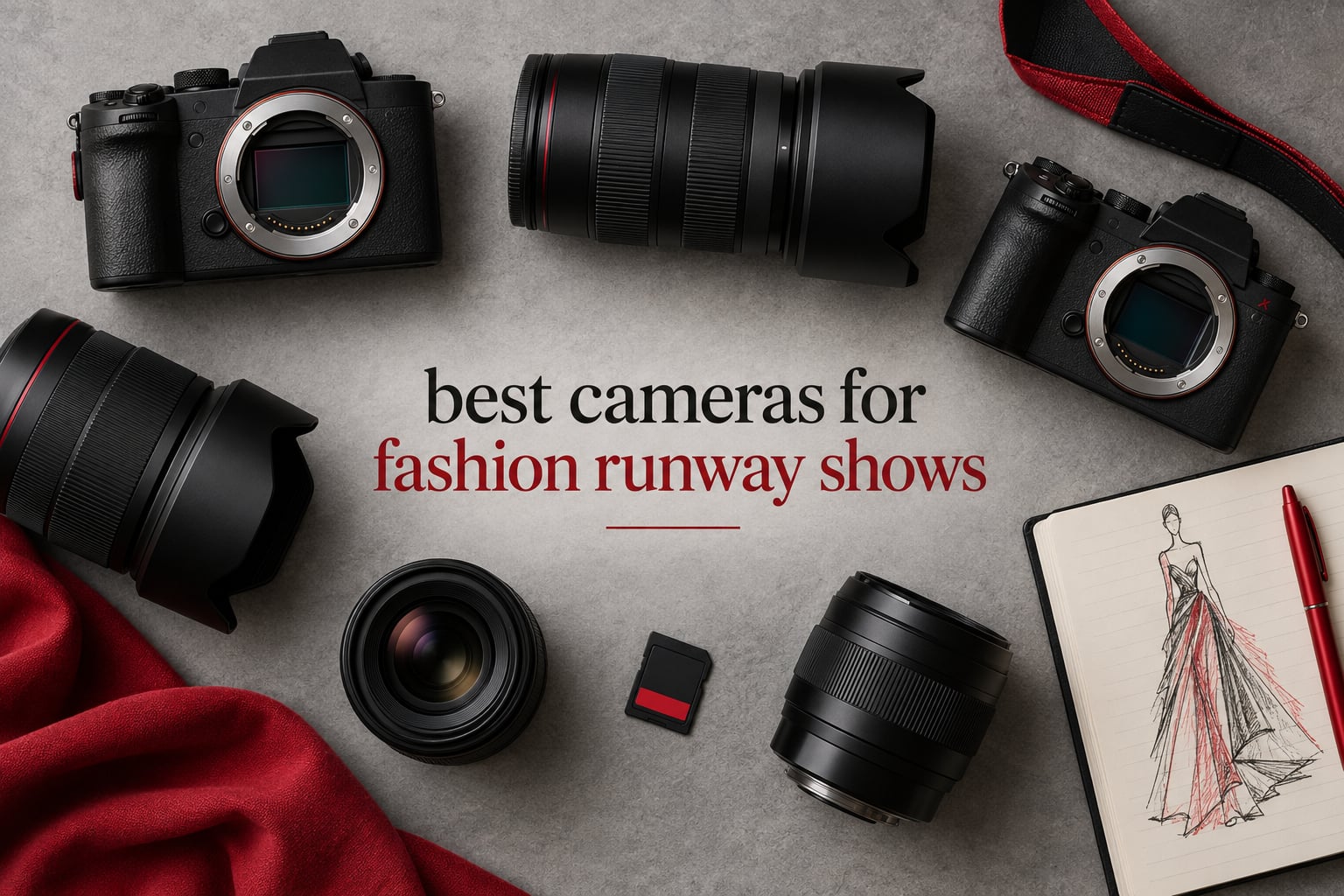
Every runway show gives you one pass. The model walks, turns, the hair flips, and then the look is gone forever — there is no reshoot and no second take. That single fact changes which camera matters, and most buying guides for fashion photography get it wrong because they are written for studio strobe work where the subject holds still and you control every photon. On a runway you are a tracking machine: acquire instantly, hold focus on a body walking toward you in dim light, fire a long burst through the turn, and do not lose the frame to viewfinder blackout while the moment passes.
So, what camera is best for fashion photography? For runway work specifically, the Canon EOS R5 is our top pick: its 45-megapixel stacked sensor, Eye Control AF and 12 fps mechanical burst cover the three jobs of a show — full-length looks from the pit, backstage fabric detail, and video for the show film. If you want the highest burst rate for hair flips, the Canon EOS R6 Mark II at 40 fps is the better tool.
There are really three separate jobs hiding inside one ticket. The runway walk is a long-lens, high-shutter-speed problem. Backstage is a close-focus detail problem where resolution and depth of field control matter more than tracking. Atmosphere and audience frames are an ultra-wide, low-light problem. A body that only wins at the first job will disappoint you in the last twenty minutes of a show. Our broader guides to the best cameras for fashion photography and the best cameras for fashion and editorial photography cover the studio side; this one is built for the catwalk.
Top 3 Best Cameras for Fashion Runway Shows in 2026
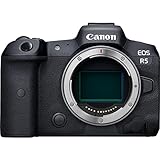
Canon EOS R5
- 45MP stacked full-frame sensor
- 12 fps mechanical burst
- Eye Control AF
- 8K RAW video


Canon EOS R6 Mark II
- 40 fps electronic burst
- head and body tracking
- 120 fps viewfinder refresh
- 6 hours of Full-HD
All 8 Best Cameras for Fashion Runway Shows in October
| Product | Specifications | Action |
|---|---|---|
| Canon EOS R5 |
|
Check Latest Price |
| Sony Alpha a7 IV |
|
Check Latest Price |
| Canon EOS R6 Mark II |
|
Check Latest Price |
 Sony Alpha a7R V Sony Alpha a7R V |
|
Check Latest Price |
 Nikon Z 7II Nikon Z 7II |
|
Check Latest Price |
 Nikon Z 8 Nikon Z 8 |
|
Check Latest Price |
 Nikon Z 9 Nikon Z 9 |
|
Check Latest Price |
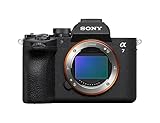 Sony Alpha a7 V Sony Alpha a7 V |
|
Check Latest Price |
1. Canon EOS R5 – The All-Rounder That Handles Runways and Backstage
Pros
- 45MP stacked sensor survives heavy cropping
- Eye Control AF locks onto walking models
- 12 fps mechanical and 20 fps electronic bursts
- 8K RAW plus 4K 120fps internal video
- 5-axis IBIS steadies adapted EF lenses
Cons
- Viewfinder can lag and darken in dim venues
- CFexpress Type B media adds cost per assignment
- Battery endurance trails the DSLR it replaces
The R5 is the body I keep recommending to photographers who move between shows, studio tests and campaign days, because it is the only one on this list that is genuinely good at all three jobs without compromises that hurt. The stacked 45-megapixel sensor reads out fast enough to run 12 fps mechanically or 20 fps electronically, which is more than runway walking actually demands — a model crosses your frame in a couple of seconds.
What makes the R5 special for this assignment is Eye Control AF, which lets you hold focus on a specific face while the system keeps tracking it as the model walks. On a runway, half your looks are photographed at 20 to 30 feet where a face is a small target in a dark room, and that is exactly the situation where subject-recognition tracking earns its keep. Reviewers consistently single out the eye-detection system as the biggest gain over the DSLRs these cameras replaced.

The 45-megapixel files are the quiet advantage. In the pit you will frame tight on a full-length look, discover the hem is soft or the face fell into shadow, and crop anyway. With 45 megapixels and 14-bit RAW there is real latitude to rescue that frame in post. In backstage, the same resolution lets you shoot embroidery, hardware and beading without a macro lens.
The honest weakness is the viewfinder. Reviewers report that it can lag slightly and is harder to read in low light, and there are accounts of electronic shutter stacks filling a card very quickly. The CFexpress Type B slot is fast, but the media costs more than the SD slot does. Neither issue is fatal for a show; both are worth factoring into how many cards you carry.
Why the R5 fits a show day
A show is ten minutes of shooting bracketed by two hours of standing, walking and waiting. The R5’s 5-axis in-body stabilisation means a fast prime can be handheld at shutter speeds that would otherwise demand a lens with stabilisation, which is useful when a seated position is the only spot you get. The fully articulating touchscreen also lets you shoot from a low crouch at the end of the runway without losing the frame.
It is also the safest single body to bring if you cover video. 8K RAW capture and 4K at 120 fps internal are unusual at this level, and Canon’s colour science gives brand PR teams files that need very little work before delivery.
Where it will frustrate you
Battery life is the practical complaint that comes up most. For a full multi-look show you will want more than the supplied cell, and the main LCD has no dedicated on/off switch, which is a small thing that annoys people daily. If you already own CFexpress cards and shoot long events, that is fine. If you are starting from SD-only, budget for the media.
The second limitation is ergonomic for anyone coming from an EOS SLR: the button layout changed enough that muscle memory has to be rebuilt. Budget a few days of shooting before you trust yourself in a live pit.
2. Sony Alpha a7 IV – The Lightweight Body for Long Standing Shows
Pros
- Real-time Eye AF holds lock in tricky light
- 33MP files leave room to crop
- Light and compact through a long show
- Dual card slots for reliability
- 10-bit 4K 60p with S-Cinetone
Cons
- Subject tracking can still miss on fast walks
- Sony menus are a steep relearning curve
- Battery is short on long assignments
The a7 IV is the answer to the question photographers actually ask in the pit: what can I hold for a whole show without wrecking my shoulder? At just under a kilogram it is the second-lightest full-frame body here, and everything about it is designed for a long day of handheld work rather than a two-hour studio session.
Real-time Eye AF is the reason it belongs on this list at all. Reviewers describe it as accurate even in difficult lighting and as locking on without drifting, which is precisely the behaviour you need when a model is walking toward you out of a dark background. Ten frames per second is modest by the standards of the R6 Mark II, but a runway walk is not a golf swing — the frames you keep come from tracking accuracy, not raw rate.
The 33-megapixel sensor is a sensible middle ground. It gives you files with headroom to crop a wide pit frame down to a head-and-shoulders portrait, without the file sizes and buffer pressure of a 45 or 61-megapixel body. The 5-Axis SteadyShot system is specified up to about five stops, which means you can work handheld with lenses that have no stabilisation of their own.
Video is where this body separates from pure photo options: 4K 60p 10-bit 4:2:2 full-pixel readout in every recording format, plus oversampled 4K 30p with no pixel binning. S-Cinetone gives you a flat starting point for brand films. What you do not get is custom LUTs, heavy codecs or professional monitoring aids.
Why photographers pick it for fashion week
It is the practical choice for anyone covering several shows in a row. The dual card slots mean you can mirror every file to a second card as insurance, and the compact body pairs well with the one-zoom runway kit that forum shooters recommend — a 35-150mm f/2-2.8 gives you the full-length look from the pit and still fits in a small bag. Light glass on a light body is what keeps your kit manageable across a week.
Reviewers who upgraded from older Alpha bodies describe it as a genuine professional tool rather than a compromise, and the eye AF reliability is the most common point of praise.
Where it will frustrate you
Two things. First, some users report occasional AF misses on walking subjects and attribute them to technique rather than hardware, which is a fair point but does not help when the model is already past you. Second, if you are coming from Canon or Nikon, the menu system is a genuine relearning curve and you will lose time to it in the first week.
High-frame-rate 4K beyond 60p comes with a crop that Nikon and Canon do not impose, which matters if the brand film is shot slow motion. Battery life is also a little short for a full day of assignments.
3. Canon EOS R6 Mark II – The Burst King for Hair Flips and Turns
Pros
- 40 fps electronic burst freezes a fleeting expression
- Low-light friendly 24.2MP sensor for dim venues
- Head face eye and whole-body tracking with no menu switching
- 120 fps viewfinder with no blackout
- Six hours of continuous Full-HD recording
Cons
- 24.2MP gives less crop latitude than 45MP bodies
- Electronic burst drops to 20MP at 40 fps
If your priority is the half-second at the end of the walk when the model turns and the coat swings, the R6 Mark II is the tool built for it. Forty frames per second electronically means you are not choosing between one frame and another — you are choosing between four, and picking the one where the fabric is where you want it.
The subject detection is the other headline. Canon lists head, face, eye and whole-body detection, and the body can be acquired without any manual mode switching. It also recognises an unusually broad range of subjects, including horses, trains and aircraft, which is irrelevant to you but tells you how much of the recognition work is general-purpose. For a runway, whole-body tracking is what lets you keep focus on a moving figure rather than hunting for a face that is only intermittently visible.
The viewfinder matters more than the megapixel count on this assignment, and Canon gives you a 0.5-inch 3.69-million-dot OLED refreshing at 120 fps with full coverage and no blackout. That means you can watch a model approach through a continuous image instead of a black screen, which is exactly the complaint threaded through forum discussions about missing decisive moments on high-resolution bodies.
Reviewers describe this camera as the low-light and high-speed workhorse, and the 24.2-megapixel sensor is described as low-light friendly. Video is strong for a photo-first body: oversampled uncropped 4K up to 60 fps, Full-HD up to 180 fps, and up to six hours of continuous Full-HD recording without overheating.
Why it wins on pit work
A runway show gives roughly forty to sixty looks in ten minutes. At 40 fps you are recording thousands of frames, and the buffer on this body is built for that. The real value is that you stop making the focus and timing decision under pressure and let the camera cover both, then cull later when the brand PR team needs selects.
It is also the body to buy if you already own Canon RF glass, and forum readers frequently recommend the R6 Mark II as a strong all-round first serious body. Dual SD UHS-II slots handle the redundancy requirement, and a vari-angle touchscreen helps with low backstage angles.
Where it will frustrate you
The 24.2-megapixel sensor is the trade-off buyers mention. If your work is heavy cropping of fabric from the far end of a runway, or backstage embroidery work, the R5 and the a7R V give you meaningfully more to work with. The other limitation is that the electronic shutter at 40 fps drops resolution to 20 megapixels, so the burst rate and the detail are a trade rather than a combined win.
There is also no mechanical shutter option at speed, which means rolling-shutter distortion on fast lateral movement if you use it wide open at a fast shutter.
4. Sony Alpha a7R V – The Detail Body for Fabric and Jewellery
Pros
- 61MP detail survives aggressive cropping
- AI processing unit drives subject recognition
- Multi-angle flip screen works from any angle
- 9.44M-dot viewfinder at 0.9x magnification
- Strong dynamic range and high-ISO performance
Cons
- 10 fps is slow beside dedicated action bodies
- R-series video is not class-leading
- Battery draw is higher than earlier models
The a7R V is the body for the part of a show that nobody photographs: backstage. Sixty-one megapixels is the difference between a frame of an embroidered panel that reads as texture and one that reads as pixels, and the same resolution lets you crop hard out of a pit frame when a look is far away.
It carries a new AI processing unit and next-generation Real-time Recognition AF with 693 phase detection points, and the multi-angle articulating screen is a real advantage in cramped backstage rooms where you are often shooting down at a model on a riser. The 9.44-million-dot viewfinder at 0.9x magnification with full coverage is the highest-resolution finder here, which matters when you are checking focus on a bead at f/5.6.
Dynamic range and high-ISO performance are both rated highly by owners, and that matters in a venue lit for atmosphere rather than for photography. The buffer is deep — up to 583 RAW or 1000 JPEG frames at 10 fps — so a full look walk will not stall the card mid-burst.
Stabilisation is specified at up to eight stops, which is the most in this group, and combined with in-body stabilisation the body can hand-hold slower shots in a dark venue than any other here. Portrait and commercial shooters consider this the definitive resolution body, and the flip screen plus AI AF are the features most often singled out.
Why it belongs in a show bag
Runway work and detail work reward different cameras, and this is the detail specialist. If your income comes from campaign and beauty deliverables where a PR team grades the quality of fabric, hardware and skin, the resolution is worth more than a higher frame rate. Two card slots mean you can keep shooting the runway on one card and detail work on the other, or mirror for redundancy.
It is also a strong second body for photographers who need a high-resolution backup for a client without carrying two heavy flagships.
Where it will frustrate you
Ten frames per second is slow next to the 20, 30 and 40 fps bodies on this list, so it is the wrong primary body for a fast turn. The R-series video is also not class-leading, with rolling-shutter behaviour that owners mention, and 8K is limited to 24p and 25p. Battery consumption is measurably higher than earlier models, and CFexpress Type A cards are expensive.
It is also a larger, heavier body than its predecessors, which you will feel at the end of a ten-minute standing show.
5. Nikon Z 7II – The Sensible Choice if You Already Shoot Nikon F-Mount Glass
Nikon Z 7II | Ultra-high Resolution Full-Frame mirrorless Stills/Video Camera | Nikon USA Model
Pros
- 45.7MP files hold detail after heavy cropping
- Autofocus performs well in dark conditions
- Dual CFexpress and UHS-II slots
- About half the weight of the D850 it replaces
- F-mount lenses work through the FTZ adapter
Cons
- Subject tracking can lose contrast in shaded scenes
- No HEVC support so video files are large
- 10 fps is modest against newer Z bodies
The Z 7II is the pragmatic answer for a photographer who already owns Nikon glass. The FTZ adapter lets roughly 360 F-mount lenses work with minimal added weight, and for a working photographer the cost of switching ecosystems is the real cost of any camera, not the camera itself.
The 45.7-megapixel back-illuminated sensor with dual EXPEED 6 processors gives files that hold detail after cropping out most of the frame, and the body runs at 10 fps with a buffer 3.3 times the original Z 7. That buffer matters on a runway because a single look often produces a long burst before you cull, and a stalled buffer mid-look is unrecoverable.

Owners consistently report fast, responsive autofocus that performs well in dark conditions, which is the hardest part of the job. A 5-axis in-body vibration reduction system rated at five stops helps with handheld work, and the weather-conscious body with a tilting touchscreen suits venues that are not climate controlled.
There is a detail worth knowing that few competitors mention: the built-in intervalometer with flicker-free exposure smoothing. Show lighting is often driven by dimmable fixtures, and exposure flicker can mean every frame in a burst landing on a different brightness. Flicker-free smoothing makes the sequence usable.
Why it makes sense for this job
Long-time Nikon users describe it as a large-sensor, light-body replacement for the D850 with excellent files and adapters that keep their glass usable. At roughly half the weight of the DSLR it replaces, it is comfortable for an all-day handheld assignment, and the vertical grip is ready if you want to add one for long vertical portrait sequences backstage.
USB-C constant power delivery and charging is underrated for show work — you can run the body tethered or top up between looks instead of swapping cells.
Where it will frustrate you
The honest weakness is subject detection. Owners report that tracking can be slow and lose contrast in shaded, cluttered conditions, and runway venues are exactly that. If you are walking a model toward you against a dark background with rigging and lighting stands behind, this is the body most likely to make you second-guess the frame rate.
There is no HEVC support, so video files are especially large, and 10 fps is modest next to newer Z bodies. Some buyers also report mediocre battery life, and 4K tops out at 60p without oversampled 4K 120p options.
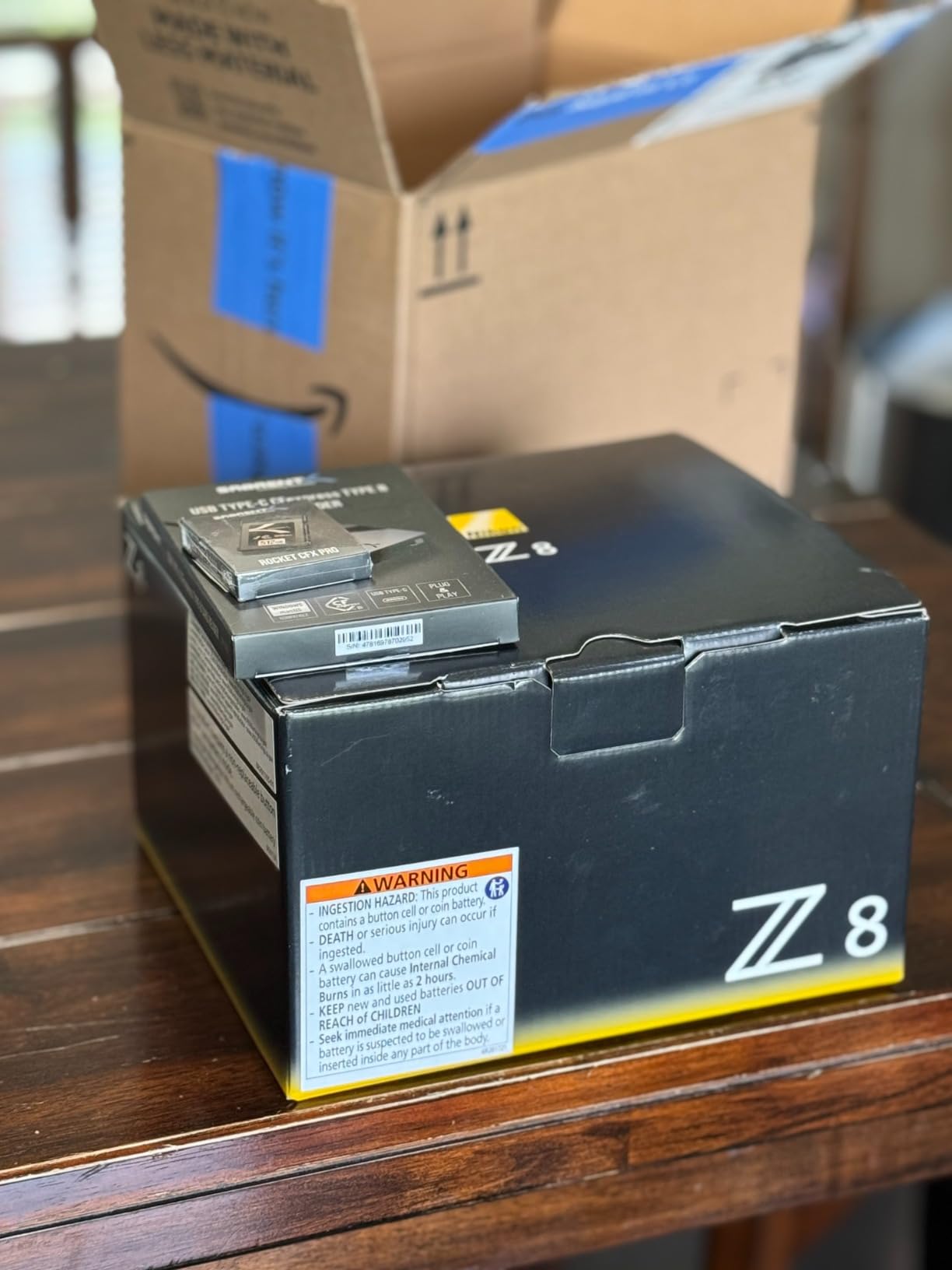
6. Nikon Z 8 – The Silent, Blackout-Free All-Dayer
Pros
- Stacked sensor with no viewfinder blackout at 20 fps
- Deep-learning detection with 3D tracking
- Pre-release capture records frames before the press
- Completely silent shutterless design
- 8K 60p and 4K 120p internal video
Cons
- Battery drains quickly on a full shooting day
- Smaller body handles heat less well than the Z 9
- Only one CFexpress Type B slot
The Z 8 is the most interesting answer to the pit-etiquette problem. Its shutterless electronic design is completely silent, which matters when you are seated at the front row in a venue where a mechanical shutter click is audible enough that other photographers notice. It also means no mechanical wear and no viewfinder blackout at 20 fps RAW.
Autofocus is genuinely class-leading here: deep-learning subject detection with 3D tracking that recognises people, animals, vehicles, trains and planes, with focus detection specified down to -9 EV. On a dim runway, a -9 EV detection threshold is the difference between acquiring a model against a black background and hunting.
Pre-release capture is the feature that will save you the most missed moments. Nikon offers 20, 30, 60 and 120 fps options, and the pre-capture buffer records frames before you press the shutter — so the hair flip that happened while you were recomposing is already in the buffer.
For a fashion brand, the portrait features are a genuine differentiator: Skin Softening, Portrait Impression Balance and improved white balance, all calculated on the 45.7-megapixel 14-bit files. Internal 8K 60p and 4K 120p with 12-bit N-RAW and ProRes RAW make this a credible show-film camera too.
Why photographers like it at shows
Owners see the Z 8 as Nikon’s flagship performance in a body light enough to carry all day, and at roughly D750-class weight that is accurate. Silent operation and deep-learning tracking are the headline wins, and for a front-row seat where discretion matters, the shutterless design is a genuine practical advantage over anything with a mechanical shutter.
The high-efficiency RAW and High Efficiency settings help when a multi-look show fills cards quickly, and the 1/32000-second maximum shutter speed gives you room to work wide open in bad light.
Where it will frustrate you
Battery drain is the first thing owners raise, and multiple spare batteries are needed for a full shooting day — a real cost when you are already counting media and lens weight. The smaller body also handles heat less well than the Z 9, which limits long 8K record times.
Only one slot is CFexpress Type B, with the second being UHS-II SD, so you cannot mirror onto two fast cards. Focus point lock requires a menu dive rather than a physical lever, which is frustrating when a model is already walking, and the configuration and setup involve a steep menu learning curve.
7. Nikon Z 9 – The Flagship for Filming the Show as Well
Nikon Z 9 | Flagship Professional Full-Frame Stills/Video mirrorless Camera | Nikon USA Model
Pros
- 20 and 30 fps at full resolution with no blackout
- 120 fps at 11MP with full AF and AE
- Completely silent shutterless design
- 8K 30p in-camera for over two hours
- Dual CFexpress Type B slots
Cons
- Largest and heaviest body here at 3 pounds
- 11MP resolution at 120 fps
- Heavy battery drain
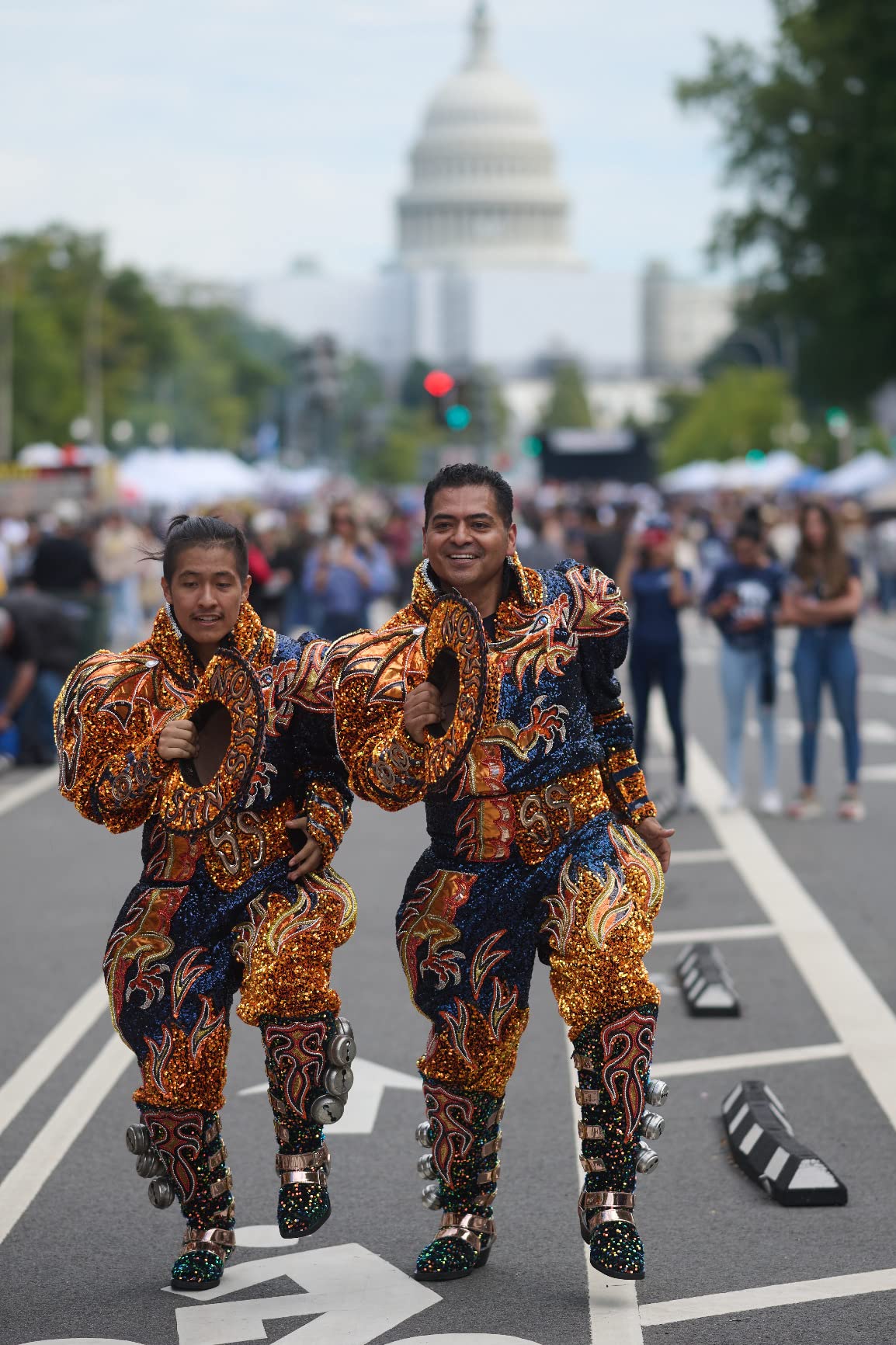
The Z 9 is the only body here that treats the video deliverable as a first-class output, and for a photographer who is also shooting the show film it is the strongest tool. 8K 30p records in-camera for over two hours, plus 4K 120p slow motion and oversampled 10-bit 4K 30p in ProRes 422 HQ or H.265.
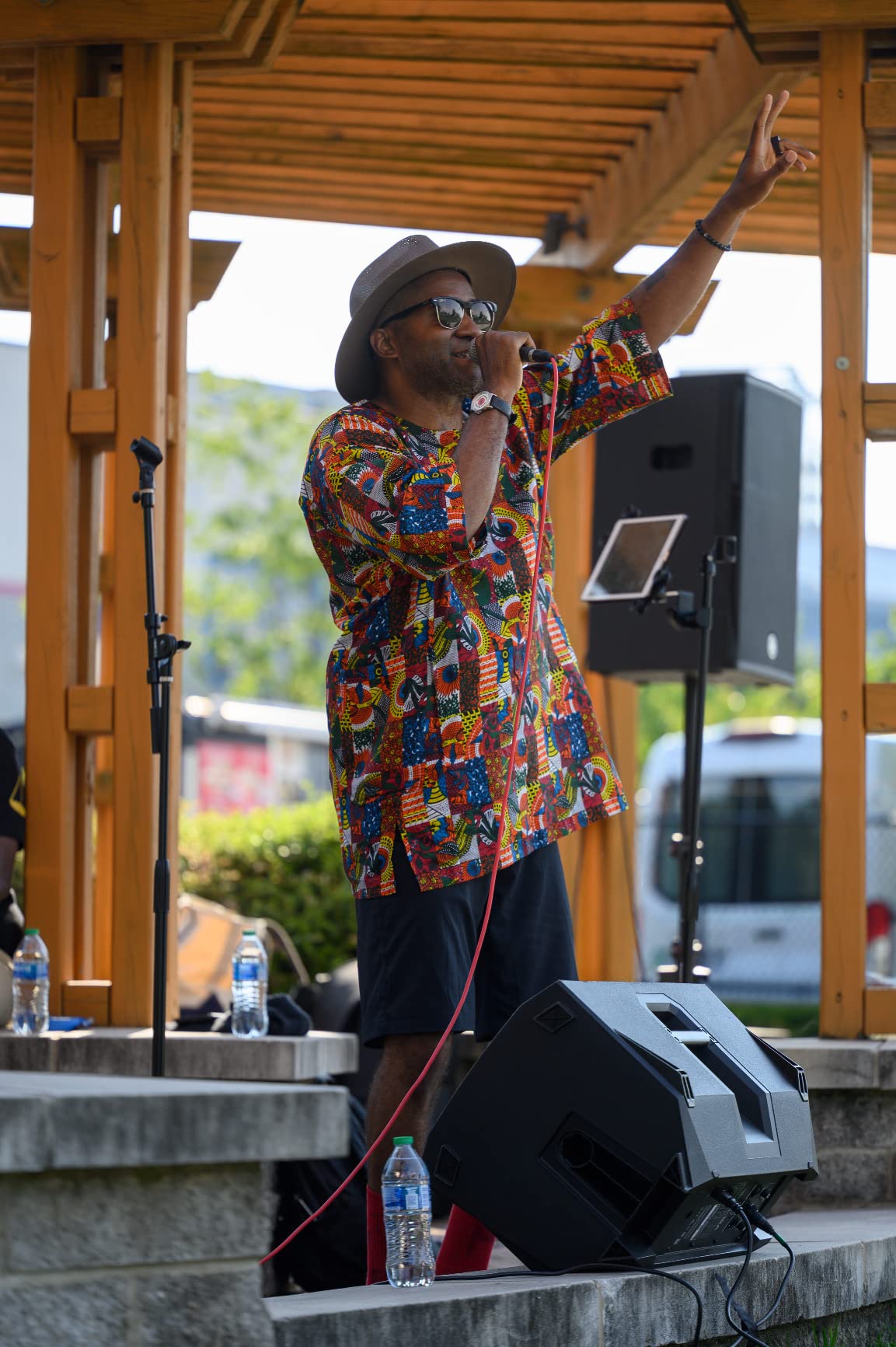
The stacked 45.7-megapixel sensor delivers stills at 20 or 30 fps and 120 fps at 11 megapixels, with full autofocus and autoexposure and no viewfinder blackout at any of them. The shutterless design with an adjustable artificial shutter sound is completely silent, and deep-learning subject detection covers people, animals and vehicles with no menu changes needed.
Dual CFexpress Type B slots and high-efficiency RAW at one third the size of uncompressed RAW make long, fast shoots manageable — you are not changing cards every two looks, and you can mirror to both slots as redundancy. For a one-pass show, redundancy is not a luxury.
Owners describe it as an uncompromising flagship, and the long 8K record times and blackout-free burst rates are what they single out. If the brand is producing a show film, a livestream or vertical social cutdowns, this body handles all three.
Why it earns a place in a show bag
The case for this body is the combination of speed and endurance. Two hours of 8K in-camera is longer than most shows run, so you can set it rolling in the pit and not think about heat or record limits. The 120 fps 11-megapixel mode is also the cleanest way to capture a garment in motion — slow motion of a skirt or a coat in motion is genuinely hard to get any other way.
Flash sync at 1/200 second is the one specification that trails the Canon and Sony bodies here at 1/250, which matters if you were planning to use flash — see the flash section below for why you probably should not.
Where it will frustrate you
It weighs 3 pounds, and that is the heaviest body in this roundup by a wide margin. A ten-minute standing show is fine; a full fashion week across four venues is a different proposition, and the weight shows up in your hands and in your bag budget.
At 120 fps the resolution drops to 11 megapixels, which limits large-print flexibility, and it is a heavy power consumer with the battery drain to match. Review counts here are the thinnest of the group, so treat owner feedback as narrower.
8. Sony Alpha a7 V – The Pre-Capture Body That Fires Before the Turn
Pros
- 30 fps blackout-free burst with pre-capture recording frames before the press
- AI recognition improved with human pose estimation
- Partially stacked sensor with a 1/16000s shutter
- Up to 16 stops of dynamic range
- Quiet mode renders the body essentially silent
Cons
- 33MP limits heavy cropping beside R-series bodies
- Tracking can drift off the eye on fast small subjects
- Battery drains faster with no charger included
The a7 V is the most current expression of the runway problem in this group. Its headline feature is blackout-free bursts up to 30 fps with autofocus and autoexposure tracking, plus pre-capture that records frames from before the shutter press. You half-press to engage the model, and the moment she turns is already stored.
Sensor readout is approximately 4.5 times faster than the a7 IV, which is what makes the stacked-style speed and the 1/16000-second maximum shutter possible. The maximum shutter speed matters in a dim venue: it lets you open up without dropping below the speed you need to hold a walking subject.
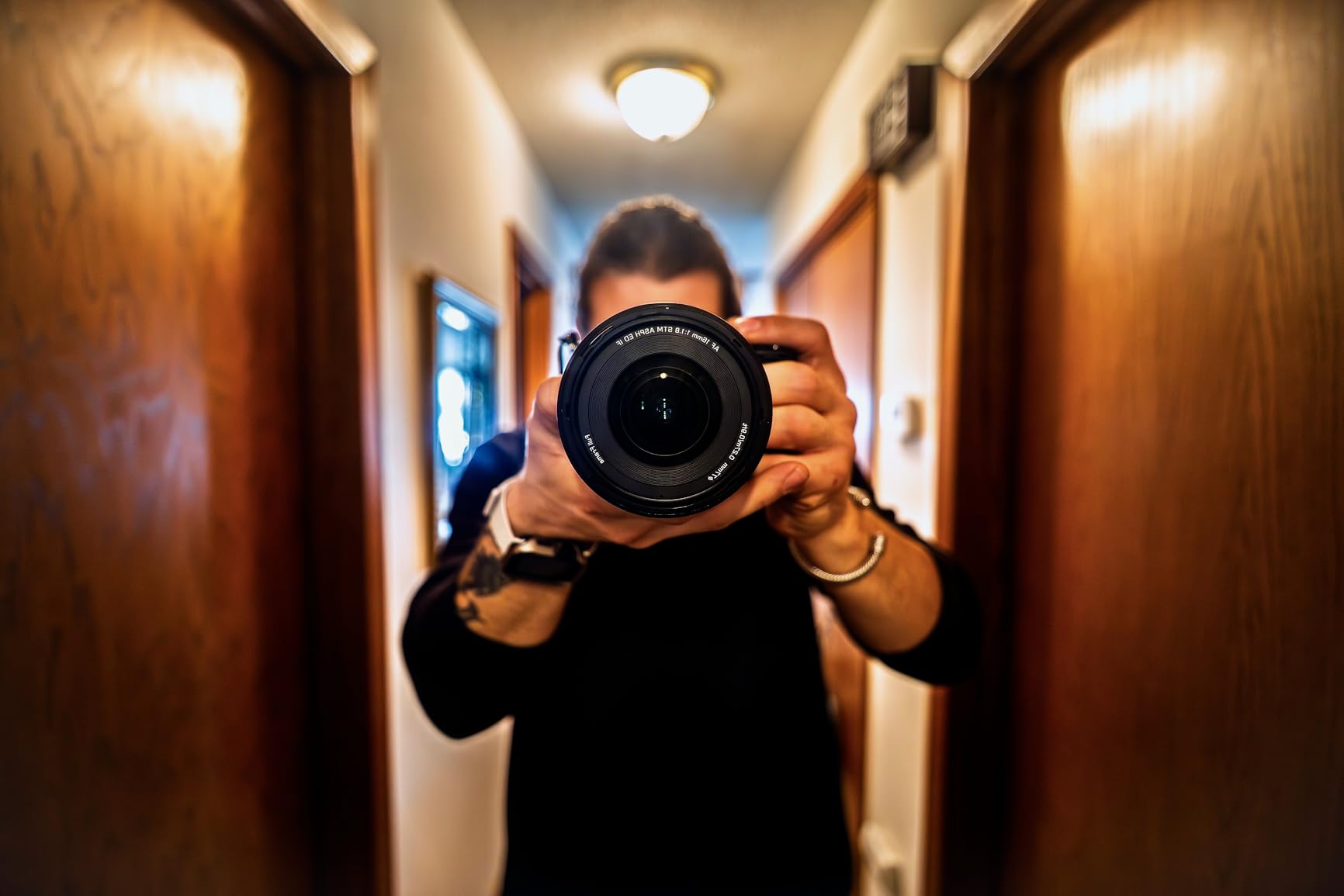
AI-based Real-time Recognition AF is specified as improved by roughly 30 percent over the a7 IV, with human pose estimation driving eye, head and body detection — pose estimation is the relevant one here, because a runway look is read as a whole figure rather than a face. Dynamic range is rated at up to 16 stops, and quiet mode makes the body essentially silent for event work.
Two practical details for long assignments: two USB-C ports allow in-camera charging, and the new larger articulating screen has settings that no longer rotate with the camera — a small change that removes a real annoyance when you shoot vertical backstage frames.
Why it suits a fast-moving subject
Pre-capture changes the behaviour of the photographer as much as the camera. On a runway you spend your attention on the walk, not on the press, because the buffer is already running. Reviewers upgrading from older Alpha bodies call this the most complete hybrid Sony has made, with the pre-capture buffer and the new screen the most-praised changes.
Stabilisation is specified at up to 7.5 steps centrally and 6.5 peripherally, which is more than any other body here, and ISO runs 100-51200 expandable to 50-204800 for the darkest venue corners.
Where it will frustrate you
Thirty-three megapixels is the limiting number. For full-length pit work that is fine, but for fabric detail or heavy cropping it sits well below the 45 and 61-megapixel bodies on this list, and if your income is campaign detail work you should look elsewhere.
Subject tracking can also drift off the eye on fast, small, low-contrast subjects, which is a real risk when a model is distant and backlit. Reviewers note that the bundled Creators App is clunky and that its RAW files were not yet recognised by Adobe Camera Raw, which is a problem if your culling and delivery workflow lives in Lightroom. The battery still drains faster than earlier Alpha models, and no charger is included.
How to Pick a Runway Camera: 7 Specs That Actually Matter
Runway cameras are judged differently from studio cameras. In a studio you control the light, the subject holds a pose, and resolution plus colour accuracy decide the outcome. On a runway the light is fixed and hostile, the subject is moving toward you for a couple of seconds, and you get one pass. These seven specs are what actually decides your results.
1. Autofocus acquisition speed on a subject walking toward you
This is the number one criterion, and forum discussion on photography boards consistently names it. What you need is instant acquisition followed by tracking that does not hunt. Eye detection matters, but whole-body detection matters more on a full-length look, because the face is often too small or too shadowed to hold. The Canon R6 Mark II lists head, face, eye and whole-body detection; the Nikon Z 8 and Z 9 use deep-learning detection with 3D tracking; Sony bodies on this list use AI-based Real-time Recognition with pose estimation on the newest model.
2. Burst rate, and more importantly the buffer behind it
Frame rate gets the marketing attention, but a fast rate with a shallow buffer is worse than useless on a show because it stalls mid-look. The Sony a7R V runs 10 fps but holds up to 583 RAW frames, which tells you more about its runway behaviour than the number alone. The a7 V and Z 8 add pre-capture or pre-release buffers, which is arguably a bigger real-world gain than a straight frame-rate increase.
3. Viewfinder blackout behaviour
Blackout means the viewfinder goes dark between frames, and you lose sight of the model at exactly the wrong time. This is a documented pain point in photographer discussions, where the complaint is specifically about missing hair flips and turns because the screen went black. Blackout-free shooting is listed explicitly for the R6 Mark II, the Z 8, the Z 9 and the a7 V. On a static studio set, blackout is a non-issue. On a catwalk it is the difference between a frame and no frame.
4. High ISO performance in a dim venue
Runway lighting is designed for atmosphere, not for photography. You are regularly pushing ISO into the thousands, and the body that holds shadow detail and skin tones cleanly at those levels will save your shoot. Native ranges here run from 100-51200 on the Canon R5 and Sony a7 V up to expandable settings, and the R6 Mark II’s 24.2-megapixel sensor is consistently described as low-light friendly. Nikon’s Z 8 is specified for focus detection down to -9 EV, which is the closest thing here to a low-light autofocus number.
5. Sensor resolution, matched to the job you are paid for
Resolution is a means, not an end. If you deliver full-length looks from a front-row seat and occasionally crop, 24 to 33 megapixels is plenty and buys you faster burst rates and smaller files. If you deliver campaign fabric, embroidery and jewellery detail, or you shoot long lenses from the back of a large venue, 45 to 61 megapixels is worth the file sizes. Our mirrorless camera guide for fashion photography covers the resolution question in more depth.
6. Card format and slot redundancy
A show is the worst possible place to discover a card error. Every body here has dual slots, but not all pairs are equal: the Canon R5 pairs CFexpress Type B with SD UHS-II, the Sony a7R V uses dual CFexpress Type A or SD, the Nikon Z 7II pairs CFexpress or XQD with UHS-II SD, the Z 9 gives you dual CFexpress Type B, and the Z 8 and R6 Mark II are SD-only pairs. Plan to mirror to both slots on a one-pass event, and carry more media than you think you need.
7. Weight, screen articulation and weather sealing
The bodies here range from 16 ounces to 3 pounds, and that is a 1.6x spread in what your arms carry for a standing show. Bring a fully articulating or multi-angle screen if you will be shooting from the floor or backstage at odd angles. All of these are professional-grade weather-sealed bodies, which matters in loading bays, backstage corridors and outdoor shows, but a simple weather cover over your shoulder still costs nothing.
Shooting garments, not faces
If a large share of your deliverable is clothing rather than portraits, change how you evaluate a body. What matters then is resolution for fabric texture, a viewfinder bright enough to check focus on a dark garment, and the ability to focus close on detail without a dedicated macro lens. The Sony a7R V and the Canon R5 answer that better than anything else here. Aperture matters more than usual too, because a wide-open f/1.2 prime on a front row gives you a head and a soft hem; stopping down two-thirds of a stop and raising ISO is the normal compromise.
Lens Pairing and the One-Zoom Runway Kit
Camera choice is half the decision. Photographers who shoot a first stage show repeatedly recommend a one-lens approach for the whole event rather than a bag of primes, and the usual recommendation is a fast standard-range telezoom in something like 35-150mm f/2-2.8, or 28-70mm f/2, covering the full-length look from the pit without a lens change during a walk.
Pair it with a 35mm f/1.4 for atmosphere and audience frames in a dark venue, and an ultra-wide around 16-20mm for backstage, where you are often in a small room shooting up at a model on a riser. That three-lens kit is the most common working answer in forum threads, and it works on every full-frame body in this roundup.
Forum consensus is firm on one point: autofocus is critical for runway work, so manual-focus-oriented high-end glass is a poor match for this assignment. A camera with confident AF and the wrong lens beats a manual body and the perfect lens every time in the pit.
Do You Need Flash on a Runway?
Almost never. It is one of the most common questions in photography forums and one of the least answered on editorial pages, so here is the direct answer: at a fashion show, flash is effectively not usable. The lighting is set for the garments, a burst from the front row blinds the model and anyone seated in front of you, and most venues and brands prohibit it outright — you will be asked to stop, and your access can be revoked.
Where a speedlight still earns its place is backstage, in a dark room where the designer wants detail shots of a piece that is physically there but unlit. One diffused bounce at low power to lift a garment out of a black background is legitimate. On the runway itself, work with the venue light: open the aperture, raise ISO, and shoot silent.
What Working Runway Photographers Carry Beyond the Camera
The cameras in this roundup get the attention, but the gear that decides whether you finish a show is the unglamorous kit around them.
A second body is the first priority. If your main camera fails, locks up or overwrites a card during the one look that mattered, there is no second pass. Many photographers carry a simpler body as a dedicated backstage and atmosphere camera so the primary body stays on the runway.
Spare batteries, more media than you calculate for, and dual card mirroring on every body handle the rest. Add a silent shutter mode if your body has one — the Nikon Z 8, Z 9 and Sony a7 V are fully electronic and quiet. A weather cover protects against backstage condensation and loading-bay rain, and a simple checklist of seat position, lens-length limits and whether flash is permitted is worth more than any accessory.
For workflow, plan the delivery before the show. Brands usually want selects within hours, so build the cull and export habits you use for studio work into your show days rather than improvising them at midnight.
Frequently Asked Questions
What camera is best for fashion photography?
For runway work, the Canon EOS R5 is our top pick because its 45-megapixel stacked sensor, Eye Control AF and 12 fps mechanical burst cover full-length looks, backstage detail and show video. If the decisive moment is a model’s turn, the Canon EOS R6 Mark II at 40 fps is the better tool.
What camera do most fashion photographers use?
Most working runway photographers use full-frame mirrorless bodies with fast lenses, and the most common working kit reported in photography forums is a fast standard-range telezoom in the 35-150mm f/2-2.8 or 28-70mm f/2 range, paired with a 35mm f/1.4 and an ultra-wide around 16-20mm. Reliable autofocus matters far more than resolution, because the subject is walking toward you.
Which camera does Kylie Jenner use?
Details of the specific bodies used on celebrity and social content are rarely published consistently, and what circulates online is usually guesswork. The practical takeaway is that creator and influencer work is shot on compact full-frame and APS-C bodies with wide apertures for low-light venues, not on the heavy flagship bodies pros carry into a pit.
What camera does Taylor Swift use?
As with most celebrity shoots, the exact equipment is not reliably documented, and online claims tend to be speculative. Music video and tour work is typically shot on cinema-capable full-frame bodies, and the same gear logic applies: fast lenses, high burst rates for live performance, and bodies that handle dim stage lighting without a flash.
What camera do a lot of influencers use?
Most influencers shoot on compact full-frame or APS-C mirrorless bodies paired with a small prime or a phone, because the priority is portability and a fast lens rather than buffer depth. A body like the Sony Alpha a7 IV class suits that work well: light, reliable eye autofocus and dual card slots without a heavy flagship in the bag.
What is the best camera for taking pictures of clothing?
For garment work, resolution matters more than frame rate. The Sony Alpha a7R V at 61.0 megapixels and the Canon EOS R5 at 45 megapixels hold fabric, embroidery and hardware detail after cropping, and both pair a high-resolution viewfinder with dual card slots. Add a 24 to 70mm zoom or a fast standard prime for full-length looks.
Final Verdict on the Best Cameras for Fashion Runway Shows in 2026
The best cameras for fashion runway shows in 2026 are not the ones with the biggest spec sheets — they are the ones that acquire instantly, hold the frame through a turn, and survive one pass at a dim venue. Pick the Canon EOS R5 if you want one body that does runway, backstage and video well. Pick the Canon EOS R6 Mark II if the turn is the shot. Pick the Sony Alpha a7 IV if you will be on your feet all week. Pick the Sony Alpha a7R V for fabric detail, the Nikon Z 8 for silent all-day work, the Nikon Z 9 for show film, and the Sony Alpha a7 V for pre-capture bursts.
Whichever you choose, bring a second body, mirror to both card slots, and check the lens-length rules for your seat before the doors open. Our virtual try-on content guide covers the other side of fashion imagery if you split your week between shows and studio work.