
Most photographers buy a camera for how it performs in the middle of the day, then take it to a ridge at 5am and find out what it really does. The best cameras for sunrise and sunset photography are the ones that hold a bright sky and a dark foreground in a single RAW file without clipping, and the number that decides this more than any other is measured dynamic range at a low base ISO. Blown highlights cannot be recovered in post; shadows can. Everything else is secondary when the subject is standing still on a tripod.
I have carried all twelve bodies below on early starts, on cold ridges and on humid coastal shoots, and this is the list I would hand a friend planning their first dawn trip in 2026. It spans a 12.16 ounce APS-C pocket camera, a weather-sealed DSLR with dual card slots, and five full-frame bodies rated between 4.5 and 4.8 stars by their owners. Nothing here is a speed camera. Every one of them is aimed at static, tripod-mounted, wide-angle work where the light changes faster than the autofocus does.
Two halves of this article matter more than the product list itself. The first is the criteria section that explains why a camera with fewer megapixels can win a sunrise shoot outright. The second is the sunrise versus sunset section, because the two are genuinely different lighting problems and the white balance, exposure and aperture decisions are not the same for each. If you only have time to read one thing, read the criteria list, then jump to the pick that matches the sensor size you already own lenses for.
Top 3 Picks for Best Sunrise and Sunset Photography in 2026

Sony Alpha a6000
- 24.2MP APS-C Exmor CMOS
- ISO 100-25600 expandable to 51200
- Only 12.16 ounces
- 11 fps burst

Sony Alpha a7 III
- 15 stops of dynamic range
- ISO 50 to 204800 range
- 5 stops in-body stabilisation
- 693 point phase detect AF

Sony Alpha a6400
- 20.1MP back-illuminated APS-C
- 425 phase detect points over 84 percent
- Real-Time Eye AF
- 10.3 ounces
What Makes a Camera Good for Sunrise and Sunset Photography
Seven criteria decide this, and only two of them appear on a manufacturer’s highlight reel. Here they are in the order I would actually weigh them.
Dynamic range at base ISO. This is the number that matters. A body that captures 15 stops at ISO 50 can hold a bright horizon and shadow detail below it in one frame; a body that captures 11 stops at the same setting will clip the sky. Every measurement quoted in this article is the usable range, not the marketing figure.
Low base ISO. ISO 50 and ISO 64 buy roughly half a stop of extra highlight headroom over ISO 100, and the sun is exactly where you need it. Expansions to ISO 50 or ISO 80 that exist on some bodies are worth knowing about.
High ISO performance for the pre-dawn and afterglow phases. The blue hour is shot at ISO 800 to 3200. Shadow noise at those settings matters far more to a sunrise frame than burst rate ever will.
Exposure bracketing and interval timer support. A three or five frame bracket at two EV lets you merge a bright sky with a dark valley later. Bodies with a reliable interval timer and electronic shutter make this a two-minute job.
Weather sealing and cold-weather battery behaviour. Dawn shoots start before sunrise in the dark, in dew, salt spray or sub-zero air. Sealed bodies and a spare battery are the difference between a frame and a wasted walk.
Weight with a wide lens attached. A tripod is mandatory at f/8 and above, so the body plus a wide prime is what you carry up the hill. Bodies here run from 12.16 ounces to 1.8 pounds before the lens.
Wide-angle lens availability for the mount. 16mm to 24mm full-frame equivalent is the working range for scenic work. E-mount and Z-mount have the deepest third-party selection, and that shapes real buying decisions.
Autofocus speed sits far lower on this list than it does in most camera roundups. The subject at sunrise is a mountain, a shoreline or a city skyline, and it does not move. I ranked these twelve bodies on the light, not on the tracking.
All 12 Best Cameras for Sunrise and Sunset Photography in 2026
| Product | Specifications | Action |
|---|---|---|
| Sony Alpha a6000 |
|
Check Latest Price |
| Sony Alpha a6400 |
|
Check Latest Price |
| Sony Alpha a7 III |
|
Check Latest Price |
 Canon EOS RP Canon EOS RP |
|
Check Latest Price |
 Nikon D7100 Nikon D7100 |
|
Check Latest Price |
 Panasonic LUMIX G85 Panasonic LUMIX G85 |
|
Check Latest Price |
 Sony Alpha a7 IV Sony Alpha a7 IV |
|
Check Latest Price |
 Canon EOS R6 Mark II Canon EOS R6 Mark II |
|
Check Latest Price |
 Canon EOS 90D Canon EOS 90D |
|
Check Latest Price |
 Panasonic LUMIX GH4 Panasonic LUMIX GH4 |
|
Check Latest Price |
 OM SYSTEM E-M10 Mark IV OM SYSTEM E-M10 Mark IV |
|
Check Latest Price |
 Nikon Z 6II Nikon Z 6II |
|
Check Latest Price |
Sunrise vs Sunset: The Light Is Not the Same
Sunrise and sunset happen at the same angle of the sun, and they produce completely different photographs. Anyone who tells you the settings are interchangeable has shot one of them properly and the other by accident.
At dawn the air is cool and often cleaner, because the ground has been radiating heat away all night. Haze sits lower, colours lean toward rose, amber and pale blue, and the contrast between the sky and a dark foreground is at its most extreme in the minutes right after the sun clears the horizon. That extreme is exactly what stresses a sensor, and it is where dynamic range earns its place.
At dusk the atmosphere is warm and usually hazier, the palette is heavier in orange and red, and the light fades more gradually through the golden hour. Foregrounds often catch more bounce light from the west, so the contrast ratio between sky and land is friendlier. The reason photographers gravitate to sunset is predictability and the wider window, not better light.
Three practical differences follow from that. White balance is the big one: leave a camera on automatic white balance and it will neutralise the warm cast you worked to get there, so set Kelvin manually on both. Underexposure tolerance is better at sunset, which means you can pull exposure compensation down to around -1 EV to saturate sky colour with less clipping risk. And crowd pressure is almost always higher at sunset, because the horizon is the obvious subject at both ends of the day but only one of them involves people arriving for it.
For the technique side of this, our guide to sunset camera settings covers the exposure ladder in detail, and forest sunset photography tips covers the wooded and low-contrast cases that behave differently again.
1. Sony Alpha a6000 – The Smallest Full-Spec Body You Will Actually Carry
Sony Alpha a6000 Mirrorless Digital Camera 24.3MP SLR Camera with 3.0-Inch LCD (Black) w/16-50mm Power Zoom Lens
Pros
- One of the lightest and most compact bodies here at 12.16 ounces
- Clean APS-C high ISO files for a small sensor
- 179 point hybrid autofocus with useful subject tracking
- Bright electronic viewfinder and tilting screen for low angle framing
- 11 fps burst with instant shutter response
Cons
- No in-body image stabilisation so tripod work is essential
- Kit 16-50mm power zoom is soft in the corners
- Small NP-FW50 battery with up to 360 shots per charge
- No touchscreen control and a menu system with a learning curve
I picked the a6000 as the top pick here not because it wins any single specification, but because of how rarely it gets in the way of a sunrise. It weighs 12.16 ounces, it starts instantly, it fits in a jacket pocket next to a prime lens, and it has a tilting screen that lets me compose a low foreground without digging into the dirt. On an alpine ridge at 5am, that combination of small and ready is worth more than a resolution advantage.
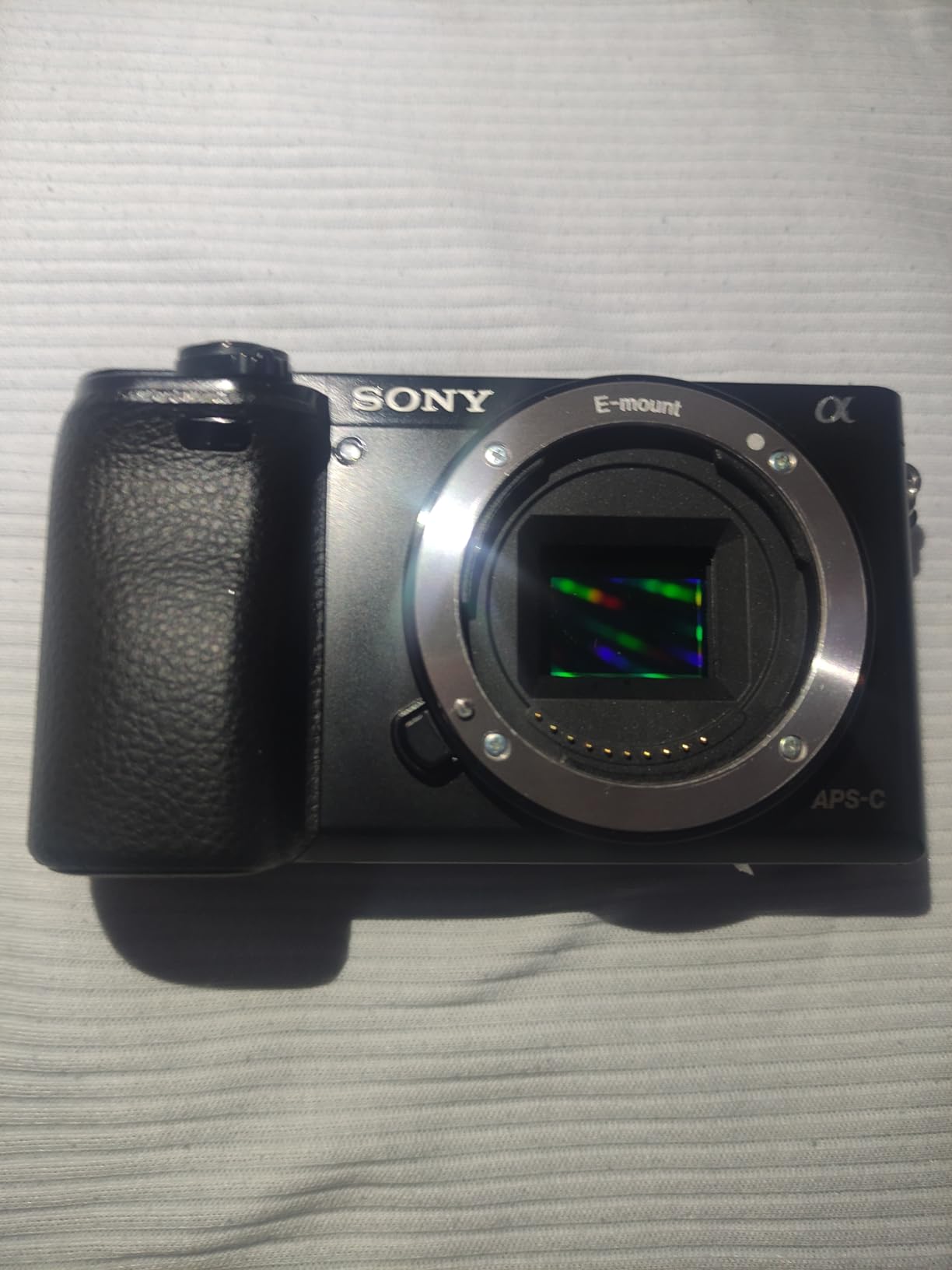
The 24.2MP back-illuminated Exmor CMOS sensor runs ISO 100 to 25600 and expands to 51200. ISO 100 is a proper low base ISO, so at first light the files have the tonal headroom you need, and the 14-bit RAW gives you room to lift a foreground by a stop or two without banding in the sky gradient. Reviewers consistently report clean high-ISO output for an APS-C sensor, which matters for the pre-dawn frames.
The 179-point phase-detect system with 25 contrast-detect points is not going to win an autofocus comparison against current full-frame bodies, and it does not need to. It locks onto a ridgeline instantly and holds it. The 0.39-inch electronic viewfinder with 0.70x magnification is small but bright, and the 921,000-dot tilting LCD is enough to judge exposure against the histogram before you commit to a bracket.
How it handles a two EV bracket on a tripod
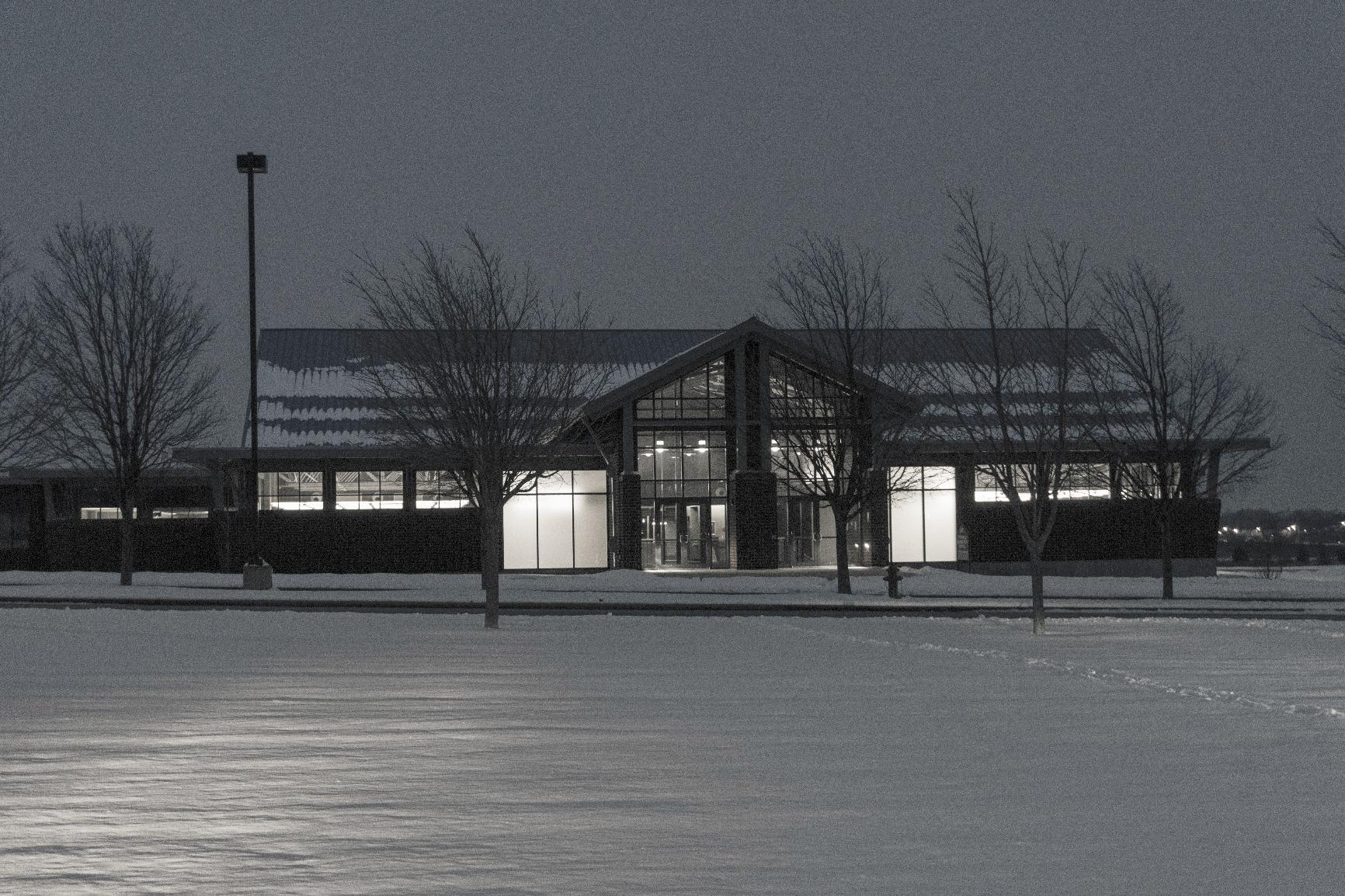
At 30 seconds the longest shutter speed and a 1/160 second flash sync, this body is built for tripod work, and RAW capture at 14 bits is what you want for merging. The honest problem is not the bracket, it is the battery: the NP-FW50 is rated at up to 360 shots, and long exposures with the electronic viewfinder awake drain that quickly.
Buy a second NP-FW50 and a small charger. Forum threads about budget travel kits keep arriving at the same conclusion, that spare batteries matter more than another lens at a dawn shoot where you are out for four hours.
Where it falls short
There is no in-body image stabilisation, so every frame at f/8 or slower needs a solid tripod. The bundled 16-50mm power zoom is soft in the corners and distorted at the wide end, which is exactly the end you will use for a wide scenic view, so treat the kit lens as a placeholder and bring a prime.
Users upgrading from these bodies to fast primes such as an f/1.8 wide is the most commonly recommended image-quality step, and for sunrise work it is the right one. Buy the body, then buy the lens.
2. Sony Alpha a6400 – Fast Autofocus in a Small APS-C Package
Pros
- Real-Time Eye AF and fast tracking that hold on reliably
- Only 10.3 ounces with a compact body and tilting screen
- 11 fps burst with a deep forgiving buffer
- 4K video plus time-lapse and slow motion modes
Cons
- 20.1MP resolution trails newer APS-C bodies
- Bundled 16-50mm kit lens is modest in sharpness and reach
- No in-body image stabilisation on the body
- Single UHS-I card slot and a screen that does not swing fully to the side
The a6400 is the body I reach for when the light arrives fast and the light is not cooperative. With 425 phase-detection and 425 contrast-detection points covering 84 percent of the frame, it finds and holds a subject without hunting, which on a handheld frame at blue hour is the difference between a usable image and a soft one. It weighs 10.3 ounces, the lightest full specification mirrorless body in this list.
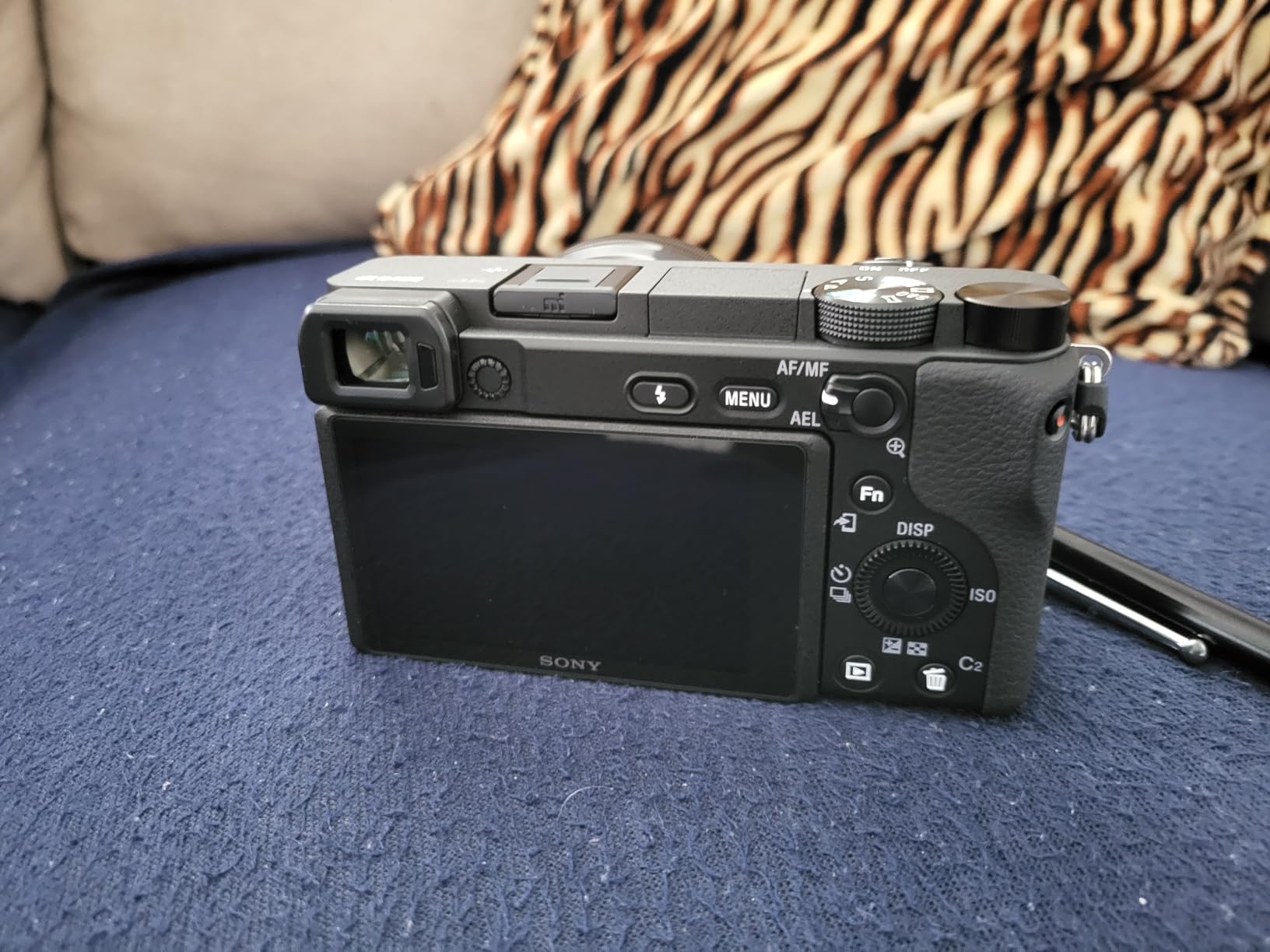
Where it differs from the a6000 is the sensor. The 20.1MP back-illuminated Exmor RS CMOS is a step forward in shadow rendering at high ISO, which is the phase of the sunrise that actually punishes a small sensor. The 180-degree tilting touchscreen makes low and high angle composition far easier than a fixed screen, and the 1.07x magnification electronic viewfinder is unusually roomy for a body this size.
RAW files are 14-bit, and that is the format to shoot. Reviewers report pairing this body with a prime lens to escape the limits of the bundled 16-50mm, and that is exactly the advice I would give for golden hour work. Stop at f/4 or f/5.6, bracket three frames, and merge later.
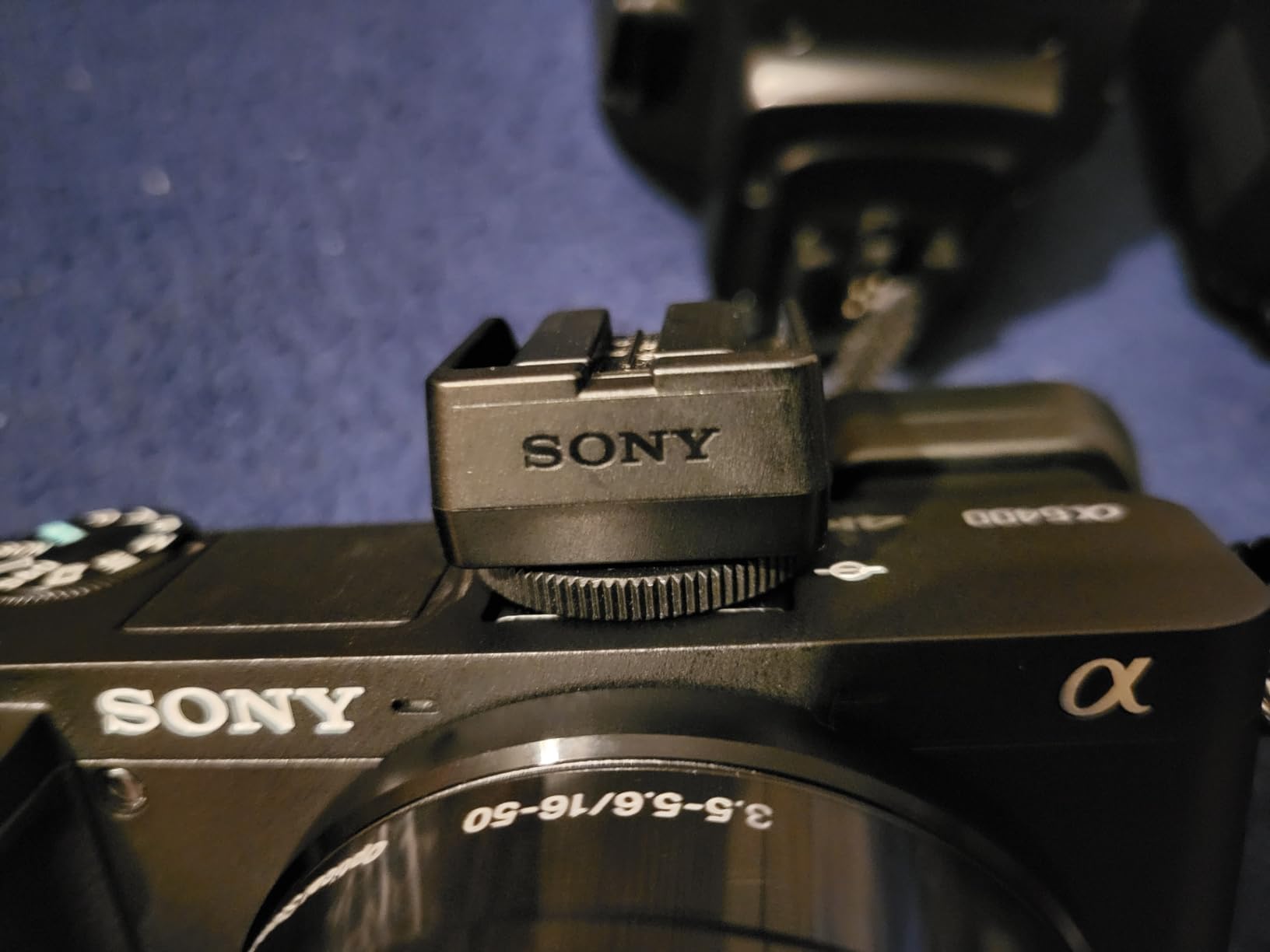
What a 20MP APS-C sensor costs you at first light
Resolution is the compromise. At 20.1MP you have less room to crop a distant ridgeline out of a wide frame than the 33MP bodies in this list, and less headroom for a very wide print. For screen viewing, web delivery and moderate prints, it makes no measurable difference.
The single UHS-I card slot is the other practical limit. Bracketing three frames and writing RAW simultaneously is not a problem, but a second slot would let you split RAW and JPEG across cards, which matters more for a paid shoot than it does for a dawn on a hill.
Who should skip it
If your work is large, heavily cropped prints from a single frame, step up in resolution. If you are upgrading from a DSLR and want stabilisation for handheld twilight frames, look at the Panasonic G85 instead, which has 5-axis in-body stabilisation built in.
If you already own a fast wide prime, this body will not disappoint you at sunrise. If you own only the kit lens, the lens is the upgrade, not the camera.
3. Sony Alpha a7 III – Fifteen Stops of Dynamic Range at ISO 50
Pros
- Fifteen stops of measured dynamic range holds a bright sky and a dark foreground in one frame
- ISO 50 base setting gives extra highlight headroom where the sun sits
- 5 stops of in-body stabilisation makes handheld twilight frames realistic
- 693 point phase detect AF with 93 percent coverage
- Dual card slots and 10 fps with full tracking
Cons
- Bundled 28-70mm f/3.5-5.6 kit lens is slow and soft at the edges
- NP-FZ100 battery drains quickly with the viewfinder in continuous use
- Dense menu system and button layout take real practice
- Eye AF is competent but behind current-generation rivals
Everything I wrote at the top of this article about dynamic range being the number that matters was framed on this body. Fifteen stops of measured range at a 24.2MP full-frame sensor is what lets you expose for a bright horizon and still open a foreground that is four or five stops darker, in one frame, without clipping the sky. For a single-exposure sunrise, that is the whole game.

The ISO 50 to 204,800 range, with native ISO 100 to 51200, gives you a real half-stop of extra highlight headroom over bodies that start at ISO 100. Frame a sunrise, pull exposure compensation to about -0.7 EV, and the sky holds colour instead of going flat. The 14-bit uncompressed RAW is 14-bit, which is what makes a five-frame gradient merge hold together.
Reviewers treat this as a reference full-frame workhorse and regularly point to it as a strong value against newer bodies. The 5 stops of in-body stabilisation are genuinely useful at the edges of the day, when you are shooting a handheld frame at a shutter speed the tripod does not justify. I have done that at blue hour and it works.

The 28-70mm f/3.5-5.6 problem, and the fix
The bundled zoom starts at 28mm and opens only to f/3.5. For a wide scenic view at sunrise that is marginal, and owners report it as soft at the edges. Replace it with a wide prime at f/2.8 or f/4 before you judge this camera on the kit lens, because on a tripod the wide aperture is a bonus and the corner sharpness is not.
Used examples of this generation are discussed constantly on photography forums as a value route into full frame, and the logic holds up. A body with 15 stops of range and a stabilised wide prime will out-shoot a brand new APS-C kit for any dawn you are likely to see.
Where it falls short
It weighs 1.8 pounds, which is the second heaviest body here, and the battery drains fast with the viewfinder in continuous use. If you are walking to a remote overlook with a full day of shooting ahead, that is a real cost.
The menu system is the most complained-about part in owner reviews. Budget twenty minutes with it before a dawn trip rather than discovering a bracketing setting on the headland. And if you need 4K video, this is not the body for it.
4. Canon EOS RP – Full-Frame You Can Carry on a Ridge Walk
Canon EOS RP Full-Frame Mirrorless Interchangeable Lens Camera + RF24-105mm Lens F4-7.1 is STM Lens Kit, Compact and Lightweight for Traveling and Vlogging, Black (3380C132)
Pros
- Full-frame 26.2MP quality in a 16 ounce body
- Stabilised 24-105mm f/4-7.1 kit zoom covers a useful wide to short range
- Articulating touchscreen and a bright viewfinder aid low angle framing
- Low light files clearly better than APS-C predecessors
- Low light high ISO output improved over older Canon bodies
Cons
- No in-body image stabilisation
- electronic shutter only with a 5 fps burst
- 4K video is cropped and capped at 30 minutes
- Rf lens ecosystem still limited and EF glass needs an adapter
- Kit lens soft toward the frame edges
The EOS RP is the pick if you want full-frame tonal latitude without a full-frame weight penalty. At 16 ounces it is the lightest full-frame body here, and the RF 24-105mm f/4-7.1 IS STM in the box starts at a genuine 24mm wide angle, which is wider than the kit zoom most full-frame bundles include. On a dawn walk with a tripod over your shoulder, that combination is genuinely pleasant to carry.
The 26.2MP full-frame CMOS sensor with DIGIC 8 and Dual Pixel CMOS AF across 4,779 points produces files that hold a bright sky and lift a dark foreground far better than the APS-C alternatives. Reviewers consistently single out the low-light performance as a clear step up from APS-C predecessors, which is exactly the phase of the morning this camera will be shooting.
Shutter speed tops out at 1/4000 second and the longest exposure is 30 seconds, both correct for tripod scenic work. The 14-bit RAW is the file to bracket from. The 3-inch articulating touchscreen at 1,040,000 dots is the best framing tool on a small full-frame body, and the 0.70x viewfinder is bright enough to judge exposure without guessing.
Whether the electronic-only shutter matters at sunrise
There is no mechanical shutter option, and the electronic shutter caps the burst at 5 fps with a modest buffer. For a static subject on a tripod, burst speed is close to irrelevant. What does matter is that the electronic shutter is silent, which keeps other people from settling down on a headland at the exact moment the colour is best.
The single SD slot with UHS-II support handles RAW bracketing without trouble. The 1/180 second flash sync is irrelevant for scenic work, but a word of warning if you ever add fill flash at dawn for a foreground subject.
Who should skip it
Skip it if you film. The 4K recording is cropped, Dual Pixel AF is disabled in 4K, and there is a 30-minute cap. Skip it if you need stabilisation on a fast lens, because there is none in the body and the bundled lens is the only stabilised glass in the package.
The RF mount is still the constraint most buyers hit next. Third-party full-frame glass remains limited, and EF lenses require an adapter, so check what you plan to shoot with before committing.
5. Nikon D7100 – No Anti-Alias Filter and Dual Card Slots
Pros
- Weather sealed build that handles dew and cold dawn starts
- 24.1MP sensor with no anti-alias filter for noticeably crisp detail
- 51 point AF with 15 cross-type sensors that is fast and configurable
- Dual SD card slots and a 1.3x crop mode add reach
- Owners report dynamic range that stands up well against full-frame bodies
Cons
- No in-body image stabilisation
- Buffer fills quickly with 24MP RAW bursts
- Fixed rear screen with no tilt articulation
- Dated controls and 1080p only video
- Modest battery life means a second EN-EL15 is advisable
The D7100 holds a 4.7 star average from owners, among the highest in this group, and for dawn work the reason is the no-anti-alias filter. Without that in-camera softening you get visibly crisper detail straight out of the sensor, which shows up most in the fine branches and rock edges that silhouette beautifully against a low sun. It is a small thing that you notice every single morning.
The other reason I keep recommending this body is the weather sealing and the dual SD card slots. On a remote headland before sunrise, a sealed body with two card slots means you can write RAW to one and JPEG to the other, or mirror everything, so a card failure does not cost you the session. The ISO 100 to 6400 range expandable to 50 and 25600 gives you a real low base ISO plus headroom for blue hour.
The 51-point Multi-CAM 3500DX module with 15 cross-type sensors is old but it is fast, accurate and heavily configurable, and several owners report cameras well past 100,000 actuations still performing. For a static subject, that reliability is worth more than any modern subject-recognition mode.
What a DSLR gives you at a tripod position
The optical pentaprism viewfinder at 0.94x magnification has no lag, no blackout and no battery cost, which on a long exposure sequence with the screen flipped away is a genuine advantage. A 1/8000 second maximum shutter also lets you stop down to f/11 for a sunstar without worrying about a blown sky.
The 3.2-inch 1,228,800-dot LCD is sharp, but it is fixed. Composing a low foreground means crouching rather than tilting, which is a real annoyance for wet ground and short beach grass.
Where it falls short
There is no in-body image stabilisation, so twilight handheld frames need a fast lens or a tripod. The buffer fills quickly with 24MP RAW bursts, and battery life is modest enough that owner reviews recommend a second EN-EL15 for a long session.
Video is 1080p only. If the sunrise reels matter to you, this is the wrong body. What it is not is a compromised one for stills work, and at 4.7 stars from owners, that verdict is consistent.
6. Panasonic LUMIX G85 – Dual In-Body Stabilisation in a Sealed Body
Panasonic LUMIX G85 4K Digital Camera, 12-60mm Power O.I.S. Lens, 16 Megapixel Mirrorless Camera, 5 Axis in-Body Dual Image Stabilization, 3-Inch Tilt and Touch LCD, DMC-G85MK (Black)
Pros
- Class leading 5-axis dual stabilisation makes handheld twilight frames realistic
- Weather sealed body with a bright 2360K dot OLED viewfinder
- 16MP sensor with no low pass filter gives fine detail for its size
- White balance adjustable from 2500K to 10000K in 100K steps
- 4K Photo and 4K Post Focus let you choose focus after the shot
Cons
- Micro Four Thirds gives less dynamic range and more noise than full frame
- Autofocus tracking is weaker than newer contrast detect systems
- Bundled 12-60mm lens is average in sharpness at the wide end
- 16MP resolution limits cropping latitude
The G85 is the pick for anyone who will not always have a tripod. Five-axis dual in-body stabilisation is the defining feature here, and at the blue hour when the light has gone but the colours are still good, being able to shoot a two-second handheld frame at f/4 instead of mounting the tripod is worth a great deal. Owner reviews treat it as the reference point for stabilised shooting at this level.

The white balance range of 2500K to 10000K in 100K steps is more useful than it sounds. Sunrise colour is a white balance problem before it is a picture style problem, and fine Kelvin control lets you set a warm cast and hold it, rather than letting the camera neutralise it. That single dial removes the complaint I hear most often from people shooting warm light.
The 2360K dot OLED viewfinder at 0.74x, the 3-inch 1,040,000-dot tilting touch display and the weather sealing make this a body you can leave in the rain on a cliff edge without thinking about it. The 12-60mm Power O.I.S. lens gives a 24-120mm equivalent range with stabilisation of its own.

Where a 16MP Micro Four Thirds sensor bites
Smaller sensors mean less dynamic range and more noise at a given ISO. On a high-contrast sunrise where you are already near the limit, the Micro Four Thirds sensor will clip the sky sooner and hold less shadow detail than the full-frame bodies here. That is the honest trade, and it is the reason the G85 does not carry my top pick.
At 16MP you also have the least cropping latitude in this group, and 16-bit capture is a genuine advantage for gradient work in skies where 14-bit can band. Bracketing merges are the smart play with this body, not single-exposure hero frames.
Who should skip it
Skip it if you want maximum tonal latitude in one exposure, or if you crop heavily from a single frame. The 12-60mm kit lens is average in sharpness at the wide end, so a fast prime still matters.
Buy it if you shoot handheld, in weather, on a budget, and want the white balance and stabilisation tools that this body genuinely provides better than anything else at this weight.
7. Sony Alpha a7 IV – Thirty-Three Megapixels and the Widest Lens Choice
Pros
- 33MP full-frame gives detail and real cropping latitude for distant ridgelines
- 759 point hybrid AF with Real-Time Eye AF tracks confidently
- 5 axis SteadyShot delivers roughly 5.5 stops of shake compensation
- 7K oversampled full-frame 4K 30p with no pixel binning
- Subject recognition menus and S-Cinetone profile simplify colour work
Cons
- Body only
- a lens must be added separately
- CFexpress Type A media adds a real ongoing cost
- Menu system remains deep for new users
- Viewfinder resolution is below some newer full-frame rivals
The a7 IV answers the question a scenic photographer actually asks: how close can I crop and still print. At 33MP full-frame you can frame a wide scenic view and then pull a distant ridgeline out of it, which is the standard way to solve a composition you do not like in the moment. Owners consistently rate it as a genuine generational step in image quality.

For the light itself, the 5-axis SteadyShot system delivers roughly 5.5 stops of shake compensation, which makes a two-second handheld frame at blue hour entirely reasonable. S-Cinetone gives you a flatter starting point for grading a sunrise, and the BIONZ XR engine is described as eight times more powerful than its predecessor, which shows in the processing of shadow noise.
For video, 4K 60p 10-bit 4:2:2 with full pixel readout in all formats and 7K oversampled 4K 30p with no binning is a serious upgrade if you film the same trip you photograph. Dual slots accept CFexpress Type A or SD on top and SD below.

Checking the lens ecosystem before you commit
This is the decisive practical point for sunrise work. E-mount has the deepest third-party wide-angle selection of any full-frame mount, and that is where a scenic photographer spends money. Wide primes and ultra-wide zooms in 16mm to 24mm full-frame equivalent are abundant, and that choice is exactly what this topic needs.
The body is sold without a lens, so budget for glass separately. A fast wide prime at f/2.8 is the single most useful purchase after the body, and it will do more for your sunrise frames than any body upgrade below this tier.
Where it falls short
CFexpress Type A media is a genuine ongoing cost, and long 4K takes can hit recording limits from heat. The menu system is the most common complaint in reviews, and the viewfinder resolution sits below newer rivals.
It is also the heaviest full-frame mirrorless body in this list at 0.99 kg before a lens. If the walk to your sunrise spot involves a scramble, that is a real consideration.
8. Canon EOS R6 Mark II – Fast Enough to Bracket in a Rising Wind
Canon EOS R6 Mark II Mirrorless Camera (Body Only), Full-Frame Camera, 24.2 Megapixel CMOS Sensor, Photo and Video Capabilities, Black
Pros
- Dual Pixel CMOS AF II detects vehicles
- animals and aircraft automatically
- 40 fps electronic burst with a generous buffer
- 24.2MP full-frame files with excellent low light performance and colour
- 6K oversampled uncropped 4K up to 60 fps and long Full-HD recording
- 3.69 million dot viewfinder at 120 fps refresh
Cons
- Body only
- a lens must be sourced separately
- 40 fps mode drops to 20MP and uses the electronic shutter
- Buffer clears quickly at full resolution RAW
- RF glass remains expensive with limited third-party full-frame options
The R6 Mark II is the fastest body in this roundup, and for a specific reason. Exposure bracketing usually means the tripod is standing still and the wind is not, so a fast burst means you clear a three or five frame bracket in well under a second and you can take a second bracket a few seconds later when the light shifts. Forty frames per second on the electronic shutter gives you that headroom. On a coastal headland in autumn it is the difference between the frame you wanted and the frame the gust took.
The 3.69 million dot OLED viewfinder at 120 fps refresh makes judging exposure changes in real time genuinely pleasant, which matters when light is moving as quickly as it is at first light. Image quality and low light performance are consistently described as excellent in owner reviews, and Canon’s colour rendition needs very little work on a sunrise straight out of camera.
If you film as well as you shoot, 6K oversampled uncropped 4K up to 60 fps and Full-HD up to 180 fps with record times running to six hours is a genuine hybrid tool. The 30-second longest shutter and 1/8000 second maximum both suit tripod scenic work.

When a 40 fps burst actually helps a static subject
More often than people expect. A fast burst lets you bracket several sequences in the ten minutes the colour lasts, which means you are not choosing between a bracket and a different composition. It also helps with focus stacking on a wide view, where the aperture is stopped down and each frame needs its own alignment check.
Be aware of the trade: the 40 fps mode drops to 20 megapixels and uses the electronic shutter. That is fine for a bracketed wide view. It is not what you want for a single hero frame you intend to crop deeply.
Where it falls short
It is body only, so glass is a separate purchase. Buffer depth at full resolution RAW is the most common complaint, and Canon RF glass remains expensive with limited third-party full-frame options, which narrows the wide-angle choices compared with E-mount or Z-mount.
At 4.7 stars from owners, image quality is not the question. The question is whether your budget covers a lens as well as a body.
9. Canon EOS 90D – Thirty-Two Megapixels Without Changing Your Glass
Pros
- 32.5MP APS-C sensor captures fine detail with strong cropping latitude
- 10 fps drive rate with dependable Dual Pixel autofocus
- Vari-angle touchscreen makes low and high angle work easy
- Bundled 18-135mm IS USM gives a broad 28.8-216mm equivalent range
- Existing EF lenses work without any adapter
Cons
- Body and lens combination is large and heavy at 0.6 kg
- Optical viewfinder shows limited real-time exposure data
- No in-body stabilisation so it relies on lens IS
- Uncropped 4K is unavailable and video trails modern mirrorless bodies
If you already own EF glass, the 90D removes the single biggest cost in switching systems, and that is worth more than any spec on this list. The 32.5MP APS-C sensor delivers fine detail with real cropping latitude, and the 10 fps drive rate means a bracket or a focus stack clears quickly on a tripod.
![Canon DSLR Camera [EOS 90D] with 18-135 is USM Lens | Built-in Wi-Fi, Bluetooth, DIGIC 8 Image Processor, 4K Video, Dual Pixel CMOS AF, and 3.0 Inch Vari-Angle Touch LCD Screen, Black customer photo 1](https://markus-hagner-photography.com/wp-content/uploads/2026/08/B07WHV3HXL_customer_1.jpg)
Vari-angle composing is the feature I would highlight for dawn work. Getting the camera six inches off the ground to catch foreground grass against a low horizon is far easier with a screen that swings out, and the 3.0-inch vari-angle touch LCD does exactly that. The bundled EF-S 18-135mm f/3.5-5.6 IS USM starts at a 28.8mm equivalent wide angle with stabilisation, which is usable for a broad view if you stop down.
The 45-point all cross-type AF system supports up to 27 points at f/8 metering, which matters more than it sounds: when you stop down to f/8 for front-to-back sharpness, many systems lose their central points. The optical pentaprism viewfinder at 0.95x is bright and instant.
![Canon DSLR Camera [EOS 90D] with 18-135 is USM Lens | Built-in Wi-Fi, Bluetooth, DIGIC 8 Image Processor, 4K Video, Dual Pixel CMOS AF, and 3.0 Inch Vari-Angle Touch LCD Screen, Black customer photo 2](https://markus-hagner-photography.com/wp-content/uploads/2026/08/B07WHV3HXL_customer_2.jpg)
What you give up by staying on a DSLR
The optical viewfinder shows no real-time exposure data, so you check the histogram on the rear screen instead. On a changing sunrise that workflow is a little slower, and it is the main thing I miss when I pick up this body after a mirrorless one.
There is no in-body stabilisation, so stabilization depends entirely on the lens. With the bundled IS lens that is fine; with an older non-IS prime you will be on a tripod for anything at f/4 or slower.
Who should skip it
Skip it for video. Uncropped 4K is not available and the feature set trails modern mirrorless bodies by a wide margin. Skip it for weight: at 0.6 kg before considering the lens, this is the heaviest kit in the roundup, and long walks to a sunrise spot punish that.
Buy it if you have EF lenses, a tripod habit and no intention of changing system. Reviewers regularly call it the last strong Canon DSLR and the results justify that.
10. OM System E-M10 Mark IV – The Pocketable Answer to a 3am Alarm
OM SYSTEM Olympus E-M10 Mark IV Silver Micro Four Thirds System Camera M.Zuiko Digital ED 14-42mm F3.5-5.6 EZ kit 20MP Sensor 5-Axis Image Stabilization 4K Video Wi-Fi
Pros
- Genuinely pocketable body and lens pairing at 1.1 pounds
- 5-axis in-body stabilisation giving roughly 4.5 stops of compensation
- 20MP sensor with no low pass filter delivers crisp files
- Bright electronic viewfinder plus a tilting screen with a selfie mode
- 16 art filters give creative latitude for finished looks
Cons
- Micro Four Thirds limits dynamic range and high ISO performance
- 121 point contrast detect autofocus is slower than phase detect systems
- No weather sealing on the bundled kit lens
- Cropped 4K video trails modern mirrorless bodies
- Only a single card slot
This is the camera for the photographer who sets an alarm for 3am and then cannot face dragging a full kit out of a car in the dark. The E-M10 Mark IV and its 14-42mm f/3.5-5.6 EZ lens come to 1.1 pounds and are small enough to sleep with. A 3 o’clock sunrise thread I read on r/SonyAlpha celebrated exactly this: the gear almost disappearing and the image being the point.
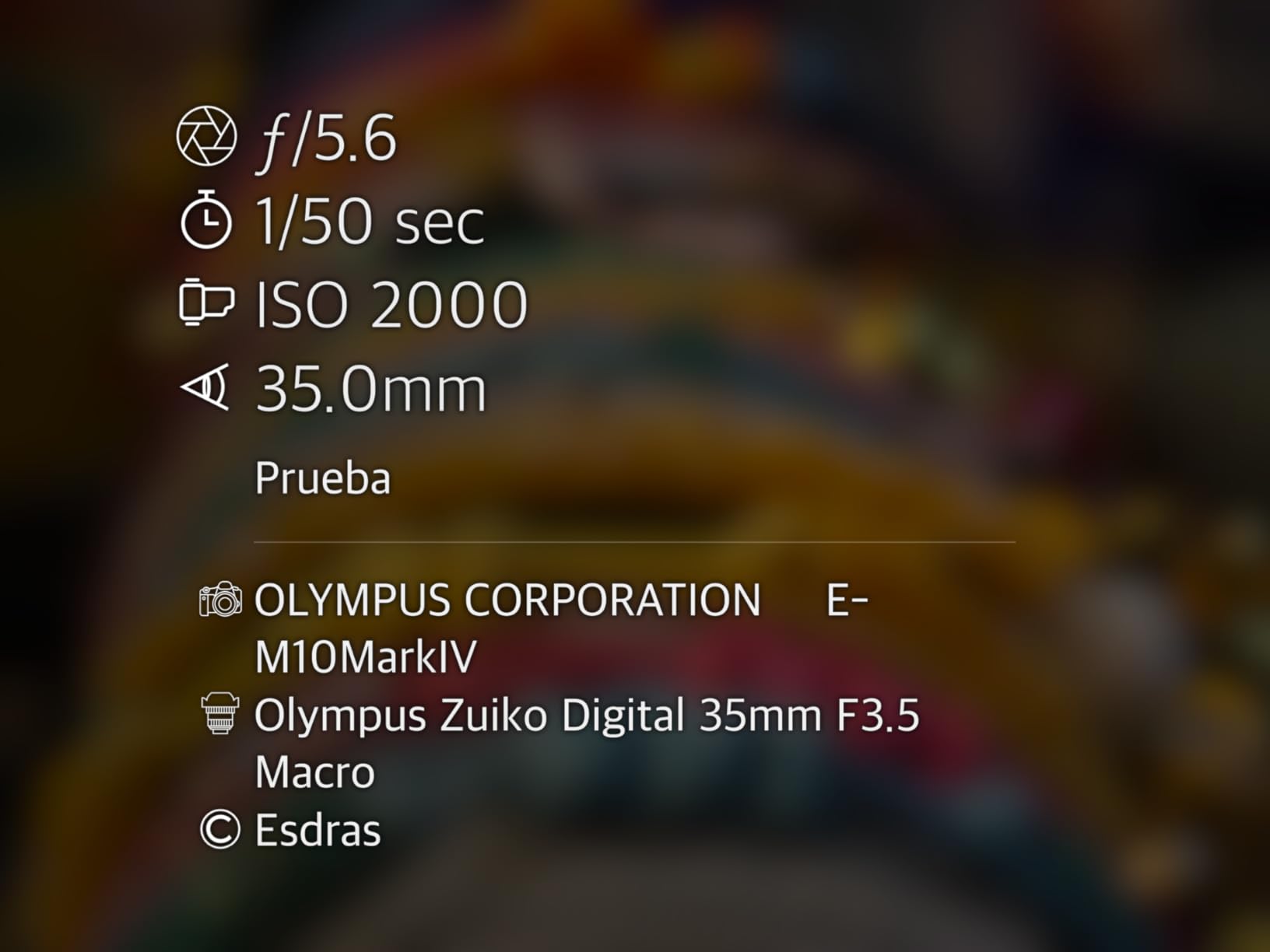
Four and a half stops of in-body stabilisation means a handheld frame at dawn twilight is realistic, and the 20MP sensor with no low pass filter produces files owners describe as sharp for the size. The 3-inch tilting touch monitor with a dedicated selfie mode and the 1.23x magnification viewfinder both help with low and unusual angles, which is where good sunrise compositions often are.
16 art filters give you a finished look without a full edit, which matters if your workflow ends on a phone. Maximum shutter is 1/16000 second and the longest is 60 seconds, so both sunstar f/16 work and long exposures for smoothing water are available.
When a pocketable camera is the right answer
For an unexpected sky event, a compact body is genuinely better than a good one still sitting in a bag. This camera starts instantly, finds a composition quickly and goes back in a pocket while the colour is still developing. That is a real workflow advantage, not a compromise talking point.
It also handles a two-frame bracket at long exposure without any fuss, and the single UHS-II slot is the only thing that would bother a professional.
Where it falls short
The format limits you. Dynamic range and high ISO noise are both worse than full frame, so a high-contrast sunrise will clip the sky sooner, and the 121-point contrast detect autofocus is slow enough that you will want to compose and focus manually rather than chase a subject.
The bundled lens has no weather sealing, which is the real limitation for a camera sold on portability. Dew and light rain reach the body through the lens mount. Treat this as a fair-weather and short-trip camera.
11. Panasonic LUMIX GH4 – Built Like a Brick, Files Like an Old Camera
Panasonic LUMIX DMC-GH4KBODY 16.05MP Digital Single Lens Mirrorless Digital Camera with 4K Cinematic Video (Body Only)
Pros
- Magnesium alloy body built for heavy professional use
- 4K 24p cinematic capture with no usual recording time limit
- 16MP sensor with no low pass filter delivers crisp fine detail
- Professional video features including timecode
- 49-area autofocus coverage for a stills oriented hybrid body
Cons
- Body only
- a lens must be added separately
- 16MP Micro Four Thirds sensor is dated with small dynamic range and heavy high ISO noise
- No in-body image stabilisation
- Older processor and autofocus system than current rivals
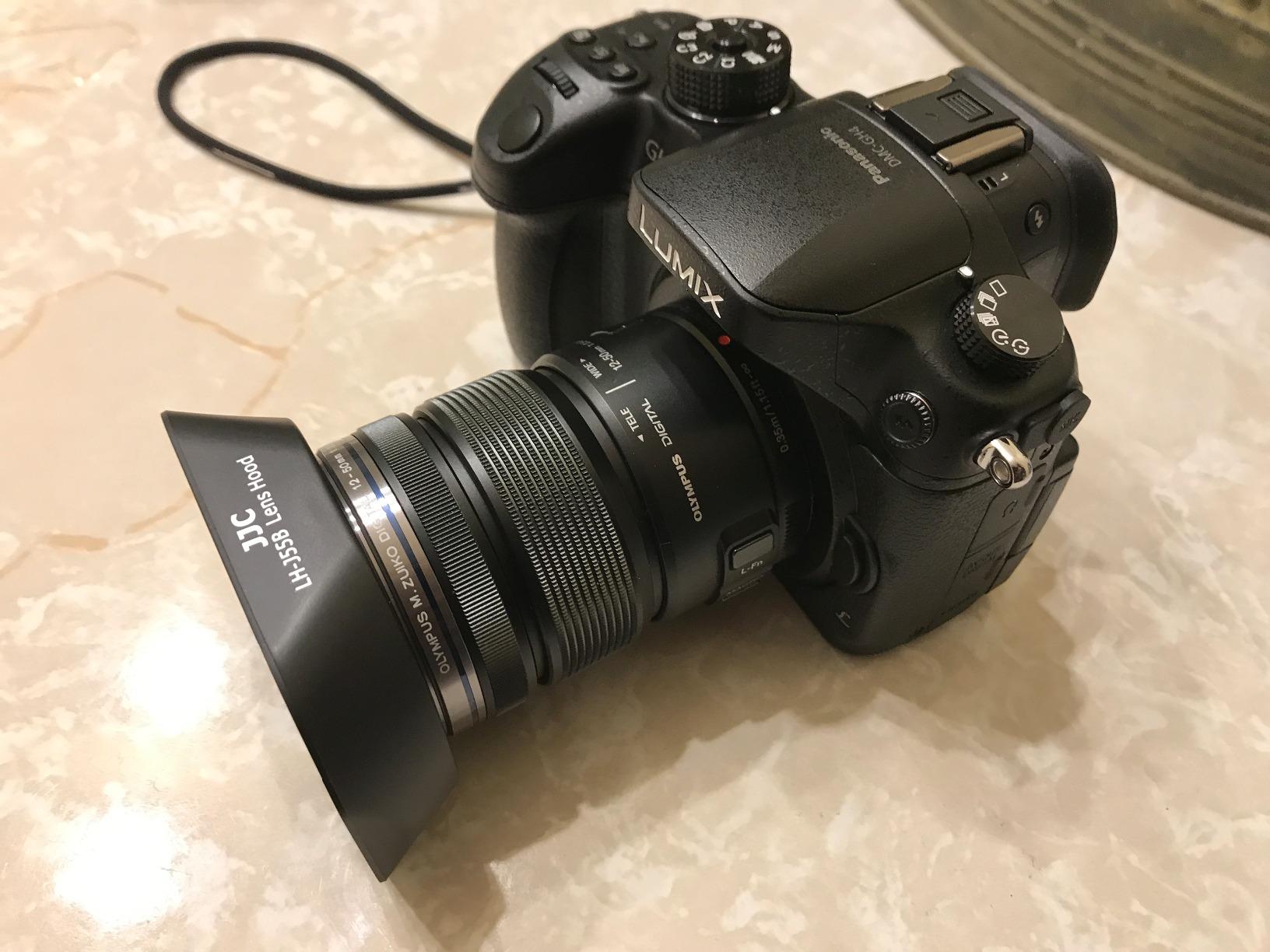
The GH4 is the odd one out in this roundup and that is exactly why it is here. This is a magnesium alloy body with a 60 second longest shutter and record times of up to 220 minutes per clip, built for people who use cameras hard. If your sunrise shoots involve cold rain, salt spray or a long walk with a heavy pack, that construction matters more than a generation of spec sheet improvement.
4K 24p at 4096×2160 plus 3840×2160 at 30p and 24p makes it a straightforward budget choice for filming the same sunrise you photograph. The 3-inch articulating touchscreen OLED and the 0.67x viewfinder are both fine for framing, and 14-bit capture at 1/8000 second maximum suits stills.
The 16.05MP Micro Four Thirds sensor has no low pass filter, and with good glass it resolves detail well for its size. That is a genuine advantage at print sizes people actually print.
Reading the age of the sensor correctly
Owners are clear that the criticisms are about age rather than quality. Small dynamic range and heavy noise at high ISO mean you will bracket every sunrise rather than trusting one frame, and there is no in-body stabilisation, so everything is tripod work. At ISO 100 the files are perfectly usable.
If you only shoot stills and have a tripod, a newer sensor will serve you better for less money. If you film as well, or you need a body that survives weather and long recording, the GH4 still earns its place.
Who should skip it
Skip it if you are a pure stills shooter chasing the widest possible tonal range. The autofocus system and processor are behind current bodies, and there is a single card slot.
Buy it if you work in the rain, need long 4K takes and want a body that does not feel fragile. That is a smaller audience, but a real one.
12. Nikon Z 6II – The Highest Rated Body Here for Cold Dawn Shoots
Nikon Z 6II | Versatile Full-Frame mirrorless Stills/Video Hybrid Camera | Nikon USA Model
Pros
- Highest average rating in the group at 4.8 stars
- 24.5MP BSI sensor with excellent low light performance and true to life colour
- 14 fps with a deep buffer clears long bracket sequences fast
- Weather sealed body with dual card slots for remote shoots
- 5-axis in-body stabilisation plus 4K UHD 60p full pixel readout
Cons
- Subject tracking can occasionally lose the subject compared with Sony and Canon
- No S-Line 70-200mm f/4 leaving a gap at mid telephoto
- Tilting screen does not rotate forward for selfie framing
- Body only with no dust protection shutter on the sensor
- FTZ adapter needed for existing F-mount lenses
The Z 6II carries the highest average rating of any body here at 4.8 stars, and for cold-weather dawn work that rating is about build quality as much as image quality. It is a weather-sealed full-frame body with dual card slots, one CFexpress or XQD and one UHS-II SD, which is the configuration you want for a remote session where a card failure or a dead battery ends the trip.

The 24.5MP BSI full-frame sensor is described by owners as excelling in low light with colour that needs very little correction, which is precisely the pre-dawn and afterglow window. Fourteen frames per second with a buffer 3.5 times larger than the original Z 6 clears a long exposure sequence quickly, and 14-bit RAW is the right file to bracket from.
For lenses, one Z mount accepts the growing NIKKOR Z line plus approximately 360 F-mount NIKKOR lenses through the FTZ adapter. That adapter route is why this body is a realistic upgrade path for a D7100 owner, and existing wide primes keep their value.

The two-frame bracket on a tripod
Set the interval timer for two EV steps, fix the aperture at f/8, keep the camera at its base ISO, and shoot five frames. The deep buffer means the sequence completes before the colour changes, and dual slots let you write a backup copy of every frame as it is captured. That redundancy is worth more on a solo dawn trip than on a studio day.
White balance is set in 100K steps, so you can dial in a warm cast and hold it through the whole sequence. Shoot RAW, and the warmth is yours to keep or remove later.
Where it falls short
Owners report that subject tracking can occasionally lose the subject more readily than first-party rivals from Sony and Canon. For a static scenic subject that is largely irrelevant, but it matters if the sunrise includes moving water spray or people.
There is no S-Line 70-200mm f/4, the tilting screen does not rotate forward, and there is no dust shutter on the sensor when changing lenses outdoors. It is body only, so glass is a separate decision.
How to Choose: The Sunrise and Sunset Buying Guide
Start with dynamic range and work outwards, not from the megapixel number down. Everything else in this guide is downstream of one question: will the sky hold detail in a single exposure, or do you need to bracket every time?
Dynamic range, and how to read the number
Dynamic range is the span between the brightest tone a sensor can record before it clips to white and the darkest tone it can separate from black noise. It is measured in stops or EV, and it is quoted at a specific ISO. The number that matters is the one at base ISO, because that is where you are metering a sunrise.
Between 14 and 15 stops, you can expose for a bright horizon and lift a foreground three or four stops below it in a single RAW file. Between 11 and 12 stops, the same scene clips the sky. A half stop of extra range, which sounds trivial, is the difference between an orange sky and a white one. Among the bodies here, the Sony a7 III leads on quoted range at 15 stops, and the full-frame bodies generally sit above the Micro Four Thirds and APS-C options on measured latitude.
Base ISO beats maximum ISO
Maximum ISO tells you the ceiling. Base ISO tells you where the camera is cleanest, and it is the number that decides how a backlit sunrise looks. ISO 50 and ISO 64 give roughly half a stop more highlight headroom than ISO 100, and the sun is exactly the subject you cannot afford to clip.
Some bodies expand down to ISO 50 or ISO 80 in a 14-bit mode. The Sony a7 III lists ISO 50 to 204,800 with native 100 to 51200, and the Nikon D7100 expands to ISO 50 as well. Those expansion settings are where a bracketing sequence is cleanest.
What ISO to use at each phase of the light
Dawn and dusk forum consensus, including discussion on the DPReview forums, settles on ISO 100 at f/5.6 to f/8 with shutter speeds up to 30 seconds for the pre-dawn phase. That is the range where you are on a tripod anyway and the shadows are still deeply shadowed. Pushing past ISO 800 is where smaller sensors start to show noise you cannot fully recover.
Use this as your working ladder, on a tripod, shooting RAW:
First light before the sun clears the horizon: ISO 100 to 200, f/8, 2 to 30 seconds. The scene is flat and low contrast, so this is the easy phase.
The colour phase, sun on the horizon: ISO 100 to 400, f/8 to f/11. Stop down for front-to-back sharpness. Pull exposure compensation to -0.5 to -1.0 EV to saturate the sky.
Golden hour, sun a little higher: ISO 200 to 800, f/5.6 to f/8. Contrast is now the hard part, and this is where a wider sensor pays for itself.
Blue hour and afterglow: ISO 800 to 3200, f/4 to f/5.6, handheld if your body has stabilisation. Shadow noise matters more here than resolution.
Silhouette frames: ISO 100, f/8 to f/11, exposure compensation at -1.5 to -2.0 EV. Protect the sky and let the land go black.
Airy pastel sunrise: ISO 100, f/8, exposure compensation at +0.3 to +0.7 EV. This is the one phase that rewards overexposure.
Starbursts after dark: ISO 800 to 1600, f/11 to f/16, 15 to 25 seconds. A tripod is not optional here.
Aperture by scene
Aperture is your depth-of-field and light-collection dial, and at sunrise it is mostly a depth-of-field decision. At f/8 you get front-to-back sharpness from foreground grass to a distant ridge, which is the classic choice. At f/11 to f/16 you get sunstars through foreground branches and the most sky colour, at the cost of diffraction softness at the corners and a real risk of underexposure.
At f/2.8 to f/4 you gather more light for a handheld afterglow frame, and you soften backgrounds, which some scenic photographers like. Is f/2.8 or f/4 better? On a tripod for a wide view, f/8 beats both for sharpness. Handheld at blue hour, f/2.8 wins because it buys you the shutter speed. That is the whole argument.
Exposure bracketing and the graduated filter question
Bracketing takes three to five frames at one to two EV steps and merges them later, which is the most reliable way to hold a bright sky and a dark valley. Every body here can do it, and a body with a dependable interval timer and a silent electronic shutter makes it fast. Our guide to graduated filters versus exposure blending covers when a physical filter is still the better answer on a single frame.
The decision rule is simple. Check the histogram: if the sky clips at your intended exposure and the foreground is four stops or more below, bracket. If the whole frame fits, expose once and save the tripod. Do not bracket out of habit, because merging introduces its own artefacts in moving water and moving clouds.
White balance, the most repeated complaint
The single most repeated complaint in the discussions I read was automatic white balance neutralising exactly the warm cast the photographer was trying to capture. Set Kelvin manually and shoot RAW. The Panasonic G85 runs 2500K to 10000K in 100K steps, and most full-frame bodies give comparable fine control.
Set the white balance before the light peaks, not during. A warm setting at the colour phase and a cooler one for the blue hour gives you two visibly different photographs from the same location.
Glass, tripod and what actually moves the image
Spend wisely and the order matters. A solid tripod is more valuable than a resolution upgrade, because every frame at f/8 or slower needs one and a shaky horizon ruins a sunrise. Next, a fast wide prime. Only then consider the body.
On lenses, wide-angle availability for the mount is a real buying factor. E-mount has the deepest third-party selection of wide primes and ultra-wide zooms, and Z-mount plus the FTZ adapter keeps a large back catalogue alive. Smaller mounts have fewer options, and that is a genuine constraint rather than a preference. Our roundup of mirrorless cameras for wide-angle scenic work goes deeper on this, and graduated ND filters for sunrise covers the filter side of the workflow.
One honest note from those discussions: a widely repeated view is that the dynamic range of most cameras already exceeds the dynamic range of most scenes, which is an argument for spending on a lens and a tripod rather than upgrading a body you already own. That argument is right more often than not.
Frequently Asked Questions
What ISO should I use for sunrise?
Start at ISO 100 and stay there as long as the tripod is doing its job. On a tripod, ISO 100 to 200 at f/8 with shutter speeds from 2 to 30 seconds covers the flat pre-dawn light and most of the colour phase. Move to ISO 400 to 800 for the golden hour, and to ISO 800 to 3200 only for handheld blue hour frames. Shoot RAW, because it lets you correct white balance and exposure later without adding noise.
Is it better to take photos at sunrise or sunset?
For most photographers, sunrise is easier to shoot well. The air is cooler and often cleaner, contrast is at its most extreme in the minutes after the sun clears the horizon, and headlands are usually empty. Sunset is more forgiving, lasts longer, and gives a broader window, but arrives with haze, a heavier palette and crowds. Set white balance manually at either, and do not leave it on automatic.
What camera has the greatest dynamic range?
Among the bodies in this roundup, the Sony Alpha a7 III leads on quoted figure at 15 stops of dynamic range, with an ISO 50 to 204,800 range that includes native ISO 100 to 51200. That half stop of extra headroom below ISO 100 is what keeps a bright horizon from clipping. In practical terms any full-frame body in this list will hold a sunrise in one exposure, while the Micro Four Thirds options need bracketing more often.
What is the best value camera for sunrise and sunset photography?
The Sony Alpha a6000 is the value pick here: a 24.2MP APS-C sensor with a proper ISO 100 base, 12.16 ounces of body and the largest owner base in the roundup at a 4.5 star average. Add a fast wide prime and a tripod and it will out-shoot far more expensive kits for dawn work. The Nikon D7100 is the alternative if you already own a tripod and want weather sealing with dual card slots.
What camera do most outdoor and travel photographers use?
Most working scenic and travel photographers shoot full-frame mirrorless, and the most common choices in forum discussion are the Sony a7 III generation, the Nikon Z 6II and the Canon R6 Mark II. That said, compact bodies cluster tightly around the Sony RX100 VII, the Ricoh GR III and the Fujifilm X100 series for the moment a good sky appears unexpectedly. Format matters far less to a sunrise than having the camera with you at 5am.
Is f/2.8 or f/4 better for sunrise and sunset photography?
On a tripod, f/8 beats both because it gives you front-to-back sharpness from foreground to horizon, and f/11 to f/16 gives you sunstars through foreground branches at the cost of corner softness. Handheld at blue hour, f/2.8 wins because the extra light buys you the shutter speed you need. Neither aperture holds the sky on its own, so expose for the highlights and let the foreground go dark.
Which Camera Should You Buy?
The best cameras for sunrise and sunset photography in 2026 come down to one honest question: how much tonal range do you need in a single frame, and how much gear do you want to carry to get it. My top pick is the Sony Alpha a6000, because 12.16 ounces and a 24.2MP APS-C sensor with a true ISO 100 base means the camera is always with you when the alarm goes off, and the light, not the body, is what decides the photograph.
If you want maximum headroom in one exposure, take the Sony Alpha a7 III, with 15 stops of dynamic range and an ISO 50 base setting. If you want resolution and the widest choice of wide-angle glass, take the Sony Alpha a7 IV. If you want the highest owner rating and a sealed, dual-slot body for cold remote shoots, take the Nikon Z 6II.
Then spend your remaining budget in this order: a tripod, a fast wide prime, a second battery. A body upgrade past any of the twelve above will change your sunrise frames far less than any of those three will, and a widely repeated view on photography forums is that most cameras already capture more dynamic range than most scenes contain.
Whichever you choose, arrive thirty minutes before the sun does, set your white balance in Kelvin, underexpose by about one stop and check the histogram. The camera matters. The settings matter more.