
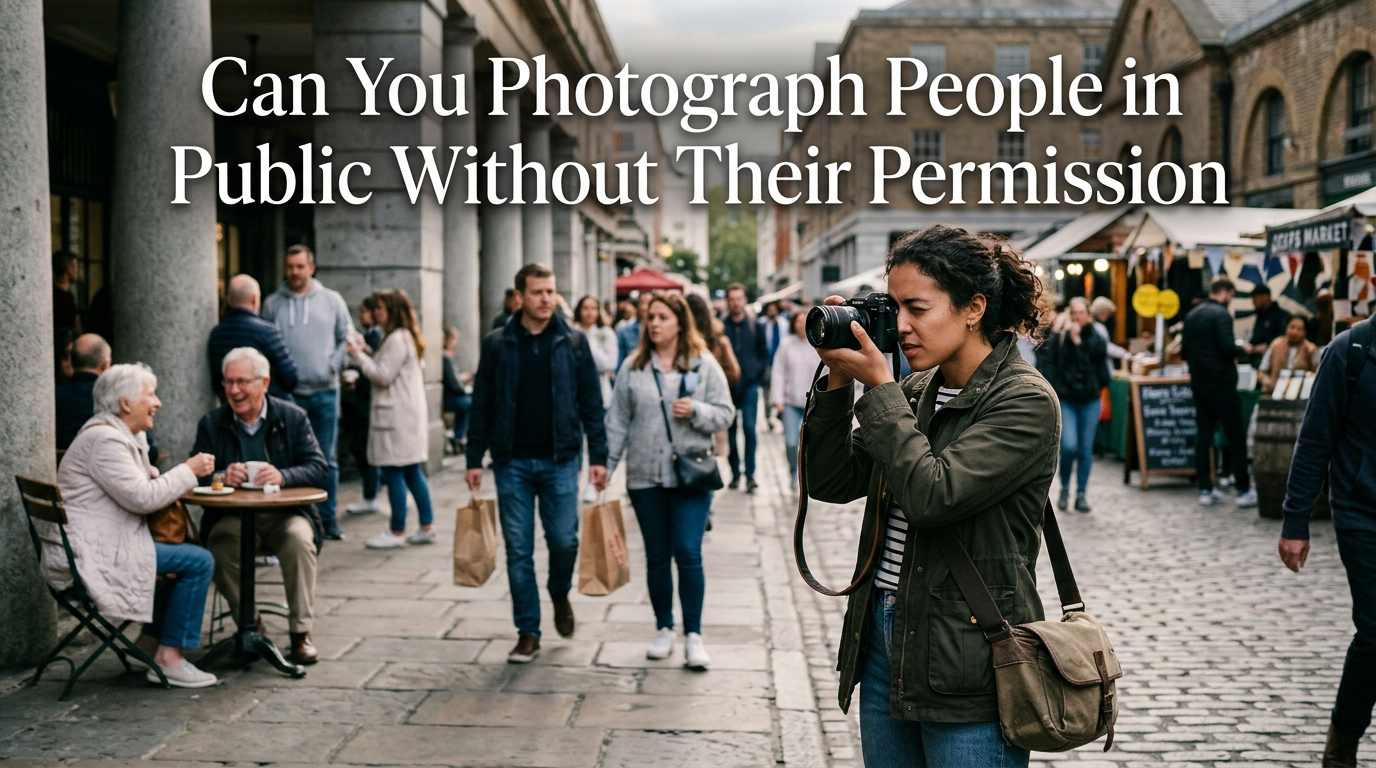
Yes, you can photograph people in public without their permission in most situations. This is protected by your First Amendment rights in the United States. The key legal principle is “reasonable expectation of privacy” – and in public spaces, this expectation is very low.
I have been practicing street photography for over 15 years. In that time, I have captured thousands of candid moments in public spaces. I have also dealt with confrontations, legal questions, and ethical dilemmas. This guide shares what I learned about the line between legal rights and ethical responsibility.
The difference between what is legal and what is right matters here. You may have the legal right to photograph someone without permission. But that does not always mean you should. Understanding both aspects helps you become a more responsible photographer.
Table of Contents
When Photography is Legal in Public Spaces
In the United States, the First Amendment protects your right to photograph people in public spaces. This includes streets, parks, sidewalks, and other publicly accessible areas. You can photograph anything in plain view when you are lawfully present.
Public spaces include sidewalks, city parks, public beaches, and streets. You can also photograph subjects on private property if they are visible from a public space. For example, you can photograph someone sitting on their front porch visible from the street.
Government buildings, transportation facilities, and federal buildings also allow photography in publicly accessible areas. The ACLU confirms this right extends to police officers and other government officials performing their duties in public.
The key phrase is “lawful presence.” You must be in a place where you have the right to be. Trespassing onto private property to take photos changes the legal situation completely.
Understanding Reasonable Expectation of Privacy
Reasonable expectation of privacy is the legal standard that determines when privacy rights apply. This concept comes from Fourth Amendment case law but applies to photography throughout the United States.
In private spaces like bathrooms, changing rooms, and inside homes, people have a high expectation of privacy. Photographing in these spaces without permission violates privacy laws. You could face criminal charges or civil lawsuits.
In public spaces, the expectation of privacy is minimal. Courts consistently rule that people cannot expect privacy for activities visible to the public. Walking down the street, sitting in a park, or shopping in a store are all public activities.
The standard is objective – what would a reasonable person expect? Not what an individual subjectively feels. This protects photographers from claims based on unusually privacy-sensitive individuals.
Some gray areas exist. A phone booth (historically) or a parked car might create limited privacy expectations. But generally, if you can see it from a public space without special equipment, you can photograph it.
Commercial vs Personal Use: Why It Matters
Personal use photography faces few restrictions. You can take photos for your personal collection, portfolio, or artistic expression. Sharing on personal social media accounts generally falls under personal use, though platform policies vary.
Commercial use triggers different rules. Commercial use means using photos for advertising, promotional materials, product endorsements, or stock photography sales. When you use someone’s likeness to sell something, you need their permission.
Editorial use occupies a middle ground. News reporting, documentary work, and fine art photography can use photos of people without releases. Courts protect this as free expression. A news photo of a protest does not need model releases.
Model release forms provide legal permission to use someone’s likeness commercially. These signed documents protect you from right of publicity claims. I always carry model release forms in my camera bag.
The right of publicity gives people control over commercial use of their name and likeness. This varies by state but generally requires consent for advertising use.
Posting on social media gets complicated. Personal accounts with few followers lean toward editorial use. Business accounts promoting products or services lean toward commercial use. Best practice: get releases if you plan to use photos commercially.
State and International Variations
United States law provides strong protection for photographers. But some states add specific restrictions. New York has particularly strong right of publicity laws. California also has robust protections for celebrities and public figures.
Most states follow the general principle: no privacy expectations in public spaces. But some states have specific laws about harassment or stalking that could apply to persistent photography of the same individual. Check your local laws before starting a street photography project.
International laws vary dramatically. In France, privacy rights are much stronger. You generally need permission to publish recognizable photos of people, even in public spaces. Germany has similar strong privacy protections.
European GDPR regulations affect photography. GDPR protects personal data, which includes photographs. For commercial use, you need explicit consent. Even for personal use, you should be careful about posting photos online where EU residents might be identified.
Canada follows a similar approach to the US for most street photography. The UK also allows photography in public spaces. But these countries have stronger privacy cultures, so ethical considerations matter more.
When traveling internationally, I research local photography laws. I also observe local customs and norms. Being respectful matters more than legal rights when you are a guest in another country.
Ethical Considerations: Beyond What’s Legal
Legal rights do not equal ethical behavior. I can legally photograph homeless people, but I choose not to. Exploiting vulnerable people crosses an ethical line for me.
Consider the power imbalance between photographer and subject. A camera can feel invasive even in public spaces. Being respectful and considerate builds trust in the photography community.
Some photographers follow personal ethics guidelines. I have my own rules: no photos of people in distress, no exploitation of vulnerable populations, and I always try to be kind when confronted. Many street photographers share similar principles.
Consent matters ethically even when not legally required. I sometimes ask permission after taking candid shots if the person seems uncomfortable. Offering to delete photos when someone objects builds goodwill.
Photographing children raises special ethical concerns. While generally legal in public spaces, many photographers avoid it or get parental permission. I rarely photograph children without talking to parents first.
Think about your subjects as people, not just photographic opportunities. How would you feel if someone photographed you? This simple question guides many of my ethical decisions.
Special Situations and Exceptions
Photographing celebrities or public figures follows the same legal rules. In public spaces, you can photograph them without permission. Their right of publicity is stronger for commercial use, but editorial and artistic use is protected.
Airports and transportation facilities allow photography in publicly accessible areas. TSA checkpoints and security screening areas are exceptions. Federal regulations restrict photography of security equipment and procedures.
Government buildings vary. Publicly accessible lobbies and grounds generally allow photography. Security checkpoints and restricted areas do not. Always follow posted signs and security instructions.
Schools and hospitals present special considerations. While you can photograph from public sidewalks, many photographers avoid these locations out of respect. Some states have specific laws about photographing schools.
Military bases and nuclear facilities have strict photography bans. These locations are clearly marked. Violating these restrictions can result in serious federal charges.
Accident scenes and emergency situations allow photography if you are in a public space. However, ethical considerations apply. I avoid photographing injured people out of respect and dignity.
What to Do If Someone Confronts You
Stay calm and respectful. Defensiveness escalates situations. I explain my rights clearly but politely. Most confrontations end peacefully when you remain professional.
Know your rights but be prepared to leave. Legal rights are important, but personal safety matters more. If someone becomes aggressive, walk away even if you are legally right.
You generally do not have to show identification or delete photos. Police cannot make you delete photos without a court order. However, if an officer gives you a lawful order, comply and contest it later.
Carry information about photographer rights. I keep a printed card with relevant legal information. This helps explain your position calmly when confronted.
If someone demands you delete photos, you can politely refuse. Explain that you are exercising your First Amendment rights. Offer to discuss it further if they remain calm.
When police approach, ask if you are free to go. If yes, you may leave. If you are detained, do not resist. Document the interaction if possible and file a complaint later if your rights were violated.
Trust your instincts. If a situation feels unsafe, leave. No photograph is worth physical confrontation or legal trouble. You can return another time or find a different location.
Can I photograph police officers?
Yes. You have the constitutional right to photograph police officers performing their duties in public spaces. This includes traffic stops, arrests, and other law enforcement activities. Police cannot demand you stop photographing or delete your photos. However, you cannot interfere with police operations, and you must maintain a reasonable distance. Several court cases have affirmed this right under the First Amendment. If an officer tells you to stop photographing, you can politely state your rights. If they persist, comply for your safety and file a complaint later.
Can someone make me delete my photos?
Generally no. No private citizen can legally force you to delete photos taken in public spaces. Police officers also cannot make you delete photos without a court order. However, security guards at private properties can ask you to leave, and refusal could lead to trespassing charges. If someone threatens you or becomes aggressive, prioritize your personal safety over keeping the photo. Document the interaction if possible and seek legal recourse later if your rights were violated. The photos are your property once captured.
Do I need model releases for street photography?
No, you do not need model releases for artistic, editorial, or personal use of street photography. Model releases are only required for commercial use where the person’s likeness is used to sell or promote products or services. You can publish street photos in books, exhibitions, news articles, or personal portfolios without releases. However, if you plan to license the images for advertising or promotional materials, get signed model releases from recognizable subjects. Editorial use and fine art photography are protected under free expression.
Is it illegal to post photos of strangers online?
Posting photos of strangers taken in public spaces is generally legal for personal, artistic, or editorial purposes. You can share on social media, photography websites, or personal blogs without permission. However, use caution with commercial accounts or if the photos could be considered defamatory. Posting with malicious intent or false captions that harm someone’s reputation could lead to legal issues. Platform policies vary – some social media sites have their own rules about posting photos of others. Always consider the ethical implications alongside legal rights.
Conclusion
Understanding photography rights empowers you to practice street photography confidently. In the United States, you can legally photograph people in public spaces without permission. This First Amendment right supports artistic expression, journalism, and personal documentation.
Legal rights come with ethical responsibilities. I have learned to balance my legal freedoms with respect for my subjects. This approach has served me well through years of street photography.
Start by understanding your local laws. Know the difference between public and private spaces. Learn about model releases and commercial use restrictions. Most importantly, develop your own ethical guidelines that go beyond legal requirements.
The best street photographers capture authentic moments while respecting their subjects. They know their rights but use them responsibly. Use this knowledge to create compelling photography that tells stories while treating people with dignity.