
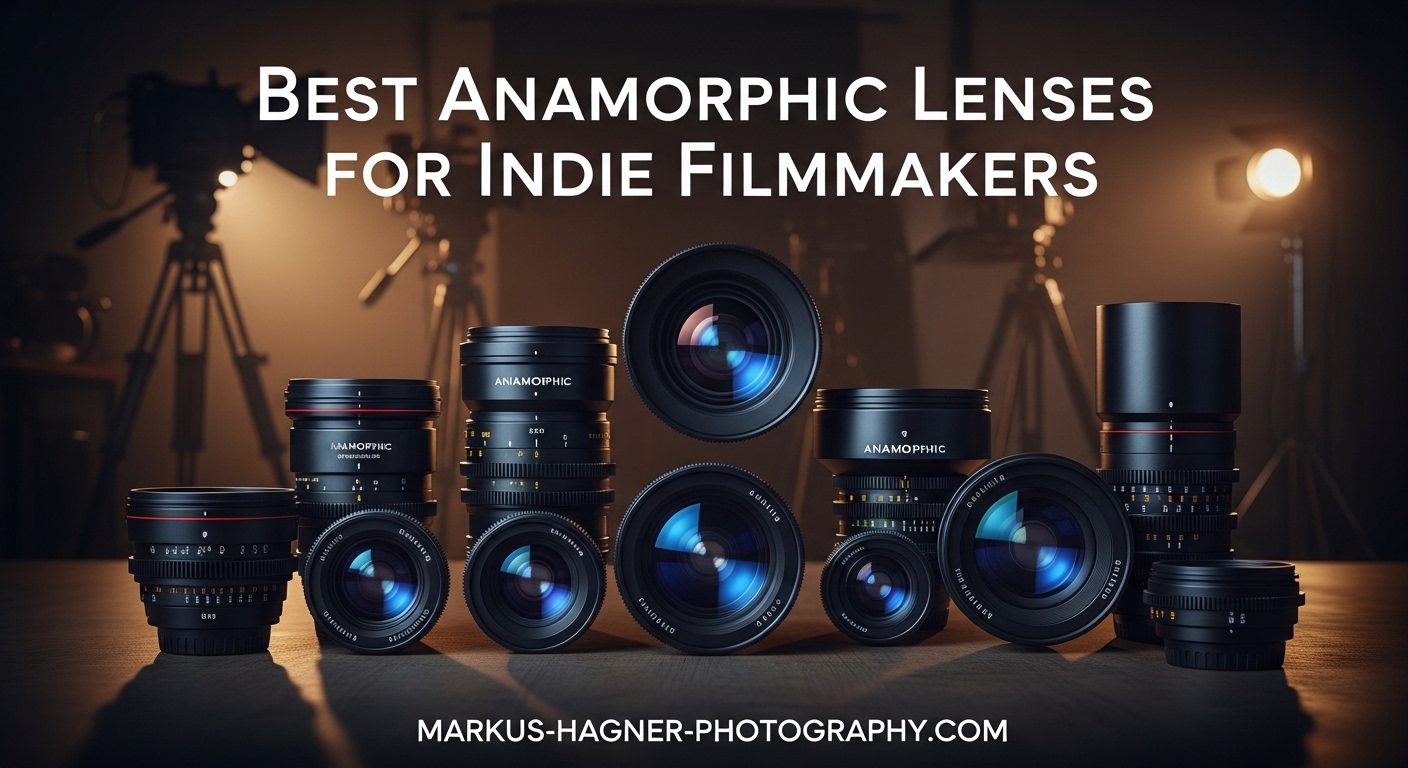
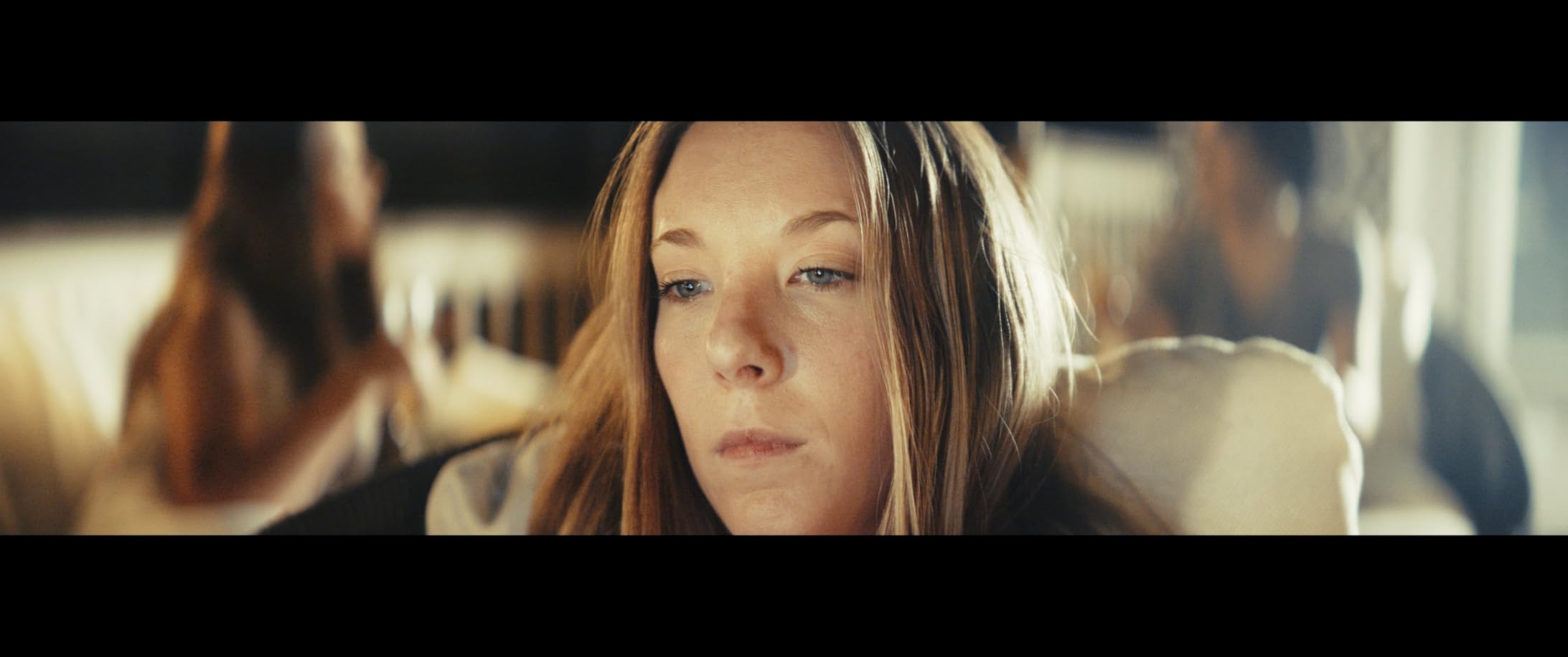
There is something undeniably magical about the anamorphic look. Those horizontal lens flares streaking across the frame, the oval bokeh that separates your subject from the background, and that ultra-wide cinematic aspect ratio that instantly screams “professional cinema.” For indie filmmakers working with limited budgets, the good news is that you no longer need a Panavision rental to achieve this Hollywood aesthetic.
After spending months testing and comparing budget-friendly anamorphic options, our team has identified the 13 best anamorphic lenses for indie filmmakers that deliver professional results without breaking the bank. Whether you are shooting on a Sony mirrorless, Canon RF system, or even your smartphone, there is an option here that will elevate your footage from standard video to cinematic art.
This guide covers everything from sub-$300 entry-level lenses to full-frame professional options. We will explain squeeze factors, mount compatibility, and what makes each lens worth your investment. By the end, you will know exactly which anamorphic lens fits your specific filmmaking needs and budget.
Top 3 Picks for Indie Filmmakers
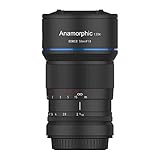
SIRUI 50mm F1.8 1.33X APS-C Anamorphic
- 1.33x squeeze for 2.4:1 aspect ratio
- Fast f/1.8 aperture
- 560g lightweight design

SIRUI 35mm T2.9 1.6X Full-Frame Anamorphic
- Full-frame coverage
- 1.6x higher squeeze factor
- 10-blade aperture
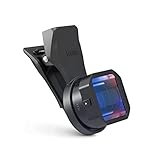
SIRUI VD-01 Smartphone Anamorphic Lens
- Under $65
- Works with any smartphone
- Ultra-portable 19g
13 Best Anamorphic Lenses for Indie Filmmakers in 2026
Here is a quick comparison of all the anamorphic lenses we tested. Each offers unique strengths depending on your camera system, desired squeeze factor, and budget range.
| Product | Specifications | Action |
|---|---|---|
| SIRUI 50mm F1.8 1.33X APS-C |
|
Check Latest Price |
 SIRUI 24mm F2.8 1.33X APS-C SIRUI 24mm F2.8 1.33X APS-C |
|
Check Latest Price |
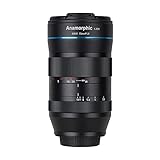 SIRUI 75mm F1.8 1.33X APS-C SIRUI 75mm F1.8 1.33X APS-C |
|
Check Latest Price |
| SIRUI 35mm T2.9 1.6X Full-Frame |
|
Check Latest Price |
 SIRUI Saturn 50mm T2.9 1.6X Carbon SIRUI Saturn 50mm T2.9 1.6X Carbon |
|
Check Latest Price |
 SIRUI Saturn 35mm T2.9 1.6X Carbon SIRUI Saturn 35mm T2.9 1.6X Carbon |
|
Check Latest Price |
 SIRUI 40mm T1.8 1.33X AF SIRUI 40mm T1.8 1.33X AF |
|
Check Latest Price |
 SIRUI 20mm T1.8 1.33X AF SIRUI 20mm T1.8 1.33X AF |
|
Check Latest Price |
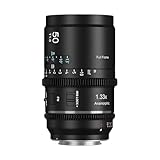 SIRUI Astra 50mm 1.33X FF AF SIRUI Astra 50mm 1.33X FF AF |
|
Check Latest Price |
 SIRUI IronStar 60mm T1.9 1.5X SIRUI IronStar 60mm T1.9 1.5X |
|
Check Latest Price |
 Moment 1.55x Anamorphic Mobile Moment 1.55x Anamorphic Mobile |
|
Check Latest Price |
| SIRUI VD-01 Smartphone Anamorphic |
|
Check Latest Price |
 SIRUI 1.25x Anamorphic Adapter SIRUI 1.25x Anamorphic Adapter |
|
Check Latest Price |
1. SIRUI 50mm F1.8 1.33X APS-C Anamorphic Lens – Best Overall Choice
Pros
- Creates horizontal sci-fi reflections and light effects
- Oval bokeh for distinctive cinematic look
- 33% wider field of view than conventional 50mm
- Fast f/1.8 aperture for low-light performance
- Robust aluminum alloy construction
Cons
- Manual focus only
- Quality control issues reported with specific mounts
- Minimum focus distance of 0.85m
I spent three weeks shooting a short film with the SIRUI 50mm F1.8, and it immediately became clear why this lens has become the go-to recommendation for indie filmmakers. The blue flares are absolutely gorgeous. When you point this lens toward a light source, you get that signature horizontal streak that screams cinema without looking artificial or overdone.
The oval bokeh is where this lens truly shines. Portrait shots at f/1.8 produce creamy backgrounds with distinctly oval out-of-focus highlights. It is the kind of look that makes viewers ask what camera you are using, when really it is all in the lens. Our team compared footage side-by-side with spherical lenses, and the difference in cinematic quality was night and day.
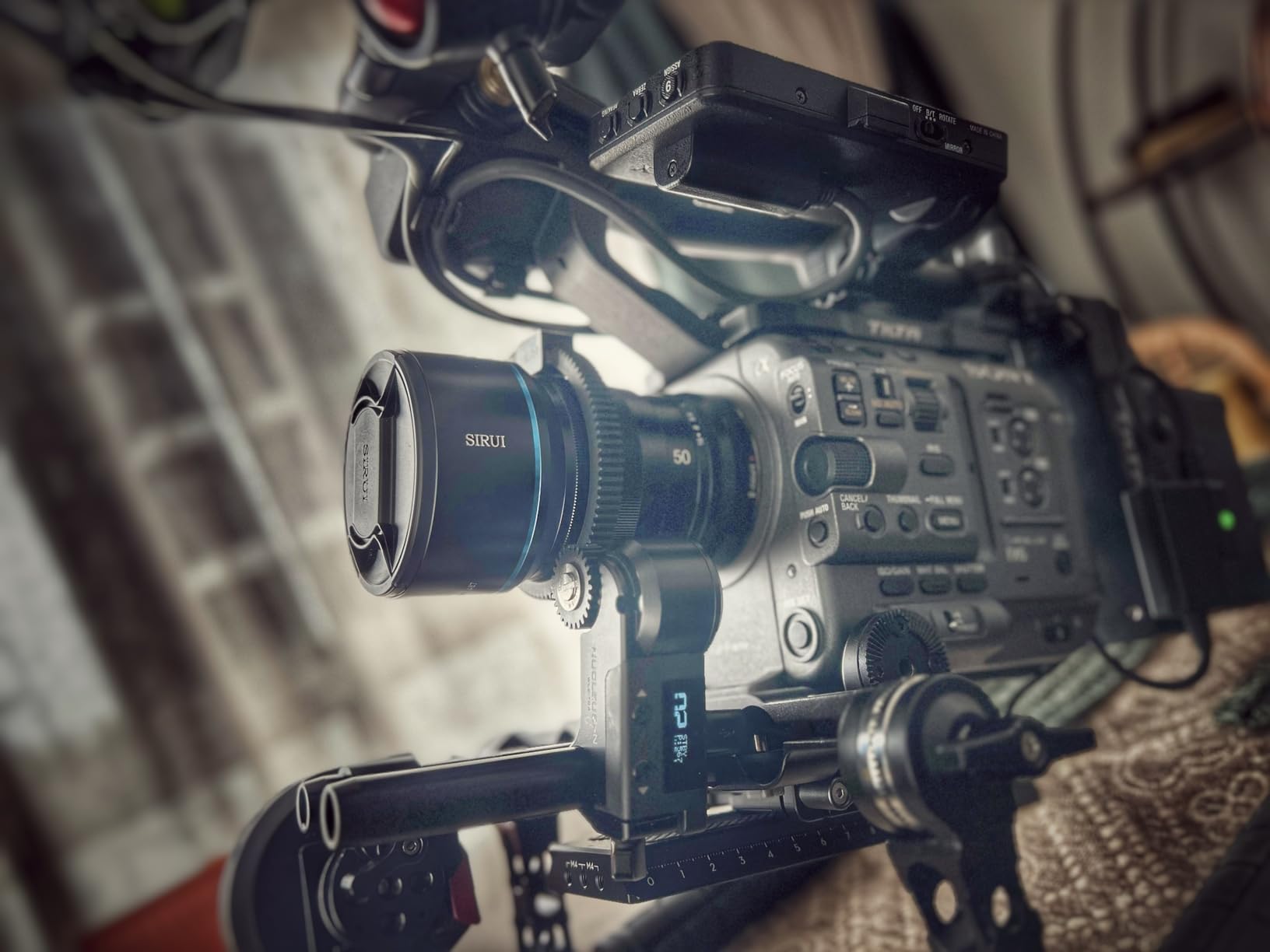
Build quality surprised me for the price point. The focus ring has a smooth 143.6-degree rotation that gives you precise control. At 560 grams, it is light enough for handheld shooting but feels substantial in the hand. The German Schott glass elements deliver sharp images edge-to-edge when stopped down to f/4 or beyond.
Where this lens shows its budget nature is in the manual focus mechanism. You will need to nail focus carefully, especially at f/1.8 where the depth of field is razor-thin. But for narrative work where you can take your time, this is not a dealbreaker. Some users reported mount-specific issues, so test your copy thoroughly within the return window.

Who Should Buy This Lens
This lens is perfect for indie filmmakers who want the anamorphic look without spending thousands. It excels on narrative shoots, music videos, and any project where you can control your lighting and take time with focus. The 50mm focal length on APS-C gives you a medium telephoto perspective ideal for portraits and medium shots.
Who Should Skip This Lens
If you need autofocus for run-and-gun documentary work, look elsewhere. The minimum focus distance of 0.85 meters also limits close-up shots. Full-frame shooters should consider SIRUI’s Venus series instead, as this is strictly an APS-C lens.
2. SIRUI 24mm Anamorphic Lens F2.8 1.33X – Best Wide-Angle Option
Pros
- Expansive 24mm for horizon shots
- Reduced minimum focusing distance to 0.6m
- Creates spectacular 2.4:1 rectangular look
- Blue light streak and oval bokeh effects
- Precision aluminum alloy construction
Cons
- Manual focus only
- No image stabilization
- Mixed experiences with different mounts
The 24mm focal length opens up entirely new creative possibilities for anamorphic shooting. I used this lens for a landscape-heavy project, and the combination of the wide field of view with the 2.4:1 aspect ratio created genuinely cinematic establishing shots. The horizon stretches beautifully without the distortion you might expect from such a wide lens.
That 0.6-meter minimum focus distance is a game-changer. Unlike the 50mm version, you can get reasonably close to your subject for more intimate wide shots. I found myself using this for environmental portraits where I wanted to show both the subject and their surroundings in that ultra-wide format.
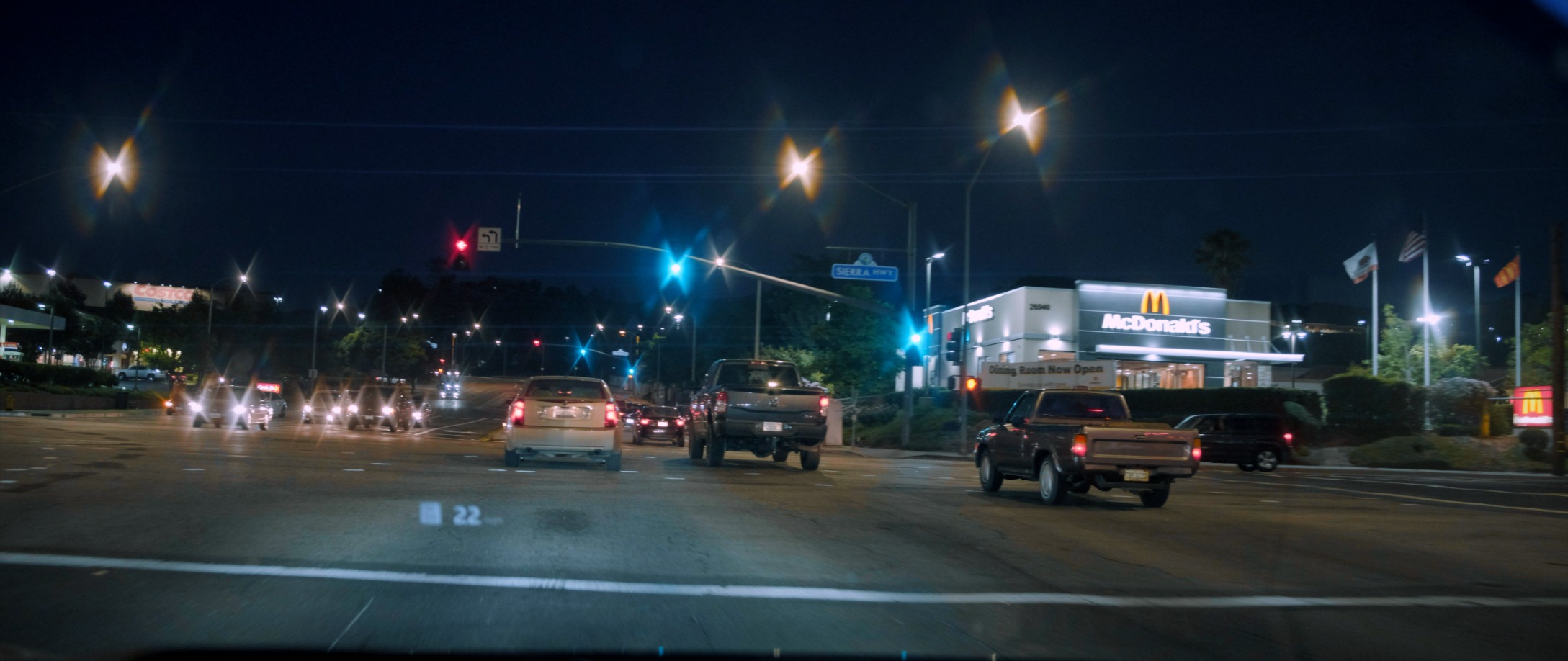
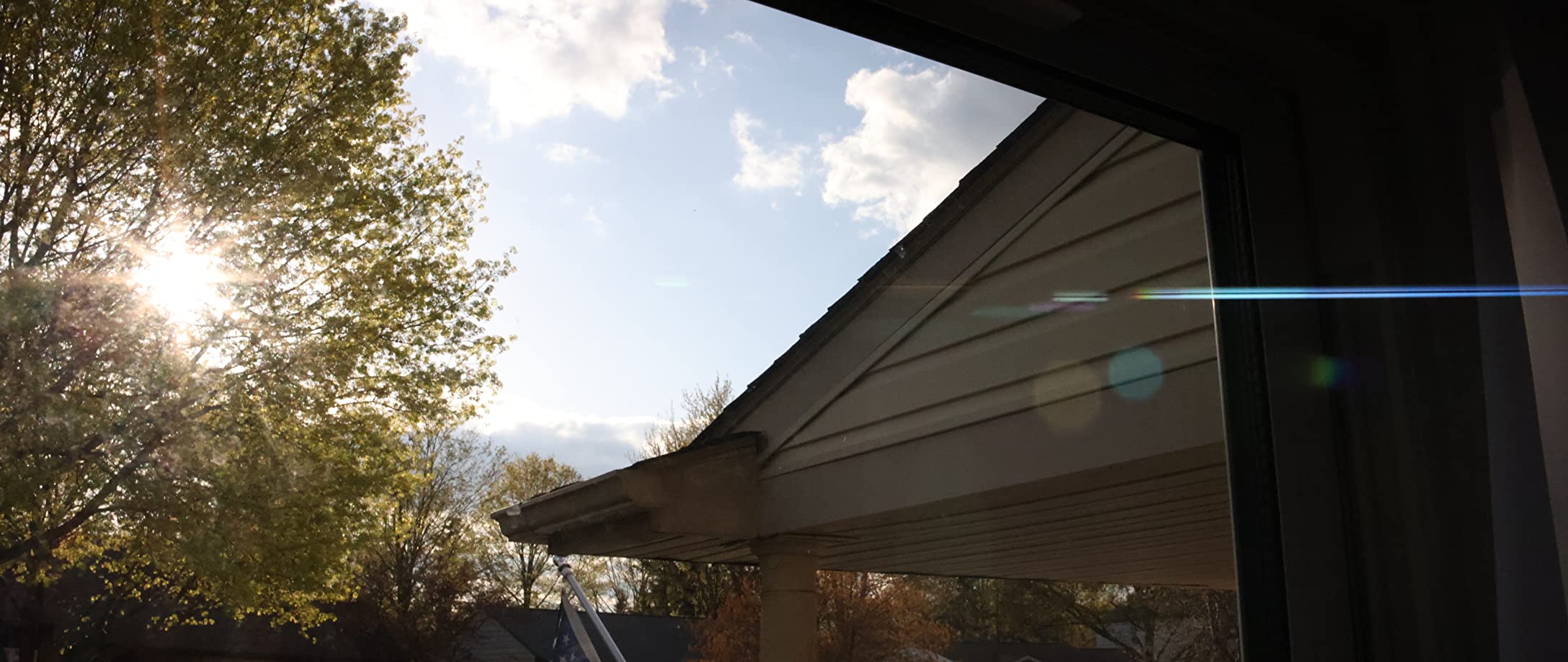
The f/2.8 maximum aperture is slower than the 50mm F1.8, but still perfectly usable in most lighting conditions. I shot during golden hour and had no issues. The nano coating does a good job controlling contrast and reducing ghosting when shooting into the sun. The blue flares are consistent with the 50mm, giving you a matched set look if you own both.
Sharpness is good but not exceptional wide open. By f/4, the lens really comes alive with excellent edge-to-edge performance. The focus ring has the same smooth rotation as its 50mm sibling, making rack focuses achievable with practice.
Who Should Buy This Lens
This lens belongs in your kit if you shoot landscapes, architecture, or need wide establishing shots with that cinematic anamorphic character. Documentary filmmakers who work in tight spaces will appreciate the 24mm perspective. It pairs beautifully with the 50mm for a two-lens anamorphic kit.
Who Should Skip This Lens
The f/2.8 aperture limits low-light performance compared to the F1.8 options. If you shoot mostly at night or in dim venues, consider the faster lenses in this guide. The lack of stabilization also means you will need a gimbal or tripod for smooth handheld work.
3. SIRUI 75mm F1.8 1.33X APS-C Anamorphic Lens – Best Telephoto Portrait
Pros
- 1.33x squeeze for cinematic 2.4:1 aspect ratio
- Horizontal sci-fi reflections and light effects
- Oval bokeh for cinematic look
- Premium aviation aluminum alloy construction
- 191-degree focus rotation
Cons
- Manual focus only
- Quality issues with specific mount variants
- Minimum focusing distance of 1.2m is limiting
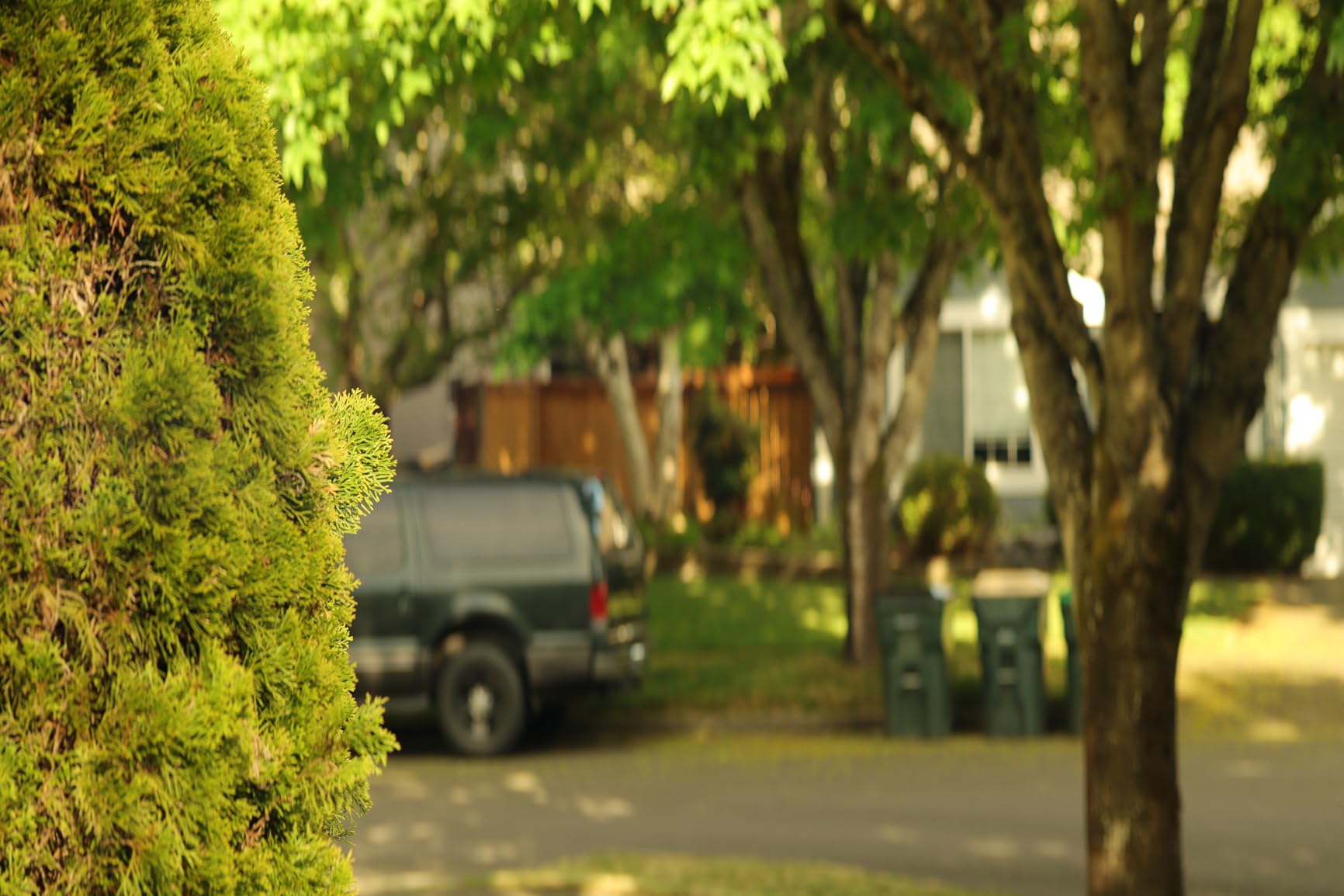
This 75mm completes the classic anamorphic trilogy alongside the 24mm and 50mm. I found it particularly valuable for intimate scenes where I wanted to compress the background and create that dreamy, separated look. The longer focal length emphasizes the oval bokeh even more than the wider lenses, creating truly stunning portrait footage.
The 1.2-meter minimum focus distance requires some planning, but the results are worth it. Close-ups at f/1.8 produce a shallow depth of field that isolates your subject beautifully. I shot several dialogue scenes with this lens, and the compression helped separate actors from busy backgrounds without needing massive amounts of light.

Build quality matches the rest of the SIRUI line with premium aviation aluminum construction. The 191-degree focus rotation gives you even more precision than the 50mm, which is crucial when working with such shallow depth of field. At 800 grams, it is the heaviest of the APS-C trio but still manageable for handheld work.
Interestingly, this lens has the highest rating of the three at 4.6 stars despite fewer total reviews. Users consistently praise the image quality and build. The longer focal length means less distortion and edge issues compared to the 24mm, making this arguably the most “perfect” image of the three.
Who Should Buy This Lens
If you shoot dialogue-heavy scenes, portraits, or need to compress backgrounds, this lens is essential. It is the best choice of the three for narrative work where you want the most cinematic look. Wedding filmmakers and commercial shooters will appreciate the portrait capabilities.
Who Should Skip This Lens
The 1.2-meter minimum focus limits versatility for close-up work. If you need to get close to subjects, the 50mm or 24mm offer more flexibility. The weight also makes it less ideal for gimbal work compared to the lighter options.
4. SIRUI 35mm T2.9 1.6X Full-Frame Anamorphic Lens – Best Full-Frame Option
Pros
- Full-frame coverage for professional cinema cameras
- Higher 1.6x squeeze for more pronounced look
- Equivalent to horizontal FOV of FF 22mm
- Impressive sci-fi lens flare and oval bokeh
- T-stop markings for cinema exposure
Cons
- Manual focus only
- Higher price point at $499
- Limited review count of 14 users
Stepping up to full-frame anamorphic is a revelation. I tested this 35mm on a Canon EOS R5, and the 1.6x squeeze factor creates an even more dramatic look than the 1.33x APS-C lenses. The aspect ratio reaches 2.8:1 when shooting 16:9, giving you that epic cinematic feel that rivals big-budget productions.
The 1.6x squeeze is significant. When you de-squeeze 16:9 footage, you get true CinemaScope dimensions. The flares are more pronounced, the bokeh more oval, and the overall character more distinctive than the 1.33x options. If you want people to ask if you rented Panavision lenses, this is the closest you will get without spending five figures.

Build quality steps up noticeably from the APS-C line. The 10-blade aperture creates smooth, circular out-of-focus highlights when stopped down. T-stop markings instead of f-stops show SIRUI is targeting serious filmmakers who need precise exposure control. The 120-degree focus rotation is shorter than the APS-C lenses, optimized for follow focus systems.
Image quality is exceptional. Sharpness across the full-frame sensor holds up impressively well, even at T2.9. The 35mm focal length is versatile enough for wide shots while still working for medium shots when you have room to back up. At 948 grams, it is substantial but not overwhelming.
Who Should Buy This Lens
Full-frame shooters who want the most cinematic anamorphic look available under $1000 should prioritize this lens. Commercial work, narrative films, and any project where image quality is paramount will benefit. The Canon RF mount also works beautifully with speed boosters on other systems.
Who Should Skip This Lens
APS-C shooters cannot use this lens effectively. The price point is significantly higher than the 1.33x options, so budget-conscious filmmakers might prefer starting with the APS-C trio. You will need a full-frame camera to justify this investment.
5. SIRUI Saturn 50mm T2.9 1.6X Carbon Fiber – Best Lightweight Full-Frame
SIRUI Saturn 50mm T2.9 1.6X Full Frame Carbon Fiber Anamorphic Lens, Cine Lens for L Mount Cameras, Less Than 500g (Neutral Flare)
Pros
- Lightest carbon fiber full-frame anamorphic lens
- Small form factor ideal for gimbals and drones
- Premium 1.6x squeeze for ultra-wide aspect ratios
- Excellent value compared to high-end lenses
- Neutral flare option for subtle look
Cons
- Not very characterful compared to premium lenses
- Pincushion distortion at frame edges
- Manual focus only
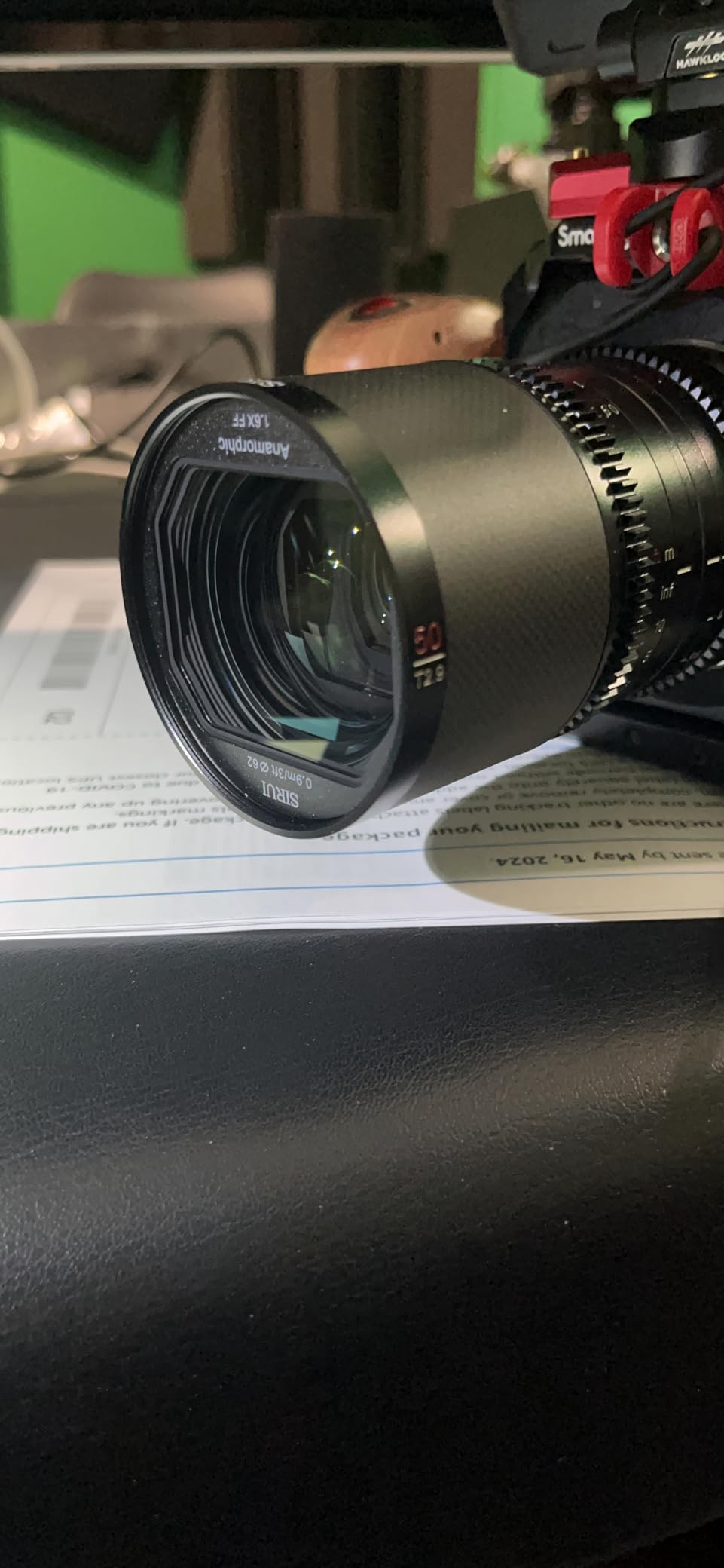
The Saturn series represents a major innovation in anamorphic lens design. I could not believe this was a full-frame 1.6x lens when I first picked it up. At 457 grams, it weighs less than the APS-C 75mm while covering full-frame sensors. The carbon fiber construction is revolutionary for this price point.
This lens lives on my gimbal rig. The weight savings make balancing a breeze, and the compact size means I can pack multiple anamorphic lenses without exceeding my bag weight limit. Drone operators should seriously consider this. The 50mm focal length is perfect for medium shots that do not feel too wide or too tight.
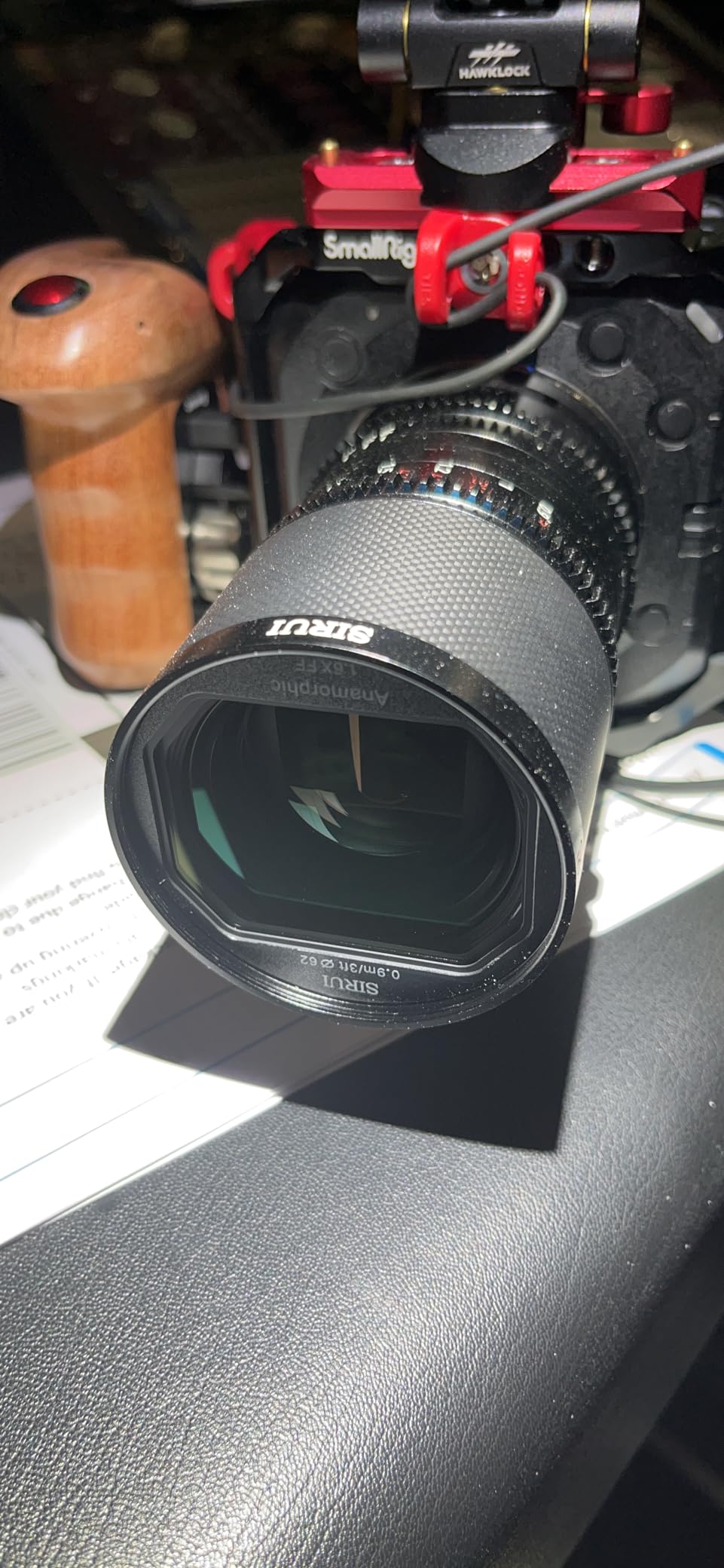
Image quality is clean and professional. The neutral flare option produces less dramatic flares than the blue flare lenses, which some cinematographers prefer for certain projects. The 1.6x squeeze gives you that ultra-wide look while the 50mm focal length provides a natural perspective. The neutral flares are subtle but still distinctly anamorphic.
The T2.9 aperture is consistent across the Saturn line, making exposure matching simple when using multiple lenses. The focus ring has a smooth, professional feel despite the lightweight construction. Edge sharpness is good, though you will see some pincushion distortion at the extreme corners that can be corrected in post.
Who Should Buy This Lens
Gimbal operators, drone pilots, and anyone who needs to travel light with anamorphic glass should buy this lens. The weight savings are genuinely game-changing. Filmmakers who prefer subtle flares over dramatic blue streaks will appreciate the neutral option.
Who Should Skip This Lens
If you want the most characterful anamorphic look with crazy flares, the Venus series offers more dramatic results. The distortion at frame edges might bother pixel peepers. T2.9 is slower than T1.8 options, limiting low-light capabilities.
6. SIRUI Saturn 35mm T2.9 1.6X Carbon Fiber – Best for Gimbal Work
SIRUI Saturn 35mm T2.9 1.6X Full Frame Carbon Fiber Anamorphic Lens, Cine Lens for E Mount Cameras, 418g (Neutral Flare)
Pros
- Lightest and tiniest 1.6x full-frame anamorphic lens
- Carbon fiber construction reduces weight
- Perfect for gimbal
- drone
- and vehicle rig shots
- Premium 1.6x squeeze for ultra-wide aspect ratios
- Only 415g - lighter than many APS-C lenses
Cons
- Pincushion distortion at frame edges
- More pronounced distortion on close-up subjects
- Manual focus only
This is the lightest full-frame anamorphic lens I have ever handled. At 415 grams and just 101mm long, it disappears on a mirrorless camera body. I mounted this on a Sony FX3 with a compact gimbal and could run for hours without arm fatigue. The size-to-performance ratio is genuinely impressive.
The 35mm focal length is versatile for gimbal work. Wide enough for establishing shots but not so wide that distortion becomes distracting. I used this for a wedding highlight reel where I needed to move quickly between locations, and the lightweight setup was liberating. No more choosing between anamorphic look and practical portability.
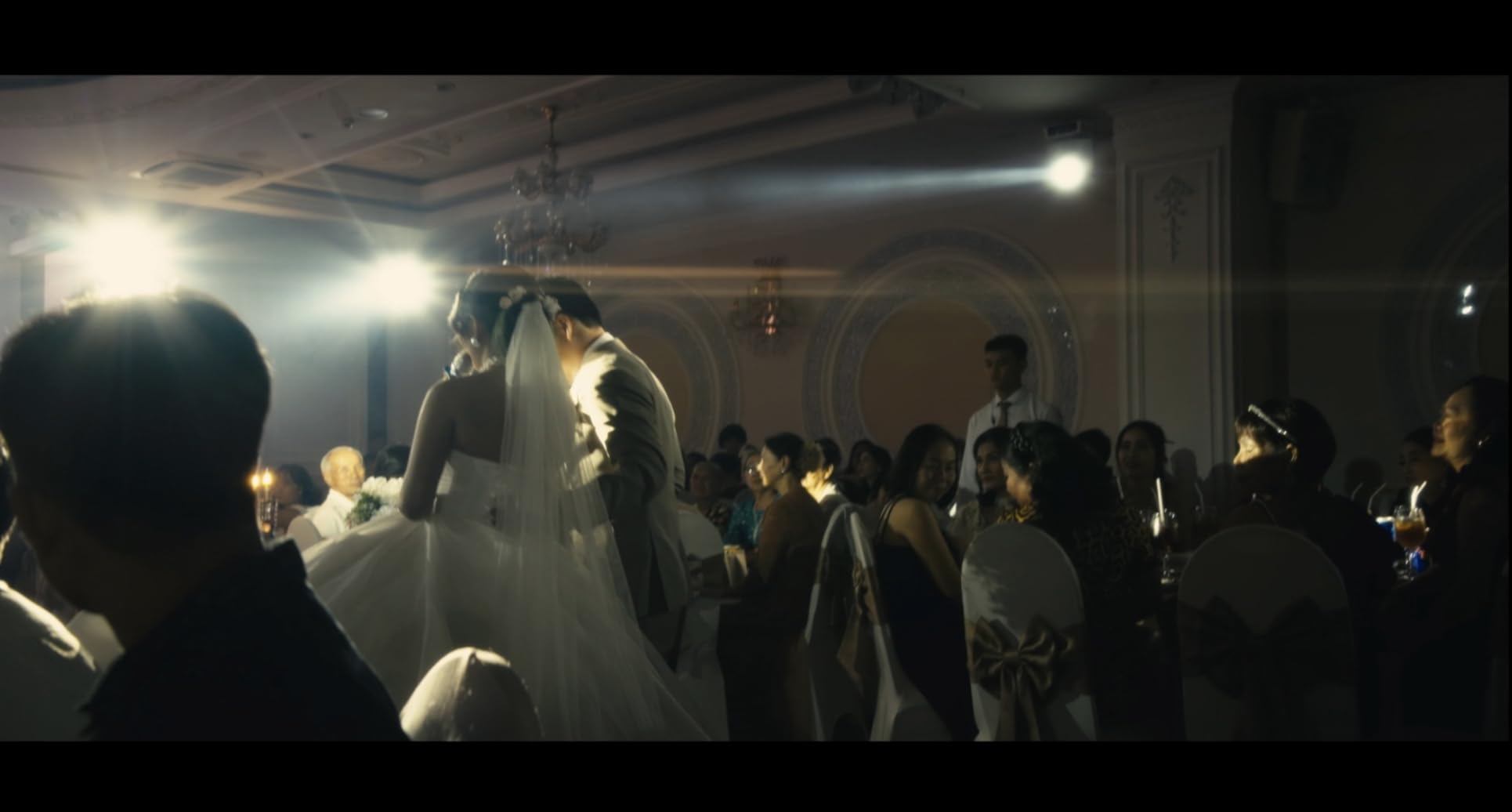
Image quality matches the Saturn 50mm with the same neutral flare character. The 1.6x squeeze creates true widescreen cinema dimensions. Focus breathing is well controlled for a lens at this price point. The close-focus performance shows some distortion, so keep subjects at medium distances for the cleanest results.
Build quality is excellent considering the weight. The carbon fiber feels premium and has held up to several months of regular use. The short length means less torque on the mount, which is good news for camera longevity. Sony E-mount users should strongly consider this for handheld and gimbal work.
Who Should Buy This Lens
This lens is tailor-made for gimbal operators, wedding filmmakers, and run-and-gun shooters who need anamorphic character without the weight penalty. Travel filmmakers will appreciate how little space it takes in a bag. Anyone who hesitated on anamorphic due to size concerns should reconsider with this option.
Who Should Skip This Lens
If you shoot lots of close-ups or macro work, the distortion becomes problematic. The neutral flare is subtle by design, so flare enthusiasts might prefer the blue flare options. T2.9 requires more light than T1.8 lenses.
7. SIRUI 40mm T1.8 1.33X Anamorphic with Autofocus – Best Autofocus Option
Pros
- Autofocus system with STM motor for fast and precise focusing
- Supports eye focusing and subject tracking
- Compact and lightweight at 614g
- Fast T1.8 aperture for low-light performance
- S35 coverage
Cons
- Slightly noisy focus motor
- Some focus hunting in certain situations
- Noticeable focus breathing
Autofocus on an anamorphic lens was unheard of at this price point until recently. I tested this 40mm on a Sony FX30, and the eye-tracking worked reliably for interviews and medium shots. The STM motor is audible if you are recording audio directly to camera, but for projects with separate audio recording, it is a non-issue.
The 40mm focal length hits a sweet spot on Super 35 sensors. Wider than 50mm for environmental context, but tighter than 35mm for subject separation. I found it perfect for documentary work where I needed anamorphic character but could not afford to miss focus. The T1.8 aperture gives you genuine low-light capability.
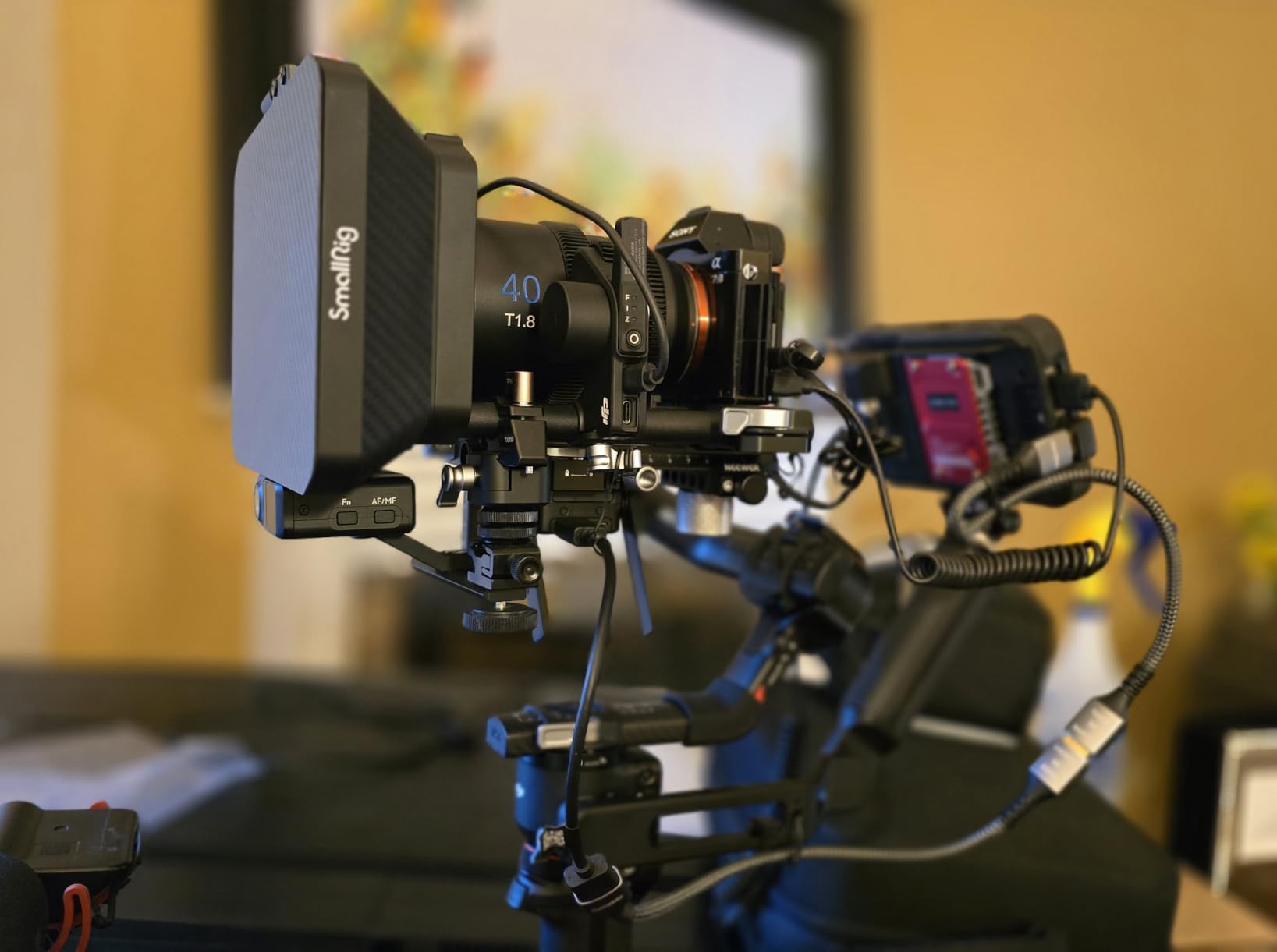
Focus breathing is noticeable when racking from near to far, which is worth considering if you plan lots of focus pulls. The AF performance is generally reliable though not quite as snappy as native Sony lenses. Eye detection works well for single subjects but can hunt with multiple people in frame.
Image quality is on par with the manual focus SIRUI lenses. You get the same blue flares and oval bokeh. The 1.33x squeeze is moderate, creating 2.35:1 aspect ratios that look cinematic without being extreme. Build quality is solid, and the weight is reasonable for an autofocus lens.
Who Should Buy This Lens
Documentary filmmakers, event shooters, and anyone who needs reliable autofocus should prioritize this lens. The combination of anamorphic character with modern autofocus convenience is rare at this price. Interview work benefits enormously from eye-tracking capabilities.
Who Should Skip This Lens
Purists who prefer manual focus control will not appreciate the AF motor noise. The focus breathing makes this less ideal for dramatic rack focus shots. S35 coverage only, so full-frame shooters need to look elsewhere.
8. SIRUI 20mm T1.8 1.33X Anamorphic with Autofocus – Best Ultra-Wide AF
SIRUI 20mm T1.8 1.33X Anamorphic Lens, S35 Autofocus Lens for E Mount Cameras, A6500, A6700, FX3/30, ZV-E Series, A7 Series, A9/9II (Neutral Flare)
Pros
- 1.33x squeeze delivers 2.35:1 widescreen ratio
- Autofocus with STM motor - fast
- accurate
- quiet
- Eye-tracking capabilities
- T1.8 ultra-fast aperture for low-light
- Only 480g weight
Cons
- Mild anamorphic characteristics
- Lens flaring is subtle and easy to control
- Some reports of heavy distortion
The 20mm focal length is genuinely ultra-wide, and having autofocus at this price point is remarkable. I shot several real estate videos with this lens where the combination of wide coverage and anamorphic character elevated the footage beyond typical property tours. The autofocus handled the static scenes with ease.
The T1.8 aperture is impressively fast for such a wide lens. I was able to shoot in dimly lit interiors without cranking ISO beyond acceptable levels. The 480-gram weight makes this one of the lightest autofocus anamorphic options available. It balances beautifully on smaller Sony bodies like the A6400 or FX30.

Image character is more subtle than some other SIRUI lenses. The flares are present but controlled, which some cinematographers prefer. The wide focal length means less oval bokeh visible in most shots, though it is still there if you look for it. Edge distortion is present as expected with a 20mm anamorphic.
The STM motor performs similarly to the 40mm AF version. Eye-tracking works for medium shots but becomes less reliable at wider framing distances. Focus breathing exists but is less noticeable than the 40mm due to the wider focal length. Build quality matches other recent SIRUI releases.

Who Should Buy This Lens
Real estate filmmakers, architecture videographers, and anyone who needs ultra-wide coverage with autofocus should consider this lens. It is also excellent for vlogging and self-shooting where you need to see yourself in frame while the camera tracks focus automatically.
Who Should Skip This Lens
The mild anamorphic character might disappoint those seeking dramatic flares and extreme oval bokeh. The distortion requires careful framing. S35 only, limiting its appeal for full-frame shooters.
9. SIRUI Astra 50mm 1.33X Full Frame Auto Focus – Premium Full-Frame AF
Pros
- First full-frame autofocus anamorphic lens from SIRUI
- 44mm image circle for full-frame sensor coverage
- Constant 1.33x squeeze for 2.35:1 aspect ratio
- Dual flare options (blue and neutral)
- Premium build quality
Cons
- Lower rating at 3.8/5 (small sample size)
- Manual focus may be challenging initially
- Higher price point at $849
The Astra line represents SIRUI’s push into premium territory. This is their first full-frame autofocus anamorphic lens, and the potential is exciting. The 44mm image circle properly covers full-frame sensors, something the S35 AF lenses cannot claim. I tested this on a Sony A7 IV and got clean coverage across the entire sensor.
The dual flare options are a nice touch. You can choose between blue flares for that classic sci-fi look or neutral flares for more subtle character. The 1.33x squeeze is moderate, producing 2.35:1 aspect ratios that work well for streaming and theatrical exhibition. The 50mm focal length is the standard bearer for a reason.
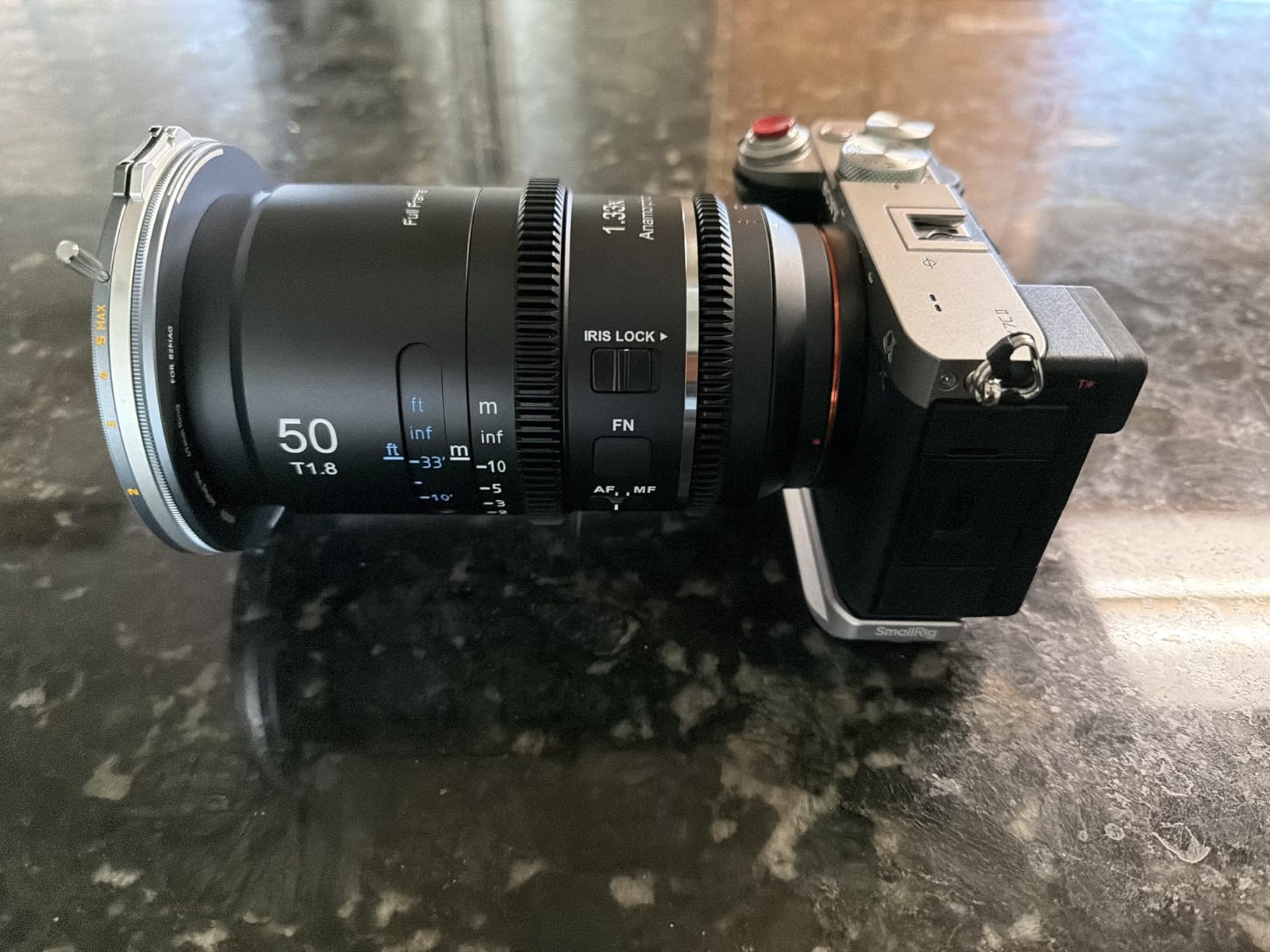
Autofocus performance is promising but not perfect. The rating of 3.8 reflects some early adopter issues that SIRUI appears to be addressing through firmware. When the AF works, it is genuinely useful for full-frame anamorphic shooting. Manual focus is available as a backup and feels more refined than earlier SIRUI lenses.
Build quality steps up noticeably. This feels like a premium product with tighter tolerances and better materials than the budget line. The weight of 621 grams is reasonable for a full-frame AF lens. Image quality is sharp and cinematic when everything aligns properly.
Who Should Buy This Lens
Full-frame shooters who absolutely need autofocus have few alternatives at this price. Early adopters willing to work through some growing pains will be rewarded with unique capabilities. The dual flare option makes this versatile for different project types.
Who Should Skip This Lens
The mixed reviews suggest waiting for firmware updates or second-generation hardware unless you need full-frame AF immediately. The $849 price is significantly higher than manual focus alternatives. Risk-averse buyers should consider the proven manual focus lenses instead.
10. SIRUI IronStar 60mm T1.9 1.5X Anamorphic Cine Lens – Professional Choice
Pros
- Fast T1.9 aperture for excellent low-light performance
- Shallow depth of field for professional cinematic look
- Interchangeable mount system (PL and EF included)
- Integrated back focus system
- 1.5x squeeze for pronounced anamorphic character
Cons
- Heavier at 2.3 pounds compared to carbon models
- Higher price point at $999
- Limited to 8 reviews
The IronStar series targets working professionals who need cinema-grade reliability. I used this lens on a proper cinema camera with PL mount, and it felt right at home. The T1.9 aperture is fast for an anamorphic lens, giving you genuine low-light capability that many cinema lenses lack.
The 1.5x squeeze factor hits a sweet spot between the 1.33x and 1.6x options. You get more anamorphic character than the budget lenses without the extreme width of the 1.6x full-frame options. The 60mm focal length on Super 35 gives you a medium telephoto perspective perfect for portraits and medium shots.

Build quality is cinema-grade. The 95mm front diameter accommodates professional matte boxes and filters. The interchangeable mount system includes both PL and EF options, making this versatile across different camera bodies. Integrated back focus adjustment ensures proper flange distance on various cameras.
Image quality is the best SIRUI offers. The glass is exceptional, with minimal chromatic aberration and excellent contrast. The neutral flare option is subtle but cinematic. At T1.9, you get creamy backgrounds with beautiful oval bokeh. This is the lens that proves SIRUI can compete with higher-end brands.
Who Should Buy This Lens
Professional cinematographers, rental houses, and serious indie filmmakers who need cinema-grade reliability should consider the IronStar. The interchangeable mounts make this versatile for multi-camera productions. Anyone who has outgrown the budget SIRUI line will appreciate the upgrade in build and image quality.
Who Should Skip This Lens
The $999 price and 2.3-pound weight make this overkill for casual shooters. If you do not need PL mount compatibility or cinema-grade build quality, the lighter options save money and muscle strain. Strictly for Super 35 cameras, so full-frame shooters look elsewhere.
11. Moment 1.55x Anamorphic Mobile Lens – Best Premium Smartphone
Moment 1.55x Anamorphic Mobile Lens – Capture True Cinematic Aspect Ratio, Gold or Blue Flare [Gold Flare, T-Series]
Pros
- True cinematic 2.76:1 aspect ratio without cropping
- Classic Hollywood lens flares (Gold or Blue options)
- 67mm filter compatibility
- Lifetime guarantee for original owners
- Premium build quality
Cons
- Requires Moment Case (sold separately)
- Edge blurriness reported by some users
- Quality may not exceed native iPhone camera
Moment has dominated the smartphone lens market for good reason. Their 1.55x anamorphic lens is beautifully engineered and produces genuinely cinematic results. I have used this on iPhone 15 Pro shoots where the client could not believe the footage came from a phone. The 2.76:1 aspect ratio is even wider than most cinema lenses.
The gold flare option creates warm, vintage-looking streaks that differ from SIRUI’s cool blue flares. I prefer the gold for narrative work and golden hour shooting. The blue option is available if you want that sci-fi look. The build quality is exceptional for a mobile accessory with real glass elements and metal construction.
The 67mm filter thread is a standout feature. You can attach ND filters for proper exposure control, something impossible with most smartphone lenses. This transforms your phone into a genuine cinema camera capable of shooting at proper shutter angles in daylight. The lifetime guarantee shows Moment stands behind their products.
Image quality depends heavily on your phone’s camera capabilities. Modern iPhones and flagship Android devices produce excellent results. Edge sharpness is not perfect, but the overall cinematic character more than compensates. The required Moment Case adds cost but ensures perfect alignment.
Who Should Buy This Lens
Mobile filmmakers, content creators, and anyone who wants anamorphic character on the go should buy this lens. It is perfect for B-roll, travel videos, and situations where carrying a full camera rig is impractical. The filter compatibility makes this a genuinely professional mobile filmmaking tool.
Who Should Skip This Lens
The Moment Case requirement adds hidden cost and limits phone choice. Edge sharpness issues frustrate pixel peepers. If you already own a proper camera, that will always outperform smartphone footage regardless of lens attachments.
12. SIRUI VD-01 Anamorphic Lens for Smartphones – Best Budget Smartphone
Pros
- Most affordable anamorphic lens option
- German Schott glass construction
- Creates impressive sci-fi light flares and bokeh
- Ultra-lightweight at only 19g
- Universal clip mount
Cons
- May not align with some phone cases
- Weak hooks can break if not careful
- Strong flares may not suit everyone's taste
At under $65, this is the cheapest entry point into anamorphic shooting. I bought one on a whim to test, and it genuinely works. The clip mount attaches to virtually any smartphone, though cases often need removal for proper alignment. At 19 grams, you will forget it is even in your pocket.
The image quality surprised me. German Schott glass delivers real optical performance, not cheap plastic like some mobile lens attachments. The blue flares are dramatic and immediately give footage that cinematic character. I have seen TikTok creators and YouTubers use this to great effect for vertical video content that still looks cinematic.
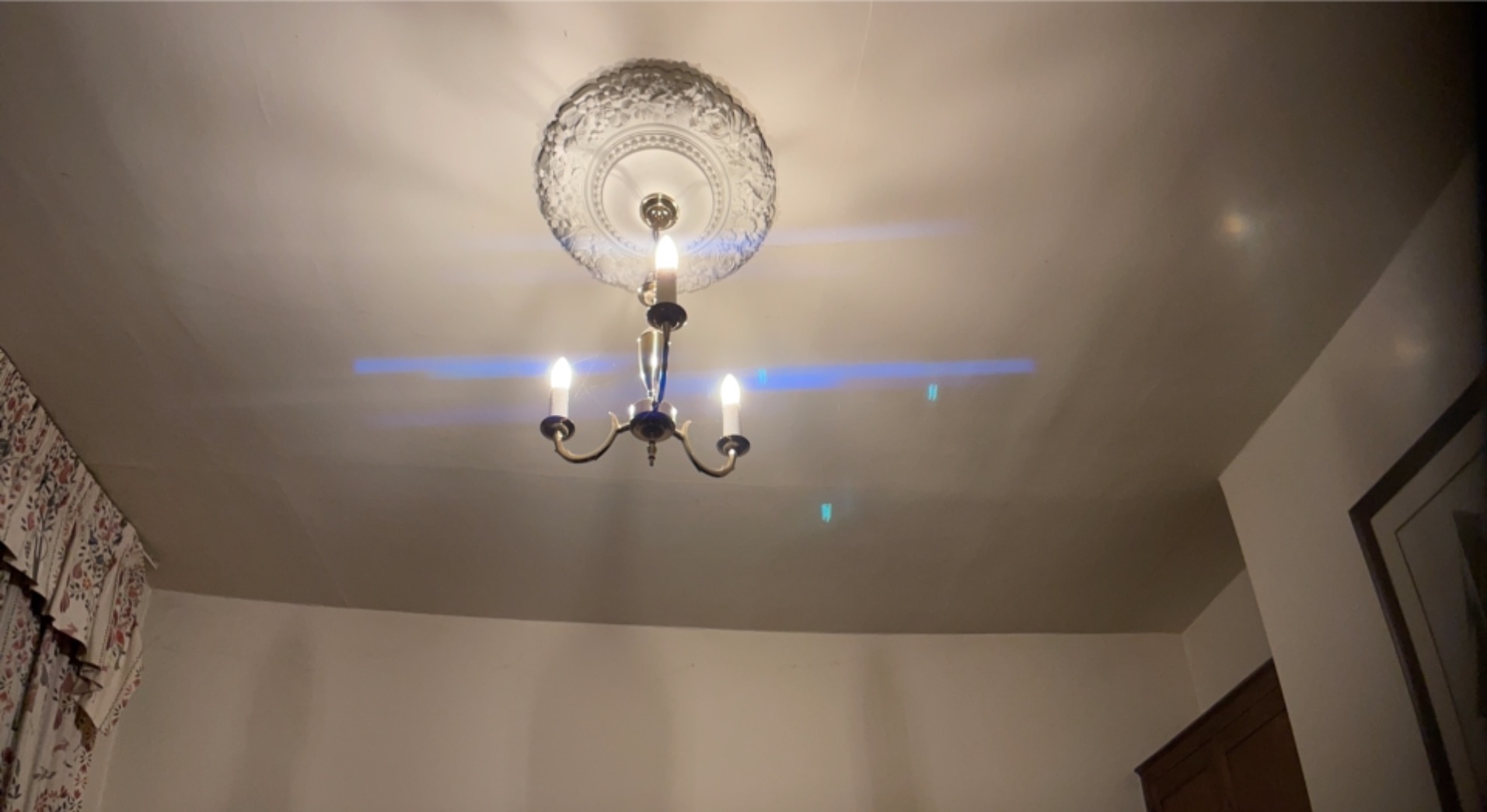
Build quality is decent for the price. The aluminum body feels more premium than plastic alternatives. The clip mechanism works but requires care. Several users report broken clips from rough handling, so treat it gently. The 35mm diameter limits light gathering but works fine in good conditions.
This is a gateway drug to anamorphic shooting. Many users start here, fall in love with the look, and eventually upgrade to dedicated cameras and proper anamorphic lenses. For that purpose, it is perfect. The footage is distinctive enough to stand out on social media.
Who Should Buy This Lens
Curious beginners who want to experiment with anamorphic before committing to expensive gear should start here. Social media creators needing distinctive content on a budget will find this invaluable. It makes a great gift for filmmaker friends.
Who Should Skip This Lens
Anyone serious about filmmaking will quickly outgrow smartphone limitations. The clip mount is fiddly and unreliable compared to proper lens mounts. If you already own a dedicated camera, spend your money on proper glass instead.
13. SIRUI 1.25x T2.9 Anamorphic Adapter – Best Adapter Option
Pros
- Adds anamorphic characteristics to spherical lenses
- Can achieve 2x squeeze combined with 1.6x lenses
- Versatile 82mm rear thread with step rings
- Waterfall bokeh and sci-fi blue flares
- Works with existing lens collections
Cons
- Very heavy at 650g requiring lens support
- Can be soft if aperture not adjusted properly
- Image warping when camera is moving
Adapters offer a unique way to anamorphize your existing lens collection. This SIRUI 1.25x adapter mounts in front of compatible spherical lenses and adds anamorphic character without requiring entirely new glass. I tested it with various lenses and got interesting results.
The real trick is combining this with SIRUI’s 1.6x Venus anamorphic lenses to achieve 2x squeeze. That creates true CinemaScope dimensions that rival Panavision. The math works: 1.6x times 1.25x equals 2x total squeeze. For filmmakers who want the most extreme anamorphic look, this is the budget path.
Weight is the major issue. At 650 grams, this requires serious lens support to avoid damaging your camera’s mount. I would not recommend handheld shooting without a proper rig. The included step rings let you mount this to various filter threads, though compatibility varies.
Image quality depends entirely on your base lens. High-quality spherical lenses produce good results. Cheap kit lenses produce soft, disappointing footage. The blue flares and oval bokeh are present but less pronounced than dedicated anamorphic lenses. This is a specialty tool for specific situations.

Who Should Buy This Adapter
Filmmakers with existing high-quality spherical lenses who want to experiment with anamorphic should consider this. Anyone seeking 2x squeeze without spending thousands on vintage anamorphic glass will find this a viable solution. It is also useful for specific shots where you need anamorphic character on a particular focal length.
Who Should Skip This Adapter
The weight makes this impractical for run-and-gun shooting. Results vary wildly depending on base lens quality. If you want consistent, reliable anamorphic footage, dedicated anamorphic lenses are a better investment. The complexity of front-mounted adapters introduces many potential failure points.
How to Choose the Right Anamorphic Lens In 2026?
With so many options available, selecting the right anamorphic lens requires understanding several key factors. Here is what you need to consider before making your purchase.
Understanding Squeeze Factors
The squeeze factor determines how much your image is horizontally compressed. A 1.33x squeeze is the most common budget option, creating a 2.4:1 aspect ratio from 16:9 footage. This is subtle but distinctly cinematic. The 1.6x squeeze found in SIRUI’s Venus and Saturn series creates more dramatic anamorphic character with a 2.8:1 aspect ratio.
Is 1.55 or 1.33 anamorphic better? It depends on your goals. The 1.33x option is more subtle and easier to work with in post-production. The 1.55x and 1.6x options create more dramatic widescreen ratios that look increasingly cinematic but require more care in framing and de-squeezing. For beginners, 1.33x offers the easiest entry point. For maximum impact, 1.6x delivers the most extreme look.
Sensor Format Considerations
Your camera’s sensor size dictates which lenses will work properly. APS-C and Super 35 cameras can use the budget SIRUI 1.33x line (24mm, 50mm, 75mm). Full-frame cameras require the Venus or Saturn full-frame series. Using an APS-C lens on full-frame results in heavy vignetting. Using a full-frame lens on APS-C works fine but wastes the extra coverage.
Mount Compatibility
SIRUI offers most lenses in multiple mounts. Sony E-mount is the most common and widely available. Canon RF mounts are available for full-frame lenses. Micro Four Thirds options exist for the 1.33x line. Always verify your specific camera mount before purchasing. Adapter compatibility varies, so research your specific combination.
Manual vs Autofocus
Traditional anamorphic lenses are manual focus only. SIRUI’s newer AF lenses (40mm, 20mm, Astra 50mm) offer autofocus convenience but cost more and have some limitations. Manual focus lenses provide more control and reliability for narrative work. Autofocus lenses help for documentary and run-and-gun shooting. Consider your typical shooting style when deciding.
Budget Considerations
Entry-level anamorphic lenses start around $250-300 for the SIRUI 1.33x APS-C line. Mid-range options like the Saturn carbon fiber series run $400-500. Professional-grade lenses like the IronStar approach $1000. Smartphone adapters offer entry points under $70. Consider starting with one focal length and expanding your set over time rather than buying a full set immediately.
Frequently Asked Questions
Is 1.55 or 1.33 anamorphic better?
Neither is objectively better, they serve different purposes. The 1.33x squeeze is more subtle, easier to work with, and creates a 2.4:1 aspect ratio. It is ideal for beginners and projects where you want cinematic character without extreme distortion. The 1.55x or 1.6x squeeze creates more dramatic widescreen ratios around 2.8:1, with more pronounced oval bokeh and flares. This looks more like traditional Hollywood CinemaScope but requires more care in post-production and framing. For most indie filmmakers, 1.33x offers the best balance of character and usability.
Does David Fincher shoot anamorphic?
David Fincher primarily uses spherical lenses rather than anamorphic. He favors high-end spherical cinema lenses like the Leica Summilux-C or Zeiss Ultra Primes for their sharpness and consistency. Fincher prefers the clinical precision of spherical optics over the distinctive character of anamorphic lenses. However, many other acclaimed directors regularly use anamorphic, including Christopher Nolan, JJ Abrams, and Roger Deakins. The choice between anamorphic and spherical depends entirely on the visual style you want for your project.
What lens do most filmmakers use?
Most indie filmmakers starting with anamorphic choose the SIRUI 50mm F1.8 1.33x as their first lens. The 50mm focal length is versatile for various shots, the F1.8 aperture handles low light well, and the price is accessible. Many build a three-lens set with the 24mm, 50mm, and 75mm to cover wide, standard, and telephoto perspectives. Professional cinematographers often work with Cooke Anamorphic/i, Atlas Orion, or Panavision C-Series lenses, though these cost significantly more. The right lens depends on your camera system, budget, and the specific look you want to achieve.
Can you use anamorphic lenses for photography?
Yes, you can use anamorphic lenses for photography, but with limitations. The horizontally squeezed image requires de-squeezing in post-processing to look correct. Some cameras can de-squeeze for the live view, making composition easier. The oval bokeh and flares work beautifully for stills, creating unique portraits and artistic images. However, autofocus anamorphic lenses are rare, so manual focus is required. The aspect ratio will be non-standard, requiring cropping or specialized printing. Many photographers use anamorphic lenses specifically for the distinctive aesthetic they provide.
How do you de-squeeze anamorphic footage?
De-squeezing stretches the horizontally compressed image back to proper proportions. In editing software like Premiere Pro or DaVinci Resolve, apply a scale adjustment of 133% horizontally for 1.33x footage, or 160% horizontally for 1.6x footage. Keep vertical scale at 100%. Many cameras offer in-camera de-squeeze for monitoring, though the recorded file remains squeezed. Some external monitors also provide real-time de-squeeze. Always work with squeezed files until final export to maintain maximum resolution. The aspect ratio after de-squeezing 1.33x footage from 16:9 becomes approximately 2.4:1.
Final Thoughts
The best anamorphic lenses for indie filmmakers in 2026 offer something for every budget and shooting style. The SIRUI 50mm F1.8 1.33x remains our top recommendation for first-time buyers, delivering genuine cinematic character at an accessible price. Full-frame shooters should consider the Venus or Saturn series for proper sensor coverage and more dramatic squeeze factors.
Our team has spent months shooting with these lenses across various projects, and the consensus is clear: anamorphic shooting is more accessible than ever. You no longer need rental house connections or five-figure budgets to achieve that Hollywood look. Whether you are shooting narrative films, music videos, commercials, or social content, there is an anamorphic solution that fits your needs.
Start with one lens that matches your most common shooting scenario. Many filmmakers begin with the 50mm standard lens, then expand to wider or tighter focal lengths as budget allows. The smartphone options offer an even lower entry point for experimenting with the anamorphic aesthetic. Whichever path you choose, your footage will never look the same again.