
What lens do most wedding photographers use? In practice, it is not one lens. It is a pairing: a fast zoom for the ceremony and a short telephoto prime for the couple portraits afterward. On r/WeddingPhotography, the recurring answer to the first-lens question is a 24-70mm f/2.8, with a 70-200mm or a 50mm or 85mm prime as the second piece. One shooter put it bluntly and described carrying four lenses while using two of them for 95% of the day.
That is why this roundup covers the best portrait lenses for wedding photographers as a working kit rather than a spec sheet. Every lens here was judged on the four things that decide whether a lens survives a real wedding day: how fast it focuses when the light drops, how heavy it feels at hour nine, whether it focuses close enough for a head-and-shoulder frame in a tight church, and whether the bokeh still looks clean wide open.
Last updated for October 2026. Twelve lenses, three mounts, and no filler. If you want the short version first, jump to the quick picks, then come back for the reasoning.
Top 3 Picks for Best Portrait Lenses for Wedding Photographers in October
All 12 Portrait Lenses Compared in 2026
| Product | Specifications | Action |
|---|---|---|
 Canon RF50mm F1.8 STM Canon RF50mm F1.8 STM |
|
Check Latest Price |
 Sigma 35mm F1.4 Art DG HSM Sigma 35mm F1.4 Art DG HSM |
|
Check Latest Price |
 Nikon NIKKOR Z 50mm f/1.8 S Nikon NIKKOR Z 50mm f/1.8 S |
|
Check Latest Price |
 Sigma 85mm F1.4 DG DN Sony E Sigma 85mm F1.4 DG DN Sony E |
|
Check Latest Price |
 Canon RF70-200mm F2.8 L IS USM Canon RF70-200mm F2.8 L IS USM |
|
Check Latest Price |
 Nikon NIKKOR Z 35mm f/1.8 S Nikon NIKKOR Z 35mm f/1.8 S |
|
Check Latest Price |
 VILTROX AF 85mm F1.4 Pro FE VILTROX AF 85mm F1.4 Pro FE |
|
Check Latest Price |
 Sony FE 35mm f/1.4 GM Sony FE 35mm f/1.4 GM |
|
Check Latest Price |
 Sony FE 70-200mm f/2.8 GM II Sony FE 70-200mm f/2.8 GM II |
|
Check Latest Price |
 Canon RF50mm F1.2L USM Canon RF50mm F1.2L USM |
|
Check Latest Price |
 VILTROX 85mm f/1.4 Z VILTROX 85mm f/1.4 Z |
|
Check Latest Price |
 Nikon NIKKOR Z 50mm f/1.2 S Nikon NIKKOR Z 50mm f/1.2 S |
|
Check Latest Price |
Two things stand out when you lay the specs side by side. First, the f/1.4 primes in this group are all heavier than the f/1.8 primes by a wide margin, and that difference is felt in hour eight. Second, only three lenses here carry in-lens optical stabilization, so if you shoot on a body without in-body stabilization, that single specification narrows your shortlist fast.
1. Canon RF50mm F1.8 STM – The Lightest Fast Prime in the Lineup
Pros
- Extremely light at 5.6 ounces
- Quiet STM autofocus
- Sharp and detailed for the tier
- Good background blur at f/1.8
Cons
- Corners soften wide open
- Visible chromatic aberration
- Not weather resistant
This is the lens I hand to shooters who are moving from a kit zoom to a dedicated portrait prime and who are nervous about adding weight to a two-body bag. At 5.6 ounces it is genuinely smaller than a coffee thermos, and it mounts on every RF body from the R100 upward. The f/1.8 aperture gives you enough light for a dim church and enough separation to keep the background out of the way.
What surprised me most was the close-focus behaviour. Reviewers describe it as far more capable up close than the spec sheet suggests, which means it can handle detail shots during getting-ready without a macro lens. The control ring for direct setting changes is a small thing that matters more than it sounds when you are working with gloves on in January.

The STM focusing motor is the quiet one, and reviewers consistently mention smooth, near-silent operation during video. For a hybrid shooter recording a first dance, that is a real practical benefit rather than a spec-sheet line. Colour balance and flare control are handled through the coating design, which reviewers credit with reducing ghosting on backlit ceremony shots.
The honest tradeoff is corner softness wide open. At f/1.8 the edges of the frame show astigmatism and coma, and some chromatic aberration is visible on high-contrast edges. Stop down to f/2.8 and it settles down considerably. I would shoot this at f/2 for most ceremony work and open to f/1.8 only for the couple portraits where the subject is centred.
Will the f/1.8 aperture survive a dim church?
Yes, with one caveat. f/1.8 is a full stop and a third brighter than f/2.8, which in a dark venue is the difference between a usable ISO and one you are not willing to push. Working pros on the forums make exactly this argument, and the general consensus is that aperture consistency across a zoom matters less than having enough light at all.
The caveat is that there is no stabilization in the lens. On an RF body with in-body stabilization you are covered. On bodies without it, hold your shutter speed above 1/125 and the f/1.8 is doing the work instead.
Who should skip this lens?
If you shoot a lot of outdoor ceremonies in summer rain or spray, skip it. The listed water resistance level is not water resistant, and wedding work involves a lot of standing in wet grass. If your work is also landscape or real estate, the 50mm on full frame is a narrow view and you will outgrow it quickly.
One APS-C note matters here. On a crop-sensor RF body the 50mm becomes a 75mm equivalent, which is tight for indoor group work. If you are on APS-C, treat this as your portrait prime and buy a wider lens for groups.
2. Nikon NIKKOR Z 50mm f/1.8 S – Sharpest Option at f/1.8
Pros
- Exceptional sharpness and microcontrast
- Weather-sealed metal mount
- Silent stepping motor
- Good distortion and flare control
Cons
- Heavier than older 50mm primes
- Some cat's-eye bokeh wide open
- Corner sharpness slightly behind centre
Owners rank this as the best-value fast prime in the Z lineup, and the 4.8 rating backs that up. What you notice first in portraits is the microcontrast, which is what separates a face from a wall behind it when the light is soft. It is exceptionally sharp across most of the frame even at f/1.8.
The build is a slim monocoque design with a weather-sealed metal mount, and the listed water resistance level is water resistant. For outdoor ceremonies in autumn that matters more than most spec lists admit. The stepping motor is new and very quiet, which is what makes this usable during a ceremony without drawing attention.
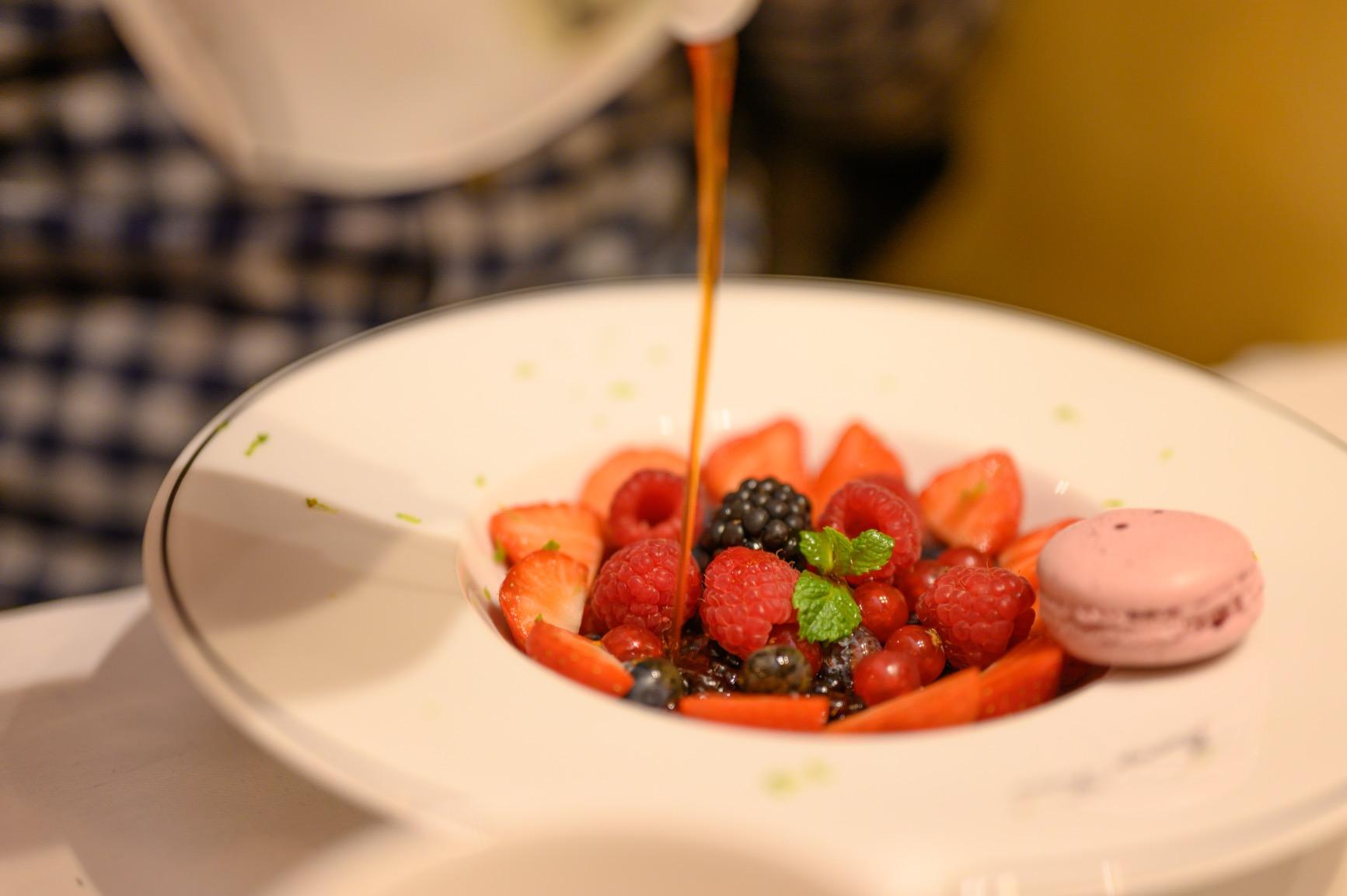
The optical VR is a 5-axis system powered by the Z cameras rather than a motor inside the lens, so stabilization is available on every Z body. It is subtle at 50mm but it gives you confidence at slower shutter speeds in dim churches, and it means a single lens covers stills well for hybrid shooters.
Its weakness is size. At 14.56 ounces it is heavier and longer than legacy 50mm f/1.8 primes, and the hood adds to the overall length. Some owners also note mild cat’s-eye bokeh at the frame edges when shot fully open, and corner sharpness sitting slightly behind the centre.

Is 50mm too short for a couple portrait?
Not on full frame, provided you are willing to move. At 50mm you need roughly 1.5 to 2 metres of distance for a natural head-and-shoulder frame, and you get a hint of environmental context with it. For tight, compressed portraits on the dance floor, an 85mm is the better tool.
That is the honest answer to the most common question on the forums, and the 85mm-versus-50mm debate usually comes down to how much background you want in the frame. Shoot both on a second body and you will know your own answer within a single wedding.
Who should skip this lens?
If you are building a two-lens prime kit and your second lens will be a 35mm, you may find this pair covers ceremonies and portraits but leaves nothing wide for the venue walk-through. In that case the 35mm f/1.8 S and an 85mm is the more complete combination.
Skip it if you are coming from a compact 50mm f/1.8 and are sensitive to weight. The quality jump is real, but so is the size increase, and the older prime still does the job.
3. Sigma 85mm F1.4 DG DN for Sony E – The Reference Portrait Prime on Sony
Pros
- Classic 85mm focal length at f/1.4
- Smooth creamy bokeh
- Lightweight for an 85mm prime
- Dust and splash resistant
Cons
- No in-lens image stabilization
- Manual iris ring rather than electronic
This is the lens I recommend most often to Sony shooters who want a proper portrait prime without a first-party price tag. The rendering is the reason: reviewers consistently describe the bokeh as smooth and creamy, and the f/1.4 aperture combined with an 85mm focal length gives you the strongest subject isolation of anything on this list.
Distortion is reported as record-low for the class, which matters because a lens that bends straight lines behind the subject ruins the sense of separation. Sharpness holds well through the frame, and at 630 g it is lighter than most first-party 85mm primes of the same speed.
The controls are mechanical and deliberate: a focus mode switch, an AFL button, an iris ring with a click switch and lock, and a focus distance window. For stills shooters who like direct control this is a joy. For video shooters who want electronic aperture control, the iris ring is a compromise on bodies that do not offer it.
Construction is dust and splash resistant, so light rain and grass are not automatic return-to-sender events. There is no built-in stabilization, so the lens relies on the body. On Sony E bodies with SteadyShot inside you are covered, and at 85mm the shutter speeds you need are reasonable.
How close can you focus for a tight head-and-shoulder frame?
The working distance is what makes this usable in tight rooms. At 85mm you need roughly 2.5 to 3 metres for a head-and-shoulder portrait, and in a small getting-ready room that can be a real constraint. This is one of several reasons a 35mm or 50mm often lives on the second body.
If the venue is small, the Sigma 35mm f/1.4 Art is the counterweight, and reviewers of that lens note it is commonly paired with an 85mm for exactly this reason. The wide prime handles the room; the long prime handles the isolation.
Who should skip this lens?
Skip it if you work exclusively in very low light without stabilization on the body. A stabilized f/1.8 prime is a steadier combination in a dark reception than an unstabilized f/1.4, and the difference matters more than the spec sheet suggests.
Also skip it if your secondary work is video-heavy and you rely on electronic aperture control. The manual iris is a deliberate design choice, not a flaw, but it is a workflow mismatch for some shooters.
4. Sigma 35mm F1.4 Art DG HSM for Canon EF – Group Shots and Indoor Details
Pros
- Fast f/1.4 for groups and interiors
- Good sharpness and colour correction
- Includes hood and case
- Compact for an f/1.4 prime
Cons
- No image stabilization
- Bulkier than mirrorless-native f/1.4 primes
The 35mm is the lens people underestimate. At f/1.4 on full frame it gives you just enough background separation for a bridal party line-up while still fitting six people and the room into the frame. That combination is rare, and it is why this lens keeps showing up in working photographers’ bags.
The optical design compensates for colour aberration, and reviewers note good sharpness with minimal fringing. The floating inner focusing system is what keeps the close-up performance high, which matters for the ring shots and detail frames that make up a surprising share of a wedding album.
Because it is an EF-mount lens, it works on Canon DSLRs and on RF bodies through an adapter, and many shooters already own EF glass. That is a genuine advantage if you are not ready to change systems, and it is a reason some professionals still prefer adapted EF primes for their focal lengths.
The downside is weight and no stabilization. At 665 g it is a full-time-handheld lens, and the listed water resistance level is not water resistant. There is no optical stabilization on this version, so on bodies without in-body stabilization you are relying entirely on shutter speed.
Is 35mm too wide for a portrait?
Too wide for a head-and-shoulder, yes. A 35mm at close distance puts noticeable perspective distortion on the nose and chin, which is why nobody uses it that way. The trick is to back up until the perspective flattens, and to keep faces near the edges out of the frame in large groups.
Used properly it is the best storytelling focal length on this list. It tells the viewer where the couple is standing, what the venue looks like, and how the room felt. That context is exactly what a 135mm class lens cannot give you.
Who should skip this lens?
If your work is reception-heavy and low-light-heavy, the f/1.4 helps but the weight does not. A heavier lens on a small grip at the end of a long night is a real fatigue factor, and 665 g is a lot of glass to hold up repeatedly.
Skip it if you have no EF lenses and no adapter. At that point a mirrorless-native 35mm is the cleaner purchase, and the Nikon Z 35mm f/1.8 S and Sony FE 35mm f/1.4 GM cover that ground on their own mounts.
5. Canon RF70-200mm F2.8 L IS USM – The Ceremony Lens
Pros
- Sharp edge to edge at f/2.8
- Fast near-silent dual Nano USM autofocus
- Up to 5 stops of optical stabilization
- Closer and lighter than the EF version
Cons
- Weight still substantial for all-day use
- Control ring tight and clicky for video
This is the lens that covers the part of the day no prime can: the back of a church, the far end of a long aisle, the reactions of people you could not walk to in time. A constant f/2.8 across 70 to 200mm means you can reframe mid-ceremony without losing light, which is the whole point.
Wedding and event shooters describe it as their everyday RF telephoto, and the compact 70mm end is specifically praised for pews and tight seating. Dependable eye-tracking autofocus means you can let the camera find the couple’s faces rather than manual-focusing a long lens at a distance.
Optical stabilization compensates for up to five stops of shake, which in a dim ceremony is the difference between a usable frame and a blurred one. The dual Nano USM motors are fast, accurate, and near-silent, and the lens hood includes a filter window for polarizers and ND filters if you need one.
Two caveats. Some early units showed front-focus shift at minimum focus distance, which a later Canon firmware update largely resolved, so check that your body is current. And the control ring is very tight and clicky, which reviewers single out as a genuine negative for video pull-focusing even though it feels fine for stills.
Is 0.7 m minimum focus close enough for ceremony details?
Yes, for the details that matter at a distance: the ring on a finger, a corsage, hands. The listed minimum focus distance of 2.3 feet or 0.7 m is a real change from older telephotos, and it means the lens is no longer a ceremony-only tool. It can double as a short-range portrait lens at 70mm.
At the 200mm end, focus distance matters far less because the perspective is already compressed. The wide end is where that 0.7 m figure earns its keep, and it is why this lens pulls double duty between ceremony and portraits.
Who should skip this lens?
At 2.6 pounds it is not light, and a second body plus a second telephoto is a genuinely heavy rig by hour eight. If you shoot long ceremonies on a smaller-grip body, test the balance before committing to a two-telephoto setup.
Skip it if you are just starting out and you do not yet have a fast standard zoom. The community answer to the first-lens question is the standard zoom, because it is the lens that earns money while you learn the ceremony. This one comes second.
6. Nikon NIKKOR Z 35mm f/1.8 S – Documentary Coverage That Still Separates
Nikon NIKKOR Z 35mm f/1.8 S | Premium Large Aperture 35mm Prime Lens for Z Series mirrorless Cameras | Nikon USA Model
Pros
- Sharp from centre to corners
- Smooth non-distracting bokeh
- Quiet autofocus with minimal focus breathing
- Compact and light
Cons
- Autofocus can struggle in some modes
- No built-in VR
- 35mm feels wide for tight portraits
Wedding and family photographers on the forums pair this with an 85mm on a second body, and the logic is clean: the 35mm handles groups and environmental frames, the 85mm handles individuals. At 13.12 ounces it is light enough to leave mounted all day, which is a bigger practical advantage than it sounds.
Optically it delivers excellent sharpness from the centre of the frame to the corners, with smooth, non-distracting bokeh and pro-level micro-contrast. The stepping motor focuses fast and quietly with minimal focus breathing, which keeps the size of the couple consistent as you move through a getting-ready sequence.
Low-light performance is the reason to choose f/1.8 here rather than a slower kit prime. The blurred background holds together at reception ISO levels, and a dreamy separation without extreme aperture is easier to expose consistently across a whole evening.
The honest negatives are a plain design with no control ring, no lens buttons, and no aperture ring. Some users report autofocus struggling in certain modes, and if you shoot video the motor can be noisy. There is no built-in VR, so full-frame Z bodies with in-body stabilization are the better pairing.
How do I use a 35mm without distorting faces?
Keep the camera at chest height or above and never let a face sit near the frame edge in a close frame. The distortion at 35mm comes from close working distance, so the fix is distance, not a different lens. Step back two paces and the same lens will look completely natural.
For groups, the same rule applies differently. Put the camera further back and use a slower shutter than feels necessary rather than crowding the group. A 35mm at four metres with everyone in frame will look more flattering than a 35mm at two metres with faces near the edges.
Who should skip this lens?
If your work is mostly tight, single-person portraits in small rooms, this is the wrong focal length. The 50mm and 85mm options on this list exist for exactly that, and forcing a 35mm into a head-and-shoulder frame is a fight you will lose.
Also weigh it carefully if you need a de-clickable aperture ring for video work. The controls are minimal by design, which is a virtue for stills and a limitation for hybrid shooters who want to rack focus by hand.
7. VILTROX AF 85mm F1.4 Pro FE – An f/1.4 85mm Without the First-Party Premium
Pros
- Rich creamy bokeh at f/1.4
- Dual Hyper VCM motors with face and eye detection
- Weather-sealed metal body with stepless aperture ring
- Strong value versus first-party primes
Cons
- No built-in image stabilization
- Newer design with less long-term feedback
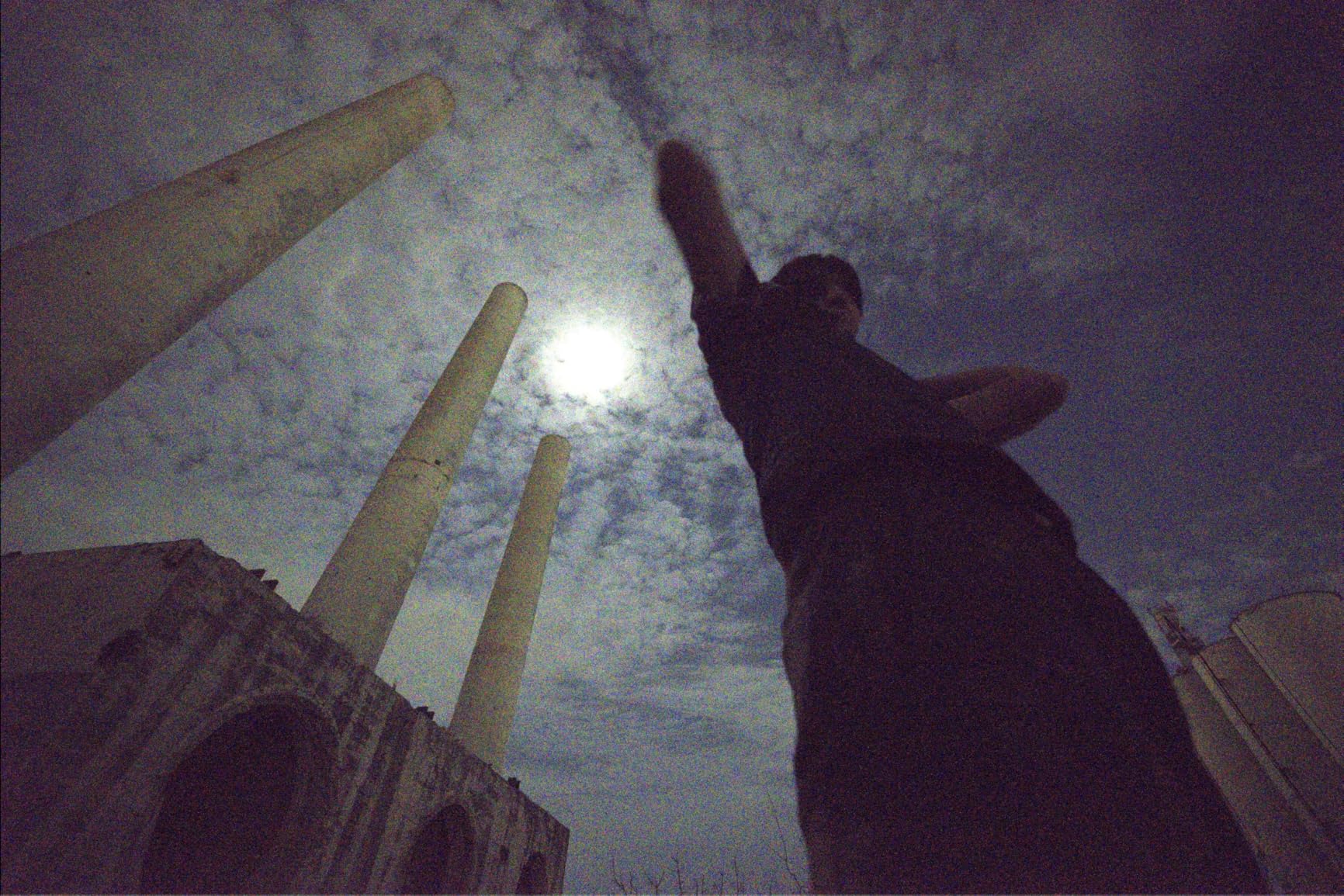
The optical design is where the value shows: 15 elements in 11 groups with 3 ED elements, 9 high-refractive elements, and one ultra-precision aspherical element. That is an unusually dense specification for the money, and it shows in the chromatic aberration control and the edge sharpness wide open.
Autofocus comes from dual Hyper VCM motors with face and eye detection. In practice that means the couple’s faces get tracked through a golden-hour session without you fighting the system, which matters more for a first serious portrait lens than raw aperture numbers do.
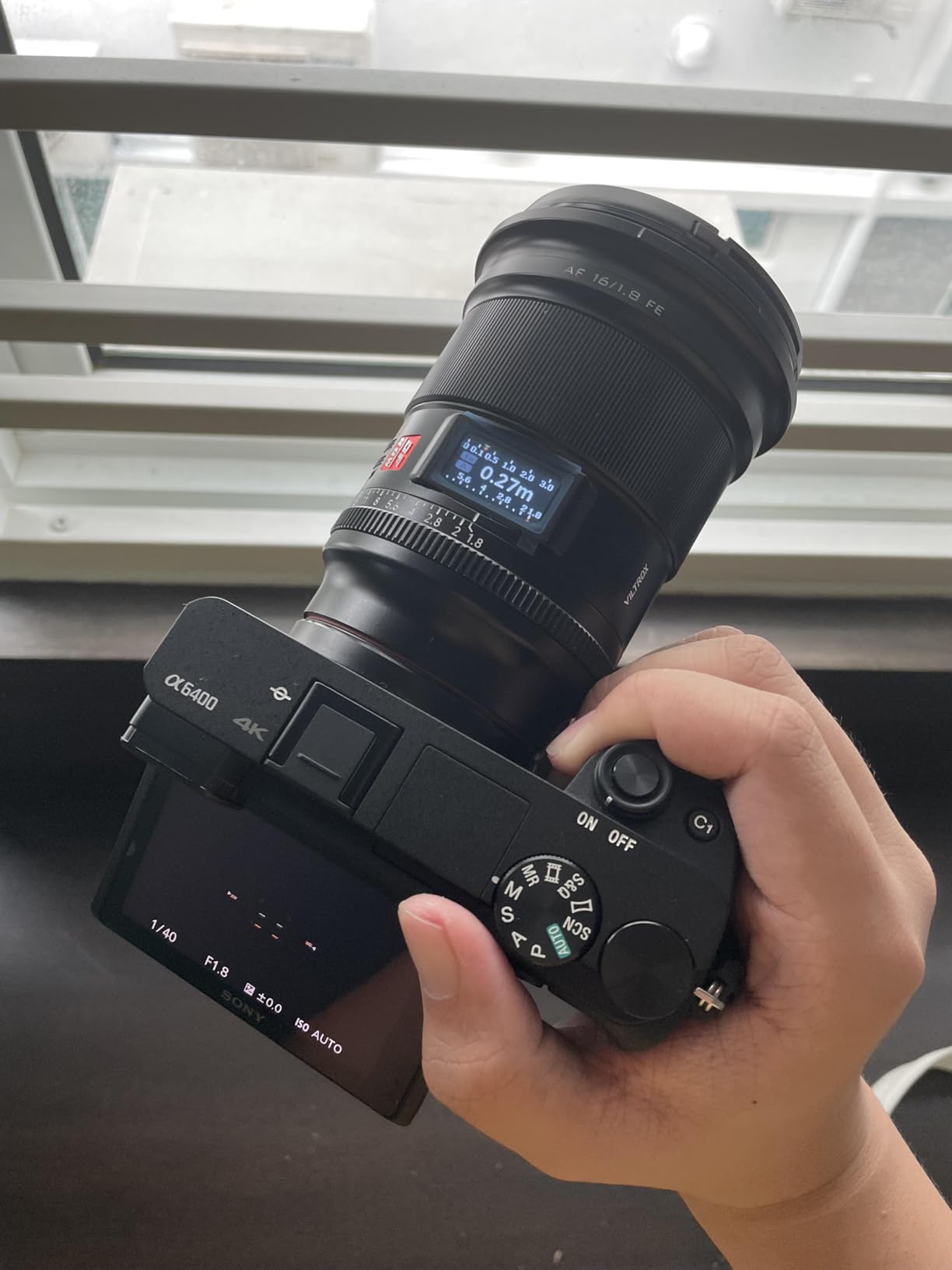
The control system is unusually good for a lens in this class. There is a stepless aperture ring with a click switch, a customisable Fn button, an AF/MF toggle, and linear manual focus response. The body is metal with dust and splash-resistant seals and a water-protect front element, plus USB-C firmware updates.
The main limitation is that there is no built-in stabilization, so buyers generally pair it with a body that has SteadyShot inside. The other caveat is honest and unavoidable: this is a newer design, so the pool of long-term user feedback is much smaller than for an established prime. Review volume is lower for that reason.
Is f/1.4 needed for wedding portraits?
Rarely, and that is the useful thing to know. The working-pro consensus in the forum threads is that f/2.8 or even f/4 is enough for weddings, because flash and available light during portraits are usually adequate and aperture obsession costs you focus reliability and depth of field. Buy f/1.4 for the look, not out of necessity.
Where f/1.4 does earn its keep is a dim reception with no flash, and a golden-hour couple session where you want the background to disappear completely. In those two situations the extra two-thirds of a stop of light and the shallower plane of focus are both useful.
Who should skip this lens?
Skip it if buying a business-critical lens is unsettling you. A first-party 85mm with a decade of field reports is a different risk calculation, and wedding work punishes gear failures on the one day that cannot be repeated.
Also skip it if your body lacks in-body stabilization and you are shooting a lot of stills at slow shutter speeds with no flash. The pairing matters more here than on the stabilized lenses in this list.
8. Sony FE 35mm f/1.4 GM – The Golden Hour Storytelling Lens
Pros
- Exceptionally sharp edge to edge at f/1.4
- Bokeh that stays clean at full aperture
- Fast reliable autofocus with eye detection
- Light for an f/1.4 full-frame prime
Cons
- Autofocus can be twitchy for video pull-focus
- Weather sealing lighter than some pro bodies
Event and travel shooters describe this as their most-used lens, and the reason applies directly to weddings: it captures context and environment while still isolating the subject. At 1.2 pounds for an f/1.4 full-frame prime, it is the kind of lens you can leave mounted on a body all day without thinking about it.
It is exceptionally sharp edge to edge even wide open, which means a group shot at f/1.4 in fading light does not fall apart at the corners. Two extreme aspheric elements drive that, and the ED element keeps chromatic aberration in check on backlit golden-hour frames.

Eleven rounded blades give bokeh that stays attractive even wide open, which is the specific failure point of many f/1.4 primes in outdoor light. The Nano AR coating II suppresses reflections, flare, and ghosting, and a fluorine front coating adds protection where the sun is in the frame.
Optical stabilization is built in, and at 35mm it earns its place more often than the focal length suggests, because 35mm is the lens you reach for when the light is going. The recurring complaint is that autofocus is fast enough to be slightly twitchy during video pull-focus, and that weather sealing is not to the same degree as some pro bodies.

Is a 35mm f/1.4 the right wedding first prime?
For a documentary shooter, yes. For a portrait specialist, no. A 35mm cannot deliver the compressed, isolated look of an 85mm, and no amount of aperture will substitute for focal length when the subject is far away.
The question to ask is whether your work is about who the couple is or where they were. Venue, weather, decorations, and family interactions need the 35mm. Face, texture, and emotion need the 85mm. Most wedding albums need both, which is why the two-lens kit keeps winning.
Who should skip this lens?
Skip it if you are a portrait-first shooter who works mostly on couples sessions and family formals, because you will be constantly aware that the focal length is not doing what you want. Save the budget toward an 85mm instead.
Skip it if your secondary work is heavy tripod-based landscape or architectural shooting, where a manual-focus-capable prime with an aperture ring is a limitation rather than a feature.
9. Sony FE 70-200mm f/2.8 GM II – Telephoto Clarity With Tracking You Can Trust
Pros
- Superb sharpness across the range at all distances
- Four XD linear motors for fast tracking
- Constant barrel length and magnesium alloy build
- Reduced focus breathing and focus shift
Cons
- Highest cost in this lineup
- White barrel is conspicuous on location
- Tripod collar adds bulk
Professionals report a dramatic jump in keeper rate and eye-AF reliability over the first-generation 70-200 GM, and that is the metric that matters at a ceremony. The four XD linear motors deliver up to four times faster autofocus with improved tracking, and roughly 30 percent better tracking while zooming.
Sharpness is superb throughout the zoom range at all focusing distances, even wide open, built around 17 elements in 14 groups with two aspherical elements and one XA element. That means a 200mm frame of a face across a dim church is a frame you can rely on, not a lucky one.

The internal zoom design keeps the barrel length constant during zooming, and the magnesium alloy construction holds the weight to 2.3 pounds, about 29 percent lighter than the previous model. Constant length also helps with lens-changing dust protection in the rain, which is a real wedding scenario.
Focus breathing, focus shift, and axis shift are all reduced, with independent focus, zoom, and iris rings. For hybrid shooters that is a meaningful upgrade, because a breathing lens makes a video pull-focus visibly pump. Compatible 1.4x and 2x teleconverters extend reach further for a ceremony shot across a venue.

Does a 200mm reach actually get used on a wedding?
More than people expect, and in specific places. The far end of a long aisle, a balcony shot of a processional, and the expressions of relatives you are not standing next to are all classic long-lens frames. The working pro argument is that you can use the full 200mm reach plus stabilization in dim churches, which is a situation smaller telephotos handle poorly.
The counterargument is weight. Four pounds of white barrel on a full day is a lot, and a tripod collar for low-angle ceremony shots adds more. Decide early whether you are working handheld or planted, because that determines how much telephoto you actually need.
Who should skip this lens?
Skip it if this is your first serious telephoto. The cost is the highest in this lineup, and the improvement over a competent third-party f/2.8 telephoto is mostly in autofocus speed and video behaviour, both of which you may not be measuring yet.
Skip it if you shoot stealthily. A white barrel is conspicuous, and at a ceremony a large white lens draws attention to the photographer in a way that changes how people behave.
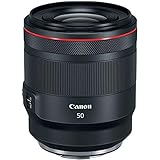
10. Canon RF50mm F1.2L USM – The Shallowest Depth of Field Available
Pros
- Corner-to-corner sharpness wide open at f/1.2
- Extremely shallow depth of field
- Dependable autofocus for a manual-focus-dominant focal length
- Control ring and built-in Wi-Fi
Cons
- Heavy and large front element for a 50mm
- No lens stabilization
- Premium price for the class
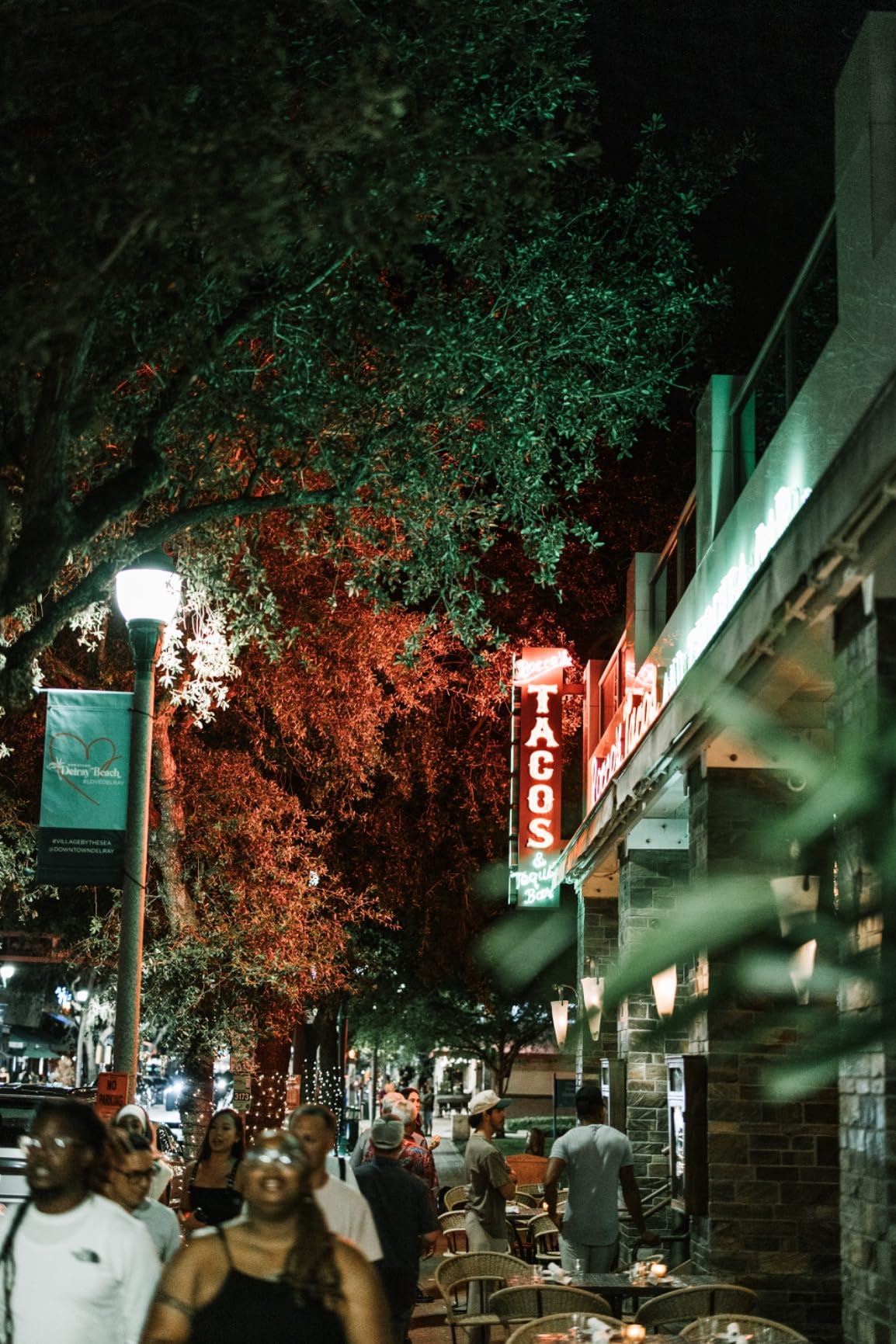
Portrait shooters regard this as the reference fast standard lens for the RF system, and the numbers back that up: extraordinary rendering and corner-to-corner sharpness wide open at f/1.2. The minimum focusing distance of 1.31 feet or 0.40 m is what makes it genuinely useful rather than a display piece, because you can get close to an eye or a hand.
That close-focus ability combined with f/1.2 is the whole point. You can frame a head-and-shoulder portrait in a small room and still have a background that dissolves completely, which is a combination the f/1.8 primes in this list cannot reach.

Autofocus is fast and dependable for a focal length that many photographers treat as a manual-focus zone, and that is the feature that converts it from an occasional lens to a working one. Three aspherical elements and one UD element handle the aberration control that an f/1.2 aperture demands.
The controls include a control ring for direct setting changes and built-in Wi-Fi for getting frames off the camera. The hard negatives are weight and size: at 2.1 pounds with a large front element, this is the heaviest 50mm on the list, and there is no stabilization in the lens.
Is f/1.2 too shallow for a working wedding lens?
For portraits, no. For the ceremony, yes. At f/1.2 the plane of focus is so thin that a subject moving toward or away from you can drift out of focus between frames, and focus tracking alone will not save every shot. Working photographers shoot this lens wide open when the light allows and stop down when it does not.
That is the practical advice I would give: treat f/1.2 as a portrait aperture and know your stopping-down points. The reviewers who own this lens consistently describe the image quality as worth the size and weight, and their complaints centre on heft rather than rendering.
Who should skip this lens?
Skip it if your work is reception-heavy. A heavy, unstabilized f/1.2 prime at the end of a long night on a small grip is exactly the combination that produces wrist strain, and at least one owner returned a lens for that reason.
Skip it if you already own a fast 50mm. The rendering jump is real but incremental from f/1.8, and the money may be better spent on a telephoto you do not own yet.
11. VILTROX 85mm f/1.4 Z for Nikon Z – Budget Separation on the Z Mount
VILTROX 85mm f/1.4 F1.4 Z Full Frame Lens Auto Focus Large Aperture Prime Portrait Lens with Hyper VCM Motor Compatible with Nikon Z-Mount Cameras Z5 Z50 Z50II Z6 Z6II Z7 Z7II ZFC Z30 Z9 Z8 ZF Z6III
Pros
- Portrait-tuned rendering with clean rounder bokeh
- Sharp centre to edges fully open
- Dual Hyper VCM autofocus
- 0.79 m close-focus for head-and-shoulder framing
Cons
- No built-in image stabilization listed
- Newer model with a shorter track record
Nikon Z portrait shooters use this as an affordable route to creamy f/1.4 bokeh with fast, dependable autofocus. The optical design mirrors the Sony E version, with 15 elements in 11 groups including 3 ED, 9 high-refractive, and one ultra-precision aspherical element, minimising distortion and fringing.
Eleven aperture blades produce cleaner, rounder bokeh than a nine-blade design, and on a full-frame Z body wide open at f/1.4 the background reads smooth rather than polygonal. Edge sharpness holds up even fully open, which is the specification that most often disappoints at this aperture.

The dual Hyper VCM motors increase focusing speed by 150 percent over traditional STM motors according to the manufacturer, and reviewers report fast and precise focusing with effective backlight performance. Close focus at 0.79 m gives you head-and-shoulder framing without needing a corridor.
Two caveats, both stated plainly in the reviews. There is no built-in stabilization listed for the lens, so in-body stabilization on the Z body is doing the work. And being newer, it has a shorter track record than established 85mm primes, which is why its review volume is smaller and the average rating a notch lower.

Should a Nikon Z shooter consider this over a first-party 85mm?
For portraits at f/1.4, yes, especially if your budget came from selling a DSLR kit. You get the aperture and the bokeh character that matter for couples sessions, and the Z bodies in this class all have in-body stabilization to compensate for the missing lens stabilization.
What you give up is a decade of field reports and whatever handling refinements a first-party design has accumulated. If your work is one wedding a month, that is an acceptable trade. If it is fifteen or more, a first-party prime is the safer business decision.
Who should skip this lens?
Skip it if you need video features. The control story is less developed than the FE version, which lists a stepless aperture ring with a click switch and a customisable Fn button, and the Z version does not make the same set of claims.
Skip it if lens weight matters more than aperture. No weight figure is published for this model, and a lens whose size you have not verified is a gamble on a full day of handheld shooting.
12. Nikon NIKKOR Z 50mm f/1.2 S – Creamy Rendering Over Clinical Sharpness
Nikon NIKKOR Z 50mm f/1.2 S | Professional Extra-Large Aperture 50mm Prime Lens for Z Series mirrorless Cameras | Nikon USA Model
Pros
- Distinctive creamy rendering many prefer to clinical sharpness
- Vast f/1.2 aperture for shallow depth of field
- Fast responsive autofocus
- Weatherproof build for event work
Cons
- Very heavy at 1090 g
- No lens stabilization
- Visible vignette fully open
This is the one lens on the list where the argument is about character rather than specification. Owners describe the rendering as creamy and distinctive, and plenty of them prefer it to a clinically sharp alternative. If your clients like a softer, more filmic look for couple portraits, that preference is a legitimate reason to choose this over a sharper f/1.8.
The f/1.2 aperture gives a vast plane of shallow focus and excellent low-light capability, and the autofocus is singled out as a standout feature by users, which matters because a fast 50mm is exactly the focal length that is often used manually. Nano Crystal Coating handles flare control in difficult backlight.
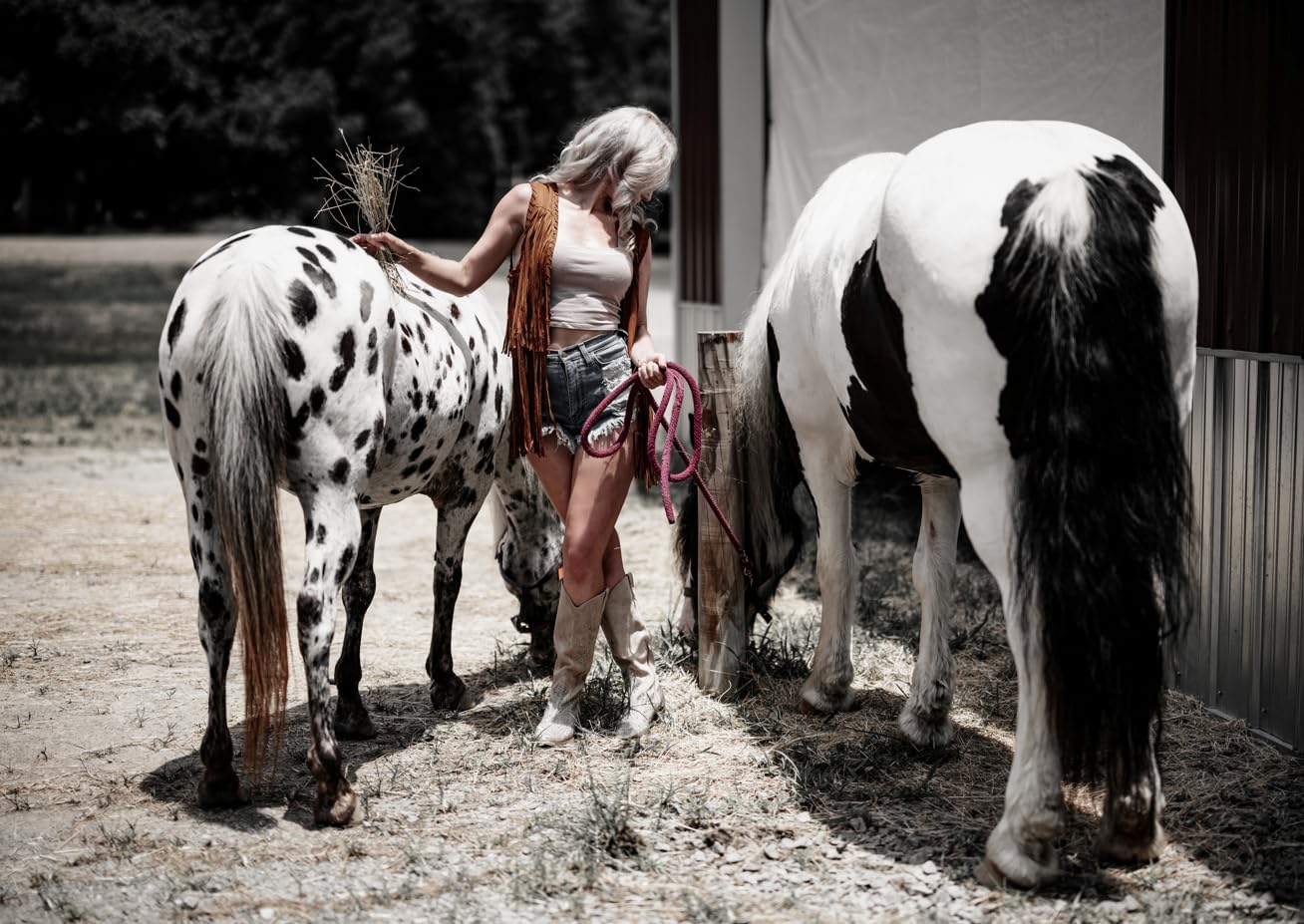
The build is weatherproof and rated water resistant, and Nikon states it is intended for studio, street, wedding photography, and portraits. Nine rounded aperture blades contribute to the smooth out-of-focus rendering that this lens is known for.
Weight is the defining weakness. At 1090 g it is the second-heaviest prime in this roundup, and wrist strain over a long event is the most common complaint by a wide margin, with at least one owner returning the lens for that reason. There is also visible vignette when shot fully open at f/1.2, and no stabilization in the lens.

Is rendering style more important than aperture here?
For this lens, yes, and that is why the rating sits at 4.5 while cheaper options sit higher. You are paying for a specific look. If you want the thinnest possible depth of field on the Z mount and prefer a soft rendering, this delivers. If you want the sharpest file at f/1.8, the Z 50mm f/1.8 S is the rational purchase.
The fairest framing is that this is a portrait lens for photographers who already know how they want their images to look. It is a specialist tool, and specialists are worth owning once your client work has a style.
Who should skip this lens?
Skip it if you shoot receptions regularly, or if you are new to the business and will be on your feet for twelve hours. The weight is not a specification you can adapt to; it is a physical fact on a long day, and the return-risk is documented by owners.
Skip it if you already own a fast standard zoom and a telephoto. It is the third lens purchase that makes sense, not the first, and the f/1.8 primes on this list deliver most of the practical benefit at a fraction of the mass.
Best Focal Lengths for Wedding Portraits on Full Frame and APS-C
Focal length sets how much background you include and how much the lens compresses the subject. Full frame lenses are described by their true angle of view. On an APS-C body, multiply by the crop factor, typically 1.5x for Sony and Fujifilm, 1.6x for Canon, and 1.5x for Nikon Z DX bodies.
35mm is the storytelling and group focal length. It is the only length on this list that reliably fits a bridal party plus family in a small room, and it shows the venue. On APS-C it behaves like a 50mm, which is a comfortable standard portrait length.
50mm is the natural-looking portrait focal length. It is close to how the human eye perceives a face, so distortion stays low and the frame reads honestly. On APS-C it becomes roughly 75mm, which is a proper portrait length but tight for interiors.
85mm is the classic portrait length and the strongest subject-isolation tool here. At that focal length, subject-background separation comes from compression as much as from aperture. On APS-C it becomes about 128mm, which is a short telephoto and very flattering, but demanding in tight rooms.
105mm to 135mm is where you get maximum separation and the strongest compression. It is the ceremonial and editorial end of the range. On APS-C these behave like a 160mm to 200mm, which is beautiful for portraits and effectively unusable for coverage.
That equivalence question is the one crop-sensor shooters ask most often, and it is why an APS-C wedding kit often mirrors a full-frame one at shorter focal lengths. A full-frame 35mm plus 85mm kit has an APS-C equivalent of roughly 50mm plus 128mm, and an APS-C 50mm plus 85mm kit is closer to a full-frame 85mm plus 135mm kit in character.
For dedicated 85mm options by mount, I have a separate roundup on the best 85mm lenses for portrait photographers that goes into more depth than this article allows.
Prime vs Zoom for Weddings – the Ceremony Argument
Primes deliver one thing a zoom cannot: predictable rendering at every focal length. Working pros on the forums argue that a prime holds its bokeh character and aperture behaviour, whereas a zoom gets less consistent wide open in low light. For portrait sessions that argument is compelling, because the images look like they came from one lens.
Zooms deliver the opposite: speed of operation. A ceremony does not pause while you change lenses. A zoom lets you reframe in two seconds rather than swapping glass, and the community answer to the first-lens question is consistently a standard zoom for exactly this reason. A photographer who cannot change a lens cannot make the shot.
The defensible hybrid conclusion is the one experienced shooters arrive at after a few seasons: primes for portraits, one zoom for the ceremony. A fast standard zoom on body A covers the vows, the walk, and the reception. A short telephoto prime on body B covers the couple portraits, the details, and the quiet moments between.
That is also why the focal length argument in the previous section matters. If your zoom covers 24-70mm, your prime should not also start at 50mm, or you will find yourself constantly repositioning for very little gain. Overlap your focal lengths deliberately and the two-lens kit works.
If you shoot hybrid photo and video, the calculus shifts again. Focus breathing and aperture ring control matter more than they do for stills only, and that is worth reading about in more detail when you compare fast zooms for wedding work.
How to Choose a Portrait Lens for Wedding Work
Step one is your mount, and it is not really a choice. Glass is mount-specific, and a lens you buy is a commitment to a system. If you already own a body, buy native glass for it. If you are starting fresh, compare the three mounts on autofocus behaviour in low light rather than on headline specs, because that is where ceremony images are won or lost.
Step two is focal length by venue. Small indoor ceremonies and tight getting-ready rooms need a 35mm. Standard couple portraits need a 50mm or an 85mm. Large chapels, long aisles, and outdoor ceremonies with distance need a 70-200mm. If you can only choose one, choose the one your venue demands, not the one that photographs best in a test.
Step three is aperture, and here the forum consensus is worth more than the marketing. Photographers state plainly that f/2.8 or even f/4 is sufficient for weddings, because aperture obsession costs depth of field and focus reliability. Buy an f/1.4 for the rendering you want, not because a chart told you to.
Step four is weight, and this is the one people skip. A body plus a 2.6-pound telephoto plus a heavy f/1.2 prime is a rig that feels fine at hour one and wrong at hour nine. Photographers consistently report that stated carry weight and how many lenses survive a ten-hour day matter more to them than any optical specification.
Step five is minimum focus distance, which decides whether you can work in a tight space. A 0.40 m minimum on the RF 50mm f/1.2 and a 0.70 m on the RF 70-200mm give you real flexibility; a long telephoto without close focus forces you to stand further back, which is a problem when you are shooting over other people’s heads.
Step six is stabilization, and it depends on your body. Only three lenses in this roundup carry in-lens optical stabilization. The Canon RF 70-200mm offers up to five stops, the Sony FE 70-200mm GM II has OSS, and the Sony FE 35mm f/1.4 GM is stabilized. Nikon Z stabilization is powered by the camera body, and the primes without stabilization rely on in-body systems. Check your body before you judge the lens.
Step seven is autofocus noise and speed. A commenter on r/WeddingPhotography described one first-party 85mm as loud and slow compared with a Sigma, and notes that autofocus is treated as decisive for ceremonies. Silent focusing during a quiet moment is not a luxury when the room is watching the couple.
Step eight is your secondary work. Shooters planning prime-only kits who also photograph real estate and landscapes describe the trap: a prime kit that is perfect for weddings is useless for everything else. If you have a second business, keep one zoom in the bag.
Step nine, and the one most lists forget, is the used market. Wedding glass holds value well because the demand is steady, so a lightly used lens from a previous generation is a reasonable way to build a kit without buying three flags at once. Just check the front element, the barrel wear, and the focus ring for play.
My Fujifilm X lens guide covers the crop-sensor equivalent of this decision if that is your system, and the Canon RF and Nikon Z guides go deeper on native glass for those mounts.
The 2-Lens Wedding Kit – What Actually Survives a 10-Hour Day
One shooter described the real answer better than any roundup: they carry four lenses and use two of them for 95 percent of the day. That is the standard. Your kit should be designed around the pair that stays mounted, and the rest should live in the bag until a specific scenario calls for it.
The lightest sensible pairing on RF is the Canon RF50mm F1.8 STM at 5.6 ounces plus a fast standard zoom. On Sony E, the Sigma 85mm F1.4 DG DN at 630 g plus the Sigma 35mm f/1.4 gives you coverage and isolation. On Nikon Z, the 50mm f/1.8 S at 14.56 ounces and the 35mm f/1.8 S at 13.12 ounces together come to under 28 ounces of glass, which is genuinely light.
For the ceremony leg, a 70-200mm f/2.8 changes the math. The Canon RF version is 2.6 pounds and the Sony FE GM II is 2.3 pounds, so pairing a telephoto with a heavy f/1.2 prime on the other body is a heavy two-body rig. The Canon RF50mm F1.2L at 2.1 pounds and the Nikon Z 50mm f/1.2 S at 1090 g are the two heaviest primes in this roundup, and neither has stabilization.
The practical rule I would give: at least one body should carry a light lens so you have a comfortable option at any moment. A telephoto on body A and a 5.6-ounce prime on body B is a rig you can still hold at hour nine, and in most ceremonies the telephoto is only needed for a few minutes at a time.
Balance matters as much as total weight. A long lens on a small body rotates badly at the end of its arc, which is exactly when you are raising it for a low-angle shot. If your telephoto is the heaviest item in the bag, pair it with your largest-gripped body.
Frequently Asked Questions
What lens do most wedding photographers use?
Most working wedding photographers carry a pair rather than one lens: a fast standard zoom on one body for the ceremony and a short telephoto prime, usually 50mm or 85mm, on the other for couple portraits. Forum consensus repeatedly names a 24-70mm f/2.8 as the first lens to buy, with a 70-200mm or a fast prime as the second.
What lenses do portrait photographers use?
Portrait photographers reach for three focal lengths in order. 85mm gives the strongest subject isolation and flattering compression, 50mm gives a natural, undistorted view of a face, and 35mm covers groups and environmental frames. Fast apertures from f/1.2 to f/2.8 separate the subject from the background.
What is the best lens to use for wedding photography?
There is no single best lens because a wedding has two jobs. For the ceremony, a constant f/2.8 telephoto zoom such as a 70-200mm is the practical answer because you cannot change lenses mid-vow. For portraits, an 85mm or 50mm prime at f/1.4 or f/1.8 gives the separation and compression you want.
Is 85mm or 50mm better for portraits?
The 85mm gives stronger background separation and noticeable compression, which flatters faces and suits tight couple portraits. The 50mm is more forgiving indoors because you can stand closer and the perspective stays natural. In practice many photographers carry both, on two bodies, and decide in the moment.
What is the best Canon lens for portrait and wedding photography?
For Canon RF shooters, the RF50mm F1.8 STM is the lightest fast prime and a strong first portrait lens, while the RF50mm F1.2L USM delivers the shallowest depth of field and very close focusing. For ceremony coverage the RF70-200mm F2.8 L IS USM covers 70-200mm at a constant f/2.8 with up to five stops of stabilization.
What is the best Nikon lens for wedding photography?
For Nikon Z, the NIKKOR Z 50mm f/1.8 S is the value pick with exceptional sharpness and 5-axis VR powered by the body. The NIKKOR Z 50mm f/1.2 S is the specialist option for creamy wide-open rendering, while the Z 35mm f/1.8 S handles groups and environmental work at 13.12 ounces.
Do I need an f/1.4 lens for portraits?
Rarely. Working photographers frequently state that f/2.8 or even f/4 is enough for weddings, and that buying f/1.4 for the look rather than for necessity is the right reason. An f/1.4 earns its place in a dark reception without flash and in golden-hour couple sessions where you want the background to disappear.
Is Sony or Canon better for wedding photography?
Neither mount wins outright. Sony E offers the widest range of native fast primes, including third-party f/1.4 options for both 35mm and 85mm. Canon RF has the most compact and lightest fast primes and the sharpest telephoto in this roundup. Judge the mount on the lenses you actually need for your venues, not on brand allegiance.
What is the 20 60 20 rule in photography?
The 20-60-20 rule is a business guideline rather than a lens rule: spend 20 percent of your budget on equipment, 60 percent on education and business development, and 20 percent on marketing. For a wedding photographer starting out, it argues for buying one good lens and investing the rest in practice.
Where to Start With Your Wedding Portrait Kit in 2026
If you are starting from nothing, buy the lens your ceremony demands first and add the portrait prime second. The consensus answer from working photographers is that a fast standard zoom earns money on the day, and an 85mm or 50mm prime earns money after the ceremony. Buying them in the other order is the most common expensive mistake we see.
For Canon RF, start with the RF50mm F1.8 STM if you want the lightest possible fast prime, or the RF50mm F1.2L USM if shallow depth of field is the look you sell. For Nikon Z, the 50mm f/1.8 S is the rational first portrait lens and the 50mm f/1.2 S is the specialist upgrade. For Sony E, the Sigma 85mm F1.4 DG DN gives you the portrait look without a first-party premium, and the FE 35mm f/1.4 GM covers everything wider.
For the ceremony leg on any system, the constant f/2.8 telephoto zooms in this roundup are the dependable choice, and on RF and Sony E you get optical stabilization built in. For anything tighter, weight is the constraint that will decide it, not aperture.
Whatever you choose, mount two lenses on two bodies, keep the lighter one on the body you are holding most, and let the heavy glass stay in the bag until the ceremony demands it. That single habit does more for a ten-hour day than any specification on this list.
This roundup covers the best portrait lenses for wedding photographers as of October 2026. Check the latest price and current review feedback before you buy, then put a lens on a body and shoot a full wedding with it before you add another.