
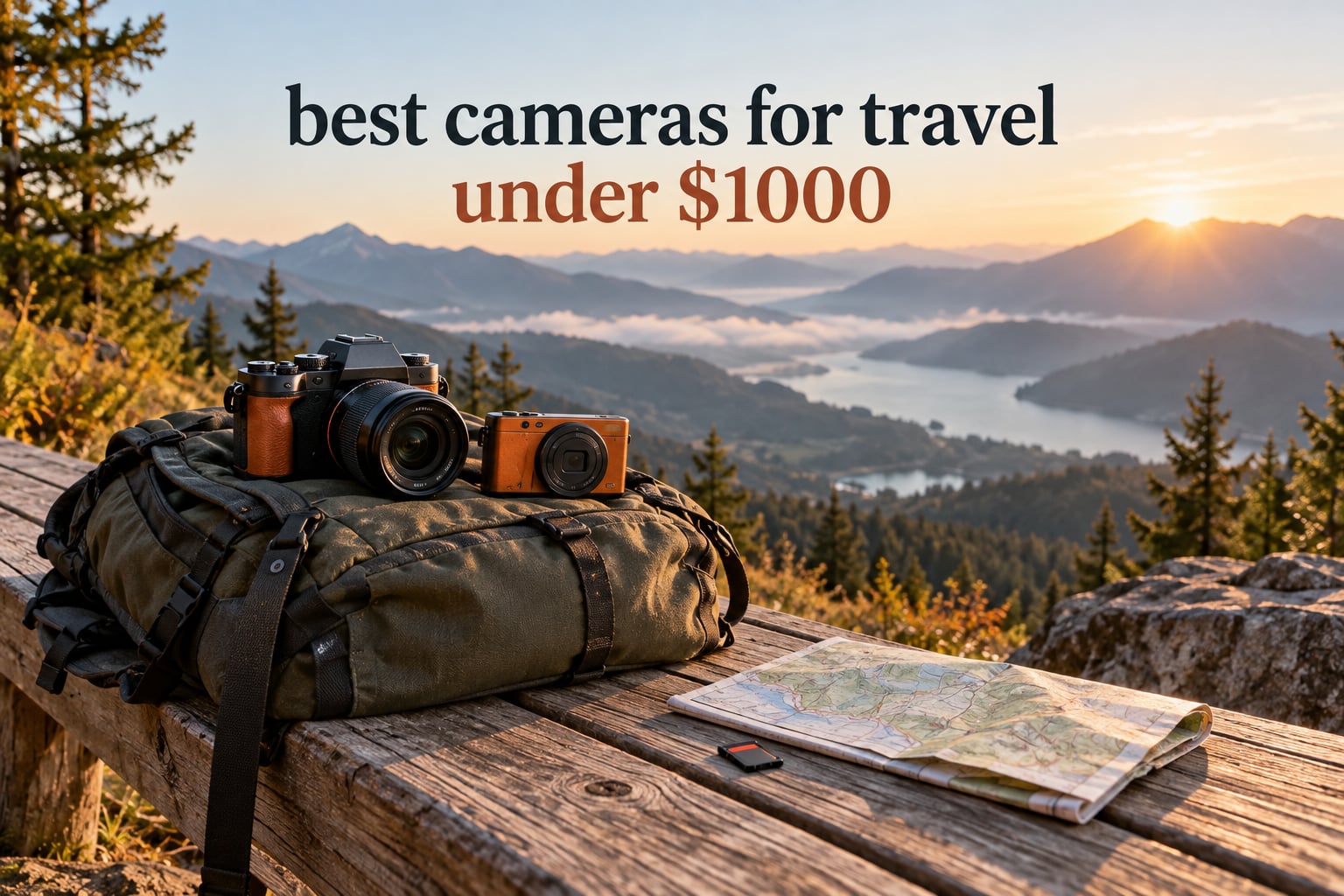
The DJI Osmo Pocket 3 is the best camera for travel on a 1,000 budget in 2026, because it puts a stabilized 1-inch sensor in a body you can genuinely carry every day. It records 4K at up to 120fps, weighs 179 g, and needs no extra lens to shoot a full trip.
That sounds simple, and that is the point. A camera that lives in your bag is worth more than a better camera that sits in a hotel room. For years the biggest complaint in travel photography threads has been weight and bulk, and the same thread asks over and over whether upgrading from a flagship phone is even worth the money anymore. Both questions point at the same answer: buy the smallest thing that solves the problem you actually have on your trip.
This roundup covers 10 complete kits, every one of which includes a general-purpose lens or a fixed lens rather than a body-only listing. I compared them on the only criteria that survive contact with a real itinerary: how much they weigh with a card in them, whether one lens covers the shot, whether autofocus holds up when a stranger walks toward you in mixed light, and whether you will still want the thing in your hand on day nine. For a broader look at budget bodies, I keep the best mirrorless digital cameras for this budget and the best digital cameras in this price class on hand too.
Top 3 Picks for Best Cameras for Travel Under $1000 in October
The three cameras below cover the most ground for the money. One is the do-everything vlogger, one is a 360 workhorse that suits group trips, and one is the mirrorless body that looks and feels like a real camera.
All 10 Best Travel Cameras Compared Side by Side in 2026
| Product | Specifications | Action |
|---|---|---|
 DJI Osmo Pocket 3 Vlogging Camera DJI Osmo Pocket 3 Vlogging Camera |
|
Check Latest Price |
 Insta360 X3 360 Action Camera Insta360 X3 360 Action Camera |
|
Check Latest Price |
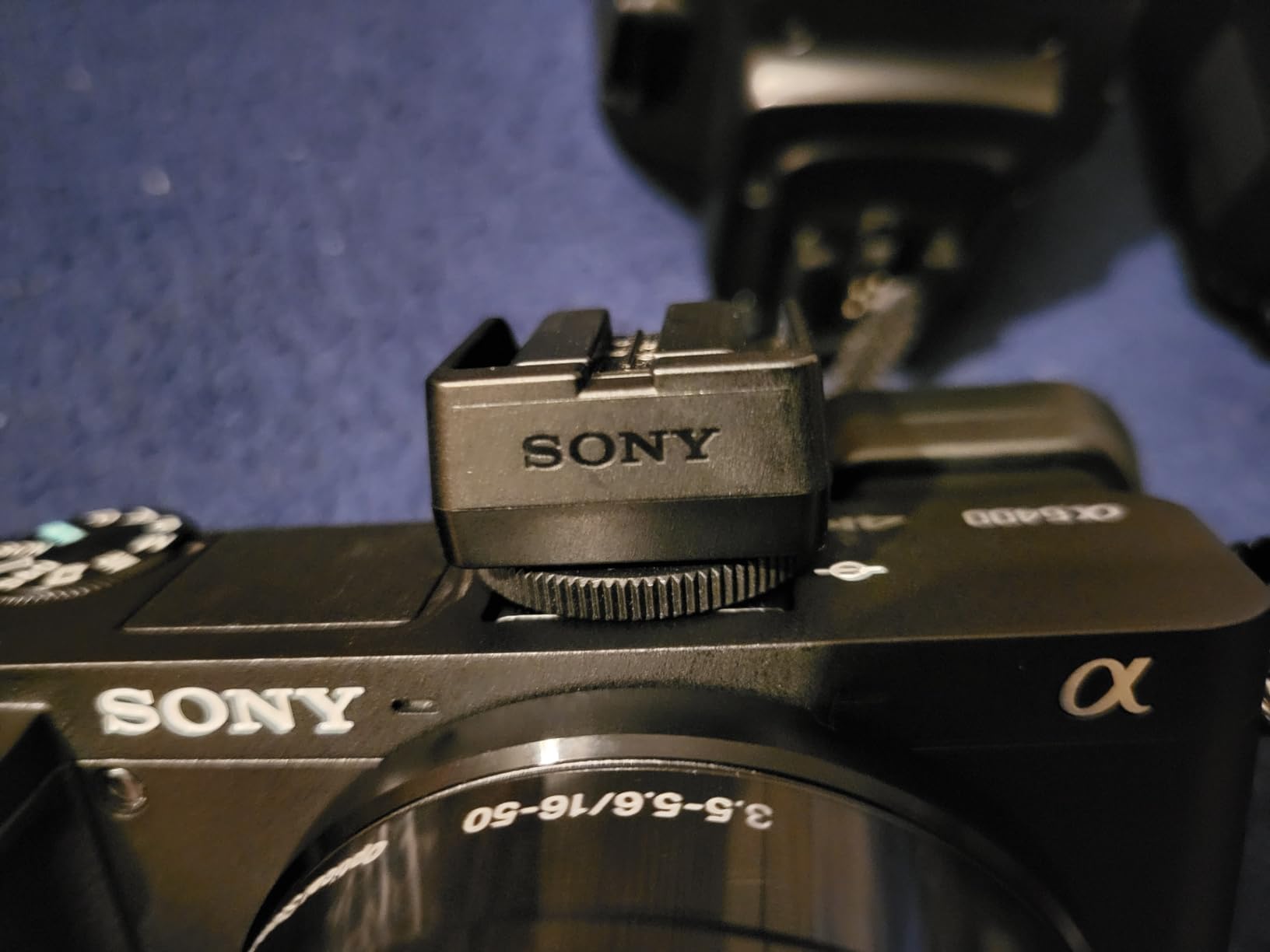
 Sony Alpha ZV-E10 Kit Sony Alpha ZV-E10 Kit |
|
Check Latest Price |
 Sony Alpha a6400 Kit Sony Alpha a6400 Kit |
|
Check Latest Price |
 OM System Olympus E-M10 Mark IV OM System Olympus E-M10 Mark IV |
|
Check Latest Price |
 Canon PowerShot V10 Canon PowerShot V10 |
|
Check Latest Price |
 Panasonic LUMIX ZS99 Panasonic LUMIX ZS99 |
|
Check Latest Price |
 Canon PowerShot SX740 HS Canon PowerShot SX740 HS |
|
Check Latest Price |
 DJI Osmo Action 6 Enhanced Combo DJI Osmo Action 6 Enhanced Combo |
|
Check Latest Price |
 Canon EOS R100 with RF 50mm f/1.8 Canon EOS R100 with RF 50mm f/1.8 |
|
Check Latest Price |
1. DJI Osmo Pocket 3 – The One Camera You Will Actually Carry
Pros
- Smooth 3-axis gimbal while walking
- 1-inch sensor holds up in low light
- rotating 2-inch screen makes selfie framing easy
- ActiveTrack 6.0 keeps solo creators framed
- fits in a purse or small bag
Cons
- Exposed gimbal mechanism is fragile if bumped
- bundled case leaves the lens exposed
- must be registered within five uses or it will not function
- overheats during long 120 fps clips
- no internal storage so a microSD card is required
I have carried the Osmo Pocket 3 on three trips now, and the thing that has surprised me most is how often I just kept it in my hand. At 179 g it disappears into a daypack in a way that a mirrorless body with a zoom never has for me. The box includes the camera, a protective cover, a wrist strap, a 1/4-inch threaded handle, and a USB-C cable, so there is nothing else to buy before the first frame.
The 3-axis mechanical gimbal is the reason it exists. Walking shots that look like vertical smears on a phone come out genuinely steady here, and D-Log M 10-bit color gives you room to grade footage later if your editing setup can handle it. The 2-inch screen rotates to the side for landscape vlogging and up for vertical clips, so you are not guessing at framing.
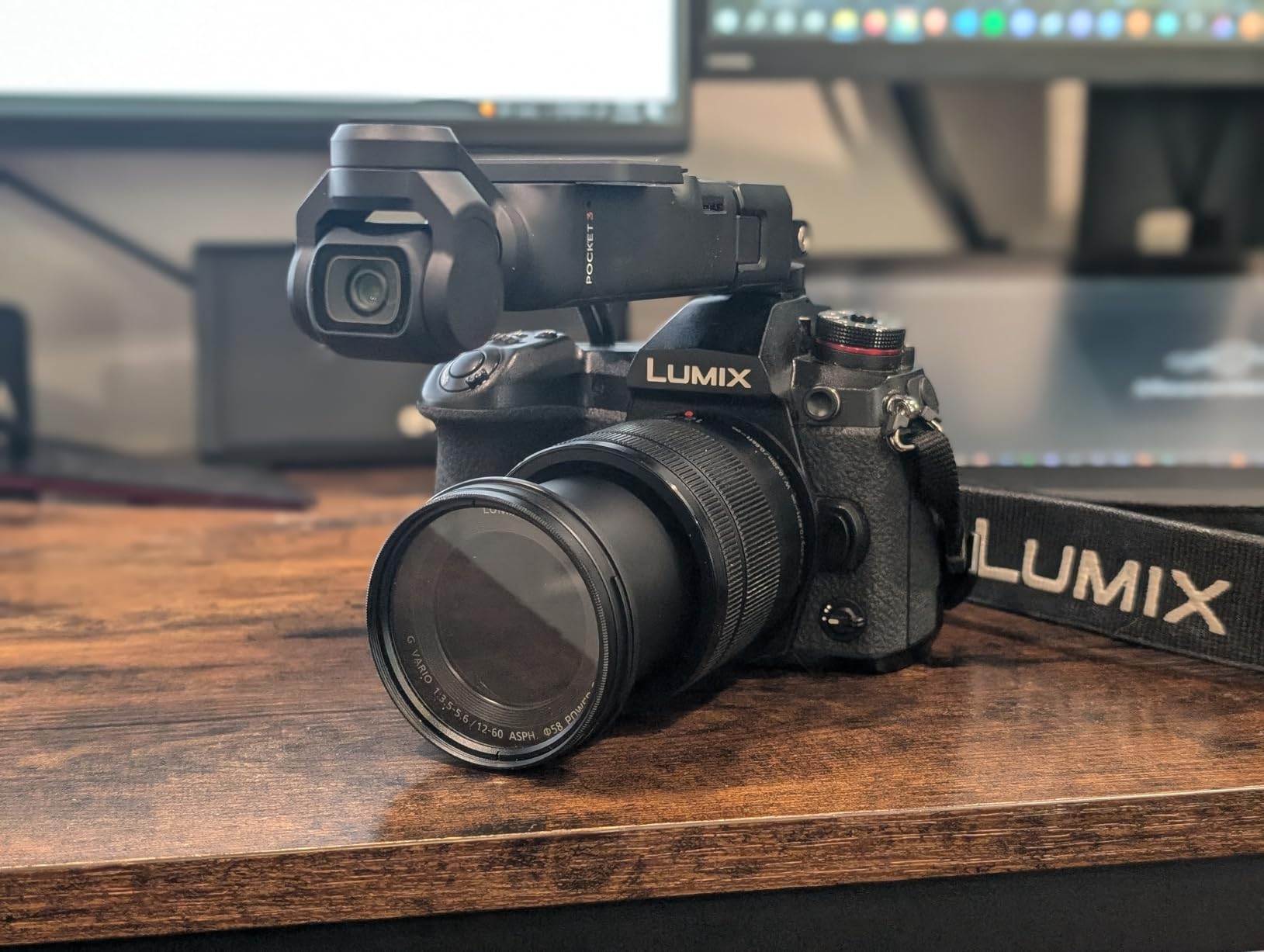
Image quality is the 1-inch sensor doing the work. It records 4K at up to 120 fps, has an f/2 maximum aperture, and outputs JPEG and RAW stills at an effective 9.4 mp. The maximum focal length is 20 mm, so this is a wide-to-standard shooter with a 4x digital zoom, not a travel zoom. If your trip is landscapes, food, interiors, and people at arm’s length, that limitation rarely comes up.
Battery life is rated at 166 minutes, which covers a full shooting day. It is not water resistant, so it stays out of the rain and out of the surf. The listing also notes compatibility with the DJI Mic 2 for wireless audio straight into the camera, which matters if you are making content rather than stills.
Why I recommend it for solo travel and vlogging
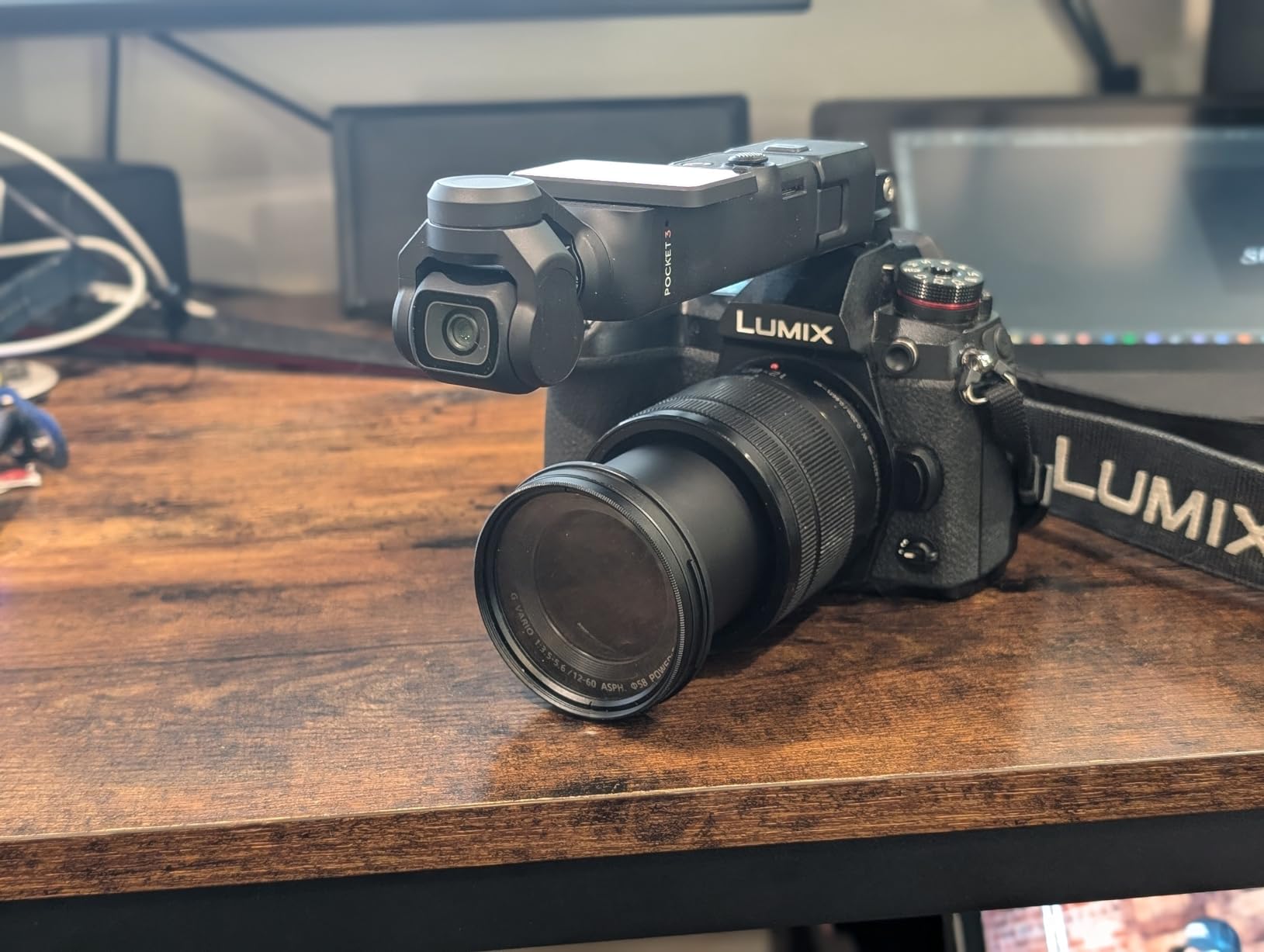
Solo travel is where this camera earns its place. ActiveTrack 6.0 face and object tracking means you can set it down, step back, and still be in the frame, and the gimbal holds the framing together while you walk and talk. It is the rare travel camera that replaces the phone for video without asking you to learn a new workflow.
Reviewers consistently praise the image quality, stabilisation, portability, and the rotating screen for travel and vlogging. It is the most heavily reviewed camera in this list, with more than ten thousand reviews behind it, and that body of feedback is remarkably consistent about what the camera does well.
Where it falls short for a trip
The gimbal arm is exposed on three sides, and reviewers treat bumps and knocks as the main long-term risk. The protective case in the box does not cover the front and back, so a separate case is worth carrying if you are moving fast or climbing.
There is one more thing nobody mentions until it bites them: the camera must be registered within the first five uses or it simply will not function. Do that at home before you fly. Long 120 fps clips also generate heat, and reviewers report it shutting down after roughly eight to ten minutes of continuous recording at that frame rate.
2. Insta360 X3 – The Practical Way to Shoot a 360 Degree Trip
Pros
- 360 capture lets you reframe the shot after the fact
- also works as a normal 4K action camera
- large 2.29 inch touchscreen with physical record buttons
- FlowState stabilisation with horizon lock
- waterproof to 10 m without a case
- four-mic wind noise cancellation
Cons
- 360 footage has lower per-direction resolution than flat video
- 360 clips must be rendered on the desktop app before upload
- mobile editing is limited compared with desktop software
- can overheat in direct sun without airflow
- the benefits shrink without a 360 headset
The Insta360 X3 sits at a budget where the sub-tier cameras are usually pointless, and it escapes that trap because 360 capture is a real capability rather than a feature checkbox. The sensor is 1/2.3-inch, so per-direction image quality is not going to match a good phone. What it does is let you walk into a place and shoot once, then decide the framing later.
In practice that changes how you shoot on a trip. Walk through a market, mountain pass, or temple courtyard and record continuously, then pull out a vertical clip of yourself, a wide horizontal of the stalls, and a fisheye view for a 360 headset all from the same take. It is the only camera in this roundup that gives you that flexibility, and at this budget the choice is between buying one or accepting a fixed wide lens.
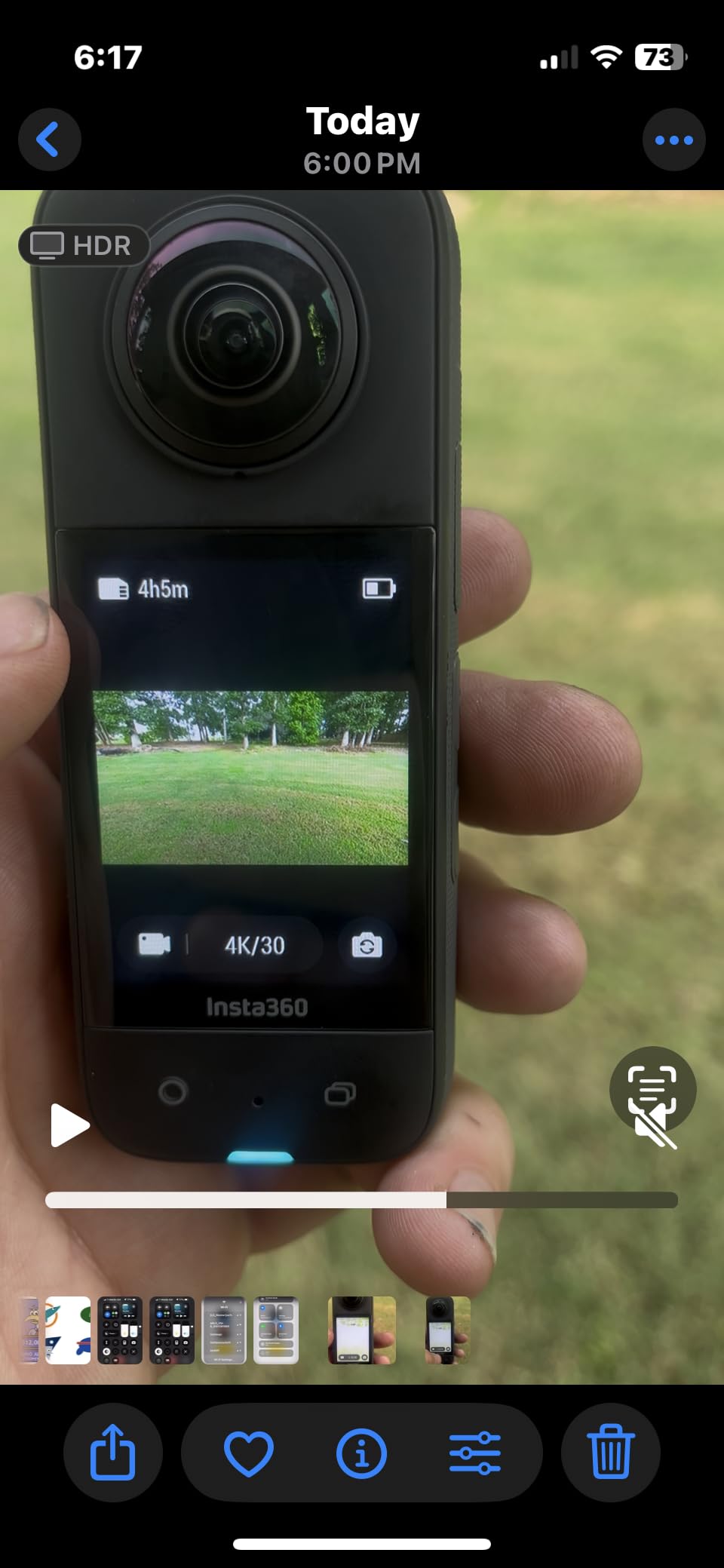
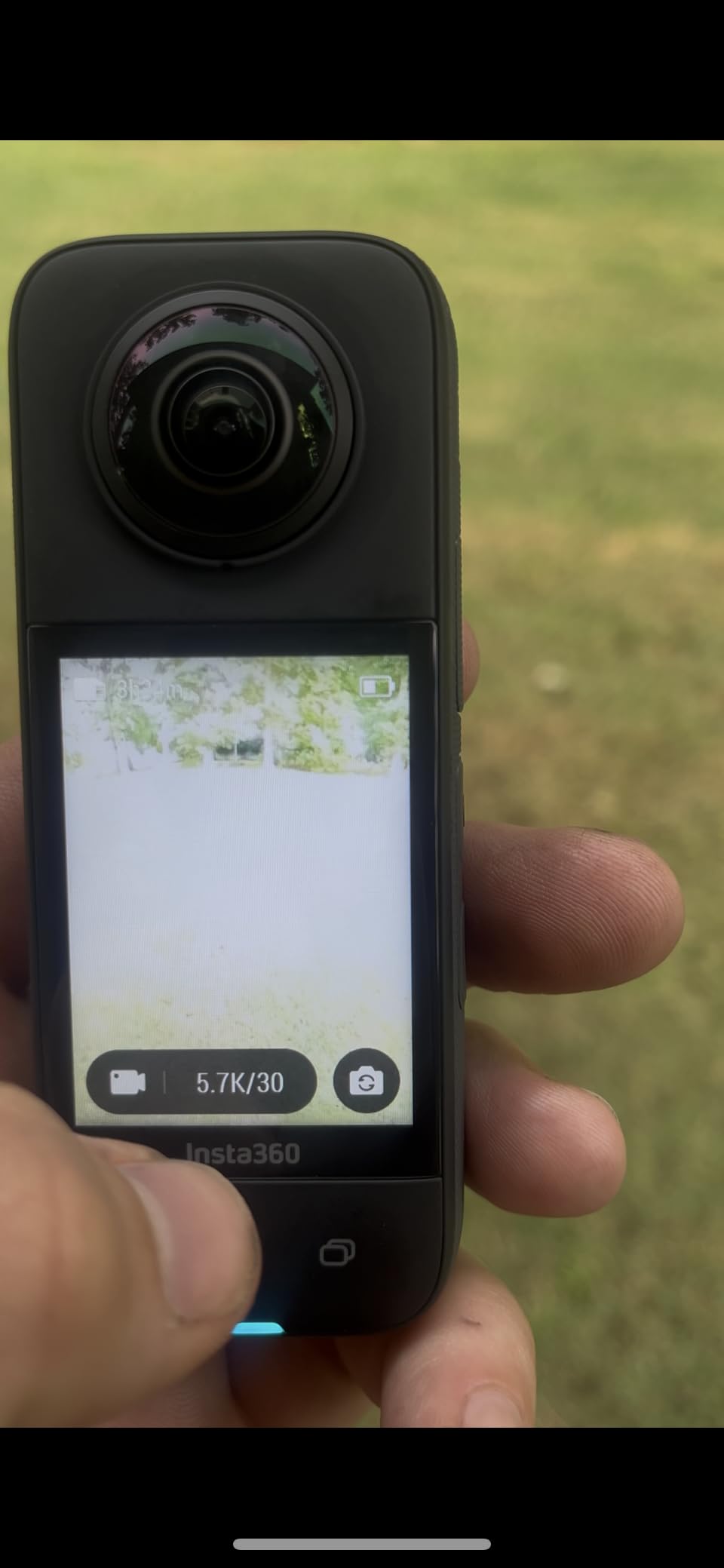
You are not locked into 360, though. Single-lens mode records 4K at 30 fps, and MaxView gives you 2.7K at 60 fps, so it works as an ordinary action camera on a bike or in the water. It is waterproof to 10 m without a housing, weighs 200 g, and carries a 2.29-inch touchscreen with haptic feedback plus physical record buttons you can find with gloves on.
FlowState stabilisation with horizon lock keeps rolling footage level, and four microphones pick the cleanest channel for wind noise. The dimensions are 0.91 by 1.81 by 4.49 inches, so it is short enough to sit in a chest pocket. Storage is microSD, and the warranty is one year.
Why I recommend it for adventure and group trips
Waterproofing to 10 m without a case is the reason to pick this one. Snorkelling, kayaking, surfing, ski trips, and rain-heavy hikes are all situations where a sealed pocketable body simply keeps working while a mirrorless camera goes in a dry bag and stays there.
Owners frequently call the X3 the best value 360 camera and single out FlowState stabilisation, the large touchscreen, and the reframing workflow as the standouts. On a group trip it is genuinely useful, because you can mount it centrally and pull individual people out of the frame afterwards.
Where it falls short for a trip
The compromise is resolution. Spreading capture across a sphere means each direction gets a smaller share of the pixels than a flat frame would. If you are planning to print large, shoot RAW, or grade heavily, this is the wrong tool.
The workflow is also heavier than it looks. 360 clips must be rendered through the desktop app before you can upload them, and reviewers note the mobile app is limited next to the desktop software. There is no waterproof case to worry about, but in direct sun with no airflow it can overheat, so keep it in a pocket between takes.
3. Sony Alpha ZV-E10 Kit – The Best Mirrorless Camera for Travel Under 1,000
Pros
- 24.2MP Exmor CMOS with the BIONZ X processor
- 4K video oversampled from 6K with full pixel readout
- 425-point fast hybrid AF with real-time eye autofocus
- Product Showcase and Background Defocus buttons
- single USB-C cable livestreaming
- fully articulating LCD for selfie framing
Cons
- No in-body image stabilisation so handheld 4K is noticeably shaky
- body and lens bundle is bulky for travel versus a pocket camera
- the menu system takes time to learn
The ZV-E10 is the pick for anyone who wants the picture quality of a real camera and does not care much about video stabilisation. The 24.2MP APS-C Exmor CMOS sensor is a generation ahead of the small sensors in the compacts here, and that shows immediately in a dim restaurant or a temple interior where the small-sensor bodies struggle.
The 16-50mm f/3.5-5.6 kit lens covers 24-75mm equivalent, which takes in the group photo and the portrait without changing lenses. That is the single biggest travel advantage an APS-C body has over a compact: if your trip is later, the difference is a lens swap, not a missed moment.
Video is where this camera was designed to shine. It records 4K oversampled from 6K with a full pixel readout, at 14-bit, and the sensor is read out fast enough to avoid the rolling-shutter wobble that ruins handheld walk-and-talk footage. The Product Showcase setting moves focus from your face to whatever you hold up to it, and Background Defocus is a one-button background blur.
Framing is handled by a fully articulating 3-inch LCD. Autofocus runs through 425 fast hybrid points with Real-Time Eye AF, continuous shooting is 11 fps, and the top shutter speed is 1/4000 second. Audio gets a directional three-capsule microphone with a windscreen, and you can livestream or webcam over a single USB-C cable with no extra hardware.

Why I recommend it for people upgrading from a phone
APS-C gives you the two things a phone sensor cannot offer you: cleaner shadows, and shallow depth of field without a software trick. Shoot a person against a city street at f/3.5 and you get separation that a phone camera has to fake with a portrait mode that misses edges.
It is also a normal camera. If you decide a year later that you want a wider lens or a telephoto, the Sony E-mount has options, and third-party lenses widen that further. For a beginner buying one body, that path matters more than it does for someone who only ever shoots video.
Where it falls short for a trip
There is no in-body image stabilisation, and reviewers are blunt about the result: handheld 4K is noticeably shaky. The kit lens is not stabilised either. If most of your trip is walking video rather than stills, the Osmo Pocket 3 at the top of this list is a better fit.
Size is the other issue. The kit weighs 1.6 pounds, roughly four times the weight of the Pocket 3, and reviewers consistently flag the bundle as bulky next to a pocket camera. The menu system also takes time to learn, so give yourself a day with it before the trip starts.
4. Sony Alpha a6400 Kit – The Best Travel Camera for Family Photos
Pros
- Real-time eye autofocus is accurate for people
- kids and pets in motion
- compact light body that fits a small shoulder bag with two lenses
- 11 fps continuous shooting at full resolution
- 180-degree tilting screen simplifies selfies
- third-party E-mount lenses widen the creative options
Cons
- No in-body image stabilisation
- the kit 16-50mm lens is weak indoors and at low light
- movie record button is awkwardly placed near the front grip
- Sony menu interface and Wi-Fi app are unintuitive
The a6400 has been around long enough that its strengths are well documented by people who have owned it for years, and the reviews come back to the same sentence: the eye autofocus changed how they shoot family and travel photos. On a trip with children, having the camera pick a face in a moving crowd and hold it is worth more than any spec on the sheet.
The 20.1MP stacked back-illuminated Exmor RS CMOS sensor with 425 phase-detection and 425 contrast-detection points is the core of that. Continuous shooting runs at 11 fps, the 180-degree tilting 3-inch touchscreen handles low angles and selfies, and 4K recording is there when you want it.
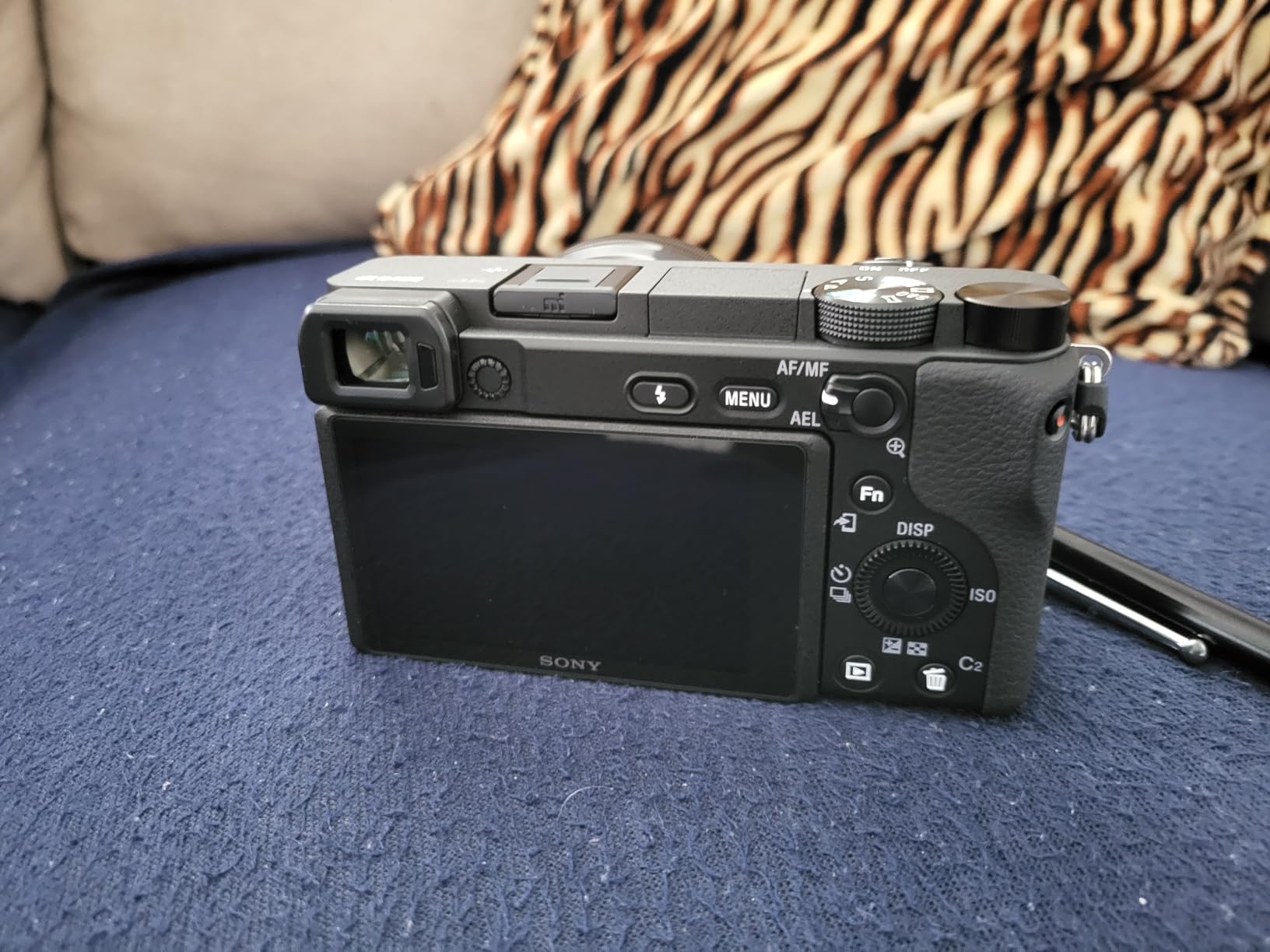
The listed weight is 10.3 ounces, which keeps it among the lighter interchangeable-lens kits here. With the 16-50mm kit it stays compact enough for a small shoulder bag, and if you add a second lens later you are still within a reasonable carry weight for a daypack rather than a checked bag.
Storage is flexible, with SD and microSD options, and the top shutter speed is 1/4000 second. Video output goes out over micro-HDMI, and the flash sync is 1/160 second. The kit is listed with a one-year manufacturer warranty.
Why I recommend it for trips with people in them
Real-Time Eye AF and tracking means you hand the camera to a partner and they can shoot without thinking about focus. Combined with the flipping screen, it turns the camera into something a non-photographer can use on a family trip, which is often the real goal.
It is also a good value if you already own lenses. The E-mount means third-party glass widens your options, and long-term owners report that photos from this camera still look excellent years after release, which matters if you plan to build on it rather than replace it.
Where it falls short for a trip
No in-body image stabilisation, which means handheld stills at slow shutter speeds need a steady hand or a faster shutter than you would like. The kit 16-50mm is fine outdoors and weak indoors, and that is the single most common complaint paired with low light.
Getting a telephoto for wildlife or distant detail means leaving APS-C and spending on full-frame glass, which quickly moves past this budget. Reviewers also call the Sony menu interface and Wi-Fi app unintuitive and crash-prone, which is a poor day to discover when you are trying to back up photos at the airport.
5. OM System Olympus E-M10 Mark IV – The Body With Real In-Body Stabilisation
OM SYSTEM Olympus E-M10 Mark IV Silver Micro Four Thirds System Camera M.Zuiko Digital ED 14-42mm F3.5-5.6 EZ kit 20MP Sensor 5-Axis Image Stabilization 4K Video Wi-Fi
Pros
- In-body 5-axis stabilisation worth about 4.5 shutter speed steps
- light compact body with a tilting screen and a dedicated selfie mode
- 16 art filters including an Instant Film look
- Bluetooth always-on background connection for quick phone transfers
- 15 fps sequential shooting
Cons
- Smaller Micro Four Thirds sensor limits low light and detail versus APS-C
- 121-point contrast-detection autofocus is slower than phase-detect systems
- single UHS-II SD card slot
The E-M10 Mark IV is the odd one out in this list and that is exactly why it is here. It is one of very few cameras under 1,000 with a proper in-body stabilisation system, rated at 4.5 stops, which means you can handhold shots at shutter speeds four or five times slower than you would otherwise need. On a trip that is worth an enormous amount in the field.
Stabilisation is not only a stills feature. Handheld 4K DCI video from a Micro Four Thirds sensor this size produces remarkably steady walk-and-talk footage, and the E-M10 is one of the few bodies that combines that with a real sensor rather than a cropped high-resolution mode.
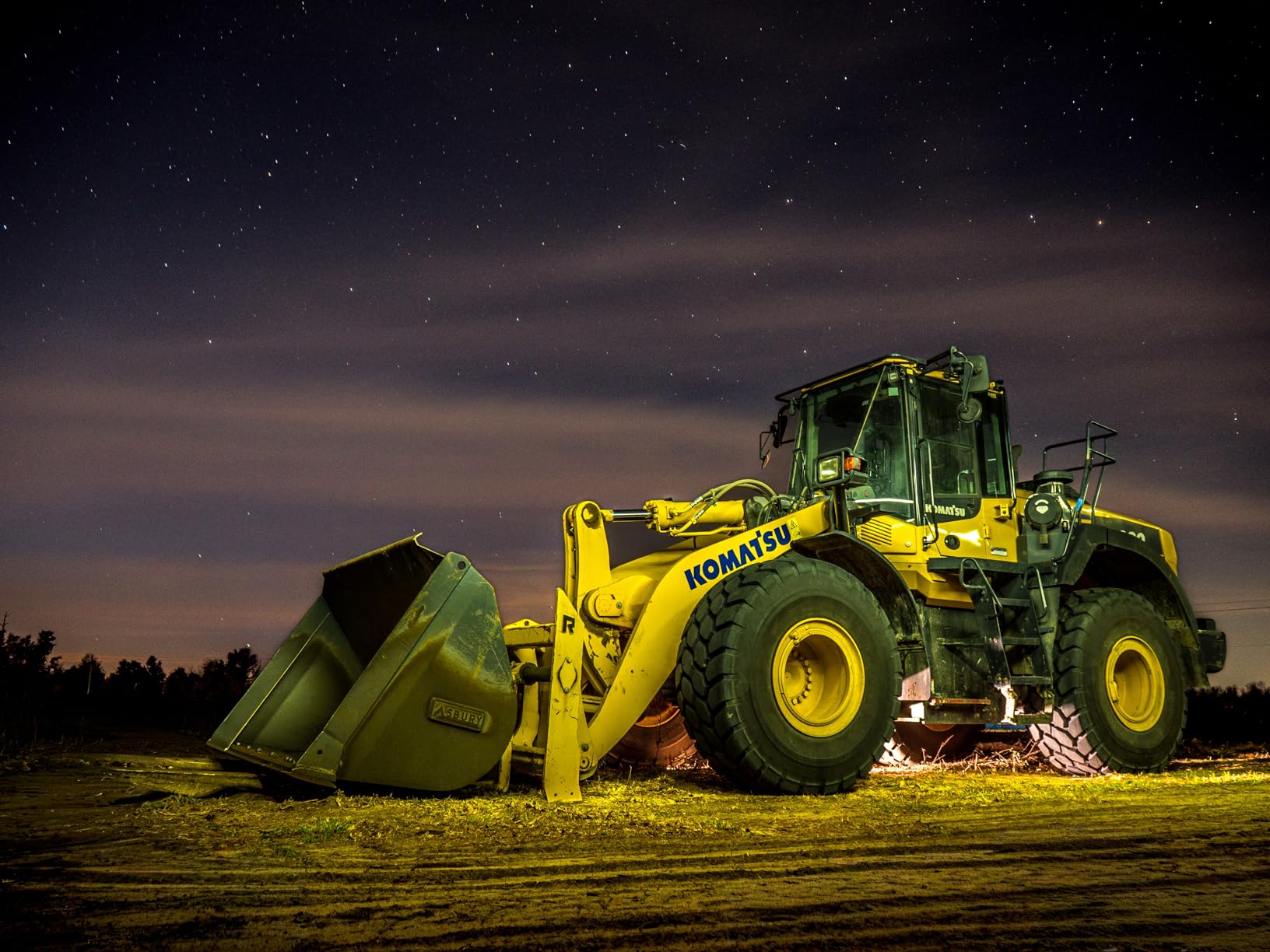
The rest of the specification is aimed at people who enjoy the process. Sixteen art filters with 31 types, including an Instant Film look, let you get a different rendering straight out of the camera. Sequential shooting runs at 15 fps for JPEG and 8.7 fps for RAW, the maximum shutter speed is 1/16000 second, and there is a built-in flash.
It arrives in silver with a 14-42mm f/3.5-5.6 EZ kit lens, giving a 3x optical zoom range, and the whole package weighs 1.1 pounds. Bluetooth runs an always-on background connection, so transferring a few images to your phone takes a tap rather than a negotiation with a Wi-Fi app.
Why I recommend it for long walking days and indoor shooting
Evening markets, restaurants, and interiors are where stabilisation saves the shot. A 4.5-stop system means you can work at 1/15 second handheld instead of 1/500, which is the difference between a sharp photo and a blurred one when nobody can hold still.
It is also a genuinely small camera at 1.1 pounds with the lens. The common answer in r/onebag for a compact mirrorless setup is a Micro Four Thirds body for exactly this reason. The kit lens is light, the dials are on the top plate, and the tilting screen has a dedicated selfie mode rather than a menu dive.
Where it falls short for a trip
The Micro Four Thirds sensor is smaller than APS-C, and owners consistently note it trails the larger bodies for low light and fine detail. If your trip is mostly night shooting, the ZV-E10 or the R100 will give you cleaner files.
Autofocus is 121 contrast-detection points with no phase detection, and reviewers call it slower than phase-detect systems. That is fine for a static subject and less fine for a bird taking off. There is also a single card slot, so you cannot spread files across two cards the way you can on some bodies.
6. Canon PowerShot V10 – The Best Budget Camera for First-Time Vloggers
Pros
- Pocketable body with a fold-in stand for hands-free framing
- 1-inch sensor handles indoor and low light better than typical compacts
- retractable front-facing screen with built-in subject detection
- three stereo microphones with a centre noise-cancelling channel
- very simple operation for beginners
Cons
- No zoom capability at all
- no lens cover so the exposed lens can scratch in a bag
- no windscreens for the microphones
- small 2-inch screen is harder to frame in bright daylight
- some owners report short battery life
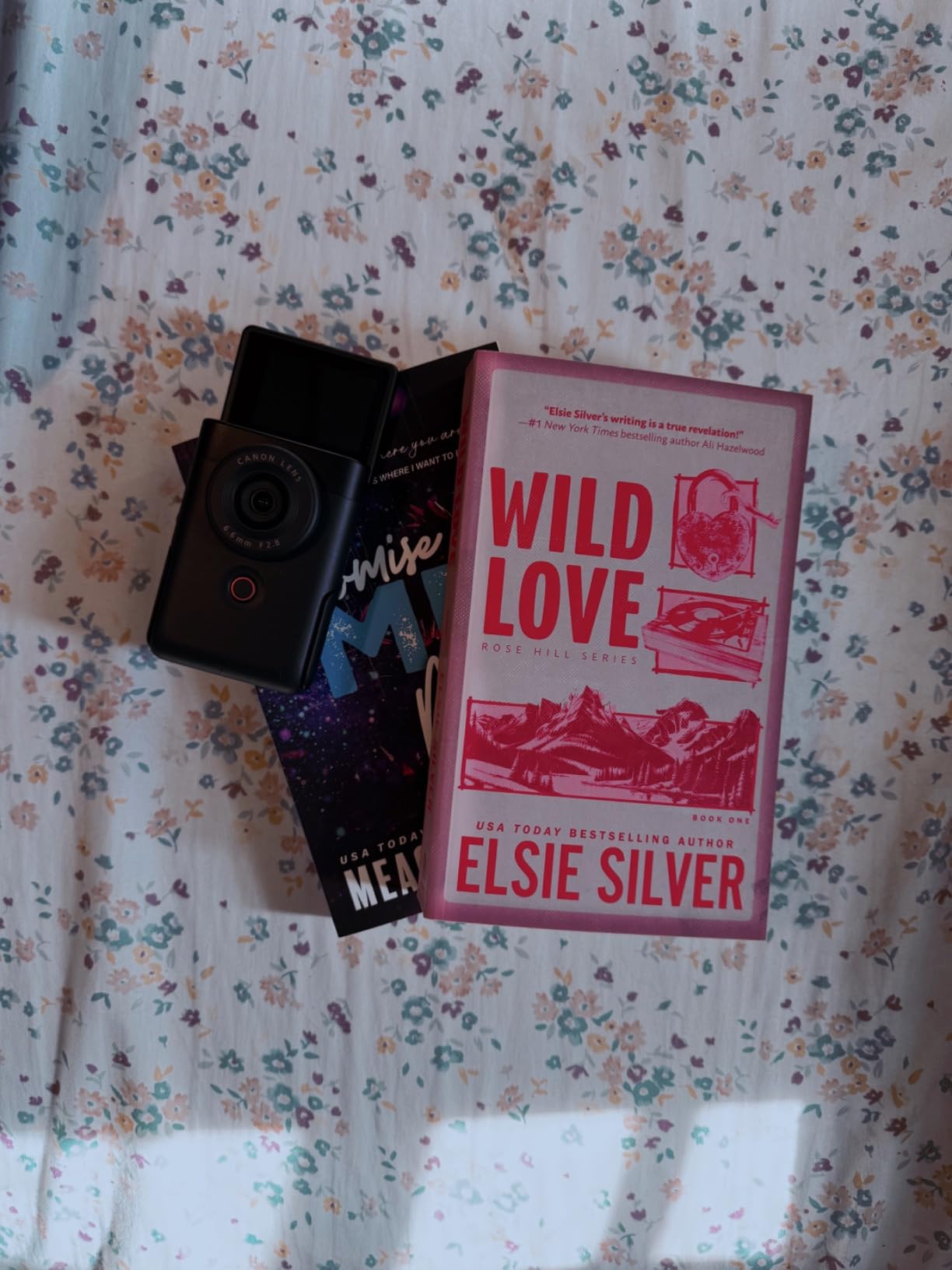
The PowerShot V10 is the least complicated camera in this roundup and that is exactly the pitch. It is a 1-inch sensor, a fixed 19mm wide lens, and a set of automatic controls. There is nothing to learn, nothing to configure, and no lens to lose in an airport.
It weighs 7.52 ounces and measures 2.5 by 3.5 by 1.4 inches, which means it genuinely goes in a jacket pocket. The screen retracts and rotates to the front for self-recording, and the built-in folding stand lets you set it down for a hands-free shot without carrying a tripod.

Video is 4K at 30 fps in 8-bit, with Full HD up to 60 fps, and the field of view is a generous 160 degrees. Three stereo microphones record a centre channel with noise cancellation, and there is an external mic port, micro-HDMI, and USB-C if you want to grow into it. Stabilisation has three modes: off, on, and enhanced.
Still frames come from a 15.2MP 1-inch back-illuminated CMOS sensor with ISO from 100 to 6400, and the built-in flash is there for indoor food and market shots. The box includes the body, a USB-C cable, and a wrist strap. Battery life is rated at about two hours, so pack a spare.
Why I recommend it for a first trip with a camera
If you have never carried a camera before, the V10 removes every barrier. Turn it on, point it, press record. Reviewers call out the approachable controls and the built-in stand as the reasons it works well for first-time vloggers, and the 1-inch sensor gives noticeably better low light than the typical compact.
It is also a good companion camera. A pocket body that fits a jacket is the one you will pull out at street level, at a food stall, and inside a market stall, and none of the larger bodies here are that easy to justify carrying for a quick shot.
Where it falls short for a trip
There is no zoom. The fixed 19mm equivalent lens means distant subjects and details are simply out of reach, and reviewers note that some buyers miss this badly. If your trip involves safaris, distant architecture, or anything you cannot walk up to, this is the wrong camera.
There is also no lens cover, so the front element is exposed and can scratch inside a bag. The 2-inch screen is hard to frame in bright daylight, which is a real limitation on an open beach or a sunlit street, and some owners report short battery life in practice.
7. Panasonic LUMIX ZS99 – The Best Compact With a 24-720mm Equivalent Zoom
Panasonic LUMIX ZS99 Point and Shoot Camera, Digital Camera Compact with 30x Optical Zoom (24-720mm), 4K Video/Photo, Great for Travel and Concerts, Black
Pros
- 30x optical zoom at 24-720mm equivalent in a pocketable body
- unobtrusive size unlike bridge-style long-zoom cameras
- 4K 30p video plus 4K PHOTO burst modes
- 5-axis HYBRID OIS+ stabilisation
- 1840k-dot tilting touchscreen with USB-C charging
- dedicated Send Image button and Bluetooth v5.0
Cons
- Small 1/2.3-inch sensor gives weak low light performance versus modern phones
- video is described as glitchy and jerky especially at high zoom
- overheats during extended recording and can stop capturing video
- no built-in flash
- battery drains quickly with Wi-Fi transfers
- screen is hard to read outdoors
The ZS99 exists to solve exactly one problem. A 30x optical LEICA zoom covering 24-720mm equivalent, in a body you can carry in a pocket, means one camera covers the wide establishing shot, the market detail, and the bird on the far ridge without a single lens change.
This is why long-zoom compacts keep showing up in travel recommendations despite having a sensor size that would embarrass a phone from three years ago. If the subject is far away, reach beats resolution. No other compact in this roundup gets you past 300mm equivalent without a second lens and a much bigger bag.

Other travel details are genuinely good. The 5-axis HYBRID OIS+ system stabilises the sensor and the lens together, which matters at the long end of that zoom. The 1,840k-dot tilting touchscreen tilts out for low angles, USB-C handles charging, and Bluetooth v5.0 pairs with a dedicated Send Image button that pushes a frame to your phone in a couple of taps.
There is an electronic viewfinder, which is a real advantage in bright sun, and continuous shooting runs at 10 fps with 4K PHOTO and post-focus burst modes. Manual exposure control is available for people who want it. The maximum aperture is f/3.3 and ISO extends to 6400.
Why I recommend it for wildlife, day trips, and one-bag travel
Day trips are where this camera makes its case. You are not carrying a whole system, you are not changing lenses in the rain, and when something happens at 300mm you can get a usable frame. Digital zoom to 2x is there if you need a bit more, though optical reach is where the real value sits.
Travel, concert, and sports shooters keep coming back to it for the same reason. It is unobtrusive in a way that a bridge-style long-zoom camera is not, so you can shoot from the edge of a crowd rather than announcing yourself.
Where it falls short for a trip
Be clear-eyed about the sensor. It is 1/2.3-inch, and reviewers say low-light performance is weak next to modern phones, so evening and indoor shots will disappoint. At long zoom the aperture is effectively very narrow, which makes that worse.
Video is the bigger concern for anyone making content. Reviewers describe it as glitchy and jerky, particularly at high zoom, and report the body overheating during extended recording until it stops capturing video. The screen is also hard to read outdoors, the battery drains quickly when Wi-Fi transfers are on, and there is no built-in flash despite the flash position on the body suggesting otherwise.
8. Canon PowerShot SX740 HS – The Best Travel Camera for Long-Reach Shots
Canon PowerShot SX740 HS, Point and Shoot Digital Camera, Optical Zoom, 4K Video, Black
Pros
- 40x optical zoom with optical image stabilisation and Zoom Framing Assist
- optical viewfinder that helps in bright outdoor light
- 20.3MP CMOS sensor with DIGIC 8 processor
- 4K time-lapse movie modes
- Bluetooth and Wi-Fi for quick phone transfers
- compact pocketable body
Cons
- Continuous video is effectively capped at 1080p despite the 4K listing
- small 1/2.3-inch sensor limits resolution and low light
- only 25 contrast-detection autofocus points which can feel slow
- limited manual exposure control for a sensor of this class
The SX740 HS takes the long-zoom idea further than the ZS99 with a 40x optical range covering 24-960mm equivalent, and it adds one thing the Panasonic lacks entirely: a built-in flash. For markets, indoor ruins, and evening food stalls, having a flash in a pocket camera is rarer than you would think.
It also has an optical viewfinder rather than an electronic one, which some people prefer in bright conditions and which keeps working when the screen is washed out. Zoom Framing Assist helps track a distant subject while you extend the lens, which is a small feature that matters a lot at 960mm.
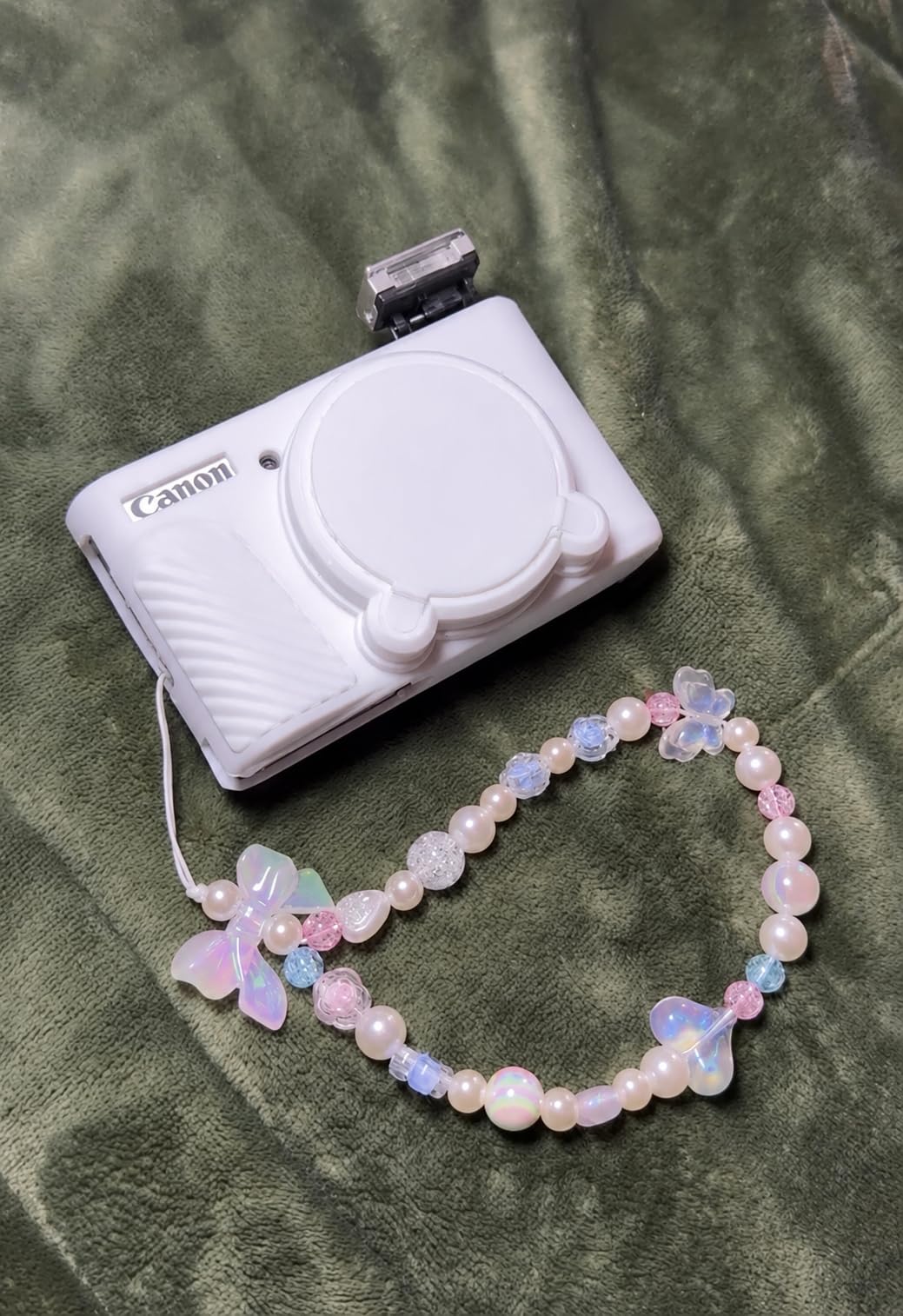
The body weighs 9.76 ounces and the sensor is a 20.3MP 1/2.3-inch CMOS with the DIGIC 8 processor. Continuous shooting is 10 fps, flash sync is 1/250 second or slower, and the top shutter speed is 1/3200 second. It records to SDHC and SDXC cards, and the box includes the battery, charger, camera, and wrist strap.
Exposure control covers auto, manual, and program modes, and the shooting mode list includes specific scene settings for food, sepia, and black and white, which is friendly for beginners who want the look without editing. Video out goes over micro-HDMI.
Why I recommend it for safari, birding, and reachable detail
Forty times is the difference between a photograph of a distant bird and no photograph at all. For safari trips, guided walks where you cannot leave the vehicle, and cliff viewpoints, that reach is the reason to buy this rather than something smaller.
Buyers consistently centre on the long optical reach, the built-in flash, and the pocketable size. The optical viewfinder is a genuine bonus in harsh midday light, where an LCD screen of this size becomes hard to read.
Where it falls short for a trip
The video specification is the most common complaint, and it is worth being blunt about: the listing shows 4K, but continuous video capture works at 1080p in practice. The 4K mode is for time-lapse movie. If video matters, this is not the camera.
Autofocus uses 25 contrast-detection points, and reviewers find it slow, particularly at the long end where focus hunting is most visible. The small sensor also limits resolution and low-light quality compared with a modern phone, and manual exposure control is limited for what the sensor can do.
9. DJI Osmo Action 6 Enhanced Combo – The Best Action Camera for Hiking and Water
Pros
- 1/1.1-inch square sensor delivers sharp 8K video and strong low light results
- variable aperture from f/2.0 to f/4.0
- 360 degree HorizonSteady keeps the horizon level
- waterproof to 20 m without a housing
- 50GB built-in storage so you can shoot before inserting a card
- dual screens and magnetic mounts
- direct connection to two DJI wireless mic transmitters
Cons
- Onboard microphone audio is usable but weak for professional use
- touchscreen menu options are limited inside a waterproof case
- high-bitrate files are large
- fixed focus rather than autofocus
- some footage shows light trailing in dark scenes
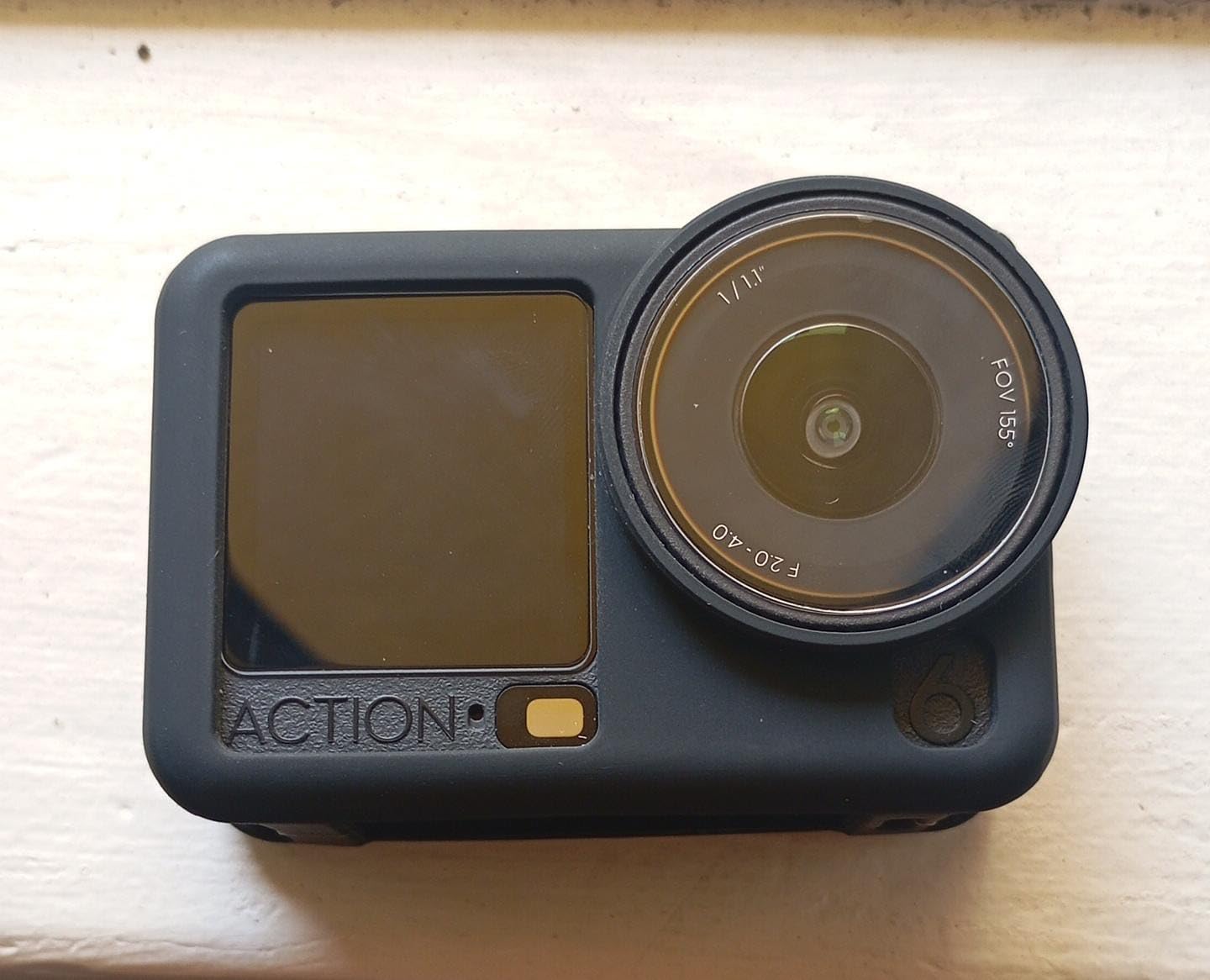
The Osmo Action 6 is a seriously rugged body for this budget, and the Enhanced Combo is what makes it a travel kit rather than a single camera. You get the camera, two Extreme Battery Plus packs, a multifunctional battery case, a 1.5 m extension rod, an anti-slip pad, mounts, and a USB-C cable in the box.
That battery setup is the part that changes planning. Rated at up to four hours per battery with two included, you can shoot a full day of hiking without thinking about a wall socket, and the case doubles as a charger and a carry pouch.
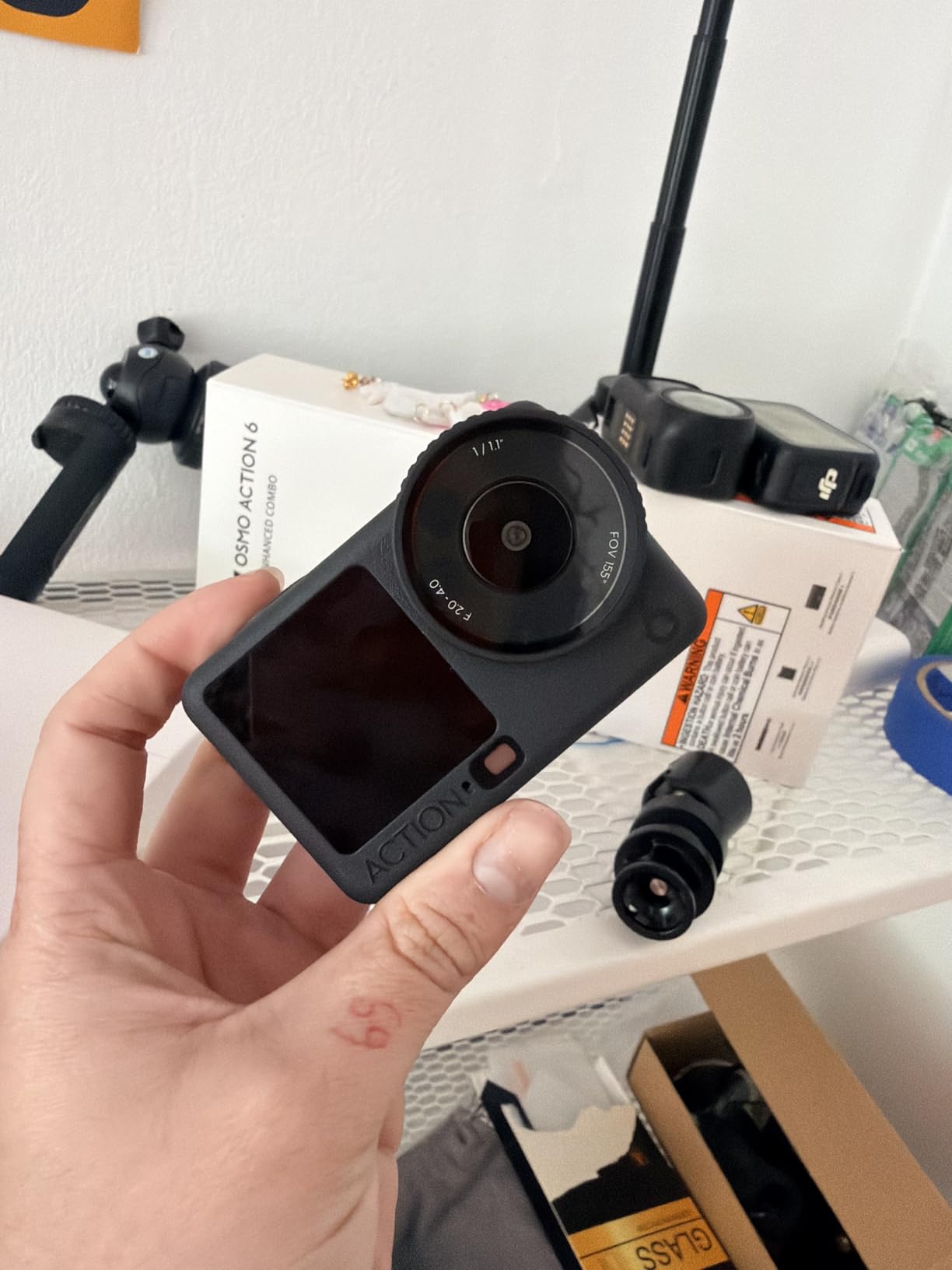
Image quality comes from a 1/1.1-inch square CMOS sensor shooting 8K, with stills at an effective 38 mp and RAW output available. The variable aperture from f/2.0 to f/4.0 is unusual at this level and lets you stop down in bright light to hold depth of field, or open up in a dim canyon.
Stabilisation is the headline: RockSteady, RockSteady+, HorizonBalancing, and 360-degree HorizonSteady. With front and rear colour screens, 50 GB of built-in storage alongside microSD, gesture and voice control, and the ability to connect two DJI wireless mic transmitters directly, it packs in far more than a bare action camera. At 149 g it is one of the lightest bodies in this roundup.
Why I recommend it for hikes, water, and high altitude
Twenty metres of waterproofing without a case removes the single most common travel failure mode. Kayaks, surf, waterfalls, monsoon rain, and snow are all situations where the alternative is keeping the camera in a dry bag and not using it.
The 1/1.1-inch square sensor is unusually large for an action camera and is why the low light holds up. Sunrise hikes, dusk viewpoints, and night markets are where action cameras normally fall apart, and reviewers single out the sensor as the reason this one performs.
Where it falls short for a trip
Focus is fixed rather than autofocus, which is correct for an action camera but means anything close to the lens will be soft. It is a video-first body; RAW stills exist but the 38 mp output is a by-product of the video sensor rather than a stills camera in its own right.
Audio is the most repeated complaint. The onboard microphones are usable for personal footage but weak for anything you plan to publish with dialogue, so plan on a wireless mic. High-bitrate files are large, screen control is limited while the camera is sealed in its housing, and some reviewers report light trailing in dark scenes.
10. Canon EOS R100 with RF 50mm f/1.8 – The Best Value Starter Still Camera
Pros
- Sharp vibrant 24.1MP APS-C images that outperform the price class
- bundled RF 50mm f/1.8 STM gives a fast aperture for portraits and street work
- Dual Pixel CMOS AF with subject tracking is reliable for beginners
- lightweight compact body that is easy to travel with
- bundle includes a 64GB memory card and EOS 200ES shoulder bag
Cons
- No in-body image stabilisation
- 4K video limited to 24 fps with no advanced video modes
- fixed rear screen is not ideal for vloggers
- no built-in flash and the bundle ships without a manual
This bundle is unusual because it pairs a 24.1MP APS-C body with a fast 50mm f/1.8 prime rather than a slow kit zoom. That one decision changes what the camera is for. A 50mm at f/1.8 is the classic travel portrait lens: normal angle of view, and a wide enough aperture to separate a person from a busy street in low light.
The 50mm equivalent is not a wide lens, so sweeping landscapes and tight interiors are harder. But for people, food, and evening street photography, the light it gathers is the difference between a photo you use and a photo you delete.

The body uses the Canon RF mount with a 1.6 crop factor, Dual Pixel CMOS AF, and subject tracking that reviewers call reliable for beginners. The battery is a 1040 mAh lithium-ion pack. The bundle also includes a 64GB memory card and an EOS 200ES shoulder bag, which together remove the two accessories people forget most often.
Video is 4K UHD at 24 fps and Full HD at 60 fps, and the whole package weighs 16 ounces. Wi-Fi works through the Canon Connect app, which also doubles as a webcam for video calls. The camera and lens are the contents of the box, and the body is listed in coal black.
Why I recommend it for portraits, food, and evening streets
Buyer satisfaction is high here, with 86 percent five-star ratings on the listing. Reviews call the files sharp and vibrant, and several note they outperform what the price class suggests. The f/1.8 aperture handles the situations that defeat the small-sensor compacts in this list.
For a beginner, the combination of an APS-C sensor, a fast prime, and a card already in the box is a very short path to good photographs. If portraits and street photography are what you actually shoot, a 50mm prime is the right starting lens rather than a compromise.
Where it falls short for a trip
There is no in-body image stabilisation, so at f/1.8 you are relying on a fast shutter speed or a steady hand for sharp handheld work. That is the trade for the bright aperture, and it is a real one on a walking trip after dark.
4K is limited to 24 fps with no advanced video modes, the rear screen is fixed rather than tilting which rules it out for vlogging, and there is no built-in flash. The bundle also ships without a printed manual, so budget a few minutes with the Canon documentation before you leave.
What to Look for in a Travel Camera Under 1,000 in 2026
Seven criteria decide whether a camera works on a trip. Check them against the list above and the choice usually makes itself.
1. Will you still carry it on day nine? Weight is the complaint that comes up most often in travel photography forums. A camera that gets heavy on day three gets heavy forever after, and then it sits in the bag while you use your phone. The Action 6 at 149 g, the Pocket 3 at 179 g, the Insta360 X3 at 200 g, and the PowerShot V10 at 7.52 ounces are all small enough for a pocket, and the mirrorless kits in this list are not.
2. Does one lens cover the trip? A fixed or wide zoom means you never miss a moment changing glass. A kit zoom gives you options. A superzoom gives you reach. Decide which of those three you are paying for before you compare sensors, because you cannot fix it later without carrying a second lens.
3. Sensor size, and what you gain from it. A 1-inch sensor is a large step above the 1/2.3-inch compacts in low light. APS-C is a large step above 1-inch, particularly for dynamic range and shallow depth of field. Micro Four Thirds sits between them and buys back size and stabilisation. If most of your trip happens outdoors in daylight, the sensor matters far less than the zoom range.
4. Eye detection autofocus. On a trip, your subjects are strangers, children, and animals moving unpredictably. Phase-detect with real-time eye AF locks on and stays there. Contrast-detect systems on the ZS99 and SX740 HS are usable but visibly slower, and the a6400 and ZV-E10 are the clearest examples of phase-detect eye AF in this list.
5. Stabilisation, and which kind. IBIS in the body stabilises the sensor and is what saves you shooting at 1/15 second, as on the E-M10 Mark IV. Lens-based OIS handles panning and telephoto work, as on the ZS99. A mechanical gimbal stabilises the camera itself, which is why the Pocket 3 gets smooth walking video with no stabilised lens at all. You need whichever kind matches your weakest moment.
6. Viewfinder or no viewfinder. Viewfinder-less bodies are the most common complaint aimed at compact and vlogging cameras, because a screen in direct midday sun is close to useless. The ZS99 and E-M10 Mark IV have electronic viewfinders, the SX740 HS has an optical one, and the Pocket 3, V10, and Action 6 do not.
7. Battery and charging reality. Cold air, high altitude, and screen use all cut runtime. Ranged batteries, USB-C charging, and a spare pack matter more than the headline figure. If you want a sense of where each of these sits, my notes on Nikon mirrorless cameras in this price class and DSLR cameras in this price class cover the older-generation alternatives.
Phone vs Camera: Do You Actually Need One for Travel?
This is the question that comes up most, and the honest answer is that a modern flagship phone shoots daylight photos nobody could distinguish from a small-sensor camera. The gap is real in low light, in the reach of a telephoto, and in the deliberate framing you get from a viewfinder. If your trip is city breaks and daylight sightseeing, your phone is genuinely enough.
Choose a phone if you shoot in daylight, you want zero friction, you already carry a good phone, and you are not making video. Choose a camera if you shoot at night, if you care about depth of field, if you need to frame a distant subject, or if you want the discipline of composing through a viewfinder rather than tapping a screen.
The reason people keep buying cameras despite excellent phones is not that the images are dramatically better in every frame. It is that the camera changes how you look. A viewfinder, a physical zoom ring, and a real shutter produce a slower, more deliberate process, and the resulting photographs are usually better composed. Users say the technical gap narrows every year but the experience of shooting on a dedicated camera still matters to them.
A practical middle path: take one of the pocket compacts or action bodies from this list as a travel companion alongside your phone. That is the setup I use, and it costs far less than a full mirrorless system while giving you stabilisation, reach, and low light performance where they matter.
What Your Budget Does Not Cover Besides the Camera
The camera is the part you budget for. These are the items that catch people out, and every one of them is cheap on its own and frustrating to replace in a foreign city.
Memory cards. Buy two rather than one, and format the second before you leave. 4K video from the Action 6 and the Pocket 3 fills a card quickly, and a single card means a single point of failure for the whole trip.
Spare batteries. Every camera here except the Insta360 X3 uses a proprietary battery. Cold air at altitude and long days of screen use both shorten runtime, and the Canon V10 at roughly two hours is the one most likely to leave you stuck.
A charger and cables. USB-C is now standard across this list, which is good news, but a second cable is cheap insurance. A small USB battery pack charges a body on a long transit day.
A weather cover or dry bag. Even waterproof bodies are not waterproof at their ports and doors. A simple rain sleeve costs little and protects a sensor from sand on a beach or monsoon humidity in Southeast Asia.
A bag that does not advertise the camera. A plain daypack or a small shoulder bag reduces the chance of a theft attempt. Forum advice consistently favours a bag you can keep in front of you on busy transport.
Insurance and a plan for failure. A common worry in travel forums is gear failing abroad with no local support. Check whether your travel insurance covers camera equipment, and know that a manufacturer warranty is rarely useful in a country without a service centre. One Reddit user reported their Nikon body handled humidity, dust, and low light through a Southeast Asia monsoon season without issue, which is a fair benchmark for build quality expectations.
Frequently Asked Questions
What is the best camera for travel on a 1,000 budget?
The DJI Osmo Pocket 3 is the best travel camera on a 1,000 budget for most people. It combines a 1-inch sensor, 3-axis mechanical gimbal stabilisation, 4K recording at up to 120fps and a rotating screen in a 179 g body that fits a pocket. If you need more stills quality and interchangeable lenses, the Sony ZV-E10 kit is the stronger choice.
Which is better for travel, a phone or a camera?
A phone is enough for daylight sightseeing and it never adds weight to your bag. A camera wins in low light, for shallow depth of field, for telephoto reach on distant subjects, and for the slower, more deliberate framing that a viewfinder encourages. If night photography or video is part of your trip, a dedicated camera earns its place.
What are the downsides of mirrorless cameras for travel?
The main downsides are weight and bulk, since a body plus a lens weighs far more than a pocket camera, and the fact that larger sensors need slower lenses. On top of that, entry-level mirrorless bodies often lack in-body image stabilisation, their menus take time to learn, and low-light performance depends heavily on the lens attached rather than the sensor alone.
Do travel cameras need an electronic viewfinder?
Not strictly, but bright sunlight makes small screens hard to read, and viewfinder-less bodies are a common complaint on forums. A pocket vlogging camera can be framed fine in shade or indoors. If your trip involves open landscapes, midday sun, or fast-moving subjects, a model with an electronic viewfinder such as the Panasonic LUMIX ZS99 or the OM System E-M10 Mark IV is the safer choice.
How much should I budget for a travel camera kit beyond the camera body?
Budget for two memory cards, at least one spare battery, a charging cable or USB power bank, a rain sleeve or dry bag, and a small bag that does not advertise the camera. Many travellers also buy a second lens or a travel tripod. The camera itself is the affordable part; the accessories are what turn a purchase into a kit that survives a trip.
Final Verdict: The Best Travel Cameras Under 1,000 in 2026
The DJI Osmo Pocket 3 wins this roundup because it solves the constraint nobody puts in a spec sheet: you have to want to carry it. A 1-inch sensor, real mechanical stabilisation, and a 179 g body mean you shoot the trip instead of watching it from behind a phone screen. If you want the same travel coverage and also want big landscapes, put the Insta360 X3 in your bag instead, and if your trip is a photographic one rather than a filming one, the Sony ZV-E10 kit is the body to buy.
Everything else in this list solves a narrower problem well. The Osmo Action 6 handles water and altitude, the ZS99 and SX740 HS cover distance, the E-M10 Mark IV stabilises the shot, the PowerShot V10 is the simplest possible way to start, and the Canon R100 bundle gives you a fast prime lens at a body-and-lens price. If portraits and evening streets are your thing, that R100 bundle is the one I would buy with a second thought.
Whichever you choose, buy the memory cards and the spare battery before the trip, and take a few frames with the camera before you fly so the controls are familiar. For the wider picture on budget bodies, my guides to the best cameras for portrait photography in this price class and the best mirrorless digital cameras in this range go deeper on the sensor and lens choices.