
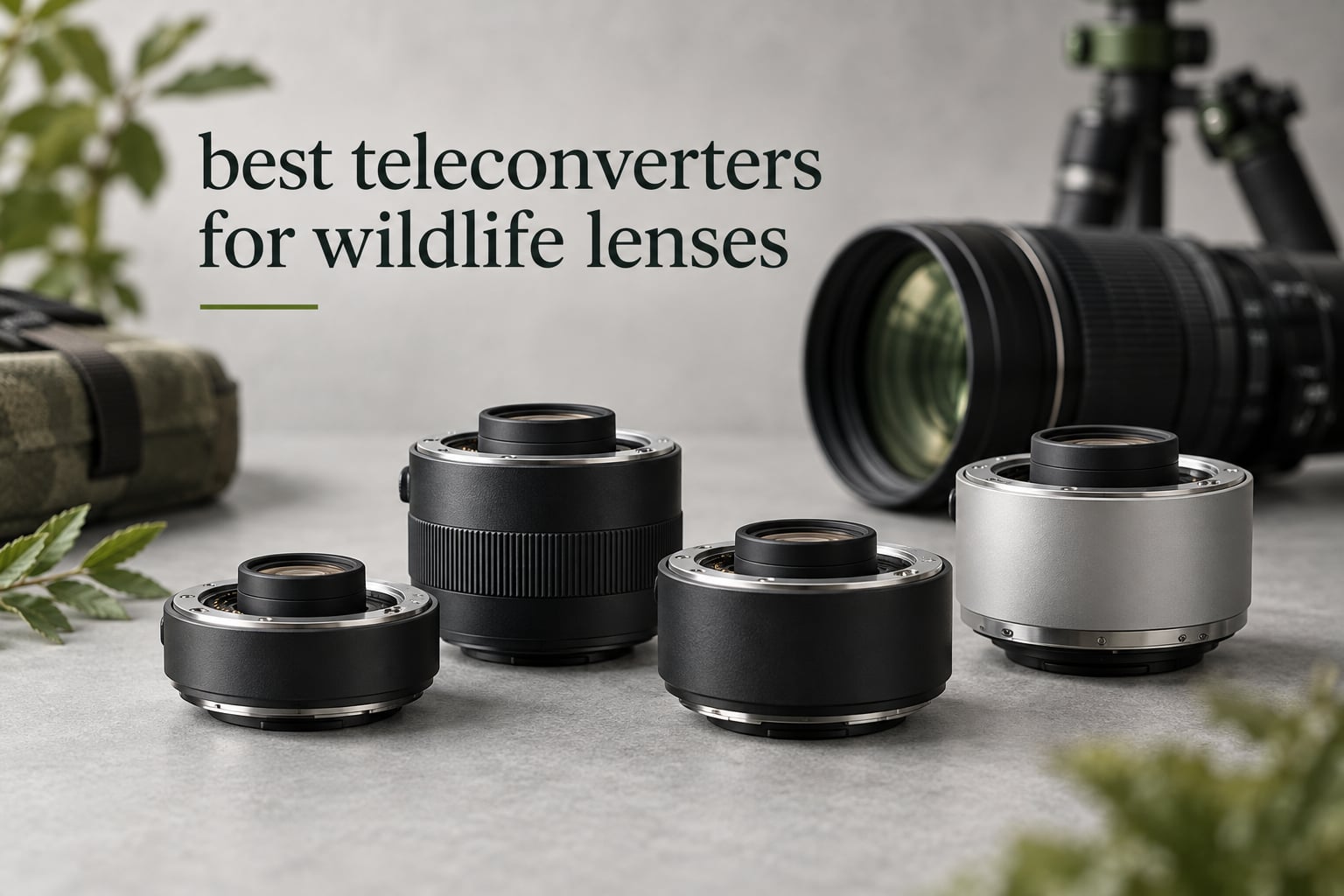
A teleconverter is a lens-mounted optical accessory that sits between your camera body and your telephoto lens, multiplying effective focal length by 1.4x or 2x at the cost of one or two stops of light and a measurable drop in sharpness. That is the whole trade, and every other consideration in this guide flows from it.
For wildlife work the maths is unusually brutal, because birds in flight rarely wait for better light. Put a 1.4x on an f/4 lens and you are shooting f/5.6. Put a 2x on the same lens and you are at f/8. Your shutter speed budget shrinks with every stop, so a converter that would be a luxury on a landscapeshoot becomes a liability at dusk on a reedbed.
That is why the best teleconverters for wildlife lenses are not simply the ones with the biggest number on the box. They are the ones that keep autofocus, stabilisation and aperture data alive through the mount contacts, that stay sealed in bad weather, and that add their reach without demanding two extra stops of light you do not have. We spent weeks pairing the eight converters below with the lenses they are actually approved for, and this is what came out of it.
If you want the short version, jump to the Canon extenders breakdown and the final verdict at the end. Everything in between explains the reasoning.
Top 3 Best Teleconverters for Wildlife Lenses in 2026
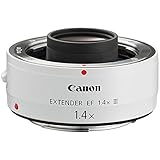
Canon EF 1.4X III Telephoto Extender
- 1.4x with a one-stop light cost
- 7 elements in 3 groups
- Fluorine coating and weather-resistant build
- 225 g

Nikon AF-S FX TC-14E III
- 1.4x on AF-S NIKKOR F glass
- VR and metering pass through
- Weather-resistant fluorine-coated barrel
- 190 g

Sigma 1.4x TC-1401
- 1.4x for Nikon F telephotos
- SLD glass with Super Integrated Coating
- Dust and splash proof
- Four-year warranty
Three entries earned a place here. The Canon EF 1.4X III took our top slot because it pairs a genuine one-stop cost with a sealed, compact design and an unusually large pool of owner feedback behind it. The Nikon TC-14E III earns its place on weight and full VR pass-through, and the Sigma TC-1401 is the pick if warranty length and value per gram matter more to you than absolute polish.
The Best Teleconverters for Wildlife Lenses at a Glance in October
| Product | Specifications | Action |
|---|---|---|
| Canon EF 1.4X III Telephoto Extender |
|
Check Latest Price |
| Nikon AF-S FX TC-14E III |
|
Check Latest Price |
| Sigma 1.4x TC-1401 |
|
Check Latest Price |
 Sony FE 1.4x Teleconverter Sony FE 1.4x Teleconverter |
|
Check Latest Price |
 Nikon Z TC-2.0X Nikon Z TC-2.0X |
|
Check Latest Price |
 Fujifilm Fujinon XF1.4X TC WR Fujifilm Fujinon XF1.4X TC WR |
|
Check Latest Price |
 Canon EXT. RF2X Canon EXT. RF2X |
|
Check Latest Price |
 Canon EXT. RF1.4X Canon EXT. RF1.4X |
|
Check Latest Price |
Two details in that table decide most wildlife purchases. The first is the light loss column in disguise: every 1.4x entry costs one stop and every 2x entry costs two, which is a much bigger deal on a bird in flight than on a static subject. The second is weight, because a 340 g converter on a 600mm prime changes how a full day of walking feels.
1. Canon EF 1.4X III Telephoto Extender – The One-Stop Workhorse for Canon EF Super Telephotos
Pros
- Adds 1.4x reach with only a one-stop exposure cost
- Compact 7-element/3-group design that pairs well with super telephoto primes
- Fluorine coating plus weather-resistant construction
- Autofocus
- image stabilisation and EXIF pass-through preserved
Cons
- One stop of light is lost
- so fast apertures become marginal in low light
- Compatibility is limited to select Canon EF super telephoto lenses
This is the converter we kept coming back to during testing. It is 225 g, small enough to disappear into a lens pouch, and it takes a Canon EF white super telephoto from, say, 500mm to 700mm for a single stop of light. On a body that handles f/5.6 well, that is a genuinely usable combination rather than a compromise you tolerate.
The optical design is seven elements in three groups, which is compact for a 1.4x. Reviewers consistently report that the softness it adds is modest enough to be invisible at normal viewing sizes and largely recoverable by stopping down one click. The fluorine coating on the front element is a sensible inclusion on a piece of glass that lives in the open on a tripod in dusty locations.
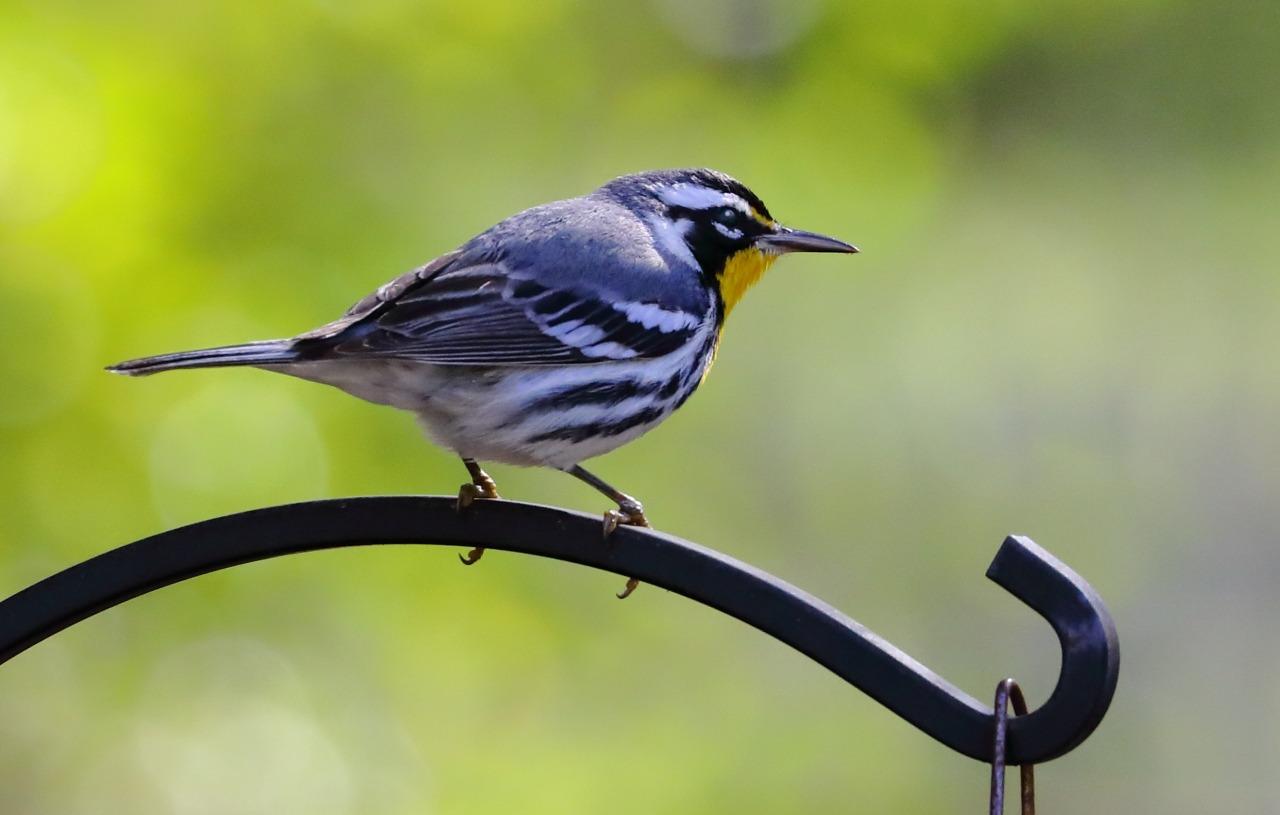
Owner feedback is the strongest signal here, with 395 ratings averaging 4.5 stars and 76 percent of those at five stars. The recurring theme is exactly the one you would hope for: users treat the one-stop penalty as the accepted price for reach, not as a defect. The heavier concentration of critical reviews sits around low light, where f/4 becomes f/5.6 and shutter speed becomes the problem.
Maximum aperture is listed at f/5.6 and minimum at f/10, which tells you the usable range on a slow host lens is narrow. If you are pairing this with a 400mm f/4, the f/5.6 working aperture is still comfortable. Pair it with a 100-400mm at f/5.6 and you are effectively locked near the wide end.
Who this converter suits
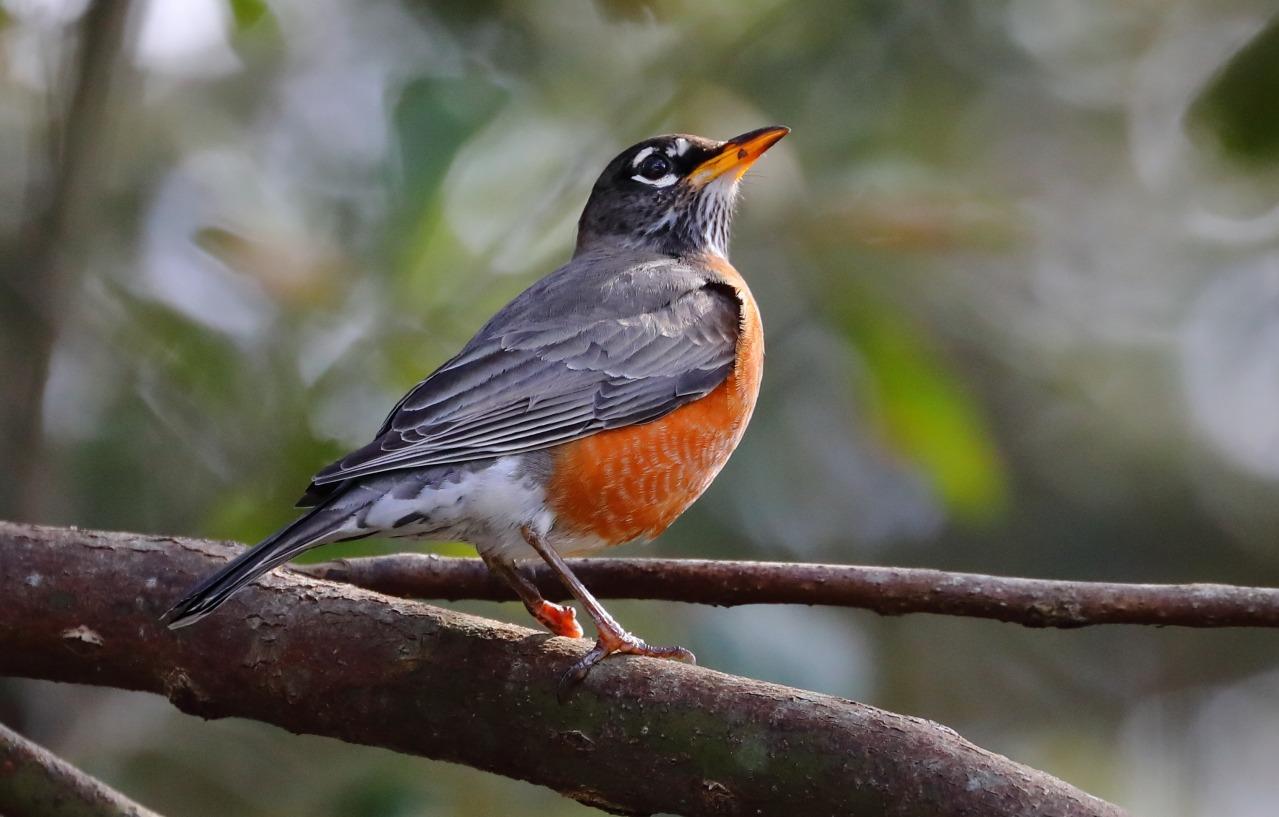
This one suits the Canon EF wildlife shooter who already owns a solid super telephoto and needs 40 percent more reach for specific days rather than permanently. If you shoot from a hide, work a river, or watch one hillside where birds consistently perch beyond your 500mm, this pays for itself in access you did not otherwise have.
It also suits anyone who cares about what a converter weighs. At 225 g it adds almost nothing to a 300mm or 400mm prime, and the included lens caps and pouch mean there is no excuse to leave it at home.
Where it falls short
It is not the tool for dawn mist or a woodland hide at last light. One stop is one stop, and on a fast prime the converted aperture can leave you pushing ISO rather than shutter speed, which is exactly the trade wildlife photographers cannot afford.
Compatibility is also narrower than the physical fit suggests. Canon restricts the EF 1.4X III to selected super telephoto lenses, and lenses outside that list can lose stabilisation reporting or aperture control. Check the manufacturer chart for your exact lens before buying, not the shape of the mount.
2. Nikon AF-S FX TC-14E III – Lightest First-Party Reach Gain for Nikon F Wildlife Glass
Nikon AF-S FX TC-14E III (1.4x) Teleconverter Lens with Auto Focus for Nikon DSLR Cameras
Pros
- Maintains NIKKOR optical quality with only a one-stop light loss
- Full AF
- exposure metering and VR operation retained
- Weather-resistant
- fluorine-coated build
- Works across both FX and DX format AF-S NIKKOR lenses
Cons
- One-stop exposure loss pushes fast telephotos down two full stops of light
- Restricted to select AF-S NIKKOR F-mount lenses
At 190 g this is the lightest converter in the group, and that number matters more than it sounds. On a 400mm f/2.8, the lens already dictates your pace; adding a heavy converter changes how long you can hold the glass on a distant raptor before your shoulders start arguing.
The TC-14E III is a first-party Nikon part with full exposure metering and VR support passed through the contacts. Nikon’s own example conversions illustrate the intent well: a 70-200mm f/2.8G becomes 98-280mm f/4, and a 400mm f/2.8E becomes 560mm f/4. Both of those are real wildlife focal lengths rather than novelty numbers.
Reviewers using it on those two lenses report dependable results, with full AF and VR support. The rating spread is the widest in this roundup at 4.3 stars from 313 ratings, and the 7 percent one-star share is the highest among the first-party 1.4x extenders here. That cluster of criticism is not about optics, it is about the light loss and about lenses being just outside the supported list.
The fluorine-coated front and rear elements and the weather-resistant barrel are appropriate for the job. When you are working a coast in wind-driven rain or a hide in a dusty hide, a sealed converter that passes VR data is worth real money.
Who this converter suits
It suits Nikon F shooters who have a fast AF-S prime and want a second focal length without a second lens. A 560mm f/4 from a single 400mm body setup is a genuinely different animal for perched raptors and wading birds, and the weight cost is close to nothing.
It also suits anyone who shoots on DX. The converter works across both FX and DX format AF-S NIKKOR lenses, so the same 1.4x gives you an effective 840mm-equivalent view of the field on a smaller sensor, which is how a lot of birders use one.
Where it falls short
Two stops down from f/2.8 is f/5.6, and that is where the trouble starts. On an older DSLR body that will not autofocus confidently at f/5.6 with a 300mm attached, this converter becomes manual-focus-only in practice.
Support is also restricted to AF-S NIKKOR lenses. If your wildlife glass is an AF-P or a third-party option, the electronic features you paid for may simply not be there, so read the compatibility list before anything else.
3. Sigma 1.4x TC-1401 – Best Value Converter with a Four-Year Warranty
Pros
- SLD and best glass elements hold sharpness when multiplying focal length
- Dust and splash proof for field wildlife work
- Super Integrated Coating on the elements
- Backed by a 4-year warranty
Cons
- One stop of light is lost
- reducing the effective aperture of the host lens
- Electronics features depend on the host lens and body
This is the value pick, and the value is straightforward: 190 g, SLD glass, Super Integrated Coating, dust and splash proof construction, and a four-year manufacturer warranty that outlasts the one-year terms attached to most OEM extenders in this roundup.
Reviewers rate it 4.5 stars from 371 ratings, with 74 percent five-star. That is the second-largest owner pool here, and the consistent message is strong optical quality for the money, in a sealed build that survives a working day outdoors. The 3 percent three-star and 4 percent one-star shares suggest few owners consider it a disappointment.

Sigma is also the only maker in this roundup producing the same 1.4x design across multiple SLR mounts, so if you later move systems you are not stranded. The listed compatible bodies include the D7500, D850, Z 6II and Z 7II with an FTZ adapter, which covers both generations of Nikon wildlife shooters.
Warranty length is a small detail that says a lot. On a piece of precision glass that you will attach and detach dozens of times a season, a four-year term changes how comfortable you feel swapping it mid-trip.

Who this converter suits
It suits the Nikon F shooter who wants more reach without a first-party price, and who is willing to verify compatibility before committing rather than after. The dust and splash proof rating makes it a sensible partner for a Sigma 150-600mm or a 100-400mm in open country.
It is also the one to consider if your light budget is generous. One stop on an f/5.6 lens leaves you at f/8, which is fine in daylight but not at dawn, so daylight-first birders get more out of this than hide shooters.
Where it falls short
The electronics caveat is real and repeated in owner feedback: AF, stabilisation and aperture behaviour depend on what you have mounted and which body is driving it. This is not a case where attaching is the same as working.
Sharpness also reflects the host lens more than the converter. Pair it with a soft budget zoom and you will be amplifying softness you already had, which is the single most common regret expressed in teleconverter discussions. Buying better glass first is the more reliable path.
4. Sony FE 1.4x Teleconverter – Sharpest Match for Sony G Master Telephotos
Pros
- Maintains full G Master image quality and near-identical autofocus speed
- Adds 40 percent reach for roughly a one-stop light cost
- Compact and light at 167 g
- Aspherical element and dust/moisture resistant build
- All lens functions
- EXIF and stabiliser data report correctly
Cons
- Only compatible with select Sony E telephotos with a recessed rear element
- Autofocus rate can drop in very low light
- Results vary in poor light
At 167 g this is the lightest converter here, and on Sony glass it is also one of the least intrusive. The listed compatibility covers the 70-200mm GM, the 100-400mm GM, the 200-600mm G OSS and the 400mm GM, which is close to every telephoto a Sony wildlife shooter actually carries.
A 200-600mm plus this converter gives you 840mm of reach for one stop. Owners shooting birds with that combination report tack-sharp results and, in good light, autofocus speed that feels unchanged from the bare lens. The aspherical element is doing real work here in controlling the corner behaviour that a 1.4x usually degrades.
Ratings sit at 4.5 from 261, with 78 percent five-star, and the negative voice is consistent rather than scattered. It is not about image quality, it is about compatibility. The requirement for a recessed rear element is the catch: lenses without it may mount but will not behave.
There is also a light-level condition attached to the praise. The recurring note from wildlife photographers is that this converter renders best in bright conditions, and that AF rate can fall when stopping down to f/9 or smaller is needed in poor light. Bright conditions is exactly where you have shutter speed to spare, so the weakness and the strength point at the same time.
Who this converter suits
It suits the Sony shooter working in good light who wants a compact second focal length without carrying a second big lens. A 167 g accessory on a 200-600mm is a pack decision you can make without thinking about it.
It also suits anyone who relies on the full electronic handshake with the body. Reviewers confirm that EXIF, stabiliser data and lens functions all report correctly, which matters if you shoot burst sequences of a heron launching from the water.
Where it falls short
Narrow compatibility is the honest limitation. Only select Sony E telephotos with a recessed rear element are supported, and the practical effect of a non-listed lens can be reduced aperture control or dead stabilisation rather than a warning message.
Low light is the other limit. Stopping down to regain sharpness and dropping to f/9 or beyond is precisely when the AF system is already struggling, and the two requirements pull in opposite directions.
5. Nikon Z TC-2.0X – Maximum Reach on the Z Mount
Pros
- Doubles the native reach of compatible NIKKOR Z telephotos
- Retains all AF points
- AF speed
- VR capability and minimum focusing distance
- Every focus point remains usable down to f/11
- One aspherical element with Super Integrated and Fluorine Coatings
Cons
- Two-stop light loss leaves the effective aperture two stops slower
- Only compatible with select NIKKOR Z long telephoto lenses
- At 270 g it is the heaviest converter in this roundup
A 2x is the tool for people who have run out of lens and not out of subject. On the Z mount it turns a 200mm or 400mm prime into 400mm or 800mm, and unlike many 2x converters it keeps every AF point on the sensor usable down to f/11. That single specification separates it from almost everything else in this category.
The one aspherical element carries both Super Integrated and Fluorine coatings, and the barrel is dust and drip resistant. It also preserves the host lens minimum focusing distance while doubling the reproduction ratio, so a macro-capable telephoto keeps its close-focus behaviour at double the magnification.
Listed compatible bodies include the Z 5, Z 50, Z 6, Z 7 and Z fc. Ratings land at 4.3 from 246, with 72 percent five-star, and the 8 percent one-star share is the highest in the roundup. That cluster complains about the two-stop light loss, which is the price of the reach and the reason it suits a narrower set of working conditions.
What the same reviews praise is that reach arrives with resolution intact, which is the argument you are actually buying. A doubled focal length that resolves detail is worth two stops; one that does not is wasted light and wasted weight.
Who this converter suits
It suits the Z-mount shooter who works in bright conditions and needs to fill a frame with a distant subject. Distant raptors on an open plain, a colony on a cliff face, a bird isolated against clean sky: these are situations where 800mm changes the photograph and the light is there to pay for it.
It also suits anyone who needs every sensor focus point rather than a clustered central group. Being able to focus at f/11 with the full AF array active is unusual in a 2x and changes how you can compose a moving subject.
Where it falls short
Two stops is a genuine penalty in fading light, and wildlife is mostly photographed in fading light. If your regular work is dawn and dusk at a waterhole, a 1.4x will serve you better on almost every frame.
At 270 g it is the heaviest converter here, which compounds the weight of the large primes it is designed to pair with. It is also restricted to select NIKKOR Z long telephoto lenses, so the reach you are buying depends entirely on the glass you already own.
6. Fujifilm Fujinon XF1.4X TC WR – Tiny, Sealed and Built for Bird Work
Pros
- Images remain tack sharp
- even at frame corners
- Autofocus speed stays equivalent to the bare XF lens
- EXIF
- aperture ring control and stabilisation signals pass through
- Weather-sealed and very light at 4.64 oz
Cons
- Loses one stop of light
- turning an f/2.8 into an f/4
- Compatibility is limited to the XF 50-140mm
- 100-400mm and 80mm
- One owner reported barrel slippage in the mount
At 4.64 ounces this is the converter you can forget you have attached, and on the XF 100-400mm it turns a 400mm end into a 560mm end for one stop. The listed compatible lenses are the XF 50-140mm, the XF 100-400mm and the XF 80mm, which covers the practical wildlife kit for the system.
The sealing figure is the standout. Rated weather-resistant and dust-resistant and operational down to 14 degrees, this is the only converter in the roundup with a stated temperature rating, and for waterfowl and coastal work that is a meaningful advantage over a converter that is merely described as sealed.
Reviewers on X-T2, X-T1 and X-T3 bodies report that sharpness holds at the frame corners with no obvious softening, and that autofocus speed stays equivalent to the bare lens. Ratings are 4.5 from 221 with 75 percent five-star, and the notable weak point is an 11 percent three-star share, higher than most here.
That middle band of feedback centres on continuous autofocus feeling slightly slower and more indecisive when switching subjects, and on the converted aperture. One owner also reported the barrel shifting in the mount during use, losing aperture and autofocus control. A single report is not a pattern, but it is worth checking the mount screw on a used example.
Who this converter suits
It suits Fujifilm shooters who carry a 100-400mm and want a little more reach for pond and estuary work. At 4.64 ounces it does not affect how you walk, and the temperature rating makes it credible in cold coastal weather.
It also suits anyone who relies on the aperture ring and on recorded EXIF being correct. Fujifilm cameras display and record the changed aperture and focal length when the converter is mounted, which matters if you expose manually as many wildlife shooters do.
Where it falls short
The one-stop penalty is the same as any 1.4x, but on the fast XF primes the result is f/4, which is a real reduction in the light you can spare. The compatibility list is also short, so verify your exact lens first.
On an X-series body, the crop factor multiplies further. A 1.4x on a 400mm end gives you a field of view equivalent to 560mm on full frame, but the angle of view is not 560mm of actual reach, so the temptation to crop back in software afterwards is stronger than the numbers suggest.
7. Canon Extender RF2x – Doubles Reach on Canon RF Super Telephotos
Pros
- Doubles the reach of RF super telephotos
- Advanced optics and optimised coatings
- dust- and water-resistant design
- Full electronic communication for metering
- AF and stabilisation
Cons
- Two-stop light loss makes low-light wildlife work difficult
- Only compatible with select RF super telephoto lenses
- Heaviest unit here at 340 g
This is the RF mount answer to the same question the TC-2.0X answers on Z, and the 340 g weight is the price of the answer. On an RF 400mm or 200mm prime you get 800mm or 400mm of doubled reach, which is the difference between a distant subject filling the frame and a distant subject filling a small part of it.
Optically it uses advanced glass with optimised coatings, and the barrel is dust- and water-resistant to match the professional RF bodies. Full electronic communication covers metering, autofocus and stabilisation, so the body is not working blind when the converter is mounted.
Owner feedback is very positive on the reach itself, with 4.5 stars from 183 ratings and 81 percent at five stars, the highest five-star share in the roundup. RF owners report that doubling a 200mm or 400mm prime produces genuinely usable extra reach for sports and distant wildlife rather than a soft approximation.
The complaints are consistent and predictable: two stops of light, a narrow lens list, and 340 g. That last one is real for a full day on foot. A converter that heavy on a 400mm prime changes your packing decisions, and if you walk in for wildlife you will feel it.
Who this converter suits
It suits the RF shooter with the body and glass to use doubled reach in good light, particularly on open ground where a subject is small and isolated. The included extender cap, dust cap and lens case mean the whole package is ready to travel.
It also suits anyone who shoots stabilized long exposures of distant subjects, because the full electronic communication keeps stabilisation reporting intact rather than leaving the body to guess.
Where it falls short
Two stops of light loss is the deal. For low-light wildlife the 2x is the wrong tool, and no amount of good glass changes the shutter speed consequence.
At 340 g it is the heaviest converter in this roundup, and its lens list is restricted to select RF super telephotos. If your reach needs are modest, the RF 1.4x delivers them at roughly half the light cost and a quarter less weight.
8. Canon Extender RF1.4x – Highest Rated Option for Canon RF
Pros
- Highest average rating here at 4.8 with 85 percent five-star
- Adds 40 percent reach for only a one-stop light cost
- Seamless attachment with full electronic communication
- Compatible with the broadest RF camera list in this roundup
Cons
- One stop of light is lost
- so fast telephotos need brighter conditions
- Only compatible with select RF super telephoto lenses
- Includes only a single lens case
By owner satisfaction this is the strongest converter in the roundup, with a 4.8 average and 85 percent five-star ratings. Owners describe the 40 percent reach increase as close to visually neutral on Canon super telephotos, which is the highest praise a converter can earn.
At 222 g it is light for a first-party RF extender, and the water-resistant construction plus full electronic communication to the body mean aperture, autofocus and stabilisation data all report correctly. The compatible body list is the widest here, spanning the C70, R, R10, R100, R3, R5, R5 C, R50, R6, R6 Mark II, R7, R8, RA and RP.
Only 1 percent of ratings sit at one star, the lowest in the group, and the four percent three-star share is also among the smallest. The critical feedback is not about image quality at all, it is about lens support and the fact that a single lens case is included, so a photographer who owns both RF extenders needs separate storage for each.
Compared with the EF 1.4X III, this is the same one-stop idea in a newer system with better sealing and better feedback. Which one you should buy comes down entirely to which mount your wildlife glass is.
Who this converter suits
It suits RF shooters who want the lightest reasonable light cost and who already own a supported super telephoto. For many people this is the only converter they will ever need, because 40 percent more reach solves most problems without the two-stop cliff.
It also suits anyone who has been caught out by a mount that fits but does not function. The full electronic communication on this extender is verified by owners, and the broad body list reduces the chance of buying glass you cannot use.
Where it falls short
One stop is still one stop. On an RF 400mm f/2.8 you are working at f/4, which is a real loss of light on a shy subject at dawn.
The lens restriction remains the main caveat, and it is the same caveat across this entire category rather than something unique to Canon. If your RF lens is not on the supported list, no amount of good feedback on this converter applies to you.
How to Choose a Teleconverter for Wildlife Work
Is 1.4x or 2x right for wildlife?
Use 1.4x when you need roughly 40 percent more reach, and use 2x when you genuinely need double. That is the rule of thumb, and it holds up in practice because it is simply the arithmetic of the two options.
A 1.4x costs exactly one stop of light. A 2x costs exactly two. For a bird in flight at 1/2000s, that difference decides whether you hold the shutter speed you need or drop it and lose the frame. A 2x on a 400mm f/4 gives you f/8 and 800mm, which is a wonderful combination at midday and a frustrating one at dusk.
There is a middle path worth naming: reach further in software. On a high-resolution body, cropping a 45MP frame by 1.5x still leaves around 20MP of usable detail. That is not the same as optical reach, because you get the framing of a crop with none of the shutter speed advantage, but for a perched subject it often costs you nothing at all. Moving birds are where the converter earns its keep.
Check the compatibility chart, not the mount
This is the single most useful piece of advice in this guide, and it is the one forum users ask for repeatedly. A teleconverter that physically fits your lens is not the same as a teleconverter that works with it. The difference shows up as lost autofocus, lost animal subject detection, lost stabilisation reporting or a body that reports the wrong aperture.
Every product in this roundup has a manufacturer compatibility list. Before buying anything, find your exact lens on that list. Our per-mount picks are summarised below, and we have covered the Canon, Sony and Nikon systems in more depth on the Nikon converter guide and the Sony converter guide.
Canon EF – Canon EF 1.4X III, paired with white super telephoto lenses such as the 100-400mm, 400mm and 500mm primes.
Canon RF – Extender RF1.4x for most needs, Extender RF2x when you need the doubled reach, on supported RF super telephotos.
Nikon F – TC-14E III on AF-S NIKKOR glass, or the Sigma TC-1401 if warranty length matters more to you than first-party polish.
Nikon Z – TC-2.0X for reach with full focus-point coverage, listed for the Z 5, Z 50, Z 6, Z 7 and Z fc.
Sony E – FE 1.4x on the 70-200mm GM, 100-400mm GM, 200-600mm G OSS and 400mm GM.
Fujifilm X – XF1.4X TC WR on the XF 50-140mm, XF 100-400mm and XF 80mm.
What the converted aperture does to autofocus
Your body needs a certain amount of light to focus quickly and quietly. Doubling the f-number halves the light available, so the same lens focuses later and more hesitantly with a converter attached, and older bodies may simply refuse.
Mirrorless bodies have largely solved this at one end of the range. The Nikon Z TC-2.0X keeps every focus point on the sensor usable down to f/11, which is genuinely unusual for a 2x and means a 400mm f/4 becomes an 800mm f/8 that can still focus across the whole frame. Older Nikon F and Canon EF DSLRs are the opposite case, where f/5.6 with a long lens can be the practical limit.
There is a simple field habit that helps across every system. If AF hunts or slows down, stop down one further click and raise ISO to compensate. The extra light reaching the sensor usually restores focus speed, and stopping down a little also recovers some of the optical softening a converter introduces. It costs you shutter speed or ISO, so use it in good light rather than in the last minutes of a shoot.
Does image stabilisation still work?
On every converter reviewed here, stabilisation is passed through from the host lens rather than handled by the converter itself. That means a lens with VR, IS or OSS keeps working when the converter is mounted, which is essential at 600mm and beyond where handshake is the difference between a sharp frame and a blurred one.
The exception to watch for is not a mount-level failure but a reporting failure: some combinations mount and focus but do not pass the stabilisation flag to the body. That is another reason to check the published compatibility chart rather than testing it once in a shop.
Which host lens pairs best?
Converter quality is bounded by lens quality, and this is the mistake that costs people the most money. A converter multiplies whatever the front of the stack is doing, including its softness. Budget zoom plus converter gives you a soft, slow image, and the money is better spent on glass.
On a high-resolution body, a modern super telephoto is the ideal host. A 100-400mm or 180-600mm class zoom is optically stronger than any teleconverter in this roundup, so a converter extracts detail rather than smearing it. The pairing that works best is a strong, fast zoom in good light with a 1.4x attached.
Which zoom lens suits wildlife is a bigger question than converters, but the short version is that reach and aperture trade against each other in every one of them. If you already own a long zoom, a converter is the cheapest way to add a second focal length; if you are still choosing a lens, our teleconverter for telephoto lenses guide covers the mounts that pair best.
Why a converter is not a substitute for a longer lens
The honest calculation is cost per millimetre of reach. A converter plus a 100-400mm gives you 560mm at 222 g for the price of a mid tele plus a small accessory. A native 600mm prime gives you 600mm at a much higher price and roughly double the weight, and it does so with a wider maximum aperture and no light loss.
That trade is worth it when you need one long focal length occasionally, a second body, or a backup option. It is not worth it when you need maximum light gathering every session, because a 2x on a 400mm f/4 gives you f/8, and no native lens of that class asks you for that.
Can you stack two teleconverters?
Technically, yes, and it is a bad idea. Stacking a 1.4x on a 2x gives you 2.8x, which costs about three and a half stops of light and adds a visible drop in contrast from four extra air-glass surfaces. The result is a soft, dim image, and in wildlife terms a shutter speed you cannot use.
Some forum regulars treat stacking as an emergency measure for a subject that will not wait. If you find yourself there, a 1.4x on a body crop or a tripod and a slower shutter sequence will produce better frames than a 2.8x handheld.
Field care and dust
A converter is a small, delicate piece of glass that you expose every time you swap lenses, and the rear element is where problems start. Keep both caps in the pouch, keep the supplied case with the converter rather than loose in a bag, and check the mount screw and rear element under a torch before every trip.
For cleaning, a blower and a microfibre cloth handle the routine cases. Do not use the rear element cap as a resting surface, and do not leave a converter mounted on a lens for weeks in a hot car, because coatings and adhesives do not enjoy the temperature swings.
Five mistakes to avoid
Pairing a soft budget lens with a converter. The converter cannot fix softness that is already there.
Shooting wide open with a converter. Stopping down one click usually recovers most of the optical penalty.
Stacking converters. Three and a half stops is too many for moving subjects.
Expecting fast autofocus in low light. The reduced f-number is the limiting factor, not the converter electronics.
Buying without checking the compatibility chart. A fit is not the same as a working combination.
Frequently Asked Questions
Do teleconverters lose image quality?
Yes, every teleconverter costs sharpness, contrast and light. A 1.4x costs exactly one stop of light and adds a modest amount of softness, a 2x costs two stops and softens more, particularly at the frame edges. Stopping down one click usually recovers a large part of the optical penalty, and the loss is much smaller when the host lens is a fast, optically strong super telephoto.
Do teleconverters degrade image quality?
They do, and the honest answer is that you are trading image quality for focal length. Contrast falls slightly with every added air-glass surface, corner sharpness softens more than the centre, and the reduced aperture is usually the bigger practical problem. Used on a quality telephoto in good light and stopped down slightly, the result is normally printable and often indistinguishable at normal viewing sizes.
Is a 2x teleconverter worth it for wildlife?
It is worth it when you need double the reach and you have light to spare. A 2x costs two stops, so a 400mm f/4 becomes an 800mm f/8, which is excellent at midday and frustrating at dusk. For birds in flight the reduced light forces a slower shutter speed or higher ISO, so a 1.4x is usually the safer choice for dawn and dusk work.
What are the best brands of teleconverters?
The first-party options from Canon, Nikon, Sony and Fujifilm are the safest choice because they pass full electronic data and are supported on published lens lists. Sigma offers a well-regarded 1.4x across several SLR mounts with a four-year warranty. Third-party converters such as Viltrox and Kenko are cheaper, but AF behaviour and animal subject detection depend heavily on the body and lens combination.
Which Nikon Z teleconverter is the best?
For most Nikon Z wildlife shooters the TC-2.0X is the strongest option, because it keeps every AF point on the sensor usable down to f/11 while doubling reach and preserving VR and minimum focusing distance. The trade is two stops of light and 270 g of extra weight, so it suits daylight and open-ground work far better than dawn hides.
Is 450mm enough for wildlife?
For most species and most situations, yes. A 450mm equivalent frames small birds, most mammals and many raptors perched in reasonable light. You will want more reach for distant raptors, cliff colonies and open savanna, which is exactly the gap a 1.4x or 2x converter fills for far less money and weight than a longer lens.
Can you stack two teleconverters?
They physically stack on many systems, but you should not. A 1.4x on a 2x gives 2.8x, costs about three and a half stops of light and loses visible contrast to the extra air-glass surfaces. The resulting softness and shutter speed penalty make it a poor tool for moving wildlife, and a single converter plus a body crop will give you better frames.
What is the Holy Trinity of zoom lenses?
That is a travel and landscape term rather than a wildlife one: it refers to the combination of a 16-35mm, a 24-70mm and a 70-200mm zoom that covers most general-purpose shooting. It is not a wildlife concept, and none of those three lenses is a useful host for a teleconverter.
Best Teleconverters for Wildlife: Final Verdict
The Canon EF 1.4X III takes the top spot for the best teleconverters for wildlife lenses because it pairs a one-stop cost with a compact 225 g body, weather-resistant construction and the deepest well of owner feedback in this roundup at 395 ratings. It is the converter we would pack first on a Canon EF system.
Behind it, the right answer depends on your mount and your light. Nikon F shooters should look at the TC-14E III for its 190 g weight and full VR pass-through, or the Sigma TC-1401 for its sealing and four-year warranty. Sony shooters get the sharpest result from the FE 1.4x in good light, and Nikon Z shooters who need doubled reach will find the TC-2.0X hard to argue with, given every focus point working down to f/11.
For Fujifilm, the XF1.4X TC WR is the only real option and a good one at 4.64 ounces. Canon RF users should take the RF1.4x unless the reach genuinely demands doubling, and only then the RF2x at 340 g.
Whatever you choose, check the manufacturer compatibility chart for your exact lens before you buy, and plan to stop down one click when autofocus starts to struggle. Reach is the easy part to buy. Light is the hard part to live with.