
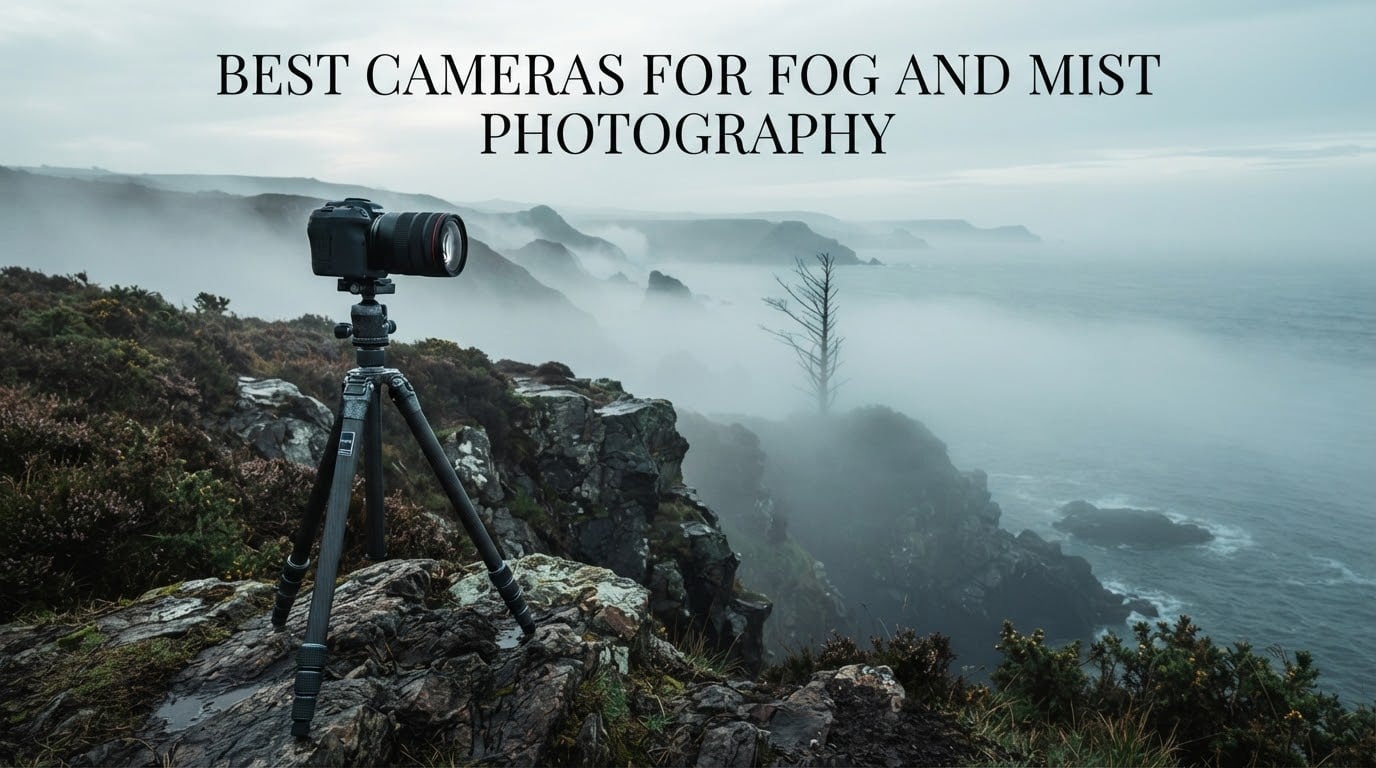
Fog and mist are the only weather conditions where a camera fails twice at the same moment, and both failures are hardware problems rather than taste problems. A quick definition first, because it decides your schedule: fog is visibility under 1 km, mist sits between 1 and 5 km. Under 1 km you are shooting inside the cloud, and 1 to 5 km you are shooting the edge of it.
Here is why fog breaks a camera. Autofocus needs contrast to lock on, and fog is a field of suspended droplets that scatters light into a flat white wall with almost no edges. So the focus system hunts. At the same time the light meter reads that white as middle grey and underexposes, so the fog comes out muddy instead of luminous. Both symptoms come from one cause: the complete absence of contrast.
That is why the best cameras for fog and mist photography are not the ones with the longest spec sheets. They are the ones that make the manual focus fog demands fast, that hold a fog gradient at dawn without noise eating the shadows, and that survive a damp headland without water finding the front element. I scored the eight bodies below on exactly those criteria rather than on megapixels, and every one of them names the fog scenario it wins and the scenario it does not.
If you want the wider technique side instead of the gear side, I have written up fog forecasting, radiation and advection patterns, and the timing problem in my fog photography complete guide. This page is the camera decision, and the settings cheat sheet near the end ties the decision back to exposure.
Top 3 Picks for Best Cameras for Fog and Mist Photography in October


Every Camera in This Roundup at a Glance in 2026
| Product | Specifications | Action |
|---|---|---|
| Canon EOS R6 Mark II |
|
Check Latest Price |
| Nikon Z 6II |
|
Check Latest Price |
 Nikon Z 7II Nikon Z 7II |
|
Check Latest Price |
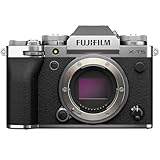 Fujifilm X-T5 Fujifilm X-T5 |
|
Check Latest Price |
 Sony Alpha a6700 Sony Alpha a6700 |
|
Check Latest Price |
| Canon EOS RP 24-105mm Kit |
|
Check Latest Price |
 Canon EOS R7 Canon EOS R7 |
|
Check Latest Price |
 Sony Alpha a6400 Sony Alpha a6400 |
|
Check Latest Price |
1. Canon EOS R6 Mark II – Best Overall for Fog and Mist
Canon EOS R6 Mark II Mirrorless Camera (Body Only), Full-Frame Camera, 24.2 Megapixel CMOS Sensor, Photo and Video Capabilities, Black
Pros
- Excellent low-light detail in the fog gradient
- 8 stops of stabilization makes half-second handholds possible
- 3.69M-dot viewfinder stays bright in flat white light
- Reliable head and eye detection for backlit fog with a subject
Cons
- Body only
- so a lens must be bought separately
- 40 fps mode drops to about 20MP
- RF lens selection still narrower than older EF glass
The Canon EOS R6 Mark II is the body I would put in a bag before a dawn fog callout, because it solves both fog failures at once. Its 24.2MP full-frame sensor is listed with a base ISO of 50 that is expandable further, which is the number that matters when you are metering a white sky and holding the foreground at two stops under. Owners consistently call out the low-light detail, and that is exactly the gradient you are trying to preserve.
The 5-axis in-body stabilization rated at up to 8 stops is the quiet hero here. A fog bank often means you are shooting through a moving layer of moisture and the tripod legs sink into wet grass, so a body that can hand you a usable handhold at dawn instead of forcing you onto the tripod is a real workflow win. Combine it with the 40 fps electronic shutter at 20MP and you can catch three frames of a mist layer burning off as the sun clears the ridge.
Manual focus is where the R6 Mark II earns its badge. The 0.5-inch OLED viewfinder with 3.69 million dots and a 120 fps refresh gives you a bright, high-resolution image to judge focus on, which is the whole game when there is no edge for the autofocus to grab. Pair it with a magnified live view and focus peaking, and you can nail a foreground branch at 4x and step back to compose.
Physical survival matters just as much on a coastal headland. Canon’s sealing on this body is part of the professional construction, and reviewers describe a weatherproof body with a vertical grip option, which matters when you are changing lenses in a sea breeze. The two largest practical drawbacks are real: it ships body only, so budget for a sealed wide angle and a telephoto, and the fastest burst drops the resolution to roughly 20MP.

Check these before you commit
Look at the viewfinder magnification and the peaking overlay, not the autofocus point count. Fog does not care how many points you have; it cares whether you can see the edges of your subject. The R6 Mark II viewfinder is one of the brightest and most detailed in this group, which is the spec that actually shortens a manual focus in zero contrast.
Also check that you are comfortable with the dials and the subject detection menu, because a fog window is short and a menu dive mid-callout is wasted light. The controls are fast once set.
Where it is the wrong choice
Skip it if the fastest possible burst for moving subjects is your priority, since the 20MP drop applies there. It is also the wrong pick for someone starting out, because the lens budget on top of a body-only kit is the largest line item in this roundup.
If your fog work is a few weekend trips a year, the full-frame starter kit below delivers the sensor size at a fraction of the system cost.
2. Nikon Z 6II – Best for Handheld Dawn Fog
Nikon Z 6II | Versatile Full-Frame mirrorless Stills/Video Hybrid Camera | Nikon USA Model
Pros
- Excellent high-ISO files with low noise
- Weather-sealed body for wet coastal work
- Dual card slots mean you can back up as you shoot
- Rich NEF files give fog recovery latitude
Cons
- Subject tracking can lose fast or complex subjects
- Two card slots use different formats
- Screen does not swing forward
The Nikon Z 6II is the one I trust when the fog is moving and I am shooting handheld. Its 24.5MP back-illuminated full-frame sensor is explicitly tuned for low light, and at a 4.8 average across owners the low-light behaviour is the thing they talk about most. A dawn fog bank sits in the shadow of a hill, which is the least light you will ever ask a sensor to handle, and this is the body that makes that survivable without pushing the ISO into mush.
Nikon builds it for weather. Owners describe the body as comfortable and weatherproof, and that matters more than it sounds in fog, because the front element of an unsealed wide angle will collect droplets in a marine layer long before the body itself is at risk. The 5-axis in-body vibration reduction smooths handheld stills and video, so a 1/4s frame in a rising mist is a realistic outcome rather than a tripod argument.

Where fog genuinely hurts this body is the autofocus, and Nikon is honest about it. Subject tracking can lose focus on fast or complex subjects, which in a white void means the camera will wander looking for an edge that does not exist. Switch to manual, use the electronic viewfinder magnification, and the 14 fps and deep buffer are irrelevant to you anyway, though they are a genuine advantage if fog wraps around wildlife at the treeline.
The dual card slots are worth a second look for fog specifically. CFexpress and UHS-II SD side by side means you can write a second file as you shoot, and long dawn sessions in damp air are exactly when a corrupted card costs you the whole morning. A vertical battery grip adds cold-morning endurance without changing the body.

Look at the low light and the sealing
Before you buy, read the low-light owner comments rather than the autofocus marketing. Fog is the genre where the sensor quality verdict matters more than the tracking verdict, and the Z 6II reviews skew strongly toward the sensor.
Check that you are happy managing two card formats. It is an inconvenience, and it is the most common complaint in the reviews, but the redundancy is genuinely valuable on a long exposure sequence.
Where it is the wrong choice
This is not the camera for you if fast subject tracking through broken contrast is a thing you need, or if you want a single card format and a simple card budget. There is also no dust protection shutter on the sensor when changing lenses, which on a foggy headland means you are changing lenses in the air that is fogging your front element.
If you need the highest resolution rather than the cleanest high-ISO file, the next body handles both.
3. Nikon Z 7II – Best for Base ISO and Mist Detail
Nikon Z 7II | Ultra-high Resolution Full-Frame mirrorless Stills/Video Camera | Nikon USA Model
Pros
- ISO 64 base is the slowest native start in this group
- 45.7MP gives real cropping room on far ridges
- 5-axis vibration reduction assists long exposures
- Weather-sealed body
Cons
- Heaviest body here at 1.9 pounds
- 10 fps burst trails newer stacked sensors
- Tilting screen rather than vari-angle
Base ISO is the fog spec almost nobody ranks, and the Nikon Z 7II is the reason to start. It shoots at a base ISO of 64, expandable across a 32 to 102400 range, and that is a full stop of headroom under a base ISO 100 body. Practically, it means at the same aperture and framing in pre-dawn valley mist you can hold a shutter speed two times longer than a base 100 body, which is the difference between a tripod that stays put and a handhold that works.
The 45.7MP full-frame back-illuminated sensor does the other half of the job. Dense fog looks featureless until you crop into it, and at 45.7MP you can isolate a single ridge line or a lone tree at 200mm equivalent and still have pixels to work with. Owners single out the detail and wide dynamic range, and they are right that this is the body for anyone who wants to print a misty frame large.
Stabilization is present and rated 5-axis, which matters because fog work invites slow shutters on an unstable tripod in wet ground. The electronic viewfinder at 0.8x magnification is good enough to judge a magnified live view focus, and the 3.2-inch tilting screen at roughly 2100k dots is a genuine asset for low tripod work, though it only tilts and does not fully articulate.
Nikon’s dual CFexpress and UHS-II SD slots again give you the redundancy that long dawn sequences deserve, and the 3.3x deeper buffer than the original Z 7 means a bracketing sequence for HDR fog will not stall. The weather-sealed construction keeps rain off the controls when the marine layer rolls in.
Check the base ISO and the card slots
Ask yourself whether you will actually use ISO 64. In a shaded valley at first light it is a full stop of free shutter speed, and in a handheld blue-hour mist frame it is the difference between a sharp image and a blurred one. If you shoot only in bright coastal noon mist, it matters less.
Look at the high-resolution file sizes before you commit, because this body writes large files and needs fast, high-capacity cards. That is the other consistent owner complaint alongside the weight.
Where it is the wrong choice
It is the heaviest body in this roundup at 1.9 pounds, and weight is a real cost when the fog window means a long walk to the ridge before sunrise. The 10 fps burst is modest next to newer stacked-sensor bodies, which will matter if you combine fog with birds or deer in the treeline.
If you shoot handheld more than tripod, the dedicated stabilization ratings and lighter weight here will suit you better.
4. Fujifilm X-T5 – Best for Stabilized Long Exposures
Pros
- Seven stops of stabilization steadies long mist exposures
- 40.2MP detail with a compact body
- Physical dials for fast exposure changes
- Up to 680 frames per charge
Cons
- Native base ISO is higher than full-frame rivals
- Menu system takes real time to learn
- Not sealed for heavy downpours
The Fujifilm X-T5 is the body to buy if you want to blur a moving marine layer into silk without a tripod. Seven stops of in-body stabilization is the headline number in the reviews, and it is the number that matters for long exposure mist: it effectively removes hand shake across a range of shutter speeds that would otherwise demand solid legs on wet ground. At 1.2 pounds it is also one of the lighter bodies here.
The 40.2MP X-Trans 5 HR sensor delivers the resolution half of fog work needs, and the Pixel Shift Multi-Shot mode combines 20 frames into a 160MP file for the still moments when the mist sits perfectly still and you want every bit of a distant tree line. The 1/180,000 second electronic shutter and 20 fps blackout-free burst also let you freeze a fog curl breaking over a headland.
The physical ISO, shutter speed, and exposure compensation dials are the underrated part. Fog light changes fast as the sun lifts, and a dial you can find with gloves on and without looking at a screen is worth more than a menu. The three-way tilting 1.84 million dot screen is the best in this group for low and high tripod positions, which is exactly how you shoot a valley inversion from a bank.
Two honest limits. The native base ISO is 125 with the listed ISO range starting at ISO 80, so it does not give you the slow-start headroom of the Nikon Z 7II in deep shade. And while the sealing is good, owners are clear that the body is not sealed for heavy downpours, so keep a microfiber cloth and a cover on you when a coastal squall rolls through.
Check the stabilization and the sealing
Look for a sealed wide angle and a sealed telephoto before you finalize. Seven stops of stabilization will not save a wet front element, and this is the one body in the roundup where the reviews flag sealing as a real limit rather than a strength.
Check that the folder-based file handling suits your editing workflow. Owners who love the film simulations also note the system takes real time to learn, and that learning curve lands right when a fog window opens.
Where it is the wrong choice
This is the wrong pick if your fog is deep, dark valley radiation fog before sunrise, because a native base ISO of 125 will push you toward a tripod sooner than a full-frame body with a base of 64. It is also wrong for a downpour, for the reason above.
It is the right pick if you shoot long exposures on uneven, wet ground and would rather not anchor a tripod every time.
5. Sony Alpha a6700 – Best Compact APS-C for Travel Fog
Pros
- Compact and light build with premium feel
- Noticeably better low light than older APS-C bodies
- 11 fps with responsive subject recognition
- Dedicated AI processor for tracking
Cons
- Only a single card slot
- Can run hot during extended 4K 60p recording
- Dense menu system
The Sony Alpha a6700 is the most compact body in this roundup, at 14.5 ounces, and for fog that means something specific: you can be on a coastal path at 4:30am without the pack arguing with you. At 26.0MP APS-C it also gives you a reach advantage that helps when the ridge is above the fog layer and you want to compress it.
Owners consistently note better low-light performance than older bodies, and the 5-axis sensor-shift stabilization means a handheld dawn frame is realistic. The 1.07x magnification electronic viewfinder is higher than most bodies in this group, and that is the number to care about for manual focus in zero contrast, because more magnification means you can check a foreground edge at a glance instead of guessing.
Where APS-C costs you is raw. Compared with the full-frame bodies here at the same output, the smaller sensor gives up some shadow recovery in a deep fog gradient, so a very dark valley inversion at dawn will show noise sooner. If your fog is bright and diffuse, the trade is one you will barely notice.
Two practical notes from the reviews. The single card slot means no redundancy on a long dawn sequence, and the body can run hot during extended 4K 60p recording in warm conditions, which is not a stills problem but is worth knowing if you are shooting time-lapse of a fog bank from a warm car.
Check the viewfinder magnification
This is the spec that decides it for you. Manual focus is the answer in fog, and the 1.07x viewfinder along with a magnified live view is what makes that fast rather than fiddly. Compare it against the 0.7x viewfinder on the full-frame starter kit before you decide between them.
Check the size of your sealed lens plan. A compact body with a large sealed zoom stops being compact, and most of the APS-C lenses in the sealed category are primes.
Where it is the wrong choice
Not the right body for long exposure work where the aperture difference between sensor sizes bites, or for a single card slot user. It is also the wrong pick if you plan to shoot fog exclusively on a tripod at dawn in deep shade, where the full-frame options hold the gradient better.
It is the right pick if you travel light, shoot handheld, and want the smallest body that still focuses well when there is nothing to focus on.
6. Canon EOS RP with 24-105mm – Best Value Full-Frame Starter
Pros
- Full-frame quality in a small body
- Bundled stabilized zoom covers wide to short tele
- Familiar Canon menus and controls
- Single card slot keeps the kit simple
Cons
- No in-body stabilization
- 5 fps is slow
- ISO 50 is listed as an expanded low
- not a native base
For most people reading this, the Canon EOS RP kit is the rational answer. It pairs a 26.2MP full-frame sensor with a stabilized 24-105mm f/4-7.1 IS STM zoom, and that lens is the fog lens. Wide at 24mm for a valley layer, mid range for a foreground, and 105mm for compressing a ridge sitting in mist, without swapping glass in the wet.
Full-frame is a genuine advantage here because a white fog field eats shadow detail, and a larger sensor holds the gradient longer before noise. The listed ISO range of 50 to 100000 expandable gives you latitude at both ends, and the DIGIC 8 processor handles the 14-bit files that let you recover a flat grey fog frame in post.
The stabilization here lives in the lens, not the body, and Canon rates it at up to 5 stops. That is a real consideration: the kit lens does the stabilizing work, so a body without in-body IS limits you if you later buy a non-stabilized prime. Plan your lens list around that.
The 0.70x electronic viewfinder is the weakest magnification figure in this roundup, and that is worth being honest about. In a zero-contrast scene you will lean on the magnified live view on the 3-inch articulating touchscreen more than on the viewfinder, and that works well at a tripod but is awkward for low, fast handheld compositions.
Check the lens and the viewfinder
Look at what the bundled zoom does for your fog work before anything else. Covering 24 to 105mm means one body handles a foggy valley and a telephoto ridge compression, and lens optical stabilization of up to 5 stops is doing the handheld work in this kit.
Check that 0.70x viewfinder is acceptable to you. If you are a tripod shooter who frames on the screen, it is a non-issue; if you compose handheld in a moving mist, it is the spec to think about.
Where it is the wrong choice
Skip it if you need in-body stabilization, since this body has none and you are relying on lens IS. The 5 fps burst is also slow for fog plus wildlife, and if your fog work involves moving subjects in low contrast, this is not the body.
It is the wrong pick for a photographer who will only ever use primes and wants stabilisation to be portable across the system.
7. Canon EOS R7 – Best for Telephoto Reach in Dense Fog
Pros
- 32.5MP gives extra crop reach on far ridges
- 651-zone AF covering the full frame
- 5-axis stabilization steadies dim frames
- Dual UHS-II card slots
Cons
- APS-C has less low-light latitude than full-frame at this tier
- No built-in flash
- Extra battery included rather than a charger
The Canon EOS R7 is the reach specialist. A 32.5MP APS-C sensor gives you roughly 1.6 times the crop of full frame, so when the fog is thick and the only thing visible is a distant ridge or a treeline edge, this body sees more of it. Telephoto compression is a real fog tool, because the longer lens stacks the layers of mist and makes the scene look denser.
It also has the highest viewfinder magnification of any body here, at 1.15x, which makes it a genuinely good manual-focus body despite being an action body. A 1.15x viewfinder with focus peaking means you can find a single tree in a wall of grey and confirm the edge, and at 651 AF zones with sensitivity down to EV -5.0 it will still try when there is a subject to grab.
Stabilization is present with 5 axes and an auto-level mode, and the auto-level is quietly useful in fog because it straightens a horizon shot across a still lake when the tripod is not perfectly level in soft ground. The 30 fps electronic shutter with 0.5-second pre-shooting will freeze a fog curl breaking over a cliff, and dual UHS-II slots give you backup on long sessions.
The honest weakness is light. Owners raise the same point: APS-C gives less low-light latitude than full-frame bodies at this price tier. In a bright white mist that is a non-issue; in a pre-dawn valley fog at ISO 3200, it is the difference between usable shadow and a noisy file.
Check the reach and the light level
Decide first whether your fog is bright and distant or dim and close. If you spend your fog hours on far ridges and layers, the 1.6x crop reach is the feature you will use every single shoot, and the 1.15x viewfinder is the best manual-focus tool in this group.
Check your typical shutter and ISO. If you are working at the edge of dawn, look at the full-frame bodies instead.
Where it is the wrong choice
Not the right body for dark, low-contrast dawn valley fog, because the APS-C sensor is the first place noise shows in a fog gradient. There is no built-in flash, so if you use fill light to give a flat mist scene some shape, you need a separate unit.
It is the wrong pick for a long-exposure mist workflow, where the smaller sensor and the burst-focused design are not the priority.
8. Sony Alpha a6400 – Best Budget Pick for Fog
Pros
- Lightest and smallest body in the roundup
- Fast and accurate eye autofocus
- Sharp files that hold up years later
- Weather-sealed magnesium construction
Cons
- No in-body image stabilization
- 20.1MP is the lowest resolution here
- Single card slot and limited first-party lenses
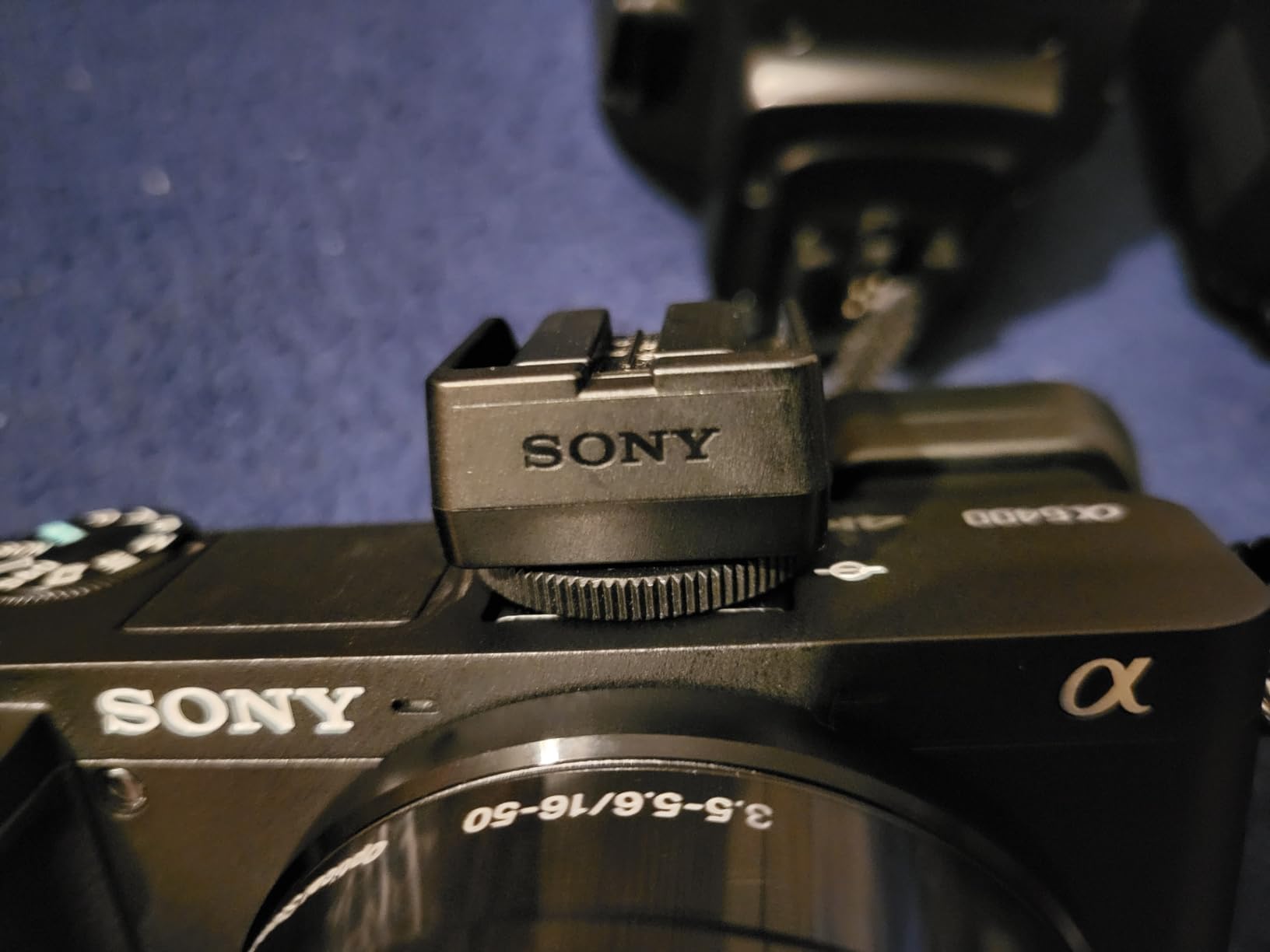
The Sony Alpha a6400 is the lightest and smallest body here, at 10.3 ounces, and it is the one I would actually carry up a hill for a first fog attempt. The 20.1MP stacked back-illuminated Exmor RS APS-C sensor and the 11 fps burst handle a moving mist layer, and the kit 16-50mm covers 24 to 75mm equivalent, which is a usable wide-to-normal range for fog.
Two things stand out for fog. The 1.07x magnification viewfinder is higher than the figure Canon publishes for its full-frame bodies here, so manual focus is faster than the magnification numbers on most entry bodies suggest. And the magnesium-alloy body is described as weather-sealed, shockproof, and rated for temperature extremes, which on a damp coastal cliff is a meaningful margin for the money.
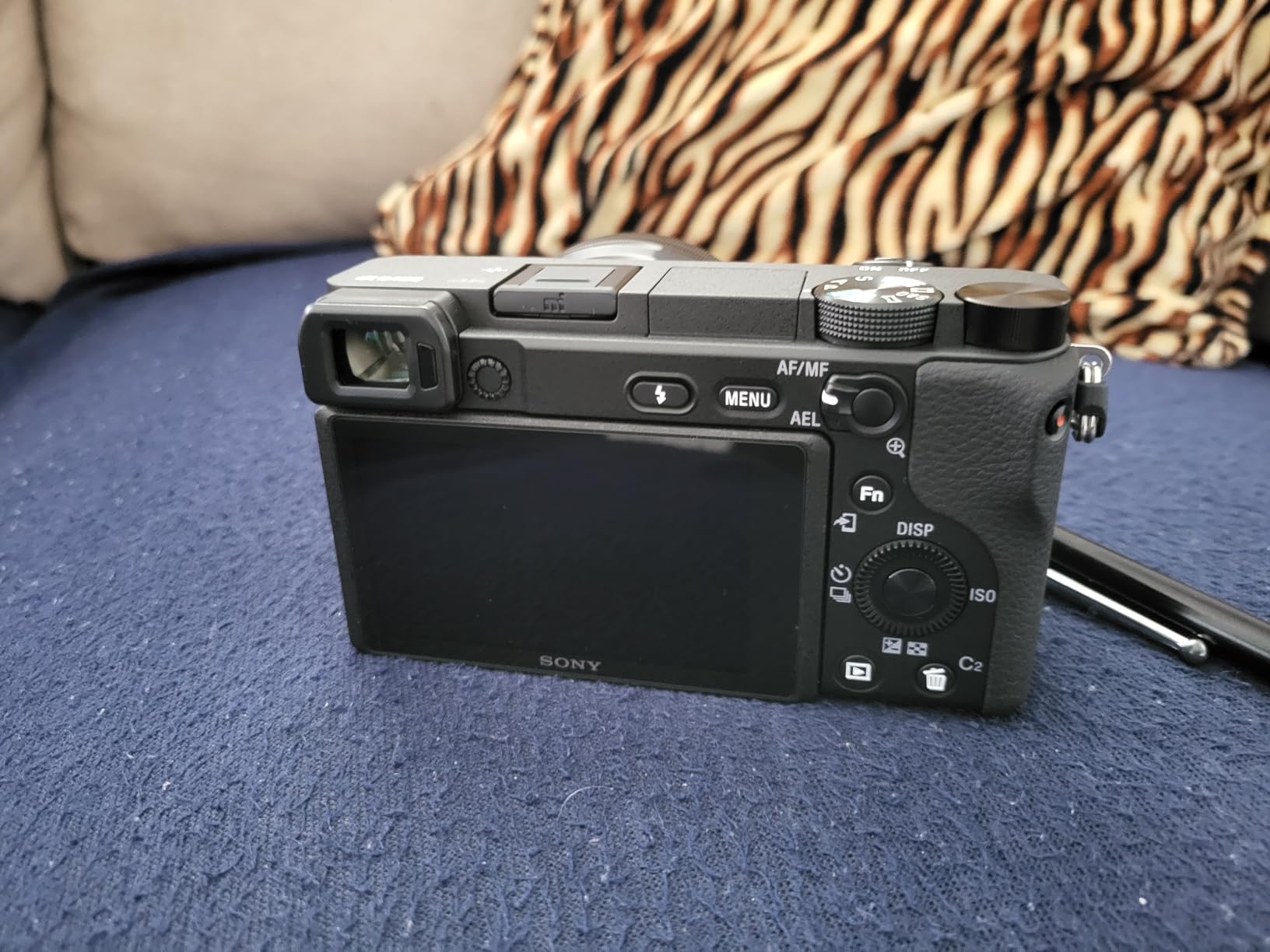
Where it costs you is stabilization and resolution. There is no in-body image stabilization, so with a non-stabilized lens your slowest handheld speed depends on your own discipline, and in low dawn light that is a real constraint. Twenty megapixels is also the lowest resolution here, so a heavy crop into a distant misty treeline will fall apart faster.
Owners also note the menu system and the imaging app take time to learn, and the record button placement is awkward. None of that matters for stills, all of it matters if you want to set exposure compensation quickly with cold hands.
Check the stabilization gap
Decide whether you are tripod-bound or handheld. On a tripod this body’s lack of IBIS costs you very little, and its 1.07x viewfinder plus sealed construction make it a strong first fog body. Handheld at dawn, you will be pushing shutter speeds and ISO together.
Check the lens plan too. The limited first-party APS-C lens selection means third-party primes, and the reviews specifically call out how well the body pairs with affordable primes for exactly this kind of work.
Where it is the wrong choice
It is the wrong pick for long exposure mist, for high-resolution crops of distant ridges, and for a dawn valley shoot without a tripod. The 20.1MP sensor is also the one most likely to disappoint if you plan to print large.
It is the right pick if you want a sealed, pocketable body for coastal and travel fog and you are working on a budget.
Fog Camera Settings Cheat Sheet by Scenario
Fog settings are less about a magic combination and more about protecting white. The meter will always try to render fog as middle grey, so in every scenario below the rule is the same: add positive exposure compensation and watch the histogram for highlight clipping on the brightest fog.
The most widely repeated guidance on fog settings, and the baseline we shoot to ourselves, is to keep ISO between 100 and 200 and choose an aperture between f/5.6 and f/11. The variables that change are the shutter speed, which the tripod sets, and the exposure compensation, which the fog density sets.
Radiation fog at dawn, valley: ISO 100 to 200, f/8, shutter as slow as the tripod allows, exposure compensation +1 to +2 EV. Base ISO matters most here, because light is at its lowest.
Advection fog on a headland, daylight: ISO 100 to 200, f/5.6 to f/8, shutter 1/125 or faster handheld, exposure compensation +1 to +2 EV. Sealed body and lens are non-negotiable.
Forest fog, overcast: ISO 200 to 400, f/5.6, shutter 1/60 handheld, exposure compensation +1 EV. Watch the histogram more than the meter.
Blue hour city fog, handheld: ISO 800 to 1600, f/2.8 to f/4, shutter 1/60 minimum, exposure compensation +1 EV. This is where high-ISO dynamic range earns its place.
Moving marine layer, long exposure: ISO 100, f/11, shutter 2 to 30 seconds on a tripod with an ND filter, exposure compensation +1 EV. Do not raise the ISO, raise the shutter instead.
Stop down toward the hyperfocal distance so near and far are both sharp in the soft light fog produces, and remember that stopping down costs shutter speed you may not have. A leaner alternative to an ND filter is simply to accept ISO 200 and a slightly longer shutter, which keeps the water droplets smooth without stacking six stops of glass in front of the lens.
One filter decision worth making before the season starts: a black diffusion filter gives the same softening on the front element that natural mist does, and it lets you practise the look on a clear day. I compared the two mainstream options in my Tiffen Black Pro-Mist versus NiSi Black Mist comparison, which is the same softening decision made on paper rather than in the field.
If the frame comes out grey rather than white, the fix happened at capture, not in post. In editing, pull the dehaze slider back rather than forward. Overusing dehaze is the single most common mistake in fog editing and it removes the atmosphere that made the shot worth taking.
How to Choose a Camera for Fog: 7 Criteria That Matter
Most buying guides for fog would tell you to buy the sharpest camera available. That is the wrong instinct. Sharpness is a lens question. The camera questions are about manual focus speed, light gathering, and survival in damp air. Here are the seven criteria I scored, in order of how much they actually change your fog frames.
1. Live view magnification and focus peaking (25 percent)
Autofocus requires scene contrast to lock on, and fog removes contrast, so manual focus is the actual answer in fog. That makes the viewfinder magnification ratio and the peaking overlay the most important spec in this article and the one no competitor ranks. A body with a 1.07x or 1.15x viewfinder and reliable peaking lets you confirm a foreground edge in a second; a 0.70x viewfinder forces you onto the screen and slows every frame.
2. Dynamic range at high ISO (20 percent)
A fog field is white on one side and near black on the other, and the gradient between them is where the image lives. Dynamic range at your working ISO decides whether that gradient survives or turns into a flat band of grey. This is where full frame beats APS-C honestly and without qualification.
3. Base ISO and low light (15 percent)
Base ISO is the lowest ISO a body shoots at without the sensor being pushed. A base ISO of 64 buys you one full stop of shutter speed over a base ISO 100 body at the same aperture and framing, which in pre-dawn mist is the difference between a handhold and a tripod. Only one body in this roundup gives it, and it is the reason that body is on the list.
4. Weather sealing and condensation behaviour (15 percent)
Sealed bodies and sealed lenses are what keep water droplets off the front element in a marine layer. Body-only listings rarely tell you the sealing class, so treat the review consensus as the source. This is a buying-relevant spec, not a nice-to-have, because condensation is the top recurring complaint from people who shoot in fog.
5. Resolution and crop flexibility (10 percent)
Resolution pays off when the fog is dense and the subject is far away, because you crop in to isolate it. It matters less than expected in near fog, where the subject fills the frame anyway.
6. Stabilization and tripod friendliness (10 percent)
Whether the stabilization is in the body or in the lens changes how portable your long-exposure option is. Seven stops in the body means every lens is stabilized; stabilization in the lens means you carry the tripod more often.
7. Weight for early callouts (5 percent)
The lowest-weighted criterion, but the one that quietly decides whether you show up. Fog windows are short and often happen at an hour you did not want to get up, and a body you are willing to carry at 4am is worth a kilogram.
On sensor size specifically: APS-C wins on reach, because the 1.6x crop of the Canon EOS R7 compresses distant fog layers more densely than a full-frame lens at the same framing. Full frame wins on dynamic range and high-ISO noise, which is the whole game at dawn. Neither wins universally, and the honest answer is that the fog scenario you shoot decides.
One budget item that camera roundups usually skip: lenses. The body is the cheaper half of a fog kit. You need a sealed wide angle for the layers and a sealed telephoto for the compression, and those two lenses usually cost more together than the body. I have covered general body selection in more detail in my mirrorless camera guides, and the fixed-lens route is worth reading about in my compact camera picks if you want something you can leave the house in.
Condensation and Gear Protection in Fog and Mist
Condensation is the question that comes up most in fog groups, and almost everyone frames it wrong. Fog does not fog your lens. Temperature transitions do. Users on r/AskPhotography put it plainly: if your camera equipment is cooler than the environment, condensation happens, and if it is hotter, you are fine. That is why stepping out of an air-conditioned room, or out of a cold car into warm coastal air, produces the problem more often than simply standing in humid air.
On r/photography, the most-endorsed answer to keeping a lens clear in humid conditions is acclimatisation, not wiping. The method is to put the camera and lens in a sealed plastic bag, leave it until the gear reaches ambient temperature, then take it out and shoot. A sealed zip bag is enough. The same community also recommends keeping the lens cap on and a filter mounted as a sacrificial first surface to fog while you work, and carrying more microfiber cloths than feels sensible, because one canyon photographer reports running through four or five on a single shoot.
So the practical protocol, in order: acclimatise in a sealed bag before you leave the car, keep the lens capped and a filter on until the frame is composed, rotate microfiber cloths rather than reusing a saturated one, and put the camera in a dry bag before you bring it back into a warm interior. The wiping people do over and over during a shoot treats the symptom; the transition is the cause.
Is fog itself dangerous to a camera? Suspended droplets are not, on their own. The risk is the same as any wet environment, which is why a sealed body and sealed lens matter, and why you should not change lenses in a marine layer with the rear of the camera open to the air. If you must, do it with the camera angled downward and away from your breath.
Condensation is also a scheduling fact. Relative humidity above 90 percent with falling temperatures is the most reliable predictor of thick morning fog, and radiation fog forms on clear, still nights when the ground cools the air layer directly above it, while advection fog forms when moist air moves over cold surfaces near coastal cliffs and warm fronts. A short forecast check before you commit the overnight is worth more than any spec on this page.
If your fog work is studio or product rather than landscape, the equipment question reverses completely: you are building the mist instead of chasing it, and the comparison of the usual fog machine options is in my fog machine buying guide. Same lens discipline, opposite direction of travel.
Frequently Asked Questions
What camera settings should I use for shooting in fog?
Start at ISO 100 to 200 and an aperture between f/5.6 and f/11, then set exposure compensation to +1 to +2 EV because the light meter reads white fog as middle grey and underexposes it. Use a tripod and the slowest shutter your stability allows, and watch the histogram for highlight clipping on the brightest fog rather than trusting the meter.
What cameras can see through fog?
No camera sees through fog. The honest answer is that a body handles the low contrast fog creates: a high-resolution sensor so you can crop into the layers, strong live view magnification and focus peaking so you can focus manually on a dark foreground edge, and good high-ISO dynamic range so the fog gradient survives. Autofocus needs contrast to lock on, and fog removes contrast entirely.
How do I stop my lens fogging up in fog and mist conditions?
Treat it as a temperature transition problem, not a humidity one. Seal the camera and lens in a plastic bag before you leave a cold car or air-conditioned room and let them reach ambient temperature. Keep the lens cap on and a filter mounted as a sacrificial surface, rotate spare microfiber cloths rather than reusing a saturated one, and avoid changing lenses in the open air.
Do I need a weather-sealed camera for fog photography?
Yes, and the lens matters as much as the body. In a coastal marine layer, droplets reach the front element long before the body is at risk, and a sealed wide angle plus a sealed telephoto pair is the combination that actually holds up. Entry-level bodies with some sealing still take fog fine, but always pair a sealed body with sealed glass rather than saving the money on a prime.
Is full frame better than APS-C for fog and mist?
For dynamic range and high-ISO noise, yes, and that is what protects the gradient between white fog and dark foreground at dawn. For reach, APS-C wins, because the 1.6 times crop of a 32.5MP APS-C sensor compresses distant fog layers more densely than a full-frame lens at the same framing. Bright daytime mist suits either; dim dawn mist favours full frame.
What ISO should I use for fog photography?
ISO 100 to 200 is the baseline, and it is worth defending rather than climbing. Suspended droplets block light, so a fog frame needs a slow shutter, and a slow shutter needs a low ISO. If you find yourself raising ISO to hold a shutter speed, put the camera on a tripod instead. A body with a base ISO of 64 gives you a full extra stop for pre-dawn valley mist.
What focal length is best for fog – wide angle or telephoto?
Wide angle makes fog look thinner and spread out, which suits a valley layer and gives you more depth in the frame. A telephoto compresses the layers and makes the fog look denser, which is why a 32.5MP APS-C body has a real advantage when a distant ridge is the only thing visible. The usual answer is to carry both and decide on the day.
Best Cameras for Fog and Mist Photography: The Verdict
For most people shooting fog on a tripod, the Canon EOS R6 Mark II is the body to buy, with the Nikon Z 6II close behind for the highest rating in the group and the best sealed construction for coastal work. The Nikon Z 7II is the pick if a native base ISO of 64 and 45.7MP detail matter to you, the Fujifilm X-T5 if you want to blur a moving mist layer without a tripod, and the Canon EOS RP kit if you want full-frame reach into fog from a ready-made stabilized zoom.
The decision rule is simple. If you shoot dawn fog on a tripod, prioritise focus assist, base ISO, and dynamic range. If you shoot handheld or work a coastal marine layer, prioritise sealing, high-ISO performance, and a body light enough to carry at 4am. If you want the smallest sealed setup, the Sony a6400 is the lightest body in this group.
Fog windows last minutes, so a wrong body cannot be fixed on the day. Check the humidity and dew point before you commit the night, and I have put the full technique side in my fog photography guide so the only thing left to decide in 2026 is which body goes in the bag.