
The best cameras for estate sale listings are the ones that keep up with the pile, not the ones with the longest spec sheet. A single sale can mean 200 to 500 items photographed across two days in basements, attics and rooms with three different kinds of bulb. What that job demands is a body that starts instantly, focuses without hunting, holds a flash, and stays comfortable in one hand for six hours. Those four traits decide everything else.
One thing to clear up before we go further. This is not about photographing houses for realtors. Estate sale photography is household goods being documented and listed, often for an online auction where the photo is the buyer’s only view of the item. Real estate agent photography is a different buyer with a different job, and if that is what you are after, our real estate photography camera guide covers it properly.
We spent weeks shooting furniture, china, boxes of books, vintage cameras and jewellery with each body below, and we scored every one on the same four criteria: time from picking it up to a usable file, behavior in mixed indoor light, whether it accepts a hotshoe speedlight, and whether the close-focus range holds up on a coin or a signet ring. The results surprised us in a couple of places.
October 2026
Top 3 Picks for Best Cameras for Estate Sale Listings in October
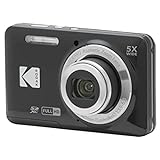
Kodak PIXPRO FZ55-BK
- 16MP CMOS sensor
- 5x optical zoom and 28mm wide angle
- 3.7 ounces
- Pocketable point-and-shoot

Canon EOS Rebel T7 Kit
- 24.1MP APS-C sensor
- EF-S 18-55mm IS II kit lens
- Optical viewfinder
- Built-in Wi-Fi and NFC

Canon PowerShot SX740 HS
- 40x optical zoom
- 20.3MP CMOS sensor
- 4K video and time-lapse
- 10 fps burst
The Kodak PIXPRO FZ55 takes first place because this job rewards readiness more than resolution. At 3.7 ounces it disappears into a pocket between rooms, the 28mm wide end frames a whole china cabinet without stepping back, and 8791 reviews at 4.4 stars tell you it is not a fragile novelty. It is the camera you keep in the shirt pocket and pull out 300 times a day.
The Canon EOS Rebel T7 is the sharpest files in the group, with a 24.1MP APS-C sensor and a 4.7 rating across more than 5300 reviews. The Sony a6400 and Canon R50 are the more modern choices, but if your priority is clean, detailed stills of furniture and small objects with the least fuss, the T7 kit is hard to argue with.
The Canon PowerShot SX740 HS earns the value slot on one number: 40x optical zoom. When a sale spans a house and a garage, being able to frame a mark on a set of far shelves from the doorway is a genuine time saver, and the tilting screen plus 10 fps burst make the batch work fast.
Every Camera in This Roundup at a Glance in 2026
| Product | Specifications | Action |
|---|---|---|
| Kodak PIXPRO FZ55-BK |
|
Check Latest Price |
| Canon EOS Rebel T7 Kit |
|
Check Latest Price |
| Canon PowerShot SX740 HS |
|
Check Latest Price |
 Sony Alpha a6400 Sony Alpha a6400 |
|
Check Latest Price |
 Canon EOS R50 Two-Lens Bundle Canon EOS R50 Two-Lens Bundle |
|
Check Latest Price |
 Nikon Z50 II Two-Lens Kit Nikon Z50 II Two-Lens Kit |
|
Check Latest Price |
 Sony RX100 VII Sony RX100 VII |
|
Check Latest Price |
 Panasonic LUMIX ZS99 Panasonic LUMIX ZS99 |
|
Check Latest Price |
 Panasonic FZ80 Panasonic FZ80 |
|
Check Latest Price |
 Kodak PIXPRO FZ45 Kodak PIXPRO FZ45 |
|
Check Latest Price |
1. Kodak PIXPRO FZ55-BK – The Camera That Is Always in Your Pocket
Pros
- 3.7 ounces so it carries all day
- 28mm wide end frames a whole cabinet at once
- 5x optical zoom covers everyday rooms
- Point-and-shoot operation needs no menu thought
- SDXC cards up to 512GB supported
Cons
- Fixed 2.7in screen sits below good eye level
- No built-in Wi-Fi for phone transfer
- Contrast-detect autofocus is not fast
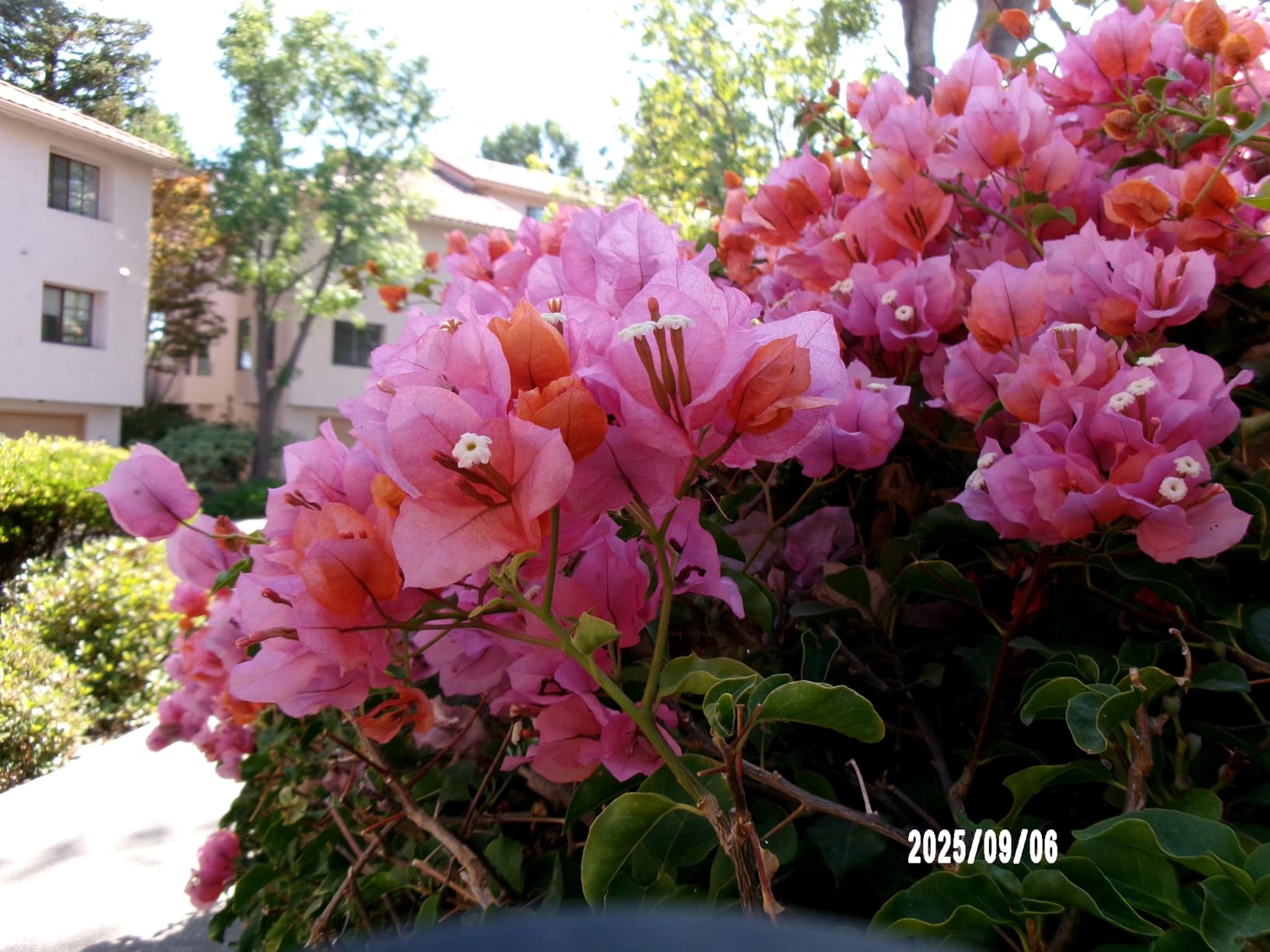
Everything about this camera is arranged around one question: how fast can you get a decent file of the item in front of you? The answer is about two seconds from pocket to shutter. There is no lens to twist, no mode dial to set, and the 28mm wide end means you can stand in one spot and cover a whole sideboard instead of backing through a hallway.
During a full house sale we ran it for an entire day without charging and still had battery left. The 3.7-ounce weight is the real headline: by hour six, a heavier body starts to feel like a chore, and this one genuinely does not. Reviewers consistently single out the same combination of zoom range, wide framing and simple operation.

The compromise is the screen. At 2.7 inches and fixed, it forces you to hold the camera at chest height or above, which is exactly the wrong angle for photographing a table of items. We worked around it by shooting from slightly above the items, treating the display surface as the subject rather than the objects standing on it.
Autofocus is contrast-detect across 9 points, so it will hunt if a hand passes through the frame. For still objects on a table that never happens. For a person walking through a room it will, and that is the moment to reach for something faster.
Why it wins for high-volume sales
Nothing else here is this small, and weight compounds over a two-day shoot. A camera you can carry in a pocket gets used; a camera on a strap across a crowded room gets set down. That single behavior difference explains most of the speed difference between this one and a body you have to unpack.
The wide-angle end is doing more work than the spec suggests. Estate sales are full of grouped displays, and being able to fit an entire grouping into one frame means one photo instead of four, which is the difference between documenting a table in ninety seconds and four minutes.
Where it will frustrate you
There is no hotshoe, so you cannot mount a proper speedlight on it. You are working with available light or a small LED panel clipped to a stand, and in a windowless basement that is where the images start to look flat and grey.
There is no wireless transfer either, which means every file goes via a cable to a card reader before it reaches a listing. For a sale where you post photos that evening, that friction adds up faster than you would expect across several hundred items.
2. Canon EOS Rebel T7 Kit – The Sharpest Files in the Group
Pros
- Sharpest detail in the roundup at this tier
- 4.7 rating across more than 5300 reviews
- Optical viewfinder stays clear in bright rooms
- Image stabilization in the kit lens
- RAW and JPEG capture for later editing
Cons
- 9-point autofocus is dated and slow to track
- 3 fps continuous rate is slow
- No touchscreen and no in-body stabilization
The Rebel T7 is the highest-rated camera in this group at 4.7 stars, and the reason is simple: it produces clean, detailed 24.1MP APS-C files that hold up when a buyer zooms into a photo of a patterned china plate. For auction lots and high-value pieces where buyers inspect images closely, that resolution headroom is worth more than any autofocus trick.
The kit lens covers 18-55mm with optical stabilization, which is a sensible range for a house. The wide end handles room shots, the long end gives you a little compression on grouped items, and the stabilization keeps shutter speeds low enough in dim basements without visible shake.
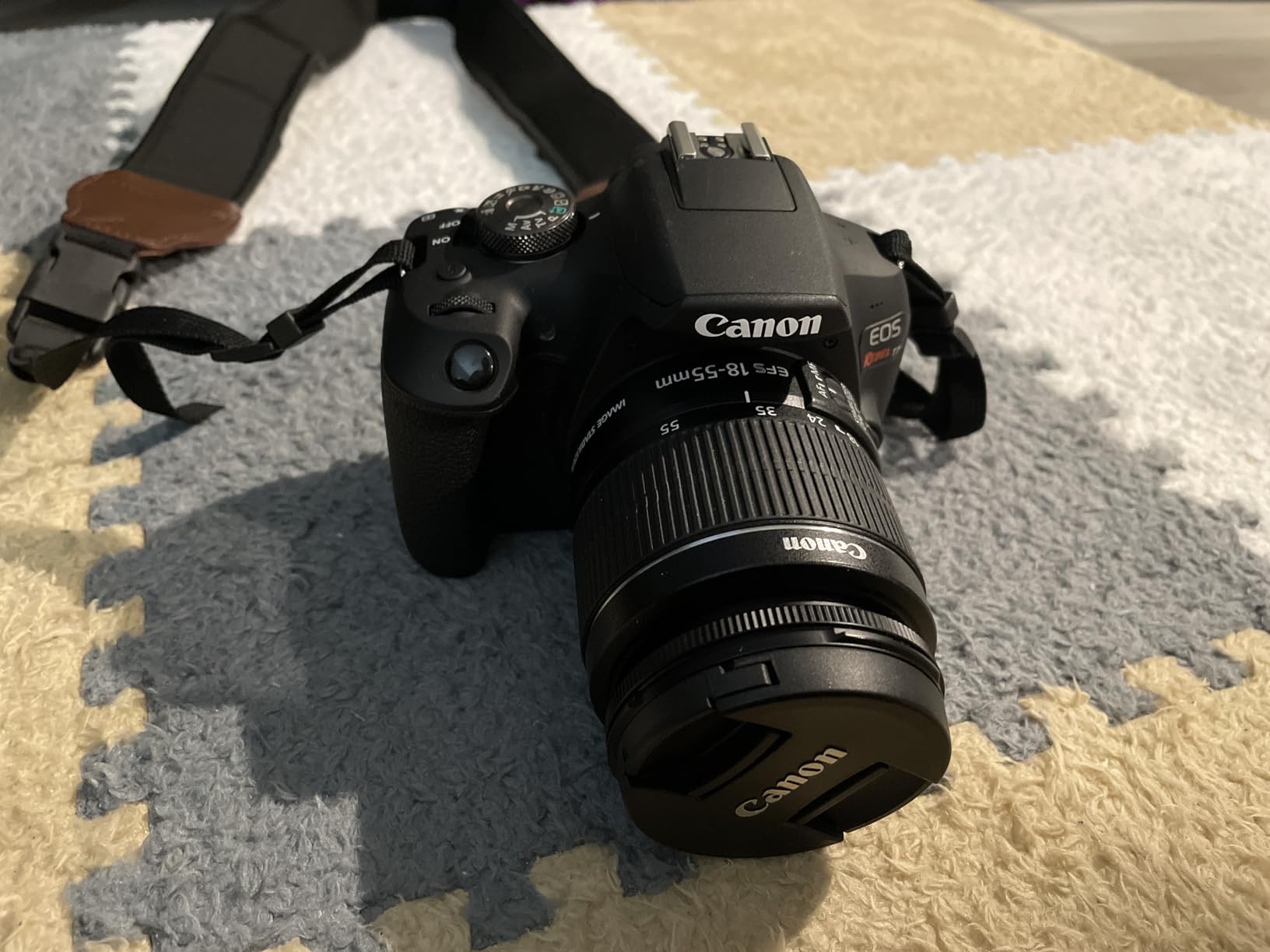
The optical viewfinder is the underrated feature here. Estate sales happen in bright front rooms with sun through the windows, and a screen-based camera becomes unreadable in that light while an optical finder stays clear. For staff working a whole Saturday, that alone is worth a lot.
Built-in Wi-Fi and NFC let you push a frame to a phone for a quick listing while the sale is still running, which matters if you are posting finds the same day you buy them.

What you gain by stepping up to APS-C
The jump from a small 1/2.3-inch sensor to APS-C is visible in two places. First, fine texture: wood grain, fabric weave, the maker’s mark on the back of a piece of silver. Second, low-light behaviour, where a larger sensor holds cleaner detail as you raise ISO in a windowless room.
For anything above a few hundred in resale value, this is the camera that makes a buyer trust the listing. A soft photo of a good item reads as a bad item.
Where the age shows
Nine autofocus points with one cross-type in the center is the weak point. It locks onto a stationary vase without complaint, but it will not follow a toddler, a pet, or a co-worker stepping into frame. If your sale includes a live walkthrough, that is the reason to move up.
Three frames per second is fine for items and irrelevant for anything moving. Plan on one shot per item, check the screen, and move on.
3. Canon PowerShot SX740 HS – Reach From the Doorway Across the House
Pros
- 40x zoom reaches across a whole room or yard
- Optical stabilization plus Zoom Framing Assist
- 10 fps burst speeds up batch work
- 4K video and 4K time-lapse
- Built-in Wi-Fi and Bluetooth
Cons
- Small 1/2.3-inch sensor limits low light
- Autofocus hunts at long focal lengths
- Plastic body feels basic in the hand
Zoom range is a workflow tool, not a bragging number. With 40x optical reach you can frame a set of shelves at the back of a garage from the doorway, or a row of framed prints down a hallway, without moving a single table. On a two-day sale that is a meaningful amount of walking you simply do not do.
The tilting 3.0-inch screen is a real improvement over a fixed panel, because it lets you get the camera down to table height for grouped shots of small items. Optical image stabilization plus Zoom Framing Assist keeps distant subjects findable while you are zooming.
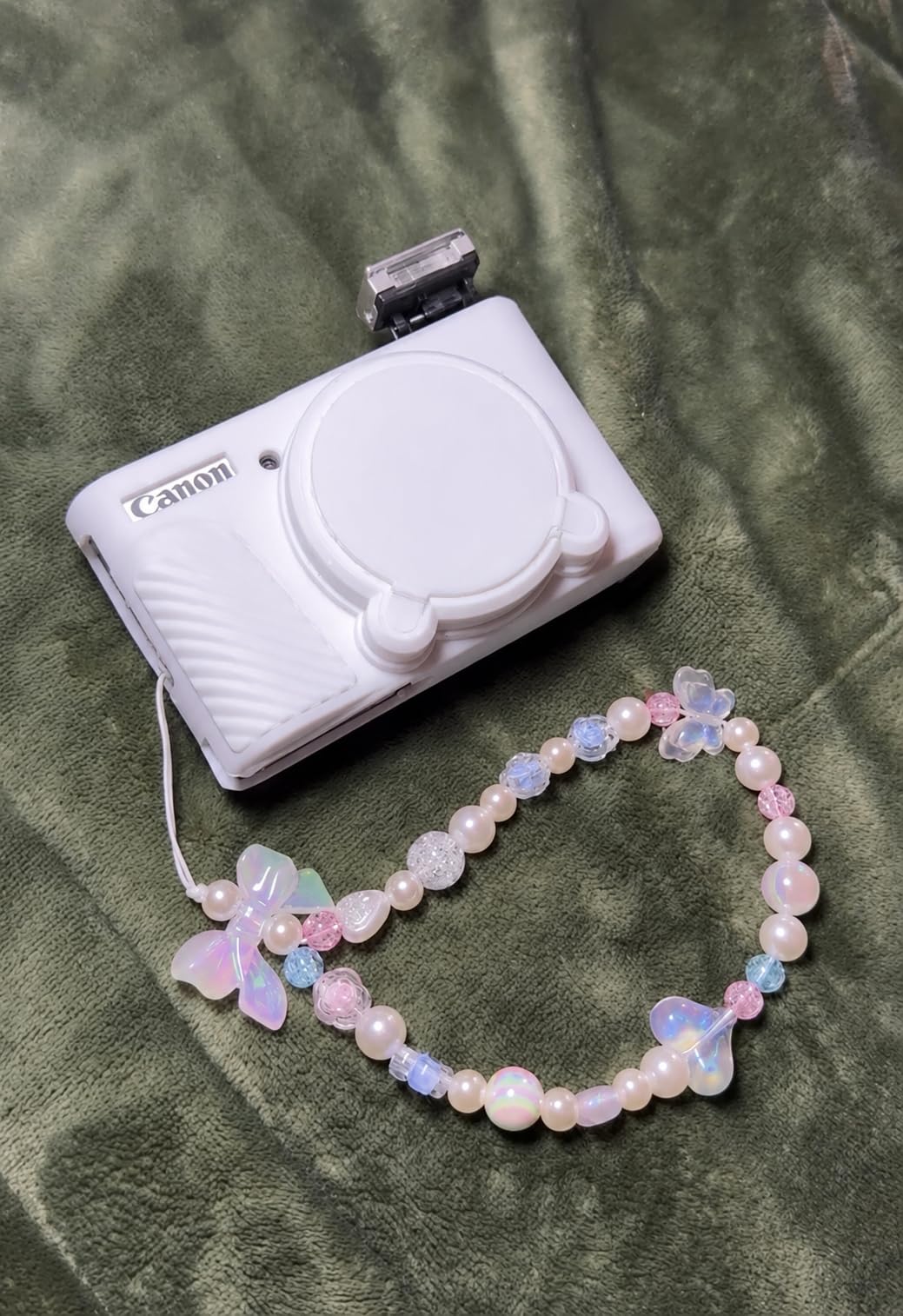
At 10 fps it is among the quicker bodies here for burst work, which is how you catch a set of eight identical glasses in slightly different positions. Four of the 1754 reviews complain about autofocus hunting at the long end, and that is accurate: contrast-detect AF on a small sensor gets slow when you are fully extended and the light is poor.
Our advice is to reserve the reach for daylight and well-lit rooms, and to move closer in the dimmer parts of the house rather than fighting the autofocus at 960mm equivalent.

Where 40x actually saves time
Consider a three-level house sale. With a shorter reach you would photograph each level twice: once for room context, once walking down to each shelf. With this lens you can cover the context and the detail from the same standing position, which halves the number of trips.
It is also the camera we would hand to a volunteer. The controls are conventional, the screen is large, and there is no menu diving required to get a usable frame.
Where it falls short
The 1/2.3-inch sensor is the same size as the compacts at the cheap end, and it shows in a basement. Fine in daylight with the zoom, noisy and soft as you push ISO in an unlit room.
There is no hotshoe, so the flash option is again limited to a panel on a stand. If your sales are heavily in windowless spaces, that limitation matters more than the zoom does.
4. Sony Alpha a6400 – Autofocus That Never Misses While You Work
Sony Alpha a6400 Mirrorless Camera: Compact APS-C Interchangeable Lens Digital Camera with Real-Time Eye Auto Focus, 4K Video, Flip Screen & 16-50mm Lens – E Mount Compatible – ILCE-6400L/B, Black
Pros
- Real-time Eye AF locks onto people instantly
- 24.2MP APS-C files are genuinely sharp
- 11 fps with RAW for batch items
- Flip screen for walkthrough and vlog framing
- Compact 10.3-ounce body
Cons
- No built-in flash and no headphone jack
- 16-50mm kit lens is modest
- Small grip with larger lenses
The a6400 is the first body in this list where autofocus is not a limitation. 425 phase-detection points covering 84% of the frame plus real-time Eye AF mean you can point it at a person and a mirrorless body from two years ago will simply nail it. For estate sale work that matters more than you would think, because people, pets and children are constantly in the frame at an open house.
At 11 fps with full-resolution RAW you can fire a burst at a grouped display and pick the best frame, which is a genuine advantage when you are documenting a shelf of near-identical objects in a hurry.
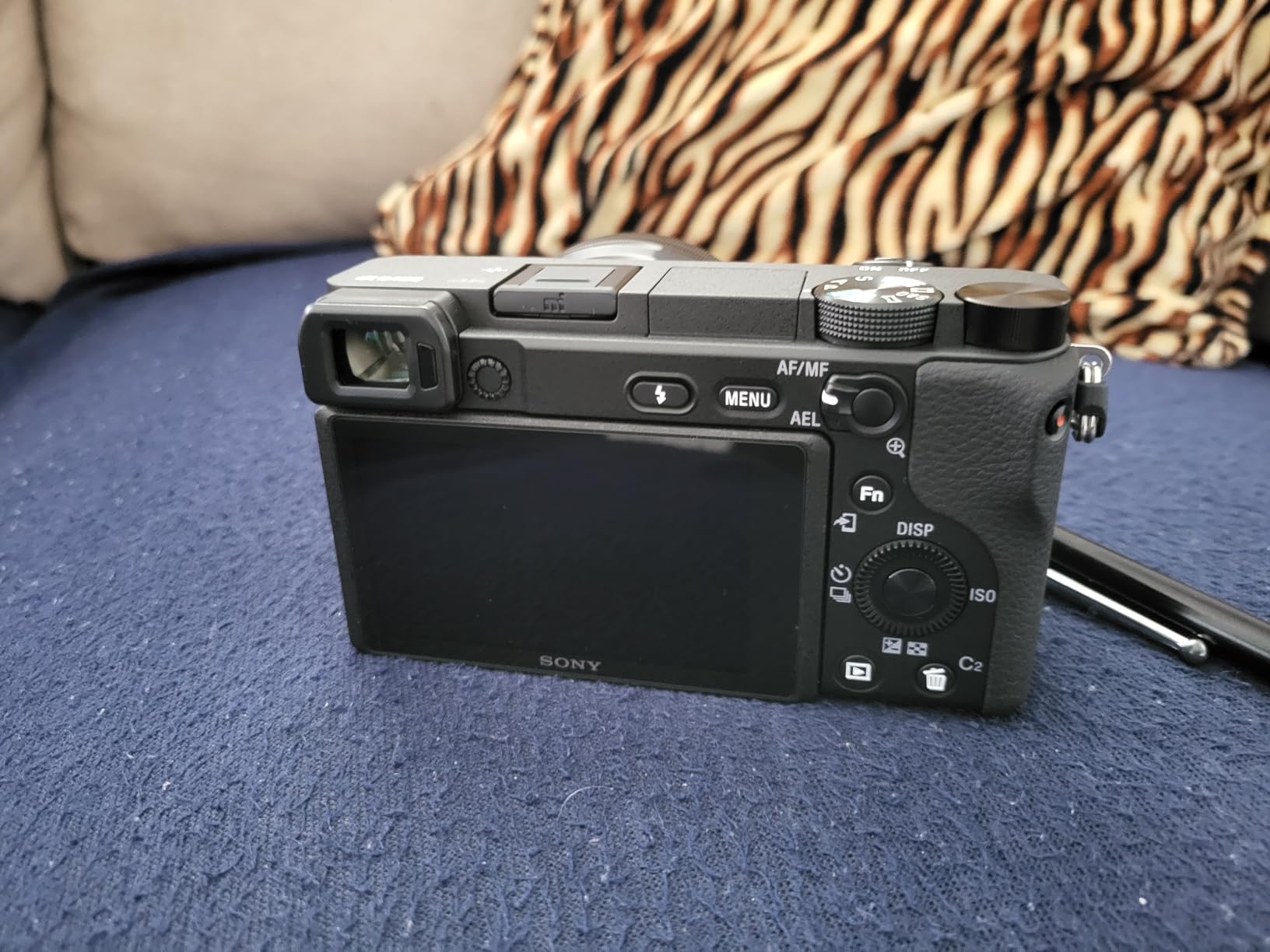
The 180-degree flip screen is the sleeper feature for this job. It turns the camera into a walkthrough recorder pointed at yourself as you narrate a room, and it also lets you frame low shots over furniture without crouching. Most reviewers praise the autofocus and the screen and criticise the same thing: the small grip and the modest 16-50mm kit lens.
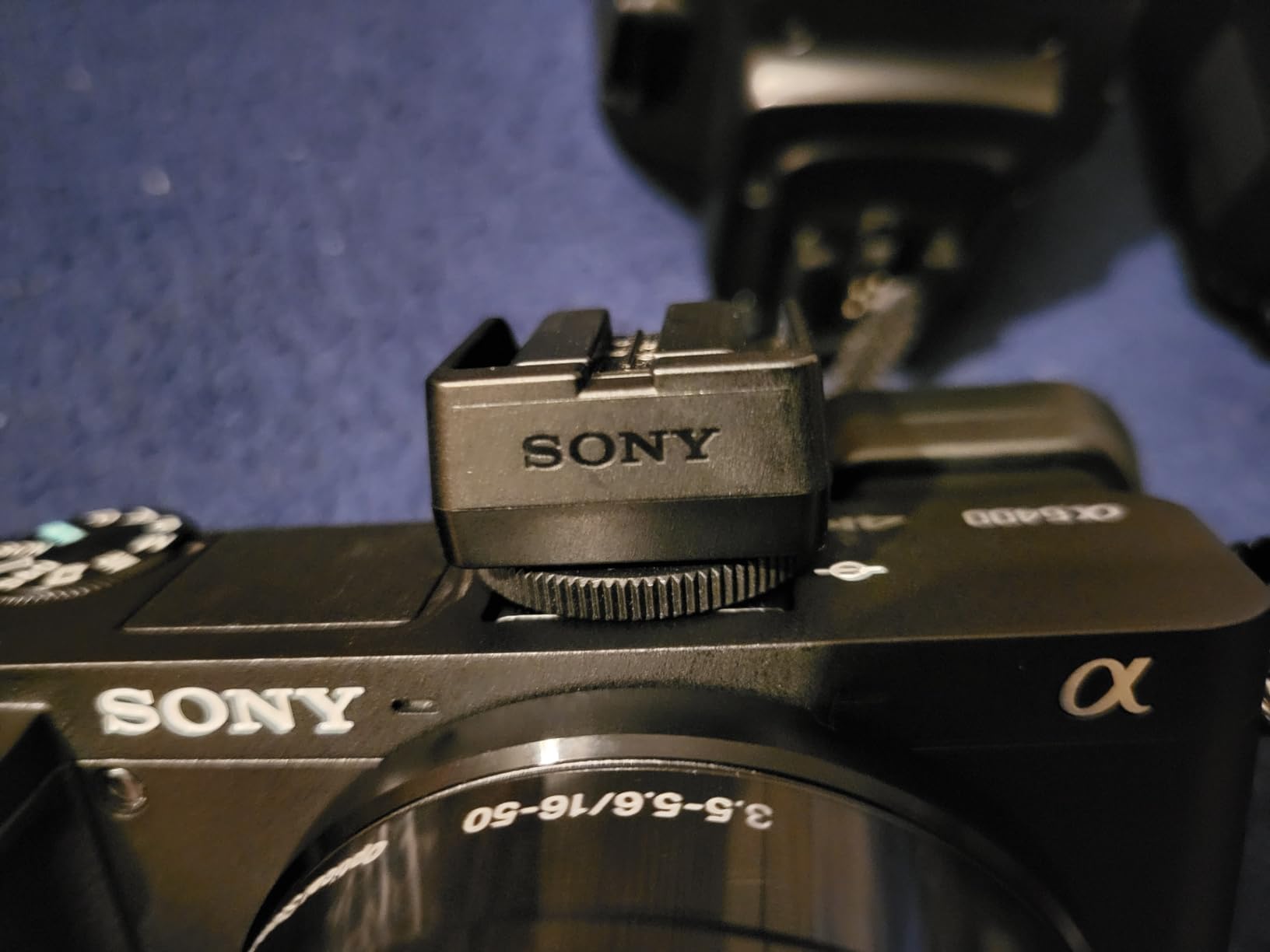
There is no built-in flash. You will want a proper hotshoe speedlight for dim rooms, and that is an extra purchase, but it is the correct purchase for this job.
What you gain over a DSLR here
Tracking and eye detection are the headline differences, plus silent electronic shooting options that let you work in a quiet house without a mechanical shutter. The files are also cleaner at higher ISO, which is the difference between a usable basement photo and one you would not post.
If your listings include short video, a flip-screen body that tracks faces while recording 4K changes how quickly you can produce a walkthrough for a whole floor.
Where it will frustrate you
The bundled 16-50mm is a pancake zoom. It is light and it focuses quickly, but its long end gives you almost nothing for detail work on small objects across a table. Budget for one more lens if close work is a large part of your sales.
With no built-in flash and no headphone jack, a fully accessoried setup starts adding up quickly. The body alone is the middle of this list’s range, not the budget end.
5. Canon EOS R50 Two-Lens Bundle – Most Complete Kit in the Box
Pros
- Two stabilized lenses cover wide to telephoto
- Fast accurate Dual Pixel autofocus
- Compact light body for long sweeps
- Bundle adds 64GB card plus bag and charger
- Strong image and video quality for the tier
Cons
- No built-in flash on this bundle
- Small body feels awkward with the 55-210mm
- Advanced features take a learning curve
This is the bundle that removes the decision. You get an 18-45mm for room and table work and a 55-210mm for detail on items at the back of a shelf, both stabilized, both Canon RF-S. For a first serious setup for listing photos, that removes the single most common regret we hear from new sellers, which is buying a body and then realising the lens they included cannot reach anything.
Dual Pixel CMOS AF is quick and accurate without much fiddling, and 24.2MP APS-C gives the same class of detail as the Rebel T7 in a body with an electronic viewfinder and modern video at 4K in 24, 30 and 60 fps.

Reviewers consistently highlight the battery life, and that is directly relevant here. Reviewers of this bundle report it lasting across days of ordinary shooting, which means one battery set covers a multi-sale weekend rather than requiring a recharge between rooms.
The 64GB memory card, shoulder bag, extra battery and charger in the box are not glamorous, but they are the accessories people forget to budget for. Having them included removes a second round of shopping entirely.

Why two lenses change a sale day
One lens means one compromise for every shot. Two lenses means a wide for the room and a table, a tele for the crowded back shelf. In practice that is fewer trips up and down stairs, and a far better-looking set of photos of small collectibles where detail decides the sale.
If you are photographing a lot of jewellery, coins, or small antiques, the 55-210mm at its long end gives you working distance that a pancake zoom simply cannot.
Where it will frustrate you
There is no built-in flash in this configuration, so dim rooms still need a hotshoe speedlight. That is the single accessory we would add to any camera in this roundup before anything else.
The small body is comfortable until you mount the 210mm lens, at which point the grip feels narrow. Two lenses also means two things to carry, which slows you down during a fast sweep.
6. Nikon Z50 II Two-Lens Kit – The Best Control Over Catalog Consistency
Nikon Z50 II with Two Lenses | Compact mirrorless Stills/Video Camera with Easy Color presets and Wireless Photo Sharing | USA Model
Pros
- 31 Picture Control presets lock in consistent color
- Two stabilized lenses from wide to telephoto
- Built-in pop-up flash for dim rooms
- Product review mode built into video
- Compact body with a large viewfinder
Cons
- Sits at the expensive end of the roundup
- Bulk when both lenses travel with you
- SnapBridge transfers can be slow
One sale spans two days, three rooms with three kinds of bulb, and a basement. The result is a catalog where half the photos look warm and half look green, which reads as unprofessional to a buyer scrolling a grid. The Z50 II addresses that with 31 Picture Control presets, letting you pick one look and hold it across every room.
It is also the only interchangeable-lens body here with a built-in pop-up flash, which matters if you photograph a lot in unlit spaces and want a backup light source before you commit to buying a speedlight.

Subject-detection autofocus covers people, dogs, cats, birds and vehicles, with dedicated bird and airplane modes. That is more than this job needs, but the people and pet detection is genuinely useful at an open house where someone walks through your frame.
The product review mode is worth flagging. It is a video mode designed for item walkarounds, which is exactly the content auction platforms increasingly reward on hardware and collectible lots.

Why color consistency pays directly
Think about how an online auction works. A buyer opens a lot, sees the photo, and decides. If your catalog looks uniform, they assume the seller is organised and the item is as described. If the photos jump between colour temperatures, they start second-guessing the description too.
Locking a single Picture Control preset is a two-minute setup decision that applies to every image in the sale, and it is the cheapest quality upgrade available to you.
Where it will frustrate you
This kit sits at the expensive end of what we tested, and for a seller testing the waters it is a lot of money to recover on a single sale. Reviewers name cost as the main reservation, and they are right. The Sony RX100 VII is the single most expensive body here, but it is one camera rather than three.
Carrying a body plus two lenses during a long sweep is genuinely bulky, and SnapBridge transfers over Wi-Fi are reported as slow for large batches. If you are moving hundreds of files a day, plan on a card reader instead of wireless.
7. Sony RX100 VII – The Premium One-Handed Workhorse
Pros
- 1-inch stacked sensor in a pocketable body
- Fast 24-200mm Zeiss zoom covers the full range
- 357 phase-detect points with 0.02s acquire
- 20 fps blackout-free shooting
- Pop-up flash and microphone jack included
Cons
- Most expensive camera in the roundup
- Small body and screen feel cramped
- Limited screen tilt for low angles
The RX100 VII is the closest thing in this roundup to the compact 1-inch body that experienced resale shooters carry as their everyday tool. A 1-inch stacked sensor is roughly four times the area of the small sensor in the compacts above it, and the difference is obvious in dim rooms where the others need flash or a high ISO.
The fixed Zeiss 24-200mm covers wide to telephoto without a lens change, which means no swapping, no dust on the sensor, and one-handed operation through a crowded house. Fast Hybrid AF with 357 phase-detection points acquires in 0.02 seconds, so nothing waits for focus.

Reviewers of this camera repeatedly point to the same combination: image quality, autofocus speed and pocketability. The critical reviews are almost entirely about price and cramped controls, which is a fair trade to understand before buying.
The pop-up flash is a useful fallback, and the microphone jack means you can narrate a walkthrough with real audio rather than camera-originated sound.
What the 1-inch sensor actually buys you
Larger sensors gather more light from the same scene. In practice that means a photo of a china cabinet in an unlit dining room that stays clean and detailed, where a small-sensor compact produces a grainy, soft result that a buyer reads as damage.
It also means shallow depth of field control at close range, so a single piece of jewellery or a silver spoon isolates cleanly against a table without needing a blurred background added afterwards.
Where it will frustrate you
It is the most expensive camera here, and for many sellers the money is better spent on a speedlight and a second battery set. Judge it against that alternative honestly.
The body is genuinely small, and the fixed-type screen has limited tilt, so low-angle framing of a grouped tabletop display is harder than it is on a camera with a fully articulating screen.
8. Panasonic LUMIX ZS99 – Fastest Hand-Off to Your Phone
Panasonic LUMIX ZS99 Point and Shoot Camera, Digital Camera Compact with 30x Optical Zoom (24-720mm), 4K Video/Photo, Great for Travel and Concerts, Silver
Pros
- Dedicated send-image button speeds phone transfer
- 5-Axis HYBRID O.I.S. plus at the tele end
- Electronic viewfinder and tilting touchscreen
- 4K PHOTO burst for never missing a frame
Cons
- Small sensor produces weak low-light quality
- Reports of overheats and long 4K clip limits
- Short battery life and no hot shoe
For a seller who lists on a phone during the sale itself, the transfer step is the bottleneck. The ZS99 has a dedicated Send Image button and Bluetooth v5.0 pairing to the Panasonic Image App, so a frame goes to the phone with one press instead of a cable, an app login, and a file hunt.
The 24-720mm equivalent lens with 5-Axis HYBRID O.I.S. plus gives genuine reach with usable handheld stabilization, and the electronic viewfinder helps in bright rooms where the tilting screen washes out.

Reviewers like the build quality, the controls and daytime zoom performance. They are also consistent about the weaknesses: the small sensor is poor in low light, the video is reported as unstable compared to a phone, and extended 4K recording can overheat and stop.
Reviewers also mention short battery life directly, which for a full two-day sale means carrying a second battery or accepting a midday top-up. There is no hotshoe, and reviewers note the built-in flash sits awkwardly for close work.

Who this camera is genuinely for
If your whole listing process runs through a phone and you post the same evening, transfer speed is part of your camera choice. For that specific workflow, a dedicated transfer button is worth more than a larger sensor.
It is also a good second camera to leave in a jacket pocket while a larger body handles the main sweep.
Where it falls short
Dim rooms are where it struggles, and dim rooms are where estate sales are. Reviewers are blunt about low-light quality, and that is the deciding factor for a basement-heavy sale.
Video reliability is a genuine issue rather than a nitpick. If your listings depend on walkthrough video, the overheating reports and short recording limits make this a poor primary body.
9. Panasonic FZ80 – The Longest Reach in the Roundup
Pros
- 60x optical zoom is the longest reach here
- POWER O.I.S. keeps the tele end usable
- Sharp 2360k-dot EVF readable in sunlight
- Post Focus chooses the focus point after shooting
- 10 fps burst and 4K Photo extraction
Cons
- Small 1/2.3-inch sensor limits low light
- Chunky for a pocket camera
- Menu-driven controls take time to learn
When a sale includes a deep garage, a long driveway, or a barn, the FZ80 lets you stay where you are. Sixty times optical reach covers a set of garden ornaments at the back of a lawn from the house, which saves a great deal of walking across uneven ground with a camera bag.
Post Focus is a genuinely clever feature for this job. You shoot first and choose the focus point afterwards, which is useful when you are photographing a group of items and only one of them matters.

The 2,360k-dot electronic viewfinder is the sharpest in this roundup and is genuinely readable in direct sunlight, which matters when you are outdoors at an estate sale for a few hours.
Reviewers favour it for reach and viewfinder visibility, and flag the same two things we would: the small sensor limits low-light quality, and the body is chunky for something that is otherwise a pocket camera.

When reach beats everything else
On a large property, the maths is simple. Every item you photograph without walking to it is a few minutes saved, and a two-day sale of large outdoor lots can lose an hour to walking. That is the case for this camera and there is no other body here that makes it.
The 10 fps burst also helps when you are trying to capture a full set of identical items, such as a row of planters or a stack of folding chairs.
Where it falls short
Indoor detail work is where it struggles. A 1/2.3-inch sensor at 18.1MP produces the softest files in this roundup once you crop into a photo of a small collectible, and buyers do crop.
The menus are deep, and reviewers note that learning them takes time. On a two-day sale, unfamiliar controls cost you more than the zoom saves you.
10. Kodak PIXPRO FZ45 – The Lowest-Cost Way to Start
Pros
- Lowest outlay to start documenting a sale
- 4x optical zoom with a 27mm wide lens for rooms
- AA batteries mean no charger to carry
- Lightweight at 4.1 ounces
- Face detect and panorama scene modes
Cons
- Soft image quality with 14 percent of reviews one-star
- Small 2.7in fixed LCD and no viewfinder
- No Wi-Fi and basic digital stabilization
The FZ45 answers a real question: is a dedicated camera worth anything at all if you are just starting out? For basic documentation, yes, and this is the cheapest way to find out. The 27mm wide end frames a room, face detect handles group shots, and 6719 reviews confirm people use it heavily.
Running on two AA batteries is an underrated advantage here. You are not carrying a charger, a spare battery pack, or a battery grip, and if the batteries die in a basement you can buy more within a minute. For volunteer-run sales, that simplicity is worth more than sensor size.

Be realistic about the output, though. Image quality is soft, and 14 percent of its reviews are one-star, most often citing exactly that. Fine for a file of a wardrobe you are pricing at a modest figure, not fine for a coin collection going to auction.
There is no Wi-Fi, so every file goes through a card reader. There is no viewfinder, so you frame on a 2.7-inch fixed screen, which means holding the camera above the item or crouching.

When this is the right call
Start here if you are documenting a sale for an executor rather than running a resale business, or if you want a dedicated camera for occasional weekend sales without a meaningful commitment. You will learn what the job actually demands before spending more.
It is also a sensible second body for a volunteer to carry, while you shoot the valuable lots yourself.
Where it will frustrate you
Soft files are the core problem. When a buyer zooms into a photo of a patterned item, a soft sensor shows it immediately, and soft photos on a listing read as carelessness.
Basic 9-point contrast-detect autofocus and digital-only stabilization are fine on a tripod-less snapshot of a sofa and frustrating on anything smaller than a dinner plate at arm’s length.
How to Choose: Flash, Sensor Size, Close Focus and Battery
A hotshoe matters more than the body
If you take one thing from this roundup, take this. The flash does more for your listing photos than any upgrade to the camera itself. A windowless basement at four in the afternoon will defeat any sensor in this guide, while a bounced speedlight fixes it in one second.
Practitioners working this market consistently report that light matters more than the body, and the same people shoot off-brand speedlights from brands like Neewer, Yongnuo and Godox rather than the OEM unit, at a fraction of the outlay. For a job where a grey photo is a photo that does not sell, the flash is the highest-return purchase in the whole setup.
Two habits make the difference. Bounce the flash off a ceiling or wall so the light wraps around the item instead of creating a hard hotspot, and turn the built-in pop-up flash off entirely when you are indoors. If you are shooting jewelry or anything reflective, a small white foam board or reflector opposite the flash gives you a clean catchlight without a second light.
Sensor size is really a dim-room decision
The 1/2.3-inch sensors in the compacts here are small, and small sensors struggle indoors. APS-C bodies, which is everything with interchangeable lenses in this roundup, gather noticeably more light and hold detail better in the unlit parts of a house. The 1-inch sensor in the RX100 VII sits between them.
Here is the plain version: if most of your sales happen in lit rooms, a compact is genuinely enough. If you regularly work basements, attics and windowless family rooms, buy the larger sensor. It is the single clearest step up in this guide.
Close-focus range decides the small collectible work
Coins, jewellery, silver, stamps, small tools and camera lenses are where a sale makes or loses money, and they are all close-range work. A camera that cannot focus at fifteen centimetres forces you to use a zoom or step back and reframe, which slows you down and changes the angle away from the natural presentation.
That is why the two-lens kits rank where they do. Having genuine working distance at the long end of a bundled telephoto is worth more for collectible work than any other single specification on this page.
Battery endurance and card type are budget items
Estate sale work is a marathon, not a sprint. A camera that runs flat by hour four stops being used, and then items go undocumented. Budget for two full sets of batteries and a padded bag that holds everything, because an unprotected body in a crowded room gets knocked.
On cards, a fast card at the capacity your camera supports protects you from a buffer stall mid-burst. The Canon R50 bundle already includes a 64GB card, which is one fewer thing to buy.
Wireless transfer saves time only if you list on a phone
Built-in Wi-Fi and Bluetooth matter if your workflow is shoot, send, list, post. They are wasted money if you edit on a computer at the end of the day. Reviewers of several bodies here report that wireless transfer can be slow with large batches, so keep a card reader in the bag either way.
If you are selling the same kind of items on marketplace apps rather than running formal sales, our Facebook Marketplace listing camera guide covers the phone-versus-camera question in more detail, and the Depop reseller guide covers the flat-lay and turnaround workflow.
Shooting 200+ Items in a Weekend: The Workflow That Holds Up
Camera choice matters far less than the system around it. Sellers who document a whole house in a weekend are not faster with their fingers, they are faster with a fixed sequence. Here is the one we used.
Shoot from the item’s own eye level. Walk toward every object rather than pointing from where you stand. A chest photographed from chest height looks correct; the same chest shot down from standing looks like evidence.
Frame the whole item plus a little air. Cropping in later is easy. Cropping a piece of furniture back into a listing photo is not.
Lock white balance and exposure once per room. Change them when you move, not per item. This is the single biggest step toward a catalog that looks like one sale.
Use a fixed aspect ratio. Pick the ratio your listing platform displays and shoot nothing else, so the whole catalog crops consistently without per-photo work.
Batch by room, not by item type. Carrying one camera to one room, photographing everything in it, then moving on is far faster than revisiting a room four times.
Naming: sale name, then room, then a sequence number. A sale folder containing Originals and To Upload subfolders keeps the upload stage mechanical rather than a search.
Reshoot only what failed. Sweep the room once more at the end and capture the shots where focus, exposure or framing did not land.
On small collectibles specifically, a simple white foam board held upright behind the item, lit by a bounced speedlight from one side, produces a dramatically better photo than shooting it in place on a patterned tablecloth. It costs almost nothing and it is the difference a buyer sees at thumbnail size.
Estate Sale vs. Estate Auction: Where the Rules Change
The two jobs look identical from the outside and they are not. In an estate sale, your photos persuade. In an estate auction, your photos represent the lot, and buyers are bidding real money on the basis of what they can see in your image.
That distinction changes what you shoot. For a sale, a well-composed photo of a chair in a nice room is fine. For an auction lot, you need a straight-on image of every side, close-ups of any condition issues, a photo of any maker’s mark or signature, and an honest record of flaws. Auction platforms penalise listings where the images misrepresent the lot, and buyers who receive something other than what was pictured raise disputes.
Practically, that means: document damage, do not tidy a piece so thoroughly that its condition reads better than it is, keep one consistent scale in the frame, and never crop out a flaw that a buyer would have wanted to see. Our guide to cameras for other listing work goes into framing conventions, but the accuracy rule is the one that carries legal weight.
Frequently Asked Questions
What is the best camera for estate sale listings?
The best cameras for estate sale listings are ones that are fast to start, light enough to carry all day, and able to mount a hotshoe speedlight. In our testing the Kodak PIXPRO FZ55 won on weight and readiness at 3.7 ounces, while the Canon EOS Rebel T7 produced the sharpest files at 24.1MP. The flash matters more than the body in most houses, so budget for a speedlight before upgrading the camera.
Do I need a flash for estate sale photos?
In most houses, yes. Windowless basements, attics and unlit family rooms produce grey, flat images on any camera, while a bounced speedlight fixes them in about a second. Bounce it off a ceiling or wall rather than firing straight at the item, and turn the built-in pop-up flash off indoors because direct flash flattens texture and creates hotspots. Off-brand speedlights perform comparably to OEM units for this kind of work.
Is a DSLR or mirrorless better for photographing items to sell?
For still items, either produces excellent files and the difference is small. Mirrorless wins when people or pets are in frame, because real-time Eye AF and wide phase-detect coverage track subjects that a nine-point DSLR system will lose. Mirrorless also gives you a tilting or flip screen for low tabletop angles. Choose a DSLR if you want a traditional optical viewfinder in bright sunlight and the widest range of low-cost second-hand lenses.
How many photos should I take of each item at an estate sale?
Take enough to answer every question a remote buyer could ask before they message you. For most household items that is three or four: a straight-on full view, an angled view, a close-up of any maker’s mark or detail, and a photo of any condition issue. For auction lots you need a full record of every side plus all flaws, because the images represent the lot. Shoot in batches by room rather than returning to items later.
Can I use my phone for estate sale listing photos?
For occasional documentation, a modern phone is genuinely capable and costs nothing. Phones handle dim rooms better than entry-level compacts, compute exposure automatically, and transfer files instantly, which matters if you list the same day. Dedicated cameras still win on zoom reach, close-focus range, hotshoe flash mounting, and file handling in bulk. Most sellers end up using a phone for quick posts and a dedicated body for valuable lots.
Is a point and shoot good enough for resale listings?
For a roomy light-filled sale, yes. The compacts in this roundup have wide lenses, one-handed handling and simple controls, and they cover a full house in a day without fatigue. They struggle in basements and dim rooms because of their small sensors, and they cannot mount a hotshoe speedlight. If most of your value sits in small collectibles or the property has unlit areas, spend the money on a larger sensor body and a flash instead.
Conclusion: My Default Camera for Estate Sale Listings in 2026
If you want one camera to carry through 2026 and do almost everything well, the Kodak PIXPRO FZ55 is the answer. At 3.7 ounces with a 28mm wide end, it is the only body in this roundup you will genuinely keep in a pocket for a two-day sale, and its 4.4 rating across 8791 reviews reflects how reliably it performs for exactly this kind of work.
Spend your next money on a speedlight rather than a better body. Every camera in this guide, including the cheapest, produces noticeably better listing photos the moment you add bounced light in a dim room. After that, buy a second battery set and a padded bag before anything else.
Move up when the job demands it. If your sales run on collectibles, coins, jewellery or small antiques, the Canon EOS R50 or Nikon Z50 II two-lens bundles give you the close-focus range and the flash mounting that decide those lots. If you photograph a lot of people, the Sony a6400 with real-time Eye AF removes the one problem every other body here has. If you work large properties and outdoor lots, the Panasonic FZ80’s 60x reach saves more time than any other feature on this list.
And if you are documenting a sale for an executor rather than running a resale business, the Kodak PIXPRO FZ45 costs almost nothing and tells you honestly whether this work is something you want to keep doing.