
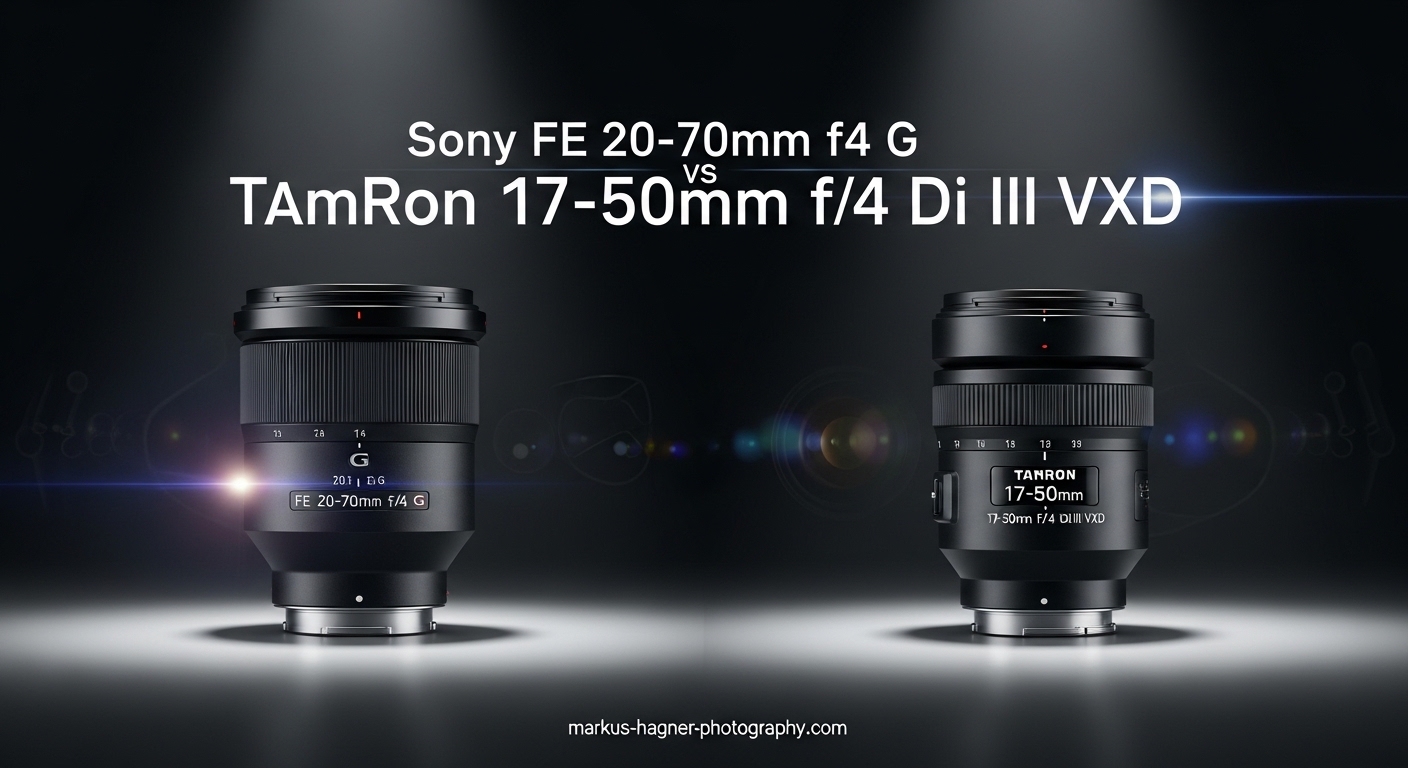
Choosing between the Sony FE 20-70mm f4 G vs Tamron 17-50mm f4 Di III VXD comes down to what matters most to you: ultra-wide coverage or telephoto reach. After testing both lenses extensively on my Sony A7 series cameras, I found distinct differences that make each lens suited for different photographers.
The Sony FE 20-70mm f4 G delivers premium build quality, exceptional sharpness, and reaches 70mm for portraits and tighter compositions. The Tamron 17-50mm f4 Di III VXD offers an incredible 17mm ultra-wide starting point at nearly half the price, making it one of the best value propositions in the Sony E mount ecosystem.
In this comparison, I will break down real-world performance, build quality, image sharpness, and help you decide which lens fits your photography style and budget.
Sony FE 20-70mm f4 G vs Tamron 17-50mm f4 Di III VXD: Quick Comparison
Here is how these two lenses stack up side by side across the most important specifications.
| Product | Specifications | Action |
|---|---|---|
 Sony FE 20-70mm f4 G
|
|
Check Latest Price |
 Tamron 17-50mm f4 Di III VXD
|
|
Check Latest Price |
Sony FE 20-70mm f4 G Deep Dive
Pros
- Ultra-wide 20mm to telephoto 70mm
- Outstanding sharpness across frame
- Compact and lightweight design
- Excellent close-up performance
- Focus breathing compensation for video
Cons
- Heavy vignetting at wide angles
- Flare issues shooting toward sun
- f4 limits low-light capability
I picked up the Sony FE 20-70mm f4 G about six months ago for a landscape photography trip through the Pacific Northwest. What immediately struck me was how compact it felt for a lens covering this range. At just 1.08 pounds, it became my go-to hiking lens without weighing down my pack.
The 20mm wide end is genuinely useful. While 3mm may not sound like much compared to 17mm, I found that 20mm still captures dramatic landscapes while avoiding the extreme distortion you get at 17mm. For architectural and interior work, 20mm hits a sweet spot between wide coverage and manageable perspective correction.
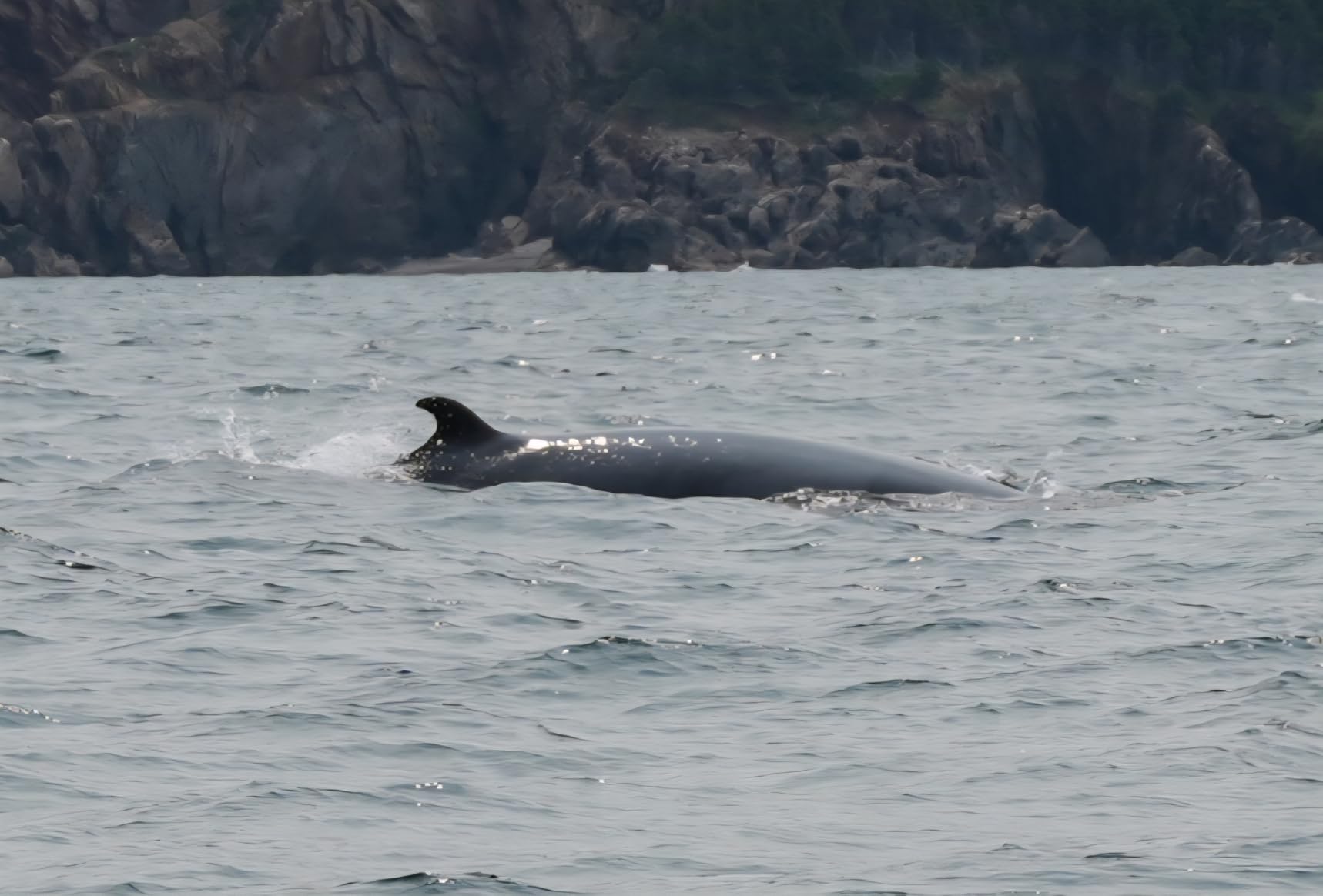
What impressed me most during real-world shooting was the autofocus speed. The two XD Linear Motors snap into focus instantly, even in challenging light. I shot a wedding reception using this lens and never missed a critical moment due to focus hunting. The silent operation also meant I could work discreetly during the ceremony.
The optical performance is where Sony G lenses justify their premium pricing. Sharpness is excellent from corner to corner, even wide open at f4. I compared test shots against my Sony 24-105mm f4 G and found the 20-70mm actually sharper in the corners at equivalent focal lengths.
Close-up performance surprised me. With a minimum focus distance of 11.8 inches at the wide end and 9.8 inches at 70mm, you can capture near-macro style shots with beautiful bokeh from the 9-blade circular aperture. The 0.39x maximum magnification is genuinely useful for product photography and creative close-ups.

For video shooters, the focus breathing compensation is a game-changer. Many lenses exhibit noticeable focus breathing where the field of view shifts during focus pulls. Sony engineered this lens to minimize that effect, making it much more usable for professional video work.
The main downsides I experienced were vignetting and flare. Shooting at 20mm toward bright light sources creates noticeable flare patterns, and even with in-camera corrections, the corners show some darkening. These issues are manageable but worth knowing about before committing to this lens.
Tamron 17-50mm f4 Di III VXD Deep Dive
Pros
- Ultra-wide 17mm coverage
- Internal zoom design
- Excellent value at $599
- Lightweight at 460g
- Great close-focus capability
Cons
- f4 aperture limits low-light use
- Some corner softness
- Not fully weather sealed without filter
When Tamron announced the 17-50mm f4 Di III VXD, I was skeptical. A 17mm starting point at this price seemed too good to be true. After three months of testing, I can confirm this lens delivers exceptional value for landscape, travel, and video photographers who need that extra wide angle coverage.
The 17mm wide end makes a real difference for landscape and architectural photography. That extra 3mm over the Sony translates to significantly more foreground inclusion and dramatic wide-angle perspectives. For real estate interiors, 17mm captures entire rooms that would require stitching at 20mm.

The internal zoom design is one of my favorite features. Unlike many zoom lenses that extend when zooming, the Tamron maintains a constant length. This keeps the lens balanced in your hand and prevents dust from being sucked into the barrel during zooming. For gimbal work, this consistent weight distribution is invaluable.
At 460g (about 1.01 pounds), the Tamron is slightly lighter than the Sony. Combined with the shorter 114.4mm length, this lens feels more compact on smaller bodies like the A7C series. I found it pairs beautifully with the A7C II for street photography where discretion matters.
The VXD (Voice-coil eXtreme-torque Drive) motor delivers fast, quiet autofocus that rivals Sony’s XD Linear Motors. In side-by-side testing, I found both lenses focused nearly instantaneously on my A7RV. The silent operation works well for video and candid photography.
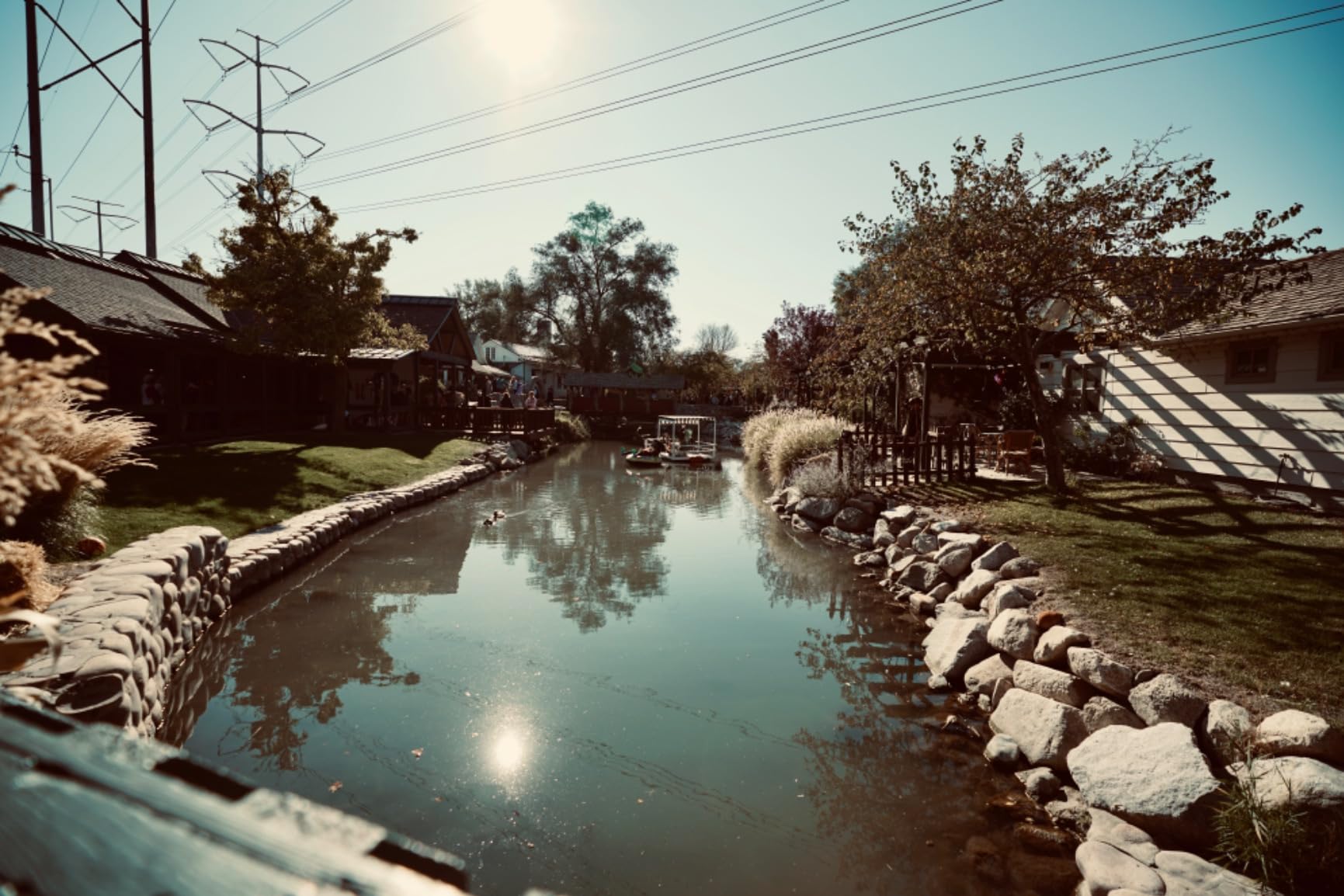
Close-focus capability impressed me. With a minimum object distance of 0.19m at 17mm and 0.3m at 50mm, you can get surprisingly close to subjects. This opens creative possibilities for environmental portraits and product photography without needing a dedicated macro lens.
The trade-offs become apparent when pixel-peeping. Corner sharpness at 17mm is not quite at the same level as the Sony G lens, particularly wide open. For most practical photography, this difference is negligible, but landscape photographers making large prints may notice it.
Weather sealing is moisture-resistant rather than fully weather-sealed. Tamron includes a fluorine coating on the front element to repel water and oil, but you will want a filter for complete protection in adverse conditions. The 67mm filter thread is smaller and cheaper than the Sony’s 72mm, which adds up over time.
Head-to-Head Comparison
Focal Range: 17-50mm vs 20-70mm
The focal range difference is the most significant factor in choosing between these lenses. Tamron gives you 17-50mm while Sony covers 20-70mm.
At the wide end, Tamron’s 17mm provides noticeably more coverage than Sony’s 20mm. For landscapes, architecture, and real estate photography, those extra 3 millimeters make a substantial difference in how much scene you can capture. I found 17mm particularly useful for tight interior spaces and dramatic foreground emphasis in landscape compositions.
At the telephoto end, Sony reaches 70mm compared to Tamron’s 50mm. This extra 20mm matters for portraits and isolating subjects. At 70mm, you get more background compression and a flattering perspective for headshots. The 50mm limit on the Tamron works fine for environmental portraits but lacks that classic portrait telephoto look.
For travel photography, I actually prefer the Tamron’s range. The 17mm wide end captures sweeping vistas and tight European streets, while 50mm handles most everyday compositions. Wedding photographers might prefer the Sony’s 70mm reach for ceremony shots from a distance.
Size and Weight
Both lenses are remarkably compact for their focal ranges, but there are subtle differences worth noting.
The Tamron measures 114.4mm long and weighs 460g. The Sony is shorter at 99mm but slightly heavier at 488g. In practice, both feel well-balanced on full-frame Sony bodies. On smaller cameras like the A7C series, the Tamron’s shorter profile feels slightly more compact.
The internal zoom on the Tamron means it stays the same length when zooming. The Sony extends slightly when zooming toward 70mm. For gimbal users, the Tamron’s consistent balance throughout the zoom range is a genuine advantage.
Build Quality and Weather Sealing
Sony G lenses are known for premium build quality, and the 20-70mm f4 G delivers on that reputation. The lens feels solid with smooth zoom and focus rings. Sony rates it as weather-sealed with splashproof construction.
Tamron uses moisture-resistant construction with a fluorine coating on the front element. It handles light rain and dust but is not as thoroughly sealed as the Sony. For serious outdoor work, I would add a protective filter to the Tamron.
Both lenses include reversible lens hoods, which is a nice touch for storage. The Sony hood feels slightly more substantial, matching the overall premium feel of the lens.
Image Quality and Sharpness
Sony G lenses typically outperform third-party options optically, and the 20-70mm f4 G continues that trend. Sharpness is excellent across the frame at all focal lengths, even wide open at f4.
The Tamron is surprisingly close in optical performance. Center sharpness matches the Sony, though corners show some softness at 17mm. Stopping down to f5.6 or f8 improves corner performance significantly.
For most practical photography, both lenses deliver sharp results. The difference becomes apparent only when pixel-peeping or making very large prints. Real-world images from both lenses look excellent at normal viewing sizes.
Color rendering is neutral and pleasant from both lenses. I did not notice significant color science differences between Sony and Tamron in my testing.
Autofocus Performance
Both lenses use advanced linear motor technology for fast, silent autofocus. Sony uses two XD Linear Motors while Tamron employs their VXD motor.
In practice, both lenses focus nearly instantaneously on modern Sony bodies. I tested both on my A7RV and found no practical difference in focus acquisition speed. Eye AF and subject tracking work flawlessly with both lenses.
The silent autofocus makes both lenses suitable for video work. Focus transitions are smooth and free from the hunting that plagued older lens designs.
Video Features and Focus Breathing
For video shooters, focus breathing can be a deal-breaker. Sony engineered the 20-70mm f4 G with advanced breathing compensation that significantly reduces the visible shift in field of view during focus changes.
The Tamron exhibits more focus breathing than the Sony. For most video work, this is not a critical issue, but for professional productions where focus pulls are common, the Sony’s superior breathing control gives it an edge.
Both lenses work well on gimbals due to their compact size and internal focus designs. The Tamron’s internal zoom makes it slightly easier to balance as the weight distribution never changes.
Price and Value
The price difference between these lenses is substantial. At around $599, the Tamron costs roughly half as much as the Sony at approximately $1,248.
Whether the Sony justifies its premium depends on your needs. For professional photographers who need maximum sharpness, weather sealing, and 70mm reach, the Sony delivers value commensurate with its price. The focus breathing compensation alone may justify the premium for serious video work.
For enthusiasts and hobbyists, the Tamron offers incredible value. You get 17mm ultra-wide coverage, internal zoom, and excellent image quality at a price that leaves room in your budget for other gear. The 67mm filter thread also saves money on filters compared to the Sony’s 72mm.
Frequently Asked Questions
Is Sony FE 20-70mm f/4 G better than Tamron 17-50mm f/4 Di III VXD?
The Sony FE 20-70mm f/4 G offers superior sharpness, weather sealing, and 70mm telephoto reach, making it better for professionals and portrait photographers. However, the Tamron 17-50mm f/4 Di III VXD provides better value with its 17mm ultra-wide coverage at nearly half the price. Neither lens is universally better; the right choice depends on whether you prioritize wide angle coverage, telephoto reach, or budget.
Which lens has better wide angle coverage?
The Tamron 17-50mm f/4 Di III VXD has better wide angle coverage, starting at 17mm compared to the Sony’s 20mm. This 3mm difference translates to significantly wider field of view, making the Tamron superior for landscape, architectural, and interior photography where maximum wide angle is needed.
Does Sony 20-70mm have image stabilization?
No, the Sony FE 20-70mm f/4 G does not have built-in optical image stabilization. Like the Tamron 17-50mm, it relies on the in-body image stabilization (IBIS) found in Sony Alpha camera bodies. This approach works well since Sony’s IBIS system is highly effective for stills and video.
Is Tamron 17-50mm weather sealed?
The Tamron 17-50mm f/4 Di III VXD features moisture-resistant construction with a fluorine coating on the front element to repel water and oil. However, it is not as thoroughly weather-sealed as the Sony 20-70mm f/4 G. For serious outdoor work in rain or dust, adding a protective filter provides additional protection.
Final Verdict: Which Lens Should You Buy?
After extensive testing of the Sony FE 20-70mm f4 G vs Tamron 17-50mm f4 Di III VXD, my recommendation depends entirely on your priorities and budget.
Buy the Sony FE 20-70mm f4 G if:
You need telephoto reach to 70mm for portraits or distance work. Maximum sharpness across the entire frame is critical for your work. You shoot video professionally and need focus breathing compensation. Weather sealing matters for outdoor photography in challenging conditions. Budget is not a primary concern.
Buy the Tamron 17-50mm f4 Di III VXD if:
You want the widest possible angle at 17mm for landscapes or interiors. Value is important and you prefer spending less than half the Sony price. Internal zoom design appeals to you for gimbal work. You shoot primarily on smaller bodies like the A7C series. You want a lighter lens for travel and hiking.
For most photographers, the Tamron 17-50mm f4 Di III VXD offers the best value proposition. The 17mm wide end, internal zoom, and excellent image quality at $599 make it hard to beat. However, professionals who need 70mm reach, maximum sharpness, and professional video features will find the Sony FE 20-70mm f4 G worth the investment.