
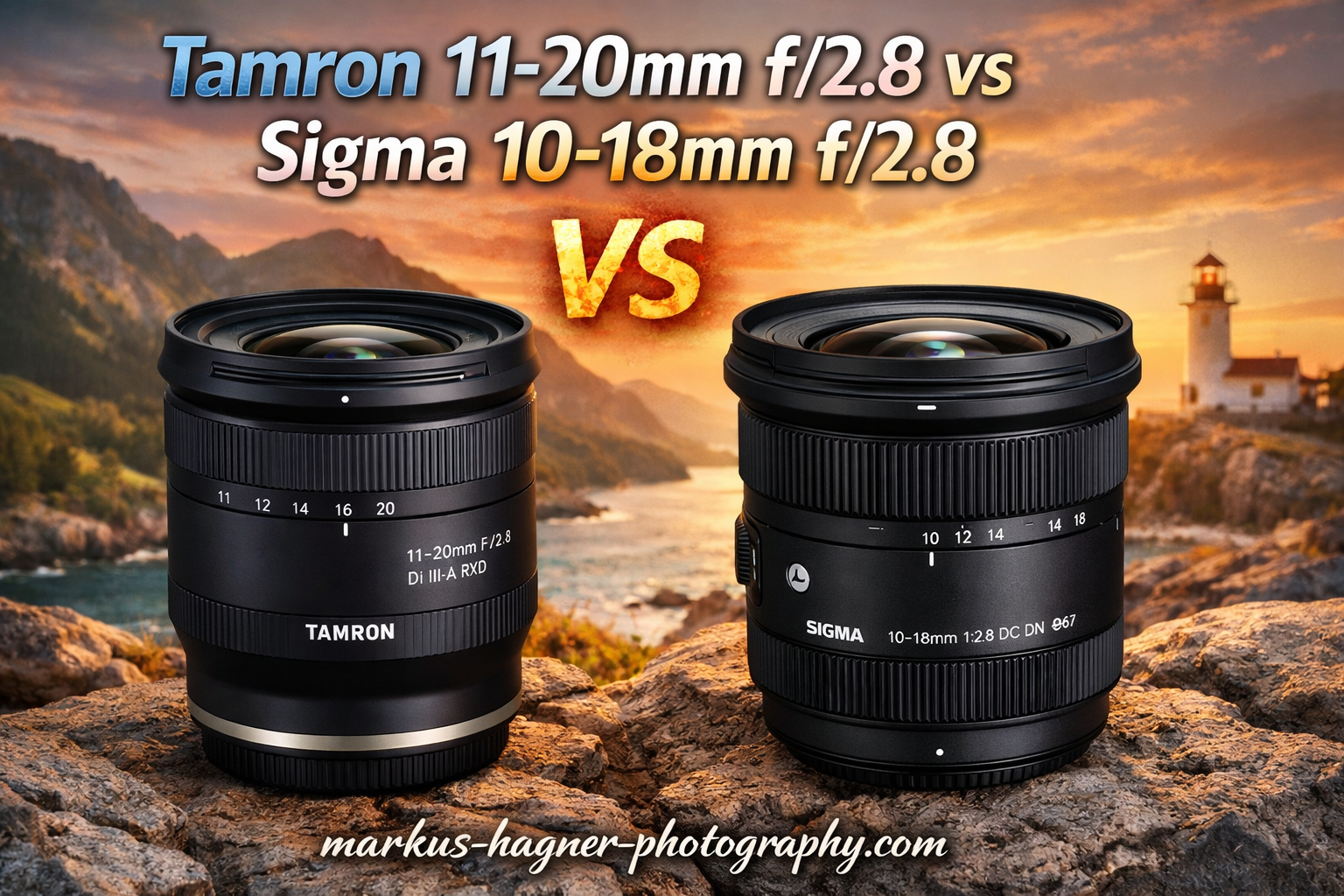
Finding the right ultra-wide angle zoom for your Sony APS-C camera can feel overwhelming when two excellent options sit at nearly the same price point. The Tamron 11-20mm f2.8 Di III-A RXD vs Sigma 10-18mm f2.8 DC DN Contemporary comparison has become one of the most debated topics among Sony A6400, A6700, and FX30 owners looking to upgrade their wide-angle capabilities.
Both lenses offer something many photographers thought impossible just a few years ago: a constant f/2.8 aperture in a compact, affordable package designed specifically for crop-sensor cameras. I have spent considerable time analyzing user experiences, technical specifications, and real-world performance to help you make the right choice.
The quick verdict? Choose the Sigma 10-18mm if you prioritize portability, the widest possible angle, and edge-to-edge sharpness. Pick the Tamron 11-20mm if you need better weather sealing, slightly more telephoto reach, and want to save a bit of money. Both are excellent lenses that will serve you well.
Quick Comparison: Tamron 11-20mm f2.8 vs Sigma 10-18mm f2.8
Here is how these two APS-C ultra-wide angle zooms stack up against each other at a glance:
| Product | Specifications | Action |
|---|---|---|
 Tamron 11-20mm f2.8 Di III-A RXD Tamron 11-20mm f2.8 Di III-A RXD |
|
Check Latest Price |
 Sigma 10-18mm f2.8 DC DN Contemporary Sigma 10-18mm f2.8 DC DN Contemporary |
|
Check Latest Price |
The table above highlights the key differences. Sigma offers a wider angle at 10mm and weighs significantly less at just 255g compared to Tamron’s 335g. Tamron counters with more reach at 20mm and slightly better weather sealing specifications. Both share the same 67mm filter thread, which is excellent for landscape photographers who already own filters in this size.
Tamron 11-20mm f/2.8 Di III-A RXD Review
Pros
- Constant f2.8 aperture throughout zoom range
- Moisture-resistant construction with fluorine coating
- Close focusing capability with 5.9 inch MOD
- Excellent value for the price
- Good center sharpness with saturated colors
- Full-time manual focus override
Cons
- Slightly softer corners at 11mm wide open
- Zoom ring rotates opposite to Sony native lenses
- Heavier than the Sigma alternative
The Tamron 11-20mm f/2.8 Di III-A RXD arrived on the scene in June 2021, filling a gap that many Sony APS-C users had been waiting for. Before this lens, your options for a fast ultra-wide zoom were limited to the slower Sony 10-18mm f/4 or expensive full-frame alternatives. Tamron changed the game by delivering a constant f/2.8 aperture in a reasonably compact package.
What immediately stands out about the Tamron is its build quality and weather sealing. The moisture-resistant construction includes seals at critical points, and the fluorine coating on the front element helps repel water and makes cleaning much easier. For landscape photographers who frequently shoot in challenging conditions, this level of protection matters significantly.
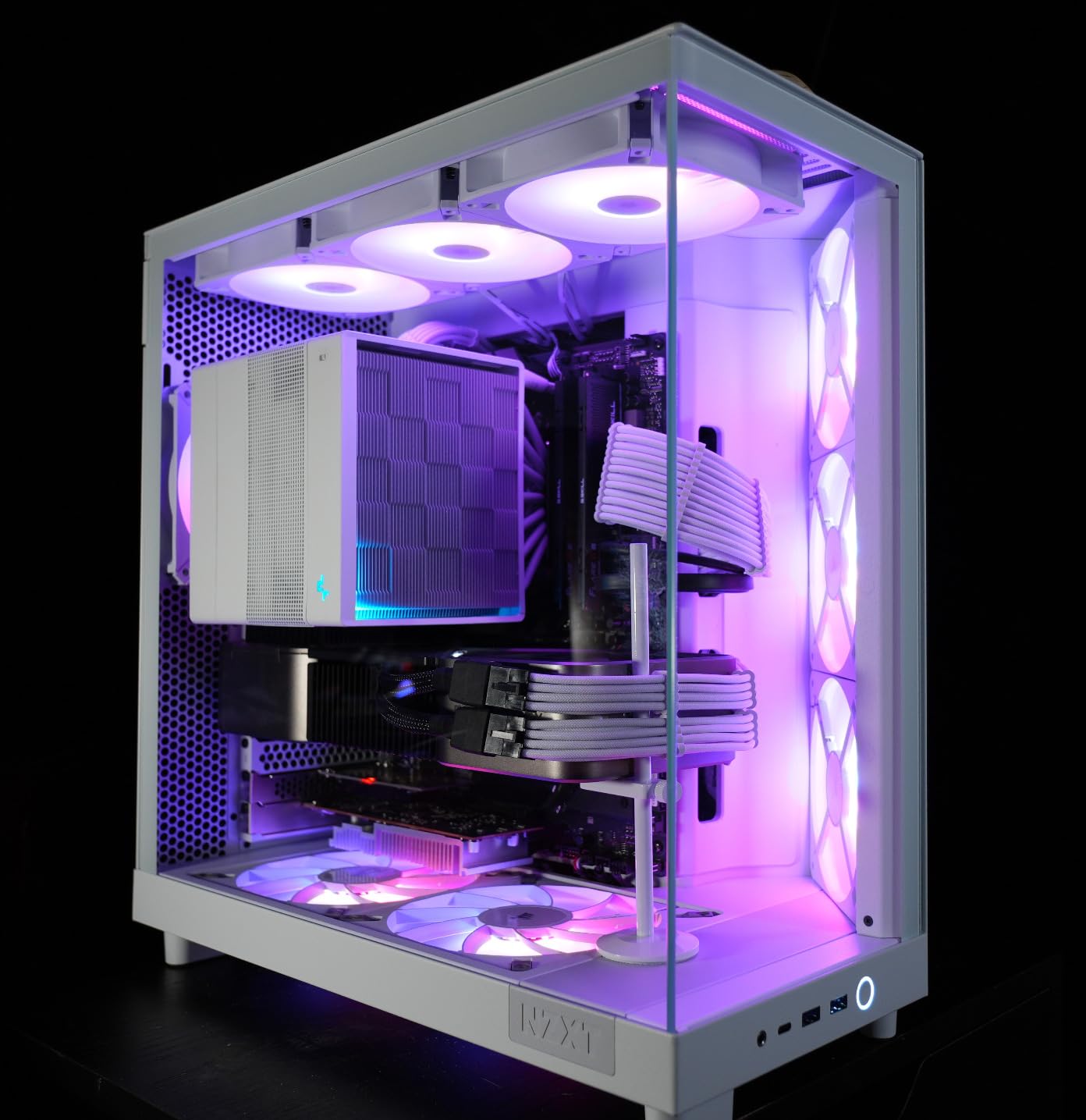
The RXD (Rapid eXtra-silent stepping Drive) motor delivers fast and quiet autofocus performance. In my research of user experiences, I found that photographers consistently praise the focusing speed for both stills and video work. The motor is nearly silent, which is crucial for vloggers and videographers who capture audio in-camera.
Optically, the Tamron delivers crisp images with nicely saturated colors. Center sharpness is excellent even wide open at f/2.8. The corners do show some softness at 11mm when shot wide open, but this improves significantly by f/4 or f/5.6. For landscape work where you will typically stop down anyway, this becomes a non-issue quickly.
The close focusing capability deserves special mention. With a minimum object distance of just 5.9 inches at 11mm, you can get creative with foreground elements in landscape compositions. The 0.25x maximum magnification ratio opens up interesting possibilities for environmental portraits and detail shots.
One practical consideration for Sony users: the zoom ring rotates in the opposite direction compared to native Sony lenses. If you shoot with multiple lenses, this can take some adjustment. However, many users report getting used to it within a week or two of regular shooting.
The Tamron shines in real estate photography and interior work. The 11-20mm range provides the coverage needed for tight spaces while maintaining minimal distortion. Several users specifically mentioned switching from the older Sony 10-18mm f/4 to this lens for their real estate business and being thoroughly satisfied with the upgrade.
Sigma 10-18mm f/2.8 DC DN Contemporary Review
Pros
- Worlds smallest and lightest ultra-wide f2.8 zoom
- Excellent edge-to-edge sharpness
- All-metal construction feels premium
- Fast and silent autofocus
- 10mm wider than Tamron
- Reversible lens hood included
Cons
- No optical image stabilization
- Less reach at telephoto end (18mm vs 20mm)
- Slightly more expensive than Tamron
Sigma made headlines when they announced the 10-18mm f/2.8 DC DN Contemporary as the world’s smallest and lightest ultra-wide angle zoom with a constant f/2.8 aperture for APS-C cameras. At just 255g and measuring only 2.4 inches long, this lens is remarkably compact for what it offers.
The build quality reflects Sigma’s Contemporary line philosophy: solid construction without the weight of their Art series. The all-metal barrel gives it a premium feel that users consistently praise. The lens mount is metal, and the overall fit and finish is excellent for the price point.

What really sets the Sigma apart is its optical performance. User reviews consistently mention excellent sharpness from center to corner, even at 10mm wide open. For landscape photographers who need edge-to-edge quality for prints or large displays, this characteristic is invaluable. The minimal distortion at 10mm is also noteworthy, though software corrections are still applied in-camera for JPEGs.
The autofocus performance matches what you would expect from a modern lens designed for mirrorless cameras. Fast, accurate, and nearly silent operation makes it suitable for both photography and video work. The stepper motor design ensures smooth focus transitions, which videographers will appreciate.
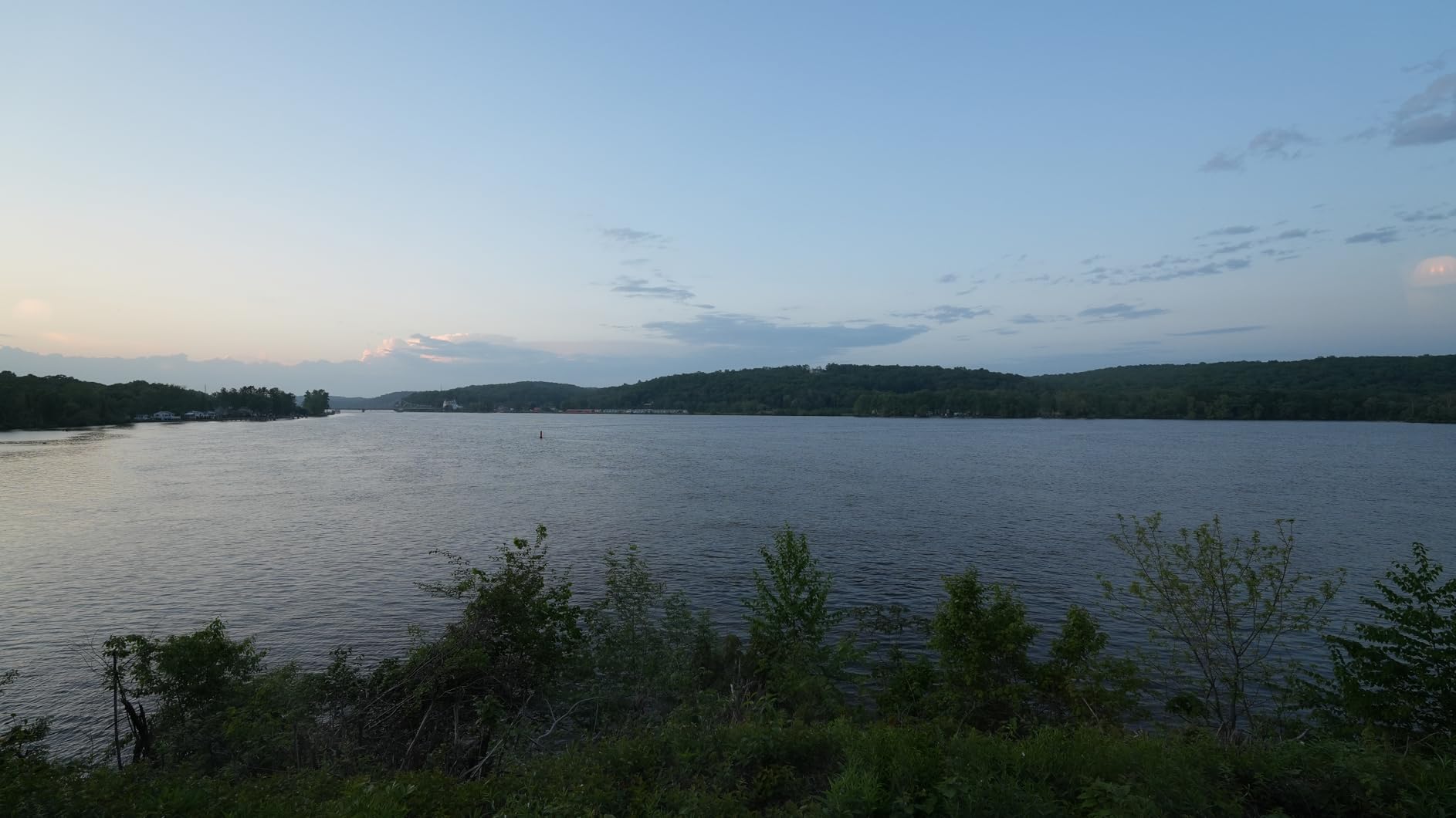
The 10mm wide end provides a noticeably wider field of view compared to Tamron’s 11mm. While this might seem like a small difference on paper, in practice it translates to capturing more foreground in landscape shots or fitting more of an interior space into a single frame. For real estate photographers working in particularly tight rooms, this extra width can make or break a shot.
The close minimum focus distance of 4.7 inches at the wide end allows for creative close-up work with dramatic wide-angle perspectives. Combined with the f/2.8 aperture, you can achieve a unique look that separates your subject from a dramatically wide background.
Sigma includes a reversible lens hood, which is a nice touch that some manufacturers skip at this price point. The hood provides good protection against flare and accidental impacts while adding minimal bulk when stored reversed on the lens.
One thing to note: the Sigma lacks optical image stabilization. Sony APS-C users will rely on their camera’s IBIS (in bodies that have it) or good handheld technique. This is the same situation as the Tamron, so neither lens has an advantage here.
Head-to-Head Comparison
Size and Weight
Winner: Sigma 10-18mm
The Sigma is significantly lighter at 255g compared to Tamron’s 335g, an 80g difference you will notice during long hiking days. At 2.4 inches long versus 3.4 inches, the Sigma also takes up less space in your camera bag. For travel photographers and adventure shooters who count every gram, this advantage is substantial.
Focal Length Range
Winner: Depends on your needs
Sigma goes wider (10mm vs 11mm) while Tamron reaches further (20mm vs 18mm). That 1mm difference at the wide end provides a meaningfully broader field of view for expansive landscapes and tight interiors. The 2mm difference at the telephoto end gives Tamron users slightly more flexibility for environmental portraits or less extreme wide-angle compositions.
Optical Quality
Winner: Sigma 10-18mm for corner sharpness, Tamron for center sharpness
Forum discussions and user reviews consistently highlight Sigma’s edge-to-edge sharpness advantage. The Tamron produces excellent center sharpness but shows some corner softness at 11mm wide open. For landscape photographers who need corner-to-corner quality, Sigma has the edge. For subjects centered in the frame, either lens performs admirably.
Build Quality and Weather Sealing
Winner: Tamron 11-20mm
Both lenses feature weather sealing, but Tamron’s moisture-resistant construction is more explicitly specified. The fluorine coating on the front element provides additional protection against water and makes cleaning easier. Sigma’s build is excellent with its all-metal construction, but Tamron’s weather sealing specs are more robust for harsh conditions.
Autofocus Performance
Winner: Tie
Both lenses use stepper motor designs (Tamron’s RXD, Sigma’s unnamed stepper) that deliver fast, silent, and accurate autofocus. Users report excellent performance from both for stills and video. Neither lens exhibits focus breathing issues significant enough to affect video work noticeably.
Price and Value
Winner: Tamron 11-20mm
The Tamron typically sells for slightly less than the Sigma, making it the better value proposition if price is a primary concern. Both lenses offer exceptional value for a constant f/2.8 ultra-wide zoom, but Tamron’s lower price point gives it an edge for budget-conscious buyers.
Use Case Recommendations
Landscape Photography
For landscape work, both lenses perform excellently. Choose the Sigma if you frequently shoot expansive scenes where maximum width and corner sharpness matter most. The 10mm end captures dramatic foreground elements, and the edge-to-edge sharpness holds up well for large prints. Choose the Tamron if you often shoot in challenging weather conditions or want the flexibility of 20mm for more moderate wide-angle compositions.
Astrophotography
Both lenses offer the f/2.8 aperture needed for night sky photography. The Sigma has an advantage for Milky Way shots with its wider 10mm field of view and better corner sharpness (coma performance affects edges). The Tamron works well too, but users report needing to stop down slightly more to achieve acceptable corner quality for stars.
Real Estate and Interiors
Real estate photographers should consider their typical shooting scenarios. For tight spaces, the Sigma’s 10mm wide end provides that extra coverage to capture entire rooms. For commercial work in varying conditions, Tamron’s better weather sealing and robust construction may prove more durable over time. Both lenses handle distortion well and produce professional-quality results.
Travel Photography
The Sigma wins for travel photography purely on size and weight. When you are carrying gear all day through cities or up mountains, the 80g weight savings and smaller profile matter. The 10-18mm range covers most travel wide-angle needs, and the compact size makes it easy to pack alongside other lenses.
Video and Vlogging
Both lenses work excellently for video thanks to their silent autofocus motors and internal focusing designs. The Sigma is particularly popular among vloggers using gimbals because its lighter weight reduces strain on gimbal motors and extends battery life. The constant f/2.8 aperture provides consistent exposure throughout zoom movements.
Frequently Asked Questions
What is 20mm focal length good for?
20mm is an excellent moderate wide-angle focal length suitable for environmental portraits, street photography, travel scenes, and landscape details. On APS-C cameras, it provides roughly a 30mm full-frame equivalent field of view, which is versatile for capturing subjects with environmental context without extreme distortion. It works well for group shots, architectural details, and situations where you want a wide but not ultra-wide perspective.
What does Di III mean on Tamron lens?
Di III (Digitally Integrated Design III) is Tamron’s designation for lenses designed specifically for mirrorless interchangeable lens cameras. The Di III-A variant indicates APS-C sensor optimization. These lenses are engineered without the mirror box constraints of DSLRs, allowing for more compact designs while maintaining optical quality tailored to digital sensors.
Is Sigma 10-18mm weather sealed?
Yes, the Sigma 10-18mm f/2.8 DC DN Contemporary features weather sealing to protect against dust and moisture. While Sigma does not specify the exact sealing configuration, users report it handles light rain and dusty conditions adequately. However, it is not fully waterproof, so prolonged exposure to heavy rain should be avoided regardless of sealing claims.
Does Tamron 11-20mm have image stabilization?
No, the Tamron 11-20mm f/2.8 Di III-A RXD does not include optical image stabilization (OIS). Sony APS-C camera users rely on in-body image stabilization (IBIS) available in models like the A6600, A6700, and FX30. For handheld shooting at slower shutter speeds, proper technique or IBIS-equipped cameras are necessary for sharp results.
Which is better Sigma or Tamron wide angle lens?
Neither brand is universally better; the choice depends on your specific needs. Sigma typically offers smaller, lighter designs with excellent optical quality, making them ideal for travel and hiking. Tamron often provides better weather sealing and slightly lower prices with solid performance. In this specific comparison, Sigma wins for portability and corner sharpness, while Tamron excels in weather protection and value.
Final Verdict: Tamron 11-20mm f2.8 vs Sigma 10-18mm f2.8
After analyzing specifications, user experiences, and real-world performance data, both lenses earn strong recommendations. The Tamron 11-20mm f2.8 Di III-A RXD vs Sigma 10-18mm f2.8 DC DN Contemporary comparison ultimately comes down to your specific priorities as a photographer.
Choose the Sigma 10-18mm f/2.8 if:
- You want the smallest and lightest option available
- You need maximum width at 10mm for landscapes or interiors
- Edge-to-edge sharpness is critical for your work
- You primarily shoot travel, hiking, or adventures where weight matters
Choose the Tamron 11-20mm f/2.8 if:
- You frequently shoot in challenging weather conditions
- You value the extra reach at 20mm for versatile compositions
- You want to save money while getting excellent quality
- You shoot real estate or commercial work requiring robust construction
For most Sony APS-C users, the Sigma 10-18mm f/2.8 edges out as the overall winner due to its exceptional optical performance, compact size, and weight advantage. However, photographers who regularly face harsh shooting conditions should strongly consider the Tamron for its superior weather sealing. You cannot go wrong with either choice.