
A drag race gives you three seconds for a Top Fuel pass and closer to eight in sportsman classes, and every frame you miss is gone. The best cameras for drag racing photography pair a high frame-rate sensor with subject-recognition autofocus that locks onto a car rather than a fence post, and a viewfinder that never blacks out between frames. Add weather sealing for the pit lane and you have a camera that can survive a full season.
I spent weeks comparing bodies for strip work, weighing what actually matters when a car covers a quarter mile in the time it takes to blink. Weight, buffer depth and rolling-shutter behaviour turned out to matter more than headline resolution, which is exactly the opposite of how most shopping carousels rank cameras. This guide ranks eight bodies from APS-C to full frame flagship, pairs each one with a lens that reaches, and tells you plainly where it falls short.
One warning before we start: search results for this keyword are polluted with dash cams, action cams and onboard data-logging cameras. Those are video-first devices with no usable RAW stills pipeline. Everything below is a stills camera you can mount, hold, and fire a burst from at the finish line.
What to Look for in a Camera for Drag Racing Photography
Six specs decide whether a body can handle a three-second pass. Here is the checklist I use before recommending any camera for strip work.
Frame rate and buffer: at 20 to 30 fps you get 60 to 90 frames from a single pass. Deep buffers stop the camera choking halfway down the strip.
Blackout-free viewfinder: a stacked sensor reads frames fast enough to keep a continuous live view. Without it you lose the car every time the buffer fills.
Vehicle subject detection: deep-learning AF trained on cars tracks a launch better than a human picking points.
Rolling shutter readout: slow readout bends a car at wide angles during a fast lateral pan. Global or fully stacked sensors avoid it.
High ISO ceiling: night dragway lighting is dim and harsh. Shoot clean at ISO 6400 or you will be lifting noise all night.
Weight and weather sealing: you stand on a wall for four or five hours. A 1.5-pound body with sealed joints beats a 3-pound flagship at the end of a long event.
Top 3 Best Cameras for Drag Racing Photography in 2026

Canon EOS R5
- 45MP stacked full-frame sensor
- 20 fps electronic burst with vehicle tracking
- 5-axis IBIS for panning

All 8 Cameras for Drag Racing Photography at a Glance in September
| Product | Specifications | Action |
|---|---|---|
| Canon EOS R5 |
|
Check Latest Price |
| Canon EOS R7 |
|
Check Latest Price |
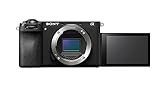
| Sony a6700 |
|
Check Latest Price |
 Canon EOS R10 Canon EOS R10 |
|
Check Latest Price |
 Fujifilm X-T5 Fujifilm X-T5 |
|
Check Latest Price |
 Nikon Z 8 Nikon Z 8 |
|
Check Latest Price |
 Nikon Z 9 Nikon Z 9 |
|
Check Latest Price |
 Nikon Z 6 III Nikon Z 6 III |
|
Check Latest Price |
1. Canon EOS R5: The Best Overall Camera for Drag Racing Photography
Pros
- Stacked 45MP sensor gives clean files at night ISO
- Deep-learning vehicle tracking plus Eye Control AF
- 20 fps electronic burst with minimal viewfinder lag
- 5-axis IBIS steadies panning shots
- Adapted EF lenses handholdable at higher ISO
Cons
- Battery life shorter than the DSLRs it replaces
- Electronic viewfinder sluggish in low light
- 20 fps fills a card very quickly
The R5 is the body I keep coming back to because the stacked sensor solves the exact problem a strip creates. You get 20 fps electronic shooting with a live view that barely stutters, so you can acquire a car at the Christmas tree and hold it all the way to the finish without the viewfinder going dark. Canon’s deep-learning subject detection was trained on vehicles, so the car stays locked while the background barriers and spectators get ignored.
At 1.6 pounds it is light enough for a long wall stint, and the 5-axis IBIS does real work on slow shutter drags where you are panning a 200mm lens one-handed. The 45MP files give you room to crop a mid-strip frame back to a car that is small in the frame, which happens more often than you would think when a sportsman car launches from 200 feet away.

Reviewers report the R5 as a transformative step up from Canon DSLRs, with particular praise for the autofocus accuracy and stabilized adapted EF glass. That last point matters at a dragway: a stabilized 100-400mm on the R5 behaves like a much heavier lens, so you can hand off long-lens frames without bracing against a barrier.
The ISO range of 100 to 51200, expandable to 102400, is the other reason I rank it first. Night race files from this sensor hold detail well enough to crop and print, which is exactly where smaller sensors fall apart.
Why the 20 fps electronic burst is the spec that decides a short pass
A three-second Top Fuel run at 20 fps yields roughly 60 frames, and you might keep two. That sounds brutal, but the odds improve when every frame is genuinely sharp and correctly exposed. A car that accelerates from 0 to 300 mph covers its own length in the time it takes to change focus mode.
The stacked readout also keeps the electronic shutter usable outdoors. Older electronic shutters warped a fast-moving subject because the sensor read line by line over too long a period, and the R5 is one of the bodies where the stack depth makes that problem largely disappear.
Where the R5 falls short at a night event
Battery life is the honest weakness. The R5 draws more power than the DSLRs it replaced, and a multi-heat-race schedule means you carry more packs than you expected. A high-heat summer weekend with a 20 fps electronic burst on every pair is the worst case for it.
Reviewers also mention the electronic viewfinder can feel sluggish in very dark conditions, which shows up under a dim dragway light tower rather than in daylight. If your season is mostly night racing, the brighter viewfinder in the Z 6 III is worth weighing.
2. Canon EOS R7: The Best Frame Rate Per Dollar Camera for Drag Racing
Pros
- 30 fps electronic burst covers a whole pass
- 0.5 second pre-capture records before you press
- 651 AF zones cover the full frame
- Vehicle subject detection
- 1.1 pound body with 5-axis IBIS
Cons
- APS-C noisier at high ISO than full frame
- 30 fps electronic shutter can distort lateral movement
- Weather sealing below Canon's higher-tier bodies
The R7 is the frame-rate king of this list and the pre-capture feature is the reason. It records half a second before you press the shutter, so a burnout or a launch reaction that starts slightly ahead of your finger still lands in the buffer. At a strip where the action is over before you have finished exhaling, that half second matters.
The 1.1-pound body is the lightest here, and the 32.5MP APS-C sensor gives you an effective reach advantage over full frame for the same focal length. That extra crop is worth real money when you are trying to fill the frame with a car from the far end of the strip.
Canon claims 651 AF zones covering roughly the full frame width and height with detection down to EV -5.0, plus people, animal and vehicle subject detection. In practice the vehicle mode latches onto a car crossing the frame quickly, which is the situation you will spend most of your time in.
Users consistently name the 30 fps burst and pre-shooting as the decisive features for action and sports work, and that carries straight over to bracket racing. I would pair this body with a 100-400mm or a 150-600mm to make that crop factor work for you.
Why pre-capture beats a faster shutter speed on a burnout
A burnout is unpredictable. The car sits in the box, the tires light up, smoke fills the frame, and the run may or may not follow. Pre-capture means you can relax your timing and still own the moment, because the buffer is already filling while you are framing.
Buyers treat the R7 as the enthusiast action camera for this reason, and the deep-learning vehicle detection is the second feature that changes results. It is not a flagship autofocus system, but it is fast enough that you are not manually repositioning a focus point at 150 mph.
Where the R7 runs out of road
APS-C is noisier at high ISO than full frame, and reviewers say so directly. A night race under dragway lights pushes this sensor harder than the R5, and you will spend more time in post pulling noise out of shadow areas.
There is also the electronic shutter at 30 fps, which can produce distortion on fast lateral movement. A car crossing the frame at speed with a 30 fps electronic readout is the classic rolling-shutter case, so for rear-guard work I would use the 15 fps mechanical mode or the electronic shutter with caution.
3. Sony a6700: The Budget Pick Camera with AI Tracking for the Strip
Pros
- Dedicated AI processor tracks subjects reliably in fast movement
- 759 phase-detect points with class-leading Real-time Eye AF
- Excellent dynamic range and low noise for the class
- Small body with strong battery life
- Premium build in a compact shape
Cons
- Single card slot with no dual-card backup
- Menu system is dense and takes time to learn
- Can overheat during very long 4K/60p recordings
At 14.5 ounces the a6700 is the camera I would hand to a beginner learning strip work, and the reason is the dedicated AI processing unit. Real-time Recognition tracks subjects with high reliability through fast movement, which is the whole game when a car goes from stationary to 150 mph in three seconds.
Buyers frequently compare this body favorably to far more expensive full frame cameras on autofocus confidence, and that comparison holds up for motorsport. The 26MP Exmor R back-illuminated sensor delivers dynamic range and low noise that are genuinely good for the class.
Its 11 fps burst is modest next to the Canon’s 30, but frame rate matters less than it sounds when the autofocus is already on the target. Ten usable frames of a sharp car beat thirty frames hunting for focus, and Sony’s recognition mode rarely does the hunting.
The main practical limit is the single card slot. On a long event you lose dual-card redundancy, so a full card mid-session costs you the rest of that session unless you are shooting to a laptop.

Why the AI processor holds a car in focus at speed
Subject recognition is a recognition model, not a contrast check. It identifies a car as a car and keeps the tracking point on the vehicle’s shape as the car rotates, accelerates, and changes apparent size. That is why tracking stays stable during a launch when a contrast-based system slides onto the background.
The 759 phase-detect points give the system places to work with, and the sensor is well suited to the job. For a beginner, the practical benefit is that you can start in auto-sport AF and learn positioning rather than fighting settings while a car is already moving.
Where the a6700 is the wrong tool
The single SD card slot is a genuine risk at a multi-day event with a full schedule of heats. Dual slots let you write a backup copy of every car you photograph, which for a working photographer is worth more than a few extra fps.
The menu system is also dense enough that you should set up your drag groups before the event rather than during it. And the body can overheat during very long 4K recordings in high ambient temperatures, which matters if you are also capturing video of the same pass.
4. Canon EOS R10 Kit: The Best Starter Camera for Newcomers at the Strip
Pros
- Subject detection modes for sports
- 15 fps mechanical and 23 fps electronic
- 18-150mm lens covers wide to telephoto
- Lightweight body with a firm grip
- Anti-smudge coated tilting screen
Cons
- Kit lens is slow at the long end in low light
- Single card slot with no backup path
- 1/4000 second top shutter speed
- Battery drains roughly one pack per day
The R10 kit solves the problem that trips up most beginners, which is glass. The bundled RF-S 18-150mm covers wide to telephoto, so you can shoot a car leaving the staging area wide and a car at the far end of the strip tight without buying a second lens. For a first season that is a bigger win than any spec on this list.
Subject detection autofocus has selectable modes for sports, animals, close-ups and landscape, so you can lock the car mode in before the first pair. The 15 fps mechanical burst is fast enough to catch a launch, and the 23 fps electronic mode covers rear-guard action.
The 651 AF zones cover roughly the full frame width and height with detection down to EV -4, and the grip stays comfortable over long sessions. Owners describe the R10 as strong value for a lightweight, fast-shooting APS-C body, and the recurring note is convenience rather than compromise.
I would treat this as a first full season body and upgrade the lens rather than the camera. The body handles 15 fps, subject detection and RAW bursts without trouble, so reach is the limit, not the camera.
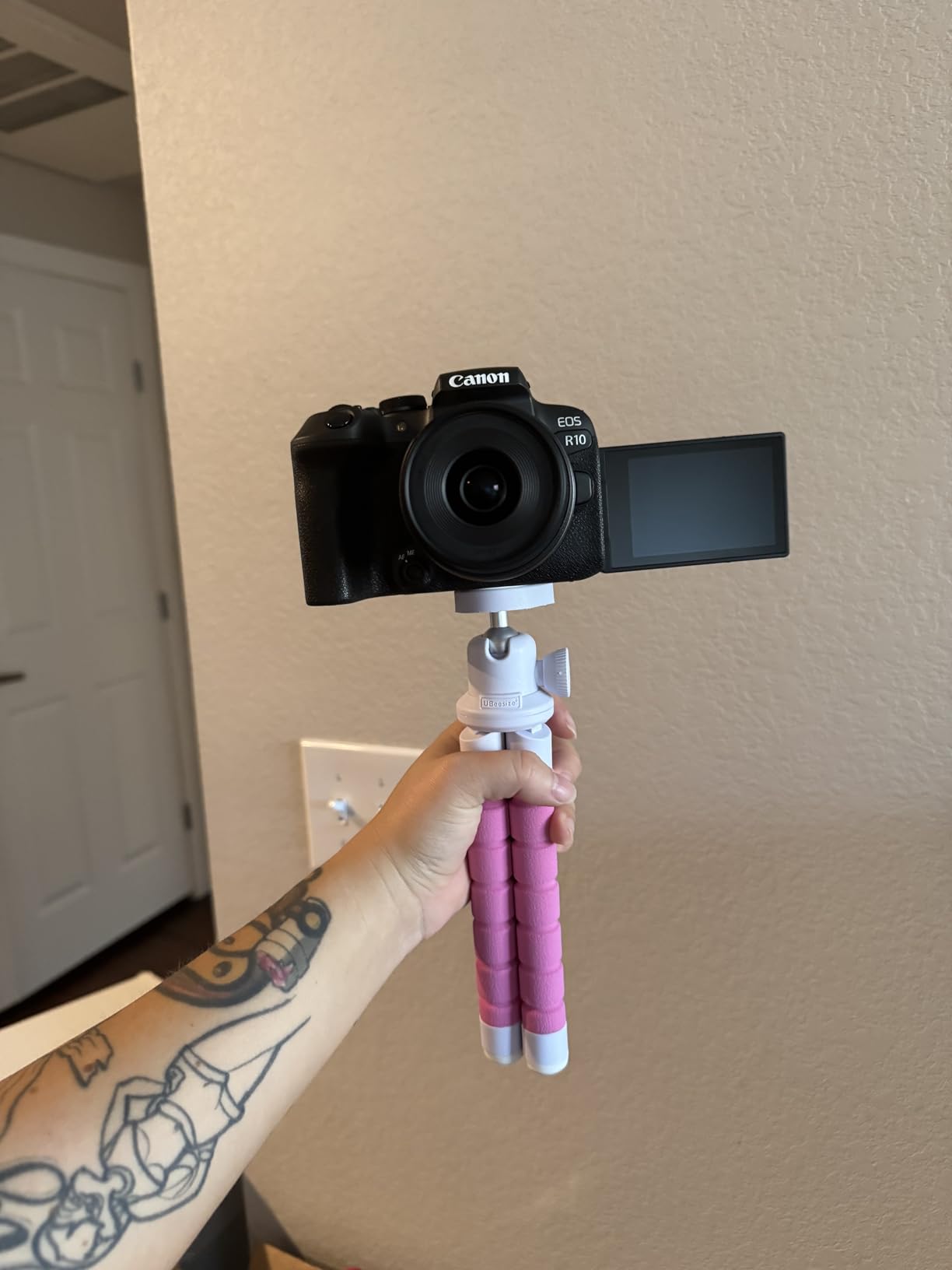
Why the bundled 18-150mm covers an entire race weekend
Zoom range decides how many positions you can work. The 18-150mm lets you cover the staging area, the burnout box and the finish line from one spot, and it lets you reframe mid-pair without changing lenses in dust.
At a drag strip the background is also a subject. That wide end gives you the context shot of a car on the tree, and you cannot get that framing if you are standing behind a 400mm all day.
Where the R10 costs you at the far end
The kit lens is slow at the telephoto end, so night racing suffers first. You will be at a wide aperture and a high ISO fighting a dim dragway light, which is a rough combination for any sensor and worse with a slow lens.
The 1/4000 second maximum shutter speed is also lower than higher-tier bodies. You can still freeze a burnout, but the top-end flash sync and the fastest freezing options on the flagship bodies are simply not there.
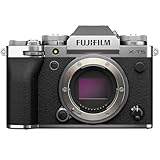
5. Fujifilm X-T5: The Best Dial-Controlled Camera for Staging and Pit Work
Pros
- 40.2MP X-Trans sensor with outstanding detail
- 1/180000 second electronic and 1/8000 second mechanical shutter
- Subject detection explicitly recognises cars and motorcycles
- 3.69 million dot EVF at 100 Hz refresh
- Dedicated ISO shutter and exposure dials
Cons
- Tracking AF trails the newest Canon and Nikon flagships
- Sold without a lens in the body-only configuration
- X-Trans RAW needs extra processing in some editors
- Film-simulation menus take adapting to
The X-T5 earns its place for a specific reason: the dials. A dedicated ISO dial, shutter dial and exposure compensation dial mean you can change exposure on a moving car without looking at a screen, and on a hot strip with a crowd around you that is a real advantage over menu-driven bodies.
The 3.69 million dot viewfinder with 100 Hz refresh is described by users as a virtually blackout-free experience, which is the property that matters when you are trying to hold a car at the finish line. The 1/180,000 second electronic shutter with a 35 ms lag time freezes a burnout like nothing else at this level.
Subject detection here explicitly recognises cars and motorcycles, and it works together with the five-axis seven-stop IBIS for steadier panning. Seven stops is a lot of stabilization, and the dial-driven layout means you can be at a deliberately slow shutter for a drag and still hand-hold the frame.
The 40.2MP X-Trans 5 HR sensor holds the highest average rating in this group among owners, with praise for detail across the native range starting at ISO 125. It is a superb stills sensor for the recovery shots after a car passes.
Why dials and a 1/180,000 second shutter suit staging work
Staging photography is a different discipline from the pass itself. The car is stationary, the crew is working, and the frame is documentary. Dials let you set an exposure for the sky and then walk into the pit lane without reconfiguring anything.
The extreme shutter speed is for the moments nobody expects, like a clutch or a tire exploding on the line. At that speed you freeze a shockwave of rubber smoke and tire carcass in mid-air, which no slower shutter gives you.
Where the X-T5 falls behind the newest flagships
Reviewers are direct about one thing: continuous autofocus performance trails the newest Canon and Nikon flagship bodies in fast, erratic situations. It is good, and the car detection helps, but it is not the class leader for erratic bursts.
The body-only configuration also ships without a lens, and X-Trans RAW files need extra processing in some editing software. If you shoot a lot of staged cars and few full-throttle passes, that trade is worth making.
6. Nikon Z 8: The Best Camera for 3D Tracking a Car Down the Strip
Nikon Z 8 | Professional Full-Frame mirrorless Stills/Video Hybrid Camera
Pros
- 45.7MP stacked sensor with no viewfinder blackout at 20 fps RAW
- 3D tracking paired with deep-learning car detection
- 20 30 60 and 120 fps shooting options
- Pre-Release Capture records before the shutter press
- Body roughly the size of a D850
Cons
- Nested menu system has a steep learning curve
- Focus point lock needs menu navigation
- Buffers are shallow for very long bursts
- High power draw needs multiple batteries
The Z 8 is the body I would hand a working photographer who shoots rear-guard all night. There is no mechanical shutter and no viewfinder blackout at 20 fps full-resolution RAW, so the tracking never breaks while a car is accelerating toward you. Owners describe it as effectively a Z 9 in a smaller, lighter and cheaper body, and for strip work that description holds up.
Nikon’s 3D tracking combined with deep-learning subject detection is the strongest system here for a car that changes size rapidly as it approaches. It detects and tracks people, animals, cars, bikes, motorcycles, trains and planes with no menu changes, so you set it once and it stays set.

Pre-Release Capture is the quiet hero feature. It stores frames before the press, which means a launch that starts ahead of your reaction still gets recorded, and 4K/120p slow motion gives you a second look at the same instant from a second camera.
Detection goes down to -9 EV, so a car emerging from a dark staging area at the far end of the strip is still acquired. That is a genuine advantage for evening events where the light drops faster than the schedule.
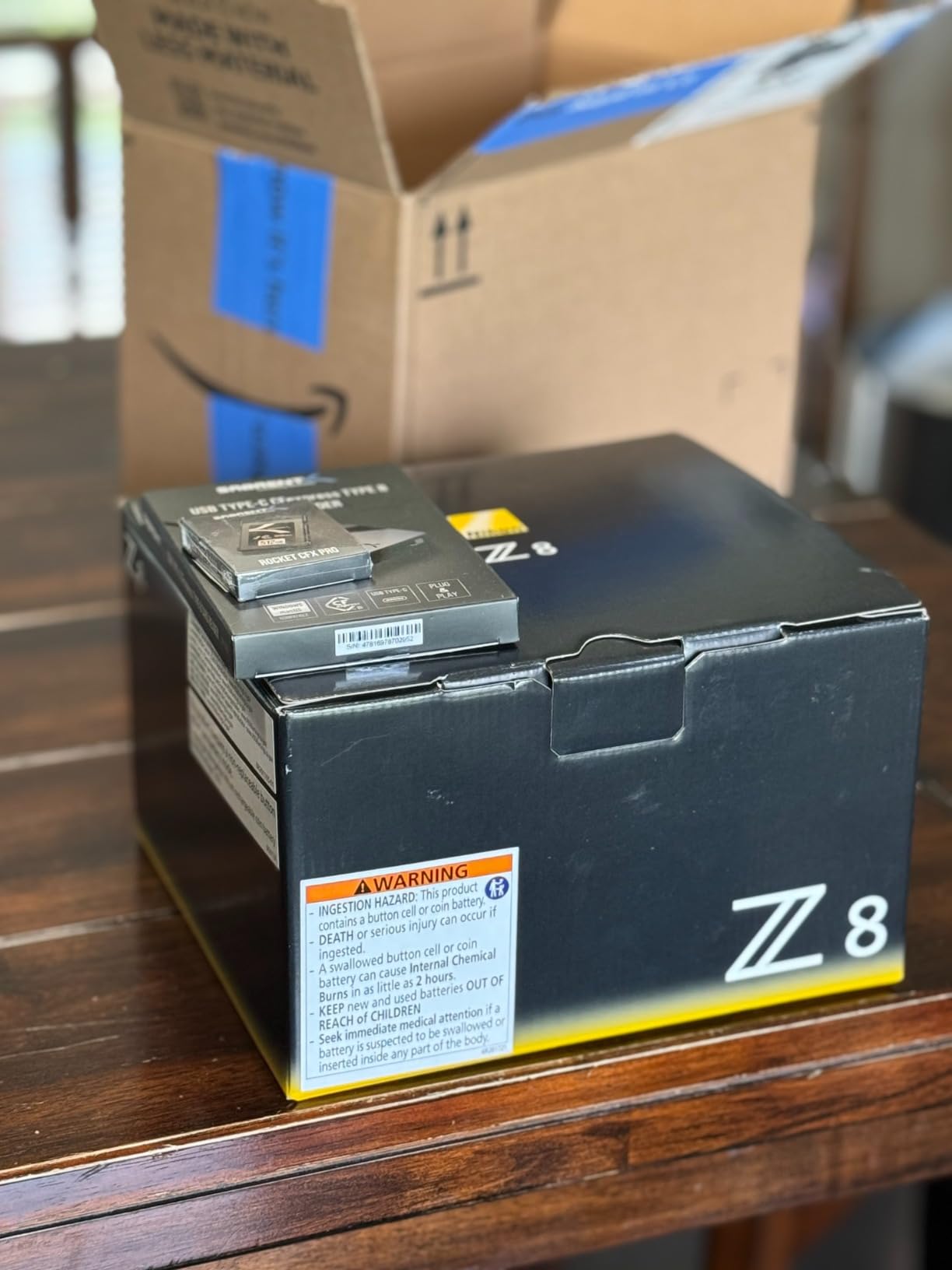
Why 3D tracking beats a fixed point on a car coming at you
Two-dimensional tracking holds a point on a flat image. Three-dimensional tracking understands that the car is getting closer and that its position and scale are changing together, so it keeps the subject framed as it fills more of the frame in the last 200 feet.
On a drag strip, that is the difference between a car centered in the last quarter of the pass and a car that drifts toward the edge of the frame as it accelerates at you. Combine it with the 20 fps RAW burst and you have usable frames across the entire run.
Where the Z 8 frustrates on a long event
The nested menu system carries a significant learning curve, and the bundled paper manual is minimal. You will want to set your drag groups and custom functions before your first event, not during the first heat.
Buffers are shallow enough that very long bursts still need fast cards, and the high power draw means multiple batteries for a full day of shooting. Owners also note that focus point lock requires menu navigation rather than a rear lever, an ergonomic step back from the D850.
7. Nikon Z 9: The Best Pro Camera for Full-Time Trackside Work
Nikon Z 9 | Flagship Professional Full-Frame Stills/Video mirrorless Camera | Nikon USA Model
Pros
- 20 and 30 fps full resolution with no viewfinder blackout
- 120 fps 11MP mode pinpoints the peak of a short event
- Deep-learning detection recognises cars and motorcycles
- 8K/30p in-camera for over two hours
- High Efficiency RAW at a third of the file size
Cons
- Heavy 3 pound body tires you over long assignments
- High power draw with EN-EL18d batteries
- Very deep menu system
- No built-in flash
The Z 9 is the deepest subject-recognition system in this group and the only one here with a 120 fps mode that stays at 45.7MP through 20 or 30 fps bursts. For a working photojournalist covering a full season, the 120 fps 11MP option is the tool that finds the frame you could not have seen coming, because a three-second pass at 120 fps gives you 360 frames to choose from.
On the community forums, a drag racing photojournalist described moving from older D5 and D6 bodies to the Z 9, with the clearest gain being the dramatic improvement in autofocus. The same report noted the D5 handled high ISO night work better, which is the honest trade in the flagship mirrorless tier.
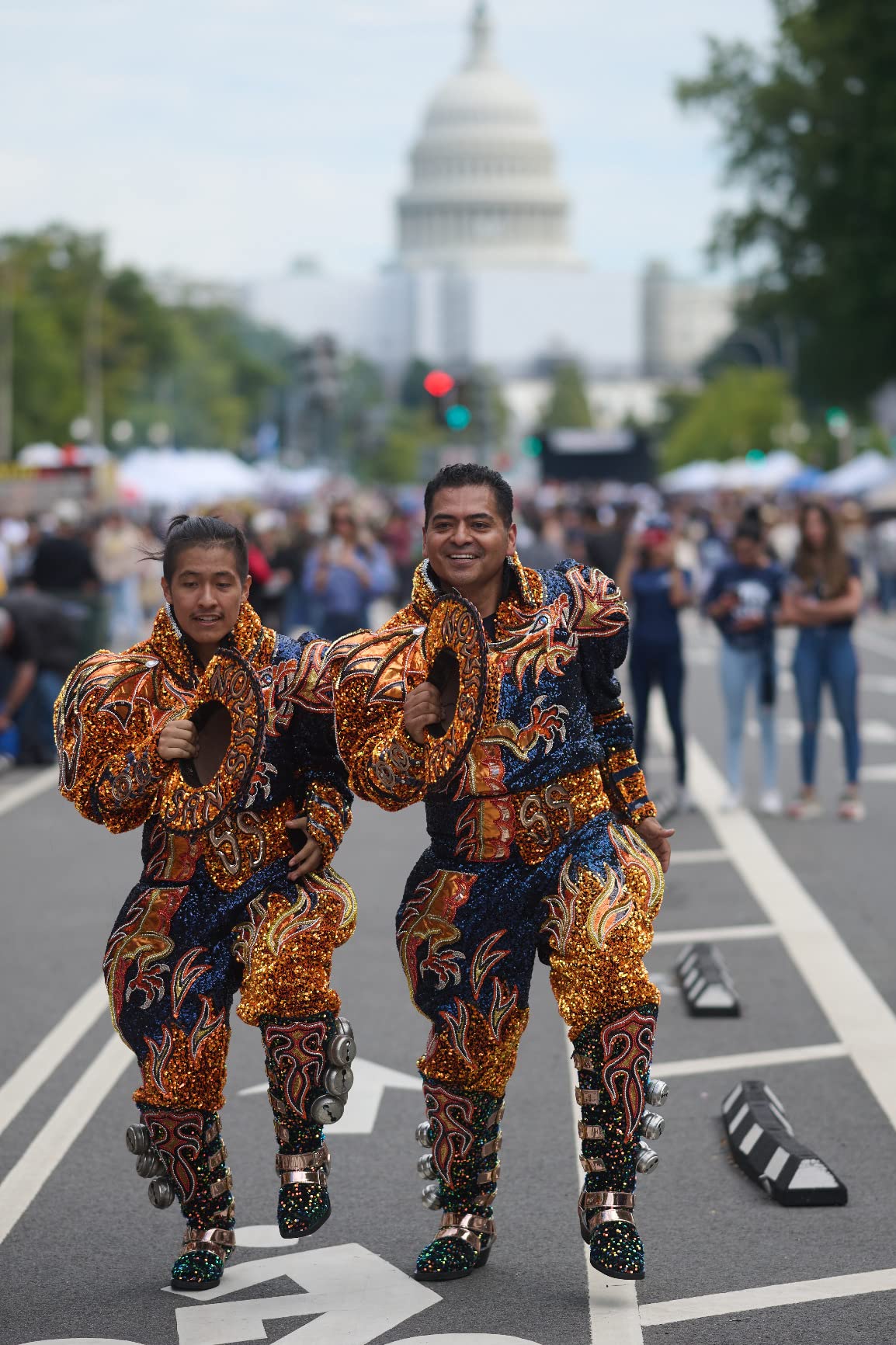
The weight is the part you feel. Owners and forum photographers alike point out that a heavy pro body plus a big telephoto for four or five hours on a wall is brutal, and that the light is the single most important spec for strip work, ahead of any frame rate.
High Efficiency RAW cuts file size to a third of uncompressed RAW at the same image quality and dynamic range, which matters when you are filling dual CFexpress and XQD slots all night.
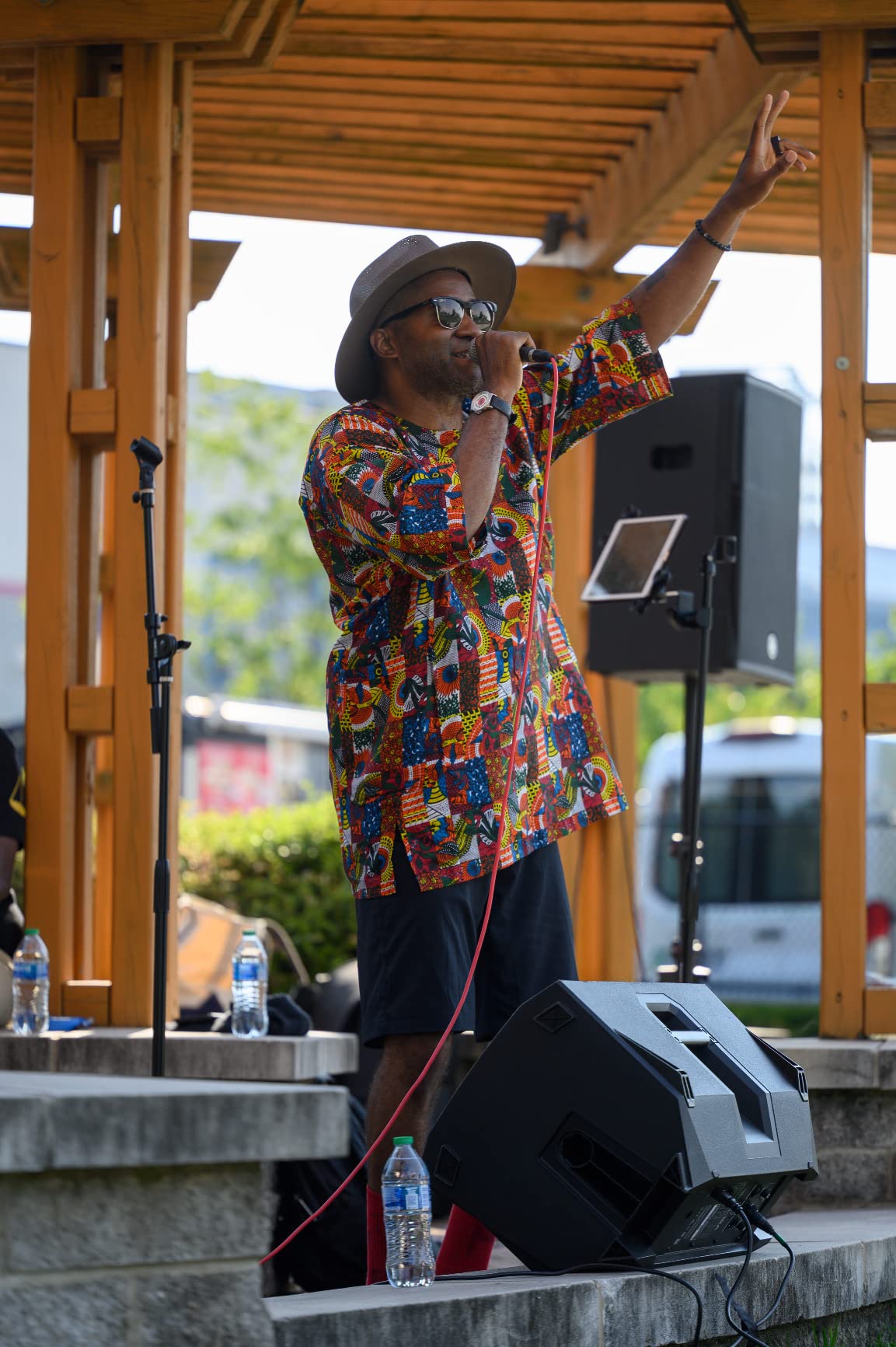
Why 120 fps is insurance on a three-second run
You cannot rewind a drag pass. At 120 fps, the peak of a launch, the exact frame where the front wheel breaks traction, or the moment a shifter fires all exist somewhere in your buffer, whether or not your eye caught them.
The 11MP size is the catch. Those frames are not for a full-page print, but they are more than enough for web, social and a team media kit, and they let you lock onto the money shot instead of gambling on a 20 fps sequence.
Where the Z 9 hurts over a long night
At 3 pounds it is the heaviest body here, and the same forum photojournalist singled out the weight saving of moving to mirrorless as the real advantage over the D5 and D6 he moved away from. That logic works against the Z 9 in the same way, since it is the largest body in this lineup.
The high power draw with EN-EL18d batteries means carrying multiple packs, the menu system is very deep, and there is no built-in flash for pit-lane fill. This is a body for someone who shoots for a living and gets paid for the frame count.
8. Nikon Z 6 III: The Best Camera for Night Drag Racing Photography
Nikon Z6 III, Black | Full-Frame Mirrorless Stills/Video Camera with 6K/60p Internal RAW Recording | USA Model
Pros
- Class-bright 4000 nit EVF with 120 Hz refresh
- AF detection down to -10 EV
- ISO 100-64000 extended to ISO 204800 equivalent
- Light 1.5 pound body with solid weather sealing
- 5-axis in-body stabilization with custom picture controls
Cons
- 24.5MP leaves less room for heavy cropping
- Menus and controls feel unintuitive to some users
- Single slot in some configurations
- Modest battery life of roughly a couple of hours
Night racing is a viewfinder problem before it is a sensor problem. A dragway under floodlights gives you a bright car against a very dark background, and the Z 6 III viewfinder is the best in this group for that: 4000 nits maximum brightness, 5760k-dot resolution and a 120 Hz refresh rate, which makes the image under those conditions genuinely usable rather than a guessing game.
Autofocus detection goes down to -10 EV, and users highlight this as roughly 20 percent faster than the previous generation, with face detection accurate on subjects as small as about 3 percent of the frame. On a strip where the car is small and dark at launch, that sensitivity is the difference between a keeper and a miss.
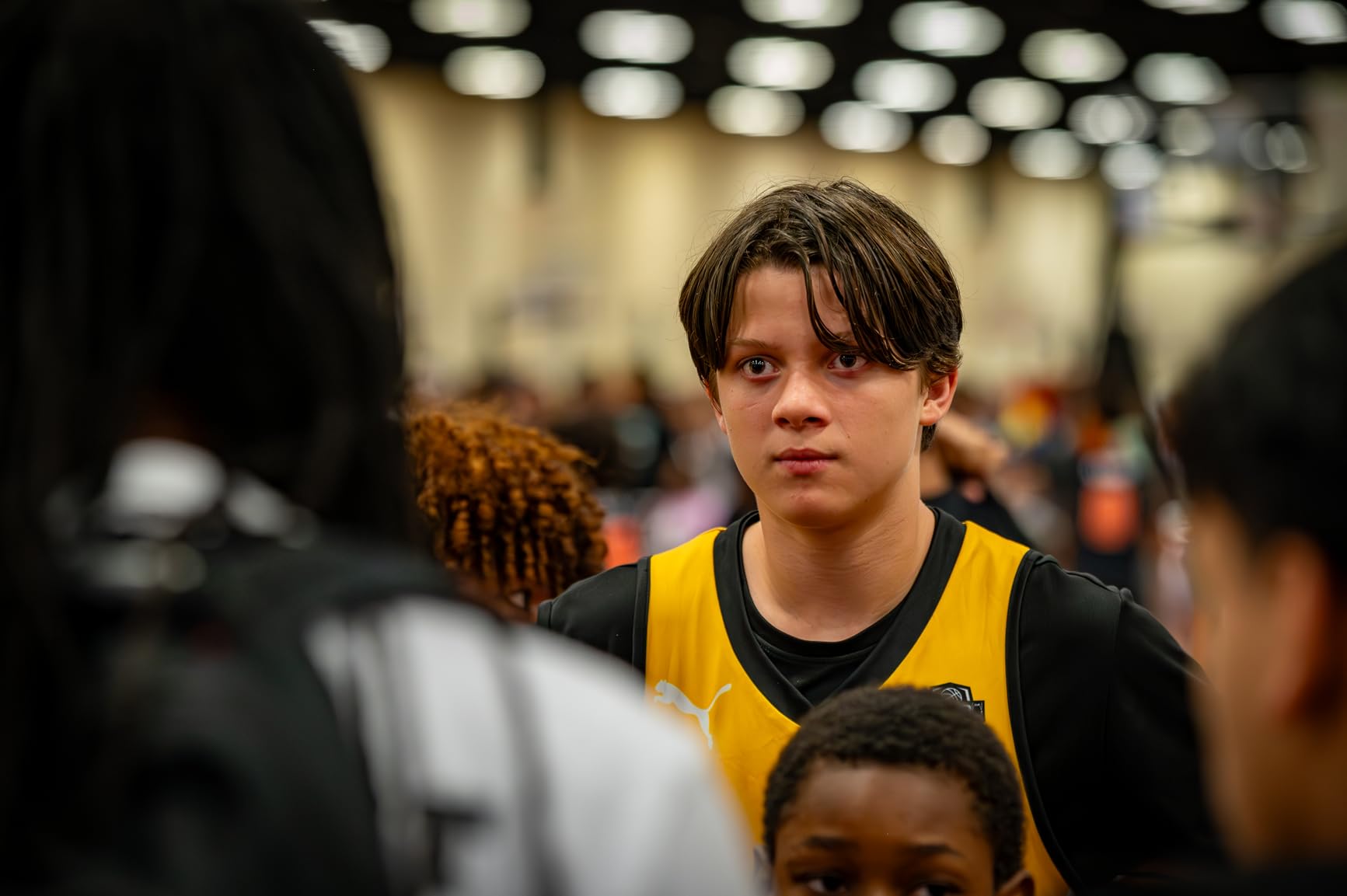
Owners widely recommend it as the best value full-frame hybrid, and the 24.5MP sensor is excellent for high-ISO shooting. At 1.5 pounds with solid sealing, it is also one of the easiest bodies to stand on a wall with for an entire evening session.
The partially stacked design does mean you should know what you are getting. It is not the same as the fully stacked sensor in the Z 8, so read the readout speed carefully if you plan to shoot 120 fps electronic frames of a car crossing the frame laterally.
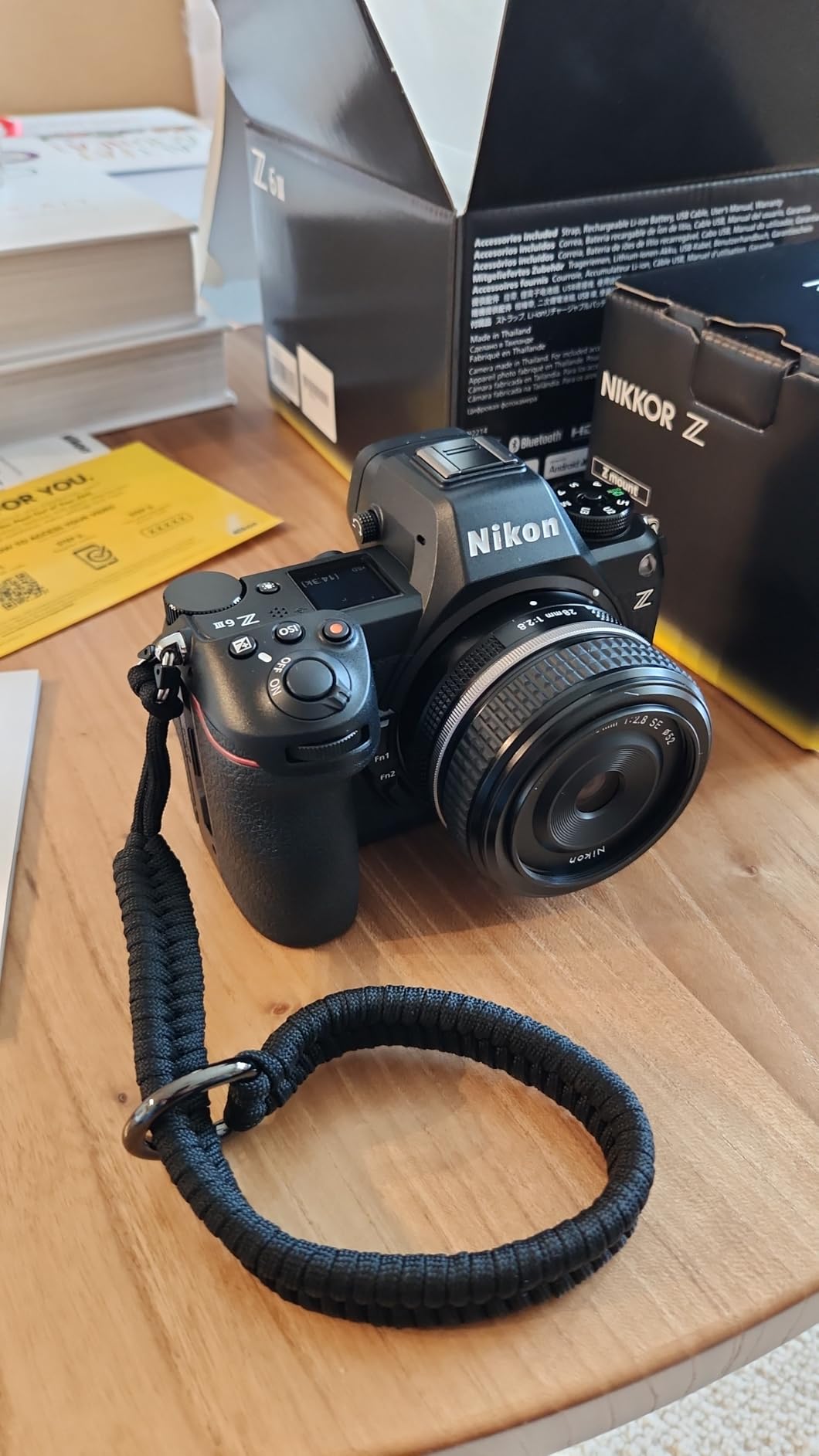
Why a 4000 nit viewfinder wins after sunset
A dark viewfinder forces you to guess your exposure, and guessing costs you the shot. The brighter panel in the Z 6 III means you can see the car’s bodywork and the background separation in real time, so you can dial exposure compensation while the car is still in the burnout box.
The 120 Hz refresh also keeps motion readable, which matters when you are tracking a car through a fast pan. A dim viewfinder at low refresh rate turns a smooth pan into a stuttering mess, and you lose the car.
Where the Z 6 III falls short
24.5MP leaves less room for heavy cropping than a 45MP body, so a distant car that fills a small part of the frame has less to recover. If your positioning is far back, the extra pixels in the R5 or Z 8 pay off.
Users also point to a deep, complex menu and control layout, a single card slot in some configurations, and battery life of roughly a couple of hours per charge. On a full night schedule that means more batteries than you would prefer to carry.
Panning Technique and the Shutter Speed Ladder for the Strip
Shutter drag is how a drag photo conveys speed. You pan with the car at a deliberately slow shutter speed, and the background smears while the car stays relatively sharp. The problem is that slow shutter panning has a low keeper rate until your technique is there, which is why the rule is to start fast and slow down.
The guidance that keeps coming up on DPReview’s panning thread is to start at 1/200, where the panning effect is minimal, and step down in increments toward 1/30. Move from the hips rather than swinging with your legs or neck, and zoom back and step back so the background is part of the shot rather than a grey wall.
For a drag strip specifically, a sportsman car crossing at moderate speed sits comfortably around 1/100 to 1/125, while a car at the far end of the strip moving slowly may hold together at 1/50. Faster pairs need the fast end of that range. One DPReview regular shoots motorcycles at 230 km/h from six to seven meters away at 1/1000 second purely for consistency, which tells you how wide the range can be.
On the community forums, a photographer shooting a seven to eight second dragster track reported using AF-C, spot metering and aperture priority at f/9 with autofocus across all points, and getting nearly all frames correctly exposed. That f/8 to f/9 result is the community norm, and it makes sense on a straight strip because depth of field along the track is the thing you want, not a shallow background.
Do you use image stabilization when panning? At slow shutter speeds the answer is yes, and this is where the in-body stabilization in the X-T5 or the R5 earns its place. At fast shutter speeds, stabilization mostly stops your own shake, so leave it on. If you are working from a fixed support at the finish line, it becomes optional.
Night Drag Racing and the ISO Ceiling Problem
Night racing compresses your choices. The light is dim and directional, your subject is moving at 150 mph, and your Auto-ISO ceiling becomes the setting that decides whether you have keepers. Photographers on Reddit advise opening the aperture as far as the lens allows and bringing the Auto-ISO maximum to around 3200, accepting noise in post as the cost of getting the frame at all.
I would set the ceiling higher than that for full-frame bodies and stay nearer it for APS-C. A 24.5MP full-frame sensor shooting at ISO 6400 is a different proposition from an APS-C sensor at the same number, and the mirrorless bodies here generally lost some high-ISO latitude against the older DSLRs, as one working drag photojournalist reported when comparing his D5 and D6 kit to a Z 9.
Flash is the other lever. A low-output on-camera flash can add detail to a car at the tree without flattening the exposure, and off-camera flash from a friend at rear-guard can rescue a night frame that is otherwise a silhouette. Keep it subtle; the dragway lighting is your key light and a heavy flash will fight it.
Heat is the final night problem. A body running high frame-rate electronic bursts next to a burnout generates heat, and heat plus dust plus humidity is what eventually finds the sensor. If you shoot 20 weekends a season, clean the sensor regularly and keep the body sealed. The 1.5-pound Z 6 III and the 1.6-pound R5 are easier to keep with you all evening than a 3-pound flagship, and reviewers call out the sealing on both.
How to Choose a Camera for Drag Racing Photography
Start with reach, not the camera. Multiply the lens focal length by the sensor crop factor to get your effective reach: a 200mm on an APS-C body gives roughly 320mm of equivalent reach, and a 100mm on full frame gives you 100mm. That single calculation decides whether your body and lens combination can fill the frame with a car at the far end of the strip.
Is 200mm enough for motorsports? For drag racing, more than elsewhere, because a quarter mile is a long, straight, predictable line. A 200mm or a 100-400mm from the finish line will fill a frame with most sportsman cars and will struggle with a long-wheelbase dragster until you are close. If your budget forces one choice, buy reach in the lens and save on the body.
Then allocate the rest of your budget to the two things that decide a pass. Your AF needs vehicle detection, and your buffer needs a fast card. A body with 30 fps and a slow card is worse than a body with 20 fps and a fast one, because the camera will stall mid-strip and you will not find out until the run is over.
For beginners, an APS-C body with a bundled 18-150mm covers a full season of learning positions and timing. For a hobbyist who wants reach, an APS-C body plus a 150-600mm or 100-400mm combination is the value path that actually fills the frame. For a working photographer, a full-frame body with vehicle detection and a bright viewfinder is the answer, and the lens is where the remaining money belongs.
Pair each body sensibly. The R7 and R10 crop factor works best with a long telephoto zoom, so reach matters more than aperture on those. The R5 and the Nikons pair well with adapted or native fast telephotos where a shallow working aperture is useful. The X-T5 is sold without a lens here, so budget glass separately. If you are still building a kit, our guide to cameras under 1000 for portrait work covers the entry tier, our landscape mirrorless picks explain how dynamic range behaves at long shutter speeds, and our street photography picks cover lightweight fixed-lens options for pit-lane documentary work.
Before your season, do a durability pass. Check seals, cycle your batteries, format your cards in the camera, update firmware, and run a backup body with separate settings in the bag. A photographer writing about motorsport has recommended keeping a dedicated backup camera configured and ready, and at a strip that rule is worth taking literally.
One last filter for beginners: ignore the dash cams, action cams and onboard data cameras that dominate shopping results for this keyword. They record video, they have no interchangeable lenses, and their rolling shutter and low-light behavior are designed for a windscreen rather than a finish line. Nothing in this roundup is one of those devices.
Frequently Asked Questions
What are the best camera settings for taking pictures of drag racing?
Use continuous AF with vehicle subject detection, a high-speed burst, and manual exposure. The community norm on a strip is f/8 to f/9 for depth of field along the track, with shutter speed chosen by what you want: around 1/1000 to freeze a burnout, 1/500 to freeze a launch, and 1/80 to 1/160 when panning to show speed.
What is the best camera for motorsport photography?
For drag racing specifically, a full-frame body with a stacked sensor, vehicle-recognition autofocus, a blackout-free viewfinder and a bright finder for night events leads the field. The Canon EOS R5 in this roundup is our overall pick, while the Canon EOS R7 wins on frame rate and the Nikon Z 6 III on night viewfinder brightness.
What is the best shutter speed for taking pictures of racing cars?
It depends on the shot. Use 1/1000 or faster to freeze wheel spin and smoke, around 1/500 for a sharp launch, and 1/80 to 1/160 for a panning shot that blurs the background. Practitioners advise starting at 1/200 and stepping down in increments toward 1/30 as your panning technique improves.
What are the best settings for panning shots?
Set continuous autofocus with subject tracking, a shutter speed between 1/200 and 1/30 depending on how slow you dare, a mid aperture, and burst mode so you have options. Move from the hips rather than swinging with your neck, keep stabilization on at slow speeds, and zoom back so the background is part of the frame.
Is 200mm enough for motorsports?
For drag racing, usually. Because a drag strip is a long straight line, 200mm fills the frame with most sportsman cars from the finish line. It struggles with long-wheelbase dragsters and jet cars at distance, so a 100-400mm or 150-600mm zoom gives you the flexibility to move along the strip without switching glass.
Should I use image stabilization when panning?
Yes at slow shutter speeds, where it removes your own hand shake and lets a slower pan hold together. At fast shutter speeds stabilization mostly does nothing useful for the subject, and from a fixed support at the finish line it becomes optional. Bodies with five-axis IBIS, like the Canon EOS R5 and Fujifilm X-T5, make slow pans far more practical.
Final Verdict: The Camera to Buy for the Strip
The Canon EOS R5 is our pick for the best cameras for drag racing photography, because a stacked 45MP sensor, 20 fps blackout-free capture, vehicle-recognition autofocus and 5-axis stabilization cover every shot a strip produces, from a burnout to a night finish. Buy the R7 if frame rate and pre-capture matter more to you than low-light files, and the Nikon Z 6 III if your season is mostly after sunset.
Whatever you choose, pair it with real telephoto reach and keep a backup body configured in the bag. As 2026 brings faster sensors and brighter viewfinders to more price points, the gap between pro and enthusiast gear keeps narrowing, and a mid-tier body with vehicle AF is now a genuinely professional tool at the finish line.