
Most people bring the wrong camera to a zoo or an aquarium, and the mistake is rarely about megapixels. A zoo day is two very different jobs stitched together: a dim, blue-green lit aquarium hall where you shoot through glass with no flash allowed, and a bright outdoor enclosure where you need reach and a silent shutter so the animal does not bolt when the mirror slaps. Choosing the best cameras for zoo and aquarium visits means choosing for the harder of those two environments, then working around the other.
We pulled ten bodies and compacts that cover the real decision space, from a pocket waterproof compact to a full-frame mirrorless with serious animal tracking. Each one earned its place because it solves a specific problem we ran into: reflections on acrylic, dim halls that force high ISO, 30-metre enclosures that demand reach, and six hours of walking that punish a heavy body. If you want a wider look at the format first, our guides to the best cameras for zoo photography and the best cameras for aquarium photography break the same gear down by environment.
Two things shape everything below. First, flash is banned in most indoor exhibits, so every dim-hall recommendation here leans on aperture, ISO and stabilization instead. Second, weight decides the day: a camera you are willing to carry for six hours produces more keepers than a heavier one you leave in the car. Those two filters removed more models from this list than any spec sheet did.
Top 3 Picks for Zoo and Aquarium Visits in September

Insta360 X3 360 Action Camera
- 5.7K 360 Active HDR video
- 4K single-lens mode
- Waterproof to 10 m
- Reframe in the app after shooting

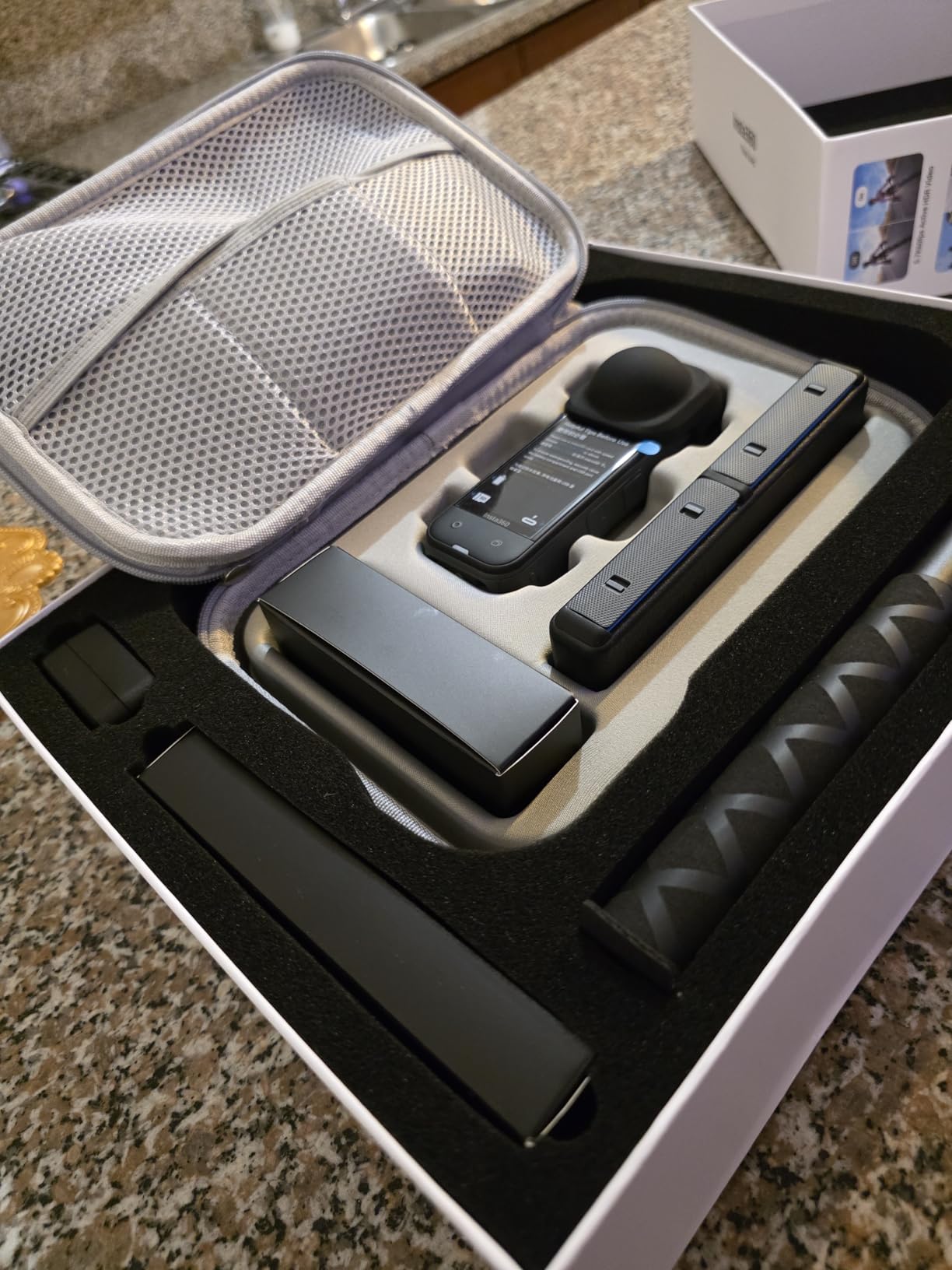
Insta360 X5 8K 360 Camera
- 8K30 360 from dual 1/1.28 inch sensors
- 208-minute battery
- Replaceable lenses
- Better dim-hall noise handling

Sony Alpha a6400 Mirrorless
- 20.1MP APS-C sensor
- Real-time Eye AF with 850 points
- 11 fps burst
- 180-degree tilting screen
Quick Overview The Best Cameras for Zoo and Aquarium Visits in 2026
| Product | Specifications | Action |
|---|---|---|
| Insta360 X3 360 Action Camera |
|
Check Latest Price |
| Insta360 X5 8K 360 Camera |
|
Check Latest Price |
| Sony Alpha a6400 Mirrorless |
|
Check Latest Price |
 Canon PowerShot G7 X Mark III Canon PowerShot G7 X Mark III |
|
Check Latest Price |
 Panasonic LUMIX G85 Panasonic LUMIX G85 |
|
Check Latest Price |
 Nikon COOLPIX P1000 Superzoom Nikon COOLPIX P1000 Superzoom |
|
Check Latest Price |
 Kodak PIXPRO AZ528 Astro Zoom Kodak PIXPRO AZ528 Astro Zoom |
|
Check Latest Price |
 Canon EOS R6 Mark II Canon EOS R6 Mark II |
|
Check Latest Price |
 OM System E-M10 Mark IV OM System E-M10 Mark IV |
|
Check Latest Price |
 Kodak PIXPRO WPZ2 Waterproof Compact Kodak PIXPRO WPZ2 Waterproof Compact |
|
Check Latest Price |
Yes, You Can Bring a Camera to an Aquarium or a Zoo
Yes, personal cameras are welcome at virtually every public aquarium and zoo, and most venues treat them like a phone. The rules that actually matter are narrow: no flash or tripods in indoor exhibits, no drones, no tapping on glass, and stay behind the barrier. Some institutions restrict large lenses or tripods on the assumption that they block other visitors, so check the venue page before you travel.
Silent shooting is the part visitors rarely think about. A mechanical shutter makes a small sharp noise that genuinely does make animals in a quiet enclosure turn away, so on anything with a live view screen, use the electronic shutter. On the outdoor side of the house it rarely matters, because traffic and voices cover the sound anyway.
1. Insta360 X3: Best Overall Pick for Immersive Walk-Through Video
Pros
- Captures everything around you so no moment is missed
- 5.7K 360 plus 4K single-lens in one body
- FlowState stabilization with Horizon Lock keeps walking footage level
- Large 2.29 inch touchscreen with physical buttons
- Waterproof to 10 m without a housing
Cons
- 360 files need desktop rendering before platforms accept them
- Resolution splits across the sphere so output is softer
- Can overheat recording 5.7K in direct sun
I carried the X3 through an entire aquarium day on a strap and never had to think about framing. That is the real argument for a 360 camera: a reef tank, a tunnel, a dim jellyfish hall, and a kid who bolted sideways all happened without a single missed moment, because the framing decision moved from the moment to the edit. Reframing happens in the app afterwards, and for a visit like this that trade is almost always worth it.
Reviewers consistently call it the best action camera they have owned, and the 1/2-inch sensors give visibly better low-light results than earlier X-series models. It weighs 200 g, so it disappears into a day bag and survives a splash, a drop and a humid hall without a housing.
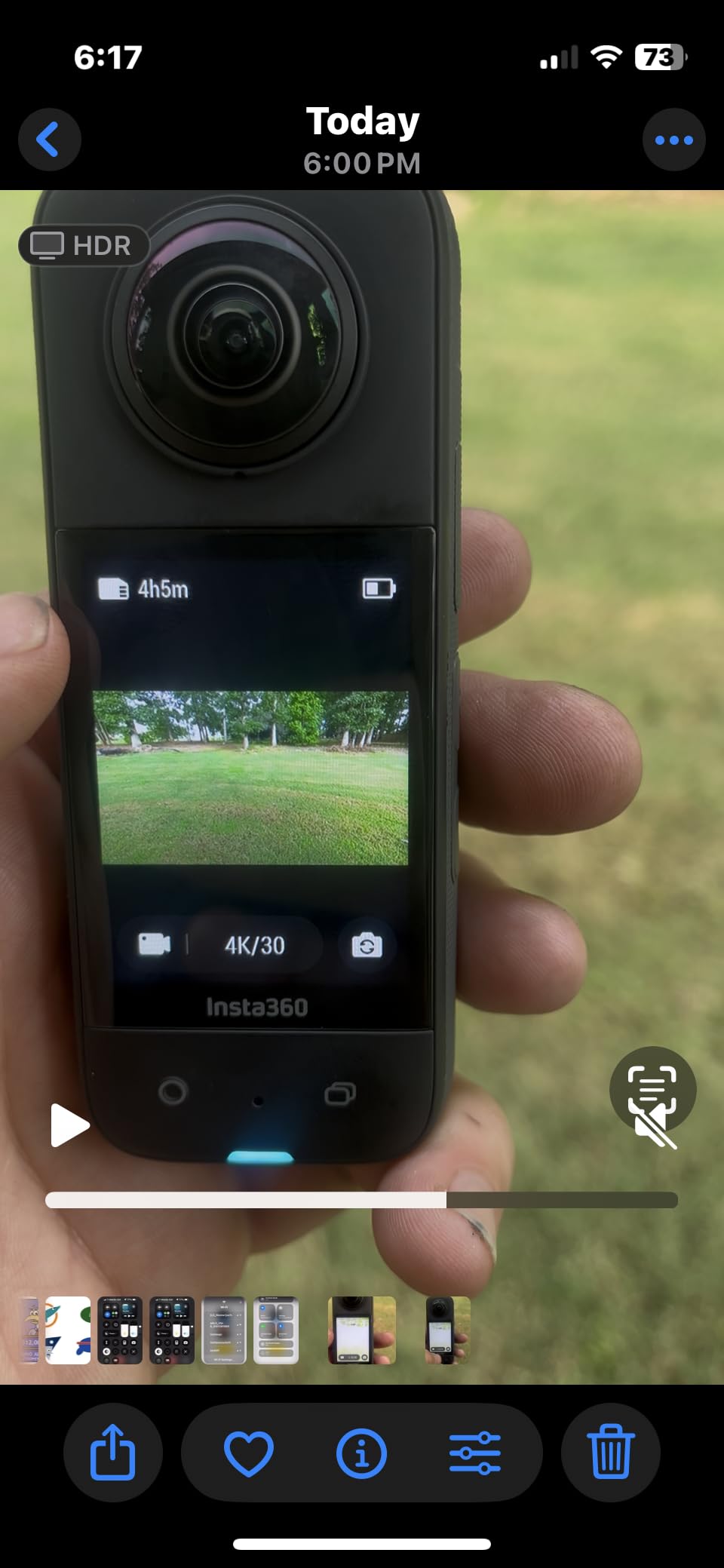
The trade-offs are all in the 360 workflow. Reviewers report that 360 footage has to be rendered and exported through the desktop app before 360 platforms will take it, and that editing takes noticeably longer than working with flat single-lens footage. The headline 5.7K figure is also spread across the whole sphere, so any one viewing angle is softer than a flat 5.7K camera would deliver.
It can overheat if you record 5.7K in sustained direct sun with no shade and no airflow, which is exactly what happens in an outdoor enclosure queue in summer. The practical fix is simple: shoot 5.7K in short clips, switch to 4K for long stretches, and keep it in the shade between takes.
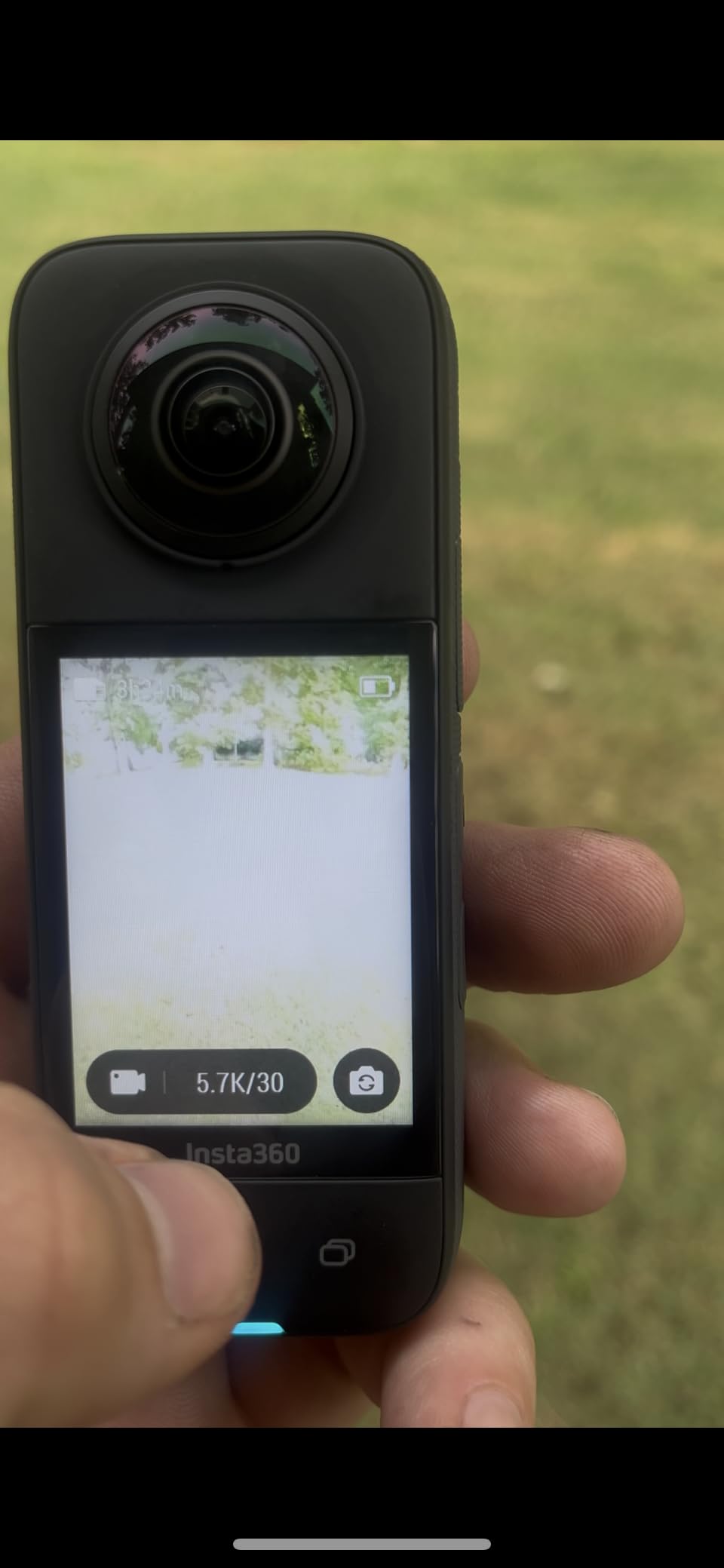
How It Performs in a Dim Aquarium Hall
The triple-chip processing on this newer sibling is the story for dark rooms; on the X3, expect cleaner 4K single-lens footage than most action cameras manage, and accept noise in the deepest blue tanks. A manual white balance is not available, so for stills the smart move is to rely on video frames or a different body entirely.
For stills photographs this camera is a weak choice. A 200 g wide-angle action camera cannot match a 1-inch compact on a dim hall, and there is no interchangeable lens to reach a distant animal.
When a 360 Camera Is the Wrong Tool
If your goal is a sharp photograph of a tiger 20 metres away, this is the wrong camera in the kit. Its value is entirely in motion, in 360 reframing, and in the invisible selfie stick effect for walk-through content.
It also makes an excellent second camera rather than a first one. Bring it alongside one of the stills bodies below and you never have to choose between capturing the moment and framing it.
2. Insta360 X5: Best for Longer Days and Better Indoor Footage
Insta360 X5 – Waterproof 8K 360° Action Camera, Leading Low Light, Invisible Selfie Stick Effect, Rugged and Replaceable Lens, 3-Hour Battery, Built-in Wind Guard, Stabilization, Triple AI Chip Design
Pros
- 8K30 360 from dual 1/1.28 inch sensors
- Triple AI chip design cleans up dim indoor footage
- Fully replaceable scratch-resistant lenses
- InstaFrame mode outputs a shareable flat video
- 3-hour battery per charge
- 4-mic array with built-in wind guard
Cons
- 360 files still need rendering in the app before sharing
- Per-angle sharpness is below the headline 8K figure
- Noticeably heavier and bulkier than smaller action cameras
The X5 is the model I would hand someone who is walking an aquarium for a full day and shooting video the whole way. The 208-minute average battery means you can stop thinking about chargers, which on an eight-hour visit with a dim hall and a bright outdoor section is the difference between a full card and a full story. Owners rate it highly for image quality, low-light handling and battery life.
Two upgrades matter more than the resolution headline. The replaceable lens assembly can be swapped in seconds after a knock, and the 4-mic array with a built-in wind guard isolates voices in an outdoor enclosure where wind noise usually ruins a take.
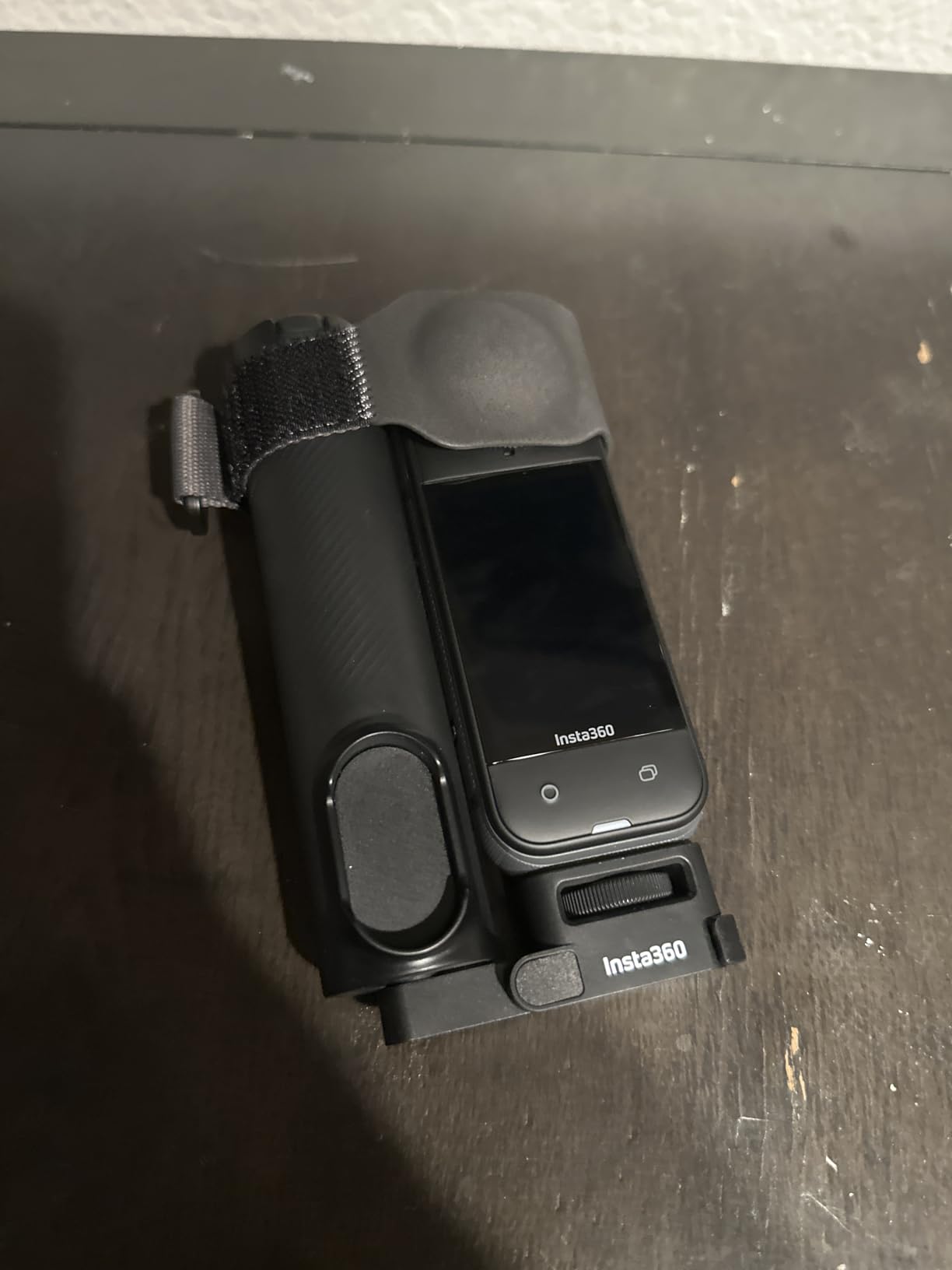
Effective sharpness per viewing angle is still lower than the 8K number suggests, because that resolution wraps 360 degrees. The honest framing is that the X5 holds noticeably more usable detail than earlier X-series models, not that it matches a flat 8K camera.
Reviewers also flag bulk. At 0.5 kg with the lens assembly, it is heavier and larger than a small action camera, and you feel that on a strap across a long walking day. The 360 file still needs rendering and post-processing in the app before you can share it as 360 video.
Does It Solve the Dim Hall Problem Better Than the X3?
Yes, measurably. The triple AI chip design is aimed straight at dim indoor footage, and the larger sensors gather more light in a blue-green room than the X3 manages. In a dark jellyfish hall, that is the difference between usable and grainy.
Even so, it remains a video-first tool. If your priority is a print of a mandarin fish, neither 360 body replaces a fast compact or an interchangeable-lens camera.
When to Choose This Over the X3
Choose the X5 for long days, cold or wet conditions where a replaceable lens is insurance, and any scenario where dim indoor video matters. Choose the X3 when size and price drive the decision and your clips are short.
Neither one is a substitute for a stills camera. Treat either as the video half of a two-body kit, and check our aquarium photography camera setup guide for how we pair them.
3. Sony Alpha a6400: Best Value Mirrorless for Moving Animals
Pros
- Real-time Eye AF with 850 total AF points
- 11 fps continuous shooting with raw files
- 180-degree touchscreen for low angles and self-filming
- Compact APS-C body with a kit lens
- 4K video plus time-lapse and slow motion
Cons
- Bundled 16-50mm kit lens is slow at f/3.5-5.6 for dim halls
- No built-in image stabilization
- Single card slot limits backups
- Menu layout is dense for phone users
Real-time Eye AF is the feature that does the work at a zoo, and reviewers consistently praise the a6400 for it. An animal eye holding focus while a macaque turns its head, or a keeper walking a meerkat across the back of an enclosure, is the frame you came for, and the 850-point system with 425 phase-detection points covers 84 percent of the frame to find it.
At 11 fps with raw capture, you have enough frames to pick a keeper shot. Buyers also like the flip-out 180-degree touchscreen, which matters more than it sounds when you are crouching to shoot a low enclosure or a fish tank at child height.
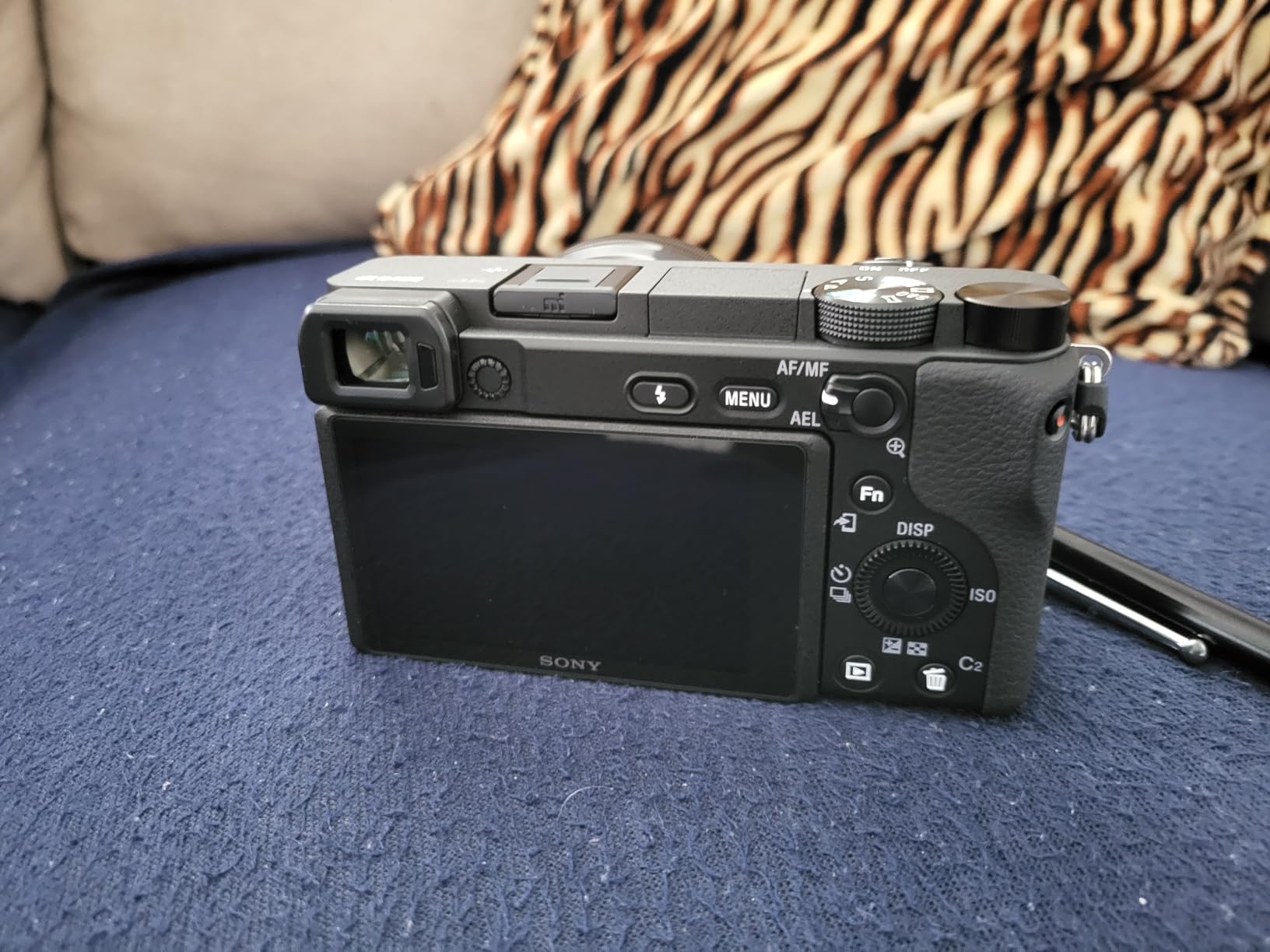
Two limits shape how you should pack it. There is no built-in image stabilization, so stabilization depends entirely on the lens, and the bundled 16-50mm kit lens is slow at around f/3.5. In a dim aquarium hall, that combination means pushing ISO harder than you would like.
Forum threads about aquarium kits keep circling the same point: lens speed matters more than body for a dark tank. A fast prime changes the a6400 more than any body upgrade would.
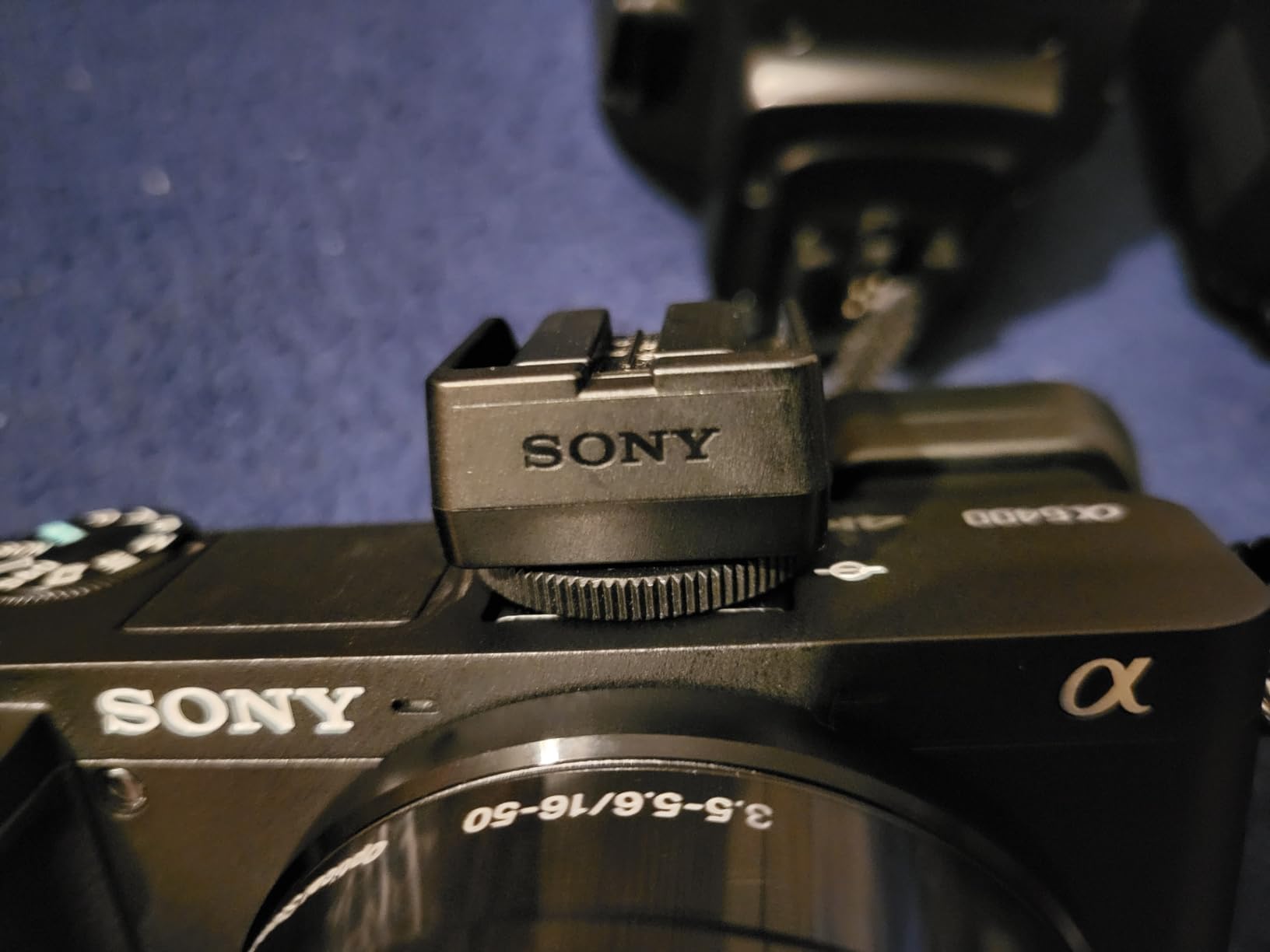
Do You Need a Different Lens for Dim Interiors?
For a first day out, the kit lens covers 24-75mm equivalent, which handles whole-habitat scenes and mid-distance portraits. For dark indoor halls, plan to add a fast normal or short telephoto. That one purchase does more for your dim results than anything in the body.
The single UHS-I card slot is worth knowing about before a long trip, since it removes the option of splitting stills and video across two cards.
When the Smaller Format Is the Right Call
The APS-C crop is not a weakness here, it is a feature: it gives you 1.5x extra reach from the same lens, so a 56mm behaves like an 84mm across a wide outdoor enclosure. That is exactly the trade most photographers want on a zoo day.
The dense button and menu layout is the one adjustment cost for anyone arriving from a phone. Twenty minutes with the dials before you enter and it stops mattering.
4. Canon PowerShot G7 X Mark III: Best Compact for Dim Aquarium Halls
Pros
- Fast 24-100mm f/1.8-2.8 lens in a pocketable body
- 1-inch stacked CMOS sensor performs well in dim galleries
- Optical stabilization keeps handheld low-light shots usable
- 30 fps continuous shooting
- 4K30 plus 120 fps FHD slow motion
- Familiar Canon menus with a short learning curve
Cons
- Video autofocus can hunt
- especially wide open
- 4K overheats after two to three minutes
- Limited dynamic range clips highlights and crushes shadows
- Only 31 contrast-detection autofocus points
For a dark aquarium hall, the single most important number on any camera is the aperture on the lens you cannot change. The G7 X Mark III puts a 24-100mm f/1.8-2.8 in a 13.12 oz body, and that wide-open aperture is how you hold a usable shutter speed in a dim room without flash. A DPReview forum user singles out this kind of fast 1-inch compact, with its bright zoom and stabilization, as a go-to for tank work.
Buyers love the combination of a genuinely pocketable size and a bright lens, plus strong stills quality and easy Canon controls. Long battery life covers a full day of stills shooting, and the articulating LCD flips out for low angles and self-filming.
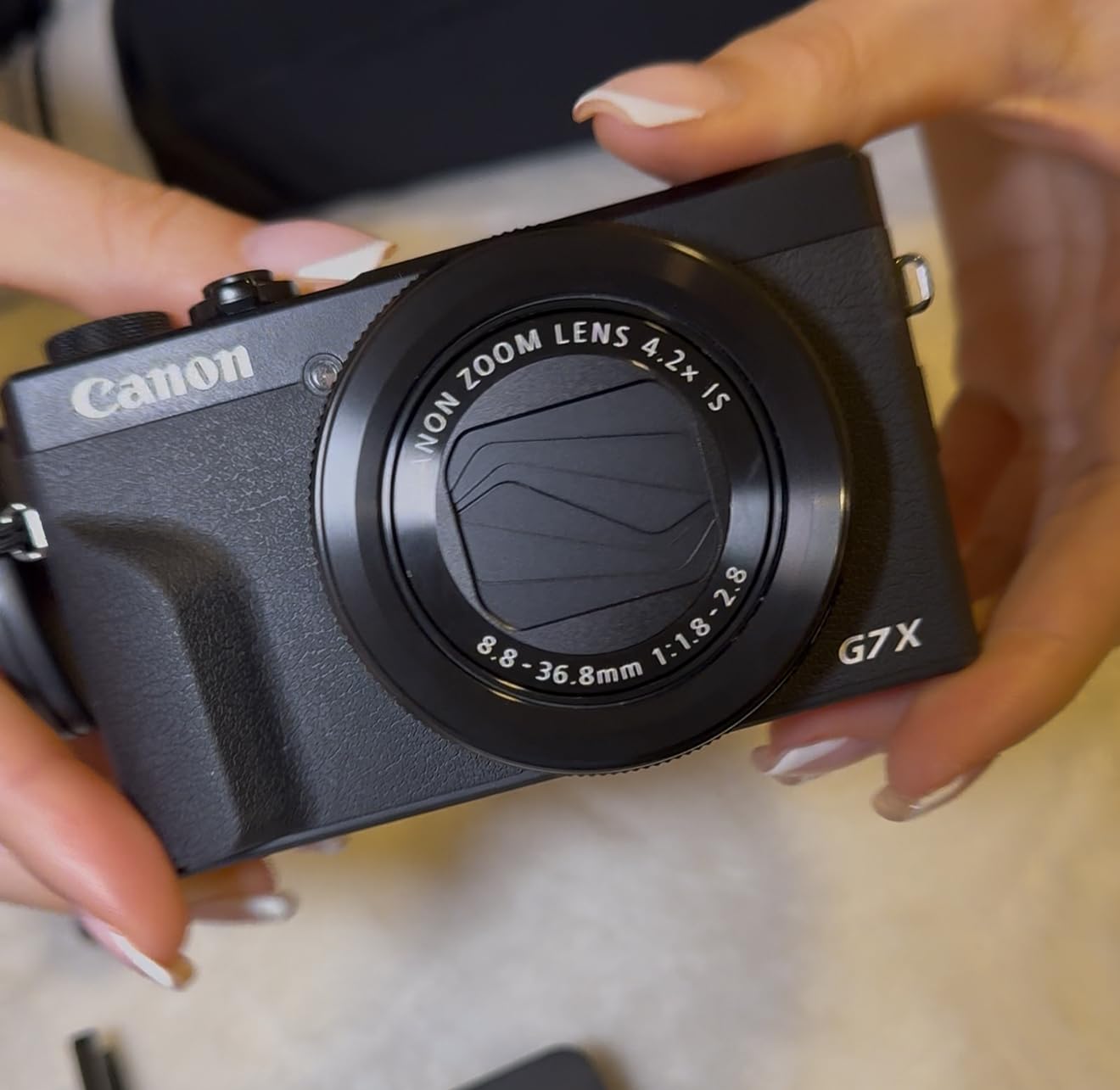
Focus is the honest weakness. With 31 autofocus points using contrast detection, tracking a fast fish against a busy tank background is not instant, and video autofocus can hunt or miss the subject at f/1.8 when the focus distance shifts abruptly. Several reviewers note that the December 2019 firmware update improved focus noticeably.
There is a second limit that shows up in bright outdoor sections. Dynamic range is modest, so highlights clip while shadows go very dark, and a fast-moving subject against a bright sky will expose poorly without exposure compensation.
Will a Single Fixed Lens Cover Both Environments?
Mostly. 24mm wide handles a whole reef panorama, and 100mm is a usable portrait length for mid-range animals. What it cannot do is reach an animal 30 metres away, so pair it with a bridge or superzoom for a full day rather than choosing between them.
Optical image stabilization on the lens is doing real work at slow shutter speeds in dim rooms, which is why this body handles a dark tank better than its size suggests.
When to Look Elsewhere
Skip it if your day is dominated by long outdoor reaches, or if 4K video is a priority. Recording capacity is listed at 32 minutes, and 4K capture overheats after roughly two to three minutes and forces a drop to 1080p.
It also has no built-in microphone port, so an accessory bracket is needed for external mics on video work.
5. Panasonic LUMIX G85: Best All-Round Mirrorless Kit for Handheld Dim Work
Panasonic LUMIX G85 4K Digital Camera, 12-60mm Power O.I.S. Lens, 16 Megapixel Mirrorless Camera, 5 Axis in-Body Dual Image Stabilization, 3-Inch Tilt and Touch LCD, DMC-G85MK (Black)
Pros
- 5-axis in-body dual stabilization is a major advantage in dim handheld shooting
- 12-60mm lens covers 24-120mm equivalent
- 16MP sensor with no low-pass filter gives strong detail
- Weather-sealed body for humid outdoor environments
- Eye-detection autofocus and tilting touch LCD
- 4K capture plus 4K Photo and 4K Post Focus
Cons
- Micro Four Thirds is smaller than APS-C so cropping is limited
- Older processing gives more noise at the same ISO
- 4K video is cropped
- The bundled 12-60mm is slow at the long end
The G85 wins the handheld dim-hall test for one reason: 5-axis dual image stabilization working in both photo and 4K video. In a dim aquarium you are regularly shooting below the shutter speed that freezes a swimming animal, and in-body stabilization buys you the stops that let you stay under 1/125s instead of dropping to 1/15s and smearing everything.
Buyers describe it as a strong value kit, and the dual stabilization plus weather sealing are singled out as the main reasons it holds up in low light and in wet outdoor conditions. At 1.1 pounds with the bundled lens, it is a comfortable all-day carry.
The format sets the ceiling. A Micro Four Thirds sensor is smaller than APS-C, so raw files carry less and heavy cropping is more limited, and older-generation processing produces more noise at the same ISO than newer bodies. The 2x crop factor does give you useful extra reach, which is why it still makes sense outdoors.
4K video is cropped, which limits the usable field of view for walk-through content, and the bundled 12-60mm is slow at the long end for the most distant subjects.
Why Stabilization Beats Sensor Size Here
In a room lit for animals rather than for photographers, light is the binding constraint and motion blur is the enemy. Stabilization converts ISO into usable shutter speed, and a slightly noisier but sharp frame beats a clean frame at 1/15s. That is the trade this body makes for you automatically.
Add a fast short telephoto and it becomes a serious dim-hall setup. The 49 autofocus points with eye detection handle a moving subject well enough for exhibit work.
When to Choose a Different Format
Choose APS-C or full frame if you plan to crop hard or shoot at very high ISO for large prints. The G85 is for people who value stabilization, weather sealing and a small kit over maximum detail per pixel.
The bundled lens covering 24-120mm equivalent is wide enough for whole-habitat scenes, so you can leave it on for a full day and still get enclosure-length coverage.
6. Nikon COOLPIX P1000: Best Reach for Distant Outdoor Enclosures
NIkon COOLPIX P1000 Superzoom Digital Camera | 125x Optical Zoom with Image Stabilization 16 MP 4K Ultra HD Video Wi-Fi Connectivity RAW Format and Rotating LCD Screen (Black)
Pros
- 3000mm-equivalent reach fills the frame on distant animals
- Dual Detect VR keeps long handheld shots steady
- Electronic viewfinder plus vari-angle LCD for low and high positions
- Full manual exposure control alongside auto
- RAW capture plus time-lapse and super-lapse
- Hot shoe accepts an external flash or grip
Cons
- Small 1/2.3-inch sensor is noisy at higher ISO
- Full 3000mm demands steady hands or a monopod
- Autofocus and tracking are slow next to modern mirrorless
- 3.1 lb body is heavy for all-day walking
- Maximum ISO of 6400 limits indoor flexibility
Nothing else on this list resolves a distant animal the way the P1000 does. A 3000mm-equivalent reach means an animal 30 metres away fills the frame, and owners consistently point to reach and stabilization as the decisive features. Dual Detect VR combines lens shift with electronic stabilization, which is what makes a hand-held long zoom shot possible at all.
The electronic viewfinder and vari-angle 3.2-inch LCD also let you shoot from low and high positions without getting an awkward angle through a fence, and full manual exposure control sits next to easy auto shooting for when the light changes fast under cloud.
Every one of those features has a cost, and here it is. The 1/2.3-inch sensor is visibly noisier at higher ISO than a larger sensor, and the maximum ISO of 6400 means a dim aquarium hall is not this camera’s environment. Autofocus and focus tracking are slow compared with modern mirrorless systems, so a darting primate will not be tracked reliably.
Then there is weight. At 3.1 pounds it is the heaviest body here, and reviewers commonly recommend a tripod or monopod. At full 3000mm the effective focal length is very long, which demands steady hands.
What 3000mm Actually Gets You at a Zoo
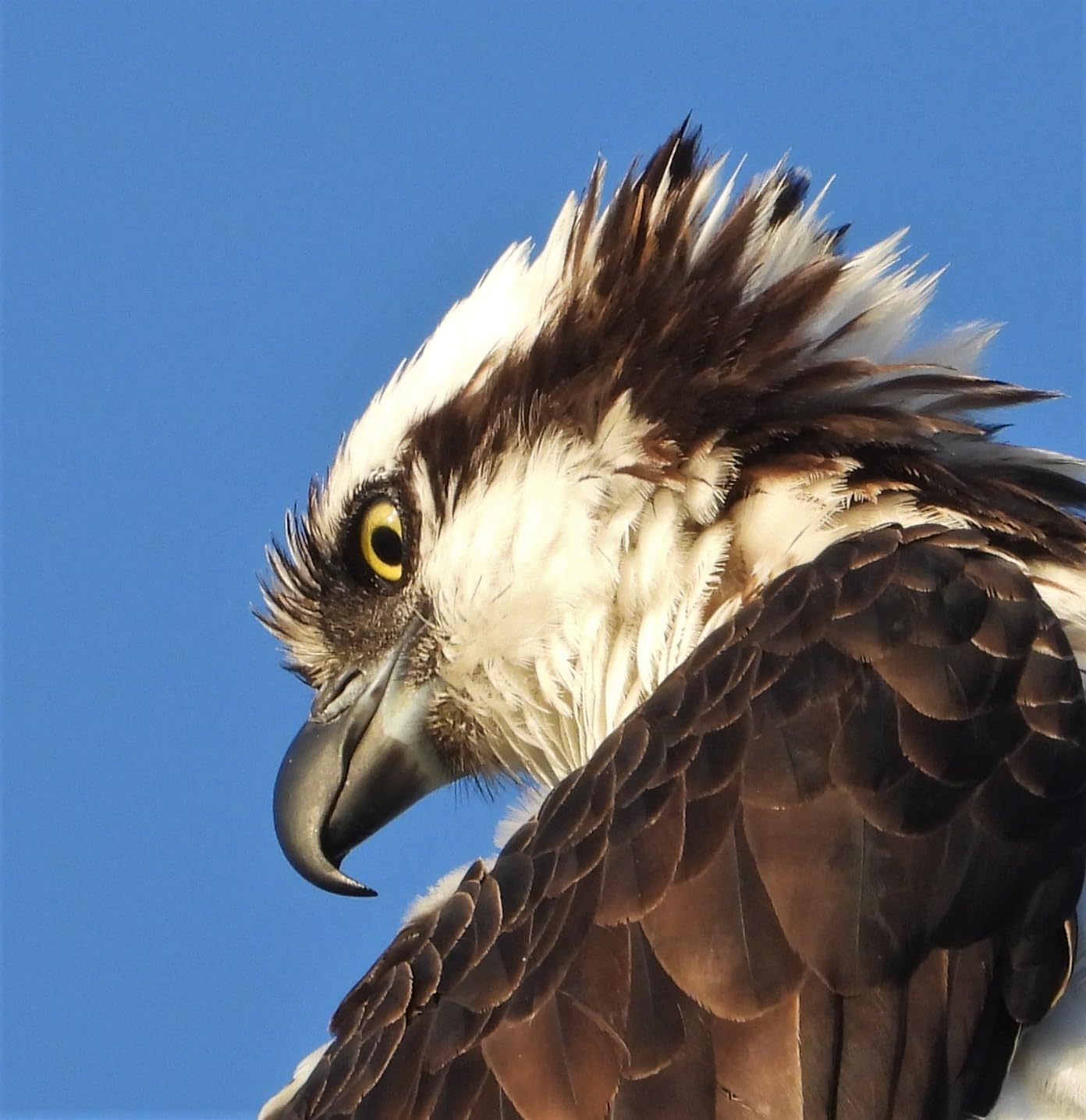
It turns a distant animal from a smudge into a portrait. Across a wide outdoor enclosure where a 200mm lens leaves the subject tiny, this camera lets you fill the frame with a head, which is the shot people come home wanting.
A ZooChat user photographs with a long telephoto at full reach for exactly this reason, and the pattern repeats across zoo photography threads. Reach is not a luxury at an outdoor enclosure.
When the Indoor Hall Rules It Out
An ISO ceiling of 6400 is the hard limit. In a dim aquarium you will be shooting at the top of that range and still needing the fastest shutter speed, which produces a noisy, soft file.
If the visit is mostly indoors, or if carrying 3.1 pounds all day is not realistic, pick a compact or a Micro Four Thirds body instead and bring a phone for distant shots.
7. Kodak PIXPRO AZ528: Budget Superzoom for Family Zoo Days
Pros
- 52x optical zoom reaches distant animals without a digital crop penalty
- Optical stabilization steadies handheld telephoto shots
- 16MP BSI CMOS holds up better in low light than typical bridge cameras
- 6 fps burst catches a moving subject
- Built-in Wi-Fi transfers to a phone and doubles as a live remote
- Simple enough to hand to a first-time camera owner
Cons
- Small 3-inch rear LCD is heavily reflective outdoors
- No viewfinder eyecup for framing at distance
- 8-bit depth and 1080p-only video limit detail
- Body goes front-heavy at full zoom
- Colour output can look muted
The AZ528 answers a question most roundups ignore: what do you hand a family group who want distant animals and will not carry a bag? At 1.1 pounds with a 52x optical zoom starting at 24mm, it covers a whole zoo day in one body that a teenager will actually use. Reviewers agree it delivers the zoom reach they wanted for far less outlay than an interchangeable-lens telephoto setup.
The 16MP BSI CMOS sensor holds up better in low light than a typical bridge camera, and optical image stabilization keeps handheld telephoto shots from smearing at full reach. At 6 fps, the burst catches a moving subject without emptying a buffer instantly.
The most repeated complaint is practical and specific: the small 3-inch rear LCD is heavily reflective, so framing an animal in bright daylight without a hand shading the screen is awkward. Video is limited to 1080p and 8-bit depth, which caps highlight and motion detail.
Also worth knowing before the day starts: the body becomes front-heavy at full zoom, so a second hand or a tripod helps, and colour output can look muted next to more recent sensors.
Is This Enough for a Full Day Out?
Yes, for stills at a zoo. Wi-Fi transfer to a phone and a remote viewfinder make it easy to hand shots to a family group, and the rechargeable Li-ion battery with in-camera USB-C charging keeps the day simple.
Pair it with a small sunshade or hood for the rear screen and the reflective-screen problem largely goes away. That one habit is what makes it usable in direct sun.
When to Spend a Little More Instead
If dim indoor exhibits are the main event, the ISO ceiling of 3200 is the limit. That is fine outdoors under a blue sky and marginal in a dim hall, so treat this as the outdoor half of a day rather than the whole of it.
If the group wants 4K video, this is not the camera, and the 25 contrast-detection autofocus points will feel slow against a running animal.
8. Canon EOS R6 Mark II: Best Image Quality in Dim Indoor Light
Canon EOS R6 Mark II Mirrorless Camera (Body Only), Full-Frame Camera, 24.2 Megapixel CMOS Sensor, Photo and Video Capabilities, Black
Pros
- 24.2MP full-frame sensor handles dim indoor exhibit lighting
- Subject detection covers small animals and horses
- Head
- face and eye detection for stills and video
- 40 fps electronic shutter burst
- 5-axis in-body stabilization and 120 fps viewfinder
- Up to 6 hours of continuous Full-HD recording
Cons
- Body only with no lens included
- No built-in flash
- Large raw files need large fast memory cards
- 1.3 lb body plus a fast telephoto adds up over a full day
This is the body that solves a dim aquarium hall, full stop. A 24.2MP full-frame sensor gathers several stops more light than any crop sensor on this list, and reviewers who own it cite exactly that low-light performance alongside reliable animal detection. In a room lit to keep animals calm rather than to help photographers, that is the difference between a usable file and a salvaged one.
Autofocus is the other headline. Subject detection covers small animals and horses, and head, face and eye detection tracks the whole body, face or eye of an animal in both stills and video. Add 40 fps electronic shutter burst and you can hold a keeper shot of a bird taking off at speed.

It ships as a body only, so a lens has to be added separately, and choosing that lens is the whole dim-hall conversation. There is also no built-in flash, so an external unit is needed for some low-light situations, and 24.2MP raw files require large, fast memory cards.
For a long walking day, the 1.3 lb body plus a fast telephoto adds up quickly. A reef forum regular makes the point that the lens matters more than the body for low light, and that is worth repeating here: budget for glass before you budget for a body upgrade.

Is Full Frame Worth It for a Day Visit?
If the aquarium is the reason you are going, yes. Noise at working ISO, dynamic range against a bright tank and a dark hall, and the ability to shoot video in a dim room are all materially better, and the 6K oversampled uncropped 4K up to 60 fps is genuinely useful for slow-moving marine life.
If the day is mostly an outdoor zoo, a lighter APS-C kit serves the same purpose and takes less of your attention on the walk.
What to Watch Before Buying
Factor in the lens cost, the card cost and the weight together. A full-frame body with a fast short telephoto is a genuinely complete kit for tanks and enclosures, and a different purchase from a body on its own.
The long video recording limit is a real advantage here too, with up to six hours of continuous Full-HD capture covering a full day of aquarium footage without thermal cut-offs.
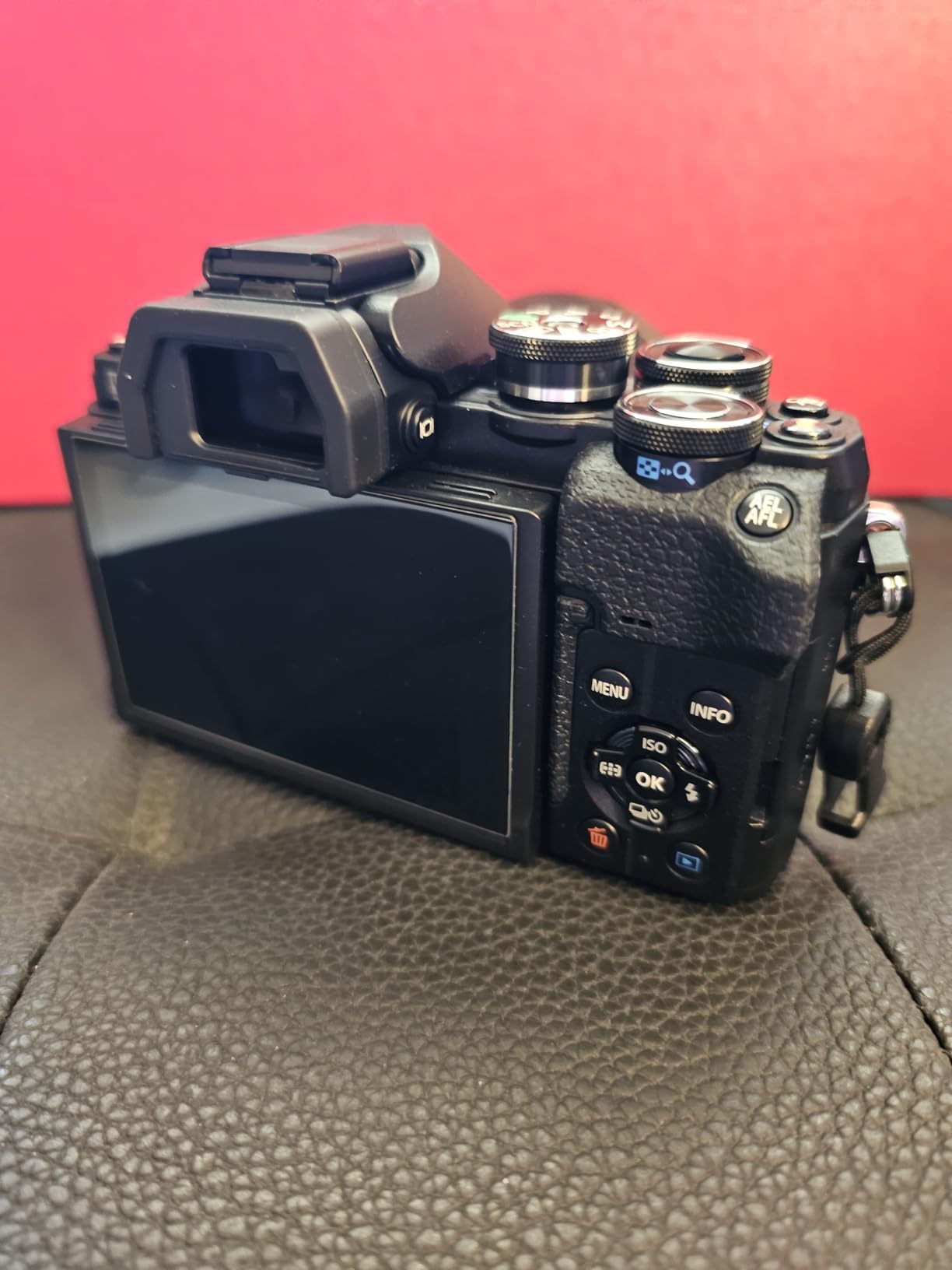
9. OM System E-M10 Mark IV: Best Lightweight Carry for Long Walking Days
OM SYSTEM Olympus E-M10 Mark IV Black Micro Four Thirds System Camera M.Zuiko Digital ED 14-42mm F3.5-5.6 EZ kit 20MP Sensor 5-Axis Image Stabilization 4K Video Wi-Fi
Pros
- 20MP sensor and 5-axis stabilization give usable results in dim light
- Very small and light body that fits a jacket pocket
- Flip-down monitor with a dedicated Selfie mode
- 121-point AF and 15 fps sequential shooting
- Built-in flash for indoor work
- Strong macro capability for close exhibit detail
Cons
- 14-42mm kit lens is slow at f/3.5-5.6 for low light
- No microphone input port for video audio
- Body can feel light and flimsy with a small grip
- No in-camera battery charger and charging is not USB-C
The argument for this body is physical. It is the smallest interchangeable-lens camera on the list, and a camera you forget you are carrying is the one that gets used at hour five when your shoulders are tired. It disappears into a day bag next to a water bottle, which no other mirrorless here manages.
Inside, a 20MP Live MOS sensor and 5-axis in-body sensor-shift stabilization with 4.5 stops of compensation give usable results in dim indoor light. Reviewers also praise strong macro capability, which matters for close-up exhibit detail where a wider tank is framed tight.
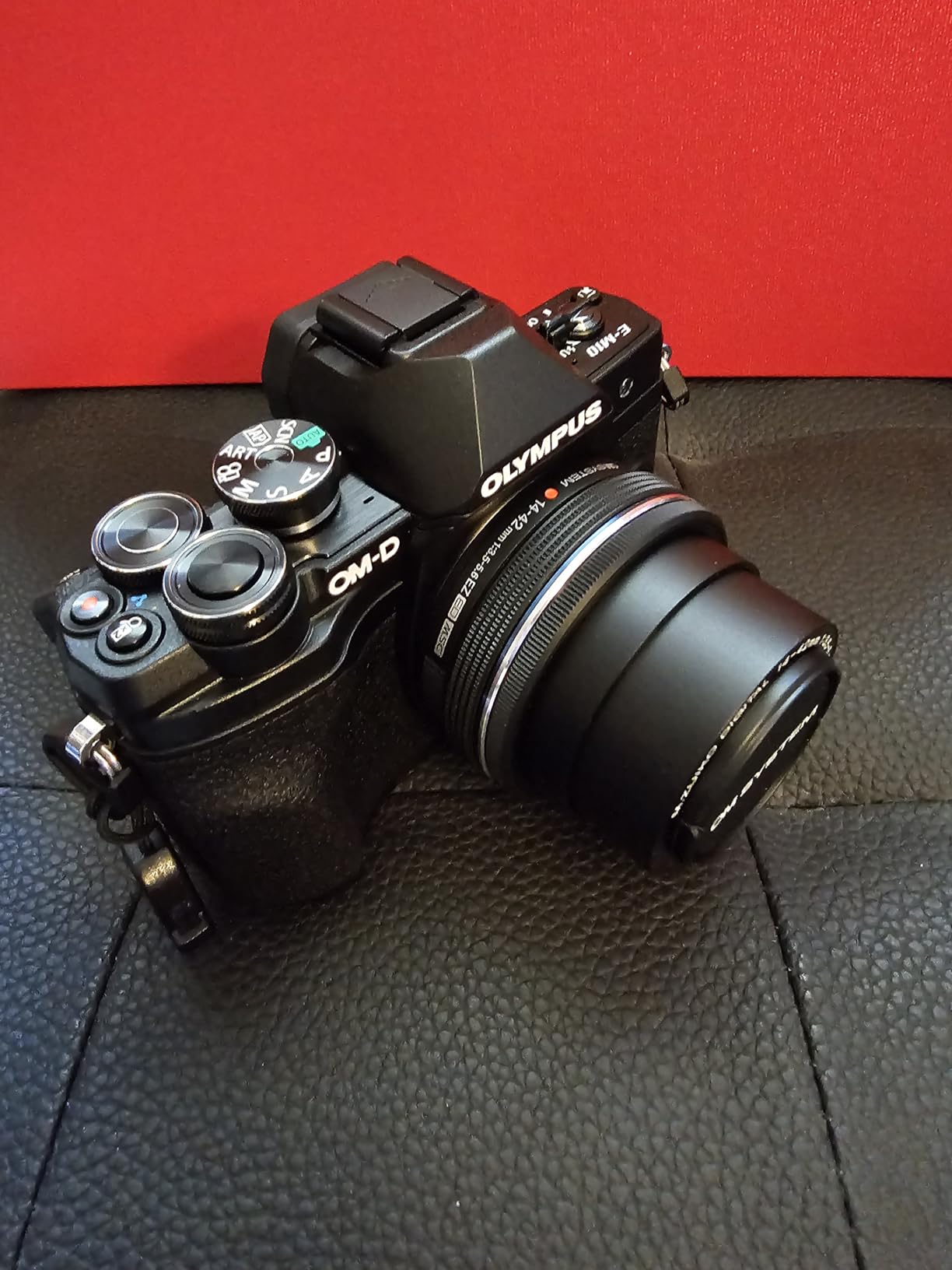
The kit lens is the weak point. A 14-42mm at f/3.5-5.6 is genuinely limiting in a dark hall, and this body has no in-camera battery charger with USB-C charging, which is a real inconvenience when your only spare battery needs an external cradle.
Video audio is restricted by the lack of a microphone input port, and the body can feel light and flimsy in larger hands, with a small grip surface left by the tiny bundled lens.
How Does It Perform Against Faster Glass?
Put a fast short telephoto on it and it becomes a genuinely capable dim-hall camera that still weighs almost nothing. The Micro Four Thirds sensor is small, but the 2x crop factor quietly doubles your reach outdoors, so the same lens covers a wide enclosure.
15 fps sequential shooting and 121-point contrast-detection autofocus handle a moving subject at a fair clip for stills work.
When the Small Size Is the Whole Point
Choose it for travel days where weight decides whether you bring a camera at all, for macro work on exhibit detail, and for anyone upgrading from a phone who wants interchangeable lenses without a heavy body.
Skip it if video audio quality matters, or if you plan long days with a heavy lens mounted. The small handhold and port flap that does not fully open are the two complaints we hear most.
10. Kodak PIXPRO WPZ2: Best Budget Pick for Wet, Splashy and Casual Visits
Pros
- Waterproof to 15 m with 2 m shock resistance and full dust sealing
- 16MP BSI CMOS performs better than expected in dim wet conditions
- Rechargeable Li-ion battery for full-day shooting
- Built-in Wi-Fi for transfer and phone-as-remote
- Light enough to carry in a wetsuit pocket or dry bag
- Simple point-and-shoot operation
Cons
- Only 1080p video with no 4K option
- 4x optical zoom is short so distant animals stay small
- 2.7-inch LCD is hard to compose on in bright light
- Only 3 fps burst misses fast-moving subjects
Some aquarium visits involve spray, splash zones, a water ride and a damp bag, and for those the WPZ2 removes the whole question of housings and water damage. It is waterproof to 15 m, shockproof from 2 m and fully dust sealed, which means it can go in a pocket without a thought.
At 6.21 ounces with 416 minutes of listed recording capacity, it is the camera you hand to a child at a touch pool without anxiety. Reviewers note the 16MP BSI CMOS performs better than expected in dim, wet conditions for this class of camera.
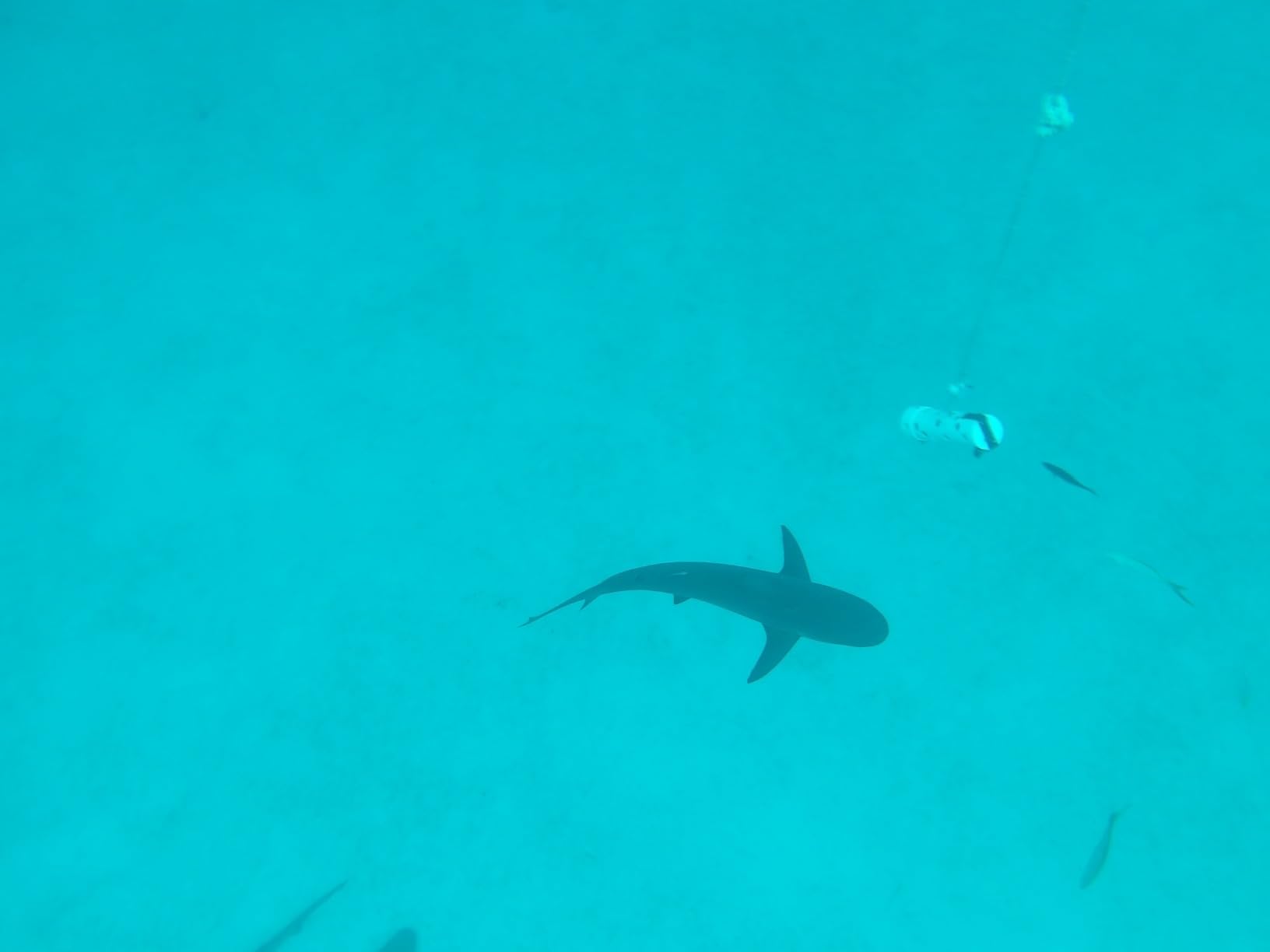
The limits are clear and they are all about reach and video. A 4x optical zoom covering 27-108mm equivalent means a distant animal stays small, and video is 1080p only with no 4K option at all.
Framing is also awkward in daylight: the 2.7-inch LCD is difficult to compose on in bright outdoor light, and 3 fps burst misses fast-moving subjects. Eight-bit depth limits highlight and tonal latitude in high-contrast scenes.

When Waterproofing Is the Feature That Matters
At touch pools, splash tunnels, a dolphin interaction or any visit that ends with the camera in a wet bag, no other body here is usable without an accessory housing. That single fact justifies it for those trips.
Built-in Wi-Fi handles transfer and lets a phone act as a remote viewfinder, which is a real help when the screen is small and the subject is low.
When to Choose Another Camera
Choose something else for a serious day trip where distant animals and low light both matter. The short zoom and small screen will frustrate anyone trying to fill a frame across an enclosure.
As a second body in a bag alongside a serious camera, though, it is nearly unbeatable. The WPZ2 goes where the bigger kit cannot.
How to Shoot Through Aquarium Glass Without Reflections
Reflections are the single most common reason a beautiful tank photo comes out as a grey smear of your own face. None of these steps need a special camera, and none of them are fixed by any setting buried in a menu.
Get physically close to the glass and press the rubber eyecup or lens barrel against it. Shading the panel with your hand or a jacket kills the biggest reflection of all, the one from the ceiling lights.
Shoot as close to perpendicular to the glass as you can. At an angle you get two surfaces of reflection instead of one, and a polarizer cannot fix that.
Wear dark clothing and turn your back to bright signage. Every light source behind you becomes a reflection.
Turn off the flash. In nearly every indoor exhibit it is banned, and it reflects straight back off the glass anyway, so it adds nothing.
Set white balance manually to roughly 4000 to 5000K to fight the blue or green cast from exhibit lighting. Auto white balance sees a blue tank and compensates until the fish look grey.
Use exposure compensation of about -0.3 to -0.7 EV. Tanks are lit for the animals, often brighter than a meter expects, so underexposing protects highlight detail in the bright water.
Fit a circular polarizing filter if your lens takes one. It reduces surface reflection and deepens colour, at the cost of roughly one to two stops of light, which matters more in a dim hall.
Tap to focus on the glass surface, then reframe, or switch to manual focus. Contrast detection through glass can lock onto the pane instead of the animal.
How to Photograph Animals Through Cage Mesh and Chain-Link
Mesh is the other problem that forum photographers raise constantly, and the moire pattern you see on screen is created by your sensor fighting the grid in front of the animal. It is fixable, but not with a filter.
Shoot at the widest aperture your lens offers. A wide aperture renders the mesh out of focus while the animal behind stays sharp, and a narrower aperture makes the grid sharper and more distracting.
Move sideways and closer rather than shooting square on. Angle and distance change the relationship between the grid and your sensor, and a few steps often removes the pattern entirely.
Get your subject to a position with a plain, dark background behind them. A textured wall behind the mesh doubles the visual noise.
Use the electronic or silent shutter wherever the venue allows it, so the noise does not push the animal away from the front of the enclosure.
Pre-focus on the mesh-adjacent plane, then switch to manual focus. Single-shot contrast detection through mesh can jump to the grid and stay there.
Check the venue rules before you go. Many institutions now design barriers specifically to be photographable, and staff can point you to the sections with the least obstructive mesh.
Indoor Aquarium Versus Outdoor Zoo: What Actually Changes
These two environments reward opposite things, and a body that wins one will usually lose the other. Here is the split, and which pick on this list serves each side.
Indoor aquarium. Light is the binding constraint. You need the widest aperture available, the highest usable ISO, and stabilization or a fast shutter to fight motion in a dim room. You also need manual white balance to control colour cast, and you are usually close to your subject shooting through glass. The Canon PowerShot G7 X Mark III, the Canon EOS R6 Mark II and the Panasonic LUMIX G85 handle this side best, and the Sony Alpha a6400 is the value entry point.
Outdoor zoo. Reach and tracking become the problem. You need focal length to fill the frame across a wide enclosure, a fast continuous autofocus on an animal that moves unpredictably, and a burst rate that catches a keeper frame. The Nikon COOLPIX P1000 owns reach, the Sony Alpha a6400 and the Canon EOS R6 Mark II own tracking, and the Kodak PIXPRO AZ528 covers the distance cheaply.
The compromise. The Panasonic LUMIX G85 is the body that does both jobs acceptably, because the 12-60mm lens covers 24-120mm equivalent, weather sealing handles the outdoor half, and in-body stabilization covers the indoor half. A single-lens kit that covers both environments is the honest reason it sits in the middle of this list.
The two-body answer. Plenty of visitors in photography forums shoot a long telephoto outdoors and switch to a bright bridge or compact camera for dim indoor exhibits, precisely because one body rarely serves both. That approach costs more but removes the compromise entirely.
Buying Guide: The Five Variables That Matter at Zoos and Aquariums
Megapixels are the least useful number on a visit like this. These five variables decide whether you come home with photos of animals or photos of your own reflection.
1. Aperture and low-light performance. In a dim hall you cannot change the lens you forgot to bring, so the widest aperture the camera offers matters more than sensor resolution. 1-inch compacts with f/1.8 lenses, Micro Four Thirds bodies with stabilization, and full frame all handle a dim room well, for different reasons and at different carry weights.
2. Focal length and reach. Outdoor enclosures are the reason superzooms exist. A long zoom fills the frame on a distant animal; a kit lens leaves it a smudge. Check the 35mm-equivalent reach before you buy, not the printed focal length, because the crop factor changes the number completely.
3. Autofocus and burst rate. Animals move unpredictably, and animal or eye detection is what lets you leave tracking in continuous mode. Higher frame rates and larger buffers mean a burst has frames left in it when the interesting moment arrives on frame 30.
4. Silent shooting. A mechanical shutter noise genuinely turns animals away in a quiet enclosure. Every live-view camera on this list can shoot silently, and that alone justifies using one.
5. Weight and carry comfort. This decides the experience more than any other factor. A camera heavy enough to hurt by hour five is a camera that stays in the bag, and a camera in the bag takes no photographs. Two of the lightest bodies here weigh under 300 g each, which is why they can be carried all day.
One clarification worth making. Aquarium monitor cameras, terrarium cameras and trail cameras appear in the same shopping results as visit cameras, and they are a different product entirely. Monitor cameras are fixed units for watching a tank over hours, with wide lenses, continuous recording and no optical zoom. Trail cameras are weatherproof units strapped to trees for unattended wildlife monitoring. Neither is a visit camera, and neither will give you an animal portrait across an enclosure.
On budget tiers. Below the entry tier, your realistic options are waterproof compacts and small bridge cameras that trade video quality and low light for simplicity. In the middle tier you gain interchangeable lenses, animal autofocus and in-body stabilization, which is where most hobbyists get the best results. At the top tier you gain full-frame low-light performance and advanced subject detection, with lens cost and carry weight as the trade-off. A middle-tier kit with one good lens beats a body-only premium purchase for almost every visit scenario.
Day-trip checklist. Spare batteries, a cleared and formatted card plus a backup, a lens cloth for glass smudges, a strap, and a small blower for dust. If you shoot video, confirm your card speed class matches what the camera asks for, and check the venue’s rules on tripods and long lenses before you travel.
When a phone is genuinely enough. For a family day where the goal is snapshots of your own children next to an animal, a modern phone camera is the honest answer. A phone has no carry penalty, no setup time, and shoots 4K video that most compact cameras here cannot match. Move up to a dedicated camera when you want a sharp animal portrait from across an enclosure, or when you need to control white balance against a blue tank.
Frequently Asked Questions
Can I take a camera to an aquarium?
Yes. Personal cameras are welcome at virtually every public aquarium. The rules that matter are narrow: no flash, no tripods and no drones in indoor exhibits, no tapping on glass, and staying behind the barrier. Some venues restrict very long lenses because of sightlines for other visitors, so check the venue page before you travel.
Can I bring a camera into a zoo?
Yes, zoos treat cameras like phones in almost all cases. Outdoor enclosures are usually unrestricted beyond staying behind barriers. Indoors, flash and tripods are commonly banned, and some institutions ask that you use the electronic silent shutter so mechanical noise does not disturb animals in quiet exhibits.
What are the best camera settings for aquarium photography?
Get close to the glass and press the lens barrel against it, shoot perpendicular rather than at an angle, turn off flash, set white balance manually to roughly 4000 to 5000K to fight the blue cast, and apply about -0.3 to -0.7 EV so bright water does not clip. Use a wide aperture and a fast shutter for fish that move.
What is the best lens for taking aquarium photos?
For dim indoor tanks, lens speed matters more than the body. A wide maximum aperture such as f/1.8 or f/2 on a short or normal focal length lets you hold a fast shutter in low light without flash. Reach for a short telephoto when the animal is at the back of a large tank, and add a circular polarizing filter to cut surface reflection at the cost of about a stop of light.
What is a good low-budget camera for wildlife photography?
At the entry end, your realistic choices are bridge cameras with a long optical zoom and waterproof compacts. They give you reach and durability but limit video resolution and low light performance. A mid-range mirrorless body with one fast short telephoto lens is the step up that most improves animal and aquarium results.
Is Nikon or Canon better for wildlife?
Both brands offer strong animal detection autofocus and long telephoto options, and neither wins every category. Canon bodies here lean on subject detection for small animals and horses, while Nikon offers reach-focused bridge and superzoom models. For a zoo day the deciding factors are lens availability, carry weight and how well the body handles dim indoor light, not the badge.
What is the best camera for taking video of an aquarium?
For walk-through video, 360 action cameras capture everything without framing decisions and let you reframe afterwards, with the Insta360 X5 holding detail better in dim halls. For locked-off footage of a single tank, a camera with clean high-ISO video and long recording limits suits you better. Most small compacts limit 4K recording to a few minutes before overheating.
Which Camera Should You Take to the Zoo and Aquarium?
Our editor’s choice is the Insta360 X3, because a zoo and aquarium day is mostly a walk-through, and a 360 body records everything without you making a framing decision in the moment. Pair it with one stills camera, and the Insta360 X5 is the upgrade when you want better dim-hall footage and a three-hour battery. For a dim aquarium hall on its own, the Canon PowerShot G7 X Mark III is the best camera for aquarium photography on this list because a bright f/1.8 lens solves the light problem a body cannot. If you want one mirrorless kit to do everything, the Sony Alpha a6400 is the best value route in, and the Canon EOS R6 Mark II is the answer when image quality in low light matters more than what you carry.
Wherever you end up, the technique is worth more than the model. Press the lens to the glass, shoot perpendicular, set white balance manually, keep the electronic shutter on, and pick one aperture wide open to defeat mesh. Those five habits fix most of the problems people blame on their camera, and they cost nothing at all.
Whichever body you choose, walk the exhibits once without shooting. That first lap is how you find out where the light is good, which animals are active, and where the background is clean. It is the cheapest advantage available on a visit like this, and it works with any of the best cameras for zoo and aquarium visits in our 2026 roundup.