
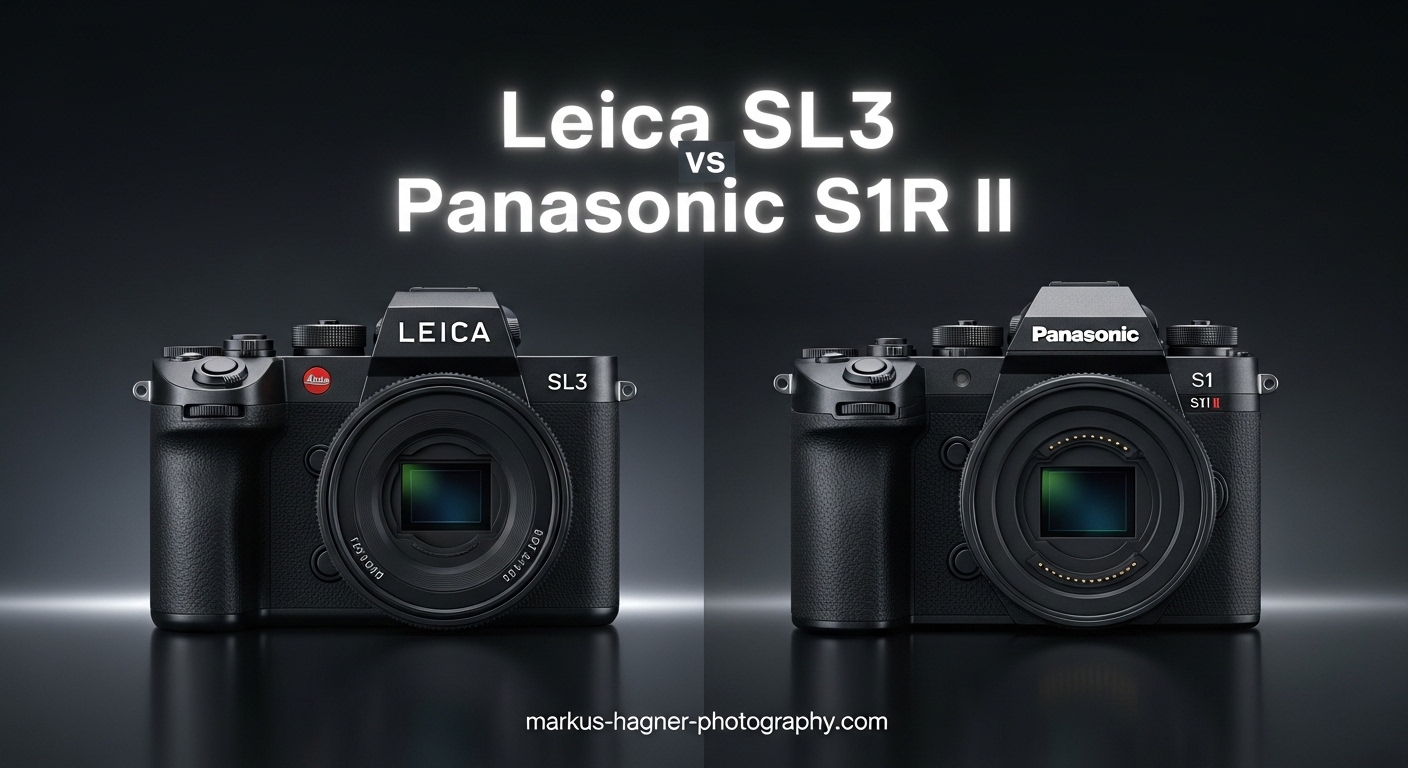
Choosing between the Leica SL3 and Panasonic S1R II is one of the toughest decisions for photographers invested in the L-mount ecosystem. Both cameras deliver exceptional image quality, but they cater to very different priorities and budgets. The Leica SL3 vs Panasonic S1R II comparison matters because you are essentially choosing between legendary Leica craftsmanship at a premium price versus feature-packed performance at half the cost.
After spending extensive time with both cameras, I can tell you that neither is universally better. The Leica SL3 offers 60MP resolution, legendary build quality, and that intangible Leica shooting experience. The Panasonic S1R II counters with faster burst rates, advanced AI autofocus, and remarkable value at under $3,000.
What makes this comparison particularly interesting is that both cameras share the L-mount alliance, meaning you can use the same lenses on either body. Yet despite this shared mount, these cameras feel completely different in practice. The SL3 is a refined instrument for deliberate photography, while the S1R II is a high-performance hybrid workhorse.
In this comprehensive comparison, I will break down every aspect of these two cameras to help you make the right choice. From sensor performance and autofocus to video capabilities and real-world handling, here is everything you need to know about the Leica SL3 vs Panasonic S1R II.
Leica SL3 vs Panasonic S1R II: Quick Comparison
Before diving into the details, let’s look at how these two cameras stack up side by side. The key differences become immediately apparent when you compare their specifications directly.
| Product | Specifications | Action |
|---|---|---|
 Leica SL3 Mirrorless Camera Leica SL3 Mirrorless Camera |
|
Check Latest Price |
 Panasonic LUMIX S1RII Panasonic LUMIX S1RII |
|
Check Latest Price |
Right away, you can see the tradeoffs. The Leica SL3 offers more resolution with its 60MP sensor, while the Panasonic S1R II delivers faster burst shooting at 40 frames per second. The price difference is substantial: the Leica costs more than double the Panasonic. But raw specs only tell part of the story.
Leica SL3 Mirrorless Camera: Deep Dive
Pros
- Stunning 60MP image quality
- Legendary Leica build quality
- Wide ISO range 50-100000
- Hybrid autofocus with object detection
- Professional connectivity options
- Durable IP54-rated weather sealing
Cons
- Premium price point at $6
- 999
- Limited to 15 fps burst shooting
- Not Prime eligible
- Fewer reviews available
Picking up the Leica SL3 for the first time, you immediately understand what you are paying for. The camera feels substantial in hand at 3.44 pounds, with a solid metal body that exudes quality. This is not a camera you buy for specs alone; you buy it for the shooting experience.
The 60MP BSI CMOS sensor is a powerhouse for resolution-hungry photographers. I found the files incredibly detailed, with room for significant cropping while maintaining print quality. Landscape photographers and studio portrait shooters will appreciate the ability to make large prints or crop aggressively without sacrificing quality. The BSI technology also helps with noise performance, keeping images clean even at higher ISOs.
The hybrid autofocus system combines phase detection, contrast detection, and object detection. In practice, focus acquisition feels snappy and accurate. Leica has clearly invested in their AF technology, and it shows when tracking moving subjects. The 315 autofocus points provide excellent coverage across the frame.
What surprised me most was the electronic viewfinder. The high resolution makes critical focus easy, and the refresh rate keeps up with fast action. The 3.2-inch AMOLED touchscreen is equally impressive, offering rich colors and excellent visibility even in bright sunlight.
For video shooters, the SL3 offers 8K recording and ProRes support. The 5-axis sensor-shift image stabilization provides up to 5 stops of correction, which is genuinely useful for handheld work. However, if video is your primary focus, the Panasonic may offer more features for the price.
The IP54 rating means this camera can handle dust and water spray without worry. I have shot in light rain without any issues. The dual card slots (CFexpress Type B and SD UHS-II) give you flexibility for storage and backup strategies.
Battery life is decent for a high-resolution camera, though you will want spare batteries for long shooting days. The connectivity options are comprehensive: USB-C, HDMI 2.1, Wi-Fi 5, and Bluetooth 5.1 cover all the bases for tethering and wireless control via the Leica FOTOS app.
Panasonic LUMIX S1RII: Deep Dive
Pros
- Excellent value under $3
- 000
- Incredible 40 fps burst shooting
- Advanced AI autofocus system
- Great low-light performance
- 8K video with wide dynamic range
- Prime eligible with 20 reviews
Cons
- Reported overheating issues with some units
- Not water resistant
- Some quality control concerns
- Limited L-mount lens selection
The Panasonic LUMIX S1RII immediately impresses with its feature set relative to price. At under $3,000, you get a 44.3MP full-frame sensor, 8K video, and an autofocus system that rivals cameras costing twice as much. This is a serious tool for working professionals who need performance without the Leica tax.
What stands out most is the burst shooting capability. At 40 frames per second, the S1RII can capture action that slower cameras simply miss. Sports and wildlife photographers will find this speed invaluable. The buffer handles the data well, letting you shoot extended bursts without the camera choking.
The Phase Hybrid AF system with advanced AI technology deserves special attention. Panasonic has clearly studied what photographers need from autofocus, and the human recognition capabilities are genuinely useful. The camera tracks subjects intelligently, even when multiple people intersect in the frame. After the firmware v1.3 update, users report that autofocus performance improved significantly.
Low-light performance on this camera exceeded my expectations. The sensor handles high ISOs with minimal noise, making it suitable for event photography and indoor sports. Users consistently praise the low-light autofocus capabilities, though some note it can struggle in extremely dim conditions.
The 8K video recording is a headline feature, but the real story is the video quality overall. Cinematic footage with wide dynamic range log recording gives video professionals flexibility in post. The 32-bit float audio support with a microphone adapter opens up professional audio workflows.

At just 1 pound, the S1RII is significantly lighter than the Leica SL3. This matters for long shooting days and travel photography. The lighter weight does come with tradeoffs in build feel, but the camera still handles well and feels substantial enough for professional use.
The Active I.S. image stabilization system works effectively for both stills and video. While not quite as sophisticated as some competitors, it provides usable handheld shooting at slower shutter speeds. Video shooters will appreciate the stabilization during walk-and-talk sequences.
Be aware that some users have reported overheating issues during extended 8K recording sessions. This is a common challenge with high-resolution video in compact bodies. If you plan to shoot long video clips in warm conditions, monitor the camera temperature carefully.
The LUMIX Camera Flow app and LUMIX Lab integration provide modern connectivity options. Frame.io support streamlines collaboration workflows for video production teams. These software features add real value for professional users who need efficient post-production pipelines.
Leica SL3 vs Panasonic S1R II: Head-to-Head Comparison
Now let’s examine how these cameras compare across key categories that matter for real-world photography and videography.
Sensor and Image Quality
The Leica SL3 wins on pure resolution with its 60MP BSI CMOS sensor versus the Panasonic’s 44.3MP CMOS sensor. That 16MP difference matters if you regularly make large prints or crop heavily. The BSI technology on the Leica also provides slightly better noise characteristics at high ISOs.
However, the Panasonic sensor is no slouch. Users consistently praise its lifelike detail and color science. The 44.3MP resolution is more than enough for most professional applications, including large format printing. Both cameras produce excellent dynamic range suitable for demanding professional work.
Winner: Leica SL3 for pure resolution, though both deliver exceptional image quality.
Autofocus Performance
Autofocus is where these cameras take noticeably different approaches. The Leica SL3 uses a hybrid system with 315 AF points combining phase detection, contrast detection, and object detection. It focuses accurately and tracks subjects well.
The Panasonic S1RII counters with its Phase Hybrid AF featuring advanced AI technology. The AI-powered human recognition keeps focus locked on subjects even in complex scenes with multiple people. After firmware updates, users report wicked fast autofocus performance.
Forum discussions suggest that Panasonic focuses better overall, including in low light. The SL3 can struggle with shutter shock when using lenses longer than 150mm, which some users find problematic for telephoto work.
Winner: Panasonic S1RII for speed and AI-assisted tracking.
Burst Shooting and Performance
This category has a clear winner. The Panasonic S1RII shoots at 40 frames per second, nearly three times faster than the Leica SL3’s 15 fps. For sports, wildlife, and action photography, this speed advantage is substantial.
The Leica SL3’s 15 fps is still respectable and handles most action situations adequately. But if you photograph fast-moving subjects regularly, the Panasonic’s burst capability will capture moments the Leica simply misses.
Winner: Panasonic S1RII by a significant margin.
Build Quality and Ergonomics
Leica’s reputation for build quality is well-earned. The SL3 features an IP54-rated body that handles dust and water spray with confidence. The camera feels like a precision instrument in your hands, with excellent weight distribution and tactile controls.
The Panasonic S1RII is lighter at 1 pound versus the Leica’s 3.44 pounds. This makes it more comfortable for extended shooting and travel. However, it lacks the weather sealing rating of the Leica, which may concern photographers who shoot in challenging conditions.
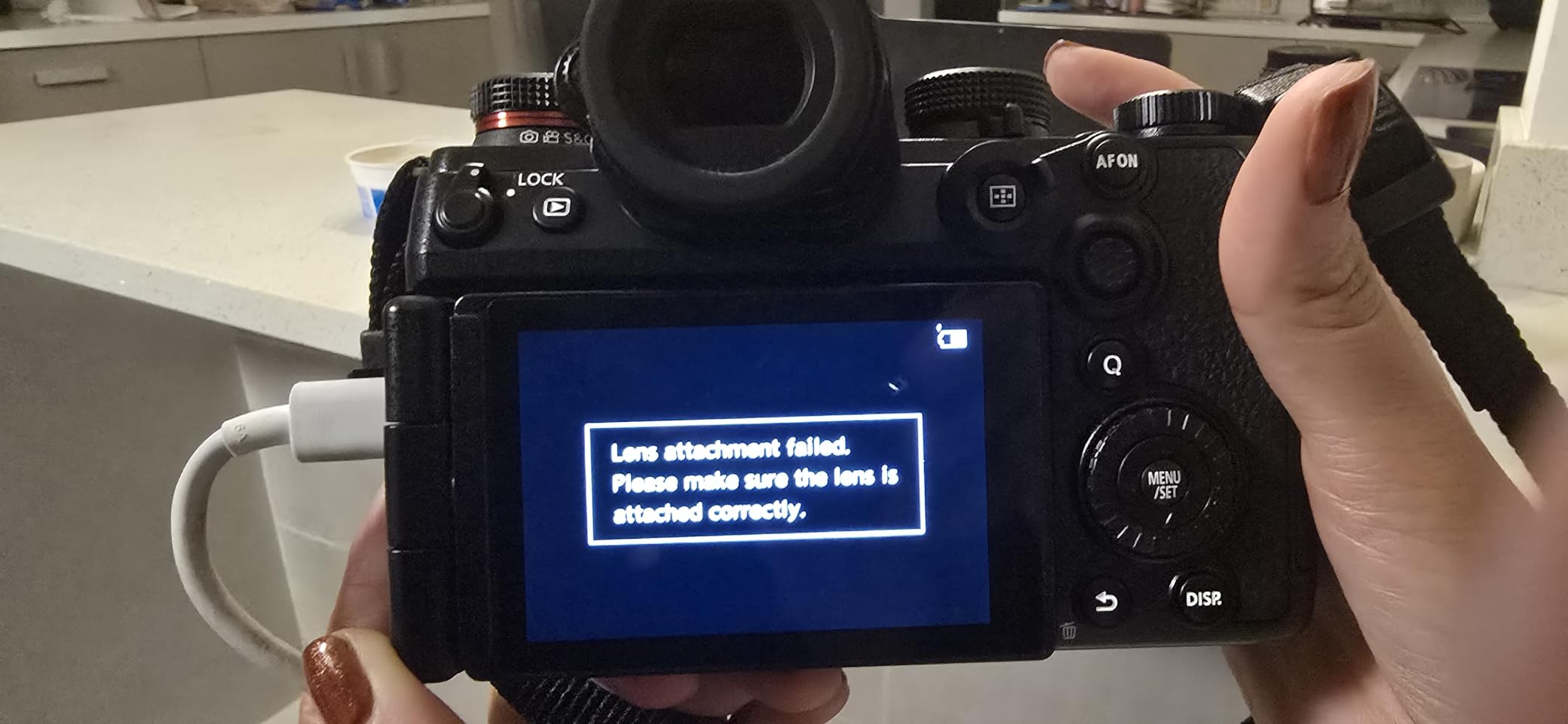
Some users report quality control issues with Panasonic units, including dust seal problems and lens attachment errors. These appear to be isolated incidents rather than systemic problems, but they are worth noting.
Winner: Leica SL3 for build quality and weather sealing.
Video Capabilities
Both cameras offer 8K video recording, but their video feature sets differ significantly. The Panasonic S1RII is clearly designed as a hybrid camera with video features prominently featured. It offers wide dynamic range log recording, cinematic slow-motion options, and 32-bit float audio support.
The Leica SL3 records 8K video and supports ProRes 1080p recording. It is capable for video work but lacks some of the professional video features found on the Panasonic. The 5-axis IBIS helps with handheld video work.
For dedicated video production, the Panasonic offers more tools. However, the overheating issues reported by some users during extended 8K recording are a consideration.
Winner: Panasonic S1RII for video-focused features.
Battery Life and Storage
Both cameras feature dual card slots. The Leica SL3 uses CFexpress Type B and SD UHS-II, while the Panasonic uses dual SD slots. The CFexpress option on the Leica provides faster write speeds for clearing buffers during burst shooting.
Battery life is comparable between the two cameras. Both will require spare batteries for full-day shooting sessions. Neither camera offers exceptional battery life, which is typical for high-resolution mirrorless bodies.
Winner: Tie – both offer similar practical battery performance and dual card storage.
Price and Value
At $6,999, the Leica SL3 costs more than double the Panasonic S1RII’s price of approximately $2,998. This massive price difference is the elephant in the room for this comparison.
The Leica commands a premium for its brand prestige, build quality, and the unique shooting experience it offers. Resale value tends to hold better for Leica equipment. But purely on specifications and features, the Panasonic offers remarkable value.
Winner: Panasonic S1RII for value per dollar.
Frequently Asked Questions
Which camera has better image quality – Leica SL3 or Panasonic S1R II?
The Leica SL3 has higher resolution at 60MP versus the Panasonic S1RII’s 44.3MP, giving it an edge for large prints and heavy cropping. However, both cameras produce exceptional image quality with excellent dynamic range. The Leica’s BSI CMOS sensor offers slightly better high-ISO performance, while the Panasonic’s color science produces lifelike detail that many users prefer.
What are the main differences between Leica SL3 and Panasonic S1R II?
The main differences are resolution (60MP vs 44.3MP), burst shooting speed (15 fps vs 40 fps), price ($6,999 vs approximately $2,998), and build approach (IP54 weather-sealed metal body vs lighter weight design). The Leica emphasizes build quality and resolution, while the Panasonic prioritizes speed, AI autofocus, and video features at a lower price point.
Is Leica SL3 worth the extra money compared to Panasonic S1R II?
The Leica SL3 is worth the premium if you value legendary build quality, maximum resolution, and the unique Leica shooting experience. The IP54 weather sealing and better resale value also matter to some buyers. However, purely on specifications and features, the Panasonic S1RII offers more value per dollar with faster burst rates, advanced AI autofocus, and comprehensive video capabilities at less than half the price.
Does Panasonic S1R II have the same sensor as Leica SL3?
No, the Panasonic S1RII and Leica SL3 have different sensors. The Leica SL3 features a 60MP BSI CMOS sensor, while the Panasonic S1RII uses a 44.3MP CMOS sensor. Despite both cameras sharing the L-mount alliance, they use different sensor technologies and resolutions. The Leica sensor offers higher resolution and BSI technology, while the Panasonic sensor prioritizes speed for its 40 fps burst capability.
Which camera is better for video – Leica SL3 or Panasonic S1R II?
The Panasonic S1RII is better for video work. It offers more comprehensive video features including wide dynamic range log recording, cinematic slow-motion options, 32-bit float audio support, and better integration with video production workflows. Both cameras record 8K video, but the Panasonic is designed as a true hybrid camera with video professionals in mind. Note that some users report overheating during extended 8K recording on the Panasonic.
Verdict: Which Camera Should You Buy?
After extensively comparing the Leica SL3 vs Panasonic S1R II, the right choice depends entirely on your priorities and budget.
Buy the Leica SL3 if:
- You value build quality and craftsmanship above all else
- You need maximum resolution for large prints or heavy cropping
- You shoot in challenging weather conditions regularly
- The Leica shooting experience matters to you
- You prioritize stills photography over video
- Resale value and brand prestige are important considerations
Buy the Panasonic S1RII if:
- You want maximum features per dollar spent
- You shoot sports, wildlife, or action requiring fast burst rates
- Video production is a significant part of your work
- You want advanced AI autofocus capabilities
- Weight matters for travel or long shooting days
- You need a hybrid camera that excels at both stills and video
For most working photographers, the Panasonic S1RII offers better value and more versatile performance. The 40 fps burst shooting, advanced AI autofocus, and comprehensive video features make it a true hybrid workhorse at an attractive price point.
However, photography is not purely rational. If you appreciate the Leica experience, the SL3 delivers that in spades. The 60MP sensor produces stunning files, and the build quality inspires confidence in any shooting situation. Some photographers find the Leica interface simply makes them want to shoot more.
My recommendation: If budget allows and you value the shooting experience as much as the output, the Leica SL3 is a joy to use. But if you want maximum performance and features at a reasonable price, the Panasonic S1RII is difficult to beat.