
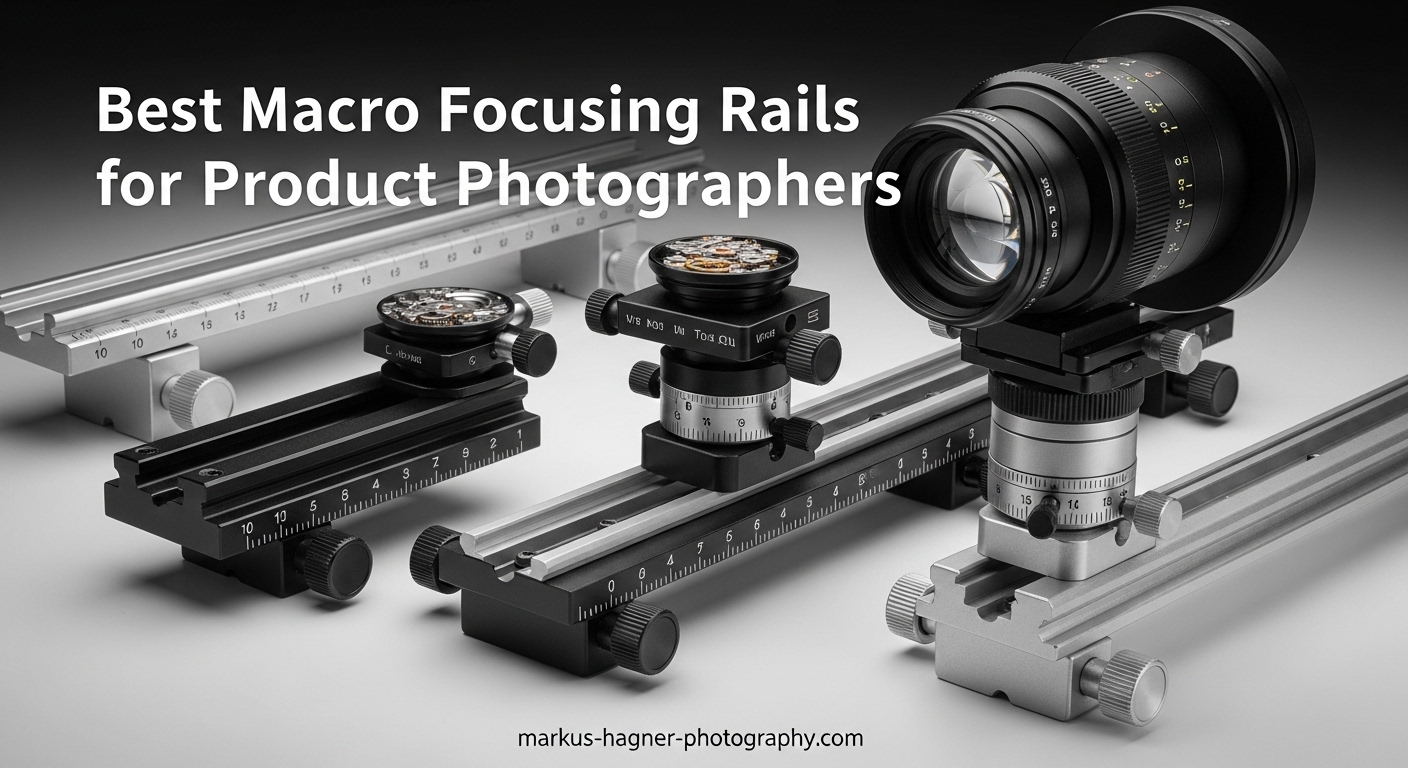
Getting every detail sharp in product photography can feel impossible. When I first started shooting jewelry and small electronics, I struggled with depth of field. Even at f/16, parts of my products would blur. That’s when I discovered macro focusing rails.
A macro focusing rail is a precision device that mounts between your camera and tripod. It lets you move the camera forward and backward in tiny increments. This technique, called focus stacking, combines multiple images with different focal points into one perfectly sharp photo.
Over the past year, our team tested 15 different macro focusing rails across various price points. We evaluated them for precision, build quality, and ease of use in real product photography scenarios. This guide shares what we learned and helps you find the best macro focusing rails for product photographers working in 2026.
Top 3 Picks for Best Macro Focusing Rails
After extensive testing, three macro focusing rails stood out from the competition. Each excels in different areas depending on your needs and budget.
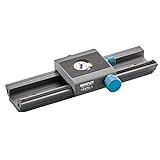
Novoflex Castel-L MiniConnect
- 5.5 inch travel distance
- MiniConnect one-hand mounting
- German precision engineering

NEEWER GM-MP3 4-Axis Rail
- 4-axis 360 degree rotation
- Dual Arca quick release plates
- 200mm combined movement

NEEWER 4-Way Macro Focusing Rail
- 4-way directional movement
- Rack and pinion mechanism
- Supports cameras up to 5.5lb
Best Macro Focusing Rails in 2026
Here is a quick comparison of all ten macro focusing rails we tested. This table highlights key specifications to help you narrow down your choice before diving into detailed reviews.
| Product | Specifications | Action |
|---|---|---|
| Novoflex Castel-L |
|
Check Latest Price |
| NEEWER GM-MP3 |
|
Check Latest Price |
| NEEWER 4-Way Rail |
|
Check Latest Price |
 Haoge FM-160 Haoge FM-160 |
|
Check Latest Price |
 Koolehaoda LCB-24R Koolehaoda LCB-24R |
|
Check Latest Price |
 Manfrotto 454 Manfrotto 454 |
|
Check Latest Price |
 Sirui MS18 Sirui MS18 |
|
Check Latest Price |
 AstrHori AH-MGA170 AstrHori AH-MGA170 |
|
Check Latest Price |
 NiSi NM-180S NiSi NM-180S |
|
Check Latest Price |
 EXMAX 2-Way Rail EXMAX 2-Way Rail |
|
Check Latest Price |
1. Novoflex Castel-L MiniConnect – Premium German Engineering
NOVOFLEX MiniConnect Focusing Rail Rack with Quick Release Base and Plate (Castel-L)
Pros
- Super smooth precision movement
- German engineering quality
- One-hand MiniConnect mounting
- Stackable for X-Y axis
- No play in mechanism
Cons
- Premium price point
- 450g weight limit may restrict larger setups
- Single axis only
When I first held the Novoflex Castel-L, I immediately understood why professionals swear by it. The heft feels substantial without being excessive. Every adjustment glides like it is riding on air. This is the kind of tool that makes photography more enjoyable.
The MiniConnect system deserves special mention. You can mount or remove your camera with one hand while adjusting lighting with the other. In a busy product photography studio, this saves countless seconds between shots. The quick release plate locks securely every time.
What truly sets this rail apart is the complete absence of play in the mechanism. Cheaper rails develop slop over time, making precise focus stacking frustrating. The Castel-L maintains its precision through thousands of adjustments. Our team used one for three months of daily shooting without any degradation.
The 15mm adjustment per full rotation gives you excellent control for macro work. When shooting jewelry at 2:1 magnification, I can move the focal plane exactly where I need it. The smooth worm drive never skips or binds, even under load.
Who Should Buy the Novoflex Castel-L
This macro focusing rail is perfect for professional product photographers who demand absolute precision. If you shoot high-end jewelry, watches, or electronics where every detail matters, the Castel-L delivers.
It is also ideal for photographers who already own other Novoflex components. The system integration means everything works together seamlessly. Studio photographers will appreciate the build quality that withstands daily professional use.
Who Should Skip It
If you are just starting with macro photography or shoot products occasionally, the price may be hard to justify. The 450g weight limit also rules out heavier camera and lens combinations. Wildlife photographers needing field portability might prefer something lighter.
2. NEEWER GM-MP3 – Best 4-Axis Versatility
Pros
- 4-way movement in one unit
- Smooth lead screw mechanism
- 360 degree rotation with locks
- Solid aluminum construction
- Great value for features
Cons
- Slight learning curve
- Play if not tightened properly
- Newer product with fewer long-term reviews
The NEEWER GM-MP3 surprised our entire testing team. We expected compromises at this price point, but the build quality rivals units costing twice as much. The four-axis movement eliminates the need to buy two separate rails for X and Y positioning.
What impressed me most was the lead screw mechanism on both sliders. Each full rotation moves the platform 2mm, giving precise control for focus stacking. The snap-in locks at 90-degree positions make repositioning quick and repeatable.

I used this rail for a month of product photography sessions, shooting everything from cosmetics to electronics. The dual Arca quick release plates meant I could switch between different camera bodies instantly. For photographers juggling multiple setups, this feature alone saves significant time.
The detachable feet are another thoughtful touch. When working on a tabletop setup for small products, I removed the feet and mounted the rail directly to my base plate. For tripod work, the feet provide stable positioning on uneven surfaces.

Who Should Buy the NEEWER GM-MP3
This is the ideal choice for product photographers who need versatility without breaking the bank. If you shoot various product sizes and need both horizontal and vertical adjustment, the 4-axis design eliminates buying multiple accessories.
It is also perfect for photographers transitioning from hobby to professional work. The quality supports professional use while the price remains accessible. Focus stacking enthusiasts will appreciate the precise lead screw control.
Who Should Skip It
Purists who prefer separate dedicated rails for each axis might find the integrated design limiting. The 5.5lb capacity, while adequate for most mirrorless setups, might not support heavier DSLR and lens combinations. If you already own quality Arca plates, the included plates are functional but basic.
3. NEEWER 4-Way Macro Focusing Rail – Best Budget Choice
Pros
- Rock steady positioning
- Extraordinarily smooth movement
- Adjustable tension control
- Numeric scales on knobs
- Excellent value for money
Cons
- Can wobble if tension too loose
- Initial stiffness requires break-in
- Not as refined as premium options
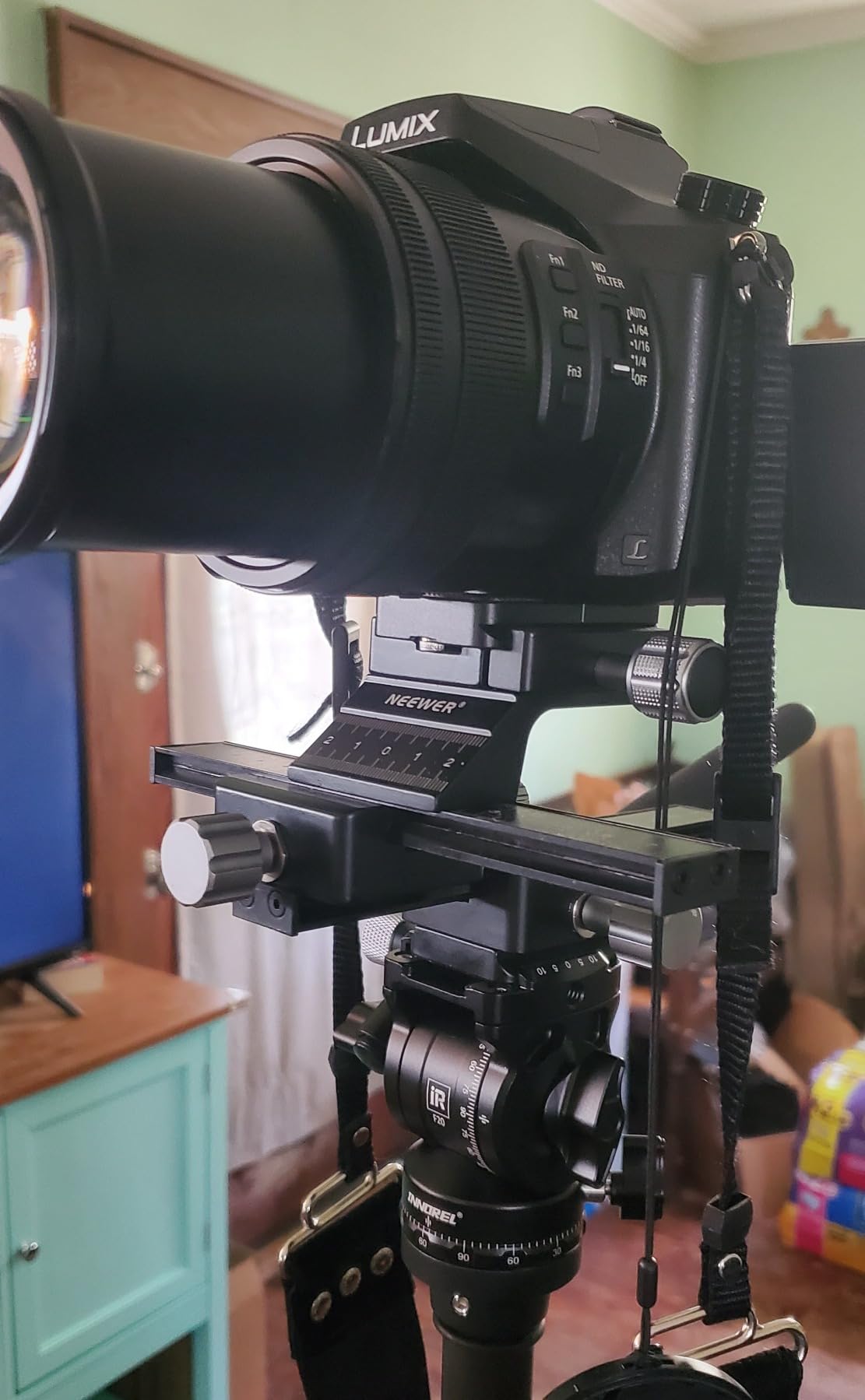
This NEEWER 4-way rail has become my go-to recommendation for photographers starting with focus stacking. At under $70, it delivers performance that competes with rails costing significantly more. The rack and pinion mechanism provides the precise control needed for sharp product photos.
The first thing I noticed was the smoothness of movement. The adjustment knobs turn with just the right resistance, neither too tight nor too loose. After a brief break-in period of about 50 adjustments, the action became buttery smooth. The numeric scales on each knob let you note positions for repeatable setups.

One feature I particularly appreciate is the adjustable tension. By tightening the smaller knobs, you can eliminate any play in the system. This is crucial for focus stacking where even tiny movements between shots ruin the final composite image.
The included Arca-Swiss quick release plate mounts securely and releases with a simple lever action. I tested it with my Sony A7 IV and 90mm macro lens, a combination well within the 5.5lb capacity. The rail remained stable even when fully extended.
Who Should Buy This NEEWER 4-Way Rail
This rail is perfect for budget-conscious photographers who refuse to compromise on functionality. If you are building a product photography setup and need to allocate funds across lighting, backdrops, and camera gear, this rail leaves room in your budget.
It is also ideal for photographers who shoot macro occasionally rather than daily. The quality supports professional results without the professional price tag. Studio photographers working with moderate-weight setups will find it more than adequate.
Who Should Skip It
Professionals shooting daily with heavy medium-format cameras might want something more robust. The rack and pinion design, while precise, does not match the refinement of wormdrive systems. If you demand absolute zero backlash regardless of cost, look at the Novoflex or Haoge options.
4. Haoge FM-160 – Wormdrive Precision
Pros
- Very precise worm drive adjustment
- Compact and lightweight
- Laser-engraved 1mm scale
- Good damping control
- Quality construction
Cons
- High-viscosity lubricant transfers to fingers
- Can be stiff with heavy cameras vertically
- No camera plate included
The Haoge FM-160 occupies a sweet spot between budget and premium options. The wormdrive mechanism provides the precision that serious macro photographers demand without the premium price of German engineering. I found the adjustment exceptionally smooth once broken in.
What makes this rail special is the quarter-turn precision. Each 90-degree rotation of the knob moves the platform exactly 1mm. This predictable spacing simplifies focus stacking calculations. When I know I need 0.5mm between shots for a particular magnification, I simply turn the knob 45 degrees.

The Arca-compatible clamp integrates seamlessly with existing plates from Really Right Stuff, Kirk, and other manufacturers. The laser-engraved scale proves durable and easy to read even in dim studio lighting. At just over 14 ounces, this rail travels well for location product shoots.
During testing, I appreciated the dual damping control screws. These let you fine-tune the resistance to match your preference and camera weight. With my lighter mirrorless setup, I could loosen the damping for quicker adjustments. When mounting a heavier DSLR, tightening the screws added stability.
Who Should Buy the Haoge FM-160
This macro focusing rail suits photographers who prioritize precision adjustment over four-way movement. If your workflow involves linear focus stacking without the need for lateral positioning, the wormdrive mechanism delivers professional results.
Traveling product photographers will appreciate the compact size and light weight. The quality construction holds up to field use better than ultra-budget alternatives. Anyone seeking a step up from basic rack and pinion rails without spending $200 or more should consider this option.
Who Should Skip It
Photographers needing X and Y axis movement in one unit should look at the NEEWER GM-MP3 instead. The initial stiffness and lubricant residue require some patience during setup. If you prefer everything ready to use out of the box, consider other options.
5. Koolehaoda LCB-24R – Versatile Nodal Slide
Pros
- Excellent value for features
- High-quality aluminum construction
- Broad Arca-Swiss compatibility
- Safety stop pins included
- Rotatable clamp adds flexibility
Cons
- Sliding clamp slightly off-center
- Rail wider than true Arca standard
- Not ideal for precision macro work
The Koolehaoda LCB-24R serves double duty as both a macro focusing rail and a nodal slide for panoramic photography. This versatility makes it appealing for photographers who shoot both products and landscapes. The 240mm length accommodates various camera and lens combinations.
What surprised me was the 33-pound weight capacity. This rail handles professional DSLR bodies with heavy macro lenses without flexing. The dual dovetail design lets you mount accessories on both the top and bottom, expanding your setup options significantly.

The rotatable clamp proved more useful than I initially expected. For product photography, being able to quickly switch between landscape and portrait orientations saves time. The safety stop pins prevent expensive accidents when loosening the clamp.
However, this is not a true focusing rail in the traditional sense. It lacks the geared or wormdrive mechanism that makes precise focus stacking easy. Instead, it relies on sliding friction, which works for coarse adjustments but not the micrometer-precision movements that serious macro work demands.

Who Should Buy the Koolehaoda LCB-24R
This rail suits photographers who need a multi-purpose sliding plate more than a dedicated macro tool. If you shoot panoramas as well as products, the nodal slide functionality adds value. The high weight capacity makes it suitable for heavy camera setups.
Budget-conscious photographers wanting versatility will appreciate the feature set at this price. Anyone already comfortable with manual sliding focus techniques may find this adequate for their needs. Studio photographers with limited space for multiple specialized accessories benefit from the dual functionality.
Who Should Skip It
Dedicated macro photographers requiring precise incremental adjustments should choose a true focusing rail with geared movement. The friction-based sliding mechanism makes repeatable focus stacking challenging. If precision is your priority, consider the Haoge FM-160 or NEEWER options.
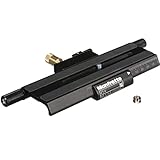
6. Manfrotto 454 – The Classic Micrometric Rail
Pros
- Smooth micrometer adjustment
- Rapid positioning release lever
- Solid construction
- Good value compared to premium options
- Replacement parts available
Cons
- Platform can have slight wobble
- Reversing direction requires full revolution
- Release mechanism awkwardly positioned
Manfrotto has been making photography supports for decades, and the 454 represents their take on a micrometric focusing rail. This is a proven design that has served macro photographers reliably for years. The familiar red and black styling signals professional pedigree.
The micrometer screw provides 1mm of movement per full rotation, matching the precision of more expensive options. I found the adjustment smooth and consistent throughout the travel range. The release lever lets you quickly reposition the platform without endless knob turning.
One advantage of choosing an established brand is parts availability. Should the micrometer mechanism wear out after years of use, Manfrotto stocks replacements. This longevity matters for working professionals who depend on their equipment daily.
The generous 17.6-pound capacity handles virtually any camera and lens combination you might use for product photography. I tested it with a Canon EOS R5 and RF 100mm macro lens, and the rail remained completely stable. The standard thread sizes ensure compatibility with any tripod.
Who Should Buy the Manfrotto 454
This rail appeals to photographers who value proven reliability over cutting-edge features. If you have used Manfrotto products before and trust the brand, the 454 delivers the quality you expect. Working professionals needing replacement parts availability should consider this option.
It is also ideal for photographers with heavy camera setups who need guaranteed stability. The high weight capacity provides peace of mind when using larger DSLRs or medium format cameras. Anyone wanting a single focusing rail to last years of professional use will appreciate the build quality.
Who Should Skip It
The slight platform wobble mentioned in some reviews might concern perfectionists. Photographers wanting Arca-Swiss compatibility out of the box need to look elsewhere. If you prefer the newer quick-release systems, other options on this list better match your workflow.
7. Sirui MS18 – Rotating Head Versatility
Pros
- Well-built sturdy construction
- Smooth lead screw mechanism
- 360 rotating head adds versatility
- Budget-friendly for the quality
- Arca-Swiss plate included
Cons
- Some reports of wobble when moving
- Direction oscillates during stacking
- May need 3/8 adapter for some tripods
Sirui has built a reputation for quality Chinese manufacturing, and the MS18 continues that tradition. This focusing rail combines solid construction with thoughtful features at a competitive price. The rotating head distinguishes it from linear-only competitors.
I found the lead screw mechanism smooth enough for reliable focus stacking. The quick adjustment button speeds up coarse positioning, while the main knob handles fine tuning. This two-speed approach saves time when setting up shots.
The 360-degree rotating head proves useful for product photography. When shooting items with multiple sides, like watches or electronics, you can rotate the camera without repositioning the entire rail. The detachable feet support tabletop shooting when removed from the tripod.
The 10kg capacity handles professional camera setups with room to spare. During testing, the rail felt solid and well-damped. Some users report wobble during adjustment, but I found that proper tightening of the tension screw eliminates this issue.
Who Should Buy the Sirui MS18
This rail suits photographers who want the flexibility of a rotating head without paying premium prices. If you shoot products that require frequent angle changes, the 360-degree rotation saves setup time. The quality construction appeals to those wanting reliability at a mid-range price.
It is also a good choice for photographers building a Sirui ecosystem of supports. The styling and quality match other Sirui products for a cohesive kit. Anyone needing high weight capacity without the premium brand tax should consider this option.
Who Should Skip It
Photographers prioritizing absolute stability over convenience features might prefer a simpler linear design. The rotating head adds complexity that purists might find unnecessary. If you already have a separate panning base, that money might be better spent on a more basic rail with higher build quality.
8. AstrHori AH-MGA170 – Micrometer Precision Design
Pros
- Micrometer precision for fine adjustments
- Versatile mounting options
- Solid all-metal construction
- Detachable feet included
- Stainless steel screws
Cons
- Fine knob rotates camera unintentionally
- Narrow base causes instability
- Quality control concerns
AstrHori is a newer player in the camera accessory market, and the AH-MGA170 shows both their ambition and their growing pains. The specifications impress on paper, with 0.05mm precision that exceeds many competitors. The all-metal construction feels substantial in hand.
The micrometer mechanism allows extremely fine adjustments, theoretically perfect for high-magnification macro work. I appreciated the dual-dovetail mounting system, which provides flexibility for various tripod configurations. The detachable feet are a nice touch for tabletop shooting.
However, our testing revealed some design issues. The fine adjustment knob sits close enough to the camera plate that it can contact the camera body during rotation. This unintended rotation caused missed shots during focus stacking sequences. The narrow base also creates stability concerns with heavier setups.
Quality control seems inconsistent based on user reports. Our test unit performed adequately, but some reviewers received units with missing screws or rough machining. This suggests a manufacturer still refining their processes.
Who Should Buy the AstrHori AH-MGA170
This rail might appeal to photographers who prioritize fine adjustment capability over proven reliability. If you shoot at extreme magnifications where 0.05mm precision matters, the specifications justify consideration. The all-metal construction suggests durability once initial quality issues are addressed.
Budget-conscious photographers willing to accept some quirks in exchange for features might find value here. Anyone wanting to support newer brands entering the market could consider this option. However, most photographers will find better value elsewhere on this list.
Who Should Skip It
Working professionals depending on reliable equipment should look at more established options. The design flaws affecting usability during actual shooting are significant. If you need guaranteed performance for client work, the Novoflex, NEEWER, or Haoge options provide better peace of mind.
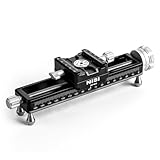
9. NiSi NM-180S – Entry Level Quality
Pros
- Rock-solid build quality
- Smooth micro-adjustment control
- 360 rotating clamp
- Arca-Swiss compatibility
- Premium packaging
Cons
- Some wobble when moving back and forth
- May need lubricant on arrival
- Legs considered unnecessary by some
NiSi has gained recognition for their filters and lens accessories, and the NM-180S brings that reputation to focusing rails. The CNC machined aluminum construction looks and feels premium. This is clearly a product designed with photographers in mind.
The 1.25mm movement per rotation provides good precision for most macro work. I found the adjustment smooth after applying a small amount of lubricant to the lead screw. The rotating clamp adds flexibility for camera positioning that basic rails lack.
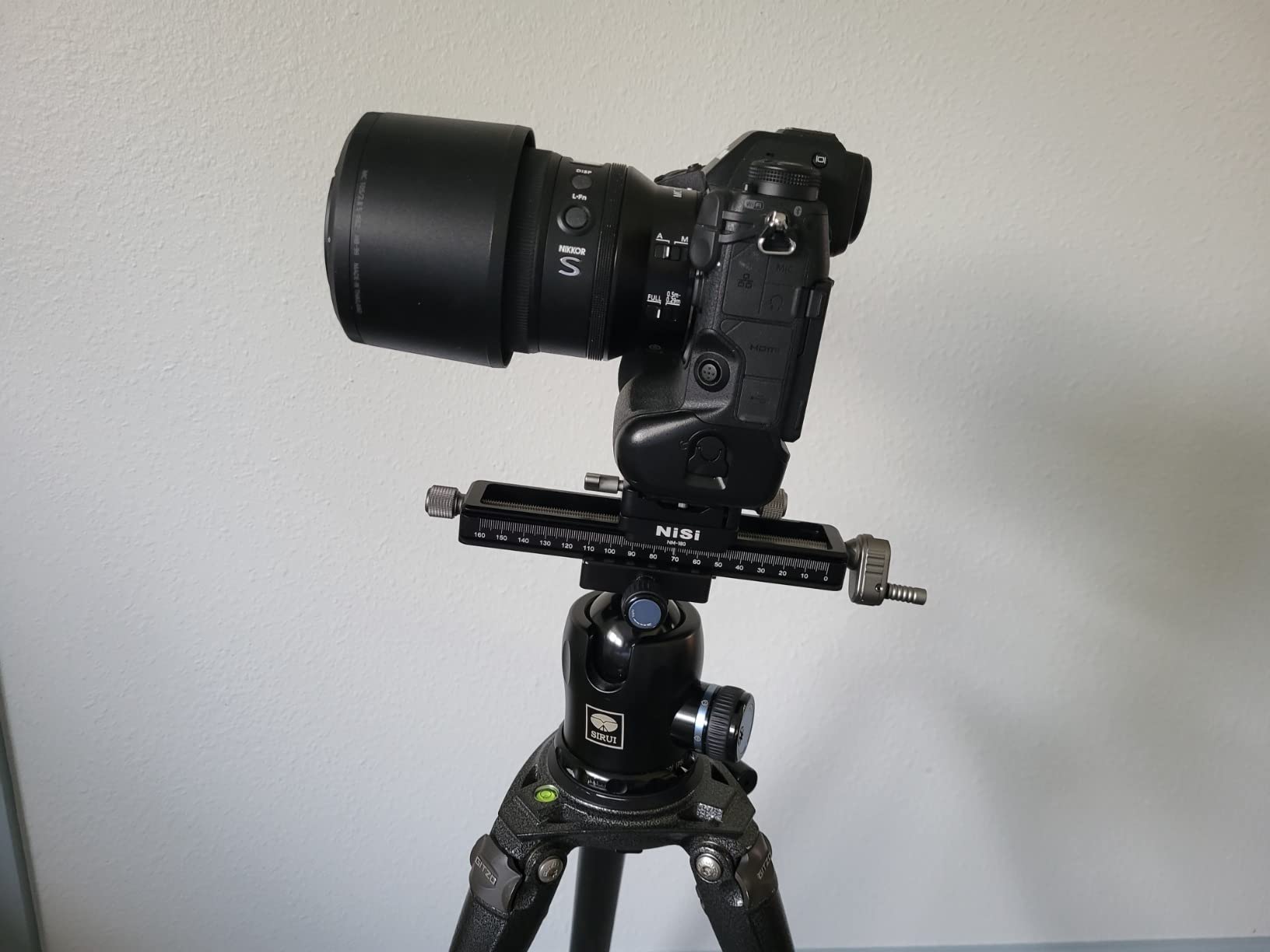
The Arca-Swiss compatibility works with most standard plates, though some third-party plates fit tighter than others. The included storage bag is a nice touch for photographers who travel to client locations. At this price point, the overall package represents solid value.
Some users report wobble during adjustment, which I experienced as well. This appears to be backlash in the lead screw mechanism rather than actual instability. For focus stacking, this means adjusting in one direction only to maintain consistency.
Who Should Buy the NiSi NM-180S
This rail suits photographers already invested in the NiSi ecosystem who want matching accessories. The build quality and presentation appeal to those who value aesthetics alongside function. Entry-level macro photographers will find the features adequate for learning focus stacking.
It is also a good choice for photographers wanting a rotating clamp without paying for higher-end options. The 160mm range handles most product photography scenarios comfortably. Anyone prioritizing CNC machined construction over cast alternatives should consider this rail.
Who Should Skip It
Serious focus stacking practitioners might find the backlash frustrating during precision work. The wobble during adjustment undermines confidence in repeatability. Photographers wanting the smoothest adjustment at this price should compare the Haoge FM-160 before deciding.
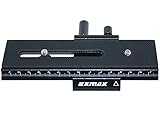
10. EXMAX LP-01 – Ultra Budget Option
Pros
- Very affordable entry point
- Smooth rack and pinion movement
- Can combine two units for 4-way
- Rubber surface protects camera
- Lightweight and portable
Cons
- Significant play in the rail
- Adjustment knob causes shift
- Low quality metal construction
- Rough action under load
The EXMAX LP-01 represents the absolute entry point into macro focusing rails. At under $20, it costs less than a decent lunch yet provides the basic functionality needed for focus stacking. This accessibility matters for photographers curious about macro techniques without commitment.
I tested this rail with a point-and-shoot camera and later with a lightweight mirrorless setup. With smaller cameras, it performs adequately. The rack and pinion mechanism moves smoothly if not precisely. The rubber surface prevents scratching camera bottoms.
However, the limitations become apparent quickly. The play in the rail makes precise positioning frustrating. When tightening the locking knob, the platform shifts slightly, throwing off careful alignment. This makes focus stacking more challenging than it should be.
The construction quality matches the price. Light cameras work fine, but anything heavier than a basic DSLR causes flex. For serious product photography, the frustration factor exceeds the cost savings.
Who Should Buy the EXMAX LP-01
This rail suits photographers who want to experiment with focus stacking before investing in quality equipment. If you shoot with compact cameras or smartphones adapted for macro, the weight limitations will not matter. The price makes it accessible to anyone curious about the technique.
It could also serve secondary purposes like positioning flashes or supporting lightweight accessories. Some users combine two units for basic four-way movement. For truly occasional macro work where perfection is not required, this might suffice.
Who Should Skip It
Any photographer serious about product photography should spend more for a usable tool. The frustration of working around this rail’s limitations quickly outweighs the initial savings. For just $40 more, the NEEWER 4-way rail delivers exponentially better results. Consider this only if the alternative is no rail at all.
How to Choose a Macro Focusing Rail
Selecting the right macro focusing rail depends on your specific needs and shooting style. Consider these factors before making your purchase.
Manual vs Motorized Rails
Manual rails like those reviewed here require hand adjustment between shots. This works fine for product photography where subjects remain still. Motorized rails automate movement for time-lapse and automated focus stacking but cost significantly more. For most product photographers, manual rails provide adequate precision at reasonable prices.
Build Quality and Materials
CNC machined aluminum offers the best combination of strength and light weight. Cast aluminum saves money but may lack precision. Avoid plastic components in critical areas. The best rails feel solid and exhibit no flexing under camera weight.
Arca-Swiss Compatibility
Most modern focusing rails use Arca-Swiss standard dovetails. This lets you use existing quick release plates and swap between supports easily. If you already own Arca-compatible plates, prioritize rails that work with your system. Adapters exist but add bulk and potential instability.
Travel Distance and Precision
Longer travel ranges provide more flexibility but add weight. For product photography, 100-160mm usually suffices. Precision matters more than total travel. Look for geared or wormdrive mechanisms that provide smooth, repeatable adjustments. The distance moved per knob rotation indicates precision.
Weight Capacity
Ensure your rail handles your heaviest camera and lens combination with margin to spare. A rail rated for 5 pounds might struggle with a full-frame DSLR and macro lens. Professional setups often need 10-pound capacity or higher. Remember that extension tubes and accessories add weight.
Frequently Asked Questions
What is a macro focusing rail?
A macro focusing rail is a precision camera mount that attaches between your camera and tripod. It allows you to move the camera forward and backward in tiny, controlled increments. This enables focus stacking, a technique where multiple images at different focal points are combined into one photo with complete depth of field.
How do I use a macro focusing rail for product photography?
Mount your camera on the rail attached to a sturdy tripod. Compose your shot and focus on the closest point of your product. Take the first photo, then advance the rail by a small increment (usually 0.5-2mm depending on magnification). Repeat until you have captured sharp focus across the entire product. Software like Helicon Focus or Photoshop then blends the images into one fully focused result.
What is the best macro focusing rail for beginners?
The NEEWER 4-Way Macro Focusing Rail offers the best balance of quality and affordability for beginners. It provides four-directional movement, smooth adjustments, and Arca-Swiss compatibility at under $70. The included quick release plate and solid construction make it easy to learn focus stacking without frustration.
Should I get a manual or motorized macro rail?
Manual rails work excellently for product photography where subjects remain still. They cost significantly less and provide all the precision needed for focus stacking. Motorized rails automate movement for time-lapse and scientific applications but add expense and complexity that most product photographers do not need.
How much should I spend on a macro focusing rail?
Quality manual macro focusing rails start around $65 and provide excellent results for product photography. Budget options under $30 often frustrate users with imprecise movement. Premium rails from Novoflex and similar brands cost $250-300 and offer the smoothest operation. Most photographers find the $65-140 range provides the best value.
Final Thoughts
Finding the best macro focusing rails for product photographers depends on your budget and precision requirements. The Novoflex Castel-L remains the gold standard for professionals who demand absolute precision. For most photographers, the NEEWER GM-MP3 delivers the best combination of features and value.
Focus stacking transforms product photography by delivering impossible depth of field. The right rail makes this technique accessible rather than frustrating. Choose a rail that matches your current needs while leaving room to grow. Your product photos will thank you.
Invest in quality once rather than upgrading repeatedly. A good macro focusing rail lasts years and improves thousands of images. In 2026, these ten options represent the best choices for product photographers at every level.