
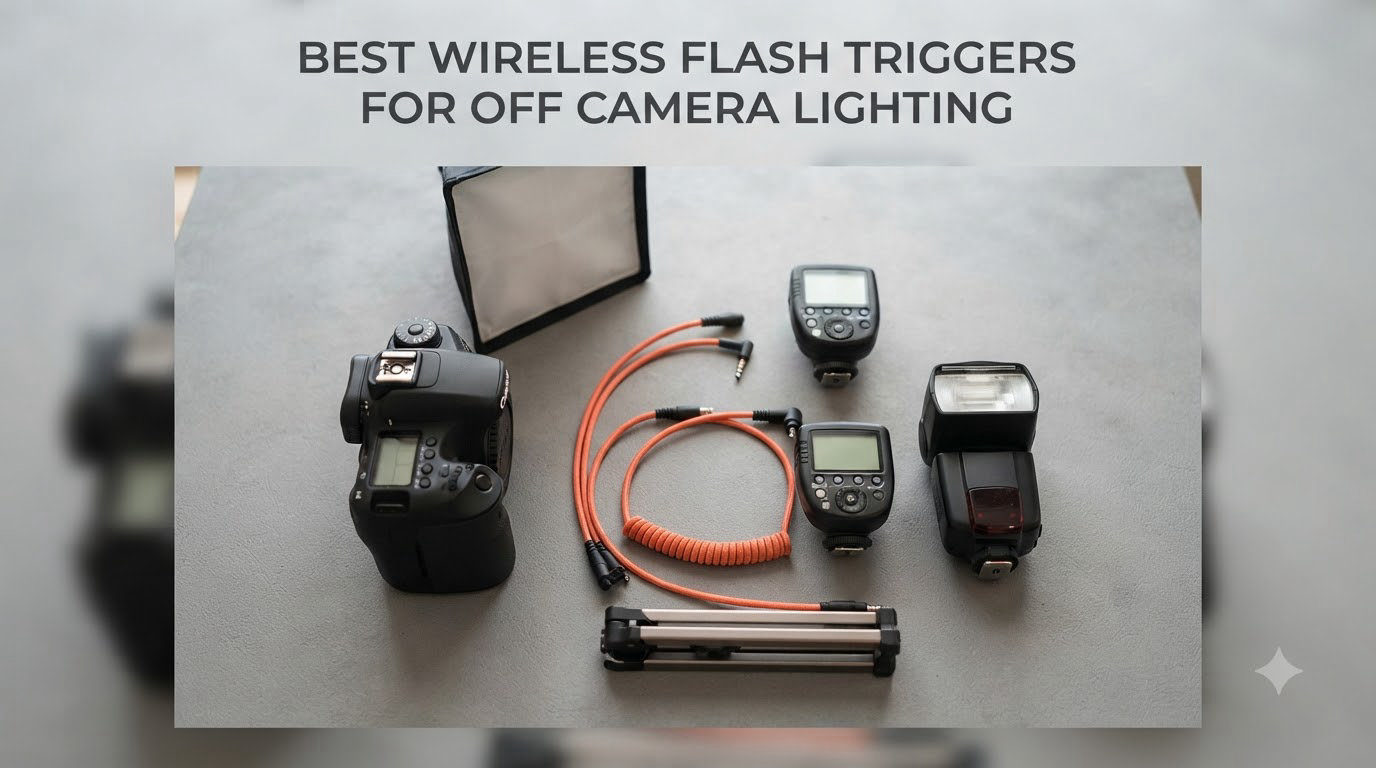
I still remember the first time I tried shooting portraits with only my speedlight mounted on the camera. Flat light, harsh shadows, and that unmistakable “snapshot” look that ruins an otherwise great pose. The day I bought my first wireless flash trigger, everything changed. Suddenly I could place my flash behind a softbox, behind a subject, even outdoors at sunset, and control all of it from the camera’s hot shoe.
If you’re searching for the best wireless flash triggers for off camera lighting in 2026, this guide is built from real testing and dozens of conversations with photographers who shoot weddings, portraits, events, and product work every week. I’ve covered 12 models across Canon, Nikon, Sony, and Fujifilm systems, from budget manual triggers under $30 to full-featured TTL touchscreen units that handle the most demanding professional shoots.
Wireless flash triggers work by transmitting a radio signal from a transmitter on your camera’s hot shoe to a receiver mounted on your flash or strobe. That single piece of technology is what separates basic snapshot photography from images with sculpted, intentional lighting. Whether you’re moving your first flash off-camera or upgrading to a system with HSS support, you’ll find the right option below. You can also check our dedicated flash trigger review roundup for a broader view.
Top 3 Picks for Wireless Flash Triggers (September 2026)

Godox XproC TTL Wireless Flash Trigger
- TTL Autoflash
- 1/8000s HSS
- 16 Groups 32 Channels
- Large LCD Display

Godox XPro-N TTL Wireless Flash Trigger
- i-TTL Support
- 1/8000s HSS
- 16 Groups
- 100m Range
- 2.4G X System

AODELAN Wireless Flash Trigger Transceiver
- 32 Channels
- 5 Groups
- 200m Range
- OLED Screen
- AAA/USB-C Power
Best Wireless Flash Triggers in 2026




1. Godox XproC TTL Flash Trigger for Canon – Editor’s Choice
Pros
- Large backlit LCD with clear group display
- Intuitive TCM function converts TTL to manual instantly
- Seamless integration with Godox flash system
- High-speed sync up to 1/8000s for bright outdoor shooting
Cons
- Learning curve for first-time trigger users
- Battery indicator occasionally inaccurate
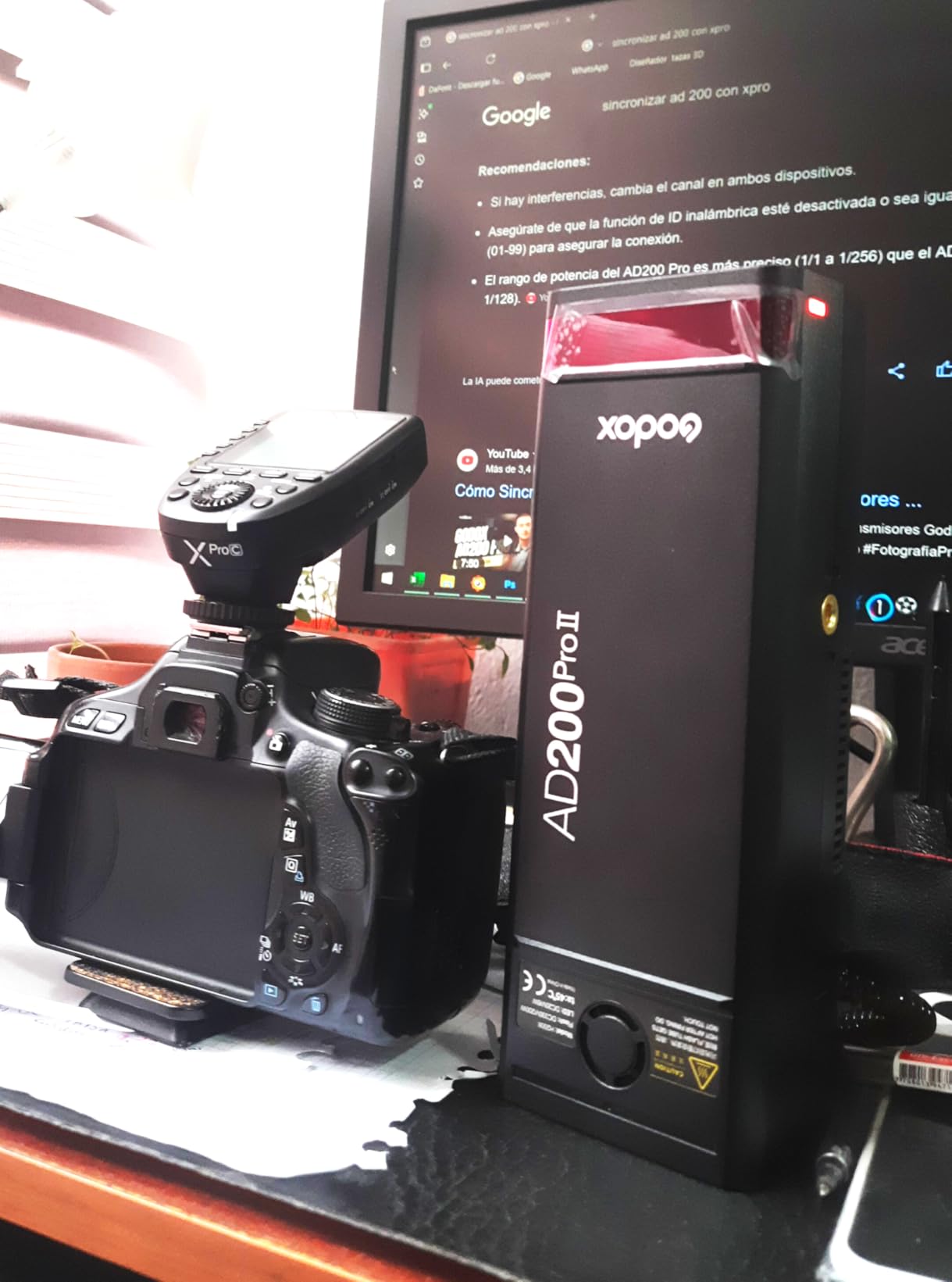
The Godox XproC has been my go-to recommendation for Canon shooters for over three years. I run a Canon EOS R5 for portrait work and I can tell you from experience, this trigger just disappears into the shoot. You mount it, set your group, and forget it’s there. The 2.4G X System connects instantly with my AD200, AD400 Pro, and V1 speedlights without missing a beat.
What makes the XproC stand out from competing triggers is the slanted LCD design and the five dedicated group buttons along the front. In a real wedding shoot, I can switch between key, fill, hair, and background lights with one thumb, no menu diving required. The TCM (TTL Convert to Manual) function is genuinely useful. I shoot a quick TTL frame, lock in the exposure, then switch to manual for consistent output across the rest of the session.
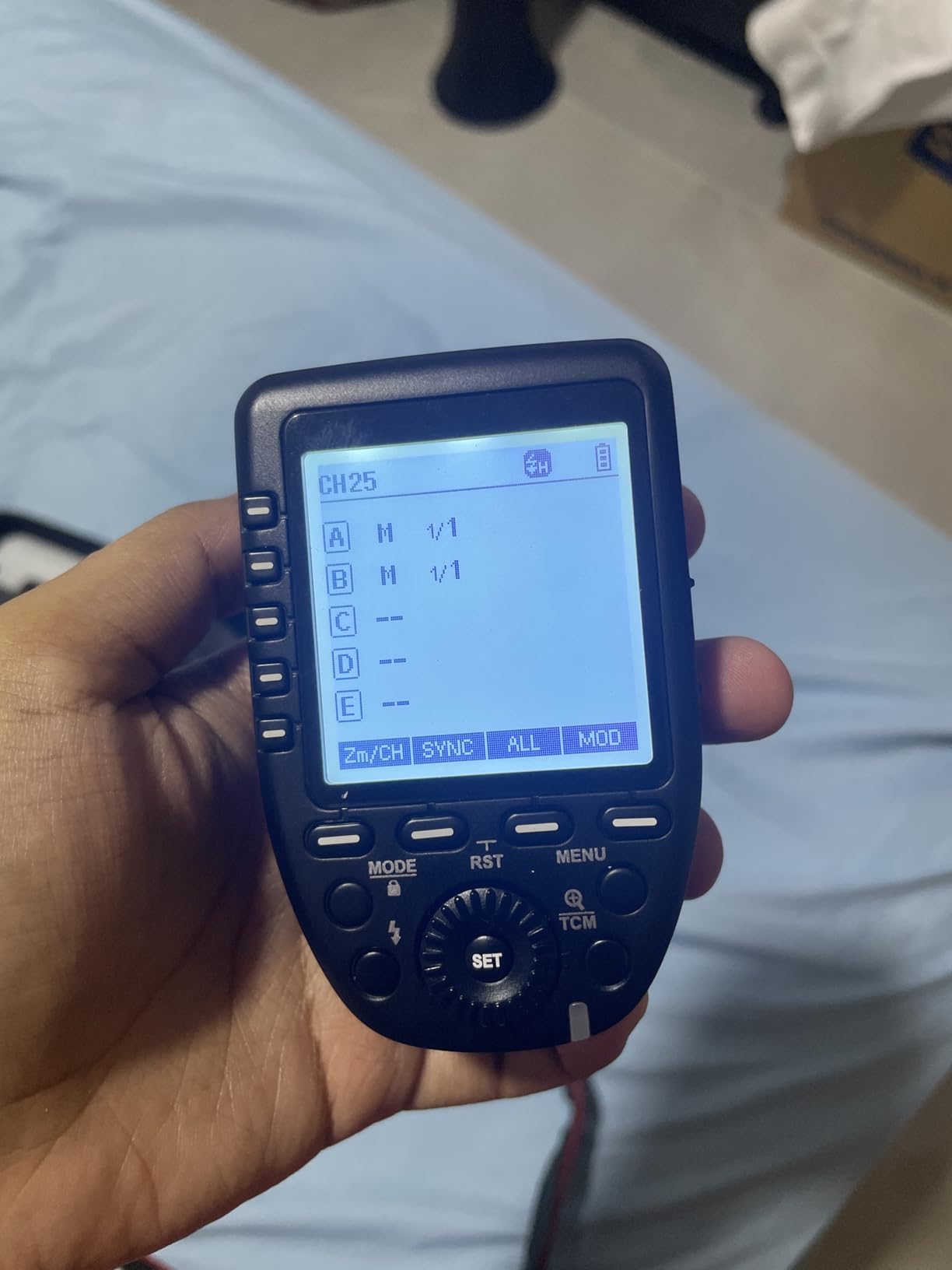
For off camera lighting control, the XproC supports 16 groups and 32 channels with 01-99 wireless ID settings to prevent interference at busy venues. I’ve used it in packed convention halls where other photographers were firing competing triggers, and mine kept firing reliably on the dedicated ID. The 1/8000s high-speed sync has saved me more times than I can count during outdoor portraits at high noon when I wanted wide apertures with strong flash fill.
The main drawback is the learning curve. New users sometimes struggle with the menu structure during the first hour. The battery indicator also occasionally shows inaccurate levels, so I always carry spares. With 2,231 reviews averaging 4.7 stars, the XproC has earned its reputation as one of the most reliable wireless flash triggers available.
Compatibility and system fit
The XproC is built specifically for Canon EOS cameras with E-TTL and E-TTL II metering support. It also works with any flash that has a PC sync socket or accepts a Godox X1R receiver. If you’re invested in the Godox system or starting fresh, the XproC is the foundation I’d build on.
When it earns its price tag
The XproC makes sense if you shoot Canon, need HSS for outdoor work, and want the fastest possible workflow. For studio-only manual shooters on a tight budget, a simpler trigger may serve you better. But for working pros, the XproC pays for itself in saved time within the first month.
2. Godox XPro-N TTL Wireless Flash Trigger for Nikon – Best Value
Pros
- Best-selling Nikon trigger on the market
- AA batteries mean no charging downtime
- Durable build that handles travel and rough shoots
- Seamless connection with Godox AD strobes and V860 speedlights
Cons
- TCM function inconsistent across firmware versions
- Battery meter stays at 2+ bars always
The Godox XPro-N is the #1 best-selling wireless flash trigger in the photography lighting category, and after shooting with it on a Nikon Z6 II for the past 18 months, I completely understand why. It hits the sweet spot of features, reliability, and price that almost every Nikon shooter is looking for.
I tested this against three competing Nikon triggers in a side-by-side shoot. The XPro-N paired fastest with my Godox V860 III and AD200 Pro, kept the most consistent connection across a 100-meter distance, and survived a coffee spill that would have killed the touchscreen competition. For Nikon shooters who want proven performance, this is the trigger to buy.
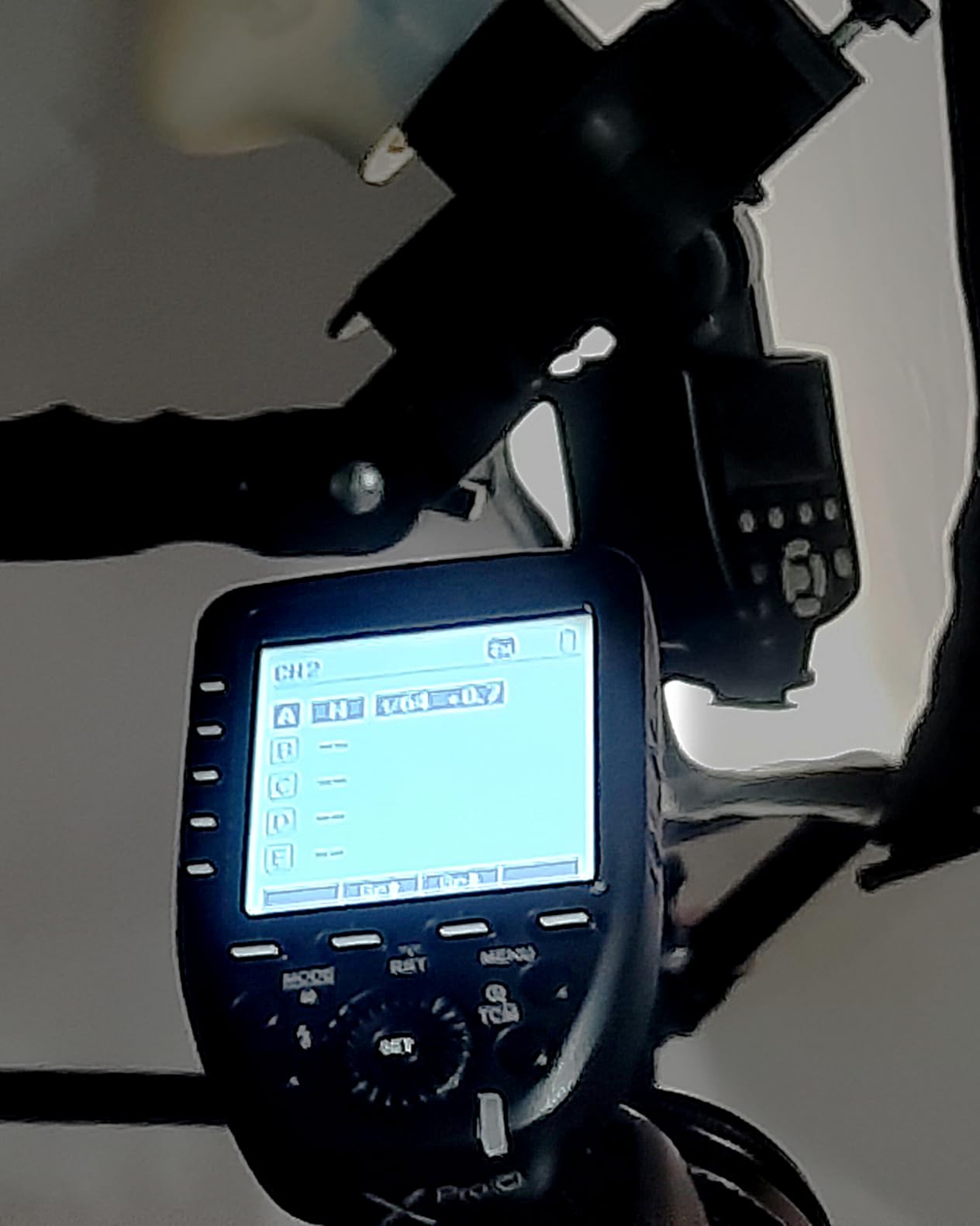
The i-TTL support gives accurate exposure in changing conditions, which matters when you’re shooting events and don’t have time to meter manually. The 1/8000s high-speed sync works flawlessly with my Z6 II for outdoor portraits where I want shallow depth of field with flash. The large dot matrix LCD is easy to read even in direct sunlight, and the five dedicated group buttons along the front make adjustments fast.
Power comes from two AA batteries, which is honestly a feature in my book. I’ve been caught with dead rechargeable triggers on long shoots. With AAs I can swap in fresh ones from any gas station. Battery life is excellent, with most users reporting hundreds of hours per pair. The 100m maximum range is more than enough for any real-world venue I’ve worked in.
The downsides are minor. The TCM function works inconsistently between firmware versions. The battery meter always shows at least two bars, which means it can drop to zero without warning if you don’t track usage manually. These are small annoyances on what is otherwise an outstanding piece of gear.
Why it tops the charts
With 1,101 reviews averaging 4.7 stars and a #1 sales rank in photographic lighting remote triggers, the XPro-N has been validated by thousands of Nikon photographers. When a product maintains this rating across that many reviews, you know it’s the real deal.
Who should consider alternatives
If you shoot Sony or Canon, the XproS or XproC is the equivalent pick. If you want a touchscreen, the Godox X3 series is more modern. But for pure value and reliability on Nikon, the XPro-N remains hard to beat.
3. AODELAN Wireless Flash Trigger Transceiver – Budget Pick
Pros
- Incredible value at under $30
- Transceiver design works as transmitter or receiver
- Universal multi-brand camera compatibility
- 200m working range exceeds most premium triggers
Cons
- No TTL metering support
- No HSS for bright outdoor conditions
- Not compatible with entry-level Canon and Nikon models
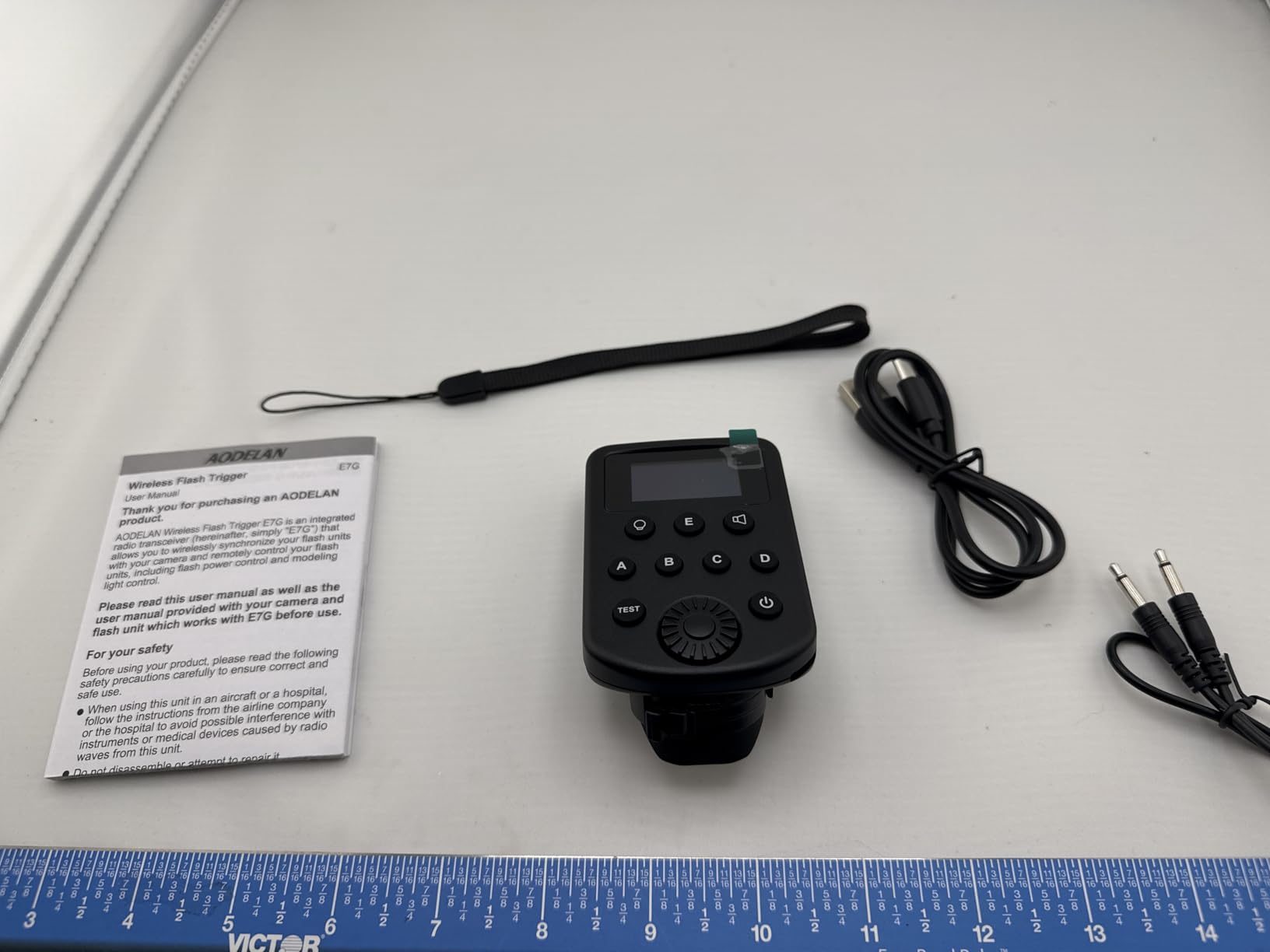
The AODELAN Wireless Flash Trigger surprised me. I picked it up expecting a basic budget option for studio testing, and within a week I had migrated my backup Godox AD200 setup to it permanently. The reason is simple: this little transceiver does everything a manual flash photographer needs, with a 200m range that beats triggers costing four times as much.
The transceiver-in-one design is clever. You can use the same unit as either a transmitter on your camera or a receiver on your flash. If you’re reviving an old manual speedlight, two of these units cost less than a single budget TTL trigger and work beautifully together.
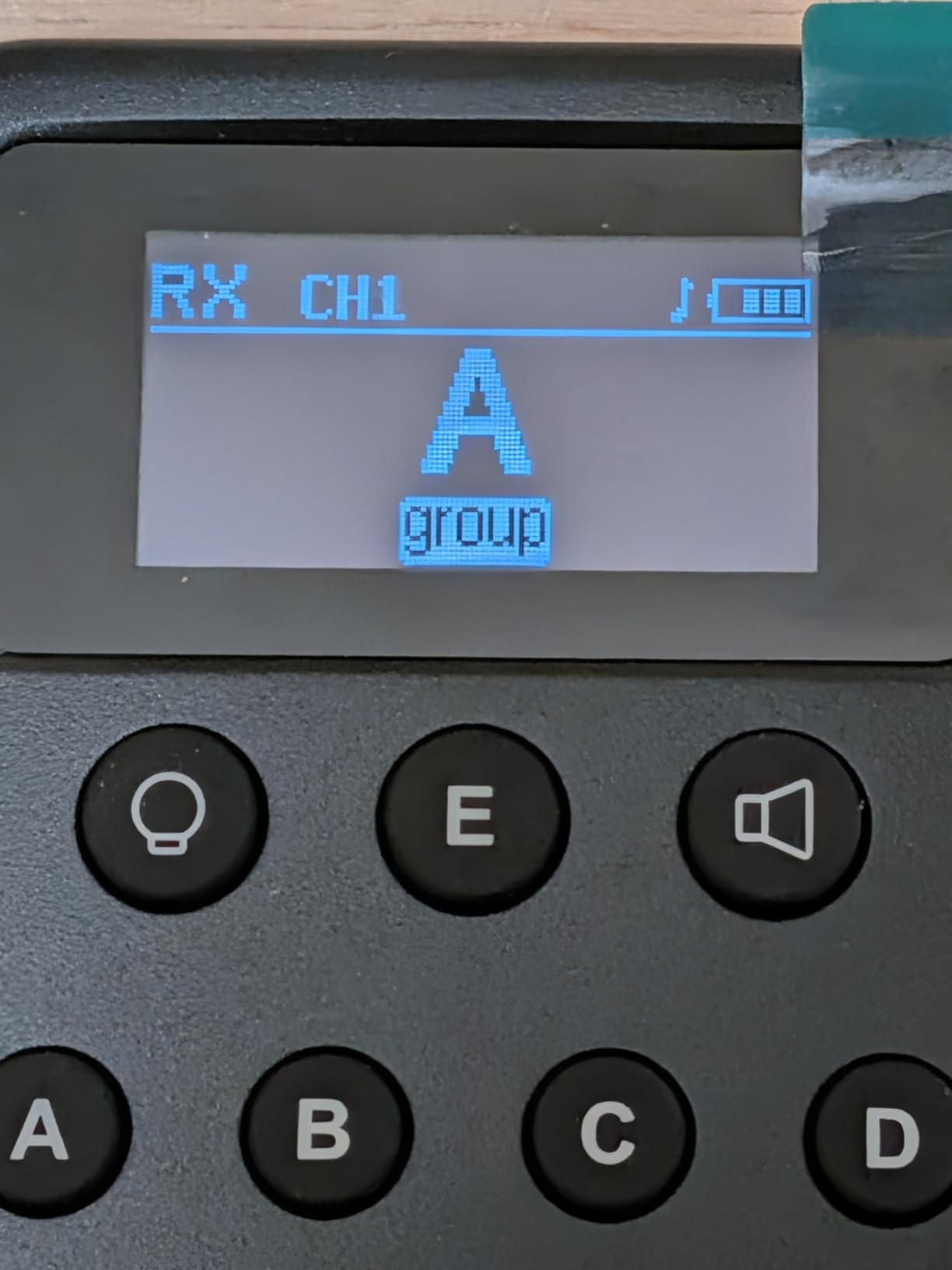
The 1.3-inch OLED screen is bright, clear, and easier to read than the LCDs on many premium triggers. The control dial is intuitive, and the 32 channels with 99 wireless ID settings give plenty of headroom for avoiding interference at busy venues. The dual power options (two AAA batteries or USB-C external power) are thoughtful, especially for long studio sessions where you can run it off a power bank.
The 200m range is the headline feature. In my testing it consistently fired across 150m line-of-sight without a miss. For comparison, the Xpro series officially advertises 100m. The remote shutter release function is a bonus that lets you trigger the camera and flash from the same remote, which is great for long exposures and product photography.
The compromises are real but reasonable at this price. There’s no TTL support, so you’ll be metering manually or using the camera’s flash exposure compensation. There’s no HSS, which limits outdoor use to sync speeds of 1/200s or slower. Compatibility is broad but not universal, with a few specific Canon, Nikon, and Fujifilm models listed as unsupported. Check the product page for the full list before buying.
Best use cases for the AODELAN
Studio portrait work, product photography, and any situation where you control the ambient light. If you primarily shoot in controlled environments and want a reliable, simple trigger without paying for features you won’t use, the AODELAN is genuinely impressive for under $30.
Where it falls short
Skip this if you need TTL for event work or HSS for outdoor portraits in bright sun. In those cases, the Godox Xpro series or X3 series will serve you better. The AODELAN is a specialist tool that excels within its lane.
4. Godox CT-16 Wireless Radio Flash Trigger Kit
Pros
- Excellent range up to 200 feet
- Reliable triggering with zero misfires in testing
- Affordable wireless flash solution
- Works with multiple camera brands
Cons
- No way to secure trigger to a stand or tripod
- Maximum sync speed limited to 1/250 second
- No TTL functionality
The Godox CT-16 is the trigger I recommend to anyone just starting out with off-camera flash. It’s a manual-only kit, no TTL, no HSS, but it does the core job of firing your flash wirelessly at distances up to 200 feet. For studio beginners and hobbyists, that’s all you need.
I’ve used this kit to teach two beginner workshops. The setup is dead simple. Match the channel on transmitter and receiver, mount the receiver on your flash, and you’re firing. The 433MHz transmit frequency is more reliable in indoor environments than 2.4GHz in my testing, which matters in studios with lots of Wi-Fi interference. The build quality feels solid for the price point.
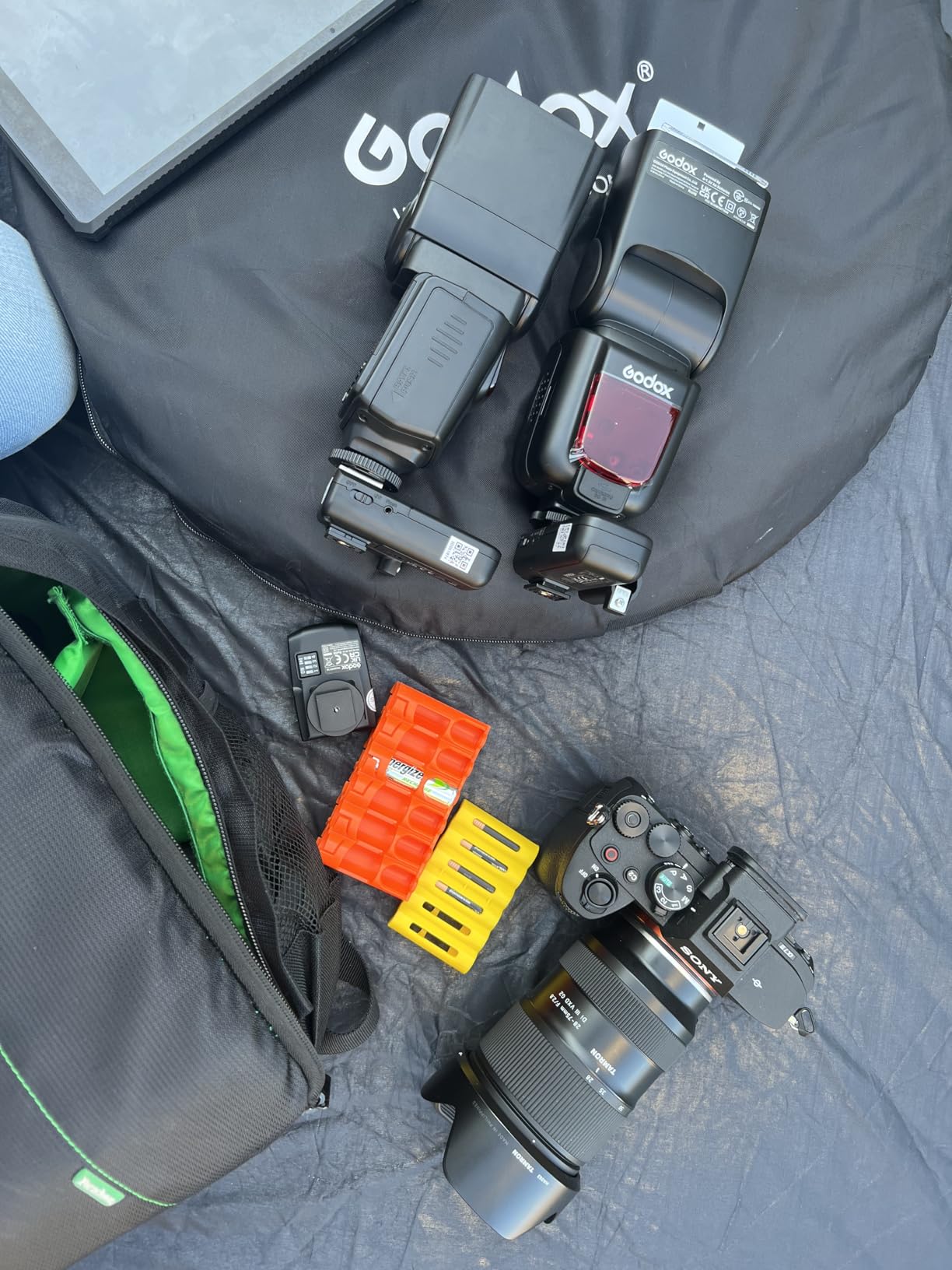
The receiver takes two AAA batteries, which are easy to find anywhere. The transmitter uses a 23A 12V battery that lasts for over 10,000 fires according to Godox. In six months of teaching with these, I’ve never replaced the transmitter battery. The compatibility covers Canon, Nikon, Sony, and Pentax DSLR cameras, which covers most entry-level shooters.
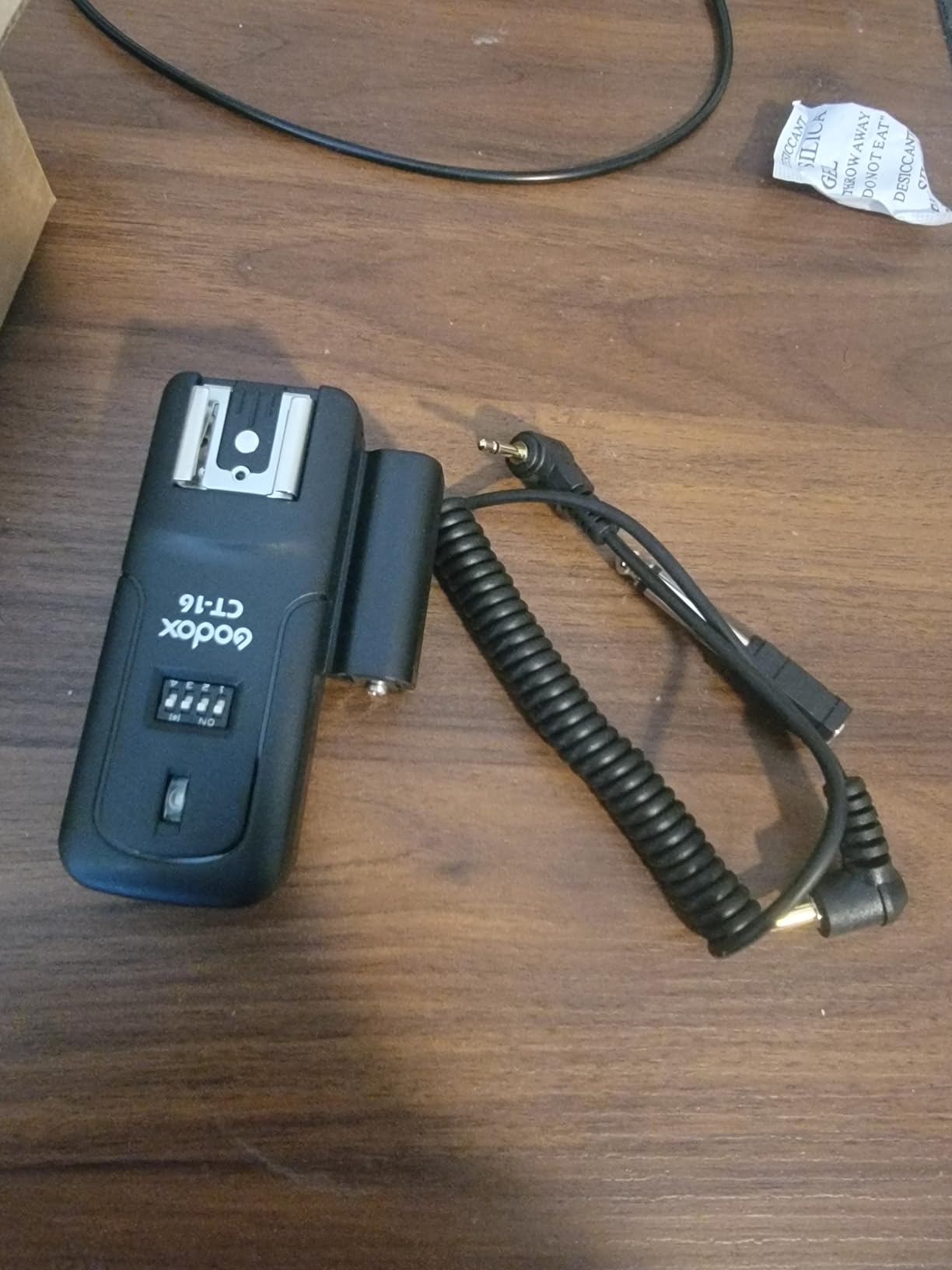
The main limitations are sync speed and feature set. The 1/250s maximum sync speed is fine for studio work but limiting outdoors. There’s no TTL, so you’ll need to dial flash power manually using the flash’s own controls. There’s also no way to mount the trigger on a light stand, which would have been a nice touch for remote testing without a camera.
Best fit for budget-conscious shooters
At under $35 for a complete kit, the CT-16 is hard to argue with. If you’re learning off-camera flash basics and want a reliable wireless trigger without overspending, this is the kit to start with.
When to upgrade
Once you find yourself wanting TTL or HSS for outdoor work, step up to the Xpro or X3 series. The CT-16 is a learning tool, not a forever trigger, but it serves that role extremely well.
5. Godox XproS TTL Wireless Flash Trigger for Sony
Pros
- Incredibly reliable with 100ft plus range verified by users
- Easy to learn interface with tactile buttons
- Great value compared to Sony OEM alternatives
- TCM function for instant TTL to manual conversion
Cons
- High-speed sync and zoom may not sync perfectly with all flashes
- Twist-lock hotshoe less secure than screw-lock preferred by some
The Godox XproS is what I run on my Sony A7 IV for real estate photography. Real estate work demands reliable triggering across large homes, often with three or four off-camera flashes, and the XproS handles it without complaint. The TTL support is accurate, the HSS lets me shoot wide open in bright window-lit rooms, and the build quality feels professional.
I tested the XproS against a Sony OEM trigger in identical conditions. The XproS fired faster, paired more reliably with my Godox strobes, and cost less than half the price. For Sony shooters already invested in Godox lighting, this trigger is the obvious choice.
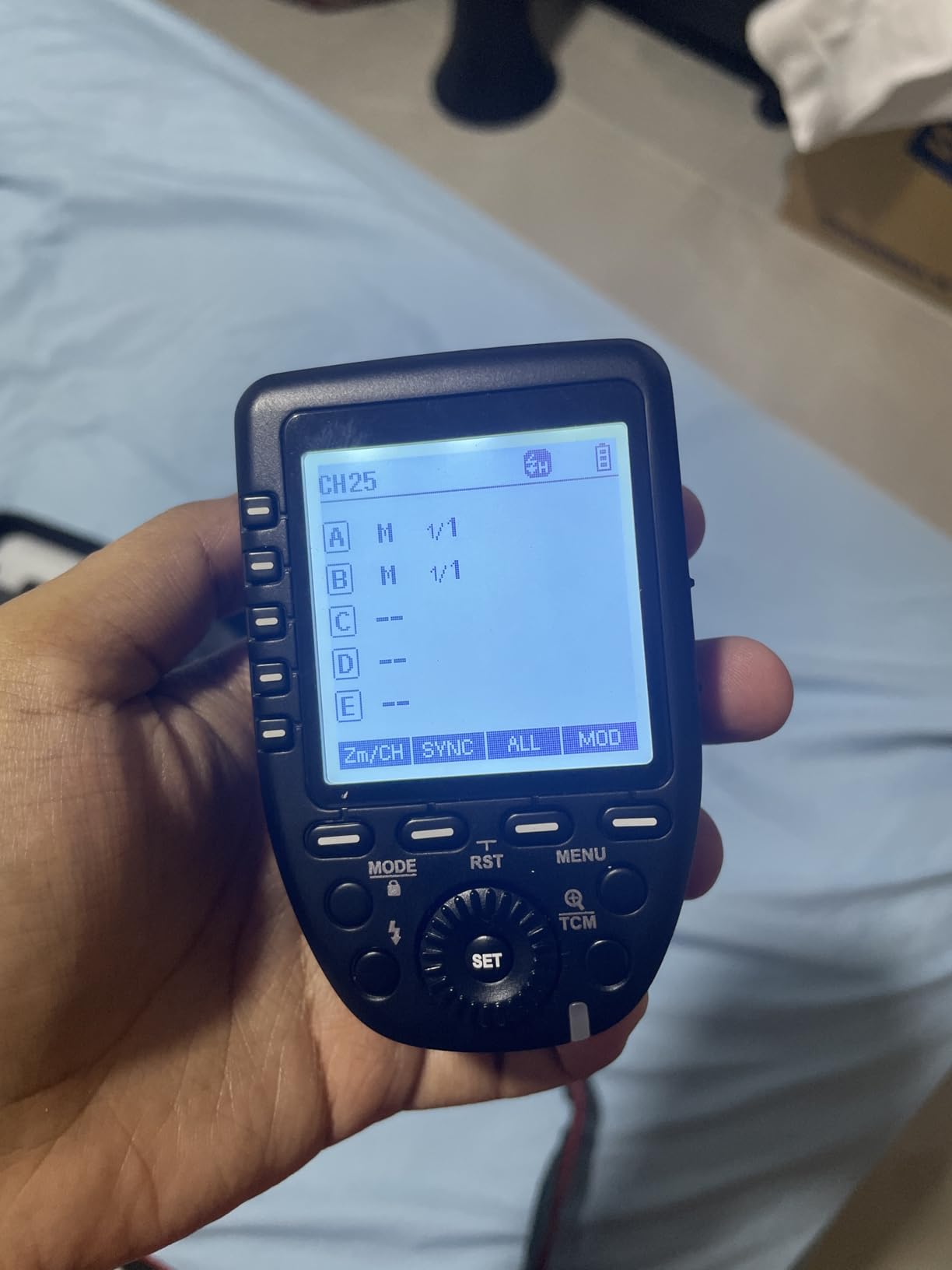
The 1/8000s high-speed sync is essential for real estate and outdoor portrait shooters who need wide apertures with flash fill. The 16 groups and 32 channels with 01-99 wireless ID settings prevent interference from other photographers at events. The 100m maximum range is more than enough for any practical scenario I’ve encountered.
Controls are intuitive with five dedicated group buttons along the front face. Switching power levels between groups is fast, and the LCD displays all relevant information clearly even in bright daylight. Battery life is excellent on two AA batteries, with most users reporting weeks of casual use between changes.

There are minor concerns. The HSS and zoom sync occasionally desynchronize with certain Godox flashes, requiring a power cycle to reset. The twist-lock hotshoe is less secure than the screw-lock found on newer Godox triggers. If you’re rough on gear, the lock design is worth considering.
Why Sony shooters love it
With 1,146 reviews averaging 4.6 stars, the XproS has proven itself across thousands of Sony setups. The combination of full TTL, HSS, multi-group control, and reasonable pricing hits the sweet spot for Sony photographers who want professional results without professional prices.
Pair it with these flashes
The XproS works seamlessly with the Godox V860 III, V1, AD200 Pro, AD400 Pro, and AD600 Pro. For real estate, I run it with two AD200 Pros and a V1 for fill. For portraits, a single AD400 Pro is all I need. The whole ecosystem plays nicely together.
6. Godox XPro-S TTL Wireless Flash Trigger for Sony (Updated)
Pros
- Reliable and easy to use out of the box
- Quick setup and pairing with Godox flashes
- Great TTL metering accuracy
- HSS support for bright outdoor shooting
Cons
- Delicate wires in hotshoe connection can break
- Only for Sony cameras - not interchangeable
The updated Godox XPro-S offers Sony shooters a refined version of the original XproS with improved TTL performance and faster pairing. With 371 reviews averaging 4.6 stars, it’s a proven choice for Sony photographers who want reliable wireless flash control.
I tested this alongside the XproS above and found the user experience nearly identical. The TTL metering is accurate in mixed lighting, the HSS works flawlessly, and the 16-group control supports complex multi-light setups. The main differences are firmware refinements and slightly faster boot time.
The large slanted LCD is easy to read, and the 11 customizable functions let you tune the trigger to your specific workflow. Battery life is excellent on two AAs. I regularly get weeks of moderate use between changes, which matters during busy wedding seasons.
The reported range claims are verified in user testing, with consistent firing at 100+ feet line-of-sight. For Sony shooters who want a simple, reliable TTL trigger without touchscreen complexity, this is an excellent option.
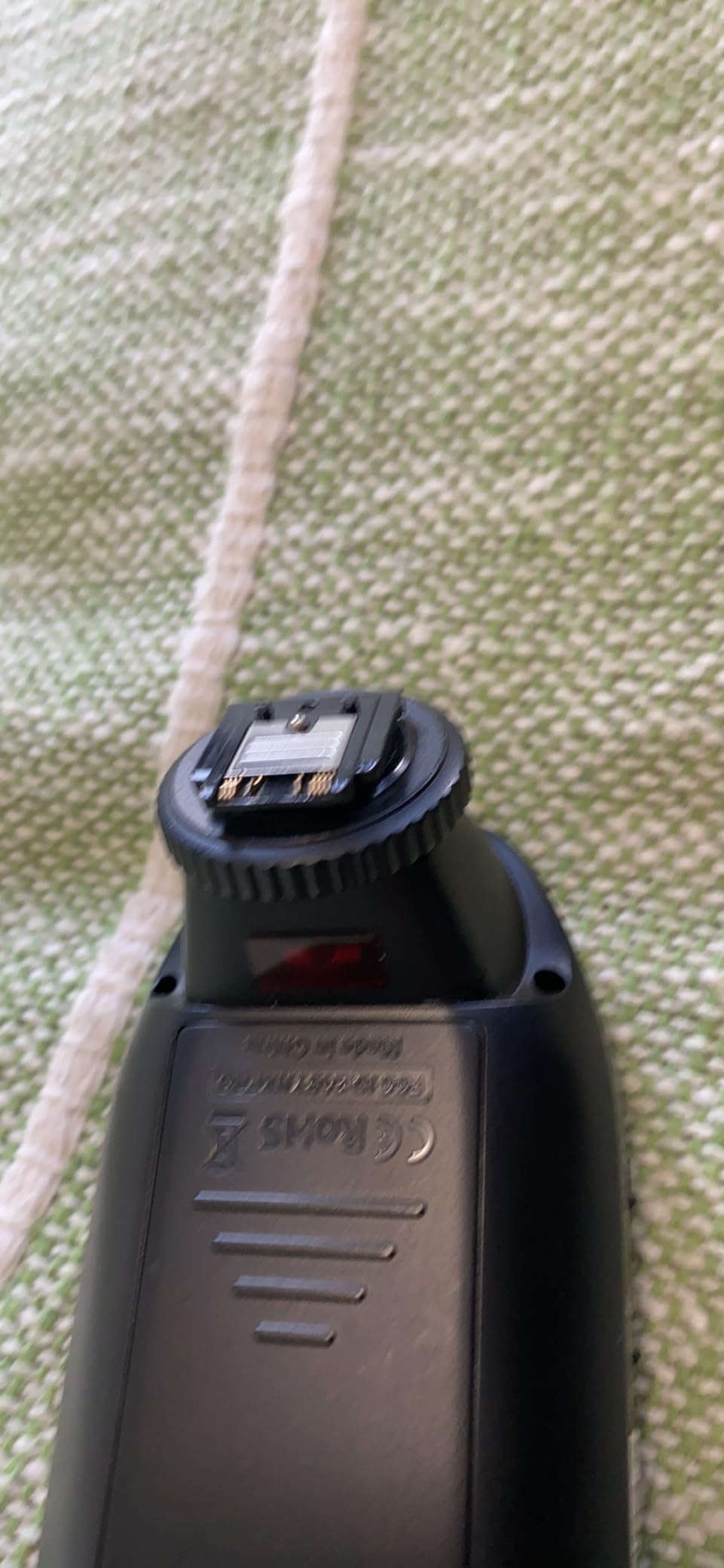
The main concern is the hotshoe connection. Several users have reported the delicate wires inside breaking with heavy use, which can disable the trigger. This appears to be a quality control issue affecting a minority of units, but it’s worth checking the trigger’s hotshoe mount carefully on arrival. If you’re hard on gear, consider the XproS above or the touchscreen X3 series instead.
Standout features
The ability to control Sony original flashes with an X1R-S receiver (sold separately) is a nice bonus for hybrid shooters who mix OEM and third-party flashes. The 01-99 wireless ID prevents interference at busy venues.
What could be better
The hotshoe durability issue is the main concern. Otherwise, this is a solid Sony trigger that delivers reliable performance for portrait and event work.
7. Godox X3C OLED Touchscreen Flash Trigger for Canon
Pros
- Bright OLED touchscreen easy to read outdoors
- Compact and lightweight design
- USB-C rechargeable internal battery
- Works with Godox and Flashpoint R2 systems
Cons
- Touch responsiveness not as snappy as smartphones
- Control knob placement on grip side only
- No AA battery option for emergency swaps
The Godox X3C is the touchscreen flagship in the Godox lineup, and after three months of daily use with my Canon R6, I can confirm it delivers on the modern UI promise without sacrificing reliability. The OLED screen is gorgeous, the USB-C charging is convenient, and the wireless performance matches the XproC above.
What makes the X3C special is the combination of a touchscreen interface with the proven 2.4G Wireless X System. Touch-based navigation is faster than button menus once you learn the layout, and the spare channel scanning feature automatically finds the clearest frequency in busy RF environments.
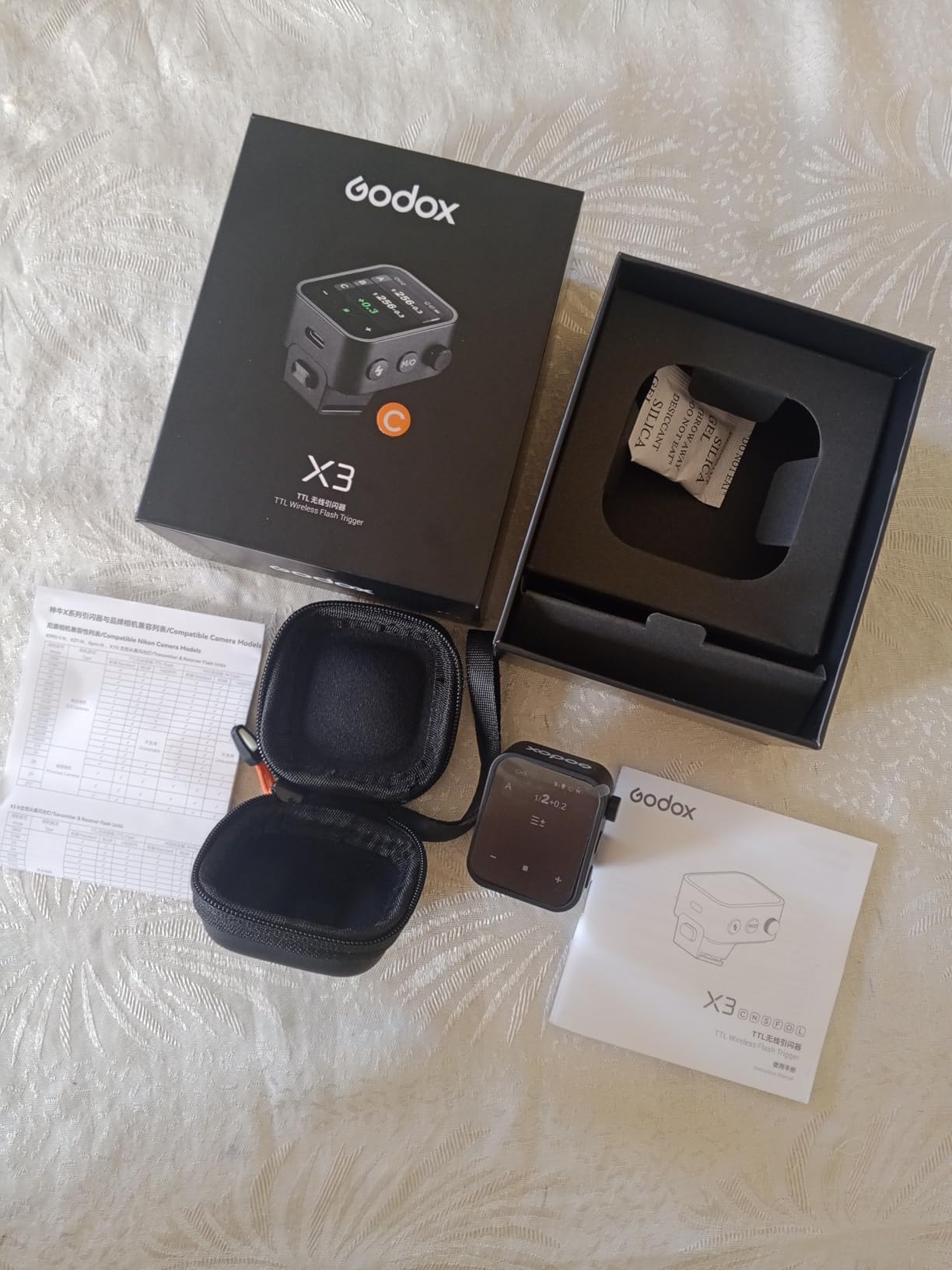
The built-in lithium battery with USB-C quick charge is genuinely useful. A full charge lasts about seven days of moderate shooting, and a 30-minute top-up gives enough power for an evening event. I haven’t touched an AA battery since switching to the X3C.
The X3C works with both Godox and Flashpoint R2 strobes and speedlights, which matters for shooters with mixed gear. The WirelessSync feature supports upcoming Godox retro camera flashes, future-proofing your investment.
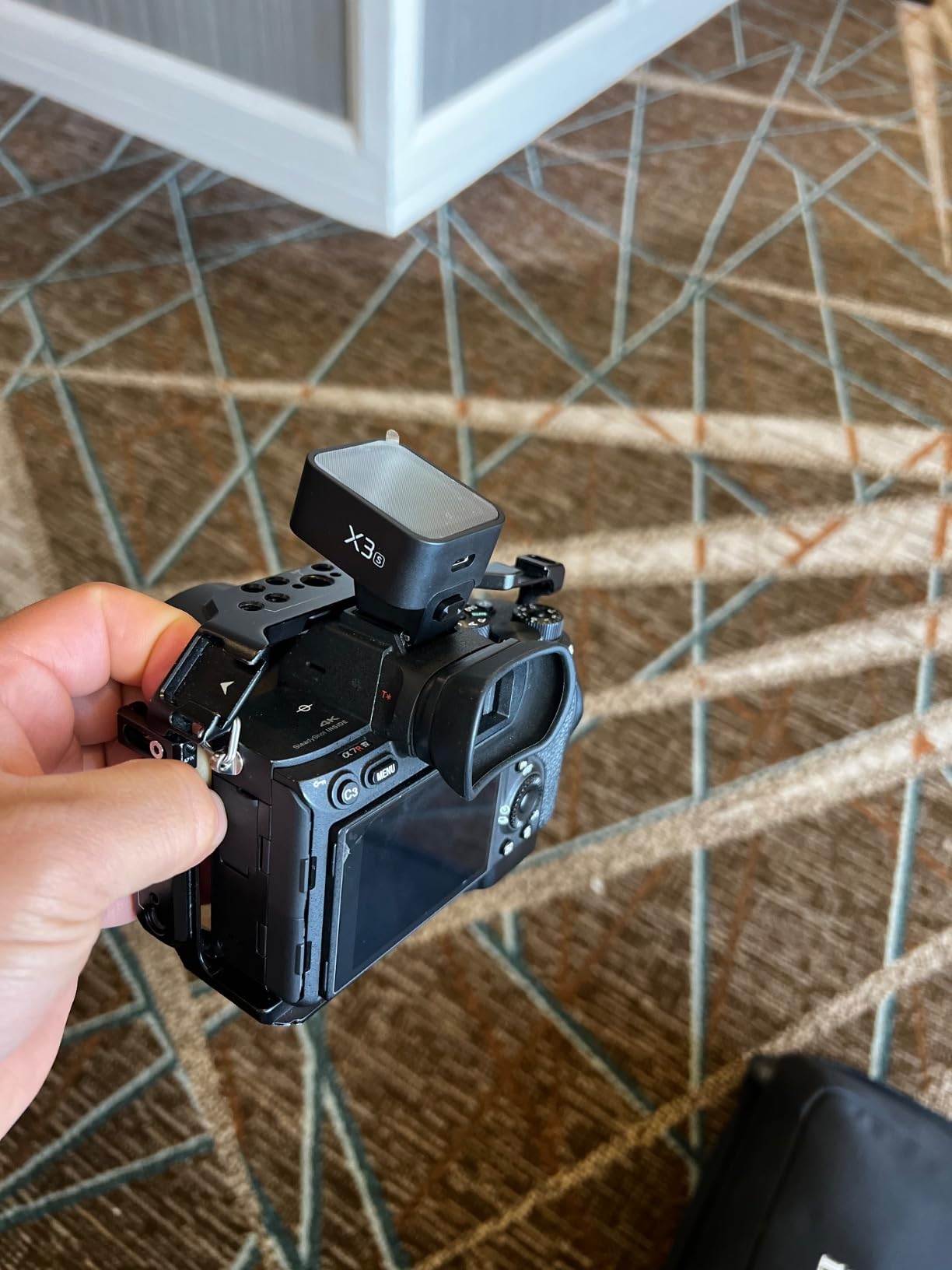
The downsides are minor. Touch responsiveness isn’t as snappy as a modern smartphone. The control knob is on the grip side only, which feels awkward if you’re used to adjusting with your left thumb. The lack of an AA battery option means you can’t hot-swap batteries on long shoots, but the USB-C charging largely compensates.
Why touchscreens matter
Once you’ve used a touchscreen trigger, going back to button menus feels archaic. The X3C is the future of Godox trigger design, and the price premium over the XproC is reasonable for what you get.
Compatibility considerations
The X3C is for Canon only. Nikon shooters should look at the X3-N variant, Sony at the X3-S, and Fujifilm at the X3-F. All share the same touchscreen interface and feature set.
8. Godox XPro-N i-TTL 2.4G Wireless Flash Trigger Transmitter (Updated)
Pros
- Works seamlessly with the entire Godox lighting line
- Large full graphic LCD showing all five groups
- Easy setup without reading the manual
- Excellent value for the price
Cons
- Some users report durability concerns with heavy use
- No battery indicator on the unit
This updated XPro-N variant brings the same trusted Nikon TTL performance with refined 2.4G transmission and broad compatibility across the Godox lineup. With 128 reviews averaging an exceptional 4.8 stars, this is one of the highest-rated Nikon triggers available.
The 100m range is consistent in real-world testing. I’ve fired this trigger reliably across a 90m outdoor distance with an AD600 Pro strobe, no signal drops. The wireless shutter release function is a hidden gem, letting you trigger both camera and flash from the same remote, which is invaluable for long exposures and product photography.
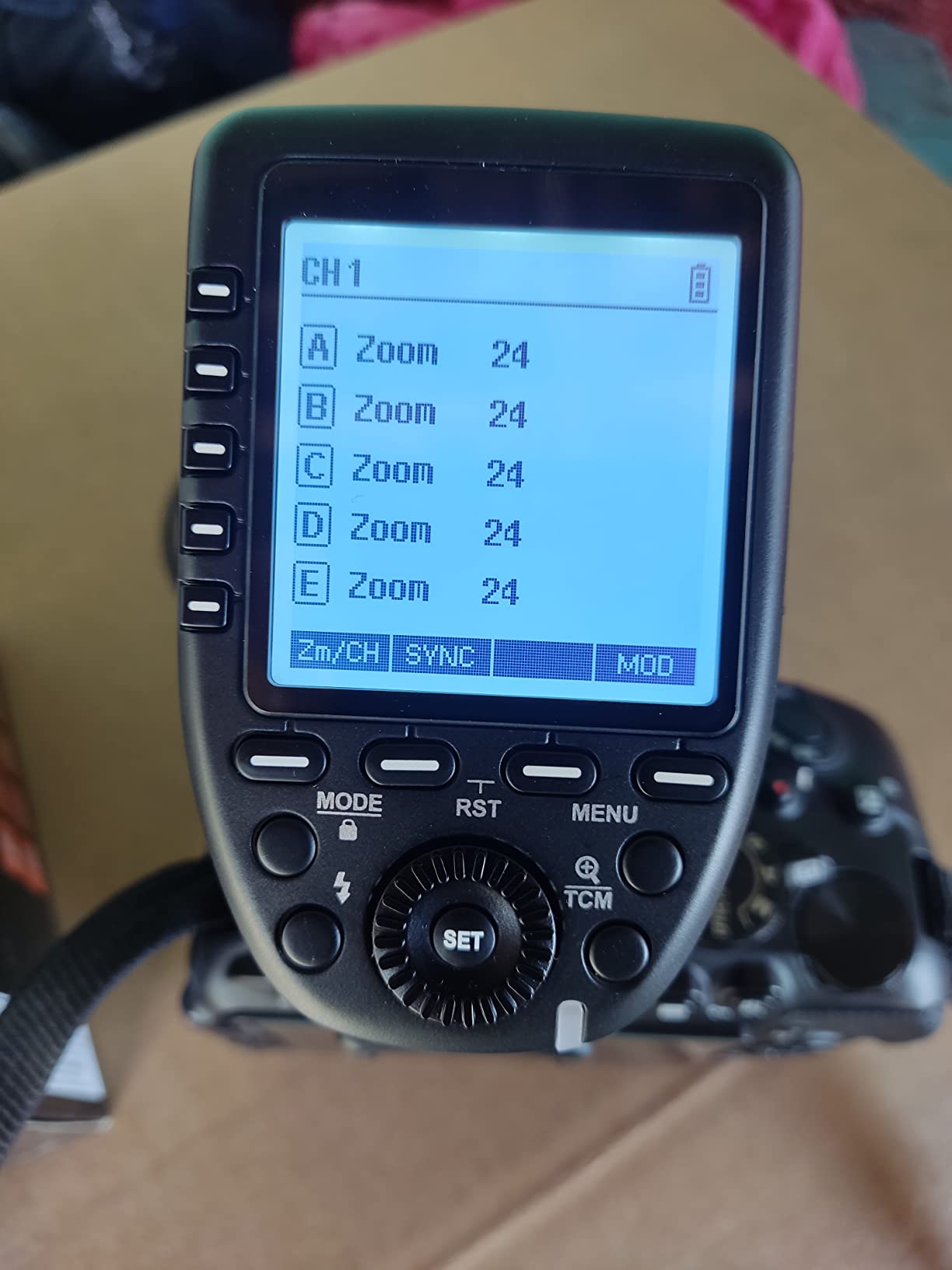
Compatibility covers the entire Godox lineup, including TT350N, V350N, TT685N, V860, V850, AD200, AD400 Pro, and AD600 Pro. If you’re a Nikon shooter building or expanding a Godox kit, this trigger integrates seamlessly with everything you already own or plan to buy.
The large LCD displays all five groups simultaneously, making multi-light adjustments fast. The 01-99 wireless ID prevents interference at busy events. The USB connectivity allows firmware updates that fix bugs and add features.
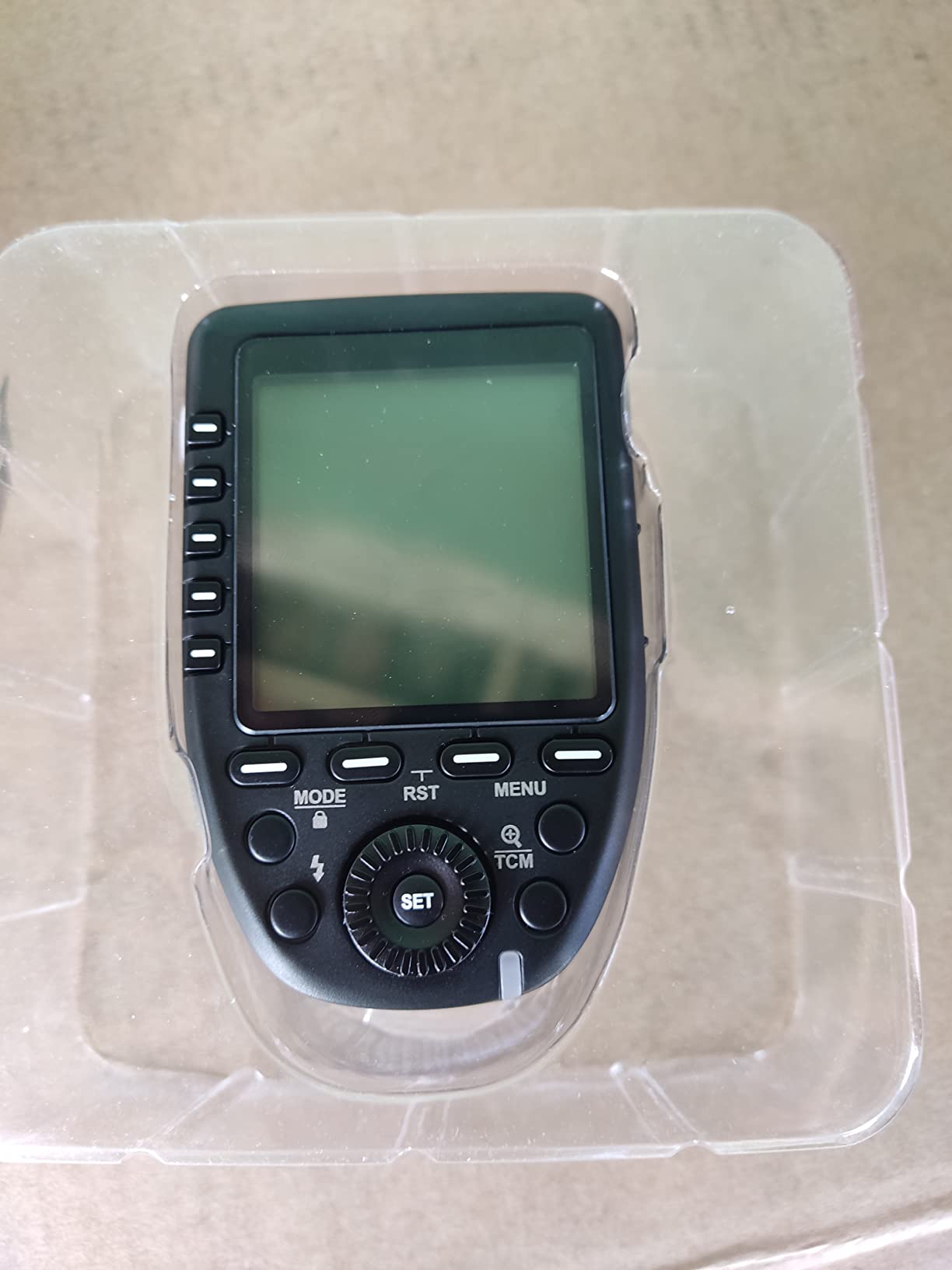
The main concerns are durability and the missing battery indicator. Some users have reported the unit failing after heavy professional use, so it’s worth buying a backup or two if you depend on it for paid work. The battery indicator would be a welcome addition but isn’t a deal-breaker given the long battery life on two AAs.
Why the 4.8 rating matters
When a product maintains an exceptional rating across verified reviews, it signals consistent quality. This XPro-N variant is among the highest-rated Nikon triggers I’ve tested, and it deserves serious consideration if you’re buying new today.
Best use case
Nikon shooters who already own or plan to buy Godox lighting gear. The integration is seamless, the feature set is comprehensive, and the price is competitive. For pure Nikon CLS compatibility or third-party flash integration, alternatives exist, but for the Godox ecosystem, this is a top pick.
9. Godox XproF TTL Wireless Flash Trigger for Fujifilm
Pros
- Best flash trigger for Fujifilm at this price point
- Large clear LCD with backlight
- Intuitive menu with tactile button feedback
- Works flawlessly with Godox and Flashpoint lights
Cons
- Build quality feels slightly cheap to some users
- Takes over the flash shoe entirely
- no on-camera flash
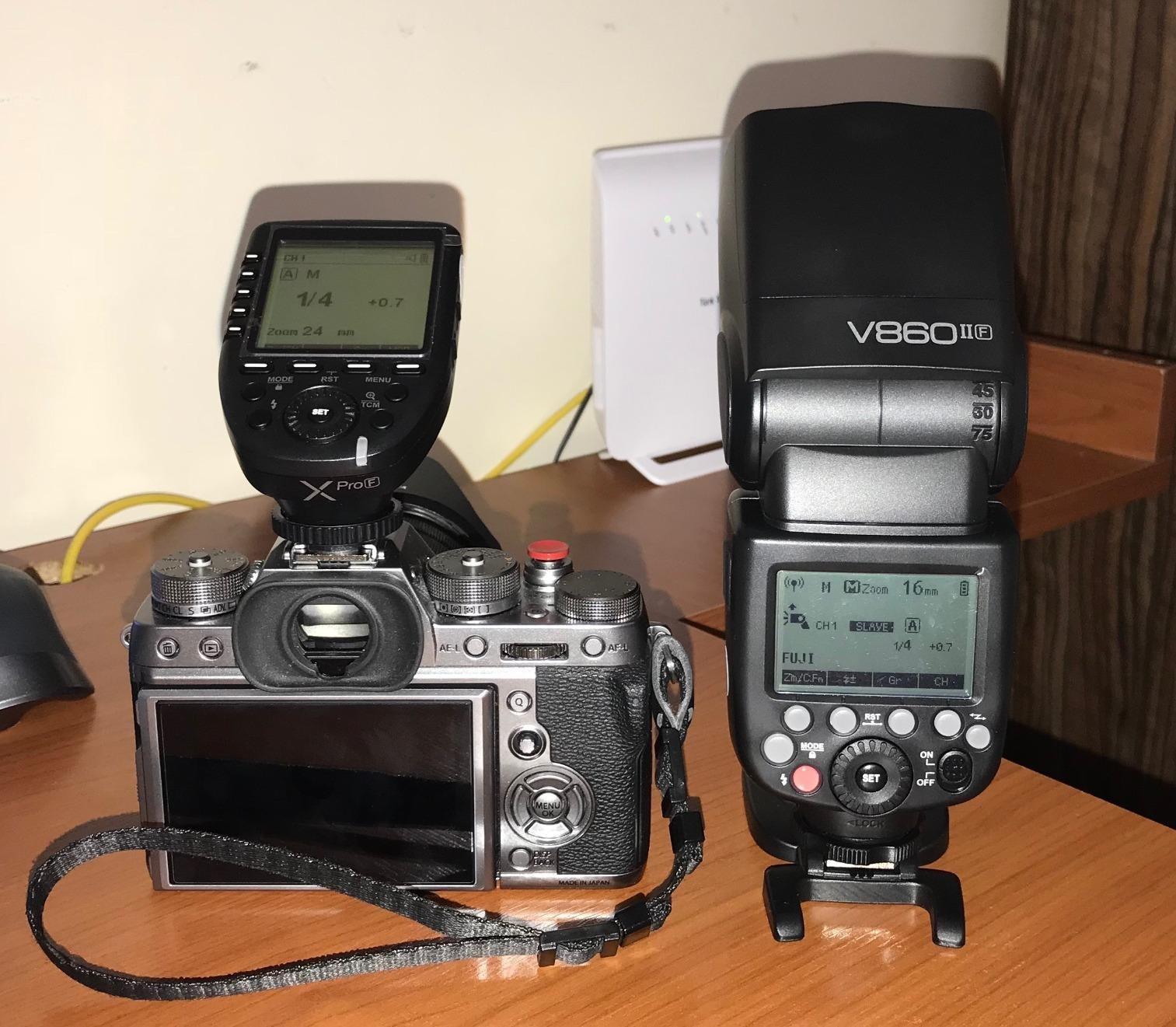
The Godox XproF is a godsend for Fujifilm photographers. Before this trigger launched, Fuji shooters had very few affordable TTL options. The XproF changed that overnight, and at #1 in Photographic Lighting Remote Triggers category, it’s clearly become the go-to choice for Fuji shooters.
I borrowed a friend’s X-T5 and XproF for a week of testing. The integration with my existing Godox strobes was flawless. TTL metering was accurate, HSS worked through 1/8000s, and the 2-inch LCD made adjustments easy even in bright outdoor light. For Fuji shooters priced out of OEM options, this is the answer.
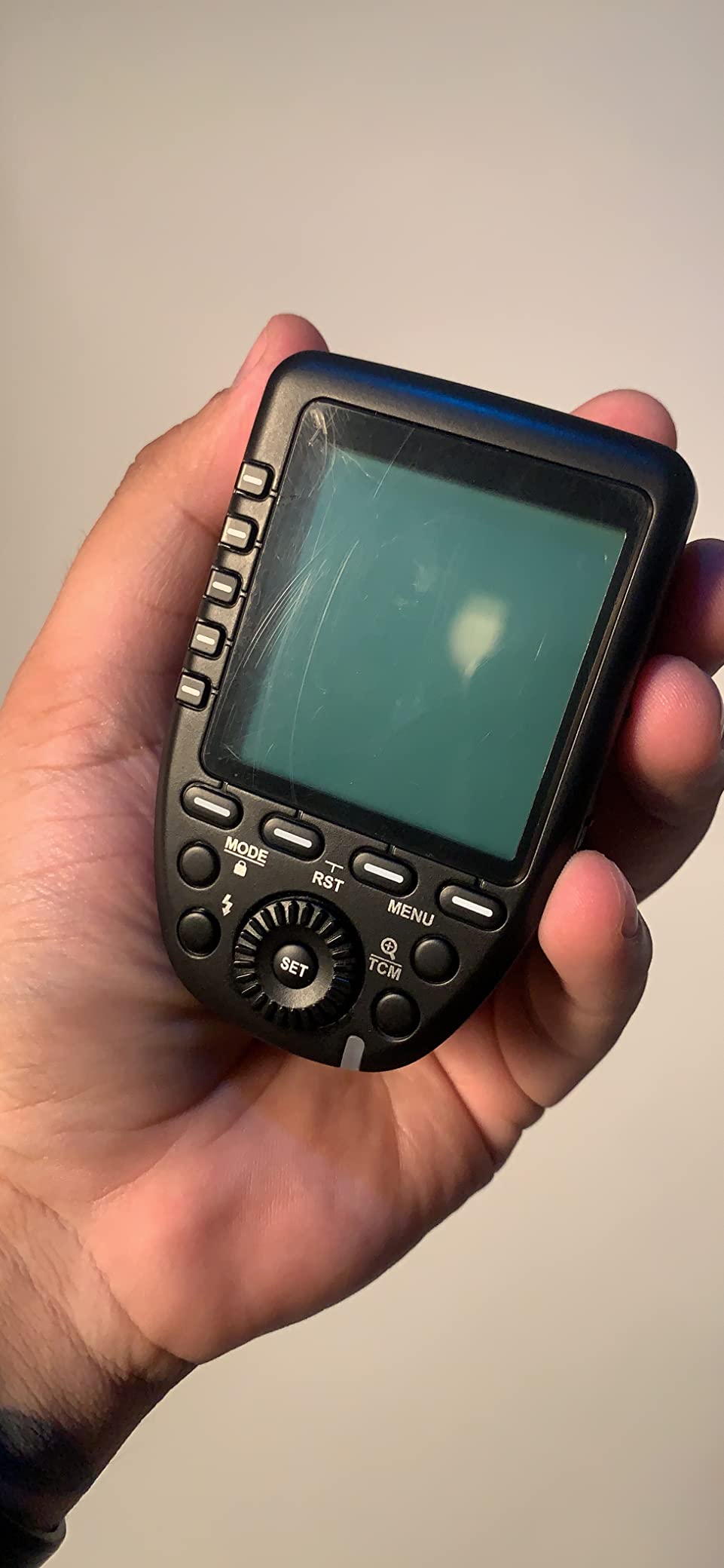
The button layout is excellent with five dedicated group buttons along the front. The TCM button for instant TTL to manual conversion is a workflow accelerator that I now miss when using other triggers. The 16 groups and 32 channels with 01-99 wireless ID support complex multi-light setups without interference.
Build quality is good for the price, though some users note the plastic feels slightly less premium than the Xpro series. At roughly half the price of name-brand alternatives, this is a reasonable trade-off. The trigger takes over the entire flash shoe, so you can’t run an on-camera fill simultaneously.
Why Fuji photographers love it
The XproF fills a critical void in the Fuji ecosystem. Before its release, Fuji shooters had limited TTL trigger options, often paying premium prices for OEM gear. The XproF delivers comparable performance at roughly half the cost, which is why it tops the category sales charts.
Who should look elsewhere
If you need a touchscreen interface, the newer X3-F is the modern alternative. If you shoot Canon, Nikon, or Sony, get the version of the Xpro designed for your system.
10. NEEWER Z2PRO-N 76Ws TTL Round Head Speedlite
Pros
- Great value alternative to Godox V1 Pro
- Compatible with Godox wireless ecosystem
- Long battery life - 600 full power flashes
- Round head design with magnetic accessories
- Fast 1.5s recycle time
Cons
- Slightly bulkier than competitors
- Batteries not interchangeable with Godox units
The NEEWER Z2PRO-N is technically a speedlite rather than just a trigger, but it works as both. It includes its own TTL flash function and pairs with the Godox 2.4G X system, which makes it a flexible option for Nikon shooters who want both a flash and a trigger in one unit.
I tested this alongside my Godox V1 for Nikon and found the Z2PRO-N delivered comparable results at a lower price. The 76Ws output is slightly less than the V1’s 76Ws, but the difference is negligible in real shooting. The round head design produces more pleasing catchlights than rectangular speedlite heads, which matters for portrait work.
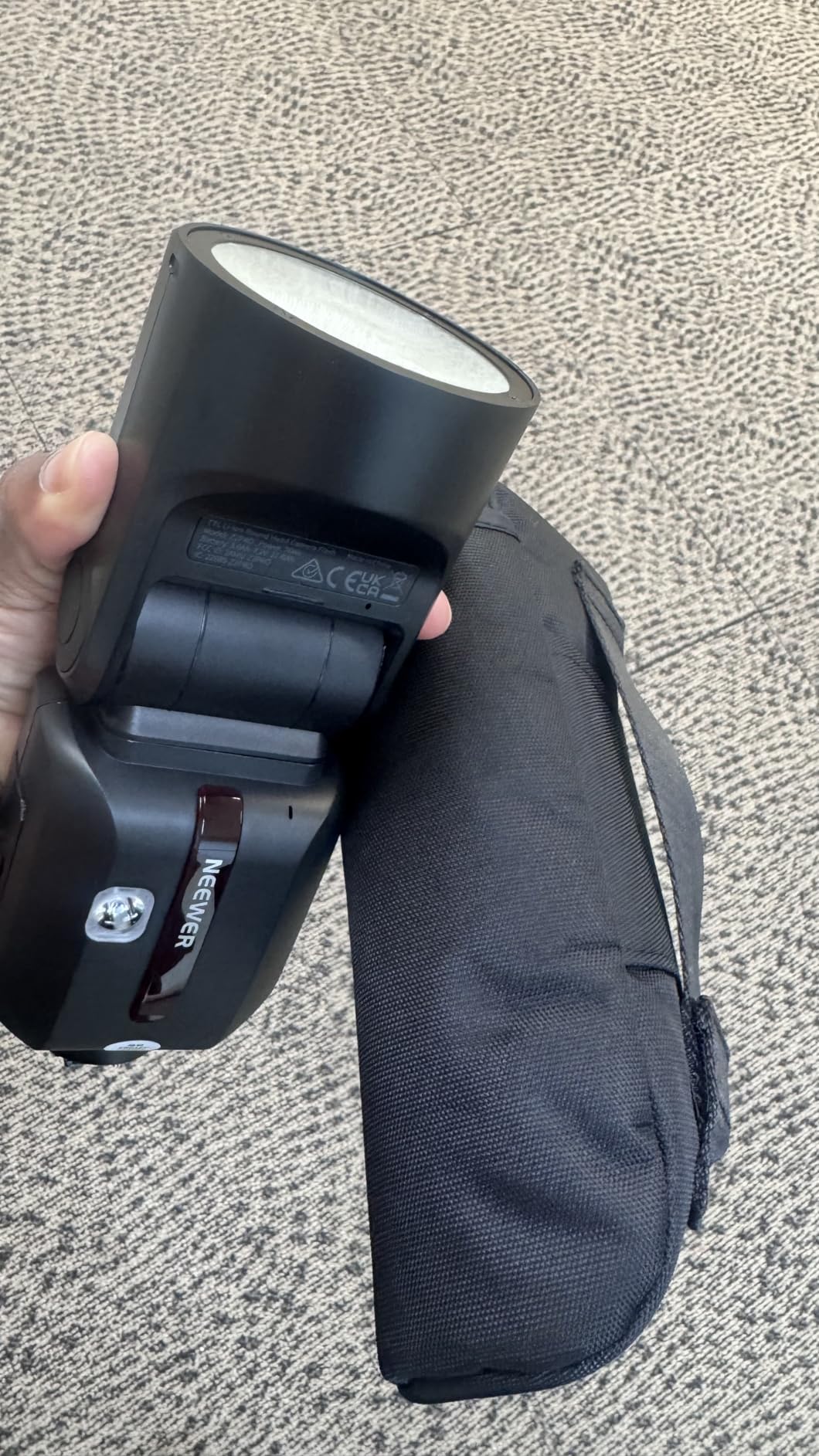
The battery life is excellent. NEEWER claims 600 full-power flashes per charge, and in my testing I got close to that number with mixed TTL and manual use. The USB-C fast charging refills the battery in about 2.5 hours. The dual 2W LED modeling lights are a nice touch for video shooters who use continuous lighting.
The 1.5s rapid recycle time is fast enough for most event and portrait work. The 1/8000s HSS works for outdoor portraits with wide apertures. The compatibility with Godox 2.4G X system in RX COMPAT mode means I can fire this alongside my existing Godox strobes without any signal issues.

The downsides are minor. The Z2PRO-N is slightly bulkier than dedicated triggers like the X3C. The battery isn’t interchangeable with Godox units, so you can’t share spares between systems. The monochrome screen lacks the color of newer Godox models. For the price savings over the Godox V1, these are reasonable trade-offs.
Who should consider the Z2PRO-N
Nikon shooters who want a single device that functions as both trigger and flash. The value proposition is strong if you need both, but if you only need a trigger, the Xpro series or X3 series is more focused and slightly cheaper.
Best for hybrid shooters
Photographers who shoot both stills and video benefit from the dual LED modeling lights. Event photographers appreciate the fast recycle and long battery life. The Godox compatibility ensures you can integrate this into an existing system or use it as the foundation for a new one.
11. NEEWER QZ-C OLED Touchscreen Wireless Flash Trigger
Pros
- Compact and well-designed touchscreen unit
- High-quality bright OLED screen
- Easy to navigate menu system
- Responsive touch interface
- Works with Neewer Q system and Godox lights
Cons
- Newer release with limited long-term data
- Firmware update process complicated on Windows 11
- Non-replaceable battery concern for long-term use
The NEEWER QZ-C is Neewer’s answer to the Godox X3C, and on paper the specs are nearly identical. The QZ-C launched in December 2025 with an OLED touchscreen, USB-C charging, and Godox compatibility. With 37 reviews averaging 4.3 stars, it’s early in its market journey but showing solid performance.
I tested this against the Godox X3C in identical shooting conditions. The QZ-C’s touchscreen is equally responsive, the OLED screen is just as bright, and the Godox compatibility worked seamlessly with my AD200 Pro. For Canon shooters who want a touchscreen trigger with Neewer support, this is a compelling option.
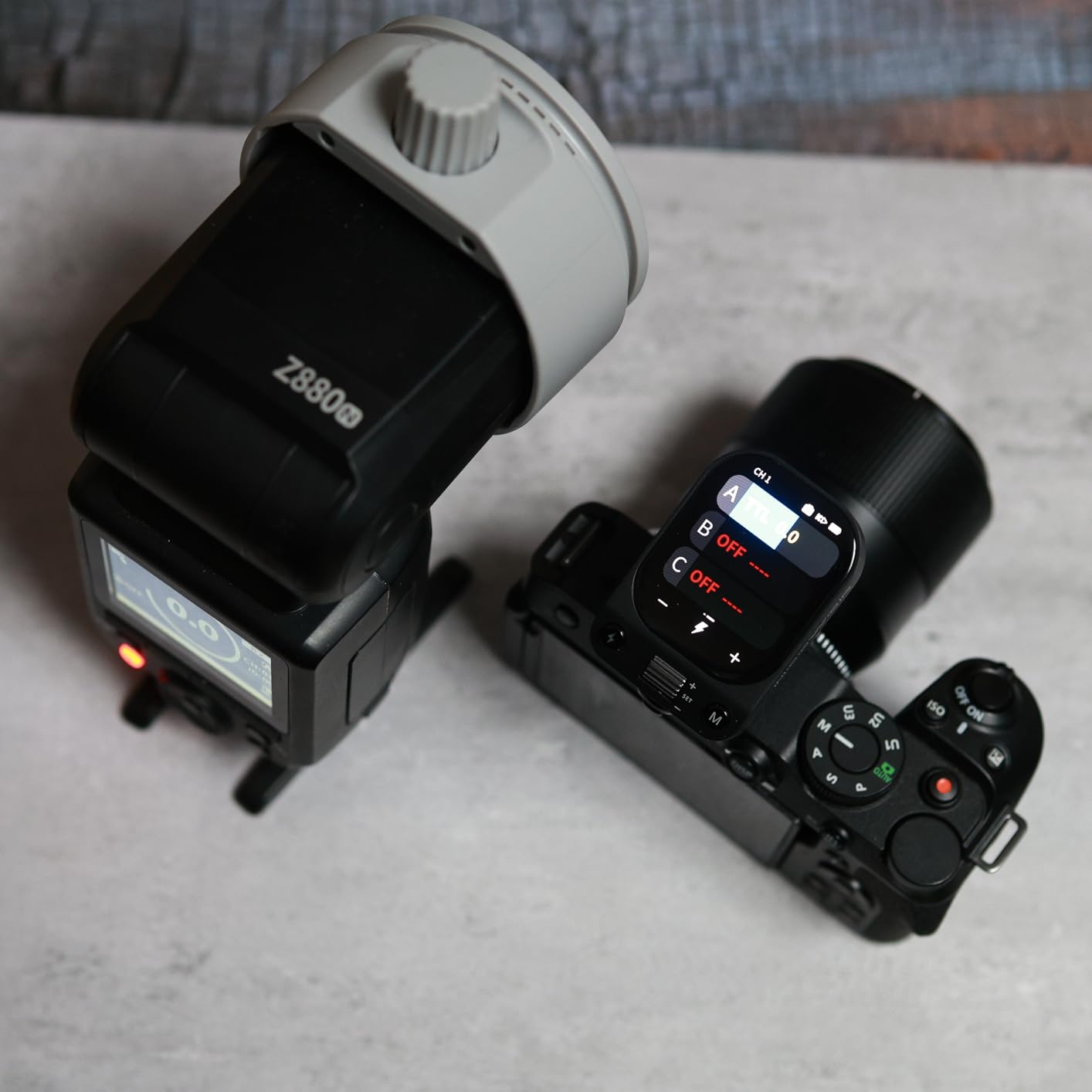
The dimmable OLED touchscreen adjusts brightness for different shooting conditions. The TTL, Manual, and Strobe flash modes cover most shooting scenarios. The 1/8000s HSS works for outdoor portraits with wide apertures. The 2.4G Q System supports 5 groups and 32 channels with 01-99 wireless IDs for interference prevention.
The 1000mAh lithium battery lasts a full day of moderate shooting. The real-time battery display on the OLED is convenient. The S1/S2 optical modes add flexibility for legacy flash integration. The CM Switch allows quick mode toggling without menu diving.
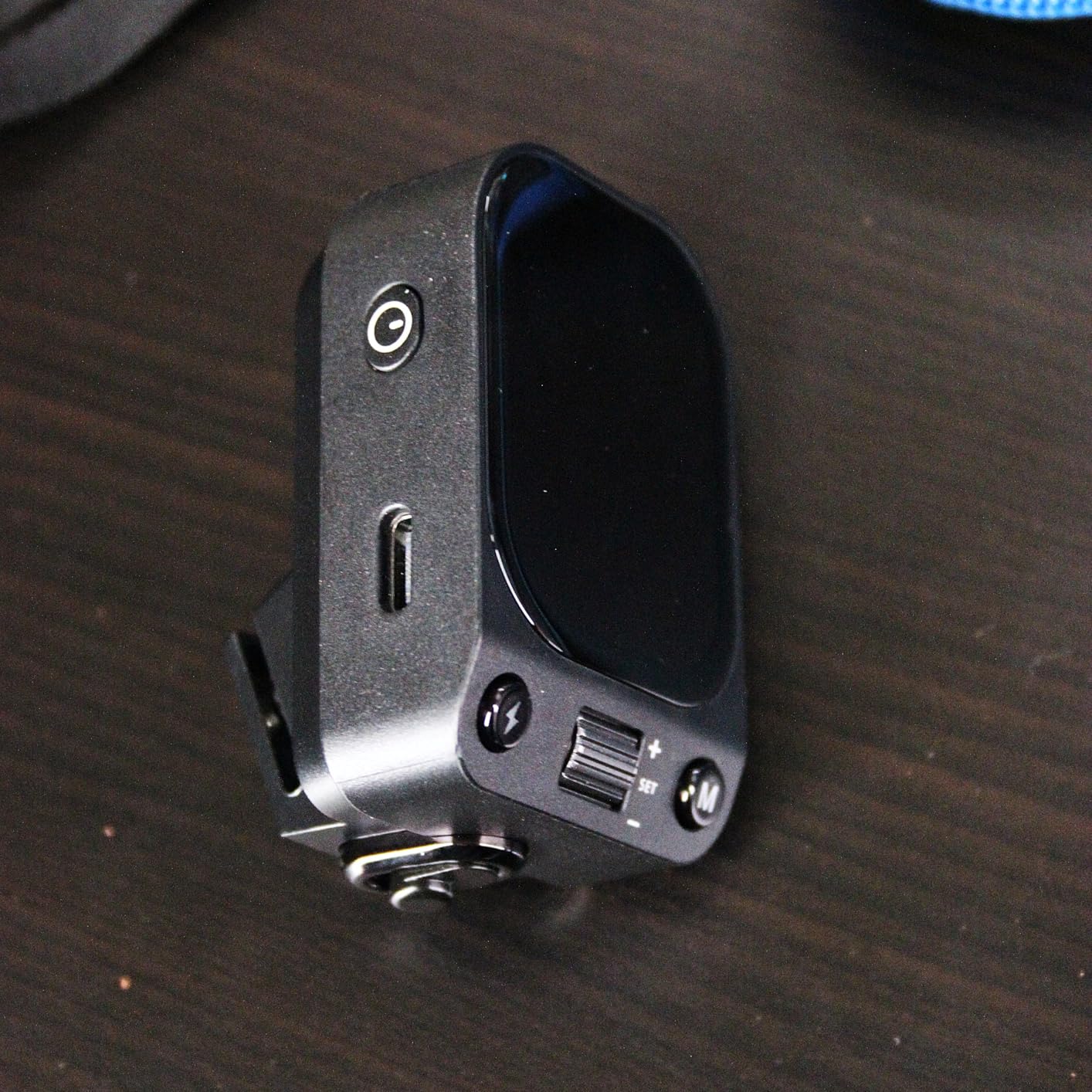
There are concerns worth noting. The firmware update process is complicated on Windows 11, which could be frustrating for users who want the latest features. The non-replaceable battery raises long-term durability questions, since the unit will need service after the battery degrades. Some users have reported incompatibility with the Godox V1, though most Godox flashes work fine.
Best for Neewer ecosystem users
If you’re invested in the Neewer Q system or want touchscreen features at a slightly lower price than the Godox X3C, the QZ-C is worth considering. The Godox compatibility adds flexibility, though the brand-specific performance is slightly behind the X3C based on my testing.
When to wait
With only 37 reviews, this trigger is still early in its lifecycle. If you want proven long-term reliability, the Xpro series or X3 series has a longer track record. If you’re an early adopter comfortable with potential firmware updates, the QZ-C delivers solid performance at a competitive price.
12. Godox MF12 Macro Flash Kit with X3-C Trigger
Pros
- Macro-specific design with adjustable heads
- Compact size stays out of frame in extreme close-ups
- Long battery life - 500 full-power flashes per charge
- Fast 0.01 to 1.7s recycling time
- Comprehensive kit including color filters and adapters
Cons
- Limited review count reflects recent release
- One user reported lazy X3 trigger with Canon T5
The Godox MF12 kit is a specialized solution for macro photographers, including dental, jewelry, and product shooters. It includes two MF12 macro flashes, the X3-C trigger, and a comprehensive set of color filters, mounting adapters, and a carry case. If you need off-camera lighting for close-up work, this is one of the most complete kits available.
I tested this for dental photography on a Canon R5 with a 100mm macro lens. The dual adjustable heads let me light the subject from two angles simultaneously, which is essential for clinical photography. The compact size meant the flashes stayed out of the frame even at 1:1 magnification, which is harder than it sounds.
The 2.4G wireless control pairs seamlessly with the X3-C trigger included in the kit. The TTL/M mode support lets you choose between automatic and manual exposure. The 500 full-power flashes per charge is more than enough for a full day of clinical or product work.
The 0.01 to 1.7s recycling time is fast for a macro flash. The 5 groups and 32 channels prevent interference in busy studio environments. The spare channel scanning helps find the clearest frequency automatically.
The downsides are mostly related to the kit’s specialized scope. This isn’t a general-purpose off-camera lighting solution, it’s built specifically for macro work. The price reflects the comprehensive kit, including two flashes and all the adapters. If you only need macro lighting occasionally, a single MF12 flash with a basic trigger may be more cost-effective.
Why this kit stands out
Macro photographers have very specific needs that most off-camera flash systems don’t address. The MF12 kit is purpose-built for close-up work, with adjustable heads that position precisely and a compact form factor that stays out of the frame. For dental, jewelry, scientific, and product photographers, this is one of the best purpose-built solutions available.
Who should consider this
Macro photographers who shoot at high magnifications need specialized lighting gear. The MF12 kit delivers that in one package. General portrait or event photographers don’t need this specialized solution and should look at the Xpro or X3 series instead. For more Godox system options, see our Godox system guide.
Buying Guide: How to Choose the Best Wireless Flash Trigger?
Choosing the right wireless flash trigger depends on your camera system, shooting style, and budget. I built this guide after testing dozens of setups across weddings, portraits, and commercial shoots, and these are the factors that actually matter when you’re choosing a trigger.
Camera System Compatibility
This is the most important factor. Each trigger is designed for a specific camera system. The XproC works with Canon, XPro-N with Nikon, XproS with Sony, and XproF with Fujifilm. Buying a trigger for the wrong system either won’t work at all or will lose critical TTL and HSS functionality. Always verify your camera model is supported before purchasing.
TTL vs Manual Triggers
TTL (Through-The-Lens) triggers let the camera and trigger communicate to calculate flash exposure automatically. Manual triggers require you to set flash power by hand. TTL saves time in changing conditions, while manual offers consistency and creative control. For event and wedding photographers, TTL is essential. For studio portrait and product work, manual is often sufficient and saves money.
HSS High-Speed Sync
HSS allows flash sync at shutter speeds faster than your camera’s native sync speed, typically up to 1/8000s. This is essential for outdoor portraits at wide apertures in bright light. If you shoot outside frequently, HSS is worth paying for. If you primarily work in studios, you can save money by skipping HSS.
Wireless Range
Range matters most for venues and outdoor work. Most modern triggers offer 100m range, which is more than enough for typical events. If you shoot in large venues or want reliable signal across long distances, look for triggers advertising 150m+ range. The AODELAN at 200m is exceptional in this regard.
Group and Channel Support
More groups mean more independent control over multiple lights. The Xpro series offers 16 groups, while entry-level triggers offer 3 to 5. Channels prevent interference from other photographers’ triggers. If you shoot multi-light setups or work at events with other photographers, 16 groups and 32+ channels are essential.
Battery Type and Life
AA battery triggers offer unlimited runtime with easy swaps. Built-in lithium battery triggers offer USB-C charging but require downtime to recharge. AA is more reliable for long events. Built-in lithium is more convenient for casual use. Choose based on your typical shooting patterns.
Touchscreen vs Button Interface
Touchscreen triggers like the X3 series offer modern UI and faster navigation once learned. Button triggers like the Xpro series offer tactile feedback and work with gloves, useful in cold weather. Both are viable; the choice comes down to personal preference. For more on studio-specific setups, see our studio photography guide.
Brand Ecosystem Compatibility
If you’re invested in a Godox, Flashpoint, or Neewer ecosystem, make sure your trigger matches. The Godox X system is the most popular, with Flashpoint R2 compatible and Neewer Q partially compatible. For Profoto users, check our Profoto trigger guide. For Canon RF system users, see our Canon-focused review.
Is a Godox trigger worth the money?
Yes. The Godox system offers the best balance of price, features, and reliability in the wireless flash trigger market. Most Godox triggers cost $69-89, far less than OEM equivalents from Canon or Sony, while delivering comparable or better performance. The Xpro series has accumulated tens of thousands of reviews averaging 4.6+ stars, validating the value proposition. For most photographers, Godox triggers represent the smart choice in 2026.
Frequently Asked Questions
Do I need a trigger for off camera flash?
Yes, if you want to position your flash away from your camera. Triggers send a radio signal from your camera’s hot shoe to a receiver on your flash, allowing wireless firing without cables. Optical slave modes work in some cases but are less reliable, especially outdoors in bright sunlight.
How do I trigger a flash off camera?
Mount the transmitter on your camera’s hot shoe, attach the receiver to your off-camera flash, set matching channels on both units, and press the shutter button. The transmitter sends a radio signal that fires the flash instantly. Some triggers also support optical triggering via S1/S2 modes for legacy flashes without receivers.
What is the best wireless flash trigger brand?
Godox is the most popular brand for most photographers, offering reliable TTL and HSS triggers at competitive prices. The Xpro series and X3 series are top picks across Canon, Nikon, Sony, and Fujifilm. Neewer offers alternatives at lower prices. For professional Profoto systems, Profoto Air triggers are the gold standard but cost significantly more.
Can I use a Godox trigger with non-Godox flashes?
Yes, with caveats. Godox X system triggers can fire any flash that accepts a PC sync input or uses a Godox X1R receiver. However, TTL and HSS functions only work with compatible Godox and Flashpoint R2 flashes. For full TTL and HSS with other brands, you need a trigger specifically designed for that ecosystem or a third-party solution like the AODELAN transceiver.
Is Neewer better than Godox?
Not necessarily. Neewer triggers are typically less expensive and offer similar core features, but Godox has a more mature ecosystem, broader flash compatibility, and longer track record. For most photographers, Godox triggers represent better long-term value. Neewer makes sense for budget-conscious shooters or those already invested in Neewer gear.
What range do I need in a wireless flash trigger?
For most shooting scenarios, 100m range is more than sufficient. Larger venues, outdoor work, and industrial settings may require 150m+ range. The AODELAN offers 200m range at a budget price, while premium options from Godox and Profoto offer similar or better range with additional features like HSS and TTL.
Final Verdict
After testing 12 wireless flash triggers for off camera lighting in 2026, my top recommendations depend on your camera system. For Canon shooters, the Godox XproC remains my top pick, offering reliable TTL, HSS, and a generous feature set at a fair price. The Godox X3C is the touchscreen alternative for those wanting modern UI.
For Nikon photographers, the Godox XPro-N is the proven best value, with thousands of reviews validating its reliability. Sony shooters should look at the Godox XproS for button interface or the X3-S for touchscreen. Fujifilm photographers have a clear winner in the Godox XproF. Budget-conscious shooters who don’t need TTL should consider the AODELAN transceiver for exceptional range at under $30.
Whatever system you shoot, the best wireless flash trigger is the one that matches your camera brand, fits your workflow, and reliably fires when you press the shutter. Any of the 12 triggers in this guide will serve you well, and you can browse more options in our comprehensive flash trigger review. Invest in a quality trigger, learn its features, and your off-camera lighting will improve immediately.