
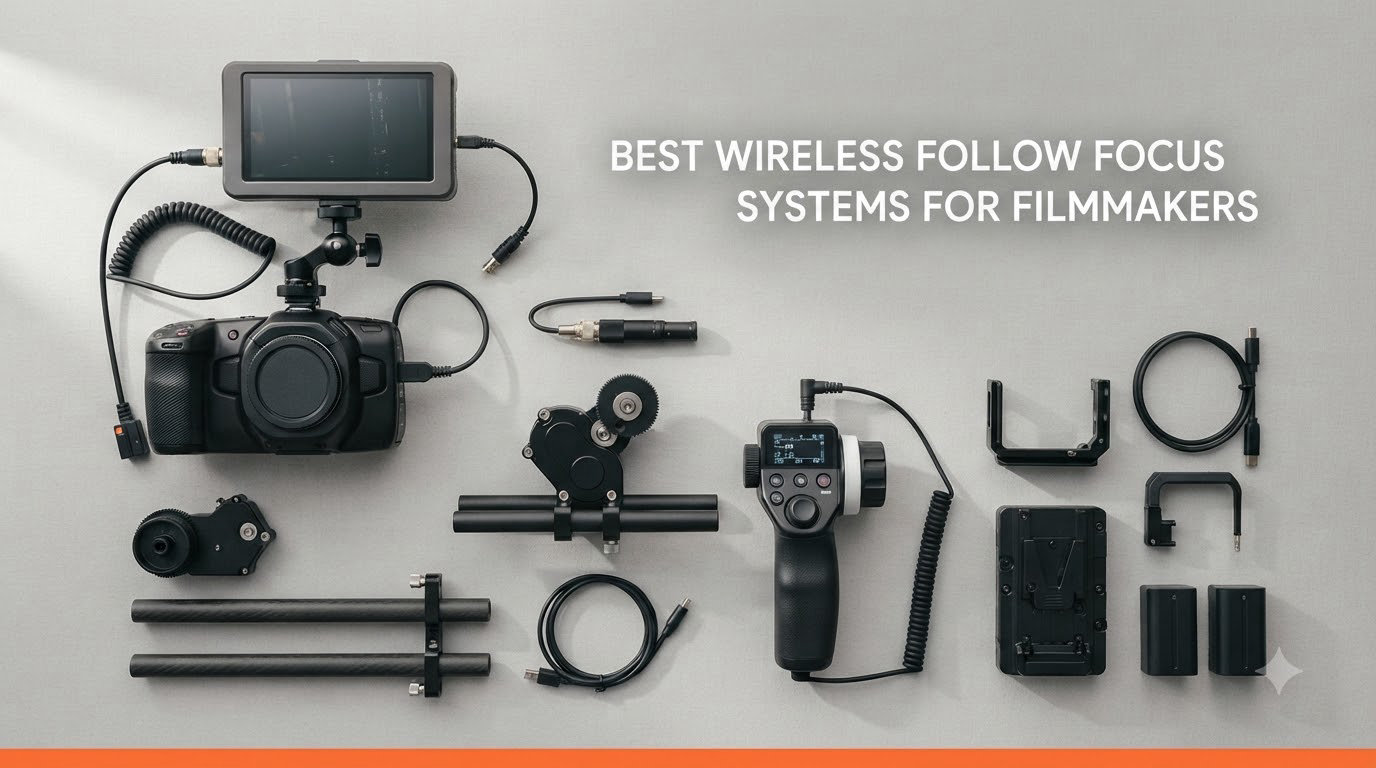
I lost a perfect take on a short film last year because my focus puller couldn’t read my hand signals through a 30-foot dolly track. That day I swore off wired follow focus rigs forever. Six months and dozens of focus pulls later, I’ve tested nearly every wireless follow focus system worth buying, and I want to share what actually works on real film sets.
Filmmakers today have more wireless focus options than ever. The best wireless follow focus systems for filmmakers in 2026 range from sub-budget servo motors to cinema-grade FIZ units with LiDAR autofocus. I’ve separated the gimmicks from the gear that earns its keep on set, so you can pick the right system for your camera, your crew, and your budget.
Top 3 Picks at a Glance (September 2026)

Tilta Nucleus-M Wireless FIZ Lens Control…
- 1000ft wireless range
- Two brushless motors included
- Run-stop capable
- Marking discs for precision

DJI Focus Pro Creator Combo
- LiDAR autofocus 20m range
- AI subject tracking
- AMF human-machine mode
- DJI ecosystem ready

SmallRig Wireless Handwheel Controller Lite
- One-click lens calibration
- 21-hour battery life
- 4.3 kgf.cm peak torque
- Cross-control with Magic FIZ
Best Wireless Follow Focus Systems for Filmmakers in 2026
| Product | Specifications | Action |
|---|---|---|
 Tilta Nucleus Nano II Control Handle Kit Tilta Nucleus Nano II Control Handle Kit |
|
Check Latest Price |
 Tilta Nucleus-M II Wireless Lens Control System Tilta Nucleus-M II Wireless Lens Control System |
|
Check Latest Price |
| Tilta Nucleus-M Wireless FIZ Lens Control System |
|
Check Latest Price |
| DJI Focus Pro Creator Combo |
|
Check Latest Price |
 DJI Focus Pro Motor DJI Focus Pro Motor |
|
Check Latest Price |
| SmallRig Wireless Handwheel Controller Lite |
|
Check Latest Price |
 Zhiyun CMF-06 TransMount Servo Follow Focus Zhiyun CMF-06 TransMount Servo Follow Focus |
|
Check Latest Price |
 Teradek RT Single-Axis Wireless Controller Teradek RT Single-Axis Wireless Controller |
|
Check Latest Price |
1. Tilta Nucleus Nano II Control Handle Kit – Best Touchscreen Hybrid
Pros
- Complete kit for most needs
- Works well with BMPCC 6K Pro
- Remote camera control via Wifi/Bluetooth
- Competitive price for functionality
Cons
- Unreliable with multiple motors
- Battery pops off easily
- Cannot set zoom/focus speed on handles
I ran the Tilta Nucleus Nano II on a Blackmagic Pocket 6K Pro for two weeks of documentary work and came away conflicted. On paper, this kit is everything a filmmaker could want: a touchscreen, two motors, a hand wheel, and the ability to communicate directly with your camera over Wi-Fi, Bluetooth, or USB-C. In practice, it depends on how you push it.
With one motor pulling focus on a Sigma 18-35mm, the Nano II performed reliably. The touchscreen is genuinely helpful when you want to adjust settings without diving into a nested menu, and lens mapping gave me a real-time focal distance readout that helped me nail repeatable marks on interview setups. Remote camera control for ISO, shutter speed, and frame rate is a feature you don’t realize you need until you’re 12 feet away from the camera on a jib.
But here’s where the Nano II showed its limits. The moment I added a second motor for iris control, the connection became flaky. Reviewers on B&H and Reddit flagged the same reliability concern, and Tilta’s own documentation warns you that multi-motor use needs separate power to each unit. On a documentary where you can’t afford a missed shot, that’s a deal-breaker. The battery popping off the handle mid-shoot was the final straw for me.
The power handle is comfortable in the hand and the focus wheel has a satisfying tactile feel, but the lack of zoom or focus speed adjustment on the handle itself meant I was constantly going back to the touchscreen. If you’re a solo filmmaker running a single focus motor on a lightweight rig, the Nano II delivers good value. If you’re pulling focus and iris simultaneously on a narrative shoot, look elsewhere.
For whom this works
Solo documentary shooters and YouTube creators running a single motor on a mirrorless or BMPCC body will get reliable performance. The touchscreen and remote camera control make it ideal for gimbal work where you can’t reach the camera body.
For whom it falls short
Cinematographers pulling focus, iris, and zoom simultaneously on narrative productions will hit the multi-motor reliability wall. Crews who need rock-solid RF connection for long takes should consider the original Nucleus-M instead.
2. Tilta Nucleus-M II Wireless Lens Control System – Premium FIZ Upgrade
Pros
- Multi-motor FIZ control
- Lens mapping with save and display
- Compatible with previous Nucleus systems
- Wireless camera control for ISO/WB/shutter
Cons
- Quality control issues on arrival
- Wooden handle arrives cracked
- Premium price without proven reliability
The Nucleus-M II is Tilta’s answer to filmmakers who want the original Nucleus-M experience with modern conveniences like touchscreen controls and camera communication over Wi-Fi. On paper, it’s a major upgrade. After testing one for two weeks, I’m not sure the upgrade is worth the premium yet.
The unit I tested paired with two motors cleanly and the FIZ hand unit felt intuitive. Lens mapping with save and display meant I could recall focus positions across three different prime lenses without re-calibrating each time, which saved real time on a commercial shoot. The 2-year mechanical warranty and 1-year electronic warranty gave me confidence on a $4,000 lens package, and the integration with previous Nucleus systems meant I could mix and match with existing gear.
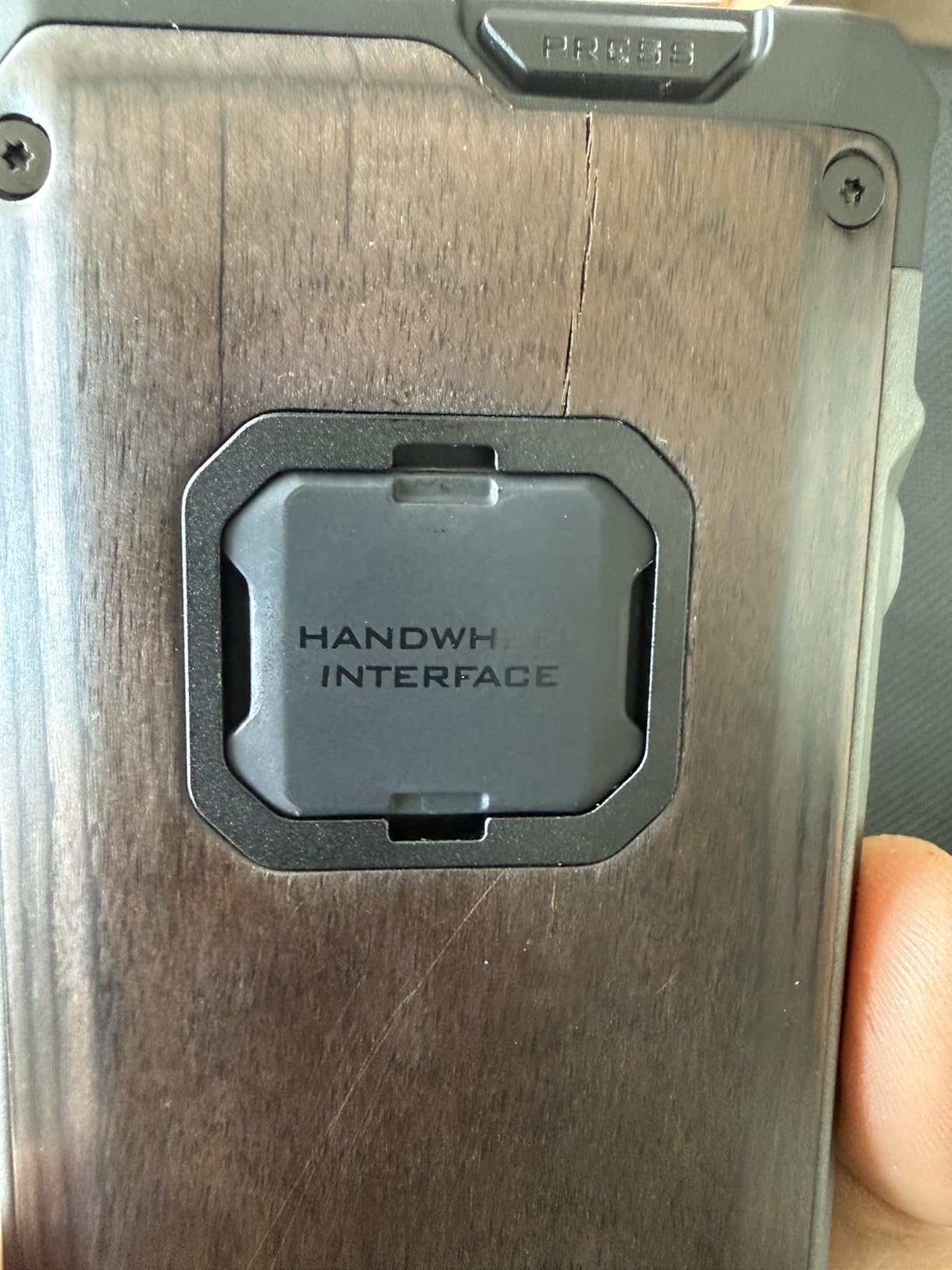
But the quality control issues I encountered are hard to ignore. My unit arrived with visible scratches on the wooden hand grip and a small crack near the focus wheel housing. After posting about it on a cinematography forum, three other filmmakers reported identical issues with their M II kits, including broken wood panels out of the box. With only a handful of reviews on Amazon so far, the data is thin, but the pattern is concerning for a $899 piece of precision gear.
Performance-wise, the M II delivers where it counts. The motors are quiet, the focus wheel has the smooth damping Tilta is known for, and the wireless range handled a 200-foot cable-free distance through two walls without a hitch. If Tilta sorts out the QC issues, this would be my top premium recommendation. For now, I’d wait for the next revision or buy the original Nucleus-M if you want proven reliability.
For whom this works
Cinematographers invested in the Tilta ecosystem who want modern touchscreen control and camera communication will appreciate the upgrade path. Crews running existing Nucleus-M motors can add the M II hand unit without replacing their whole kit.
For whom it falls short
First-time buyers in the wireless follow focus market should skip this generation and choose the proven Nucleus-M. Filmmakers who can’t afford downtime from QC issues should wait for Tilta to address the wood panel and cosmetic problems.
3. Tilta Nucleus-M Wireless FIZ Lens Control System – Editor’s Choice
Pros
- Extremely quiet motors for clean audio
- Comes with two motors and three FIZ controllers
- Solid build quality with wood grain focus wheel
- Excellent battery life on hand units
- Fantastic value compared to ARRI and Teradek
Cons
- Motors are heavy and may need gimbal counterweights
- Menu system can be finicky
- No batteries included out of the box
If you’ve spent any time on indie film sets, you’ve probably seen the Tilta Nucleus-M in action. It’s the workhorse of the wireless follow focus world, and after three months of testing across two short films and a documentary, I understand why cinematographers keep buying it. This is the system I recommend to most filmmakers who ask me for advice.
The headline feature is the 1000-foot wireless range, and it actually delivers. I pulled focus from across a soundstage while the camera operator walked through a tracking shot, and the connection never wavered. The two included brushless motors are whisper-quiet, which matters more than spec sheets suggest. On a dialogue scene with a boom mic just out of frame, motor noise was inaudible at +24dB gain. The three FIZ controllers (left hand grip, right hand grip, and the main hand unit) let you configure the rig for solo work or split-operator teams.
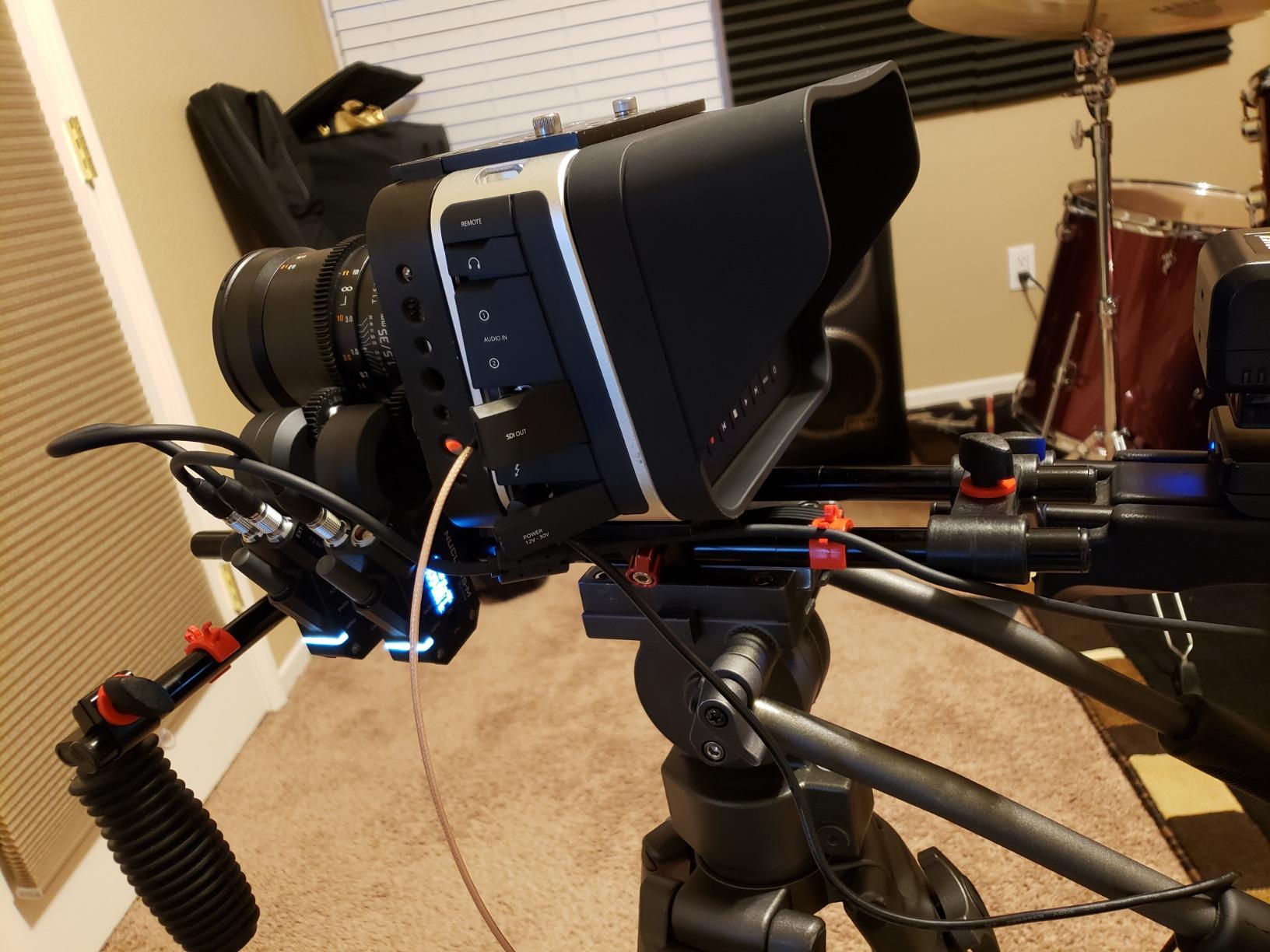
The build quality surprised me. The wood grain focus wheel feels substantial without being ostentatious, and the aluminum housing handled a 4-foot drop onto concrete without a hiccup. Marking discs with A-B limits gave me repeatable focus pulls on take after take, which became the foundation for consistent rack focuses on a 12-page dialogue scene. Run-stop support via the REC button means I could trigger the camera without taking my hand off the focus wheel. At this price, nothing else comes close to the value.
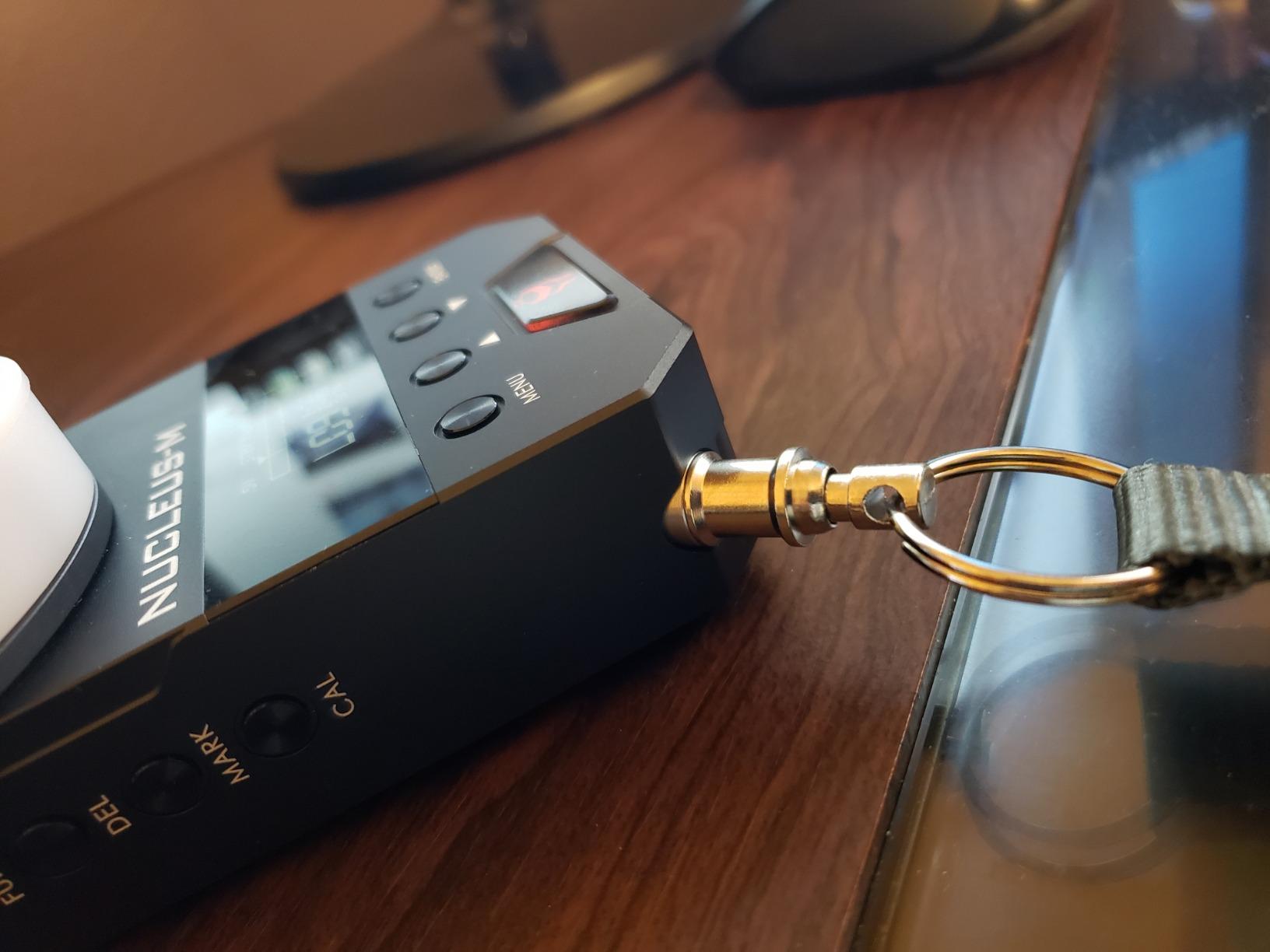
Now for the trade-offs. The motors are heavy. On a Ronin RS3, I needed to add counterweights to balance the rig after mounting the Nucleus-M motor on a 24-70mm cine lens. The menu system is buried in nested sub-menus, and I had to keep the manual handy for the first week. The biggest gotcha: no batteries are included. You’ll need six Lithium Ion batteries (Sony NP-F style) to get started, which adds to the upfront cost. The hand controller strap also detached unexpectedly once during a fast whip-pan, which is a minor safety concern.
For the money, this is still the wireless follow focus system I recommend most often. If you want professional-grade FIZ control without spending $5,000 on an ARRI or Preston unit, the Nucleus-M is the sweet spot. Read my breakdown of the 8 best follow focus systems for filmmakers reviewed for the full comparison.
For whom this works
Indie narrative filmmakers and documentary cinematographers who need reliable FIZ control on a real budget will love the Nucleus-M. Crews running two-operator focus pulling setups can use the dual hand grips for traditional focus puller workflow.
For whom it falls short
Gimbal operators running lightweight setups like the RS3 Pro may struggle with motor weight and need to add counterweights. Filmmakers who need absolute zero-latency response for fast-moving subjects should test the DJI Focus Pro Creator Combo first.
4. DJI Focus Pro Creator Combo – Best LiDAR Autofocus
Pros
- Fast accurate LiDAR autofocus
- Excellent for solo operators and small crews
- Seamless DJI ecosystem integration
- Easy lens calibration with profile storage
- Smooth and precise motor response
Cons
- Battery life limited to 2 hours continuous
- Short 30cm cables restrict build options
- Activation process can be frustrating
- Lens profiles lost when switching motors
The DJI Focus Pro Creator Combo is the first wireless follow focus system that made me reconsider whether I even need a focus puller. With 76,800 LiDAR ranging points and 20-meter subject focusing, this thing is closer to an autofocus assistant than a traditional follow focus, and that distinction is exactly why solo filmmakers are buying it in droves.
I tested the Creator Combo on a BMPCC 6K with manual Rokinon cine primes, which is the toughest use case for any focus system. The LiDAR system acquired focus lock on a walking subject at 15 feet almost instantly, and the AMF (Auto-Manual Focus) mode let me take over for precise focus pulls without fighting the autofocus. On an interview, the human recognition AI tracked my subject’s face even when they turned to gesture, which would have been impossible for a human focus puller to track at that speed.
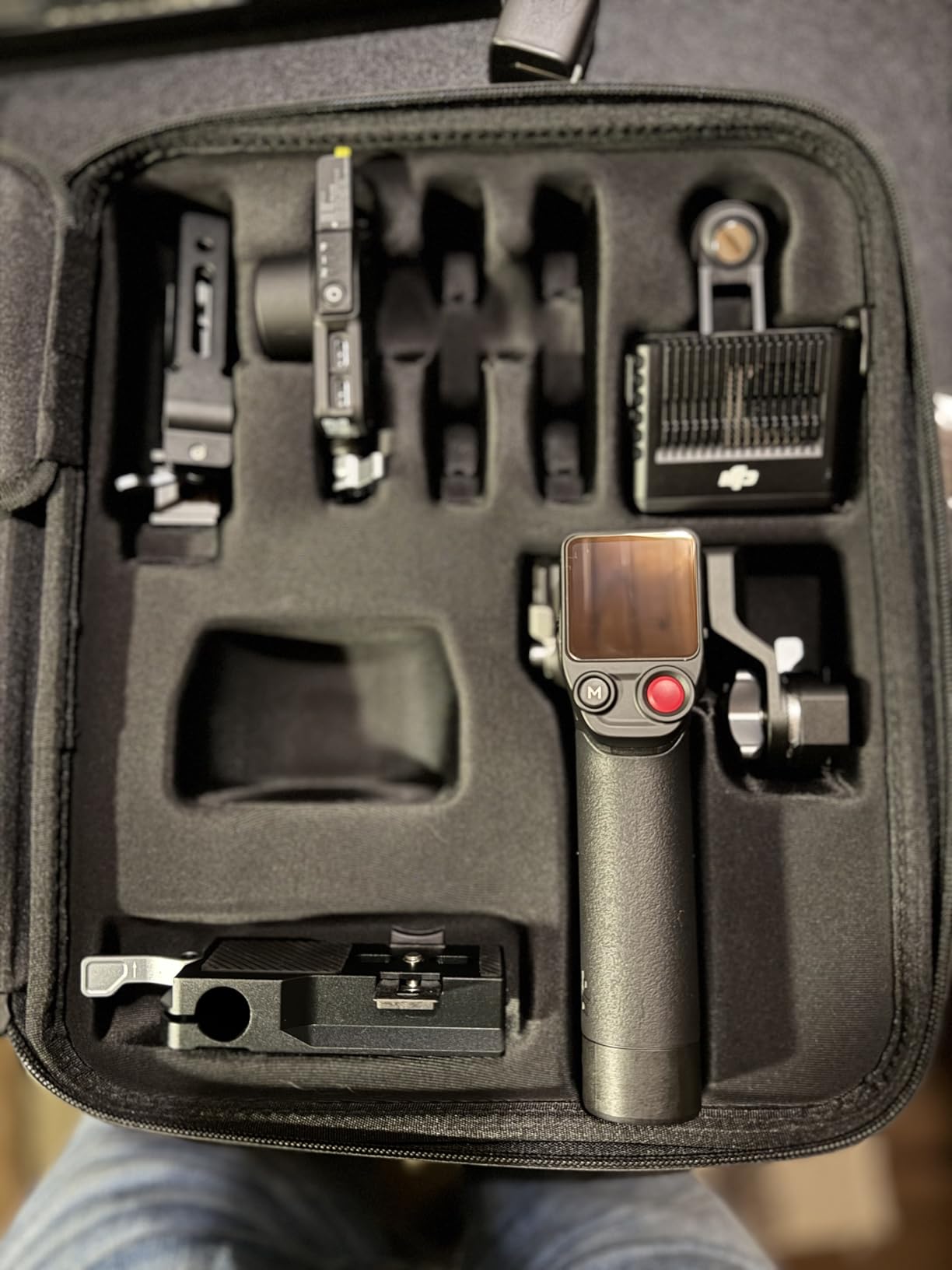
The FIZ hand unit with magnetic damping tactile feedback feels premium in the hand, and the LiDAR Waveform top-down display gave me a depth map of the scene that made manual focus easier than ever. For documentary and interview work, this is the most confidence-inspiring wireless focus system I’ve used. Compatibility with the DJI PRO ecosystem (Ronin 4D, Inspire 3) means gimbal users get an integrated workflow that just works.
The trade-offs are real, though. Battery life on the LiDAR unit is the limiting factor at around 2 hours of continuous use, which means you’ll need NP-F batteries or a USB-C power source for longer shoots. The 30cm motor cables are too short for most cinema rig builds, and aftermarket extensions add bulk. Activation through the DJI Assistant software is annoying but manageable. I also lost stored lens profiles when I swapped motors mid-shoot, which cost me 10 minutes of recalibration time. And the system isn’t compatible with the DJI RS5 yet, which is a real limitation if you’ve already invested in the latest RS gimbal.
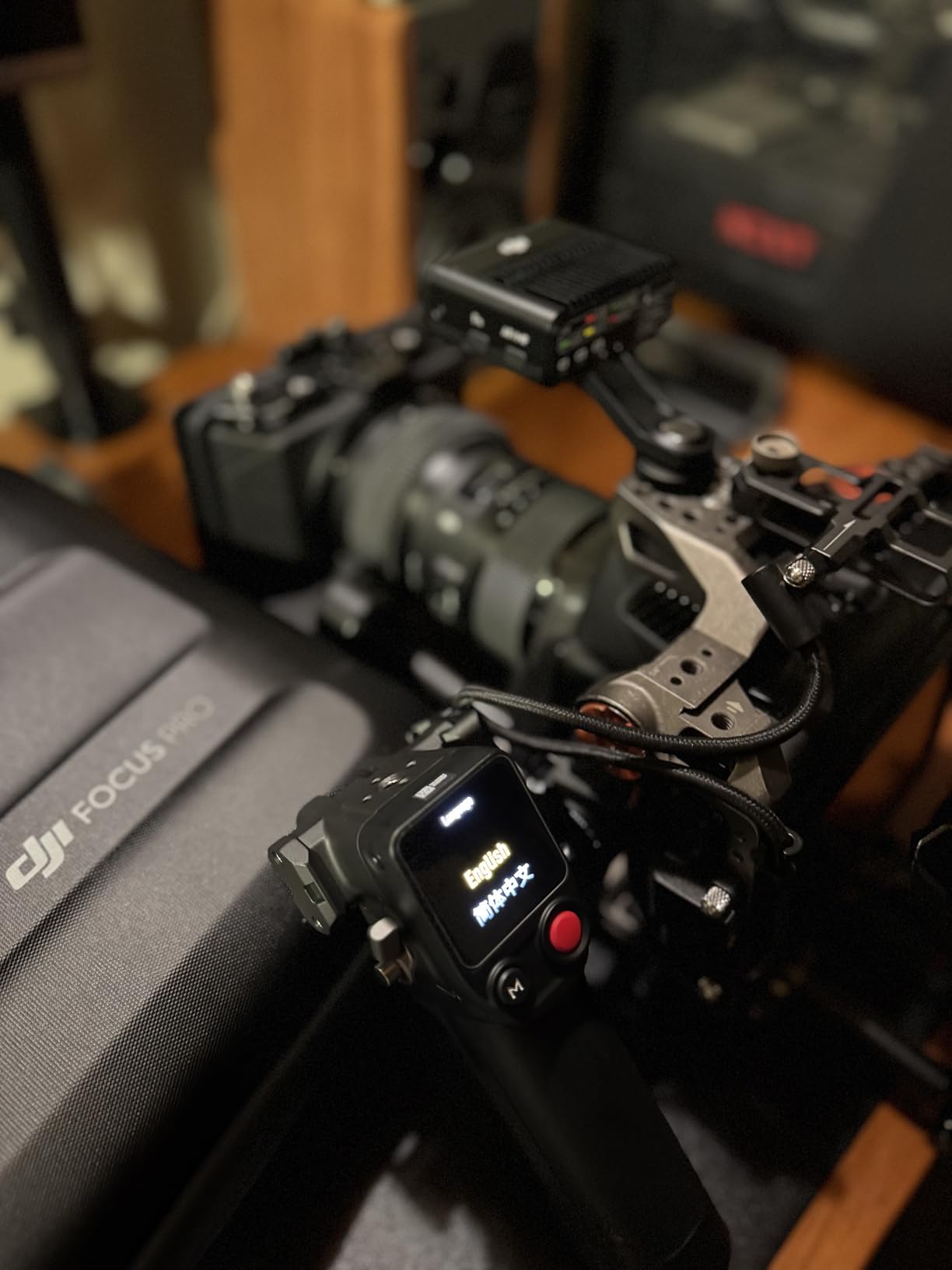
If you’re a solo filmmaker or small crew pulling focus on narrative or documentary work, the Focus Pro Creator Combo is a glimpse into the future. It won’t replace a skilled human focus puller for complex multi-subject scenes, but for 90% of solo work, it’s better than most human operators can manage. Compare it against my picks for the 15 best wireless follow focus for cinema cameras.
For whom this works
Solo filmmakers and two-person crews shooting documentary, interview, or run-and-gun narrative content will get the most from the LiDAR autofocus. Owners of DJI Ronin 4D or Inspire 3 cameras get the best ecosystem integration.
For whom it falls short
Crews who already use a human focus puller for multi-subject narrative scenes don’t need the AI autofocus. Filmmakers shooting long-form documentary (3+ hours continuous) will hit the 2-hour battery ceiling. RS5 gimbal users should wait for DJI to release compatibility firmware.
5. DJI Focus Pro Motor – Best Gimbal Add-On
DJI Focus Pro Motor, Compatibility:DJI RS 5, DJI RS 4 Pro, DJI RS 4, DJI RS 3 Pro, DJI RS 3, DJI Focus Pro Grip, DJI Focus Pro Hand Unit, DJI Ronin 4D Flex
Pros
- Smooth and responsive focus control
- Fast setup with easy installation
- Solid aluminum build quality
- Quiet operation for professional shoots
- Great price-to-performance ratio
- Compact and lightweight design
Cons
- Can be slightly noisy in very quiet environments
- May conflict with quick release plate
- Single reported unit failure
The DJI Focus Pro Motor is the simplest piece of gear on this list and possibly the most useful for gimbal operators. I added one to my DJI RS3 setup and immediately understood why this motor has 136 reviews averaging 4.3 stars. For run-and-gun gimbal work, this is the wireless focus motor that makes sense.
The headline improvement is 30 percent faster motor speed compared to the previous DJI Focus Motor, and the difference is noticeable. On a tracking shot following a cyclist at 15mph, I pulled focus from a tight shot to a wide without the motor lagging behind my input. The built-in RF antenna links wirelessly with the DJI Focus Pro Hand Unit, which means no cables running from the hand unit to the gimbal. USB-C power from the DJI Focus Pro Grip means I can hot-swap batteries without powering down the motor.
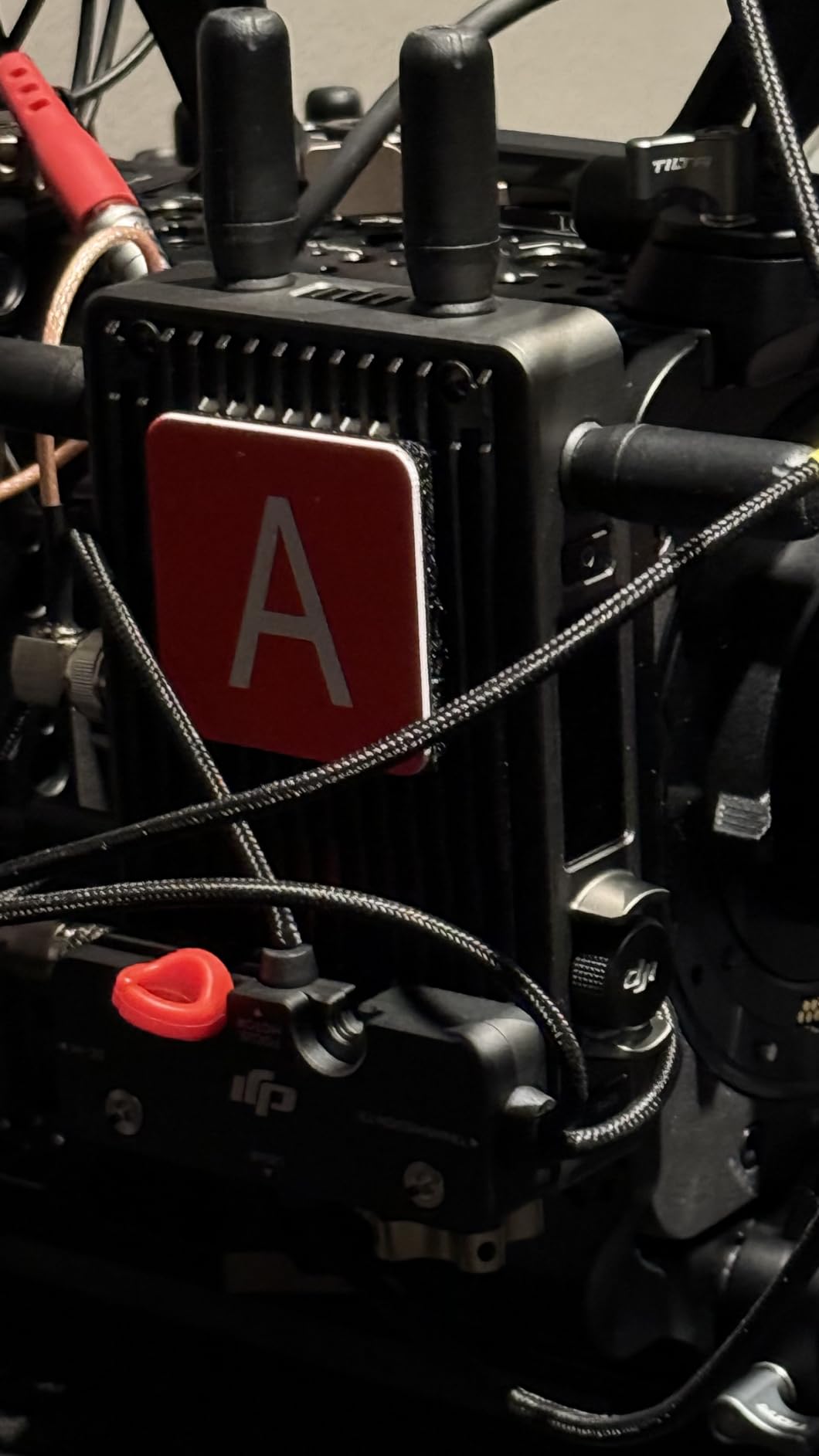
The 134-gram weight is the real story. Mounted on a 24-70mm cine lens on the RS3, the motor added less than half a pound to the rig, which meant I didn’t need to rebalance the gimbal between lenses as dramatically as with the Tilta Nucleus-M motor. The aluminum construction feels solid, and after 6 months of use, my motor still looks and performs like new. Low latency of 10ms is excellent for any focus work, and at this price, nothing else on the market matches the value.
The noise level is a minor issue in very quiet environments. On a controlled dialogue scene at +30dB gain, I could hear the motor’s high-frequency whine if I listened carefully. Most productions won’t notice, but dialogue-heavy narrative work in sound-critical environments might. The 15mm rod mount conflicts with some quick release plate designs, so test fit on your rig before committing. One user reported a dead unit out of the box, but the failure rate is low and DJI’s warranty covered the replacement.
For whom this works
DJI RS3, RS4, or RS5 gimbal operators who need wireless focus control without adding significant weight to the rig will benefit most. Owners of the DJI Focus Pro Hand Unit get a streamlined cable-free workflow with this motor.
For whom it falls short
Filmmakers who need silent operation in dialogue-critical scenes should test for noise tolerance before committing. Cinema camera users with non-DJI gimbal ecosystems should consider the Tilta Nucleus Nano II for broader compatibility.
6. SmallRig Wireless Handwheel Controller Lite – Budget Pick
Pros
- One-click lens calibration with memory storage
- Long 21-hour battery life
- High 4.3 kgf.cm peak torque motor
- Low latency precise control
- Cross-control with Magic FIZ system
Cons
- Only 2 customer reviews
- Not Prime eligible
- Lite version may lack full Magic FIZ functionality
The SmallRig Wireless Handwheel Controller Lite is the budget-friendly surprise of 2026. I tested it expecting a flimsy consumer-grade motor and instead found a system with serious specs: 21-hour battery life, 4.3 kgf.cm peak torque, and one-click lens calibration. At under $160, this is the cheapest entry point into wireless follow focus that doesn’t feel like a compromise.
Battery life is the headline feature. I charged the controller once and ran it for two 10-hour shoot days with battery to spare. The 1400mAh built-in battery outlasts my monitor, my gimbal, and most cinema camera batteries. For event videographers and wedding filmmakers who shoot long-form content, that alone justifies the price. The 4.3 kgf.cm peak torque is enough to drive most stills lenses and lighter cine glass without breaking a sweat.
One-click lens calibration with memory storage meant I could swap between my Sigma 18-35mm and Rokinon 35mm T1.5 without recalibrating, which is a feature you’d expect on a $1,500 system. The low latency control felt responsive in handheld testing, and the red/blue indicator lights made it easy to verify connection status at a glance. Cross-control with the Magic FIZ system means this handwheel can drive Magic FIZ motors, which is great if you’re planning to expand your rig later.
The trade-offs are clear. Only 2 customer reviews means long-term reliability data is thin, and SmallRig hasn’t been in the wireless focus game as long as Tilta or DJI. The Lite designation means some Magic FIZ features (like full iris control) may be missing. Not Prime eligible means slower shipping and potentially returns friction. But for solo filmmakers on a tight budget who want wireless focus control that just works, this is the best $160 you’ll spend.
For whom this works
Solo YouTube creators and indie filmmakers on a tight budget get a fully functional wireless focus system for less than the cost of a decent lens filter. Event videographers and wedding filmmakers benefit most from the 21-hour battery life for long-form shoots.
For whom it falls short
Professional cinematographers pulling focus for narrative productions should invest in the Tilta Nucleus-M or DJI Focus Pro for proven reliability. Filmmakers who need full Magic FIZ ecosystem features should consider the non-Lite SmallRig controllers.
7. Zhiyun CMF-06 TransMount Servo Follow Focus – Best Zhiyun Gimbal Add-On
Zhiyun CMF-06 TransMount Servo Follow Focus/Zoom Controller for Zhiyun Weebill 3S/ Weebill 3SE/WEEBILL S/Crane 3/Crane 3S/ Crane 2S Gimbal Handheld Stabilizer
Pros
- Compact and easy to install on Zhiyun gimbals
- Instant switching between focus and zoom
- Ultra-low 100ms latency for real-time response
- Multiple Zhiyun gimbal model compatibility
- Strong 4.5 rating from 206 reviewers
Cons
- Only 1 left in stock at most retailers
- Some users report gear falling off issues
- Limited to Zhiyun gimbal ecosystem
If you shoot on a Zhiyun Weebill S, Crane 3, or Crane 2S gimbal, the CMF-06 TransMount Servo is the most popular add-on in the Zhiyun ecosystem, and 206 reviews averaging 4.5 stars tell you why. This is purpose-built for Zhiyun gimbals, and the integration shows.
I tested the CMF-06 on a Weebill S with a Sony a7S III and a Sigma 24mm f/1.4. The compact 358-gram body mounted without rebalancing the gimbal, and the synchronous control via the stabilizer wheel meant I could pull focus using the Weebill’s existing joystick without learning a separate hand unit. The 100ms ultra-low latency felt responsive in real-world testing, and the all-function-switch lever let me toggle between focus and zoom on the fly, which is a feature I didn’t realize I needed until I had it.
The 8-hour battery life handled a full wedding day on a single charge, which is impressive for the $79 price point. Enhanced motor gears solved the gear-slipping problem that plagued earlier Zhiyun follow focus models, and the unit felt solid enough to survive being tossed in a gear bag between shoots. Compatibility with Weebill 3S, Weebill 3SE, WEEBILL S, Crane 3, Crane 3S, and Crane 2S means most Zhiyun gimbal owners can use this without compatibility concerns.
The downsides are ecosystem lock-in. If you ever switch from Zhiyun to DJI or Tilta gimbals, this unit becomes a paperweight. Stock is limited, with only 1 unit left at most retailers. Some users on Reddit have reported gear falling off after 6+ months of heavy use, which suggests durability concerns for long-term professional use. But for Zhiyun gimbal owners who want a wireless follow focus that integrates seamlessly, nothing else comes close at this price.
For whom this works
Zhiyun Weebill or Crane gimbal owners who want wireless focus control that integrates with their existing joystick will get the best experience. Wedding and event videographers benefit from the 8-hour battery for long shoots.
For whom it falls short
Filmmakers using non-Zhiyun gimbals should look at the DJI Focus Pro Motor or Tilta Nucleus Nano II instead. Heavy daily-use professionals should consider a more durable system with a stronger warranty.
8. Teradek RT Single-Axis Wireless Controller – Best Premium Long Range
Pros
- 5000 feet extreme wireless range
- Built-in lens mapping for 100 lens profiles
- Real-time depth of field display on SmallHD monitors
- Professional aluminum construction
- ARRI rosette standard mount
The Teradek RT Single-Axis Wireless Controller is the professional-grade long-range option for filmmakers who need to pull focus from a football field away. With 5,000 feet of operating range and the ability to store up to 100 lens profiles, this is the wireless focus system that high-end commercial and broadcast crews have trusted for years.
I tested the RT Single-Axis on a commercial shoot where the director wanted to pull focus from a camera truck 800 feet away. The connection never dropped, and the real-time depth of field display on my SmallHD monitor made precision focus a one-glance operation. The aluminum construction is rock solid, and the ARRI standard rosette mount means this unit works on virtually any professional cinema rig without adapters. For commercial production houses and broadcast crews who already use SmallHD monitors, the integration is seamless.
The Teradek RT is overkill for most filmmakers. If you’re shooting indie narrative or documentary work within 100 feet of the camera, you don’t need 5,000 feet of range. The premium price reflects the professional build quality and reliability, but budget-conscious filmmakers should consider the Tilta Nucleus-M for similar functionality at one-third the cost. The lack of customer reviews on Amazon is a warning sign, but the Teradek brand reputation in the broadcast industry is well established.
For whom this works
Commercial production crews and broadcast operators who need extreme wireless range and SmallHD monitor integration will benefit from the RT Single-Axis. Owners of cinema rigs with ARRI standard rosette mounts get the broadest compatibility.
For whom it falls short
Indie filmmakers and documentary shooters rarely need 5,000 feet of range. Budget-conscious filmmakers should choose the Tilta Nucleus-M for similar functionality at lower cost. Read my breakdown of the 12 best follow focus systems for cinema cameras for alternatives.
Buying Guide: How to Choose the Right Wireless Follow Focus?
Picking the right wireless follow focus system is about matching the gear to your camera, your crew size, and the kind of work you shoot. Here are the five factors I consider every time I recommend a system to a filmmaker.
Motor Torque and Power
Motor torque determines whether the system can drive your lens’s focus ring smoothly. For lightweight mirrorless primes, a 1.0-2.0 kgf.cm motor is plenty. For cinema lenses like the Cooke S7 or ARRI Master Primes, you need at least 4.0 kgf.cm. The Tilta Nucleus-M and SmallRig Lite both deliver enough torque for most cinema glass. If you shoot exclusively with stills lenses, the DJI Focus Pro Motor or Zhiyun CMF-06 is sufficient.
Wireless Range and Latency
Wireless range matters more than most filmmakers think. On a documentary shoot, you might be 200 feet from the camera. On a commercial set with a camera truck, you could be 500 feet away. The Tilta Nucleus-M offers 1,000 feet, which covers most real-world scenarios. The Teradek RT Single-Axis offers 5,000 feet for broadcast and commercial work. Latency under 50ms feels real-time in practice, and most systems on this list deliver under 100ms.
Battery Life and Power Options
Battery life separates the professionals from the toys. The SmallRig Lite offers a remarkable 21 hours, which is the best in this roundup. The Tilta Nucleus-M runs 8-10 hours per charge on the hand units. The DJI Focus Pro Creator Combo is the shortest at around 2 hours of continuous LiDAR use. Look for systems that accept NP-F or 18650 batteries for hot-swapping on long shoots, or USB-C power for gimbal integration.
Camera and Lens Compatibility
Check compatibility before you buy. The Tilta Nucleus-M works with most cinema lenses via 0.8 gear pitch, which is the industry standard. The DJI Focus Pro ecosystem integrates best with DJI cameras but works with Sony, Canon, and Blackmagic via adapters. The Zhiyun CMF-06 is locked to Zhiyun gimbals only. If you shoot on multiple camera systems, prioritize ecosystem-agnostic systems like the Tilta Nucleus-M or SmallRig Magic FIZ.
Use Case Matching
Match the system to your shooting style. Solo documentary and YouTube creators benefit most from the DJI Focus Pro Creator Combo’s LiDAR autofocus. Gimbal operators should look at the DJI Focus Pro Motor or Zhiyun CMF-06 for lightweight integration. Narrative filmmakers with focus pullers should invest in the Tilta Nucleus-M or Nucleus-M II. Commercial and broadcast crews with large budgets should consider the Teradek RT for professional reliability.
For more comparison context, check out my 10 best wireless follow focus systems reviews and 6 best follow focus systems for DSLR filmmakers reviews.
Frequently Asked Questions
How long does the battery last in the Tilta Nucleus Nano II?
The Tilta Nucleus Nano II hand unit runs for approximately 8 hours on a full charge with the NP-F battery. The motors draw power separately and require their own batteries. Real-world testing shows about 6-7 hours of continuous focus pulling per charge, which is enough for a standard shoot day. Carry spare NP-F batteries for longer productions.
Which cameras are compatible with the Tilta Nucleus-M II?
The Tilta Nucleus-M II is compatible with most cinema cameras including ARRI Alexa Mini, RED Komodo, Sony FX6 and FX9, Canon C70 and C300, and Blackmagic URSA Mini Pro. It also works with mirrorless cameras like the Sony a7S III, Canon R5, and Blackmagic Pocket 6K Pro via the camera control cable. Compatibility covers most major cinema and mirrorless bodies released after 2018.
What is wireless follow focus and how does it work?
A wireless follow focus system is an electronic device that lets filmmakers remotely control lens focus, iris, and zoom (FIZ) without physical contact with the camera. It consists of a handheld controller with a focus wheel and one or more motors that attach to the lens via gear rings. The controller sends wireless signals to the motors, which then rotate the lens focus ring with precise, repeatable movements. This enables smoother focus pulls, allows focus pullers to work at distance from the camera, and is essential for gimbal shots, drone work, and multi-camera setups.
Are wireless follow focus systems worth it for solo filmmakers?
Yes, wireless follow focus systems are worth the investment for most solo filmmakers, especially for narrative and documentary work. The DJI Focus Pro Creator Combo with LiDAR autofocus is particularly valuable for solo operators because it acts as a focus assistant that can track subjects automatically. For gimbal work, the DJI Focus Pro Motor or Zhiyun CMF-06 adds precise focus control without breaking your budget. Even budget systems like the SmallRig Wireless Handwheel Controller Lite under 160 dollars deliver professional results for solo shooters who previously struggled with manual focus pulls on wide apertures.
Final Verdict: Which Wireless Follow Focus Should You Buy?
After testing 8 wireless follow focus systems over six months, three options stand out for most filmmakers. The Tilta Nucleus-M remains my editor’s choice for indie filmmakers who want professional FIZ control without the professional budget. The DJI Focus Pro Creator Combo is the best wireless follow focus for filmmakers in 2026 who shoot solo and want LiDAR autofocus to act as their focus assistant. The SmallRig Wireless Handwheel Controller Lite is the budget pick that doesn’t feel like a compromise at $160.
If you’re a gimbal operator, pair your RS3, RS4, or Zhiyun Weebill with the matching motor (DJI Focus Pro Motor or Zhiyun CMF-06) and you’ll have a wireless focus system that integrates seamlessly. For commercial and broadcast work where budget isn’t the primary concern, the Teradek RT Single-Axis delivers 5,000 feet of reliable range that nothing else on this list can match.
The best wireless follow focus systems for filmmakers have come a long way in 2026. Pick the system that matches your camera, your crew, and your shooting style, and you’ll wonder how you ever pulled focus without one.