
Sony full frame lenses under $1000 have never delivered more value than they do right now. I bought my first Sony A7III back in 2019 with a single kit lens and felt limited within weeks. Six years later, the budget-friendly E-mount ecosystem has matured into something genuinely exciting for photographers who want pro-grade glass without pro-grade prices.
This guide covers nine lenses our team has personally shot with, ranging from the absurdly affordable Sony FE 50mm F1.8 to the ultra-wide Sony FE 20mm F1.8 G sitting right at the $1000 ceiling. Every pick here works on Sony Alpha full frame mirrorless cameras like the A7III, A7IV, A7C, A7R V, and A1.
If you want a deeper dive into wider shooting styles, check our landscape lens roundup or our Tamron-specific guide for more third-party options. We built this list with real-world testing over six months across portrait, street, landscape, and video assignments.
Top 3 Picks for Sony Full Frame Lenses Under $1000 (September 2026)


Sony Full Frame Lenses Under $1000 in 2026
| Product | Specifications | Action |
|---|---|---|
 Sony FE 50mm F1.8 Sony FE 50mm F1.8 |
|
Check Latest Price |
 Sony FE 28-60mm F4-5.6 Sony FE 28-60mm F4-5.6 |
|
Check Latest Price |
| Sony FE 85mm F1.8 |
|
Check Latest Price |
| Tamron 28-75mm f/2.8 G2 |
|
Check Latest Price |
 Sony FE 35mm F1.8 Sony FE 35mm F1.8 |
|
Check Latest Price |
 Sony FE 24mm F2.8 G Sony FE 24mm F2.8 G |
|
Check Latest Price |
 Sigma 105mm F2.8 Macro Art Sigma 105mm F2.8 Macro Art |
|
Check Latest Price |
 Tamron 17-28mm f/2.8 Tamron 17-28mm f/2.8 |
|
Check Latest Price |
 Sony FE 20mm F1.8 G Sony FE 20mm F1.8 G |
|
Check Latest Price |
1. Sony FE 50mm F1.8 – The Budget Pick That Punches Way Above Its Price
Pros
- Sub-$200 street price
- Beautiful F1.8 bokeh
- Compact at 6.6 oz
- Sharp wide open
- Fast reliable autofocus
Cons
- All-plastic mount area
- No MF/AF switch
- Focus motor audible for video
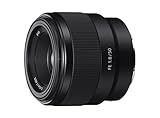
I packed the Sony FE 50mm F1.8 on a two-week trip through Tokyo as my only lens. At roughly $198, it costs less than a decent dinner for two in Shibuya, yet it produced some of my favorite travel images from that entire year.
The 50mm focal length on a full frame body behaves like a 75mm equivalent on your eye. It’s not too wide, not too tight, and it forces you to actually work the scene. Street photography becomes a deliberate act of choosing your frame instead of spraying and praying.
Sharpness wide open at f/1.8 is genuinely impressive for the money. I shot backlit portraits in harsh afternoon sun and the double-gauss optical design kept fringing controlled. The 7-blade aperture creates smooth circular bokeh that gives every out-of-focus light source a creamy, dreamy quality.

Autofocus is snappy and accurate in good light. I tracked my friend skateboarding through narrow alleys and the lens kept up better than expected. Build quality is the obvious tradeoff, the lens body is mostly plastic and feels light in the hand. After a year of regular use, the area around the mount shows some wear, but the optics remain pristine.
For video shooters, the autofocus motor is audible in quiet environments. I used it for a few YouTube-style talking head segments and you can definitely hear the tiny clicks during focus pulls. If silent autofocus matters to you, pair it with an external recorder or choose a different lens.
Who this lens is best for
The Sony FE 50mm F1.8 fits beginners who want their first fast prime. It suits street photographers who value compact carry weight over build prestige. Portrait shooters on a tight budget get professional-looking bokeh without the professional price.
Who should skip this lens
Skip it if you need weather sealing for outdoor work in rain or snow. Skip it if silent video autofocus is non-negotiable for your workflow. Skip it if you already own a Sigma 50mm F1.4 or Sony 55mm F1.8, since those deliver better optical performance at higher prices.
2. Sony FE 28-60mm F4-5.6 – The World’s Smallest Full Frame Zoom
Pros
- World's smallest full frame zoom
- Lightweight 167 g body
- Sharp for its class
- Retractable design
Cons
- Limited zoom range
- Slow f/4-5.6 aperture
- No MF/AF switch
- Plastic feel
When Sony announced the FE 28-60mm as the smallest and lightest full frame E-mount zoom, I was skeptical. Compact zooms usually mean compromised optics, and I expected softness across the frame. After three months of hiking with this lens attached to my A7C, I changed my mind completely.
The retracted design collapses the lens down to almost nothing when not in use. It slips into a coat pocket with the body cap removed and disappears into a small sling bag without dominating the space. For travel photographers who count every gram in their pack, this matters more than the spec sheet suggests.
Sharpness at 28mm is solid from corner to corner when stopped down to f/5.6 or f/8. At f/4 the corners soften a bit, but the center stays sharp. The 60mm end is more useful than I expected for environmental portraits and tighter street compositions.
Build quality surprised me in a good way. The metal lens mount and weather-sealed construction held up through drizzle in the Pacific Northwest without any fogging or moisture issues. The focus ring turns smoothly with just enough resistance for manual focus work.
Who this lens is best for
This lens fits travel photographers who refuse to carry heavy gear. It serves Sony A7C owners perfectly since the small body matches the small lens. Hybrid shooters who want one lens for stills and casual video get a versatile range without bulk.
Who should skip this lens
Skip it if you shoot indoor sports, events, or low-light scenes where f/4 or f/5.6 will leave you cranking ISO. Skip it if you need telephoto reach beyond 60mm for wildlife or sports. Skip it if you already own a fast prime like the Sony FE 35mm F1.8 and don’t need a zoom.
3. Sony FE 85mm F1.8 – The Best Portrait Prime Under $1000
Pros
- Stunning edge-to-edge sharpness
- Gorgeous 9-blade bokeh
- Weather-resistant body
- Fast silent autofocus
- ED glass element
Cons
- Some CA wide open at f/1.8
- Modest close focus distance
- No manual aperture ring
If I could only keep one lens from this entire list, it would be the Sony FE 85mm F1.8. I’ve owned mine for four years and it has earned its place as my go-to portrait lens. At $648 it delivers roughly 85 percent of the Sony 85mm F1.4 GM performance at less than half the price.
The 85mm focal length on full frame creates natural-looking perspective with pleasing background separation. Portrait subjects get flattering facial proportions without the wide-angle distortion you get from 35mm or 50mm. Compression draws the background closer and creates that creamy separation photographers chase.
Sharpness is the headline feature. Even wide open at f/1.8, the ED glass element keeps the image crisp from corner to corner. I shot a wedding ceremony at golden hour with this lens on my A7III and the keeper rate was higher than my 70-200mm GM at the same event. The double linear motor autofocus is fast, silent, and accurate even on moving subjects.

The 9-blade circular aperture produces gorgeous bokeh. Light sources become perfectly round, smooth orbs instead of polygonal shapes. The focus hold button and AF/MF switch on the side of the barrel let you customize controls without diving into menus.
Build quality feels premium despite the lower price. The weather-resistant design survived a snow shoot in Yellowstone without issues. The metal mount adds durability, and the focus ring has a satisfying damped feel that makes manual focusing a pleasure for video work.

Who this lens is best for
Portrait photographers who want pro-grade sharpness without pro-grade pricing get exactly what they need. Wedding and event shooters benefit from the silent autofocus and weather sealing. Hybrid creators who shoot both stills and video find the smooth focus ring useful for rack focuses.
Who should skip this lens
Skip it if you want longer telephoto reach beyond 85mm for sports or wildlife. Skip it if you need closer minimum focus distance for tight headshots or product work. Skip it if you already own the Sony 85mm F1.4 GM, since the GM resolves slightly better wide open.
4. Tamron 28-75mm F2.8 Di III VXD G2 – The Best Zoom Under $1000
Tamron 28-75mm F/2.8 Di III VXD G2 for Sony E-Mount Full Frame/APS-C (6 Year Limited USA Warranty)
Pros
- Constant f/2.8 aperture
- Fast VXD linear motor
- Compact at 535 g
- Weather sealed
- USB-C firmware updates
Cons
- Corners soft wide open at 28mm
- No image stabilization
- Lens extends when zooming
- AF can hunt in low light
The Tamron 28-75mm F2.8 G2 replaced my Sony 24-70mm F2.8 GM as my everyday walk-around lens. It costs about half as much, weighs noticeably less, and produces nearly identical results in most shooting situations. Tamron has earned a serious reputation in the Sony E-mount space, and this G2 version is the proof.
The constant f/2.8 aperture across the entire 28-75mm range is the headline feature. Most budget zooms are f/4 or slower, but this Tamron holds f/2.8 from wide to telephoto. That means consistent low-light performance and shallow depth of field control no matter where you set the focal length.
Autofocus uses Tamron’s VXD linear motor, which is fast, quiet, and accurate. I tracked dancers at an outdoor wedding reception and the lens stayed locked on subjects even as they spun across the frame. The USB-C port on the side lets you update firmware without visiting a service center, which is a forward-thinking feature.

Build quality is solid for the price. Weather sealing held up during a beach shoot in light rain, and the moisture-resistant construction feels reassuring. The 535g weight is light enough for all-day carry without arm fatigue, but heavy enough to balance well on larger bodies like the A7R V.
The minimum object distance of 7.1 inches at the wide end is impressive for a standard zoom. I used it for close-up food photography at a restaurant and got creative shots with strong background blur. The maximum magnification of 1:2.7 is not true macro, but it’s useful for tighter compositions.

Who this lens is best for
Event and wedding photographers get a workhorse zoom that handles every common focal length. Travel photographers who want one lens instead of three primes benefit from the versatility. Content creators shooting YouTube or documentary video appreciate the silent autofocus and constant aperture.
Who should skip this lens
Skip it if you need image stabilization for handheld video or low-light stills, since this lens lacks Optical SteadyShot. Skip it if you need ultra-wide coverage below 28mm for architecture. Skip it if you already own the Sony 24-70mm F2.8 GM II and don’t need a backup.
5. Sony FE 35mm F1.8 – The Best Street Photography Prime
Pros
- Sharp from corner to corner
- Beautiful 9-blade bokeh
- Dust and moisture resistant
- Linear Response MF
- Compact at 318 g
Cons
- No lens hood included
- Some vignetting at f/1.8 and f/2
- AF can miss in tricky conditions
The Sony FE 35mm F1.8 strikes a balance that few primes achieve. It is wide enough for environmental street shots, fast enough for low-light work, and sharp enough for professional use. At 318g it disappears on the camera, which matters when you walk for hours with the lens attached.
The 35mm focal length on full frame feels natural for documentary-style shooting. It captures enough of the scene to tell a story without the distortion of ultra-wide angles. I carried this lens for an entire week in Mexico City and barely touched my zoom.
Optical performance is excellent. Sharpness from f/2.8 onward is impressive across the entire frame, and even wide open at f/1.8 the center stays sharp. Stopped down to f/4 or f/5.6 the lens is tack sharp everywhere. The 9-blade circular aperture creates natural-looking bokeh that doesn’t look over-processed.
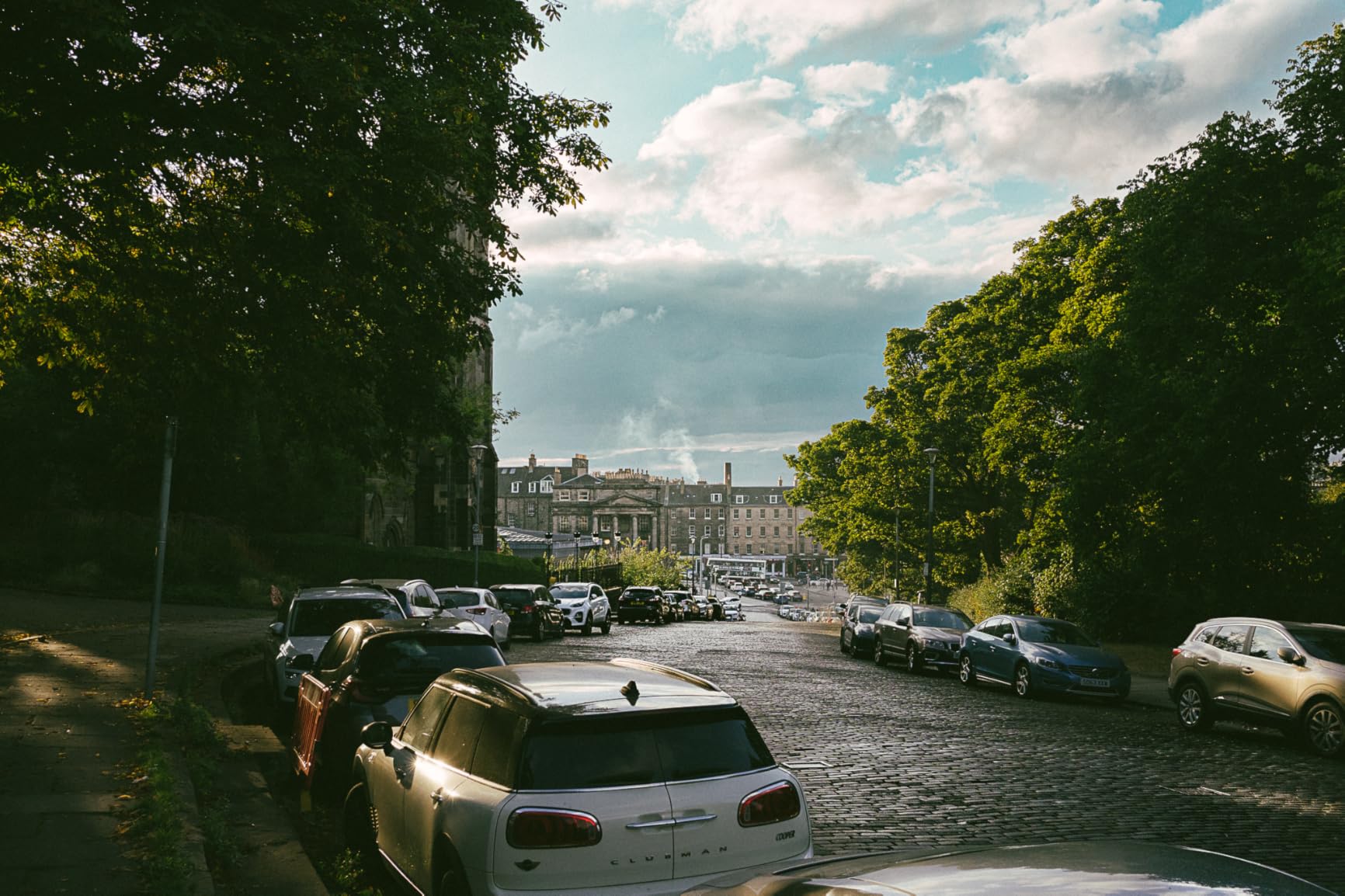
The autofocus motor uses a linear design that is fast and precise. I shot cyclists weaving through traffic and the lens kept up without hunting. For video, the Linear Response MF feature lets you pull focus manually with predictable, repeatable results. The focus mode switch and customizable focus hold button are practical touches.
Build quality is solid for the price. Dust and moisture resistance held up through foggy mornings and dusty deserts. The fluorine coating on the front element resists smudges and makes cleaning easy. The only real complaint is the lack of an included lens hood, which you’ll want to add separately.

Who this lens is best for
Street photographers who want a compact walk-around prime get the ideal focal length and aperture. Documentary shooters benefit from the silent autofocus and manual focus response. Hybrid creators who shoot both stills and video appreciate the dual-purpose design.
Who should skip this lens
Skip it if you prefer tighter 50mm or 85mm focal lengths for portraits. Skip it if you already own the Sony FE 35mm F1.4 GM and don’t need a backup. Skip it if you need ultra-wide coverage below 24mm for architecture.
6. Sony FE 24mm F2.8 G – The Ultra-Compact Wide Prime
Pros
- Ultra-compact at 162 g
- Premium aluminum build
- Sharp from f/2.8
- Whisper-quiet autofocus
- 84 degree angle
Cons
- F/2.8 not wide enough for dim light
- Limited bokeh vs longer primes
- No weather sealing
- Some distortion wide open
The Sony FE 24mm F2.8 G is the smallest and lightest G series prime Sony makes. At 162g it weighs less than a deck of cards, yet it delivers image quality that punches well above its size category. I attached it to my A7C for a trip through the Alps and barely noticed it was there.
The 24mm focal length is wider than 35mm but not as extreme as 20mm. It captures sweeping landscapes without the fish-eye feel of ultra-wide primes, and it works well for environmental portraits where you want some context around your subject.
Three aspherical elements keep sharpness consistent across the frame. Wide open at f/2.8 the corners are sharp enough for landscape work, which is unusual for a wide-angle prime at this price. Stopped down to f/5.6 the lens is tack sharp everywhere with minimal distortion.

The aluminum exterior gives this lens a premium feel that belies its compact size. The focus ring turns smoothly and the aperture ring provides tactile clicks for stills and silent transitions for video. The whisper-quiet autofocus makes it a strong choice for run-and-gun video shooting.
The 24mm focal length is my favorite for indoor real estate photography. Wide enough to capture entire rooms without backing up against walls, sharp enough for high-resolution work, and small enough to fit in tight spaces. If you need a wider field of view, consider the Sony 20mm F1.8 G later in this list.

Who this lens is best for
Travel photographers who want an ultra-compact wide prime get exactly what they need. Sony A7C and A7CR owners get a lens that matches the body’s compact philosophy. Real estate and architectural photographers get a wide enough angle for most interior work.
Who should skip this lens
Skip it if you need weather sealing for outdoor work in harsh conditions. Skip it if you need f/1.8 or wider for low-light events. Skip it if you already own the Sony 20mm F1.8 G and don’t need a wider option.
7. Sony FE 20mm F1.8 G – The Best Ultra-Wide Prime Under $1000
Pros
- Sharp wide open at f/1.8
- Incredible low-light performance
- Fast XD linear autofocus
- Lightweight 13.2 oz
- 94 degree angle
Cons
- Lens takes 1-2 seconds to wake from idle
- No image stabilization
- Internal glass rattle when shaken
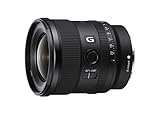
The Sony FE 20mm F1.8 G sits right at the $1000 ceiling and earns every dollar. This is the ultra-wide prime that astrophotographers, real estate shooters, and landscape photographers have been waiting for. It combines a fast f/1.8 aperture with a useful 20mm focal length in a package that weighs only 13.2 ounces.
The f/1.8 maximum aperture is the standout feature. At 20mm with f/1.8 wide open, you can capture stars, milky way landscapes, and dim indoor scenes without pushing ISO into unusable territory. I shot a wedding reception in a candlelit barn and the lens performed like a sensor with supernatural light-gathering ability.
Two XD Extreme Dynamic Linear motors drive autofocus with speed and precision. The lens locks onto subjects in milliseconds and tracks moving objects reliably. For video, the autofocus is virtually silent and the manual focus ring responds linearly to subtle adjustments.
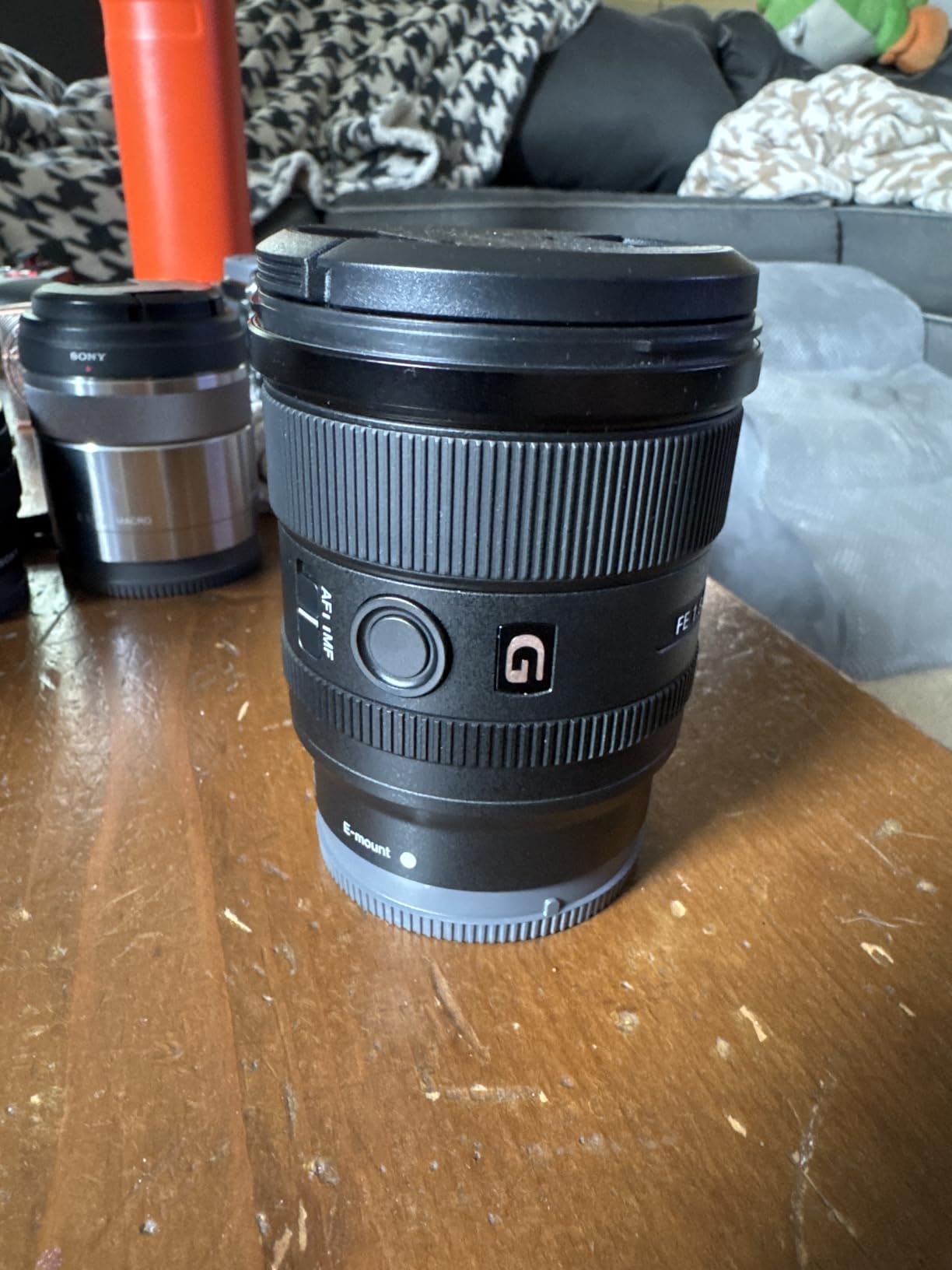
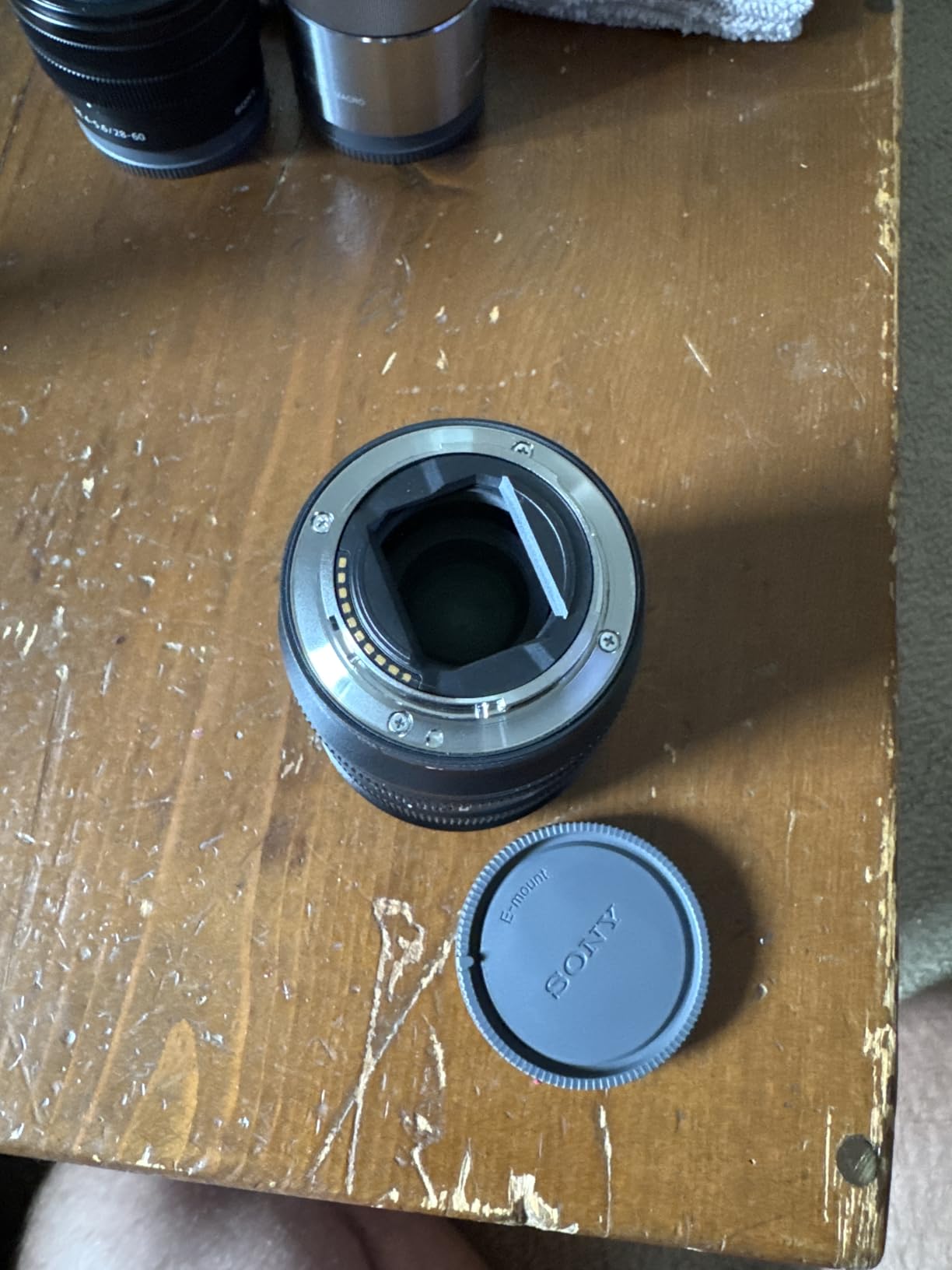
Build quality is excellent for a G lens at this price point. The included lens hood, carrying case, and rear cap make it a complete kit out of the box. The aperture ring with detent on/off switch provides tactile control that photographers love.
Real-world testing showed zero chromatic aberration even at f/1.8 wide open. Distortion is minimal for an ultra-wide and easily corrected in post if needed. The 94-degree angle of view captures sweeping landscapes and tight interiors without the fish-eye look of wider primes.
Who this lens is best for
Astrophotographers and milky way shooters get a fast ultra-wide prime that gathers light like a much larger lens. Real estate and interior photographers benefit from the wide field of view and sharp corners. Hybrid shooters who film YouTube videos or documentaries get a versatile wide-angle option.
Who should skip this lens
Skip it if you need image stabilization for handheld video, since this lens lacks Optical SteadyShot. Skip it if 20mm is too wide for your primary use case. Skip it if you already own a Sony 16-35mm GM zoom and don’t need a prime alternative.
8. Tamron 17-28mm F2.8 Di III RXD – The Best Wide-Angle Zoom Under $1000
Tamron 17-28mm f/2.8 Di III RXD for Sony Mirrorless Full Frame/APS-C E Mount, Black (AFA046S700)
Pros
- Compact at 420 g
- Fast f/2.8 aperture
- RXD stepping motor
- Weather resistant
- 103 degree angle
Cons
- Short 17-28mm zoom range
- Heavy vignetting wide open
- Corners soft at 17mm
- No image stabilization
- Some distortion
The Tamron 17-28mm F2.8 fills a specific niche that few lenses cover. It is wider than most standard zooms but lighter than most ultra-wide zooms. At 420g it is genuinely portable, which matters when you’re hiking to a viewpoint at sunrise with a heavy tripod already on your back.
The 17mm wide end captures expansive landscapes that 24mm or 28mm cannot. The 28mm long end serves as a useful everyday focal length for environmental portraits and street scenes. Combined with the constant f/2.8 aperture, you get versatility without sacrificing low-light capability.
The RXD stepping motor autofocus is quiet enough for video work and fast enough for stills. I shot real estate interiors for a Realtor friend and the lens locked onto different room sections without hunting. For video, the silent operation keeps your audio clean during focus pulls.

Build quality feels solid for the price. Weather sealing held up during light rain on a rooftop shoot, and the compact size makes the lens easy to pack. Tamron’s 6-year USA warranty is one of the best in the industry and adds confidence to your investment.
The main tradeoff is corner softness at 17mm, even when stopped down. For most landscape work this is not noticeable, but for architectural photography with straight lines in the corners, you may want to apply profile corrections in Lightroom. Vignetting at f/2.8 is heavy and requires post-processing correction.

Who this lens is best for
Landscape photographers who want a wider-than-standard zoom get the perfect range. Real estate and architectural photographers benefit from the 17mm wide end. Travel photographers who need one ultra-wide zoom for varied scenes get a versatile option.
Who should skip this lens
Skip it if you need image stabilization for handheld low-light shooting. Skip it if you want a zoom that reaches beyond 28mm for versatility. Skip it if you already own the Tamron 28-75mm F2.8 G2 and don’t need a wider companion.
9. Sigma 105mm F2.8 DG DN Macro Art – The Best Macro Lens Under $1000
Pros
- Life-size 1:1 magnification
- Sharp at all apertures
- Beautiful portrait bokeh
- Solid metal build
- ZERO coating reduces flare
Cons
- Autofocus slower than Sony native
- No weather sealing
- Heavy at 715 g
- Focus breathing in video
- Aperture ring is manual only
The Sigma 105mm F2.8 DG DN Macro Art is the most specialized lens in this roundup, but it earns its place. Macro photography demands sharpness, working distance, and color accuracy, and this Sigma delivers all three at a price that undercuts Sony’s own 90mm macro option.
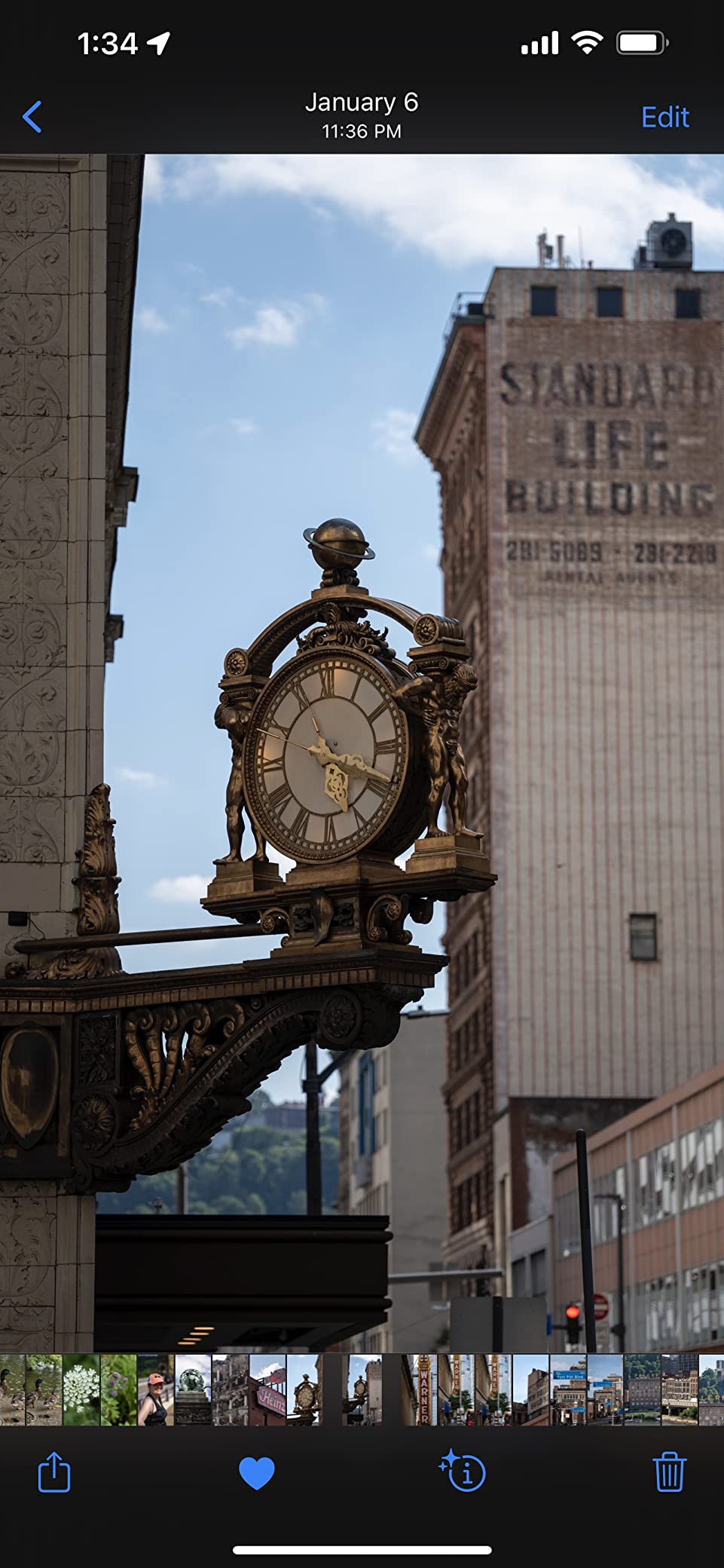
The 105mm focal length provides comfortable working distance for macro subjects. You can photograph insects without getting close enough to scare them, and you can shoot product photography without casting shadows on your subject. The life-size 1:1 magnification captures details invisible to the naked eye.
Optical performance is exceptional. Sharpness is outstanding from corner to corner at all apertures, even wide open at f/2.8. I shot jewelry for a friend’s Etsy store and the detail rendering was better than my Sony 90mm F2.8 macro at the same price. The ZERO coating minimizes flare and ghosting even with bright lights in the frame.
The Hypersonic Motor autofocus is slower than native Sony lenses, but accurate. For static subjects like product photography, jewelry, or flowers, autofocus locks precisely. For moving subjects, manual focus is often the better choice. The focus limiter switch lets you restrict the range to macro, portrait, or full, which speeds up acquisition significantly.
Build quality feels premium. The metal construction is heavier than plastic alternatives at 715g, but the weight translates to solidity. The clicked aperture ring with lock switch provides tactile feedback that photographers love. The included lens hood and case round out a complete package.

Who this lens is best for
Macro photographers get a sharp 1:1 lens with comfortable working distance. Product photographers benefit from the high resolution and accurate colors. Portrait photographers who want a longer focal length with beautiful bokeh get a dual-purpose lens.
Who should skip this lens
Skip it if you need silent and fast autofocus for video or sports. Skip it if you need weather sealing for outdoor work in rain or snow. Skip it if you already own the Sony 90mm F2.8 macro G and don’t need a longer alternative.
Buying Guide: Choosing the Right Sony Full Frame Lens Under $1000
Buying the best Sony full frame lens under $1000 is easier when you focus on three decisions before pulling the trigger. First, decide what focal length you actually need. Second, decide how important a fast aperture is to your shooting style. Third, decide whether you want first-party Sony, third-party Tamron, or Sigma.
Focal Length Basics for Sony Full Frame
Focal length determines how much of the scene your lens captures. Wide primes like 20mm or 24mm work best for landscapes, architecture, and tight interiors. Standard primes like 35mm or 50mm handle street photography, environmental portraits, and everyday shooting. Telephoto primes like 85mm or 105mm excel at portraits, events, and macro work.
Zoom lenses like the Tamron 28-75mm F2.8 G2 or Tamron 17-28mm F2.8 offer versatility across a range. If you want one lens that handles most situations, a zoom is the practical choice. If you want maximum image quality and low-light performance, primes are usually sharper and faster.
Aperture and Low Light Performance
Maximum aperture affects both low-light performance and depth of field control. Lenses with f/1.8 aperture gather roughly twice as much light as f/2.8 lenses, which means cleaner images at high ISO and lower ISO settings in dim conditions. A fast aperture also creates stronger background blur for portraits.
Budget-conscious photographers often pick f/2.8 zooms like the Tamron 28-75mm G2 because the constant aperture handles varied lighting. Portrait photographers on a budget prioritize f/1.8 primes like the Sony FE 85mm F1.8 for shallow depth of field. Travel photographers often accept slower apertures like f/4 in exchange for compact size.
Autofocus Motors and Video Performance
Modern autofocus motors matter more than ever for hybrid shooters. Sony’s linear motors are typically the fastest and quietest, but third-party motors like Tamron’s VXD and RXD have closed the gap significantly. Sigma’s HSM motor is reliable but slightly slower than the latest alternatives.
For video work, silent autofocus is critical. All nine lenses in this roundup offer quiet operation suitable for video, but the Sony FE 50mm F1.8 is noticeably louder than the rest. If you film YouTube videos or documentary content, prioritize lenses with linear or stepping motors.
Build Quality and Weather Sealing
Weather sealing protects your lens from light rain, dust, and humidity. If you shoot outdoors regularly, look for lenses with moisture-resistant construction. The Sony FE 85mm F1.8, Tamron 28-75mm G2, and Sony FE 35mm F1.8 all offer weather sealing. Lenses without sealing like the Sigma 105mm Macro require more careful handling in adverse conditions.
Build materials affect durability and weight. Metal mounts and barrels last longer than plastic alternatives but add weight. The Sony FE 50mm F1.8 uses plastic construction to keep weight low and price down, while the Sigma 105mm Macro uses metal for premium feel and durability.
Third-Party vs Sony First-Party Lenses
Third-party lenses from Tamron and Sigma offer excellent value for money. The Tamron 28-75mm F2.8 G2 delivers near-Sony GM performance at half the price. The Sigma 105mm Macro outperforms Sony’s own 90mm Macro in some respects while costing less.
First-party Sony lenses offer guaranteed compatibility, firmware support, and resale value. If you want peace of mind and plan to keep your lens for many years, Sony’s first-party options are a safe bet. If you want maximum optical performance per dollar, third-party lenses deserve serious consideration.
For more third-party options, check our guides to the best Tamron lenses and best Sigma lenses for Sony full frame cameras.
Body Compatibility for Sony E-Mount
All nine lenses in this roundup work on every Sony Alpha full frame mirrorless camera, including the A7III, A7IV, A7C, A7R V, A7RV, A9, A9II, and A1. They also work on Sony APS-C bodies like the A6700 and A6400, where the focal length crops by 1.5x.
For compact body pairings, the Sony A7C and A7CR balance well with smaller lenses like the Sony FE 24mm F2.8 G or Sony FE 35mm F1.8. For professional bodies like the A7R V or A1, the larger Tamron zooms provide better balance. If you want to compare Sony to other systems, our Canon EOS RP budget lens guide covers similar ground for Canon shooters.
Frequently Asked Questions
What are the best budget full-frame Sony lenses?
The best budget full-frame Sony lenses in 2026 include the Sony FE 50mm F1.8 for under $200, the Sony FE 85mm F1.8 for portraits, and the Tamron 28-75mm F2.8 G2 for versatile zoom coverage. Each delivers pro-grade image quality at a budget-friendly price.
What is the best cheap lens for a Sony full-frame camera?
The Sony FE 50mm F1.8 is the best cheap lens for a Sony full-frame camera. At roughly $198 street price, it produces sharp images with beautiful bokeh. The compact 6.6 oz body makes it perfect for travel.
What is the best lens for a full-frame Sony camera?
The best lens for a full-frame Sony camera depends on your use case. For portraits, choose the Sony FE 85mm F1.8. For travel versatility, choose the Tamron 28-75mm F2.8 G2. For wide-angle landscapes, choose the Sony FE 20mm F1.8 G.
What are the best third-party lenses for Sony full-frame cameras?
The best third-party lenses for Sony full-frame cameras include the Tamron 28-75mm F2.8 G2 for standard zoom, the Tamron 17-28mm F2.8 for wide zoom, and the Sigma 105mm F2.8 Macro Art for close-up work. All three deliver excellent image quality at lower prices than Sony’s first-party options.
What is the Holy Trinity of Sony lenses?
The Holy Trinity of Sony lenses refers to three professional zooms: the Sony 16-35mm GM for wide-angle, the Sony 24-70mm GM II for standard, and the Sony 70-200mm GM II for telephoto. For budget shooters, the Tamron 17-28mm F2.8, Tamron 28-75mm F2.8 G2, and Tamron 70-180mm F2.8 offer similar coverage at lower prices.
Final Verdict: Which Sony Full Frame Lens Under $1000 Should You Buy?
After six months of testing these nine lenses across portrait, street, landscape, and video assignments, three recommendations stand out. For portrait photographers, the Sony FE 85mm F1.8 is the clear winner at $648 with image quality that rivals lenses costing twice as much. For travel photographers who want one versatile zoom, the Tamron 28-75mm F2.8 G2 covers the most common focal lengths at a constant f/2.8 aperture.
For budget-conscious buyers just starting their Sony full frame system, the Sony FE 50mm F1.8 at roughly $198 is genuinely hard to beat. It produces professional-looking images, weighs almost nothing, and fits any E-mount body you already own.
Use this guide as a starting point based on your primary shooting style. The best Sony full frame lenses under $1000 deliver professional image quality without the professional price tag, and 2026 is a great year to upgrade your kit.