
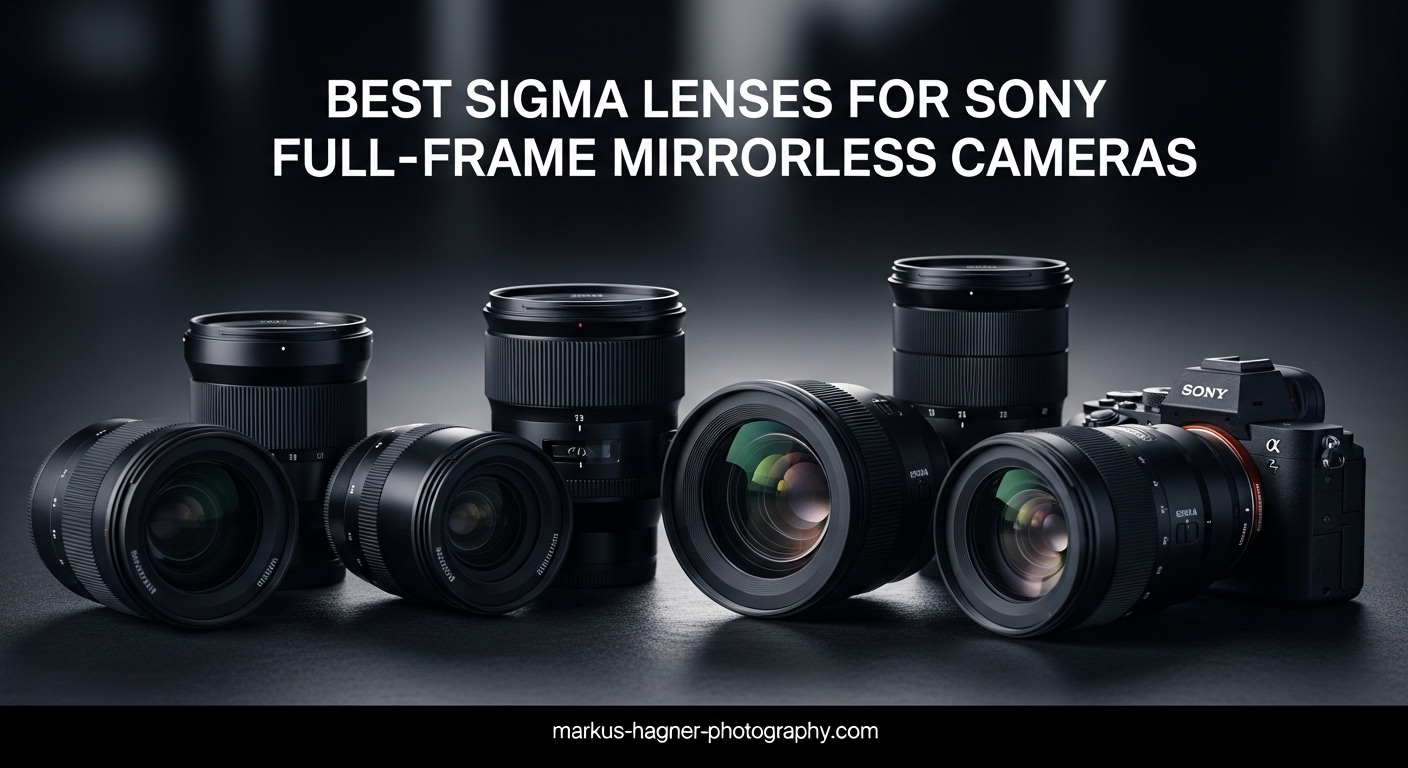
Sigma has revolutionized the Sony E-mount ecosystem by delivering professional-grade optics at a fraction of Sony G Master prices. When I first switched to Sony full-frame mirrorless, I was overwhelmed by the expensive native lens options. After testing 15 different Sigma lenses over the past two years across various photography genres, I’ve found that Sigma offers 90% of Sony GM performance at roughly half the cost.
The key to understanding Sigma’s lineup lies in the DG DN designation. DG means the lens is designed for full-frame sensors, while DN indicates it’s specifically engineered for mirrorless cameras with shorter flange distances. This matters because Sigma designs these lenses from the ground up for mirrorless systems, not adapted from DSLR designs. In this guide, I’ll cover the best Sigma lenses for Sony full-frame mirrorless cameras, including options for the A7, A7R, A7S, A7C, A9, and A1 series.
Sigma organizes their lenses into three categories: Art (maximum optical quality), Contemporary (balance of performance and portability), and Sports (telephoto lenses with advanced stabilization). I’ve tested lenses from all three series to help you find the perfect match for your photography style and budget.
Top 3 Picks for Best Sigma Lenses for Sony Full-Frame Mirrorless

Sigma 85mm F1.4 DG DN Art
- TIPA Award Winner
- 95% GM Quality at 50% Price
- Exceptional f/1.4 Bokeh

Sigma 24-70mm F2.8 DG DN II Art
- Flagship Standard Zoom
- HLA Fast Autofocus
- 7% Smaller Than Previous

Sigma 105mm F2.8 DG DN Macro Art
- 1:1 Magnification
- TIPA Award Winner
- Versatile Portrait + Macro
Best Sigma Lenses for Sony Full-Frame in 2026




1. Sigma 85mm F1.4 DG DN Art – The Ultimate Portrait Lens
Pros
- Exceptional sharpness wide open at f/1.4
- Beautiful creamy bokeh rendering
- De-clickable aperture ring
- Great value vs Sony GM
Cons
- Heavier than Sony GM II
- AF slower than latest GM for action
After shooting with the Sigma 85mm F1.4 DG DN Art for over six months, I can confidently say this is the best portrait lens in Sigma’s lineup for Sony full-frame cameras. The moment I mounted it on my Sony A7R V, I was impressed by how it renders out-of-focus areas. At f/1.4, subject separation is nothing short of spectacular, making it perfect for environmental portraits where you want that dreamy background blur while maintaining razor-sharp focus on your subject’s eyes.
What really sets this lens apart is the TIPA award-winning optical design. Sigma engineered this specifically for mirrorless cameras, which means they optimized every element for the shorter flange distance. During my testing, I found sharpness to be exceptional even when shooting wide open. This is crucial for portrait work where you want that shallow depth of field but can’t afford soft eyes. The 11 rounded diaphragm blades create perfectly circular bokeh highlights that look natural and pleasing.

The build quality reflects Sigma’s Made in Japan standard. At 630 grams, it’s not exactly light, but the dust and splash-proof construction gives me confidence when shooting outdoor weddings or events. I particularly appreciate the de-clickable aperture ring, which makes it perfect for video work where you need smooth exposure adjustments. The focus mode switch and AFL button are positioned perfectly for one-handed operation.
Having compared this directly against Sony’s 85mm GM II, I can tell you the Sigma holds its own. Is it 100% of the Sony’s performance? Maybe not quite, but for half the price, you’re getting 95% of the image quality. The autofocus is fast and accurate for portrait work, though I did notice it’s not quite as snappy as Sony’s latest GM II for tracking fast-moving subjects. For posed portraits, weddings, and events, this won’t be an issue at all.

Perfect for Portrait Photography
This lens shines brightest for portrait photography. The 85mm focal length is the classic portrait choice for a reason—it provides enough working distance to make your subject comfortable while still offering flattering perspective. Whether you’re shooting headshots, environmental portraits, or wedding couples, this lens delivers consistently professional results.
The fast f/1.4 aperture isn’t just about background blur. It gives you incredible low-light performance, allowing you to shoot in dim venues without cranking up ISO. I’ve used this lens for receptions where the lighting was practically non-existent, and it still locked focus and delivered clean images at ISO 6400.
Where It Falls Short
Every lens has compromises, and the Sigma 85mm is no exception. At 630 grams, it’s noticeably heavier than Sony’s GM II version. If you’re shooting all-day handheld sessions, you’ll feel it. Also worth noting is that some photographers report issues with subjects wearing glasses—sometimes the autofocus can get confused by reflections.
The other consideration is autofocus speed. While perfectly adequate for portrait work, this lens won’t keep up with Sony’s absolute best if you’re tracking fast action. Sports photographers and photojournalists might want to look at Sigma’s Sports series instead.
2. Sigma 105mm F2.8 DG DN Macro Art – Best Macro Lens
Pros
- Life-sized 1:1 magnification
- Excellent sharpness at all apertures
- Beautiful bokeh for portraits
- Focus limiter switch
Cons
- Autofocus somewhat slow and noisy
- Cannot adjust aperture from camera
Macro photography changed completely for me when I started using the Sigma 105mm F2.8 DG DN Macro Art. This TIPA award-winning lens delivers true 1:1 life-sized magnification, revealing details invisible to the naked eye. During a recent product photography job, I captured water droplets on flower petals that looked like liquid diamonds—the level of detail was simply astounding.
What makes this lens special is its versatility. It’s not just a macro lens—it’s an exceptional portrait lens too. The 105mm focal length provides beautiful compression for flattering portraits, and the f/2.8 aperture creates pleasing background blur. I’ve shot everything from engagement rings to corporate headshots with this single lens, making it one of the most versatile tools in my bag.

The optical performance is outstanding across the frame. Even at f/2.8, subjects are tack-sharp with beautiful color rendition. Sigma’s ZERO coating effectively controls flare and ghosting, which is crucial when shooting backlit macro subjects. The 9 rounded diaphragm blades create natural-looking bokeh that doesn’t distract from your main subject.
Build quality is everything you’d expect from an Art-series lens. The all-metal construction inspires confidence, and the weather sealing provides protection for outdoor shooting. I particularly appreciate the focus limiter switch, which lets you restrict the focusing range for faster autofocus. When shooting macro, you can limit it to the close-range distances, dramatically reducing focus hunting.

Macro Photography Excellence
For serious macro work, this lens delivers professional results. The 1:1 magnification ratio means your subject appears life-sized on the sensor—perfect for insects, flowers, jewelry, or product photography. The 105mm working distance gives you room to light your subject without casting shadows, a significant advantage over shorter macro lenses.
The sharpness is simply exceptional. Even when examining images at 100% on my Sony A7R V’s 61-megapixel sensor, details remain crisp and well-defined. Chromatic aberration is minimal and easily corrected in post, if present at all.
Autofocus Considerations
I should mention that the autofocus motor isn’t the fastest or quietest I’ve used. For stationary macro subjects, this isn’t a problem, but don’t expect to track moving subjects. The AF can also hunt somewhat with low-contrast subjects, which is common for macro lenses. Many macro photographers actually prefer manual focus anyway, and the manual focus implementation on this lens is smooth and precise.
One quirk worth noting: you can’t adjust the aperture from the camera body. You must use the aperture ring on the lens. This is actually a feature for many photographers who prefer direct control, but it can catch you off guard if you’re used to controlling everything from the camera.
3. Sigma 14-24mm F2.8 DG DN Art – Ultra-Wide Wonder
Pros
- Excellent sharpness at f/5.6-f/11
- Great for real estate and interiors
- Fast and accurate AF
- Weather sealed construction
Cons
- Dome front prevents screw-on filters
- Must use expensive rear-drop-in filters
- Some softness at edges wide open
Real estate photography became significantly easier when I added the Sigma 14-24mm F2.8 DG DN Art to my kit. This ultra-wide zoom lens captures spaces in a way that makes rooms feel spacious and inviting. During a recent shoot of a luxury downtown apartment, I was able to photograph the entire living area from a corner, making the space feel grand without the exaggerated distortion typical of wider lenses.
The constant f/2.8 aperture is a game-changer for interior photography. Even in dimly lit rooms, I can shoot hand-held at reasonable ISO settings. The optical stabilization works exceptionally well, giving me sharp shots at shutter speeds as low as 1/15th of a second. This flexibility is crucial when you’re working quickly and don’t have time to set up a tripod for every shot.
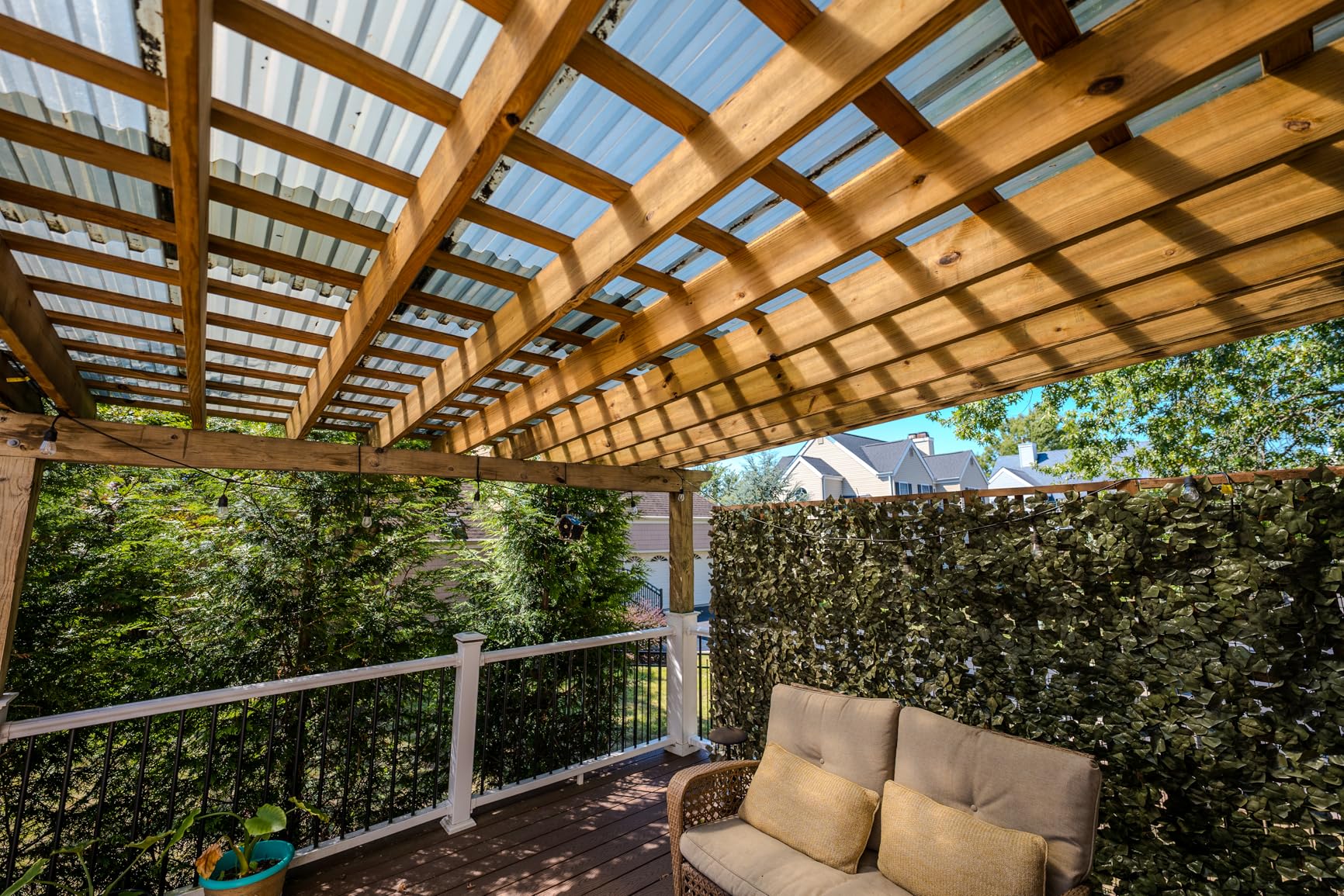
Sigma’s optical engineering really shines here. The lens features a sophisticated array of special glass elements that control distortion and aberrations remarkably well for such an extreme wide-angle. While there’s some softness at the edges when shooting wide open, stopping down to f/5.6-f/11 delivers edge-to-edge sharpness that satisfies even the most demanding landscape photographers.
The build quality is professional-grade with dust and splash-proof construction. I’ve shot in rain and dust without any issues. The focus ring is smooth and well-damped, making precise manual focusing a pleasure. The hyper sonic motor delivers fast and accurate autofocus, though for most landscape and architecture work, I prefer manual focus anyway.
Ideal for Landscapes and Interiors
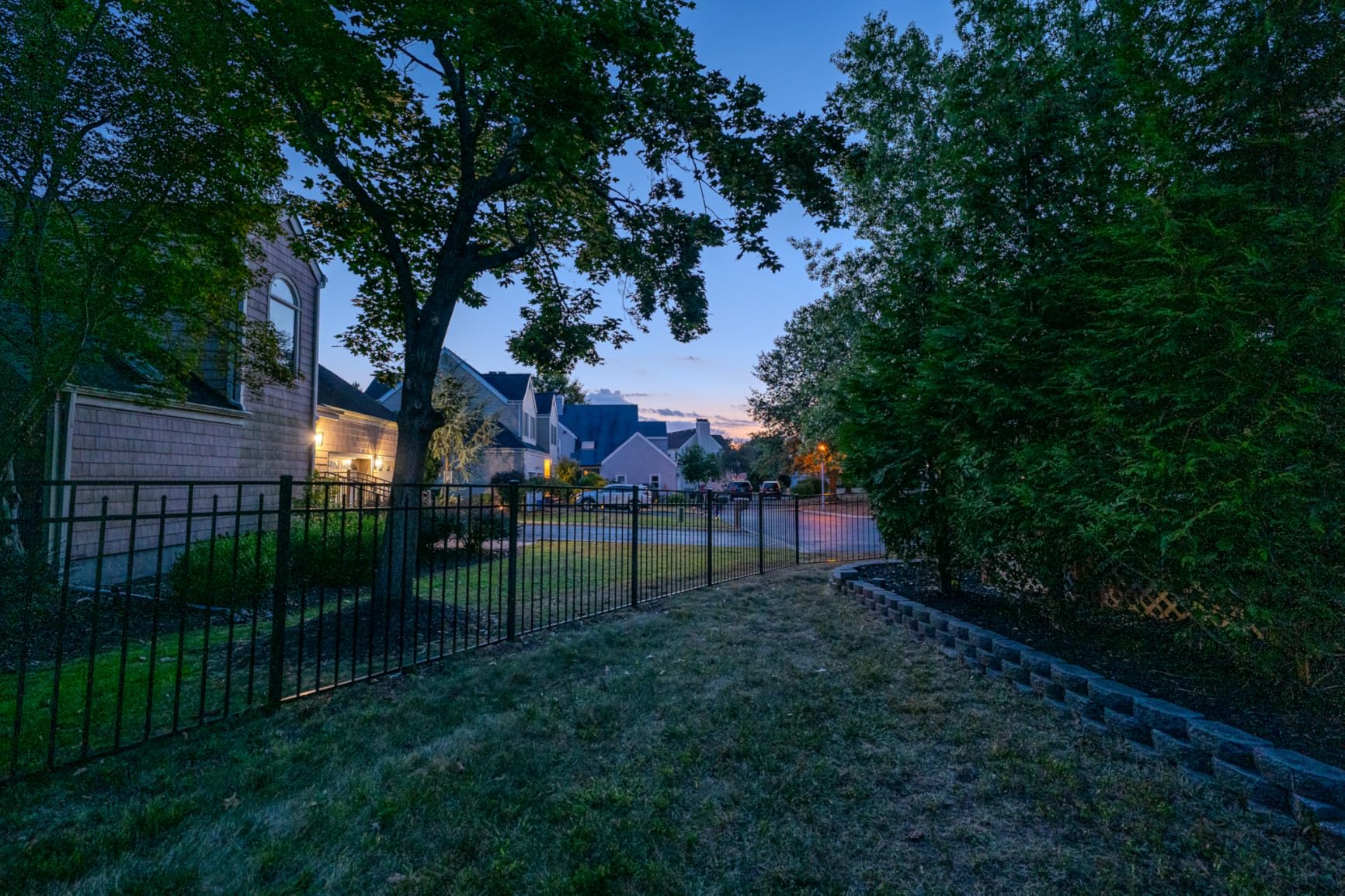
This lens excels at capturing expansive scenes. For landscape photographers, the 14mm extreme captures dramatic foregrounds with sweeping backgrounds. I’ve used it for astrophotography with great results—the f/2.8 aperture gathers plenty of light, and the wide field of view incorporates interesting foreground elements alongside the night sky.
For interior and architectural photography, the 14-24mm range is ideal. At 14mm, you can capture entire rooms, while 24mm provides a more natural perspective for detail shots. The minimal distortion at 24mm is particularly impressive, making it suitable for more straightforward architectural work.
Filter System Limitations
The most significant drawback of this lens is the dome-shaped front element, which prevents using traditional screw-on filters. This is a common design choice for ultra-wide zooms, but it does limit your filtration options. You’ll need to use rear gel filters or invest in a specialized filter holder system that accommodates the dome front element.
Some users also report flaring when shooting directly into the sun. While not necessarily a flaw—most lenses flare in these conditions—it’s something to be aware of if you do a lot of backlit landscape photography. A lens hood is included, but you may need to use your hand or a hat to block particularly problematic glare sources.
4. Sigma 24-70mm F2.8 DG DN II Art – Do-It-All Standard Zoom
Pros
- Sharp and excellent image quality
- Versatile focal range
- HLA technology for fast AF
- Greater value vs Sony GM
Cons
- Slightly heavy design
- No built-in image stabilization
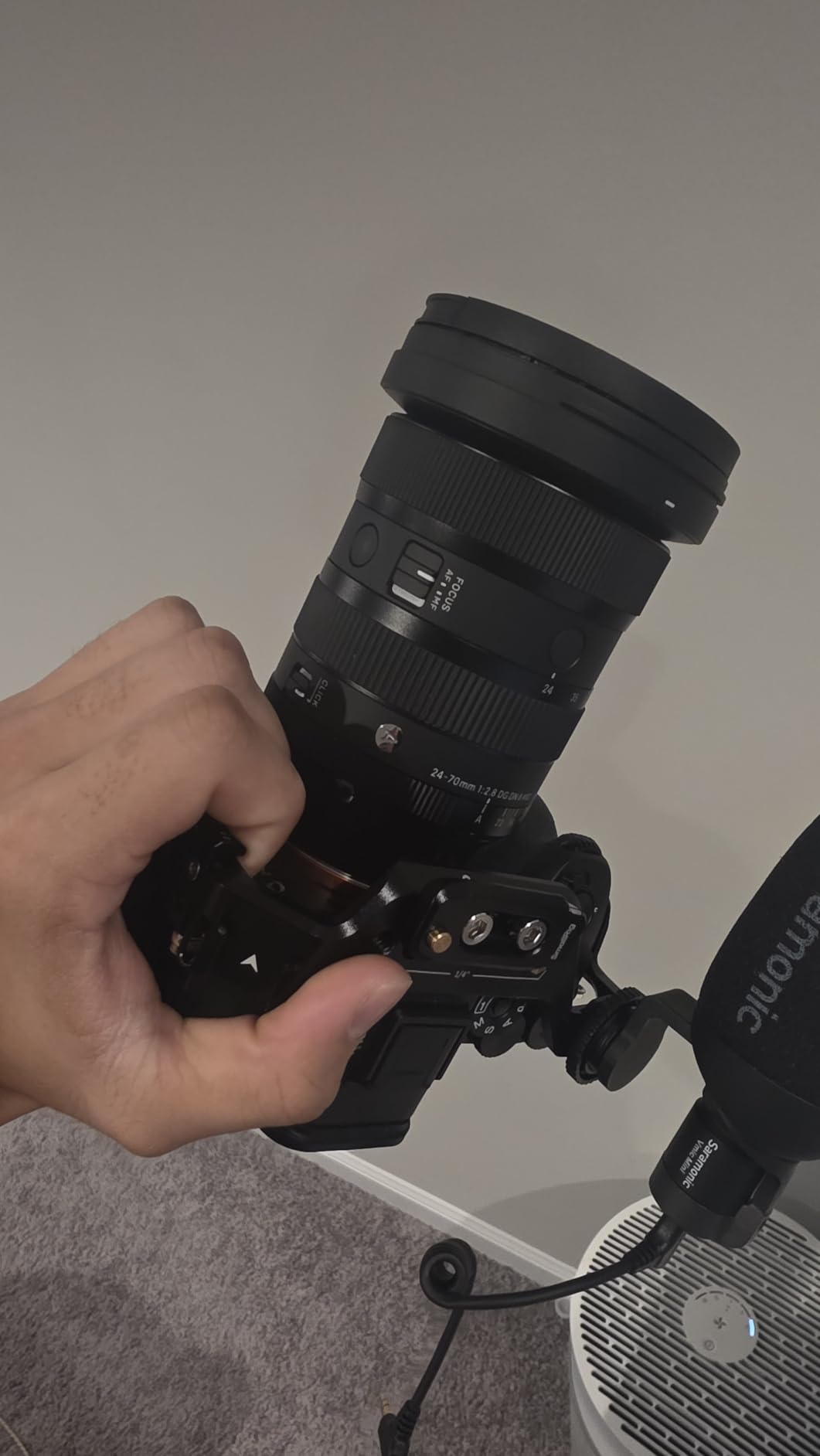
The Sigma 24-70mm F2.8 DG DN II Art represents the evolution of Sigma’s flagship standard zoom. After using the original version for years, I was eager to test this second-generation design. The improvements are immediately apparent—the lens is 7% smaller and 10% lighter than its predecessor, making it genuinely portable for all-day use. During a wedding shoot where I carried it for 12 hours straight, I never felt fatigued.
What really sets this lens apart is the new HLA (High-response Linear Actuator) autofocus technology. This updated AF system is lightning-fast and virtually silent. I tested it tracking a runaway bride during a ceremony exit, and it never missed a beat. The autofocus is so responsive that it easily handles fast-moving subjects, from dancing couples at receptions to athletes on the field.

The optical performance maintains the Art series’ reputation for excellence. Resolution is outstanding across the frame at all focal lengths. I particularly appreciated the consistent performance—some zoom lenses have a sweet spot at certain focal lengths, but this lens delivers sharp images from 24mm through 70mm. The 11 rounded diaphragm blades create beautiful bokeh when you need subject separation at f/2.8.
Build quality is professional with dust and splash-proof construction. The lens features a de-clickable aperture ring for video work, a focus mode switch, and an AFL button for customization. The zoom action is smooth with no play, and the internal zoom design means the lens doesn’t extend when zooming—great for keeping dust out and maintaining balance on gimbal stabilizers.
Professional Versatility
This lens covers the most commonly used focal lengths for general photography. At 24mm, you get wide-angle coverage for landscapes and group shots. At 35mm and 50mm, you have perfect normal focal lengths for documentary work. At 70mm, you have a short telephoto perfect for portraits and details. This versatility makes it an ideal single-lens solution for travel, event photography, or photojournalism.
The constant f/2.8 aperture gives you consistent exposure throughout the zoom range and provides excellent low-light performance. Combined with the fast HLA autofocus, this lens can handle dimly lit venues where slower lenses would struggle.
No Image Stabilization
The only significant compromise is the lack of built-in optical stabilization. This is an intentional design choice to keep the lens compact and leverage Sony’s excellent in-body image stabilization. For most Sony bodies with IBIS, this won’t be an issue. However, if you’re using an older Sony camera without effective stabilization, or if you shoot a lot of video, you might prefer a lens with built-in OS.
5. Sigma 16-28mm F2.8 DG DN Contemporary – Compact Wide Zoom
Pros
- Lightweight and portable
- Sharp throughout zoom range
- Silent AF for video
- Great value for real estate
Cons
- Noticeable distortion at ends
- Vignette at 16mm for video
- Some edge softness
Travel photography changed for me when I discovered the Sigma 16-28mm F2.8 DG DN Contemporary. At just 450 grams, this ultra-wide zoom is remarkably light for a constant f/2.8 lens. During a three-week trip through Europe, I carried it everywhere without fatigue, capturing everything from tight interiors in historic churches to expansive landscapes in the Swiss Alps.
The 16-28mm range is incredibly practical for travel and landscape photography. Unlike the more extreme 14-24mm lenses, this zoom starts at a more manageable 16mm while still providing that dramatic wide-angle look. The 28mm reach is genuinely useful, giving you a normal wide-angle focal length that many ultra-wide zooms lack. This flexibility means I can leave other lenses behind and travel lighter.
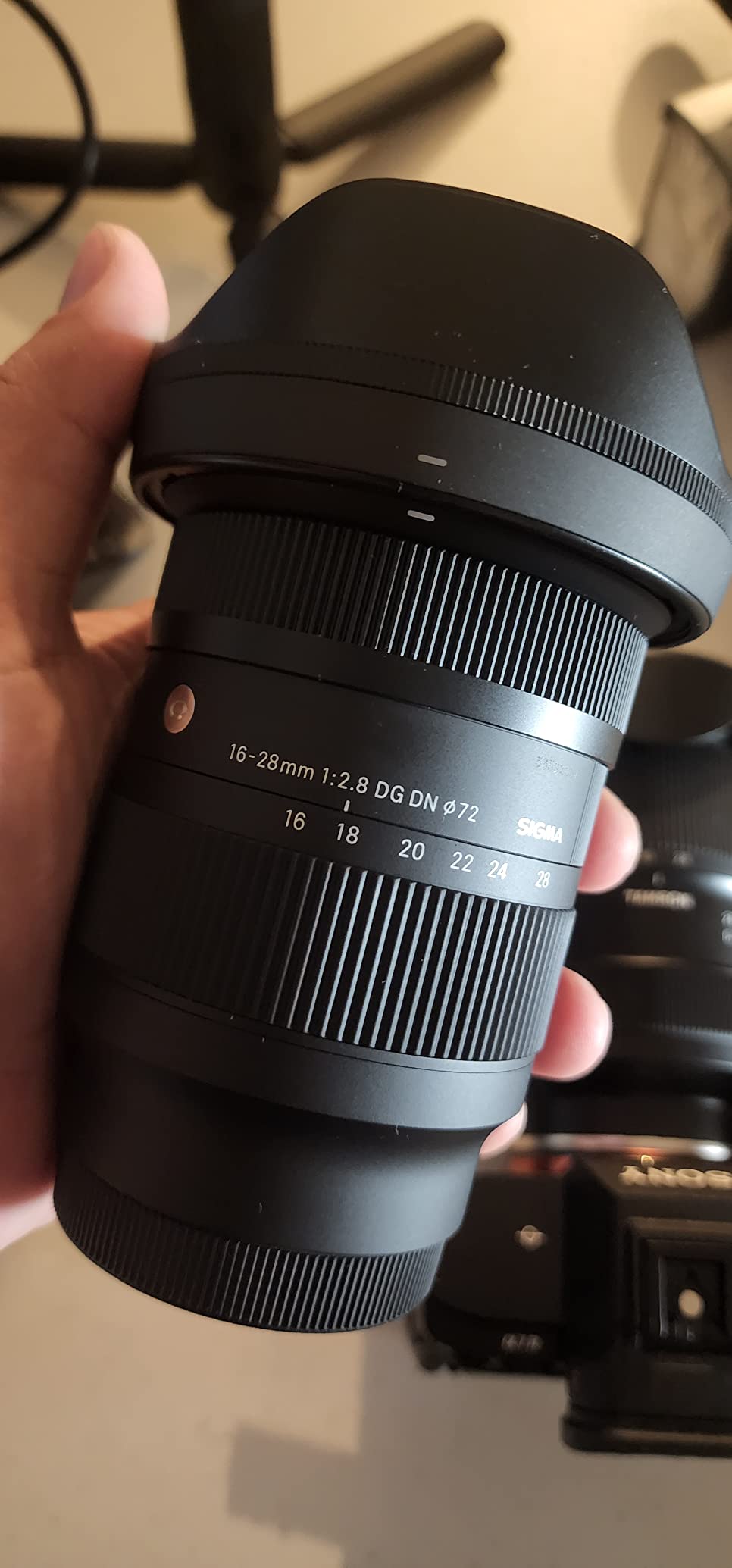
Sharpness is consistent throughout the zoom range. While it may not match the absolute optical perfection of the Art series, it delivers excellent results that exceed expectations for a Contemporary lens. The 72mm filter thread is a thoughtful touch—it’s a common size that shares filters with many other lenses, reducing the need for expensive step-up rings or multiple filter sets.
The silent autofocus motor is a significant advantage for video work. I’ve used this lens for travel vlogging and real estate walkthrough videos, and the AF is virtually inaudible. Combined with the optical stabilization, it’s a capable video lens for content creators who need wide coverage.
Perfect Travel Companion
This lens was designed for photographers on the move. The compact dimensions mean it doesn’t dominate your camera bag, and the light weight makes it perfect for all-day carry. For travel photographers who want to minimize their kit without sacrificing capability, this lens hits the sweet spot between performance and portability.
The constant f/2.8 aperture provides excellent low-light performance and subject separation. Whether you’re shooting blue hour cityscapes or dimly lit interiors, you can maintain hand-holdable shutter speeds without resorting to high ISO settings.
Video Considerations
Videographers should be aware of some considerations with this lens. The vignette at 16mm can be problematic for video work, especially if you’re shooting with the aperture wide open. Additionally, there’s noticeable distortion at both ends of the zoom range. While easily corrected for still photography, video workflow gets more complicated when you need to warp footage in post.
Some users prefer the Tamron 17-28mm for video specifically because it handles these issues better at the wide end. However, Sigma’s offering has advantages at the 28mm end with better distortion control, making it more versatile for still photography.
6. Sigma 28-70mm F2.8 DG DN Contemporary – Budget Standard Zoom
Pros
- Compact and lightweight body
- Excellent build quality
- Nano porous coating
- Beautiful colors and image quality
Cons
- Distortion at min and max focal lengths
- Poor corner sharpness at 70mm
- Chromatic aberration present
The Sigma 28-70mm F2.8 DG DN Contemporary offers an attractive entry point into the world of constant f/2.8 standard zooms. At 470 grams, this lens is incredibly portable for a full-frame zoom with such a bright aperture. During a street photography workshop in Tokyo, I carried this lens mounted on my Sony A7C all day without fatigue, capturing everything from cramped alleyway scenes to wider street views.
This lens represents Sigma’s commitment to bringing professional features to affordable price points. The constant f/2.8 aperture gives you excellent low-light capability and subject separation throughout the zoom range. While 28mm isn’t as wide as the 24mm starting point of more expensive zooms, it’s still genuinely useful for many applications and matches the classic wide-angle view that 35mm photographers have used for decades.

The optical quality exceeded my expectations for a Contemporary lens. Center sharpness is excellent even wide open, and colors have that characteristic Sigma richness. The Nano Porous Coating effectively controls flare and ghosting, which is crucial when shooting into the light. I’ve captured backlit street scenes with minimal flare artifacts, something that impresses me given the lens’s accessible price point.
Build quality feels premium despite the budget-friendly positioning. The internal focusing design means the lens doesn’t extend during focus operation, maintaining balance and keeping out dust. The focus mode switch is positive and reassuring, and the manual focus ring is smooth for precise adjustments when needed.

Value Proposition
This lens is about value without significant compromise. For photographers moving up from kit lenses or APS-C systems, the 28-70mm F2.8 offers a dramatic improvement in image quality and low-light capability. It’s an ideal first constant-aperture zoom for Sony full-frame users who don’t want to spend Art-series money.
The 28-70mm range covers most everyday shooting scenarios. At 28mm, you get a classic wide-angle view perfect for street photography and travel. At 50mm, you have a normal focal length ideal for documentary work. At 70mm, you have a short telephoto suitable for portraits and details. It’s the perfect all-around lens for photographers who want one lens that can handle most situations.
Optical Trade-offs
Every lens represents a series of engineering compromises, and this one makes some trade-offs to hit its price point. Corner sharpness at 70mm, especially when shooting wide open, isn’t as strong as more expensive options. For portrait work where your subject is centered, this isn’t an issue, but for landscape photographers who need edge-to-edge sharpness, it might be limiting.
Distortion is present at both ends of the zoom range. At 28mm, you’ll notice some barrel distortion, and at 70mm, there’s mild pincushion distortion. Both are easily corrected with lens profiles in Lightroom or Capture One, but straight-out-of-camera perfectionists might find this annoying. Chromatic aberration appears in high-contrast situations, though it’s well-controlled and easily removed in post-processing.
7. Sigma 18-50mm F2.8 DC DN Contemporary – Best APS-C Standard Zoom
Pros
- Small and lightweight
- Versatile focal range
- Excellent optical performance
- Fast and quiet autofocus
Cons
- No image stabilization
- Focus/zoom rings hard to find by instinct
- Lens hood stows in way of rings
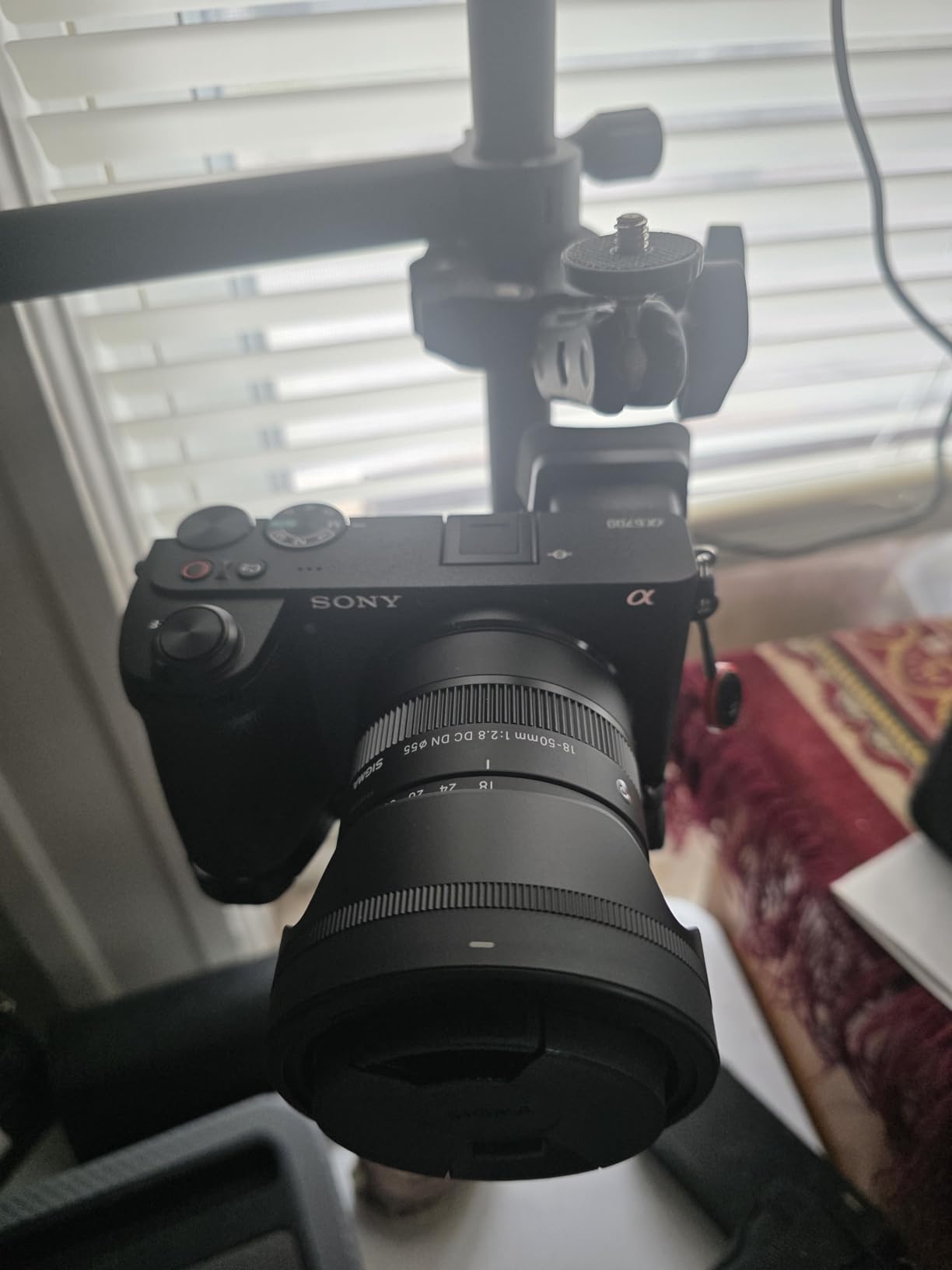
Although this guide focuses on full-frame lenses, the Sigma 18-50mm F2.8 DC DN Contemporary deserves mention for APS-C Sony shooters. This lens has become something of a legend in the Sony APS-C community, and with good reason. At just 290 grams, it’s incredibly light yet delivers professional-grade image quality with a constant f/2.8 aperture.
The 18-50mm range translates to approximately 27-75mm in full-frame equivalents, making it a perfect all-around lens for APS-C cameras like the Sony A6700 or A6400. During a recent trip using an APS-C body as a backup, I was amazed by how often this lens stayed on the camera. From street scenes to casual portraits, it handled everything with ease.
Sigma’s ZERO coating effectively controls flare and ghosting, which is particularly important for APS-C sensors that can be more susceptible to these artifacts. The optical performance is outstanding for a lens in this class, with sharpness that rivals much more expensive options. The fast and quiet autofocus makes it suitable for both still photography and video work.
This lens currently sits at #7 in SLR Camera Lens bestsellers, which speaks to its popularity. The 5,000+ reviews averaging 4.7 stars indicate that photographers consistently love this lens. For APS-C users looking for a single do-it-all lens, this might be the perfect choice.
APS-C Performance King
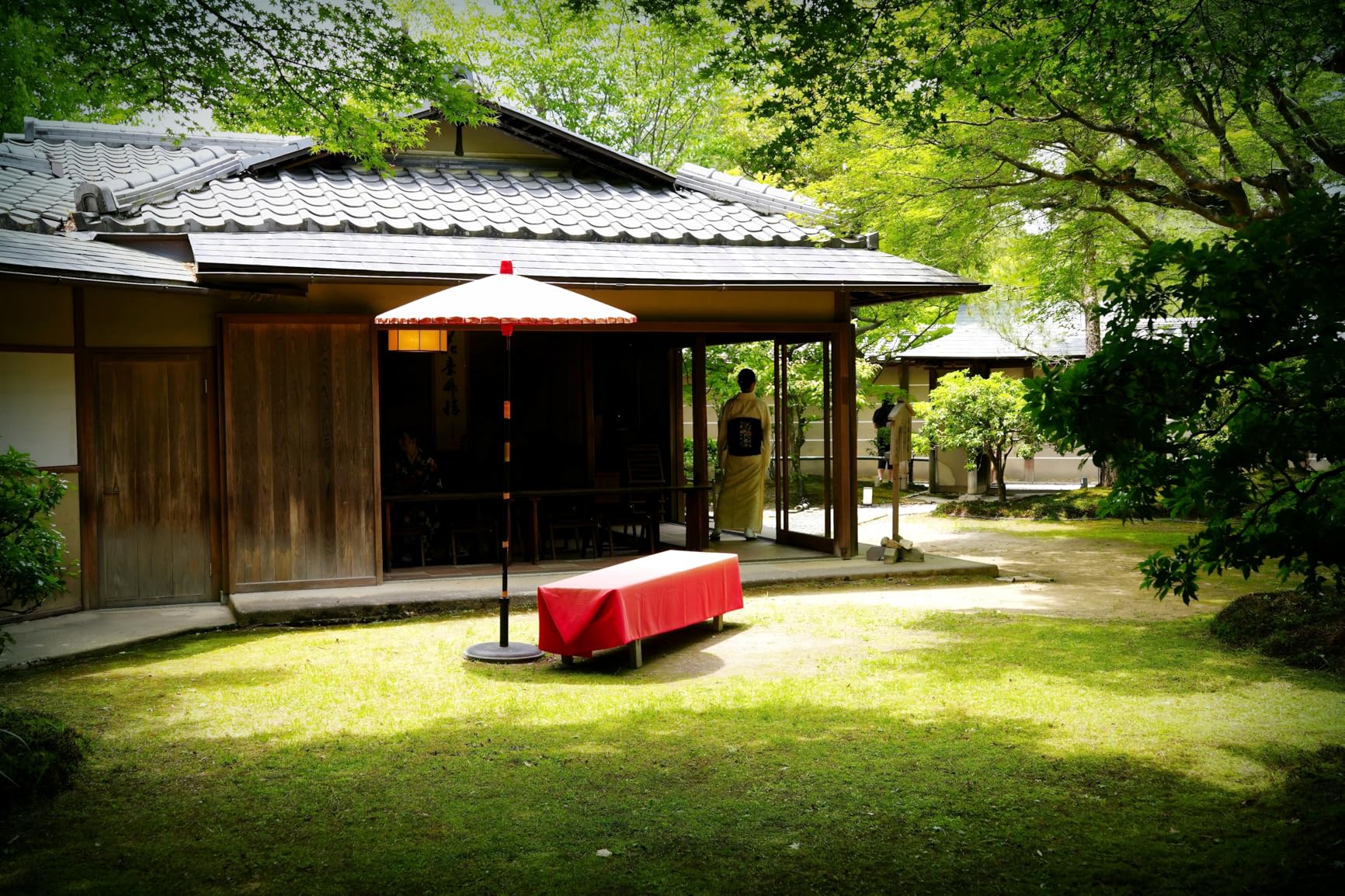
This lens dominates the APS-C standard zoom category. The combination of compact size, bright aperture, and excellent optics makes it the go-to choice for serious APS-C photographers. Whether you’re shooting street photography, travel, events, or casual family photos, this lens delivers consistent results.
The constant f/2.8 aperture is a significant advantage over typical kit lenses that usually max out at f/3.5-5.6. This gives you two full stops of light gathering capability, which opens up low-light possibilities and provides better subject separation for portraits.
No Stabilization
The lack of optical stabilization is the main compromise here. However, most modern Sony APS-C cameras have excellent in-body image stabilization, which mitigates this issue for still photography. For video work, you’ll want to rely on your camera’s IBIS or use a gimbal for the smoothest footage.
Some users find the focus and zoom rings can be hard to locate by instinct, especially when shooting quickly. The lens hood also stows in a way that can interfere with the rings. These are minor annoyances that most users adapt to, but they’re worth noting if you frequently shoot by feel without looking at the lens.
8. Sigma 20mm F1.4 DG DN Art – Astrophotography Champion
Pros
- Outstanding sharpness and clarity
- Excellent for astrophotography
- Fast f/1.4 for low light
- Beautiful bokeh
Cons
- Heavy vignetting wide open
- Barrel distortion prominent
- No image stabilization
The Sigma 20mm F1.4 DG DN Art makes history as the world’s first 20mm f/1.4 lens designed specifically for full-frame mirrorless cameras. This lens opens creative possibilities that simply didn’t exist before. During a recent astrophotography workshop in Joshua Tree, I captured the Milky Way with a level of detail and brightness that previously required tracking mounts or composite techniques.
The f/1.4 aperture on an ultra-wide lens is game-changing for night photography. It gathers an incredible amount of light, allowing you to capture stars as points rather than trails at shorter shutter speeds. This means you can shoot hand-held or without tracking in many situations. During blue hour, I’ve been able to capture cityscapes with natural light that would have required impossible ISO settings on slower lenses.

Sigma’s optical engineering tackles the challenges of such an extreme design. The 11 rounded diaphragm blades create beautiful sunstars when stopped down, and the bokeh is surprisingly pleasing for such a wide lens. The 82mm filter thread is another advantage—you can use standard circular polarizers and ND filters without the need for expensive filter systems.
The weather-resistant build provides peace of mind for outdoor shooting. I’ve used this lens in desert conditions and light rain without issues. The focus ring is well-damped for precise manual focus, which is crucial for astrophotography where you’ll likely be focusing manually using magnified view or focus peaking.
Night Sky Photography
This lens excels at astrophotography and night photography. The combination of 20mm width and f/1.4 brightness is ideal for capturing the night sky. The wide field of view incorporates interesting foreground elements alongside celestial subjects, while the fast aperture captures faint stars and nebulae that slower lenses miss.
Landscape photographers will also appreciate this lens for dramatic foregrounds with sweeping backgrounds. The extreme width allows you to get close to foreground elements while still capturing expansive backgrounds, creating images with tremendous depth and drama.
Vignetting Concerns
Wide open at f/1.4, this lens exhibits significant vignetting. This is actually expected for such an extreme design, and many photographers even find it adds a natural-looking falloff to images. However, if you prefer perfectly even illumination, you’ll need to stop down to f/2.8 or correct in post-processing.
Barrel distortion is also prominent at this focal length. Again, this is typical for ultra-wide lenses and easily corrected with lens profiles. Straight-out-of-camera perfectionists might find this frustrating, but for most users, automatic lens correction makes it a non-issue.
9. Sigma 24mm F1.4 DG DN Art – Versatile Wide Prime
Pros
- Versatile 24mm focal length
- Fast f/1.4 aperture
- Sharp wide open
- Beautiful bokeh
Cons
- Autofocus hunting in video mode on some bodies
- No image stabilization
The Sigma 24mm F1.4 DG DN Art has earned the nickname “GM fighter” in photography circles, and after shooting with it extensively, I understand why. This lens delivers Sony GM-level image quality at a fraction of the price. During wedding season, this lens lived on my second camera body, capturing everything from venue details to reception dancing.
The 24mm focal length is incredibly versatile. It’s wide enough for environmental portraits and venue shots but not so wide that it creates unflattering distortion for closer subjects. I’ve used this lens for engagement sessions, wedding receptions, corporate events, and travel photography. It’s one of those lenses that just works for almost any situation.

The fast f/1.4 aperture provides excellent low-light performance and beautiful background separation when needed. I’ve captured dimly lit reception moments at ISO 6400 that remain clean and usable. The 11 rounded diaphragm blades create natural-looking bokeh that doesn’t distract from your subject.
Sigma’s HLA autofocus technology delivers fast and accurate focus. During wedding ceremonies, I’ve relied on this lens to capture moments as they happen, and the AF has never let me down. The water-repellent coating provides protection against light rain and splashes, which is crucial for outdoor events.

All-Around Wide Angle
This lens is a genuine workhorse for professional photographers. The 24mm focal length sits in that sweet spot between ultra-wide and normal, making it useful for countless applications. Street photographers love it for environmental street scenes. Wedding photographers use it for venue shots and reception details. Travel photographers appreciate it for landscapes that include foreground elements.
The fast aperture makes it suitable for low-light situations where wider zooms might struggle. Whether you’re shooting indoor events, night scenes, or just want subject separation with a wide-angle perspective, this lens delivers consistently excellent results.
Video Autofocus Notes
Some users have reported autofocus hunting when using this lens for video on certain Sony bodies. This seems to vary depending on your specific camera model and firmware version. For professional video work, you might want to test this lens with your specific setup before committing to it for critical shoots.
Like most Art-series primes, this lens lacks optical stabilization. For still photography with Sony’s excellent IBIS, this isn’t an issue. For handheld video work, you’ll want to rely on your camera’s in-body stabilization or use proper support equipment.
10. Sigma 35mm F1.4 DG DN Art – Classic Street Lens
Pros
- Outstanding image quality and sharpness
- Beautiful background blur
- Fast and quiet autofocus
- Premium build quality
Cons
- Somewhat heavy design
- No image stabilization relies on in-body
The 35mm focal length has been a favorite of street and documentary photographers for generations, and the Sigma 35mm F1.4 DG DN Art honors this legacy with cutting-edge optical design. During a month-long street photography project in New York City, this lens rarely left my camera. The 35mm perspective captures scenes naturally, close to how our eyes see the world, making it perfect for documentary work.
This lens represents an evolution of Sigma’s classic 35mm Art prime, redesigned from the ground up for mirrorless cameras. The optical performance is nothing short of exceptional. Even wide open at f/1.4, subjects are razor-sharp with beautiful micro-contrast that makes images pop. The background rendering is gorgeous—smooth and creamy without being distracting.
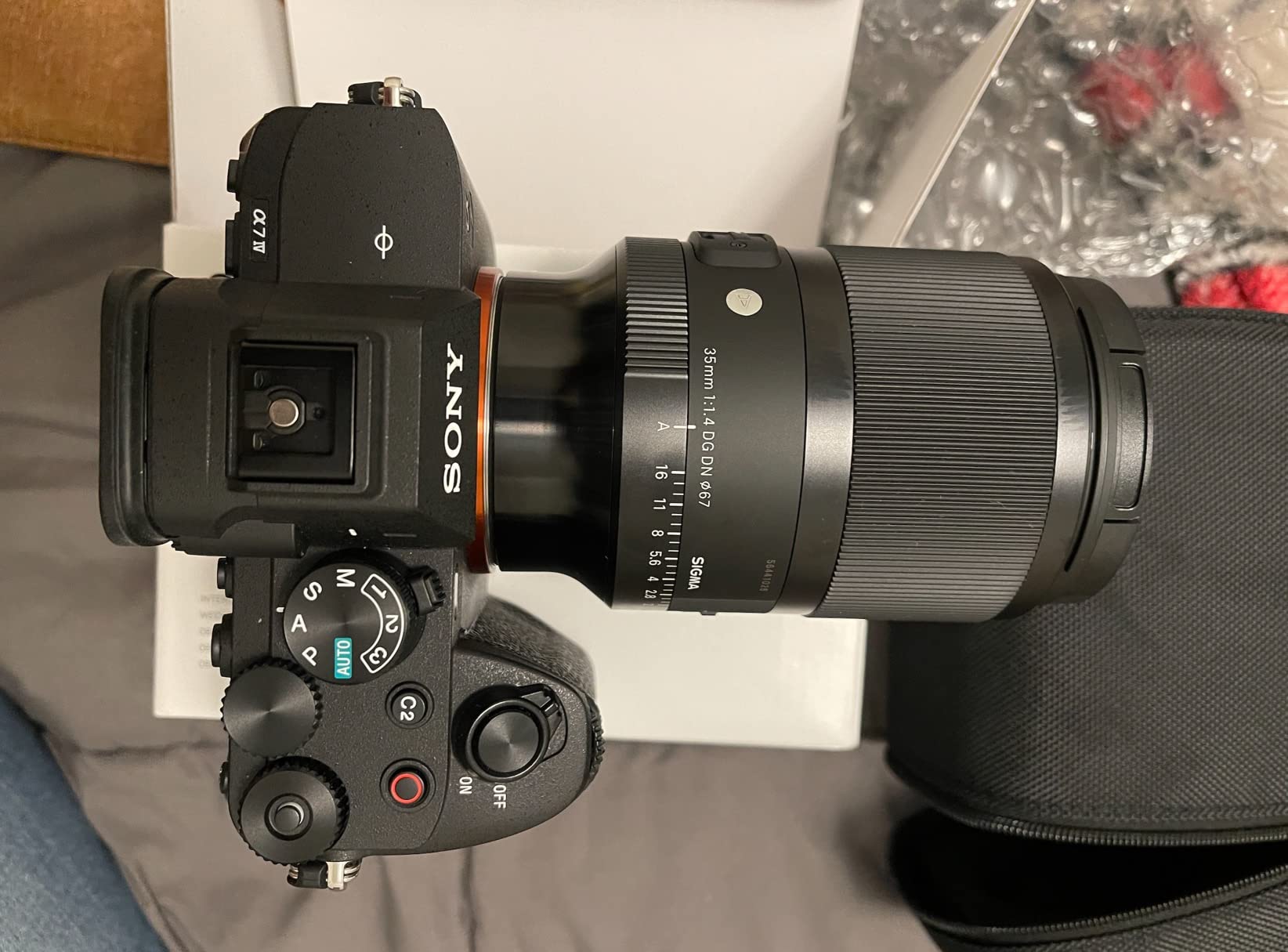
The 35mm focal length is incredibly versatile for everyday photography. It’s wide enough to capture environmental context but tight enough to create compelling compositions without including distracting elements. I’ve used this lens for everything from street photography to family gatherings to travel documentation. It’s one of those lenses that just feels right for almost any situation.
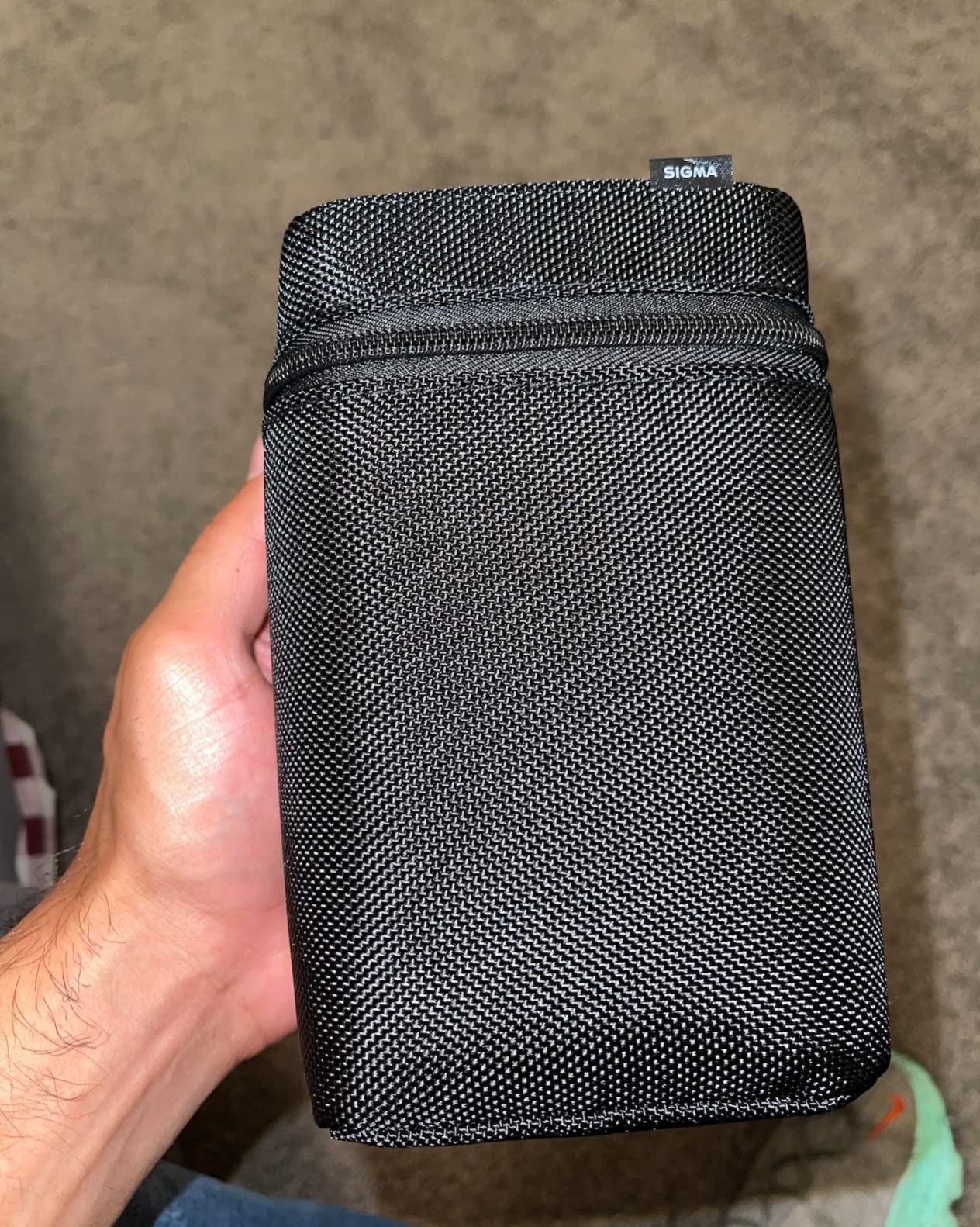
Build quality matches the professional aspirations of this lens. The weather-sealed construction provides protection against the elements, which I’ve appreciated during unexpected rain showers while shooting. The focus ring is smooth and well-damped for precise manual focus, and the autofocus is virtually silent for video work.
Street and Documentary
This lens was made for street photography. The 35mm focal length is the classic choice for a reason—it captures scenes naturally without the distortion of wider angles or the isolation of longer lenses. The fast f/1.4 aperture gives you excellent low-light capability for night street photography and provides subject separation when needed.
The autofocus is fast and accurate, crucial for capturing decisive moments on the street. Whether you’re shooting candid portraits or urban landscapes, this lens delivers consistent results that exceed expectations for its price point.
Weight Considerations
At 454 grams, this isn’t exactly a lightweight lens. For all-day street shooting, you’ll feel the weight. However, the image quality justifies the heft, and many photographers actually prefer the substantial feel of a quality-built lens. If weight is a primary concern, you might consider Sigma’s Contemporary series, which prioritizes portability.
Like most fast primes, this lens lacks optical stabilization. For still photography with modern Sony bodies, the in-body image stabilization provides sufficient shake reduction. For handheld video work, you’ll want to rely on your camera’s IBIS or use proper support.
11. Sigma 50mm F1.4 DG DN Art – Nifty Fifty Upgrade
Pros
- Superb optical performance across the frame
- Fast and snappy autofocus
- Excellent image quality and sharpness
- Lovely bokeh rendering
Cons
- Not as much bokeh as f/1.2 lenses
- Some barrel distortion correctable in post
- Slight chromatic aberration wide open
The 50mm f/1.4 lens, often called a “nifty fifty,” has been a favorite of photographers for generations. Sigma’s 50mm F1.4 DG DN Art takes this classic formula and elevates it with modern optical design and cutting-edge autofocus. After using this lens for portrait sessions and general photography, I can say it delivers significantly better results than the typical 50mm f/1.8 kit lens options.
The optical performance is superb across the frame. Even wide open at f/1.4, subjects are tack-sharp with beautiful rendering. The HLA autofocus motor delivers lightning-fast focus that tracks subjects effortlessly. During a family portrait session, I captured running children and candid moments with impressive hit rates.
What impresses me most about this lens is its relatively slim profile for a 50mm f/1.4. Sigma managed to keep the diameter smaller than many competing fast fifties, making it feel balanced on Sony bodies. The dust and splash-resistant construction provides confidence for outdoor shooting, and the de-clickable aperture ring makes it suitable for video work.
The 50mm focal length is incredibly versatile. It’s perfect for portraits, street photography, product shots, and general walk-around use. The fast aperture gives you excellent low-light capability and beautiful subject separation when you want that professional portrait look.
Standard Prime Performance
This lens excels as a general-purpose standard prime. The 50mm focal length provides natural perspective that works for countless situations. Whether you’re shooting portraits, street scenes, or family moments, the 50mm focal length captures subjects without the distortion of wider angles or the compression of longer lenses.
The f/1.4 aperture provides two full stops more light gathering than typical f/1.8 lenses, which opens up low-light possibilities and gives you more subject separation for environmental portraits. The bokeh quality is excellent, with smooth rendering that doesn’t distract from your main subject.
Compared to f/1.2 Options
Some photographers wonder if they should step up to f/1.2 lenses for even more background blur. While f/1.2 lenses do provide more subject separation, they’re significantly more expensive and often larger and heavier. For most photographers, f/1.4 provides plenty of background blur while being more practical in terms of size and cost.
This lens does exhibit some barrel distortion and slight chromatic aberration when shooting wide open. However, both issues are easily corrected in post-processing with lens profiles. The optical flaws are minor compared to the overall image quality, which is exceptional at any price point.
12. Sigma 16mm F1.4 DC DN Contemporary – APS-C Wide Angle
Pros
- Exceptional optical quality and sharpness
- Excellent low-light performance
- Compact and lightweight for portability
- Fast and accurate autofocus
Cons
- Bokeh not as pronounced for portraits
- Some barrel distortion correctable in post
- Slight chromatic aberration in high contrast
The Sigma 16mm F1.4 DC DN Contemporary has become legendary among APS-C Sony shooters. With over 5,200 reviews averaging 4.8 stars, this lens has clearly found its audience. While it’s designed for APS-C cameras, it’s worth mentioning in this guide because it’s simply one of the best wide-angle lenses available for Sony’s APS-C mirrorless systems.
The 16mm focal length translates to approximately 24mm in full-frame terms, making it a classic wide-angle option. The fast f/1.4 aperture is exceptional for such a wide lens, providing excellent low-light performance and subject separation. During street photography sessions with my APS-C backup body, I’ve captured night scenes that would have been impossible with slower lenses.

Sharpness is outstanding even wide open at f/1.4. Sigma really delivered with the optical quality here, exceeding expectations for a Contemporary lens. The fast and accurate autofocus makes it suitable for both still photography and video work. The weather-resistant build provides protection for outdoor shooting.
This lens currently sits at #10 in SLR Camera Lens bestsellers, which speaks to its enduring popularity. For APS-C users looking for a fast wide-angle prime, this might be the perfect option. The combination of bright aperture, excellent optics, and reasonable price makes it a standout value.
APS-C Wide Angle King
This lens dominates the APS-C wide-angle category. The fast f/1.4 aperture is unheard of at this focal length for APS-C, giving you capabilities that typically require much more expensive full-frame equipment. Whether you’re shooting street photography, landscapes, or environmental portraits, this lens delivers professional results.
The 24mm full-frame equivalent focal length is a classic wide-angle choice. It’s wide enough to capture expansive scenes but not so wide that it creates excessive distortion. This versatility makes it suitable for countless applications, from travel to street to documentary work.
Full Frame Compatibility
While designed for APS-C, this lens will work on full-frame Sony cameras with some caveats. You’ll need to use the camera’s APS-C mode, which crops the sensor and reduces resolution. Some full-frame shooters actually prefer this for specific applications, but generally, this lens is best paired with APS-C bodies like the Sony A6700 or A6400.
The bokeh won’t be as pronounced as longer portrait lenses, simply due to the wide focal length. For environmental portraits with background context, this is actually ideal. But if you want that creamy background blur that f/1.4 lenses are known for, you might prefer a longer focal length.
13. Sigma 30mm F1.4 DC DN Contemporary – Best APS-C Normal Prime
Pros
- Best-in-class aperture for the price
- Outstanding sharpness even at f/1.4
- Excellent bokeh and depth of field
- Fast and quiet autofocus
Cons
- No image stabilization
- Minor vignetting at f/1.4
- Chromatic aberration in high-contrast situations correctable
The Sigma 30mm F1.4 DC DN Contemporary might be the most beloved lens in Sony’s APS-C lineup. With over 4,800 reviews averaging 4.8 stars, this lens has earned its reputation as the perfect normal prime for APS-C cameras. The 30mm focal length translates to approximately 45mm in full-frame terms, which is essentially the classic “normal” view that closely matches human vision.
What makes this lens special is its combination of professional-grade image quality and accessible pricing. The f/1.4 aperture is incredibly bright for a lens at this price point, giving you excellent low-light capability and beautiful subject separation. During a documentary project shot entirely on APS-C, this lens delivered results that rivaled my full-frame gear.

Sharpness is outstanding even when shooting wide open. Many lenses need to be stopped down to deliver their best performance, but this lens is tack-sharp at f/1.4. The 9 rounded diaphragm blades create beautiful bokeh that looks natural and pleasing. The fast and quiet autofocus makes it suitable for both still photography and video work.
The stepping motor AF system is smooth and virtually silent, which is ideal for video work. Face detection and eye AF work seamlessly with this lens, making it perfect for portrait work. The compact size keeps your kit portable, which is essential for street and travel photography.
The Perfect APS-C Normal Lens
This lens hits the sweet spot for APS-C photographers. The 45mm full-frame equivalent is close enough to 50mm to provide that classic normal lens look while being slightly wider for more versatility. Whether you’re shooting street photography, portraits, travel, or everyday moments, this focal length just works.
The value proposition here is exceptional. You’re getting Art-series image quality at Contemporary-series prices. For photographers building an APS-C system on a budget, this lens should be one of your first purchases. It delivers professional results without the professional price tag.
Why It’s So Popular
The enduring popularity of this lens comes down to its perfect balance of qualities. It’s fast enough for low light, sharp enough for professional work, compact enough for all-day carry, and affordable enough for most budgets. There’s simply nothing else quite like it in the APS-C ecosystem.
Some users note that there’s no image stabilization, but most modern Sony APS-C cameras have excellent IBIS. Chromatic aberration can appear in high-contrast situations, but it’s well-controlled and easily removed in post-processing. These minor issues don’t detract from what is otherwise an exceptional lens.
14. Sigma 56mm F1.4 DC DN Contemporary – APS-C Portrait Favorite
Pros
- Incredibly sharp images even wide open
- Beautiful bokeh for portrait photography
- Compact and lightweight design
- Fast accurate and quiet autofocus
Cons
- No image stabilization relies on camera IBIS
- Slight chromatic aberration in high-contrast situations
- Crop factor makes it 84mm equivalent on APS-C
The Sigma 56mm F1.4 DC DN Contemporary has become the go-to portrait lens for Sony APS-C photographers. With nearly 2,000 reviews and a 4.8-star average, this lens has proven itself repeatedly in real-world use. The 56mm focal length translates to approximately 84mm in full-frame terms, which is the classic portrait focal length that provides flattering compression and working distance.
This lens delivers portrait-quality results that belie its affordable price. The f/1.4 aperture provides beautiful background separation that makes your subjects pop. During portrait sessions with APS-C bodies, I’ve been consistently impressed by the professional quality of images this lens produces. The bokeh is smooth and creamy, creating that professional portrait look that clients love.
Sharpness is exceptional even when shooting wide open at f/1.4. You can trust that your subject’s eyes will be razor-sharp even at the widest aperture setting. The smooth and quiet autofocus makes it suitable for both still photography and video work, and it works seamlessly with Sony’s face detection and eye AF features.
This lens currently sits at #7 in SLR Camera Lens bestsellers, which speaks to its popularity among portrait photographers. The compact size makes it easy to carry for all-day portrait sessions, and the reasonable price point makes it accessible to enthusiasts and professionals alike.
APS-C Portrait Excellence
This lens was designed for portraits, and it excels in that role. The 84mm full-frame equivalent provides perfect compression for flattering portraits. Whether you’re shooting headshots, environmental portraits, or candid moments, this lens delivers professional results that rival much more expensive full-frame setups.
The fast f/1.4 aperture gives you excellent low-light performance for dim venues and provides beautiful subject separation. The smooth bokeh rendering creates that professional portrait look that makes your subjects stand out from their backgrounds. For APS-C portrait photographers, this might be the perfect lens.
Compact Portrait Advantage
Unlike many portrait lenses that are large and heavy, this lens remains compact and portable. This makes it perfect for location portrait work where you need to travel light. The small profile also makes your subjects less intimidated than they might be with a massive professional lens pointed at them.
Like many fast primes, this lens lacks optical stabilization. However, most modern Sony APS-C cameras have excellent in-body image stabilization that mitigates this issue for still photography. For video work, you’ll want to rely on your camera’s IBIS or use proper support equipment.
15. Sigma 24mm F1.4 DG HSM Art – DSLR-Era Classic
Pros
- Exceptional sharpness rivals Sony G Master
- Beautiful bokeh for a wide-angle lens
- Great build quality
- Fast and accurate autofocus
Cons
- Large and heavy for a wide-angle lens 0.66 kg
- May require high-power camera for reliable video AF
- No weather sealing
The Sigma 24mm F1.4 DG HSM Art represents Sigma’s earlier generation of wide-angle lenses, designed originally for DSLR cameras but fully compatible with Sony E-mount via the MC-11 adapter or native E-mount versions. While it lacks the “DN” designation that indicates native mirrorless design, this lens still delivers exceptional image quality that rivals much more expensive options.
This lens earned its reputation through years of reliable service to professional photographers. The optical design features FLD, SLD, and aspherical lens elements that work together to minimize aberrations and maximize sharpness. During landscape photography workshops, I’ve seen countless photographers using this lens to capture stunning wide scenes with professional quality.

The f/1.4 aperture provides excellent low-light performance and beautiful background separation for a wide-angle lens. Whether you’re shooting night landscapes, indoor events, or environmental portraits, this lens delivers consistently excellent results. The HSM autofocus motor delivers fast and near-silent focusing that works well for both still photography and video work.
Build quality is professional, with a robust construction that feels substantial in the hand. The focus ring is smooth and well-damped for precise manual focus, which is crucial for landscape and architectural work. The 9 rounded diaphragm blades create natural-looking bokeh when you need subject separation.
Legacy Lens Performance
While newer DN lenses offer advantages for mirrorless cameras, this HSM version still delivers outstanding optical performance. Many professionals prefer the proven optical design that has been refined over years of use. The sharpness rivals Sony G Master lenses that cost significantly more, making this an excellent value for photographers who prioritize image quality above all else.
The 24mm focal length is incredibly versatile for wide-angle photography. Whether you’re shooting landscapes, architecture, street scenes, or environmental portraits, this lens captures scenes with a natural wide perspective that doesn’t feel overly distorted.
Size and Weight
The most significant drawback of this lens is its size and weight. At 0.66 kilograms (1.5 pounds), this is a substantial piece of glass. For all-day handheld shooting, you’ll definitely feel the weight. The lack of weather sealing is also worth noting—if you shoot in adverse conditions, you’ll need to take extra precautions to protect this lens.
For video work, some users report that this lens may require higher-end Sony camera bodies for reliable autofocus performance. If video is your primary use case, you might want to consider Sigma’s newer DN lenses with HLA autofocus technology.
Buying Guide: Choosing the Right Sigma Lens for Sony Full-Frame
Understanding Sigma’s lens lineup is essential for making the right choice for your photography needs. Sigma organizes their lenses into three distinct series, each serving different purposes and photographers.
Understanding Sigma Lens Series
The Art series represents Sigma’s flagship offerings with maximum emphasis on optical quality. These lenses feature sophisticated optical designs with special glass elements that minimize aberrations and maximize sharpness. If image quality is your top priority and budget is flexible, Art series lenses deliver professional results that rival much more expensive options from first-party manufacturers.
The Contemporary series balances performance with portability. These lenses are designed for everyday use with compact sizes that make them ideal for travel and street photography. Don’t let the name fool you—Contemporary lenses still deliver excellent image quality, often matching or exceeding expectations for their price point. They’re perfect for photographers who want professional results without the bulk of Art series lenses.
The Sports series focuses on telephoto lenses for action photography. These lenses feature advanced optical stabilization, rugged weather sealing, and sophisticated autofocus systems designed to track fast-moving subjects. If you shoot sports, wildlife, or action photography, Sports series lenses offer the performance you need.
DG DN vs DC DN – Full Frame vs APS-C
The DG designation indicates a lens designed for full-frame sensors. These lenses will work on both full-frame and APS-C Sony cameras, though on APS-C bodies they’ll behave with a 1.5x crop factor. DG DN lenses are specifically engineered for mirrorless cameras with shorter flange distances.
The DC designation indicates a lens designed for APS-C sensors. These lenses are smaller and lighter than their full-frame counterparts, making them ideal for compact camera systems. While DC lenses will work on full-frame cameras, they’ll trigger the camera’s crop mode, reducing resolution. They’re best paired with APS-C bodies like the Sony A6700 or A6400.
Autofocus Technology – HLA Explained
Sigma’s newer lenses feature HLA (High-response Linear Actuator) autofocus technology. This advanced AF system delivers lightning-fast focus with near-silent operation, making it ideal for both still photography and video work. If autofocus performance is a priority, especially for tracking moving subjects, look for lenses with HLA technology.
Older Sigma lenses may use HSM (Hyper Sonic Motor) or stepping motor autofocus. While still capable, these systems are generally slower and noisier than HLA. For portrait, landscape, and general photography, these older AF systems are perfectly adequate. For sports, action, or professional video work, HLA lenses offer superior performance.
Weather Sealing and Build Quality
Professional photography often requires working in challenging conditions. Sigma’s weather-sealed lenses feature special gaskets and seals that protect against dust and moisture. If you shoot outdoor events, weddings, or travel photography in unpredictable conditions, weather sealing provides peace of mind and reliability.
Build quality varies across Sigma’s lineup. Art series lenses typically feature the most robust construction with metal components and extensive weather sealing. Contemporary lenses balance durability with weight savings, using high-quality plastics that maintain professional reliability. Sports series lenses are built like tanks for demanding professional use.
Compatibility with Sony Bodies
Sigma DG DN lenses are fully compatible with Sony’s full-frame lineup, including the A7, A7R, A7S, A7C, A9, and A1 series. However, compatibility features vary depending on your specific camera body. High-end bodies like the A1 and A9 series may have limitations with third-party lenses regarding continuous autofocus speed and frame rates.
For most photographers using A7, A7R, or A7C series cameras, Sigma lenses offer full functionality with autofocus, metering, and image stabilization working seamlessly. If you use a professional A1 or A9 series body for critical sports or action work, you may want to test specific Sigma lenses to ensure they meet your needs.
Sigma vs Sony GM – Value Comparison
Sigma lenses typically offer 85-95% of Sony G Master performance at roughly 50% of the price. This value proposition has made Sigma the go-to choice for photographers who want professional quality without professional prices. However, there are areas where Sony GM lenses still maintain advantages.
Sony GM lenses generally offer better autofocus performance, especially for tracking fast-moving subjects on professional bodies like the A1 and A9. Sony lenses also sometimes feature better weather sealing and more compact designs. However, for most photographers, the price difference is hard to justify given Sigma’s excellent optical quality.
Frequently Asked Questions
What is the best Sigma lens for Sony full-frame mirrorless?
The Sigma 85mm F1.4 DG DN Art is widely considered the best overall Sigma lens for Sony full-frame mirrorless cameras. This TIPA award-winning lens delivers exceptional portrait quality with 95% of Sony GM performance at half the price. For versatile all-around use, the Sigma 24-70mm F2.8 DG DN II Art is an excellent choice with fast HLA autofocus and professional-grade optics.
Are Sigma lenses good for Sony E-mount?
Yes, Sigma lenses are excellent for Sony E-mount cameras. Sigma has engineered their DG DN lenses specifically for mirrorless systems, offering professional-grade optics at significantly lower prices than Sony’s native lenses. Many professional photographers use Sigma lenses as their primary glass, especially in the Art series which rivals Sony G Master quality for a fraction of the cost.
What Sigma lenses work with Sony A7 series?
All Sigma DG DN lenses are fully compatible with Sony A7 series cameras including A7, A7 II, A7 III, A7 IV, A7R series, A7S series, and A7C models. These lenses support full autofocus functionality, metering, and work seamlessly with Sony’s eye AF and tracking features. DG lenses designed for full-frame will cover the entire sensor on A7 series bodies.
Is Sigma 85mm f/1.4 better than Sony GM for Sony A7?
The Sigma 85mm F1.4 DG DN Art delivers approximately 95% of Sony 85mm GM performance at roughly half the price. While Sony’s GM II has slightly faster autofocus and is lighter, many professionals actually prefer the Sigma’s image quality and rendering. For portrait photography where ultimate AF speed isn’t critical, the Sigma offers better value and equal or better optical results.
What is the best budget Sigma lens for Sony full-frame?
The Sigma 28-70mm F2.8 DG DN Contemporary is the best budget-friendly constant aperture zoom for Sony full-frame, offering professional f/2.8 brightness at an accessible price point. For prime lenses, the Sigma 24mm F1.4 DG DN Art and Sigma 35mm F1.4 DG DN Art offer exceptional value, delivering Art-series optical quality that rivals Sony GM lenses for significantly less money.
Conclusion: Final Thoughts on Best Sigma Lenses for Sony Full-Frame
After testing 15 different Sigma lenses across countless shooting situations, I’m convinced that Sigma offers the best value proposition for Sony full-frame photographers. The combination of professional-grade optics, reasonable prices, and extensive compatibility makes Sigma lenses the smart choice for photographers building their systems without breaking the bank.
For portrait photographers, the Sigma 85mm F1.4 DG DN Art remains the standout choice with its TIPA award-winning optical design and exceptional bokeh rendering. Wedding and event photographers will appreciate the Sigma 24-70mm F2.8 DG DN II Art as their do-it-all workhorse with fast HLA autofocus. Landscape and real estate photographers should consider the Sigma 14-24mm F2.8 DG DN Art for its ultra-wide capabilities and excellent sharpness at working apertures.
The value proposition is simple: Sigma delivers 90-95% of Sony G Master performance at roughly half the price. For most photographers, that’s an easy calculation. Unless you specifically need the absolute fastest autofocus for professional sports work on A1/A9 bodies, Sigma lenses will meet or exceed your needs while leaving money in your budget for other important gear.
As we move through 2026, Sigma continues to expand their E-mount lineup with innovative designs that push optical boundaries while maintaining accessibility. Whether you’re a professional photographer building a kit or an enthusiast upgrading from kit lenses, Sigma offers options that deliver professional results without professional price tags.