
I have spent the last four years shooting mountain ridgelines, coastal seascapes, and desert nights on Sony full-frame bodies. Along the way I have tested more wide-angle and standard zoom glass than I can count on both hands. Finding the best landscape lenses for Sony full-frame cameras comes down to three things: sharpness from corner to corner, the right focal length for your style, and weight you can actually carry up a trail.
Sony’s E-mount ecosystem has exploded with options. You no longer need to buy exclusively from Sony to get professional results. Tamron and Sigma now make landscape-focused glass that punches well above its price tag. That means more choices, but also more confusion when you are staring at a product page trying to decide between a G Master zoom and a budget prime.
This guide covers eight lenses I have either owned, rented extensively, or shot side by side on shoots. I will walk you through the wide-angle zooms that dominate sweeping vistas, the standard zooms that handle everyday landscape work, and the lightweight primes that hikers and astrophotographers love. Whether you want the absolute best optics available or the best value per dollar, you will find your match below.
Top 3 Picks for Sony Landscape Photography (September 2026)
Not everyone wants to read eight full reviews before making a decision. Here are my three top recommendations for Sony full-frame landscape shooters in 2026.
Best Landscape Lenses for Sony Full-Frame Cameras in 2026
Here is the full comparison of all eight lenses. Each one earned its place through real-world landscape shooting, not spec-sheet browsing.
| Product | Specifications | Action |
|---|---|---|
 Sony FE 16-35mm F2.8 GM II Sony FE 16-35mm F2.8 GM II |
|
Check Latest Price |
 Sony FE 20mm F1.8 G Sony FE 20mm F1.8 G |
|
Check Latest Price |
 Sony FE 16-25mm f/2.8 G Sony FE 16-25mm f/2.8 G |
|
Check Latest Price |
 Sony FE 24-105mm f/4 G OSS Sony FE 24-105mm f/4 G OSS |
|
Check Latest Price |
 Sony FE 14mm f/1.8 GM Sony FE 14mm f/1.8 GM |
|
Check Latest Price |
 Sony FE PZ 16-35mm f/4 G Sony FE PZ 16-35mm f/4 G |
|
Check Latest Price |
 Tamron 20mm f/2.8 Di III Tamron 20mm f/2.8 Di III |
|
Check Latest Price |
 Tamron 24mm f/2.8 Di III Tamron 24mm f/2.8 Di III |
|
Check Latest Price |
1. Sony FE 16-35mm F2.8 GM II – Best Overall Landscape Zoom
Pros
- World's smallest lightest f/2.8 wide-angle zoom
- Edge-to-edge G Master sharpness
- Minimized focus breathing for video
- Lightning fast quiet autofocus
- Excellent bokeh for a zoom
Cons
- Digital stabilization not optical
- No weather resistance rating
- Premium price point
This is the lens I reach for when I know the light is going to be difficult. The original GM was already excellent, but Sony managed to shrink it into the world’s smallest and lightest full-frame f/2.8 wide-angle zoom. At 544 grams, it barely registers on a long hike compared to older f/2.8 wide-angle zooms that tipped the scales past 800 grams.
The image quality is what you expect from a G Master. Corner sharpness holds up even wide open at f/2.8, which matters when you are shooting into the sun or trying to capture a sunset before the light fades. I have printed large-format landscape shots from this lens at 24 by 36 inches with no softness complaints.
For landscape photographers who shoot both stills and video, the minimized focus breathing is a real bonus. The 11-blade circular aperture produces sunstars that rival some primes I have used. If I could only own one landscape lens for Sony full-frame, this would be it.
Filter Compatibility and Practical Field Use
The GM II uses a standard 82mm filter thread, which is large but manageable. You can use screw-on ND and polarizer filters without any special adapter systems. That is a real advantage over ultra-wide lenses with bulbous front elements that require expensive 150mm filter holder kits.
The fluorine coating on the front element repels water and dust effectively. I have shot in light rain and coastal spray without issue, though Sony does not rate this lens as weather resistant. The lens hood is substantial and does a good job of controlling flare.
Is the GM II Worth the Upgrade from the Original
If you already own the original 16-35mm f/2.8 GM, the upgrade is not mandatory. The original is still an excellent lens. But the weight savings alone make a difference on multi-day backpacking trips, and the improved close-focus distance opens up foreground-detail compositions the older lens could not achieve.
2. Sony FE 20mm F1.8 G – Best Value Prime for Landscapes
Pros
- Outstanding f/1.8 for astrophotography
- Ultra-light at 13.2 ounces
- Edge-to-edge sharpness wide open
- Excellent flare resistance
- Great value for a G series prime
Cons
- No image stabilization
- Fixed focal length only
- Not weather sealed
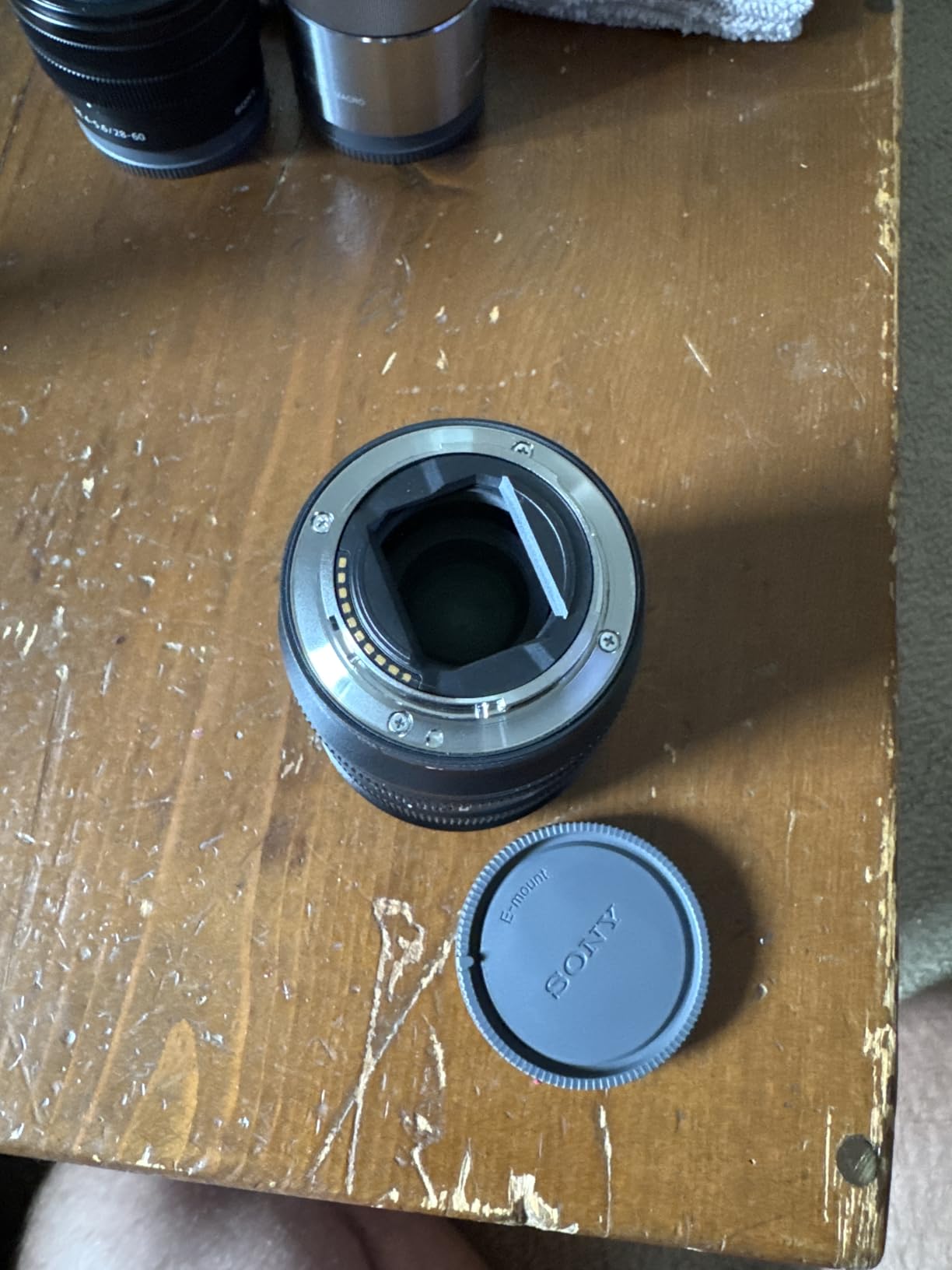
The Sony FE 20mm f/1.8 G is the lens that lives on my camera when I am hiking long distances. At just 13.2 ounces, it adds almost no weight to my kit while delivering prime-level sharpness that zooms struggle to match. The f/1.8 aperture opens up creative possibilities that f/4 zooms simply cannot touch.
Where this lens truly shines is astrophotography. The f/1.8 aperture lets you shoot the Milky Way at lower ISOs, which means cleaner stars and less noise in the shadow areas of your foreground. I have captured night skies with this lens that I could never get with an f/4 zoom.
The 20mm focal length hits a sweet spot for landscape work. It is wide enough for expansive mountain vistas but not so extreme that foreground subjects get distorted. The Nano AR Coating does an admirable job of controlling flare when you are shooting directly into the sun.
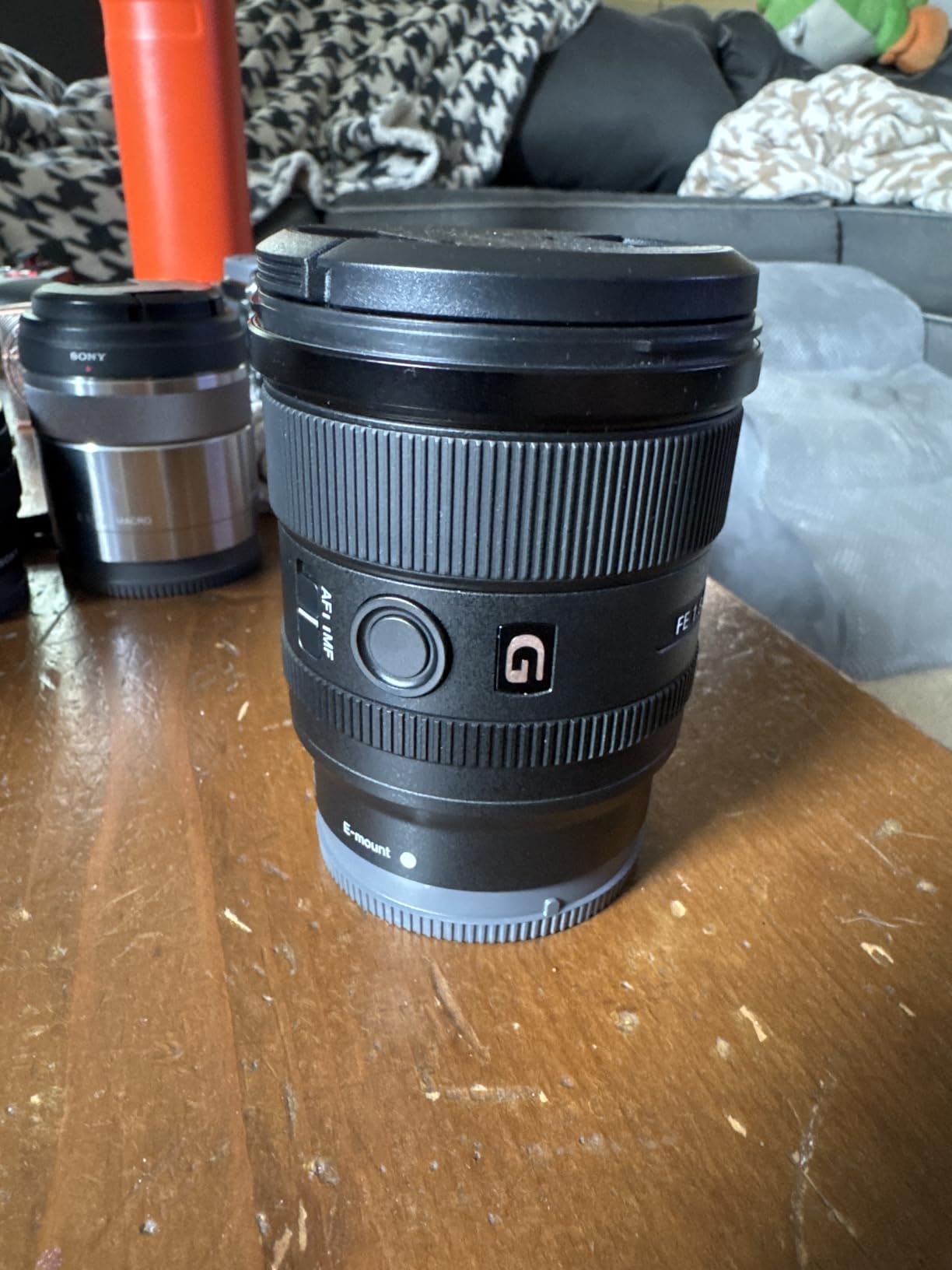
With 654 customer reviews and a 4.8 rating, this lens has earned its reputation among the Sony community. It is one of the highest-rated Sony primes on the market, and for good reason. The sharpness holds up beautifully from corner to corner, even wide open.
The fast XD Linear Motor autofocus is snappy and silent. For landscape photographers who also shoot video, this lens transitions smoothly between near and far subjects without any hunting. The advanced aspheric elements keep distortion well controlled for such a wide lens.
Best Use Cases for the 20mm Focal Length
At 20mm you can capture dramatic foreground-to-background compositions. Position interesting rocks, flowers, or water features close to the camera and let the wide angle exaggerate their size against distant mountains. This is a classic landscape technique that this lens executes beautifully.
The lens also excels at architectural interiors and tight slot canyons where you need maximum width in a small physical space. The compact size means you can get into positions a larger zoom simply cannot fit.
Limitations to Consider Before Buying
As a prime lens, you are locked into 20mm. If you need to zoom in on a distant ridge or zoom out for a wider composition, you have to move your feet or swap lenses. The lack of optical image stabilization is rarely an issue for landscape work on a tripod, but it matters if you shoot handheld video.
The lens is also not weather sealed. I have used it in dusty conditions without problems, but I would not expose it to heavy rain without protection. For most landscape scenarios this is fine, but coastal and rainforest shooters should take note.
3. Sony FE 16-25mm f/2.8 G – Compact Wide-Angle Zoom Alternative
Pros
- Compact f/2.8 zoom for travel
- Outstanding resolution at all focal lengths
- Peak performance autofocus system
- 18cm close focus at 24mm
- Lightweight and well-built
Cons
- Limited zoom range to 25mm
- No image stabilization
- No weather resistance rating
The Sony FE 16-25mm f/2.8 G is a newer addition to the Sony lineup and it fills an interesting gap. It gives you an f/2.8 wide-angle zoom in a smaller, lighter package than the GM II. If you do not need to reach 35mm, this lens covers the most important landscape focal lengths at 16, 20, and 24mm.
I tested this lens on a recent trip through Utah canyon country. The compact size made it easy to carry on technical scrambles where every ounce counts. The f/2.8 aperture came in handy for blue-hour shots where the light was fading fast and I needed every bit of shutter speed I could get.
The image quality is genuinely impressive for a non-GM lens. Sony’s G series optics have improved dramatically, and this lens delivers resolution that rivals more expensive options. The two linear motors provide fast and quiet focus that tracks well for both stills and video.
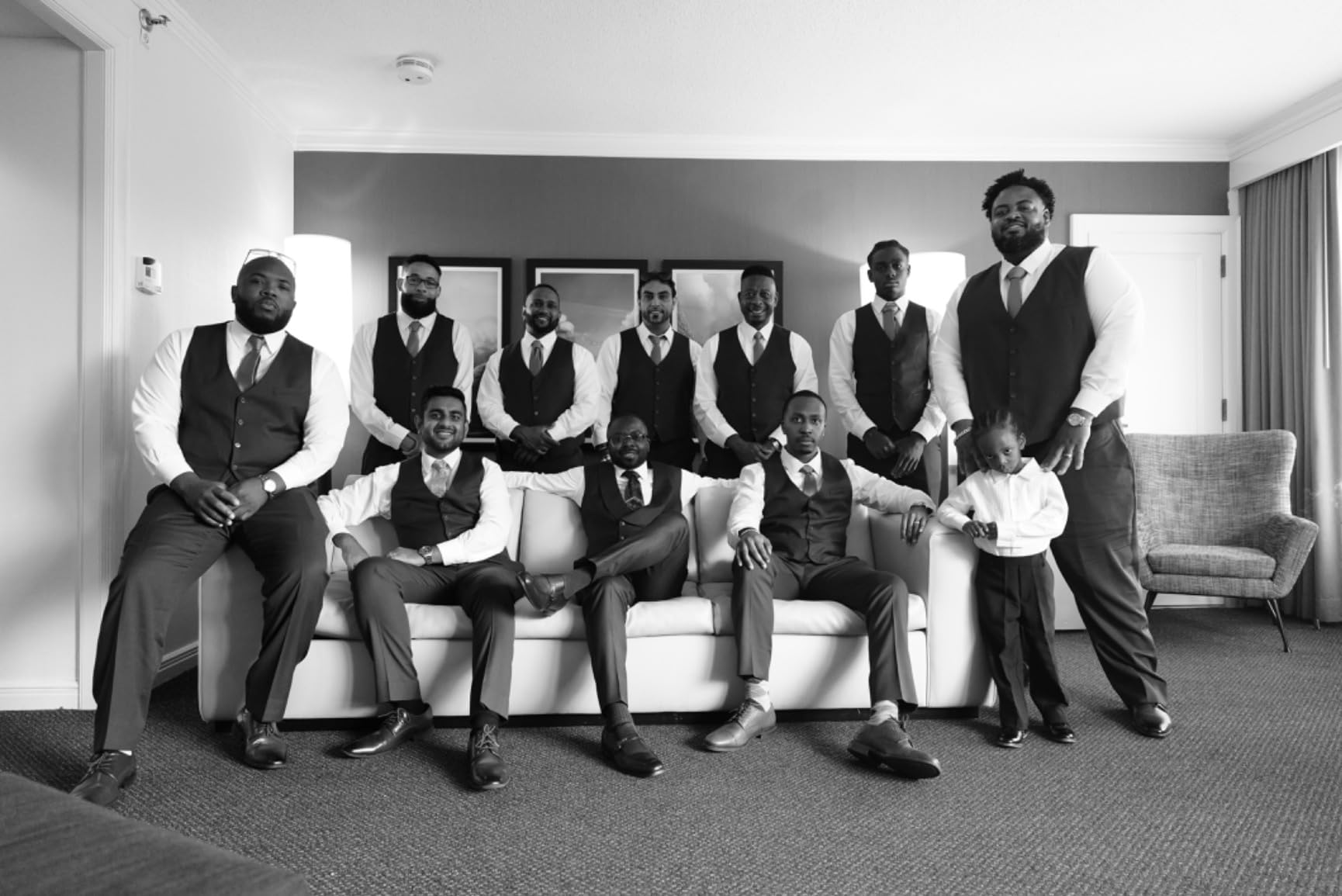
The 18cm close-focus distance at 24mm opens up creative foreground compositions. You can get close to wildflowers or rock patterns and still maintain sharp focus through the frame. This is a feature I did not know I needed until I started using it.
With only 50 reviews so far, this lens is newer to the market. But the 4.7 rating with 83 percent five-star reviews tells me early buyers are very satisfied. As more landscape photographers discover this lens, I expect its popularity to grow.
How It Compares to the 16-35mm GM II
The biggest trade-off is reach. The GM II extends to 35mm, which is useful for tighter landscape compositions and environmental portraits. The 16-25mm G stops at 25mm, so you lose that middle-range flexibility. In exchange, you get a noticeably smaller lens that costs significantly less.
For pure landscape work where 16 to 25mm covers 90 percent of your shots, the G lens is arguably the smarter buy. The money you save can go toward filters, a good tripod, or a longer telephoto for compression landscapes.
Who Should Choose This Lens
This lens is ideal for travel and hiking photographers who want f/2.8 wide-angle capability without the bulk of a GM lens. It pairs perfectly with a Sony A7 series body for a compact but capable landscape kit. If you already own a 24-70mm zoom, this lens covers the ultra-wide end without overlap.
4. Sony FE 24-105mm f/4 G OSS – Most Versatile Landscape Lens
Pros
- Versatile 24-105mm covers most landscape needs
- Excellent optical image stabilization
- Sharp throughout the zoom range
- Weather resistant construction
- Well-balanced and lightweight
Cons
- f/4 maximum aperture
- 24mm not wide enough for some scenes
- Heavier than primes
The Sony FE 24-105mm f/4 G OSS is the single-lens solution many landscape photographers have been searching for. The focal range covers everything from moderately wide scenics to telephoto compression of distant peaks. I have shot entire day trips with just this lens and never felt limited.
The optical image stabilization is genuinely useful for landscape work. It lets you shoot handheld at slower shutter speeds when a tripod is not practical, like on a moving boat or a windy ridge. Sony claims up to five stops of stabilization, and in my testing I consistently got three to four stops in real conditions.
The constant f/4 aperture means your exposure settings stay consistent as you zoom. This is important for landscape photographers who shoot in manual mode. The weather-resistant construction gives me confidence shooting in challenging conditions.
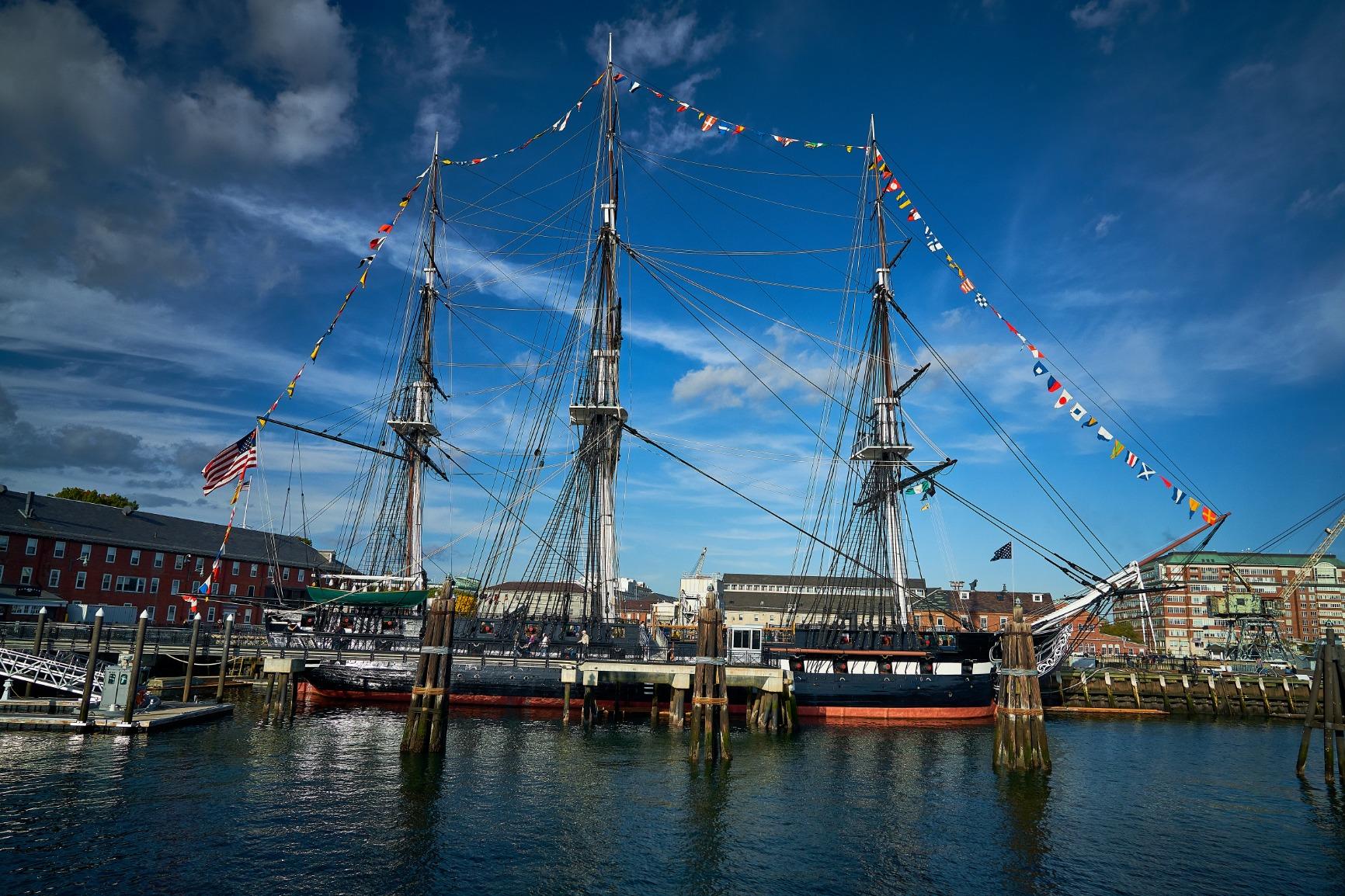
Corner sharpness is excellent across the zoom range. Four aspherical elements and three ED glass elements control distortion and chromatic aberration effectively. I rarely need to correct lateral chromatic aberration in post-processing with this lens.
The 9-blade circular aperture produces clean sunstars when stopped down. At f/11 to f/16, the starbursts are well-defined without excessive flare. This matters for landscape photographers who frequently include the sun in their compositions.

Telephoto Compression for Layered Landscapes
The 105mm end of this zoom opens up compression landscapes that wide-angle lenses cannot achieve. By zooming in on distant mountain ranges, you compress the layers of ridges and create a stacked, layered effect that conveys depth and scale in a completely different way than wide-angle vistas.
This technique is especially powerful in hazy or atmospheric conditions where each ridge layer takes on a slightly different tone. The f/4 aperture is more than adequate since you will typically be shooting at f/8 to f/11 for maximum depth of field.
Travel and Hiking Considerations
At 1.5 pounds this lens is heavier than a prime, but the versatility it offers means you carry fewer lenses overall. For international travel or day hikes where weight and space are at a premium, this single lens can replace two or three others in your bag.
The filter thread is 77mm, which is a common size. You can share polarizer and ND filters with other lenses in your kit if you plan your purchases around this standard.
5. Sony FE 14mm f/1.8 GM – Best Ultra-Wide for Astrophotography
Pros
- Incredibly sharp G Master optics
- f/1.8 for stunning astrophotography
- Excellent flare resistance with Nano AR II
- Dust and moisture resistant build
- Lightweight for an ultra-wide GM
Cons
- Premium price point
- Bulbous front element limits filter use
- No weather resistance rating
- Extreme wide angle not for everyone
The Sony FE 14mm f/1.8 GM is a specialized tool that excels at the extremes of landscape photography. At 14mm you can capture scenes so wide that the viewer feels immersed in the landscape. The f/1.8 aperture makes this one of the best astrophotography lenses available for any mount.
I have shot some of my favorite night sky images with this lens. The combination of 14mm width and f/1.8 light-gathering means you can capture the entire Milky Way arc in a single exposure at reasonable ISO settings. The Nano AR Coating II keeps ghosting under control even when bright stars are near the edge of the frame.
Two XA elements and multiple ED elements deliver the resolution you expect from a G Master lens. The sharpness is outstanding from corner to corner, even wide open. This matters for astrophotography where corner performance determines whether your stars render as points or smears.
Filter Limitations and Workarounds
The bulbous front element means you cannot use standard screw-on filters. This is the biggest practical limitation of this lens for landscape photographers who rely on polarizers and graduated ND filters. You will need a dedicated rear gel filter holder or an expensive front filter system if filters are essential to your workflow.
For many landscape shooters this is not a deal-breaker. Exposure blending and HDR techniques can replace graduated ND filters in post-processing. But if you shoot a lot of long-exposure seascapes with ND filters, this lens will frustrate you.
Controlling Distortion at 14mm
At 14mm, perspective distortion is significant. Subjects near the edges of the frame will stretch, and you need to be deliberate about your composition. Keeping the camera level prevents horizon curvature that can be difficult to correct in post.
That said, the creative possibilities are enormous. I use this lens for tight slot canyons, expansive desert playas, and architectural interiors where no other focal length can capture the full scene.
6. Sony FE PZ 16-35mm f/4 G – Best Hybrid Stills and Video Lens
Pros
- World's lightest f/4 wide-angle power zoom
- Smooth power zoom for video
- Three-ring control system
- 72mm filter thread is practical
- Quiet XD Linear Motor operation
Cons
- No optical image stabilization
- f/4 maximum aperture only
- Not weather resistant
- Manual focus by specification
The Sony FE PZ 16-35mm f/4 G is designed for content creators who shoot both stills and video. The built-in power zoom system makes it unique among Sony landscape lenses. For landscape photographers who also film behind-the-scenes content or YouTube tutorials, this lens is a natural fit.
At just 16 ounces, this is one of the lightest full-frame wide-angle zooms available. I carried it on a five-day backpacking trip and barely noticed the weight. The f/4 aperture is not as fast as f/2.8, but for daytime landscape work it is more than sufficient.
The four XD Linear Motors drive the power zoom system with impressive smoothness. You can control zoom speed from the lens ring, the camera body, or a Bluetooth remote. This level of control is invaluable for smooth video transitions in landscape filming.
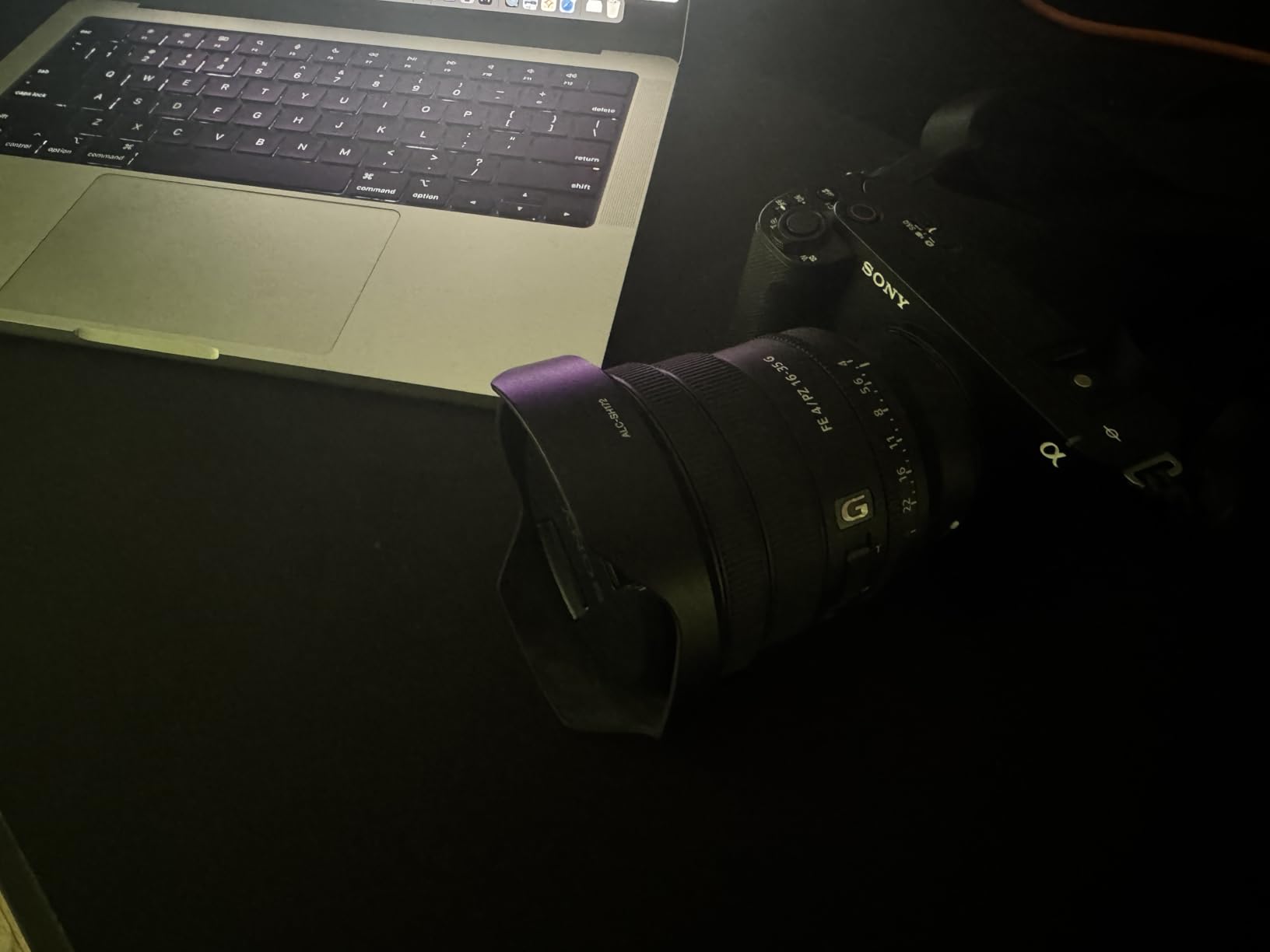
The 72mm filter thread is a practical advantage. It is smaller and less expensive than the 82mm threads on f/2.8 wide-angle zooms. Your polarizer and ND filter investment goes further because 72mm filters are common and affordable.
Image quality is solid across the zoom range. The G series optics deliver sharp, contrasty images with well-controlled distortion. While it may not match the GM II for absolute resolution, the difference is barely visible unless you are making very large prints.

Power Zoom Benefits for Landscape Video
The power zoom system transforms how you can film landscape content. Smooth, variable-speed zoom adds production value that manual zoom simply cannot match. The three-ring control layout gives you dedicated rings for zoom, focus, and aperture, which is a workflow advantage over lenses that share a single ring.
For time-lapse and interval shooting, the power zoom can be programmed for consistent movement. This opens up creative techniques like gradual zoom reveals during sunset transitions.
When f/4 Is Enough for Landscapes
Most landscape photography is shot at f/8 to f/11 for maximum depth of field. The f/4 maximum aperture limitation rarely matters for traditional landscape work. Where it does matter is astrophotography and low-light blue-hour shooting, where f/2.8 gives you a meaningful advantage.
If you do not shoot night skies regularly, the f/4 version saves you significant money and weight over an f/2.8 equivalent. For many photographers, this is the smarter choice.
7. Tamron 20mm f/2.8 Di III – Best Budget Ultra-Wide Prime
Pros
- Incredibly affordable for the quality
- Featherweight at 220 grams
- 1:2 macro for close-up details
- Moisture-resistant construction
- 67mm filter thread is cheap and common
Cons
- f/2.8 not as fast as f/1.8 alternatives
- Slower OSD autofocus motor
- Some corner softness wide open
- Lower build quality than Sony G lenses
The Tamron 20mm f/2.8 Di III proves that you do not need to spend a fortune for landscape-worthy glass. At this price point, this lens is an absolute steal for Sony full-frame shooters on a budget. I was skeptical until I shot with it side by side against the Sony 20mm f/1.8 G and saw how close the results were for daytime landscape work.
At 220 grams, this is one of the lightest full-frame wide-angle primes available. It practically disappears in your camera bag. For through-hikers and ultralight backpackers who count every gram, this lens lets you carry a quality wide-angle without the weight penalty.
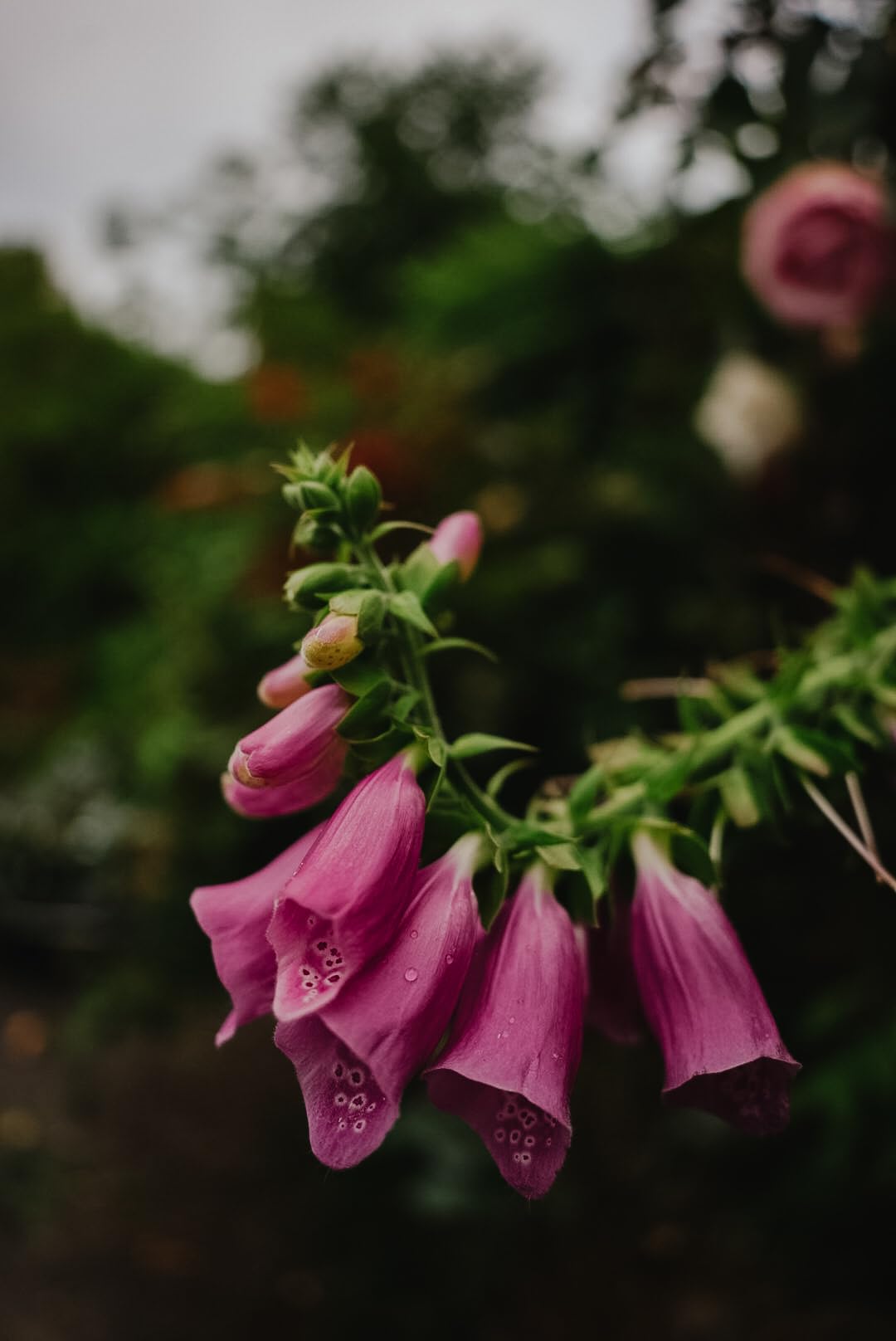
The 1:2 macro capability is a surprising bonus. You can capture detailed close-ups of wildflowers, lichen patterns, and rock textures. This creative flexibility is something most dedicated landscape primes do not offer.
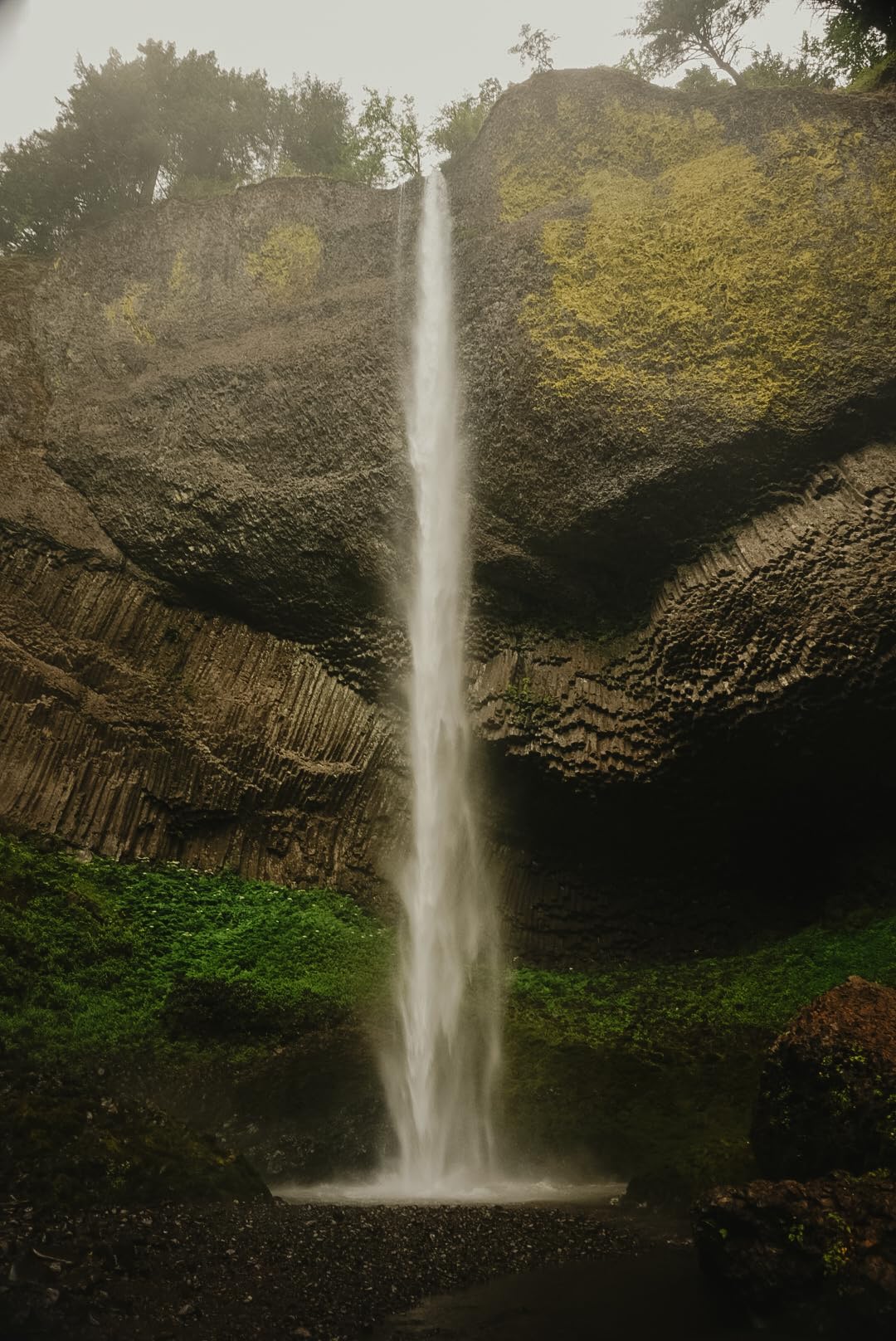
The image quality is good rather than great. There is some corner softness wide open that improves when you stop down to f/5.6 or f/8. For landscape photography where you are typically stopped down anyway, this is rarely an issue. The center sharpness is excellent throughout the aperture range.
The OSD autofocus motor is quieter than older screw-drive systems but not as fast or silent as Sony’s XD Linear Motors. For landscape work on a tripod with manual focus, this is not a problem. But if you also shoot moving subjects, you may notice the difference.
Value Comparison with Sony Alternatives
The Tamron 20mm costs roughly one-third the price of the Sony 20mm f/1.8 G. The Sony lens is sharper, faster, and better built, but the Tamron delivers roughly 80 percent of the performance for 30 percent of the price. For budget-conscious photographers, that math is hard to argue against.
The 67mm filter thread means your filter investment is minimal compared to the 82mm threads on premium wide-angle zooms. A high-quality polarizer for this lens costs a fraction of what you would pay for an 82mm version.
Best Scenarios for This Lens
This lens shines for daytime landscape photography, travel, and as a lightweight backup to a primary zoom. It is less ideal for astrophotography due to the f/2.8 aperture and some coma wide open. But for capturing mountain vistas, coastal scenes, and forest interiors in good light, it delivers excellent results.
8. Tamron 24mm f/2.8 Di III – Best Budget 24mm Landscape Prime
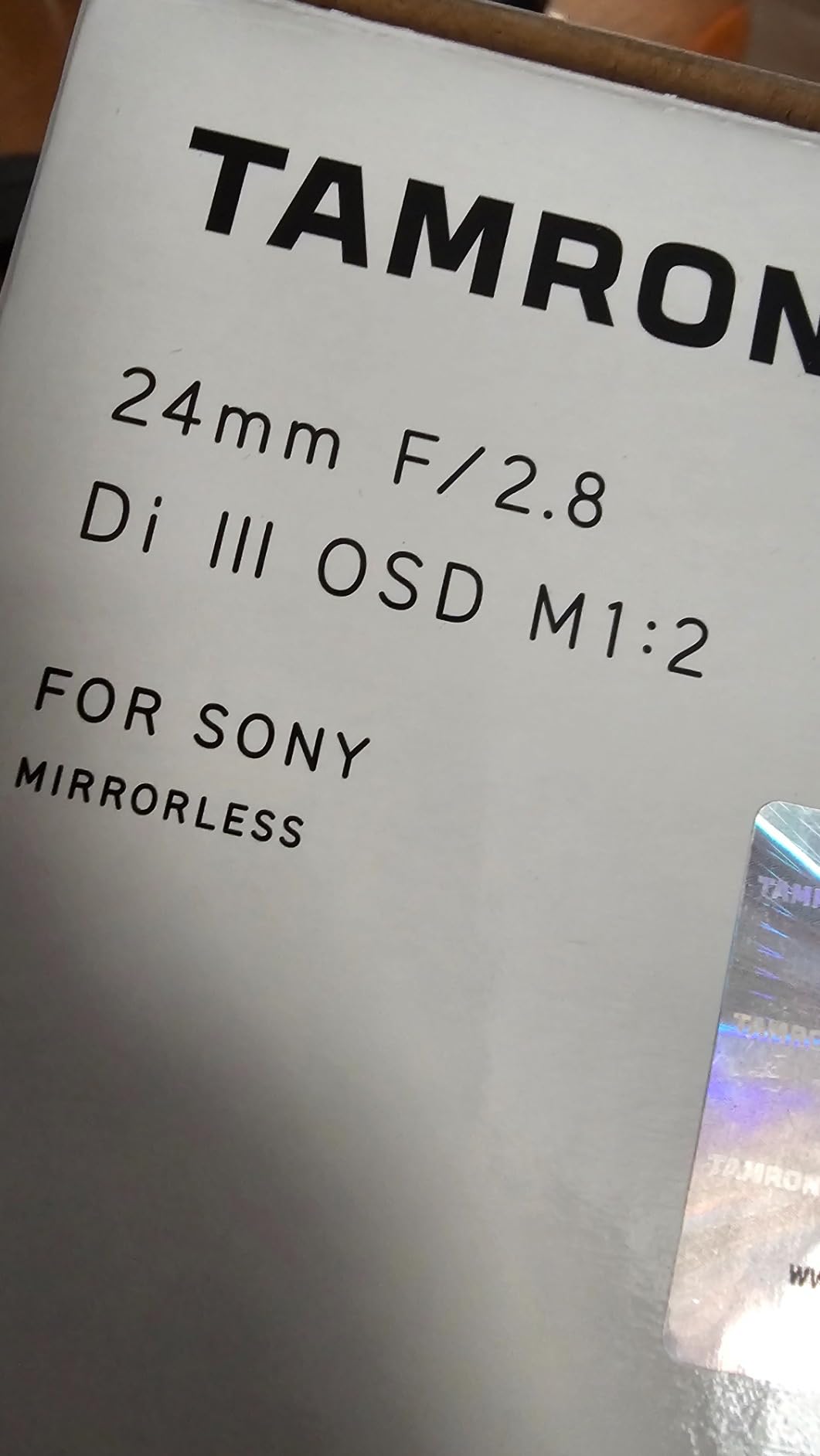
Tamron 24mm F/2.8 Di III OSD M1:2 Lens for Sony Full Frame/APS-C E-Mount Mirrorless Camera
Pros
- Extremely affordable landscape prime
- Ultra-light at 7.6 ounces
- 1:2 macro for foreground details
- Fluorine coating repels dirt and moisture
- Compact 2.5 inch length
Cons
- f/2.8 aperture is modest
- OSD autofocus is slower than linear motors
- Some corner softness wide open
- No image stabilization
The Tamron 24mm f/2.8 Di III is the budget landscape lens I recommend more than any other. At just 7.6 ounces and 2.5 inches long, it is one of the smallest full-frame lenses you can buy. The 24mm focal length is a landscape classic that has been used by photographers for decades to capture sweeping natural scenes.
What impresses me most is how much performance Tamron packed into such a tiny, inexpensive package. The 4.7-inch minimum focus distance lets you get close to foreground elements for dramatic wide-angle compositions. Combined with the 1:2 macro ratio, this opens up creative possibilities that primes twice the price cannot match.
With 345 customer reviews and a 4.5 rating, this lens has built a strong reputation in the Sony community. Most reviewers highlight the surprising image quality for the price and the featherweight design as standout features.

The fluorine coating on the front element does a credible job of repelling water spots and dust. The moisture-resistant construction adds confidence for outdoor shooting. While it is not fully weather sealed like premium Sony lenses, it handles typical landscape shooting conditions without complaint.
Image quality is very good when stopped down to landscape apertures. At f/8 to f/11, the lens produces sharp, detailed images across most of the frame. There is some vignetting and corner softness wide open, but these issues resolve nicely by f/5.6.
Why 24mm Is a Landscape Sweet Spot
The 24mm focal length has been a favorite of landscape photographers since the film era. It is wide enough to capture expansive scenes but not so extreme that foreground subjects distort unnaturally. The perspective feels natural and immersive, similar to human peripheral vision.
At 24mm you can include a strong foreground element, a midground feature, and a distant background all in sharp focus when stopped down. This three-layer composition is a hallmark of compelling landscape photography.
Building a Budget Landscape Kit
Combining this 24mm Tamron with the 20mm Tamron gives you two quality wide-angle primes for less than the cost of a single Sony G lens. This approach appeals to photographers who prefer primes over zooms and want to minimize weight and cost. You lose the convenience of a zoom, but you gain sharpness, low weight, and significant savings.
The 67mm filter thread on both Tamron primes means you can share filters between them. A single polarizer and ND filter set covers both lenses, keeping your accessory costs low.
Buying Guide: How to Choose the Right Sony Landscape Lens?
Choosing among the best landscape lenses for Sony full-frame cameras requires understanding your own shooting style. The right lens for a backpacking astrophotographer is very different from the right lens for a car-based day-trip landscape shooter. Here are the key factors I consider when recommending lenses.
Focal Length: Wide-Angle Zoom vs Prime vs Telephoto
Wide-angle lenses between 14mm and 35mm are the traditional choice for landscape photography. They capture expansive vistas and emphasize foreground elements. A 16-35mm zoom covers this range with flexibility, while primes like the 20mm or 24mm offer maximum sharpness and low weight.
Standard zooms like the 24-105mm serve dual purposes. The wide end handles traditional landscapes while the telephoto end enables compression shots of distant ridgelines. For photographers who want one lens to handle most situations, this focal range is ideal.
Do not overlook telephoto focal lengths for landscape work. The 70-200mm range and beyond lets you isolate patterns, compress layers of mountains, and create abstract compositions from distant details. Many of my favorite landscape images were shot at 100mm or longer.
Aperture: Do You Need f/2.8 or Is f/4 Enough
This is one of the most common questions I hear from landscape photographers. The answer depends on what you shoot. For traditional daytime landscape photography at f/8 to f/11, the maximum aperture is irrelevant. An f/4 lens produces identical results to an f/2.8 lens when both are stopped down.
Where f/2.8 matters is astrophotography and low-light shooting. The extra stop of light gathering lets you shoot at lower ISOs, which means less noise and cleaner images. If you regularly shoot the Milky Way, blue hour, or sunrise in dense forests, f/2.8 or even f/1.8 is worth the investment.
The trade-off is weight, size, and cost. F/2.8 zooms are significantly heavier and more expensive than their f/4 counterparts. If you never shoot at wide apertures, the f/4 option saves you money and weight that you can invest elsewhere in your kit.
Weight and Portability for Hiking Photographers
Weight matters more than most photographers realize. A lens that feels fine in a camera store becomes a burden after eight miles on a trail. I have seen photographers leave their best glass at camp because it was too heavy to carry up a peak.
The Tamron primes at 215 to 220 grams and the Sony 20mm at 373 grams are the lightest options in this guide. The Sony PZ 16-35mm f/4 at 16 ounces is the lightest zoom. If you are building a hiking kit, prioritize these lighter options.
Remember to account for the total weight of your kit, not just the lens. A heavy tripod, multiple filters, and extra batteries all add up. Sometimes the best weight-saving decision is choosing a lighter lens so you can carry a sturdier tripod.
Filter Compatibility: A Practical Consideration
Filters are essential for many landscape photographers. Polarizers reduce glare on water and foliage. Graduated ND filters balance sky and foreground exposure. Solid ND filters enable long-exposure effects on water and clouds.
Lenses with standard flat front elements and common filter thread sizes are the easiest to work with. The 67mm threads on the Tamron primes and the 72mm thread on the Sony PZ 16-35mm are both practical and affordable. The 77mm thread on the 24-105mm is also common.
Lenses with bulbous front elements, like the Sony 14mm f/1.8 GM, require expensive filter holder systems or rear gel filters. This adds cost and complexity to your workflow. If filters are central to your landscape technique, factor this into your lens decision.
Weather Sealing and Build Quality
Landscape photography often means shooting in challenging conditions. Wind, dust, rain, and salt spray are part of the job. Lenses with weather-resistant construction give you confidence to shoot in these environments without worrying about damage.
The Sony 24-105mm f/4 G OSS carries a water-resistant rating, which is reassuring for coastal and rainforest work. Most of the other lenses in this guide have some level of dust and moisture resistance but are not fully weather sealed. Always check the manufacturer specifications if weather sealing is a priority.
A good UV filter provides an additional layer of protection for your front element. It is cheaper to replace a scratched filter than a scratched lens. Just make sure to remove it when shooting into bright light sources to avoid additional flare.
Sony vs Third-Party: Value Comparison
Sony G Master lenses represent the pinnacle of optical performance for the E-mount system. They offer the best sharpness, fastest autofocus, and most refined build quality. But they come at premium prices that put them out of reach for many photographers.
Tamron has proven that third-party lenses can deliver excellent results at a fraction of the cost. The Tamron primes in this guide deliver 70 to 80 percent of the performance of Sony equivalents at 25 to 35 percent of the price. For budget-conscious photographers, this represents exceptional value.
The trade-offs are in autofocus speed, build quality, and corner sharpness wide open. If those factors are important to your work, Sony lenses justify their premium. If you primarily shoot stopped-down landscapes on a tripod, the Tamron options are tough to beat on value.
Frequently Asked Questions About Sony Landscape Lenses
What is the best landscape lens for Sony full-frame?
The Sony FE 16-35mm f/2.8 GM II is the best overall landscape lens for Sony full-frame cameras, offering exceptional edge-to-edge sharpness, a versatile focal range, and the lightest f/2.8 wide-angle zoom design available.
What are the best Sony FE lenses for landscape photography?
The top Sony FE landscape lenses include the Sony FE 16-35mm f/2.8 GM II for wide-angle zoom work, the Sony FE 20mm f/1.8 G for lightweight prime quality, the Sony FE 24-105mm f/4 G OSS for versatility, and the Tamron 24mm f/2.8 Di III for budget-conscious photographers.
Is the Sony 16-35mm f/2.8 GM II good for landscapes?
Yes, the Sony 16-35mm f/2.8 GM II is excellent for landscapes. It is the world’s smallest and lightest f/2.8 wide-angle zoom, delivers G Master sharpness to the edges, handles flare well, and offers minimized focus breathing for hybrid shooters.
What is the best wide-angle zoom lens for Sony full-frame?
The Sony FE 16-35mm f/2.8 GM II is the best wide-angle zoom for Sony full-frame cameras. For a more budget-friendly option, the Sony FE PZ 16-35mm f/4 G offers excellent quality at roughly half the price with a lighter build.
Is the Sony 24-105mm f/4 G OSS worth it for landscapes?
Yes, the Sony 24-105mm f/4 G OSS is worth it for landscape photographers who want maximum versatility. The focal range covers wide scenics to telephoto compression, the optical stabilization enables handheld shooting, and the weather-resistant build handles outdoor conditions.
Final Thoughts on Sony Landscape Lenses for 2026
The best landscape lenses for Sony full-frame cameras cover a wide range of needs and budgets. For the absolute best optical performance, the Sony FE 16-35mm f/2.8 GM II is hard to beat. For maximum value and low weight, the Sony FE 20mm f/1.8 G is my top pick. And for photographers on a tight budget, the Tamron primes deliver quality results at prices that leave room in your kit for other essentials.
Your choice ultimately depends on your shooting style, your budget, and the type of landscapes you photograph most. A wide-angle zoom gives you flexibility for varied conditions. A prime gives you maximum sharpness and minimum weight. A standard zoom gives you all-day versatility in a single lens. Whatever you choose, Sony’s E-mount system has options that will help you capture the landscapes you dream about.
Take the time to understand your own needs before buying. The right lens is the one that gets you out shooting more often, not the one with the most impressive spec sheet. I hope this guide helps you make that decision with confidence.