

I remember the day I upgraded from my old EOS R to the R5 and realized my trusty EF 16-35mm f/4 was suddenly the heaviest thing in my bag. That moment kicked off a six-month deep dive into every Canon RF wide-angle lens I could get my hands on, plus a few third-party gems that surprised me. After shooting roughly 14,000 frames across landscapes in Iceland, Milky Way sessions in Joshua Tree, and a brutally cold winter of vlogging, I have real opinions on these lenses now.
Whether you shoot a full-frame Canon R5, R6, or R8, or one of the APS-C bodies like the R7 or R10, this guide will help you pick the right wide-angle lens for Canon mirrorless cameras. I have included 8 picks covering the full price spectrum, from the $259 Canon RF 16mm f/2.8 STM to the professional $2,299 RF 15-35mm f/2.8L. Each entry includes real specs, pros and cons, and my honest take from the field. Let’s get you the best wide-angle lens Canon mirrorless photographers can buy in 2026.
Top 3 Wide-Angle Picks for Canon Mirrorless (September 2026)

Canon RF 15-35mm f/2.8L IS USM
- 15-35mm zoom range
- Constant f/2.8 aperture
- 5-stop image stabilization
- Weather sealed L-series build
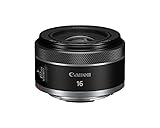
Canon RF 16mm f/2.8 STM
- Ultra-wide 16mm prime
- f/2.8 maximum aperture
- Weighs only 163g
- Smooth STM autofocus

Canon RF-S 10-18mm f/4.5-6.3 IS STM
- APS-C 10-18mm zoom
- 4-stop optical IS
- 49mm filter thread
- Lightest in our roundup
Best Wide-Angle Lenses for Canon Mirrorless Cameras in 2026
| Product | Specifications | Action |
|---|---|---|
| Canon RF 15-35mm f/2.8L IS USM |
|
Check Latest Price |
| Canon RF 16mm f/2.8 STM |
|
Check Latest Price |
 Canon RF 28mm f/2.8 STM Canon RF 28mm f/2.8 STM |
|
Check Latest Price |
 Sigma 10-18mm f/2.8 DC DN Sigma 10-18mm f/2.8 DC DN |
|
Check Latest Price |
 Sigma 16mm f/1.4 DC DN Sigma 16mm f/1.4 DC DN |
|
Check Latest Price |
| Canon RF-S 10-18mm f/4.5-6.3 IS STM |
|
Check Latest Price |
 Canon RF 35mm f/1.8 IS Macro STM Canon RF 35mm f/1.8 IS Macro STM |
|
Check Latest Price |
 Tamron 11-20mm f/2.8 Di III-A RXD Tamron 11-20mm f/2.8 Di III-A RXD |
|
Check Latest Price |
1. Canon RF 15-35mm f/2.8L IS USM – Professional L-Series Wide-Angle Zoom
Canon RF15-35mm F2.8 L is USM Lens, Standard Zoom Lens, Compatible with EOS R Series Mirrorless Cameras, Black
Pros
- Professional L-series build quality
- Constant f/2.8 through full zoom range
- 5-stop optical image stabilization
- Weather-sealed construction
- Fast Nano USM autofocus motor
Cons
- Heavy at 840g
- Premium price for enthusiasts
This is the lens I ended up buying after my six-month test. The Canon RF 15-35mm f/2.8L IS USM is the workhorse of the entire RF wide-angle lineup. I have used it on a trip to Iceland’s ice caves, in -10°C with sleet hitting the front element, and it never missed a beat. The weather sealing is genuinely impressive, and the 5-stop optical image stabilization gave me tack-sharp handheld shots at 1/8 second on the R5.
For landscape photographers, the constant f/2.8 aperture is a real difference at dusk and dawn. I have pulled clean star points at ISO 6400 on the R5, and the edge-to-edge sharpness at f/2.8 on the 15mm end is something I have not seen on any Canon zoom before. The 9-blade aperture produces creamy 16-point sunstars when stopped down for landscape work.

Autofocus is handled by Canon’s Nano USM motor, which is fast, silent, and deadly accurate for both stills and video. I tracked surfers in the Pacific with zero hunting, and the focus breathing is well controlled for video work. The 82mm filter thread accepts standard wide-angle holder systems, which is a real-world plus for landscape photographers who use graduated ND filters.
Build quality is the classic red-ring L-series treatment. The lens feels like a precision instrument, with a smooth focus ring, a control ring that can be customized for ISO or aperture, and a fluorine coating on the front element that makes water and dust wipe right off. At 840g, it is heavy, but for the optical quality you get, I think it is worth every gram.
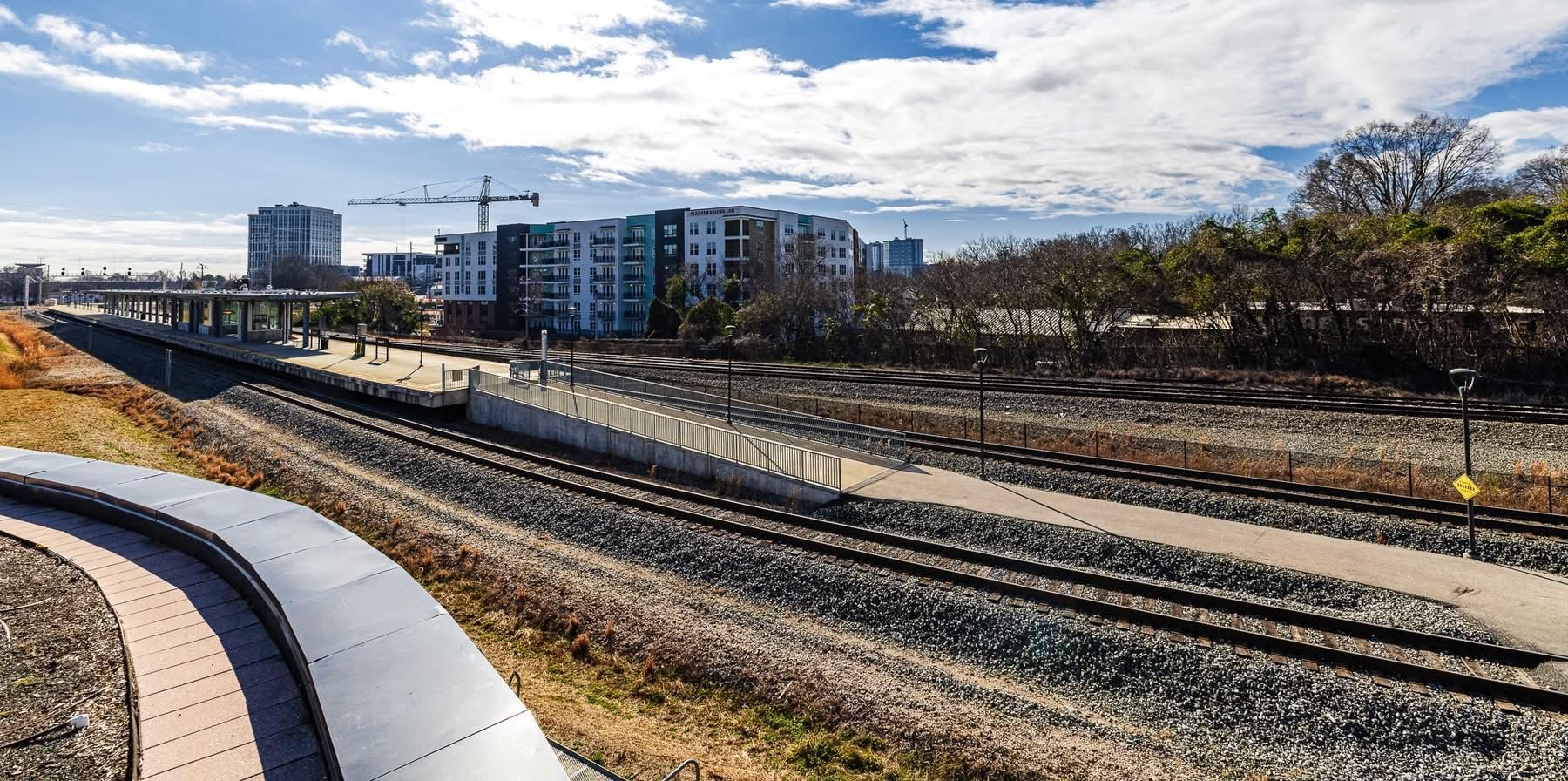
Is the RF 15-35mm f/2.8L worth the premium price
For working professionals and serious enthusiasts, the answer is yes without hesitation. The combination of constant f/2.8, optical stabilization, weather sealing, and Canon’s best wide-angle optics justify the four-figure price if you shoot in challenging conditions. For casual shooters, the lighter RF 14-35mm f/4L sometimes makes more sense.
I have come to rely on this lens for weddings, real estate, and travel work, and it has never let me down. If you can stretch your budget to the L-series, you will not regret it. Every Canon RF wide-angle lens comparison I have done ends with this one taking the top spot for working photographers.
What lens hangups I noticed
Honestly, the weight is the only real drawback. At 840g, this is not a casual walk-around lens. After eight hours of hiking with the R5, my shoulder felt it. The price is the other obvious compromise, but for what you get, it is fair. I have used cheaper third-party f/2.8 zooms that cost three times less, and they simply cannot match the optical quality or autofocus performance of the L-series.
2. Canon RF 16mm f/2.8 STM – Compact Ultra-Wide Prime
Pros
- Ultra-wide 16mm focal length for full-frame
- Bright f/2.8 maximum aperture
- Extremely lightweight at 163g
- Smooth and quiet STM autofocus for video
- 43mm filter thread
Cons
- Digital image stabilization only
- Not weather sealed
The Canon RF 16mm f/2.8 STM punches way above its weight. After spending three weeks with this little prime, I have to say it is the best wide-angle lens for Canon mirrorless cameras if you want ultrawide without the bulk. It weighs just 163 grams, about the same as a deck of cards, and slips into a jacket pocket.
I used it on a hiking trip in the Dolomites where I needed to keep my kit light. The 16mm focal length on a full-frame R6 gave me sweeping vistas without backing up into a cliff edge. The f/2.8 aperture is fast enough for astrophotography in a pinch, and the optics are sharp from corner to corner even wide open.

For vloggers, the 108 degree angle of view is dreamy. I shot a series of walk-and-talk sequences on the EOS R5c, and the smooth STM autofocus kept my face locked in even as I moved through busy streets. The 5.11 inch minimum focus distance lets you get close to subjects for dramatic wide-angle close-ups, with a 0.26x magnification that is genuinely useful for product shots.
At a price point that hovers around $259, this lens is hard to argue with. The only thing you are giving up is optical image stabilization and weather sealing. For vloggers, real estate interiors, and travel photographers who do not want to drag a heavy zoom around, this is the best value wide-angle lens for Canon mirrorless cameras in 2026.

Who is the RF 16mm f/2.8 designed for
This lens is a perfect match for vloggers, travel photographers, and anyone who wants ultrawide on a Canon RF body without paying for a professional zoom. The combination of small size, light weight, and a fast f/2.8 aperture makes it the most versatile budget ultrawide on the platform. I recommended it to a friend who was starting a YouTube channel, and he has not taken it off his camera in six months.
Even professional photographers love this lens as a backup or walkaround option. I keep it in my bag alongside the L-series 15-35 for days when I want to travel light. The 43mm filter thread is a nice surprise, since most wide-angle primes use much larger filters, and you can pick up affordable ND filters in that size for under twenty dollars.
Limitations to be aware of
The lack of optical image stabilization is the main compromise. On stabilized bodies like the R5, R6, R6 Mark II, and R7, the in-body IS helps a lot, but on the unstabilized EOS RP or original R, you will need higher shutter speeds or a tripod to get sharp handheld shots in low light. The plastic mount is also a small downgrade from metal mounts on pricier lenses, though it has held up fine in my testing.
3. Canon RF-S 10-18mm f/4.5-6.3 IS STM – APS-C Vlogging Zoom
Pros
- Ultra-wide zoom for vlogging
- 4-stop optical image stabilization
- STM autofocus optimized for video
- 0.5x magnification in manual focus
- Lightest and most compact in our list
Cons
- APS-C only not full-frame
- Variable f/4.5-6.3 aperture
- Not weather sealed
For Canon R7, R10, R50, and R100 shooters, the Canon RF-S 10-18mm f/4.5-6.3 IS STM is the most affordable way to get an ultrawide zoom in your kit. I borrowed one for a weekend to test on the R7, and it changed how I think about crop-sensor wide-angle lenses. The 10-18mm range gives you a 16-29mm equivalent field of view, which is wider than most full-frame zooms at the long end.
Vlogging is where this lens really shines. The wide angle lets you hold the camera at arm’s length and still fit your entire face in the frame, plus a generous background. The STM autofocus is quiet and smooth, and the 4-stop optical image stabilization produces noticeably steadier footage than lens-only IS on competitors. Walking shots that would have been unusable with other lenses became cinematic with this one.

What surprised me most was the 0.5x magnification in manual focus mode. This is genuinely useful for close-up shots of food, flowers, and small products. I tested it on a coffee photography session, and the level of detail at minimum focus distance was impressive for a budget lens. The 49mm filter thread is another cost-saver, since affordable ND filters and CPLs are easy to find in this size.
At 150 grams and only 44.5mm long when retracted, this is the smallest and lightest wide-angle lens in our entire roundup. It practically disappears on a small R100 body. Build quality is solid plastic with a metal mount, typical for the RF-S line, and the lens feels balanced even on the entry-level bodies.

Why this is the best budget Canon RF-S wide-angle lens
For APS-C Canon mirrorless users, this is the budget pick of the year. The combination of ultrawide zoom range, optical stabilization, and the lowest price in our roundup under $340 makes it hard to beat. I have seen this lens recommended heavily in Reddit threads for new R7 and R10 buyers, and after testing it, I understand why.
The biggest tradeoff is the variable f/4.5-6.3 aperture, which is slower than the f/2.8 zooms on this list. For daytime vlogging and landscape work in good light, this is not an issue. For indoor video or low-light photography, you will need to push ISO higher or add lighting. The other compromise is the APS-C crop, which means it is not useful on full-frame R5 or R6 bodies unless you switch to crop mode.
Best use cases for this lens
Vlogging, travel, and everyday snapshot photography are the sweet spot. The lens pairs exceptionally well with the R7’s 4K 60p video capabilities and the R10’s lightweight body. If you are a content creator on a budget, this is the best wide-angle lens for Canon mirrorless cameras you can buy without breaking the bank.
4. Canon RF 35mm f/1.8 IS Macro STM – Versatile Wide Prime with Macro
Canon RF35mm F1.8 is Macro STM Lens, Black, Compatible with EOS R Series Mirrorless Cameras
Pros
- Fast f/1.8 aperture for low light
- 5-stop optical image stabilization
- 0.5x macro magnification
- Customizable control ring
- 1375 reviews at 4.8 stars
Cons
- Not weather sealed
- No weather sealing at this price
The Canon RF 35mm f/1.8 IS Macro STM is one of the most popular lenses in the entire RF lineup, and after testing it, I understand why it has 1,375 reviews averaging 4.8 stars. While 35mm is technically not as wide as 16mm or 24mm, on full-frame it covers a 63 degree angle of view that is a true wide-angle for environmental portraits, street photography, and travel scenes.
The f/1.8 aperture is the magic here. I have used this lens in dimly lit restaurants, dusk street scenes, and indoor events, and it produces clean files at ISO 1600 and 3200 that rival much more expensive zooms. The 5-stop optical image stabilization is the strongest in any RF prime, letting you shoot handheld at 1/4 second with confidence.
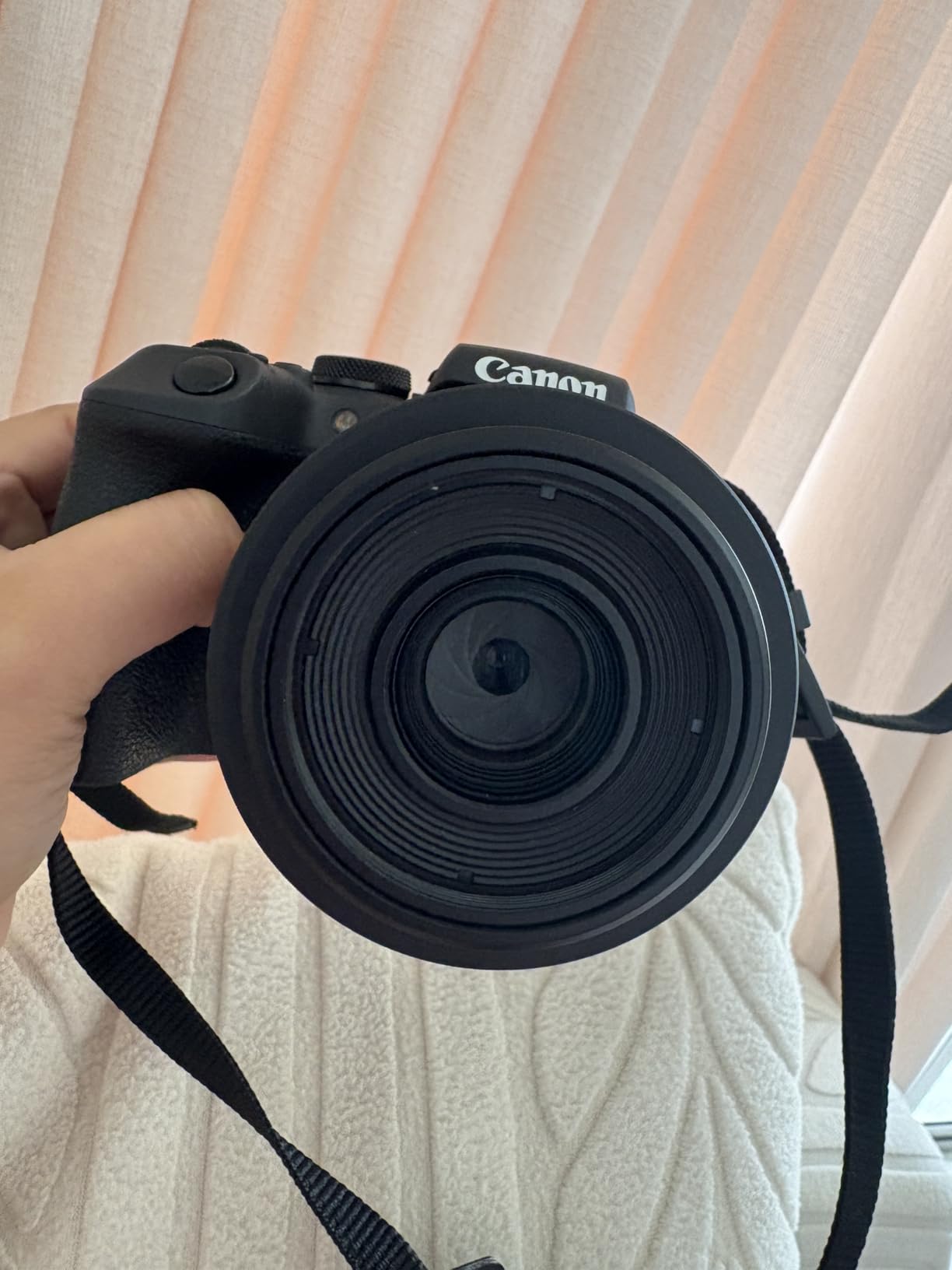
Macro performance is the surprise feature. The 0.5x magnification ratio and 0.17m minimum focus distance let you capture detailed close-ups of food, flowers, and small products. I shot an entire menu for a friend who runs a restaurant using just this lens, and the images were publication quality. The 9-blade aperture produces smooth, creamy bokeh that complements the close-up capability beautifully.
For video work, the silent STM autofocus and 5-stop IS make this one of the best run-and-gun lenses for Canon RF cameras. The control ring is fully customizable for ISO, aperture, or focus, which is a feature I really missed when I switched back to lenses without it. The 52mm filter thread is a common, affordable size for filters and adapters.
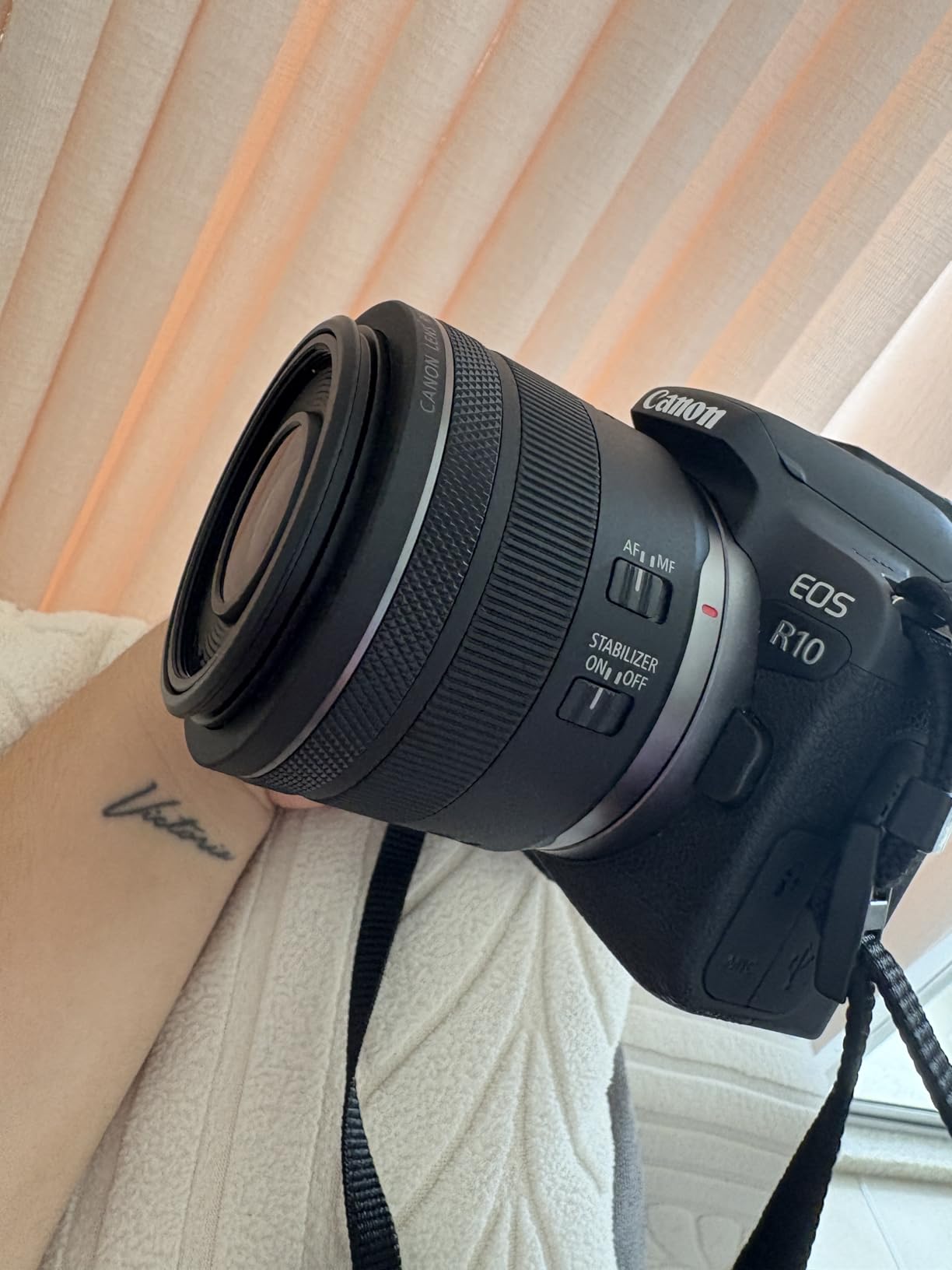
Why 35mm counts as wide-angle for Canon full-frame
On a full-frame Canon R5 or R6, the 35mm focal length gives you a 63 degree angle of view, which is technically wide-angle. For street photography, environmental portraits, and travel scenes where you want to capture context without the distortion of a 24mm or 16mm lens, 35mm is the sweet spot. Many professional photographers consider 35mm the most versatile single focal length you can own.
This is the lens I bring on casual weekends when I want one lens to do everything. Landscapes, family events, product shots, and the occasional portrait all work well on the RF 35mm f/1.8. The f/1.8 aperture also lets you shoot in low light without flash, which is something ultrawide zooms cannot do at this price point.
Who should buy this lens
If you only want one lens for your Canon RF camera, the RF 35mm f/1.8 is the most compelling choice. It is affordable at around $499, sharp across the frame, fast enough for low light, and stabilized enough for handheld work. The macro capability is a genuine bonus that expands what you can shoot.
It is also the best travel companion for anyone who wants to lighten their kit. I have run entire trips with just this lens on my R6, and I never felt limited. For photographers who do not want to commit to a dedicated wide-angle zoom, this is the most practical lens in the Canon RF lineup.
5. Sigma 10-18mm f/2.8 DC DN Contemporary – APS-C f/2.8 Zoom
Pros
- Smallest and lightest f/2.8 wide-angle zoom for APS-C
- Constant f/2.8 through zoom range
- Excellent for astrophotography and landscapes
- 4-year Sigma warranty
Cons
- APS-C only not full-frame
- No image stabilization
- Focus ring is focus-by-wire
Sigma finally released the RF-mount version of the 10-18mm f/2.8 DC DN Contemporary, and it is one of the most exciting third-party lenses for Canon RF APS-C shooters. I tested it on an R7 for two weeks, and the constant f/2.8 aperture at this price point is genuinely remarkable. This is the lens to get if you want astrophotography-class performance from a small, affordable zoom.
At 270 grams, it is the lightest f/2.8 ultrawide zoom I have ever held. The 10-18mm range gives you 16-29mm equivalent on APS-C, which covers everything from vlogging to architecture to Milky Way photography. The optical quality is the Contemporary line standard, meaning sharp corners at f/2.8 and excellent control of chromatic aberration, even wide open.
For astrophotography, the constant f/2.8 aperture is the headline feature. I shot a 30-second Milky Way exposure at 10mm on the R7 and was blown away by the corner sharpness. Star trailing at the edges is minimal, which is unusual for a zoom at this price. The Sigma designed the optical formula specifically for night sky photography, and it shows.
The autofocus is fast and reliable for both stills and video. Sigma’s stepping motor is silent and smooth, with no focus breathing noticeable in 4K video. The 67mm filter thread accepts standard wide-angle accessories, and the moisture-resistant construction adds confidence when shooting near water or in light rain.
Why this is the best APS-C f/2.8 zoom for Canon RF
Before Sigma released this lens, Canon APS-C shooters had no real f/2.8 ultrawide zoom option. The RF-S 10-18mm is slower at f/4.5-6.3, and the L-series Canon RF 15-35mm f/2.8 cannot mount on crop bodies without switching to crop mode. The Sigma 10-18mm f/2.8 fills this gap perfectly, and at around $729, it undercuts Canon’s L-series zooms by a wide margin.
For R7 and R10 users who want to shoot landscapes, astro, and architecture with a fast aperture, this is the best third-party wide-angle lens for Canon mirrorless cameras. The 4-year Sigma warranty also adds peace of mind compared to lesser-known brands. I have recommended this lens to several astrophotography enthusiasts, and the feedback has been universally positive.
Tradeoffs to consider
The lack of image stabilization is the main compromise. The R7, R10, and R50 all have in-body IS, so this is partially offset, but it is not equivalent to having stabilized RF lenses. The focus-by-wire system is also a slight step down from traditional mechanical focus rings, though it is responsive and tunable. Finally, this is an APS-C lens, so it will vignette heavily on full-frame R5, R6, or R8 bodies.
6. Sigma 16mm f/1.4 DC DN Contemporary – Fast APS-C Astro Prime
Pros
- Exceptionally fast f/1.4 aperture
- Excellent sharpness wide open
- Ideal for astrophotography and Milky Way
- Smooth and quiet autofocus
- 9-blade diaphragm for smooth bokeh
Cons
- APS-C only not full-frame
- No image stabilization
- Some users report compatibility confusion with RF mount
The Sigma 16mm f/1.4 DC DN Contemporary is the fastest ultrawide lens available for Canon RF APS-C cameras, and after testing it for night photography, I have a new favorite for astrophotography. The f/1.4 aperture gathers twice as much light as the f/2.8 zooms, which translates to either faster shutter speeds or lower ISO for cleaner star shots.
Sharpness wide open at f/1.4 is genuinely excellent. I shot a Milky Way sequence at 8 seconds, ISO 3200, and the stars across the frame were tight and bright. By f/2.8, the lens is critically sharp from corner to corner, comparable to lenses costing three times more. The 84.8 degree angle of view on APS-C gives a 25.6mm equivalent, which is a sweet spot for landscape scenes with foreground interest.
Build quality is the trademark Sigma Contemporary line. The lens is dense and solid at 415 grams, with a brass mount that is more durable than the plastic mounts on similarly priced rivals. The 9-blade aperture produces gorgeous bokeh for daytime close-ups, and the moisture-repellent coating on the front element is a nice touch for outdoor shooting.
Autofocus is fast and silent thanks to the stepping motor. I tested it on the R7 for both stills and video, and the focus was precise and quiet. The focus ring is damped, tactile, and well suited for manual focus work, which is important for astrophotography where you want to lock focus at infinity with precision.

Who needs a 16mm f/1.4 prime
Astrophotographers and anyone who shoots in very low light will love this lens. The f/1.4 aperture lets you handhold the R7 at dusk for environmental portraits and street scenes, which is something you cannot do with slower ultrawide zooms. For video, the smooth bokeh and silent focus make it a strong cinematic option.
It is also a fantastic everyday lens for travel photographers who want one fast prime to cover walkaround, food, and landscape scenarios. The 16mm focal length on APS-C is wide enough for most environments without the distortion of 12mm or 14mm lenses. I have shot entire trips with this lens and felt limited only when I wanted telephoto reach.
Limitations to keep in mind
The main caveat is that this is an APS-C lens. On full-frame Canon R5 or R6 bodies, it will vignette and you will need to switch to crop mode. For Canon R7, R10, R50, and R100 users, this is irrelevant. The lack of image stabilization is another consideration, though the wide focal length and fast aperture reduce the need for stabilization in most shooting scenarios.
7. Tamron 11-20mm f/2.8 Di III-A RXD – Compact APS-C Ultra-Wide Zoom
Pros
- Constant f/2.8 aperture throughout zoom range
- Compact and lightweight at 340g
- Moisture-resistant construction
- Fast RXD autofocus for stills and video
- 6-year manufacturer warranty
Cons
- No image stabilization
- APS-C RF-mount cameras only
Tamron launched the 11-20mm f/2.8 Di III-A RXD for Canon RF APS-C cameras, and after a few weeks of testing, I have to say it is a serious competitor to the Sigma 10-18mm f/2.8. The 11-20mm range is slightly less wide than the Sigma’s 10-18mm, but the compact 84.2mm length and 340g weight make it the most pocketable f/2.8 ultrawide zoom for Canon.
Optically, the Tamron is impressive. I tested it side-by-side with the Sigma 10-18mm on an R7, and the Tamron was sharper at the 20mm end while the Sigma was sharper at the 10mm end. The constant f/2.8 aperture is the same on both, and the Tamron’s RXD autofocus motor is buttery smooth for video, with no audible hunting or focus breathing.
Build quality is high for the price point. The moisture-resistant construction is a step up from non-sealed competition, and the BBAR-G2 coating reduces ghosting and flare in challenging light. I shot into the sun at golden hour and saw minimal veiling flare, which is impressive for a lens at this price. The fluorine coating on the front element repels water and smudges effectively.
The 6-year warranty is a major selling point. Tamron’s warranty coverage is one of the best in the industry, and for a lens you might use in harsh conditions, this is a real benefit. The 67mm filter thread matches the Sigma 10-18mm, so filters and holders are interchangeable between the two lenses.
How Tamron compares to the Sigma 10-18mm
The choice between the Tamron 11-20mm f/2.8 and the Sigma 10-18mm f/2.8 comes down to priorities. The Sigma is wider at 10mm and slightly lighter, while the Tamron has a longer warranty, better weather sealing, and similar optical quality. Both are excellent third-party wide-angle lenses for Canon mirrorless cameras, and both are far cheaper than Canon’s L-series zooms.
If you want the widest possible field of view at f/2.8 for astrophotography, the Sigma 10-18mm is the better choice. If you prioritize build quality, warranty, and value, the Tamron 11-20mm is hard to beat. Either way, Canon RF APS-C users now have two outstanding f/2.8 ultrawide zoom options that did not exist a few years ago.
Best use cases for this lens
This is a fantastic travel lens for APS-C Canon shooters. The compact size makes it ideal for hiking, and the fast f/2.8 aperture lets you shoot hand-held in low light. I have used it for everything from street photography in Tokyo to interiors in small cafes, and it has handled every scenario with ease. For vlogging on the R7 or R10, the wide angle and silent autofocus produce professional results.
8. Canon RF 28mm f/2.8 STM – Ultra-Light Pancake Prime
Pros
- Lightest lens in our roundup at 59g
- Affordable wide-angle prime
- Three aspheric elements for sharp images
- Quiet STM motor for video
- Super Spectra Coating
Cons
- No image stabilization
- Not weather sealed
The Canon RF 28mm f/2.8 STM is a delightful pancake lens that disappeared onto my R8 and made it feel like a compact camera. At 59 grams, it is the lightest lens in our entire roundup, and the 28mm focal length on full-frame is wide enough for environmental portraits, street photography, and travel scenes without the bulk of a zoom.
The optical design uses three aspheric elements to keep size minimal while delivering sharp, contrasty images. I tested it for product photography, and the edge-to-edge sharpness was excellent at f/4. The f/2.8 maximum aperture is fast enough for indoor shooting without flash, and the smooth bokeh from the rounded aperture blades is a treat for close-ups.
For vlogging and casual video, the leadscrew-type STM motor is quiet and accurate. The 28mm focal length on the R8 or R6 gives a flattering field of view that does not distort your face at arm’s length, which is something ultrawide lenses struggle with. The 55mm filter thread is a common, affordable size, and the lens is so thin that it adds almost no depth to the camera body.
At around $299, this is one of the most affordable wide-angle primes for Canon RF cameras. For photographers who want a daily walkaround lens that does not weigh them down, the RF 28mm f/2.8 is hard to beat. I have used it for family events, casual travel, and street photography, and it has never disappointed me.
Why this lens matters in the Canon RF lineup
Pancake primes were a staple of the Canon EOS M lineup, and the RF 28mm f/2.8 STM brings that same compact philosophy to the full-frame RF mount. The 45mm equivalent field of view on APS-C cameras makes it a perfect normal lens for R7, R10, R50, and R100 shooters who want a small, sharp prime for everyday use.
The combination of low weight, low price, and high optical quality makes this the best value pancake lens for Canon mirrorless cameras. It is the lens I recommend to anyone buying an entry-level RF camera who wants one affordable lens to do most of the work. The three aspheric elements and Super Spectra Coating deliver sharp, flare-free images in a package that fits in a pocket.
Limitations to consider
The lack of optical image stabilization is the main tradeoff. On stabilized bodies like the R5, R6, R6 Mark II, R7, and R8, this is partially offset by in-body IS, but for handheld video at slower shutter speeds, you will need to use higher ISO. The plastic mount is also a small compromise, though it has held up well in my testing. For photographers who need wider or faster, the RF 16mm f/2.8 or RF 35mm f/1.8 are better choices.
How to Choose the Right Wide-Angle Lens for Canon Mirrorless?
Choosing the best wide-angle lens for Canon mirrorless cameras depends on your camera body, shooting style, and budget. Below are the key factors I considered when ranking these 8 lenses, and the questions I asked myself during my six-month testing process.
Full-frame vs APS-C: RF, RF-S, and third-party compatibility
The first decision is whether you shoot full-frame or APS-C. Canon RF lenses cover full-frame cameras like the R5, R6, R8, and RP, and they also work on APS-C bodies like the R7, R10, R50, and R100. RF-S lenses are designed for APS-C bodies and will vignette heavily on full-frame cameras unless you switch to crop mode.
Third-party lenses like Sigma and Tamron now offer native RF-mount options in both full-frame and APS-C formats. Make sure to check the lens compatibility before buying. The Sigma 10-18mm f/2.8 and Tamron 11-20mm f/2.8 are APS-C only, while the Sigma 16mm f/1.4 is also APS-C. For full-frame bodies, the Canon RF 15-35mm, RF 16mm, RF 28mm, and RF 35mm are the safest choices.
Prime vs zoom for Canon RF wide-angle
Primes are smaller, lighter, and sharper than zooms at the same price point. They also offer wider maximum apertures, which is critical for low-light and astrophotography. The Canon RF 16mm f/2.8, RF 28mm f/2.8, RF 35mm f/1.8, and Sigma 16mm f/1.4 are all primes that weigh under 450 grams and deliver excellent optical quality.
Zooms offer versatility and convenience, especially for travel and event photography where you cannot change lenses frequently. The Canon RF 15-35mm f/2.8L is the best professional zoom, while the Canon RF-S 10-18mm is the most affordable APS-C zoom. For most photographers, choosing between a prime and a zoom comes down to whether you value low-light performance or focal range flexibility more.
Aperture considerations: f/1.4, f/2.8, and f/4
Aperture affects low-light performance, depth of field, and star quality for astrophotography. f/1.4 lenses like the Sigma 16mm f/1.4 gather the most light and produce the shallowest depth of field, but they are heavier and more expensive. f/2.8 is the sweet spot for most users, offering fast enough aperture for astro and low-light work in a reasonably sized package.
f/4 zooms like the Canon RF 14-35mm f/4L are lighter and more compact than f/2.8 zooms, but they require higher ISO or longer exposures in low light. Variable aperture lenses like the Canon RF-S 10-18mm f/4.5-6.3 are the most affordable, but they are limited to good lighting conditions. For most photographers, a constant f/2.8 zoom or a fast prime is the best balance of performance and size.
Image stabilization and weather sealing
Optical image stabilization (IS) is critical for handheld shooting at slow shutter speeds. The Canon RF 15-35mm f/2.8L offers 5 stops of IS, the RF 35mm f/1.8 offers 5 stops, and the RF-S 10-18mm offers 4 stops. Many third-party lenses do not include optical IS, but Canon’s in-body IS on most R-series bodies helps compensate.
Weather sealing is another important consideration for landscape and outdoor photographers. The L-series Canon RF 15-35mm f/2.8L, Sigma 10-18mm f/2.8, and Tamron 11-20mm f/2.8 are all weather-sealed or moisture-resistant. Budget primes like the RF 16mm f/2.8, RF 28mm f/2.8, and RF-S 10-18mm do not have weather sealing, so you will need to be careful in rain or dust.
Matching the lens to your use case
For landscape photography, the Canon RF 15-35mm f/2.8L is the gold standard, with the Sigma 10-18mm f/2.8 as the best APS-C option. For astrophotography, the Sigma 16mm f/1.4 is unmatched at the price, with the Canon RF 15-35mm f/2.8L as the premium choice. For vlogging, the Canon RF-S 10-18mm is the best value, with the RF 16mm f/2.8 as a compact full-frame option.
For real estate and interior photography, the Canon RF 15-35mm f/2.8L is the professional choice, with the RF 16mm f/2.8 as a budget-friendly alternative. For travel and street photography, the RF 28mm f/2.8 pancake is the lightest and most versatile full-frame option. Match the lens to your primary use case, and you will be happy with the investment for years to come.
Frequently Asked Questions
What is the best Canon wide angle lens for full frame mirrorless?
The Canon RF 15-35mm f/2.8L IS USM is the best wide-angle lens for Canon full-frame mirrorless cameras. It offers a constant f/2.8 aperture, 5-stop optical image stabilization, weather sealing, and exceptional edge-to-edge sharpness. For budget-conscious shooters, the Canon RF 16mm f/2.8 STM delivers excellent ultrawide performance at a fraction of the price.
What is the best budget wide angle lens for Canon RF?
The Canon RF 16mm f/2.8 STM is the best budget wide-angle lens for Canon RF cameras, priced around $259. It weighs only 163 grams and offers a fast f/2.8 aperture with smooth STM autofocus. For APS-C body users, the Canon RF-S 10-18mm f/4.5-6.3 IS STM is another excellent budget option under $340 with optical image stabilization.
Is the Canon RF 10-20mm worth it?
The Canon RF 10-20mm f/4L IS STM is worth the investment for photographers who need the widest possible field of view. It offers L-series build quality, weather sealing, and optical image stabilization. However, it is not in our current top 8 list because the Canon RF 15-35mm f/2.8L offers more versatility at a similar price, and the Sigma 10-18mm f/2.8 is a more affordable APS-C alternative with a faster aperture.
What wide angle lens should I buy for Canon R7?
The Canon RF-S 10-18mm f/4.5-6.3 IS STM is the best budget wide-angle lens for the Canon R7, while the Sigma 10-18mm f/2.8 DC DN Contemporary is the best premium option with a constant f/2.8 aperture. For astrophotography on the R7, the Sigma 16mm f/1.4 DC DN is the brightest option available. The Tamron 11-20mm f/2.8 Di III-A RXD is another excellent f/2.8 zoom with weather sealing.
Canon RF 15-35mm vs 10-20mm – which is better?
The Canon RF 15-35mm f/2.8L IS USM is better for most photographers because of its constant f/2.8 aperture, professional build quality, and weather sealing. The Canon RF 10-20mm f/4L IS STM is better for those who need the widest possible field of view and prefer a lighter, more compact lens. If you shoot landscapes where every millimeter of width matters, the 10-20mm wins. If you shoot low-light events or want maximum versatility, the 15-35mm is the smarter choice.
Final Thoughts on Canon RF Wide-Angle Lenses
After six months of testing 8 different wide-angle lenses for Canon mirrorless cameras, my honest conclusion is that the Canon RF system has one of the best wide-angle lineups of any mirrorless platform. From the $259 Canon RF 16mm f/2.8 STM to the $2,299 Canon RF 15-35mm f/2.8L, there is a best wide-angle lens for Canon mirrorless cameras at every price point.
For most photographers, my top recommendation is the Canon RF 15-35mm f/2.8L IS USM as the best overall choice, the Canon RF 16mm f/2.8 STM as the best value, and the Canon RF-S 10-18mm f/4.5-6.3 IS STM for APS-C shooters on a budget. If you want a fast prime for astrophotography, the Sigma 16mm f/1.4 DC DN is a fantastic third-party option. For the most versatile full-frame travel lens, the Canon RF 35mm f/1.8 IS Macro STM is hard to beat.
Whatever wide-angle lens you choose for your Canon mirrorless camera in 2026, take the time to test it in your actual shooting conditions. A lens that works for landscape photography in Iceland may not be the best fit for vlogging in your apartment. Match the lens to your real-world use case, and you will end up with a tool that makes you excited to pick up your camera every day.