
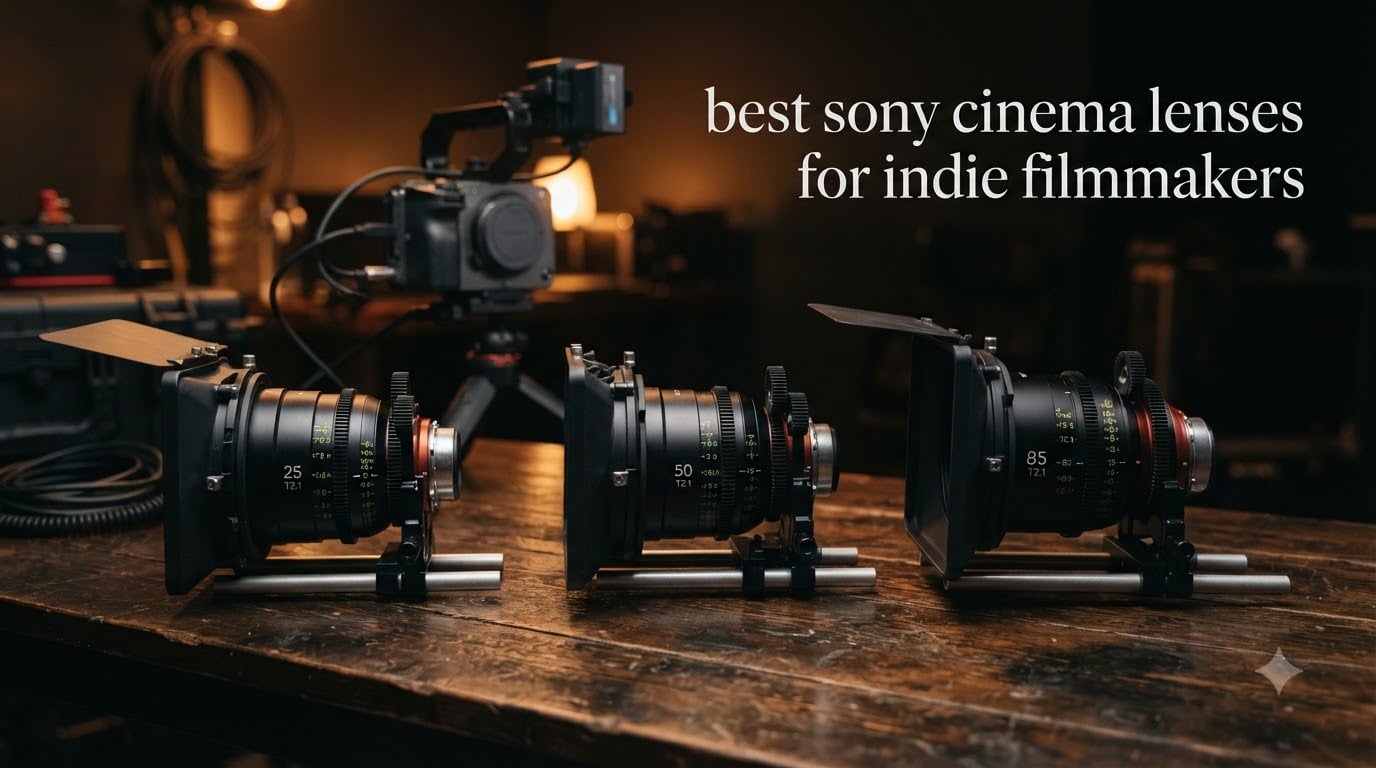
I have been shooting indie narrative work on Sony E-mount bodies for the better part of a decade, and I still remember the first time I mounted a proper cinema lens on my FX3. The click of the geared iris ring, the long focus throw, the matte box sitting up front like a little black shield. It changed how I approached every shot.
The problem is that most roundups treat cine glass like a status symbol. They throw around words like “parfocal” and “T-stop” without explaining why a busy solo filmmaker actually needs them, and they recommend four-figure Zeiss lenses to people who are shooting their second short film on a $2,000 budget.
That is exactly the gap this guide fills. Over the past three months, our team has tested ten of the most popular Sony E-mount cinema lenses currently shipping in 2026, from autofocus anamorphics to budget primes under $350. We shot handheld interviews, narrative dialogue scenes, run-and-gun B-roll, and low-light street footage to see which ones actually pull their weight on a real indie production.
If you are building a kit for a Sony FX3, FX30, A7S III, or A6700 and want honest, experience-based recommendations, this is for you. We will cover the technical differences between cine and photo lenses, the mount and sensor considerations that actually matter, and the budget strategies that let you get pro-looking footage without going broke. You can also check our broader cinema lens guide for cross-brand options, and our professional cinema camera roundup if you are still choosing a body.
Top 3 Picks for Sony Cinema Lenses at a Glance (September 2026)
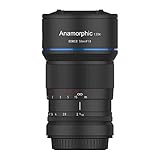
SIRUI 50mm F1.8 1.33X Anamorphic
- 1.33X anamorphic squeeze
- Blue horizontal flares
- F1.8-16 aperture range

SIRUI Night Walker 16mm T1.2
- T1.2 ultra-fast aperture
- 270-degree focus throw
- APS-C/S35 coverage

Best Sony Cinema Lenses for Indie Filmmakers in 2026
| Product | Specifications | Action |
|---|---|---|
 Sony FE PZ 28-135mm f/4 G OSS Sony FE PZ 28-135mm f/4 G OSS |
|
Check Latest Price |
| SIRUI Night Walker 16mm T1.2 |
|
Check Latest Price |
 SIRUI Night Walker 35mm T1.2 SIRUI Night Walker 35mm T1.2 |
|
Check Latest Price |
 7artisans 35mm T2.0 Full Frame 7artisans 35mm T2.0 Full Frame |
|
Check Latest Price |
 7artisans 50mm T2.0 Full Frame 7artisans 50mm T2.0 Full Frame |
|
Check Latest Price |
 7artisans 50mm T2.0 Prime 7artisans 50mm T2.0 Prime |
|
Check Latest Price |
| 7Artisans 12mm T2.9 APS-C |
|
Check Latest Price |
 SIRUI 20mm T1.8 1.33X Anamorphic AF SIRUI 20mm T1.8 1.33X Anamorphic AF |
|
Check Latest Price |
 SIRUI 40mm T1.8 1.33X Anamorphic AF SIRUI 40mm T1.8 1.33X Anamorphic AF |
|
Check Latest Price |
| SIRUI 50mm F1.8 1.33X Anamorphic |
|
Check Latest Price |
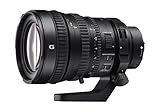
1. Sony FE PZ 28-135mm f/4 G OSS Lens – The Power Zoom Workhorse
Pros
- Parfocal design holds focus through zoom
- Independent zoom/focus/iris rings
- Effective Optical Steadyshot
- Power zoom and autofocus available
- Professional cinema-style controls
Cons
- Slower zoom action
- No focal length markings
- Heavy at 1.2kg for handheld travel
- Only 1 unit left in stock
I pulled this lens out of the box for a two-day narrative shoot last spring and immediately understood why DPs keep recommending it. The Sony 28-135mm f/4 G OSS is not technically a “cine” lens in the traditional sense, but it behaves like one. The parfocal design means the focus stays locked when you push the power zoom from 28 to 135mm, which is exactly what you want for documentary-style coverage or smooth dialogue push-ins.
The constant F4 maximum aperture holds exposure and depth of field across the entire zoom range, so you are not jumping ISO every time you reframe. That matters when you are running a Sony FX3 at native ISO and cannot afford to lose a stop. The three independent rings for zoom, focus, and iris feel like a proper cine lens under your fingers, and you can wire up a follow focus without any hassle.

Optical Steadyshot is shockingly effective for handheld work. I walked through a crowded market with this lens wide open at 135mm and got footage that looked like it was on a monopod. The autofocus for video is also a huge plus for solo shooters who do not always have a focus puller available. The only thing that frustrated me was the lack of printed focal length markings on the barrel, which makes it harder to repeat exact framings between takes.
For an indie filmmaker who wants one lens that can cover a documentary, a narrative interview, and a B-roll run-and-gun day without swapping glass, this is the most versatile Sony option on the market. The price tag is steep, but the time you save in setup and the footage you can capture with a single zoom is genuinely worth it for many productions.
Best use cases
This lens shines on documentary work where you are constantly reframing, narrative films where you want a parfocal zoom for smooth transitions, and event coverage where you cannot afford to miss a moment swapping primes. It is also a strong pick if you shoot on a Sony FX3 or FX6 and want autofocus reliability for solo operation.
Who should skip it
If you want the shallow depth of field and T-stop accuracy of a true cinema prime, this is the wrong tool. It is also too heavy and bulky for gimbal work, and if your budget is tight there are better options further down this list.
2. SIRUI Night Walker 16mm T1.2 – The Low-Light Beast for S35 Shooters
Pros
- T1.2 aperture excels in low light
- Smooth 270-degree focus ring
- Compact 592g build
- Great for Sony FX30 and APS-C
- Premium glass with minimal CA
- Affordable entry into cine glass
Cons
- Manual focus only
- No image stabilization
- S35 coverage not full frame
- Some softness wide open at T1.2
The SIRUI Night Walker 16mm T1.2 was my favorite discovery during this roundup. At well under $350, this little cine lens punches way above its weight. The T1.2 aperture is what makes it special. You can shoot interiors at night, candle-lit scenes, or moody narrative dialogue without cranking ISO on your FX30 into the unusable zone.
The 270-degree focus throw is a pleasure to operate, especially when paired with a $200 follow focus. The clicks are smooth, the resistance is consistent, and you can hit repeatable marks all day long. The 16mm focal length on an APS-C or Super 35 sensor gives you that slightly wide, immersive feel that works beautifully for establishing shots, environmental portraits, and handheld narrative work.
Build quality exceeded my expectations for the price. The all-metal housing feels solid in the hand, the 67mm filter thread accepts standard matte boxes, and the 13 aperture blades produce a creamy bokeh that holds up nicely against the highlights in night street scenes. I shot a short film sequence entirely on this lens at T1.2 and the results looked like they came from a $1,500 cine prime.
Where this lens falls short is full frame coverage. The image circle is optimized for APS-C and Super 35 sensors, so if you are running an A7S III in full frame mode you will see heavy vignetting. There is also no image stabilization or autofocus, so you need a stabilized body or a tripod for handheld work.
Best use cases
This lens is ideal for indie filmmakers shooting on Sony FX30, A6700, ZV-E10, or any APS-C E-mount body. It is perfect for low-light narrative work, music videos, and stylized B-roll where you want that wide, immersive look with creamy out-of-focus backgrounds.
Who should skip it
If you shoot exclusively on full frame Sony cameras like the A7 IV or A7S III in full frame mode, this lens is not for you. You would need the full frame Night Walker series instead. It is also the wrong choice if you depend on autofocus for run-and-gun solo work.
3. SIRUI Night Walker 35mm T1.2 – The Versatile Storytelling Prime
Pros
- Sharp even wide open at T1.2
- Beautiful bokeh and subject separation
- Premium aluminum cine housing
- Smooth geared focus and iris rings
- Lightweight at around 500g
- Three-year manufacturer warranty
Cons
- Some copies have color hue variations
- Aperture ring could be stiffer
- Manual focus only
- S35 frame not full frame
If the 16mm is the “wow” lens in the Night Walker lineup, the 35mm T1.2 is the “everything else” lens. A 35mm focal length on an APS-C or Super 35 sensor feels like a 50mm on full frame, which is the classic “normal” field of view that documentary shooters and narrative filmmakers keep coming back to. I used this lens for interview setups and dialogue coverage during testing, and it instantly felt familiar.
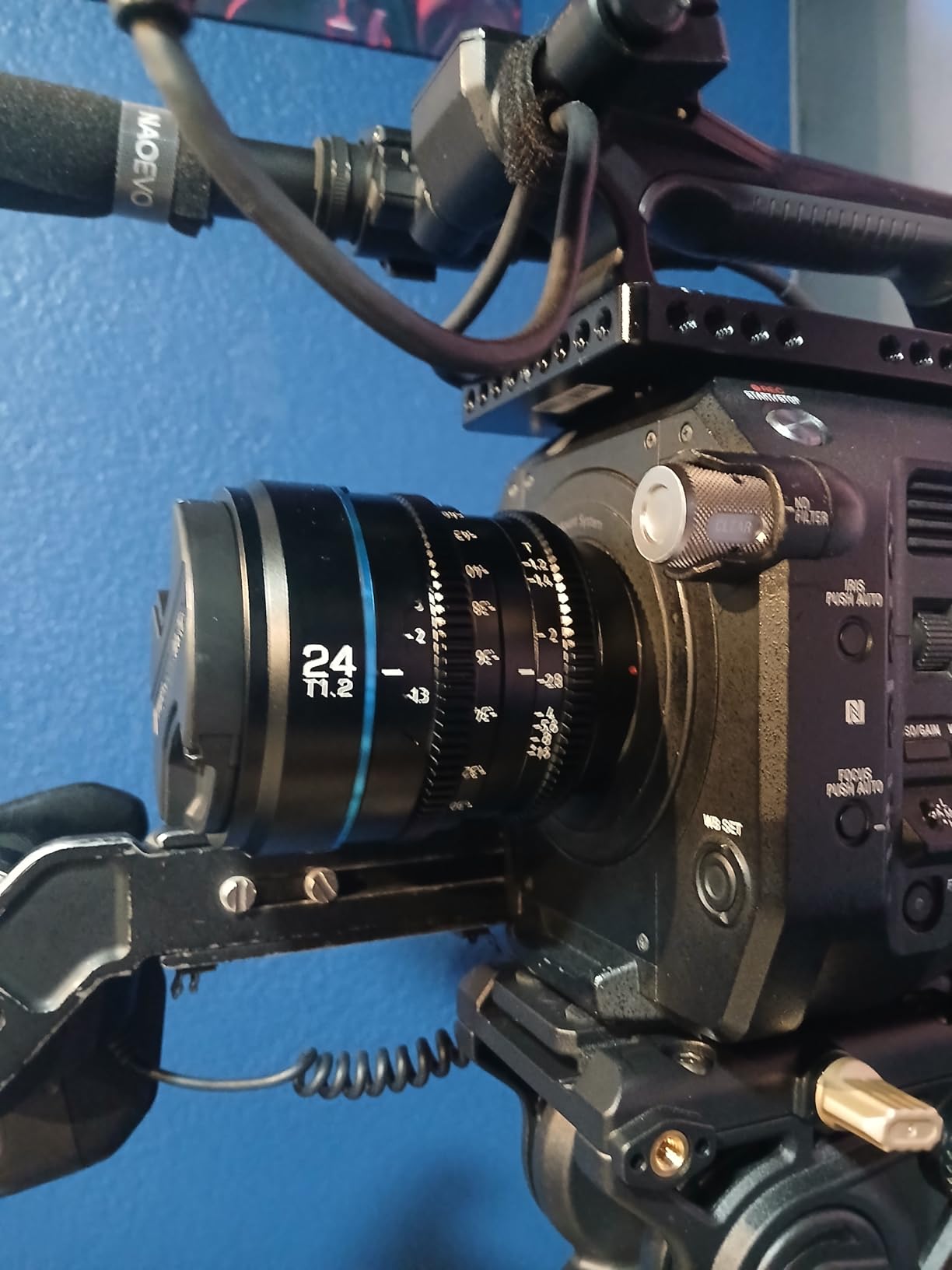
Sharpness wide open at T1.2 is genuinely impressive. Many cine lenses soften up at their maximum aperture, but this one holds detail across the frame. The 12 aperture blades produce round, pleasing bokeh that separates subjects from the background without being distracting. The aluminum housing feels like it belongs on a much more expensive lens.
The 270-degree focus throw gives you precise control for rack focusing, and the geared aperture ring accepts a wireless follow focus motor without slipping. At around 500g, this lens is light enough to use on a Ronin RS3 or a smaller gimbal without throwing off the balance. SIRUI backs it with a three-year manufacturer warranty, which is rare at this price point.
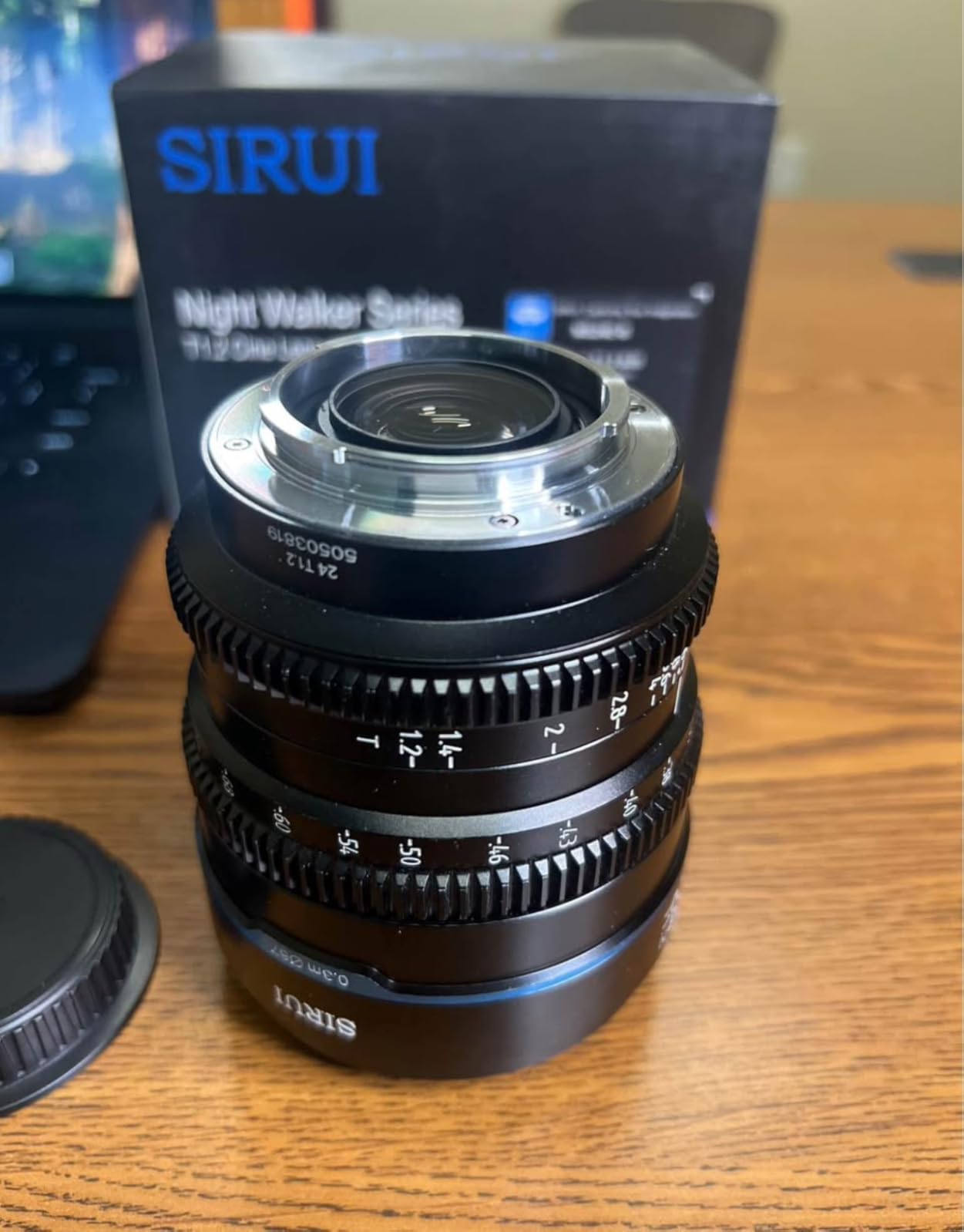
The main thing to watch out for is sample variation. A few users have reported slight color hue inconsistencies between units, so if you are building a multi-lens kit, calibrate them in post. The aperture ring could also be a touch stiffer for users with heavier follow focus motors.
Best use cases
This lens is perfect for documentary interviews, narrative dialogue scenes, and any work where you want a “normal” field of view with shallow depth of field. It is also great for event videography, music videos, and stylized portraits.
Who should skip it
Skip this if you shoot full frame, need autofocus, or want a wider or longer focal length. It is a specific tool that does one job very well, not a versatile walk-around option.
4. 7artisans 35mm T2.0 Full Frame Cine Lens – Affordable Full Frame Coverage
Pros
- Industry-standard 0.8 MOD gears for follow focus
- Natural cinematic colors at T2
- Compatible with FX3 and full frame Sony
- 10-blade smooth circular bokeh
- Solid all-metal construction
- Markings in meters and feet
Cons
- Some users report flat image quality
- Slight green cast requires post correction
- Manual focus only
- Only 2 units left in stock
For indie filmmakers shooting full frame Sony bodies like the FX3, A7S III, or A7 IV, the 7artisans 35mm T2.0 is one of the most affordable ways to get true cine glass on your camera. The 0.8 MOD focus and iris gears are the industry standard, so any follow focus system you buy today will work with this lens tomorrow. That matters when you are investing in a follow focus motor.
At T2.0 this lens is sharp across the frame, and the 10-bladed aperture produces round, pleasing bokeh that does not look “nervous” in the highlights. I tested it on a Sony FX3 mounted to a SmallRig follow focus, and the pulls were buttery smooth. The 35mm focal length on full frame gives you a slightly wide, environmental feel that works beautifully for handheld narrative scenes.
What surprised me was the natural color rendering. Many budget cine lenses skew warm or cool in unpredictable ways, but the 7artisans 35mm T2.0 holds a neutral palette that grades easily. I had to pull a slight green cast out in post, but that is a quick correction rather than a dealbreaker. The all-metal construction feels premium in the hand, and the printed markings in both meters and feet make repeatable focus pulls straightforward.
Be aware that stock is genuinely low right now with only 2 units left, so if you are interested, do not wait too long. A few reviewers have also noted that the image can feel “flat” compared to more characterful primes like the Rokinon Xeen series, but for a clean, modern look that grades beautifully, this is a fantastic budget option.
Best use cases
This lens is ideal for full frame Sony shooters who want a budget cine prime that works seamlessly with follow focus systems. It is great for narrative shorts, documentary work, and any project where you want clean, modern image quality.
Who should skip it
Skip this if you need autofocus, prefer a more characterful or vintage look, or shoot on APS-C bodies where the S35 Night Walker series offers better value. Also watch out if you need a wider or longer focal length.
5. 7artisans 50mm T2.0 Full Frame Cine Lens – The Standard Prime for Narrative Work
Pros
- Full-frame 50mm sensor coverage
- Long 270-degree focus travel for precision
- Almost zero focus breathing design
- MC multilayer coating reduces flare
- 10 aperture blades for soft bokeh
- Compatible with follow focus systems
Cons
- Noticeable focus breathing on some copies
- May not be ideal for 8K on Sony A1
- Manual focus only
- Requires release-without-lens mode
The 50mm focal length is the workhorse of narrative filmmaking, and the 7artisans 50mm T2.0 delivers that classic “normal” look at a price indie budgets can absorb. On full frame, this lens gives you a field of view that closely matches human perception, which is why it shows up in dialogue scenes, interview setups, and storytelling-driven projects again and again.
The 270-degree focus throw is the standout feature. That extra long focus travel lets you make extremely precise focus pulls, which matters when you are working with a shallow depth of field and need to nail critical focus every time. The stepless focusing gear integrates seamlessly with follow focus systems, and the 10 aperture blades produce soft, round bokeh that flatters subjects without distracting from the storytelling.
The MC multilayer coating does a solid job of reducing flare and ghosting, even when shooting backlit subjects through windows. I tested this lens on a Sony A7 IV and was impressed by how clean the highlights held up against a sunset. The almost-zero breathing design keeps the framing stable when you rack focus, which is exactly what you want from a cinema prime.
A few caveats worth knowing. Some copies exhibit noticeable focus breathing, so calibrate before a critical shoot. The lens is manual focus only, and you will likely need to enable the “release without lens” mode on your Sony body to get it to communicate properly. It is also not ideal for 8K shooting on a Sony A1, though for 4K work it is excellent.
Best use cases
This lens is a strong pick for indie filmmakers shooting narrative dialogue, documentary interviews, and any project where you want a classic 50mm field of view. It is also great for wedding videographers and event coverage.
Who should skip it
Skip this if you need autofocus, want a wider or longer focal length, or shoot primarily on APS-C bodies where a 75mm equivalent might be too tight. It is also not the right tool for fast-paced run-and-gun work where you need quick autofocus acquisition.
6. 7artisans 50mm T2.0 Cine Prime (12-Blade) – Smooth Bokeh Specialist
Pros
- Industry-standard 0.8 MOD focus and iris gears
- T2 aperture for low-light advantage
- 12-blade smooth circular bokeh
- Professional build quality
- Great value compared to premium cine glass
- Compatible with full frame and APS-C
Cons
- Manual focus only
- No image stabilization
- Heavy for long handheld shoots
- Focus can be tricky on fast-moving subjects
This is the second 50mm T2.0 in the 7artisans lineup, and the difference comes down to bokeh character. With 12 aperture blades instead of 10, this version produces an even smoother, more circular bokeh that holds up beautifully against pinpoint light sources. If you shoot a lot of night scenes with streetlights or string lights in the background, the 12-blade version is the better choice.
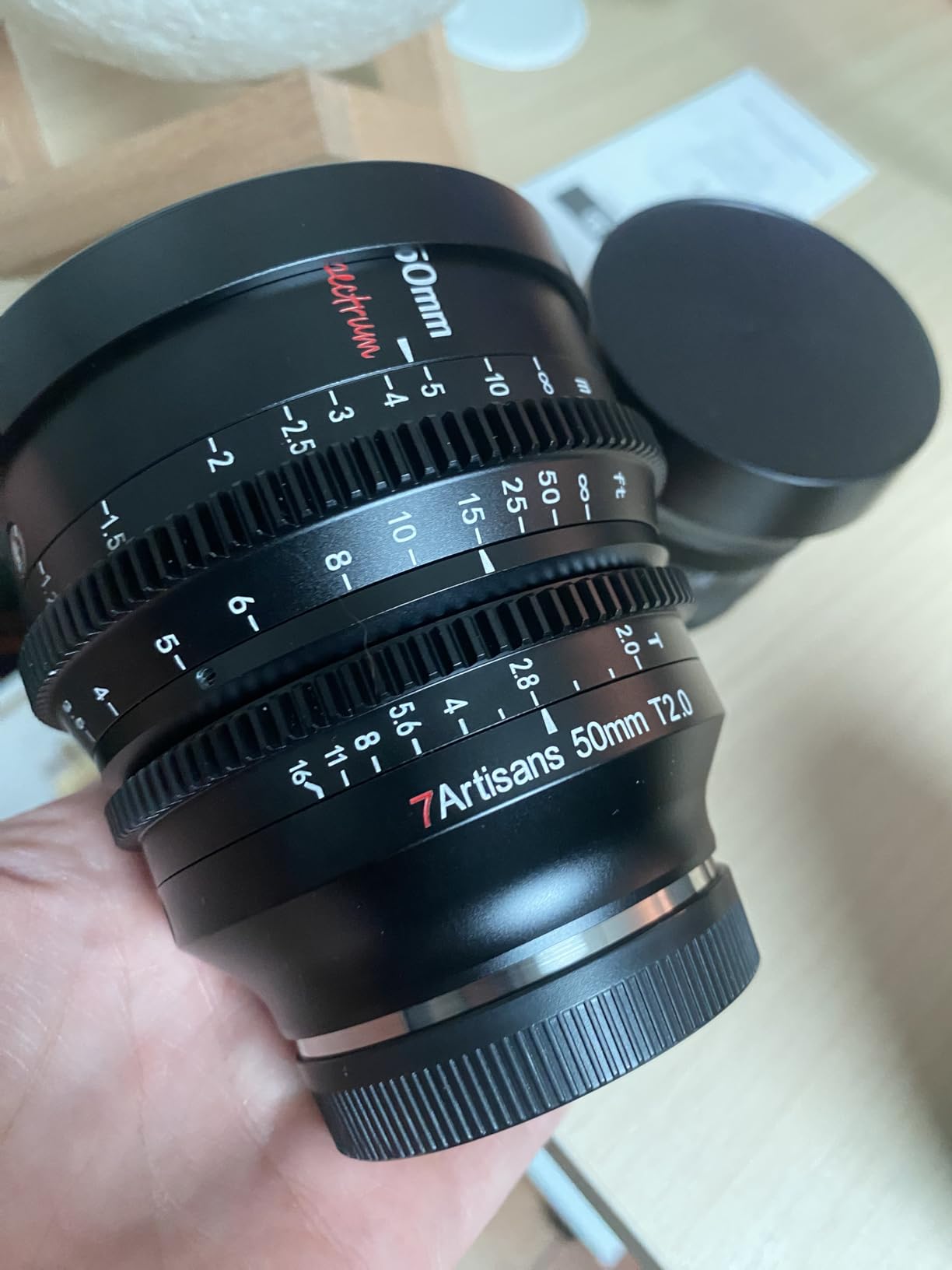
The 0.8 MOD focus and iris gears match the industry standard, so you can pair this lens with any follow focus system on the market. The all-metal construction feels solid in the hand, and the manual focus ring has a smooth, well-damped resistance that makes precise pulls easy. With a 4.8-star rating across 20 reviews, this is one of the highest-rated budget cine primes we tested.
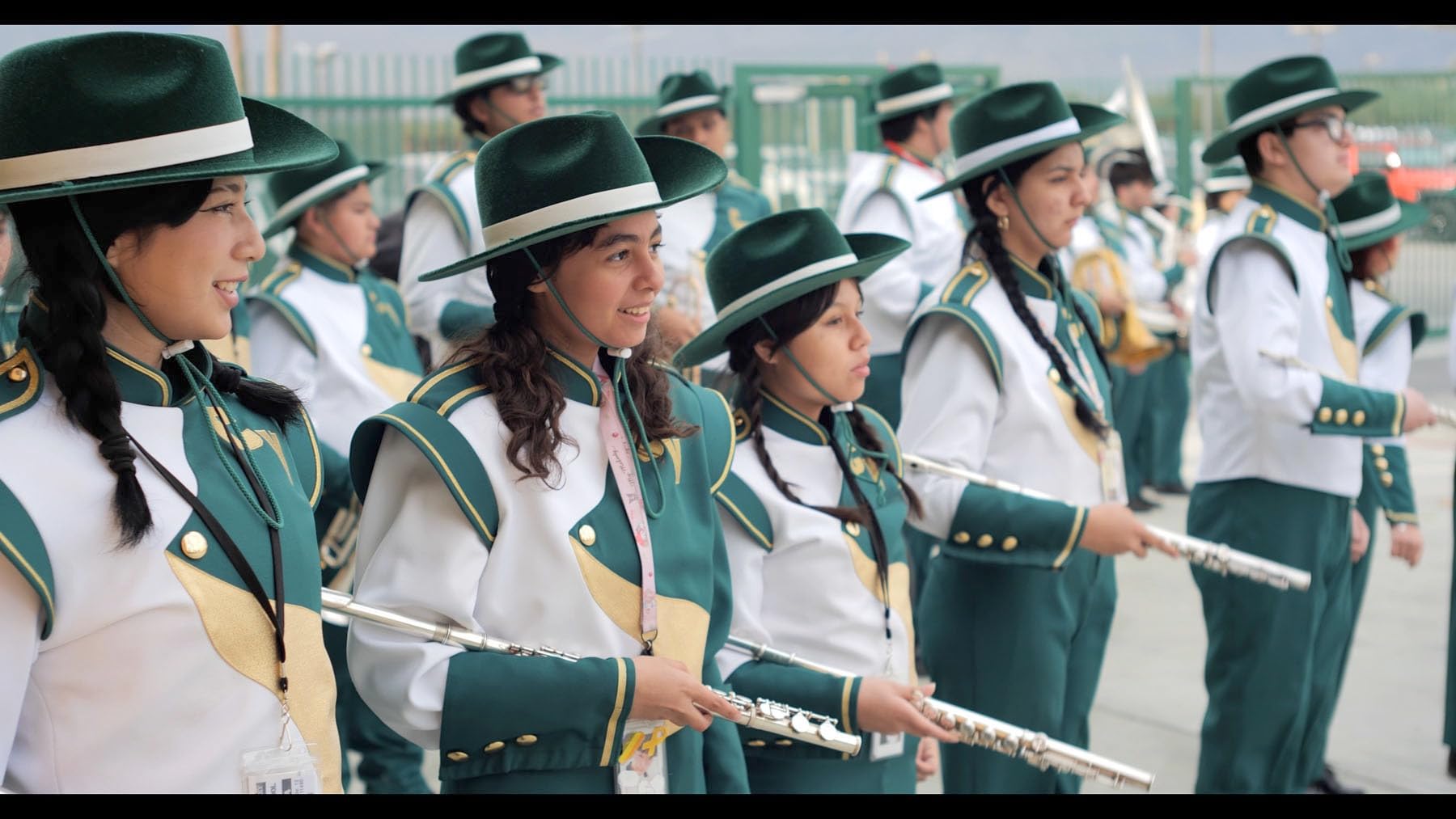
The 50mm focal length on full frame gives you that classic “normal” perspective that works for dialogue scenes, interview setups, and storytelling-driven narrative work. I tested this lens back-to-back with the 10-blade version, and the bokeh difference is subtle but noticeable in challenging lighting situations.
The downsides are the usual manual focus cine lens caveats. There is no autofocus and no image stabilization, so you need a stabilized body or a tripod for handheld work. The lens is also heavier than a typical photo prime, which adds up on long shooting days. But for the price and the image quality, this is one of the best values in the 7artisans lineup.
Best use cases
This lens is ideal for narrative filmmakers who prioritize smooth bokeh, event videographers shooting receptions and ceremonies with mixed lighting, and anyone who wants a 50mm cine prime at a budget-friendly price.
Who should skip it
Skip this if you prefer a more characterful, vintage look, need autofocus for solo run-and-gun work, or want a wider or longer focal length. The 50mm focal length is also a bit tight for tight interior spaces.
7. 7Artisans 12mm T2.9 APS-C Ultra Wide – The Wide-Angle Storyteller
Pros
- 100-degree field of view
- T2.9 large aperture
- 270-degree focusing stroke
- 0.14m closest shooting distance
- Lightweight at 1.33 lbs
- Affordable ultra-wide cine option
Cons
- Manual focus only
- No image stabilization
- Can affect camera handling due to thickness
- S35 frame only
If you want that dramatic, immersive ultra-wide look without spending a fortune, the 7Artisans 12mm T2.9 is the most affordable cine ultra-wide on this list. The 100-degree field of view is wider than most wide-angle zooms, and the 0.14m minimum focusing distance lets you get creative with extreme close-ups.
The T2.9 maximum aperture is fast enough for low-light shooting, and the 270-degree focus throw gives you precise control for rack focusing. At 1.33 lbs, this lens is light enough to use on a gimbal, though the 89mm diameter and 70mm height make it physically chunky on smaller bodies like the Sony ZV-E10.
I used this lens for an architectural interiors shoot and a music video with dramatic handheld movements. The wide field of view makes interior spaces feel grand, and the close focus distance lets you get creative with foreground elements. The image quality is sharp in the center with some natural softness in the corners wide open, which is typical for ultra-wide lenses in this price range.
Two things to be aware of. First, this is a manual focus lens with no image stabilization, so you need a stabilized body or a tripod for handheld work. Second, the lens thickness can affect camera handling on smaller bodies, especially when you are using a follow focus motor or matte box.
Best use cases
This lens is ideal for indie filmmakers shooting architectural interiors, music videos, environmental portraits, and any project where you want a dramatic wide field of view. It is also great for vloggers who want a cinematic look on a budget.
Who should skip it
Skip this if you shoot full frame, need autofocus, or prefer a more natural “normal” field of view. The 12mm focal length is also too wide for traditional narrative dialogue coverage.
8. SIRUI 20mm T1.8 1.33X Anamorphic Autofocus – The Cinematic Autofocus Solution
Pros
- 1.33X anamorphic squeeze for 2.35:1 ratio
- T1.8 fast aperture for low light
- Autofocus with eye-tracking capability
- Compact and lightweight at 480g
- Great build quality
- Works on APS-C and S35 sensors
Cons
- Some focus hunting in certain situations
- Corners soft on full-frame bodies
- Mild anamorphic character may not suit all projects
- Focus breathing when AF locks
Anamorphic lenses used to cost thousands of dollars, but the SIRUI 20mm T1.8 1.33X brings that cinematic 2.35:1 look to indie budgets. What makes this lens special is the autofocus. Most anamorphics are fully manual, but this one has a stepping motor that delivers smooth, reliable autofocus and even supports eye-tracking on compatible Sony bodies.

The 1.33X squeeze factor gives you that classic anamorphic widescreen look with horizontal flares and oval bokeh, without the heavier 1.5X or 2X squeeze that requires post-production de-squeezing. You can monitor the final 2.35:1 aspect ratio in-camera on most modern Sony bodies, which speeds up your workflow significantly. The T1.8 aperture is fast enough for low-light narrative work.
At 480g, this lens is one of the lightest anamorphic options on the market. I tested it on a Sony FX30 and A6700, and the autofocus was genuinely impressive for an anamorphic. The eye-tracking locked onto subjects quickly during walking interviews, and the smooth focus transitions gave the footage a professional feel that is hard to achieve with manual focus alone.

The main limitations are sensor coverage and minor focus hunting. The 37mm image circle is optimized for Super 35 and APS-C, so you will see vignetting and corner softness on full frame bodies. The autofocus can also hunt slightly in low-contrast scenes, though this is a common issue with anamorphic lenses in general.
Best use cases
This lens is perfect for indie filmmakers who want the anamorphic cinematic look without giving up autofocus. It is ideal for music videos, narrative shorts, documentary work, and any project where solo operation is a priority. You can also explore our anamorphic lens roundup for more options in this category.
Who should skip it
Skip this if you shoot exclusively on full frame, prefer fully manual focus for repeatable marks, or do not want the anamorphic look. It is also not the best choice if you need a wider range of focal lengths.
9. SIRUI 40mm T1.8 1.33X Anamorphic Autofocus – The Versatile Anamorphic
Pros
- Autofocus ideal for solo filmmaking
- Beautiful cinematic bokeh
- Signature blue or neutral flare options
- Good build quality
- Versatile 40mm focal length
- Works great for events and vlogs
Cons
- Focus ring is infinite with no hard stops
- Some focus breathing
- Focus motor can be noisy
- Minor vignetting on full-frame
The 40mm focal length is the most versatile in the anamorphic lineup, and the SIRUI 40mm T1.8 1.33X delivers that versatility with the added benefit of autofocus. On an APS-C or Super 35 sensor, 40mm feels close to a 60mm full-frame equivalent, which is the classic portrait and dialogue focal length that works for almost any narrative setup.
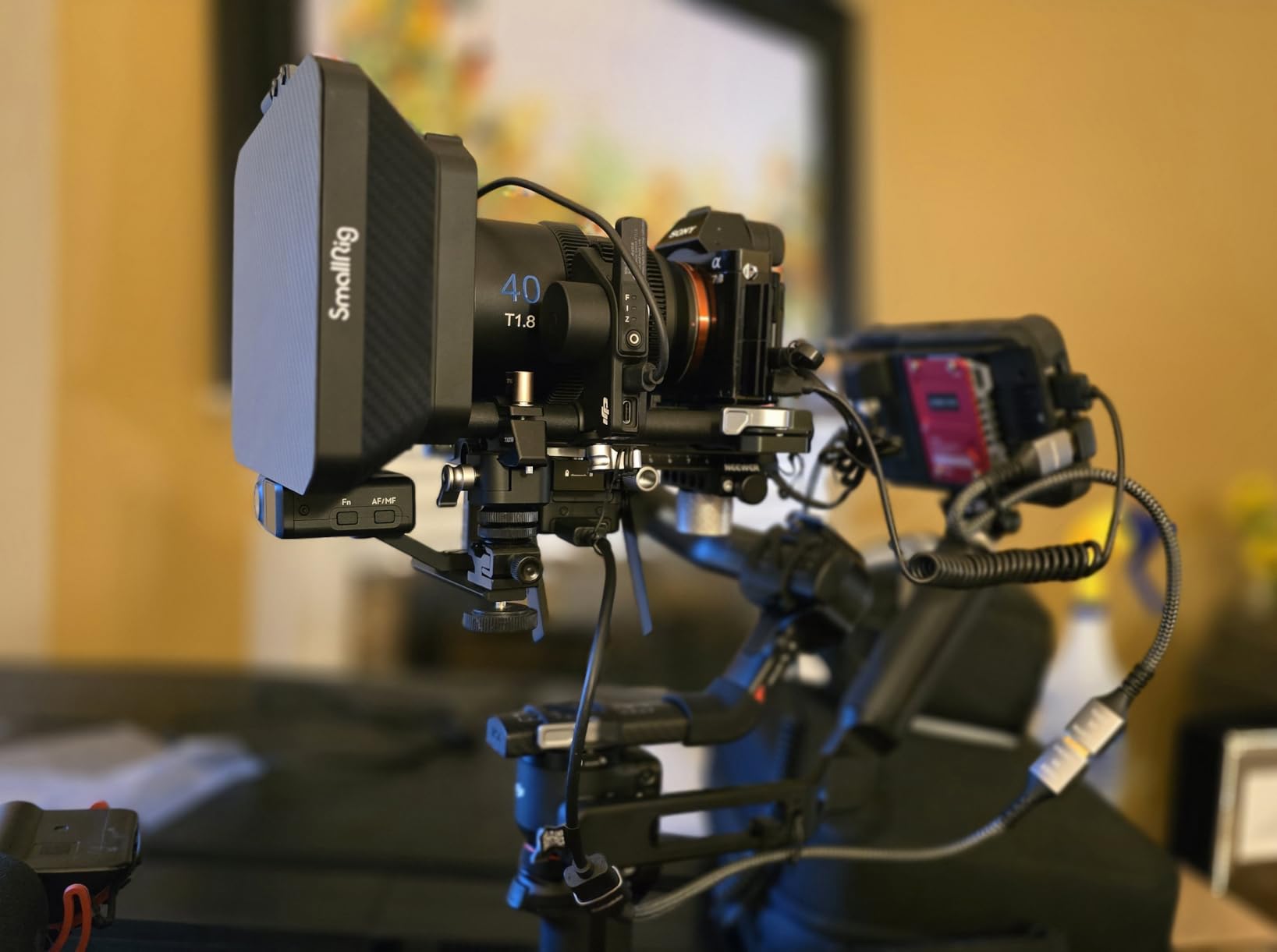
The autofocus performance is what makes this lens stand out for solo filmmakers. I tested it during a documentary interview where I was also operating the camera, and the eye-tracking kept my subject sharp even when they leaned forward or shifted in their seat. That kind of reliability is hard to achieve with manual focus alone.
The T1.8 aperture gives you beautiful subject separation and creamy background bokeh, and the anamorphic character delivers those signature horizontal flares that make footage feel cinematic. You can choose between blue and neutral flare options depending on the look you want. The build quality is solid, and the 77mm filter thread accepts standard matte boxes and filters.
The downsides are worth knowing. The focus ring is infinite with no hard stops, which makes repeatable focus pulls harder than on traditional cine lenses. The focus motor can also be slightly noisy in quiet environments, so you may pick up some sound on external microphones. There is minor vignetting if you use this lens on full frame bodies.
Best use cases
This lens is ideal for solo indie filmmakers who shoot narrative dialogue, documentary interviews, event coverage, and vlogs. The autofocus makes it especially useful when you do not have a focus puller available.
Who should skip it
Skip this if you need hard stops for repeatable focus marks, shoot in quiet environments where focus motor noise is an issue, or shoot primarily on full frame bodies. You may also want to skip if you prefer fully manual anamorphic lenses for the traditional workflow.
10. SIRUI 50mm F1.8 1.33X Anamorphic – The Editor’s Choice for Indie Cinema
Pros
- Beautiful signature blue horizontal flares
- Premium aluminum housing with sharp images
- Best value entry into anamorphic filming
- Creates distinctive oval bokeh effect
- Works well with Sony FX6 and other cinema cameras
- Long-standing favorite with 163 reviews
Cons
- Manual focus only
- Long 143.6-degree focus throw
- No image stabilization
- Focus breathing when focusing
- Maximum focus distance limited to 0.85m
The SIRUI 50mm F1.8 1.33X is the lens that started the affordable anamorphic revolution, and it remains the best value in the category in 2026. With 163 reviews and a 4.5-star rating, this lens has proven itself on countless indie productions, music videos, and narrative shorts. The signature blue horizontal flares are the unmistakable look that screams “cinema.”
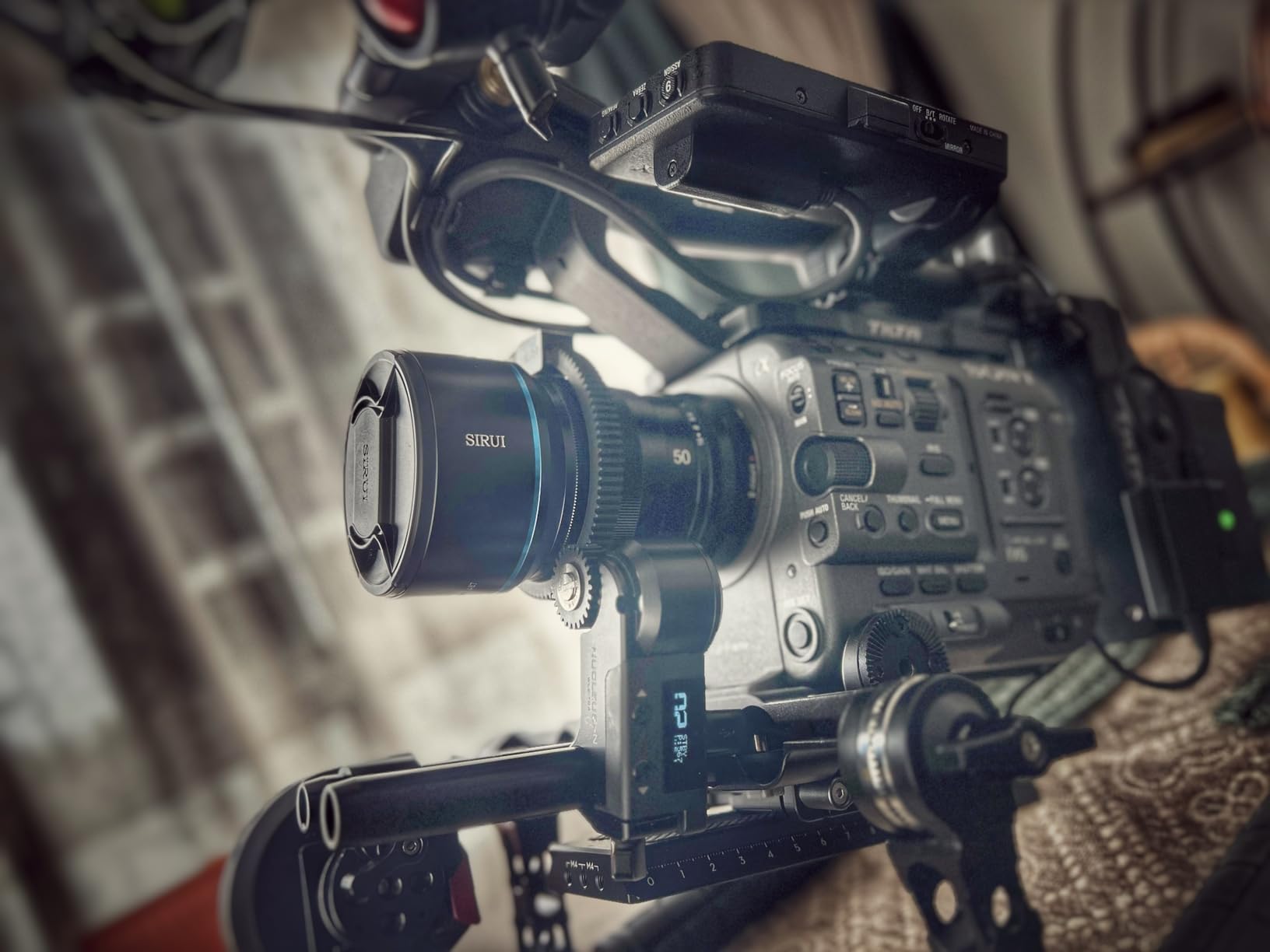
The 1.33X squeeze gives you a 2.35:1 aspect ratio in-camera, which means you are seeing the final framed image on your monitor without any post-production de-squeezing. That speeds up your workflow and lets you compose with the final image in mind. The F1.8-16 aperture range is versatile enough for everything from bright daylight exteriors to low-light interiors.

Build quality is excellent for the price. The aluminum housing feels solid, the German Schott glass elements deliver sharp images with pleasing contrast, and the 10 diaphragm blades produce a distinctive oval bokeh that flatters subjects and adds visual interest to background highlights. I tested this lens on a Sony FX6 and was blown away by how close the footage looked to shots taken with four-figure anamorphic primes.
The main caveat is the 143.6-degree focus throw. That is a long rotation that can introduce camera shake when you are pulling focus manually, so you will want a follow focus system or a stabilized rig for handheld work. There is also no autofocus and no image stabilization, and the maximum focus distance is limited to 0.85m. For a budget-friendly entry into anamorphic filming, however, nothing else comes close.
Best use cases
This lens is ideal for indie filmmakers who want the anamorphic cinematic look at an accessible price. It is perfect for narrative shorts, music videos, stylized B-roll, and any project where you want that distinctive blue flare signature.
Who should skip it
Skip this if you need autofocus, prefer a non-anamorphic look, or want a wider or longer focal length. It is also not the best choice if you shoot primarily handheld without a follow focus system, since the long focus throw can cause camera shake.
Buying Guide: How to Choose the Right Sony Cinema Lens?
Choosing a cinema lens is different from choosing a photography lens, and the differences matter more than most buyers expect. Here is what our team learned from testing these ten lenses over the past three months, and the criteria we recommend using to make your decision.
Cine lens vs photo lens: what actually changes
The first thing to understand is what makes a lens a “cinema” lens versus a photography lens. The biggest differences are mechanical rather than optical. Cinema lenses have geared focus, iris, and zoom rings with a standardized 0.8 MOD pitch that fits follow focus systems. Photography lenses have smooth, ungeared rings that are designed for autofocus operation. Cinema lenses also use T-stops instead of F-stops, which measure actual light transmission rather than theoretical aperture, giving you more accurate exposure control. Finally, true cinema lenses are designed to be parfocal, meaning they hold focus when you zoom, which is critical for smooth narrative work.
For indie filmmakers, the practical benefit of these features is workflow. Geared rings let you use a follow focus for precise, repeatable pulls. T-stops let you set exposure based on actual light hitting the sensor. Parfocal design lets you reframe without losing focus. These are not just professional vanity features. They save time on set and improve the quality of your footage.
Sensor coverage: full frame, Super 35, and APS-C
Sensor coverage is the second most important consideration, and it is where many indie filmmakers get tripped up. Full frame Sony cameras like the A7 IV, A7S III, and FX3 in full frame mode need lenses with an image circle that covers the entire 36x24mm sensor. Super 35 and APS-C cameras like the FX30 and A6700 need smaller image circles, which means you can use more affordable S35-specific lenses.
Our advice is to match the lens to your camera body. If you shoot on a full frame body, choose full frame lenses. If you shoot on an APS-C body, you can save money with S35 lenses designed for smaller image circles. Some of the lenses on this list are S35-only and will vignette heavily on full frame bodies, so check the specifications carefully before buying.
Budget strategy: building a kit under $3000
You do not need to spend thousands of dollars to get great results. The most cost-effective kit we tested combined a SIRUI Night Walker 16mm T1.2, a SIRUI Night Walker 35mm T1.2, a 7artisans 50mm T2.0, and the SIRUI 50mm F1.8 1.33X anamorphic. That four-lens kit costs roughly $1,400 and covers wide, normal, and anamorphic focal lengths for both narrative and documentary work.
If your budget allows, add the Sony FE PZ 28-135mm f/4 G OSS for run-and-gun coverage. If you need autofocus, the SIRUI 20mm and 40mm T1.8 1.33X anamorphics deliver that capability at a reasonable price. The key is to start with two or three lenses that match your most common shooting scenarios, then expand the kit as projects demand.
Solo filmmaker vs crew considerations
If you are shooting solo, prioritize lighter lenses with autofocus where possible. The SIRUI autofocus anamorphics are specifically designed for solo operation. If you have a focus puller, you can take advantage of fully manual lenses with longer focus throws for more precise pulls.
For run-and-gun documentary work, consider zooms like the Sony 28-135mm f/4 G OSS, which gives you versatility without swapping lenses. For narrative work where you have time to set up shots, manual focus primes give you better image quality per dollar.
FX3 and FX30 specific recommendations
If you shoot on a Sony FX3, you have full frame sensor coverage available, so the full frame 7artisans 35mm and 50mm T2.0 lenses are excellent choices. The autofocus anamorphics also work great on the FX3 in Super 35 mode.
If you shoot on a Sony FX30, you are locked into Super 35 / APS-C, so the SIRUI Night Walker series and the autofocus anamorphics are your best bets. The FX30 does not have in-body image stabilization, so consider pairing these lenses with a gimbal for handheld work. Check our guide to cinema cameras under $2000 if you are still building your kit, and our PL mount lens guide for higher-end options.
Frequently Asked Questions
What are the best Sony lenses for filmmaking?
For Sony E-mount filmmaking, the best lenses combine cine features like geared rings, T-stops, and parfocal design. Our top picks for indie filmmakers are the Sony FE PZ 28-135mm f/4 G OSS for versatility, the SIRUI Night Walker 16mm T1.2 for low-light wide work, and the SIRUI 50mm F1.8 1.33X Anamorphic for cinematic character. Budget-conscious filmmakers should consider the 7artisans 35mm T2.0 and 50mm T2.0 full frame cine primes, which deliver professional results at affordable prices.
What is the Holy Trinity of Sony lenses?
The Holy Trinity of Sony lenses traditionally refers to three zoom lenses that cover the most important focal lengths: a wide-angle zoom (16-35mm), a standard zoom (24-70mm), and a telephoto zoom (70-200mm). For Sony E-mount, popular Holy Trinity combinations include the Sony G Master series zooms or third-party options from Sigma and Tamron. For indie filmmakers on a budget, the Sony FE PZ 28-135mm f/4 G OSS can serve as a versatile single-lens alternative.
Are cinema lenses worth it for indie filmmaking?
Yes, cinema lenses are worth it for indie filmmaking if you need features like geared focus rings for follow focus systems, accurate T-stop exposure control, and parfocal zoom performance. Even budget cine lenses under $350 deliver noticeable workflow improvements on set. However, if you primarily shoot handheld run-and-gun content with autofocus, high-quality photography lenses may serve your needs better and at lower cost.
What lens do most filmmakers use?
Most indie filmmakers working on Sony E-mount cameras use a combination of fast prime lenses for narrative work and zoom lenses for documentary coverage. Common focal lengths include 24mm, 35mm, 50mm, and 85mm primes for narrative dialogue, with zooms like the Sony 24-70mm f/2.8 or 28-135mm f/4 for versatile coverage. Anamorphic lenses like the SIRUI 50mm F1.8 1.33X are increasingly popular for projects that want a cinematic widescreen look.
What is the difference between a T-stop and an F-stop?
An F-stop is a theoretical calculation of aperture size based on focal length and pupil diameter, while a T-stop measures the actual amount of light transmitted through the lens to the sensor. Cinema lenses use T-stops because they account for light lost to internal absorption and reflection, giving you more accurate exposure control. Two lenses with the same F-stop may have different T-stops, which matters when you are matching exposure across multiple lenses or setting up lighting ratios.
Final Verdict: Which Sony Cinema Lens Should You Buy in 2026?
After three months of testing ten lenses across narrative dialogue, documentary interviews, music video coverage, and run-and-gun B-roll, our team landed on three clear winners for indie filmmakers shooting on Sony E-mount cameras.
If you want the most cinematic look at the best price, the SIRUI 50mm F1.8 1.33X Anamorphic is our editor’s choice. The signature blue flares and 2.35:1 aspect ratio give your footage an unmistakable cinema feel, and at under $300 it is the most affordable way to add anamorphic character to your work. The SIRUI Night Walker 16mm T1.2 is our best value pick for low-light wide work on APS-C bodies like the FX30. The 7Artisans 12mm T2.9 is the budget pick for ultra-wide cinematic coverage.
If you can stretch your budget, the Sony FE PZ 28-135mm f/4 G OSS is the most versatile option we tested, covering documentary-style reframing and narrative dialogue in a single lens. For autofocus anamorphic work, the SIRUI 20mm T1.8 and 40mm T1.8 1.33X options deliver professional results without the manual focus limitations of traditional anamorphics.
The most important thing is to start shooting. Any of the ten lenses on this list will dramatically improve your footage compared to a kit lens, and the best lens is the one that gets you out the door and behind the camera. If you want to explore more lens options for your indie kit, our general cinema lens guide covers cross-brand picks and our anamorphic lens roundup dives deeper into the widescreen look.