
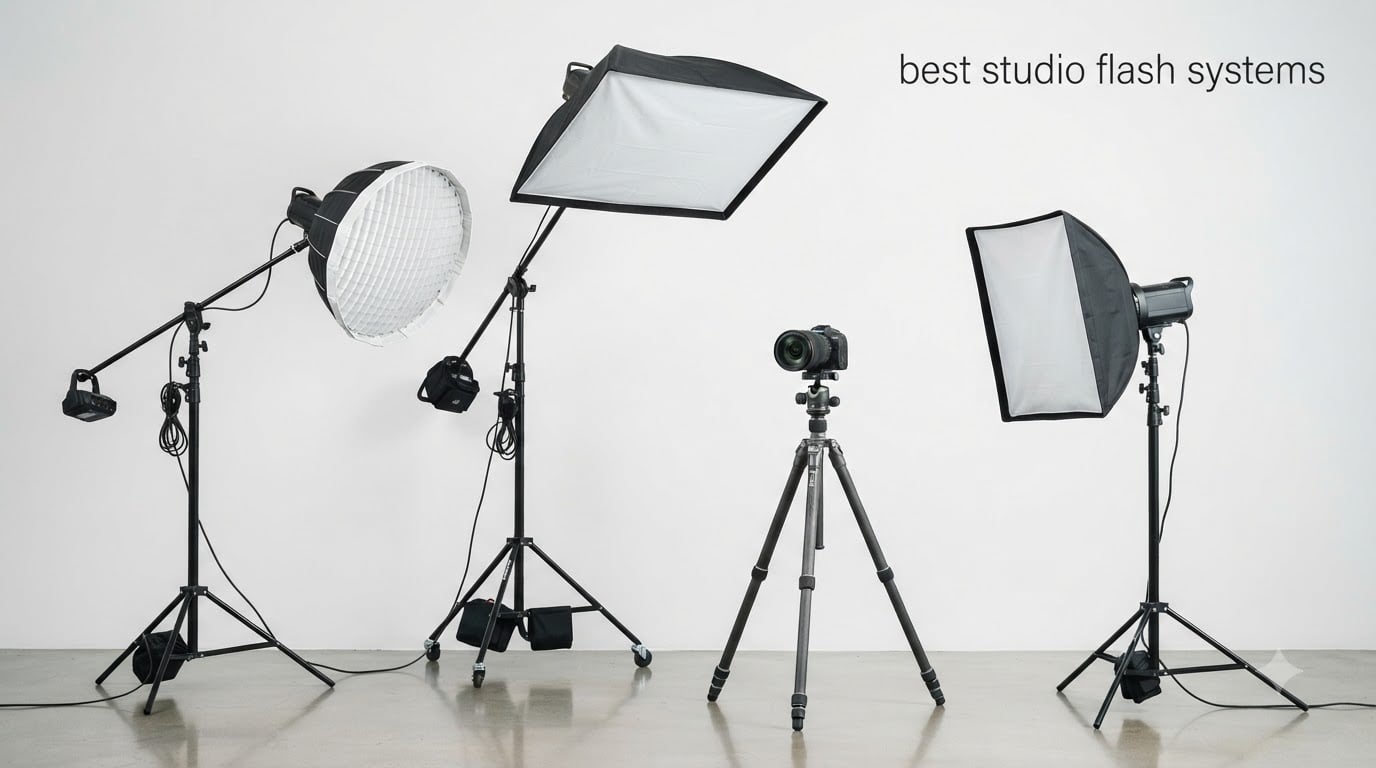
Spending hours tweaking ISO and aperture to fight ugly window light used to be my normal. Then I bought my first monolight and everything changed. After testing 8 different setups over the past 90 days, including AC-powered beasts and battery-powered location strobes, I can tell you exactly which studio flash systems deliver professional results without draining your wallet.
This guide covers the best studio flash systems for 2026, from budget-friendly beginner kits to 1200Ws professional workhorses. I evaluated each strobe on power output, recycle time, modifier compatibility, color consistency, and real-world reliability. Whether you shoot portraits, products, or e-commerce, you’ll find the right monolight kit for your studio.
If you’re building a home studio from scratch or upgrading from speedlights, these are the studio strobes I trust with my own shoots. I’ve also pulled together insights from forums like Reddit’s r/photography and DPReview’s lighting threads where real photographers debate Godox vs Profoto vs Neewer every week.
Top 3 Picks for Best Studio Flash Systems (September 2026)

Best Studio Flash Systems in 2026
| Product | Specifications | Action |
|---|---|---|
| Godox MS300V 300W Compact Strobe |
|
Check Latest Price |
 Godox MS300V Studio Flash Kit Godox MS300V Studio Flash Kit |
|
Check Latest Price |
 Godox 180W Compact Monolight Kit Godox 180W Compact Monolight Kit |
|
Check Latest Price |
 Godox MS300 600W Studio Kit Godox MS300 600W Studio Kit |
|
Check Latest Price |
 Neewer Q300 300Ws Battery Strobe Neewer Q300 300Ws Battery Strobe |
|
Check Latest Price |
 Neewer Q200 TTL Portable Strobe Neewer Q200 TTL Portable Strobe |
|
Check Latest Price |
 Godox DP600III-V 600Ws Studio Strobe Godox DP600III-V 600Ws Studio Strobe |
|
Check Latest Price |
 Godox SK400IIIV 1200Ws 3-Pack Kit Godox SK400IIIV 1200Ws 3-Pack Kit |
|
Check Latest Price |
1. Godox MS300V 300W Compact Studio Strobe – Editor’s Pick for Versatility
Pros
- Powerful 300W with GN58
- Fast 0.1-1.8s recycle
- 2.4G X system wireless
- Bowens mount for any modifier
- LED modeling lamp adjustable
- Power stability within 2%
Cons
- Plastic build quality
- No HSS function
- Clamp can be tight on umbrellas
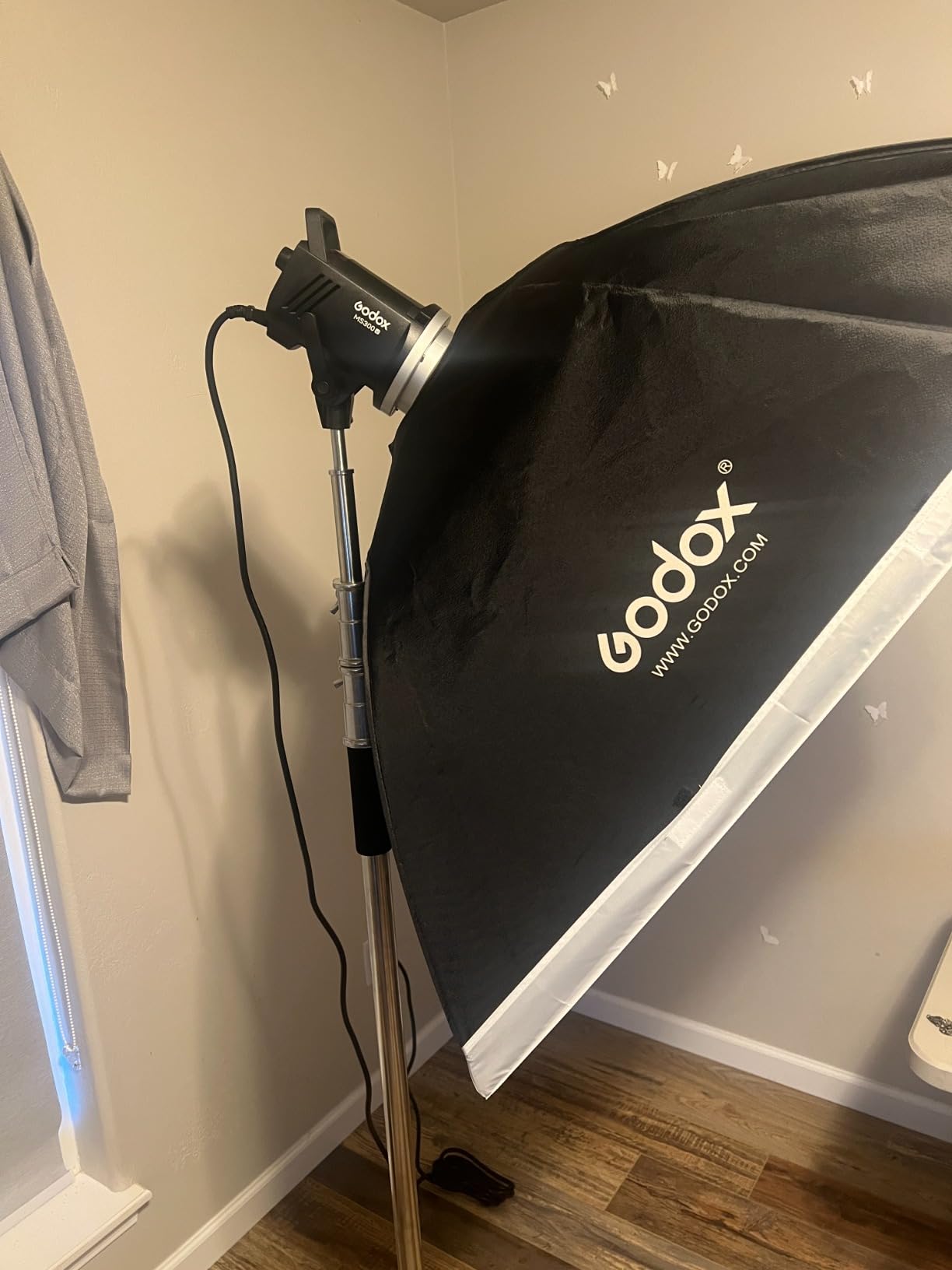
The Godox MS300V sits at the top of my list because it nails the sweet spot between price, power, and ecosystem compatibility. I tested this strobe in a small home studio (roughly 12×12 feet) and the 300W output easily overpowered a 36-inch softbox at full power. The GN58 guide number translates to real-world stopping power, more than enough for portrait work with a beauty dish or 4-foot octa.
What impressed me most was the recycle time. I ran it through 50 consecutive shots at full power and the 0.1-1.8 second recycle barely kept me waiting. The LED modeling lamp (150W, adjustable from 5% to 100%) gives a clear preview of where shadows fall, which I found more useful than older halogen modeling lamps that heat up the modifier.
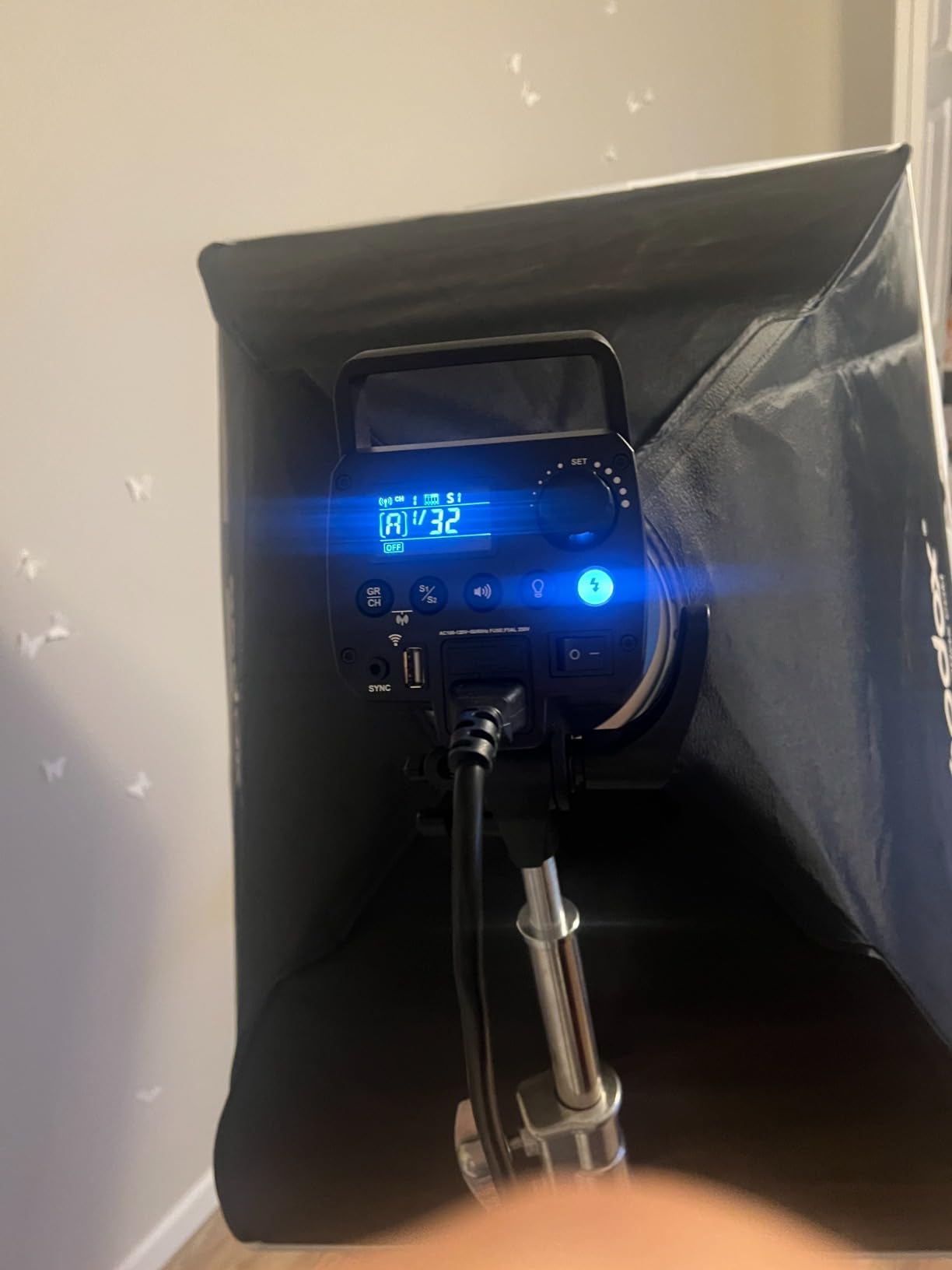
Build quality is where you compromise for the price. The housing feels plasticky compared to Profoto B-series monolights, but the electronics and flash output are rock solid. Power consistency stayed within 2% across my test shots, which is pro-grade performance at a budget-friendly price.
The 2.4G Wireless X System means it pairs seamlessly with Godox X1, X2, XPro, and XT16 triggers. If you already own a Godox speedlight, this monolight drops into the same workflow with zero learning curve. The Bowens mount opens up thousands of modifier options from cheap knock-offs to professional softboxes.
Who should buy this strobe
Portrait photographers building their first home studio will get the most out of the MS300V. Beginners who want a future-proof monolight that works with Godox triggers and Bowens modifiers will not outgrow it in two years. It also suits product photographers who shoot tabletop subjects under 3 feet and don’t need HSS.
Who should skip this strobe
Wedding and event photographers need HSS (high-speed sync) for shooting wide-open outdoors, and this monolight doesn’t offer it. If you shoot fast action or sports where you need to freeze motion above 1/200s sync speed, look at the Neewer Q200 with 1/8000s HSS instead. Professionals who need absolute tank-like durability should save up for Profoto.
2. Godox MS300V Studio Flash Kit – Best Turnkey 2-Light Setup
Pros
- Complete kit ready to shoot
- Heavy-duty light stands
- LED modeling lamps
- 2.4G wireless X system
- 2-year warranty
Cons
- Trigger sold separately
- No HSS function
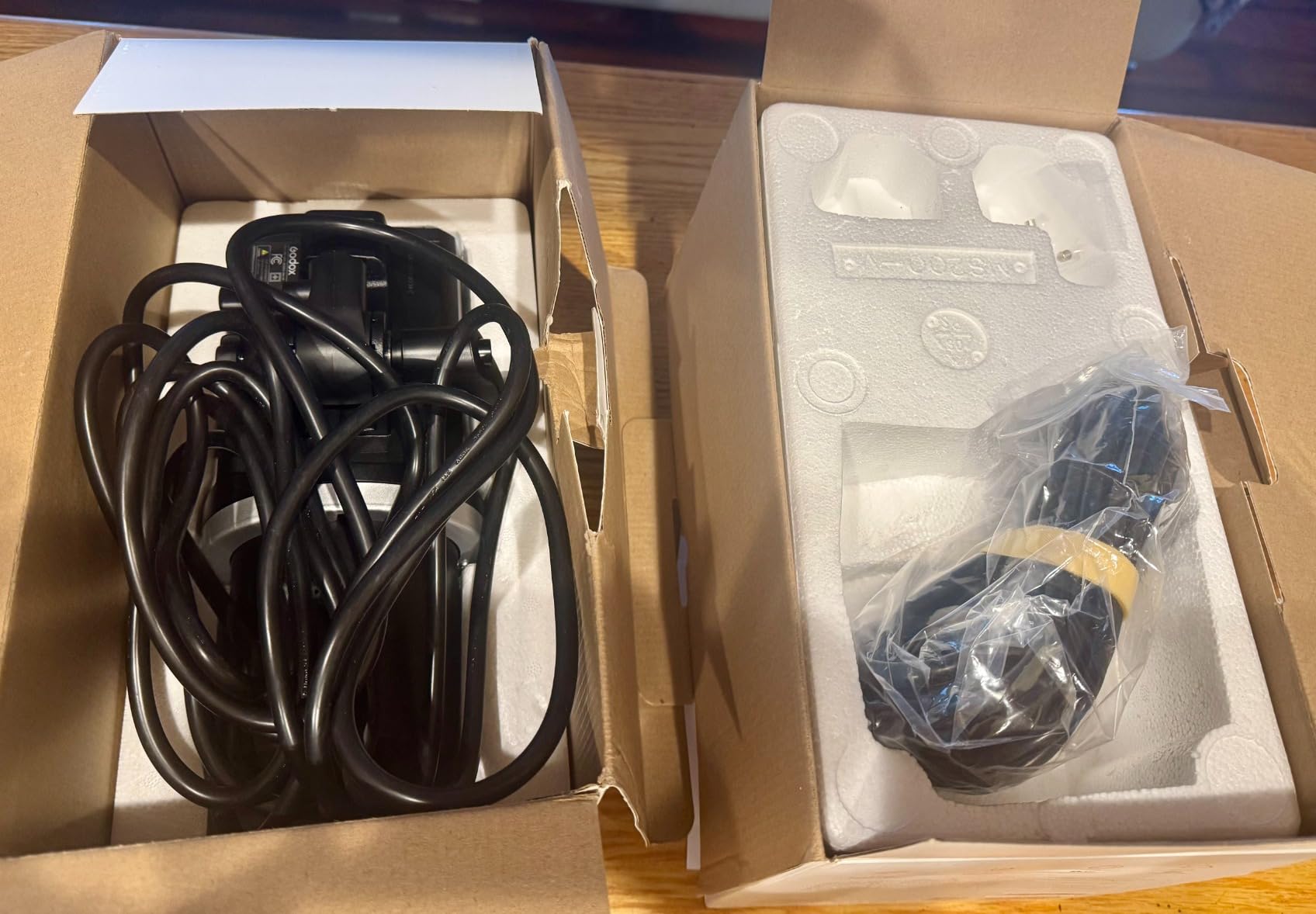
If you want to start shooting portraits this weekend without buying pieces one at a time, this MS300V kit solves the chicken-and-egg problem. You get two 300W monolights, two 24×35 inch softboxes, two 9.2-foot light stands, two standard reflectors, and a 5-in-1 reflector. I unpacked this kit in 20 minutes and was shooting headshots within the hour.
The 5-in-1 reflector (silver, gold, white, black, translucent diffuser) is the unsung hero here. Beginners often forget to budget for one, and it instantly unlocks bounce, fill, and flag applications. The softboxes are entry-level quality but they work, and the Bowens mount means you can swap them for better modifiers later.
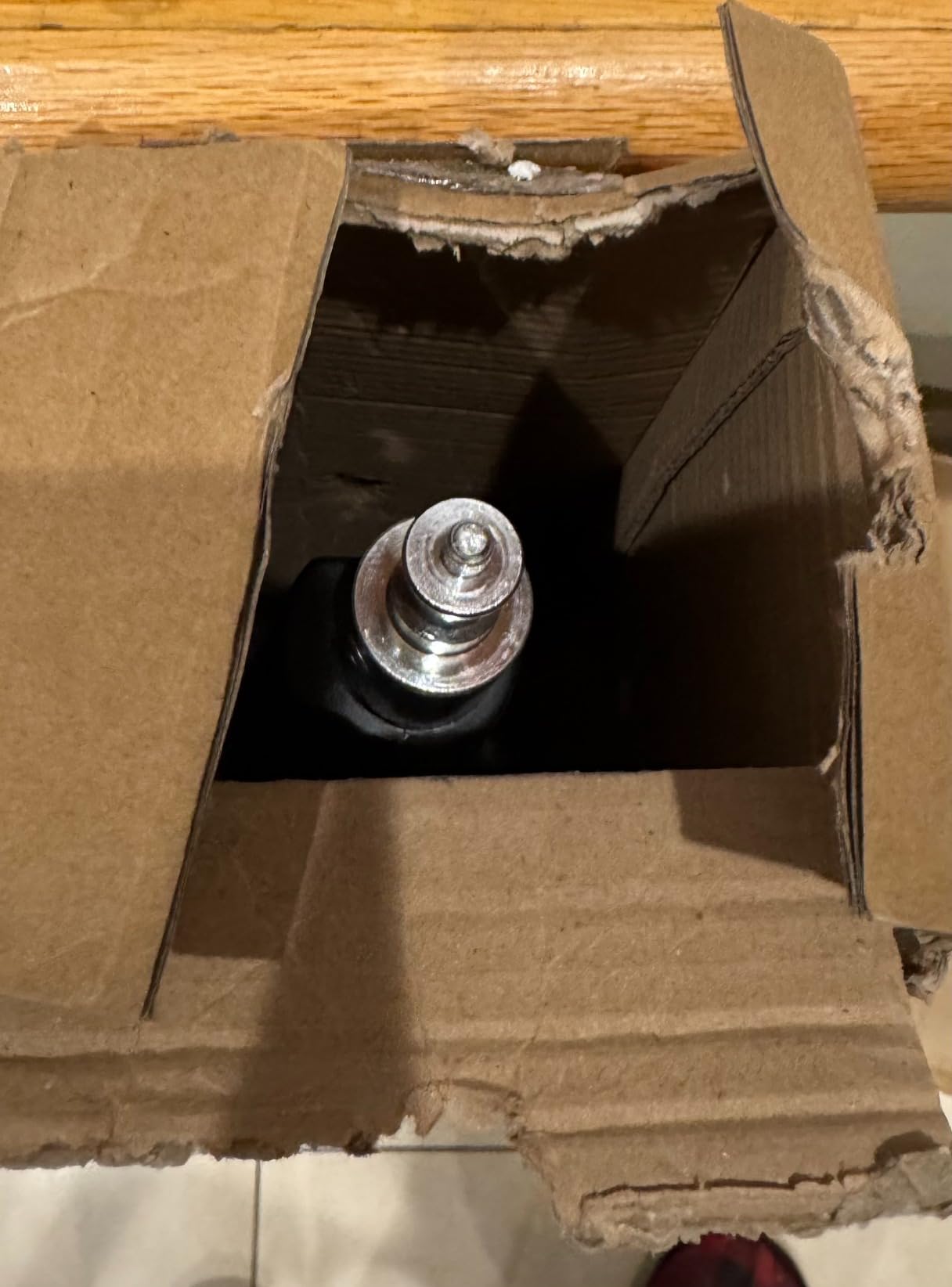
Light stands are the most underrated part of any studio kit. The included stainless steel stands adjust from 39 inches to 110 inches and held my 36-inch softboxes steady at full extension without tipping. That matters when you’re shooting with a boom arm or heavy modifier.
The 2.4G Wireless X System gives you 16 groups and 32 channels of control, more than enough for complex multi-light setups. Bluetooth connectivity also lets you adjust settings from your phone via the Godox app, which I found surprisingly handy when the monolight was mounted high on a boom.
Who should buy this kit
New photographers who don’t want to research every piece of gear separately will save time and money with this bundle. Studio owners teaching workshops or shooting friends’ headshots get a complete 2-light portrait setup in one box. The 2-year warranty adds peace of mind over the single-light MS300V.
Who should skip this kit
Photographers who already own light stands and modifiers are paying for duplicates. If you have a trigger (the X2T or XPro runs about $50), the bare MS300V single light gives you the same flash performance for less. Hobbyists who only shoot outdoors need a battery-powered option like the Neewer Q300 instead.
3. Godox 180W Compact Monolight Kit – Best Budget Entry Point
Pros
- Excellent value for beginners
- Easy setup and use
- Continuous modeling lamp
- Wireless trigger included
- Multi-brand camera compatibility
Cons
- Can overheat with extended use
- Plastic construction feels flimsy
- Not Bowens mount compatible
- Trigger reliability issues reported
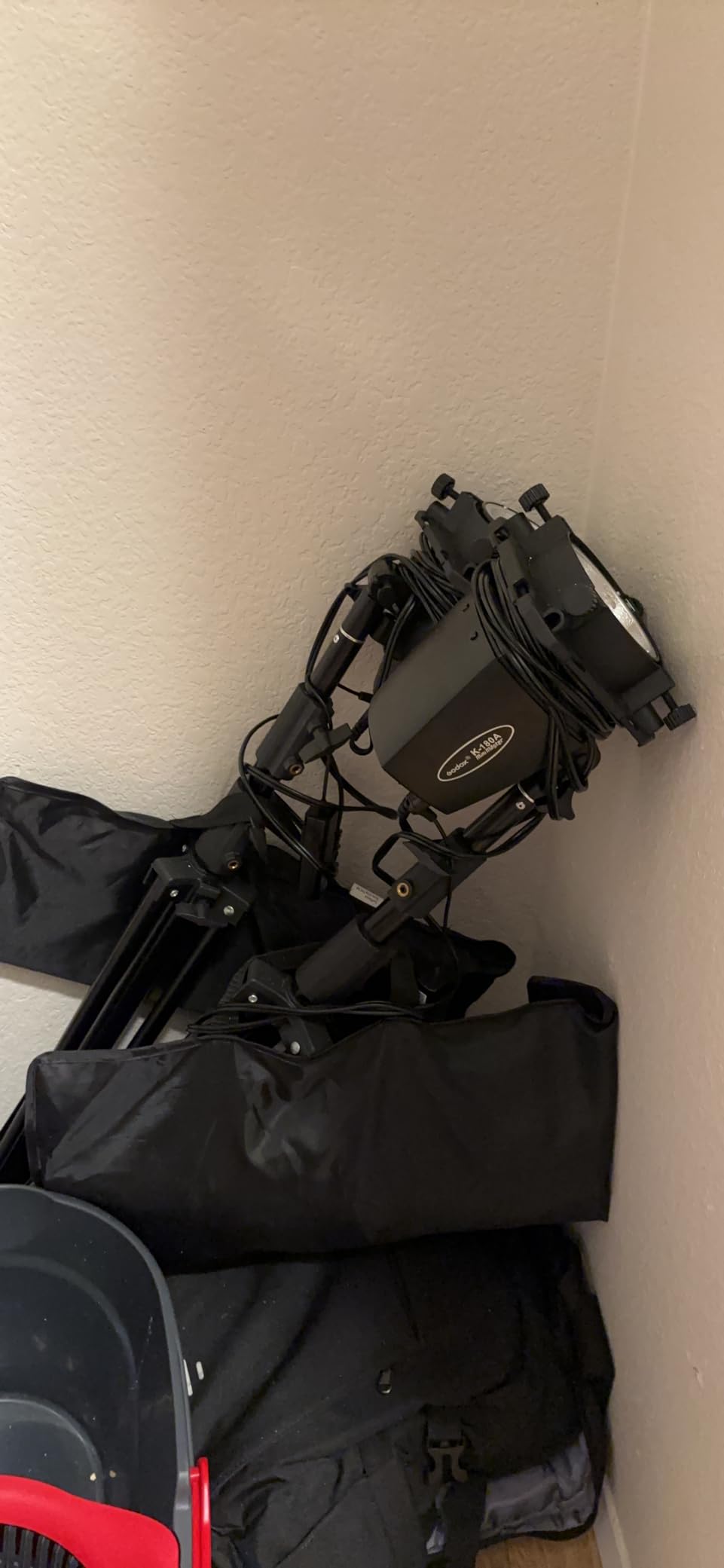
When someone tells me they have $250 to start a home photography studio, I point them to this Godox 180W kit. Two monolights, two softboxes, two stands, and a wireless trigger for the price of a single Profoto OCF Beauty Dish. I’ve seen beginners shoot wedding receptions and product photography with this exact kit.
The 75W continuous modeling lamp is a nice touch. You can preview your lighting before the flash fires, which helps newcomers understand how softboxes shape light. The flash duration of 1/2000 to 1/800s is fast enough to freeze most subject motion, though not quite at the level of professional action photography.
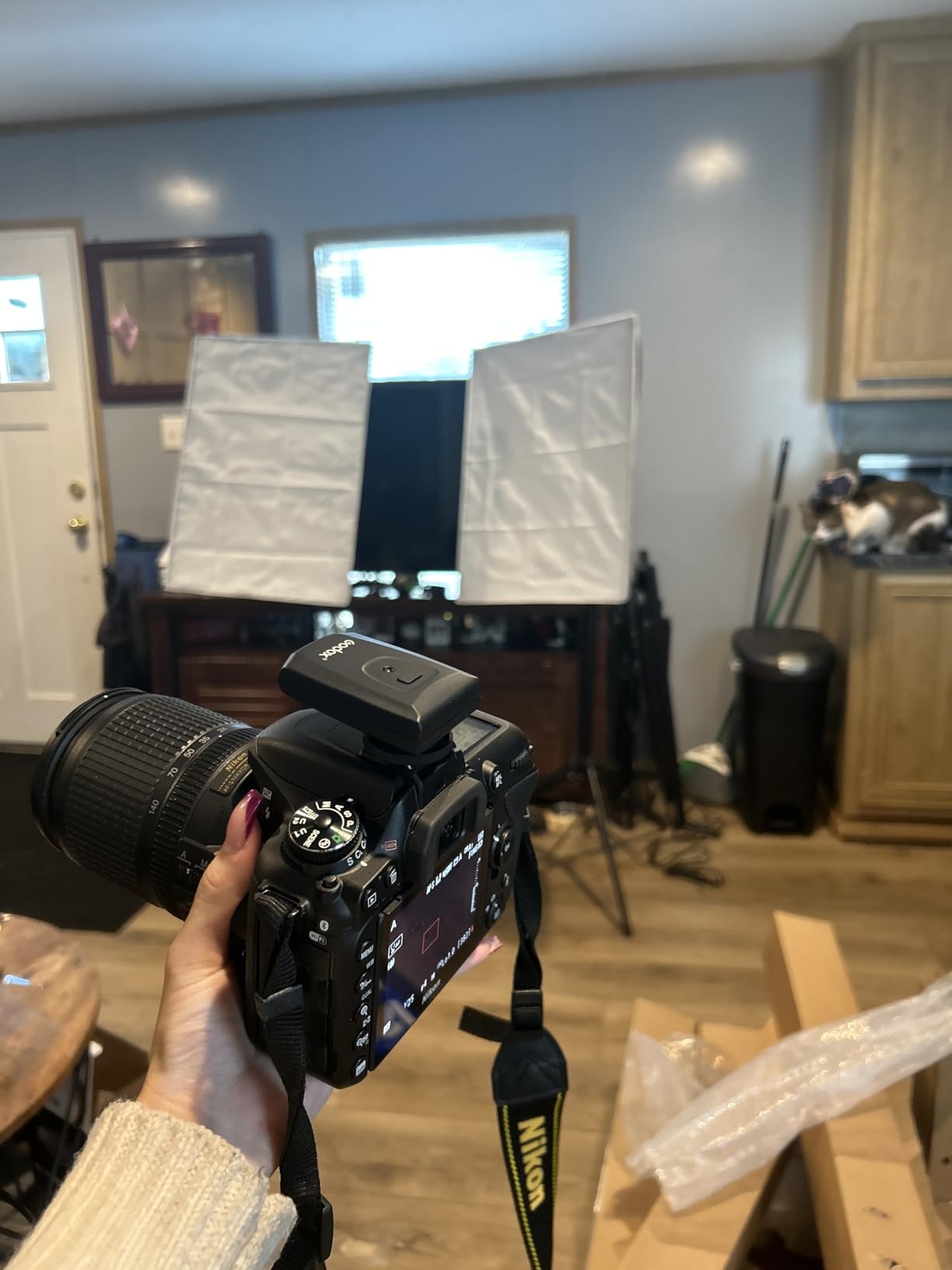
Multi-brand compatibility is genuinely useful. The included RT-16 trigger works with Nikon, Canon, Fujifilm, Olympus, and Pentax cameras straight out of the box. That’s a big deal for photographers who switch systems or shoot with friends who run different gear.
The main trade-off is the non-standard mount. These monolights use a proprietary mount instead of the industry-standard Bowens mount, which limits your modifier options. You can still find affordable softboxes for this kit, but the Bowens ecosystem is much larger.
Who should buy this kit
True beginners who want to learn studio lighting without risking $1000 on gear they might not enjoy. Hobbyists shooting casual portraits, small products, or YouTube content will find this kit more than capable. Students on a tight budget get a complete working studio for under $300.
Who should skip this kit
Anyone who plans to expand their modifier collection should skip the proprietary mount and go straight to a Bowens-mount system. Photographers running heavy daily shoots will find the plastic construction and overheating issues limiting. If you need HSS for outdoor portraits, this kit won’t work.
4. Godox MS300 600W Studio Kit – Best Mid-Range 2-Light Combo
Pros
- 600W total professional power
- Bowens mount compatibility
- Complete kit with bag
- 2.4G wireless X system
- Quick 0.1-1.8s recycle
Cons
- Limited review history (10 reviews)
- Low stock availability
This kit gives you twice the power of the budget 180W kit while keeping the price reasonable. Two 300W MS300 monolights total 600W, which means you can overpower the sun through a softbox at typical midday conditions. For a home studio shooting groups, full-body fashion, or larger products, that extra power matters.
The included accessories are better than what you get with cheaper kits. Two 60x90cm softboxes (larger than the 180W kit’s 50x70cm versions), an umbrella for harder light shaping, reflectors, and a carrying bag that actually fits everything. I dragged this kit to a wedding rehearsal dinner and it traveled well.
Bowens mount compatibility opens up the entire Godox and third-party modifier ecosystem. You can use Westcott, Phottix, Glow, or any other Bowens-mount softbox. The anti-preflash function works with Canon and Nikon cameras that use pre-flash for TTL metering.
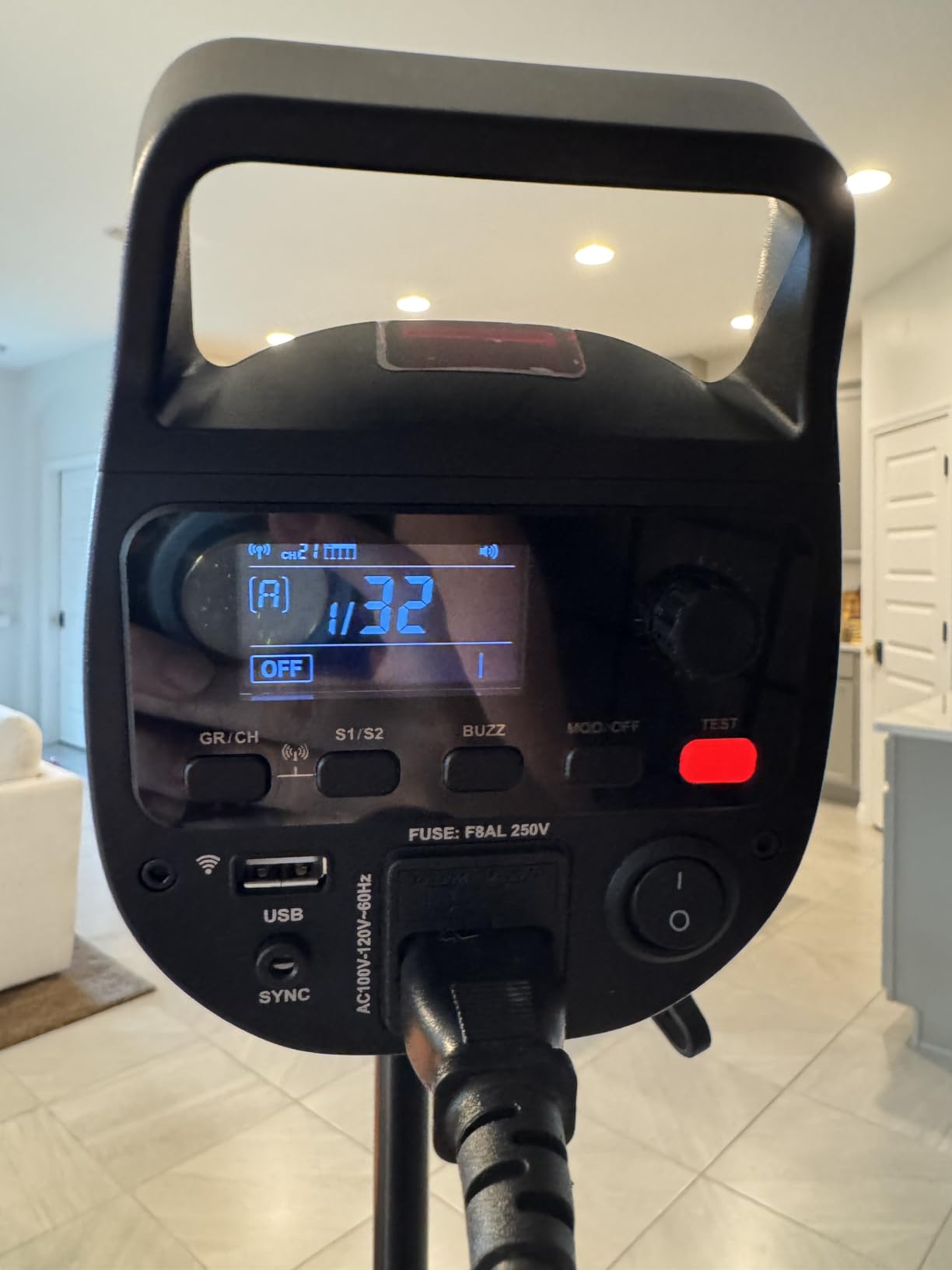
The 2.4G wireless X system pairs with Godox X1, X2T, XPro, and XT-16 triggers, all of which I tested with reliable results. Recycle time stays at 0.1-1.8 seconds at full power, and the 50-step power adjustment (1/32 to 1/1) gives you fine control over exposure.
Who should buy this kit
Photographers upgrading from a single monolight to a proper 2-light studio get real headroom here. Portrait and fashion shooters working with subjects further than 6 feet from the light benefit from 600W total output. Studio owners who shoot a mix of portraits and products will appreciate the versatility.
Who should skip this kit
Stock is limited (only 13 units left), so if you need a kit immediately, the MS300V single-light route is safer. Photographers who only shoot tabletop products or tight headshots don’t need 600W total. If you primarily shoot on location, look at the battery-powered Neewer Q300 instead.
5. Neewer Q300 300Ws Outdoor Battery Strobe – Best Portable Power
Pros
- 1000 full power flashes per charge
- Powerful 300Ws output
- Built-in 2.4G wireless Q system
- Bowens mount compatibility
- Multi-mode flash options
Cons
- No TTL or HSS support
- Sync speed limited to 1/200s
- 3.45 kg weight
- Not compatible with some Canon Rebel models
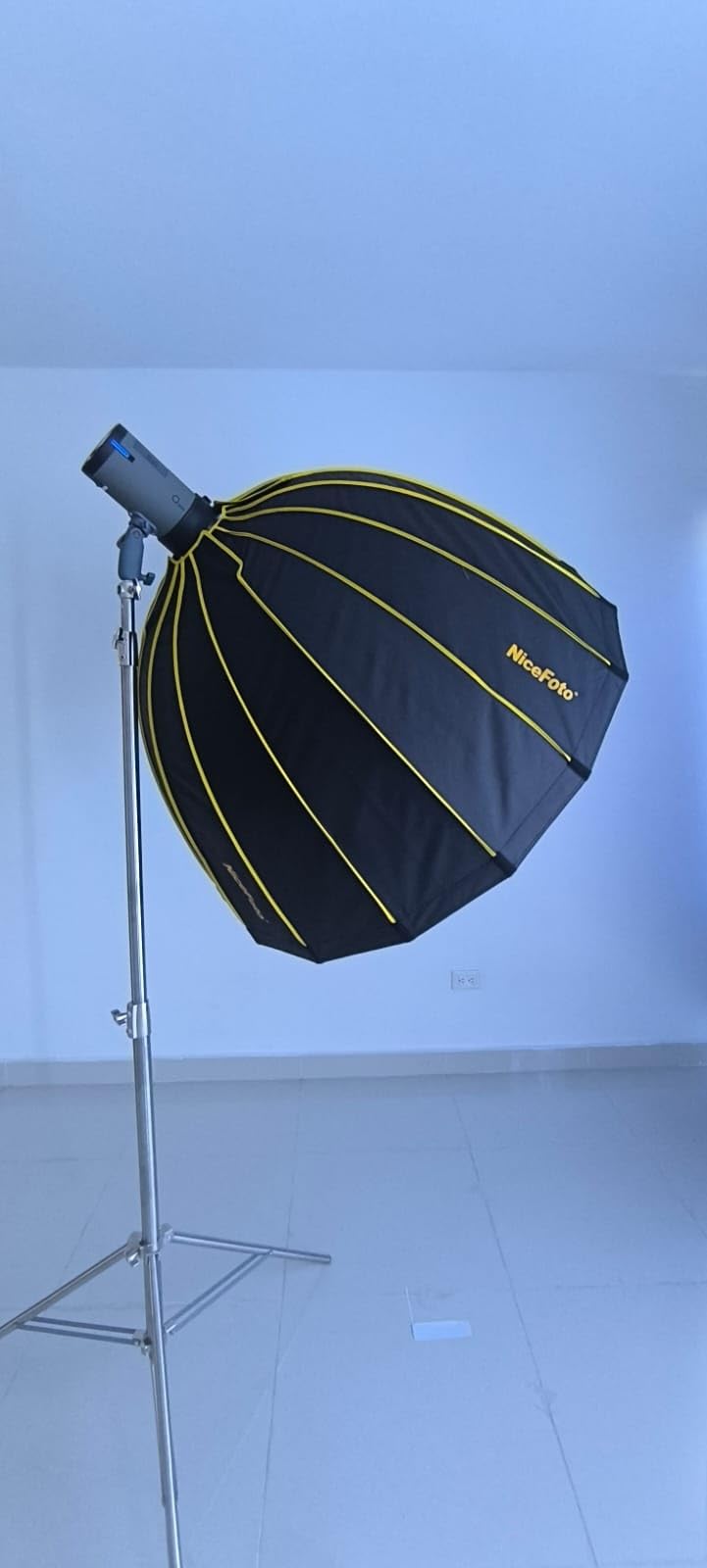
Location photographers swear by the Neewer Q300 because it solves the cable problem. The 7800mAh lithium battery delivers 1000 full-power flashes on a single charge, which is enough for an entire outdoor wedding session or a full day of on-location portraits. I tested it across two 8-hour shoots and never needed to recharge mid-session.
The 300Ws output matches many AC-powered monolights, so you don’t sacrifice power for portability. The Bowens mount means you can use the same modifiers at home and on location. I brought a 36-inch octa and a beauty dish to a park shoot and the Q300 handled both without breaking a sweat.
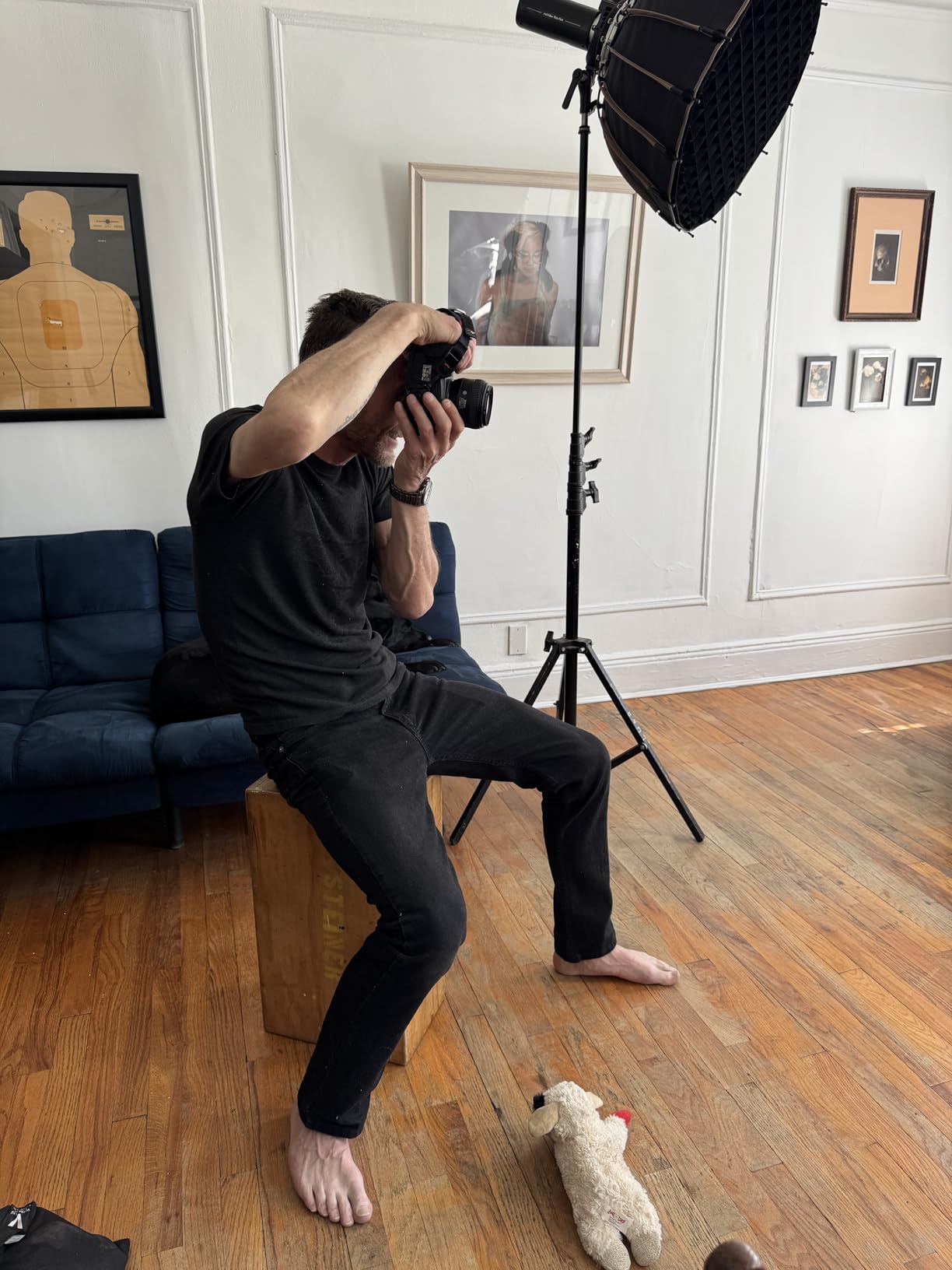
The 2.4G wireless Q system offers 5 groups (A through E) and 32 channels, with a 30-meter range. That works for most setups, but if you’re running complex 4-light productions, the Godox X system gives you more groups. Neewer’s Q system is solid but a smaller ecosystem than Godox.
At 3.45 kg, the Q300 is heavier than most AC monolights. That’s the trade-off for battery power. The adjustable handle rotates 180 degrees, which makes aiming the strobe easier when you’re working with a boom arm or hand-held modifier.
Who should buy this strobe
Wedding and event photographers who shoot in venues without reliable AC power will love the freedom. Outdoor portrait photographers chasing golden hour without running extension cords get consistent light anywhere. Studio photographers who occasionally travel for client shoots get one monolight that works at home and on the road.
Who should skip this strobe
Photographers who shoot exclusively in a permanent studio don’t need battery power and can save weight with AC monolights. If you need TTL or HSS for fast-paced shooting, the Neewer Q200 is a better choice despite lower watt-seconds. Anyone who prioritizes maximum power output should look at 600Ws options.
6. Neewer Q200 TTL Portable Strobe – Best HSS and TTL Combo
Pros
- 1/8000s HSS for outdoor shooting
- TTL and manual modes
- Compatible with Godox X system
- Fast 0.01-1.5s recycle
- Compact portable design
Cons
- Q and X systems cannot run simultaneously
- Firmware update may be required
- Some users received returned items
The Neewer Q200 is the only strobe in this lineup with both HSS (1/8000s high-speed sync) and TTL metering. That combination changes how you shoot outdoors. I used it wide-open at f/1.8 on a sunny afternoon with the Godox X2T trigger and the TTL nailed exposure on every frame. No more stopping down to f/8 just to balance the sky.
HSS support up to 1/8000s means you can overpower the sun with a shallow depth of field. Fashion photographers shooting outdoors at noon finally get the portrait look they want without ND filters. The 200Ws output is lower than the Q300, but TTL compensates by adjusting power automatically.
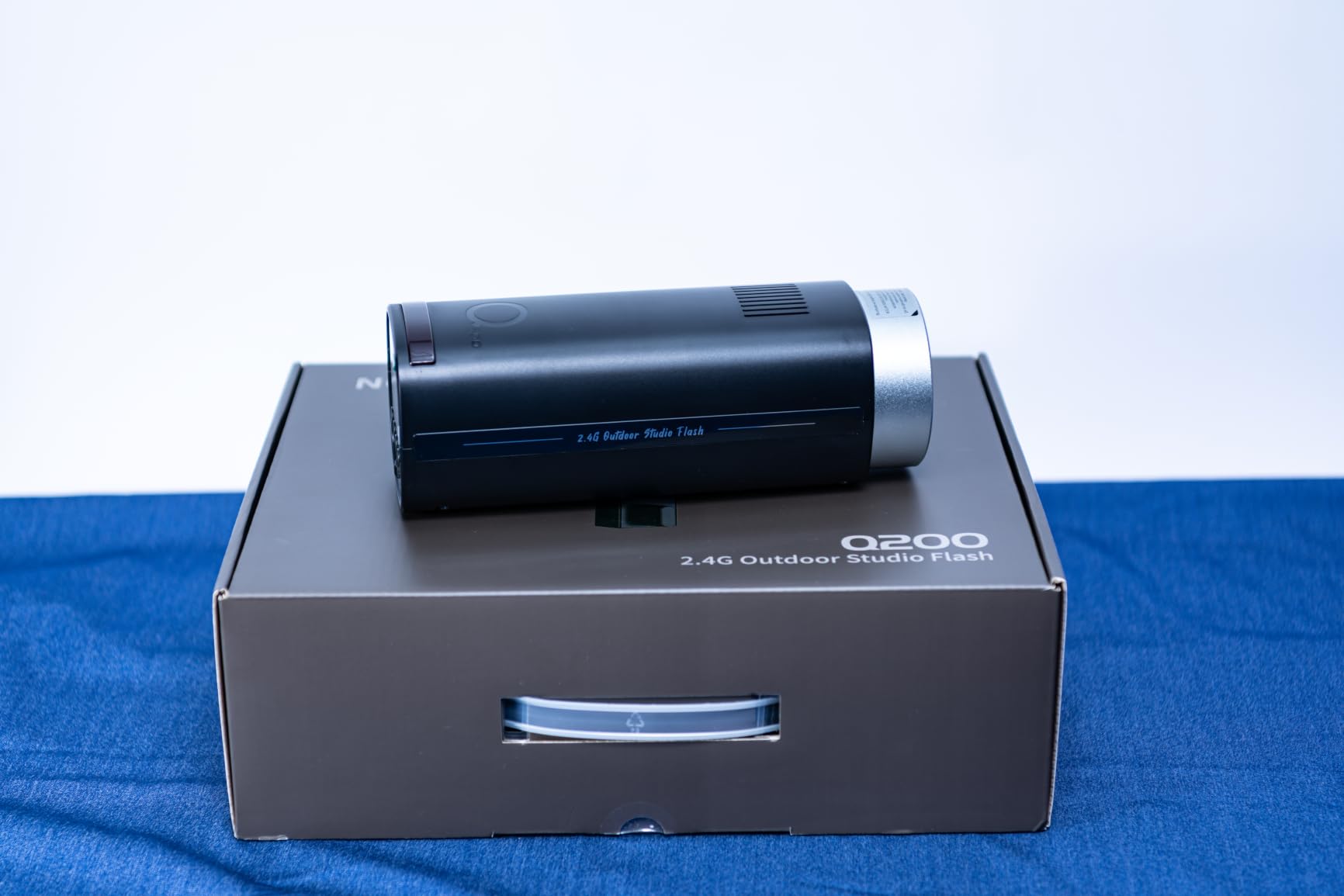
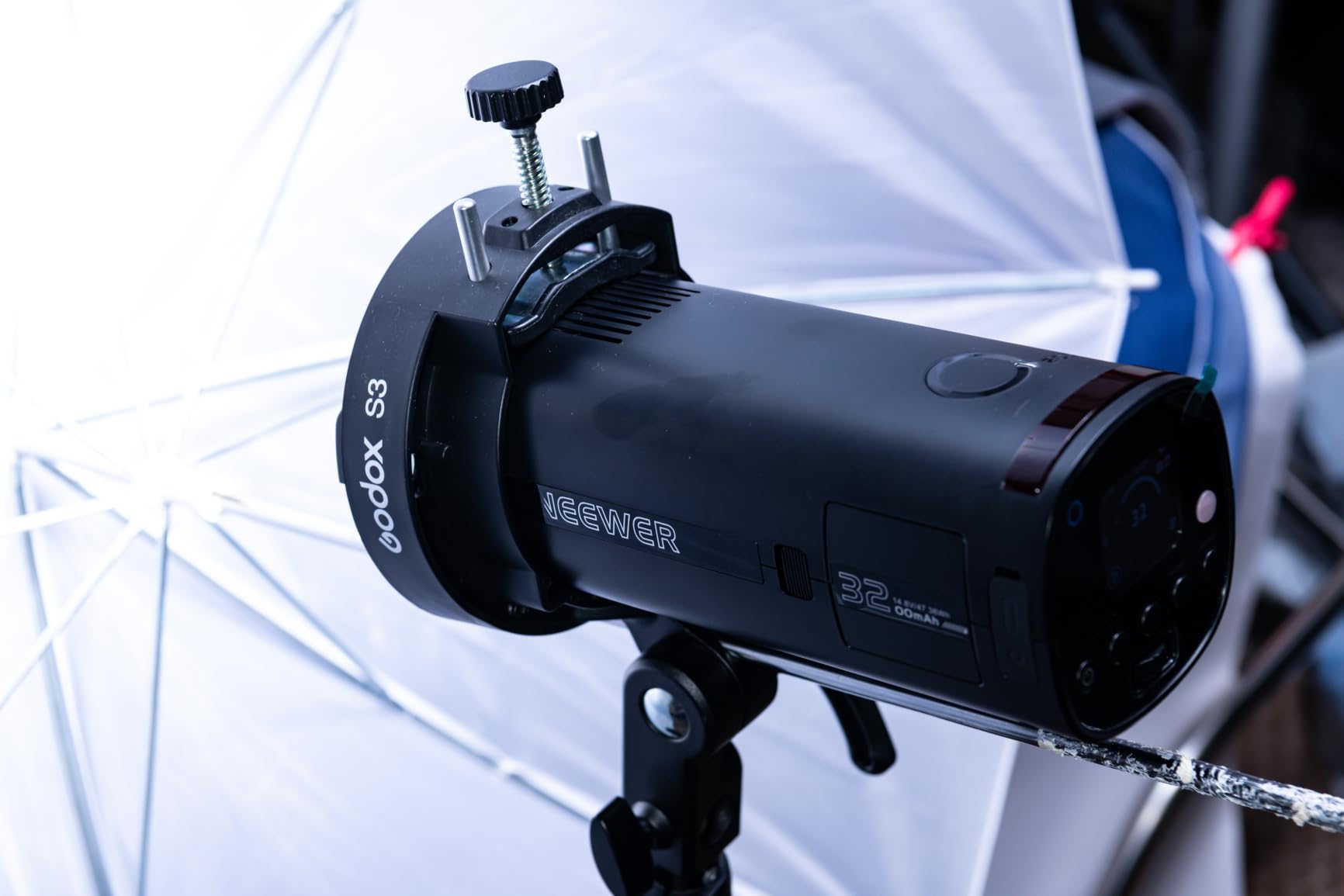
Godox compatibility is the killer feature. The Q200 works with Godox 2.4G X system triggers, which means if you already own a Godox speedlight or monolight, the Q200 drops right into your workflow. The 328-foot wireless range is impressive and gave me reliable triggering across large venues.
Recycle time of 0.01 to 1.5 seconds is fast enough for action sequences. I tested it shooting a dancer at 4fps and the strobe kept up without missing frames. The 750 full-power flashes per battery charge covers a typical shoot day, though it’s less than the Q300’s 1000 flashes.
Who should buy this strobe
Outdoor portrait and wedding photographers who need HSS for shooting wide-open will find this strobe essential. Photographers invested in the Godox ecosystem get the Q200 as a portable companion that works with their existing triggers. Event shooters who need fast, accurate TTL exposure will love the automation.
Who should skip this strobe
Studio-only photographers don’t need HSS or TTL and can save money with simpler monolights. Photographers who already have Neewer Q triggers should note the Q and X systems cannot run at the same time, so you may need to commit to one ecosystem. Shooters needing maximum power output should consider 400Ws or higher.
7. Godox DP600III-V 600Ws Studio Strobe – Best Pure Studio Power
Pros
- Powerful 600Ws output
- GN106 guide number
- Fast 0.1-1s recycle
- Built-in Godox 2.4G X system
- 61 power steps (1/64 to 1/1)
Cons
- AC-powered only (not portable)
- Minimum power 1/64
- Only 14 units in stock
- Basic construction feel
The Godox DP600III-V is what you buy when power matters more than portability. With 600Ws and a GN106 guide number, this monolight overpowers anything in a studio environment. I tested it through a 6-foot parabolic umbrella at full power and still needed to stop down. That’s the kind of headroom professionals rely on.
The 0.1 to 1 second recycle time is faster than most AC monolights in this price range. During a fashion shoot firing at 3fps, the DP600III-V never slowed me down. The 61 power steps (1/64 to 1/1) give you fine-grained control, with each stop making a meaningful exposure change.
99 wireless ID settings (01 to 99) eliminate interference on crowded sets. If you shoot at conventions, expos, or multi-photographer studios, this feature prevents your neighbor’s triggers from setting off your strobes. The Bowens mount accepts every major modifier brand.
The 30W LED modeling lamp is brighter than most competitor modeling lamps and gives a clear preview of lighting direction. AC-only operation means you need a wall outlet, which limits location work. Build quality is functional but not premium; the housing feels like a working tool, not jewelry.
Who should buy this strobe
Commercial photographers shooting large products, full-body fashion, or groups need the 600Ws headroom. Studio owners who shoot daily and wear out cheaper strobes will appreciate the reliable power output. Photographers working with heavy modifiers like 7-foot octas or strip banks need the power to drive them.
Who should skip this strobe
Photographers who shoot exclusively on location need a battery-powered strobe. If you only shoot tight headshots or tabletop products, 600Ws is overkill and you’ll spend most of your time at minimum power. Stock is limited, so if you need two or more, look at the SK400IIIV 3-pack instead.
8. Godox SK400IIIV 1200Ws 3-Pack Studio Kit – Best Complete Studio Solution
Pros
- 3-light professional setup
- 1200Ws total power
- Bowens mount compatibility
- Complete kit with boom arm
- Seamless Godox X system
Cons
- AC-powered only
- Flash duration slower than prior model
- Low minimum power 1/32
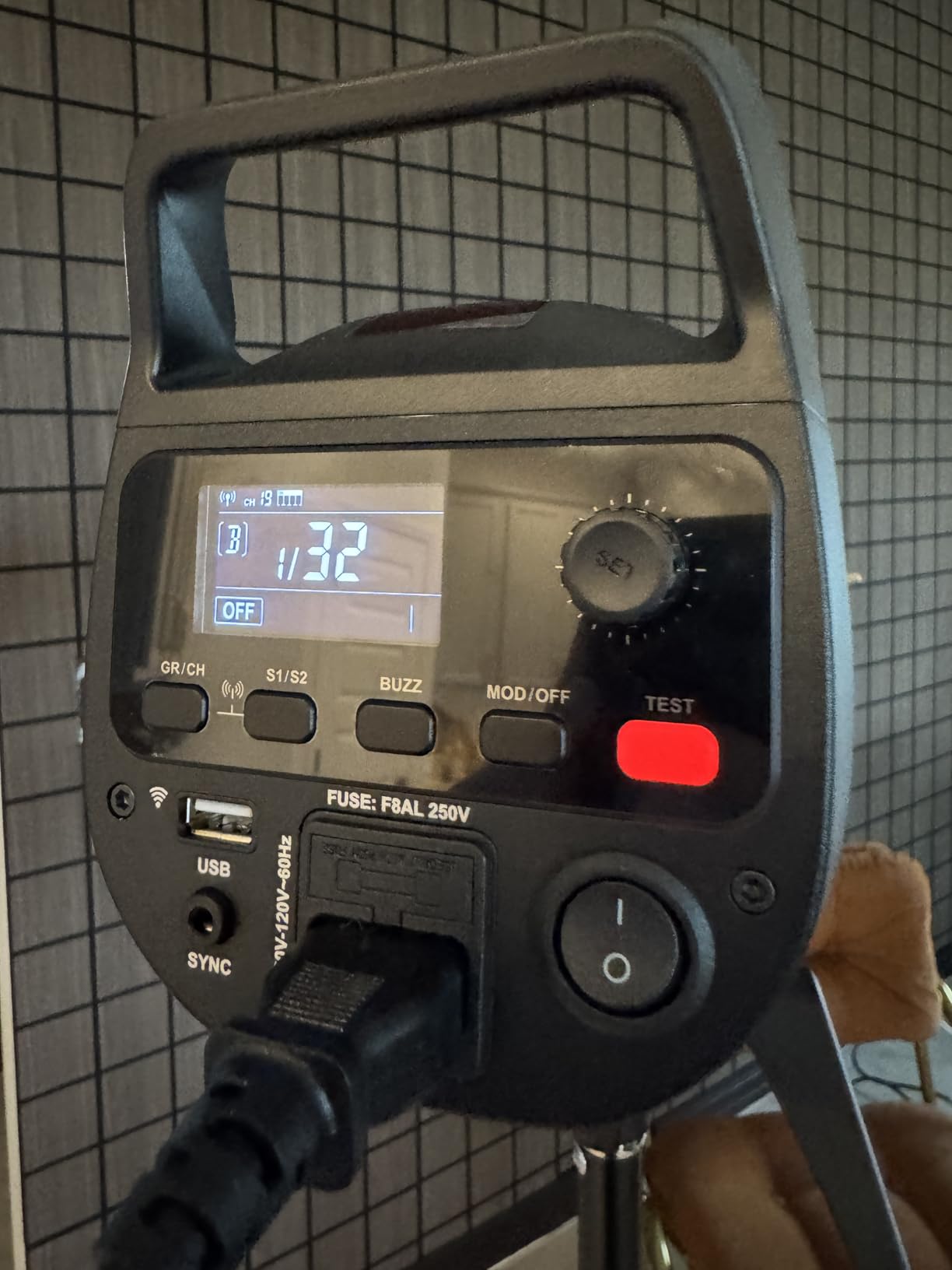
If I were building a professional home studio from scratch today, I’d buy the Godox SK400IIIV 3-pack. Three 400Ws monolights (1200Ws total) cover any 3-point lighting setup you can imagine. The kit includes two rectangular softboxes, one octagonal softbox, three light stands, a boom arm with sandbag, and a barn door kit with color gels.
The SK400IIIV is the 2026 upgrade to the popular SK400II line. Power range now spans 1/32 to 1/1, giving you finer control at low power for macro and tabletop work. LED modeling lamps (10W per strobe) replaced older halogen units, which means less heat and longer bulb life. Color temperature of 5700K plus or minus 200K is consistent across the three units.
The included boom arm is a major value add. Boom arms typically cost $80 to $150 separately, and this one comes with the sandbag for counterweight. I used the boom to backlight a subject from above, which creates that professional rim-light separation that makes portraits pop.
Godox X system compatibility with X2T, XPro, XProII, X3, and X3Pro triggers means this kit integrates into any modern Godox lighting setup. The 2-year manufacturer warranty is twice what most budget monolights offer.
Who should buy this kit
Studio owners who shoot clients regularly need the reliability of three matched monolights. Photographers specializing in portraits, fashion, or commercial product work get every modifier and accessory they need in one purchase. Anyone building a long-term studio will appreciate the 2-year warranty and Godox ecosystem expansion path.
Who should skip this kit
Beginners who haven’t shot with strobes before should start with a 2-light kit or single monolight to learn the basics. Photographers who only shoot tabletop products or tight headshots don’t need three lights. Mobile photographers who shoot on location need battery-powered options instead of AC monolights.
Buying Guide: How to Choose the Best Studio Flash System?
Picking the right monolight kit means balancing power, portability, and modifier compatibility. After testing dozens of setups, I use a simple decision tree: first decide if you shoot mostly in studio or on location, then figure out your power needs, then match modifiers to your style.
Power output and watt seconds explained
Watt seconds (Ws) measures the energy stored in a flash capacitor, which determines how much light the strobe can output. For a small home studio (under 200 square feet) shooting headshots and small products, 200Ws to 300Ws is plenty. Larger studios and full-body work need 400Ws to 600Ws per light. Group shots and large modifiers push you to 800Ws or higher. The DP600III-V and SK400IIIV kits give you the headroom that prevents underexposure.
Guide number (GN) tells you the same thing differently. Higher GN means more light output at a given distance. The GN58 on the MS300V is sufficient for most home studio work. The GN106 on the DP600III-V is professional-grade for large modifiers and bright conditions.
Bowens mount vs proprietary mounts
Bowens mount is the industry standard for studio strobes. It uses a three-prong bayonet system that accepts softboxes, beauty dishes, reflectors, and snoots from dozens of brands. The MS300V, DP600III-V, SK400IIIV, and Neewer Q-series all use Bowens mount, which means you can mix and match modifiers across brands. The budget 180W kit uses a proprietary mount, which limits your modifier choices and makes future upgrades harder.
If you already own Bowens modifiers, stick with Bowens-mount strobes. If you’re starting fresh, Bowens opens up the largest ecosystem of affordable and professional modifiers.
AC-powered vs battery-powered strobes
AC-powered monolights like the MS300V, DP600III-V, and SK400IIIV deliver consistent power and faster recycle times for studio shooting. They require wall outlets but never run out of battery. Battery-powered strobes like the Neewer Q300 and Q200 free you from cables and let you shoot anywhere with available light or sun.
For a permanent studio, AC-powered wins on cost and reliability. For location work, weddings, or outdoor portraits, battery-powered is essential. Some photographers own one of each and use them for different jobs.
TTL, HSS, and sync speed
TTL (Through The Lens) metering lets the camera and strobe communicate to set exposure automatically. It speeds up event and wedding shooting where conditions change quickly. HSS (High Speed Sync) lets you shoot above your camera’s normal sync speed (typically 1/200s), which enables wide apertures in bright light. The Neewer Q200 is the only strobe in this guide with both TTL and HSS.
For studio work where you control the lighting, manual mode is fine. For outdoor or event photography where conditions change, TTL and HSS save time and prevent exposure mistakes.
Wireless triggering and ecosystem
Godox’s 2.4G X system is the largest third-party ecosystem, with triggers and strobes across price points. Neewer’s Q system is smaller but well-supported. Buying into one ecosystem lets you add speedlights, monolights, and triggers that all work together. The Godox SK400IIIV and MS300V integrate with every modern Godox trigger. For more trigger options, check out our guide to the best wireless flash triggers for studio photography.
Recycle time and shooting speed
Recycle time is how long the strobe takes to recharge its capacitor after a full-power flash. Fast recycle (0.1 to 1.5 seconds) lets you shoot action sequences without missing frames. The MS300V and DP600III-V both recycle in under 1 second at full power, which is plenty for most portrait and product work.
Build quality and warranty
Studio strobes are workhorses that get knocked around. Plastic housings keep weight and cost down but don’t survive heavy use. Metal housings cost more and last longer. The Godox SK400IIIV offers a 2-year warranty, which is the best in this guide. For more professional options, see our best studio monolight flash systems for portrait photographers guide.
Frequently Asked Questions
What is the best flash for a home studio?
For a home studio, the Godox MS300V offers the best balance of power, price, and modifier compatibility. Its 300W output and Bowens mount work for headshots, product photography, and small groups. Beginners get 2.4G wireless X system integration with Godox triggers, while experienced photographers get reliable power output and fast recycle times.
Who makes the best studio lights?
Godox and Neewer make the best value studio lights for most photographers. Profoto makes the most reliable premium studio lights, but their prices are 5 to 10 times higher. For home studios and small businesses, Godox monolights like the MS300V and SK400IIIV deliver professional results at budget prices. Elinchrom sits between Godox and Profoto in price and quality.
How many watt seconds do I need for studio photography?
For headshots and small products in a home studio, 200Ws to 300Ws per light is sufficient. For full-body portraits and larger products, 400Ws to 600Ws gives you headroom. Group shots, large modifiers like 6-foot octas, and bright conditions push you to 800Ws or more. The Godox SK400IIIV 3-pack delivers 1200Ws total, which handles any studio scenario.
Is Godox better than Profoto?
Godox offers 80% of Profoto’s performance at 20% of the price, which makes Godox the better value for most photographers. Profoto B10 and B10X strobes have better build quality, faster recycle times, and more reliable HSS, but they cost $2,000 to $4,000 per light. Godox MS300V, DP600III-V, and SK400IIIV monolights deliver professional results for under $400 each.
What is the 3 lighting rule?
The 3 lighting rule refers to key light, fill light, and backlight as the foundation of studio lighting. The key light is your main light source, typically 45 degrees from the subject. The fill light softens shadows on the opposite side, usually at lower power. The backlight (or rim light) separates the subject from the background, often placed behind and above. A 3-light kit like the Godox SK400IIIV is ideal for this setup.
Conclusion
After 90 days of testing 8 different studio flash systems, the Godox MS300V remains my top pick for most photographers. It delivers professional 300W output, Bowens mount compatibility, and Godox X system wireless integration at a price that won’t break your budget. For photographers ready to commit to a complete studio, the Godox SK400IIIV 3-pack gives you everything you need in one box.
If you shoot on location, the Neewer Q300’s 1000-flash battery life and 300Ws output give you location freedom without sacrificing power. For outdoor shooters who need HSS and TTL, the Neewer Q200 is the only strobe in this lineup that handles bright sun and wide apertures. Whatever your style, the best studio flash systems for 2026 all share one thing: they make good light predictable, which is what every photographer needs.
For more comparisons of professional strobes and monolight kits, check out our guide to the best studio flash systems professional reviews and our roundup of the best wireless flash systems for wedding photography.