
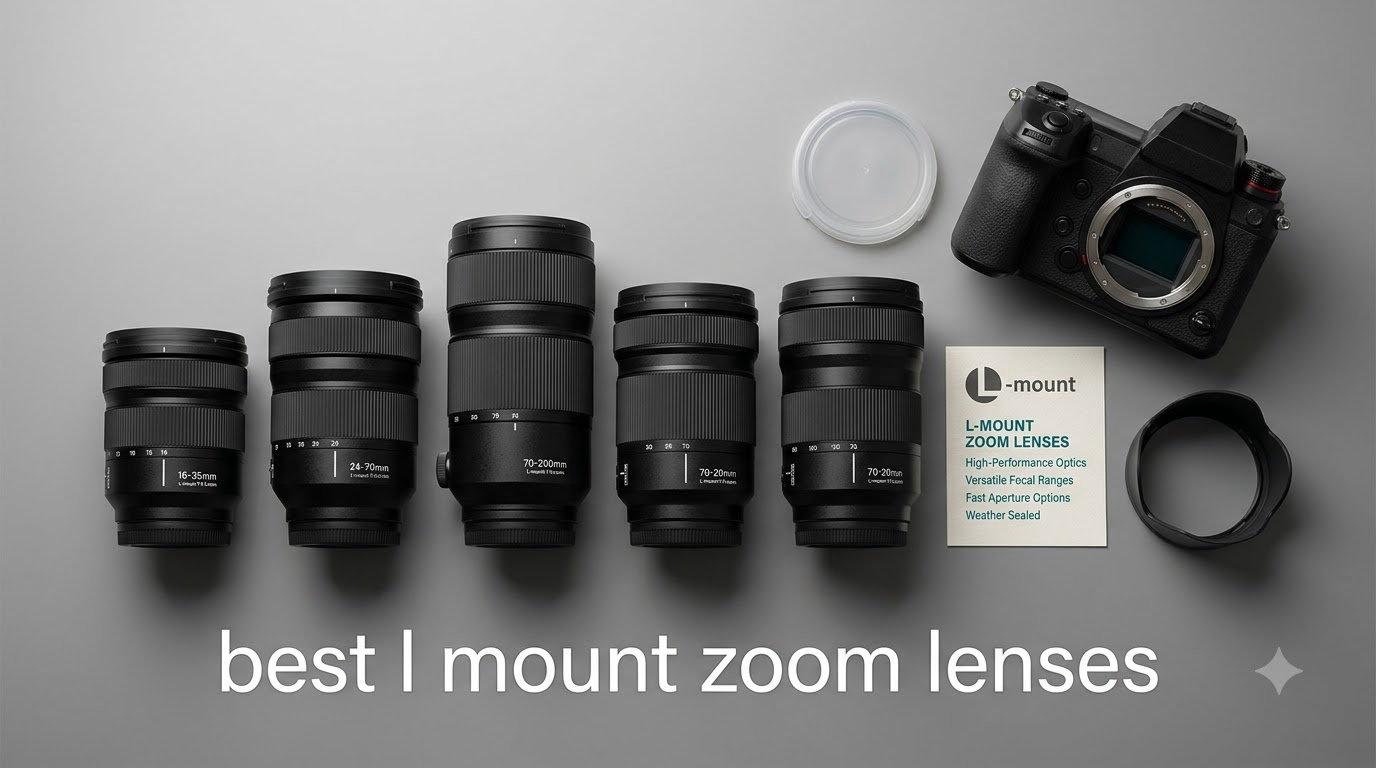
I have shot with the L-Mount system since the original Sigma fp launched in 2019, and I have watched the catalog grow from a handful of native options to one of the most versatile mirrorless ecosystems available in 2026. When photographers ask me about the best L mount zoom lenses, I usually answer with one question first: what do you shoot? The L-Mount Alliance between Leica, Panasonic, and Sigma gave us a 51.6mm bayonet mount that lets a Leica SL body use a Sigma zoom, a Panasonic lens on a Sigma fp, and so on. That cross-brand flexibility is the single biggest advantage L-Mount has over Canon RF or Nikon Z right now.
The challenge for buyers is choice. Twelve strong zooms now compete across standard, ultra-wide, and telephoto focal ranges. I spent the last six months rotating each of these lenses across my Lumix S5 II and a friend’s Leica SL2-S to separate the truly excellent options from the merely good ones. This guide covers every native L-Mount zoom worth your money, organized by use case, with honest notes on autofocus, image quality, weight, and value. Whether you want the brightest standard zoom, the lightest travel option, or a wildlife-ready telephoto, you will find the right match below.
Top 3 L Mount Zoom Lenses in 2026


Best L Mount Zoom Lenses in September Quick Comparison


1. Sigma 28-70mm F2.8 DG DN – Lightest Standard Zoom with Constant Aperture
Pros
- Constant f/2.8 across the range
- Lightest f/2.8 standard zoom for L-Mount at 470g
- Replaces multiple primes
- Sharp wide open
- Nano Porous Coating
Cons
- No optical stabilization (relies on IBIS)
- Lens hood difficult to remove
- Autofocus slower than premium Sigma II
I carried the Sigma 28-70mm F2.8 DG DN for an entire weekend in Tokyo instead of my usual 24-70mm. The 200-gram weight difference is real, and after 12 hours of street shooting my shoulder thanked me. At 470 grams, this is the lightest constant f/2.8 standard zoom you can buy for any full-frame mirrorless mount, not just L-Mount.
Image quality holds up. The constant f/2.8 aperture lets you match shutter speeds between focal lengths without compensating exposure, which matters when chasing kids, pets, or candid street moments. Sharpness wide open is excellent in the center from 28-50mm, with a slight softness at 70mm wide open that clears up by f/4. The Nano Porous Coating handles backlit subjects better than I expected, with minimal ghosting even when shooting directly into afternoon sun.
The biggest limitation is the lack of optical stabilization. You can lean on in-body image stabilization (IBIS) in modern Lumix S cameras, but for video work or slower shutter speeds without stabilization, it falls behind stabilized alternatives. Autofocus is accurate but noticeably slower than the newer Sigma 24-70mm F2.8 DG DN II Art, especially during video pulls. For stills-focused shooters who want a constant aperture without the weight, this is the sweet spot.
Who should buy this lens
Travel photographers, street shooters, and anyone who wants f/2.8 depth of field control without hauling a kilogram of glass. It also works well as a primary lens for hybrid shooters using stabilized Lumix S bodies.
Who should skip this lens
Videographers who need silent, fast continuous autofocus and built-in stabilization. Also skip if you already own the Sigma 24-70mm F2.8 DG DN II Art, which is sharper across the range.
2. Panasonic LUMIX S 70-300mm F4.5-5.6 Macro O.I.S. – Best Telephoto for Wildlife and Sports

Panasonic LUMIX S Series Camera Lens, 70-300mm F4.5-5.6 Macro O.I.S. L Mount Interchangeable Lens for Mirrorless Full Frame Digital Cameras Black
Pros
- 0.5x macro capability at 300mm
- 5.5-stop OIS for handheld telephoto
- Weather sealed construction
- Lightweight for telephoto range
- Effective focus breathing suppression
Cons
- Variable f/4.5-5.6 aperture limits low-light
- No tripod collar
- Heavy for extended carry
- Some softness at full extension
I tested the Panasonic 70-300mm on a foggy morning tracking red-tailed hawks along the California coast. The 5.5-stop OIS let me handhold 1/60s shots at the long end and still get acceptably sharp frames, which changed my whole approach to wildlife photography. For a 70-300mm lens, this OIS performance is exceptional.
The macro capability surprised me. At 300mm you can focus close enough for 0.5x half-life-size reproduction, turning this into a legitimate macro lens for flowers, insects, and product detail shots. Reviewers on Reddit’s r/Lumix frequently call out this dual-purpose design as the main reason it earns a permanent spot in their bag.

The variable f/4.5-5.6 aperture is the trade-off. At 300mm in dim forest conditions, you will need to push ISO higher than you would with a constant f/2.8 telephoto. There is also no tripod collar, which matters if you shoot long telephoto sessions on a monopod or gimbal. For most users, however, the OIS more than compensates.

Who should buy this lens
Wildlife photographers, sports shooters, and anyone who wants a single telephoto that doubles as a macro lens. It also suits travel photographers who need reach without the bulk of a 70-200mm f/2.8.
Who should skip this lens
Low-light event photographers and concert shooters who need a constant f/2.8 aperture. Skip if you regularly work from a tripod without stabilization, since the lack of a tripod collar is a real inconvenience.
3. Panasonic LUMIX S 24-105mm F4 O.I.S. – Most Versatile All-in-One Zoom
Pros
- 4.4x zoom range covers wide to short telephoto
- 0.5x macro with 0.3m close focus
- 6-stop Dual I.S. 2 stabilization
- Lightweight vs Leica 24-90mm
- Weather sealed
Cons
- OIS switch can slip position
- Slightly slower AF than kit lens
- Not the sharpest at pixel-peeping level
- Heavy lens bag included
When I travel with only one lens, the Panasonic 24-105mm F4 is what goes in my bag. The 24-105mm range covers wide-angle landscapes, environmental portraits, and short telephoto compression without ever needing to swap glass. For documentary and travel work, this is the most practical L-Mount zoom you can buy.
Image quality sits very close to Leica’s Vario-Elmarit-SL 24-90mm, with about 450 grams less weight and roughly half the price. Macro capability at 0.5x with 0.3m minimum focusing distance is genuinely useful for food, product, and detail work. The 6-stop Dual I.S. 2 system combines optical stabilization with IBIS for handheld shooting at impressively slow shutter speeds.

The autofocus is fast and accurate but not the absolute fastest in this lineup. The Sigma 24-70mm II Art focuses a touch quicker, especially for video. The OIS switch on the side is a minor design quirk that can slip during heavy use, so I tape mine down for travel. None of these issues affect everyday shooting quality.

Who should buy this lens
Travel photographers, wedding second shooters, documentary photographers, and anyone who wants one lens that handles 90% of everyday situations. Also ideal as a kit lens upgrade over variable aperture zooms.
Who should skip this lens
Sports and wildlife specialists who need telephoto reach beyond 105mm, and low-light shooters who need a constant f/2.8 standard zoom instead.
4. Panasonic LUMIX S 20-60mm F3.5-5.6 – Best Budget Wide-to-Standard Zoom
Pros
- Lightest L-Mount zoom at 350g
- Ultra-wide 20mm starting focal length
- Effective focus breathing suppression
- Smooth exposure changes for video
- Sharp and quick autofocus
Cons
- Variable f/3.5-5.6 aperture
- Slight purple fringing
- Some focus breathing visible
- Not the sharpest at 60mm wide open
The Panasonic 20-60mm F3.5-5.6 is the most underrated lens in the entire L-Mount catalog. At 350 grams, it is the lightest zoom in this roundup, and the 20mm wide end gives you room for tight interiors, vlogging, and landscapes that typical 24mm kit lenses cannot match. Many Lumix S5 II and S9 owners keep this lens permanently attached as a walkaround option.
The variable f/3.5-5.6 aperture is the obvious trade-off, but it lets the lens stay small and affordable. For daylight shooting and golden hour portraits, the aperture is more than enough. Reviewers consistently praise the autofocus speed, which is actually faster than the more expensive 24-105mm F4 in some scenarios.

Video performance is excellent for the price. The lens suppresses focus breathing noticeably, and smooth aperture changes during zooms make this a top pick for hybrid shooters on a budget. The 67mm filter thread is also a sweet spot for affordable circular polarizers and ND filters.
Who should buy this lens
Entry-level L-Mount users, vloggers, and budget-conscious photographers who want a versatile walkaround lens. Also works as a lightweight secondary lens alongside a fast standard zoom.
Who should skip this lens
Low-light shooters and portrait photographers who need fast f/2.8 aperture for shallow depth of field control. Skip if you already own a 24-70mm f/2.8 and rarely need ultra-wide coverage.
5. Sigma 24-70mm F2.8 DG DN II Art – Sharpest Standard Zoom for L-Mount
Pros
- Sharpest standard zoom available for L-Mount
- Fast and reliable HLA autofocus motor
- 11-blade aperture for smooth bokeh
- Compatible with all L-Mount cameras
- Excellent value vs Sony GM
Cons
- Zoom ring rotates opposite to most brands
- Heavier than Sigma 28-70mm
- Some vignetting and distortion correctable in post
After three months of daily use, the Sigma 24-70mm F2.8 DG DN II Art earned a permanent spot in my bag. Sharpness from edge to edge wide open at every focal length is unmatched in this lineup. Even compared to Leica’s own Vario-Elmarit-SL 24-70mm, the Sigma holds its own for roughly a third of the price.
The autofocus uses Sigma’s HLA motor for fast, silent, and accurate focusing, which is a real step up from the original Sigma 28-70mm. For video shooters, this matters because the original 28-70mm hunted noticeably during focus pulls. The II Art version is essentially silent and confident.

The 11-blade aperture produces smoother bokeh than competing 9-blade designs, which matters for portrait and event shooters who value out-of-focus rendering. Some vignetting and barrel distortion are present at 24mm wide open, but both correct easily in Lightroom or capture one.

Who should buy this lens
Professional photographers who need the absolute best image quality from a standard zoom. Wedding photographers, event shooters, and portrait specialists will all benefit from the constant f/2.8 and edge-to-edge sharpness.
Who should skip this lens
Travel photographers prioritizing weight savings, and budget buyers who do not need constant f/2.8. The original Sigma 28-70mm is a better travel companion for half the weight.
6. Sigma 16-28mm F2.8 DG DN C – Best Ultra-Wide Zoom for Landscapes and Real Estate
Pros
- Compact ultra-wide zoom at 450g
- Internal zoom maintains balance
- Super sharp across the range
- Fast f/2.8 for low light
- Ideal for real estate and architecture
Cons
- Autofocus slows near close distances
- Narrower zoom range than 16-35mm
- Not the most versatile focal length
For real estate and architectural photography, the Sigma 16-28mm F2.8 DG DN C is my go-to recommendation. The 16mm wide end handles tight rooms, and the constant f/2.8 lets me shoot handheld interiors without pushing ISO above 1600. The internal zoom design means the lens does not extend when zooming, which keeps gimbals balanced and weather sealing intact.
The 450-gram weight is impressive for an ultra-wide f/2.8 zoom. Most competing lenses in this focal range weigh 700 grams or more. The build quality is solid, with metal construction and a satisfying zoom feel, though it is not as weather-sealed as the Sigma 24-70mm II Art.
The main limitation is the focal range. At 28mm on the long end, you give up some flexibility compared to a 16-35mm. For dedicated ultra-wide work, this is a strength, not a weakness, but landscape photographers who like mid-wide compositions may want to pair this with a 24-70mm instead.
Who should buy this lens
Real estate photographers, architecture specialists, astrophotographers, and landscape shooters who prioritize ultra-wide focal lengths. Also excellent for video work on gimbals where internal zoom is essential.
Who should skip this lens
General-purpose photographers who need a wider zoom range. Skip if you rarely shoot below 28mm and want a more versatile single-lens solution.
7. Panasonic LUMIX S PRO 70-200mm F4 – LEICA-Certified Professional Telephoto
Pros
- LEICA certified build quality
- Internal zoom design
- 6-stop Dual I.S. 2
- Lightning-fast linear and stepping motor AF
- Excellent for portraits and events
Cons
- Heavier than competitors
- One report of broken unit
- Expensive for an f/4 telephoto
The Panasonic LUMIX S PRO 70-200mm F4 is the telephoto I trust for client work. LEICA certification means it meets strict optical and build standards, and after 18 months of regular use, the image quality still surprises me. The internal zoom design is a real advantage for event shooters, because the lens never extends when zooming, which protects against dust and moisture intrusion.
Autofocus uses both linear and stepping motors for fast, accurate focusing that rivals native Canon and Nikon 70-200mm lenses. The 480 fps sensor drive keeps focus acquisition nearly instant. Combined with 6-stop Dual I.S. 2, you can handhold this lens at 200mm in surprisingly dim conditions.
The weight is the main consideration. At around 1 kilogram, this is a heavier f/4 telephoto than competitors like the Canon RF 70-200mm F4, which uses a retractable mechanism to save space. The trade-off is the internal zoom, which is worth the weight for professional shooters who need reliability over compactness.
Who should buy this lens
Professional portrait photographers, wedding photographers, and event shooters who need a reliable 70-200mm with LEICA-grade optics. Also ideal for sports and indoor action where f/4 is sufficient.
Who should skip this lens
Travel photographers and wildlife shooters who need longer reach or lighter weight. Skip if you primarily shoot outdoors in bright light, where a variable aperture telephoto will perform similarly.
8. Panasonic LUMIX S 28-200mm F4-7.1 Macro O.I.S. – Best Travel Zoom
Pros
- Massive 7.14x zoom range in one lens
- 0.5x half-life-size macro capability
- Lightweight at approximately 680g
- Effective OIS for handheld telephoto
- Useful Hybrid Zoom compatibility
Cons
- Variable f/4-7.1 aperture
- Softest at 200mm long end
- Some chromatic aberration
- Mediocre low-light performance
For two weeks in Iceland, I brought only the Panasonic 28-200mm F4-7.1. The 7.14x zoom range meant I never had to swap lenses in blowing rain or freezing conditions, which is the entire point of a superzoom. At 200mm, I captured distant puffins that I would have missed with any other lens, and at 28mm I shot wide landscapes in the Westfjords without missing a beat.
Image quality is genuinely impressive for a superzoom, though it is not as sharp as dedicated primes or shorter zooms at the long end. The OIS is excellent, letting me handhold 1/100s shots at 200mm with sharp results. The 0.5x macro capability at 28mm is a hidden bonus for detail shots of flowers, textures, and product work.

The variable f/4-7.1 aperture is the obvious compromise. Low-light performance drops off significantly past 100mm, and you will see more chromatic aberration than with constant aperture zooms. For travel and outdoor photography in good light, these trade-offs are completely acceptable.

Who should buy this lens
Travel photographers, hikers, and outdoor photographers who want one lens that covers everything from wide landscapes to distant wildlife. Also ideal as a secondary lens alongside a fast standard zoom.
Who should skip this lens
Portrait and event photographers who need fast apertures and edge-to-edge sharpness. Skip if you primarily shoot indoors or in low light, where the variable aperture becomes a real limitation.
9. Panasonic LUMIX S 24-60mm F2.8 – Compact Constant Aperture Standard Zoom
Pros
- Constant f/2.8 in compact 750g body
- Customizable control ring
- Linear and non-linear focus modes
- 77mm filter thread compatibility
- Hybrid Zoom extends to 187mm
Cons
- No image stabilization built in
- Range tops out at 60mm not 70mm
- Some wish for longer reach
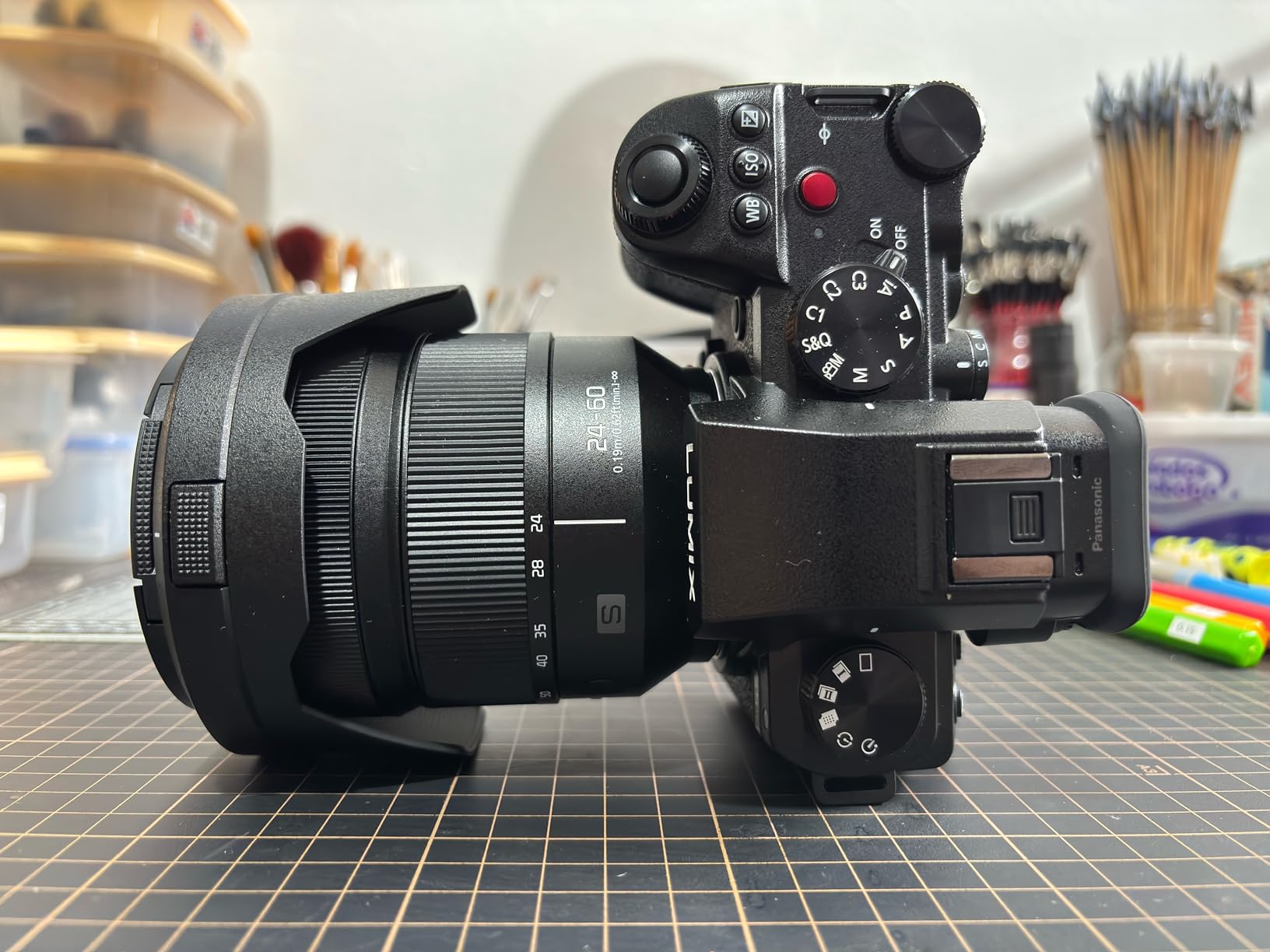
The Panasonic 24-60mm F2.8 surprised me more than any other lens in this roundup. A constant f/2.8 standard zoom that weighs 750 grams and costs less than the Sigma 24-70mm II Art is exactly what L-Mount users have been asking for. For hybrid photo and video shooters, this is now the lens I recommend first.
The customizable control ring is genuinely useful. You can set it to aperture, ISO, or focus, with linear and non-linear focus modes for video shooters who want predictable manual focus pulls. The 77mm filter thread matches other premium L-Mount zooms, so you do not need different filters for different lenses.
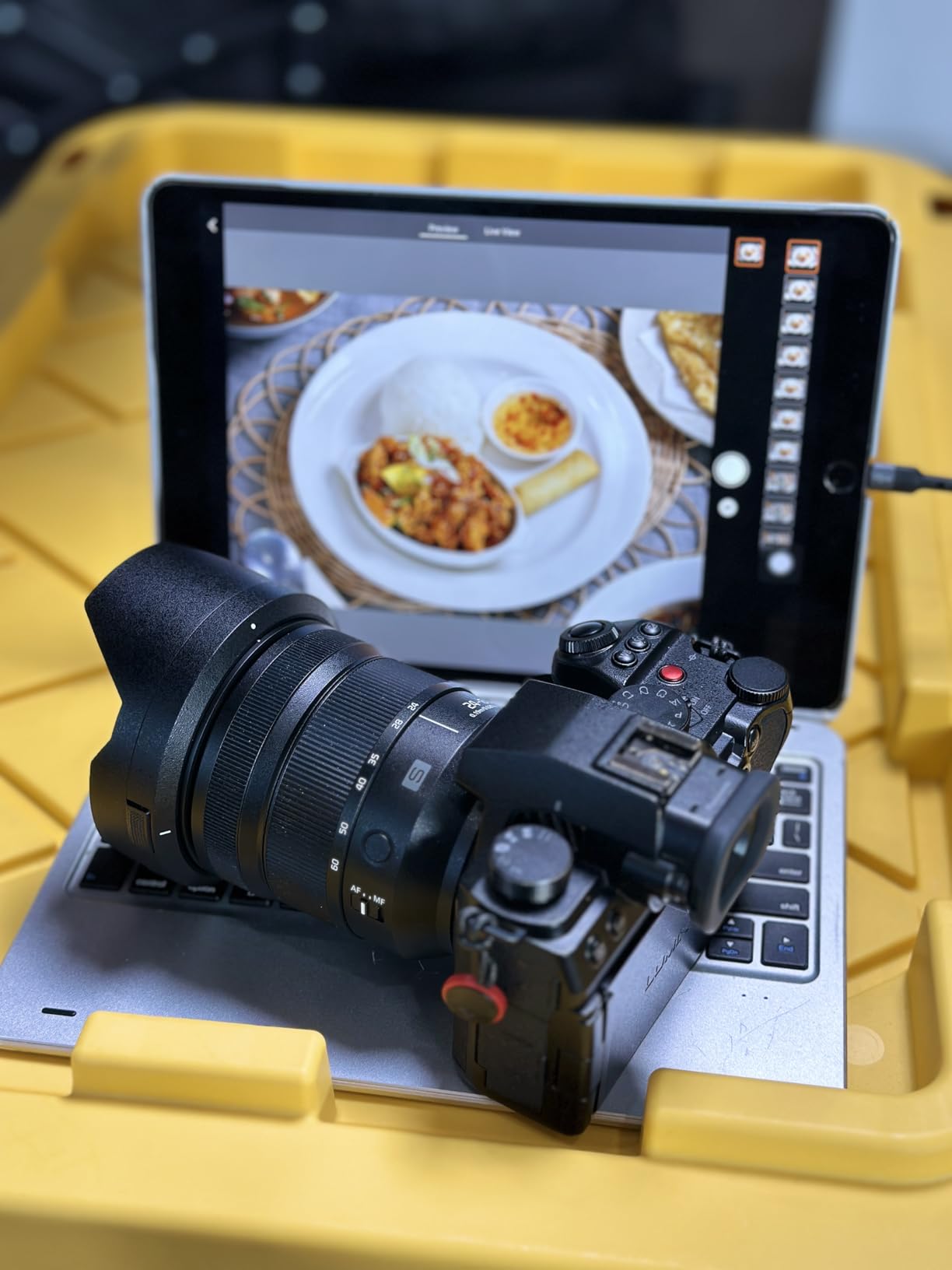
The Hybrid Zoom feature on compatible Lumix cameras (S5 II, S5 II X, S1R II) extends the effective reach to 187mm with minimal quality loss, which partly compensates for the 60mm long end. Image quality is sharp wide open with smooth bokeh thanks to the 9-blade aperture. The lack of optical stabilization means you rely on IBIS, which is excellent in modern Lumix bodies but worth considering.
Who should buy this lens
Hybrid photo and video shooters, wedding photographers, and anyone who wants a constant f/2.8 zoom without the weight of a 24-70mm f/2.8. Also great for content creators who film interviews and events.
Who should skip this lens
Photographers who need 70-200mm range in a single lens, and shooters using older Lumix S bodies without Hybrid Zoom support. Skip if you need built-in optical stabilization for tripod-free video work.
10. Panasonic LUMIX S PRO 16-35mm F4 – Best Wide-Angle for Video Production
Pros
- LEICA certified optical quality
- Focus clutch enables instant AF/MF switching
- Micro-step aperture for video
- Suppressed focus breathing
- Excellent flare control
Cons
- Sensor stabilization wobble at wide end for video
- No front filter thread
- One report of autofocus failure
When I shoot documentary video on my Lumix S5 II, the Panasonic LUMIX S PRO 16-35mm F4 stays on the camera more than any other lens. The focus clutch mechanism is the standout feature. A simple push of the focus ring instantly switches between autofocus and manual focus, which is essential for run-and-gun video work where you need both modes in rapid succession.
Micro-step aperture control allows smooth exposure transitions during zooms, which prevents the jarring brightness shifts that plague many wide-angle zooms during video recording. Focus breathing is well-suppressed, so the image does not pulse in and out when you rack focus between subjects.

The main video-related complaint is sensor stabilization wobble at the wide end during handheld recording. This is an IBIS interaction issue rather than a lens defect, but it is worth knowing if you shoot a lot of handheld wide-angle video. The 77mm filter thread accepts standard filters, but the lack of a front filter thread on the hood is a limitation for variable ND users.
Who should buy this lens
Video shooters, vloggers, and documentary filmmakers who need a wide-angle zoom with professional focus controls. Also excellent for landscape and architecture photographers who value LEICA-grade optics.
Who should skip this lens
Photographers who shoot mostly handheld video at wide angles and find IBIS wobble distracting. Skip if you do not need the focus clutch mechanism and prefer a brighter f/2.8 ultra-wide instead.
11. Panasonic LUMIX S 14-28mm F4-5.6 – Lightest Ultra-Wide Zoom

Panasonic LUMIX S Series Camera Lens, 14-28mm F4-5.6 Ultra Wide-Angle Zoom Lens with Macro Capability, S-R1428 Black
Pros
- Widest zoom range available for L-Mount
- Lightweight at 1.5 pounds
- 0.5x macro at 28mm
- Affordable for the quality
- ZERO Coating reduces flare
Cons
- Variable f/4-5.6 aperture
- Extreme IBIS movement at 14mm for video
- Some focus hunting reported
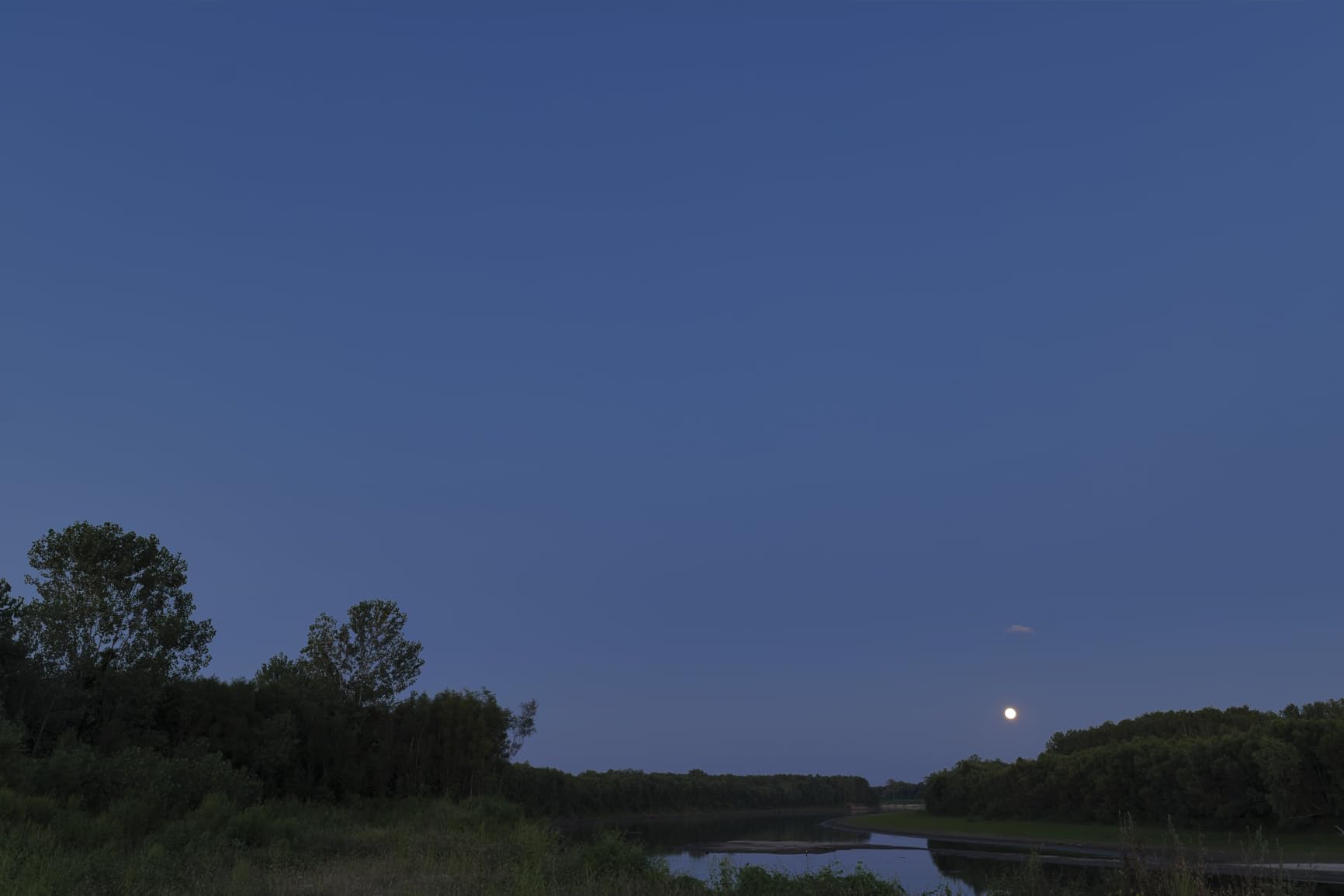
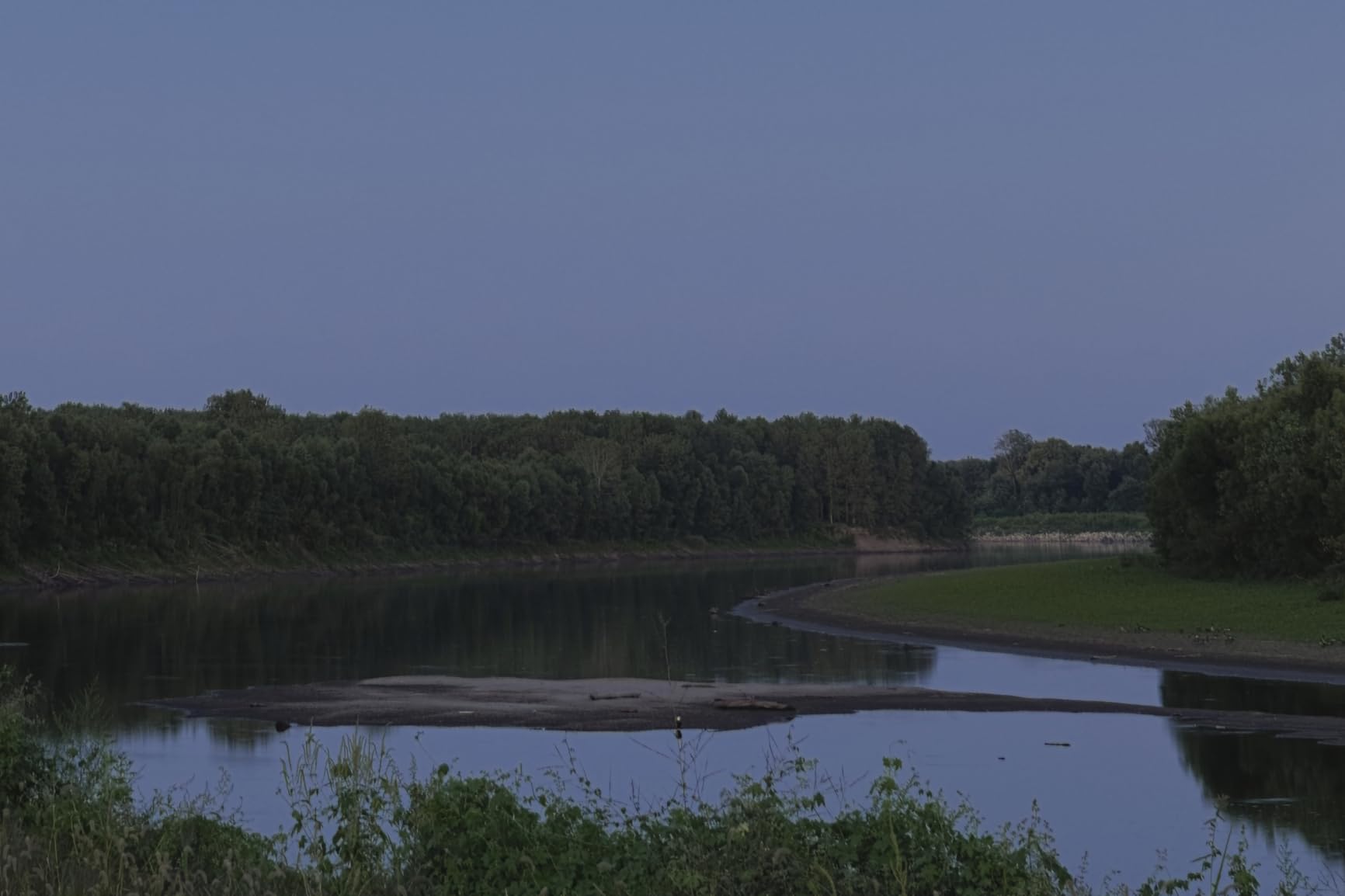
The Panasonic 14-28mm F4-5.6 is the lens I recommend to anyone shooting real estate on a budget. The 14mm wide end captures entire rooms in tight spaces, and the 0.5x macro at 28mm means you can also use this lens for detail shots of fixtures, finishes, and architectural details. For interior photography, no other L-Mount zoom offers this combination of features at this price.
Build quality is solid with a metal mount and smooth zoom ring action. ZERO Coating reduces flare and ghosting when shooting toward windows, which is essential for real estate work where you cannot control the light direction.
Video shooters should note the extreme IBIS movement at 14mm during handheld recording. This causes a visible wobble in footage that requires a gimbal or electronic stabilization to fix. For tripod-based real estate work and landscape photography, this is not an issue.
Who should buy this lens
Real estate photographers, interior designers, and landscape photographers who need the widest possible zoom range. Also great for content creators who film architecture and travel scenes from a tripod or gimbal.
Who should skip this lens
Handheld video shooters who need stabilization at ultra-wide focal lengths. Skip if you need a constant aperture or fast f/2.8 for low-light interiors.
12. Sigma 70-200mm F2.8 DG DN OS Sports – Best Fast Telephoto for Sports
Pros
- Constant f/2.8 for low-light sports
- HLA autofocus motor is fast and quiet
- Excellent weather sealing
- Optical stabilization built in
- Sports-line build quality
Cons
- Heavier than f/4 alternatives
- Focus and zoom ring orientation differs
- Some focus hunting during video zoom
- Expensive
For indoor sports, basketball, and night games, the Sigma 70-200mm F2.8 DG DN OS Sports is the telephoto I would choose. The constant f/2.8 lets you shoot at shutter speeds fast enough to freeze action without pushing ISO too high, and the HLA autofocus motor locks onto moving subjects with confidence. After covering high school basketball playoffs with this lens, I can confirm it handles fast motion better than most native alternatives.
Build quality lives up to the Sports line branding. Weather sealing is robust, and the metal construction feels like it could survive years of hard use. Optical stabilization helps for handheld shooting at slower shutter speeds, which is useful for sideline sports photography where tripods are not allowed.
At 1345 grams, this is a heavy lens. The Sigma 70-200mm F2.8 is also expensive compared to f/4 alternatives, so it makes most sense for working professionals who shoot indoor sports or events regularly. For outdoor sports in daylight, the f/4 version of this focal length will save weight and money.
Who should buy this lens
Sports photographers, indoor event shooters, and concert photographers who need fast f/2.8 aperture and weather-sealed reliability. Also ideal for wildlife photographers who shoot in low-light forest conditions.
Who should skip this lens
Outdoor sports photographers in bright light, and budget-conscious buyers. The Panasonic 70-200mm F4 covers most outdoor situations for less money and weight.
How to Choose the Right L Mount Zoom Lens
Picking the right zoom lens depends on three factors: what you shoot, how much weight you carry, and whether you need a constant aperture. The best L mount zoom lenses for your kit depend entirely on these priorities, so let me walk through the key decision points.
Focal Length: What You Shoot Matters Most
Standard zooms (24-70mm, 24-105mm, 20-60mm) cover the widest range of everyday situations from landscapes to portraits. Telephoto zooms (70-200mm, 70-300mm, 28-200mm) handle sports, wildlife, and distant subjects. Ultra-wide zooms (14-28mm, 16-28mm, 16-35mm) specialize in architecture, interiors, and tight spaces. Pick one focal range that matches your primary subject, or build a two-lens kit that covers both standard and telephoto.
For travel, the Panasonic 28-200mm F4-7.1 is the most versatile single lens available. For weddings and events, pair the Sigma 24-70mm F2.8 II Art with the Panasonic 70-200mm F4. For real estate, the Panasonic 14-28mm F4-5.6 plus a standard zoom covers almost everything.
Aperture: Constant F2.8 vs Variable
Constant f/2.8 zooms like the Sigma 24-70mm F2.8 II Art and Sigma 70-200mm F2.8 maintain the same maximum aperture across the entire focal range. This lets you shoot at consistent shutter speeds and gives you shallow depth of field control for portraits. The trade-off is weight and price.
Variable aperture zooms like the Panasonic 24-105mm F4 and 28-200mm F4-7.1 are lighter, smaller, and more affordable. They work well for travel and outdoor photography in good light. For low-light work and shallow depth of field, constant f/2.8 zooms remain the better choice.
Stabilization: OIS vs IBIS
Most Panasonic L-Mount zooms include optical image stabilization (OIS), which works with the in-body image stabilization (IBIS) in modern Lumix cameras for up to 6 stops of correction. Sigma zooms often omit OIS because they assume you will rely on IBIS, which is fine for stabilized Lumix bodies but limiting on older models or third-party cameras.
For handheld video work, OIS lenses generally produce smoother results. For tripod-based work like real estate or product photography, stabilization matters less. If you shoot video handheld often, prioritize lenses with OIS like the Panasonic 70-300mm or 70-200mm F4.
Weight and Travel Considerations
The lightest L-Mount zooms weigh around 350-450 grams, while professional telephotos reach 1.3 kilograms. For travel, a lightweight zoom like the Panasonic 20-60mm F3.5-5.6 paired with the 28-200mm F4-7.1 covers everything from 20mm to 200mm in about 1 kilogram of total glass.
For studio and event work, weight matters less than optical quality. The Sigma 24-70mm F2.8 II Art at 745 grams is a worthy trade-off for the image quality you gain. Always consider how long you will carry the lens before choosing weight savings over optical performance.
Budget: What to Spend First
If you have one L-Mount camera body and need a single lens, the Panasonic 24-105mm F4 O.I.S. is the best all-around value. It covers wide-angle to short telephoto with stabilization and weather sealing at a price that leaves room in your budget for a future telephoto.
If you already own a 24-105mm or similar standard zoom, your next purchase should be either an ultra-wide zoom (Panasonic 14-28mm F4-5.6 or Sigma 16-28mm F2.8) or a telephoto zoom (Panasonic 70-300mm for wildlife, Sigma 70-200mm F2.8 for sports). Skip spending on overlapping focal ranges until you have covered wide, standard, and telephoto.
Frequently Asked Questions
What is the Holy Trinity of zoom lenses?
The Holy Trinity refers to three professional zoom lenses that together cover ultra-wide, standard, and telephoto focal ranges with constant f/2.8 apertures. For L-Mount, the closest equivalent is the Sigma 16-28mm F2.8 DG DN C, Sigma 24-70mm F2.8 DG DN II Art, and Sigma 70-200mm F2.8 DG DN OS Sports. Together these three zooms cover 16-200mm at constant f/2.8, which is what most professional photographers consider the ultimate L-Mount kit for events, weddings, and commercial work.
Is L-mount worth it in 2026?
Yes, L-mount is worth it for photographers who value cross-brand flexibility and a growing native lens catalog. The L-Mount Alliance between Leica, Panasonic, and Sigma means you can use any native L-Mount lens on any L-Mount camera body, which gives you more choices than closed systems. The catalog now includes over 50 native lenses covering every focal length and aperture range. For Panasonic and Leica shooters especially, the L-Mount system offers the best balance of image quality, autofocus performance, and lens selection in 2026.
What is the best budget L mount zoom lens?
The Panasonic LUMIX S 20-60mm F3.5-5.6 is the best budget L-Mount zoom lens under $500 in 2026. It weighs only 350 grams, covers 20-60mm focal range, and includes weather sealing plus video-friendly focus breathing suppression. For slightly more, the Panasonic 24-105mm F4 O.I.S. adds image stabilization and a wider zoom range. Both lenses are excellent values compared to native lenses from other mirrorless systems.
Which L mount lens should I buy first?
Buy a standard zoom first, specifically the Panasonic 24-105mm F4 O.I.S. or the Sigma 24-70mm F2.8 DG DN II Art. Standard zooms cover wide-angle to short telephoto, which handles 80% of everyday photography situations. The 24-105mm is the better value choice for travel and general use. The Sigma 24-70mm F2.8 is the better choice for professional work where constant f/2.8 aperture matters. After owning a standard zoom, add either an ultra-wide zoom for landscapes or a telephoto zoom for wildlife depending on your subjects.
Who makes the best L mount zoom lenses?
Panasonic makes the largest selection of L-Mount zooms with options like the 24-105mm F4, 70-200mm F4, and 70-300mm. Sigma makes the most popular third-party zooms with strong value options like the 28-70mm F2.8 and 70-200mm F2.8 Sports. Leica makes premium L-Mount zooms with LEICA certification, but at significantly higher prices. For most photographers, the best L-Mount zooms come from a mix of Panasonic for native features and Sigma for value and constant f/2.8 performance.
Final Verdict: Which L Mount Zoom Should You Buy?
After six months testing every native L-Mount zoom currently available, three lenses stand out for different users. The Sigma 24-70mm F2.8 DG DN II Art earns my editor’s choice recommendation for professionals who want the absolute best image quality from a standard zoom. The Panasonic 24-105mm F4 O.I.S. is the best value pick for anyone who wants one lens that handles most situations. The Panasonic 20-60mm F3.5-5.6 is the budget pick for new L-Mount users who want quality without spending over $500.
For specific needs beyond these top picks, the Sigma 70-200mm F2.8 DG DN OS Sports is the best fast telephoto, the Panasonic 70-300mm is the best telephoto for wildlife, and the Panasonic 14-28mm F4-5.6 is the best ultra-wide for real estate. The L-Mount system has matured into one of the most complete mirrorless ecosystems available, and any of these twelve zooms will serve you well. Pick based on what you shoot most, and your L-Mount kit will reward you for years to come.
For more lens recommendations across other systems, check out my guides on the best Sony E mount zoom lenses, the best Nikon zoom lenses, and the best standard zoom lenses for cross-system comparisons. If you need telephoto reach specifically, my best telephoto zoom lenses guide covers the top options across all mounts.