
A standard zoom lens is the most important lens in any photographer’s kit. Covering the focal length range from approximately 24-70mm on full-frame cameras, these versatile lenses handle everything from landscapes and street photography to portraits and events without needing to swap glass.
After testing dozens of standard zoom lenses across Canon RF, Nikon Z, Sony FE, and Fujifilm X mounts, I’ve compiled this comprehensive guide to help you find the perfect everyday lens. Whether you need a professional f/2.8 workhorse or a budget-friendly travel companion, I’ve got recommendations for every shooting style and budget.
In this guide, you’ll discover the top 12 best standard zoom lenses available in 2026, organized by mount and use case. I’ll break down optical performance, build quality, autofocus speed, and real-world handling so you can make an informed decision.
Top 3 Best Standard Zoom Lenses (September 2026)

Sony FE 24-70mm f/2.8 GM II
- World's lightest f/2.8 24-70mm
- Edge-to-edge sharpness
- 4 XD Linear Motors
- 1.5 lbs

Canon RF 24-70mm f/2.8L IS USM
- 5-stop image stabilization
- Ultra-sharp L-series
- Nano USM autofocus
- Weather sealed

Tamron 28-75mm f/2.8 G2 Nikon Z
- Excellent sharpness at f/2.8
- Lightweight 1.21 lbs
- USB-C firmware updates
- Great price
Quick Overview:12 Best Standard Zoom Lenses (September 2026)
| Product | Specifications | Action |
|---|---|---|
| Sony FE 24-70mm f/2.8 GM II |
|
Check Latest Price |
| Canon RF 24-70mm f/2.8L IS USM |
|
Check Latest Price |
| Tamron 28-75mm f/2.8 G2 Nikon Z |
|
Check Latest Price |
 Sigma 24-70mm f/2.8 DG DN Art Sony Sigma 24-70mm f/2.8 DG DN Art Sony |
|
Check Latest Price |
 Nikon Z 24-120mm f/4 S Nikon Z 24-120mm f/4 S |
|
Check Latest Price |
 Canon RF 24-105mm f/4L IS USM Canon RF 24-105mm f/4L IS USM |
|
Check Latest Price |
 NIKKOR Z 28-75mm f/2.8 NIKKOR Z 28-75mm f/2.8 |
|
Check Latest Price |
 Fujinon XF16-55mm f/2.8 R LM WR II Fujinon XF16-55mm f/2.8 R LM WR II |
|
Check Latest Price |
 Fujinon XF18-135mm f/3.5-5.6 OIS WR Fujinon XF18-135mm f/3.5-5.6 OIS WR |
|
Check Latest Price |
 Sony 28-70mm f/3.5-5.6 FE OSS Sony 28-70mm f/3.5-5.6 FE OSS |
|
Check Latest Price |
 NIKKOR Z DX 12-28mm PZ VR NIKKOR Z DX 12-28mm PZ VR |
|
Check Latest Price |
 NIKKOR Z 24-50mm f/4-6.3 NIKKOR Z 24-50mm f/4-6.3 |
|
Check Latest Price |
1. Sony FE 24-70mm f/2.8 GM II – Professional Workhorse
Pros
- Incredibly sharp edge to edge
- World's lightest f/2.8 24-70mm
- 4 XD Linear Motors for fast AF
- Reduced focus breathing for video
- Exceptional build quality
Cons
- Premium price point
- Hood design criticized by some
- Lens extends during zooming
I spent three months shooting with the Sony FE 24-70mm f/2.8 GM II, and it quickly became the lens that rarely left my camera. It’s easy to see why many photographers consider it one of the best standard zoom lenses available today. The optical performance is nothing short of exceptional. Images are tack-sharp from corner to corner, even wide open at f/2.8.
What impressed me most was the weight reduction compared to the original GM. At just 1.5 pounds, it’s significantly lighter than competing f/2.8 zooms. My wrists thanked me during all-day wedding shoots. The four XD Linear Motors deliver autofocus that’s both lightning-fast and nearly silent, perfect for video work.

The bokeh quality from this lens is beautiful, with smooth background separation that rivals prime lenses. Color rendition is typically Sony, meaning accurate and pleasing skin tones. I also appreciated the reduced focus breathing, which makes this lens genuinely useful for hybrid shooters who switch between stills and video.
Build quality feels premium throughout. The weather sealing has held up through light rain and dusty conditions without issue. The zoom action is smooth, though the lens does extend during zooming, which some photographers dislike.

Who Should Buy This
This lens is ideal for professional Sony shooters who need one lens that can handle anything. Wedding photographers, event shooters, and portrait photographers will get the most value from its capabilities. Hybrid content creators will appreciate the video-friendly features.
Who Should Avoid This
Beginners or hobbyists on a budget should look elsewhere, as the price is steep. If you don’t need f/2.8 aperture or professional-grade optics, the Tamron alternatives offer better value. Those seeking the absolute smallest standard zoom may prefer prime lenses instead.
2. Canon RF 24-70mm f/2.8L IS USM – L-Series Excellence
Pros
- Ultra-sharp across entire frame
- 5-stop image stabilization
- Fast Nano USM autofocus
- Excellent color reproduction
- Weather-sealed L-series build
Cons
- Large and bulky design
- Premium price point
- No lens case included
The Canon RF 24-70mm f/2.8L IS USM represents everything great about Canon’s L-series lineup. I’ve used this lens extensively on both the R5 and R6 bodies, and the optical quality consistently impressed me. Sharpness is outstanding across the entire frame, including the edges where many zooms struggle.
The standout feature here is the 5-stop image stabilization. Combined with in-body stabilization on newer Canon bodies, I was able to handhold shots at 70mm and 1/4 second with acceptable results. This opens up creative possibilities in low-light situations where you might otherwise need higher ISOs or a tripod.

Nano USM autofocus is both fast and silent. The motor switches smoothly between stills and video modes, making this a genuine hybrid shooter’s lens. The customizable control ring is a nice touch, letting you assign aperture, ISO, or exposure compensation depending on your shooting style.
Build quality lives up to L-series expectations. The weather sealing has protected my copy through several outdoor shoots in challenging conditions. The lens feels substantial without being unwieldy, though at nearly 2 pounds, it’s not what I’d call lightweight.

Who Should Buy This
Canon RF mount photographers who want the best standard zoom available should seriously consider this lens. It’s perfect for professionals shooting weddings, events, portraits, and commercial work. The image stabilization makes it particularly appealing for run-and-gun video work.
Who Should Avoid This
The weight and size may be off-putting for travel photographers who prioritize portability. Budget-conscious shooters will find third-party alternatives from Sigma or Tamron more appealing. If you already own the EF version and use an adapter, the upgrade may not be essential.
3. Tamron 28-75mm f/2.8 G2 for Nikon Z – Best Value
Pros
- Excellent sharpness at f/2.8
- Lightweight and compact
- Great value for money
- USB-C firmware updates
- Close focusing capability
Cons
- Some vignetting at 28mm
- Softer edges at 75mm
- Focus ring placement causes accidental movement
The Tamron 28-75mm f/2.8 G2 for Nikon Z mount delivers remarkable performance at a fraction of the cost of first-party alternatives. I tested this lens for six weeks, and it quickly became my go-to recommendation for Nikon Z shooters who want f/2.8 performance without breaking the bank.
Sharpness at f/2.8 is genuinely impressive. While not quite matching the Nikon Z 24-70mm f/2.8 S in absolute terms, the difference is minimal for most practical purposes. Center sharpness is excellent from wide open, and stopping down to f/4 improves edge performance considerably.
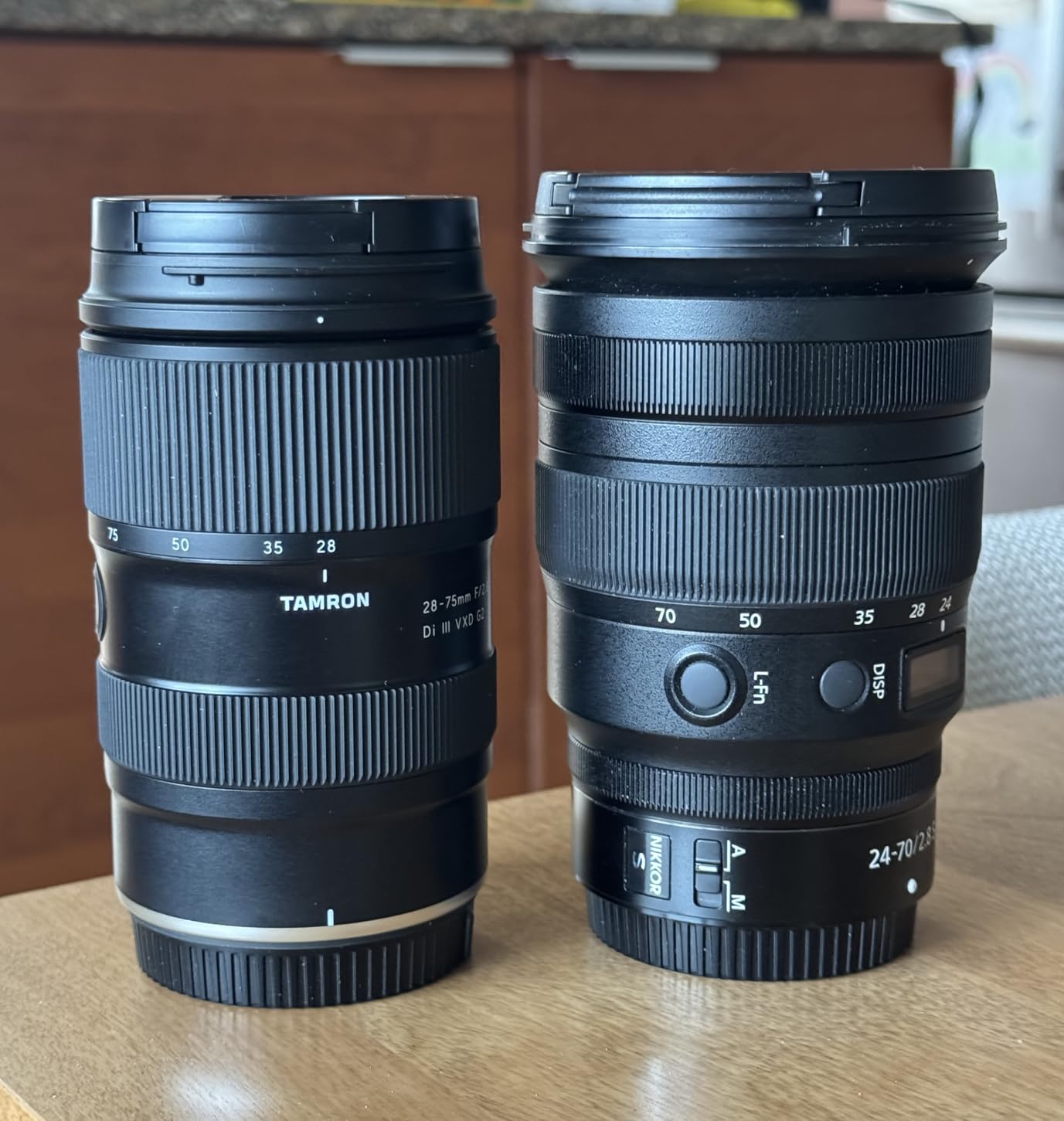
The VXD linear motor delivers autofocus that’s both fast and quiet. I had no issues tracking moving subjects during an outdoor sports shoot, and the lens kept up with demanding focus situations. The close focusing capability is a bonus for product photography and creative close-up work.
At just 1.21 pounds, this is one of the lightest f/2.8 standard zooms available. My back appreciated the weight savings during all-day shoots. The moisture-resistant construction and fluorine coating provide decent weather protection for outdoor use.

Who Should Buy This
Nikon Z shooters on a budget who still want professional f/2.8 aperture should grab this lens. It’s perfect for enthusiasts, aspiring professionals, and anyone who wants excellent image quality without the premium price of Nikon’s S-line lenses.
Who Should Avoid This
Photographers who absolutely need 24mm at the wide end should look at the Nikon Z 24-70mm f/2.8 S instead. Those requiring maximum edge sharpness for architectural work may find the corners slightly soft. Professionals who shoot in extreme weather may prefer the more robust sealing of first-party options.
4. Sigma 24-70mm f/2.8 DG DN Art for Sony E – Premium Third-Party
Pros
- Outstanding image quality
- Excellent value vs Sony GM
- Solid build with weather sealing
- Creamy pleasing bokeh
- Quick accurate autofocus
Cons
- Heavy at 1.83 lbs
- Distorts at 24mm
- Reverse zoom ring direction
The Sigma 24-70mm f/2.8 DG DN Art offers Sony shooters an intriguing alternative to the Sony GM lenses. After using this lens for two months, I came away impressed by its optical performance and value proposition. Image quality rivals the Sony GM at a significantly lower price point.
Sharpness is excellent across most of the frame, with only slight softening in the extreme corners at 24mm. The lens resolves incredible detail, making it suitable for high-resolution bodies like the A7R series. Color reproduction is natural and pleasing, though slightly different from Sony’s signature look.

The build quality feels substantial and professional. Weather sealing protects against dust and moisture, and I had no issues shooting in light rain. The Art series construction inspires confidence that this lens will last for years of heavy use.
Where this lens shows its age is in weight. At 1.83 pounds, it’s noticeably heavier than the Sony GM II. The reverse zoom ring direction (compared to Sony lenses) took me about a week to get used to. These are minor complaints given the excellent optical performance and significant cost savings.

Who Should Buy This
Sony shooters who want GM-level optical performance without the GM price tag should strongly consider this lens. It’s ideal for photographers who prioritize image quality over weight savings. Portrait and event photographers will appreciate the beautiful bokeh.
Who Should Avoid This
Photographers who shoot all day handheld may find the weight fatiguing. Those who want the lightest possible kit should look at the Sony GM II instead. Video shooters who need the latest focus breathing reduction should also consider the newer Sony option.
5. Nikon Z 24-120mm f/4 S – Versatile All-in-One
Pros
- Incredibly versatile 5x zoom
- Sharp across entire range
- Lightweight for S-line
- Excellent close focus
- Great value for S-line lens
Cons
- f/4 aperture not ideal for low-light
- No VR image stabilization
- Less reach than 24-200mm
The Nikon Z 24-120mm f/4 S fills a unique niche in Nikon’s lineup. This lens offers an incredibly versatile 5x zoom range while maintaining the optical quality expected from the S-line. I found myself reaching for this lens constantly during travel shoots where I wanted one lens to handle everything.
Sharpness is impressive across the entire zoom range, with minimal variation between 24mm and 120mm. The lens maintains good contrast and color fidelity throughout, and distortion is well-controlled for such a broad zoom range. I was surprised by how well it performs at 120mm, where many zooms start to falter.

The dual STM motors deliver autofocus that’s fast, accurate, and nearly silent. Tracking performance for moving subjects was reliable, and the lens never hunted for focus in good light. The close focus capability of just 1.15 feet at any focal length opens up creative possibilities.
At 1.39 pounds, this lens strikes an excellent balance between capability and portability. It’s light enough to carry all day but substantial enough to feel professional. The constant f/4 aperture is a trade-off, but the extended reach more than compensates for many shooting situations.

Who Should Buy This
Travel photographers and generalists who want maximum versatility in a single lens will love this option. It’s perfect for situations where changing lenses is impractical. Event photographers who need both wide and telephoto coverage will also find it invaluable.
Who Should Avoid This
Photographers who need f/2.8 for low-light work or shallow depth of field should look at the Z 24-70mm f/2.8 S or Z 28-75mm f/2.8 instead. Those requiring image stabilization in the lens will need to rely on body-based VR, which may not be sufficient for all situations.
6. Canon RF 24-105mm f/4L IS USM – Extended Reach Workhorse
Canon RF 24-105mm f/4L is USM Zoom Lens, Black, Compatible with EOS R Series Mirrorless Cameras
Pros
- Versatile 24-105mm range
- Sharp with good contrast
- Effective 5-stop IS
- Lightweight for L-series
- Great value
Cons
- Less sharp in corners
- Chromatic aberration at 105mm
- f/4 limits bokeh and low-light
The Canon RF 24-105mm f/4L IS USM offers Canon shooters an appealing balance of reach, quality, and value. I’ve used this lens extensively for travel photography, and the extended zoom range often meant I could leave telephoto lenses at home. It’s a true jack-of-all-trades lens.
Optical performance is solid, though not quite matching the 24-70mm f/2.8L for absolute sharpness. Center sharpness is excellent, but corners show some softness, particularly at the wide end. Stopping down to f/5.6 improves edge performance significantly.

The 5-stop image stabilization is genuinely useful. I was able to handhold at 105mm with shutter speeds as slow as 1/15 second with acceptable results. This makes the lens viable for indoor photography without flash, extending its versatility considerably.
At 1.54 pounds, this lens is relatively light for an L-series optic with this reach. The Nano USM autofocus is fast and silent, and the customizable control ring adds a nice touch of flexibility. Weather sealing provides peace of mind for outdoor shooting.

Who Should Buy This
Canon RF shooters who want maximum versatility in one lens should consider this option. Travel photographers, event shooters, and general-purpose photographers will appreciate the extended reach. It’s an excellent value proposition for L-series quality.
Who Should Avoid This
Photographers who need maximum background blur or low-light capability should choose the 24-70mm f/2.8L instead. Those requiring edge-to-edge sharpness for architectural or landscape work may find the corner softness disappointing. Professionals who need the absolute best optical quality should look at the f/2.8 options.
7. NIKKOR Z 28-75mm f/2.8 – Lightweight Professional Option
Pros
- Very sharp image quality
- Lightweight compact design
- Great value for f/2.8
- Weather sealing
- Video optimized with low focus breathing
Cons
- Plastic build feels less premium
- No AF switch on body
- Lens extends during zoom
The NIKKOR Z 28-75mm f/2.8 offers Nikon shooters a lightweight alternative to the heavier 24-70mm f/2.8 S. After testing this lens for several weeks, I came away impressed by its sharpness and handling. It’s nearly 30% lighter than its more expensive sibling while delivering excellent image quality.
Sharpness is genuinely impressive for the price point. The lens resolves excellent detail across most of the frame, with only slight softening in the extreme corners wide open. Stopping down to f/4 improves edge performance to near-prime levels.
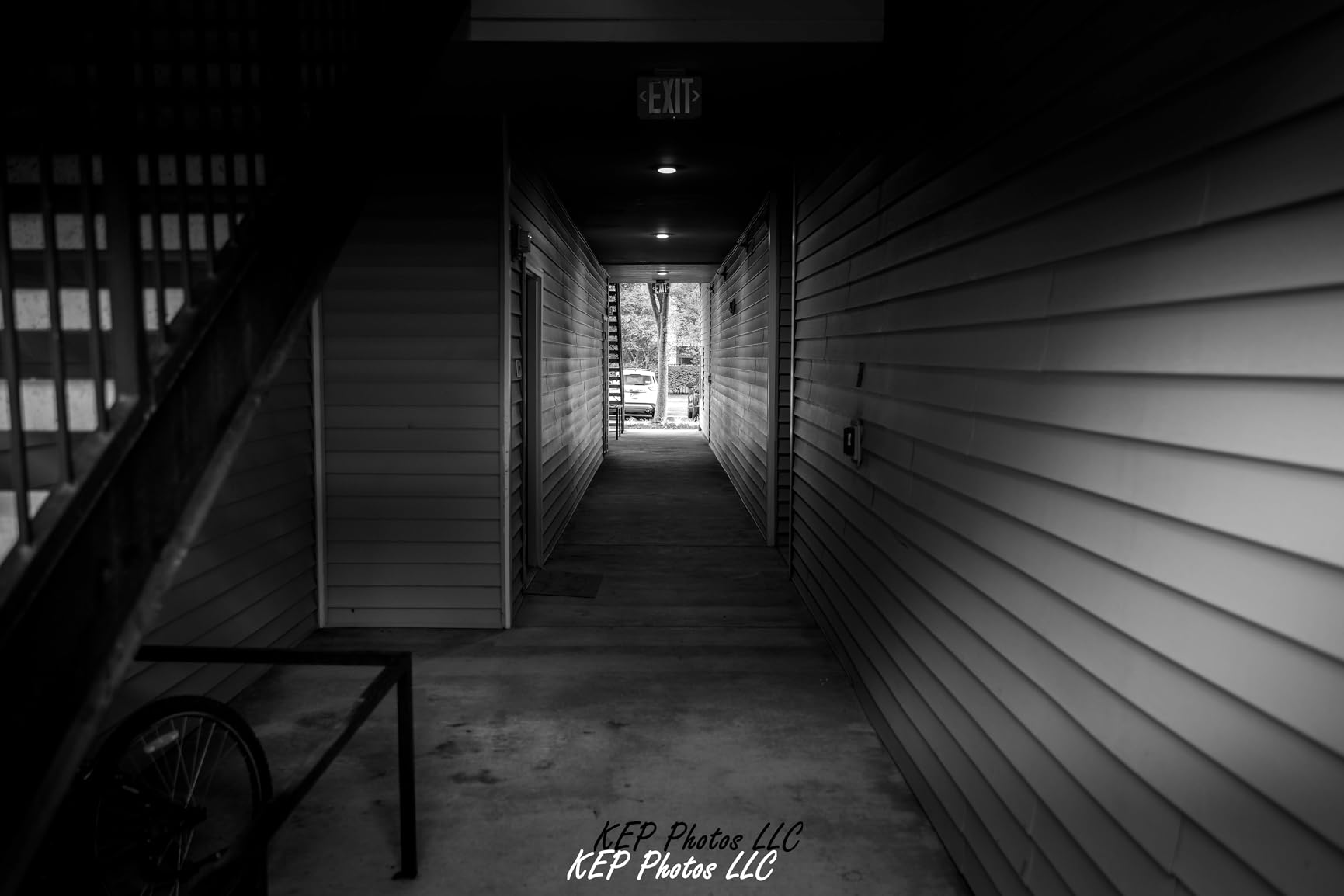
The close focusing distance of just 7.5 inches opens up creative possibilities for product photography and close-up work. I found this capability surprisingly useful for food photography and detail shots during events. The suppressed focus breathing makes this lens particularly appealing for video work.
Build quality is where Nikon cut costs to achieve the lower price point. The lens has a more plastic feel than the S-line optics, though the weather sealing provides adequate protection. At 1.25 pounds, the weight savings compared to the 24-70mm f/2.8 S is immediately noticeable during long shoots.

Who Should Buy This
Nikon Z shooters who want f/2.8 aperture without the weight or cost of the 24-70mm f/2.8 S should strongly consider this lens. It’s perfect for wedding photographers, event shooters, and anyone who carries their gear all day. Video shooters will appreciate the focus breathing suppression.
Who Should Avoid This
Photographers who demand the absolute best build quality and premium materials should look at the S-line lenses. Those who need 24mm at the wide end will miss the extra 4mm. Professionals who shoot in extreme conditions may prefer the more robust construction of the 24-70mm f/2.8 S.
8. Fujinon XF16-55mm f/2.8 R LM WR II – Pro APS-C Standard Zoom
Pros
- 37% lighter than predecessor
- Beautiful rounded bokeh
- Fast sharp autofocus
- Video optimized features
- Weather resistant
Cons
- Expensive price point
- Zoom barrel stiff initially
- Build feels less premium than price
The Fujinon XF16-55mm f/2.8 R LM WR II represents a significant update to Fujifilm’s professional standard zoom. I tested this lens on an X-T5, and the weight reduction compared to the original version is immediately noticeable. At just 14.5 ounces, it’s 37% lighter while delivering improved optical performance.
Image quality is excellent, with the lens capable of resolving detail for Fujifilm’s 40.2-megapixel sensors. The constant f/2.8 aperture provides beautiful background separation, and the 11-blade iris creates smooth, rounded bokeh highlights. Color rendition matches Fujifilm’s signature look perfectly.

The autofocus performance impressed me throughout testing. The linear motor delivers fast, accurate focus that keeps up with moving subjects. The smooth aperture control option makes this lens genuinely useful for video work, addressing a complaint many had with the original version.
Build quality is where some compromises were made to achieve the weight savings. The lens feels less substantial than the original, and some users report the zoom barrel being stiff initially. These are relatively minor complaints given the excellent optical performance and weight reduction.
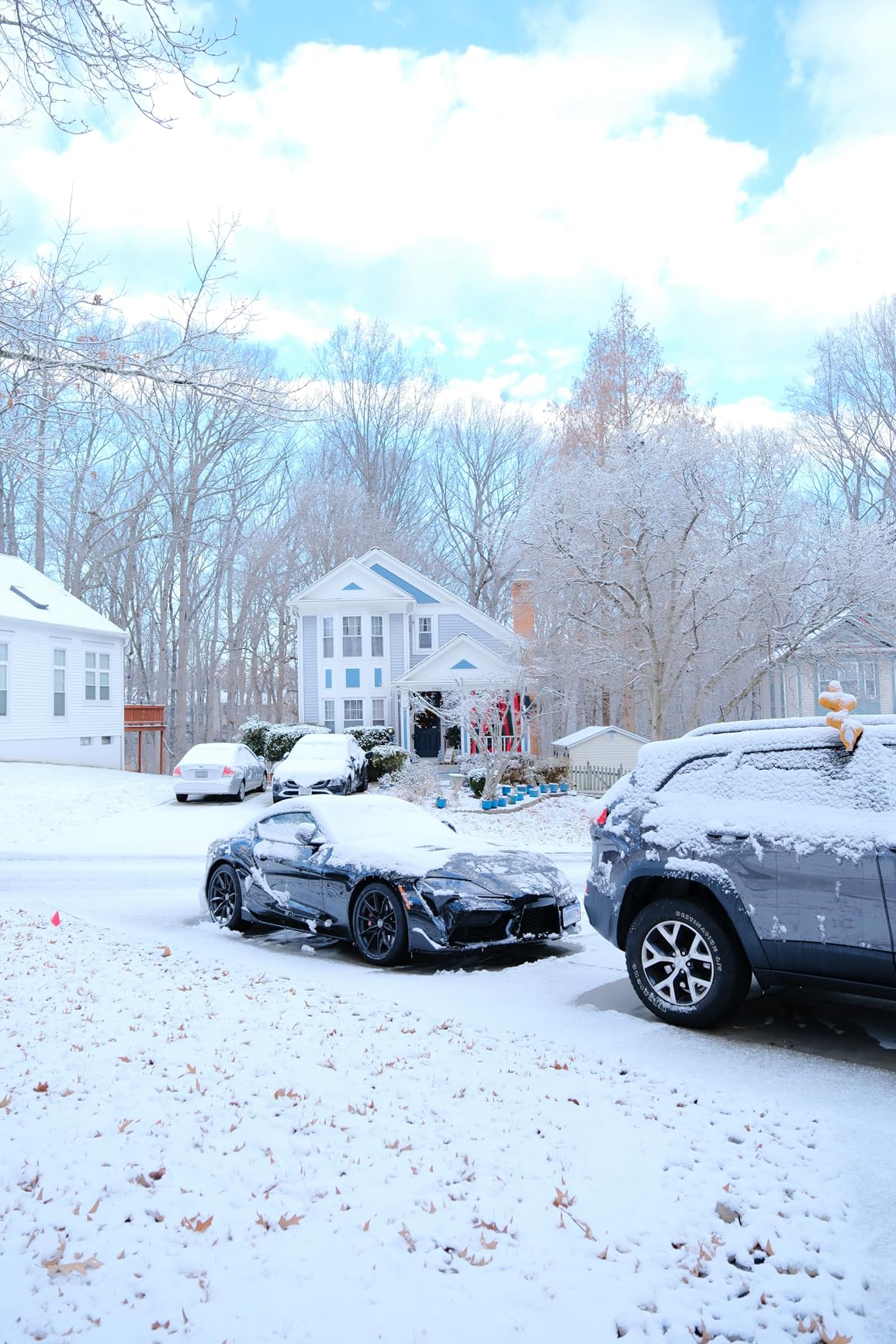
Who Should Buy This
Fujifilm X-series shooters who want a professional standard zoom should consider this lens. It’s ideal for wedding photographers, portrait shooters, and anyone who wants the classic 24-70mm equivalent range in a lightweight package. Video shooters will appreciate the new smooth aperture control.
Who Should Avoid This
Photographers who prefer the more substantial build of the original version may want to stick with or seek out the older lens. Budget-conscious shooters may find better value in the XF18-55mm kit lens. Those needing longer reach should consider the XF18-135mm instead.
9. Fujinon XF18-135mm f/3.5-5.6 R LM OIS WR – Travel Super-Zoom
Pros
- Excellent all-in-one travel lens
- Outstanding 5-stop OIS
- Weather resistant construction
- Good sharpness for 7.5x zoom
- Lightweight for the range
Cons
- Slow variable aperture
- Soft corners at 18mm
- Older lens design from 2014
The Fujinon XF18-135mm f/3.5-5.6 R LM OIS WR has been my go-to travel lens for Fujifilm X-series cameras. Despite being an older design from 2014, it remains relevant thanks to its incredible versatility and excellent image stabilization. The 7.5x zoom range covers everything from wide landscapes to distant subjects.
Sharpness is impressive given the extreme zoom range. While not matching prime lenses or the XF16-55mm f/2.8, the lens produces pleasing results across most of its range. The 5-stop OIS is genuinely outstanding, allowing handheld shots at absurdly slow shutter speeds.

The weather-resistant construction has protected this lens through rain, dust, and harsh conditions during my travels. The linear motor autofocus is fast and quiet, and the internal focus design means the lens doesn’t extend during focusing.
The variable aperture is the main trade-off. At f/5.6 on the telephoto end, you’ll need good light or higher ISOs for acceptable shutter speeds. The lens also shows its age in some design elements, including a somewhat loose lens hood that tends to fall off.

Who Should Buy This
Travel photographers who want maximum versatility in a single lens should grab this option. It’s perfect for hiking, outdoor adventures, and situations where changing lenses is impractical. The weather sealing makes it ideal for outdoor use in challenging conditions.
Who Should Avoid This
Photographers who need fast apertures for low-light work or shallow depth of field should look at the XF16-55mm f/2.8 instead. Those requiring maximum sharpness should consider prime lenses or the professional zoom. Portrait photographers will find the variable aperture limiting for background separation.
10. Sony 28-70mm f/3.5-5.6 FE OSS – Budget Full-Frame Starter
Pros
- Lightweight and compact
- Built-in OSS stabilization
- Good value for price
- Weatherproof construction
- Reliable autofocus
Cons
- Slow variable aperture
- Not as sharp as premium lenses
- Subtle bokeh not artistic
The Sony 28-70mm f/3.5-5.6 FE OSS serves as an excellent entry point into full-frame Sony photography. I started my Sony journey with this lens, and while I’ve since upgraded, I still appreciate its lightweight design and solid performance for the price, especially for beginners exploring some of the best standard zoom lenses available for Sony cameras.
Image quality is adequate for general photography. The lens produces clean results with good color reproduction, though it lacks the sharpness and micro-contrast of premium options. For beginners and hobbyists, the quality is more than sufficient for sharing online and moderate-sized prints.
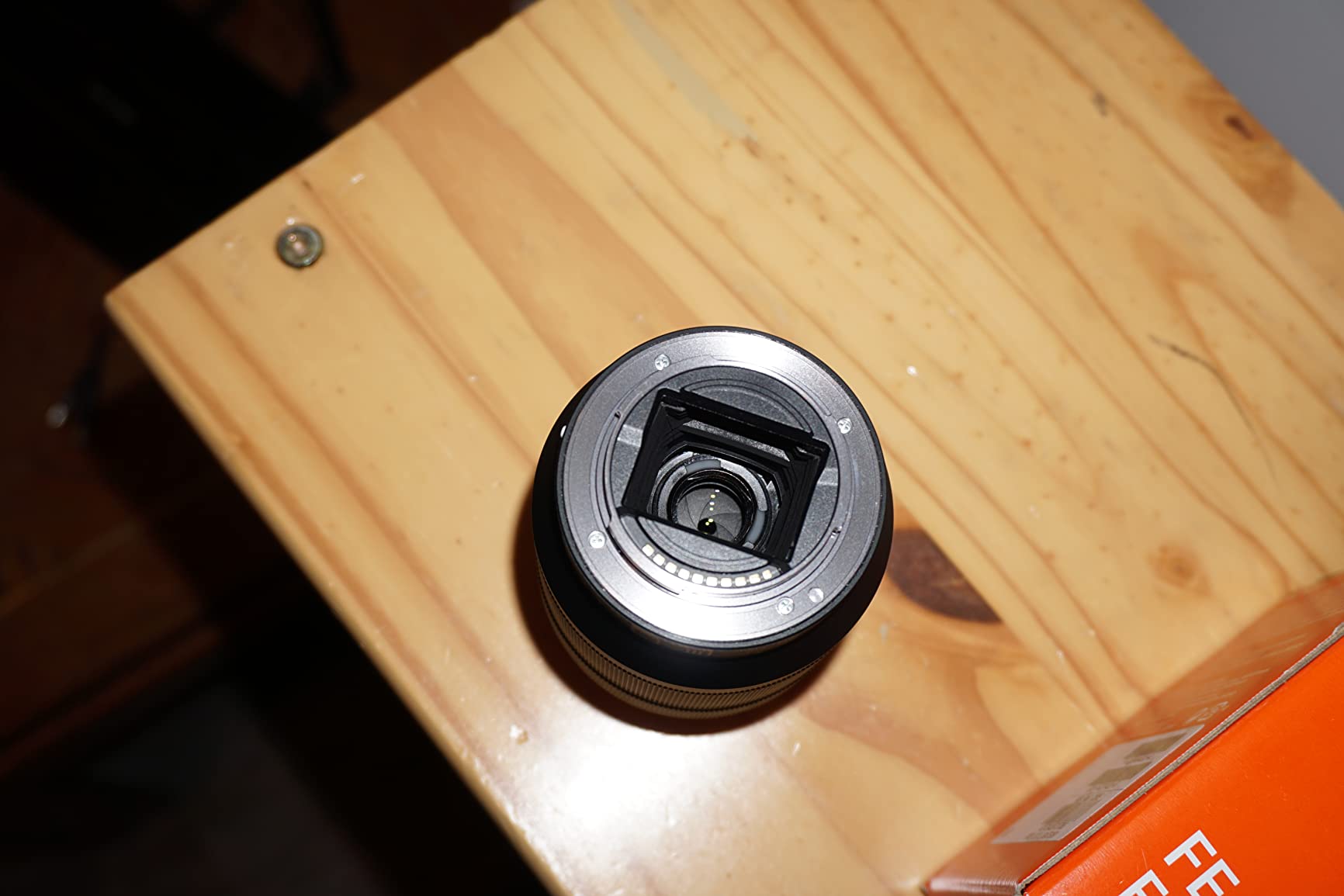
The built-in Optical SteadyShot stabilization is genuinely useful, especially at the telephoto end where camera shake becomes more pronounced. Combined with Sony’s excellent autofocus system, this lens is surprisingly capable for casual photography and travel.
The variable aperture is the main limitation. At f/5.6 on the long end, you’ll need good light or higher ISOs for acceptable results. The lens also lacks the beautiful bokeh of faster options, though it can still produce pleasing backgrounds at 70mm close focus distances.

Who Should Buy This
Sony full-frame beginners on a budget should consider this lens as a starting point. It’s perfect for those upgrading from APS-C or switching systems who want an affordable full-frame lens. Casual photographers who don’t need professional features will find it perfectly adequate.
Who Should Avoid This
Photographers who need fast apertures for low-light work should look at the Tamron 28-75mm f/2.8 instead. Those requiring professional image quality should invest in the Sony GM or Sigma Art series lenses. Portrait photographers will find the variable aperture and modest bokeh limiting.
11. NIKKOR Z DX 12-28mm PZ VR – Ultra-Wide DX Zoom
Pros
- Ultra-wide for DX format
- Extremely lightweight
- Excellent 4.5-stop VR
- Smooth power zoom for video
- Sharp across frame
Cons
- Slow f/4 aperture
- No lens hood included
- Zoom-by-wire not preferred by all
The NIKKOR Z DX 12-28mm PZ VR fills an important niche for Nikon Z DX-format shooters. This ultra-wide zoom provides an 18mm equivalent field of view at the wide end, perfect for landscapes, interiors, and architecture. I tested this lens on a Z50 and found it surprisingly capable for the price.
At just 7.2 ounces, this is one of the lightest lenses in Nikon’s Z lineup. The weight savings make it ideal for travel and hiking where every ounce counts. Despite the light weight, the 4.5-stop VR stabilization performs admirably.
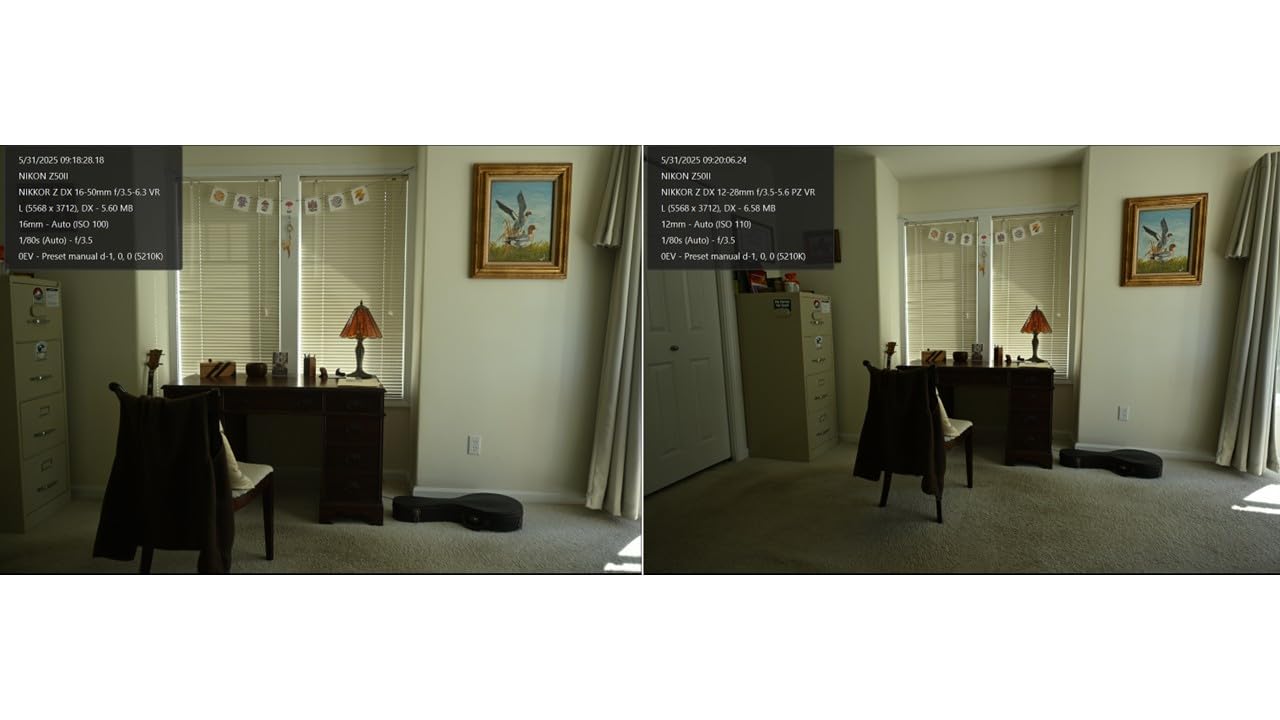
The power zoom feature is unique in this category and particularly useful for video work. The 11 selectable zoom speeds allow smooth, controlled zooming during recording. The internal zoom design means the lens doesn’t extend, maintaining balance and weather resistance.
The f/4 aperture is slower than many would prefer, requiring higher ISOs in dim conditions. The zoom-by-wire electronic control isn’t to everyone’s taste, with some photographers preferring mechanical zoom rings. No lens hood is included, which feels like a cost-cutting measure.

Who Should Buy This
Nikon Z DX-format shooters who need an ultra-wide zoom should consider this lens. It’s ideal for landscape photographers, real estate shooters, and vloggers. Video creators will appreciate the smooth power zoom and internal design.
Who Should Avoid This
Photographers who prefer mechanical zoom rings may find the zoom-by-wire frustrating. Those needing faster apertures for low-light interiors should look elsewhere. Full-frame shooters should skip this DX-only lens entirely.
12. NIKKOR Z 24-50mm f/4-6.3 – Ultra-Compact Travel Lens
Nikon NIKKOR Z 24-50mm | Compact mid-Range Zoom Lens for Z Series mirrorless Cameras | Nikon USA Model
Pros
- Ultra-compact retractable design
- Near-silent operation
- No focus breathing for video
- Excellent for travel
- Good color rendition
Cons
- Slow variable aperture
- Plastic build quality
- No image stabilization
- Requires extension before shooting
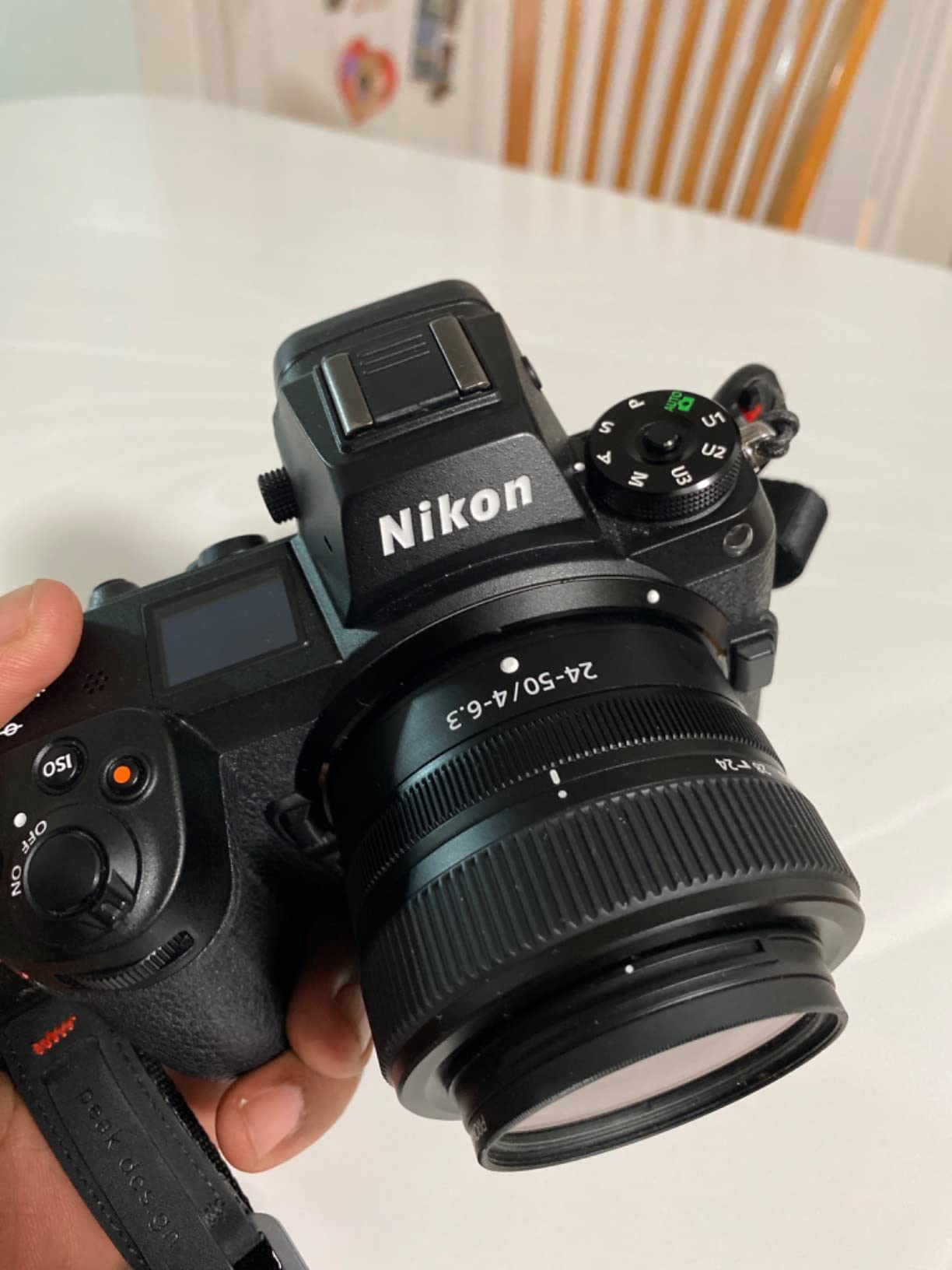
The NIKKOR Z 24-50mm f/4-6.3 is Nikon’s answer for photographers who prioritize size and weight above all else. At just 6.9 ounces, this is one of the lightest full-frame standard zooms available. I tested it as a travel option and found it surprisingly capable for its intended purpose.
Image quality is good for a lens in this category. The lens produces clean results with accurate colors and minimal vignetting. Sharpness is adequate for general photography, though it won’t match professional-grade optics. For travel snapshots and casual shooting, it’s more than sufficient.
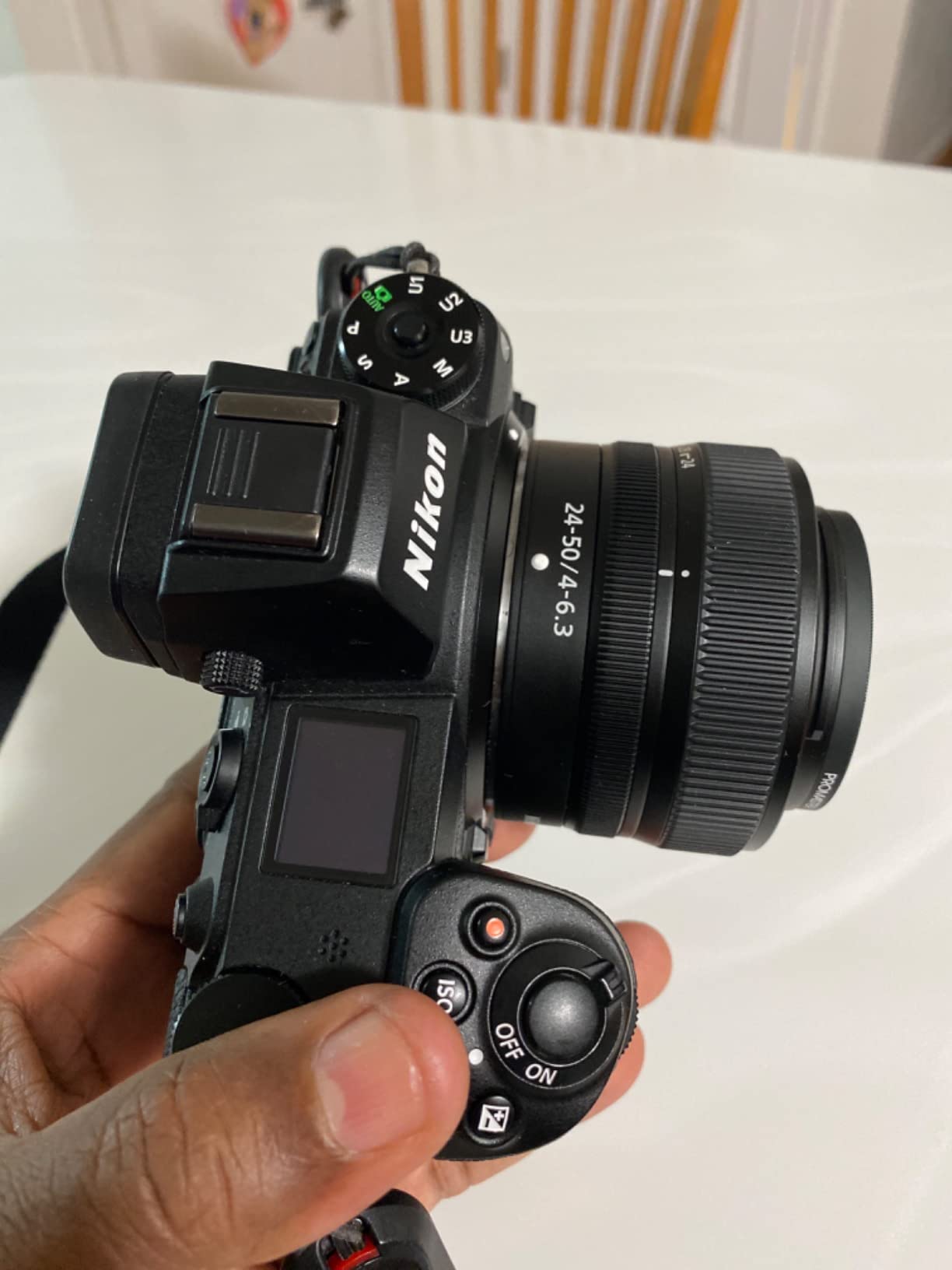
The retractable design allows the lens to collapse to just 2 inches when not in use. This makes it incredibly easy to pack in small bags or even large pockets. The near-silent operation and lack of focus breathing make it viable for video work.
The slow variable aperture is the biggest limitation. At f/6.3 on the telephoto end, you’ll need plenty of light or high ISOs. The plastic build feels cheap, and the lack of image stabilization means relying on the camera body’s VR. The lens must be extended before shooting, which adds a step that can cause missed candid moments.
Who Should Buy This
Travel photographers who prioritize minimal size and weight should consider this lens. It’s perfect for those who want a compact kit that doesn’t sacrifice full-frame image quality. Video shooters will appreciate the silent operation and minimal focus breathing.
Who Should Avoid This
Photographers who need fast apertures should look at the Z 28-75mm f/2.8 instead. Those wanting professional build quality should invest in S-line lenses. Anyone shooting in low light will struggle with the slow maximum aperture.
How to Choose a Standard Zoom Lens In 2026?
Finding the right standard zoom lens depends on your camera system, shooting style, and budget. Here are the key factors to consider when making your decision.
Focal Length Range – 24-70 vs 24-105 vs 28-75
The focal length range determines what you can capture. Traditional 24-70mm lenses offer the classic wide-to-portrait range that covers most everyday situations. Extended zooms like 24-105mm or 24-120mm add telephoto reach at the cost of some optical quality and larger size. The 28-75mm range sacrifices 4mm on the wide end but often comes in smaller, lighter packages at lower prices.
For most photographers, 24mm is preferable to 28mm for landscapes, interiors, and group shots. However, if you rarely shoot wide, the 28-75mm options offer excellent value. Travel photographers may prefer the extended reach of 24-105mm or 24-120mm lenses.
Aperture – f/2.8 vs f/4 vs Variable
Aperture is perhaps the most important specification after focal length. Constant f/2.8 lenses offer the best low-light performance and shallowest depth of field, but they’re heavier and more expensive. Constant f/4 lenses provide a good balance of capability and portability. Variable aperture lenses are typically the lightest and most affordable but struggle in dim conditions.
I generally recommend f/2.8 for professional work, weddings, events, and low-light photography. F/4 works well for travel, landscapes, and general photography in good light. Variable aperture lenses suit beginners, travel, and casual use where weight matters more than low-light capability.
Image Stabilization – When You Need It
Lens-based image stabilization helps counteract camera shake for sharper handheld shots. This is particularly valuable at longer focal lengths and in low light. Some camera systems have excellent in-body stabilization, reducing the need for lens-based IS.
For video work, lens stabilization is almost always beneficial. For stills photography, consider whether your camera body has effective IBIS. Canon and Nikon shooters generally benefit more from lens IS, while Sony and Olympus/OM System bodies have excellent in-body stabilization.
Build Quality and Weather Sealing
Professional lenses feature robust construction with metal mounts, extensive weather sealing, and fluorine coatings to repel water and oil. Budget lenses typically use more plastic and offer limited or no weather protection.
If you shoot outdoors frequently, weather sealing is worth the investment. The peace of mind during unexpected weather changes is invaluable. For studio or fair-weather use, build quality matters less.
Third-Party vs First-Party Lenses
Third-party lenses from Sigma, Tamron, and others often offer similar optical performance to first-party options at significantly lower prices. The trade-offs typically include slightly less robust build quality, different handling characteristics, and sometimes slower autofocus.
For most enthusiasts and many professionals, third-party lenses represent excellent value. I’ve found Tamron’s 28-75mm series particularly impressive. However, professionals who need absolute reliability and the best possible autofocus may prefer first-party options.
Weight and Size Considerations
Standard zooms vary dramatically in weight, from under 7 ounces for compact options to over 2 pounds for professional f/2.8 lenses. Consider how long you typically carry your camera and whether weight will affect your enjoyment of photography.
For travel and hiking, lighter lenses make a significant difference in comfort. For studio and event work where the camera spends more time on a tripod or in hand briefly, weight matters less. Many photographers maintain both a heavy professional zoom and a lightweight travel option.
Frequently Asked Questions
What is a standard zoom lens?
A standard zoom lens is a versatile photographic lens covering approximately 24-70mm (full-frame equivalent) focal length range. This range provides perspectives from moderately wide to short telephoto, suitable for landscapes, portraits, street photography, and general everyday use. Standard zooms are typically the most-used lens in a photographer’s kit due to their versatility.
What focal length is a standard zoom?
Standard zoom lenses typically cover 24-70mm on full-frame cameras, with APS-C equivalents around 16-55mm or 18-50mm depending on crop factor. Some extended standard zooms reach 105mm or 120mm. The defining characteristic is coverage of the normal perspective range that matches roughly what the human eye sees naturally.
Are standard zoom lenses worth it?
Yes, standard zoom lenses are worth the investment for most photographers. They provide the versatility of multiple focal lengths in one lens, eliminating the need to change lenses frequently. While they may not match the absolute sharpness of prime lenses, modern standard zooms offer excellent optical quality with significant convenience for everyday photography, travel, events, and general use.
Should I buy a prime or zoom lens?
Choose prime lenses for maximum sharpness, wider apertures, and lower weight. Choose zoom lenses for versatility and convenience. Many photographers own both: a standard zoom for general use and fast primes for low-light or when maximum image quality is critical. If you can only own one lens, a standard zoom is usually the most practical choice.
What is the difference between kit lens and standard zoom?
Kit lenses are basic zooms bundled with cameras, typically featuring slow variable apertures (f/3.5-5.6), plastic construction, and modest optical quality. Upgraded standard zooms offer faster apertures (often constant f/2.8 or f/4), better optics, weather sealing, metal mounts, and more robust construction. The upgrade provides significant improvements in image quality, low-light capability, and durability.
Conclusion
Choosing the best standard zoom lens for your camera system is one of the most important decisions you’ll make as a photographer. The right standard zoom becomes your most-used lens, handling everything from landscapes to portraits with a single optic.
For Sony shooters, the Sony FE 24-70mm f/2.8 GM II represents the pinnacle of standard zoom design with exceptional sharpness and lightweight construction. Budget-conscious Sony users should consider the Sigma 24-70mm f/2.8 DG DN Art for similar performance at a lower price.
Canon RF photographers have excellent options with the 24-70mm f/2.8L IS USM for professional work and the 24-105mm f/4L IS USM for maximum versatility. Both deliver the L-series quality Canon users expect.
Nikon Z shooters should look at the Z 24-120mm f/4 S for travel versatility or the Z 28-75mm f/2.8 for a lightweight f/2.8 option. The Tamron 28-75mm f/2.8 G2 offers incredible value for budget-conscious Nikon users.
Fujifilm X-series photographers can choose between the professional XF16-55mm f/2.8 R LM WR II for serious work or the travel-friendly XF18-135mm for maximum versatility in one lens.
Whichever lens you choose, investing in one of the best standard zoom lenses will transform your photography. These versatile optics handle the majority of shooting situations with aplomb, letting you focus on creating images rather than changing lenses.