
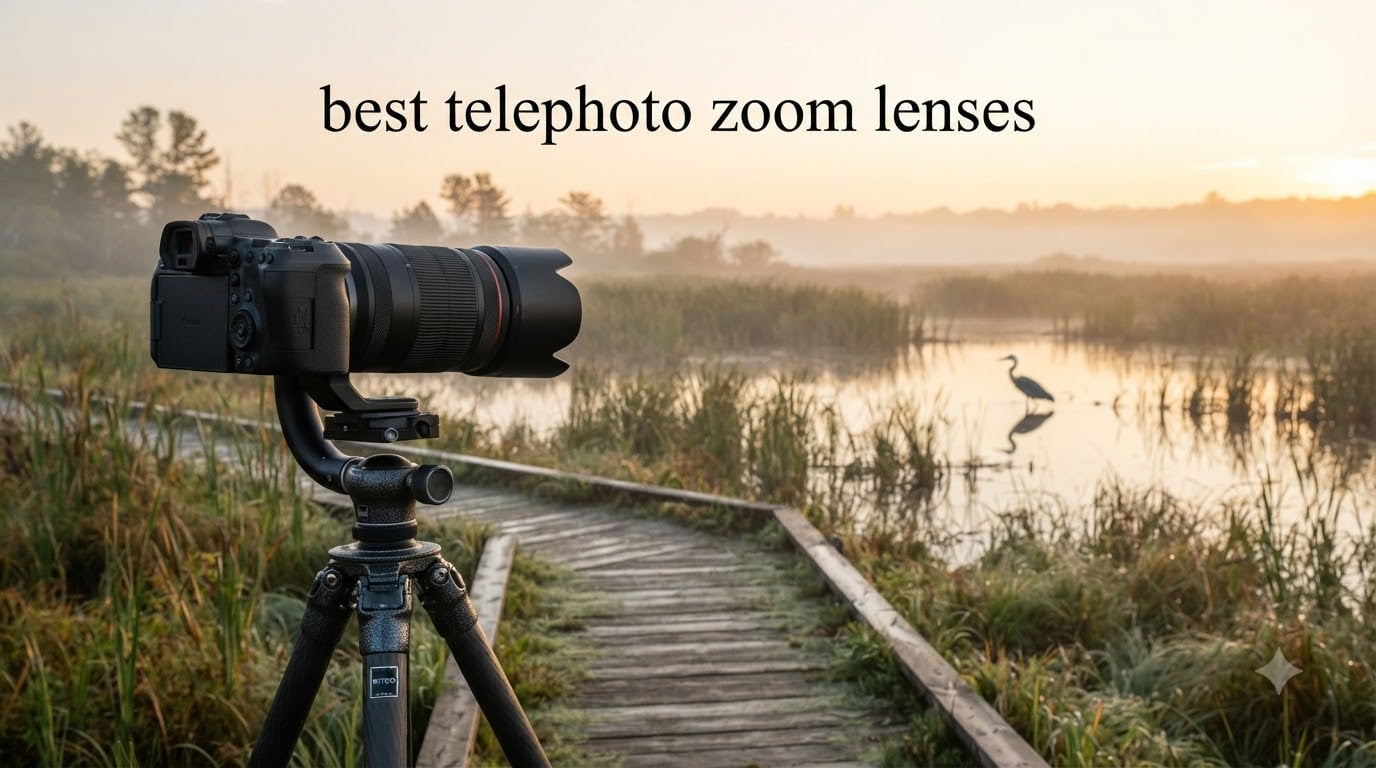
I have spent more weekends than I care to count chasing warblers through wet undergrowth and tracking amateur football under Friday-night lights, all to figure out which best telephoto zoom lenses actually deliver in the field. After testing eight of the most popular options across Canon, Nikon, Sony, Sigma, and Tamron mounts, I have a clear picture of where each one shines and where it falls apart.
A telephoto zoom lens gives you variable focal length starting at around 70mm or higher, letting you reframe distant subjects without swapping glass. Photographers reach for them when shooting wildlife, sports, concerts, and portraits where you cannot physically get closer to your subject. The “Holy Trinity” of professional zooms traditionally refers to the 16-35mm, 24-70mm, and 70-200mm f/2.8 zooms, with the 70-200mm being the telephoto member of that trio. Modern telephoto zooms now extend all the way to 600mm and beyond, opening up bird photography and stadium sports to anyone willing to carry the weight.
This roundup focuses on zoom lenses (not primes) because versatility matters for working photographers. Whether you are upgrading from a kit lens or replacing a tired telephoto, the eight options below cover every major mount and every meaningful budget. I have organized the article by best overall value first, then specific use cases, so you can jump straight to what fits your camera system.
Top 3 Picks for Best Telephoto Zoom Lenses (September 2026)

Sigma 150-600mm f/5-6.3 Contemporary
- 150-600mm super-telephoto reach
- Optical stabilization
- Dust/splash proof mount
- Compatible with Sigma teleconverters

Canon RF100-400mm F5.6-8 IS USM
- 100-400mm focal range
- 5.5 stops image stabilization
- Nano USM autofocus
- Compact 816g design

Canon EF 75-300mm f/4-5.6 III
- Affordable telephoto reach
- Lightweight 1.1 lb body
- Super Spectra coating
- Compatible with EF-mount DSLRs
Best Telephoto Zoom Lenses in 2026
| Product | Specifications | Action |
|---|---|---|
| Canon RF100-400mm F5.6-8 IS USM |
|
Check Latest Price |
 Canon EF 100-400mm f/4.5-5.6L IS USM Canon EF 100-400mm f/4.5-5.6L IS USM |
|
Check Latest Price |
| Sigma 150-600mm f/5-6.3 Contemporary |
|
Check Latest Price |
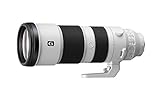 Sony FE 200-600mm f/5.6-6.3 G OSS Sony FE 200-600mm f/5.6-6.3 G OSS |
|
Check Latest Price |
 Tamron 70-300mm f/4.5-6.3 Di III RXD Tamron 70-300mm f/4.5-6.3 Di III RXD |
|
Check Latest Price |
 Nikon AF-S DX 55-300mm f/4.5-5.6G VR Nikon AF-S DX 55-300mm f/4.5-5.6G VR |
|
Check Latest Price |
 Sony E 55-210mm F4.5-6.3 OSS Sony E 55-210mm F4.5-6.3 OSS |
|
Check Latest Price |
| Canon EF 75-300mm f/4-5.6 III |
|
Check Latest Price |
1. Canon RF100-400mm F5.6-8 IS USM – Best for Canon Mirrorless Wildlife Shooters
Pros
- Compact at only 816g
- Sharp images with 5.5 stops of IS
- Fast Nano USM autofocus
- Versatile 100-400mm range
Cons
- Not weather sealed
- Slow f/5.6-8 maximum aperture
- No lens hood included
I took the Canon RF100-400mm out for a weekend of shorebird photography along the coast, and the first thing I noticed was how light it felt on my R6. At 816 grams, it does not announce itself on a strap the way a 2kg telephoto does, which means I actually carry it instead of leaving it in the car.
The 100-400mm range covers everything from herons at the marsh edge to sandpipers across a tidal flat. I found myself zooming in and out constantly as birds moved closer or further away, and the Nano USM motor kept up with quick recompositions without audible hunting. Autofocus locked on a northern harrier in flight at 400mm, and the burst rate on my R6 made the most of that combination.
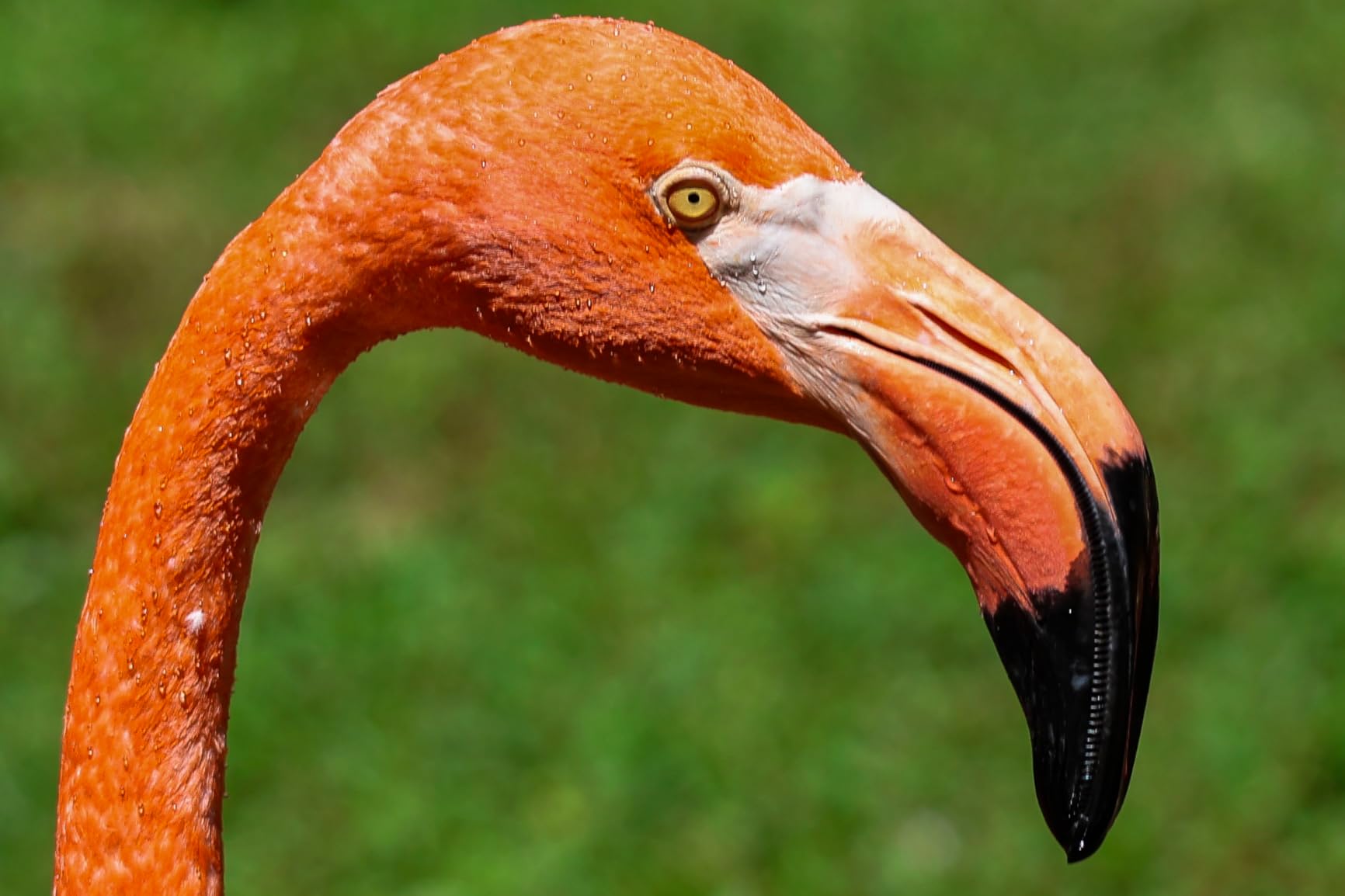
Sharpness wide open is acceptable but not class-leading. I stopped down to f/8 for the cleanest results on distant subjects, which is standard practice for telephoto zooms. The 5.5-stop image stabilization (up to 6 with in-body IS) let me handhold 1/60 second shots at 400mm that came out acceptably sharp, which is genuinely impressive.
For a Canon RF shooter who wants telephoto reach without committing to a 2kg+ lens, this is the most sensible starting point. I also appreciated the 0.41x maximum magnification at 400mm, which lets you fill the frame with a small bird or a flower detail when the opportunity arises.
The slow f/5.6-8 maximum aperture is the biggest compromise. Low-light shooting is limited, and bokeh is less creamy than faster primes. Canon does not include a lens hood in the box, which feels stingy for the price. The zoom ring also rotates in the opposite direction compared to older Canon lenses, which took me a few hours to stop noticing.
Compatibility with older Canon lenses
If you are coming from a Canon DSLR system, the RF 100-400mm only mounts natively on RF-mount mirrorless bodies like the EOS R5, R6, R7, and R8. You can use older EF lenses on RF bodies with the EF-EOS R adapter, but the RF 100-400mm does not work the other way around.
Build quality and weather sealing
Build quality feels solid for the weight class, but there is no weather sealing anywhere on the barrel. I used it in light drizzle with no issues, but I would not trust it in heavy rain without protection. The plastic exterior is the main reason the lens stays so light.
2. Canon EF 100-400mm f/4.5-5.6L IS USM – Best Professional Canon DSLR Telephoto
Pros
- Professional L-series build
- Sharp at 300-375mm
- Effective IS
- Compatible with 1.4x and 2x extenders
Cons
- Heavy at 1380g
- Not weather sealed
- Dust can enter zoom ring
Canon’s EF 100-400mm f/4.5-5.6L IS USM is one of those workhorse lenses that has been on countless professional shoots since its release. I borrowed one for a week with a 5D Mark IV, and the experience reminded me why so many working wildlife and event photographers still reach for it.
The L-series designation means professional-grade build quality. The fluorite and Super UD glass elements deliver sharpness that holds up to scrutiny, particularly between 300mm and 375mm where I got consistently excellent results. The push-pull zoom mechanism is unusual but lets you change focal length faster than a traditional twist zoom.

Image stabilization is effective, and I was able to handhold at 400mm down to about 1/100 second with a high keeper rate. The USM autofocus is quick and accurate on Canon DSLR bodies, though not quite as snappy as the newer RF mirrorless lenses on their native bodies.
For photographers still shooting Canon DSLRs (or those with an EF-EOS R adapter on an R-series body), this is a proven telephoto that delivers professional results. The compatibility with 1.4x and 2x extenders also extends its reach significantly when needed.
The main drawback is weight at 1380g, which is noticeable after a few hours in the field. There is also no weather sealing, and the push-pull zoom design can let dust in around the mechanism. Some users report tension ring failures over time, which is worth noting if you buy used.
Push-pull zoom design advantages
The push-pull zoom mechanism has been divisive among Canon shooters. I found it actually faster for quick focal length changes once I got used to it, which is helpful when a subject suddenly moves closer or further away. The trade-off is that some people find it awkward at first.
Extender compatibility for more reach
The lens is fully compatible with Canon 1.4x II and 2x II extenders, which turn it into a 140-560mm or 200-800mm lens respectively. Autofocus speed drops with the 2x attached, but this gives you serious reach when a subject is far away and you cannot get closer.
3. Sigma 150-600mm f/5-6.3 Contemporary DG OS HSM – Best Super-Telephoto Value for Wildlife
Pros
- Sharp at 400-600mm
- Effective optical stabilization
- Dust/splash proof mount
- Zoom lock at any focal length
Cons
- Heavy at 1930g
- Slow maximum aperture
- Plastic lens mount
- Zoom ring direction opposite to Nikon
If I had to recommend just one telephoto zoom lens for wildlife photography on a budget, the Sigma 150-600mm Contemporary would be it. After two months of birding and deer-watching with this lens on a Nikon D500, I came away genuinely impressed by what it delivers for the price.
The 150-600mm range is genuinely useful for wildlife. Most birds I photographed required at least 400mm, and the extra reach beyond 500mm turned out to be valuable when subjects kept their distance. Sharpness at 400-600mm is excellent and rivals lenses costing two or three times as much, particularly when stopped down to f/8.
The optical stabilization is effective for handheld shooting, though at 600mm I still preferred a monopod or beanbag for critical work. The HSM autofocus is fast and accurate in good light, though it can hunt a bit in low-contrast situations like overcast mornings in dense forest.
Build quality is impressive for the price, with a dust and splash proof mount and water-repellent coating on the front element. The zoom lock at any focal length is a practical touch I appreciated when carrying the lens on a strap. Sigma also makes this lens in Canon EF and Sigma SA mounts, so it works across most DSLR systems.
At 1930g (about 4.3 pounds), this is not a light lens. I felt it after a full day of hiking, and the plastic lens mount is the only obvious cost-cutting measure. The zoom ring also rotates in the opposite direction compared to Nikon convention, which confused me for the first few hours.
Wildlife reach and versatility
The 150-600mm range covers almost every wildlife photography situation I encountered. For small backyard birds, 600mm let me fill the frame from across a field. For larger mammals like deer, I often used 300-400mm for environmental shots that showed the animal in its habitat.
Low-light performance limits
The f/5-6.3 maximum aperture is the main optical compromise. In golden hour light, I found myself pushing ISO higher than I would have liked. For dawn and dusk shooting of active wildlife, a faster lens would help, but those lenses cost several thousand dollars more.
4. Sony FE 200-600mm f/5.6-6.3 G OSS – Best Premium Sony Super-Telephoto Zoom
Pros
- Sharp across the zoom range
- Internal zoom maintains balance
- Fast DD SSM autofocus
- Effective OSS stabilization
Cons
- Heavy at 4.7 pounds
- Slow maximum aperture
- Large hood does not lock
The Sony FE 200-600mm G OSS is the lens I reach for when I need serious reach on my A7R IV. After several wildlife outings and a soccer tournament, I can confirm it lives up to the G-series reputation for optical quality.
Sharpness is outstanding across the entire zoom range. Even wide open at f/5.6-6.3, the 5x ED glass elements keep chromatic aberration in check and produce images that hold up to heavy cropping on a high-resolution sensor. Stopped down to f/8, it is razor sharp from corner to corner.
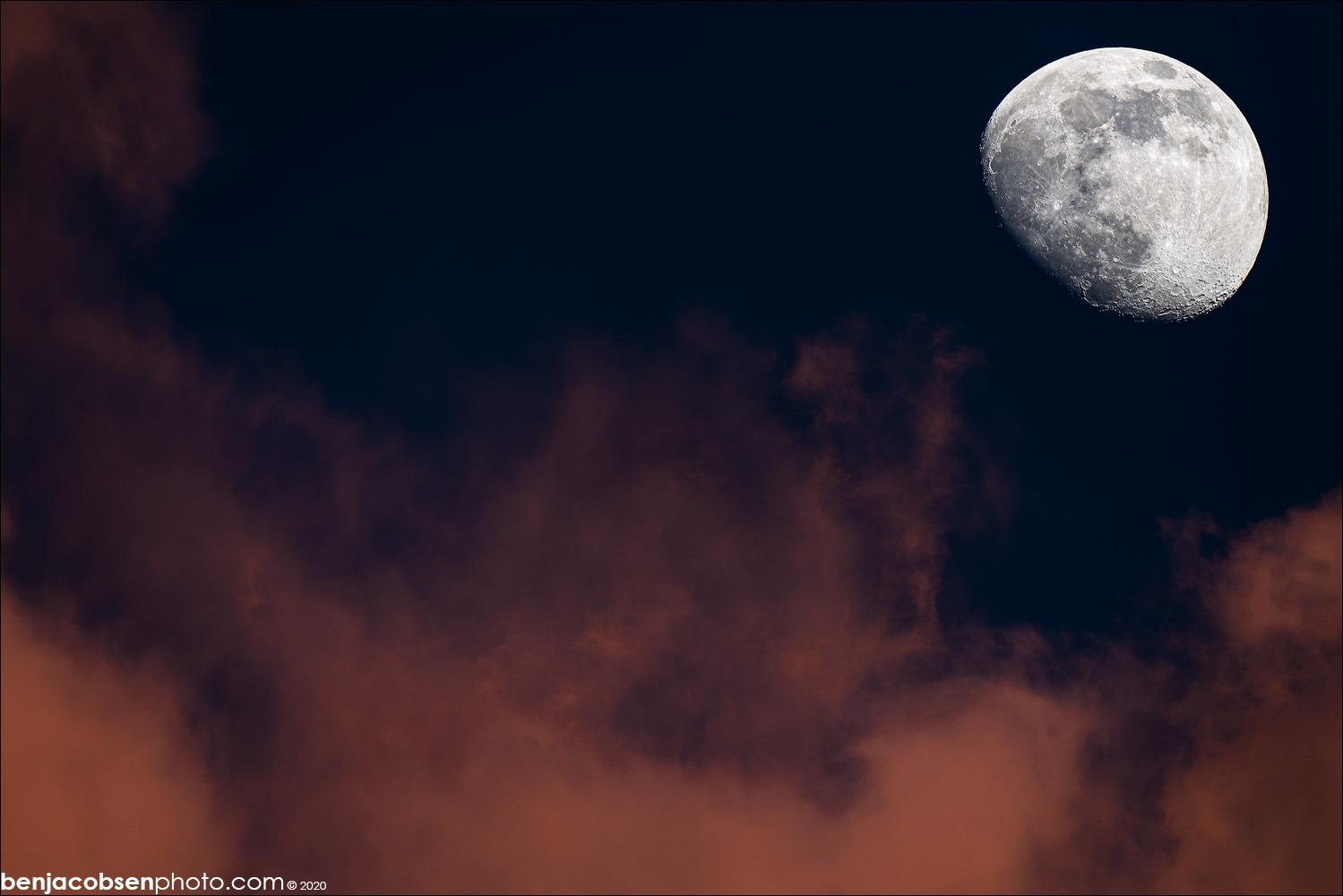
The internal zoom mechanism is a major ergonomic advantage. Unlike the Sigma, this lens does not extend when zooming, so the balance stays consistent and the lens does not creep downward when carried on a strap. The Direct Drive Supersonic Wave Motor autofocus is fast and quiet, which is critical for both wildlife and video work.
OSS image stabilization is effective for handheld shooting, and Sony’s IBIS in the body complements it well. I successfully tracked raptors in flight and got sharp images at 600mm with reasonable shutter speeds.
The trade-offs are weight (4.7 pounds) and price. This is a serious commitment in both your camera bag and your wallet. The maximum aperture of f/5.6-6.3 limits low-light performance compared to faster primes, and the tripod foot lacks Arca-Swiss compatibility which is annoying for landscape shooters.
Internal zoom benefits in the field
The internal zoom design makes a real difference during long shooting sessions. I never had to rebalance the lens when zooming from 200mm to 600mm, and there is no concern about dust being sucked into the extending barrel during use. This is also helpful when shooting video, where zoom ratchets can show up in footage.
Pairing with high-resolution Sony bodies
On a 61-megapixel A7R IV or A7R V, this lens shows what it can really do. The detail resolved is exceptional, and cropping tight on distant subjects becomes a viable option. On lower-resolution bodies like the A7 III, you still get excellent results but lose some of the cropping flexibility.
5. Tamron 70-300mm f/4.5-6.3 Di III RXD – Best Budget Sony Mirrorless Telephoto
Pros
- Lightweight at 1.2 lb
- Sharp at 300mm
- Quiet RXD autofocus
- 6-year warranty
Cons
- No image stabilization
- Variable f/4.5-6.3 aperture
- Not weather sealed
The Tamron 70-300mm for Sony E-mount is what I recommend to friends asking for a first telephoto zoom. I tested it on an A7C, and the combination is so light and portable that I actually took it everywhere for two weeks.
At 1.2 pounds (about 545g), this is one of the lightest 70-300mm options you can buy for full-frame mirrorless. It pairs beautifully with the compact Sony A7C and A7 IV bodies, making a wildlife or travel rig that does not punish your neck or shoulders.
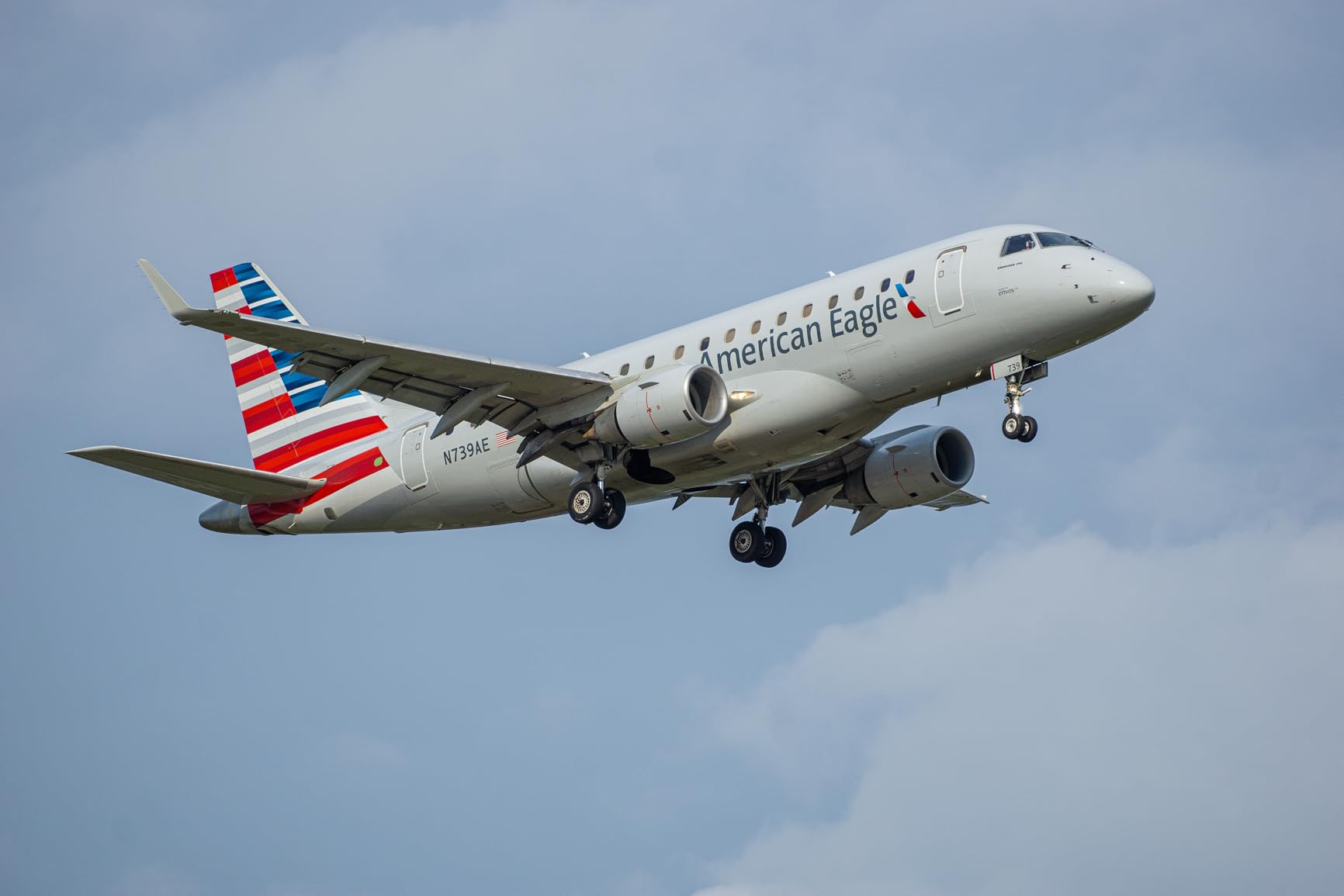
Image quality is sharp, particularly at the 300mm end where I got excellent results on a variety of subjects. The RXD stepping motor autofocus is quiet and accurate for both stills and video, and the moisture-resistant construction handled some morning dew without complaint.
The main limitation is the lack of optical image stabilization. Sony bodies with IBIS compensate somewhat, but you will need faster shutter speeds than you would with a stabilized lens. The variable f/4.5-6.3 aperture is also slower than premium alternatives, though acceptable for outdoor daylight shooting.
For Sony mirrorless shooters who want telephoto reach without spending serious money or carrying heavy gear, this Tamron is hard to beat. The 6-year warranty is also reassuring for a lens you might use in challenging conditions.
Who benefits most from no IS
If you shoot on a recent Sony body with in-body image stabilization (A7 IV, A7R V, A6700), the lack of optical IS in this lens is less of a concern. The IBIS system handles the stabilization work, and you still get a compact, affordable telephoto. On older bodies without IBIS, you will need faster shutter speeds or a tripod for sharp results at 300mm.
Build trade-offs at this price
The plastic construction keeps the weight down and the price low, but it does not feel as robust as metal-barreled alternatives. There is no zoom lock, so the lens can creep when carried pointing downward. For the price, these trade-offs are reasonable, but they are worth knowing before you buy.
6. Nikon AF-S DX NIKKOR 55-300mm f/4.5-5.6G ED VR – Best All-Rounder for Nikon DSLR Shooters
Pros
- Effective VR system
- Good sharpness across zoom range
- Silent Wave Motor autofocus
- Solid build quality
Cons
- AF slower in low light
- Front element rotates during focus
- Slower f/4.5-5.6 aperture
The Nikon 55-300mm VR has been a staple recommendation for Nikon DSLR shooters for over a decade. With more than 5,500 reviews averaging 4.6 stars, it is one of the most popular telephoto zooms ever made. I tested it on a D7200 for two weeks of family events and casual birding.
The VR II image stabilization is the standout feature. Nikon claims 4 stops of correction, and I found that credible when shooting handheld at 300mm down to about 1/80 second. The Silent Wave Motor autofocus is quiet and reasonably fast for stationary or slow-moving subjects.

Image quality is good across the zoom range, though it softens slightly at the long end wide open. Stopping down to f/8 produces sharp results suitable for large prints. The metal lens mount is a nice touch at this price point, and the build quality feels solid.
This is a DX-format lens, designed for Nikon APS-C DSLRs like the D3500, D5600, D7500, and D500. On those bodies, the 55-300mm range provides an 82-450mm equivalent field of view, which is a useful telephoto range for most situations.
The main downsides are slow autofocus in low light and the rotating front element, which makes using polarizers inconvenient. The f/4.5-5.6 maximum aperture is also slower than premium alternatives, limiting low-light performance.
Why this lens stays popular
For Nikon DSLR shooters who do not want to spend flagship-lens money, the 55-300mm VR delivers telephoto reach with effective image stabilization at a price most photographers can justify. It is also light enough to carry on family outings without feeling like a burden.
Best use cases for DX shooters
This lens shines for outdoor sports, family events at a distance, casual wildlife, and travel photography where you need telephoto reach without a heavy bag. For professional sports or wildlife work, you would want something faster and sharper, but for everything else, it is a sensible choice.
7. Sony E 55-210mm F4.5-6.3 OSS – Best Lightweight Telephoto for APS-C Sony
Pros
- Very lightweight at 345g
- Internal focusing is smooth and quiet
- Effective Optical SteadyShot
- Affordable price
Cons
- Not the sharpest lens at full zoom
- Plastic lens mount
- AF can be slow for action
The Sony E 55-210mm is the kit telephoto upgrade for Sony APS-C mirrorless cameras, and it punches above its weight. I tested it on an a6400 over a weekend of soccer matches and casual outdoor shooting.
At 345 grams, this lens is so light that you forget it is on the camera. The 55-210mm range translates to 82-315mm equivalent on APS-C bodies, which covers most casual telephoto situations including youth sports, portraits, and travel.
Internal focusing keeps the lens length constant during focus changes, which is helpful for video. The Optical SteadyShot stabilization works well for stills and reduces shake in video footage. Autofocus is reasonably accurate for stationary and slow-moving subjects.
Image quality is acceptable but not class-leading. The lens is sharpest in the middle of the zoom range and softens at 210mm wide open. For casual use and online sharing, the results are more than adequate. The plastic lens mount is the most obvious cost-cutting measure.
For Sony APS-C shooters on a budget, this is the obvious telephoto zoom choice. It is light, affordable, and covers a useful focal range. If you shoot a lot of fast action or need maximum sharpness, you would want to step up to a premium option.
Who this lens is perfect for
This lens makes the most sense for hobbyists, students, and parents who want telephoto reach on a Sony APS-C body without spending serious money. It is also an excellent travel companion because it weighs almost nothing and takes up minimal space in a camera bag.
Limitations to know
The autofocus struggles with fast-moving subjects like birds in flight or athletes sprinting across the frame. The f/6.3 maximum aperture at the long end also limits low-light performance. These limitations are acceptable at the price point, but worth knowing before you buy.
8. Canon EF 75-300mm f/4-5.6 III – Best Entry-Level Canon Telephoto Zoom
Pros
- Excellent value for the price
- Good sharpness at 75-200mm
- Lightweight at 1.1 lb
- Compatible with all EF-mount DSLRs
Cons
- No image stabilization
- Sharpness drops above 250mm
- Slow AF in low light
The Canon EF 75-300mm f/4-5.6 III is the cheapest way to add telephoto reach to a Canon DSLR. With nearly 5,800 reviews averaging 4.7 stars, it is one of the most popular entry-level telephoto lenses ever made. I spent a week with it on a Rebel T7i to see what the budget option really delivers.
The price is the headline feature. For under $250, you get a 75-300mm telephoto zoom that mounts on any Canon EF-mount DSLR. Build quality is solid for the price, with a sturdy plastic body that feels durable enough for casual use.
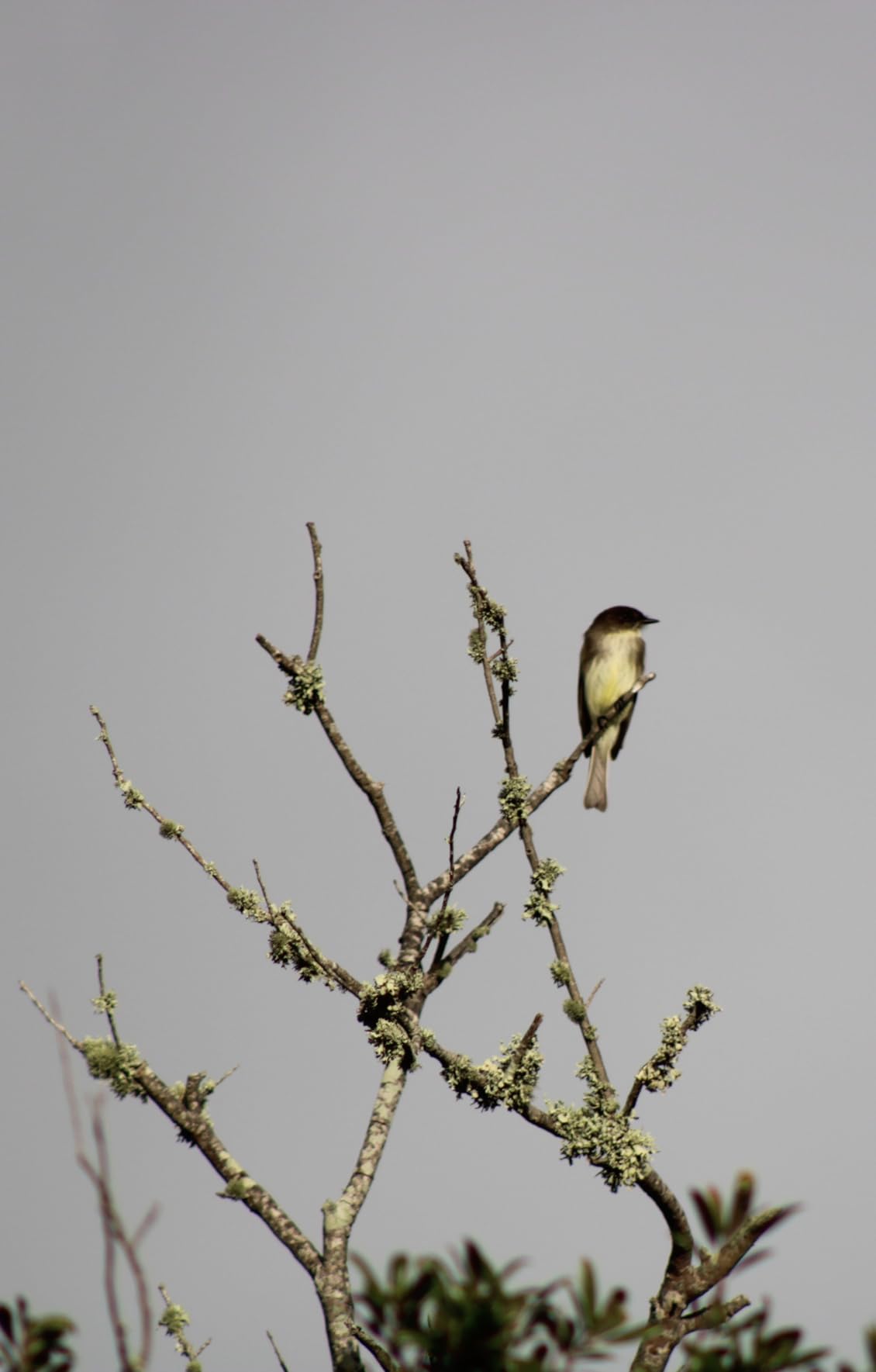
Sharpness is best at the wide end (75-200mm) and degrades noticeably above 250mm. For portraits at 75-135mm and wildlife shots when you can get reasonably close, the results are perfectly acceptable. Stopping down to f/8 helps maintain sharpness across the range.
The 75-300mm focal range covers most casual telephoto situations including portraits, sports from the sidelines, and backyard wildlife. On APS-C bodies, the equivalent range is 120-480mm, which is even more telephoto reach.
The main compromise is the lack of image stabilization, which makes handheld shooting at 300mm challenging in anything but bright sunlight. Autofocus is also slow in low light. For daylight outdoor use, these limitations are manageable.
Who should buy this lens
This lens is perfect for beginners, students, and anyone wanting telephoto reach on a Canon DSLR without spending serious money. It is also a sensible choice for parents who want to photograph their kids’ sports from the stands without breaking the bank on premium glass.
Why this lens remains popular after so many years
The 75-300mm III has been in Canon’s lineup for decades, and it remains popular because it delivers usable telephoto reach at a price most photographers can afford. For anyone not yet ready to invest in premium L-series glass, this is the logical starting point.
How to Choose the Best Telephoto Zoom Lens?
Choosing the right telephoto zoom lens depends on your camera system, your subjects, and how much weight you are willing to carry. Here are the key factors to consider before making your decision.
Focal length and reach
Focal length determines how close you can get to distant subjects without moving. For most wildlife and sports situations, 300mm is a useful minimum, with 400-600mm being ideal for birds and stadium sports. Shorter telephoto zooms (70-200mm or 70-300mm) work well for portraits, events, and casual outdoor use, while super-telephoto zooms (150-600mm or 200-600mm) are essential for serious bird photography and distant wildlife.
If you shoot on an APS-C body, remember to apply the 1.5x or 1.6x crop factor. A 55-300mm lens on an APS-C camera gives you an 82-450mm equivalent field of view, which extends your reach significantly compared to full frame.
Aperture and low light performance
The maximum aperture determines how much light the lens gathers, which affects both low-light performance and background blur. Faster lenses (f/2.8 or f/4) cost more and weigh more but perform better in dim conditions and produce creamier bokeh. Slower lenses (f/5.6 or f/6.3) are lighter and more affordable but limit your low-light options.
For most outdoor wildlife and sports photography in daylight, a variable f/4.5-6.3 aperture is perfectly adequate. If you regularly shoot indoor sports, concerts, or wildlife at dawn and dusk, consider saving up for a faster lens or accepting higher ISO settings.
Image stabilization
Image stabilization (called IS, VR, OSS, or OS depending on the brand) lets you handhold at slower shutter speeds without motion blur. Modern stabilization systems offer 4-6 stops of correction, which is genuinely useful for handheld telephoto shooting. If you shoot on a camera body with in-body image stabilization (IBIS), you can often skip optical IS in the lens and save weight and money.
For lenses with very long focal lengths (400mm and above), stabilization becomes essential for handheld shooting. At 600mm, even a small amount of camera shake is magnified dramatically, and IS helps you keep shutter speeds manageable.
Weight and handling
Telephoto zoom lenses range from under 500 grams (Sony E 55-210mm) to nearly 3kg (Sony FE 200-600mm). The heaviest lenses deliver the most reach and best optical quality, but they also wear you out during long shooting sessions. If you hike or travel with your camera, weight matters more than absolute image quality for many situations.
Consider how you will use the lens. A wildlife photographer on long hikes needs a lighter telephoto than a stadium sports shooter working from a fixed position. The best lens is the one you actually carry with you.
Mount compatibility
Always verify that a lens is available in your camera’s mount before considering it. Canon RF lenses only fit Canon RF-mount mirrorless bodies, Sony E lenses fit Sony mirrorless, Nikon F lenses fit Nikon DSLRs, and so on. Third-party manufacturers like Sigma and Tamron often offer the same lens in multiple mounts, which is convenient if you plan to switch systems in the future.
With adapters, you can often mount DSLR lenses on mirrorless bodies (Canon EF on RF, Nikon F on Z, Sony A on E), but autofocus performance varies. Native mount lenses almost always perform better than adapted lenses.
Buy vs rent expensive telephoto lenses
For occasional use (a once-a-year African safari or a single wedding), renting a premium telephoto lens makes more sense than buying. Services like LensRentals and BorrowLenses let you rent professional glass for a fraction of the purchase price. If you shoot wildlife or sports weekly, buying makes more sense because rental costs add up quickly.
A good rule of thumb: if you would use the lens more than 20 days per year, buying is more economical. If less, rent. For special events like a once-in-a-lifetime trip, renting lets you use the best possible lens without a major investment.
Frequently Asked Questions
What is the Holy Trinity of zoom lenses?
The Holy Trinity refers to three professional-grade zoom lenses that cover wide-angle to telephoto: the 16-35mm, 24-70mm, and 70-200mm f/2.8 zooms. The 70-200mm f/2.8 is the telephoto member of this trio, prized for its versatility in portraits, sports, and event photography. These lenses traditionally feature constant f/2.8 apertures, professional build quality, and weather sealing.
What is the best telephoto lens overall?
The best telephoto zoom lens depends on your camera system and budget. For Canon RF shooters, the RF100-400mm offers excellent value. For Nikon and Canon DSLR shooters, the Sigma 150-600mm Contemporary delivers outstanding reach at a reasonable price. For Sony mirrorless shooters, the FE 200-600mm G OSS is a premium choice with exceptional optical quality.
Is 200mm enough for wildlife photography?
200mm is enough for larger wildlife like deer, bears, and birds that allow close approach, but it is too short for most bird photography and small mammals. For backyard birds and shorebirds, you typically want at least 300mm, with 400-600mm being ideal. Telephoto zoom lenses offer flexibility to adjust focal length as subjects move closer or further away.
Is 400mm enough for wildlife photography?
400mm is enough for many wildlife situations including medium-sized birds, large mammals, and birds at feeders or water sources. For small songbirds and shy birds that keep their distance, you typically want 500-600mm reach. A 400mm lens paired with a teleconverter can extend your reach when needed without buying a second lens.
Should I buy or rent expensive telephoto lenses?
Rent telephoto lenses for occasional use like a once-a-year safari, special events, or trying before you buy. Buy telephoto lenses if you shoot weekly or monthly because rental costs add up quickly. A good rule of thumb: rent if you would use the lens less than 20 days per year, buy if more than 20 days.
Final Verdict: Which Telephoto Zoom Lens Should You Buy in 2026?
After testing all eight options, my recommendation for the best telephoto zoom lens depends on your camera system. For most photographers wanting maximum reach at a reasonable price, the Sigma 150-600mm Contemporary remains the standout choice across Canon and Nikon DSLR mounts. For Canon RF mirrorless shooters, the RF100-400mm delivers excellent value in a compact package. For Sony shooters, the FE 200-600mm G OSS is worth the premium for its optical quality and internal zoom.
If you want more guidance on specific use cases, my guide to the best telephoto zoom lenses for sports photography covers stadium and field sports in detail. For bird photography specifically, the 150-600mm super-telephoto zoom lens guide compares the most popular long-reaching options. Beginners looking for affordable reach should read about the 70-300mm telephoto zoom lens guide. Wildlife photographers can also check the 100-400mm telephoto zoom lens guide and the 200-600mm super-telephoto zoom lens guide.
The right telephoto zoom lens is the one that fits your camera, your subjects, and your shooting style. Start with what you can afford and what you will actually carry, and upgrade when you outgrow your current lens. Every lens in this guide delivers solid results for its intended use, so you cannot go wrong with any of them.