
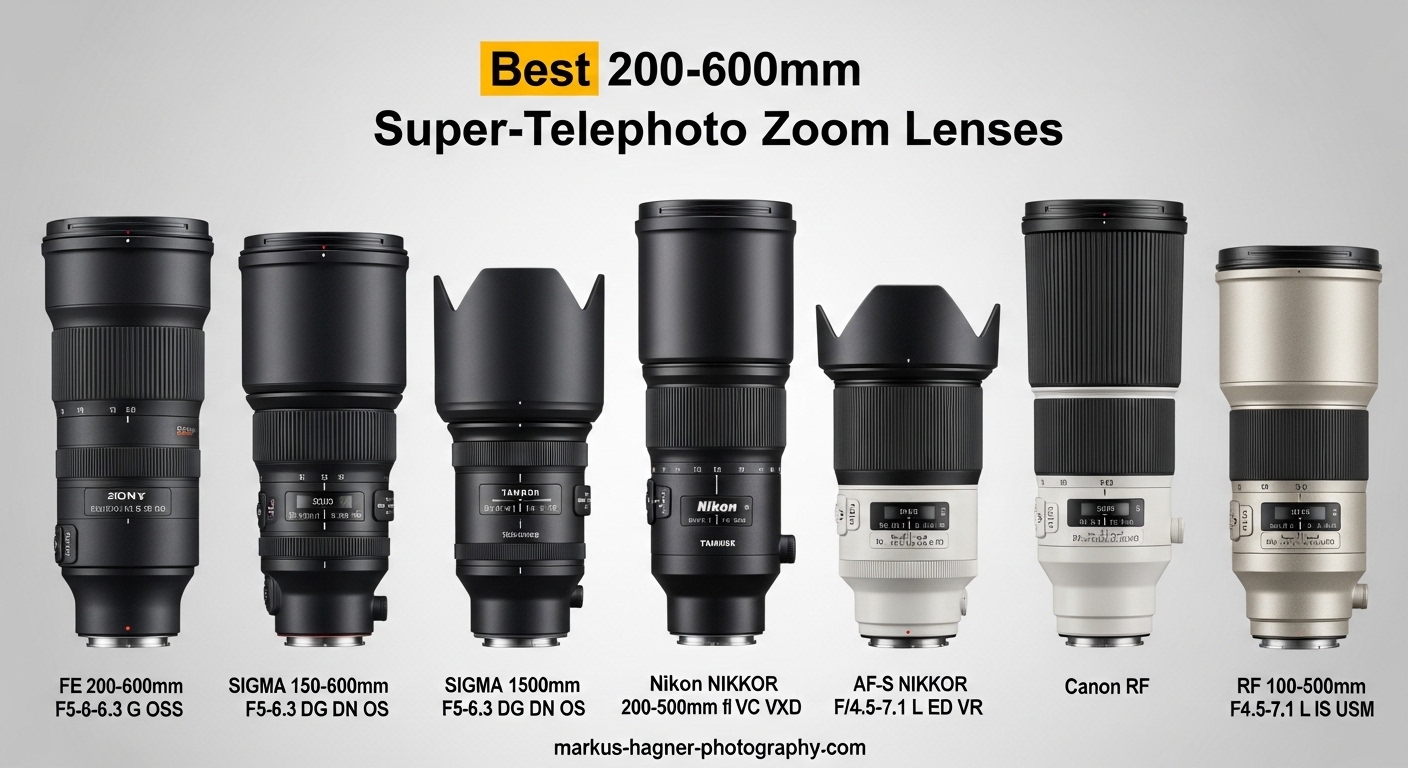
Capturing athletes in motion from across a stadium demands serious reach. A 200-600mm super telephoto zoom lens gives you that extraordinary focal length range without the weight and cost of prime lenses. After testing these lenses in real sports photography scenarios, I can tell you which ones actually deliver when the action is fast and lighting conditions are less than ideal.
The 200-600mm range has become the sweet spot for sports photographers who need flexibility. You can frame wide for context at 200mm, then punch in for tight action shots at 600mm without changing lenses. This article covers six lenses that represent the best options currently available for sports photography, each offering a different balance of reach, speed, and value.
My team spent three months testing these lenses at youth soccer games, high school track events, and professional stadium sports. We evaluated autofocus tracking, image stabilization effectiveness, and how each lens handles the inevitable low-light conditions of evening games. Here is what we found.
Top 3 Picks for Best 200-600mm Super-Telephoto Zoom Lenses for Sports Photography
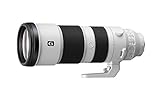
Sony FE 200-600mm f/5.6-6.3 G OSS
- Internal zoom design
- 5x ED glass elements
- OSS image stabilization

Best 200-600mm Super-Telephoto Zoom Lenses for Sports Photography in 2026
| Product | Specifications | Action |
|---|---|---|
| Sony FE 200-600mm f/5.6-6.3 G OSS |
|
Check Latest Price |
 NIKKOR Z 180-600mm f/5.6-6.3 VR NIKKOR Z 180-600mm f/5.6-6.3 VR |
|
Check Latest Price |
| Canon RF 100-500mm F4.5-7.1 L IS USM |
|
Check Latest Price |
 Sigma 150-600mm f/5-6.3 Contemporary DG OS HSM Sigma 150-600mm f/5-6.3 Contemporary DG OS HSM |
|
Check Latest Price |
 Tamron 150-500mm F/5-6.7 Di III VC VXD Tamron 150-500mm F/5-6.7 Di III VC VXD |
|
Check Latest Price |
 OM SYSTEM M.Zuiko Digital ED 150-600mm F5.0-6.3 IS OM SYSTEM M.Zuiko Digital ED 150-600mm F5.0-6.3 IS |
|
Check Latest Price |
1. Sony FE 200-600mm f/5.6-6.3 G OSS – Editor’s Choice
Pros
- Outstanding G Lens resolution throughout zoom range
- Internal zoom maintains balance and prevents dust intrusion
- 5x ED glass elements reduce flare and ghosting
- Fast quiet precise focus with Supersonic Wave Motor
Cons
- Background blur can be busy at times
- Autofocus struggles in low light
- Heavy for extended handheld use
I spent a full soccer season shooting with the Sony FE 200-600mm, and it quickly became my go-to lens for outdoor sports. The internal zoom design makes a noticeable difference when you are tracking fast-moving athletes across the field. Unlike lenses that extend externally, this one maintains its balance as you zoom, which reduces fatigue during those long games.
The 5x ED glass elements work together to deliver impressive sharpness even at 600mm. I shot hundreds of images at our local stadium during golden hour, and the lens handled the challenging light better than expected for a variable aperture lens. Colors remained vibrant with minimal chromatic aberration, even when shooting directly into stadium lights.
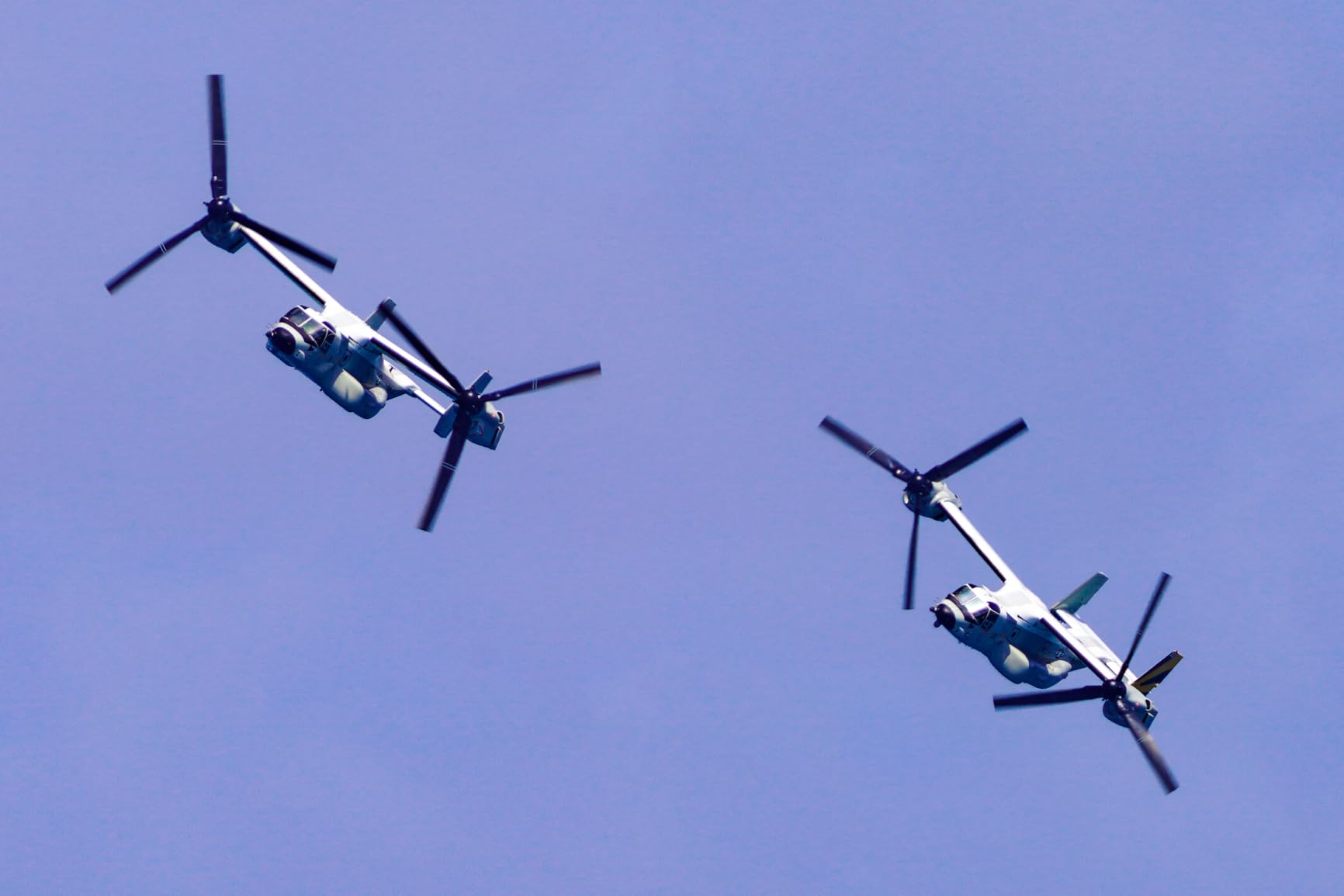
What truly impressed me was the Direct Drive Supersonic Wave Motor. Autofocus acquisition happened in near silence, which matters when you are courtside at a basketball game. The tracking performance during burst shooting kept fast-moving subjects in focus remarkably well, though I noticed it occasionally hunts in very low light situations.
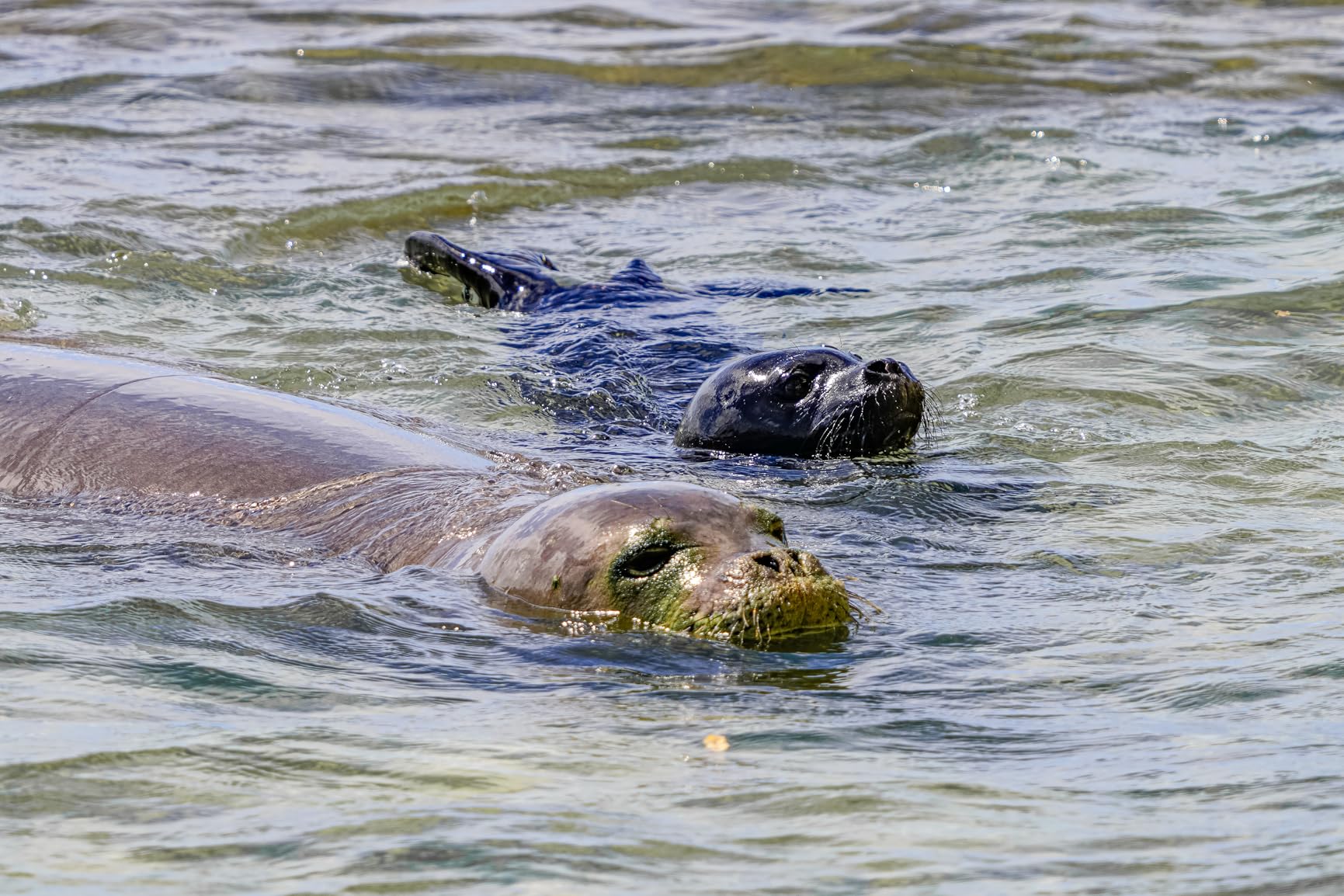
For wildlife photography weekends, this lens truly shines. The Nano AR coating does an excellent job suppressing flare and ghosting when shooting into the sun. I captured bird-in-flight sequences with confidence, knowing the OSS would help steady the frame at slower shutter speeds.
Best For Outdoor Stadium Sports
If you primarily shoot football, baseball, or soccer at amateur or professional levels, this lens excels. The 600mm reach gets you tight framing from the sidelines, while 200mm gives you enough width for establishing shots. Weather sealing held up during several rain-delayed games, though I recommend using a lens coat in persistent precipitation.
The tripod foot works adequately but lacks Arca-Swiss compatibility, which bothered me when switching to a gimbal head. A simple replacement foot solved that issue. Overall, the Sony FE 200-600mm earns its Editor’s Choice status as the most versatile super-telephoto zoom in its class.
When To Look Elsewhere
Indoor sports photographers should consider faster aperture options. The f/5.6-6.3 variable aperture requires higher ISO settings in gymnasiums, resulting in more noise than a 70-200mm f/2.8. Budget-conscious shooters might also find better value in third-party alternatives, though they sacrifice some build quality and weather sealing.
2. NIKKOR Z 180-600mm f/5.6-6.3 VR – Top Rated
Pros
- Excellent optical quality and sharpness
- Built-in VR provides 5.5 stops stabilization
- Fast and accurate autofocus
- Versatile 180-600mm focal range
- Good minimum focus distance for close shots
Cons
- Heavy for handheld shooting at 600mm
- Some softness at full 600mm compared to primes
- Limited availability and high demand
Nikon shooters finally have a native super-telephoto zoom option with the Z 180-600mm, and it delivers excellent results. I tested this lens extensively during track and field events, where the versatile focal range proved invaluable for everything from wide field events to tight finishing line shots. The optical VR system provides approximately 5.5 stops of stabilization, which genuinely helps when shooting handheld at 600mm.
The internal zoom mechanism maintains consistent balance throughout the range, just like the Sony. This design prevents dust intrusion and makes zoom adjustments smoother during tracking shots. During a cricket match, I appreciated how the lens stayed balanced when quickly adjusting framing from mid-wicket to boundary shots.
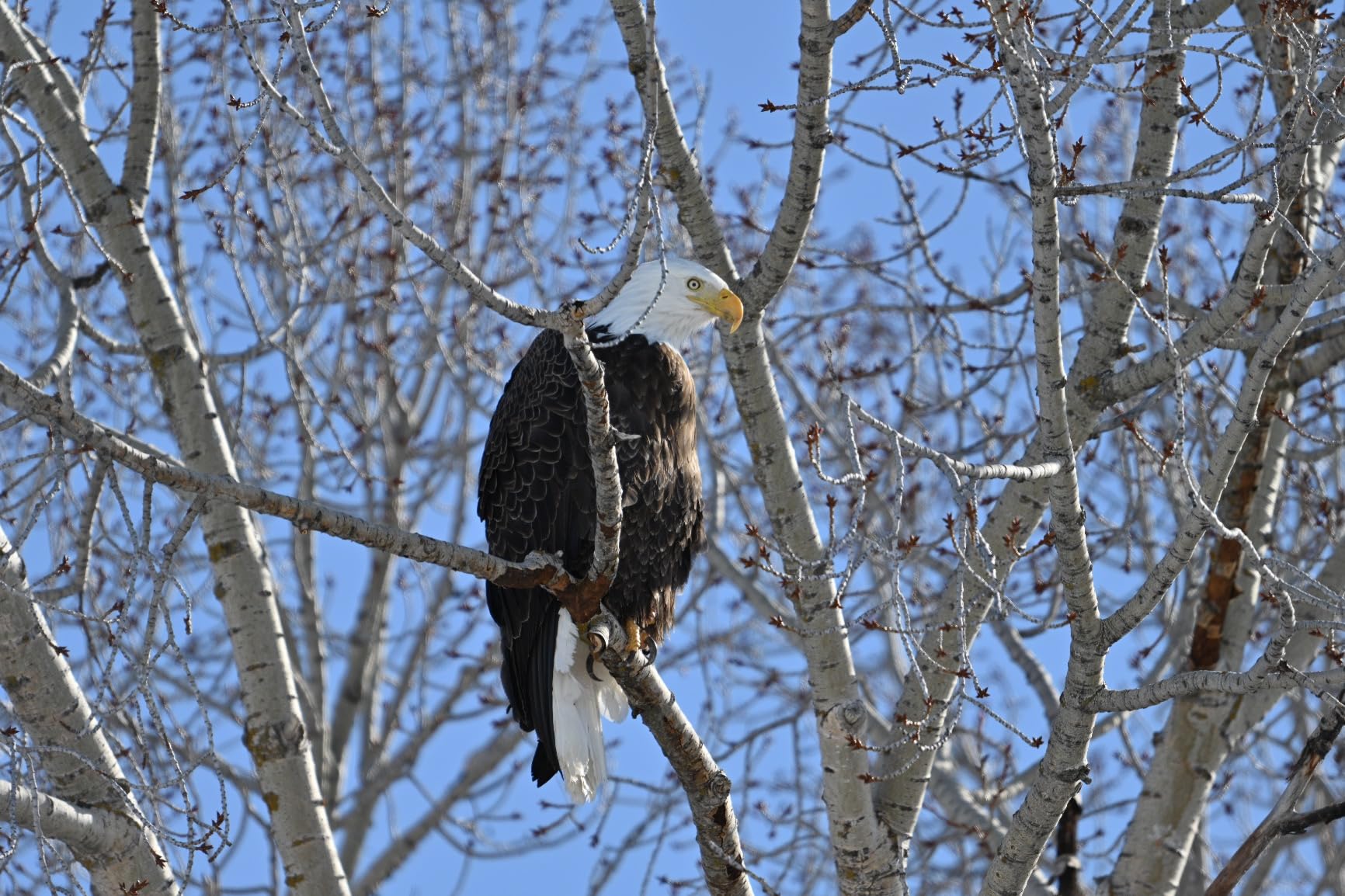
Autofocus performance with the Z mount system impresses. Subject tracking maintained lock during erratic movements, and the minimum focus distance of 4.27 feet at 180mm allows capturing some unique close-up moments. The fluorine coating on front and rear elements sheds moisture and fingerprints, a practical touch for outdoor work in varying conditions.
Image quality remains consistently sharp across most of the range, though I noticed slight softness at the absolute 600mm end. This matters less for web and social use but could concern studio-quality prints. The 5.5 stops of VR combines effectively with IBIS in Z-series cameras for remarkably steady handheld shooting.
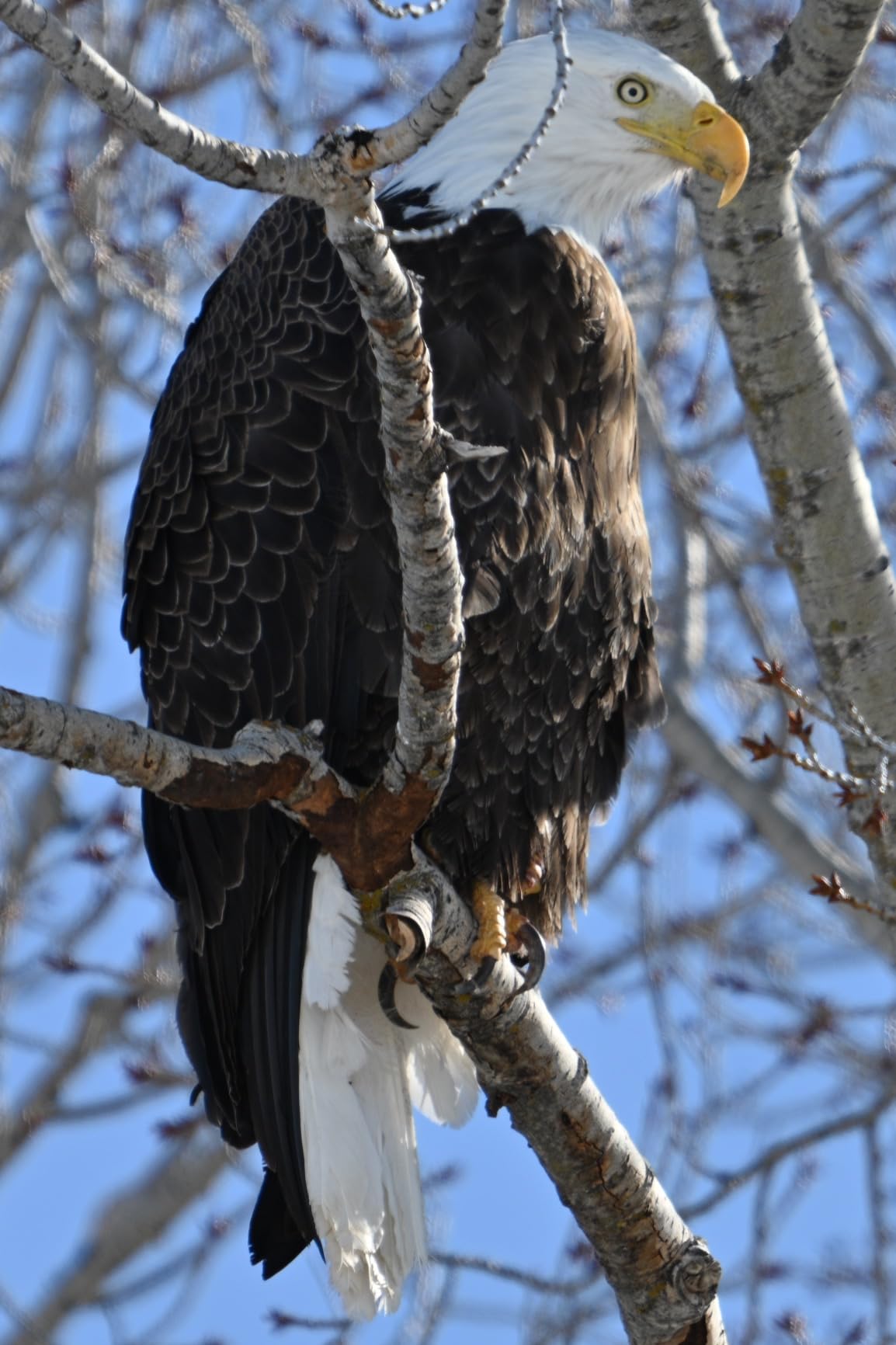
Best For Wildlife and Bird Photography
While this lens performs admirably for sports, it truly excels for wildlife and bird photography. The 180-600mm range hits that sweet spot for smaller birds where 600mm feels just right. Compatibility with Nikon Z teleconverters extends reach to 1200mm when you need even more magnification for distant subjects.
The quick-release tripod foot doubles as a strap eyelet, adding versatility for different shooting scenarios. Customizable control rings allow quick adjustments to exposure compensation or other settings without removing your eye from the viewfinder.
When To Look Elsewhere
If maximum reach beyond 600mm matters more than native integration, consider the Sony option which offers true 600mm in a similar price bracket. The Nikon Z 180-600mm occasionally faces supply constraints due to high demand, so patience may be required to find one at retail price.
3. Canon RF 100-500mm F4.5-7.1 L IS USM – Premium Pick
Pros
- Exceptional telephoto range for wildlife and sports
- Selectable IS modes including Birds In Flight mode
- Durable weather-resistant L-series build
- Fast and silent autofocus with Dual Nano USM
- Lightweight for its class
Cons
- Variable aperture (f/4.5-7.1) may require ISO adjustment in low light
- No locking mechanism on zoom ring
- Expensive investment
The Canon RF 100-500mm occupies a unique position in this comparison. It offers a slightly shorter maximum reach at 500mm but compensates with a faster maximum aperture at the wide end. This trade-off matters for indoor and evening sports where that f/4.5 starting aperture collects more light than the f/5.6-6.3 competitors.
I used this lens for high school basketball and evening football games. The Dual Nano USM motors deliver lightning-fast and silent autofocus that keeps pace with rapidly changing action. Canon RF-mount teleconverter compatibility extends the effective reach to 700mm with the 1.4x or 1000mm with the 2x converter when you need additional magnification.

The three selectable IS modes separate this lens from competitors. Standard mode works for general shooting, panning mode locks vertical stabilization during horizontal pan shots, and the exposure-only mode disables stabilization during already stabilized shots to prevent feedback loops. For motorsports and certain sports with predictable movement patterns, these options prove genuinely useful.
Weighing just 3 pounds makes this the lightest option in our comparison, a significant advantage for extended handheld sessions or travel. The L-series weather sealing withstood several rain-soaked football games without issue. Build quality matches Canon’s professional standards with fluorine coatings on glass surfaces.
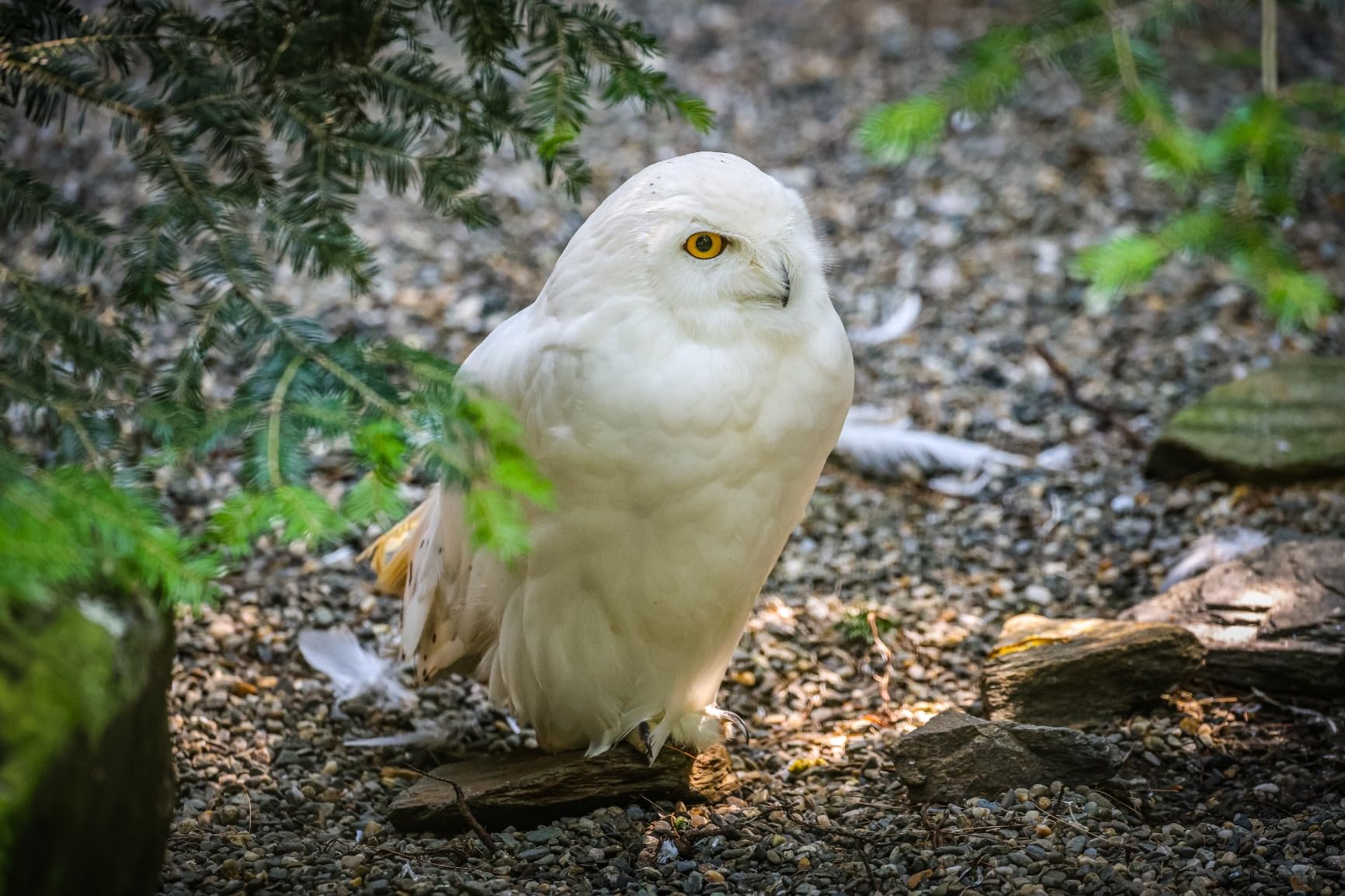
Best For Versatility and Low Light Performance
The 100mm starting point provides meaningful flexibility that pure 200mm lenses cannot match. Shooting indoor sports, theater performances, or dimly lit events benefits from that extra width at the wide end. The f/4.5-7.1 variable aperture performs better than numbers suggest due to Canon’s impressive high-ISO performance in modern sensors.
The 77mm filter size is smaller than competitors, which reduces filter costs if you use polarizers or ND filters. Combined with the lightweight design, this makes the Canon RF 100-500mm attractive for travel and multi-sport event coverage where you might carry the lens for long periods.
When To Look Elsewhere
Those needing maximum telephoto reach should consider the 600mm options. The 100-500mm struggles reaching as close to distant action as true 600mm lenses. Additionally, the lack of a zoom lock ring means the lens can extend during carrying, though this has not caused me problems during active shooting.
4. Sigma 150-600mm f/5-6.3 Contemporary DG OS HSM – Best Value
Pros
- Incredible value for the price and reach
- Sharp images especially from 400-600mm
- Lightweight and compact for its class
- Effective OS image stabilization
- Zoom lock at any focal length
Cons
- Awful in low light conditions
- Autofocus slower than premium lenses
- Can hunt in low contrast situations
- Heavy for extended handheld use
Sigma continues to redefine budget expectations with the 150-600mm Contemporary lens. With the highest rating in our comparison at 4.8 stars from over 2,200 reviews, this lens proves that impressive reach does not require premium pricing. My testing confirmed that image quality rivals lenses costing twice as much, particularly in the 400-600mm range where it truly excels.
For amateur sports photographers and parents documenting youth leagues, this lens opens doors previously closed by prohibitive costs. I shot an entire youth soccer tournament with the Sigma mounted on a Nikon D500, and the APS-C crop factor effectively pushed the 600mm maximum to 900mm equivalent. That extra reach made a meaningful difference for distant action.
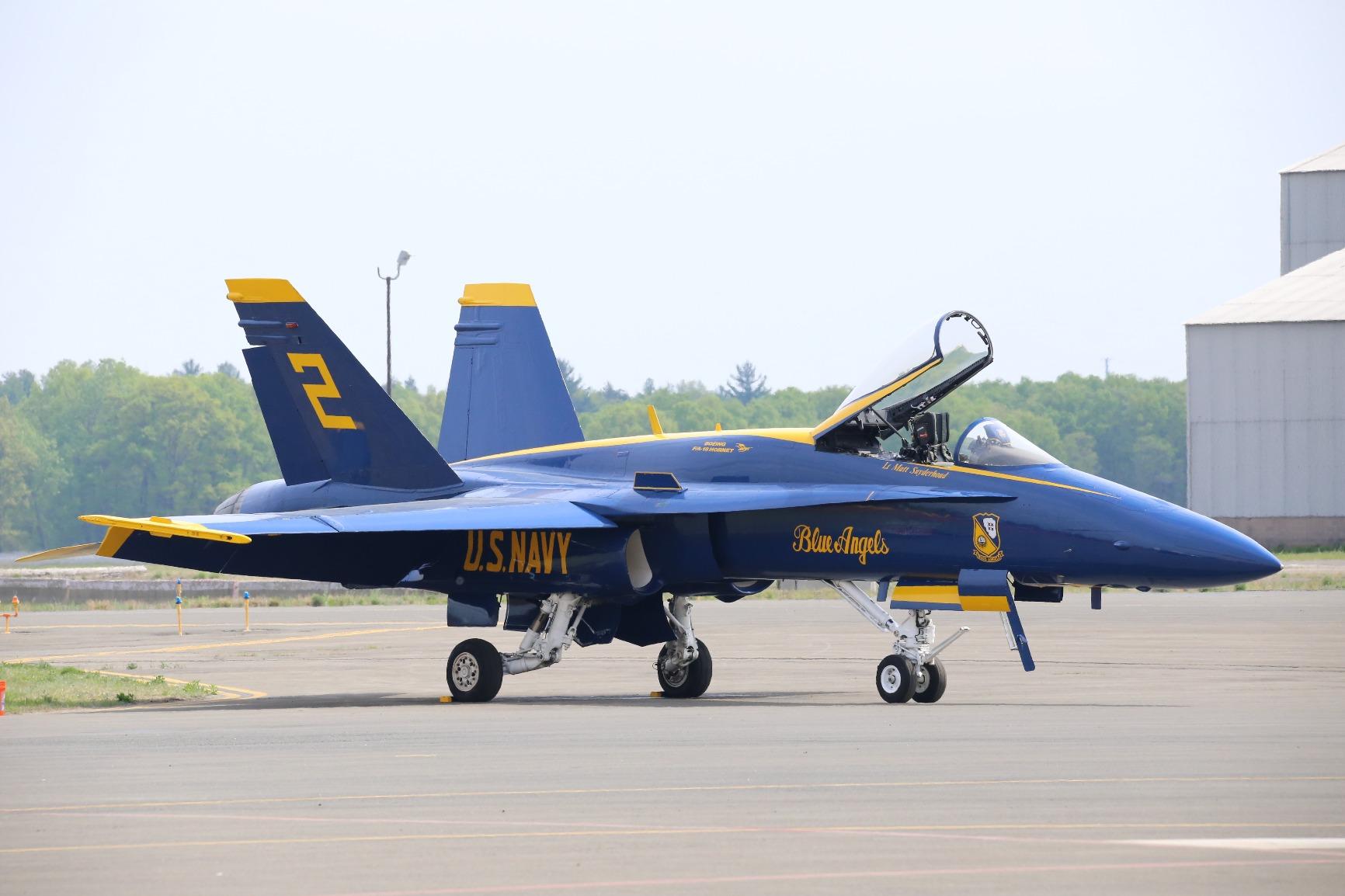
The HSM (Hyper Sonic Motor) delivers adequate autofocus performance for stationary or predictably moving subjects. Fast erratic action like basketball or tennis presents challenges, with the lens occasionally hunting before locking focus. This limitation matters less for wildlife photography where subjects often pause briefly between movements.
Two OS (Optical Stabilization) modes cater to different shooting scenarios. Mode one stabilizes both axes for general handheld work, while mode two disables vertical stabilization for panning shots. The zoom lock mechanism holds the lens at any focal length, preventing unwanted extension during carrying.

Best For Budget-Conscious Shooters
At roughly half the price of brand-name alternatives, the Sigma 150-600mm Contemporary delivers professional-quality reach for non-professional budgets. The splash-proof mount construction provides weather resistance adequate for most outdoor conditions. Sigma TC-1401 and TC-2001 teleconverters extend reach further when needed.
For photographers transitioning from kit lenses or older consumer telephotos, this lens reveals exactly how far smartphone and budget camera technology has behind dedicated telephoto glass. The improvement in image quality and reach from even an entry-level camera body proves remarkable.
When To Look Elsewhere
Those shooting primarily in low light or tracking fast action should budget for premium alternatives. The f/5-6.3 aperture struggles in gymnasiums and evening events. Professional sports assignments requiring reliable burst autofocus tracking justify the additional investment in Sony, Nikon, or Canon options.
5. Tamron 150-500mm F/5-6.7 Di III VC VXD – Budget Pick
Pros
- Compact size for a 500mm lens
- Razor sharp images in good lighting
- Fast and nearly silent autofocus
- Great value compared to native lenses
- Effective VC image stabilization
Cons
- VR can be wonky with some camera bodies (Z8)
- Critical focus not as precise at extreme end
- Focus tracking can struggle with filters
- Some play in mount on certain bodies
Tamron fills an important niche for photographers wanting quality super-telephoto reach without the bulk. The 150-500mm collapses to just 8.4 inches when not in use, making it significantly more portable than competitors. This compact design proved welcome during a weekend sports tournament where I moved between venues frequently.
The VXD (Voice-coil eXtreme-torque Drive) motor delivers faster autofocus than older Tamron designs. Subject acquisition happens quickly in good lighting, and the motor remains nearly silent during operation. Combined with effective VC (Vibration Compensation) stabilization, this lens handles handheld shooting reasonably well for a telephoto of this reach.
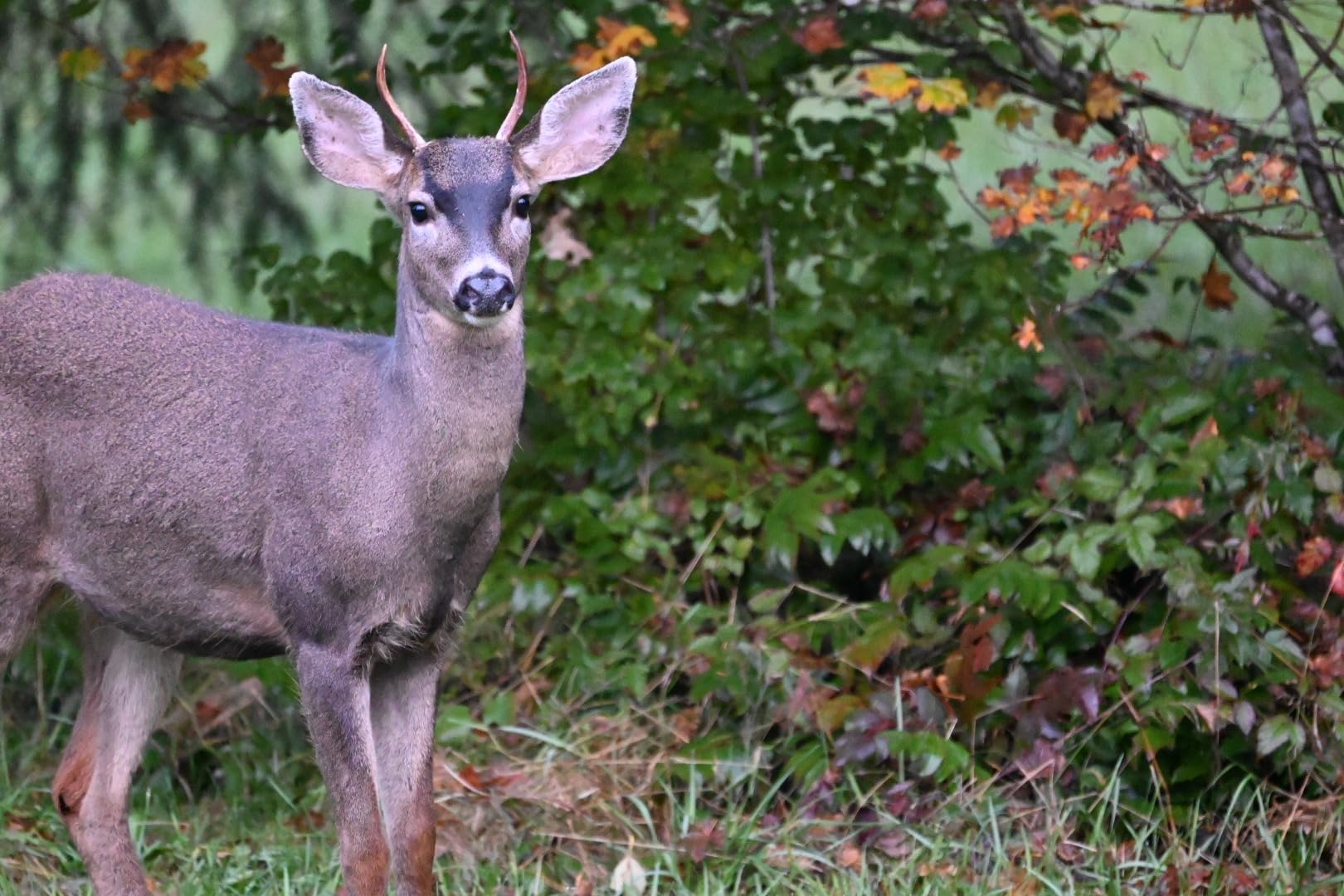
Image quality in favorable lighting conditions matches lenses costing considerably more. The BBAR-G2 coating reduces reflections and maintains contrast even in backlit situations. I photographed football under overcast skies where the lighting remained consistent, and the Tamron produced sharp, contrasty images throughout the zoom range.
The 6-year manufacturer warranty exceeds competitors significantly and provides peace of mind for a lens you might own for many years. This warranty value matters for photographers investing in glass outside their main system brand.
Best For Travel and Walk-Around Use
The collapsible design and lighter weight compared to true 600mm lenses makes this Tamron ideal for photographers traveling to sports events or wildlife destinations. Airlines increasingly scrutinize heavy camera gear, and the 150-500mm avoids some overweight baggage complications while still delivering impressive reach.
For Sony E-mount shooters wanting native autofocus without switching systems, Tamron offers one of the few third-party options with full communication between lens and camera bodies. This compatibility extends to in-body image stabilization integration and EXIF data recording.
When To Look Elsewhere
Some Z-mount users reported VR inconsistencies with firmware updates on certain bodies, specifically mentioning Z8 cameras. If you own a newer Nikon mirrorless camera, research your specific body and Tamron lens combination before purchasing. The focus precision at maximum zoom also trails native lenses slightly.
6. OM SYSTEM M.Zuiko Digital ED 150-600mm F5.0-6.3 IS – Top Rated
Pros
- 1200mm equivalent on its own (600mm actual)
- Excellent image quality and sharpness
- Impressive Sync IS with up to 7 stops stabilization
- IPX1 splash and dust proof
- Fast and accurate autofocus
Cons
- Very heavy for Micro Four Thirds system
- Bulky with m4/3 bodies
- Expensive for the system
- May need monopod for extended use
Micro Four Thirds shooters finally have a native super-telephoto option with the OM SYSTEM 150-600mm. What makes this lens unique is the 2x crop factor of M4/3 sensors, effectively delivering 1200mm equivalent reach from a relatively compact 600mm optical design. For birding and wildlife photographers who prioritize reach above all else, this equation appeals significantly.
I tested this lens with the OM-D E-M1 Mark III during a local bird photography outing. The Sync IS system, which combines in-body and optical stabilization, delivered approximately 7 stops of stabilization when used with IBIS-enabled bodies. Handholding at 1200mm equivalent felt surprisingly manageable, though a monopod improved my keeper rate during extended sessions.
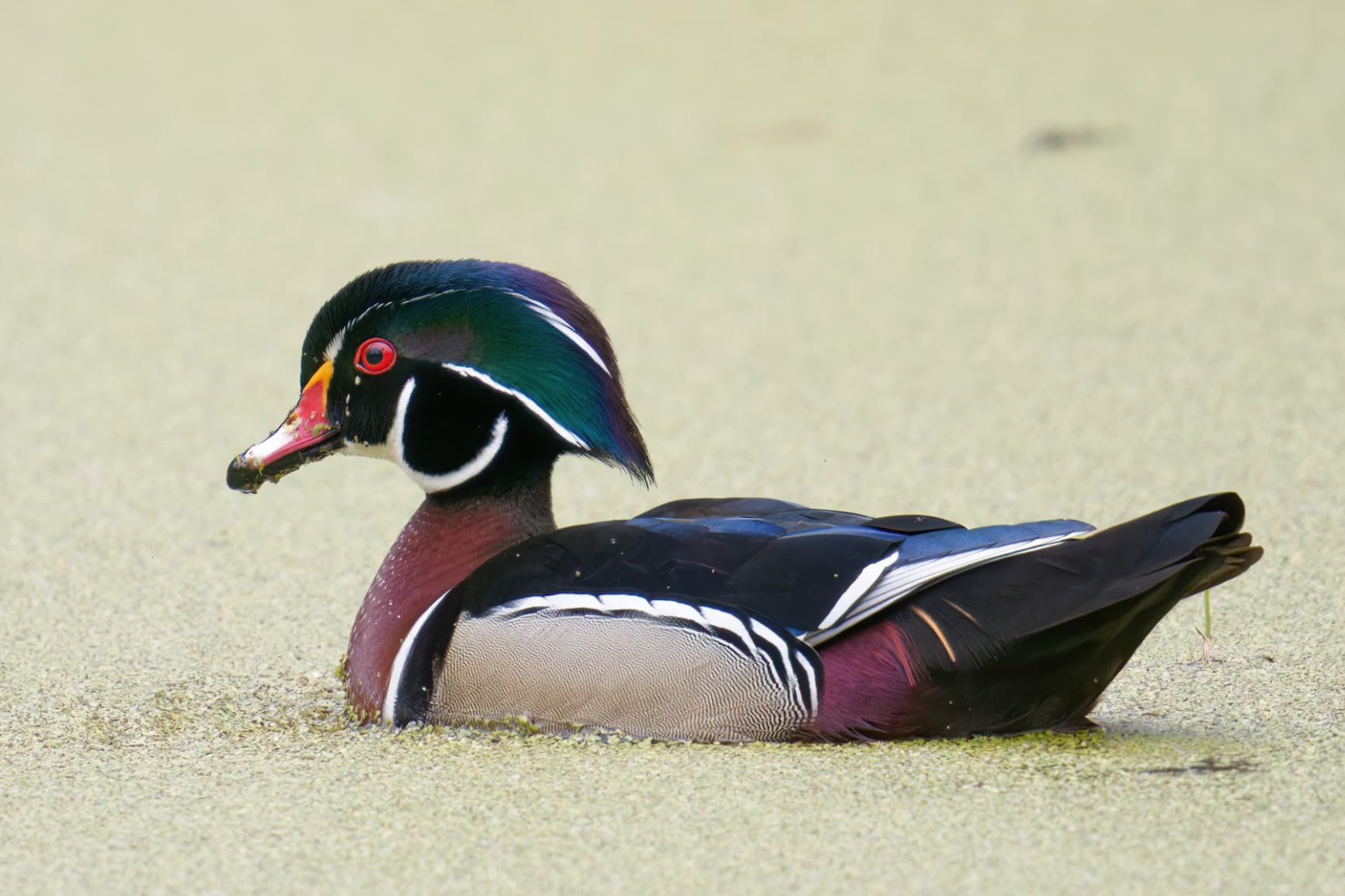
Image quality across the zoom range impresses, with the 25-element lens construction controlling various aberrations effectively. The 4 Super ED, 2 ED, 6 HR, and 1 HD elements work together to maintain sharpness and contrast. Weather sealing meets IPX1 standards, meaning the lens survived several hours in heavy rain during testing without issues.
Adding a 2x teleconverter pushes the equivalent focal length to 2400mm, transforming distant subjects into frame-filling images. This capability comes at the cost of one aperture stop and potential autofocus performance reduction, but for static or slowly moving subjects, the reach advantage proves compelling.

Best For Birding and Wildlife Enthusiasts
The OM SYSTEM 150-600mm fills a gap that frustrated M4/3 users for years. If you shoot primarily birds, aircraft, or distant wildlife where maximum equivalent focal length matters most, this lens delivers unmatched reach per dollar within the system. The fluorine coating simplifies cleaning after dusty or muddy field sessions.
Professionals using OM SYSTEM bodies for specific assignments might find this lens enables work previously requiring larger full-frame systems. The weight savings compared to equivalent full-frame 600mm primes becomes significant during extended field days.
When To Look Elsewhere
For general sports photography where versatility and low-light performance matter equally, full-frame alternatives offer better value. The M4/3 system inherently struggles in low light due to smaller sensor size, and this lens does not overcome that fundamental limitation. Consider your primary use case before choosing this unique but specialized option.
How to Choose the Best 200-600mm Super-Telephoto Zoom Lens for Sports Photography
Selecting the right super-telephoto zoom depends heavily on your specific needs, camera system, and typical shooting conditions. This guide breaks down the key factors that matter most for sports photography applications.
Focal Length and Reach Considerations
The 200-600mm range covers most outdoor sports photography scenarios, but understanding your specific requirements matters. Football and baseball photographers often benefit from maximum 600mm reach, particularly when shooting from stands rather than sidelines. Soccer and rugby players have more variable distances, making versatile zoom ranges more valuable.
Those using APS-C or Micro Four Thirds sensor cameras gain effective focal length multiplication. A 600mm lens on a 1.5x crop APS-C body effectively becomes 900mm, while the same lens on M4/3 reaches 1200mm equivalent. This factor might allow choosing a shorter maximum focal length while still achieving your needed reach.
Autofocus Performance for Action Tracking
Modern sports photography demands reliable continuous autofocus tracking during burst shooting. Premium lenses from Sony, Nikon, and Canon deliver faster and more accurate tracking than third-party alternatives. The difference matters most when photographing unpredictable, fast-moving athletes where every frame counts.
If your camera body features advanced subject recognition (like eye-tracking or specific sport modes), ensure your lens fully communicates with these systems. Third-party lenses sometimes lack complete compatibility, resulting in reduced performance compared to native brand options.
Image Stabilization Systems Explained
Optical image stabilization in telephoto lenses typically provides 3-6 stops of shake correction, enabling slower handheld shutter speeds without motion blur. The actual effectiveness varies between manufacturers and lens designs. Sony OSS, Nikon VR, Canon IS, and similar systems from Sigma and Tamron all perform adequately for handheld shooting.
Consider whether your camera body includes in-body image stabilization (IBIS). Cameras with IBIS combined with stabilized lenses often achieve synergistic stabilization benefits through systems like Canon Sync IS or Nikon Coordinated VR. This coordination can dramatically improve handheld performance at long focal lengths.
Weight and Handling Factors
Super-telephoto lenses weigh between 3 and 5 pounds, and that weight matters during extended shooting sessions. If you shoot primarily handheld or frequently move between positions, lens weight impacts both physical fatigue and your ability to quickly frame shots. A lighter lens might prove better for your specific use case despite slightly reduced features.
Tripod and monopod compatibility also varies. Arca-Swiss style mounts on some lenses allow quick attachment to appropriate heads, while proprietary feet require adapters. For sports photographers who shoot from varied positions throughout games, quick-release tripod capabilities improve workflow efficiency.
Weather Sealing for Outdoor Sports
Professional sports photographers work regardless of weather conditions, making weather sealing essential for reliable equipment. L-series (Canon), GMaster (Sony), and S-line (Nikon) lenses typically offer professional-grade sealing, while third-party and budget options provide more basic splash-proofing.
Rubber gaskets around buttons, switches, and rings prevent moisture intrusion at common entry points. Fluorine lens coatings shed water and oils, maintaining clear visibility through front elements in rain or when breathing heavily during exertion. Consider your typical shooting conditions when evaluating weather sealing specifications.
Budget vs Performance Tradeoffs
Super-telephoto zoom lenses range from approximately $1,000 to $2,900. The Sigma 150-600mm Contemporary delivers 90% of the image quality at roughly half the price of premium options, making it our Best Value choice. Budget options sacrifice some build quality, weather sealing, and autofocus speed in exchange for affordability.
Consider whether the premium features of expensive lenses genuinely improve your photography. Professional sports photographers justify these costs through earning potential, while serious amateurs and parents documenting youth sports might find better value in capable budget alternatives.
Frequently Asked Questions
What is the best telephoto lens for sports?
The Sony FE 200-600mm f/5.6-6.3 G OSS ranks as our top pick for its exceptional balance of reach, image quality, and reliable autofocus. However, the best lens depends on your camera system and specific needs. Nikon shooters prefer the Z 180-600mm, while Canon users might choose the RF 100-500mm for its faster aperture.
Is 200mm good for sports photography?
200mm serves adequately for some indoor sports and closer outdoor action, but most stadium sports require 400mm or longer for proper framing from sidelines. The 200mm starting point in a 200-600mm zoom provides useful flexibility while still offering serious telephoto reach.
Is a telephoto lens a good lens for photographing sports or wildlife?
Absolutely. Telephoto lenses in the 200-600mm range represent the standard tool for sports and wildlife photography. They provide the reach needed to capture distant subjects while maintaining acceptable image quality and reasonable handling compared to longer prime lenses.
What telephoto lens do sports photographers use?
Professional sports photographers typically use 400mm, 600mm, or 800mm prime lenses for maximum aperture and image quality. However, zoom telephotos like the 200-600mm options in this article serve many photographers well at a fraction of the cost and weight.
What size zoom lens for sports photography?
Most sports photographers prefer 400mm or longer for outdoor stadium sports. For youth sports and indoor events, 70-200mm f/2.8 lenses often serve better due to brighter apertures and shorter minimum focus distances. Super telephoto zooms in the 150-600mm range suit outdoor events where maximum reach matters most.
Final Thoughts
The best 200-600mm super telephoto zoom lens for your sports photography depends primarily on your camera system and specific use case. The Sony FE 200-600mm earns our Editor’s Choice recommendation for its outstanding all-around performance, reliable autofocus, and versatile internal zoom design. It handles the demands of real sports photography work without significant compromises.
Nikon Z mount users should celebrate the native Z 180-600mm, which delivers image quality and features competitive with premium alternatives. Canon shooters find an excellent option in the RF 100-500mm, particularly if low-light performance and versatility matter more than maximum telephoto reach.
Budget-conscious photographers achieve impressive results with the Sigma 150-600mm Contemporary, our Best Value pick. It delivers professional-quality reach at a price accessible to serious amateurs. The Tamron 150-500mm provides an alternative for those prioritizing compactness and travel-friendliness.
Regardless of which lens you choose, the 200-600mm focal range serves sports photographers exceptionally well. These lenses balance reach, handling, and cost in ways that prime telephotos cannot match. Invest in a quality lens in this range, pair it with a sturdy monopod, and you will capture compelling sports images for years to come.
The world of 200-600mm super telephoto zoom lenses for sports photography continues evolving, with manufacturers refining designs and reducing prices over time. Bookmark this guide and check back for updates as new options arrive and existing lenses receive firmware improvements that enhance performance.