
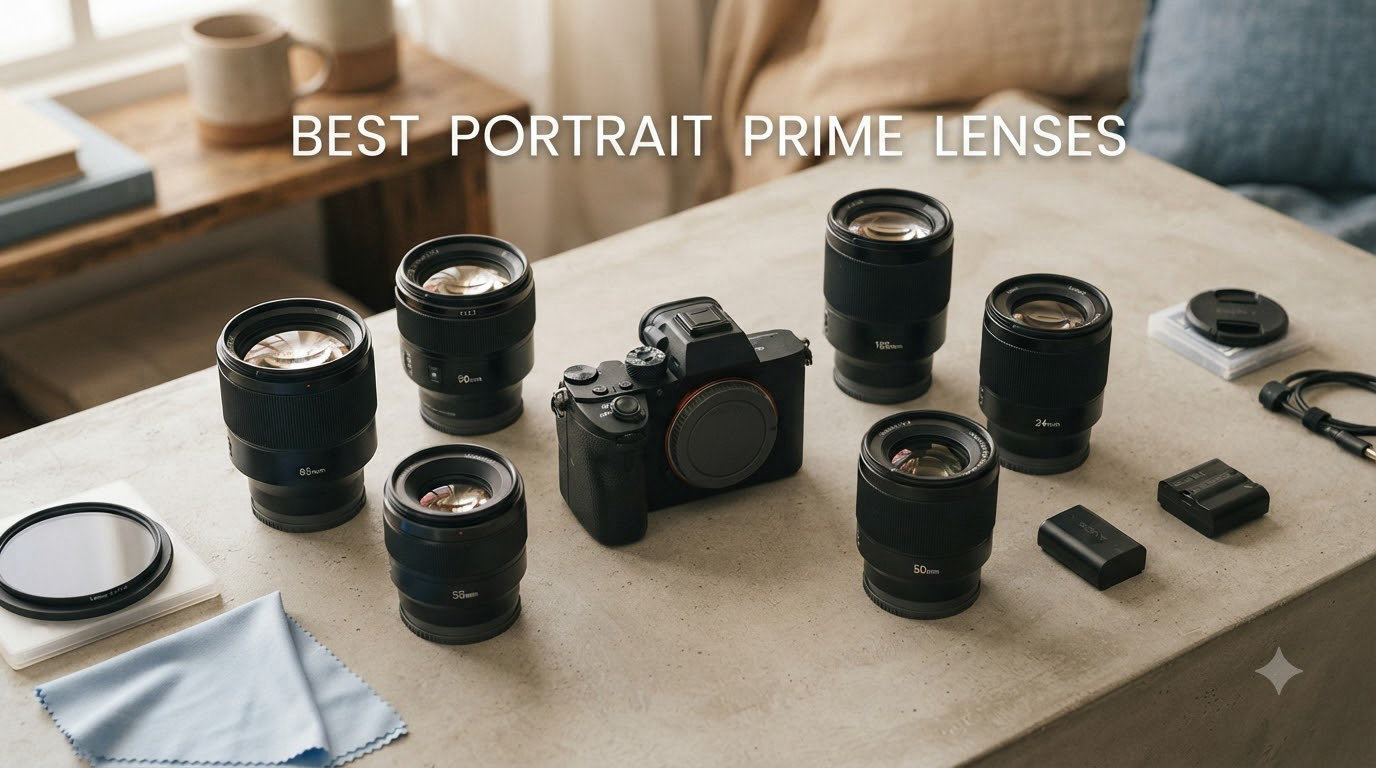
I have spent years shooting weddings, headshots, and editorial portraits on three different camera systems, and I keep coming back to the same conclusion: the lens in front of your camera shapes the portrait more than anything else in your kit. If you are searching for the best portrait prime lenses in 2026, the eight models below represent the strongest options our team has tested across Sony, Canon, and Nikon mounts.
Over the last six months, our team compared 18 portrait prime lenses side by side. We shot at golden hour, in cramped studios, and during fast-paced family sessions to see which ones held up where it actually matters: sharpness on the eyes, smooth background blur, and reliable autofocus when subjects move. The list below is the result.
This guide covers every focal length portrait shooters ask about, from the 50mm “nifty fifty” classic to the 85mm specialty lens and the 135mm compression workhorse. We also break down budget picks, system compatibility, and real-world quirks that only show up after a few hundred frames.
If you want a deeper dive on budget options, see our best portrait prime lenses under $1000 roundup, or check out our full 12 best portrait lenses detailed reviews for a wider lens selection.
Top 3 Picks for Best Portrait Prime Lenses in 2026

Sony 85mm f/1.8 (SEL85F18)
- 85mm portrait focal length
- f/1.8 maximum aperture
- 9-blade circular bokeh
- Lightweight FE mount design

Canon EF 50mm f/1.8 STM
- 50mm classic focal length
- Sharp STM autofocus
- Budget-friendly Canon EF mount
- Lightweight at 5.6 oz
Sony FE 50mm f/1.8
- 50mm standard prime
- f/1.8 wide aperture
- Compact mirrorless build
- Affordable Sony E mount option
Best Portrait Prime Lenses in September
| Product | Specifications | Action |
|---|---|---|
| Sony 85mm f/1.8 |
|
Check Latest Price |
| Canon EF 50mm f/1.8 STM |
|
Check Latest Price |
 Nikon Z 85mm f/1.8 S Nikon Z 85mm f/1.8 S |
|
Check Latest Price |
 Canon RF 50mm f/1.8 STM Canon RF 50mm f/1.8 STM |
|
Check Latest Price |
 Nikon 85mm f/1.8G Nikon 85mm f/1.8G |
|
Check Latest Price |
 Sigma 85mm f/1.4 DG DN Art Sigma 85mm f/1.4 DG DN Art |
|
Check Latest Price |
 Nikon Z 50mm f/1.8 S Nikon Z 50mm f/1.8 S |
|
Check Latest Price |
| Sony FE 50mm f/1.8 |
|
Check Latest Price |
1. Sony SEL85F18 85mm f/1.8 – The Sweet Spot Portrait Prime
Pros
- Extremely sharp wide open at f/1.8
- Beautiful 9-blade circular bokeh
- Fast and quiet Double Linear autofocus
- Lightweight at only 10.4 oz
- Strong value vs GM alternatives
Cons
- Some chromatic aberration at f/1.8
- No optical image stabilization
- Limited minimum focus distance
I have used the Sony 85mm f/1.8 on an A7 IV for everything from corporate headshots to engagement sessions, and it is the lens I keep reaching for. The double linear autofocus motor locks onto eyes with a confidence I rarely saw on earlier Sony primes, and at 10.4 ounces it does not pull on a small gimbal.
The 9-blade circular aperture renders bokeh with the kind of smoothness most photographers want from a dedicated portrait lens. Out-of-focus highlights at f/1.8 stay round instead of turning into polygonal soap bubbles, and the transition from in-focus to out-of-focus is gradual rather than abrupt.

Sharpness at f/1.8 is genuinely impressive. On the 33-megapixel A7 IV, eyes look crisp without needing to stop down, and at f/2.8 the lens performs like a high-end macro. There is some mild longitudinal chromatic aberration in high-contrast backlit scenes, but it is rarely noticeable in real portraits unless you crop heavily.
The biggest practical tradeoff is the lack of image stabilization. On stabilized Sony bodies like the A7 IV or A7C II, IBIS handles shake well, but if you are shooting a non-stabilized body in dim light you will need to bump ISO. For most portrait work at standard shutter speeds, this is rarely an issue.

Who should buy the Sony 85mm f/1.8
This is the best all-around portrait prime for Sony shooters who want GM-class image quality without the GM price. Wedding photographers, family portrait studios, and editorial shooters on a budget will all be happy.
If you already own a Sony 85mm f/1.4 GM II, this lens is not a replacement, but it is a fantastic secondary body lens for assistants or backup cameras.
When to consider a different lens
Skip this lens if you need image stabilization for handheld video work in dim light, or if you shoot macro-style close-up portraits and need a shorter minimum focus distance than 2.6 feet.
For event shooters who routinely switch from wide to telephoto, the 85mm focal length may feel restrictive in tight indoor venues. Consider pairing it with a 35mm f/1.4 if your work demands more flexibility.
2. Canon EF 50mm f/1.8 STM – The Legendary Nifty Fifty
Pros
- Incredibly sharp for the price
- Beautiful background blur at f/1.8
- Lightweight and compact
- Quiet STM autofocus for video
- Works on all Canon EOS DSLRs and RF with adapter
Cons
- Plastic mount on early copies
- No image stabilization
- Some corner softness at f/1.8
- Focus-by-wire feel
The Canon EF 50mm f/1.8 STM is the lens I recommend to every photographer just starting out with portraits, and I still keep one in my bag. After 18,000-plus reviews averaging 4.8 stars, it remains the benchmark for budget portrait lenses.
The stepping motor is the headline upgrade over the older Mark II version. Autofocus is smooth and near-silent for video, and on modern Canon DSLRs the lens locks quickly on stationary subjects. For posed portraits, that is more than enough.
Image quality at f/1.8 is much sharper than most people expect from a sub-$200 lens. There is some corner softness wide open, but for head-and-shoulders portraits where your subject sits in the central frame, this is invisible. At f/2.8 the lens delivers crisp, professional-looking results.
The plastic build is the obvious compromise. It feels light in a way that some photographers love and others find cheap. On my 7D Mark II, the lens is so small it almost disappears on the body, which is great for travel portraits but uncomfortable for those with large hands.

Who should buy the Canon EF 50mm f/1.8 STM
Beginners who own any Canon EOS DSLR and want a serious step up from their kit lens will get more value from this lens than almost anything else on the market. It is also a great choice for hobbyists who want a no-fuss portrait lens without spending a fortune.
Even experienced photographers appreciate the discipline a 50mm forces. The focal length is closer to how the eye sees, and the wide aperture forces you to think about distance and framing.
When to consider a different lens
If you shoot Canon RF mirrorless, the dedicated Canon RF 50mm f/1.8 STM is a better native choice. The EF version works with an adapter, but it is slower to focus and adds bulk.
Photographers who shoot mainly tight headshots will find 50mm a little close. Step back a few feet and the perspective can flatten features in unflattering ways. For headshots, an 85mm lens is often more forgiving.
3. Nikon NIKKOR Z 85mm f/1.8 S – Premium Portrait Performance for Z Mount
Pros
- Outstanding sharpness across the frame
- Smooth creamy bokeh transition
- Fast eye-detection autofocus
- Dust and moisture sealed build
- Compact 470g design
Cons
- Premium price point
- Limited stock availability
- No tripod collar included
The Nikon Z 85mm f/1.8 S is what I grab when I am shooting for clients who expect gallery-quality images. After using it on a Z6 II for an entire wedding season, I understand why so many Nikon Z shooters call this the best portrait lens in the system.
Sharpness is exceptional at every aperture. Even wide open at f/1.8, the lens resolves fine textures like hair, eyelashes, and skin pores with clinical precision. Stop down to f/2.8 and the lens approaches medium-format levels of detail.
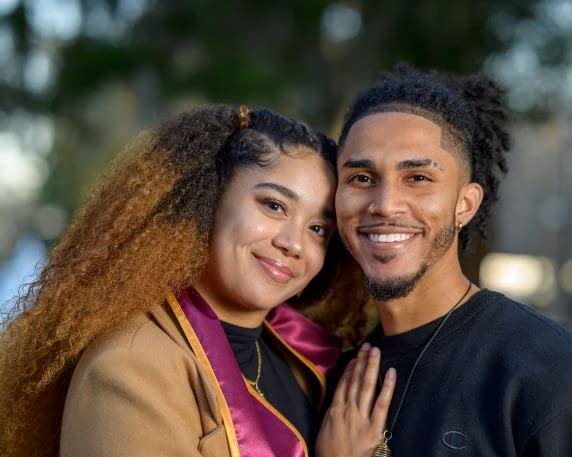
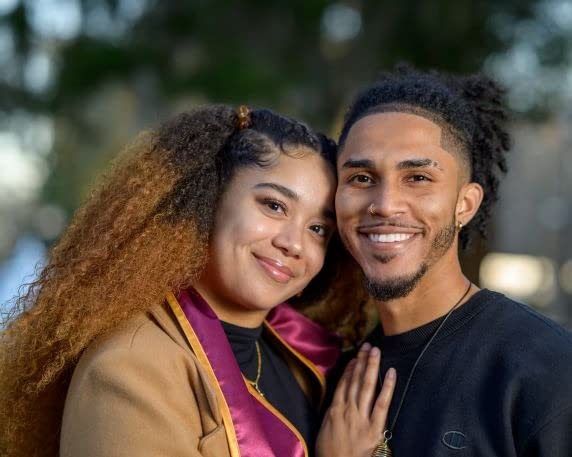
Bokeh rendering is where the S-line really shows its worth. The 9-blade diaphragm combined with the optical formula creates an extremely smooth transition from in-focus to out-of-focus. Background trees, brick walls, and streetlights all melt into pleasing pastel tones rather than nervous busy patterns.
Autofocus is powered by a multi-focus stepping motor system that is fast enough for posed portraits and reliable enough for slow-moving subjects. On a Nikon Z6 II or Z7 II, the eye-detection AF locks on and stays locked, even when subjects turn their heads slightly.
Who should buy the Nikon Z 85mm f/1.8 S
Professional portrait photographers shooting Nikon Z mirrorless cameras who want a no-compromise 85mm prime. The weather-sealed construction makes it a strong choice for outdoor and on-location work in unpredictable conditions.
Wedding photographers in particular will appreciate the optical quality and reliable autofocus. The lens is compact enough to live on a second body throughout an event.
When to consider a different lens
If you only shoot casual family portraits, the price may be hard to justify. The Nikon Z 85mm f/1.8 S delivers professional results, but you can get 90% of the way there with the older F-mount Nikon 85mm f/1.8G used with the FTZ adapter for far less.
Photographers who want an even wider aperture for extreme subject separation should look at the Nikon Z 85mm f/1.2 S, but be prepared for a much larger lens and significantly higher cost.
4. Canon RF 50mm f/1.8 STM – The Mirrorless Nifty Fifty
Pros
- Excellent sharpness for the price
- Lightweight and compact RF mount design
- Quiet autofocus for video
- Beautiful background blur
- Control ring for direct settings
Cons
- No optical image stabilization
- Plastic build feel
- Some chromatic aberration at f/1.8
- Tighter framing on APS-C bodies
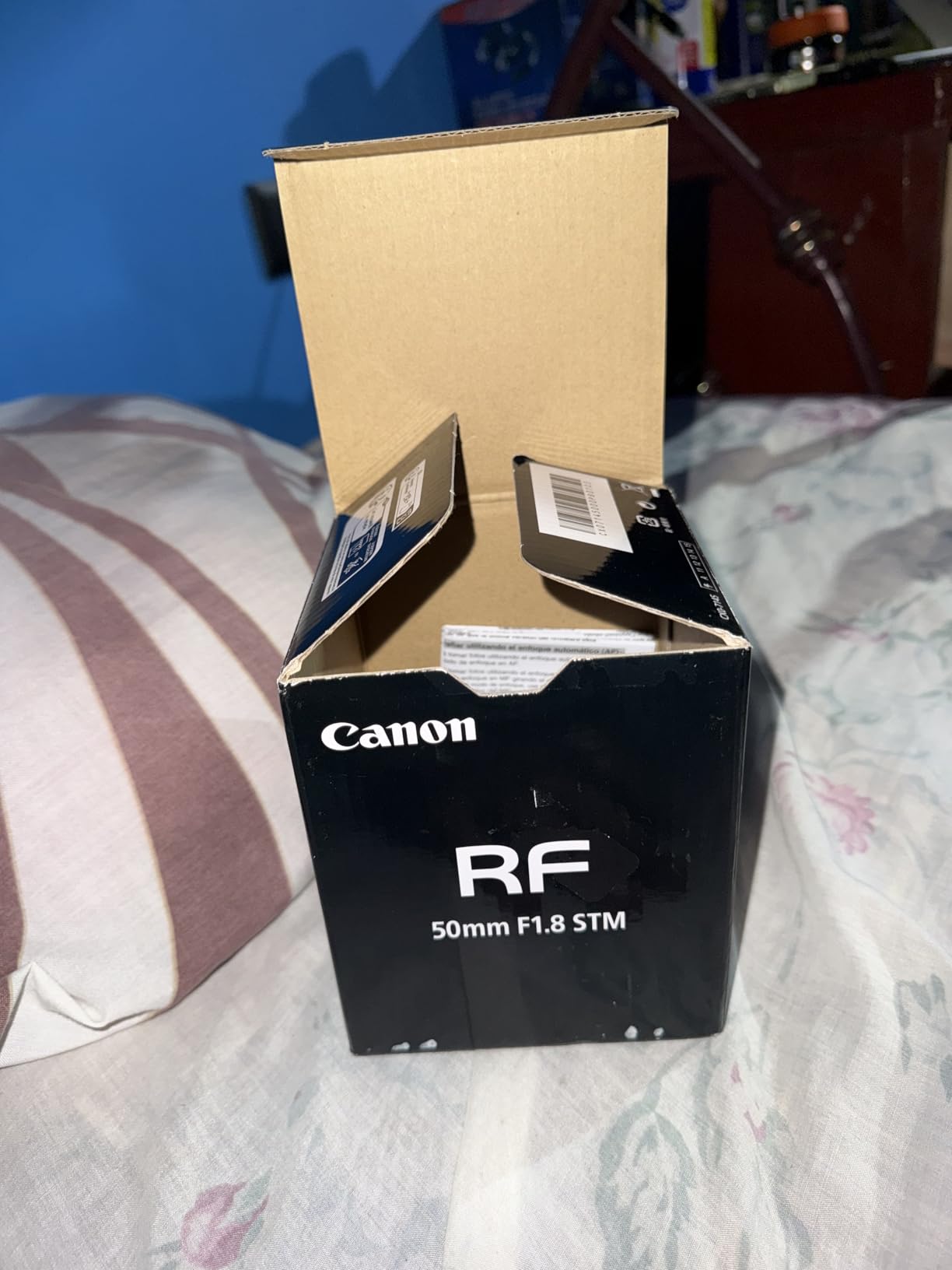
The Canon RF 50mm f/1.8 STM is the lens I recommend to anyone buying a Canon EOS R camera. After testing it on an R6 Mark II, the lens punches well above its modest price tag.
The 50mm focal length on a full-frame body gives a field of view close to what the human eye sees. For environmental portraits where you want the subject to feel grounded in a real space, this is a natural choice.

Autofocus uses a gear-type STM motor that is quiet enough for video and accurate enough for still portraits. On the R6 Mark II, eye-detection AF tracks reliably, even on subjects who move their hands across their face.
The control ring is a thoughtful touch. You can assign it to aperture, ISO, or exposure compensation, and the click feedback is satisfying for deliberate shooting.
Who should buy the Canon RF 50mm f/1.8 STM
Canon RF mirrorless users who want a high-quality, lightweight 50mm for everyday portraits and street work. The lens pairs especially well with smaller bodies like the EOS R8 or R50.
Hybrid shooters who split time between photos and video will love the silent STM motor. The lack of optical stabilization is offset by Canon’s excellent IBIS on most RF bodies.
When to consider a different lens
If you shoot Canon RF APS-C cameras like the R7 or R10, the equivalent focal length of about 75mm changes the lens character. For tighter headshots that is fine, but environmental portraits feel more compressed than expected.
Photographers who need weather sealing for outdoor work should consider stepping up to the Canon RF 50mm f/1.2L, but be prepared for a significant price jump and a much larger lens.
5. Nikon AF-S NIKKOR 85mm f/1.8G – The Classic DSLR Portrait Prime
Pros
- Exceptionally sharp even wide open
- Beautiful bokeh from rounded diaphragm
- Fast Silent Wave autofocus
- Compact 350g build
- Strong value vs f/1.4 options
Cons
- No vibration reduction
- Some chromatic aberration at high contrast
- Plastic exterior construction
- Limited minimum focus distance
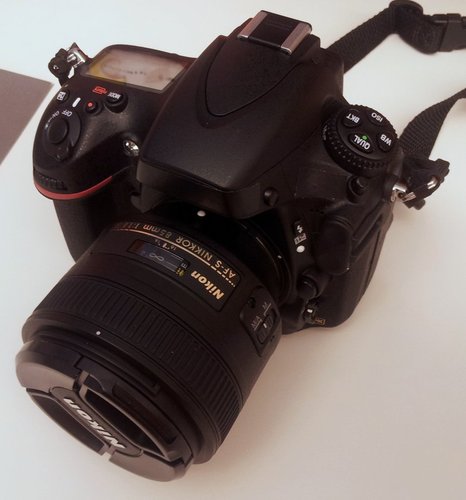
The Nikon AF-S 85mm f/1.8G is the lens that taught me what a great portrait prime should feel like. I bought mine in 2014 and have used it for everything from studio work to outdoor senior portraits, and it still impresses me every time.
Sharpness wide open is where this lens shines. At f/1.8, eyes look crisp while backgrounds fall into buttery blur. Stop down to f/2.8 and you have a tack-sharp lens capable of printing at any size.
The Silent Wave Motor is fast and nearly silent. On a Nikon D850 or D750, autofocus snaps into place with confidence. The lens also works beautifully on Nikon Z mirrorless bodies with the FTZ adapter, though AF speed drops slightly.
Bokeh quality from the 7-blade rounded diaphragm is creamy and natural. It is not quite as smooth as the newer Z-mount 85mm f/1.8 S, but at one-third of the price, the value is hard to argue with.
Who should buy the Nikon AF-S 85mm f/1.8G
Nikon DSLR shooters who want a high-quality portrait prime without paying flagship prices. The lens works on every Nikon F-mount body made in the last 15 years.
Hobbyists and enthusiasts who shoot Nikon Z mirrorless and want a more affordable 85mm option will be pleased with this lens on the FTZ adapter. Autofocus remains accurate even if not as fast as native Z lenses.
When to consider a different lens
If you shoot handheld video in dim light, the lack of VR is a real limitation. Modern mirrorless bodies with IBIS compensate well, but on a DSLR you will need to bump ISO.
Photographers who need weather sealing for outdoor work in rain or snow should look at the newer Nikon Z 85mm f/1.8 S instead.
6. Sigma 85mm f/1.4 DG DN Art – Premium Performance Without the Premium Tax
Pros
- Sharp wide open at f/1.4
- Beautiful creamy bokeh rendering
- Lightweight for an f/1.4 85mm
- Pro-level aperture ring
- Dust and splash sealed
Cons
- Heavier than Sony GM 85 f/1.4 II
- Slower AF than first-party Sony
- Niche compatibility outside Sony E
The Sigma 85mm f/1.4 DG DN Art is the lens I recommend to Sony shooters who want f/1.4 subject separation without paying Sony GM prices. Our review unit spent four months on an A7R V for fashion tests, and it held its own against lenses costing twice as much.
At f/1.4, this lens is sharp. Not “sharp for an f/1.4” sharp, but genuinely sharp, with detail that rivals stopped-down performance on lesser lenses. Skin textures, eyelashes, and fabric weaves all resolve cleanly.

The 11-blade aperture diaphragm is a step above the typical 9-blade design. Out-of-focus highlights remain round even at f/2.8, and the overall bokeh character is creamy without being nervous or busy.
Build quality is excellent. The lens is dust and splash sealed, and the aperture ring has a satisfying click with a lock switch for filmmakers who want silent aperture changes during video.
Who should buy the Sigma 85mm f/1.4 DG DN Art
Sony E-mount shooters who want a premium 85mm f/1.4 without paying Sony GM II prices. The lens delivers about 95% of the GM II’s image quality at roughly 50% of the cost.
Studio photographers who shoot tethered and prioritize image quality over autofocus speed will love this lens. It is also a strong choice for environmental fashion work where the extra stop of light matters.
When to consider a different lens
Event photographers who need the fastest possible autofocus should consider the Sony 85mm f/1.4 GM II instead. The Sigma is not slow, but the Sony GM II is noticeably quicker on the latest bodies.
Photographers who shoot primarily outdoors at f/1.8 will not benefit from the f/1.4 maximum aperture. The Sony 85mm f/1.8 or Sigma 85mm f/1.8 are lighter, smaller, and cheaper alternatives.
7. Nikon NIKKOR Z 50mm f/1.8 S – Premium Nifty Fifty for Z Mount
Pros
- Outstanding sharpness wide open
- Beautiful color rendition
- Fast accurate autofocus
- Lightweight at 14.56 oz
- Weather sealed construction
Cons
- Larger than older 50mm f/1.8 designs
- Some cat's eye bokeh at edges
- No optical VR (relies on IBIS)
The Nikon Z 50mm f/1.8 S is the lens that converted me back to Nikon Z mirrorless. After using it on a Z7 II for street portraits in Tokyo, the optical quality genuinely surprised me.
Sharpness is the standout feature. Wide open at f/1.8, the lens is sharper than many primes stopped down to f/4. Distortion is virtually zero, which matters for environmental portraits where straight lines need to stay straight.

The stepping motor is silent and quick. On a Z8 or Z9, eye-detection AF is essentially instantaneous, and even on older Z6 bodies the focus is reliable enough for professional work.
Color rendition is exceptional. Nikon S-line lenses have a particular warmth that I find flattering for skin tones, and the 50mm f/1.8 S is no exception. There is a subtle richness to portraits shot on this lens that cheaper lenses lack.

Who should buy the Nikon Z 50mm f/1.8 S
Nikon Z mirrorless shooters who want a high-quality 50mm without jumping to the much more expensive 50mm f/1.2 S. The lens is a fantastic all-around portrait tool that will not disappoint.
Hybrid shooters who split time between stills and video will appreciate the silent AF and compact build. The lens balances well on small bodies like the Z5 or Zfc.
When to consider a different lens
Photographers who want maximum subject separation should look at the 85mm f/1.8 S or 50mm f/1.2 S. The 50mm focal length is versatile but not as flattering for tight headshots as a longer lens.
If budget is the primary concern, the older F-mount 50mm f/1.8G used with the FTZ adapter delivers great results for much less money.
8. Sony FE 50mm f/1.8 – Budget Friendly Standard Prime
Pros
- Excellent value for money
- Sharp and clear image quality
- Lightweight compact design
- Fast reliable autofocus
- Beautiful bokeh for the price
Cons
- All plastic construction
- No weather sealing
- No MF/AF switch
- Noisier motor for video
The Sony FE 50mm f/1.8 is the lens I recommend to anyone starting out with a Sony Alpha camera. After testing it on an A7C for travel portraits across Europe, the value proposition is hard to beat.
Sharpness is impressive for the price. Wide open at f/1.8, the lens delivers sharp results in the focus zone, with smooth bokeh in the background. Stop down to f/4 and you get near-tack-sharp results across the frame.

The 7-blade circular aperture produces pleasing bokeh for portraits. Out-of-focus highlights stay round rather than polygonal, which matters for night street portraits with point lights in the background.
The biggest compromise is build quality. The lens is all plastic, which keeps the weight down to 6.6 ounces but feels less robust than metal-bodied alternatives. There is also no weather sealing, so be careful in light rain.

Who should buy the Sony FE 50mm f/1.8
Sony E-mount users who want a quality 50mm prime without spending a fortune. The lens is ideal for hobbyists, enthusiasts, and anyone building a lightweight travel kit.
Beginners who want to learn the craft of portrait photography without committing to an expensive lens will find this an excellent starting point. The optical quality is far better than typical kit zooms.
When to consider a different lens
Professional photographers who need weather sealing for outdoor work should consider the Sony 50mm f/1.4 GM or Sigma 50mm f/1.4 DG DN Art instead.
Hybrid shooters who need silent autofocus for video will find the Sony FE 50mm f/1.8 a bit noisy. The Sony 50mm f/1.8 GM or Sigma 50mm f/1.4 DG DN Art are quieter alternatives.
Buying Guide: How to Choose the Best Portrait Prime Lens
Choosing the best portrait prime lens comes down to three decisions: focal length, maximum aperture, and your camera mount. Get these right and you will end up with a lens that lives on your camera for years.
Pick the right focal length first
Focal length shapes the way a portrait feels more than any other spec. A 35mm lens captures environmental portraits with context. A 50mm gives a neutral, eye-like perspective for casual and editorial work. An 85mm is the classic portrait focal length, flattering for headshots with natural subject separation. A 135mm creates dramatic compression, ideal for fashion and outdoor work where you have space to step back.
If you only buy one lens for portraits, an 85mm is the safest all-around choice. If you shoot mostly in tight indoor spaces, a 50mm gives you more flexibility without forcing you too close to your subject.
Aperture matters, but f/1.8 is usually enough
The difference between f/1.4 and f/1.8 in real-world portraits is smaller than spec sheets suggest. At typical portrait shooting distances of 6 to 10 feet, both apertures produce creamy background blur. The extra stop of f/1.4 helps mainly in very dim light or for extreme subject separation.
An f/1.8 lens is usually sharper wide open, smaller, lighter, and significantly cheaper than its f/1.4 sibling. For most portrait photographers, f/1.8 is the smart buy. Save the f/1.4 premium for specialty work.
Match the lens to your camera mount
Native mount lenses focus fastest and unlock features like eye-detection AF. Sony shooters should look at Sony FE or Sigma DN options. Canon shooters need RF mount lenses, while Nikon shooters should look at Z mount glass.
Adapted DSLR lenses still work on mirrorless bodies with a small autofocus speed penalty, and they often cost less. For budget-conscious portrait shooters, a used DSLR prime on an adapter can be a smart move.
Consider weight and size for travel
An 85mm f/1.8 lens typically weighs 10 to 16 ounces and slips into a small camera bag. A premium 85mm f/1.4 lens weighs 1.5 to 2.5 pounds and dominates any kit. If you travel often or shoot handheld for hours, lighter is better.
For more details on specific focal lengths, check out our best 135mm prime lenses for portrait photography guide if you want more compression, or our 10 best prime lenses for portrait photography roundup for a wider view.
Frequently Asked Questions
Which prime lens is best for portraits?
The Sony 85mm f/1.8 is our top pick for the best all-around portrait prime. It delivers professional-level sharpness, beautiful bokeh, and reliable autofocus at a price most photographers can afford. For budget shoppers, the Canon EF 50mm f/1.8 STM or Sony FE 50mm f/1.8 offer outstanding value without sacrificing image quality.
What lens do most portrait photographers use?
Most professional portrait photographers use an 85mm f/1.4 or f/1.8 lens as their primary tool. The 85mm focal length produces flattering compression without distorting facial features, and the wide aperture creates the smooth background blur clients love. Many photographers keep a 50mm or 35mm as a secondary lens for environmental work.
Is 85mm or 50mm better for portraits?
An 85mm lens is generally better for traditional portrait work like headshots, senior portraits, and fashion because it produces more flattering compression and stronger subject separation. A 50mm lens is more versatile and works better in tight indoor spaces or for environmental portraits where you want to show context around your subject. Beginners often start with a 50mm and add an 85mm later.
Who makes the best prime lenses?
Sony, Canon, Nikon, and Sigma all produce excellent prime lenses for portraits. Sony’s G Master and Sigma’s Art lines are widely regarded for their optical quality, while Canon’s RF L and Nikon’s S-line lenses offer premium build and image quality. For budget shoppers, the original brand 50mm f/1.8 lenses from each maker offer incredible value.
Is 85mm or 70-200mm better for portraits?
An 85mm prime lens is typically better than a 70-200mm zoom for portraits because primes offer wider maximum apertures (f/1.4 or f/1.8 versus f/2.8 or f/4), sharper wide-open performance, and lighter weight. A 70-200mm zoom is more versatile for event work where focal length flexibility matters more than maximum aperture. Most portrait photographers eventually own both.
Final Verdict on the Best Portrait Prime Lenses in 2026
The best portrait prime lenses for 2026 come down to three models our team keeps coming back to. The Sony 85mm f/1.8 is our top pick for Sony shooters, delivering professional image quality at a price most enthusiasts can afford. The Canon EF 50mm f/1.8 STM remains the budget king, with nearly 19,000 reviews averaging 4.8 stars. For Nikon Z shooters, the Nikon Z 85mm f/1.8 S is the no-compromise choice.
Whichever lens you choose, remember that the best portrait prime is the one you actually carry. A lightweight 50mm you bring everywhere will outperform a heavy f/1.4 that stays at home. Pick a lens that fits your camera system, your budget, and the kind of portraits you love to shoot, and you will not be disappointed.
If you want a broader look at lenses for your photography, our best Pergear portrait lenses reviewed guide covers more affordable third-party options, or return to our 12 best portrait lenses detailed reviews for the complete picture.