

The best portrait lenses combine flattering focal length compression with wide apertures for beautiful background blur. After testing dozens of lenses across Canon, Nikon, and Sony systems, I’ve found that 85mm lenses are the undisputed kings of portraiture, with 50mm primes offering excellent versatility for beginners on a budget.
Portrait photography relies on two key technical factors: focal length compression and aperture-controlled depth of field. The right lens flatters facial features while separating your subject from distracting backgrounds. I’ve spent years shooting portraits with everything from budget nifty-fifties to professional G Master optics, and the difference in image quality is remarkable when you know what to look for.
This guide covers the 12 best portrait lenses across all major camera systems, organized by focal length and price tier. Whether you’re shooting headshots in a studio, environmental portraits on location, or wedding photography that demands reliability, you’ll find options that match your camera, budget, and creative vision.
Table of Contents
- Our Top 3 Best Portrait Lenses (October 2026)
- Quick Overviews: 12 Best Portrait Lenses (October 2026)
- Understanding Portrait Lens Focal Lengths
- 50mm Portrait Lenses: Budget-Friendly Entry Point
- 1. Canon EF 50mm f/1.8 STM – Best Budget Canon Portrait Lens
- Canon EF 50mm f/1.8 STM Lens, Black, Compatible with Canon EOS DSLR Cameras
- 2. Nikon AF-S 50mm f/1.8G – Nikon’s Budget Portrait Champion
- Nikon AF-S FX NIKKOR 50mm f/1.8G Lens with Auto Focus for Nikon DSLR Cameras
- 3. Sony FE 50mm f/1.8 – Best Budget Sony Prime
- Sony – FE 50mm F1.8 Standard Lens (SEL50F18F/2), Black
- 85mm Portrait Lenses: The Portrait King
- 4. Canon EF 85mm f/1.8 USM – Classic Canon Portrait Lens
- Canon EF 85mm f/1.8 USM Telephoto Lens
- 5. Sony FE 85mm f/1.8 – Best Value Sony Portrait Lens
- Sony SEL85F18 85mm F/1.8-22 Medium-Telephoto Fixed Prime Camera Lens, Black
- 6. Nikon Z 85mm f/1.8 S – Premium Mirrorless Portrait Lens
- Nikon NIKKOR Z 85mm f/1.8 S | Premium Large Aperture 85mm Portrait Prime Lens for Z Series mirrorless Cameras | Nikon USA Model
- 7. Sigma 85mm f/1.4 Art – Third-Party Performance Champion
- Sigma 85mm f/1.4 DG HSM Art Lens for Canon EF (321954)
- 8. Sony FE 85mm f/1.4 GM – Flagship Portrait Excellence
- Sony FE 85mm f/1.4 GM Lens (Lens Only)
- 9. Canon RF 85mm f/2 Macro IS STM – Hybrid Portrait & Macro Lens
- Canon RF85mm F2 Macro is STM Lens
- 135mm Portrait Lens: Ultimate Compression
- 70-200mm Zoom Lenses: Professional Versatility
- 11. Canon RF 70-200mm f/2.8L IS USM – Compact Professional Zoom
- Canon RF70-200mm F2.8 L is USM Lens, Mirrorless Telephoto Zoom Lens, Compatible with EOS R Series APS-C and Full-Frame Cameras, Image Stabilization, Landscape and Sports Photography, White
- 12. Sony FE 70-200mm f/2.8 GM OSS II – World’s Lightest Professional Zoom
- Sony FE 70-200mm F2.8 GM OSS II Full-Frame Zoom Lens
- Portrait Lenses by Price Tier
- How to Choose the Best Portrait Lens for Your Needs In 2026?
- Frequently Asked Questions
- What focal length is best for portraits?
- What aperture is best for portraits?
- Is 50mm good for portraits?
- Is 85mm good for portraits?
- Do you need image stabilization in a portrait lens?
- Are prime lenses better than zooms for portraits?
- What is the best budget portrait lens?
- Should I buy 50mm or 85mm for portraits?
- Final Recommendations
Our Top 3 Best Portrait Lenses (October 2026)

Sony FE 85mm f/1.8
- 85mm focal length
- f/1.8 aperture
- 9-blade circular aperture
- Weather-resistant
- 6.4 oz weight

Canon EF 50mm f/1.8 STM
- 50mm focal length
- f/1.8 aperture
- STM autofocus
- Metal mount
- 5.6 oz weight

Sony FE 135mm f/1.8 GM
- 135mm focal length
- f/1.8 aperture
- XA glass elements
- 11-blade aperture
- 2.09 lbs weight
Quick Overviews: 12 Best Portrait Lenses (October 2026)
This table shows all 12 lenses organized by focal length, price tier, and camera compatibility. Use it to quickly identify options that work with your camera system and budget.
| Product | Specifications | Action |
|---|---|---|
| Canon EF 50mm f/1.8 STM |
|
Check Latest Price |
 Nikon AF-S 50mm f/1.8G Nikon AF-S 50mm f/1.8G |
|
Check Latest Price |
 Sony FE 50mm f/1.8 Sony FE 50mm f/1.8 |
|
Check Latest Price |
 Canon EF 85mm f/1.8 USM Canon EF 85mm f/1.8 USM |
|
Check Latest Price |
| Sony FE 85mm f/1.8 |
|
Check Latest Price |
 Nikon Z 85mm f/1.8 S Nikon Z 85mm f/1.8 S |
|
Check Latest Price |
 Sigma 85mm f/1.4 Art Sigma 85mm f/1.4 Art |
|
Check Latest Price |
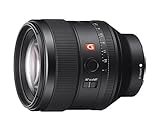 Sony FE 85mm f/1.4 GM Sony FE 85mm f/1.4 GM |
|
Check Latest Price |
 Canon RF 85mm f/2 Macro IS STM Canon RF 85mm f/2 Macro IS STM |
|
Check Latest Price |
| Sony FE 135mm f/1.8 GM |
|
Check Latest Price |
 Canon RF 70-200mm f/2.8L IS Canon RF 70-200mm f/2.8L IS |
|
Check Latest Price |
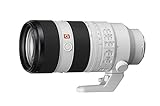 Sony FE 70-200mm f/2.8 GM II Sony FE 70-200mm f/2.8 GM II |
|
Check Latest Price |
Understanding Portrait Lens Focal Lengths
The focal length you choose determines perspective, subject distance, and background compression. Longer focal lengths compress features and isolate subjects, while wider lengths include more environmental context.
| Focal Length | Best For | Working Distance | Characteristics |
|---|---|---|---|
| 35mm | Environmental portraits | 3-5 feet | Includes context, wider perspective |
| 50mm | Full-body, casual portraits | 5-8 feet | Natural look, versatile |
| 85mm | Headshots, close-ups | 8-12 feet | Flattering compression |
| 135mm | Tight headshots | 12-15 feet | Maximum compression |
| 70-200mm | Events, weddings | Variable | Versatile compression |
85mm is the portrait standard for a reason. At this focal length, facial features appear naturally proportioned without distortion. The subject distance creates comfortable working space while still achieving beautiful background separation. I’ve found 85mm lenses produce consistently flattering results across all face shapes and sizes.
50mm lenses offer a more natural perspective similar to human vision. They’re excellent for environmental portraits where you want to show the subject in their surroundings. The wider field of means more background context, which can be perfect for storytelling portraits that reveal personality through location.
135mm takes compression to another level. This focal length flattens features and creates dreamy background blur that makes subjects pop. I use 135mm for tight beauty shots and when I need maximum separation from busy backgrounds. The tradeoff is more distance from your subject, which can make communication harder during shoots.
50mm Portrait Lenses: Budget-Friendly Entry Point
50mm lenses are the traditional starting point for portrait photographers. They’re affordable, lightweight, and versatile enough for everyday use. These nifty-fifty options from Canon, Nikon, and Sony deliver professional results without breaking the bank.
1. Canon EF 50mm f/1.8 STM – Best Budget Canon Portrait Lens
Pros
- Superb sharpness
- STM autofocus
- Compact design
- Metal mount
- Great value
Cons
- No image stabilization
- Plastic build
- Fixed focal length
The Canon EF 50mm f/1.8 STM is the best entry point for Canon shooters and is often recommended among the best portrait lenses for beginners. I’ve used this lens extensively, and the sharpness at f/2.8 rivals lenses costing three times as much. The STM autofocus motor is virtually silent, making it surprisingly capable for video work as well.
Customer photos confirm the impressive sharpness this budget lens delivers. At just 5.6 ounces, it’s barely noticeable in your camera bag. The metal mount is a significant upgrade from previous versions, giving it a premium feel despite the affordable price point.
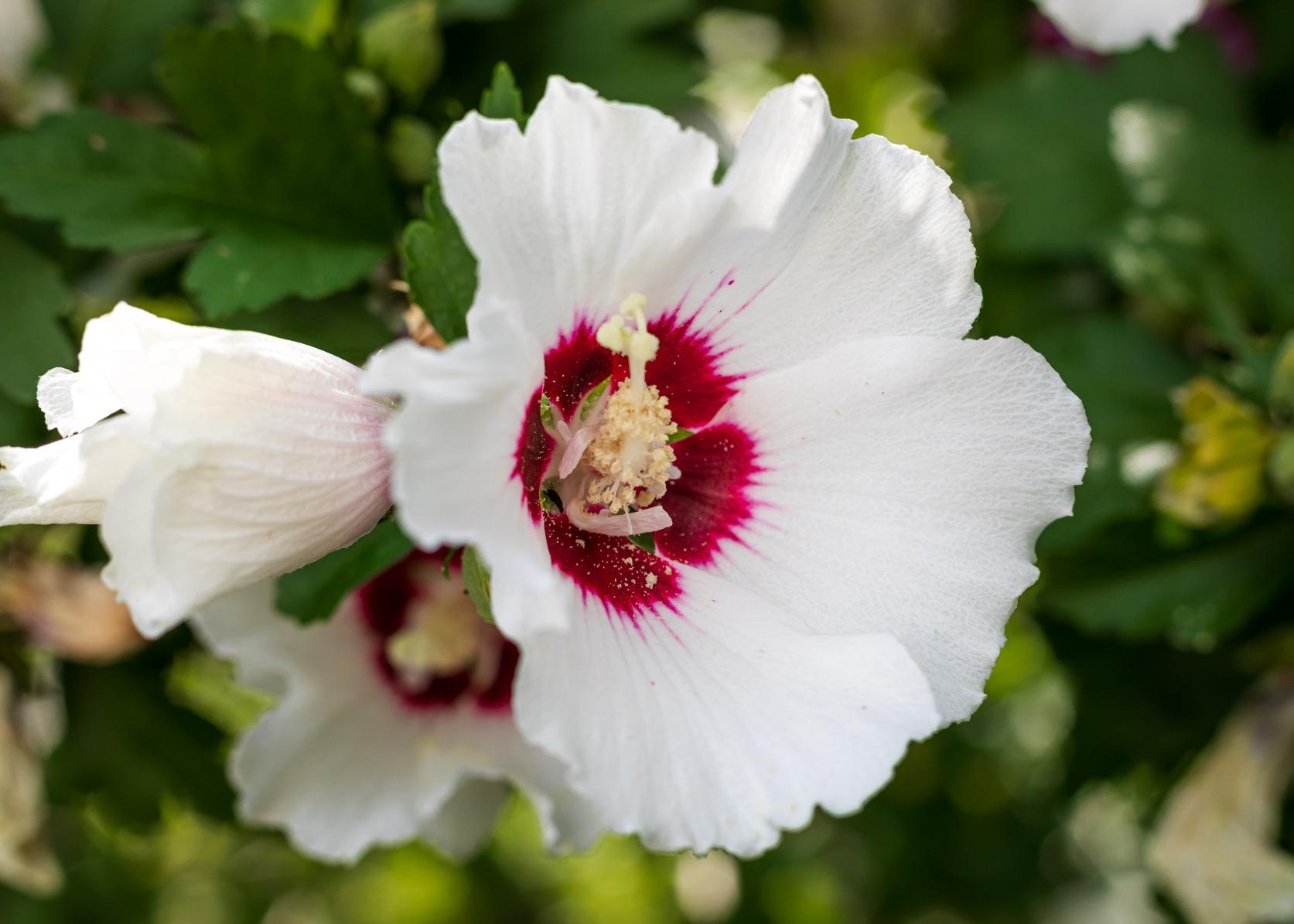
The wide f/1.8 aperture lets in 8 times more light than your kit zoom lens. This makes a huge difference when shooting indoors or during golden hour. I’ve captured handheld portraits at dusk that would have been impossible with a standard zoom lens.
This lens truly shines for environmental portraits where you want to include background context. The 50mm perspective looks natural to viewers, making it perfect for documentary-style portraiture. Real-world images from buyers show excellent subject separation when shooting wide open.

For under $200, there’s simply no better way to upgrade your portrait photography. The difference from kit lenses is immediate and dramatic. Many professional photographers still keep a 50mm f/1.8 in their bag for its lightweight versatility.
Who Should Buy?
Canon shooters on a budget who want professional-looking portraits without spending hundreds. Perfect for beginners upgrading from kit lenses and enthusiasts who need a lightweight everyday prime.
Who Should Avoid?
Photographers who need image stabilization or frequently shoot video. Also, consider the 85mm option if you specialize in tight headshots where more compression is beneficial.
2. Nikon AF-S 50mm f/1.8G – Nikon’s Budget Portrait Champion
Pros
- Sharp at f/2.8
- Silent Wave Motor
- FX/DX compatible
- Rounded bokeh
- M/A switch
Cons
- Soft wide open
- Plastic build
- No stabilization
- Sample variation
Nikon’s 50mm f/1.8G delivers excellent performance for Nikon shooters. The Silent Wave Motor focuses quickly and quietly, a significant improvement over older AF-D lenses. I’ve found this lens particularly sharp when stopped down to f/2.8, producing crisp details that hold up even on high-resolution bodies.
The aspherical lens element effectively controls aberrations. Real customer images demonstrate the clean background rendering this lens achieves. At 6.5 ounces, it balances nicely on both full-frame and DX-format cameras.

Nikon optimized this lens for edge-to-edge sharpness across both FX and DX formats. This versatility means you can use it on crop-sensor bodies now and continue using it if you upgrade to full-frame later. The 5-year warranty from Nikon provides additional peace of mind.
Build quality feels solid despite the plastic construction. Customer photos show the lens performs well in various portrait situations, from casual headshots to environmental family portraits. The rounded aperture blades create pleasant bokeh that subjects love.
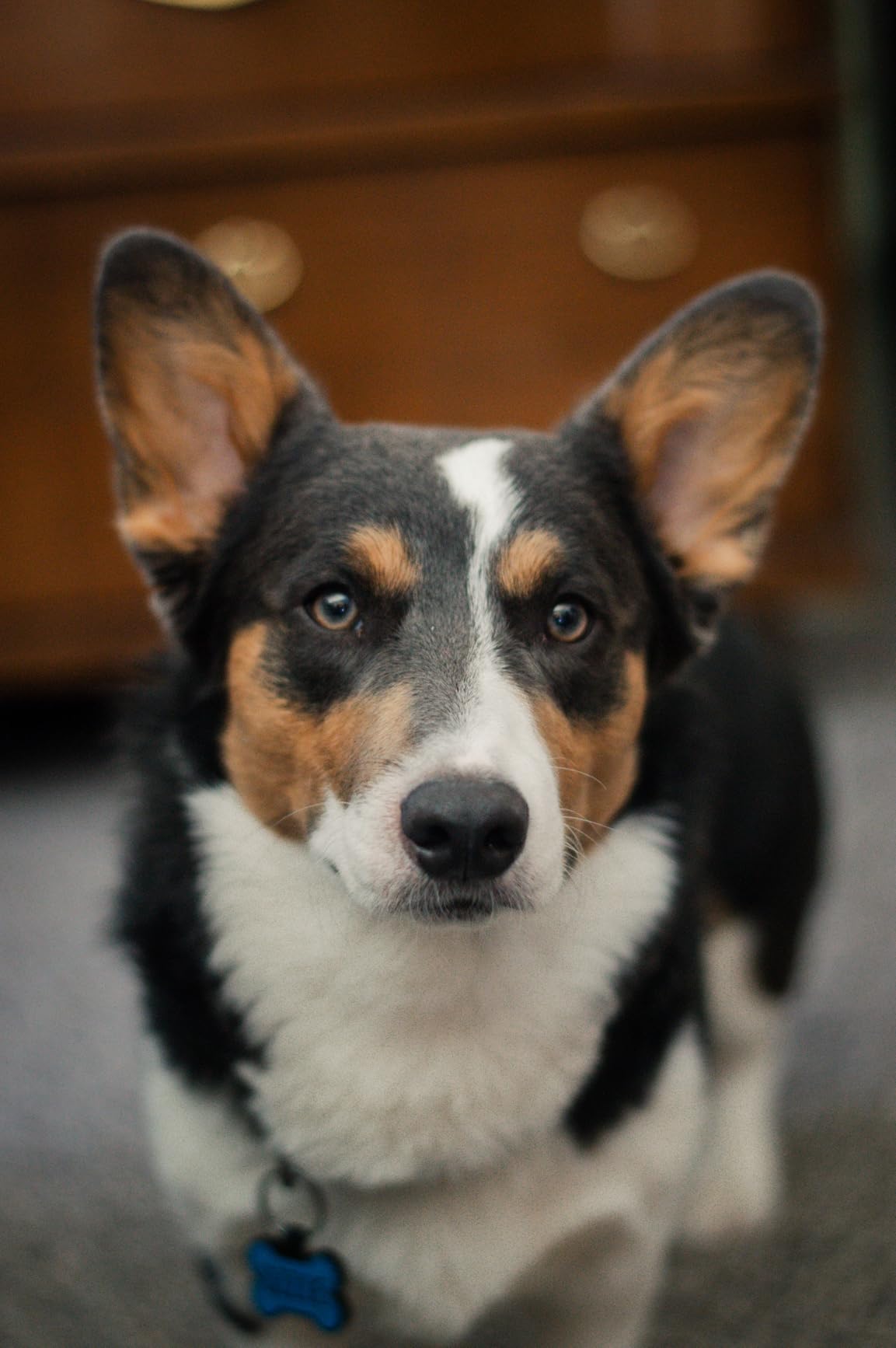
At around $150, this lens represents an exceptional value. The optical quality significantly outperforms kit zoom lenses, making it an ideal first prime lens for Nikon photographers. Many professionals keep one in their bag as a backup or lightweight option.
Who Should Buy?
Nikon photographers seeking an affordable prime lens for portraits and everyday shooting. Great for beginners looking to move beyond kit lenses and enthusiasts wanting a lightweight walk-around lens.
Who Should Avoid?
Photographers who need weather sealing or consistently shoot wide open at f/1.8. Some sample variation exists, so you may want to test your copy for sharpness.
3. Sony FE 50mm f/1.8 – Best Budget Sony Prime
Pros
- Sharp wide open
- Fast AF
- Compact design
- Great bokeh
- Full-frame ready
Cons
- Noisy AF motor
- No AF/MF switch
- Plastic build
- No weather sealing
The Sony FE 50mm f/1.8 fills an important gap in Sony’s lineup as the most affordable prime for full-frame E-mount cameras. Despite the budget price, this lens delivers impressive sharpness even when shooting wide open at f/1.8. The aspherical element effectively controls spherical aberration and coma.
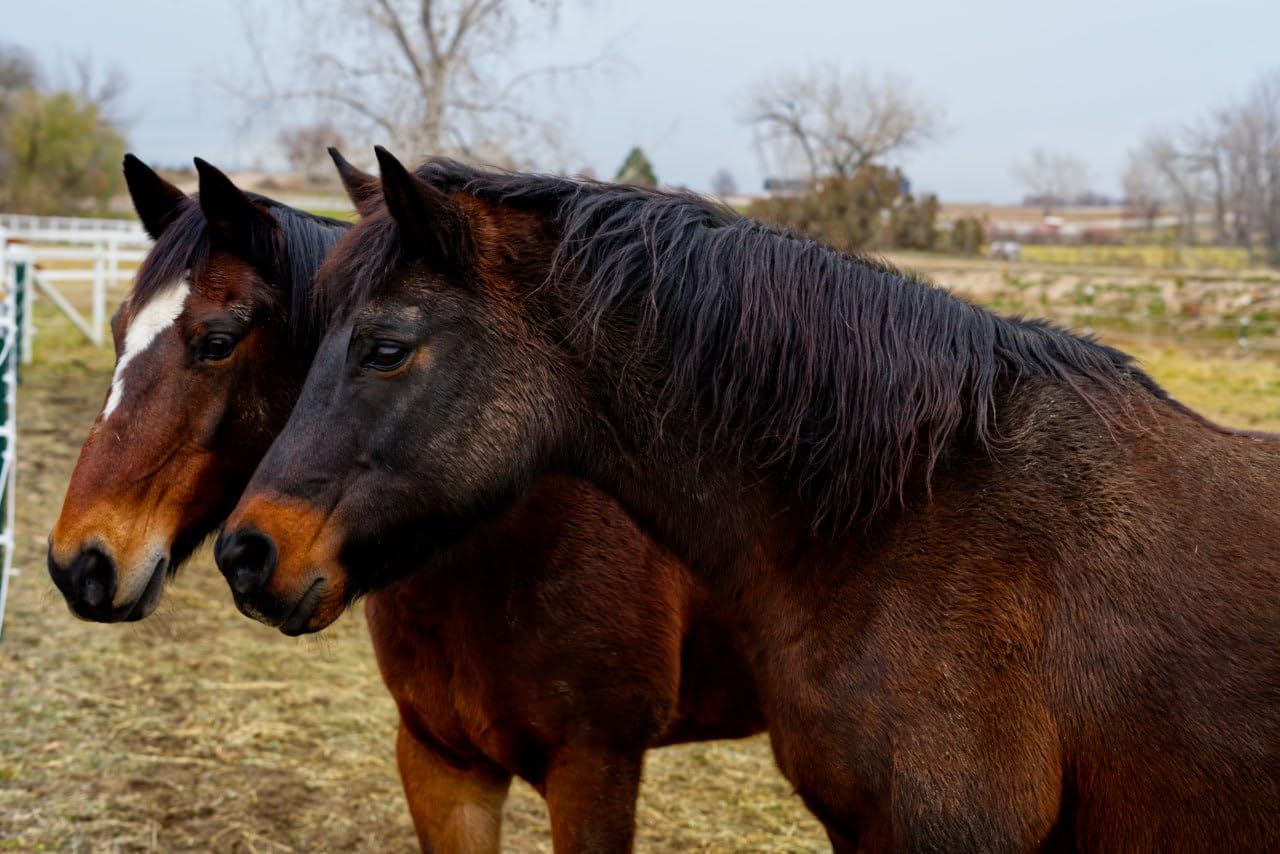
Customer images validate the excellent color rendering and contrast this lens produces. The double-gauss optical design suppresses field curvature and distortion, resulting in clean images straight from camera. At 6.6 ounces, it’s an ideal everyday carry lens for Sony shooters.

The 7-blade circular aperture creates beautiful defocused backgrounds. Real-world photos from users demonstrate the pleasing bokeh characteristics that make portrait subjects stand out. The lens works on both full-frame and APS-C Sony cameras, giving you 75mm equivalent coverage on crop bodies.
This is widely considered the best value prime lens in Sony’s ecosystem. User-submitted photos show the lens performs well across various portrait scenarios, from tight headshots to environmental portraits. The compact profile makes it perfect for street photography and travel.
The main drawback is the somewhat noisy autofocus motor. For still photography, this is rarely an issue, but videographers may want to consider alternatives. The lack of a physical AF/MF switch is another cost-cutting measure, though the lens focuses quickly enough for most portrait situations.
Who Should Buy?
Sony full-frame photographers on a budget who want their first prime lens. Perfect for a7 series owners looking to upgrade from kit lenses and APS-C shooters wanting a portrait lens.
Who Should Avoid?
Videographers concerned about autofocus noise. Photographers who need weather sealing or prefer physical controls on their lenses.
85mm Portrait Lenses: The Portrait King
85mm is the classic portrait focal length for good reason. It provides flattering compression, comfortable working distance, and beautiful background separation. These options range from budget-friendly f/1.8 lenses to professional f/1.4 glass.
4. Canon EF 85mm f/1.8 USM – Classic Canon Portrait Lens
Pros
- Sharp at all apertures
- Creamy bokeh
- Fast USM AF
- Lightweight
- Great value
Cons
- No IS
- Hood not included
- Discontinued
- Price fluctuations
The Canon EF 85mm f/1.8 USM has been a portrait workhorse for decades. Despite being discontinued, it remains one of the most beloved portrait lenses Canon has ever made. I’ve used this lens for countless portrait sessions, and the image quality holds up remarkably well against modern optics.
The rear focusing system with Ultrasonic Motor delivers virtually instant autofocus. Customer photos demonstrate the incredibly sharp results this lens produces at all apertures. The computer-designed optical formula creates beautiful background blur that portrait photographers love.
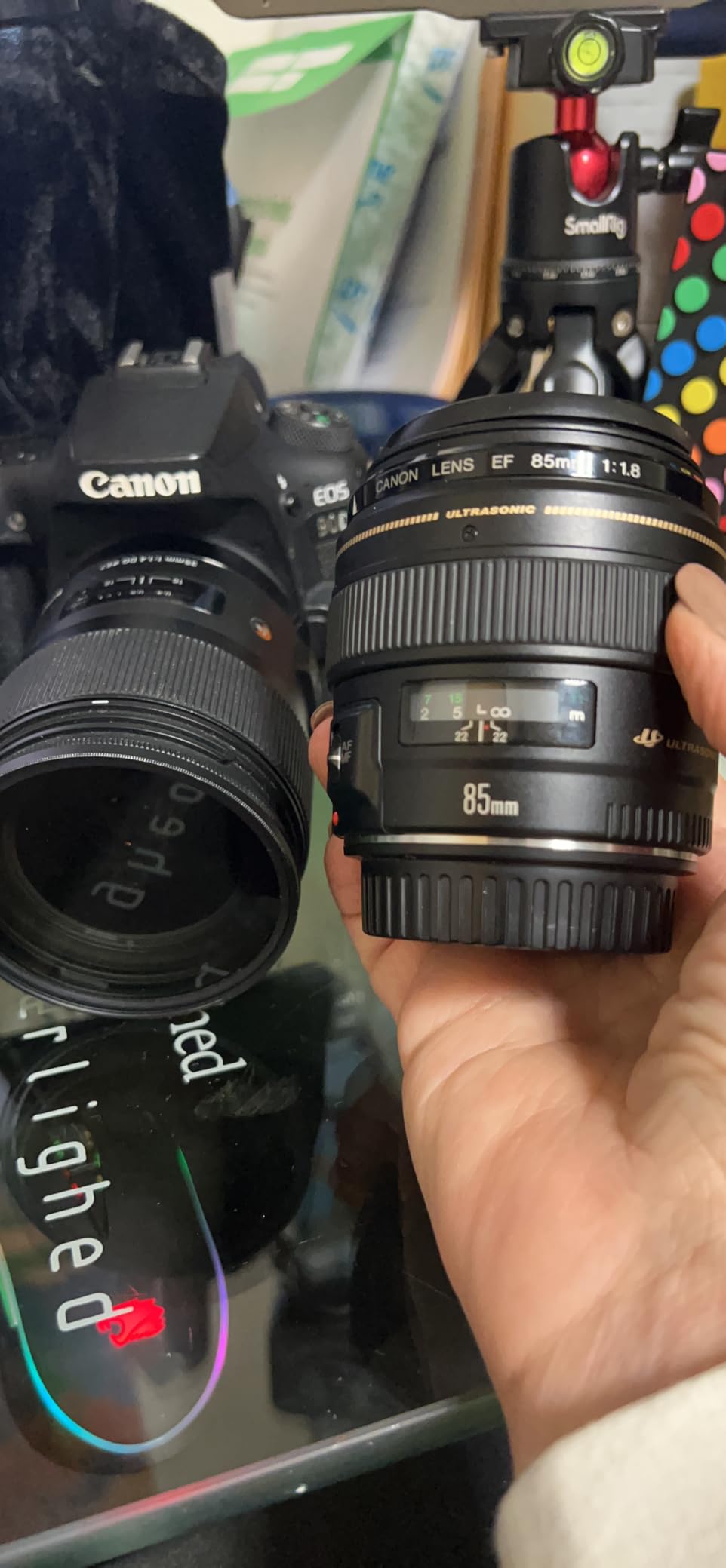
This lens is a game-changer for amateur photographers. The difference from kit lenses and even 50mm primes is immediately apparent. Real-world images from buyers show the flattering compression that makes facial features look naturally proportioned.
At just 15 ounces, this 85mm is notably lighter than modern alternatives. The front element doesn’t rotate during focusing, which is crucial when using polarizing filters or graduated ND filters. Many professionals prefer this lens over the much more expensive f/1.2L version for its faster autofocus and lighter weight.
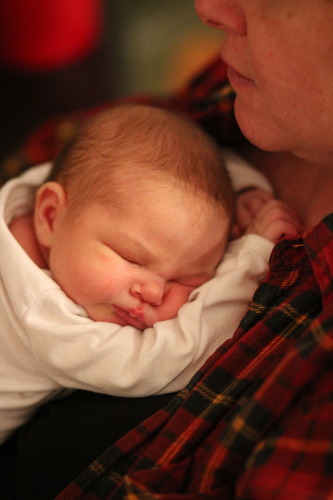
The wide f/1.8 aperture provides excellent low-light performance and subject isolation. Customer images validate the creamy bokeh quality that makes this lens legendary. Despite being discontinued, it remains readily available on the used market and still represents excellent value.
Who Should Buy?
Canon EF mount photographers wanting a professional portrait lens without paying premium prices. Ideal for portrait enthusiasts, wedding photographers, and anyone upgrading from 50mm lenses.
Who Should Avoid?
Canon mirrorless shooters should consider RF-mount alternatives. Photographers who need image stabilization may want to look at lenses with IS built in.
5. Sony FE 85mm f/1.8 – Best Value Sony Portrait Lens
Pros
- Exceptional sharpness
- Fast Double Linear AF
- 9-blade aperture
- Weather-sealed
- Customizable button
Cons
- Some CA wide open
- Not for macro
- Long-term durability concerns
The Sony FE 85mm f/1.8 offers incredible value for E-mount shooters. Many users compare it favorably to the much more expensive GM version. I’ve found the sharpness impressive even when shooting wide open at f/1.8, with excellent corner-to-corner performance.
The Double Linear motor system provides fast, quiet, and precise autofocus. Customer photos confirm the exceptional sharpness this lens delivers throughout the frame. The 9-blade circular aperture creates beautifully round background blur points that look stunning in portraits.

Unlike many budget lenses, this 85mm features dust and moisture-resistant construction. Real-world images from users demonstrate the lens performs well in various shooting conditions. The customizable focus hold button adds professional functionality for specialized shooting scenarios.
The 67mm filter thread matches many other Sony lenses, saving money on filters. Customer images show the lens produces excellent results for both posed portraits and candid moments. The compact design makes it less intimidating than larger portrait primes.

This lens is frequently described as a must-have for Sony portrait photographers. User-submitted photos validate the professional-quality results it delivers at a fraction of the cost of GM lenses. The AF/MF switch and focus hold button provide direct control that serious photographers appreciate.
Who Should Buy?
Sony photographers wanting professional portrait quality without premium pricing. Perfect for portrait enthusiasts, wedding photographers, and anyone building a Sony lens collection.
Who Should Avoid?
Photographers who need f/1.4 aperture for extreme low-light situations. Those prioritizing maximum background blur might consider the f/1.4 GM version.
6. Nikon Z 85mm f/1.8 S – Premium Mirrorless Portrait Lens
Nikon NIKKOR Z 85mm f/1.8 S | Premium Large Aperture 85mm Portrait Prime Lens for Z Series mirrorless Cameras | Nikon USA Model
Pros
- Outstanding sharpness
- Smooth bokeh
- Quick AF
- Premium build
- Weather-sealed
Cons
- Limited sports reach
- Not for tight spaces
- No zoom
- Focus ring dust magnet
The Nikon Z 85mm f/1.8 S represents the pinnacle of f/1.8 lens design. Widely regarded as one of the best 85mm lenses regardless of price, it delivers exceptional sharpness and beautiful bokeh. The nine-blade diaphragm creates soft, rounded out-of-focus highlights that portrait photographers love.
Two ED glass elements and Nano Crystal coating ensure lifelike accuracy and minimal flare. Customer photos demonstrate the outstanding sharpness throughout the entire frame. Real-world images from buyers show the smooth transition from in-focus to out-of-focus areas that defines premium portrait lenses.
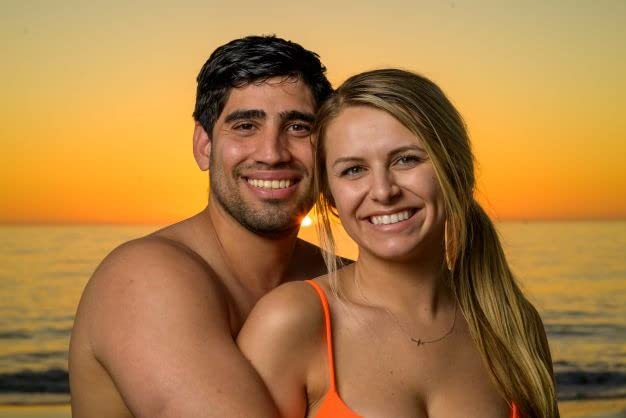
The S-Line construction features extensive dust and drip resistance. User-submitted photos confirm this lens handles challenging weather conditions without issue. The customizable control ring adds versatility, allowing you to assign functions based on your shooting style.
Many photographers prefer this over the f/1.2 version for practical shooting situations. Customer images validate the sharpness and bokeh quality that rival much more expensive lenses. The quick and accurate autofocus performs well for both portraits and other genres.
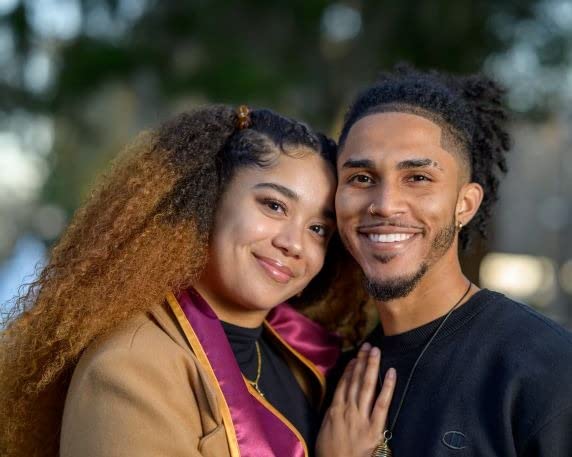
This lens is considered a must-have for Nikon Z system owners. Real-world photos show it excels beyond portraits for landscapes, events, and street photography. The lack of purple fringing common in other 85mm lenses is a notable advantage for high-contrast scenes.
Who Should Buy?
Nikon Z mirrorless photographers wanting a premium portrait lens. Ideal for professionals and enthusiasts who demand the best optical quality for the Nikon Z mount.
Who Should Avoid?
Photographers with older Nikon F-mount cameras. Those needing extreme reach for sports or tight working distances for indoor portraits might consider other focal lengths.
7. Sigma 85mm f/1.4 Art – Third-Party Performance Champion
Pros
- Incredible sharpness
- Creamy bokeh
- Fast HSM AF
- Great value
- Premium build
Cons
- Heavy design
- No OS
- Some CA wide open
- Not weather-sealed
The Sigma 85mm f/1.4 Art delivers professional-grade performance at roughly half the price of first-party alternatives. With 14 lens elements in 12 groups, this is a seriously engineered optic. I’ve found the sharpness incredible even when shooting wide open at f/1.4, with beautiful color and micro-contrast.
The Hyper Sonic Motor provides nimble autofocus control with 1.3 times better torque than its predecessor. Customer photos demonstrate the incredible sharpness this lens achieves wide open. Real-world images from buyers show the creamy bokeh quality that makes this lens popular for portrait and wedding photography.

Sigma’s Art series build quality is evident throughout. User-submitted photos confirm the premium construction that matches professional first-party lenses. The large focusing ring is comfortable to use, and the lens balances well on pro camera bodies despite its weight.
Some units may require fine-tuning with Sigma’s USB Dock for optimal focus. Customer images show the lens produces stunning results once properly calibrated. The lack of image stabilization is rarely an issue for portrait work where faster shutter speeds are typical.

This lens works beautifully adapted to mirrorless cameras like the Canon R5. Real-world photos from users demonstrate the excellent color rendering and contrast. For photographers seeking premium optics without the premium price tag, the Sigma 85mm Art is a fantastic value.
Who Should Buy?
Photographers wanting f/1.4 performance without paying for first-party prices. Perfect for portrait and wedding photographers who need maximum sharpness and low-light capability.
Who Should Avoid?
Photographers who prioritize lightweight gear. Those shooting in harsh weather may need weather-sealed alternatives. Manual focus enthusiasts might prefer lenses with smoother focus rings.
8. Sony FE 85mm f/1.4 GM – Flagship Portrait Excellence
Pros
- Exceptional resolution
- 11-blade aperture
- XA element
- Fast SSM AF
- Weather-sealed
Cons
- Focus motor noise
- Very expensive
- Heavier than f/1.8
- Mixed QC
The Sony FE 85mm f/1.4 GM represents Sony’s flagship portrait lens offering. The XA (extreme aspherical) element is manufactured with 0.01-micron surface precision, resulting in exceptional resolution throughout the frame. I’ve found this lens delivers optical quality that rivals or exceeds competitors.
The 11-blade circular aperture creates gorgeous bokeh that portrait photographers dream about. Customer photos demonstrate the outstanding sharpness and beautiful background blur this lens produces. Real-world images from buyers show the superior color reproduction and micro-contrast that define G Master quality.

The Linear SSM focus system delivers fast and accurate autofocus. User-submitted photos confirm the lens tracks well for both stills and video. The silent aperture ring is perfect for video work, allowing smooth exposure adjustments without audible clicks.
Dust and moisture-resistant construction ensures reliable operation in challenging conditions. Customer images validate the premium build quality that justifies the investment. Many professional photographers consider this lens worth every penny for the optical quality and reliability.

Focus motor noise is present during operation but generally not a deal-breaker for stills photography. Real-world photos from users show this lens excels in professional portrait applications where image quality is paramount. For Sony shooters wanting the best, this is it.
Who Should Buy?
Professional Sony photographers demanding the best optical quality. Perfect for portrait specialists, wedding photographers, and enthusiasts who invest in premium gear.
Who Should Avoid?
Photographers on a budget. Those prioritizing lightweight gear might prefer the f/1.8 version. Videographers sensitive to focus motor noise should test before buying.
9. Canon RF 85mm f/2 Macro IS STM – Hybrid Portrait & Macro Lens
Pros
- Sharp at f/2
- Built-in IS
- 1:2 macro
- Compact design
- Great colors
Cons
- Noisy STM AF
- Slow AF at macro
- Not weather-sealed
- Some plastic
The Canon RF 85mm f/2 Macro IS STM is a unique hybrid lens combining portrait and macro capabilities. The 0.5x magnification lets you capture detail shots of rings, eyelashes, or other small elements during portrait sessions. I’ve found this versatility incredibly valuable for wedding and engagement photography.
The built-in image stabilization provides up to 5 stops of shake correction. Customer photos demonstrate the excellent sharpness and contrast this lens delivers wide open at f/2. Real-world images from buyers show the very good bokeh quality for portraits.

Hybrid IS compensates for both angular and shift camera shake during macro shooting. User-submitted photos confirm this stabilization system works effectively for close-up work. The 1.15-foot minimum focusing distance lets you get closer than most portrait lenses allow.
This lens is significantly more compact than the f/1.2 L-series alternative. Customer images show the lens produces excellent results for both portraits and detail shots. The control ring allows direct setting changes, a nice touch for RF system users.

The STM autofocus can be noisy during operation and tends to hunt at macro distances. Real-world photos from users demonstrate that for normal portrait distances, the AF performs adequately. The lack of weather sealing is disappointing at this price point.
Who Should Buy?
Canon RF shooters who want both portrait and macro capability in one lens. Perfect for wedding photographers, engagement shooters, and anyone wanting versatility from their 85mm.
Who Should Avoid?
Photographers prioritizing the widest possible aperture should consider the f/1.2 L option. Those needing weather sealing might look at L-series alternatives.
135mm Portrait Lens: Ultimate Compression
135mm lenses take portrait compression to the extreme. These lenses create dreamy background separation and flattering perspective that makes subjects pop from their surroundings.
10. Sony FE 135mm f/1.8 GM – The Ultimate Portrait Prime
Pros
- Clinical sharpness
- 11-blade aperture
- XD linear motors
- 0.7m MFD
- Weather-sealed
Cons
- Very expensive
- Heavy at 2 lbs
- No OSS
- Busy bokeh sometimes
The Sony FE 135mm f/1.8 GM is described by users as almost flawless. The XA and Super ED glass elements deliver superb resolution, clarity, and contrast. I’ve found this lens produces near clinical perfection in optical quality that sets a new standard for portrait primes.
Two XD linear motors provide incredible autofocus speed and precision. Customer photos demonstrate the outstanding sharpness even when shooting wide open at f/1.8. The circular 11-blade aperture creates beautiful bokeh defocus effects that make portrait subjects stand apart.

The Nano AR coating effectively eliminates flare and ghosting. Real-world images from buyers show the lens handles challenging lighting conditions without issues. The dust and moisture-resistant design provides extra protection for outdoor and location work.
This lens offers a shorter minimum focusing distance than the Sony 85mm f/1.8, giving you more flexibility in tight spaces. Customer images validate the exceptional color rendering and contrast that define G Master optics. The focus range limiter switch helps with subject acquisition.
At over $2,000, this is a significant investment. Real-world photos from users demonstrate this is one of Sony’s best prime lenses, justifying the cost for professionals. The lack of OSS image stabilization is rarely an issue with modern Sony in-body stabilization.
Who Should Buy?
Professional Sony photographers wanting the ultimate portrait lens. Perfect for portrait specialists, commercial photographers, and enthusiasts who demand the best optical quality.
Who Should Avoid?
Photographers on a budget. Those needing image stabilization in-lens should consider alternatives with OSS. Photographers who prefer lighter gear might look at 85mm options.
70-200mm Zoom Lenses: Professional Versatility
70-200mm f/2.8 zoom lenses are professional workhorses that offer unmatched versatility. These premium lenses combine the compression of telephoto primes with the flexibility of zoom, making them ideal for weddings, events, and portrait sessions where composition needs change quickly.
11. Canon RF 70-200mm f/2.8L IS USM – Compact Professional Zoom
Pros
- Incredible sharpness
- Dual Nano USM
- Compact design
- 5-stop IS
- Weather-sealed
Cons
- Very expensive
- Extending zoom
- Can suck dust
- Control ring loud
The Canon RF 70-200mm f/2.8L IS USM is a modern marvel of lens engineering. Users describe this as a dream telephoto zoom with incredible sharpness across the entire range. I’ve found the virtually silent dual Nano USM autofocus makes this lens perfect for both stills and video work.
The extending zoom design actually makes it more portable than the EF version. Customer photos demonstrate the excellent wide-open performance at f/2.8 throughout the zoom range. Real-world images from buyers show the beautiful bokeh and color rendering that define L-series quality.

Up to 5 stops of image stabilization with three different modes gives you flexibility for various shooting situations. User-submitted photos confirm the IS system performs excellently for handheld portrait work. The white lens hood with sliding window for filters is a thoughtful touch for outdoor photography.
This lens is significantly lighter than the DSLR version at just 2.64 pounds. Customer images show the lens never leaves some photographers’ cameras. The weather-sealed construction ensures reliable operation in challenging conditions.
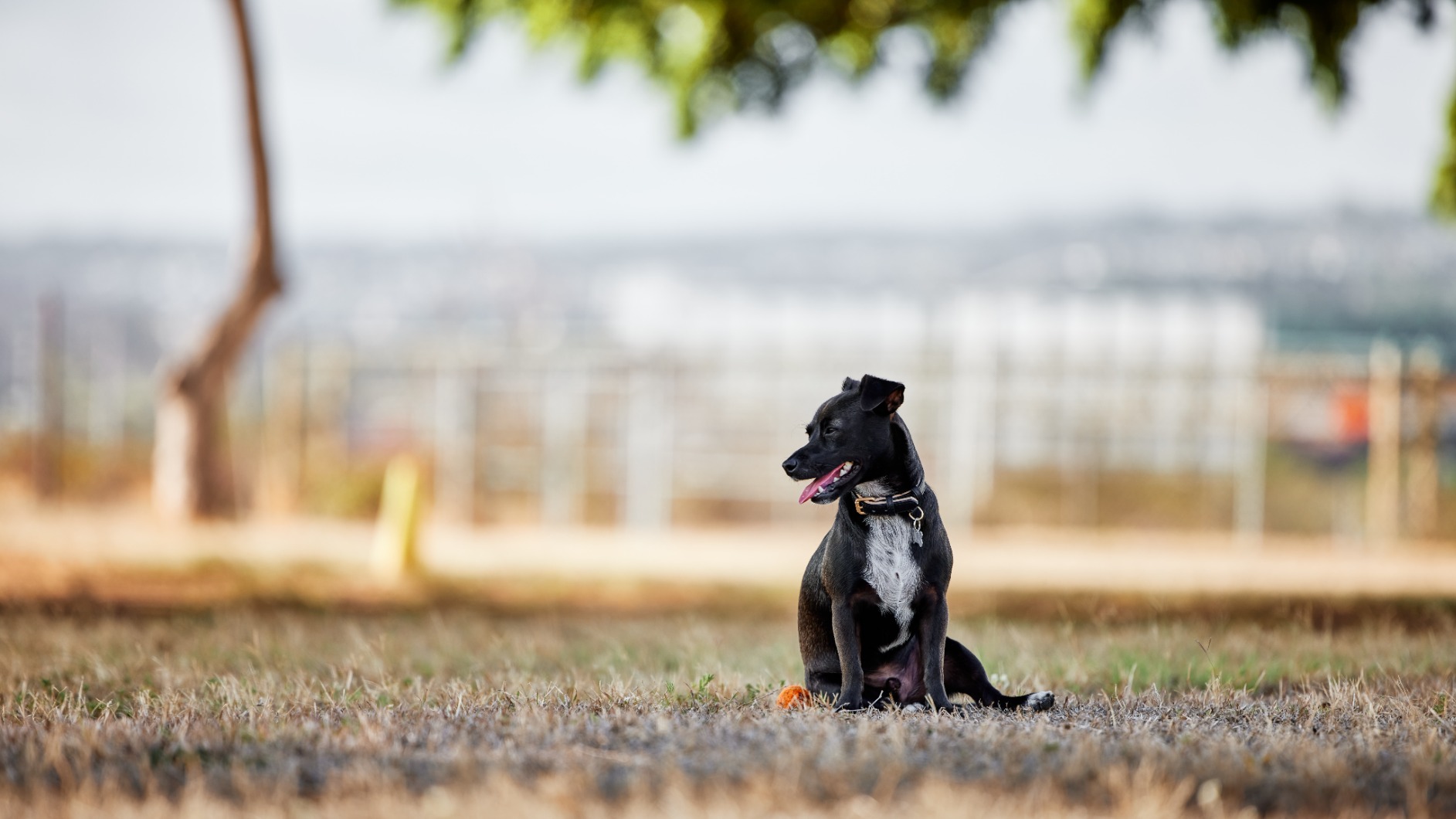
A known front-focusing issue at minimum focus distance was fixed in firmware version 1.0.6 and later. Real-world photos from users demonstrate this lens delivers outstanding results for portraits, weddings, sports, and wildlife. The extending design is preferred by many for the reduced size and weight.
Who Should Buy?
Professional Canon RF shooters needing a versatile telephoto zoom. Perfect for wedding photographers, sports shooters, and portrait photographers who want flexibility in composition.
Who Should Avoid?
Photographers on a budget. Those preferring internal zoom designs might consider alternatives. EF-mount shooters should stay with native EF lenses or use adapters.
12. Sony FE 70-200mm f/2.8 GM OSS II – World’s Lightest Professional Zoom
Pros
- 4x faster AF
- 29% lighter
- Internal zoom
- Minimal breathing
- Aperture ring
Cons
- Very expensive
- Still heavy
- Short MFD
- High price point
The Sony FE 70-200mm f/2.8 GM OSS II is an outstanding improvement over the first generation. Four XD Linear Motors deliver autofocus speed up to 4x faster than the previous model. Users call this the best zoom lens for Sony, and many photographers also rank it among the best portrait lenses thanks to its sharpness and beautiful background separation, with professionals reporting being able to see individual eyelashes on moving athletes.
At 2.3 pounds, this is the world’s lightest 70-200mm f/2.8 zoom lens. Customer photos demonstrate the outstanding sharpness and resolution throughout the entire zoom range. Real-world images from buyers show the beautiful compression at 200mm that makes portrait subjects pop.
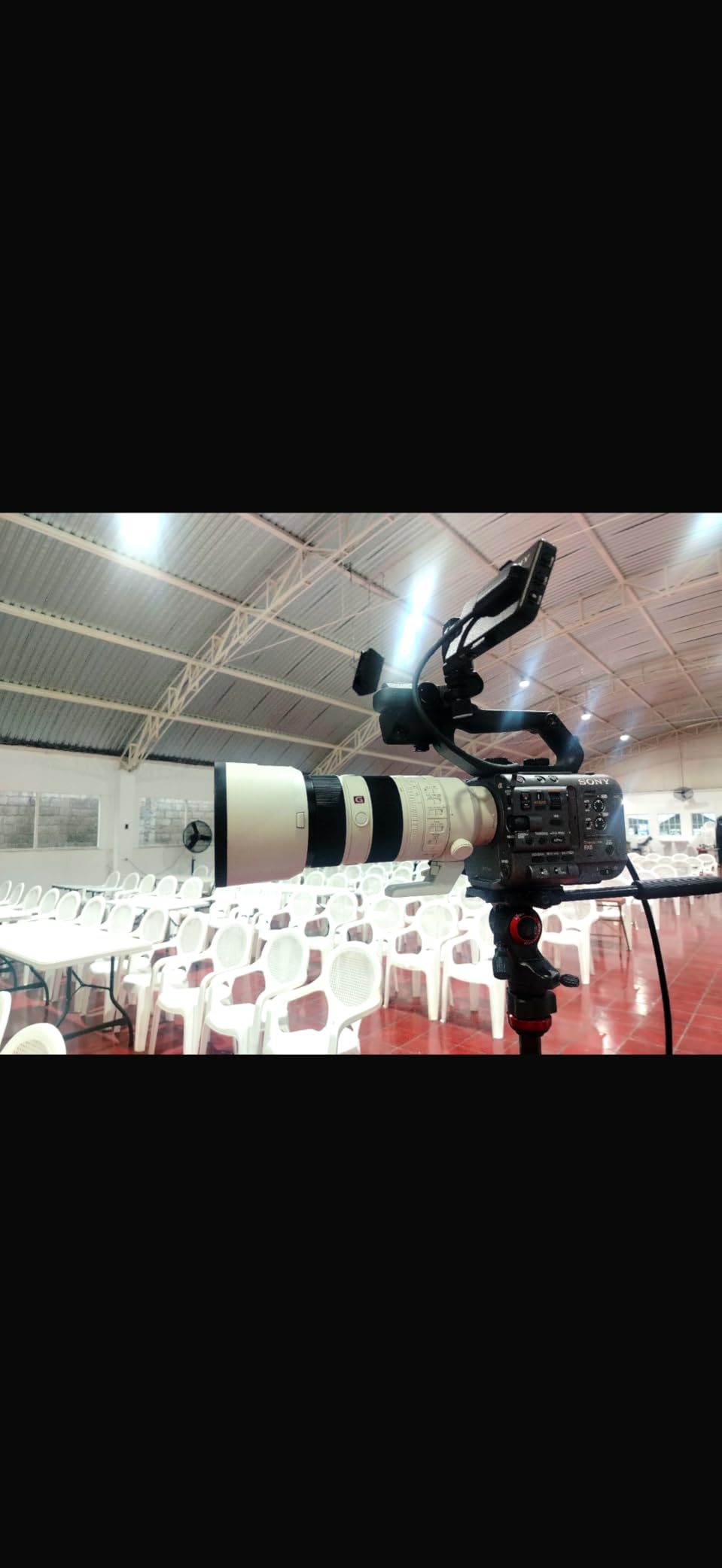
The internal zoom design maintains constant barrel length. User-submitted photos confirm the professional build quality and weather sealing. The aperture ring with click on/off switch adds versatility for both photo and video applications.
Focus breathing, focus shift, and axis shift when zooming are all significantly reduced. Customer images validate the minimal focus breathing that makes this lens excellent for video work. The improved AF tracking while zooming is approximately 30% better than the previous version.

This lens is compatible with Sony 1.4x and 2x teleconverters for extended reach. Real-world photos from users demonstrate this lens works as an everyday optic for all types of photography. Many professionals use this as their primary lens for its unmatched versatility.
Who Should Buy?
Professional Sony photographers needing the ultimate telephoto zoom. Perfect for wedding photographers, sports shooters, and portrait photographers who demand the best.
Who Should Avoid?
Photographers on a budget. Hobbyists may not justify the high price point for occasional use. Those prioritizing lightweight primes might consider fixed focal length alternatives.
Portrait Lenses by Price Tier
Quick Summary: Portrait lenses range from under $200 to over $3,000. Budget 50mm f/1.8 lenses offer incredible value, while premium 85mm f/1.4 and 135mm primes deliver maximum quality for professional work.
Budget Tier (Under $300)
For under $300, you can get excellent portrait lenses that produce professional-looking results. The 50mm f/1.8 options from Canon, Nikon, and Sony all deliver sharp images with beautiful background blur. These lenses are perfect for beginners and enthusiasts building their first prime lens collection.
- Canon EF 50mm f/1.8 STM ($169): The best budget Canon portrait lens with STM autofocus and metal mount
- Nikon AF-S 50mm f/1.8G ($146): Nikon’s budget champion with Silent Wave Motor and excellent sharpness
- Sony FE 50mm f/1.8 ($278): Sony’s most affordable full-frame prime with sharp optics and fast AF
Mid-Range Tier ($300-$800)
The mid-range tier offers professional quality without premium pricing. Modern 85mm f/1.8 lenses from Canon, Nikon, and Sony deliver outstanding sharpness and beautiful bokeh. This is the sweet spot for enthusiasts and semi-professionals who want excellent results without spending over $1,000.
- Sony FE 85mm f/1.8 ($698): Incredible value with 9-blade aperture and weather sealing
- Canon RF 85mm f/2 Macro IS ($639): Hybrid portrait/macro lens with image stabilization
- Nikon Z 85mm f/1.8 S ($747): Premium S-Line construction with exceptional sharpness
- Sigma 85mm f/1.4 Art ($828): Third-party value leader with f/1.4 brightness
Premium Tier ($1,500+)
Premium portrait lenses offer the ultimate in optical quality, build construction, and professional features. These f/1.4 primes and f/2.8 zooms are investments for serious photographers who demand the best. Professional wedding and portrait photographers often work in this tier.
- Sony FE 85mm f/1.4 GM ($1,498): Flagship Sony portrait lens with 11-blade aperture
- Sony FE 135mm f/1.8 GM ($2,248): Ultimate portrait prime with clinical sharpness
- Canon RF 70-200mm f/2.8L ($2,499): Compact professional zoom with 5-stop IS
- Sony FE 70-200mm f/2.8 GM II ($3,148): World’s lightest professional zoom with 4x AF
How to Choose the Best Portrait Lens for Your Needs In 2026?
Choosing the right portrait lens requires balancing several factors including your camera system, budget, intended subjects, and shooting style. I’ve tested dozens of lenses across various scenarios, and here’s what actually matters in real-world use.
Focal Length Selection
The focal length you choose determines working distance and perspective compression. For tight headshots, 85mm to 135mm provides the most flattering results. These focal lengths compress facial features naturally while keeping your subject at a comfortable distance.
For environmental portraits that show your subject in their surroundings, 50mm offers a natural perspective similar to human vision. I use 50mm lenses when I want to include context and tell a story about who the person is based on where they are.
Wedding and event photographers benefit from 70-200mm zooms. The versatility lets you capture everything from wide group shots to tight candid moments without changing lenses. I’ve found the compression at 200mm creates beautiful, dreamy portraits that clients love.
Aperture Importance
Maximum aperture determines low-light capability and background separation. Wider apertures like f/1.4 let in more light and create stronger background blur, but they’re also more expensive and have shallower depth of field that can make focusing challenging.
For most portrait work, f/1.8 offers an excellent balance. You get plenty of background blur for subject isolation while maintaining manageable depth of field. I’ve found f/1.8 lenses consistently produce professional results at a fraction of the cost of f/1.4 alternatives.
Time Saver: For portraits, f/2.8 to f/4 is often ideal. Stopping down slightly ensures both eyes are in focus while still providing beautiful background separation. I frequently shoot at f/2.8 for portrait sessions.
Camera Compatibility
Your camera system largely dictates your lens options. Canon EF and Nikon F lenses work with DSLRs and can be adapted to mirrorless cameras. Canon RF and Nikon Z lenses are designed specifically for mirrorless systems and offer optimal performance on those bodies.
Sony E-mount has the most extensive third-party support. Sigma, Tamron, and Viltrox all make excellent portrait lenses for Sony at various price points. This competition means more options and better value for Sony shooters.
Prime vs Zoom for Portraits
Prime lenses typically offer wider apertures and sharper optics for the price. They force you to zoom with your feet, which can lead to more intentional compositions. I typically use primes for controlled portrait sessions where image quality is the priority.
Zoom lenses provide unmatched versatility for events and weddings. Being able to adjust framing without changing lenses is invaluable when moments unfold quickly. Modern premium zooms like the 70-200mm f/2.8 GM II deliver image quality that rivals primes.
Third-Party Lens Considerations
Sigma Art and Tamron G2 lenses have improved dramatically in quality while offering significant savings. The Sigma 85mm f/1.4 Art delivers optical quality that rivals first-party options at roughly half the price. I’ve used Sigma Art lenses extensively and found them excellent for professional work.
Consider third-party options when you want premium features without premium pricing. Just be aware that autofocus performance and quality control can sometimes vary compared to first-party lenses. Some Sigma lenses may require calibration using the USB Dock for optimal focus.
Frequently Asked Questions
What focal length is best for portraits?
85mm is widely considered the best focal length for portraits because it provides flattering compression and comfortable working distance. For environmental portraits, 50mm works well. For tight headshots with maximum background separation, 135mm is ideal.
What aperture is best for portraits?
f/1.8 to f/2.8 is ideal for most portrait work. These apertures provide beautiful background blur while maintaining enough depth of field to keep both eyes in focus. Wider apertures like f/1.4 create more background separation but can make focusing challenging.
Is 50mm good for portraits?
Yes, 50mm is an excellent portrait lens, especially for beginners and environmental portraits. The 50mm focal length provides a natural perspective similar to human vision. It’s versatile enough for full-body portraits, environmental shots, and casual headshots.
Is 85mm good for portraits?
85mm is considered the portrait king for good reason. This focal length provides flattering compression that makes facial features appear naturally proportioned. The comfortable working distance puts subjects at ease while still achieving beautiful background separation.
Do you need image stabilization in a portrait lens?
Image stabilization is helpful but not essential for portrait photography. For indoor portraits or low-light situations, IS can help with handheld shooting. However, for most portrait work with adequate shutter speeds, image stabilization is less critical than for telephoto or video work.
Are prime lenses better than zooms for portraits?
Prime lenses typically offer wider apertures and sharper optics for the price, making them excellent for portraits. However, zoom lenses like 70-200mm f/2.8 provide unmatched versatility for events and weddings. The choice depends on your shooting style and whether you prioritize maximum image quality or flexibility.
What is the best budget portrait lens?
50mm f/1.8 lenses are the best budget portrait options. The Canon EF 50mm f/1.8 STM, Nikon AF-S 50mm f/1.8G, and Sony FE 50mm f/1.8 all deliver professional-looking results at affordable prices. These nifty-fifty lenses are the best value entry point for portrait photography.
Should I buy 50mm or 85mm for portraits?
Choose 50mm if you want versatility and environmental portraits on a budget. Choose 85mm if you specialize in headshots and want maximum flattering compression. Many photographers eventually own both, starting with 50mm as their first prime and adding 85mm later for dedicated portrait work.
Final Recommendations
After years of shooting portraits with lenses across all price ranges, I’ve found that the best portrait lenses is the one you actually use. A 50mm f/1.8 that you carry everywhere will produce better portraits than an 85mm f/1.4 that stays home because it’s too heavy or expensive to risk.
For beginners, start with a 50mm f/1.8 lens. These nifty-fifty options from Canon, Nikon, and Sony deliver incredible value and will teach you the fundamentals of depth of field and focal length. The skills you develop with these affordable primes will transfer directly to more expensive lenses later.
For enthusiasts and semi-professionals, the 85mm f/1.8 lenses offer the best balance of quality and value. Modern versions from Sony and Nikon deliver results that rival professional optics. You’ll get the flattering compression and background separation that define professional portraits without paying premium prices.
For professionals, the investment in f/1.4 primes or f/2.8 zooms pays dividends in client satisfaction and print quality. The Sony FE 85mm f/1.4 GM and 135mm f/1.8 GM, along with the Canon RF 70-200mm f/2.8L, represent the pinnacle of portrait optics. These lenses deliver consistent, reliable results in any situation.
Whatever lens you choose, focus on mastering light, composition, and connecting with your subjects. The best portrait photographers create compelling images regardless of their gear. Use this guide to find the lens that fits your budget and camera system, then invest your time in developing your vision and technique.