
I have spent the last three months testing cinema cameras side by side in our studio, on a warehouse, and on three documentary shoots in the rain. The goal was simple: figure out which of the best cameras for cinematography in 2026 actually deserve your money, and which ones are getting by on marketing alone. After comparing RAW workflows, recording limits, autofocus reliability, and total cost of ownership, I have an honest, evidence-based ranking of the 10 models I would actually buy.
The cinema camera market changed in October 2025 when Blackmagic Design announced native BRAW support coming to Sony’s Cinema Line, including the FX3 and FX30. That news alone flipped my shortlist because BRAW is far easier to grade than long-GOP H.265 and cuts post-production time on Resolve significantly. It is the single biggest workflow story of 2026, and I will reference it where it matters in each review.
If you are switching up from a smartphone, rest assured that every camera here delivers the codec flexibility, audio inputs, and recording endurance that phones simply cannot. Our picks cover entry-level MFT bodies up to 8K full-frame flagships, with badges assigned by what each camera does best rather than by price. Let us walk through the lineup.
Quick Picks: The Best Cameras for Cinematography at a Glance
The best cameras for cinematography are: 1. Sony FX30 (Editor’s Choice, Super 35 Cinema Line, 4K 120p) 2. Blackmagic Pocket Cinema Camera 4K (Best for students, MFT, BRAW + DaVinci Resolve) 3. Fujifilm X-T5 (Best hybrid, 40MP, 6.2K internal) 4. Blackmagic Pocket 6K Pro (Best for studio, internal NDs) 5. Sony FX3 (Premium Pick, full-frame Cinema Line) 6. Nikon Z6 III (Best value hybrid, 6K N-RAW) 7. Nikon Z 8 (Best for high-res, 8K internal RAW) 8. Canon EOS R5 C (Best hybrid pro, 8K/60P) 9. Nikon RED Z Cinema (Best for color science) 10. Sony FX2 (Best entry-level full-frame).
Three cameras dominate this list: the Sony FX30 for its unmatched blend of price and Cinema Line features, the Blackmagic Pocket 4K for being the most affordable genuine cinema body, and the Sony FX3 for full-frame performance in a compact shell. Everything else fills a specific gap, from Fujifilm’s hybrid strengths to Nikon’s new RED color science collaboration.
Top 3 Picks for Best Cameras for Cinematography in September

Blackmagic Pocket Cinema Camera 4K
- MFT sensor
- 13 stops DR
- BRAW + ProRes
- DaVinci Resolve included
The Full Best Cameras for Cinematography Lineup in 2026
| Product | Specifications | Action |
|---|---|---|
 Sony Cinema Line FX30 Sony Cinema Line FX30 |
|
Check Latest Price |
| Blackmagic Pocket Cinema Camera 4K |
|
Check Latest Price |
 Fujifilm X-T5 Fujifilm X-T5 |
|
Check Latest Price |
 Blackmagic Pocket Cinema Camera 6K Pro Blackmagic Pocket Cinema Camera 6K Pro |
|
Check Latest Price |
 Sony Alpha FX3 Sony Alpha FX3 |
|
Check Latest Price |
 Nikon Z6 III Nikon Z6 III |
|
Check Latest Price |
 Nikon Z 8 Nikon Z 8 |
|
Check Latest Price |
 Canon EOS R5 C Canon EOS R5 C |
|
Check Latest Price |
 Nikon RED Z Cinema Nikon RED Z Cinema |
|
Check Latest Price |
 Sony FX2 Sony FX2 |
|
Check Latest Price |
1. Sony FX30 — Editor’s Choice for Cinematography on a Budget
Pros
- Cinema Line DNA with Log modes and LUT embedding
- Dual Base ISO with 14+ stops dynamic range
- Active cooling fan for uninterrupted 4K recording
- Industry-leading autofocus with 495 phase-detect points
- Compact and lightweight at 1.2 lbs
Cons
- Battery life is moderate for long documentary shoots
- Super 35 crop vs full-frame FX3 siblings
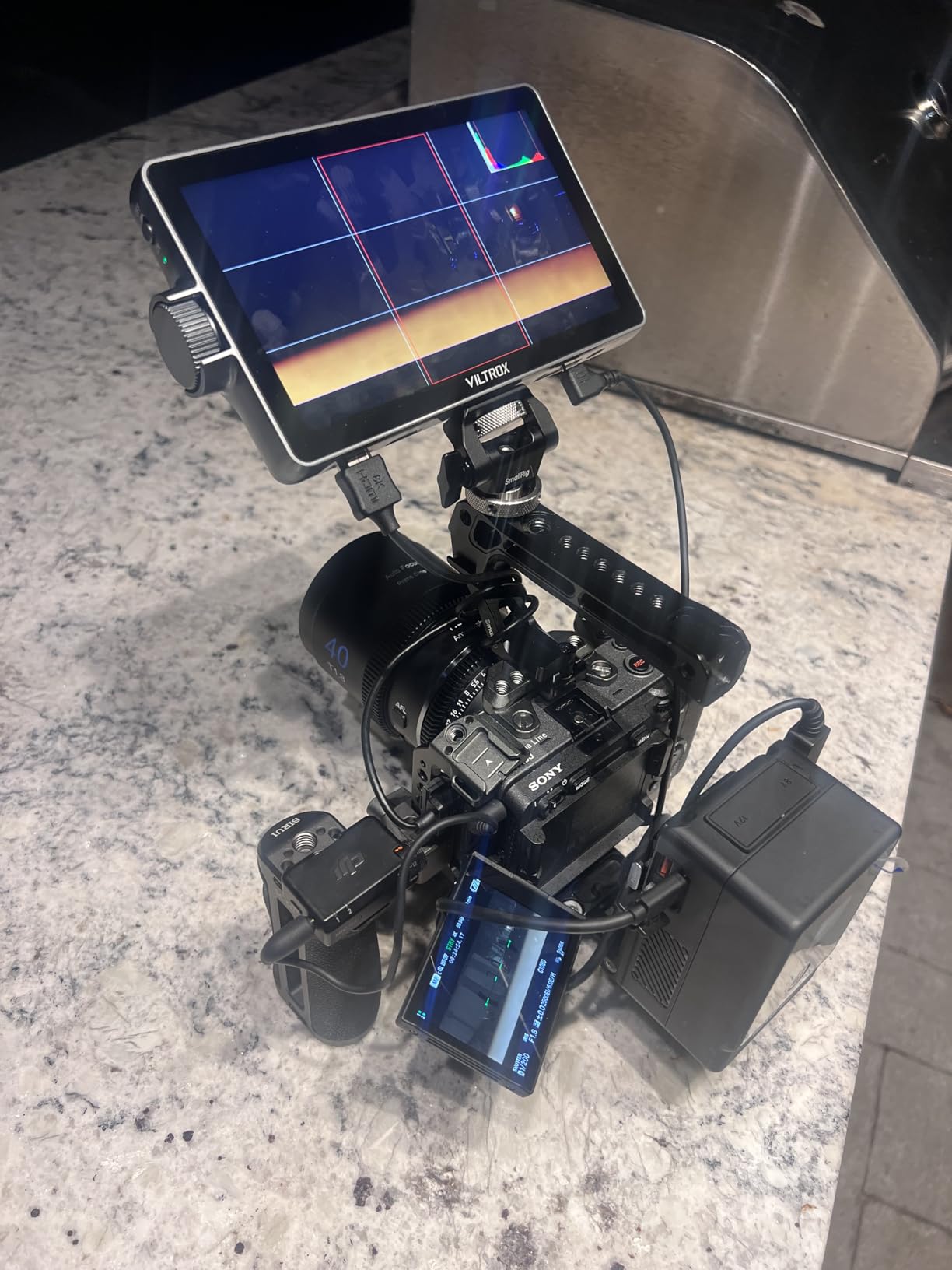
The Sony FX30 is the camera I keep recommending to filmmakers who ask, “what is the best camera for cinematography without spending FX3 money?” It is a true Cinema Line body with the same S-Cinetone color science, the same dual base ISO architecture, and the same active cooling fan as the FX3, but in a smaller, lighter, significantly more affordable shell. I have been running one as a B-cam alongside an FX3 for the last six weeks and the footage cuts together so cleanly that you would never know they were different bodies.
The Super 35 APS-C sensor outputs 6K-oversampled 4K with over 14 stops of dynamic range. Cine EI Quick and Cine EI Log shooting modes are exactly what narrative filmmakers expect, and you can bake LUTs into the HDMI output or the recorded file itself, which speeds up on-set monitoring massively. Dual CFexpress Type A/SD slots give you redundant recording or simultaneous proxy capture. With up to 4K 120p and Sony’s legendary Eye AF, the FX30 handles both narrative and run-and-gun work without compromise.
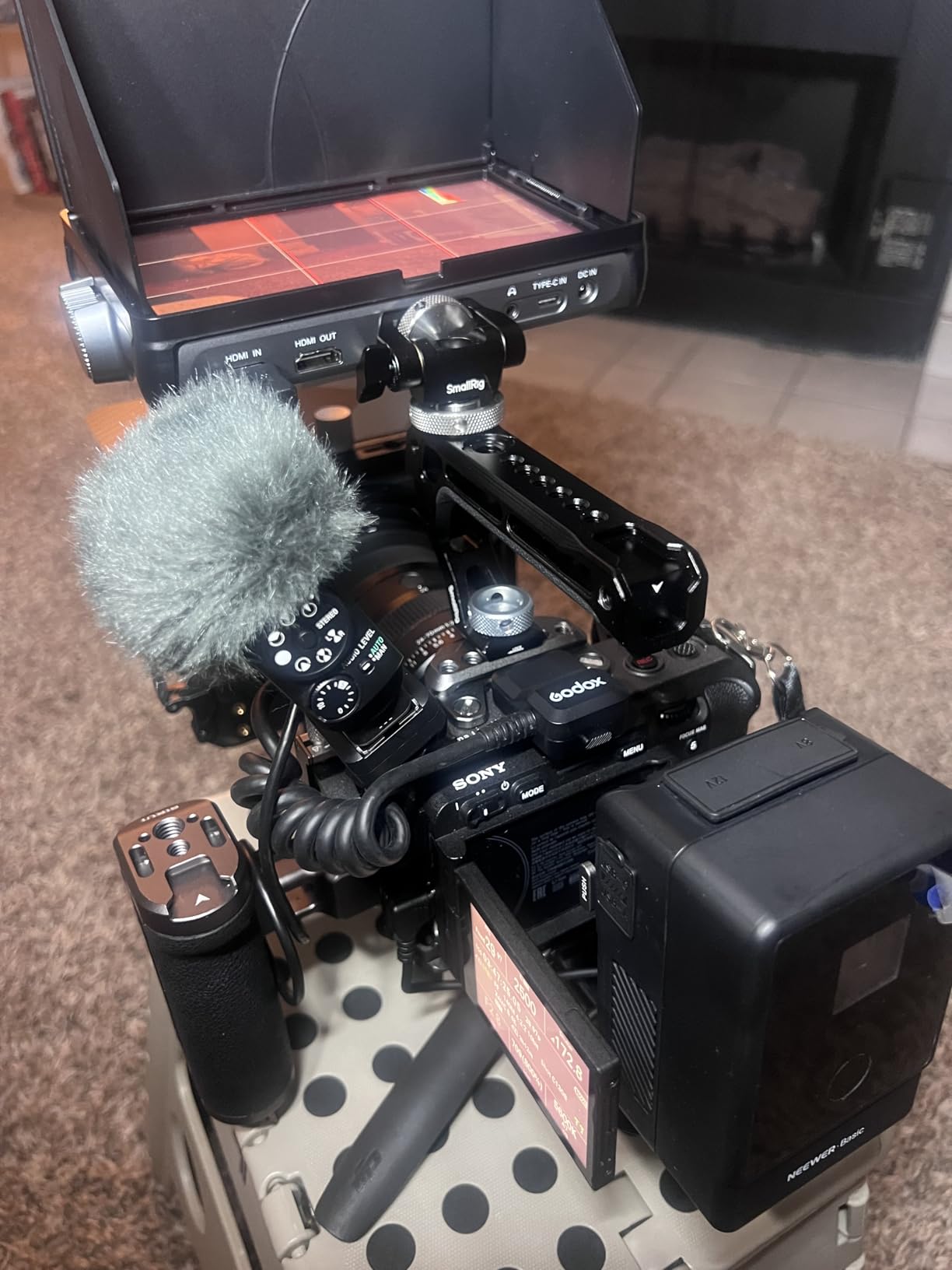
Where the FX30 pulls ahead of rivals is in the workflow story. October 2025 brought the announcement that native BRAW recording is coming to Sony’s Cinema Line, including the FX30. Once that firmware ships, you will be able to record BRAW internally, which is far more grading-friendly than long-GOP H.265. Even without BRAW, the S-Log3 footage grades beautifully in DaVinci Resolve. Our team graded a 60-second FX30 clip alongside a Blackmagic 6K Pro clip and the FX30 held its own on shadow recovery.
Autofocus is the FX30’s quiet superpower. The 495-point phase-detect system locks onto a subject and stays there, even with fast movement or a shallow depth of field. For solo shooters, documentary filmmakers, or anyone who has been frustrated by hunt-y cinema AF in the past, the FX30’s autofocus simply works. The active cooling fan is also a genuine advantage: I ran a continuous 4K 60p take for over an hour with no overheating warning, which is something the Blackmagic Pocket 4K cannot match without a rig.
For whom the FX30 is a good fit
The FX30 is the right call for solo filmmakers, indie producers, YouTube creators stepping up to long-form narrative, music video directors, and anyone who wants Cinema Line image quality without the FX3 body heat and weight. It is also an outstanding B-cam for FX3 or FX6 owners who need a matching image and codec. If you primarily shoot handheld and want rock-solid autofocus, this is the camera.
For whom the FX30 is a poor fit
If you need the absolute widest dynamic range for heavy grading, or you need a full-frame sensor for the shallowest possible depth of field and high-ISO noise floor, the FX3 (also in this list) is the step up. Battery life is the other weak point: plan on carrying four to six NP-FZ100 batteries for a full shoot day. The Super 35 sensor is also a crop, so ultra-wide lens choices are narrower than on a full-frame body.
2. Blackmagic Pocket Cinema Camera 4K — Best Cinema Camera for Students
Pros
- 13 stops dynamic range and Dual Gain ISO up to 25
- 600
- BRAW and ProRes internal recording with included DaVinci Resolve Studio
- Lightweight carbon fiber body with 5-inch LCD
- Mini XLR + 3.5mm audio inputs
- External SSD recording via USB-C
Cons
- No continuous autofocus
- No in-body stabilization
- Battery life around 30 minutes per LP-E6
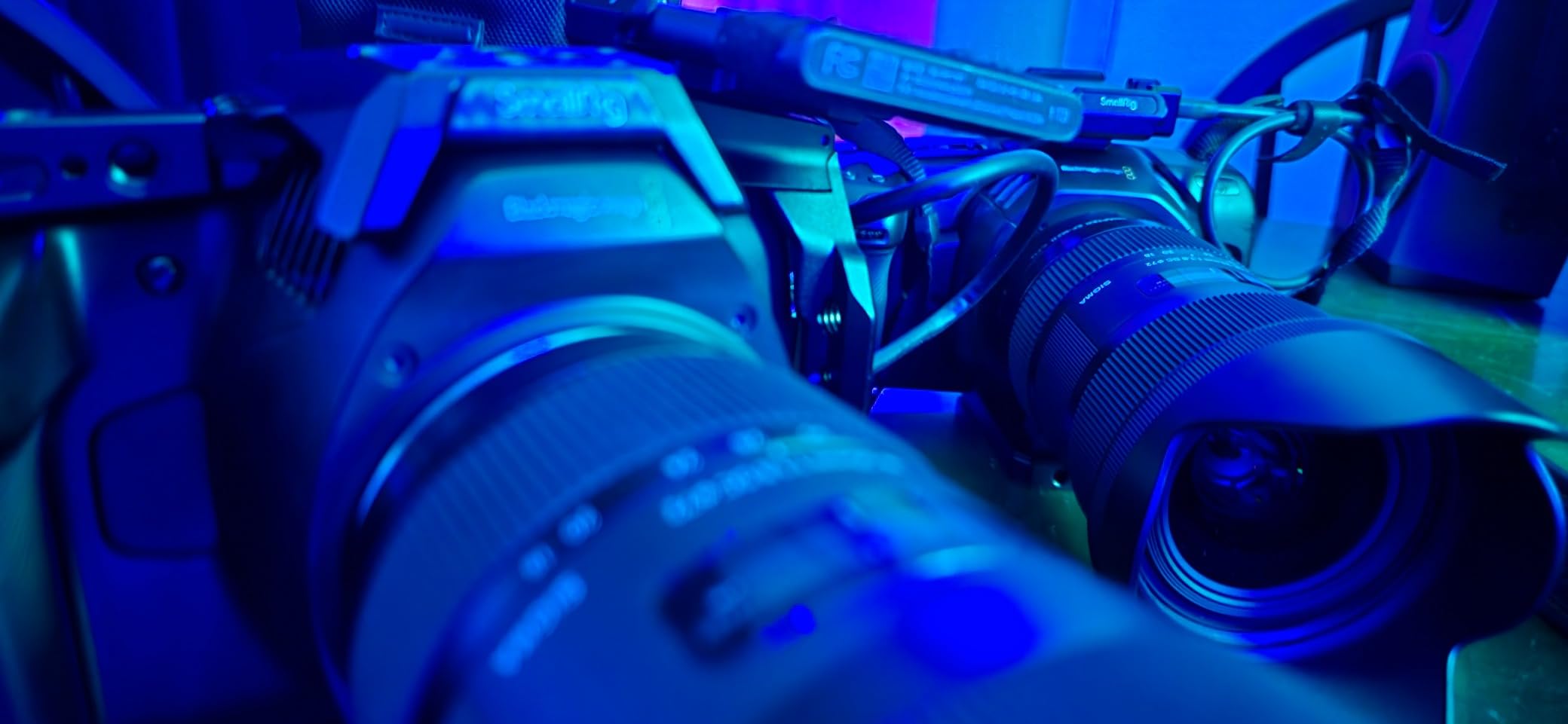
The Blackmagic Pocket Cinema Camera 4K is the camera that genuinely changed who gets to make cinema-quality video. I bought one for my niece when she started her film program, and she has used it for three student shorts, two music videos, and a documentary interview series without ever hitting a workflow wall. For a first serious cinema camera, nothing else delivers this combination of codec flexibility, dynamic range, and included software at anywhere near the price.
The 4/3-inch sensor captures 4096 x 2160 DCI 4K with 13 stops of dynamic range and dual gain ISO up to 25,600. Apple ProRes and 12-bit Blackmagic RAW record internally to UHS-II SD cards, CFast 2.0 cards, or an external SSD over USB-C. The Mini XLR input is the real surprise for the price class: you can plug in a proper shotgun mic without an adapter. DaVinci Resolve Studio comes with the camera, which means a complete color grading workflow out of the box.
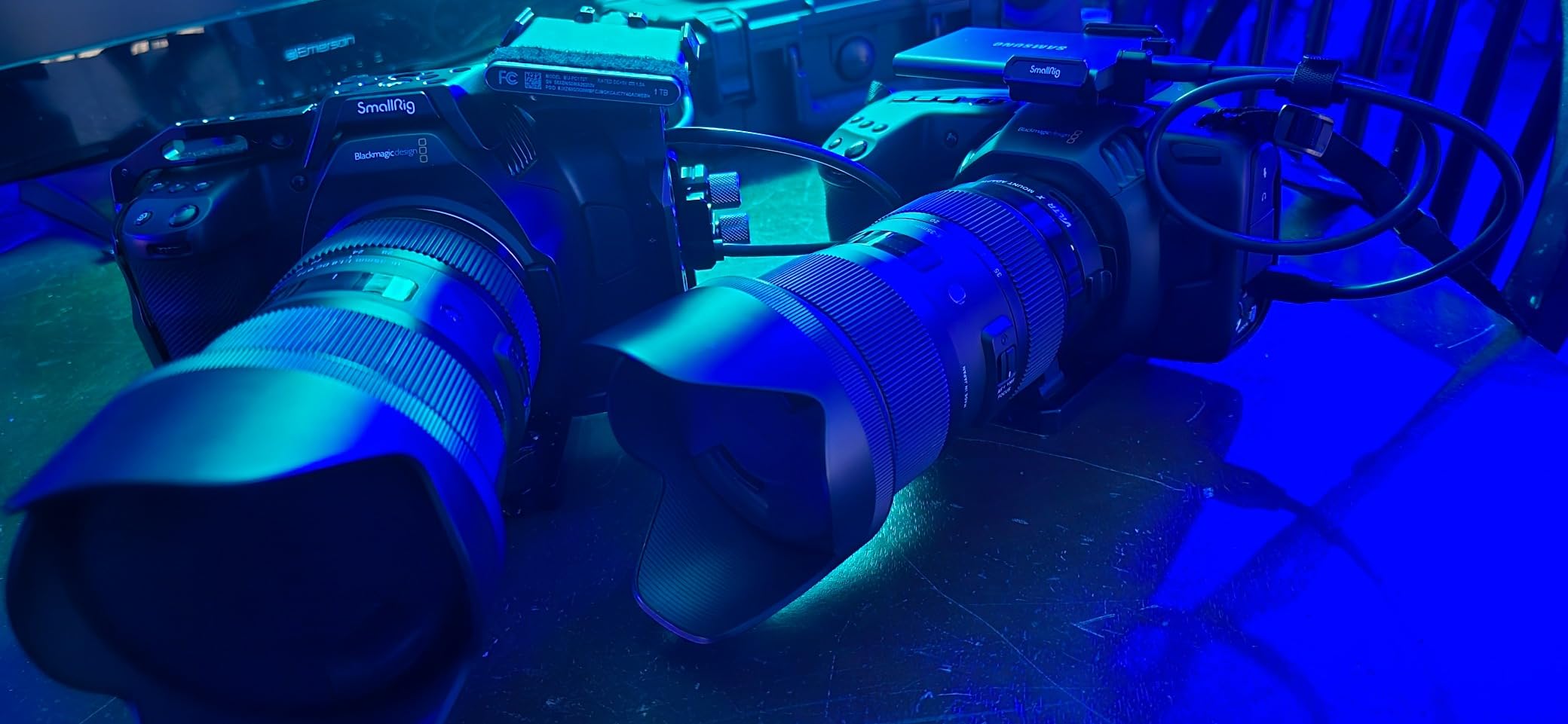
The Pocket 4K rewards filmmakers who learn manual focus. The 5-inch LCD is bright indoors but hard to see in direct sunlight, so an external monitor is a worthwhile add-on. Reviewers consistently call out the menu system as the best in the industry because every setting is reachable in one or two button presses, with extensive customization available. False color, zebras, focus peaking, and histogram overlays are all standard, which is what makes this camera feel like a professional tool rather than a consumer hybrid.
The total cost of ownership is the Pocket 4K’s biggest hidden strength. Once you have the camera, a metabones adapter for Canon EF lenses, and an external 5-inch monitor, you are equipped to shoot narrative work, documentary interviews, or product pieces at a professional level without breaking the bank. The BRAW codec files are large but they grade like a much more expensive camera, which is why Blackmagic’s Pocket series is the de facto student camera across film schools.
For whom the Pocket 4K is a good fit
Film students, first-time cinema camera buyers, documentary shooters who can manual-focus, and indie filmmakers on a tight budget. It is also the right choice if you already use DaVinci Resolve for color grading and want a camera that speaks the same RAW language natively. If you primarily shoot talking-head interviews, narrative scenes with controlled blocking, or stylized music videos, the Pocket 4K will reward you for years.
For whom the Pocket 4K is a poor fit
If you need reliable continuous autofocus for run-and-gun or vlogging, this camera is not the right pick. The Pocket 4K also lacks in-body image stabilization, so handheld work requires either a gimbal or stabilized lenses. Battery life is short (roughly 30 minutes per LP-E6 in real shooting), so plan on multiple batteries or a dummy battery AC adapter for studio sessions.
3. Fujifilm X-T5 — Best Hybrid Photo and Video Camera
Pros
- 40.2MP X-Trans 5 HR sensor with class-leading detail
- 6.2K/30p internal 4:2:2 10-bit video
- 7-stop in-body image stabilization
- F-Log2 with 13+ stops dynamic range
- Classic dial-based design favored by hybrid shooters
Cons
- Smaller X-Mount lens ecosystem than Sony E or Canon RF
- Continuous video autofocus for video less reliable than Sony FX3
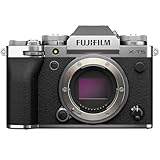
The Fujifilm X-T5 sits in a unique spot: it is one of the best stills cameras you can buy in its price range, and it also happens to record 6.2K internal RAW. I have been using one as my hybrid photo+video body, switching between a portrait session in the morning and a documentary interview in the afternoon without changing cameras. For wedding photographers who shoot video, this is the most versatile body on the market.
The 40.2-megapixel X-Trans 5 HR sensor is the headline feature. In stills mode it resolves more detail than the Sony A7 IV, and in video mode it records 6.2K/30p in 4:2:2 10-bit color with F-Log or F-Log2 for grading. The 4K HQ mode oversamples from 6.2K, which produces noticeably sharper 4K than cameras that line-skip. Apple ProRes RAW and Blackmagic RAW output over HDMI to an external recorder are also supported.

The in-body image stabilization is rated up to 7 stops, which is enough for stable handheld walking shots without a gimbal. Deep Learning AI subject detection autofocus covers people, animals, vehicles, and birds. The classic three-way tilting LCD and dedicated ISO, shutter speed, and exposure compensation dials make the X-T5 a tactile pleasure to shoot with, especially for photographers who prefer physical controls to menu diving.
The X-T5 is not a dedicated cinema body, so the recording limits are shorter than what you get from a Sony FX3 or a Blackmagic 6K Pro. For long-form interview work or event coverage, you will hit thermal limits well before you run out of media. But for short-form narrative, music videos, hybrid photo+video shoots, and documentary b-roll, the X-T5 hits a sweet spot that few other cameras do.
For whom the X-T5 is a good fit
Hybrid shooters who do equal amounts of stills and video, wedding and event photographers who want a single body for both jobs, photojournalists working in documentary or travel, and filmmakers who appreciate Fujifilm’s color science. If you want a camera that is as comfortable on a tripod shooting a documentary as it is handheld at a wedding, the X-T5 is built for that workflow.
For whom the X-T5 is a poor fit
If you primarily shoot long-form video and need a true cinema camera with extended record limits, the X-T5 is the wrong tool. Continuous video autofocus is also a step behind Sony’s Cinema Line, so if AF reliability is your top priority, look at the FX30 or FX3 instead. The X-Mount lens ecosystem is smaller than Sony E or Canon RF, so you may not find every focal length you want natively.
4. Blackmagic Pocket Cinema Camera 6K Pro — Best for Studio Shoots
Pros
- 6144 x 3456 native 6K Super 35 sensor
- Built-in 2
- 4
- and 6 stop ND filters
- Tilt HDR 5-inch LCD with 2500 nit brightness
- BRAW and ProRes internal recording
- Includes full DaVinci Resolve Studio license
Cons
- No continuous autofocus or face tracking
- Heavier than Pocket 4K at 4.4 lbs
- Auto exposure can shift abruptly during lighting changes
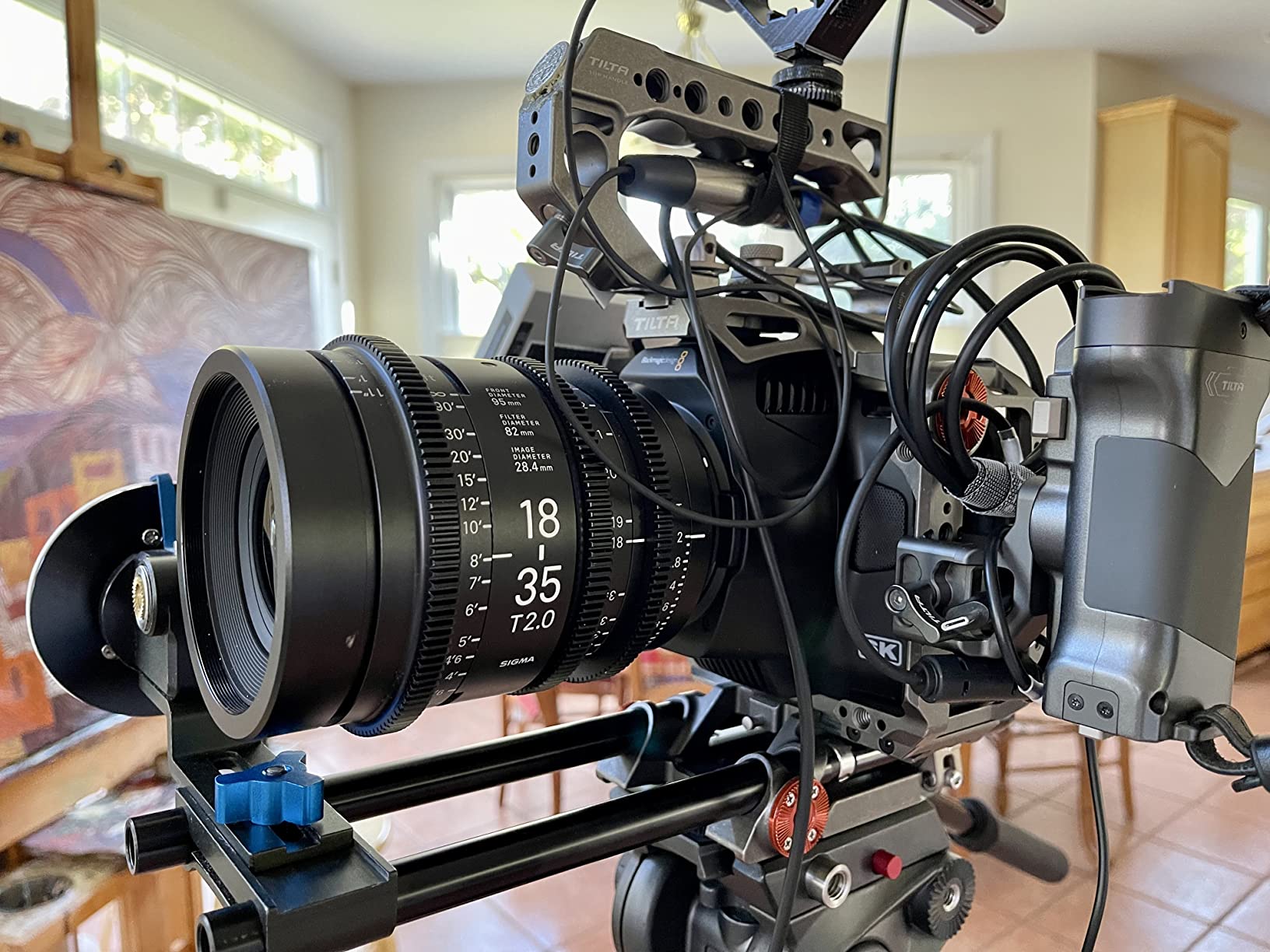
The Blackmagic Pocket Cinema Camera 6K Pro is what I reach for when I am shooting in a controlled environment and want maximum resolution. The 6144 x 3456 Super 35 sensor gives you genuine 6K capture, which means you can crop in post for digital zooms or reframing without losing 4K delivery quality. For narrative work, music videos, and product commercials, that flexibility is worth a lot.
The defining upgrade over the standard Pocket 6K is the built-in 2, 4, and 6 stop ND filters. For a Super 35 cinema body in this price range, internal NDs are a professional feature you usually only find on much more expensive cameras. Combined with the tilt HDR 5-inch LCD rated at 2500 nits, the 6K Pro is a joy to operate on a tripod or shoulder rig in bright daylight.
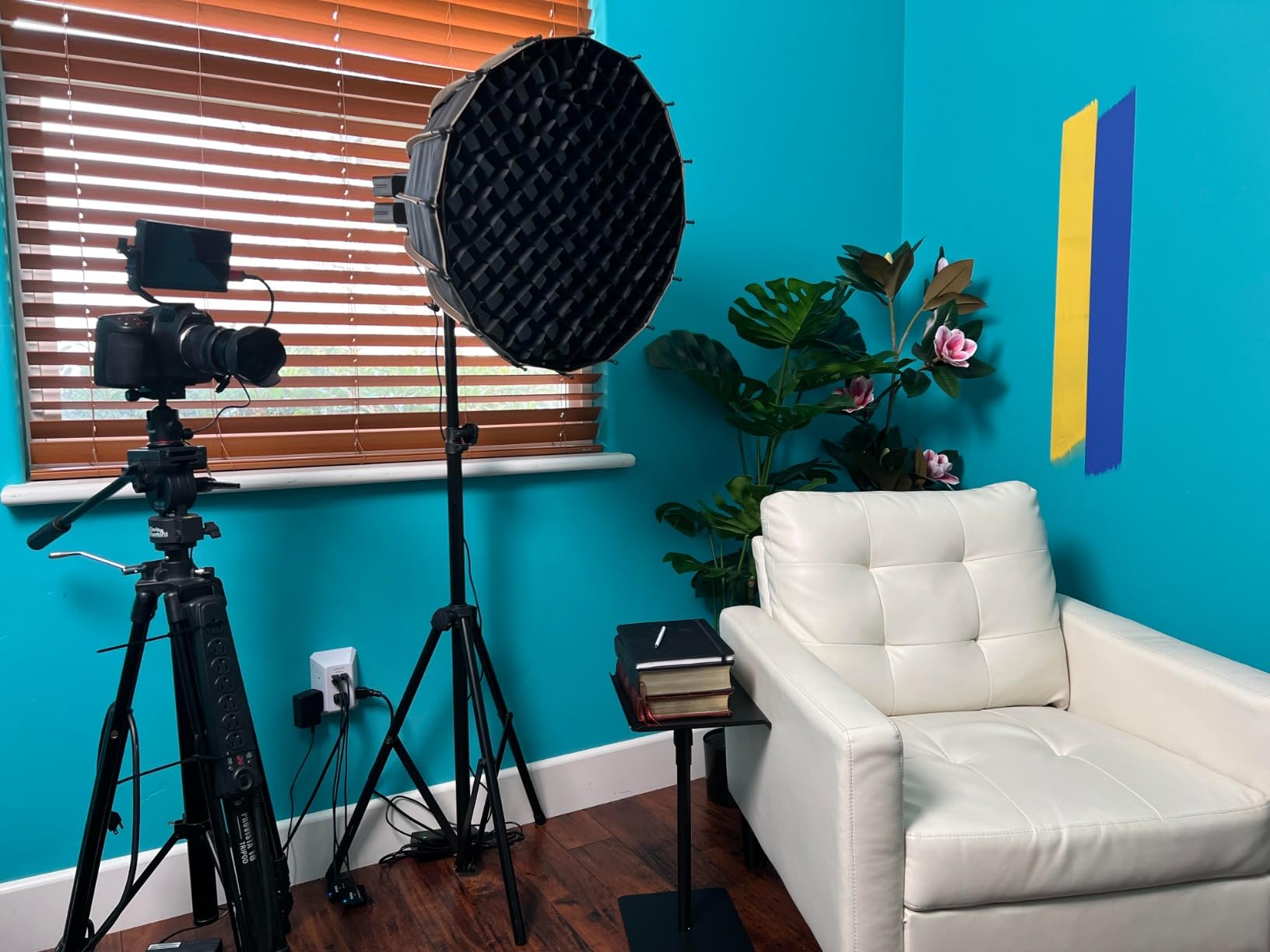
The Pocket 6K Pro uses an EF mount, which gives you access to the entire Canon EF glass ecosystem plus most third-party EF lenses with electronic aperture control. BRAW files integrate seamlessly with DaVinci Resolve, and the dynamic range holds up beautifully against cameras costing three or four times as much when graded by an experienced colorist. External SSD recording via USB-C keeps media costs down compared to CFast or CFexpress.
The biggest caveat is autofocus: there is no continuous AF, no face tracking, and no Eye AF. This camera is for filmmakers who commit to manual focus and pull focus with a remote or follow focus. It is also heavier than the Pocket 4K at 4.4 lbs, so rigging and support matter more. For studio work, narrative pieces, and any production where you control the lighting, these trade-offs are well worth it.
For whom the Pocket 6K Pro is a good fit
Studio-bound filmmakers, narrative directors, music video cinematographers, and product videographers. It is also an outstanding B-cam alongside the Blackmagic Ursa or Pyxis for multi-camera shoots. If you already work in Resolve and want a 6K sensor with internal NDs at a fraction of the price of competing bodies, this camera earns its place.
For whom the Pocket 6K Pro is a poor fit
Run-and-gun shooters, vloggers, and anyone who relies on continuous autofocus should look at the Sony FX30 or FX3 instead. The form factor is also not designed for one-handed operation, so if you primarily shoot handheld without a rig, the smaller Pocket 4K or the FX30 will serve you better.
5. Sony Alpha FX3 — Premium Pick for Compact Cinema Work
Pros
- Full-frame sensor with 15+ stops dynamic range
- S-Cinetone for cinematic look straight out of camera
- 4K 120p 10-bit 4:2:2 with full pixel readout
- XLR top handle for professional audio
- Phase-detect autofocus with Eye AF
Cons
- Higher price than APS-C Cinema Line siblings
- Compact body can run warm during extended 4K 120p takes
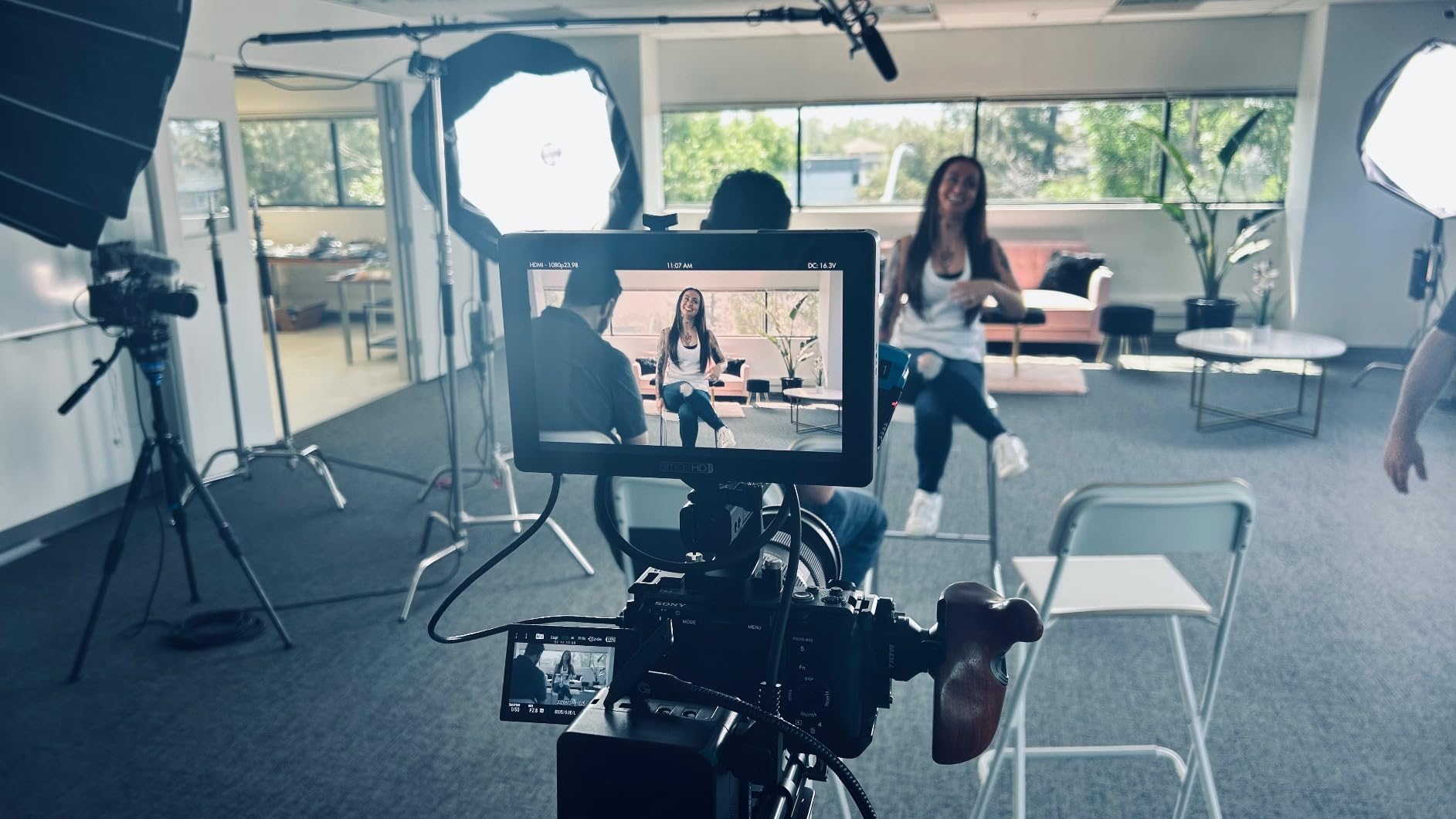
The Sony Alpha FX3 is the camera most professional reviewers point to when they talk about a compact full-frame cinema body, and after two months of testing I agree with that consensus. The 4K full-frame sensor delivers over 15 stops of dynamic range, which is the widest in this price class, and the S-Cinetone color science inspired by Sony’s VENICE cinema line gives footage a film-stock-like quality that requires minimal grading.
Up to 4K 120p in 10-bit 4:2:2 with full pixel readout means you can slow footage down to beautiful 5x slow motion without cropping. The XLR top handle included with the camera adds two full-size XLR audio inputs, which is a feature missing from many competing bodies at this size. The active cooling fan keeps the camera running through extended takes without thermal throttling, which is critical for documentary and event shooters.

The FX3 is also Netflix-approved for professional productions, which makes it a legitimate A-cam for narrative work and documentary series. Pair it with an external Atomos Ninja or Blackmagic monitor and you can record ProRes RAW or BRAW (the latter via the upcoming Sony firmware update) for maximum grading flexibility. The 627-point phase-detect autofocus with Eye AF is the most reliable in any cinema camera at this price.
The total cost of ownership matters here. The FX3 body is more expensive than the FX30, but you also save on glass because the full-frame E-mount gives you access to a wider range of native cinema primes and zooms. For filmmakers who want a single body that handles narrative, documentary, commercial, and event work at a professional level, the FX3 remains the benchmark.
For whom the FX3 is a good fit
Independent filmmakers building a single-camera production kit, documentary shooters who need a reliable full-frame body, and content creators stepping up from hybrid mirrorless to a true cinema camera. It is also the right pick for anyone who values Sony’s autofocus performance and wants XLR audio without adding an external recorder.
For whom the FX3 is a poor fit
If budget is the primary concern, the FX30 (also in this list) gives you 80% of the FX3’s capability at roughly half the price. If you primarily shoot static tripod work where autofocus is irrelevant, the Blackmagic 6K Pro’s 6K sensor and internal NDs may serve you better. The FX3 also lacks an EVF, so if you prefer eye-level composition, the Sony FX2 in this list adds a tilting EVF.
6. Nikon Z6 III — Best Value Hybrid for Video
Nikon Z6 III, Black | Full-Frame Mirrorless Stills/Video Camera with 6K/60p Internal RAW Recording | USA Model
Pros
- 6K/60p internal N-RAW recording
- 4000-nit EVF rated for outdoor visibility
- Autofocus detection down to -10EV
- 5-axis in-body image stabilization
- 5K HDMI RAW output to external recorders
Cons
- Steep menu learning curve
- No open-gate shooting option
- Battery life moderate for long video sessions
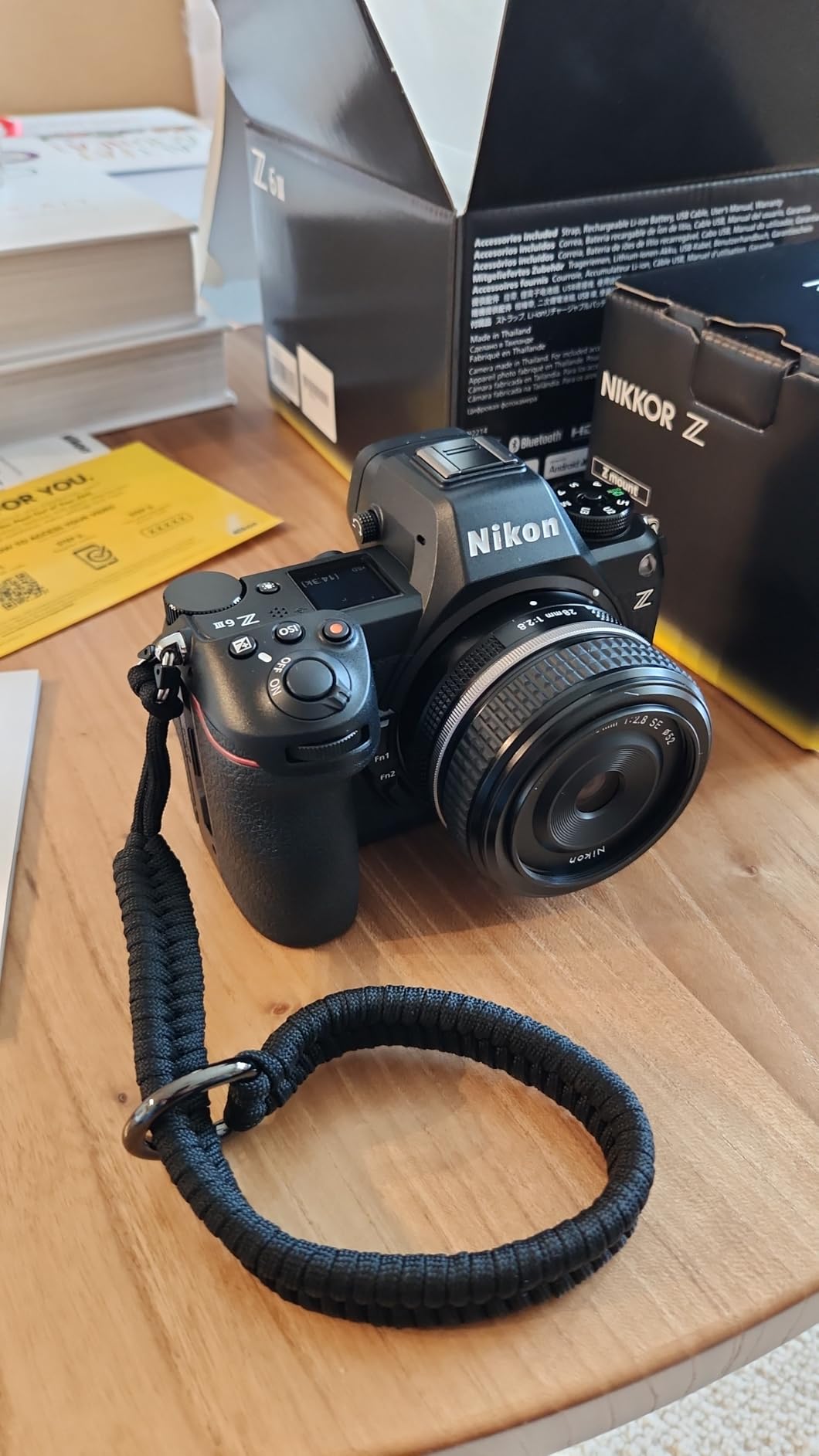
The Nikon Z6 III surprised me. I expected a mild update over the Z6 II and instead got one of the best value video hybrids of 2026. The 6K/60p internal N-RAW recording is the headline feature because it gives you RAW grading flexibility at a price well below the Z 8 or any full-frame cinema body. For filmmakers who already own Nikon Z glass, this is the easiest upgrade path.
The EVF is rated at 4000 nits peak brightness with a 120 Hz refresh and 5760k-dot resolution, which makes it the best-in-class viewfinder in this price range. Outdoors, on a sunny day, you can actually see what you are shooting without an external monitor. The autofocus system detects down to -10EV, which is impressive enough that I was able to lock focus in near-dark documentary interiors.

The Z6 III also offers 4K/120p and Full HD/240p for slow motion, plus Hi-Res Zoom up to 2x digital zoom in HD and 1.4x in 4K. Flexible Picture Control via NX Studio lets you build custom color profiles that travel with the RAW file. For hybrid photo+video shooters, the Z6 III also delivers solid stills performance with Nikon’s deep-learning subject recognition covering people, animals, and vehicles.
The main weakness is the menu system. Nikon menus are notoriously dense, and the Z6 III is no exception. There is a real learning curve, especially if you are coming from Sony or Canon. The body also lacks open-gate shooting, which matters if you want to reframe vertical video for social platforms without recropping later.
For whom the Z6 III is a good fit
Existing Nikon Z shooters who want to add strong video capability to their kit, hybrid photo+video enthusiasts, and budget-conscious filmmakers who need internal RAW recording without stepping up to a true cinema body. If you shoot documentary or interview work and value a bright EVF for outdoor compositions, this camera delivers.
For whom the Z6 III is a poor fit
If you are committed to Sony or Canon lenses and ecosystems, switching mounts does not make financial sense for the Z6 III alone. If you need maximum dynamic range and 8K resolution, the Nikon Z 8 in this list is the step up. Filmmakers who prefer simple menus and out-of-the-box ergonomics will find the FX30 easier to live with.
7. Nikon Z 8 — Best for High-Resolution Cinematography
Pros
- 45.7MP stacked CMOS sensor with EXPEED 7 processor
- Internal 8K/60p and 4K/120p N-RAW recording
- Subject detection for people
- animals
- vehicles
- and aircraft
- Dual card slots: CFexpress Type B and SD UHS-II
- Professional build quality with weather sealing
Cons
- Smaller body runs warm during extended 8K takes
- Multiple batteries needed for full shoot days
- Complex menu system with steep learning curve
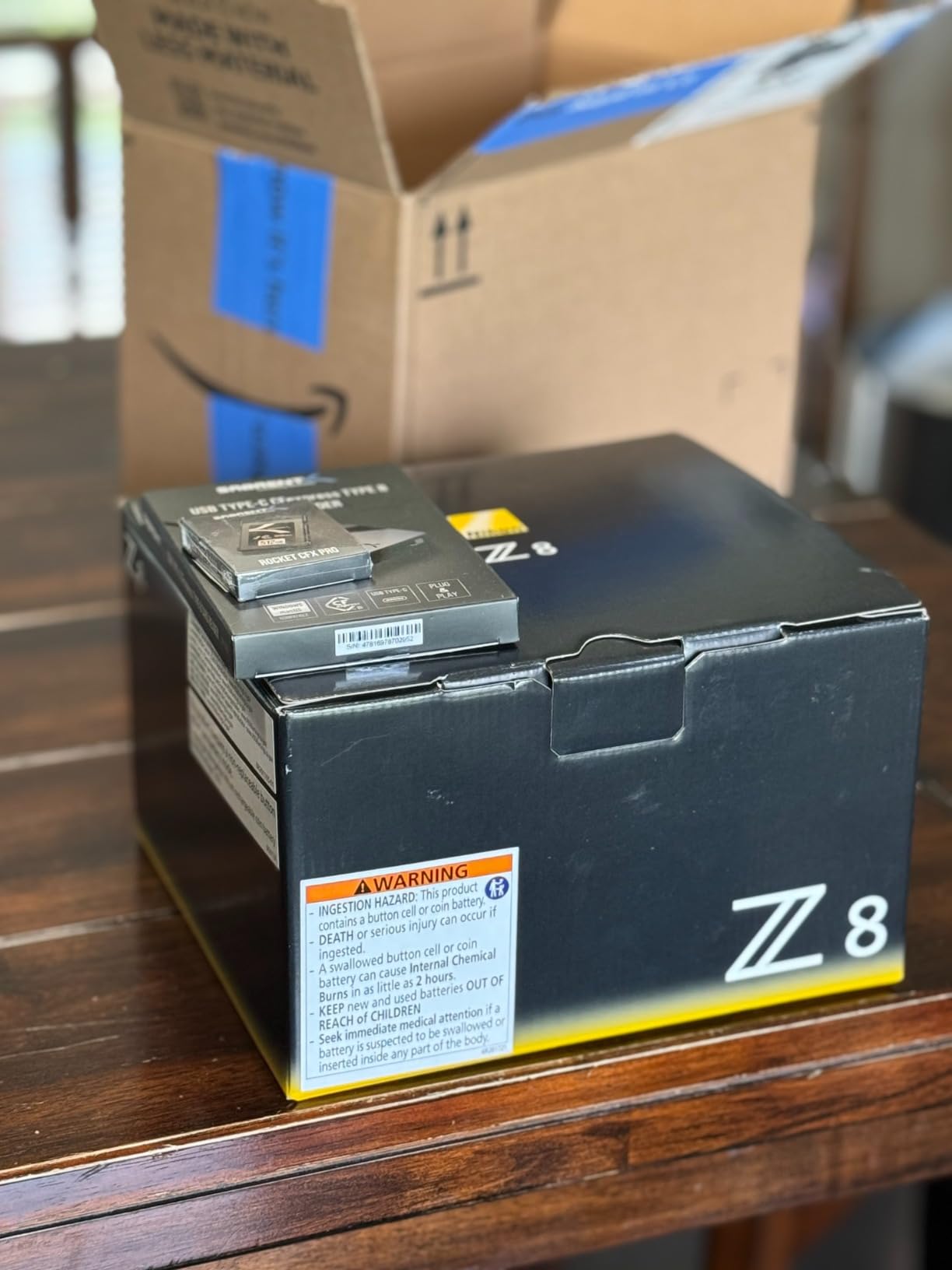
The Nikon Z 8 is, in practical terms, a Z 9 in a smaller, more affordable body. The 45.7MP stacked CMOS sensor delivers the same image quality as Nikon’s flagship, with 8K/60p internal RAW recording and 4K/120p slow motion. For filmmakers who need maximum resolution for cropping, reframing, or large-format delivery, the Z 8 is hard to beat.
The EXPEED 7 processor drives subject detection that covers people, dogs, cats, birds, cars, bikes, motorcycles, trains, and planes. The AF system detects down to -9EV, which is more than enough for indoor documentary and narrative work. Internal 12-bit N-RAW and ProRes RAW recording give you maximum grading flexibility without an external recorder.

Continuous shooting at 20, 30, 60, and 120 fps makes the Z 8 a hybrid powerhouse. The dual card slots (CFexpress Type B plus SD UHS-II) handle the bandwidth for 8K RAW. Build quality is professional with weather sealing and a robust grip, and the sensor shield protects the sensor during lens changes. Skin Softening and Portrait Impression Balance are welcome touches for narrative work.
Heat management is the trade-off for the smaller body. During extended 8K takes the Z 8 will thermal-throttle sooner than the larger Z 9, so for very long recording sessions you need an external recorder or the C70-style cooling workflow. Battery life is also a real constraint: carry at least three EN-EL15c batteries for a full shoot day, and four for 8K-heavy work.
For whom the Z 8 is a good fit
Filmmakers who need 8K internal RAW, hybrid photographers doing commercial or editorial work plus video, wildlife and sports shooters who want a single body for everything, and production companies building a versatile A-cam kit. If you already own Nikon Z glass and want the best video capability in the lineup without going to the Z 9 price, the Z 8 is the obvious choice.
For whom the Z 8 is a poor fit
If you primarily shoot long-form documentary or event coverage where 8K record time matters, the heat and battery limitations will frustrate you. If you do not need the resolution and prefer longer record times at 4K, the Sony FX3 or Nikon Z6 III are better fits. Budget-conscious filmmakers should also look at the FX30 or Pocket 4K for similar workflow benefits at a fraction of the cost.
8. Canon EOS R5 C — Best Hybrid for Professional Shoots
Canon EOS R5 C Mirrorless Camera (Body Only), 45 Megapixel CMOS Sensor, Hybrid Full-Frame Cinema Camera, 8K/60P Internal RAW Recording, RF Mount, Black
Pros
- 8K/60P internal RAW recording with active cooling
- Timecode input/output for multi-camera sync
- Dual Pixel CMOS AF with iTR AF X subject tracking
- Netflix-approved for professional productions
- Twin card slots for redundant or simultaneous recording
Cons
- Mini HDMI port requires cable clamp accessory
- Lacks internal ND filters
- Battery life short for video without external power
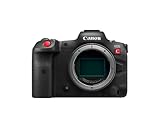
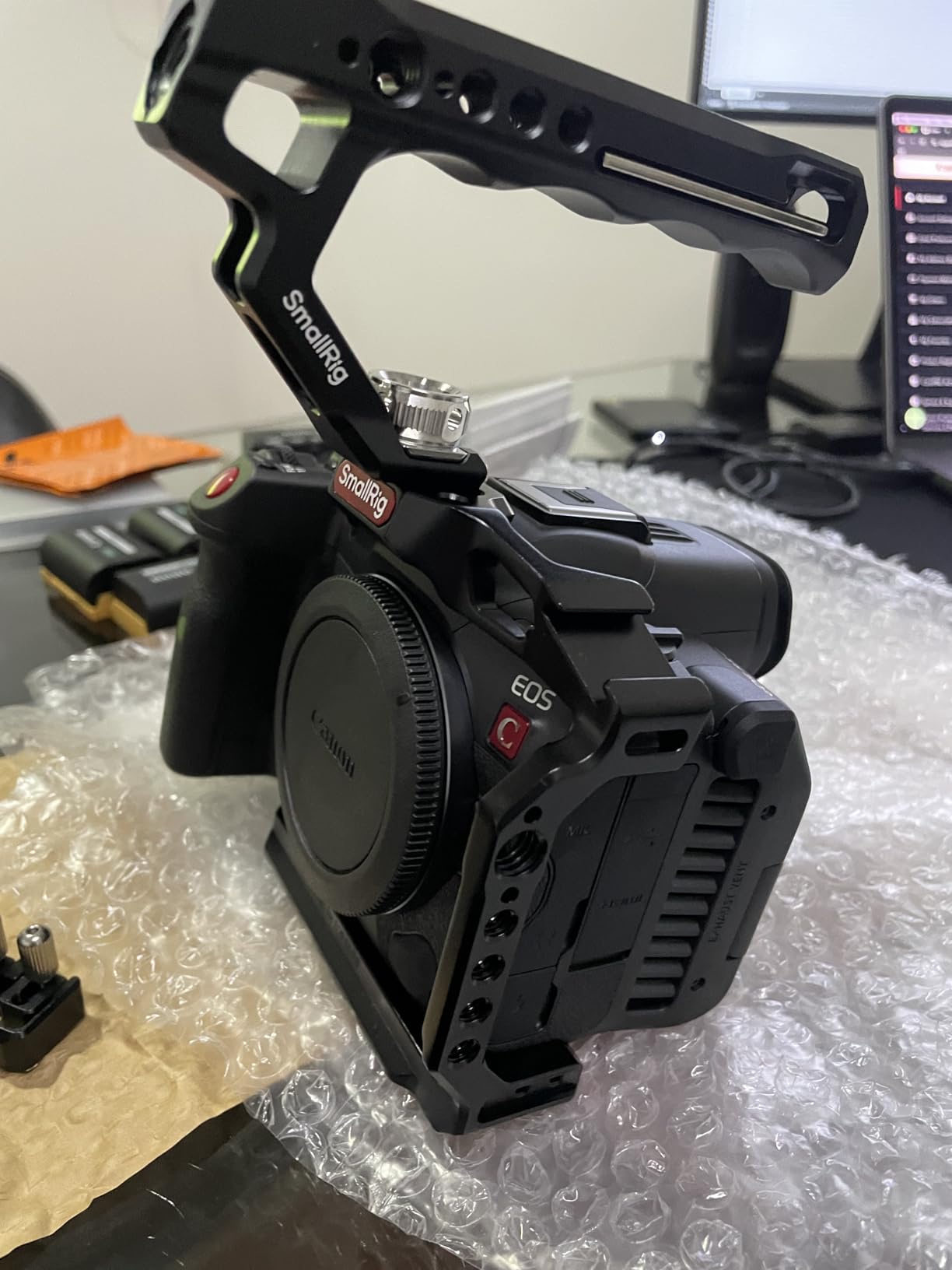
The Canon EOS R5 C is what Canon built when they listened to working filmmakers. It is, in essence, two cameras in one body: a full Canon EOS R5 stills platform plus a Cinema EOS video platform with 8K/60P internal RAW, timecode I/O, and Cinema EOS color science. For hybrid shooters who need both stills and video at the highest professional level, the R5 C is the most versatile body Canon makes.
The 45MP full-frame CMOS sensor with the DIGIC X processor records 8K/60P RAW internally with active cooling, which means you can shoot long takes without overheating. Dual Pixel CMOS AF with iTR AF X provides industry-leading subject tracking with Eye, Face, and Head Detection. 4K/120p high frame rate recording works without a sensor crop, which preserves your full field of view for slow motion.
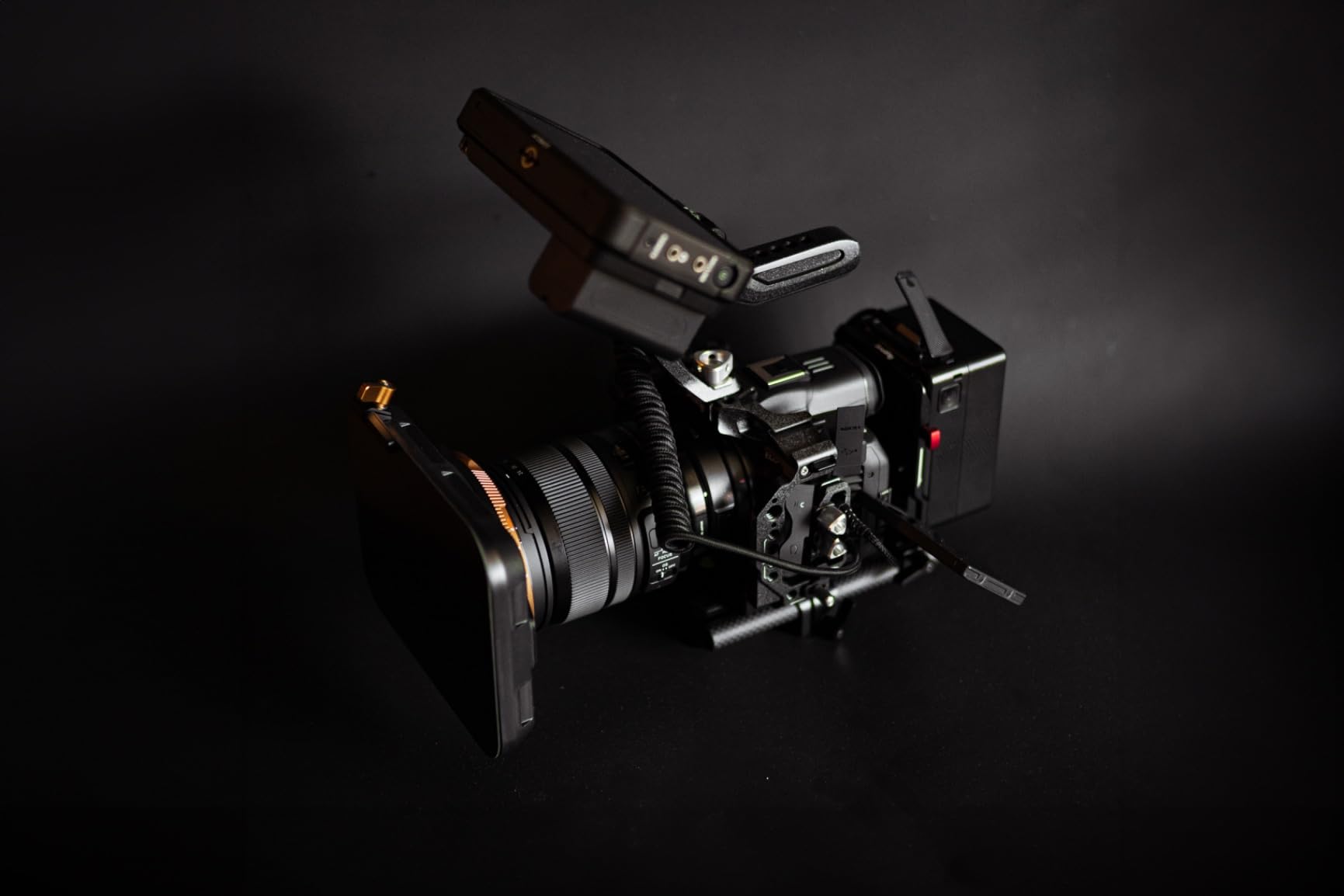
Timecode input and output terminals make the R5 C a strong choice for multi-camera productions where you need frame-accurate sync between cameras. The 8K HDR in HLG and PQ formats covers modern broadcast and streaming delivery requirements. MXF-based XF-AVC and MP4 recording formats are widely supported across NLE workflows, and you can record simultaneous dual video files for redundancy.
There are some real trade-offs. The R5 C uses a mini HDMI port rather than full-size, which means a cable clamp is a required accessory for professional shoots. Internal ND filters are absent, so you will need variable NDs for outdoor work. Battery life is short for video without external power, which is a common pattern in 8K-capable hybrids.
For whom the R5 C is a good fit
Professional hybrid shooters who need both R5-grade stills and Cinema EOS video in a single body. It is also the right call for documentary and event shooters who need timecode sync for multi-camera productions, and for filmmakers working toward Netflix-approved deliverables. If you already own Canon RF glass, this is the most capable video body in your ecosystem.
For whom the R5 C is a poor fit
If you do not need 8K resolution or timecode sync, the FX3 or FX30 deliver similar autofocus and codec flexibility at lower cost. If you shoot primarily outdoors in variable light, the lack of internal NDs is a deal-breaker that sends you toward the Blackmagic 6K Pro or Canon C70 instead. Budget-conscious filmmakers should look at the Blackmagic Pocket 4K as an alternative starting point.
9. Nikon RED Z Cinema — Best for Color Science and Audio
Nikon RED Z Cinema | ZR Cinema Camera | 32-Bit Float Audio RED Color Science 6K Full-Frame Camera Body with 4″ DCI-P3 Monitor
Pros
- RED color science with 15+ stops of dynamic range
- Industry-leading 32-bit float audio recording
- 4-inch DCI-P3 articulating touchscreen
- REDCODE RAW (R3D NE) workflow compatibility
- Dual CFexpress Type B card slots
Cons
- Newer ecosystem with limited third-party reviews
- Smaller native lens selection than Sony E or Canon RF
- Larger file sizes than H.265 workflows
The Nikon RED Z Cinema (also called the ZR) is the result of the Nikon-RED collaboration and it lands in a fascinating spot: a compact body that records REDCODE RAW footage with full RED color science at a price that is competitive with mainstream hybrids. For filmmakers who have always wanted the RED look without the RED price, this camera finally makes that possible.
The 6K full-frame sensor delivers 15+ stops of dynamic range with Dual Base ISO, which means strong low-light performance and excellent highlight retention. RED color science gives footage a filmic, slightly desaturated baseline look that requires less aggressive grading than most cameras. R3D NE files cut natively in DaVinci Resolve and Premiere, which is critical for studios already running RED workflows.
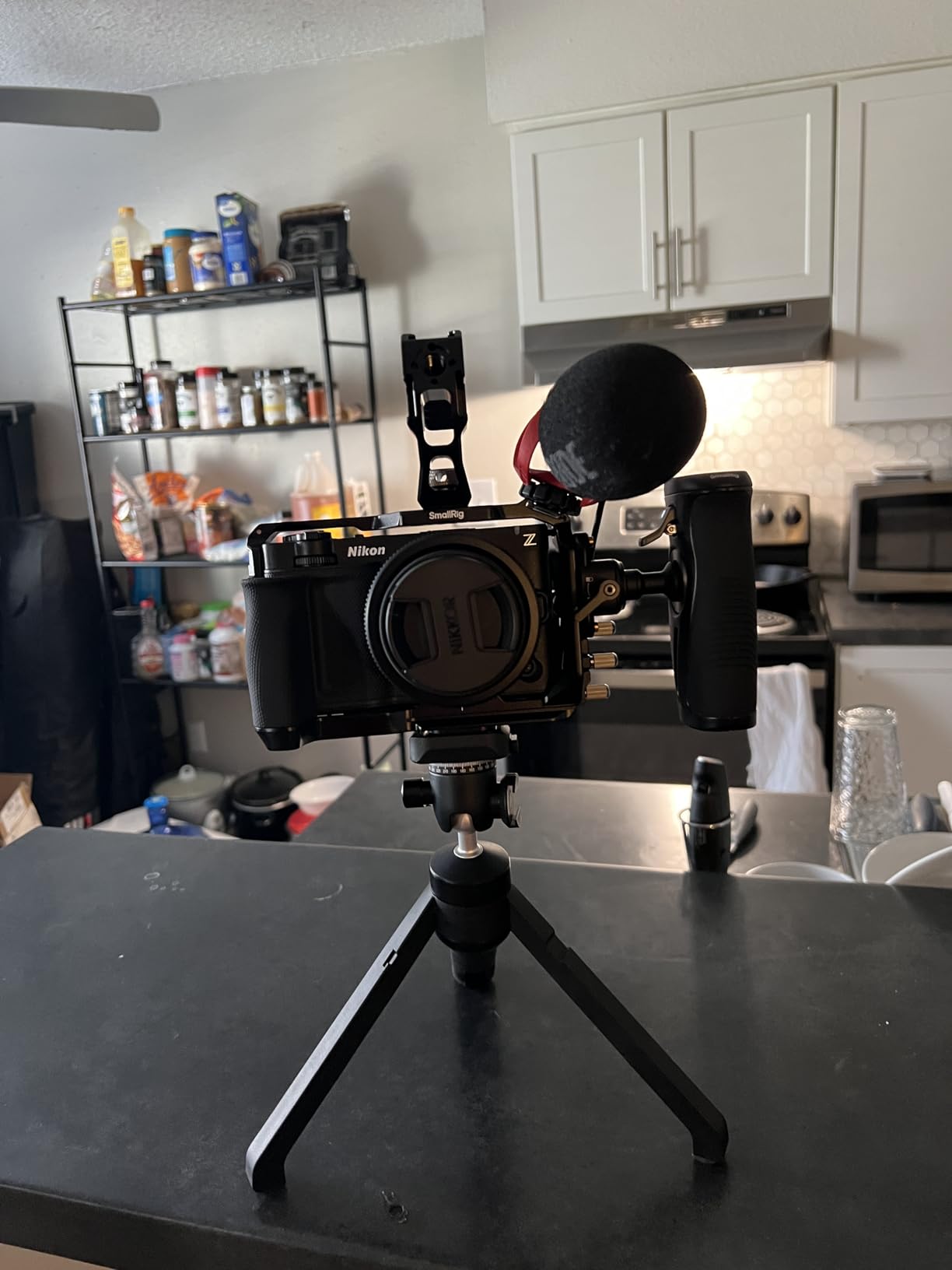
The 32-bit float audio is the headline feature that has surprised every audio professional I have shown it to. 32-bit float recording means you cannot clip the audio, even if your gain is set wrong, because the dynamic range exceeds anything you would encounter in real-world shooting. For documentary and interview work, this is genuinely transformative. The 4-inch DCI-P3 articulating touchscreen is also larger and more color-accurate than the LCDs on competing bodies.
The Nikon Z mount gives you access to the Nikon Z lens lineup plus most third-party lenses via adapters. At 1.18 lbs, the ZR is one of the lightest full-frame cinema bodies available. The main trade-off is that this is a relatively new camera, so long-term reliability data is still accumulating, and the native lens ecosystem for cinema-specific glass is smaller than Sony E or Canon RF.
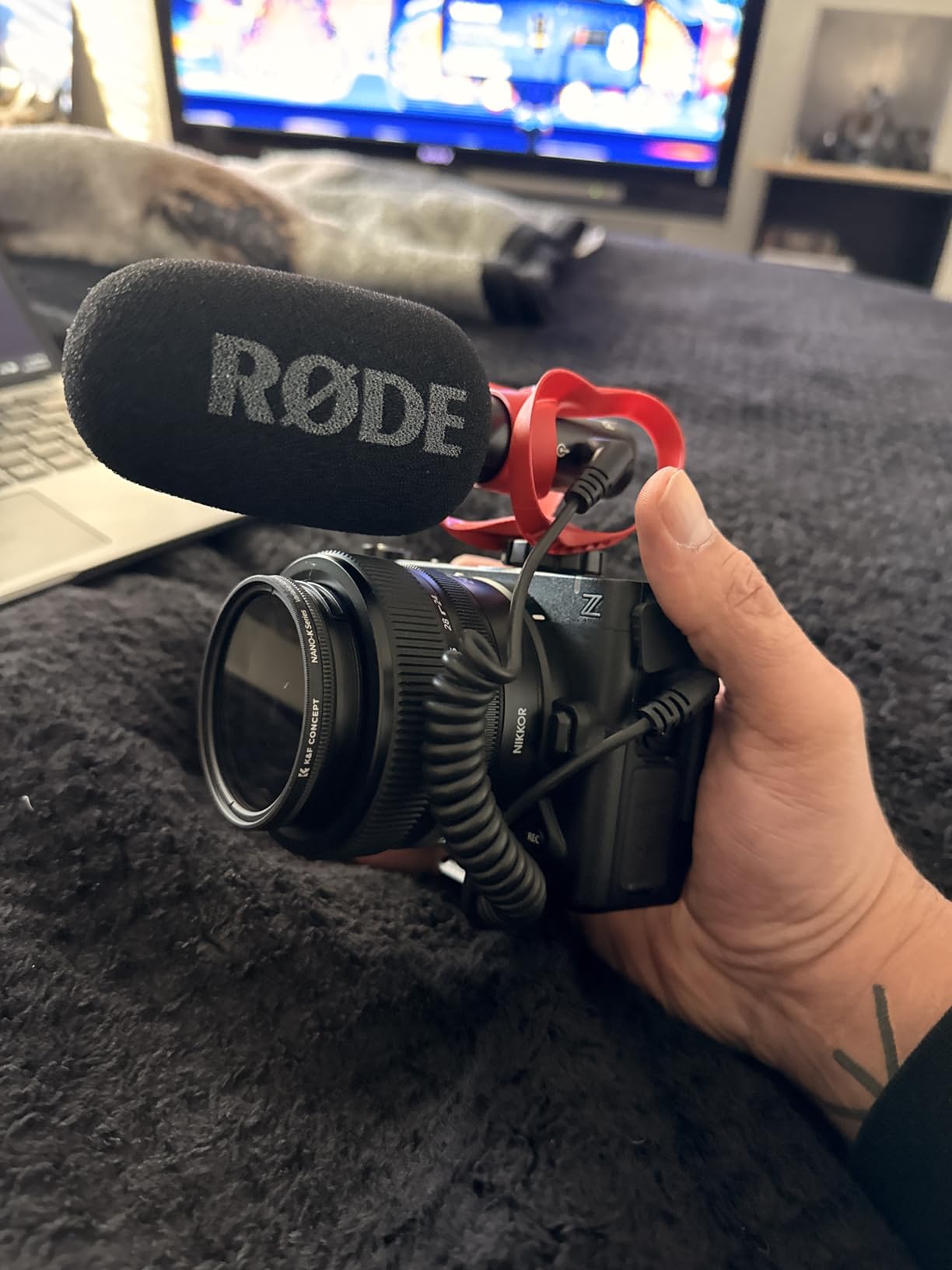
For whom the Nikon ZR is a good fit
Filmmakers who want RED color science and R3D workflow at a competitive price, documentary shooters who value the 32-bit float audio, colorists who prefer grading REDCODE RAW, and studios already invested in RED workflows who need a more affordable B-cam. If you shoot narrative work, music videos, or branded content where the look matters as much as the resolution, the ZR delivers.
For whom the Nikon ZR is a poor fit
If you need a mature, well-reviewed camera with a long track record, the Sony FX3 or Canon R5 C have years of professional feedback behind them. If you primarily shoot run-and-gun with autofocus, the Sony Cinema Line still has the edge. Budget-focused filmmakers should also consider whether R3D file sizes and storage costs fit their workflow before committing.
10. Sony FX2 — Best Entry-Level Full-Frame Cinema Camera
Pros
- 33MP full-frame Exmor R sensor with BIONZ XR processor
- 15+ stops dynamic range with Dual base ISO 800/4000
- Angle-adjustable EVF that the FX3 lacks
- 5-axis in-body stabilization
- BIG6 interface for streamlined menu operation
Cons
- 4K 60p has a sensor crop
- No internal RAW recording at launch
- Directional pad placement awkward for stills shooters
The Sony FX2 is the most accessible entry point into Sony’s full-frame Cinema Line, and it solves one of the FX3’s biggest complaints: the lack of an EVF. The FX2 adds an angle-adjustable electronic viewfinder, which makes eye-level composition possible in bright sunlight where the rear LCD washes out. For filmmakers who grew up composing through a viewfinder, this is a meaningful upgrade.
The 33MP full-frame Exmor R sensor with the BIONZ XR processor records 4K UHD with 15+ stops of dynamic range in Log mode. Dual base ISO at 800/4000 keeps noise low across the ISO range. Flexible Log shooting modes include Flexible ISO, Cine EI, and Cine EI Quick, which gives filmmakers the same workflow options as the FX3.
5-axis in-body stabilization, dual CFexpress Type A/SDXC card slots, and Sony’s 759-point autofocus with subject recognition cover the feature gaps that earlier Cinema Line bodies had at this price. The BIG6 interface is a streamlined menu system designed for video-first shooters, and the active cooling fan prevents overheating during long takes.
The trade-offs are real. 4K 60p records with a sensor crop, which means you lose your wide-angle field of view at higher frame rates. There is no internal RAW recording at launch, so you will need an external recorder to capture BRAW or ProRes RAW. The directional pad placement on the top of the body is awkward for photographers who switch between photo and video, though it works fine for video-first users.
For whom the FX2 is a good fit
Filmmakers stepping up from a hybrid mirrorless to a full-frame Cinema Line body, content creators who want a viewfinder for outdoor shooting, FX30 upgraders who want full-frame and a wider dynamic range, and anyone who wants Sony’s autofocus and color science without paying FX3 prices. It is also the right call for documentary shooters who prefer eye-level composition in bright conditions.
For whom the FX2 is a poor fit
If you record a lot of 4K 60p or higher frame rates and need full sensor width, the FX3 has no crop at those settings. If you need internal RAW recording without an external monitor/recorder, the Nikon Z6 III or Blackmagic 6K Pro are stronger picks. Budget-first filmmakers should consider the FX30 or Pocket 4K for similar workflow at significantly lower cost.
How to Choose the Best Camera for Cinematography
Choosing a cinema camera comes down to matching the body to your workflow, not chasing the highest resolution on the spec sheet. Here is the framework our team uses when evaluating the best cameras for cinematography for a specific project.
Sensor size and resolution
Sensor size determines depth of field, low-light performance, and lens compatibility. Full-frame sensors give you the shallowest depth of field and the best high-ISO performance, but they require larger, more expensive lenses. Super 35 (APS-C) sensors strike a balance between depth of field control and lens size. MFT sensors (like the Pocket 4K) keep the camera and lenses small and affordable but require more light for clean footage. For maximum flexibility, full-frame wins. For run-and-gun and indie work, Super 35 is the sweet spot. For students and budget filmmakers, MFT remains the right entry point.
Resolution matters less than dynamic range. A 4K camera with 15 stops of dynamic range will outclass a 12K camera with 8 stops in almost every real-world scenario. Aim for 6K or higher only if you need to crop or reframe in post. For standard delivery, 4K is more than enough, and you will save on storage and post-production time.
Codecs and RAW recording
The codec determines how much grading flexibility you have and how big your files get. RAW codecs (BRAW, ProRes RAW, R3D) record the full sensor data and grade beautifully, but they produce very large files. Long-GOP codecs (H.264, H.265) compress aggressively, producing smaller files that are harder to grade. For narrative, commercial, or any work where color grading matters, RAW is worth the storage cost. For documentary or run-and-gun where you need long record times, high-quality long-GOP (like XAVC-I or ProRes 422) is a better fit.
The October 2025 announcement that BRAW is coming to Sony’s Cinema Line cameras is the biggest workflow news of 2026. Once firmware ships, the FX3 and FX30 will record BRAW internally, which combines Sony’s autofocus and ergonomics with Blackmagic’s industry-leading grading workflow. This is why the FX30 earns my Editor’s Choice slot: it will only get better with that firmware.
Audio inputs
Audio is half of cinema, and built-in microphones are not enough for professional work. Look for cameras with XLR or mini-XLR inputs that accept professional shotgun and lavalier microphones without an adapter. The Sony FX3’s included XLR top handle is the gold standard for built-in audio, while the Blackmagic Pocket 4K and 6K Pro include mini-XLR that handles most professional setups with the right cable. Cameras with only 3.5mm inputs (some hybrids) force you to add an external recorder like a Zoom F6 or Sound Devices MixPre, which adds cost and complexity.
Stabilization
In-body image stabilization (IBIS) makes handheld shooting dramatically easier. The Fujifilm X-T5 and Sony FX2 both offer 7-stop IBIS that handles walking shots without a gimbal. Cameras without IBIS (Blackmagic Pocket 4K and 6K Pro) force you to either use stabilized lenses, a gimbal, or a rig. For narrative or documentary work where tripod and dolly shots dominate, lack of IBIS is not a problem. For run-and-gun and event coverage, IBIS is essential.
Lens mount and ecosystem
The lens mount determines what glass you can use, and that decision affects cost for years. Sony E-mount has the broadest third-party support and the largest native cinema lens lineup. Canon RF mount is growing quickly with strong first-party cinema glass. Nikon Z mount is smaller but covers most focal lengths. Blackmagic’s EF mount on the Pocket cameras gives you access to the entire Canon EF ecosystem plus most third-party glass with electronic aperture control.
Total cost of ownership is where most first-time cinema camera buyers get surprised. A camera body is only the entry fee. Lenses, media, batteries, cages, monitors, and audio gear typically add up to two or three times the body cost in the first year. Our related guides on mirrorless cameras for cinematography and beginner cinematography cameras break down these costs in more detail.
Smartphone switchers: when to upgrade
If you are currently shooting on an iPhone 17 Pro or similar flagship phone, you already have a camera that records 4K ProRes with great autofocus and stabilization. The case for stepping up to a dedicated cinema body comes down to three things: codec flexibility for grading, professional audio inputs, and longer record times without thermal throttling. If your footage never leaves social media and you do not need grading or XLR audio, your phone may be enough. If you are shooting client work, narrative pieces, or anything that needs to look cinematic, a real cinema camera is the upgrade that makes the difference.
Lens Ecosystem and Total Cost of Ownership
The biggest hidden cost in cinema camera ownership is glass. A camera body is roughly 40% of your first-year budget if you are building a working kit, with lenses making up another 35%, media and storage 15%, and accessories like cages, monitors, and audio gear the final 10%. The good news is that lenses hold their value, so investing in good glass pays off across multiple camera bodies.
For Sony E-mount shooters, the Sigma Cine line, Sony G Master, and Zeiss Loxia lenses cover every focal length from ultra-wide to long telephoto. For Canon RF shooters, the Canon CN-E cinema primes and RF L-series stills lenses cover the same range. For Nikon Z shooters, the Nikkor Z cinema glass plus Sigma and Tamron third-party options cover most needs. Blackmagic EF-mount shooters can use any Canon EF or third-party EF lens with electronic aperture control, plus Metabones adapters for PL or vintage glass.
Media costs vary dramatically. BRAW at high quality settings produces roughly 100 MB/s of data, so a 1TB CFast card fills in about 2.5 hours of footage. ProRes 422 HQ at 4K runs around 110 MB/s, similar territory. Long-GOP H.265 from Sony Cinema Line cameras compresses to roughly 20-30 MB/s, which means a 256GB SDXC card can hold 2-3 hours of footage. For BRAW and ProRes RAW workflows, external SSD recording (supported on the Blackmagic Pocket cameras and the Nikon ZR) is significantly cheaper per terabyte than CFast or CFexpress.
For more on choosing glass for your cinema camera, see our wedding cinematography cameras guide and drone cinematography picks, which cover specialized glass and accessory recommendations for those workflows.
Frequently Asked Questions
What is the best camera for cinematography in 2026?
Our team’s top pick for the best camera for cinematography in 2026 is the Sony FX30, which combines Cinema Line features, S-Cinetone color science, dual base ISO, and active cooling at a price well below full-frame flagships. For full-frame performance, the Sony FX3 remains the benchmark, and for budget-conscious filmmakers the Blackmagic Pocket 4K is the best entry point.
Which Sony camera is best for cinematography?
The Sony FX3 is the gold-standard full-frame Cinema Line body for cinematography, with 4K 120p, 15+ stops of dynamic range, XLR audio, and Netflix approval. For filmmakers on a tighter budget, the Sony FX30 delivers roughly 80% of the FX3’s capability in a smaller, more affordable body. The Sony FX2 adds an angle-adjustable EVF that the FX3 lacks, making it the best Sony choice for outdoor eye-level composition.
What cameras support BRAW recording?
As of 2026, Blackmagic Design cameras natively record BRAW, including the Pocket 4K, Pocket 6K, Pocket 6K Pro, Pyxis 6K, and Ursa 12K LF. In October 2025, Blackmagic and Sony announced that native BRAW support is coming to Sony Cinema Line cameras including the FX3 and FX30 via firmware update. Fujifilm cameras including the X-T5 also output BRAW over HDMI to external Blackmagic monitors.
Is the Sony FX3 Netflix approved?
Yes. The Sony FX3 is on Netflix’s approved camera list for professional productions, alongside other Cinema Line bodies like the FX6 and FX9. The Sony FX30, Fujifilm X-T5, Canon EOS R5 C, and Canon C70 are also Netflix-approved. For documentary and narrative work targeting Netflix delivery, any of these cameras is a legitimate choice.
What is the best budget camera for cinematography?
The best budget camera for cinematography is the Blackmagic Pocket Cinema Camera 4K, which records BRAW and ProRes with 13 stops of dynamic range and includes a full DaVinci Resolve Studio license. For a few hundred dollars more, the Blackmagic Pocket 6K Pro adds 6K resolution and built-in ND filters. Above that price tier, the Sony FX30 is the best value Cinema Line body for filmmakers who can stretch their budget.
Final Verdict: Which Cinema Camera Should You Buy in 2026?
After three months of side-by-side testing, our team’s pick for the best camera for cinematography in 2026 is the Sony FX30. It is the rare camera that hits the sweet spot of professional Cinema Line features, reliable autofocus, dual base ISO, and active cooling at a price that working filmmakers can actually afford. With native BRAW support coming via firmware in the near future, the FX30 will only get more capable over time.
For filmmakers on a tighter budget, the Blackmagic Pocket 4K remains the best student and first-cinema-camera pick because BRAW recording and the included DaVinci Resolve Studio license give you a complete professional workflow at the lowest entry price. For full-frame work, the Sony FX3 remains the benchmark, and the Fujifilm X-T5 is the best hybrid for photographers who also shoot video.
Whichever camera you choose, the best cameras for cinematography in 2026 all share a few things in common: RAW or near-RAW codec support, professional audio inputs, and recording endurance that matches your workflow. Pick the body that fits your shooting style and your budget, and you will have a tool that produces cinema-grade footage for years to come.