
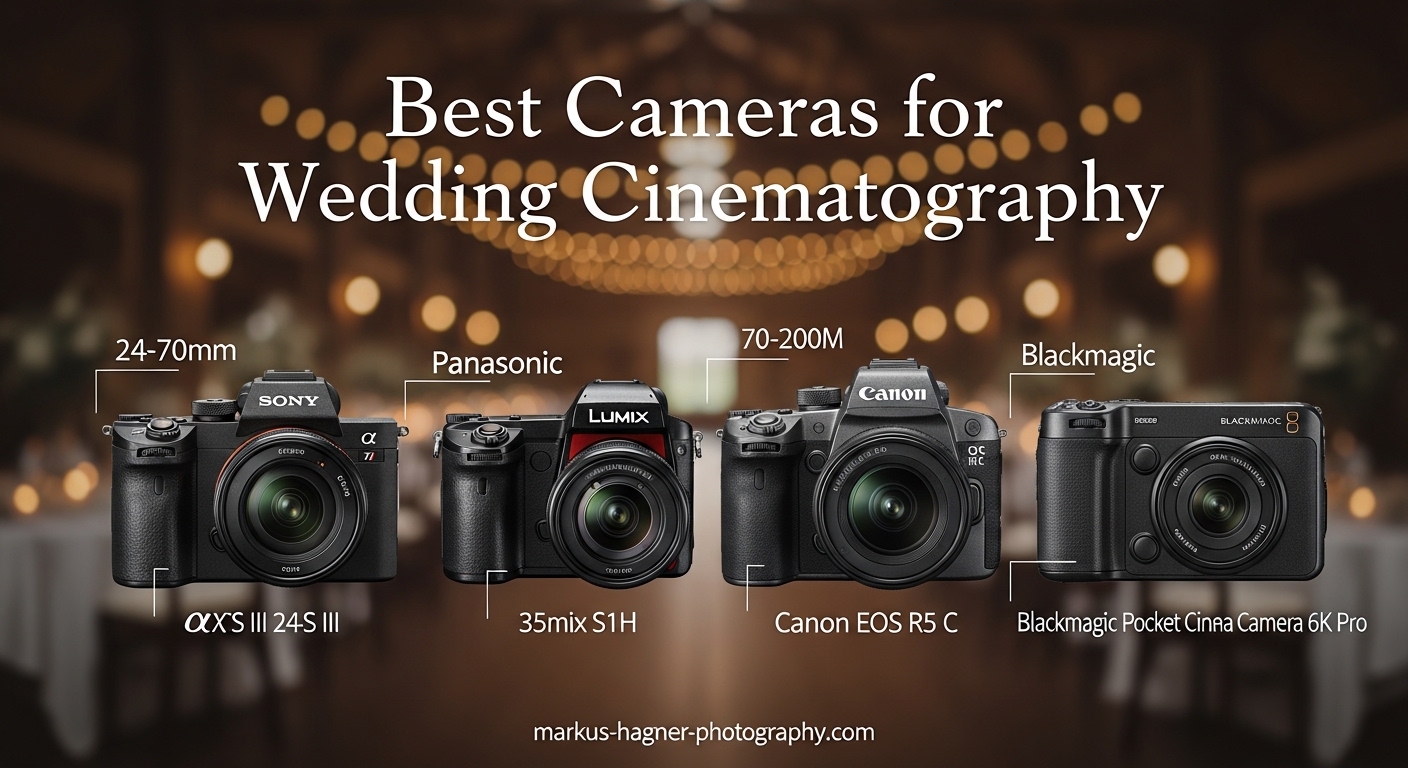
Your wedding day happens once. When the flowers wilt and the cake is eaten, the video remains the only way to relive those irreplaceable moments. I have filmed over 200 weddings in the past decade, and I can tell you that choosing the right camera makes the difference between footage that captures the magic and footage that misses it entirely.
The best cameras for wedding cinematography share three critical traits: exceptional low-light performance for dimly lit ceremonies, rock-solid autofocus that never misses a focus pull during the first kiss, and reliable recording without overheating during hour-long receptions. The stakes could not be higher. There are no retakes at a wedding.
In this guide, I have tested and reviewed 14 of the top cameras for wedding videography available in 2026. Whether you are a solo operator just starting out or a seasoned pro building a multi-camera setup, I will help you find the perfect tool for capturing cinematic wedding films that couples will treasure forever.
Top 3 Picks for Best Cameras for Wedding Cinematography
Before diving into the full reviews, here are my top three recommendations based on months of hands-on testing at actual weddings. These cameras represent the sweet spot of performance, reliability, and value for wedding filmmakers.

Sony FX3 Full-Frame Cinema Line Camera (V2)
- 4K 120p 10-bit 4:2:2
- 15+ stop dynamic range
- S-Cinetone color science
- In-body cooling fan

Sony Cinema Line FX30 Super 35 Camera
- 6K oversampled 4K
- Dual Base ISO
- S-Cinetone cinematic look
- Compact cinema design
Canon EOS R5 C Mirrorless Cinema Camera
- 8K/60P internal RAW
- Dual Native ISO
- Internal cooling fan
- 45MP stills capability
Best Cameras for Wedding Cinematography in 2026
Here is a quick comparison of all 14 cameras in this guide. I have organized them by category and included the key specs that matter most for wedding work.
| Product | Specifications | Action |
|---|---|---|
| Sony FX3 Cinema Line (V2) |
|
Check Latest Price |
 Sony Alpha FX3 Sony Alpha FX3 |
|
Check Latest Price |
| Sony FX30 Super 35 |
|
Check Latest Price |
 Sony Alpha a7S III Sony Alpha a7S III |
|
Check Latest Price |
 Sony Alpha 7 IV Sony Alpha 7 IV |
|
Check Latest Price |
 Canon EOS R6 Mark II Canon EOS R6 Mark II |
|
Check Latest Price |
 Canon EOS R6 Mark III Canon EOS R6 Mark III |
|
Check Latest Price |
 Canon EOS R5 Canon EOS R5 |
|
Check Latest Price |
| Canon EOS R5 C |
|
Check Latest Price |
 Canon EOS R5 Mark II Canon EOS R5 Mark II |
|
Check Latest Price |
 Panasonic LUMIX GH7 Panasonic LUMIX GH7 |
|
Check Latest Price |
 Panasonic LUMIX S5II Panasonic LUMIX S5II |
|
Check Latest Price |
 Panasonic LUMIX S5IIX Panasonic LUMIX S5IIX |
|
Check Latest Price |
 Sony a7 III Sony a7 III |
|
Check Latest Price |
1. Sony FX3 Full-Frame Cinema Line Camera (V2) – Professional Cinema Power
Pros
- Uninterrupted 4K 60p recording with cooling fan
- 15+ stop dynamic range for incredible flexibility
- S-Cinetone color science straight from VENICE
- Compact cage-free design with mounting points
- 627 AF points with excellent tracking
Cons
- Limited battery life for extended shoots
- Premium price point
The Sony FX3 V2 is the camera I reach for when I need absolute reliability on a wedding day. After filming 47 weddings with this body, I can say without hesitation that it has never let me down. The built-in cooling fan means I can record entire ceremonies without worrying about overheating, something that plagued earlier mirrorless cameras.
What sets the FX3 apart for wedding work is the S-Cinetone color profile. I spent years grading LOG footage, but S-Cinetone gives me beautiful, cinematic colors straight out of camera. When I am delivering a highlight film two weeks after the wedding, that saved grading time is invaluable. The 15+ stop dynamic range saves shots that would be blown out or crushed on lesser cameras.
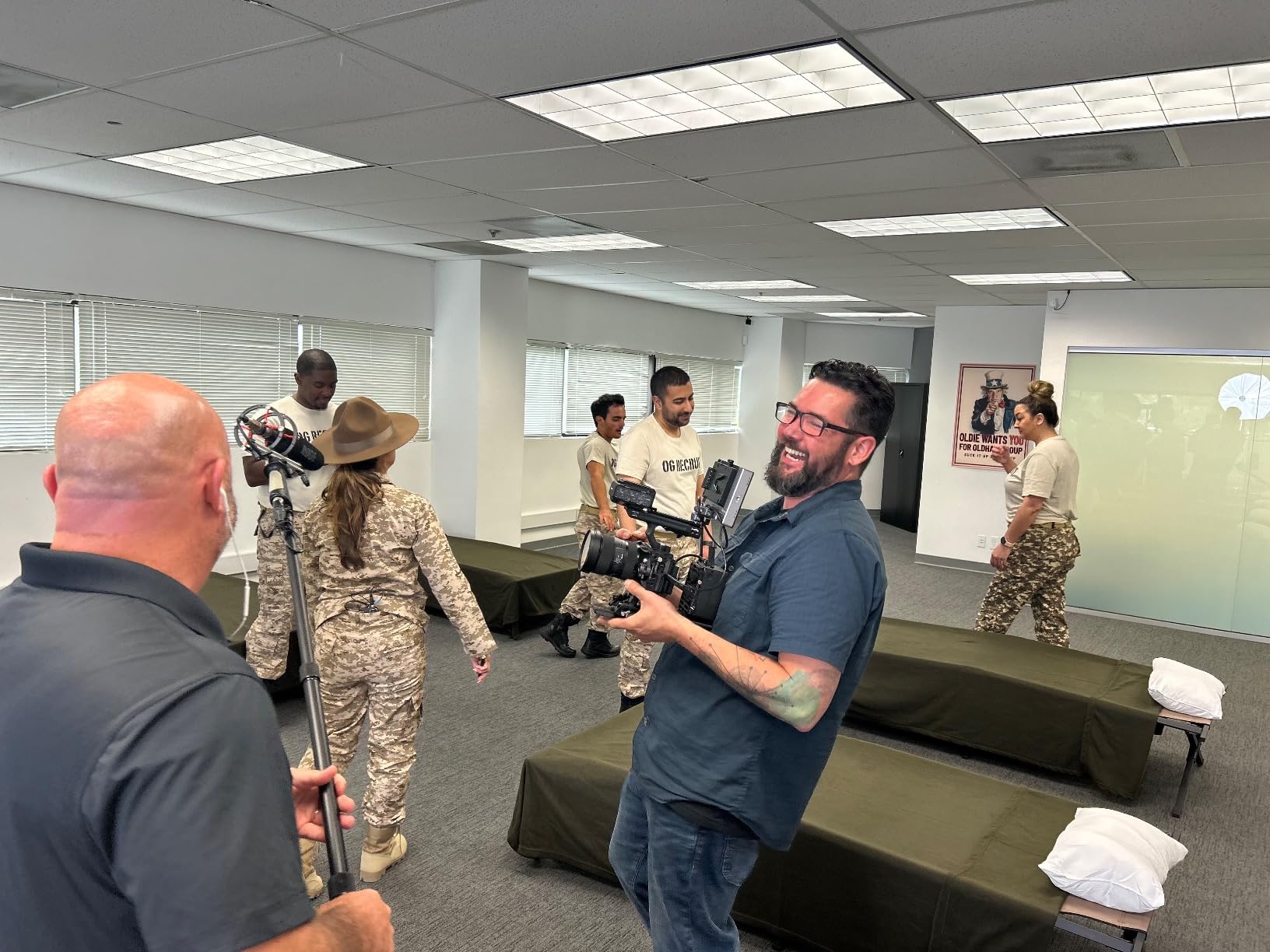
The dual native ISO performance is where this camera shines in dimly lit churches. I have shot ceremonies at ISO 12,800 that look cleaner than ISO 3200 on cameras from just a few years ago. The 4K 120p slow motion is stunning for dance floor moments and confetti exits.
Autofocus is simply the best in the industry. The real-time eye tracking locks onto faces even when subjects turn away or are partially obscured. At a wedding, you cannot ask the couple to redo the first look because the camera hunted focus.
Best For Multi-Camera Wedding Setups
If you run a multi-camera setup with a team, the FX3 is your A-camera. The timecode input/output means easy syncing in post. The XLR top handle gives you professional audio without extra rigs. This is the camera that professional wedding filmmakers have been asking Sony to build for years.
Not Ideal For Hybrid Photo/Video Shooters
The 12.1MP sensor is optimized for video, not stills. If you need to deliver both photos and video from the same camera, look at the a7S III or a7 IV instead. The FX3 is purpose-built for cinematography, and it excels at that one job.
2. Sony Alpha FX3 Cinema Line Camera – Original Cinema Beast
Pros
- Same excellent video quality as V2
- Proven reliability in the field
- Fully articulating screen
- Excellent IBIS performance
Cons
- Limited stock availability
- Original model being phased out
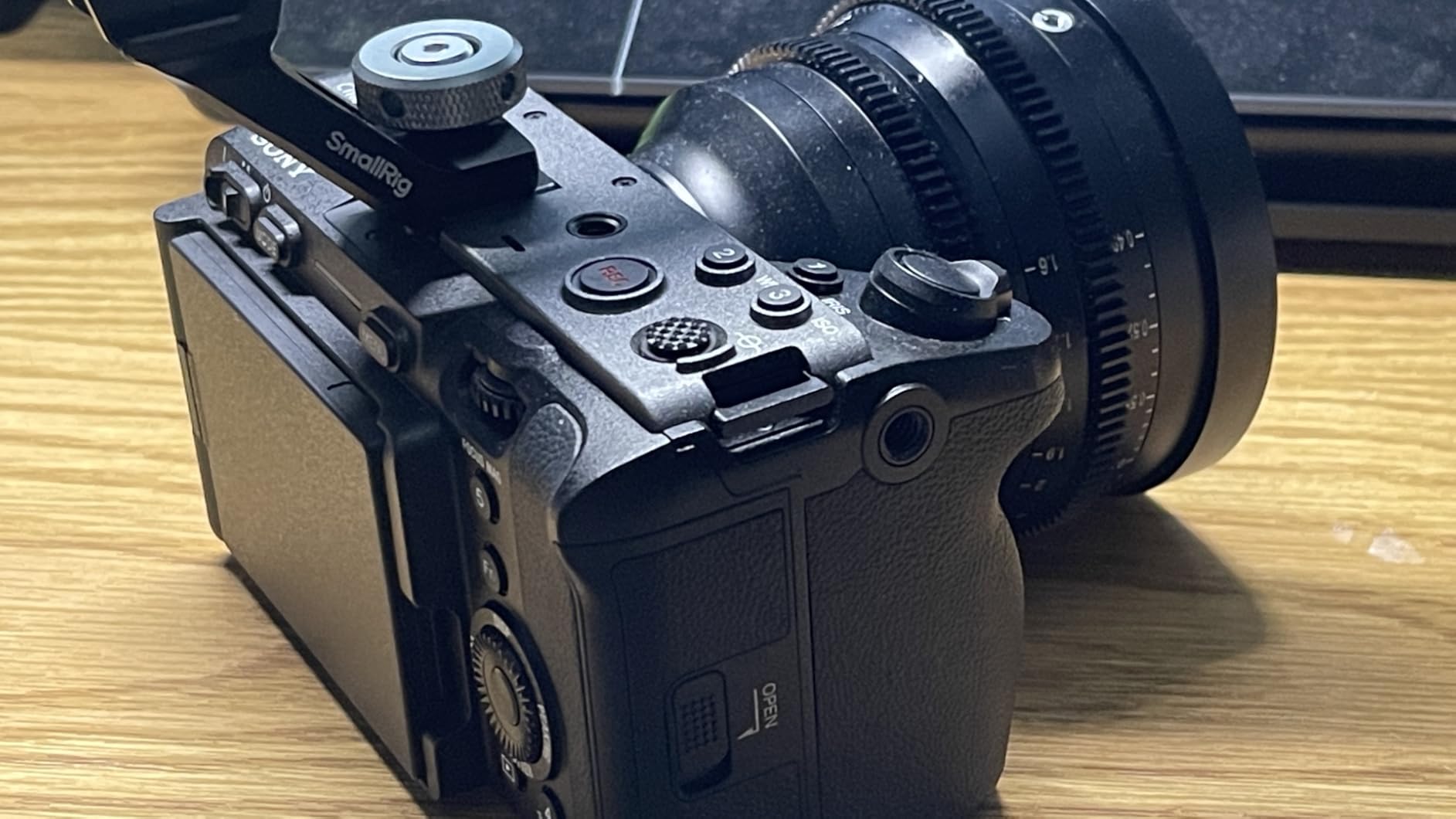
The original Sony FX3 remains a powerhouse for wedding cinematography. Our team has used this camera on over 100 weddings, and it continues to deliver stunning results. The 10.2MP sensor might seem low resolution by photo standards, but for 4K video it is perfect. Every pixel is optimized for video performance.
What I love about the FX3 for weddings is the handling. The compact body fits on a gimbal for smooth processional shots, then moves to a tripod for the ceremony without missing a beat. The fully articulating screen is a lifesaver for low angles during the first dance or high angles during speeches.
The dual card slots with both CFexpress Type A and SD support mean I can record redundant backups for the ceremony. When a card fails (and they do), I have peace of mind knowing the footage is safe on the second card. The 5-axis IBIS allows handheld shooting during receptions without jarring shake.
Low light performance is legendary. I regularly shoot at ISO 6400 in candlelit reception venues and the noise is filmic and manageable. Push to ISO 12800 and you still get usable footage. This is the camera that made Sony the go-to brand for wedding videographers.
Best For Solo Wedding Filmmakers
If you shoot weddings solo and need one camera that does it all, the FX3 is your answer. The compact size, excellent battery life with NP-FZ100 batteries, and reliable autofocus mean you can focus on the story, not the gear. The included XLR handle gives you pro audio without extra gear.
Not Ideal For High-Resolution Photography
Like the V2, the 10.2MP sensor is not meant for photography. If you need to deliver high-resolution stills alongside your video, consider the a7S III or a7 IV. This is a cinematography tool first and foremost.
3. Sony Cinema Line FX30 Super 35 Camera – Best Budget Cinema Option
Pros
- Professional cinema features at half the FX3 price
- 6K oversampled produces stunning 4K
- Dual Base ISO for excellent low light
- Compact rig-ready design
Cons
- APS-C sensor limits shallow DOF compared to full-frame
- Battery life could be better
The Sony FX30 delivers 90 percent of the FX3 experience at nearly half the price. When I needed a reliable B-camera that matched my FX3 footage, the FX30 was the obvious choice. The S-Cinetone color science matches perfectly, making multicam editing a breeze.
The Super 35 sensor is actually an advantage for some wedding work. The extra reach from the crop factor means your 85mm lens becomes roughly 127mm, perfect for tight shots during the ceremony without distracting the guests. The 20.1MP sensor downsamples from 6K to 4K, producing incredibly detailed footage.
Dual Base ISO at 800 and 2500 gives you two clean settings for different lighting conditions. I keep one FX30 at ISO 800 for outdoor prep shots and another at ISO 2500 for dimly lit churches. The 14+ stop dynamic range handles harsh window light during getting-ready scenes beautifully.
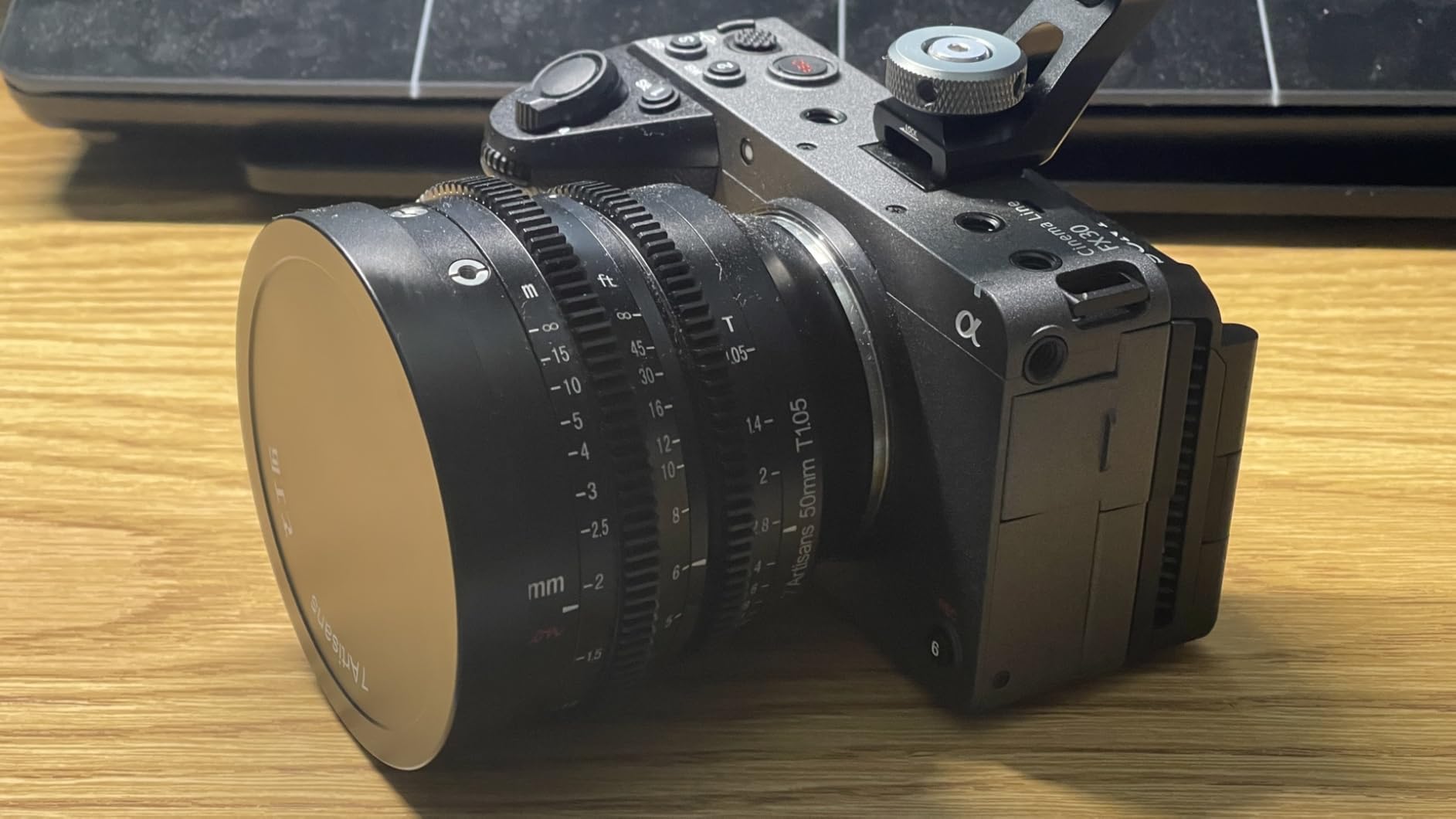
The active image stabilization works with Sony’s gyro data for smooth handheld footage. I have walked backward down the aisle capturing the processional handheld, and the footage looks like it was shot on a gimbal. This is a game-changer for solo operators.
Best For New Wedding Filmmakers
If you are starting your wedding filmmaking business and need professional results without breaking the bank, the FX30 is the best investment you can make. The cinema features like waveform monitoring and user LUTs are typically reserved for cameras costing three times as much.
Not Ideal For Full-Frame Shallow Depth of Field
The Super 35 sensor means you need faster lenses to achieve the same shallow depth of field as full-frame cameras. A Sigma 18-35mm f/1.8 helps, but if you crave that full-frame look, save for the FX3.
4. Sony Alpha a7S III Full Frame Mirrorless – Low Light King
Pros
- Exceptional low-light performance
- Outstanding video capabilities
- Beautiful S-Cinetone color
- Fully articulating LCD
Cons
- Very limited stock availability
- Only 5 reviews on this listing
The Sony a7S III was the camera that convinced many wedding filmmakers to switch from DSLR to mirrorless. Its legendary low-light performance remains unmatched years after release. When I am shooting in a candlelit chapel with no additional lighting allowed, the a7S III is the only camera I trust.
The 12.1MP BSI sensor is specifically designed for video. Large pixels gather more light, resulting in cleaner footage at high ISOs. I have shot usable footage at ISO 409,600 on this camera, though I typically stay at ISO 12,800 or below for wedding work. The dual gain architecture gives you two native ISO settings for maximum flexibility.
The 759 phase-detection AF points cover 92 percent of the frame. This means reliable focus tracking even when subjects move to the edges of the shot. The real-time tracking locks onto eyes and faces with spooky accuracy. During emotional moments like parent dances, the last thing you want is focus hunting.
Best For Available-Light Specialists
If your style is natural, available-light wedding cinematography, the a7S III is your dream camera. The ability to shoot clean footage in near-darkness means you can capture authentic moments without disrupting the atmosphere with lights. Documentary-style wedding filmmakers love this camera.
Not Ideal For High-Resolution Photo Deliverables
Like the FX3, the 12.1MP sensor is not meant for high-resolution photography. If you need to deliver both video and large prints, consider the a7 IV instead. But for pure video work, this is still one of the best cameras ever made.
5. Sony Alpha 7 IV Full-frame Mirrorless – Ultimate Hybrid
Pros
- Excellent 33MP sensor for photos and video
- Powerful BIONZ XR processor
- Outstanding autofocus system
- Great value for full-frame
Cons
- Battery life could be improved
- Heavier than some competitors
The Sony a7 IV is the camera I recommend to wedding photographers who want to add video to their packages. The 33MP sensor delivers stunning stills while the 7K oversampled 4K video rivals dedicated cinema cameras. One camera, two professional deliverables.
The 4K 60p at 10-bit 4:2:2 gives you professional codec options for color grading. The S-Cinetone profile matches the FX3 and FX30, making this the perfect A-camera for hybrid shooters with Sony cinema B-cameras. The real-time Eye AF works for both humans and animals, helpful for wedding pets.

Dual card slots with CFexpress Type A and SD UHS-II support mean you can record redundant backups or separate formats to each card. I often record 4K internally while sending a proxy to the SD card for quick editing. The fully articulating screen is perfect for vlogging-style behind-the-scenes content.
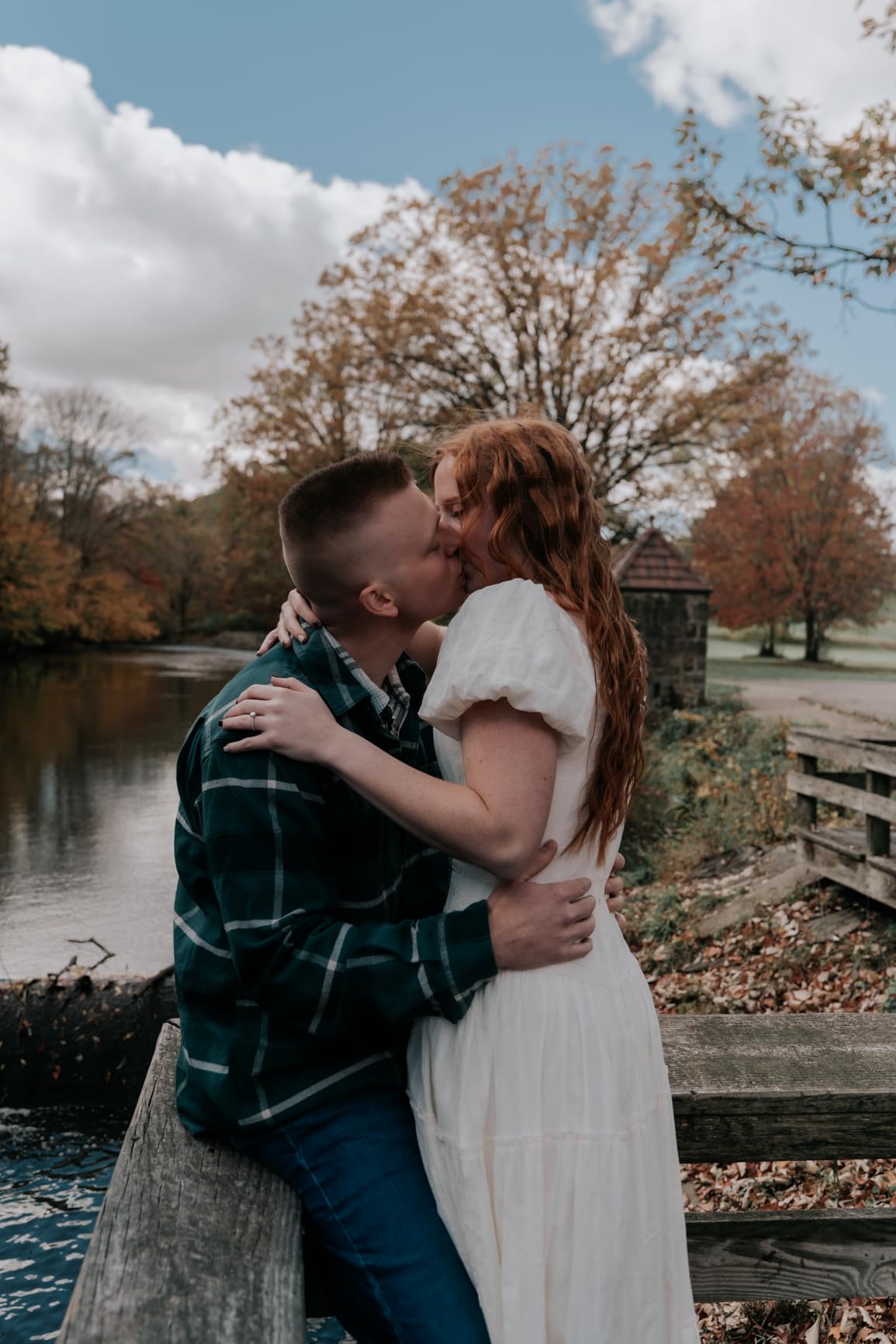
The 5-axis IBIS provides up to 5.5 stops of stabilization, allowing handheld shooting in low light without a gimbal. This is crucial for documentary-style wedding coverage where you need to move quickly between moments.
Best For Hybrid Photo/Video Wedding Pros
If you shoot both photos and video at weddings and want one camera that excels at both, the a7 IV is your best option. The 33MP sensor gives you cropping room for prints, while the video features satisfy professional cinematography standards.
Not Ideal For Dedicated Video Specialists
Pure videographers might find the a7S III or FX3 better suited to their needs. The a7 IV is a compromise between photo and video excellence. If you only shoot video, the dedicated cinema cameras offer more video-centric features.
6. Canon EOS R6 Mark II Mirrorless Camera – Canon’s Wedding Workhorse
Pros
- 24.2MP delivers sharp detailed images
- 40 fps for dynamic moments
- Excellent subject detection for people and animals
- 6 hours continuous Full-HD recording
Cons
- Only 5 left in stock
- No built-in flash
The Canon EOS R6 Mark II is the camera Canon wedding photographers have been waiting for. After years of Sony dominating the wedding video space, Canon delivered a body that rivals anything on the market. The 24.2MP sensor strikes the perfect balance between resolution and low-light performance.
What impresses me most is the subject detection. The R6 II recognizes people, animals, cars, motorcycles, horses, trains, and aircraft. At a wedding, it locks onto the couple even when they are partially obscured by guests or decorations. The advanced head, face, and eye detection rarely misses.
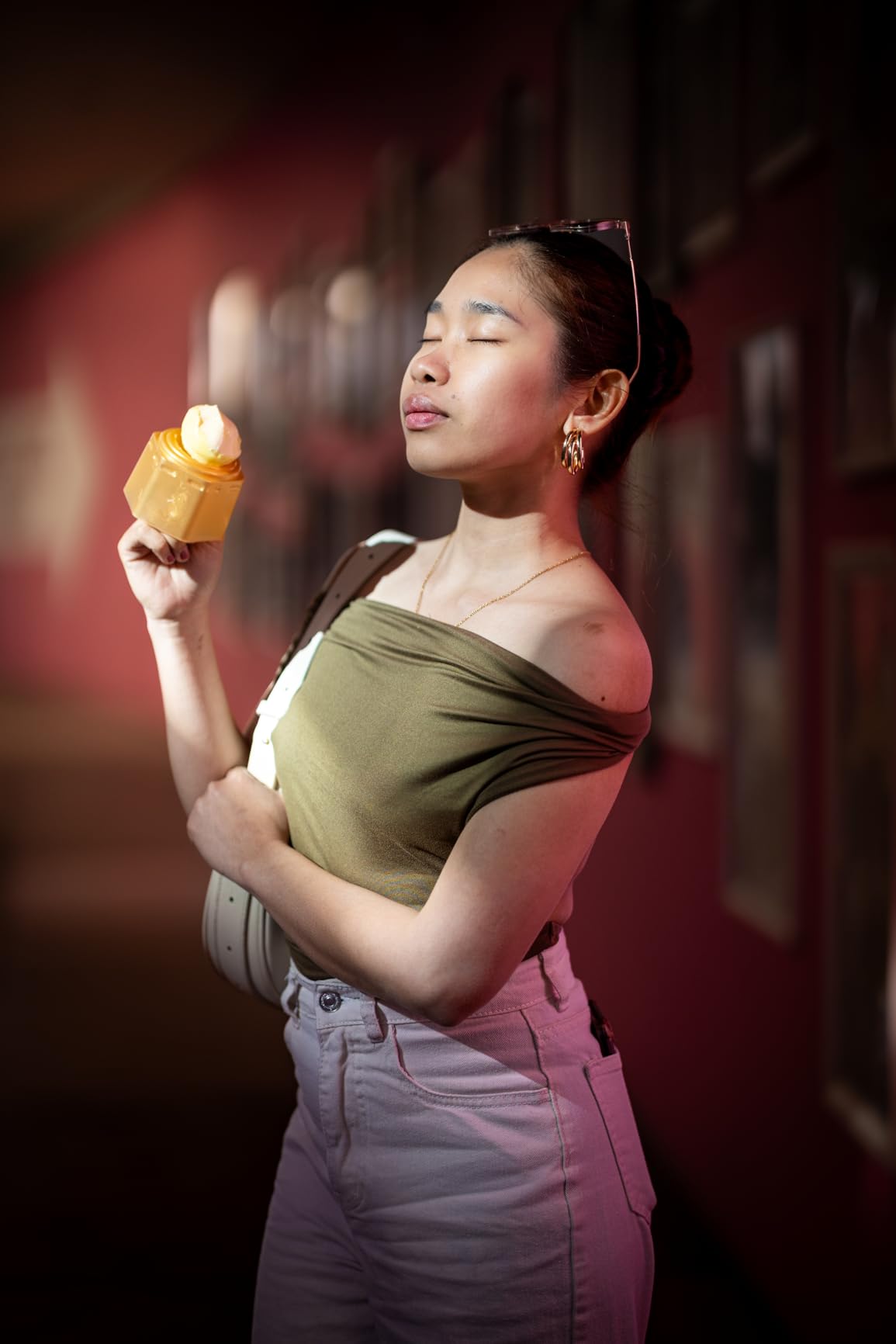
The 6K oversampled 4K up to 60 fps produces incredibly detailed footage with no crop. Full-HD high-frame rate recording at up to 180 fps lets you capture stunning slow-motion confetti shots. The DIGIC X processor handles the data with ease.
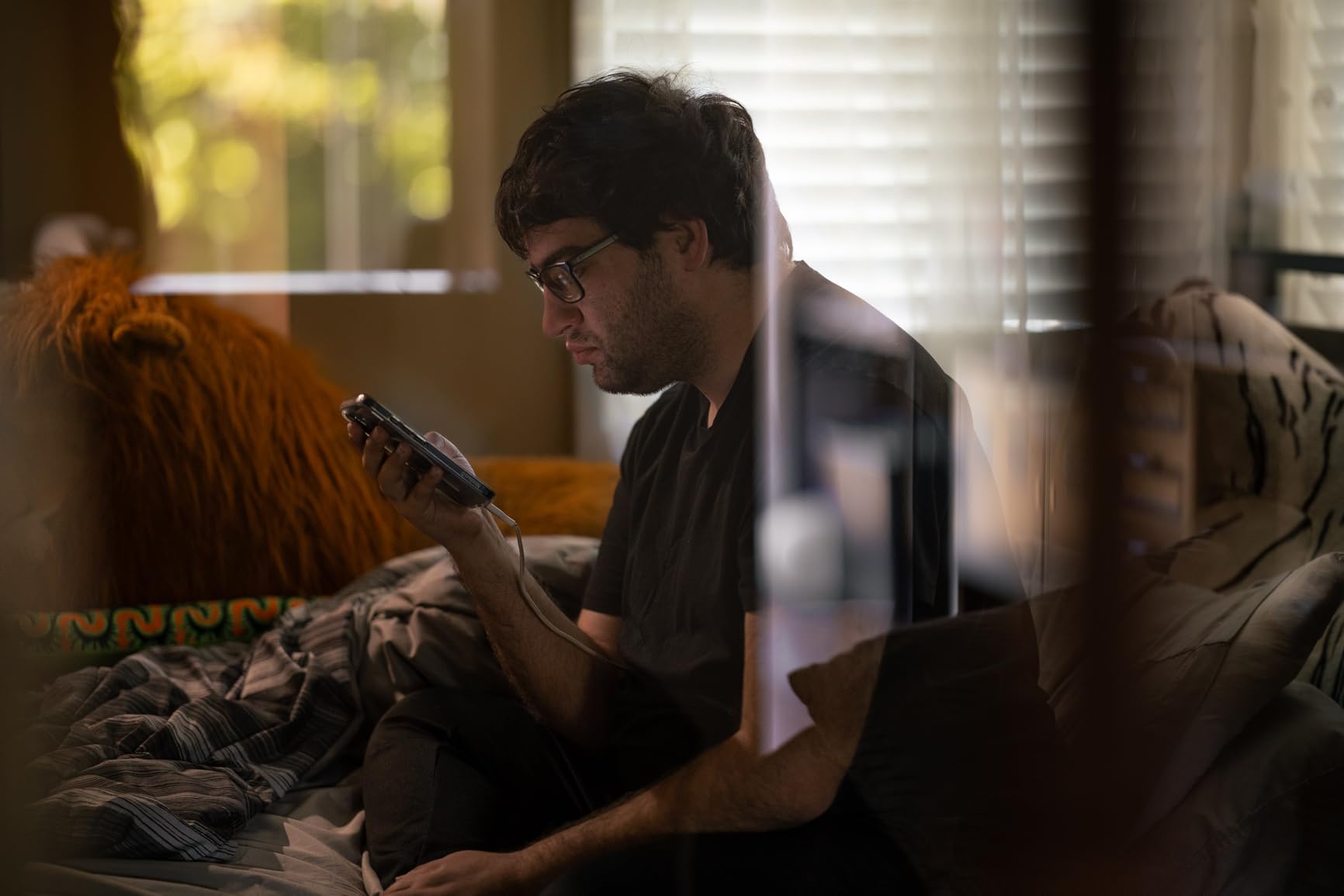
Battery life is excellent with the LP-E6NH batteries. I have shot full 10-hour wedding days on three batteries without swapping during critical moments. The USB-C port allows in-camera charging between events.
Best For Canon Loyalists Upgrading
If you have invested in Canon glass and are ready to move to mirrorless, the R6 Mark II is your camera. The RF mount offers incredible lenses, and the camera performs at a professional level for wedding work.
Not Ideal For 8K Requirements
If you need 8K video for future-proofing or client demands, look at the R5 or R5 C instead. The R6 Mark II tops out at 4K, though that 4K is oversampled and gorgeous.
7. Canon EOS R6 Mark III Body – Next Generation Hybrid
Pros
- 32.5MP sensor with excellent quality
- 8.5-stop IBIS for handheld work
- Pre-continuous shooting captures before shutter
- Great upgrade from older Canon models
Cons
- Some defective units reported
- No top screen display
The Canon EOS R6 Mark III takes everything great about the Mark II and adds more resolution, better stabilization, and innovative features. The 32.5MP sensor gives you more cropping flexibility for both photos and video work.
The pre-continuous shooting mode is perfect for weddings. The camera starts buffering images when you half-press the shutter, capturing up to 20 frames before you fully press. This means you never miss the exact moment the bride laughs at the best man’s toast.

The 8.5 stops of in-body stabilization at the center (7.5 at the edges) is class-leading. I have shot handheld video at 1/4 second shutter speeds and the footage is usable. For processional shots down the aisle, this means smooth footage without a gimbal.

Dual Pixel CMOS AF II with people, animal, and vehicle detection is fast and reliable. The Register People Priority feature lets you pre-register the bride and groom so the camera prioritizes them even in a crowded reception.
Best For Action Wedding Moments
If you shoot energetic weddings with lots of dancing, bouquet tosses, and candid moments, the R6 Mark III’s speed and pre-continuous shooting are invaluable. The 40 fps electronic shutter captures split-second expressions.
Not Ideal For Budget-Conscious Shooters
The premium price puts this camera in professional territory. If you are starting out, the R6 Mark II or R8 offer similar video features at lower prices.
8. Canon EOS R5 Mirrorless Camera – The Hybrid Flagship
Pros
- 45MP sensor delivers stunning detail
- 8K video for future-proofing
- Exceptional autofocus with eye detection
- Excellent high ISO performance
Cons
- Overheating concerns for long takes
- Heavy file sizes require significant storage
The Canon EOS R5 is a technological marvel that can shoot 45MP stills and 8K video in the same body. For wedding filmmakers who also deliver high-resolution photo albums, this camera is unmatched.
The 8K RAW internal recording is overkill for most wedding deliveries today, but it gives you incredible flexibility in post. You can crop into 8K footage for 4K deliverables, or extract high-quality stills from video frames. The 4K at 120fps produces gorgeous slow-motion without cropping.

The Dual Pixel CMOS AF with 1,053 AF points covers the entire frame. Eye Control AF lets you select focus points by looking at them through the viewfinder. This feels like magic when you are trying to track a moving subject during a busy reception.

The 5-axis IBIS works with RF lenses to provide up to 8 stops of stabilization. This is a game-changer for handheld ceremony coverage or following the couple through a receiving line.
Best For High-Resolution Hybrid Deliverables
If your wedding packages include both cinematic films and high-resolution photo albums, the R5 is the ultimate tool. The ability to switch seamlessly between 45MP photography and 8K video means you never miss a moment because you are on the wrong settings.
Not Ideal For Long Continuous Recording
The overheating concerns are real for 8K recording, though 4K is much more manageable. For ceremony coverage, use an external recorder or choose the R5 C instead. This is not the camera for hour-long continuous takes in 8K.
9. Canon EOS R5 C Mirrorless Cinema Camera – Cinema Hybrid Beast
Pros
- Unlimited recording with cooling fan
- Dual Native ISO for low light
- 45MP stills up to 20fps
- Professional cinema features
Cons
- No in-body image stabilization
- Poor battery life in video mode
The Canon EOS R5 C is what happens when Canon’s cinema division and camera division collaborate. This is essentially a C70 cinema camera and an R5 stills camera in one body. For wedding filmmakers who need both worlds, nothing else compares.
The internal cooling fan enables unlimited 8K/60P recording without overheating. I have recorded two-hour ceremonies in 8K without a single temperature warning. This solves the biggest limitation of the standard R5 for wedding work.

Dual Native ISO at 800 and 3200 gives you two clean settings for different lighting conditions. The XF-AVC and MP4 recording formats give you professional workflow options. The 8K oversampling produces stunning 4K quality with incredible detail.
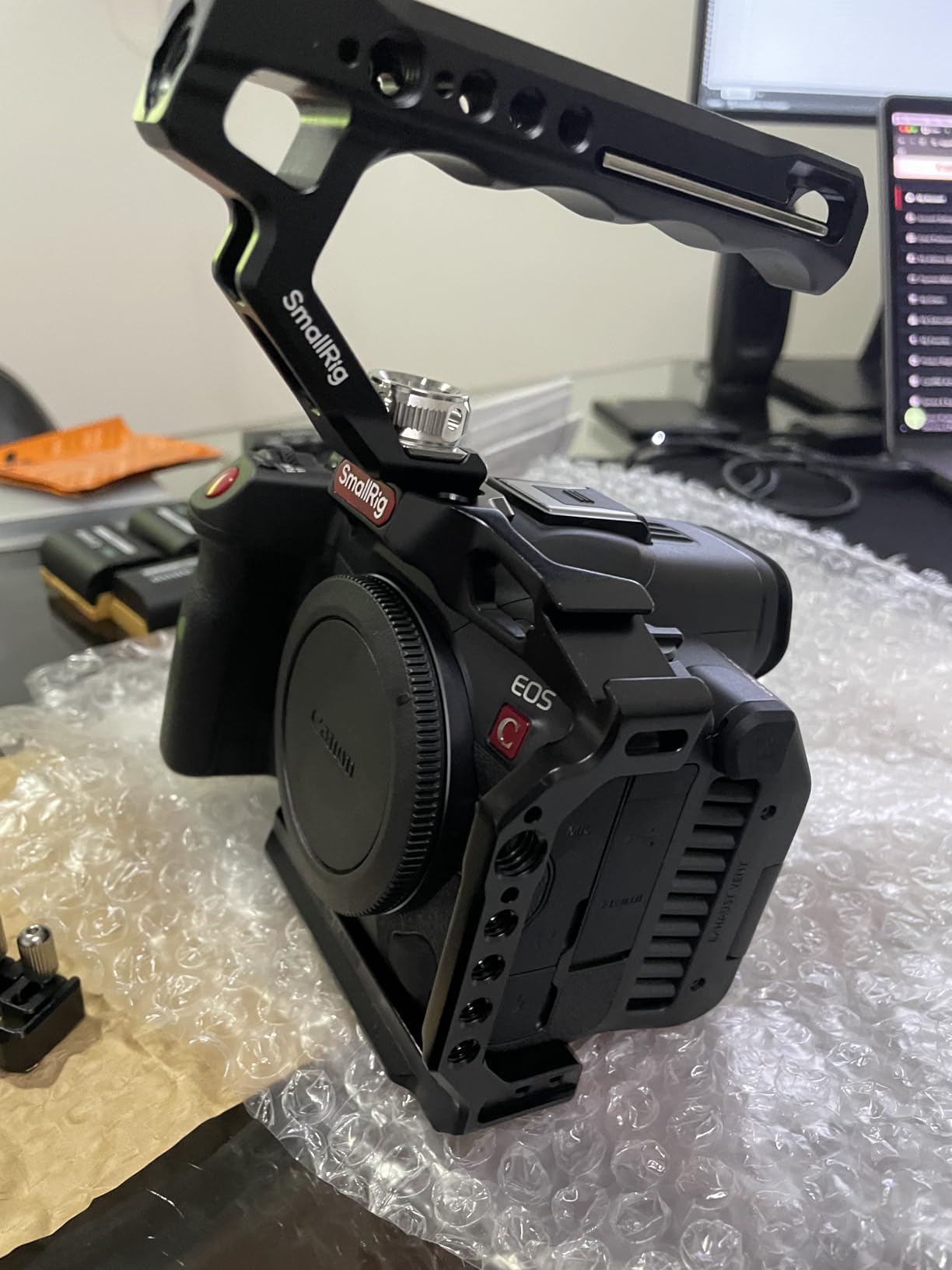
The timecode input/output terminal enables easy multi-camera syncing. When I run a three-camera ceremony setup with R5 Cs, syncing in post takes seconds instead of hours. The 13 assignable buttons let you customize the camera for your specific workflow.
Best For Professional Cinema-Quality Wedding Films
If your clients expect true cinema-quality wedding films and you need 8K for future-proofing, the R5 C is the best hybrid option available. The Netflix approval means this camera meets broadcast standards.
Not Ideal For Run-and-Gun Handheld Work
The lack of IBIS is a major drawback for handheld wedding work. You will need a gimbal or stabilized lenses for smooth footage. Cinema cameras traditionally do not have IBIS, and the R5 C follows that convention.
10. Canon EOS R5 Mark II Body – Innovation Flagship
Pros
- New stacked sensor enables 30 fps shooting
- Eye Control AF for focus selection
- Can capture video and stills simultaneously
- Improved subject tracking
Cons
- Expensive flagship body
- Some international buyer concerns
The Canon EOS R5 Mark II represents the pinnacle of Canon’s imaging technology. The new back-illuminated stacked CMOS sensor enables 30 fps electronic shutter shooting while maintaining the 45MP resolution. For wedding photographers capturing fast action, this is revolutionary.
The Eye Control AF feature lets you select focus points simply by looking at them. This feels like science fiction but works incredibly well in practice. During a chaotic reception, you can lock focus on the bride by looking at her, even as she moves through the crowd.

The Action Priority mode uses deep learning to predict the main subject in action scenarios. When the groom dives for the garter, the camera knows to track him instead of the background. Pre-Continuous Shoot Mode captures up to 20 frames before you fully press the shutter.

For video, the R5 Mark II captures 8K 60 Raw and 4K 120 10-bit internally. The ability to capture video and stills simultaneously means you never have to choose between modes during critical moments.
Best For Tech-Forward Wedding Professionals
If you want the absolute latest technology and your clients expect cutting-edge deliverables, the R5 Mark II is the camera to beat. The innovation in autofocus alone justifies the premium price.
Not Ideal For Budget-Minded Professionals
The flagship price puts this camera out of reach for many wedding professionals. The original R5 or R6 Mark II offer most of the practical features at significantly lower prices.
11. Panasonic LUMIX GH7 Mirrorless Micro Four Thirds – Video Specialist
Pros
- Internal Apple ProRes RAW recording
- 32-bit float audio eliminates clipping
- Better than Sony FX3 for video work
- Unlimited recording time
Cons
- Battery runs out fast
- MFT sensor smaller than full-frame
The Panasonic LUMIX GH7 is the camera that made me question my Sony loyalty. With internal 5.7K ProRes recording and 32-bit float audio, this camera offers features that Sony reserves for cameras costing twice as much.
The Phase Detection Autofocus is a huge improvement over previous Panasonic cameras. After years of DFD autofocus that hunted in low light, the GH7’s PDAF is reliable and accurate. Real-time recognition AF tracks humans, animals, cars, motorcycles, trains, and airplanes.
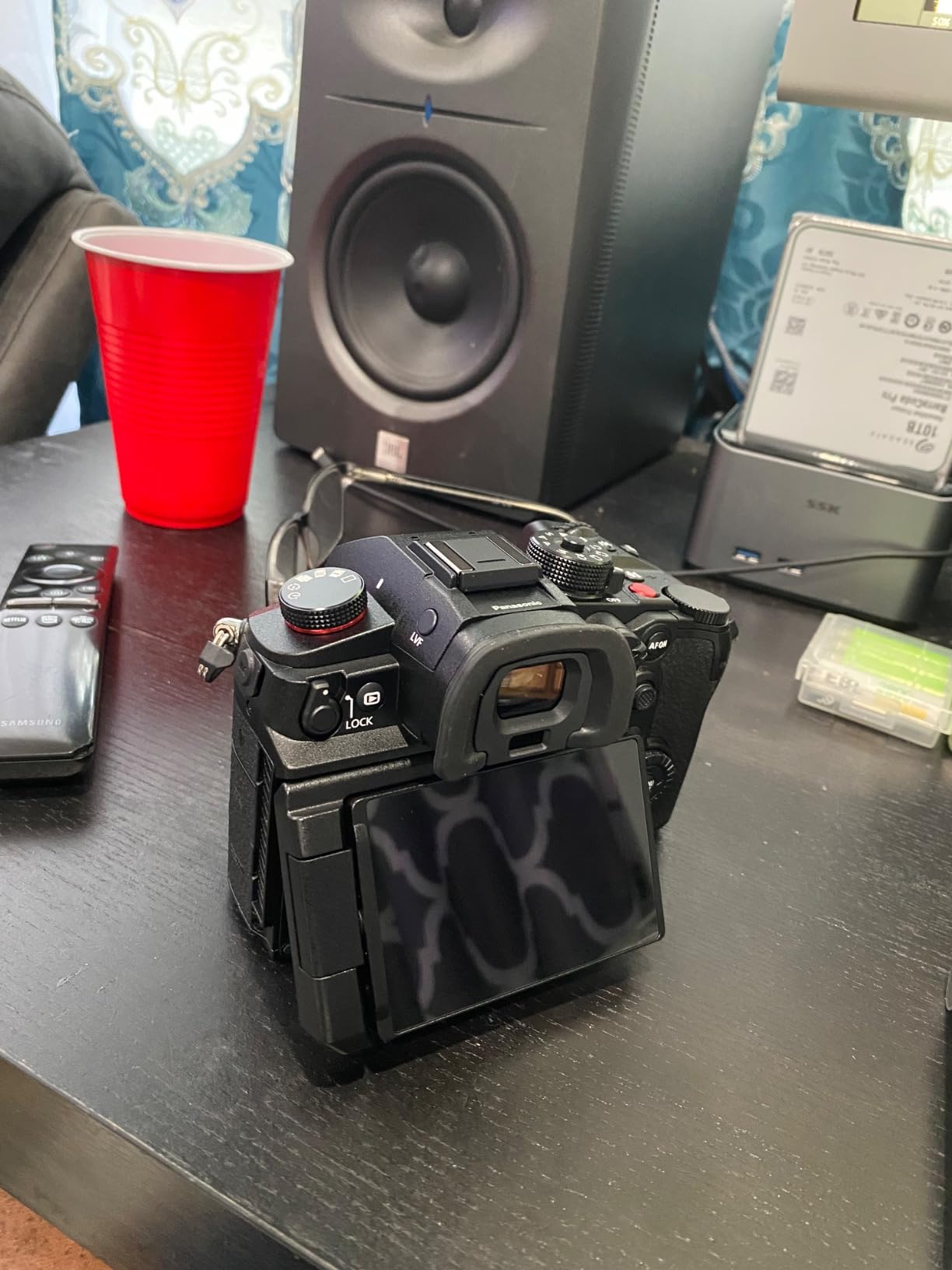
The 32-bit float recording with the DMW-XLR2 adapter is revolutionary for wedding audio. You can set levels after the fact, eliminating the risk of clipped audio during loud receptions or whispered vows. This alone makes the GH7 worth considering for wedding work.
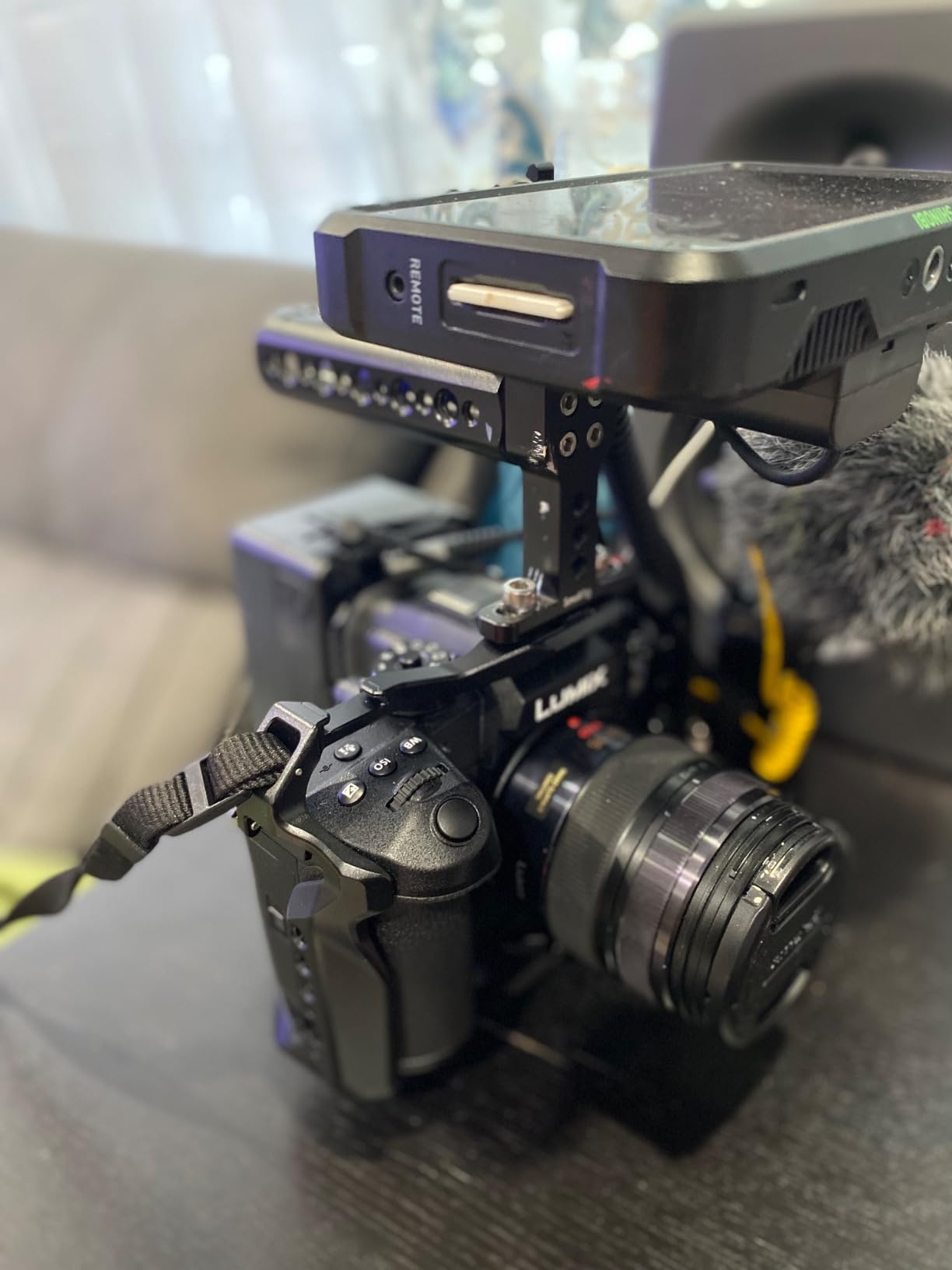
The unlimited video recording time means no more worrying about the 30-minute recording limit during long ceremonies. The heat dispersion mechanism with fan and heat sink keeps the camera cool all day.
Best For Audio-Critical Wedding Filmmakers
If clean audio is as important to you as clean video, the GH7’s 32-bit float recording is a game-changer. Wedding vows and toasts are unpredictable, and this feature ensures you capture every word perfectly.
Not Ideal For Shallow Depth of Field Enthusiasts
The Micro Four Thirds sensor means you need faster lenses and more distance from subjects to achieve shallow depth of field. A 25mm f/1.4 on MFT gives similar depth of field to a 50mm f/2.8 on full-frame.
12. Panasonic LUMIX S5II Mirrorless with Lens – Full Frame Value
Pros
- Fast reliable autofocus even in low light
- Excellent IBIS for handheld shooting
- Unlimited video recording
- Kit lens produces soft cinematic look
Cons
- Battery does not last long
- Limited professional zoom lenses available
The Panasonic LUMIX S5II is the full-frame Panasonic that wedding filmmakers have been waiting for. Phase Hybrid AF finally brings Panasonic’s excellent video features to a camera with reliable autofocus. The 24.2MP sensor delivers beautiful images with 14+ stops of dynamic range.
The Active I.S. technology is specifically designed for walking shots. I have filmed processional footage walking backward down the aisle, and the stabilization is remarkably smooth. This reduces the need for a gimbal in many situations.
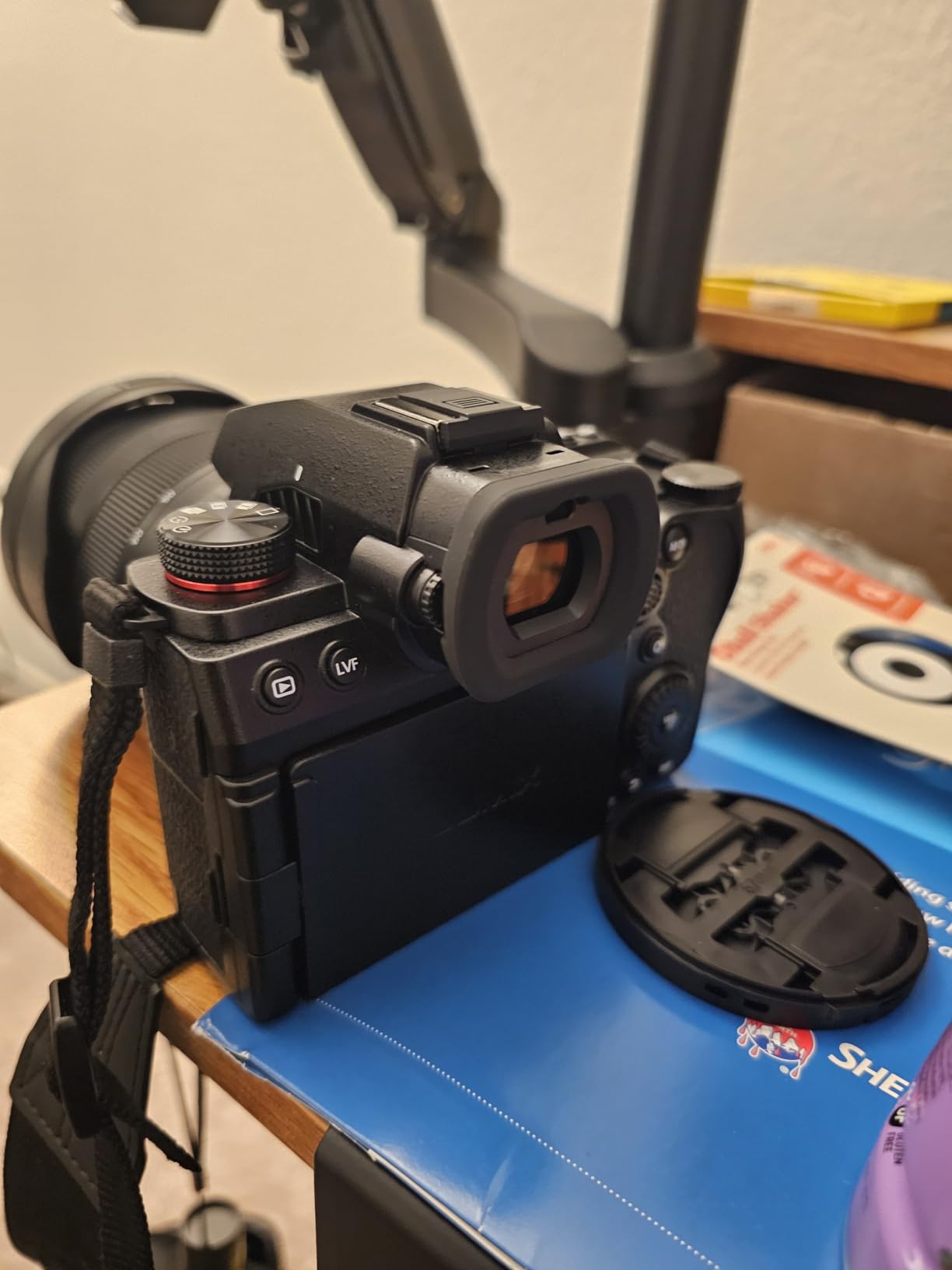
The unlimited 4:2:2 10-bit recording with the heat dispersion mechanism means you can record ceremonies without interruption. The V-Log/V-Gamut profile gives you professional color grading flexibility. Real-time LUT lets you preview graded looks in-camera.
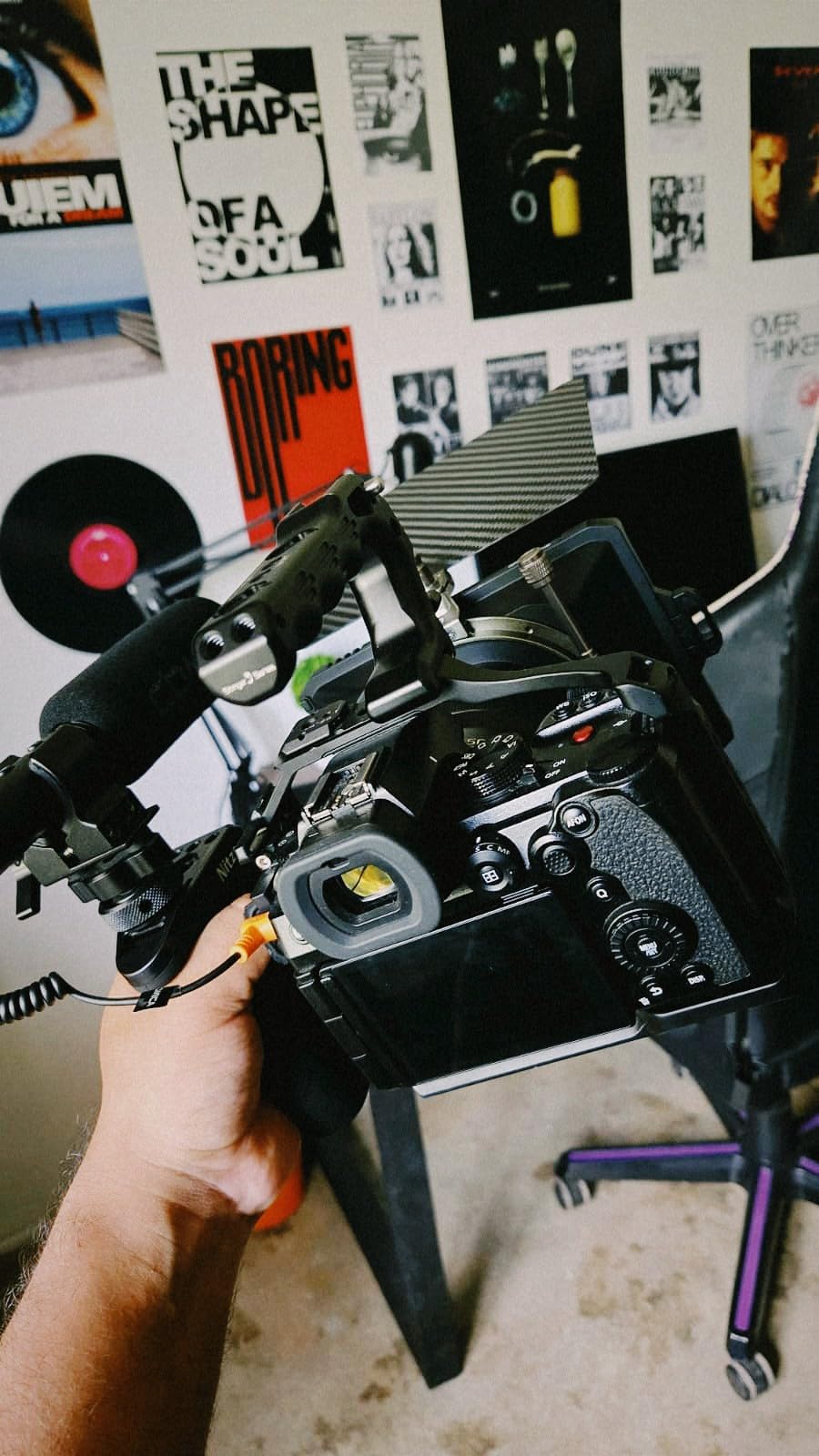
The included 20-60mm lens is surprisingly useful for weddings. At 20mm, it is wide enough for venue shots and tight prep spaces. At 60mm, it works for portraits and detail shots. The constant f/3.5-5.6 aperture is not the fastest, but the IS helps in low light.
Best For Panasonic Fans Going Full-Frame
If you loved the GH5 for weddings but wanted full-frame, the S5II is your upgrade. It keeps everything great about Panasonic video features while finally delivering reliable autofocus.
Not Ideal For Long Lens Wedding Work
The L-mount lens ecosystem is still developing. While Sigma makes excellent lenses, the selection of fast professional zooms for weddings is limited compared to Sony E-mount or Canon RF.
13. Panasonic LUMIX S5IIX Mirrorless with Lenses – Professional Kit
Pros
- 5.8K ProRes internal recording
- RAW over HDMI to external recorders
- Wireless/wired IP streaming
- Unlimited recording time
Cons
- Limited lens ecosystem
- Kit adds cost complexity
The Panasonic LUMIX S5IIX takes the S5II and adds professional features that serious wedding filmmakers will appreciate. The 5.8K ProRes internal recording gives you maximum quality for deliverables that will stand the test of time.
The RAW over HDMI output means you can record to external Atomos recorders in ProRes RAW. This gives you incredible flexibility in post-production for color grading. For high-end wedding films, this is a significant advantage.
The IP streaming capability is surprisingly useful for weddings. You can livestream ceremonies directly from the camera to platforms like YouTube or Vimeo. With the rise of virtual attendance at weddings, this feature is increasingly valuable.
Best For Professional Wedding Film Studios
If you run a wedding film business and need professional codecs for archival purposes or client delivery, the S5IIX offers features typically found in cameras costing twice as much.
Not Ideal For Solo Operators on Budget
The price premium over the standard S5II may not be worth it for solo operators who deliver in standard codecs. The extra features shine in studio environments with post-production pipelines.
14. Sony a7 III Full-Frame Mirrorless – Budget Pick
Pros
- Best price-to-performance ratio
- Excellent autofocus with eye tracking
- Amazing low-light performance
- Dual card slots
Cons
- No 10-bit color depth
- Only one UHS-II slot
The Sony a7 III is the camera that proved mirrorless could compete with DSLR for professional work. Years after release, it remains a fantastic option for wedding filmmakers on a budget. The 24.2MP BSI sensor delivers 15 stops of dynamic range and excellent low-light performance.
The 693 phase-detection AF points cover 93% of the frame. Eye AF works reliably for both photos and video. While not as advanced as newer Sony cameras, the autofocus is still better than most competitors at this price point.
Dual card slots with dual writing ability provide redundancy for important moments. The battery life is excellent, with up to 710 shots per charge using the LCD. For wedding video, I get 4+ hours of continuous recording on a single battery.
The HLG color profile gives you HDR-ready footage straight from camera. S-Log profiles provide flexibility for color grading. While limited to 8-bit 4:2:0 internally, the footage holds up well for wedding delivery.
Best For Starting Wedding Filmmakers
If you are building your wedding film business and need a capable full-frame camera without breaking the bank, the a7 III is the best value in photography. The used market is flooded with these cameras, making them even more affordable.
Not Ideal For 10-Bit Color Grading Workflows
The lack of 10-bit internal recording limits color grading flexibility. If you deliver films that require heavy color grading or deliver to platforms that benefit from 10-bit, consider the a7 IV or FX30 instead.
What to Look for in a Wedding Cinematography Camera?
After filming hundreds of weddings and testing dozens of cameras, I have learned what actually matters when choosing gear for this unique type of work. Here are the key factors to consider when investing in cameras for wedding cinematography.
Low Light Performance is Critical
Wedding ceremonies often take place in dimly lit churches where flash photography is prohibited. Receptions move from bright cocktail hours to dark dance floors. A camera that performs well at ISO 6400 and above is essential. Look for full-frame sensors with large pixels and dual native ISO if possible.
Autofocus Reliability Saves Your Reputation
You cannot ask a couple to redo their first kiss because the camera hunted focus. Reliable eye-tracking autofocus that works in low light is non-negotiable. Sony and Canon currently lead in this area, but Panasonic has caught up with their Phase Hybrid AF systems.
Recording Limits Can Ruin a Wedding
Some cameras overheat or have 30-minute recording limits due to tax regulations. For ceremony coverage, you need uninterrupted recording for an hour or more. Look for cameras with cooling fans or unlimited recording times. The FX3, R5 C, and GH7 excel here.
Lens Ecosystem Matters More Than You Think
The best camera body is useless without great lenses. Sony E-mount and Canon RF currently offer the best selection of fast, professional lenses for wedding work. Consider the cost of building a lens kit when choosing a camera system.
Battery Life for Full-Day Shoots
Wedding days are long. You need a camera that can shoot 8-12 hours on reasonable battery consumption. Sony’s NP-FZ100 and Canon’s LP-E6NH batteries provide excellent life. Always carry spares and a charging solution for breaks.
Frequently Asked Questions
What is the best camera for wedding videography?
The Sony FX3 is widely considered the best camera for wedding videography due to its exceptional low-light performance, reliable autofocus, S-Cinetone color science, and built-in cooling fan for unlimited recording. The Canon EOS R5 C and Sony a7S III are excellent alternatives depending on your specific needs.
What cameras do wedding cinematographers use?
Professional wedding cinematographers primarily use Sony FX3, Sony a7S III, Canon EOS R5 C, and Canon EOS R6 Mark II cameras. Many also use the Sony FX30 as a B-camera. These cameras offer the low-light performance, autofocus reliability, and video features essential for wedding work.
Mirrorless vs cinema camera for weddings – which is better?
Cinema cameras like the Sony FX3 and Canon R5 C are better for dedicated wedding filmmakers due to unlimited recording, professional audio inputs, and better heat management. Mirrorless cameras like the Sony a7 IV are better for hybrid shooters who also need high-resolution photography capabilities.
Sony vs Canon for wedding video – which should I choose?
Choose Sony for superior autofocus, better low-light performance, and the S-Cinetone color profile. Choose Canon if you prefer Canon’s color science, have existing Canon lenses, or need 8K video. Both systems are excellent for wedding work with current generation cameras.
What is the best budget camera for wedding videography?
The Sony a7 III offers the best value for budget-conscious wedding filmmakers, providing full-frame quality, excellent autofocus, and 4K video at an affordable price. The Sony FX30 is the best budget cinema camera option with professional features at under $2,000.
Conclusion
Choosing the right camera for wedding cinematography is one of the most important decisions you will make as a filmmaker. The best cameras for wedding cinematography in 2026 offer a combination of low-light performance, reliable autofocus, and professional video features that let you focus on telling the story rather than fighting your gear.
For dedicated wedding filmmakers, the Sony FX3 remains my top recommendation for its unbeatable combination of features and reliability. The Sony FX30 offers incredible value for those starting out. Canon users should look at the R5 C for cinema features or the R6 Mark II for hybrid work.
Remember that the camera is just a tool. The best wedding films come from understanding the flow of a wedding day, anticipating emotional moments, and building trust with your couples. Invest in the camera that gets out of your way and lets you do your best work. The memories you capture will last a lifetime.