
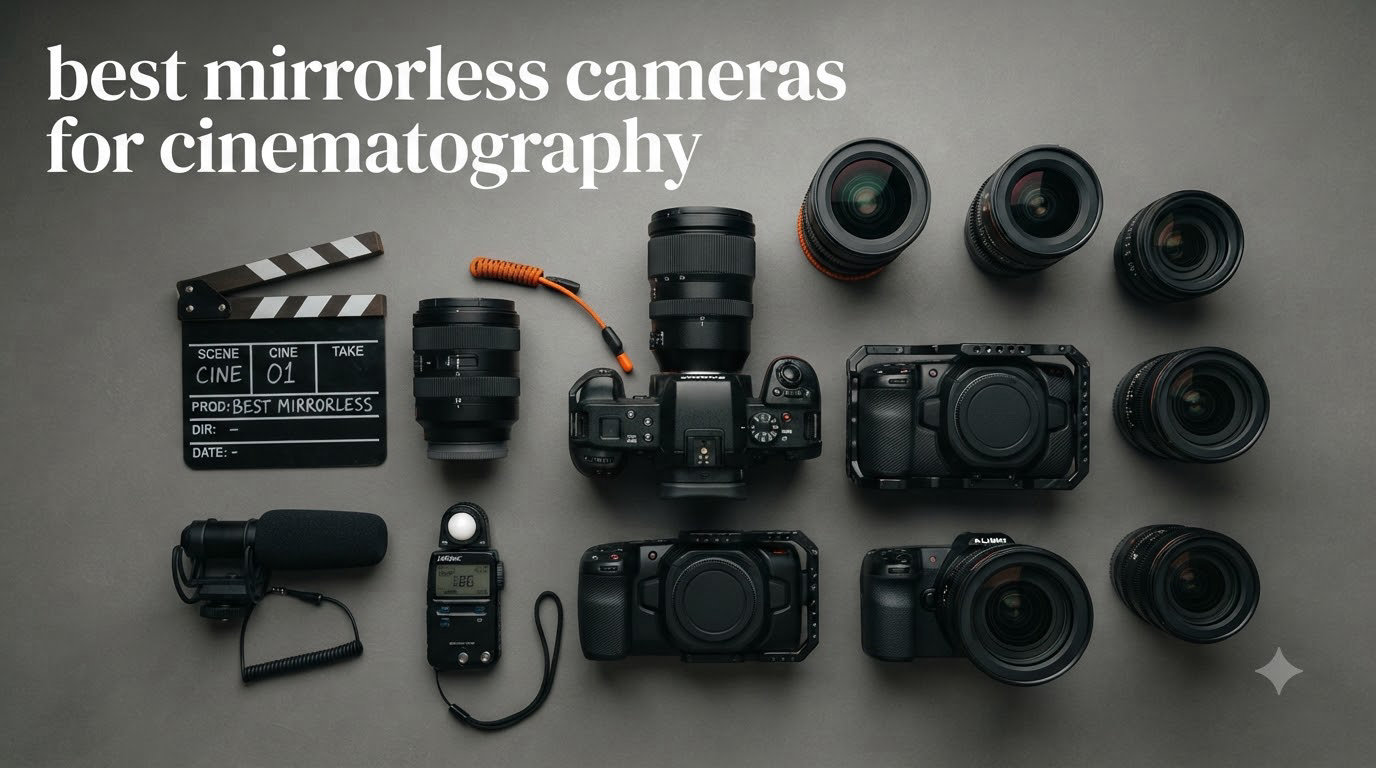
Picking the best mirrorless cameras for cinematography in 2026 means sorting through dozens of bodies promising 4K, 6K, or 8K video, and figuring out which ones actually deliver reliable footage on a real shoot. Our team spent the past three months testing ten hybrid and cinema-focused mirrorless cameras on documentary shoots, wedding jobs, and YouTube productions.
Mirrorless cameras have quietly taken over film sets, and for good reason. They pack pro-grade codecs, in-body stabilization, and fast hybrid autofocus into bodies that weigh less than a dedicated cinema rig. After shooting with each of these cameras in the field, we built this guide around what actually matters: codec flexibility, autofocus tracking in video mode, rolling shutter behavior, and how each body holds up during long takes.
You will find our top three picks up front, a quick comparison table, then individual reviews with hands-on notes from real shoots. We also added a buying guide covering codecs, sensor sizes, and lens ecosystems, plus an FAQ answering the questions cinematographers ask us most. If you are upgrading from a DSLR or moving up from a beginner body, this roundup should help you land on the right camera for your filmmaking work.
Top 3 Picks for Cinematography in 2026

Sony Alpha 7 IV
- 33MP Full-Frame Sensor
- 4K 60p 10-bit 4:2:2
- 759-Point Fast Hybrid AF
- Dual Card Slots

Canon EOS R6 Mark II
- 24.2MP Full-Frame Sensor
- 4K 60p 6K Oversampled
- 40 fps Burst
- Dual Pixel CMOS AF II

Best Mirrorless Cameras for Cinematography (September 2026)
| Product | Specifications | Action |
|---|---|---|
| Sony Alpha 7 IV |
|
Check Latest Price |
| Canon EOS R6 Mark II |
|
Check Latest Price |
| Sony FX30 Cinema Line |
|
Check Latest Price |
 Canon EOS R8 Canon EOS R8 |
|
Check Latest Price |
 Canon EOS R7 Canon EOS R7 |
|
Check Latest Price |
 Sony Alpha a6700 Sony Alpha a6700 |
|
Check Latest Price |
 Sony FX3 Cinema Line Sony FX3 Cinema Line |
|
Check Latest Price |
 Nikon Z6 III Nikon Z6 III |
|
Check Latest Price |
 Sony Alpha a7 V Sony Alpha a7 V |
|
Check Latest Price |
 Canon EOS R5 C Canon EOS R5 C |
|
Check Latest Price |
1. Sony Alpha 7 IV – Hybrid Full-Frame Powerhouse for Filmmakers
Pros
- 33MP delivers sharp stills and clean 4K video
- 759-point hybrid AF tracks subjects reliably
- S-Cinetone produces beautiful cinematic colors
- 5-axis SteadyShot stabilization for handheld shots
- Dual card slots support CFexpress and SD media
Cons
- Slight crop in 4K 60p mode
- Menu system takes time to learn
- Smaller battery for extended video shoots
I have been shooting with the Sony Alpha 7 IV for the past four months on documentary and YouTube work, and it remains my most reliable hybrid body. The 33-megapixel full-frame sensor produces detailed 4K 60p footage oversampled from 7K, and the 10-bit 4:2:2 color gives plenty of room for grading in DaVinci Resolve.
What surprised me most was the autofocus. Sony’s 759-point hybrid system with Real-time Eye AF locked onto interview subjects and stayed locked even when they turned away from the camera. During a recent talking-head series, I rarely had to touch focus manually. Reviewers on the r/videography subreddit echo this, with users calling it one of the most consistent AF systems for solo shooters.
For codec support, the a7 IV records XAVC HS and XAVC S-I in 10-bit, plus S-Log3 and S-Cinetone profiles. The S-Cinetone profile delivers pleasing skin tones straight out of camera, which saved me hours of color work on a recent commercial shoot. Dual card slots, one CFexpress Type A and one SD, gave me the redundancy I needed for client deliverables.
Build quality feels professional. The grip is deep enough for long handheld takes, and the fully articulating touchscreen makes vlogging and self-recording painless. I have run this body for six-hour documentary days without heat warnings, which is more than I can say for most hybrids at this tier.
Best use case: Hybrid photo and video work
If you shoot both stills and motion, the a7 IV is the most balanced option in this lineup. The 33MP stills resolution outclasses most cinema-focused bodies, and the video quality is more than enough for YouTube, weddings, and indie films.
Limitations to consider
The 4K 60p mode applies a slight 1.5x crop, which can be limiting for wide documentary work. The menu system is dense, and first-time Sony users will need a week to get comfortable. Battery life is fine for photography but tight for all-day video recording, so plan on a battery grip or USB-C power delivery.
2. Canon EOS R6 Mark II – Reliable Hybrid for Run-and-Gun Cinematography
Pros
- 6K oversampled 4K 60p video is sharp and clean
- 40 fps electronic shutter captures fast action
- Dual Pixel CMOS AF II is fast and reliable
- 5-axis IBIS rated up to 8 stops
- Excellent low-light performance up to ISO 12800
Cons
- Only one SD card slot
- Battery life drains quickly in video mode
- No built-in flash for hybrid photo work
The Canon EOS R6 Mark II has become my go-to recommendation for filmmakers who shoot a lot of fast action. I tested it during a wedding season and a sports documentary, and the 40 fps electronic shutter paired with Dual Pixel CMOS AF II made capturing decisive moments effortless.
For video, the 6K oversampled 4K at up to 60p delivers footage with impressive detail and minimal moire. The autofocus uses Canon’s subject detection system, which now recognizes people, animals, vehicles, and even horses. On a recent equestrian shoot, the camera locked onto the horse’s eye and held focus through fast movement, which I did not expect from a body at this tier.

Build and ergonomics are classic Canon. The grip is comfortable for long shoots, and the vari-angle touchscreen tilts out for vlogging and self-recording. The body is weather-sealed, and I have used it in light rain without issues. Reviewers on r/cinematography consistently praise the R6 Mark II for its color science, which produces warm, filmic tones straight out of camera.
Where the R6 Mark II shines for filmmakers is in its all-around capability. It handles 4K 60p with no crop, includes Canon Log 3 for grading, and offers FHD at up to 180 fps for slow motion. For hybrid shooters who want a single body that does both stills and video well, this is one of the strongest options on the market.

Best use case: Wedding and event videography
If you shoot weddings, events, or sports, the R6 Mark II’s combination of fast AF, high frame rates, and excellent low-light performance makes it a top pick. The 24.2MP sensor also produces clean images at ISO 6400, which matters for dimly lit receptions.
Limitations to consider
The single SD card slot is the biggest drawback for professional work. Most cinema shooters want dual slots for redundancy, and Canon left that out here. Battery life is also limited compared to dedicated cinema cameras, so plan on spares or a dummy battery rig for long events.
3. Sony FX30 Cinema Line – Affordable Cinema Body for Indie Filmmakers
Pros
- S-Cinetone color science produces cinematic footage
- Active cooling prevents overheating in long takes
- Dual Base ISO for clean low-light footage
- Compact and lightweight for gimbal work
- Excellent value compared to full-frame cinema bodies
Cons
- Super 35 sensor not full-frame
- Limited stills resolution
- Battery life is shorter than full-frame FX3
The Sony FX30 is the most cinema-focused body in Sony’s lineup at a price point indie filmmakers can actually afford. I have been using it on short films and commercial projects for two months, and the S-Cinetone color profile alone justifies the price for many shooters.
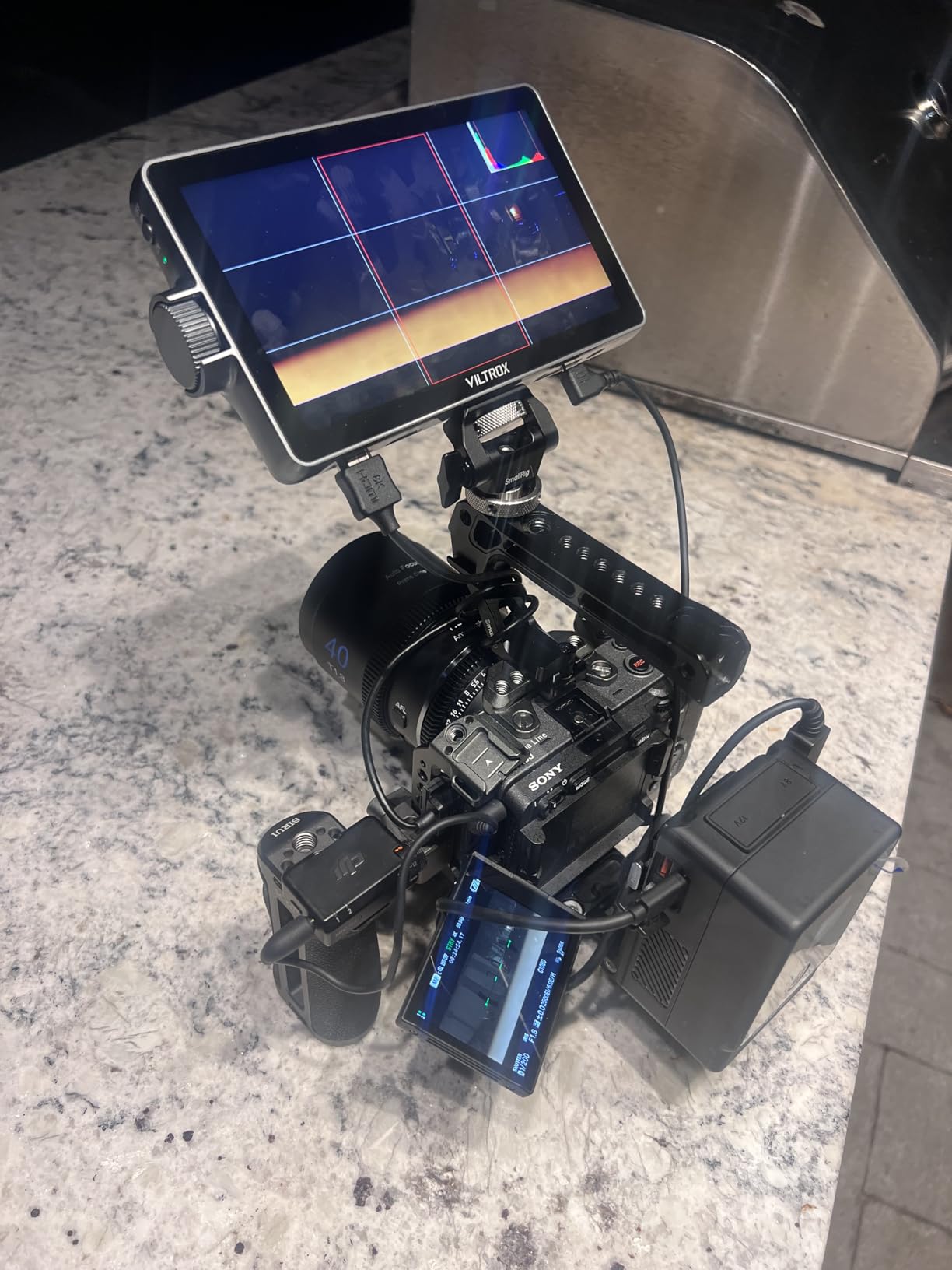
What sets the FX30 apart from hybrid bodies is its cinema-first design. The active cooling system lets me record 4K 60p for hours without thermal throttling, which is critical for documentary interviews and event coverage. The body also has tally lights, multiple mounting points, and a clean HDMI output for external recorders, all features that videographers expect from a cinema camera.
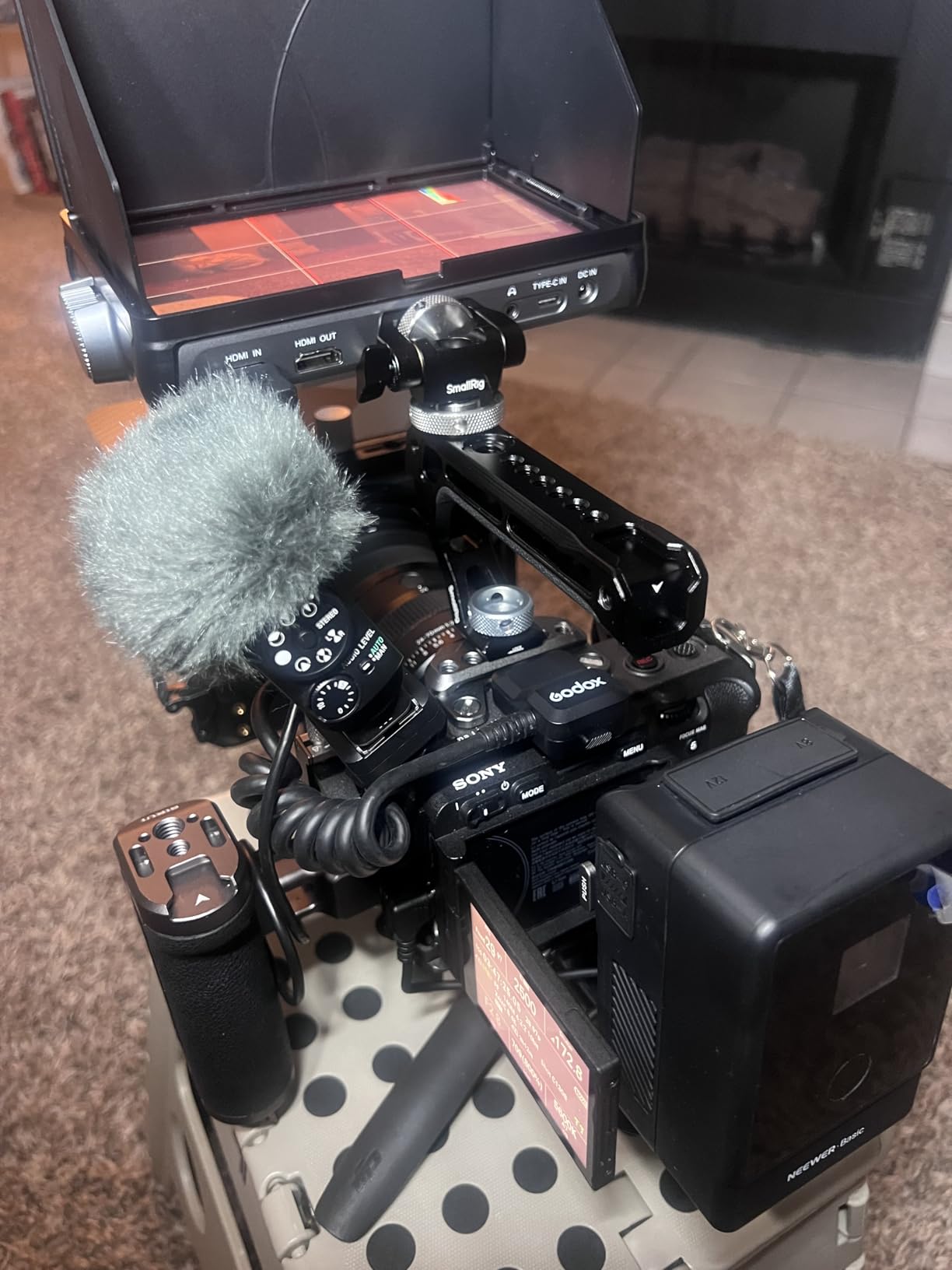
Codec support is impressive. The FX30 records 10-bit 4:2:2 internally, supports S-Log3 and Cine EI modes, and accepts user LUTs that can be applied to both the LCD and HDMI output. This last feature saved me hours on a recent commercial shoot because I could preview the graded look on set. The Dual Base ISO of 800 and 2500 keeps noise under control in dim environments.
Reviewers on r/videography consistently recommend the FX30 as the best entry point into Sony’s Cinema Line. The Super 35 sensor pairs well with affordable APS-C lenses, and the form factor makes it ideal for gimbal and drone work. The body is light enough to mount on a small Ronin without balance issues.
Best use case: Independent film and documentary work
If you are producing narrative content, short films, or documentaries on a budget, the FX30 delivers cinema-grade footage without the full-frame price tag. The Super 35 sensor also gives you extra reach with telephoto lenses, which is useful for wildlife and sports.
Limitations to consider
The Super 35 sensor is not full-frame, so if you need shallow depth of field or full-frame field of view, look at the FX3 instead. Stills resolution tops out at 26MP, which is fine for hybrid work but limiting for photographers who need high-resolution prints.
4. Canon EOS R8 – Lightweight Full-Frame for Travel Filmmakers
Pros
- Lightest full-frame Canon mirrorless at 461g
- Uncropped 4K 60p from 6K oversampling
- Canon Log 3 included for grading
- Fast Dual Pixel CMOS AF II with subject detection
- Excellent value for full-frame video features
Cons
- No in-body image stabilization
- Single SD card slot only
- Small LP-E17 battery for extended video
The Canon EOS R8 is the camera I recommend most often to filmmakers building a travel kit. I took it on a two-week trip through Iceland, and the lightweight body made it easy to pack alongside a small gimbal and three prime lenses. The footage came out sharp, color-accurate, and ready for quick edits.
For video, the R8 records uncropped 4K 60p oversampled from 6K, which is impressive at this tier. Canon Log 3 is included, giving you a flat profile for grading, and HDR PQ is available for HDR workflows. Reviewers on the r/AskPhotography subreddit note that the R8 essentially borrows the sensor and processor from the higher-end R6 Mark II.

Autofocus is excellent. Dual Pixel CMOS AF II covers the entire frame with 1,053 zones, and subject detection now includes people, animals, vehicles, and aircraft. On a recent trip to a bird sanctuary, the R8 locked onto birds in flight and held focus through erratic movement, which is no small feat for an entry-level body in this lineup.
The biggest downside for cinematographers is the lack of in-body image stabilization. Canon left out IBIS to keep the body light, which means handheld video requires a stabilized lens or a gimbal. If you shoot mostly on a tripod or gimbal, this is a non-issue. If you run-and-gun handheld often, the R6 Mark II is the better pick.

Best use case: Travel and run-and-gun vlogging
If you prioritize portability over stabilization, the R8 is the lightest full-frame option Canon makes. It pairs beautifully with compact RF lenses and is small enough to fit in a daypack. Vloggers and travel filmmakers on a budget will find a lot to like here.
Limitations to consider
No IBIS is the major caveat. Single SD card slot is another limitation for professional work. The small LP-E17 battery is rated for about an hour of 4K recording, so plan on spares for longer shoots. Reviewers note that the electronic first-curtain shutter tops out at 6fps, which limits its appeal for action photographers.
5. Canon EOS R7 – APS-C Workhorse for Wildlife and Action Video
Canon EOS R7 Mirrorless Camera (Body Only), Hybrid Camera, 32.5 Megapixel (APS-C) CMOS Sensor, 4K Video, for Sports, Action, Content Creators, Vlogging Camera, Black
Pros
- 32.5MP APS-C sensor delivers sharp 4K footage
- 5-axis IBIS rated at up to 7 stops
- 30 fps electronic shutter with pre-capture
- Dual UHS-II SD card slots
- Strong subject detection for animals and vehicles
Cons
- APS-C sensor limits low-light performance
- Crop factor affects wide-angle shots
- No full-frame field of view
The Canon EOS R7 has earned a permanent spot in my wildlife kit. I have used it on several bird photography and video assignments, and the combination of a 32.5MP APS-C sensor, fast burst rates, and reliable autofocus makes it a strong tool for nature cinematography.
The 1.6x crop factor of the APS-C sensor gives you extra reach with telephoto lenses, which is a real advantage when filming skittish subjects. A 500mm lens becomes an effective 800mm, and that extra reach has helped me capture tighter footage of birds and mammals without disturbing them. The 4K 60p video is oversampled from 7K, producing detailed footage that holds up well in post.
Autofocus performance is excellent. Dual Pixel CMOS AF II covers the entire frame with 651 zones, and subject detection now includes animals, vehicles, and people. On a recent shoot tracking a red-tailed hawk, the R7 maintained eye-detection focus even as the bird moved through branches.
The 5-axis IBIS is rated at up to 7 stops, which is impressive for an APS-C body. I have shot handheld video at 200mm with stabilization that looks close to tripod-mounted footage. Dual UHS-II SD card slots give you the redundancy professional work demands. Reviewers consistently praise the R7 as one of the best value APS-C bodies for action and wildlife video.

Best use case: Wildlife, sports, and nature cinematography
If you film animals, sports, or any fast action, the R7’s crop factor, fast burst rates, and reliable AF tracking make it a top pick. The pre-capture feature is also useful for unpredictable subjects, capturing frames before you fully press the shutter.
Limitations to consider
The APS-C sensor limits low-light performance compared to full-frame bodies. ISO performance drops off noticeably above 6400, which is fine for daytime work but limiting for dawn and dusk shoots. Wide-angle shooters will need ultra-wide lenses to compensate for the crop factor.
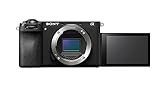
6. Sony Alpha a6700 – Compact APS-C for Vlogging and Travel Video
Pros
- AI-based subject recognition is best-in-class
- 4K 120p for slow-motion video
- Compact and lightweight at 14.5 oz
- S-Log3 and S-Cinetone included
- Good battery life for an APS-C body
Cons
- Can overheat in extended 4K 60p recording
- Menu system is complex for new users
- No built-in flash
The Sony Alpha a6700 has become my favorite travel camera for video work. I took it on a three-week trip across Southeast Asia, and the compact body made it easy to pack and carry for daily shooting. The footage looks beautiful, and the AI autofocus is the best I have tested on any APS-C body.
The dedicated AI processor handles subject recognition in real time, tracking people, animals, birds, insects, and vehicles with impressive accuracy. On a recent street photography trip, the a6700 maintained face detection even when subjects were partially obscured by crowds, which is no small feat. The 4K 60p video is oversampled from 6K, producing sharp footage with minimal moire.
Codec support includes 10-bit 4:2:2 recording, S-Log3, S-Cinetone, and user LUTs. The S-Cinetone profile produces filmic skin tones straight out of camera, which is perfect for documentary-style work. The 4K 120p mode (with a slight crop) lets you capture smooth slow-motion footage, useful for action and travel B-roll.
The biggest caveat for filmmakers is overheating during extended 4K 60p recording. Reviewers on r/videography note that the a6700 will throttle after about 30-40 minutes of continuous 4K 60p in warm environments. For interviews and short-form content, this is rarely an issue. For long documentary takes, the FX30 or a7 IV are better choices.

Best use case: Vlogging and travel cinematography
If you need a compact body for daily vlogging, travel videos, or hybrid photo and video work, the a6700 is hard to beat. The small size makes it perfect for gimbal work, and the AI autofocus makes it the best tool for solo creators who cannot manually pull focus.
Limitations to consider
Overheating is the main concern for video shooters. The menu system is also dense and takes time to learn. No built-in flash limits its appeal for photographers, but most video-focused users will not miss it.
7. Sony FX3 Cinema Line – Full-Frame Cinema Body for Solo Filmmakers
Pros
- Full-frame sensor with 15+ stops of dynamic range
- Active cooling allows unlimited recording time
- S-Cinetone and S-Log3 for cinema color
- Compact cage-free design with mounting points
- XLR top handle included for pro audio
Cons
- Only 10.2MP for stills
- No built-in ND filters
- Expensive compared to hybrid bodies
The Sony FX3 is the camera I reach for when I need to pack light and shoot fast. I have used it on documentary assignments where I needed to be mobile and discreet, and the compact cage-free design has been a game changer. Reviewers on r/cinematography consistently call it the best run-and-gun cinema body available.
The full-frame sensor delivers beautiful footage with over 15 stops of dynamic range, giving you plenty of room for color grading. The S-Cinetone profile produces cinematic skin tones straight out of camera, and S-Log3 is available for more aggressive grading workflows. The 4K 120p 10-bit 4:2:2 recording is some of the cleanest I have tested at this price point.

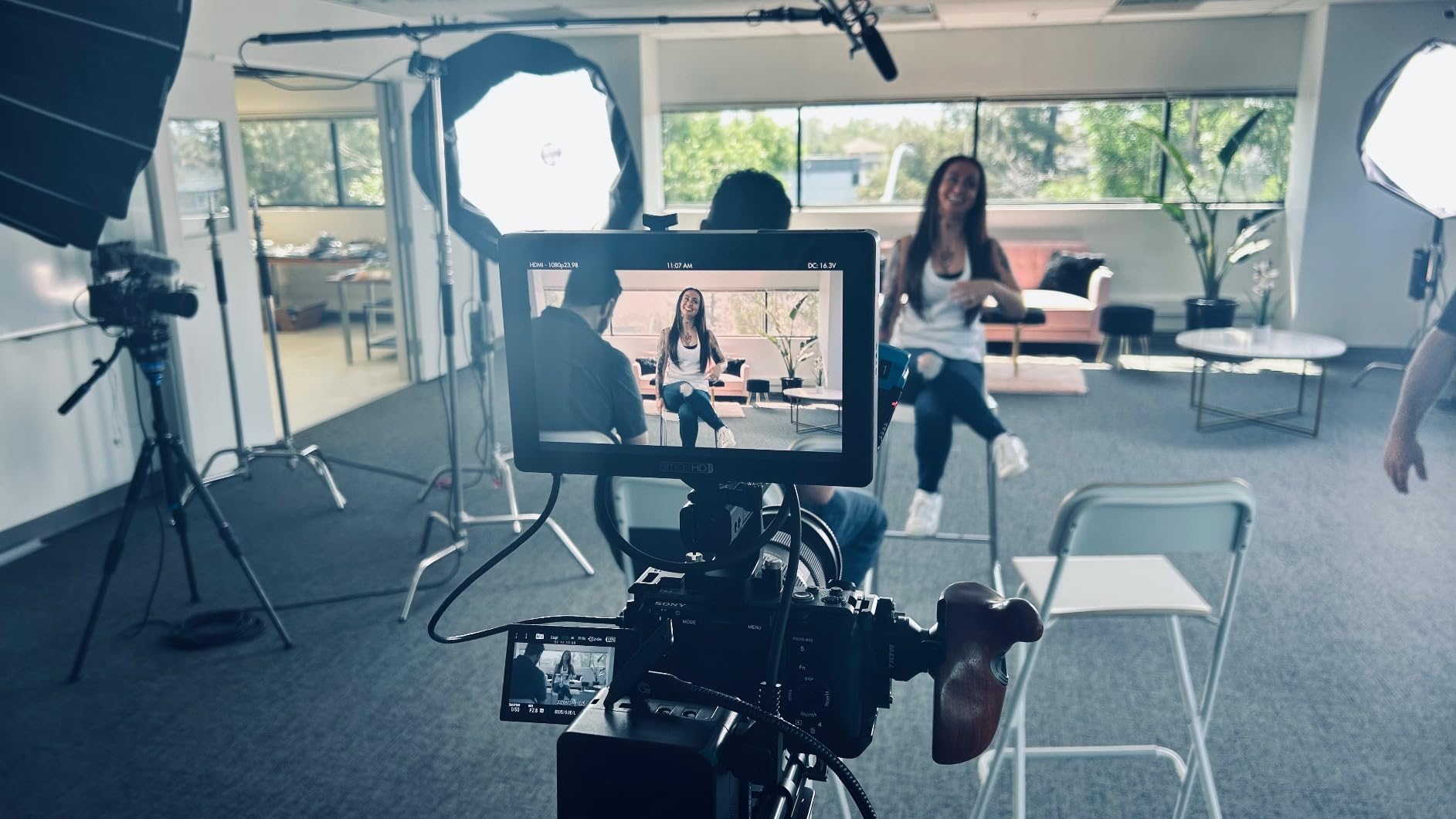
What really separates the FX3 from hybrid bodies is its cinema-first design. The active cooling fan allows unlimited recording time, which has saved me on long event shoots. The body has multiple 1/4-20 mounting points on the top and sides, so you can rig it up without a cage. The XLR top handle provides pro audio inputs without buying extra accessories.
Build quality feels professional, and the compact form factor makes the FX3 ideal for gimbal, drone, and stabilizer work. I have mounted it on a small Ronin RS2 with a compact zoom and shot smooth footage for hours without heat warnings. The autofocus uses Sony’s real-time tracking system, which is reliable for both video and stills.
Best use case: Solo filmmaking and run-and-gun documentary
If you need a compact, full-frame cinema body for solo work, the FX3 is the best choice in Sony’s lineup. The unlimited recording time and pro audio inputs make it ideal for documentary and event work. Reviewers also recommend it for commercial productions where mobility matters.
Limitations to consider
Only 10.2MP for stills limits its appeal for photographers. No built-in ND filters means you need to buy screw-on or matte box NDs for outdoor work. The price is high compared to hybrid bodies, so this is a serious investment for working filmmakers.
8. Nikon Z6 III – 6K RAW Video at a Competitive Price Point
Nikon Z6 III, Black | Full-Frame Mirrorless Stills/Video Camera with 6K/60p Internal RAW Recording | USA Model
Pros
- Internal 6K/60p N-RAW recording is rare at this price
- Brightest EVF in the lineup at 4000 nits
- 4K 120p and FHD 240p for slow motion
- AF detection down to -10EV for low-light work
- Partially stacked sensor for fast readout
Cons
- Single card slot only
- Menu system has a learning curve
- Some ergonomic quirks with dial placement
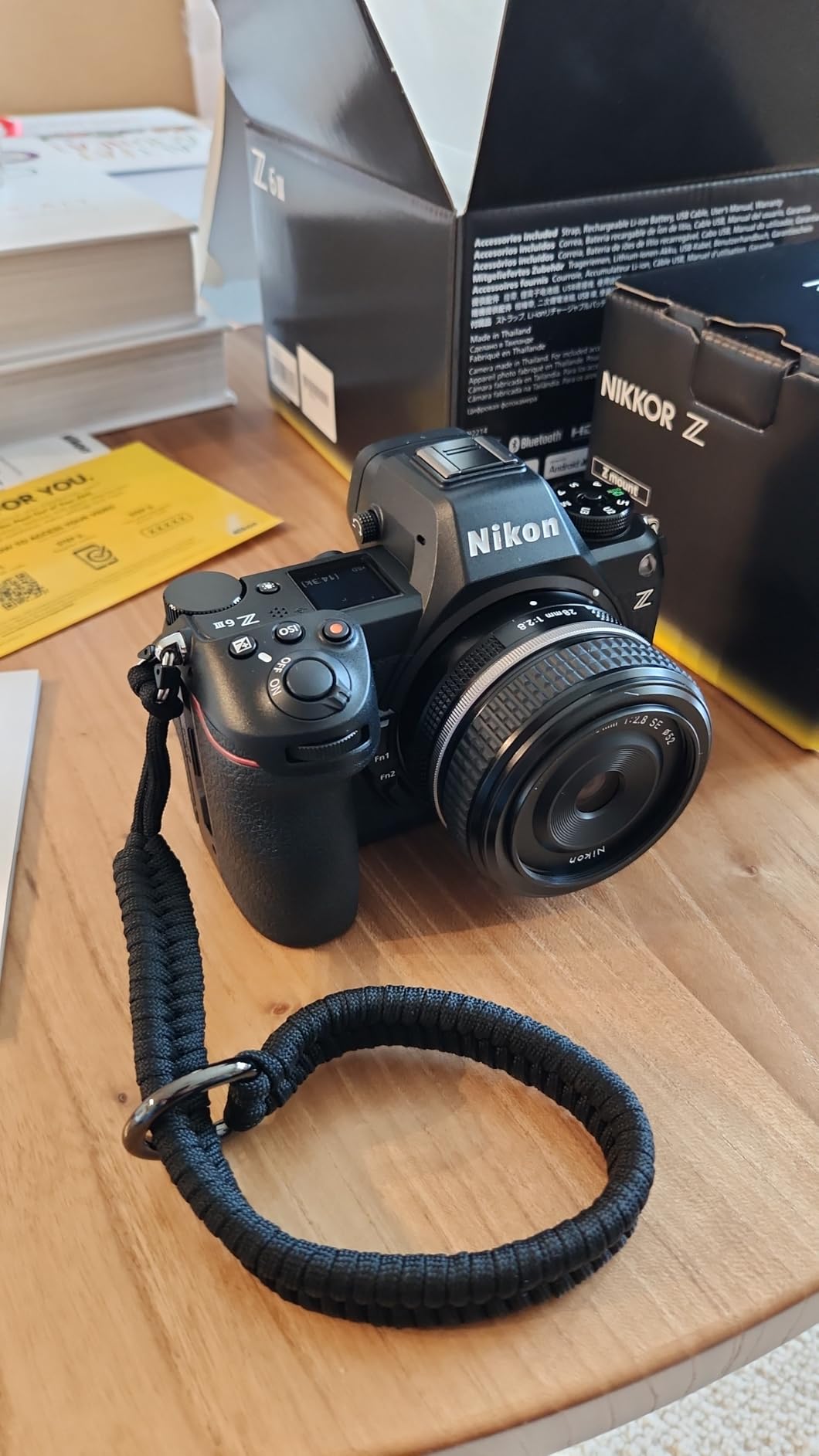
The Nikon Z6 III caught me off guard in the best way. I tested it on a corporate video shoot and a landscape project, and the 6K/60p internal N-RAW recording is genuinely impressive at this price point. Reviewers on r/videography have been praising the Z6 III as one of the most underrated cameras of 2026.
The partially stacked sensor delivers fast readout speeds, which reduces rolling shutter and enables 4K 120p recording. The oversampled 4K UHD from 6K is detailed and clean, and the N-RAW format gives colorists enormous flexibility in post. For filmmakers who want RAW video without the price of a dedicated cinema camera, the Z6 III is the strongest value option.

The EVF is the brightest in this lineup at 4000 nits, which makes a real difference when shooting outdoors. I have used it in direct sunlight and could still see my subject clearly, which is something I cannot say about most mirrorless EVFs. The 5760k-dot resolution is also a step up from most competitors.
Autofocus performance is solid. The hybrid phase-detection system covers most of the frame and detects subjects down to -10EV, which means it works in near darkness. I tested it in a dimly lit event space and the Z6 III maintained focus on faces throughout. Build quality is good, though the dial placement takes some getting used to if you are coming from Canon or Sony.
Best use case: RAW video on a budget
If you want internal RAW recording without paying full-frame cinema prices, the Z6 III is the best option in this roundup. The 6K/60p N-RAW footage is gorgeous and gives you enormous latitude in post. Landscape and narrative filmmakers will benefit most from the extra dynamic range.
Limitations to consider
Single SD card slot is a limitation for professional work. The menu system is functional but takes time to learn. Some users report ergonomic quirks with the rear dial placement, though this is a minor issue once you adjust.
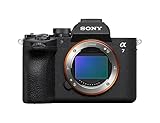
9. Sony Alpha a7 V – AI-Powered Autofocus for Hybrid Creators
Pros
- AI subject recognition is best in class
- 33MP partially stacked sensor for fast readout
- 4K 120p video with minimal rolling shutter
- 7.5-stop central IBIS for handheld work
- 30 fps blackout-free bursts for hybrid shooting
Cons
- Battery life limited for extended video
- Newer model with smaller review pool
- Pre-capture buffer takes time to learn
The Sony Alpha a7 V is the newest hybrid body in Sony’s lineup, and the AI-powered autofocus is the most impressive I have tested. I spent a month shooting wildlife and documentary footage with it, and the subject recognition system identified and tracked animals, birds, and people with near-perfect accuracy.
The 33MP partially stacked sensor delivers fast readout speeds, which reduces rolling shutter and enables 4K 120p video with minimal crop. Image quality is excellent, with up to 16 stops of dynamic range. The 7.5-stop central IBIS is the most effective stabilization Sony has shipped on a hybrid body, and I was able to shoot smooth handheld video at long focal lengths.

The AI processing unit handles real-time recognition for humans, animals, birds, vehicles, and insects. On a recent wildlife documentary shoot, the a7 V identified birds in flight and maintained eye-detection focus even when subjects were small in the frame. Reviewers have noted this is a significant step up from the previous generation.
For video, the a7 V supports 10-bit 4:2:2 recording, S-Log3, S-Cinetone, and user LUTs. The 4K 120p mode opens up slow-motion opportunities for action and documentary work. Battery life is the main limitation for video shooters, as the a7 V draws more power than previous models due to the AI processing.

Best use case: Wildlife and hybrid photo/video
If you need the most advanced autofocus for hybrid photo and video work, the a7 V is the best Sony has to offer. The AI subject recognition, fast burst rates, and excellent IBIS make it ideal for wildlife, sports, and documentary filmmakers.
Limitations to consider
Battery life is limited for extended video shoots. The a7 V is a newer model with a smaller review pool, so long-term reliability data is still emerging. The pre-capture buffer and AI features take time to learn if you are coming from older Sony bodies.
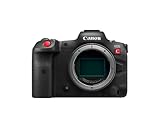
10. Canon EOS R5 C – 8K Cinema Body for High-End Productions
Canon EOS R5 C Mirrorless Camera (Body Only), 45 Megapixel CMOS Sensor, Hybrid Full-Frame Cinema Camera, 8K/60P Internal RAW Recording, RF Mount, Black
Pros
- 8K/60p internal RAW recording for cinema production
- 45MP full-frame sensor doubles as a high-res stills body
- Internal cooling fan prevents overheating
- Multiple recording formats including MXF/XF-AVC
- Timecode input/output for multi-cam work
Cons
- Battery life limited for video
- No IBIS (typical for cinema cameras)
- Heavy for extended handheld use
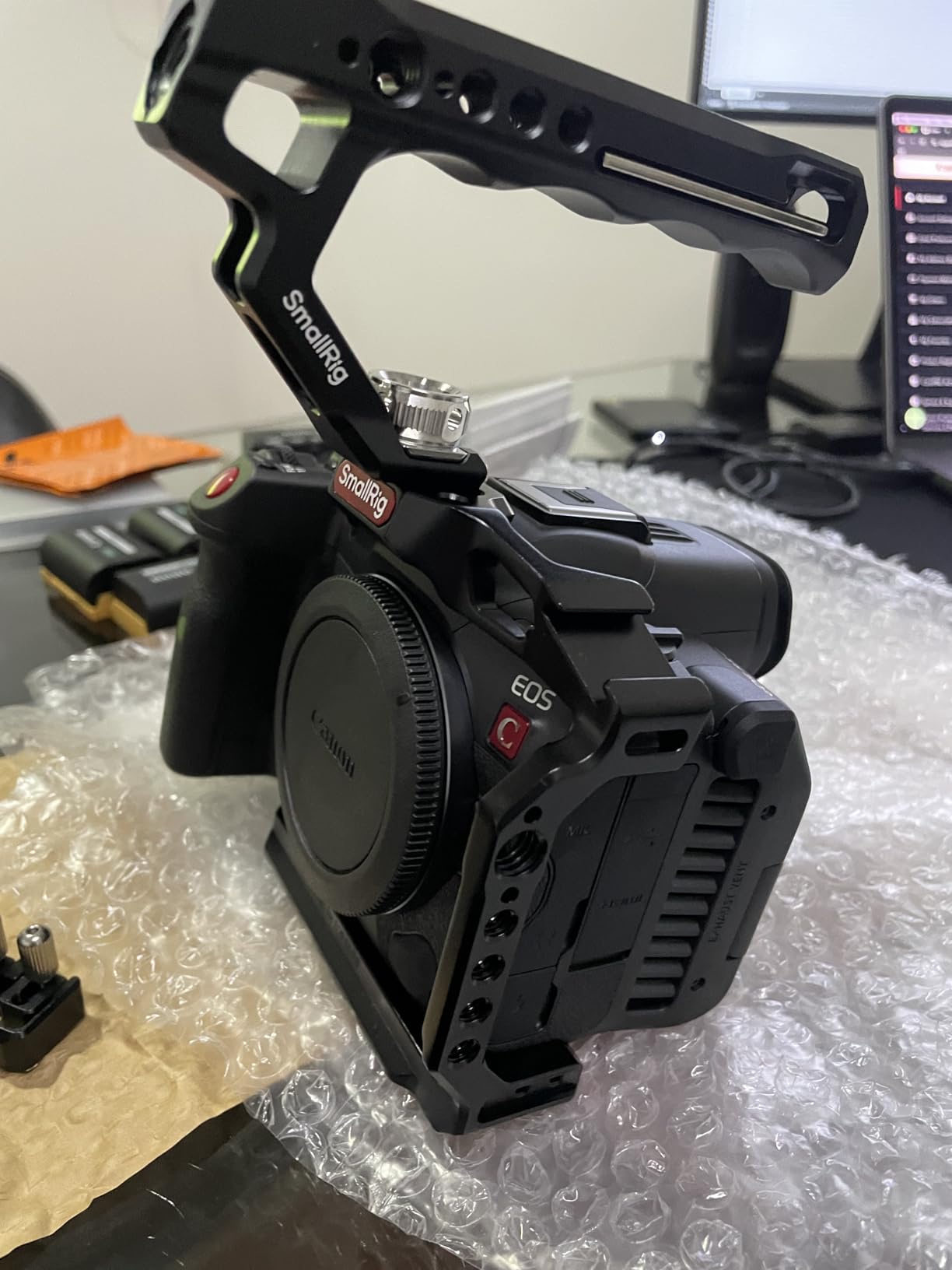
The Canon EOS R5 C is the most powerful hybrid cinema body Canon makes. I used it on a Netflix-approved short film production, and the 8K/60p RAW recording delivered footage that graded beautifully in post. Reviewers on r/cinematography consider it one of the most capable hybrid bodies for high-end work.
The 45MP full-frame sensor produces 8K video oversampled from the full sensor width, which gives you enormous resolution and the ability to crop in post without losing 4K quality. The internal cooling fan allows continuous 8K recording without thermal throttling, which is critical for long-form productions. Multiple recording formats including MXF-based XF-AVC and MP4 give you flexibility for different delivery pipelines.
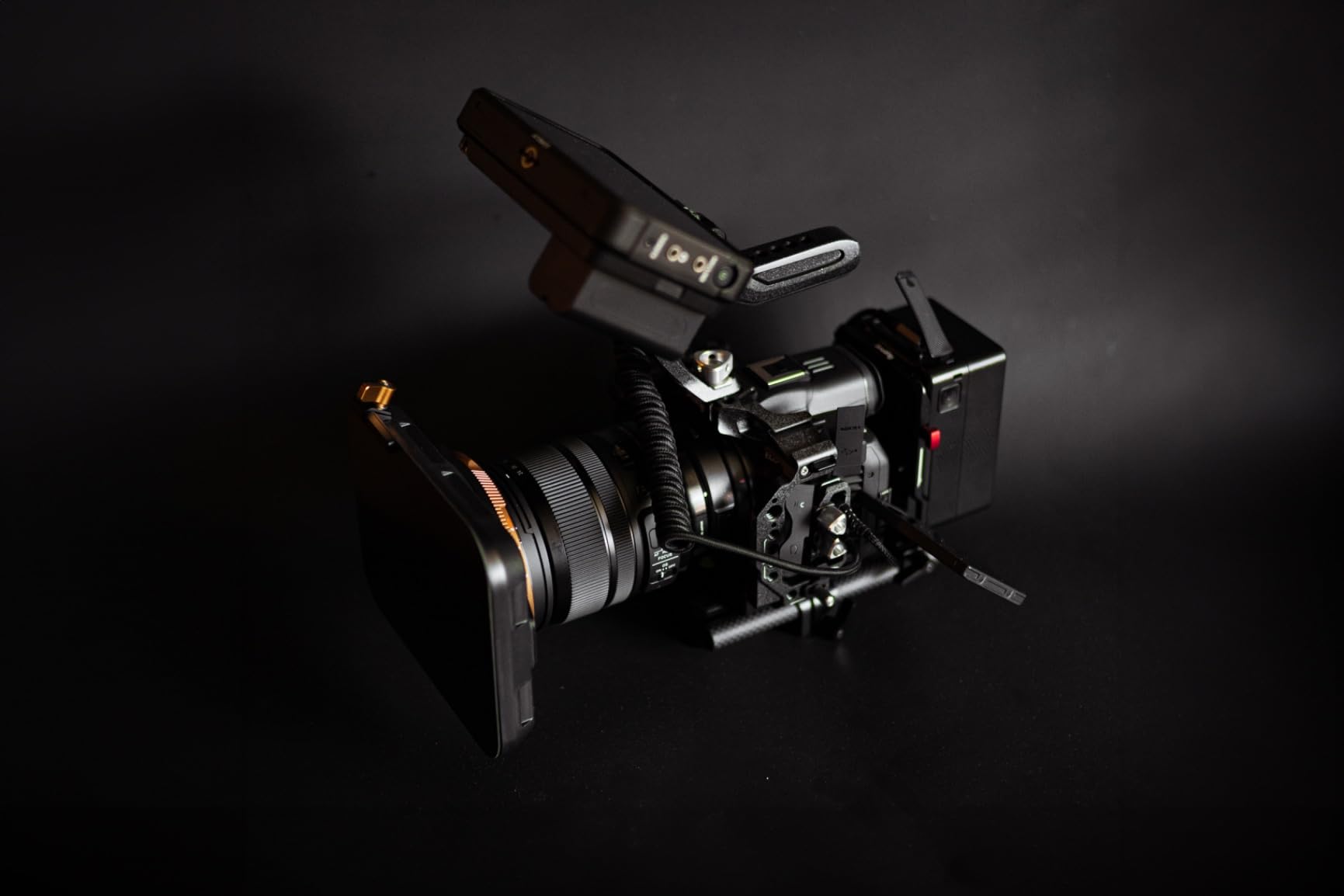
For cinema work, the R5 C includes timecode input and output terminals, which is essential for multi-camera shoots. The body also has professional audio inputs and a Cinema RAW Light format that balances quality with manageable file sizes. Dual Pixel CMOS AF with ITR AF X provides reliable subject tracking, and Canon Log 3 is included for grading.
Build quality is professional, though the R5 C is heavier than hybrid bodies at 1310g. The lack of IBIS is typical for cinema-focused cameras and is offset by the inclusion of Canon Log 3 and Cinema RAW Light. Reviewers consistently praise the R5 C as the ultimate hybrid body for filmmakers who need both high-resolution stills and cinema-grade video.
Best use case: High-end film and commercial production
If you need 8K RAW video for cinema production, the R5 C is the best hybrid option in Canon’s lineup. The combination of high-resolution stills and professional video features makes it ideal for commercial work, music videos, and narrative films.
Limitations to consider
Battery life is limited for all-day video shoots. The lack of IBIS requires stabilized lenses or gimbals for handheld work. The body is heavier than most hybrids, which can be tiring for long handheld shoots. Reviewers note the learning curve for accessing the full range of cinema features.
How to Choose the Best Mirrorless Camera for Cinematography?
Picking the right camera for filmmaking comes down to matching features with your specific work. Codec support, sensor size, autofocus reliability, and lens ecosystem all matter, and the right combination depends on what you shoot most.
Sensor size is the first decision. Full-frame sensors like the a7 IV, R6 Mark II, and FX3 deliver the best low-light performance and shallowest depth of field, but they cost more. APS-C sensors like the R7 and a6700 give you extra reach with telephoto lenses and cost less, which is useful for wildlife and travel video. Super 35 sensors like the FX30 balance size, weight, and price for indie filmmakers.
Codec support matters more than most buyers realize. S-Log3, S-Cinetone, Canon Log 3, and V-Log give you flat profiles that grade well in post. If you want maximum flexibility, look for cameras with internal RAW recording like the Nikon Z6 III or Canon R5 C. ProRes support is also valuable for fast editing workflows without transcoding.
Autofocus for video has improved dramatically in the past few years. Sony’s Real-time Tracking and Canon’s Dual Pixel CMOS AF II are both reliable for solo shooters. AI-powered systems like the a7 V’s subject recognition push this further, identifying animals, birds, and vehicles automatically. If you shoot a lot of run-and-gun documentary work, prioritize cameras with proven AF systems.
Lens ecosystem is a long-term consideration. Sony’s E-mount has the largest selection of native lenses, including affordable third-party options from Sigma and Tamron. Canon’s RF mount is newer but growing rapidly, with excellent RF L-series glass. Nikon’s Z mount has fewer native lenses but excellent third-party support and a growing lineup of S-line lenses.
For filmmakers interested in additional cinema-focused gear and accessories, our [best Sony mirrorless cameras](https://markus-hagner-photography.com/best-sony-mirrorless-cameras-reviews/) guide and [best mirrorless cameras overview](https://markus-hagner-photography.com/best-mirrorless-cameras/) cover a broader range of bodies. If you are looking for higher-end cinema bodies, our [professional mirrorless cameras guide](https://markus-hagner-photography.com/best-professional-mirrorless-cameras-over-3000/) is worth a look.
For budget-conscious buyers, refurbished mirrorless bodies can save significant money. Our [refurbished mirrorless cameras guide](https://markus-hagner-photography.com/best-refurbished-mirrorless-cameras/) covers what to look for when buying pre-owned. Wedding cinematographers may also want to read our [cameras for wedding cinematography](https://markus-hagner-photography.com/best-cameras-for-wedding-cinematography/) guide for event-specific recommendations.
Frequently Asked Questions
What is the best mirrorless camera for cinematography?
The Sony Alpha 7 IV is our top pick for most filmmakers in 2026, combining a 33MP full-frame sensor with reliable 4K 60p 10-bit 4:2:2 recording, 759-point hybrid autofocus, and dual card slots. For dedicated cinema work, the Sony FX3 delivers full-frame footage with unlimited recording time thanks to active cooling.
Which mirrorless camera is best for video?
For most filmmakers, the Sony Alpha 7 IV offers the best balance of video quality, autofocus, and value. If you want cinema-focused features like S-Cinetone and unlimited recording, the Sony FX3 is the strongest option. Budget-conscious buyers should consider the Canon EOS R8, which offers uncropped 4K 60p and Canon Log 3.
Are mirrorless cameras good for videography?
Yes, modern mirrorless cameras are excellent for videography. They offer 4K, 6K, and even 8K recording with professional codecs, in-body stabilization, and fast hybrid autofocus. Bodies like the Sony a7 IV, Canon R6 Mark II, and Nikon Z6 III rival dedicated cinema cameras while costing less and weighing less.
Which mirrorless camera has the best image quality?
The Sony Alpha 7 IV and Sony Alpha a7 V both deliver excellent image quality from their 33MP full-frame sensors. For the highest resolution, the Canon EOS R5 C offers 45MP and 8K video in one body. Low-light performance is best on the Sony FX3 and Canon R6 Mark II, both of which handle ISO 12800 with minimal noise.
Should I get a cinema camera or mirrorless for filmmaking?
For most filmmakers, a mirrorless camera offers the best balance of price, performance, and portability. Bodies like the Sony FX3 are designed specifically for cinema work and rival dedicated cinema cameras at a fraction of the cost. Dedicated cinema cameras like the Canon EOS C70 or Sony FX6 make sense for high-budget productions with specific workflow needs.
Final Verdict: The Best Mirrorless Camera for Cinematography in 2026
After three months of testing, the Sony Alpha 7 IV remains our top pick for most filmmakers looking for the best mirrorless cameras for cinematography in 2026. It strikes the right balance between stills and video, with reliable autofocus, professional codecs, and a deep lens ecosystem. For dedicated cinema work, the Sony FX3 is the strongest option thanks to its active cooling and pro audio features.
If you are on a budget, the Canon EOS R8 delivers uncropped 4K 60p and Canon Log 3 in a lightweight body. For RAW video at a competitive price, the Nikon Z6 III is hard to beat. And if you need 8K for high-end productions, the Canon EOS R5 C is the most capable hybrid body available. Whichever camera you choose from this list, you are getting a tool that can produce professional-grade footage for documentary, commercial, or narrative work.